Bei Reach Out, Wir glauben, dass es sehr wichtig ist, die Erfolge der Studierenden zu feiern. Wir freuen uns, einen weiteren Star-Studenten bekannt zu geben - Emma!
Emma repräsentiert alles, was Studierende mit harter Arbeit und dem Engagement für Spitzenleistungen erreichen können. Emmas Lehrer erkennen sie als eine Schülerin an, die eine wunderbare Einstellung zum Lernen hat, ist sehr empfänglich für Anweisungen, und hat eine äußerst unterstützende Familie, die oft mit ihren Lehrern kommuniziert. Im Unterricht, Emma ist eine aufmerksame und aufmerksame Zuhörerin, die selbstbewusst genug ist, ihre Ideen zu teilen, aber geduldig genug, um jedem seinen Platz zu geben. Es macht ihr nichts aus, Risiken einzugehen, und ist in der Lage, ihre Persönlichkeit in ihre Arbeit einzubringen.
Emma ist derzeit für unsere Stufe „Kreatives Lesen und Schreiben“ eingeschrieben 4 Kurs, und sie hat eine echte Begabung darin bewiesen, in ihren Texten starke Bilder zu schaffen. Zu Beginn des Semesters, Sie verfasste eine Rezension der Disneyland-Filiale von Blue Frog in Shanghai.
Emma zeigte ihre Fähigkeit, bestimmte Aspekte eines Ortes zu kritisieren, und ihre Ideen mit geeigneten Details weiterentwickeln.
„Die Aussicht und die Lage sind beide sehr zufriedenstellend. Abends können wir draußen sitzen und den Anblick des Disney-Schloss und des Feuerwerks genießen.“

Im Laufe des Semesters, Emma zeigte eine Entwicklung ihrer Schreibfähigkeiten, und begann, fortgeschrittenere literarische Techniken zu integrieren. In einer Aufgabe zur Beschreibung von Landschaften, Emma gelang es, mit präzisem Vokabular und bildlicher Sprache ein starkes Bild zu schaffen.
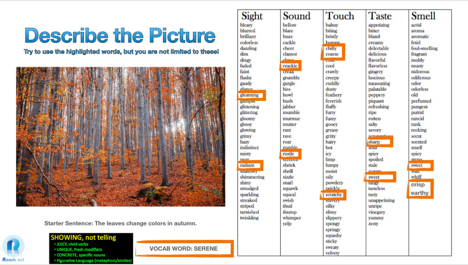
„Flauschiges Moos spritzte auf die salzigen Felsen, als sie sich weit ausbreiteten, wie Marmelade auf Brot. Trübe Wellen bildeten sich, als der Brunnen in den darunter liegenden Teich fiel.“
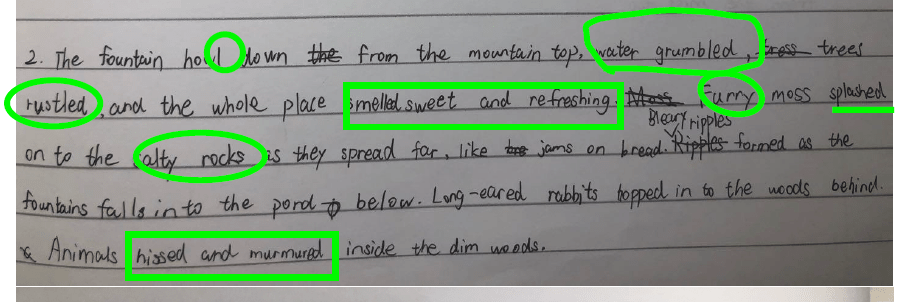
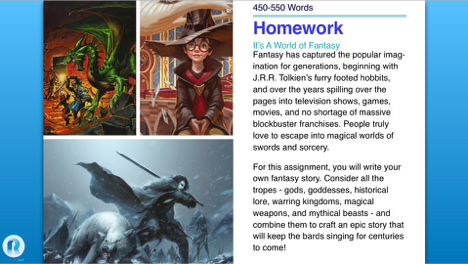
Emma wandte weiterhin die Lektionen an, die sie im Laufe des Kurses gelernt hatte, und ihre Fähigkeiten als Schriftstellerin wurden stärker. In einer aktuellen Aufgabe zum Schreiben einer Fantasy-Erzählung, Emma hat den Schauplatz und Charakter ihrer Geschichte bewusst und wirkungsvoll konstruiert.
„Glitzernder Sonnenschein schien vom Fenster bis ins Weiche, seidiges Bettlaken. Neben dem offenen Fenster blühten süße Blumen in warmen Farben. Düstere, aber sorgfältige Zeichnungen hingen an der erfrischenden, algengrünen Wand.“

Wie Sie sehen können, Emma weist Merkmale einer vielversprechenden jungen Schriftstellerin auf. Ihre Entschlossenheit, sich zu verbessern, und die sorgfältige Anwendung der vermittelten Lektionen haben dazu beigetragen, ihr Schreiben auf ein fortgeschritteneres Niveau zu heben.
Danke Emma, dafür, dass du so ein STAR bist! Wir freuen uns darauf, Ihr Wachstum noch lange zu sehen. Wir wissen, dass dies nur der Anfang einer brillanten Reise ist.
Als Pädagogen, Wir wurden oft die Frage gestellt, „Wie kann ich mein Kind dazu bringen, nicht mehr Comics zu lesen??Die Eltern sind besorgt, dass Comics keinen Bildungswert bieten, sind nicht akademisch streng genug, oder am schlimmsten von allen, eine Verschwendung der Zeit ihres Kindes. Dazu, Unsere Antwort überrascht sie normalerweise überrascht sie, Und diese Antwort ist, „Lassen Sie sie Comics lesen!”
Es ist verständlich, dass Eltern etwas besorgt sind, da die Wahrnehmung ist, dass Comics nur zum Lesen von Vergnügen sind, Jedoch, Comics haben viele Vorteile, die uns nicht helfen können, die Zeit zu verbringen.
Comics und Grafikromane sind keine neuen Schreibformen. Natürlich, Sie werden seit Generationen viele genossen. Im Laufe der Jahre, Das Genre hat sich mit beträchtlicher Tiefe und Bedeutung in eine verändert, Aus diesem Grund ermutigen wir Eltern, ihren Kindern nicht nur zu erlauben, Comics zu lesen, aber auch um sie dabei zu unterstützen.
Hier sind unsere wichtigsten Gründe, warum Comics gelesen werden sollten (Besonders im Sommer!):
Für Studenten, die keine englischen Muttersprachler sind, Comics bieten ihnen eine großartige Möglichkeit, die englische Literatur zu genießen. Für viele Kinder, Die Aufgabe, von einem Englisch -Lehrbuch zu einem Roman zu wechseln, kann sehr entmutigend sein, Comics können jedoch eine notwendige Brücke für sie bieten, um Selbstvertrauen zu schaffen und fließend zu lesen. Die visuellen Hinweise in den Bildern ermöglichen es den Schülern, ein tieferes Verständnis der Handlung und der Charaktere sowie des neuen Wortschatzes zu erstellen. Zusätzlich, Es führt sie in effektive literarische Geräte ein, wie Onomatopoeia (Denken Sie an pow! KLATSCHEN! ZOOM!) und Redewendungen (eine Illustration, die die Bedeutung einer Idiom wie zeigt, „Katze hat deine Zunge?”Macht viel sinnvoller, als die Idiom selbst zu erhitzen!).

2.Verbesserung der Inferenz
Inferenz ist eine wichtige Lesefähigkeiten, mit der viele Schüler bei standardisierten Leseeinschätzungen zu kämpfen haben. Schlussfolgerung geschieht, wenn wir Schlussfolgerungen basieren, was wir lesen. Einige Beispiele für Fragen, die die Schüler während des Leseverständnisses oder Bewertungen begegnen werden, sind solche wie z., „Wie fühlte sich der Charakter an, als?”, "Worüber kannst du schließen ..." und "Was war die Lektion in der Geschichte??Comics verlangen, dass die Schüler „zwischen den Zeilen lesen“, um Informationen zu schließen, die normalerweise vom Erzähler in einem Roman erzählt werden, Sie können also viele wertvolle Erfahrungen bei der Stärkung dieser Fähigkeit sammeln, indem sie Comics lesen.
3.Wortkraft!
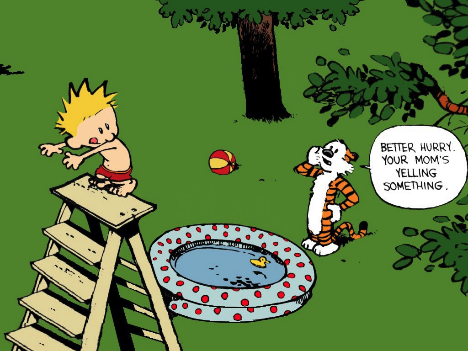
Oft in Comics und Graphic Novels, Autoren sind ein ziemlich fortgeschrittenes Vokabular, sowohl als Teil der Handlung als auch in den Namen der Charaktere. In 2016 auf der weltberühmten Comic-Con in San Diego, Kalifornien, Ein Diskussionsteilnehmer der Pädagogen diskutierte die Kraft von Comics beim Aufbau von Vokabeln der Schüler. James Bucky Carter, Autor von Building Alphabeta -Verbindungen mit Graphic Novels sagte, „Du hast Koloss, Und er ist so groß, Riesenmetall -Typ. Sie bekommen ein wirklich gutes Gespür dafür, was das Wort Colossus bedeutet, und das ist ein gutes 10-Cent-Wort. Banshees Kraft schreit. Sie haben diese Charaktere, die die Wortschatzwörter verkörpern, die sie sind. Das ist eine unterhaltsame Art, neue Wörter zu lernen, Zusätzlich zu den kontextuellen Hinweisen. “
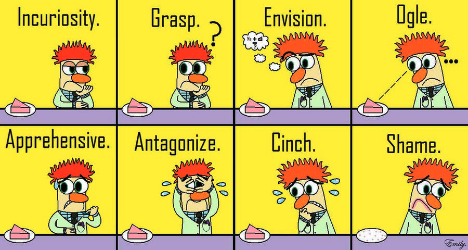
Nachdem Sie dies gelesen haben, möchten Sie möglicherweise nur Ihr Kind direkt in das Lesen von Comics oder Grafikromanen eintauchen lassen! Das ist Musik für unsere Ohren. Wenn Sie nicht sicher sind, wo Sie anfangen sollen, Wir haben einige Schülerfavoriten, die Ihr Kind gerne versuchen möchte!
Hundemann von Dave Pilkey

Miles Morales Spider-Man von Jason Reynolds

Lächeln, Schwestern, Geister, Drama und andere Geschichten von Raina TeleGemeier

Knochen von Jeff Smith

Auf der Suche nach weiteren Sommerlesemöglichkeiten für Ihr Kind? Wenden Sie sich an einen unserer Bildungsberater, um weitere Informationen zu unseren Sommerlesekursen zu erhalten. Wir freuen uns auf das Lesen mit Ihrem Kind!
Die Prüfungssaison ist da, und es kann sowohl für Schüler als auch für Eltern eine sehr stressige Zeit im Jahr sein. Bei Reach Out möchten wir unser Bestes tun, um Prüfungsangst zu lindern, indem wir einige einzigartige Lerntipps anbieten, die Sie vielleicht noch nicht ausprobiert haben.
Viele Eltern und Lehrer, die es gut meinen, haben sich oft an die herkömmliche Weisheit des Lernens gehalten, Jedoch, Wenn wir uns einige interessante forschungsbasierte Ansätze ansehen, können wir erkennen, dass es eine Vielzahl effektiver Möglichkeiten zum Lernen gibt! Es ist immer gut, neue Dinge auszuprobieren, vor allem für Kinder. Schon in jungen Jahren können sie neue Wege kennenlernen, Dinge zu tun, und wenn sie etwas älter sind, Sie können den Weg wählen, der ihren persönlichen Bedürfnissen und ihrem Stil am besten entspricht.
Jetzt, Werfen wir einen Blick auf drei einzigartige Möglichkeiten des Lernens.

Abwechslung ist die Würze des Lebens – auch im Studium
Für viele, Viele Jahre lang wurde uns das gesagt, um gut lernen zu können, Wir sollten jeden Tag am selben Ort lernen; ein Ort, der ruhig ist, gut beleuchtet, und verfügt über alle unsere Materialien. Während dies für einen Teil der Zeit, in der wir studieren, zutreffen mag, Untersuchungen zeigen, dass es unserem Gehirn tatsächlich besser geht, wenn wir den Ort, an dem wir lernen, wechseln. Ziemlich überraschend, Rechts?
In einer Studie, die schon damals durchgeführt wurde 1978, College-Studenten wurden gegeben 40 Vokabeln zum Lernen. Einer Gruppe wurde gesagt, sie solle die Liste zweimal am selben Ort studieren. Die andere Gruppe wurde angewiesen, die Liste an zwei verschiedenen Orten zu studieren. Was sie fanden, war, Die Gruppe, die ihre Lernorte variierte, schnitt tatsächlich besser darin ab, sich die Wörter später zu merken. Warum ist das so?? Also, Unser Gehirn stellt häufig Verbindungen zu Informationen her, die auf unserer Umgebung basieren, Je mehr wir also unsere Umgebung verändern, desto mehr geben wir unserem Gehirn die Möglichkeit, Informationen zu speichern, da diese sich an mehr Dinge binden. Dies kann auch der Grund sein, warum eine Visualisierungstechnik verwendet wird, Dabei visualisiert man Dinge, an die man sich erinnern möchte, an bestimmten Orten in einer Umgebung, mit der man vertraut ist, kann auch so effektiv sein. Für Studenten, Ein einfacher Wechsel der Umgebung könnte den Zweck erfüllen!
Viel Spaß!
Manche Eltern könnten das fälschlicherweise denken, wenn ihr Kind beim Lernen oder Studieren lacht oder aufgeregt ist, Sie könnten ihre Zeit verschwenden. Jedoch, Dies ist nicht unbedingt der Fall.
Als Eltern, An Ihrem Arbeitsplatz oder im Büro finden von Zeit zu Zeit spezielle Workshops statt. Die Workshops dienen in der Regel als Hilfsmittel zum Erlernen einer neuen Strategie, Idee, oder Informationen, die Ihnen helfen, bei der Arbeit mehr zu lernen. Diese Sitzungen werden häufig von Personen geleitet, die sich auf die Gestaltung motivierender und inspirierender Workshops spezialisiert haben, die die Mitarbeiter beleben und mit Energie versorgen. Die Tage können lang und intensiv sein, aber wenn sie richtig gemacht werden, Mitarbeiter können zuversichtlich in ihr neues Wissen und ihre neuen Fähigkeiten einsteigen.
Das Gleiche gilt auch für junge Menschen. Die Einführung von Spiel und Spaß als Lernmethode für Prüfungen zaubert Ihrem Kind nicht nur ein Lächeln ins Gesicht, Untersuchungen zeigen jedoch, dass Spaß beim Lernen bestimmte kognitive Ressourcen aktiviert, verbindet Belohnungen und Vergnügen mit dem Lernen, stärkt und erweitert Gedächtnisnetzwerke, und schaltet abstraktes Denken und fokussierte Aufmerksamkeit um.

Die Pomodoro-Technik
Konzentriert bleiben, Es kann sowohl für Erwachsene als auch für Kinder schwierig sein, bei der Aufgabe zu sein und motiviert zu sein, bestimmte Aktivitäten zu erledigen. Haben Sie jemals das Gefühl gehabt, stundenlang auf einen Computerbildschirm zu starren?, aber sehr wenig erreicht? Oder vielleicht haben Sie in ein paar Tagen eine Frist, aber wir nähern uns nur langsam der Ziellinie? Kein Wunder, Untersuchungen zeigen, dass unser Geist dazu neigt, dorthin zu wandern 20% der Zeit, vielleicht sogar mehr für jüngere Leute.
Eine interessante Technik wurde vom College-Studenten Francesco Cirillo entwickelt, um ihm zu helfen, konzentriert zu bleiben, und das ist die Pomodoro-Technik, Der Name stammt von dem tomatenförmigen Timer, den Cirillo benutzte, als er diese Strategie an sich selbst testete. So funktioniert es: Sie stellen einen Timer ein 25 Minuten, Das ist Arbeitszeit. Dann stellen Sie es erneut ein 5 Minuten, Das ist Pausenzeit. Dies ist eine großartige Zeit zum Aufstehen, strecken, Machen Sie eine Runde um das Haus, Streichle deine Katze, oder trinken Sie etwas Wasser oder einen Snack. Nach der Pause ist die Zeit abgelaufen, Stellen Sie den Timer für einen anderen ein 25 Minuten und wiederholen!
Es stellt sich heraus, dass diese Strategie durch wissenschaftliche Beweise gestützt wird, Forscher kamen zu dem Schluss, dass kurze Pausen dabei helfen, die Aufmerksamkeitsspanne aufrechtzuerhalten. Dies könnte damit zusammenhängen, dass kognitive Langeweile zu einem unengagierten Geist führen kann, Das ist das Letzte, was Sie wollen, wenn Sie für eine wichtige Prüfung lernen.
Wir hoffen, dass Ihnen das Erkunden dieser einzigartigen Lerntipps genauso viel Spaß gemacht hat wie uns! Ich wünsche Ihrem Kind diesen Monat viel Glück bei den Prüfungen. Jiayou!
Wir wissen, dass wir so viel tun können, um unsere Kinder zu fördern und zu erziehen, Deshalb unternehmen wir als Eltern oft große Anstrengungen, um ihre Zeit mit bereichernden Aktivitäten und Kursen zu füllen. Warum machen wir das?? Natürlich aus vielen Gründen, Das Hauptziel besteht jedoch darin, ihren zukünftigen Erfolg sicherzustellen. Eltern hoffen, dass ihre Kinder im Leben noch erfolgreicher sein werden als sie selbst. Erfolg, Natürlich, ist subjektiv, Und vielleicht haben wir alle unsere eigene Definition von Erfolg. Im Allgemeinen jedoch, Wir sind uns vielleicht einig, dass Erfolg auch bedeutet, dass man im persönlichen Leben zufrieden ist, sowie ein Gefühl der beruflichen Zufriedenheit und finanziellen Sicherheit.
Kürzlich gab es einen interessanten TED-Talk, der in den sozialen Medien geteilt wurde, in dem ehemaliger Dekan des Freshman an der Stanford University, Julie Lythcott-Haims, zitiert Beweise aus der Harvard Grant Study, die den beruflichen Erfolg im Leben damit in Zusammenhang bringen, dass Personen als Kinder Hausarbeiten erledigt haben. Kein Fußballtraining, kein Sprachenlernen, nicht malen, aber Aufgaben.

Überraschend, richtig?
Viele unserer Kinder, die in Großstädten aufwachsen, wissen möglicherweise nie, wie es ist, ein Gericht zu schrubben, ein Fenster putzen, oder einen Boden wischen. Wir könnten das Gefühl haben, dass es Wichtigeres zu tun gibt, um ihr Wissen und ihren Charakter zu stärken. Lythcott-Haims erklärt, dass diejenigen Kinder, die sich die Hände schmutzig machen, Jedoch, können im Leben ein Erfolgsniveau erreichen, das ihre Kollegen übertrifft, die keine Hausarbeiten erledigen. Das liegt daran, dass den Schülern beigebracht wird, wie sie sich einbringen und eingreifen können, wenn Arbeit erledigt werden muss, und dass er die „Grunzarbeit“ erledigt, über die andere vielleicht spotten, weil es das Beste für alle ist, ist das, was am Arbeitsplatz wahrgenommen wird.
Bemerkenswert waren die Arbeitsplätze der Leistungsträger, die an der Harvard Grant Study teilnahmen, wie das Weiße Haus, wo der Teilnehmer Präsident Kennedy arbeitete, und das Redaktionsbüro, in dem Ben Bradlee als Herausgeber der Washington Post saß. Wir können davon ausgehen, dass ihre Eltern, wie wir, musste drängen und flehen, damit die Aufgaben erledigt wurden, und akzeptiere das, selbst wenn sie fertig wären, Sie waren möglicherweise nicht gut gemacht; und das ist okay.
Das Wichtige, wie Lythcott-Haims betont, ist das, indem man Hausarbeiten erledigt, Kinder erkennen, dass sie, „…müssen die Arbeit des Lebens erledigen, um Teil des Lebens zu sein.“ Sie erkennen, dass ihnen das Leben nicht einfach so passiert, und für sie, Aber mit ihnen.
Wenn Ihre Kinder im Sommer bereits Hausarbeiten erledigen, Bravo! Sie sind auf dem richtigen Weg. Wenn nicht, Kein Grund zur Panik. Es ist nie zu spät, Aufgaben in das Leben unserer Kinder einzuführen. Hier sind einige Tipps, die Ihnen den Einstieg erleichtern!

Lassen Sie sie ein Teil davon sein
Bei der Einführung des Konzepts, dass Ihre Kinder Aufgaben erledigen, um zu helfen, Halten Sie ein „Familientreffen“ ab, bei dem alle anwesend sind, um zu besprechen, was von Ihren Kindern erwartet wird und warum. Sie können Ihr Kind bitten, Ihnen beim Schreiben einer Liste von Aufgaben zu helfen, bei denen es möglicherweise im Haushalt helfen könnte. Sie werden Sie vielleicht mit ihrem Enthusiasmus überraschen, denn für manche Kinder ist die Hausarbeit sehr aufregend, weil sie sich dadurch gestärkt und hilfsbereit fühlen (zwei Dinge, die wir als Erwachsene oft gerne fühlen).
Game-ify It
Damit es Spaß macht, weil Spaß alles besser macht, Sie oder Ihr Kind können die Aufgaben auf Eisstiele schreiben und jeden Tag kann Ihr Kind ein Stäbchen aus dem Glas auswählen. Das wird ihre Aufgabe für den Tag sein! Wenn Sie mehr als ein Kind zu Hause haben, Sie können das Putzen jederzeit in einen Wettbewerb verwandeln, indem Sie einen Timer einstellen und sehen, welches Kind in der vorgegebenen Zeit die meisten Spielsachen reinigen kann, Zum Beispiel.
Belohnen Sie es
Als Eltern, Wir werden für unseren Einsatz bei der Arbeit mit einem Gehalt belohnt. Sollten unsere Kinder nicht auch für ihre harte Arbeit belohnt werden?? Eine Idee ist, dass Ihr Kind alle seine Aufgaben für die Woche erledigt, Er oder sie kann aus einer „Schatzkiste“, die mit kleinen Spielzeugen gefüllt ist, ein kleines Spielzeug auswählen. Eine andere Möglichkeit könnte darin bestehen, dass Ihr Kind einen Monat lang konsequent seine Aufgaben erledigt, Sie können einen ganz besonderen Familienausflug wählen.
Es ist nicht immer einfach, unseren Kindern Hausarbeiten beizubringen, Aber die potenziellen Vorteile sind die Zeit und Mühe wert. Wir hoffen, dass Sie unsere Tipps hilfreich fanden, und dass sie zu einer positiven Erfahrung für Sie und Ihr Kind führen können. Viel Spaß beim Putzen!
Wir freuen uns, einen neuen Sommer-Buchclub bekannt zu geben, nur für Eltern! Der Sommer ist die perfekte Zeit, um das Buch zu lesen, das Sie schon immer lesen wollten, hatte aber keine Zeit dazu. Diesen Sommer, Wir laden Sie ein, mit uns zu lesen Wie man spricht, damit Kinder zuhören und wie man zuhört, damit Kinder reden.
Wir wissen, dass es aufgrund der Anforderungen der Schule nicht immer einfach ist, Kontakt zu unseren Kindern aufzubauen, Arbeit und Alltag. Manchmal hindern uns unsere Zukunftsängste daran, unser Leben jetzt zu leben. Jedoch, Eines können wir garantieren: Wir werden nie wieder die Chance bekommen, die Kindheit mit unseren eigenen Kindern zu erleben, und wir möchten diese kostbare Zeit nicht missen. Also, Wie können wir das Beste daraus machen und sinnvolle Gespräche mit unseren Kindern führen, die unsere Bindung stärken und unseren Kindern helfen, sich unterstützt zu fühlen?? Das sind große Fragen, die viele von uns haben.
Um uns bei der Beantwortung dieser wichtigen Fragen zu helfen, Wir laden Sie ein, mit uns eines der beliebtesten Elternbücher aller Zeiten zu lesen, geschrieben von Adele Faber und Elaine Mazlish. Wie man spricht, damit Kinder zuhören und Hören Sie zu, damit Kinder reden, Dadurch lernen wir, die Gefühle unserer Kinder zu akzeptieren, Denn wenn wir dies nicht tun, könnten wir unabsichtlich schlechtes Verhalten hervorrufen. Es lehrt uns auch positive Möglichkeiten, die Zusammenarbeit zu fördern, sowie Unabhängigkeit, Autonomie, und Selbstvertrauen. Dies sind alle notwendigen Zutaten, um eine positive Eltern-Kind-Beziehung aufzubauen, die tatsächlich dazu beiträgt, unsere Kinder zu selbstbewussten und fähigen Erwachsenen heranzuwachsen.

Wie wird es funktionieren??
Der erste Schritt besteht darin, einen unserer Bildungsberater zu kontaktieren, um sich zu registrieren. Die Registrierung ist KOSTENLOS und steht allen offen! Wir werden ab dem 1. Juli einen Gruppenchat erstellen, in dem die Inhalte des Buchstudiums und der Austausch stattfinden. Lindsey Fein, unser Bildungsmanager, wird der Gruppe auch als Elternteil beitreten, da sie Mutter von zwei Jungen ist, gealtert 4 Und 6, Wer wird mit Ihnen lernen?. Sie wird auch dabei helfen, die wöchentlichen Diskussionen zu leiten.
Das Buch ist auf Englisch und Chinesisch erhältlich und in gedruckter Form leicht zugänglich, E-Book, oder Hörbuchformate.
Dann gibt es zwei Möglichkeiten, wie Sie teilnehmen möchten:
Der Leseplan ist wie folgt:
Woche 1: Kapitel 1 & 2
Woche 2: Kapitel 3 & 4
Woche 3: Kapitel 5 & 6
Woche 4 Kapitel 7 & Nachwort
Am Ende des Monats, Wir werden einen Online-Workshop unter der Leitung eines Schulberaters veranstalten, Regina Wehner. In der Werkstatt, Regina wird Ihnen zusätzliche Informationen und Strategien mitteilen, mit denen Sie Ihre Beziehung zu Ihrem Kind stärken können.
About Regina Wehner

Regina Wehner ist eine lizenzierte Schulberaterin, die seit über 20 Jahren mit Schülern der Mittelschule zusammenarbeitet 16 Jahre. Ursprünglich aus den Vereinigten Staaten, sie lebt mit ihrem Mann zusammen und 2 Kinder, Alter 10 Und 12, in Peking, China.
Regina arbeitet an der Western Academy of Beijing (WAB), eine vielfältige internationale Schule. Ein großer Teil der Arbeit als Schulberater besteht darin, den Schülern dabei zu helfen, während ihres Heranwachsens mehr über sich selbst und andere zu erfahren. Regina veranstaltet außerdem monatliche Elternkaffeevormittage, um Eltern zusammenzubringen, um mehr über die Entwicklungsveränderungen ihrer Kinder und die Kommunikation in diesen Übergangszeiten zu erfahren.
Kontaktieren Sie uns noch heute, um beizutreten!
Helfen Sie Ihrem Kind, neue Vokabeln zu lernen
Die Forschung zeigt, dass wir wollen, dass Studierende im akademischen Kontext erfolgreich sind, über wichtige Beurteilungen und anspruchsvolle Prüfungen, sowie ihre zukünftige Karriere, Wir müssen ihnen helfen, ihren Wortschatz zu entwickeln. Der Grund dafür ist folgender: Unser Verständnis neuer Informationen hängt direkt mit unserem Verständnis des Vokabulars zusammen, mit dem diese neuen Informationen kommuniziert werden.
Für Studenten, Die Erweiterung ihres Wortschatzes ist ein Schlüssel zum Erfolg beim Erlernen einer Sprache; Je mehr Wörter wir kennen, desto mehr Wörter verstehen wir, und je mehr Wörter wir in unserem Schreiben verwenden können, um es wirkungsvoller und effektiver zu machen. Jedoch, Das Erlernen von Vokabeln wird manchmal als mühsamer oder schwer fassbarer Prozess angesehen. Manchmal sind Eltern nicht sicher, wie sie ihre Kinder anleiten sollen, Vor allem, weil die Art und Weise, wie wir Vokabeln lernen, sich stark von der Art und Weise unterscheiden kann, wie Eltern es in der Schule gelernt haben.
Mach dir keine Sorge, Reach Out ist hier, um zu helfen! Lassen Sie uns den Wortschatzerwerb untersuchen (der Prozess des Auswendiglernens und Anwendens neuer Vokabeln), und wir sagen Ihnen, wie Sie Ihrem Kind beim Aufbau seines Wortschatzes helfen können!

Sprechen Sie darüber!
Es mag zu einfach erscheinen, aber wenn es darum geht, neue Wörter zu lernen, Eine wirksame Möglichkeit für junge Menschen, dies zu tun, besteht darin, mit anderen zu sprechen. Kinder lernen neue Wörter am besten, wenn sie im Kontext stehen, beispielsweise in einem Gespräch über ein bestimmtes Thema. Sie können die Bedeutung einiger neuer Wörter daraus ableiten, wie sie zusammen mit den anderen Wörtern, die sie bereits kennen, verwendet werden.
Wahrscheinlich wurden Sie schon oft von Ihrem Kind unterbrochen, wenn Sie unbekanntes Vokabular verwenden und es neugierig nachfragt, „Was bedeutet Katastrophe??„Vielleicht meinten Sie den Zustand ihres Schlafzimmers (denn es ist ein völliges Durcheinander), und indem man sich einen Moment Zeit nimmt, um ihnen die vielfältigen Bedeutungen von Katastrophe zu erklären, Sie haben ihnen nicht nur ein neues Wort beigebracht, um einen unordentlichen Raum zu beschreiben, sondern auch ein Fehler oder ein natürlich vorkommendes Phänomen, wie zum Beispiel eine Naturkatastrophe.
Also, Wenn Sie mit Ihrem Kind sprechen, können Sie ihm neue Wörter beibringen!
Entdecken Sie es!
Den Schülern ist im Allgemeinen klar, dass sie ein Wörterbuch oder einen Übersetzer verwenden können, wenn sie auf ein Wort stoßen, das sie nicht kennen, Aber manchmal hinterlässt sogar die Definition eines Wortes mehr Fragen als Antworten.
Unserer Erfahrung nach, Viele Schüler nutzen ein sehr wichtiges Werkzeug zum Erlernen und Anwenden neuer Vokabeln nicht, und dieses Werkzeug ist ein Thesaurus! Wenn Sie bemerken, dass Ihr Kind beim Sprechen oder Schreiben ein Wort übermäßig verwendet, Zum Beispiel, "hübsch", "Niedlich", "Gut", oder „schlecht“, Nehmen Sie sich dann etwas Zeit, um ihnen zu zeigen, wie man eine Website wie verwendet thesaurus.com um diese Wörter nachzuschlagen. Wenn sie nach einem Wort wie „hübsch“ suchen, werden sie feststellen, dass es stattdessen so viele interessante und einzigartige Wörter gibt, die sie verwenden können! ICH
Unserer Erfahrung nach, Den Schülern macht es großen Spaß, neues Vokabular zu verwenden, und fühlen Sie sich gestärkt, weil Sie wissen, dass es ein Werkzeug gibt, das ihnen hilft, ihren Worten mehr Kraft zu verleihen.
Spielen!
Spaß am Lernen zu haben, ist nicht nur etwas, was Lehrer tun, um ihre Schüler glücklich zu machen, Die Neurowissenschaften haben tatsächlich bewiesen, dass es ein wirksames Mittel ist, Schülern dabei zu helfen, immer tiefer zu lernen. Untersuchungen zeigen, dass Schüler sowohl angeregt als auch herausgefordert werden, Ihr Gehirn schüttet Dopamin aus. Dopamin ist ein Neurotransmitter, der die Gedächtniszentren stimuliert und die Freisetzung von Acetylcholin fördert, was die fokussierte Aufmerksamkeit erhöht.
In unseren Kursen hier bei Reach Out, Vokabelunterricht ist ein wichtiger Bestandteil jeder Unterrichtsstunde. Wir haben auch Kurse, die diesen Sommer starten, Vokabeltrainer-Stufen 1-3, Dabei konzentrieren wir uns ausschließlich darauf, Ihrem Kind dabei zu helfen, seinen Wortschatz durch herausfordernde neue Wörter zu erweitern. Während die gewählten Worte die Herausforderung darstellen, Tools wie Quizlet und Spiele wie Guess Who und Sentence Racer bieten Schülern die Möglichkeit, auf sinnvolle und ansprechende Weise zu interagieren.

Woher wissen wir, dass diese Methoden wirksam sind?? Denn unsere jahrzehntelange Erfahrung, und das Studium der pädagogischen Psychologie und Methodik haben uns gelehrt, wie Schüler am besten lernen!
Wir würden Ihrem Kind gerne helfen, neue Vokabeln zu lernen, damit es zu einem effektiveren und erfolgreicheren Leser werden kann, Schriftsteller, und Sprecher. Erfahren Sie mehr darüber, wie wir Ihnen helfen können, Kontaktieren Sie noch heute einen unserer Bildungsberater!
Wenn Sie nach einem individuelleren Bildungsdienst suchen, Reach Out bietet 1-zu-1-Services mit unseren erfahrenen Pädagogen!
Was bieten wir an??
Unsere Lehrer bieten ein breites Spektrum an Einzelunterrichtsfächern an, darunter auch Englisch, Sozialwissenschaften, und Mathematik.
Lernen Sie einige unserer hochqualifizierten und erfahrenen Lehrer kennen!

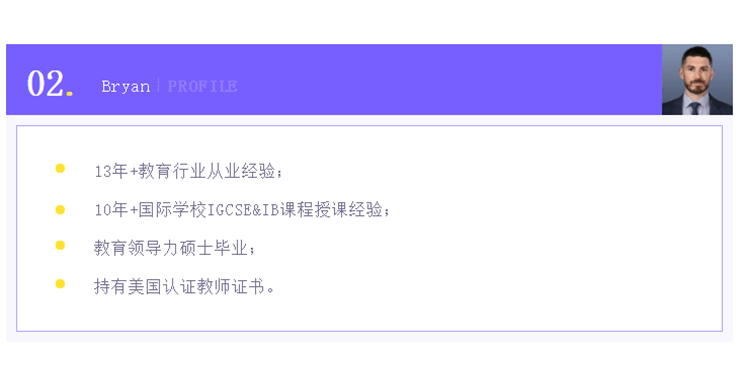


Warum sollte ich mich für 1-zu-1-Dienste entscheiden??
Vielleicht bereitet sich Ihr Kind auf ein Auslandsstudium vor oder bewirbt sich an einer neuen Schule und wünscht sich eine intensivere und gezieltere Herangehensweise, um seine Fähigkeiten zu verbessern. Alternativ, Möglicherweise fühlt sich Ihr Kind mit seinem aktuellen Lehrplan nicht ausreichend herausgefordert, und benötigt einen alternativen Ansatz, der seinem Leistungsniveau besser entspricht.
Es gibt eine Reihe von Gründen, warum Eltern nach solchen Diensten suchen, Und wir können Ihnen versichern, dass wir stets daran arbeiten werden, die einzigartige Situation Ihres Kindes zu verstehen und den Service zu bieten, der für es am besten ist.
Wie funktioniert es?
Mit unserem praxisorientierten Ansatz, und Orientierungsprozess, Wir beurteilen die Kenntnisse und Fähigkeiten Ihres Kindes anhand aktueller Beurteilungsdaten, Schreibfähigkeit, und mehr. Basierend auf unseren Erkenntnissen, Wir wählen den Lehrer aus, der am besten zu den Bedürfnissen Ihres Kindes passt. Alle Lehrer von Reach Out wurden sorgfältig ausgewählt, und verfügen über jahrelange Erfahrung im Unterrichten anspruchsvoller Lehrpläne, wie IGCSE, IB, und AP, an Spitzenschulen auf der ganzen Welt.
Unser Prozess ist zielorientiert. Wir finden genau heraus, was Ihr Kind braucht, um seine Bildungsziele zu erreichen, Anschließend erstellen wir einen einzigartigen und maßgeschneiderten Lernpfad, der den besonderen Bedürfnissen Ihres Kindes am besten entspricht.
Was bietet Reach Out sonst noch??
Zusätzlich zu 1-zu-1-Diensten, Reach Out bietet eine große Auswahl an Kursen an, die speziell dafür konzipiert sind, Ihr Kind der 2. bis 8. Klasse mit Inhalten über dem Klassenniveau herauszufordern und zu motivieren, um es auf die anspruchsvollen Programme wie IGCSE vorzubereiten, IB, und AP.
Wie kann ich mehr erfahren??
Erfahren Sie mehr über unsere 1-zu-1-Dienste, Bitte kontaktieren Sie noch heute einen unserer Bildungsberater, um mehr zu erfahren! Wir freuen uns darauf, Ihrem Kind dabei zu helfen, seine Bildungsziele für eine glänzende Zukunft zu erreichen!
Wer wir sind
Wie Sie vielleicht bemerkt haben, Wir sind gewachsen und haben einige spannende Ergänzungen zu unserem Angebot hier bei Reach Out. Da es schon eine Weile her ist, seit wir uns vorgestellt haben, Wir dachten, wir würden unsere Geschichte mit Ihnen teilen, damit Sie besser verstehen, wer wir sind und was wir tun!
Unsere Mission
Die Mission von Reach Out besteht darin, Schüler mit erfahrenen Pädagogen zusammenzubringen, die Originalität schaffen und vermitteln, inspirierend, Weltklasse-Lehrpläne. Wir haben uns auf diese Reise begeben, um den Schülern dabei zu helfen, ihre eigene einzigartige Stimme zu finden und die kreativen und wertvollen Ideen zu entdecken, die in jedem von ihnen stecken. Mit ihren Stimmen, Sie haben die Macht, die Welt zu verändern, und wir möchten sie dazu befähigen.

Unsere Vision
Reach Out ist bestrebt, eine international anerkannte Bildungseinrichtung zu sein, die Studierenden den Zugang zu internationalen Lehrplänen und Pädagogen auf höchstem Niveau ermöglicht, egal wo auf der Welt sie sind. Unsere Schüler werden scharfsinnig sein, neugierig, und kritische Denker, die als hervorragende Problemlöser und Kommunikatoren fundierte Entscheidungen treffen. Reach Out-Schüler werden ihre akademischen und persönlichen Ziele und Träume von der Grundschule bis zur Universität verwirklichen, ihre glänzende Zukunft in greifbare Nähe zu rücken.

Unsere Grundwerte
Dies sind die Prinzipien, die Reach Out prägen:
Unsere Geschichte
Reach Out wurde von einer kleinen Gruppe engagierter Mütter ins Leben gerufen, vielleicht ganz ähnlich wie du selbst. Sie wurden durch eine gemeinsame Vision für die Bildungsbedürfnisse ihrer Kinder zusammengebracht. Einige waren auf der Suche nach einem Bildungsprogramm, das ihren Kindern Zugang zu den Ideen bieten könnte, Philosophie unterrichten, und Methodik, die mit dem übereinstimmte, was sie während ihres Aufenthalts im Ausland erlebt hatten. Andere waren auf der Suche nach einem internationalisierten Lehrplan, auf den ihre Kinder zugreifen können, um ihre Bildungserfahrung in China zu bereichern. Gemeinsam war ihnen der Wunsch nach einem anspruchsvollen Programm, das auch die Türen zu kreativem und kritischem Denken öffnete, Selbstreflexion, und persönlicher Ausdruck - die Kennzeichen eines starken internationalen Lehrplans. Nachdem ich viel Zeit damit verbracht habe, verschiedene Optionen zu erkunden, Diese Mütter konnten nichts finden, was den Bedürfnissen ihrer Kinder ganz entsprach.
Also, Sie taten, was jede gute Mutter tun würde, die Chance gegeben, und haben ihren eigenen Weg gefunden, ihren Kindern die bestmöglichen Lernmöglichkeiten zu bieten, die ihnen dabei helfen, sich zu entfalten. Sie konsultierten erfahrene Lehrer und arbeiteten mit anderen Eltern zusammen, um herauszufinden, wie sie den Bedürfnissen anderer Kinder mit ähnlichen Zielen am besten gerecht werden können. Kinder, wir hoffen, wie deins.
Die Eltern waren dazu verpflichtet:
Wir freuen uns, sagen zu können, dass diese Mütter ihr Ziel erreicht haben. Heute bietet Reach Out eine umfassende Reihe anspruchsvoller und dennoch ansprechender Kurse an, in denen die Schüler intensiv lernen, dabei Spaß haben und sinnvolle Beziehungen zu ihren Lehrern und Mitschülern aufbauen.
All dies ist dem Engagement unserer Gründermütter für die Bildung und das Glück ihrer Kinder zu verdanken.
Was uns einzigartig macht?
Wir verstehen, dass Eltern eine große Auswahl haben, wenn es um Programme geht, die die Bildung ihrer Kinder bereichern, Wir glauben, dass wir viele einzigartige Qualitäten bieten, die anderswo nicht leicht zu finden sind.
Unser Team besteht aus hochqualifizierten und erfahrenen Pädagogen, die ein einzigartiges und strenges Programm erstellt haben, das auf internationalen Schulstandards basiert, Dadurch werden jüngere Schüler auf anspruchsvolle Lehrpläne wie IGCSE vorbereitet, IB, und AP.
-Unsere Einzelprogramme und Lehrpläne sind darauf ausgelegt, die Bildungsbedürfnisse unserer Schüler zu übertreffen
-Unsere Lehrphilosophie besteht darin, Schüler zu inspirieren und zu befähigen, und Lehrmethodik, die es den Schülern ermöglicht, Wissen umfassend und tiefgreifend zu erforschen und gleichzeitig eine Liebe zum Lernen zu entwickeln
-Unser Engagement für den langfristigen Erfolg unserer Schüler ist unser Bestreben, sie mit den wesentlichen Fähigkeiten auszustatten, die sie benötigen, um in ihrer zukünftigen Karriere und in der Welt nach der Schule erfolgreich zu sein
- Das detaillierte Feedback, das wir mit allen unseren Schülerbewertungen geben, Damit die Schüler wissen, wo sie Erfolg haben und wo sie sich verbessern können, sowie die ergänzenden Materialien und Anleitungen, die unsere Schüler benötigen, um etwaige Verständnislücken zu schließen
-Unser Engagement für die Entwicklung des kritischen Denkens und der Problemlösungsfähigkeiten unserer Schüler, die für ihre Zukunft von wesentlicher Bedeutung sein werden, sowie die Zukunft unserer globalen Gesellschaft
-Unser Versprechen, alle unsere lehrenden und nicht lehrenden Mitarbeiter auf der Grundlage ihrer gemeinsamen Leidenschaft für Bildung einzustellen
-Unsere Fähigkeit, Schülern den Gebrauch der Sprache zu ermöglichen, Wissen, und Fähigkeiten, die sie erwerben, um sich über das Klassenzimmer hinaus zu neugierigen Menschen zu entwickeln, lebenslange Lernende, die sich Herausforderungen stellen und diese verfolgen, erfüllend, und lohnende Ziele.
-Unser Hands-on, Wir bieten einen individuellen Ansatz zur Schaffung eines Lernpfads für unsere Schüler, sodass sie unabhängig von der Klassenstufe zu uns kommen, Sie werden mit den notwendigen Werkzeugen ausgestattet, um sich zu verbessern und schnell zu wachsen
-Unser Ziel ist es, unsere Kunden durch die Bereitstellung informativer Artikel mit Informationen und Erfahrungen zu versorgen, die ihnen dabei helfen, die absolut besten Entscheidungen für die Ausbildung ihres Kindes zu treffen, Videos und Workshops.
Unser Lehrplan
Unser Blue Line-Lehrplan, Dazu gehören Kurse für Schüler der Klassenstufen 2 Zu 8, wurde von erfahrenen Pädagogen mit fortgeschrittenen Abschlüssen in ihren Fachgebieten entwickelt, die Jahrzehnte an einigen der besten internationalen Schulen der Welt verbracht haben. Bei Programmen wie dem weithin anerkannten und angesehenen IGCSE-Programm verwenden wir ab dem ersten Jahr eine rückwärtsgerichtete Lehrplangestaltung.
Da unsere Pädagogen jahrelang Kurse vor IGCSE unterrichtet haben, IGCSE, IB- und AP- oder A-Level-Lehrplan, Sie verstehen, was Studierende brauchen, um in diesen Programmen erfolgreich zu sein. Also, Jeder Aspekt unseres Lehrplans wurde erstellt, um sicherzustellen, dass alle unsere Schüler ihren ersten Schultag erreichen 9 sich sicher fühlen, ausgestattet, und bereit, den Anforderungen dieser anspruchsvollen Kurse gerecht zu werden.
Wir bieten ein breites Kursangebot in den Fächern Englisch an, Mathe, Geschichte und Geographie. Weitere Informationen zu unserem gesamten Kursangebot finden Sie weiter unten.
Zusätzliche Dienstleistungen
Wir freuen uns auch, die Schaffung unserer Silver Line bekannt zu geben, das maßgeschneiderte Bildungsdienstleistungen anbietet, die einen individuellen Ansatz verfolgen, um den Bedürfnissen unserer Schüler gerecht zu werden. Wir beginnen mit einer gründlichen Beurteilung der Bildungsziele und -bedürfnisse jedes Schülers, Anschließend erstellen und implementieren Sie einen Arbeitsplan, mit dem unsere erfahrenen Pädagogen Ihr Kind durch die akademischen Herausforderungen der High School führen und es auf den Besuch seiner Traumuniversität vorbereiten.
Für Eltern, die ihren Kindern eine individuellere Betreuung und Förderung bieten möchten, bieten wir auch Einzelunterricht in allen Klassenstufen an. Unsere erfahrenen Bildungsberater stellen sicher, dass Ihr Kind den besten Pädagogen für seine spezifischen Bedürfnisse und Ziele findet.
Begleiten Sie uns!
Wir freuen uns darauf, Ihre Familie kennenzulernen und zu besprechen, wie Sie Teil unserer Reach Out-Familie werden können; einer, der gemeinsam lernt, kümmert sich umeinander, meistert Herausforderungen gemeinsam, und gemeinsam Erfolge feiern. Bitte kontaktieren Sie uns noch heute, um mehr zu erfahren.
Wir hoffen, bald von Ihnen zu hören!
Es ist schwer, Eltern zu sein. Tatsächlich, mit den Veränderungen in unserer heutigen Welt, Es könnte einer der herausfordernden Momente sein, denen wir uns seit Jahrzehnten stellen mussten. Veränderung führt zu Unsicherheit, und Unsicherheit kann zu Stress führen. Stress wirkt sich sicherlich auf alle Bereiche unseres Lebens aus, Manchmal wirkt es sich am meisten auf unsere Beziehung zu unseren Lieben aus; vor allem unsere Kinder.
Unsere Kinder können kompliziert sein (Seien wir ehrlich, Das können wir auch!), und es ist eine gewaltige Aufgabe, sicherzustellen, dass jeder Schritt der „richtige“ ist. Das sind alle unsere Gespräche, Forderungen, Anfragen, Pläne, Lob und Kritik bedeuten etwas. Jeden Moment verbringen wir damit, mit unseren Kindern zu reden, Wir haben die Hoffnung, dass diese Worte ausreichen werden, um unseren Kindern in einer Zeit, in der die Zukunft so ungewiss ist, Hoffnung auf eine große Zukunft zu geben. Die Zeiten ändern sich, und auch dies wird vorübergehen, Aber eines können wir garantieren: Wir werden nie eine zweite Chance bekommen, eine Kindheit mit unseren Kindern zu verbringen.
Als Eltern, Wir fragen uns oft, ob wir tatsächlich das Richtige tun, Ich frage mich, wie wir unsere Kinder erreichen können, Wir versuchen, unsere Kinder besser zu verstehen, und manchmal fühlen wir uns wie ein schuldiger Versager, weil wir uns einreden, dass wir etwas falsch machen. Oftmals, das ist nicht der Fall, Es gibt jedoch keine Anleitung zur Erziehung eines Kindes, die für alle in allen Situationen funktioniert. Sicher, es gibt viele Ratschläge, eine überwältigende Menge davon, aber nochmal, Die meisten Ratschläge sind genau das; Anleitung und Empfehlungen von Menschen, die Sie oder Ihr Kind nicht kennen. Manches davon ist hilfreich, und einiges davon ... nicht so sehr.
Was wir jedoch nicht leugnen können, ist die Bedeutung einer gesunden Beziehung zwischen Eltern und Kind.
Untersuchungen zeigen das:
Es ist wichtig, dass Sie sich die Zeit nehmen, eine Beziehung zu Ihrem Kind aufzubauen, und vielleicht sogar noch zwingender, Stellen Sie sicher, dass die Interaktionen, die wir in dieser Zeit mit unseren Kindern haben, positiv sind. Das ist für viele Eltern eine Herausforderung, Aus diesem Grund haben wir für das Buch einen übergeordneten Buchclub gegründet Wie man spricht, damit Kinder zuhören und wie man zuhört, damit Kinder reden von Adele Faber und Elaine Mazlish. Gemeinsam lernten wir Wege, positiv mit unseren Kindern zu kommunizieren, um unsere Bindungen zu stärken. Wir verbrachten Zeit damit, Ideen aus dem Buch zu diskutieren, Außerdem gab es ein virtuelles Treffen, um einige der Strategien aus dem Buch im Rollenspiel auszuprobieren. Darüber hinaus, Wir haben einen Berater für Mittelschulberatung eingeladen, Regina Wehner, um Eltern einen Workshop zum Verständnis der kognitiven und emotionalen Entwicklung unseres Kindes anzubieten.
Hier sind einige Highlights, die wir gerne mit Ihnen teilen möchten!
Erste, aus Wie man spricht, damit Kinder zuhören und wie man zuhört, damit Kinder reden, Hier sind zwei unserer Lieblingsstrategien:
Kinder haben Schwierigkeiten, ihre Emotionen zu regulieren, da das emotionale Regulierungszentrum des Gehirns eines der letzten ist, das sich entwickelt. Das bedeutet, dass sie unsere Hilfe in Form von Mitgefühl und Vorbild brauchen. Das kann so herausfordernd sein, vor allem, wenn wir manchmal Schwierigkeiten haben, mit unseren eigenen Emotionen umzugehen! Wir haben eine einfache Strategie für Sie, die nur zwei Dinge erfordert:
Wenn Ihr Kind verärgert nach Hause kommt, weil etwas in der Schule passiert ist, anstatt Vorträge zu halten und unseren weisen Rat anzubieten, Wir können einfach auf ihre Bedenken hören und ihnen die Ideen wiederholen. Zum Beispiel, wenn Ihr Kind verärgert nach Hause kommt und so etwas sagt wie, "Pfui, Heute waren Elizabeth und Sarah so gemein zu mir! Sie haben mich völlig ignoriert und ich hasse sie jetzt beide!” Anstatt zu sagen, „Elizabeth und Sarah sind deine besten Freundinnen. Es ist keine große Sache und ich bin sicher, dass es dir morgen gut gehen wird,“, was die Gefühle Ihres Kindes entkräften könnte, kann man sagen, "Oh, Ich verstehe. Elizabeth und Sarah gaben einem das Gefühl, etwas ausgeschlossen zu sein. Das hat dich wahrscheinlich ein bisschen traurig und wütend gemacht.“ An diesem Punkt redet Ihr Kind möglicherweise weiter und öffnet sich Ihnen gegenüber, Das ist großartig! Es bedeutet, dass sie Ihnen vertrauen und Sie dafür sorgen, dass sie sich besser fühlen. Hören Sie weiter zu, nicken, sagen, „Mmmhmm,“ und wiederholen Sie, was sie sagen. Wenn Sie einfach nur zuhören, wird dies bei Ihrem Kind wahrscheinlich ein Gefühl hervorrufen 100% besser und bereit für die nächste Herausforderung!

2. Ich wünsche!
Unsere Kinder äußern ihre Wünsche oft in der Form, dass sie sich wünschen, sie hätten Dinge, die sie nicht haben, oder dass sie sich wünschen, dass die Dinge anders wären, als sie sind. Zum Beispiel, Kinder mögen sagen, „Ich wünschte, ich müsste diese ganzen Hausaufgaben nicht machen.“ Wir können antworten, "Also, du tust es und das ist es!“ oder „Das müssen Sie tun.“. Es liegt in Ihrer Verantwortung, also müssen Sie es jetzt tun!”
Dies kann zu einem Willenskampf eskalieren, da die Eltern frustriert sind, weil sie immer wieder dieselbe Beschwerde hören und dieselben Argumente wiederholen. Die Kinder sind frustriert, weil ihre Meinung entkräftet wird und sie sich missverstanden fühlen. Also, Mach dir keine Sorgen, Wir sind hier, um zu helfen! Wir haben einen kleinen Trick, der Ihnen hilft, das Gespräch umzukehren, und das ist zu zustimmen mit Ihrem Kind. Es mag kontraintuitiv klingen, Aber wir haben Erfahrung mit diesem Trick aus erster Hand und er wirkt Wunder!
Zum Beispiel, wenn Ihr Kind sagt, „Ich wünschte, wir könnten heute so in den Park gehen, wie ich es wollte!”
Anstatt zu sagen, „Ich kann nicht, Ich bin zu beschäftigt,“ oder „Ja, aber wir können nicht, es regnet,“ können wir sagen, „Ich wünschte, wir könnten es auch! Wir könnten in den Park gehen und ein Picknick machen! Wir könnten einen Drachen steigen lassen und Seifenblasen blasen! Warum machen wir nicht ein Picknick im Wohnzimmer und danach können wir im Badezimmer Seifenblasen machen!”
Der erste Teil regt die Spannung der Kinder an und regt ihre Fantasie an, sie an einen glücklichen Ort bringen. Der nächste Teil gibt ihnen das Gefühl, gehört zu werden und sich mit Ihnen verbunden zu fühlen.
Jetzt, einige Highlights von Frau. Wehner’s workshop:
*Bitte helfen Sie mir bei der Auswahl! :)*
Wenn Sie in Zukunft einem unserer Workshops oder Buchclubs beitreten möchten, Folgen Sie uns unbedingt und bleiben Sie auf dem Laufenden! Wir haben diesen Herbst tolle Dinge vor uns!
Viele Eltern fragen uns, wie ihr Kind sein Schreiben am schnellsten verbessern kann. Wir sind der festen Überzeugung, dass es keine Abkürzungen gibt, um ein wirklich effektiver und kompetenter Autor zu werden, Es gibt einige Dinge, die Schüler in ihr Schreiben integrieren können, um es effizienter auf die nächste Stufe zu bringen. Wie bei allem, was man meistern will, Der Schlüssel zum Erfolg liegt in harter Arbeit und Wiederholung. Das regelmäßige Üben dieser Fähigkeiten wird Ihrem Kind helfen, seine Bildungsziele zu erreichen.
Dieser Artikel ist der erste einer Reihe von Artikeln, die sich auf Fähigkeiten konzentrieren, die für verschiedene Arten des Schreibens geeignet sind. Diese Woche, Wir werden uns auf beschreibende Schreibtipps konzentrieren.
Tipps zum beschreibenden Schreiben:
Beschreibendes Schreiben ist eine wahre Kunstform, Denn sein Zweck sollte darin bestehen, ein Bild im Gedächtnis der Leser zu erzeugen. Man kann eine Geschichte nicht allein über Aktion und Dialog erzählen, und man kann in einem Gedicht keine tiefe Bedeutung und Emotion vermitteln, ohne mit seinen Worten ein Bild zu malen.
Eine wirksame Möglichkeit, sich in der Beschreibung hervorzuheben, besteht darin, nach Möglichkeit Adjektive und Adverbien hinzuzufügen. Zum Beispiel, Wenn Ihr Kind eine Geschichte schreibt, könnte es so etwas schreiben:
„Harry ging nach draußen und fing an, nach seinen Freunden zu suchen.“
Während dieser Satz eine grundlegende Bedeutung vermittelt, Die Wirkung auf den Leser ist ebenfalls grundlegend. Durch das Hinzufügen beschreibender Sprache in Form von Adjektiven und Adverbien, Wir können dem Satz schnell und effektiv Bilder hinzufügen:
„Harry sauste durch die Vordertür hinaus, schlug es hinter sich zu. Sein Herz raste, als er durch die Nachbarschaft rannte und eifrig nach seinen Freunden suchte.“
Im überarbeiteten Satz, Wir sehen Beschreibungen, die uns nicht nur die stattfindende Aktion verraten, sondern hilft uns auch, die Emotionen der Figur zu spüren, ein wichtiger Aspekt des Geschichtenerzählens.

Eine weitere großartige Möglichkeit, einer Geschichte oder einem Gedicht mehr Wirkung zu verleihen, besteht darin, eine bildliche Sprache hinzuzufügen, wie Gleichnisse. Gleichnisse sind Vergleiche, die „like“ oder „as“ verwenden und dem Leser helfen können, sich das Geschehen klarer vorzustellen.
Zum Beispiel, Ihr Kind könnte so etwas schreiben wie:
Ich war so glücklich!
Es war so süß!
Er hatte solche Angst!
Wir können Gleichnisse hinzufügen, um ein noch besseres Ergebnis zu erzielen:
Ich war so glücklich wie ein Kätzchen in einem Garnladen.
Es war so süß wie ein Pandababy, das im Schnee spielt.
Er hatte die gleiche Angst wie ein Kaninchen, das gerade einen Wolf heulen hörte.

Unser letzter Tipp für beschreibendes Schreiben ist, einen Wortschatz zu wählen, der so präzise ist, dass er genau das vermittelt, was der Autor dem Leser vermitteln möchte. Oft, Die Schüler schreiben Beschreibungen, die etwas vage sind, mit Sätzen wie:
Er war sehr müde.
Der Film war sehr langweilig.
Es war ihnen sehr kalt.
Das Zimmer war sehr heiß.
Wieder, Diese Sätze vermitteln eine einfache Bedeutung, aber in beschreibender Schrift, das ist einfach nicht genug. Eine wirkungsvolle Beschreibung verwendet Vokabular, das eine Wirkung hat, Und das können wir erreichen, indem wir nur die besten Worte auswählen, um die genaueste Bedeutung zu vermitteln.
Sehen Sie, wie wir die obigen Sätze von gewöhnlich zu außergewöhnlich machen können, indem wir einen Teil des Satzes durch aussagekräftiges Vokabular ersetzen:
Er war erschöpft.
Der Film war einfallslos.
Sie waren bis auf die Knochen durchgekühlt.
Der Raum brannte.
Die gute Nachricht ist, dass Ihr Kind sich nicht auf seinen aktuellen Wortschatz verlassen muss, um Sätze wie die oben genannten erfolgreich zu bilden. Der Thesaurus enthält alle Wörter, die Sie benötigen, um einprägsame Beschreibungen zu erstellen.
Wir hoffen, dass diese Tipps hilfreich waren! Wenn Sie möchten, dass Ihr Kind mit einem unserer leidenschaftlichen Pädagogen lernt, wie es diese Fähigkeiten in die Praxis umsetzen kann, Seien Sie gespannt auf die kommenden Ankündigungen zu unseren neuen Sommer- und Herbstkursen!
Nächste Woche, Wir werfen einen Blick auf überzeugende Schreibtipps!
Erzählen Sie uns etwas über sich.
Ich bin in fünf verschiedenen Ländern aufgewachsen (Schweden, England, Deutschland, Südafrika, und Kanada). Die Integration in ein vielfältiges Spektrum von Kulturen hat mich als Kind dazu gebracht, die Welt mit einem offenen Geist zu sehen. Ich lebe derzeit in Kanada und arbeite sowohl als Universitätsdozent als auch als Mathematiklehrer bei Reach Out. Außerhalb der Arbeit treibe ich sehr gerne Sportarten wie Badminton und Schach, das ich viele Jahre lang auf Wettbewerbsniveau gespielt habe.

Welchen Bildungshintergrund und welche Qualifikationen haben Sie??
Ich habe einen Bachelor of Science von der University of British Columbia erworben (UBC) und habe meinen MSc an derselben Universität erworben. Meine Abschlussarbeit befasste sich mit experimentellen Geowissenschaften, wo ich einen Apparat entwarf, um zu untersuchen, wie Diamanten durch Magmen mit hoher Geschwindigkeit die Erdoberfläche erreichen. Ich habe Artikel in zwei einflussreichen Fachzeitschriften veröffentlicht und die Arbeit in Kanada und Europa präsentiert.
Während meines Graduiertenstudiums hatte ich das Privileg, einige Vorlesungen zu halten, was mir später eine Lehrtätigkeit einbrachte. Der Unterricht auf universitärem Niveau umfasst die Vorlesung einer Klasse von mehr als einem Jahr 200 Studenten, Das unterscheidet sich stark von der Arbeit, die ich bei Reach Out mache, Aber es hat mir geholfen, einen dynamischen Unterrichtsstil zu entwickeln.
Zusätzlich, Ich unterrichte Mathematik und Naturwissenschaften seit über 100 Jahren sowohl privat als auch über Bildungseinrichtungen 6 Jahre.
Warum sind Sie Reach Out beigetreten??
Ich bin Reach Out beigetreten, weil die Aussicht, qualitativ hochwertige Bildung aus der ganzen Welt ohne Grenzbeschränkungen anbieten zu können, bei mir Anklang findet.
Ich glaube, dass der Grund, warum ich mich dazu entschließe, bei Reach Out zu bleiben, wichtiger ist. Der personalisierte Unterricht hat es mir ermöglicht, mit den Schülern in Kontakt zu treten, Dadurch wird ihr Fortschritt für mich viel bedeutungsvoller. Einige Schüler begleiteten mich durch mehrere Klassenstufen und ich bin ungemein stolz darauf, eine Rolle bei ihrer Ausbildung gespielt zu haben.
Was ist Ihre Bildungsphilosophie??
Da ich einen Hintergrund in der experimentellen Wissenschaft habe, konnte ich den Wert darin erkennen, durch Experimente Durchbrüche zu erzielen. Indem man den Schülern ermöglicht, mit verschiedenen Methoden zu experimentieren und gleichzeitig Anleitung anzubieten, ist dies eine äußerst effektive Möglichkeit, den Schülern beizubringen, keine Angst vor dem Scheitern zu haben. Richard Fuller hat es richtig gesagt, „Es gibt kein gescheitertes Experiment, nur Experimente mit unerwarteten Ergebnissen.“ Die Schüler haben oft zu Beginn meines Unterrichts Angst, Fragen zu beantworten, mit ihren Klassenkameraden diskutieren, oder schreiben Sie an die Tafel, da sie die Antworten nicht kennen. Da ich mich immer mehr auf Lösungen als auf Antworten konzentriere, Schüler werden dafür belohnt, dass sie neue Techniken ausprobieren, Diskussion gescheiterter Methoden, und Fragen zur Arbeit ihrer Klassenkameraden stellen. Ich habe festgestellt, dass dies eine phänomenale Lernumgebung schafft und den Schülern viel Druck nimmt.

Was gefällt Ihnen am Mathematikunterricht am besten??
Was mir am Mathematikunterricht am besten gefällt, sind die spannenden Herausforderungen, die er mit sich bringt. Nachdem ich viele Jahre lang Mathematik unterrichtet habe, Mir ist klar geworden, dass Studierende die Welt aus einer einzigartigen Perspektive sehen, was meistens der Fall ist, ist ganz anders als meine eigene. Diese Vielfalt führt zu einem breiten Spektrum an Lernstilen und erfordert, dass ich bei den Methoden, die ich in meinem Unterricht verwende, sehr flexibel bleibe.
Mathematik ist ein komplexes Fach, das uns eine universelle Sprache zur Verfügung gestellt hat, um das Universum, das uns umgibt, besser zu verstehen. Eine gute Problemlösungsfähigkeit ist ein Nebenprodukt des Mathematiklernens und entscheidend für den Erfolg in der modernen Welt. Aus diesen Gründen trage ich die Verantwortung, ein traditionell trockenes und langweiliges Fach in etwas Spannendes zu verwandeln, indem ich fesselnde Lektionen gestalte und meine Schüler mit Kreativität inspirieren kann. Das wird immer etwas sein, was ich an meinem Job liebe.
Wer ist Ihr Lieblingsmathematiker und warum??
Das ist eine schwierige Frage, Und es ist schwer, einen einzigen Mathematiker zu nennen, da ich in nur einer Unterrichtsstunde die Arbeiten so vieler Mathematiker verwende. Wenn ich mich entscheiden müsste, wäre es entweder Johannes Kepler oder Nikolaus Kopernikus, da ich auch die Astronomie liebe. Ihre Mathematik stellte nicht nur alles in Frage, was man damals über unser Sonnensystem glaubte, sondern bildeten auch die Grundlagen für das Verständnis der Planetenbewegung. Die Raumfahrt hat sich stark auf diese Konzepte verlassen.
Wenn Sie Eltern nur einen Rat geben könnten, wenn es darum geht, ihrem Kind dabei zu helfen, sich in Mathematik zu verbessern, Was wäre das??
An einer Sache habe ich viel mit meinen Schülern gearbeitet, Ich bringe sie dazu, mir ihre Lösungen zu erklären, egal wie einfach es auch erscheinen mag. Um in bestimmten Lehrplänen die richtige Antwort zu finden, ist möglicherweise kein vollständiges Verständnis erforderlich, Aber um eine Lösung gut erklären zu können, bedarf es eines guten Verständnisses. Achten Sie darauf, dass Ihr Kind bei seiner Arbeit immer ganz klare Arbeitsschritte zeigt und es Ihnen diese Schritte erklären kann. Dies bescheinigt Verständnis und zeigt, dass man auf Fragen vorbereitet ist, die das gleiche Konzept testen, aber möglicherweise anders formuliert sind.
Was ist eine lustige Tatsache über dich??
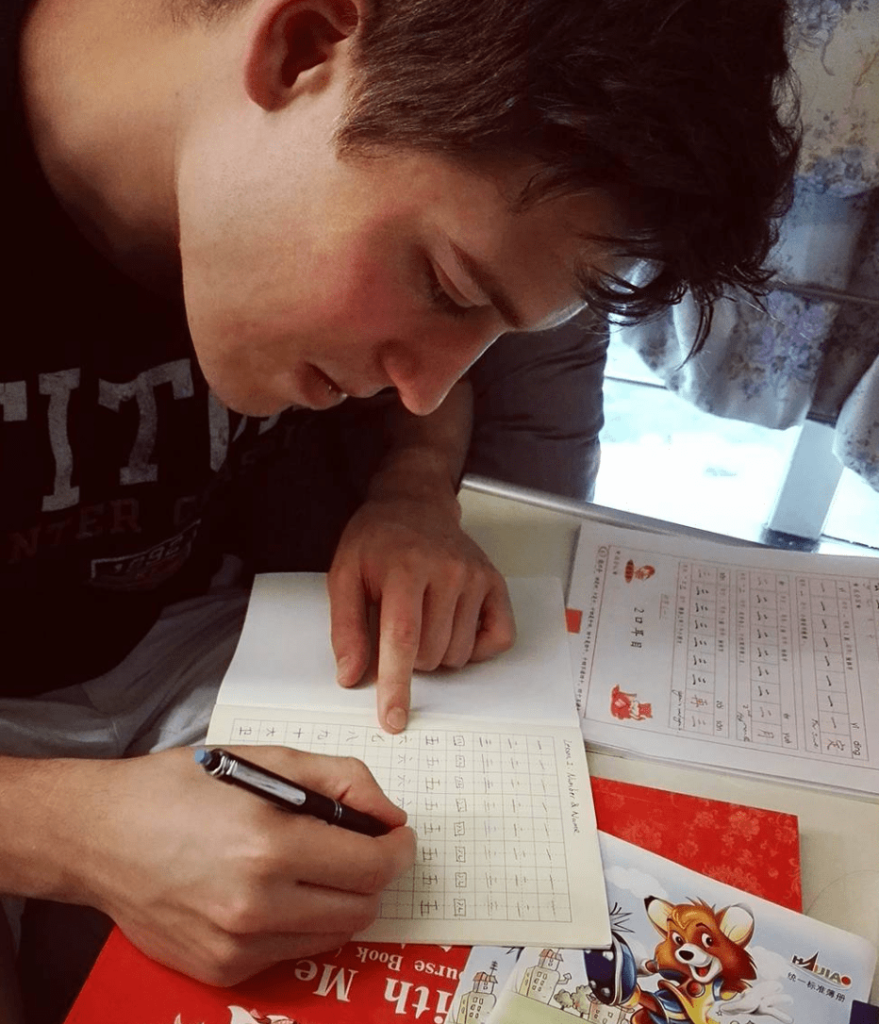
Ich lerne sehr gerne Sprachen! Da ich in vielen verschiedenen Ländern aufgewachsen bin, kann ich Englisch sprechen, Schwedisch, und fließend Deutsch. In den letzten zwei Jahren habe ich daran gearbeitet, Chinesisch zu meiner Sammlung hinzuzufügen, und habe die einzigartigen Herausforderungen genossen, die das Erlernen dieser komplexen Sprache für mich mit sich bringt.
„Der geheime Garten“ ist ein Stück klassischer Literatur, das Teil unzähliger Kindheiten war (Wenn Sie unseren Artikel darüber verpasst haben, warum Kinder klassische Romane lesen sollten, siehe unten verlinkt!). Es ist eine kraftvolle Geschichte über Freundschaft und Selbstfindung, die unsere Seele berührt.
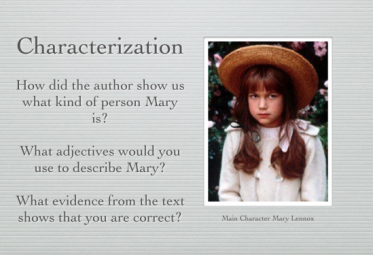
Der geheime Garten handelt von einem jungen Mädchen namens Mary Lennox, das aufgrund eines Cholera-Ausbruchs in Indien seine Familie und alles, was sie kannte, verliert, wo ihr Vater als Hauptmann der britischen Armee arbeitete. Als Kind, Maria wurde ziemlich vernachlässigt, aber von den Dienern der Familie verwöhnt, Sie war also ein verwöhntes Kind mit einem schrecklichen Gemüt. Sie hatte nur sehr wenige Eigenschaften, die ihr helfen würden, ein neues Leben in England zu meistern, wohin sie geschickt wurde, um bei einem mürrischen entfernten Verwandten zu leben, Herr. Feige.
Herr. Craven hatte sehr strenge Regeln für Mary in ihrem neuen Zuhause im Misselthwaite Manor in Yorkshire, Dazu gehörte auch, dass ihr der Zutritt zu verschiedenen Räumen des riesigen Herrenhauses verboten wurde, Ebenso ist es verboten, einen der Gärten auf dem weitläufigen Grundstück zu betreten, das seiner geliebten verstorbenen Frau gehörte. Als Mary beginnt, ihr neues Zuhause zu erkunden, Sie beginnt, ein Gefühl des Glücks zu finden und wird wieder gesund, nachdem sie einen Großteil ihrer Kindheit kränklich verbracht hat. Nachdem ein Rotkehlchen ihr hilft, den Schlüssel zum geheimen Garten zu finden, Sie findet einen Sinn darin, den Garten wiederherzustellen, so wie sie ihr inneres Selbst wiederherstellt. Durch die Dornen und getrockneten Blätter des Winters, Sie findet viel mehr Lügen in sich.
Unterstützt von seinem neuen Freund Dickon, Mary entwickelt ihre ersten Freundschaften, und nutzt ihre neu gewonnene Stärke und Freundlichkeit, um ihrem bettlägerigen Cousin Colin zu helfen, den sie versteckt im Herrenhaus findet. Freundschaft stärkt sowohl Mary als auch Colin, und am Ende, Jeder wird Zeuge eines Wunders, das nur durch diese enge Bindung und den Glauben an sich selbst möglich ist, zwei sehr wichtige Themen im Roman.
Junge Leute werden es lieben, diese fantastische Freundschaftsgeschichte zu lesen, Hindernisse überwinden, und die Heilkraft der Natur erleben. Die Charaktere und die Lektionen, die sie uns beibringen, werden Ihr Kind sicherlich berühren und ihm helfen, die Kraft einer großartigen Geschichte zu erleben.
Wenn Sie Ihrem Kind die Möglichkeit geben möchten, diese Geschichte mit anderen zu erleben, Wir freuen uns, Ihnen mitteilen zu können, dass wir lesen werden Der geheime Garten als erster Roman in unserem Young Classics Level 2 Kurs diesen Sommer.
Im Kurs, Wir haben nicht nur den Roman gelesen, Wir lernen aber auch neue Vokabeln aus dem Buch und wenden sie an, Besprechen Sie wichtige literarische Techniken, die der Autor verwendet, und üben Sie das Schreiben von Zusammenfassungen, eine Schlüsselkompetenz, die viele Studierende als Herausforderung empfinden
Wenn Sie daran interessiert sind, mehr über Young Classics zu erfahren, oder und unserer anderen hervorragenden und ansprechenden Kurse, Kontaktieren Sie noch heute einen unserer Bildungsberater! Wir hoffen, bald mit Ihrem Kind zusammenarbeiten zu können!
Das Studium der Literatur ist ein wichtiger Aspekt jedes exzellenten akademischen Programms, Und das liegt daran, dass es dazu beiträgt, den Schülern ein breites Spektrum an Kenntnissen und Fähigkeiten zu vermitteln, die für den Erfolg in vielen Lebensbereichen unerlässlich sind. Während des Literaturstudiums, Die Schüler lernen wichtige Ereignisse und Personen im Laufe der Geschichte kennen, Sie berücksichtigen kulturelle Perspektiven und verbessern ihr eigenes Verständnis für die Akzeptanz unterschiedlicher Ideen und Überzeugungen, und sie lernen, die Worte anderer zu analysieren, um ein tiefes Verständnis für neue Ideen und Kommunikationswege zu entwickeln. Zusamenfassend, Es stellt den Schülern einen Werkzeugkasten voller Ideen zur Verfügung, Techniken, Strategien, Theorien, und mehr, das sie ihr ganzes Leben lang mit sich herumtragen werden, prägen die Art und Weise, wie sie sich der Welt nähern.
Warum bieten wir diesen Kurs an??
Reach-Out-Schüler absolvieren in der Regel High-School-Programme wie IGCSE, Dazu gehören anspruchsvolle Kurse wie Englische Sprache und Literatur und Englisch als Muttersprache. Später, Die meisten dieser Studenten werden sich der Herausforderung von Programmen auf IB- und AP-Niveau stellen, in dem sie die Aufgabe übernehmen müssen, vielfältige Literatur zu lesen. Unser Ziel ist es, Schülern der oberen Grund- und Mittelstufe ein breites Spektrum an weiterführender Literatur näher zu bringen, damit sie bis zur Oberstufe über das Wissen und die Fähigkeiten verfügen, um sofort durchstarten zu können, und somit ein höheres Niveau erreichen.
Dieser Kurs ist für die Grundstufe konzipiert 7-9 Studenten.
Die Ziele unseres fortgeschrittenen Literaturkurses sind::
✪ Verbessern Sie die Fähigkeit der Schüler, literarische Techniken der englischen und amerikanischen Literatur zu verstehen und zu erkennen, und die Fähigkeit, die Auswirkungen dieser Techniken zu kommunizieren;
✪Verbessern Das literarische Verständnis der Kinder wird gestärkt und ihr Verständnis für die britische und amerikanische Kultur erweitert;
✪ Unter der Anleitung unserer erfahrenen Pädagogen, Lernen Sie die Kraft der Sprache und des Geschichtenerzählens auf herausfordernde und dennoch ansprechende Weise kennen.
Lernen Sie unsere Lehrer kennen
*Fügen Sie hier Lehrerbiografien für Barry ein, Antonius, und John*
Unsere Buchauswahl:
Weine das geliebte Land von Alan Paton

Spielt im Südafrika der 1940er Jahre, preisgekrönt Weine das geliebte Land erzählt die Geschichte eines Zulu-Pastors, Steven Kumalo, der von seinem Dorf in die Stadt Johannesburg reist. Auf seiner beschwerlichen und herzzerreißenden Reise, Er entdeckt, dass seine Schwester und sein Sohn sich in schrecklichen Situationen befinden, mit denen er sich nun auseinandersetzen muss. Die sehr unterschiedlichen Leben der Charaktere werden durch eine Tragödie in einer dunklen Zeit in der Geschichte Südafrikas unerwartet miteinander verwoben. Jedoch, durch Tragödien und Herausforderungen, Die wahre Natur des menschlichen Geistes kann gefunden werden und diejenigen aufrichten, die sie am meisten brauchen.
Dracula von Bram Stoker

Die Legende von Dracula ist seit Generationen in den Köpfen von Lesern und Kinobesuchern verankert. Bram Stoker stützte die berüchtigte Figur Dracula auf die Legende des wahren Herrschers der Walachei, Vlad der Pfähler. Stoker gelang es, aus dieser dunklen Ecke der Geschichte einen legendären Roman zu machen, der anhand von Tagebucheinträgen erzählt wurde, Briefe und Telegramme. Wie bei jedem Klassiker, Dracula hat den Test der Zeit bestanden, weil es etwas sehr Tiefes und Bedeutsames in der menschlichen Psyche anspricht.
Von Mäusen und Menschen von John Steinbeck

Die Weltwirtschaftskrise war ein entscheidender Moment in der amerikanischen Geschichte, der ihre Stärke als Nation auf die Probe stellte, und brachte die Bevölkerung in eine prekäre Balance zwischen Leben und Tod. In einem Werk, das als einer der größten amerikanischen Klassiker gilt, Den Lesern werden zwei vertriebene Wanderarbeiter vorgestellt, George und Lennie. George ist ein intelligenter junger Mann, während Lennie geistig behindert ist. George nimmt Lennie unter seine Fittiche, als sie dort nach einer Anstellung suchen, wo es kaum Möglichkeiten gibt, versuchen zu überleben, Und doch träumen sie immer noch von dem Tag, an dem sie ihr eigenes Land haben und sich ein Leben aufbauen werden. Ihre Hoffnungen werden zunichte gemacht, als sich ein verheerender Vorfall ereignet, der ihr Leben für immer verändert.
Was Studenten gewinnen werden
Entwickeln Sie frühzeitig ein Gefühl für literarische Wertschätzung,
Sehen Sie die Welt aus einer reiferen Perspektive
Britische und amerikanische Klassiker enthalten moralische und soziale Themen, die zum Nachdenken anregen. Das gründliche Lesen der einflussreichsten klassischen Literatur hilft den Schülern, bessere Leser zu werden, und beginnen Sie mit dem Prozess der Selbstverwirklichung.
Verbessern Sie das Verständnis für Kultur und Geschichte
Das Erlernen von Anspielungen auf die klassische britische und amerikanische Literatur kann uns dabei helfen, kulturelle Unterschiede zu überbrücken. "Die Klassiker haben die Tür zu anderen Welten geöffnet, verschiedene Kulturen, und verschiedene historische Perspektiven. Literatur ist rassenübergreifend, Kultur, Religion, und Geographie."
Selbstreflexion und persönliches Wachstum
Viele klassische Literaturen spielen von außen auf unser Leben an: Es werden Bücher genannt, die Ähnlichkeiten mit unserem eigenen Leben widerspiegeln "Spiegel"; und diejenigen, die uns einen Einblick in verschiedene Leben geben, werden genannt "Fenster." Ob es ein ist "Spiegel" oder ein "Fenster", Es bereichert die Lebenserfahrung der Schüler zusätzlich und steigert den Mut und die Kraft, sich dem Leben zu stellen.
Begleiten Sie uns!
Kontaktieren Sie uns, um mehr über unseren Kurs zu erfahren. Wir hoffen aufrichtig, Ihr Kind bald kennenzulernen, und die Liebe zum gemeinsamen Lesen klassischer Literatur entwickeln.
Es ist wieder Schulzeit und wir wissen, dass sich die Eltern auf ein neues Jahr mit Neuanfängen vorbereiten. Der Beginn eines neuen Jahres ist normalerweise mit einer Mischung aus Aufregung und etwas Angst verbunden, denn Schüler und Eltern freuen sich auf neue Fähigkeiten und Erfahrungen, Sie könnten aber auch nervös sein wegen neuer Routinen und Erwartungen.
Mach dir keine Sorge, Kontaktieren Sie uns hier, um zu helfen! Dieses Jahr, wir haben 5 Top-Tipps für einen fantastischen Start ins Schuljahr.
Verstehen Sie, wie die Schule Ihres Kindes mit Bildung umgeht, welchen Lehrplan sie verwenden, welche Systeme, und Standards verwendet werden, kann für Laien überwältigend sein. Verbringen Sie jeden Tag etwas Zeit damit, den Inhalt der Website Ihrer Schule zu lesen, Handbücher, und andere Ressourcen können Ihnen dabei helfen, besser zu verstehen, was Ihr Kind in der Schule lernt und wie es lernt. Es ist auch wichtig, am Schulanfangsabend und den Informationsveranstaltungen Ihres Kindes teilzunehmen, um das Programm Ihres Kindes als Ganzes besser zu verstehen. Es bietet Ihnen auch eine großartige Gelegenheit, eine Beziehung zum Lehrer Ihres Kindes aufzubauen. Wenn Sie noch Fragen haben, stehen wir Ihnen jederzeit gerne zur Verfügung, Sie können dem Lehrer Ihres Kindes jederzeit eine E-Mail senden. Sie sind für Sie und Ihr Kind da, denn sie wissen, dass eine gute Beziehung zu den Eltern eine fantastische Möglichkeit ist, die akademische Ausbildung sicherzustellen, sozial, und emotionalen Erfolg für alle Schüler.
2. Stellen Sie sicher, dass Sie vor den ABCs genügend Zzzzs fangen
Schlaf ist für das Wachstum und die Entwicklung eines Kindes so wichtig, und ein Mangel daran kann sich negativ auf die schulischen Leistungen eines Kindes auswirken. Tatsächlich, Untersuchungen zeigen, dass Schlafmangel bei Kindern zu einer höheren Häufigkeit von Angstzuständen und Depressionen führen kann. Wenn wir schlafen, Unser Gehirn verarbeitet die Informationen des Tages, findet das beste System, um es in unseren Erinnerungen abzulegen, und lädt unsere Systeme für einen neuen Tag auf. Aus verschiedenen Gründen, Eltern fällt es oft schwer, die frühe Schlafenszeit einzuhalten, aber mit einer klaren Routine, und Zeit zur Anpassung, es kann einfach sein! Kinder 3-6 Jahre alt sollte werden 10-12 Stunden Schlaf pro Tag, 7-12 Jährige sollten bekommen 10-11 Stunden pro Tag, Und 12-18 Jährige sollten bekommen 8-9 Stunden pro Tag. Auch die Erstellung eines Zeitplans, bei dem die Kinder früher ins Bett gehen, erleichtert den Morgen, Hoffentlich mit weniger Stress für Eltern und Kinder, da sie ausgeruht und bereit sind, ihren Tag zu beginnen!
3. Stellen Sie die richtigen Fragen zur richtigen Zeit
Manchmal sind Eltern gespannt darauf, zu erfahren, wie der Tag ihres Kindes war, sobald es von der Schule nach Hause kommt, vor allem in den ersten Wochen. Diese Wochen sind besonders anstrengend und voller Höhen und Tiefen, wenn Ihr Kind lernt, sich mit neuem Material zurechtzufinden, neue Freunde, neue Lehrer, und neue Erwartungen. Es ist für ihr emotionales und geistiges Wohlbefinden äußerst wichtig, ihnen Zeit zu geben, nach Hause zu kommen und sich zu entspannen. Sobald sie etwas Zeit für sich selbst hatten, Eltern können spezifische Fragen stellen, basierend auf dem, woran sie ihrer Meinung nach arbeiten, falls sie es zufällig wissen. Sie können mit ihnen das Hausaufgabentagebuch ihres Kindes durchgehen und ihm dabei helfen, einen Plan für die Bewältigung der einzelnen Aufgaben zu erstellen, sowie an ihrer Begeisterung für bestimmte Themen teilhaben zu lassen, Bücher, oder Informationen, die ihnen auch gefallen. Vermeiden Sie Fragen, „Wie war die Schule?? Was hast du gelernt??“, da Kinder viel besser auf spezifischere Fragen reagieren, wie zum Beispiel, „Was hast du mit deinen Freunden beim Mittagessen gemacht?? Was war der beste Teil Ihres Tages?? Was war das Seltsamste oder Wunderbarste, was heute in der Schule passiert ist??„Am wichtigsten, Die Eltern sollten vollständig anwesend sein und aufmerksam zuhören, wenn die Schüler antworten, Sie fühlen sich also wirklich wertgeschätzt und hören zu, wenn sie etwas teilen.
4. Lassen Sie sie aus Fehlern lernen
Für Eltern kann es äußerst schwierig sein, dies zuzulassen. Wir möchten, dass es unseren Kindern gut geht und sie ihr volles Potenzial entfalten, Das bedeutet, dass wir jeden Auftrag noch einmal genau durchgehen, Korrektur aller Rechen- und Grammatikfehler. Obwohl Eltern gute Absichten haben, wenn wir das tun, Wir nehmen den Kindern dadurch wichtige Lernchancen. Damals, als wir noch Studenten waren, Viele unserer Eltern waren oft zu beschäftigt oder hatten nicht das Wissen oder die Kapazitäten, uns bei unseren Schularbeiten zu helfen, Aber wir haben einen Weg gefunden, uns durchzusetzen und unser Bestes zu geben. Wenn Kindern in jungen Jahren nie die Möglichkeit gegeben wird, zu scheitern, Sie weigern sich möglicherweise, später im Leben Herausforderungen anzunehmen, aus Angst, bei ihnen zu scheitern. Jedoch, wenn wir sie sanft scheitern lassen, Zum Beispiel bei einem Auftrag oder bei einem Fußballspiel der kleinen Liga, Wir bringen ihnen Resilienz bei. Es ist nicht das Ende der Welt, und sie lernen eine wertvolle Lektion; dass wir es versuchen können und keinen Erfolg haben, Staub uns ab, und versuchen Sie es beim nächsten Mal noch einmal.
5. Pflegen Sie ihre Leidenschaften
Die neuen Schuljahre sind aus vielen Gründen eine aufregende Zeit, Einer davon ist, dass sie Kindern die Möglichkeit geben, neue Leidenschaften zu entdecken. Wenn sie Glück haben, Sie werden über etwas stolpern, das sie wirklich lieben, und dass sie so fasziniert sein können, dass sie Stunden damit verbringen können, sie zu entdecken. Einem Kind dabei zu helfen, seine Leidenschaft zu finden, ist nicht immer einfach und braucht Zeit. Manchmal machen sich Eltern Sorgen, wenn ihr Kind sich zu sehr auf ein paar Dinge konzentriert, und haben das Gefühl, dass sie ihnen so viel wie möglich aussetzen müssen, um sie zu vielseitigen Individuen zu formen. Jedoch, wenn wir auf die Menschen schauen, die unsere Welt geprägt haben, Das lag daran, dass sie sich voll und ganz auf das konzentrierten, was ihnen am Herzen lag. Es war alles, was sie jemals getan oder getan haben. Als Menschen, Wir tendieren von Natur aus zu dem, was wir am meisten lieben, und solange es neben der Erfüllung auch einen Mehrwert bietet, Wir sollten es weiter verfolgen. Also, Machen Sie sich keine Sorgen, wenn Ihr Kind dagegen protestiert, zu einer Aktivität zu gehen, während es aus der Tür rennt, um an einer anderen teilzunehmen. Vielleicht ist die Person, die sie lieben, für ihr Wachstum und ihre Entwicklung am wertvollsten, und derjenige, den sie nicht mögen, ist doch nicht so notwendig.
Wir hoffen, dass diese Tipps geholfen haben, und wir wünschen Ihnen und Ihrem Kind alles Gute für das kommende Schuljahr! Wir freuen uns auf das neue Schuljahr und alle Herausforderungen und hoffen, dass es sie mit sich bringt.
Reach Out wird Sie bei jedem Schritt begleiten, Halten Sie also Ausschau nach weiteren Informationen und weiteren Artikeln, von denen wir hoffen, dass sie Ihnen gefallen werden!