В Reach Out, вярваме, че е много важно да празнуваме успехите на учениците. Имаме удоволствието да обявим още един Звезден студент - Ема!
Ема представлява всичко, което учениците могат да постигнат с упорита работа и ангажираност към високи постижения. Учителите на Ема я признават за ученик, който има прекрасно отношение към ученето, е много възприемчив към инструкции, и има изключително подкрепящо семейство, което често общува с нейните учители. В час, Ема е внимателен и внимателен слушател, който е достатъчно уверен, за да сподели идеите си, но достатъчно търпелив, за да даде ред на всеки. Тя няма нищо против да поема рискове, и е в състояние да инжектира своята личност в работата си.
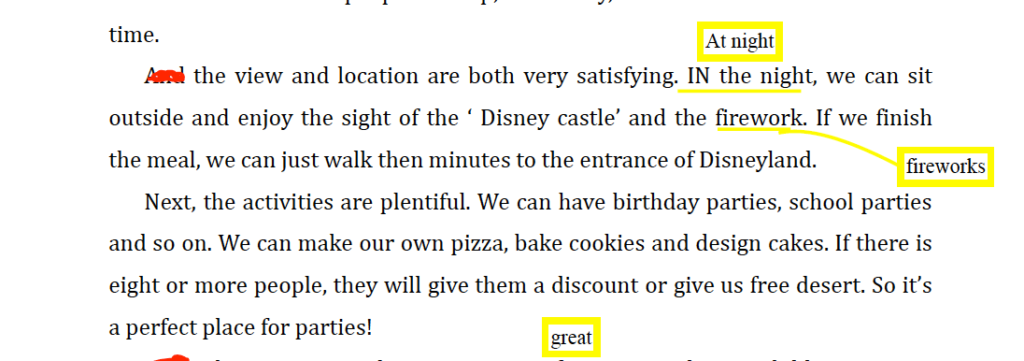
В момента Ема е записана в нашето ниво по творческо четене и писане 4 курс, и тя показа истинска дарба да създава силни образи в своето писане. В началото на семестъра, тя завърши преглед на клона на Blue Frog в Шанхай Дисниленд.
Ема показа способността си да критикува специфични аспекти на дадено място, и да развие своите идеи, като използва подходящи детайли.
„Гледката и местоположението са много задоволителни. През нощта можем да седнем навън и да се насладим на гледката на замъка на Дисни и фойерверките.
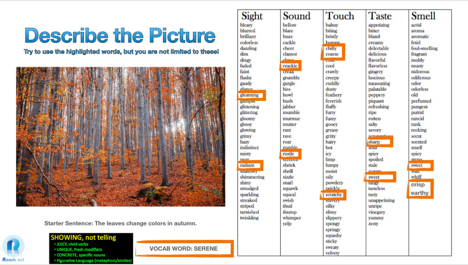
С течение на семестъра, Ема показа развитие в писателските си умения, и започна да включва по-напреднали литературни техники. В задача за описание на пейзажи, Ема успя да създаде силен образ, използвайки прецизен речник и фигуративен език.
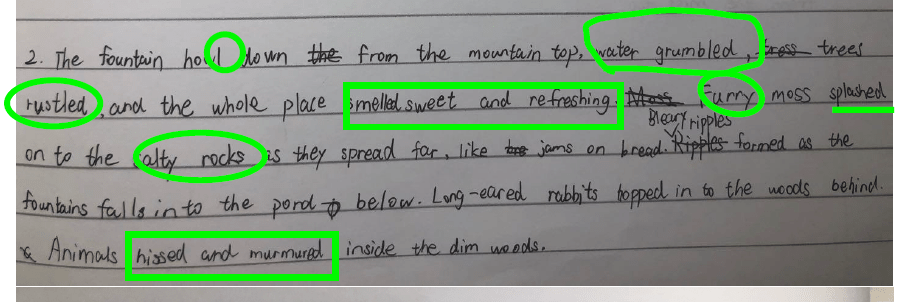
„Косматият мъх се пръсна върху солените скали, докато се разпръснаха надалеч, като сладко върху хляб. Мътни вълнички се образуваха, когато фонтанът падна в езерцето отдолу.“
Ема продължи да прилага уроците, които научи по време на курса, и способността й като писател става по-силна. В скорошна задача за писане на фантастичен разказ, Ема изгради обстановката и характера на своята история съзнателно и ефективно.
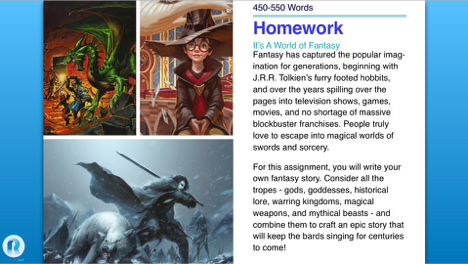
„Блестящи слънчеви лъчи блестяха от прозореца и мекота, копринен чаршаф. До отворения прозорец цъфтяха сладки цветя в топли цветове. Мътни, но прилежни рисунки висяха на освежаващата зелена като водорасли стена.“
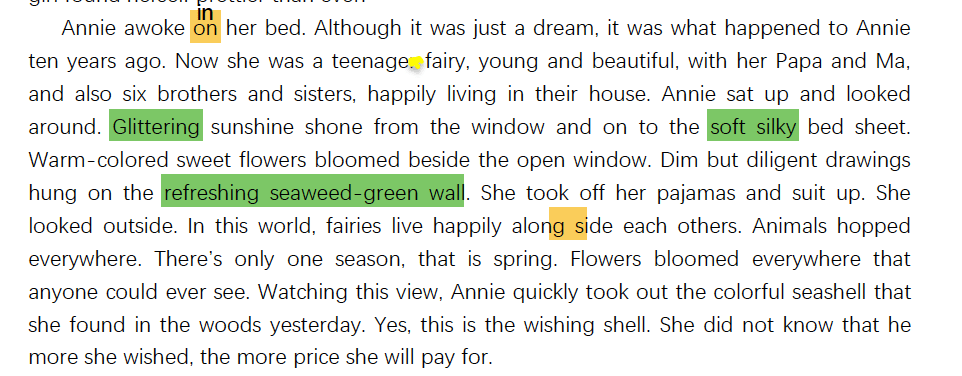
Както можете да видите, Ема проявява характеристики на обещаващ млад писател. Нейната решимост да се подобри, и внимателното прилагане на преподадените уроци са помогнали да издигне нейното писане до по-напреднало ниво.
Благодаря ти Ема, за това, че си такава ЗВЕЗДА! Очакваме с нетърпение да видим растежа ви още дълго време. Знаем, че това е само началото на едно блестящо пътуване.
Като възпитатели, често са ни задавали въпроса, „Как мога да накарам детето си да спре да чете комикси?” Parents are worried that comics do not provide educational value, не са достатъчно академично строги, или най-лошото от всичко, загуба на времето на детето им. Към това, отговорът ни обикновено ги изненадва, and that answer is, “Let them read comics!”
It’s understandable that parents would be a bit concerned as the perception is that comics are purely for pleasure reading, обаче, comics have many benefits beyond helping us pass the time.
Comics and graphic novels are not new forms of writing. Of course, they have been enjoyed by many for generations. Over the years, the genre has changed into one with considerable depth and meaning, which is why we encourage parents to not only allow their children to read comics, but also to support them in doing so.
Here are our top reasons comics should be read (especially in the summer!):
For students who are not native English speakers, comics provide a great way for them to begin enjoying English literature. For many children, the task of going from an English language textbook to a novel can be very daunting, but comics can provide a necessary bridge for them to build confidence as well as reading fluency. The visual cues in the pictures allow students to create a deeper understanding of the plot and characters as well as new vocabulary. Освен това, it introduces them to effective literary devices, such as onomatopoeia (think POW! SMACK! ZOOM!) and idioms (an illustration showing the meaning of an idiom like, “Cat got your tongue?” makes much more sense than heating the idiom on its own!).

2.Enhancing Inference
Inference is a key reading skill that many students struggle with on standardized reading assessments. Inference happens when we draw conclusions based on what we read. Some examples of questions students will encounter during reading comprehension tasks or assessments are those such as, “How did the character feel when?”, “What can you conclude about…” and “What was the lesson in the story?” Comics require that students “read between the lines” to infer information that is usually told by the narrator in a novel, so they can gain a lot of valuable experience in strengthening this skill by reading comics.
3.Word Power!
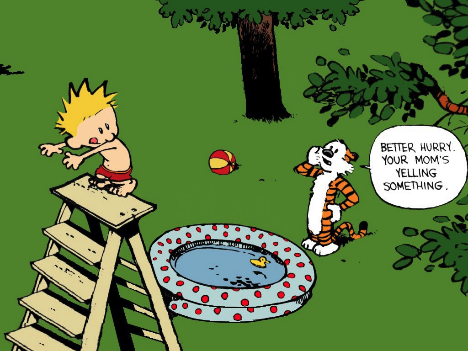
Often in comics and graphic novels, writers include quite advanced vocabulary, both as part of the story line as well as in the names of the characters. In 2016 at the world famous Comic-Con in San Diego, California, a panelist of educators discussed the power of comics in building students’ vocabularies. James Bucky Carter, author of Building Literacy Connections with Graphic Novels said, “You have Colossus, and he’s this big, giant metal guy. You get a really good sense of what the word colossus means and that’s a good 10-cent word. Banshee’s power is screaming. You have these characters that embody the vocabulary words that they are. That’s something that’s a fun way to learn new words, in addition to the contextual clues.”
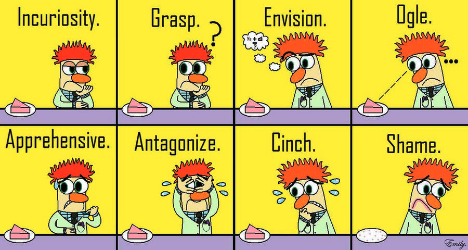
After reading this you may just want to let your child dive right into reading comics or graphic novels! That’s music to our ears. If you are not sure where to start, we have some student favorites your child might like to try!
Dog Man by Dave Pilkey

Miles Morales Spider-Man by Jason Reynolds

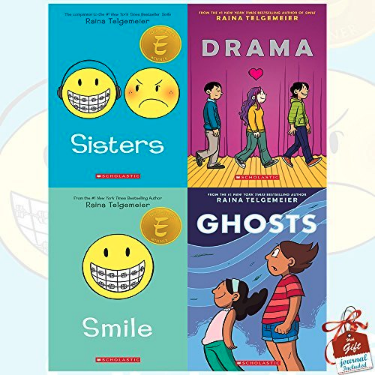
Smiles, Sisters, Ghosts, Drama and Other Stories by Raina Telgemeier
Bone by Jeff Smith

Looking for more summer reading opportunities for your child? Contact one of our Education Consultants for more information about our summer reading courses. We look forward to reading with your child!
Сезонът на изпитите е тук, и това може да бъде много стресиращ период от годината както за ученици, така и за родители. В Reach Out искаме да направим всичко възможно, за да облекчим безпокойството от изпита, като предлагаме някои уникални съвети за учене, които може да не сте опитвали.
Конвенционалната мъдрост за учене често се следва от много родители и учители, които имат добри намерения, обаче, ако разгледаме някои интересни подходи, базирани на изследвания, можем да видим, че има различни ефективни начини за изучаване! Винаги е добре да опитвате нови неща, особено за деца. Те могат да опитат нови начини за правене на нещата, когато са млади, и когато са малко по-големи, те могат да изберат начина, който е най-подходящ за техните лични нужди и стил.
Сега, нека да разгледаме три уникални начина за учене.

Разнообразието е подправката на живота – дори когато учите
За мнозина, много години са ни казвали, че за да учим добре, трябва да учим на едно и също място всеки ден; място, което е тихо, добре осветен, и разполага с всички наши материали. Докато това може да е вярно за част от времето, което изучаваме, изследванията ни показват, че нашите мозъци всъщност работят по-добре, когато променяме местоположението, в което учим. Доста изненадващо, точно?
В проучване, направено чак до там 1978, бяха дадени студенти 40 речникови думи за изучаване. На една група беше казано да проучи списъка два пъти на едно и също място. На другата група беше казано да проучи списъка на две различни места. Това, което откриха беше, групата, която променяше своите места за учене, всъщност се представи по-добре при запомнянето на думите по-късно. Сега защо е така? добре, нашият мозък често прави връзки с информация въз основа на нашата среда, така че колкото повече променяме средата си, толкова повече даваме шанс на мозъка си да задържи информация, тъй като тя ще се прикрепи към повече неща. Това също може да е причината една техника за визуализация, където човек визуализира неща, които иска да запомни, на определени места в среда, която познава, също може да бъде толкова ефективен. За студенти, простото превключване на средата може да свърши работа!
Забавлявайте се!
Някои родители може погрешно да си помислят, че детето им се смее или се вълнува, докато учи или учи, може да си губят времето. Въпреки това, това не е непременно така.
Като родител, във вашата работа или офис може да имате специални семинари от време на време. Семинарите обикновено се използват като инструмент, който да ви помогне да научите за нова стратегия, идея, или информация, която ще ви помогне да научите повече по време на работа. Тези сесии често се провеждат от хора, които са специализирани в създаването на мотивиращи и вдъхновяващи семинари, които ободряват и енергизират служителите. Дните могат да бъдат дълги и интензивни, но ако са направени правилно, служителите могат да си тръгнат уверени в новите си знания и умения.
Същото звучи и за младите хора. Представянето на играта и забавлението като начин за учене за изпити не само кара детето ви да се усмихва, но изследванията показват, че забавлението по време на учене активира определени когнитивни ресурси, свързва наградите и удоволствието с ученето, укрепва и разширява мрежите на паметта, и превключва абстрактното мислене и фокусираното внимание.

Техниката Pomodoro
Оставане на концентрация, изпълняващи задачата и мотивирани да изпълняват определени дейности може да бъде трудно както за възрастни, така и за деца. Чувствали ли сте някога, че сте се взирали в екрана на компютъра с часове, но постигна много малко? Или може би имате краен срок след няколко дни, но се приближават само към финалната линия? Не е чудно, тъй като изследванията показват, че умът ни е склонен да се скита до 20% на времето, може би дори повече за по-младите хора.
Една интересна техника е създадена от студента Франческо Чирило като начин да му помогне да остане фокусиран, и това е техниката Pomodoro, който получи името си от таймера във формата на домат, който Cirillo използва, докато тества тази стратегия върху себе си. Как работи е да зададете таймер за 25 минути, което е работно време. След това го задайте отново за 5 минути, което е време за почивка. Това е страхотно време за ставане, разтягам се, обиколете къщата, галете котката си, или вземете вода или лека закуска. Времето след почивка изтече, настройте таймера за друг 25 минути и повторете!
Оказва се, че тази стратегия е подкрепена с научни доказателства, тъй като изследователите заключиха, че кратките почивки помагат да поддържате вниманието си на правилния път. Това може да е свързано с факта, че когнитивната скука може да доведе до неангажиран ум, което е последното нещо, което искате, когато учите за важен изпит.
Надяваме се, че сте се насладили на проучването на тези уникални съвети за обучение толкова, колкото и на нас! Пожелавам на детето ви успех на изпитите този месец. Jiayou!
Знаем, че можем да направим толкова много, за да отгледаме и образоваме децата си, поради което като родители ние често полагаме големи усилия, за да запълним времето им с обогатяващи дейности и уроци. Защо правим това? По много причини разбира се, но основната цел е да се осигури бъдещият им успех. Родителите се надяват децата им да бъдат дори по-успешни в живота, отколкото те самите са били. Успех, разбира се, е субективно, и всички ние може да имаме своя собствена дефиниция за успех. Като цяло обаче, можем да се съгласим, че успехът включва чувство на удовлетворение в личния живот, както и чувство за удовлетворение от кариерата и финансова сигурност.
Наскоро имаше интригуващ TED разговор, споделен в социалните медии, в който бивш декан на първокурсника в Станфордския университет, Джули Литкот-Хеймс, цитира доказателства от изследването на Harvard Grant Study, което свързва професионалния успех в живота с хората, които са вършили домакинска работа като деца. Не тренировка по футбол, не езиково обучение, не рисуване, но домакинска работа.
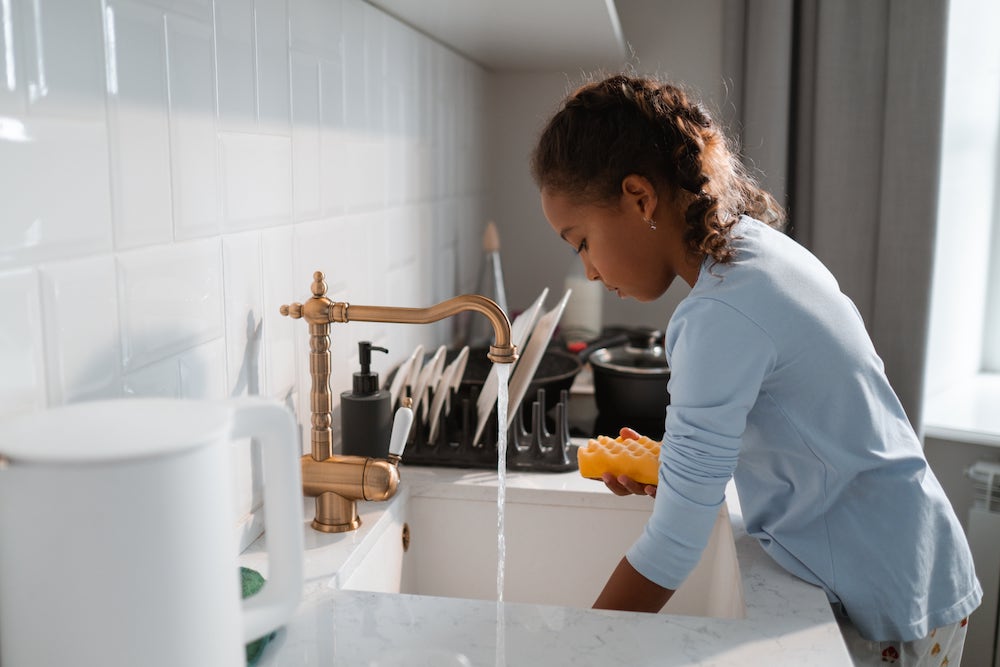
Изненадващо нали?
Много от нашите деца, които растат в големите градове, може никога да не разберат какво е да търкаш чиния, измий прозорец, или избършете пода. Може да почувстваме, че има по-важни неща за вършене, за да изградим техните знания и характер. Литкот-Хеймс обяснява, че тези деца, които го правят, цапат ръцете си, обаче, могат да достигнат ниво на успех в живота, което надминава техните неработещи връстници. Това е така, защото учи студентите как да допринасят и да се активизират, когато трябва да се свърши работа, и това да върши „мрънкащата работа“, на която другите може да се присмиват, защото това е най-доброто за всички, е това, което се забелязва на работното място.
Работните места на хората с високи постижения, които са участвали в изследването на Harvard Grant Study, са забележителни, като Белия дом, където е работил президентът Кенеди, и офиса на редактора, където Бен Брадли седеше като редактор на The Washington Post. Можем да предположим, че техните родители, като нас, трябваше да го подтиквам и умолявам домакинската работа да бъде свършена, и приемат, че дори и да са свършени, може да не са били направени добре; и това е добре.
Важното, както посочва Литкот-Хеймс, е, че като върши домакинска работа, децата осъзнават, че те, „...трябва да върша работата на живота, за да съм част от живота.“ Те осъзнават, че животът не им се случва просто така, и за тях, но с тях.
Ако децата ви вече вършат домакинска работа като част от ежедневната си лятна рутина, браво! Вие сте на прав път. ако не, няма нужда от паника. Никога не е твърде късно да въведем домашни задължения в живота на нашите деца. Ето няколко съвета, които ще ви помогнат да започнете!
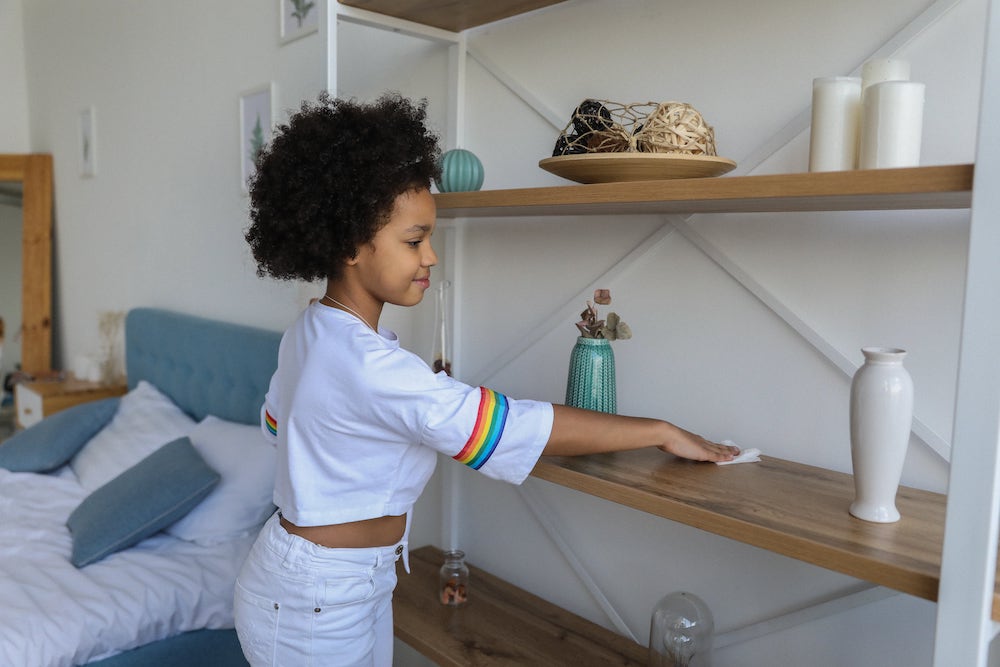
Нека бъдат част от него
Когато въвеждате концепцията децата ви да изпълняват задълженията си, за да помогнат, организирайте „семейна среща“, на която всички присъстват, за да обсъдят какво ще се очаква от вашите деца и защо. Можете да помолите детето си да ви помогне да напишете списък със задълженията, с които то би могло да помогне в къщата. Може да ви изненадат с ентусиазма си, тъй като вършенето на домакинска работа е много вълнуващо за някои деца, защото ги кара да се чувстват овластени и полезни (две неща, които често обичаме да чувстваме като възрастни).
Game-ify It
За да направи нещата забавни, защото забавлението прави всичко по-добро, вие или вашето дете можете да напишете задълженията на пръчици за сладко и всеки ден детето ви може да избира една пръчица от буркана. Това ще бъде тяхната работа за деня! Ако имате повече от едно дете у дома, винаги можете да превърнете почистването в състезание, като зададете таймер и видите кое дете може да изчисти най-много играчки за определеното време, например.
Наградете го
Като родители, ние сме възнаградени за нашия принос в работата със заплата. Не трябва ли нашите деца също да бъдат възнаградени за упорития си труд? Една идея е, че ако детето ви свърши всичките си задължения за седмицата, той или тя може да избере малка играчка от „кутия със съкровища“, пълна с малки играчки. Друг вариант може да бъде, ако детето ви последователно изпълнява задълженията си в продължение на един месец, те могат да изберат допълнително специално семейно пътуване.
Да научим децата си да вършат домакинска работа не винаги е лесно, но потенциалните ползи си заслужават времето и усилията. Надяваме се, че сте намерили нашите съвети за полезни, и че те могат да помогнат за положително изживяване за вас и вашето дете. Приятно почистване!
Имаме удоволствието да обявим нов летен книжен клуб, само за родители! Лятото е идеалното време да прочетете книгата, която винаги сте искали да прочетете, но не са имали време за това. Това лято, каним ви да се присъедините към нас в четенето Как да говорим, така че децата да слушат и да слушат, така че децата да говорят.
Знаем, че не винаги е лесно да се свържем с нашите деца поради изискванията на училището, работа и ежедневие. Понякога нашите тревоги за бъдещето ни пречат да живеем живота си точно сега. Въпреки това, едно нещо, което можем да гарантираме е, че никога повече няма да имаме шанс да изживеем детството със собствените си деца, и не искаме да пропуснем това ценно време. И така, как можем да се възползваме максимално от това и да водим смислени разговори с нашите деца, които ще укрепят връзката ни и ще помогнат на децата ни да се чувстват подкрепени? Това са големи въпроси, които много от нас имат.
За да ни помогне да отговорим на тези важни въпроси, каним ви да се присъедините към нас в четенето на една от най-популярните книги за родители на всички времена, написана от Адел Фабер и Илейн Мазлиш. Как да говорим така, че децата да слушат и Слушайте, за да говорят децата, което ни учи как да приемаме чувствата на децата си, тъй като ако не го направим, можем несъзнателно да причиним лошо поведение. Освен това ни учи на положителни начини за насърчаване на сътрудничеството, както и независимост, автономия, и самочувствие. Това са всички съставки, необходими за поддържане на положителна връзка родител-дете, която наистина ще помогне да израснат нашите деца в уверени и способни възрастни.

Как ще работи?
Първата стъпка е да се свържете с един от нашите образователни консултанти, за да се регистрирате. Регистрацията е БЕЗПЛАТНА и отворена за всички! Ще създадем групов чат, в който съдържанието и споделянето на изучаване на книги ще се проведе от 1 юли. Линдзи Файн, нашият мениджър по образованието, ще се присъедини към групата и като родител, тъй като е майка на две момчета, остарял 4 и 6, които ще учат заедно с вас. Тя също така ще помага при воденето на седмичните дискусии.
Книгата може да бъде намерена на английски и китайски и лесно достъпна в печатна форма, електронна книга, или формати на аудиокниги.
След това има две възможности за това как бихте искали да участвате:
Графикът за четене е следният:
седмица 1: глави 1 & 2
седмица 2: глави 3 & 4
седмица 3: глави 5 & 6
седмица 4 глави 7 & Послеслов
В края на месеца, ще бъдем домакини на онлайн семинар, воден от училищен съветник, Реджина Венер. В работилницата, Regina ще сподели допълнителна информация и стратегии, които можете да използвате, за да укрепите връзката си с детето си.
Относно Реджина Венер

Regina Wehner е лицензиран училищен съветник, който е работил с ученици в средното училище повече от 16 години. Първоначално от Съединените щати, живее със съпруга си и 2 деца, възрасти 10 и 12, в Пекин, Китай.
Реджина работи в Западната академия в Пекин (WAB), разнообразно международно училище. Голяма част от това да си училищен съветник е да помагаш на учениците да научат за себе си и за другите, докато растат. Regina също така е домакин на месечни Parent Coffee Mornings, за да събере родителите заедно, за да научат повече за промените в развитието на децата си и как да общуват по време на тези времена на преход.
Свържете се с нас днес, за да се присъедините!
Помогнете на детето си да научи нов речник
Изследванията показват, че ако искаме учениците да успеят в академичния контекст, на важни оценки и изпити с високи залози, както и бъдещата им кариера, трябва да им помогнем да развият своя речников запас. Причината за това е следната: разбирането ни за нова информация е пряко свързано с разбирането ни за речника, използван за съобщаване на тази нова информация.
За студенти, увеличаването на техния речников запас е един от ключовете към успеха в овладяването на език; колкото повече думи знаем, колкото повече думи разбираме, и колкото повече думи можем да използваме в нашето писане, за да го направим по-въздействащо и ефективно. Въпреки това, изучаването на лексика сега понякога се разглежда като досаден или неуловим процес. Понякога родителите не са сигурни как да насочват децата си, особено тъй като начинът, по който подхождаме към изучаването на лексиката, може значително да се различава от начина, по който родителите са го изучавали, когато са били в училище.
не се безпокойте, Reach Out е тук, за да помогне! Нека проучим придобиването на речник (процесът на запомняне и прилагане на нова лексика), и ние ще ви кажем как можете да помогнете на детето си да изгради своя речников запас!
Говорете за това!
Може да изглежда прекалено просто, но когато става дума за научаване на нови думи, един ефективен начин, по който младите хора го правят, е като говорят с другите. Децата научават нови думи най-добре, когато са в контекст, като например в разговор по определена тема. Те могат да направят заключение за някои значения на нови думи въз основа на това как се използват заедно с другите думи, които вече са им познати.
Вероятно сте били прекъсвани от детето си в много случаи, когато използвате непознат речник и то любопитно пита, „Какво означава бедствие?„Може би сте имали предвид състоянието на спалнята им (тъй като в него е пълна бъркотия), и като отделите малко време, за да им обясните множеството значения на бедствието, не само ще ги научите на нова дума, за да опишат разхвърляна стая, но също и повреда или естествено възникващо явление, като природно бедствие.
И така, разговорът с детето ви е чудесен начин да го научите на нови думи!
Разгледайте го!
Учениците обикновено разбират, че могат да използват речник или преводач, ако срещнат дума, която не знаят, но понякога дори определението на дума може да ги остави с повече въпроси, отколкото отговори.
Според нашия опит, много ученици не използват един много важен инструмент за изучаване и прилагане на нова лексика, и този инструмент е тезаурус! Ако забележите, че детето ви прекалява с дума, когато говори или пише, например, „хубав“, „сладък“, "добър", или "лошо", след това отделете малко време, за да им покажете как да използват уебсайт като напр thesaurus.com да погледна тези думи. Когато търсят думата като „хубава“, те ще видят, че има толкова много интересни и уникални думи, които да използват вместо това! аз
Според нашия опит, учениците наистина се радват да използват нов речник, и се чувстват овластени да знаят, че има инструмент, който да им помогне да направят думите си по-силни.
Играйте!
Забавлението, докато учите, не е просто нещо, което учителите правят, за да направят учениците щастливи, това всъщност е доказано от неврологията като ефективен начин да се помогне на учениците да учат повече и по-задълбочено. Изследванията показват, че когато учениците са едновременно стимулирани и предизвиквани, мозъците им отделят допамин. Допаминът е невротрансмитер, който стимулира центровете на паметта и насърчава освобождаването на ацетилхолинем, което повишава фокусираното внимание.
В нашите курсове тук в Reach Out, обучението по речник е важна част от всеки урок. Имаме и курсове, стартиращи това лято, Нива за изграждане на речник 1-3, в който ще се съсредоточим изключително върху това да помогнем на вашето дете да разшири речниковия си запас с нови предизвикателни думи. Докато избраните думи предлагат предизвикателството, инструменти като Quizlet и игри като Guess Who и Sentence Racer предоставят на учениците шанса да си взаимодействат по смислен и ангажиращ начин.
Как да разберем, че тези методи са ефективни? Защото нашият десетилетен опит, и изучаването на образователна психология и методология ни научиха как учениците учат най-добре!
Ще се радваме да помогнем на вашето дете да научи нова лексика като един от начините, по който то или тя може да стане по-ефективен и успешен читател, писател, и говорител. За да научите повече за това как можем да помогнем, свържете се с един от нашите образователни консултанти днес!
Ако търсите по-индивидуализирана образователна услуга, Reach Out предлага услуги 1-на-1 с нашите експертни преподаватели!
Какво предлагаме?
Нашите учители предлагат широка гама от индивидуални предмети, включително английски език, Социални науки, и математика.
Запознайте се с някои от нашите висококвалифицирани и опитни учители!

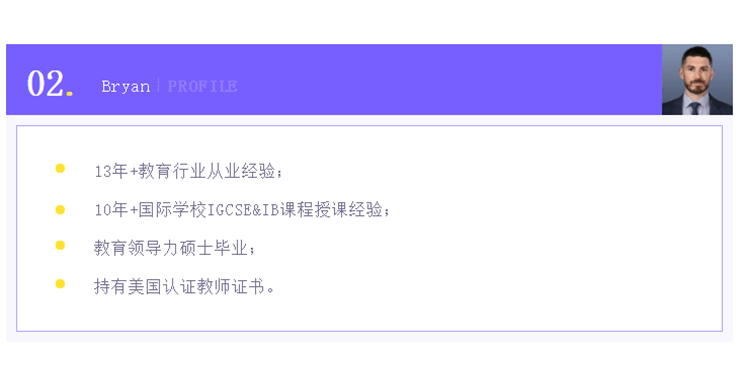
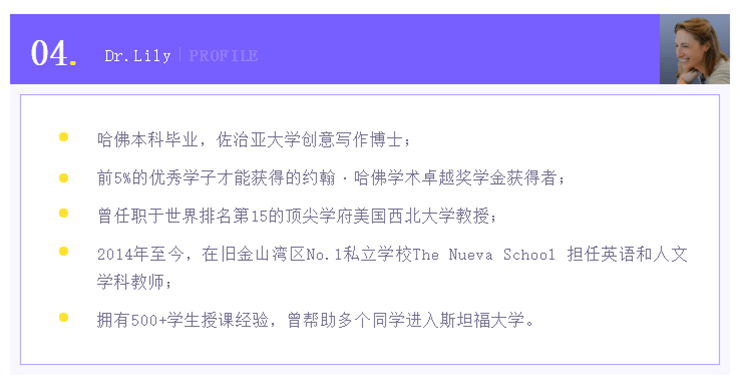
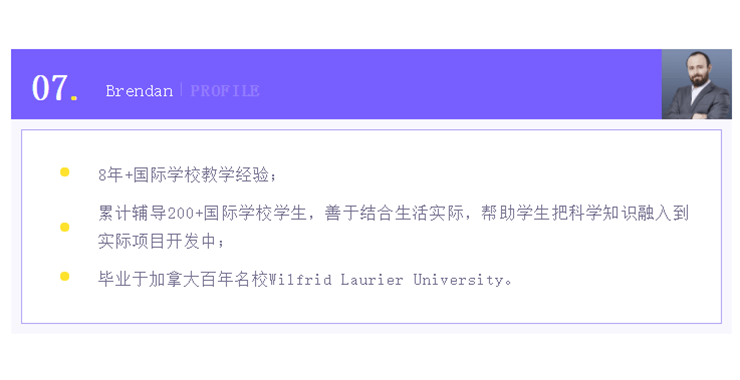
Защо трябва да избера услуги 1-в-1?
Perhaps your child is preparing to study abroad or applying to a new school and he or she would like a more intensive and targeted approach in order to polish his or her skills. Alternatively, your child might not feel challenged enough with his or her current curriculum, and needs an alternative approach that is more appropriate for his or her ability level.
There are a number of reasons a parent might be searching for services such as this, and we can assure you that we will always work to understand you child’s unique situation and provide the service that is best for them.
How Does it Work?
With our hands-on approach, and orientation process, we will assess your child’s knowledge and skills based on current assessment data, writing ability, и повече. Based on our findings, we will select the teacher best suited for your child’s needs. All of Reach Out’s teachers have been carefully selected, and have years of experience in teaching challenging curriculums, such as IGCSE, IB, and AP, in top schools from around the world.
Our process is goal-oriented. We find out exactly what your child needs to reach their educational goals, and then we create a unique and tailor-made learning path that will best suit your child’s particular needs.
What Else Does Reach Out Offer?
In addition to 1-on-1 services, Reach Out offers a wide variety of courses specifically designed to challenge and engage your 2nd to 8th grade child with above grade level content in order to help them prepare for the rigor of programs such as IGCSE, IB, and AP.
How Can I Learn More?
To find out more about our 1-on-1 services, please contact one of our Education Consultants today to find out more! We look forward to helping your child reach his or her educational goals for a bright future!
Who We Are
As you may have noticed, ние се развиваме и имаме някои вълнуващи допълнения към това, което предлагаме тук в Reach Out. Тъй като мина известно време, откакто се представихме, we thought we would share our story with you to help you better understand who we are and what we do!
Our Mission
Reach Out’s mission is to connect students with expert educators who create and deliver original, inspiring, world-class curricula. We have embarked on this journey so that we may help students understand how to find their own unique voice and uncover the creative and valuable ideas that lie within each of them. With their voices, they have the power to change the world, and we wish to empower them to do so.

Our Vision
Reach Out strives to be an internationally recognized educational institution that allows students to access top level international curriculum and educators, no matter where in the world they are. Our students will be perceptive, curious, and critical thinkers who make informed choices as excellent problem solvers and communicators. Reach Out students will achieve their academic and personal goals and dreams from Primary School to University, placing their brilliant futures within reach.
Our Core Values
These are the principles which shape Reach Out:
Our Story
Reach Out was created by a small group of dedicated mothers, perhaps much like yourself. They were brought together by a common vision for the educational needs of their children. Some were looking for an educational program that could offer their children access to the ideas, teaching philosophy, and methodology that matched what they had experienced while living abroad. Others were looking for an internationalized curriculum that their children could access to enrich their educational experience in China. What they shared in common was a desire for a rigorous program that also opened the doors to creative and critical thinking, self-reflection, and personal expression - the hallmarks of a strong international curriculum. After spending considerable time exploring various options, these moms were not able to find anything that quite met their children’s needs.
И така, they did what any good mother would do, given the chance, and found their own way to offer their children the best possible learning opportunities designed to help them thrive. They consulted expert teachers and worked with other parents to discover how they could best meet the needs of other children with similar goals. Children, we hope, like yours.
The parents were committed to:
We are happy to say that these mothers have achieved their goal. Today Reach Out boasts a complete line of rigorous yet engaging courses in which students learn deeply while having fun and creating meaningful relationships with their teachers and peers.
All of this because of our founding mothers’ commitment to their children’s education and happiness.
What Makes Us Unique?
While we understand parents have an array of choices when it comes to programs that enrich their children’s education, we believe we offer many unique qualities that are not easily found elsewhere.
Our team consists of highly skilled and experienced educators who have created a unique and rigorous program based on international school standards, which prepares younger students to take on rigorous curriculums such as IGCSE, IB, and AP.
-Our one to one programs and curriculums designed to exceed the educational needs of our students
-Our teaching philosophy of inspiring and empowering students, and teaching methodology of allowing students to explore knowledge widely and deeply while at the same time developing a love of learning
-Our commitment to the long-term success of our students as we strive to equip them with the essential skills they will need to succeed in their future careers and the world beyond school
- The detailed feedback we provide with all of our student assessments, so that students know where they are succeeding and where they might improve, as well as the supplemental materials and instruction needed to help our students close any gaps in understanding
-Our dedication to developing our students’ critical thinking and problem solving skills, which will be essential for their future, as well as the future of our global society
-Our promise to hire all of our teaching and non-teaching staff based on their mutual passion for education
-Our ability to empower students to use the language, knowledge, and skills they acquire to develop themselves beyond the classroom and into curious, lifelong learners who set and pursue challenging, fulfilling, and worthwhile goals.
-Our hands-on, individualized approach to creating a learning path for our students so that no matter what grade level they are when they join us, they will be equipped with the tools necessary to improve and grow rapidly
-Our commitment to empowering our clients with information and experiences that will help them make the absolute best choices for their child's education by offering informative articles, videos and workshops.
Our Curriculum
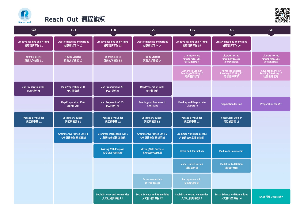
Our Blue Line curriculum, which includes courses for students in Grades 2 to 8, was designed by expert educators with advanced level degrees in their subject areas who have spent decades in some of the top international schools in the world. We use backwards curriculum design working our way from the first year of programs such as the widely recognized and respected IGCSE program.
As our educators have spent years teaching courses pre-IGCSE, IGCSE, IB and AP or A Levels curriculum, they understand what students need to succeed in those programs. И така, each aspect of our curriculum has been created to make sure that all of our students enter their first day of Grade 9 feeling confident, equipped, and prepared to meet the demands of these rigorous courses.
We offer a wide range of courses in the subjects of English, математика, History and Geography. See below for more detailed information on our full course offerings.
Additional Services
We are also pleased to announce the creation of our Silver Line, which offers bespoke educational services that take an individualized approach to meeting our students' needs. We begin with a deep assessment of each student's educational goals and needs, and then create and implement a scheme of work with which our expert educators will use to guide your child through the academic challenges of High School in order to prepare them to eventually attend their dream university.
We also offer 1-on-1 services at all grade levels for parents who wish to offer their children more individual care and instruction. Our expert Education Consultants will make sure to match your child with the best educator for his or her specific needs and goals.
Join Us!
We look forward to meeting your family and discussing how you can be part of our Reach Out family; one that learns together, cares for each other, overcomes challenges together, and celebrates successes with one another. Please contact us today to find out more.
We hope to hear from you soon!
Да си родител е трудно. Всъщност, с промените в нашия свят днес, може просто да е един от предизвикателните моменти, с които трябва да се сблъскаме от десетилетия. Промяната води до несигурност, а несигурността може да доведе до стрес. Стресът със сигурност засяга всички сфери на живота ни, sometimes it will impact our relationship with our loved ones the most; especially our children.
Our children can be complicated (let’s face it, so can we!), and it is a daunting task to ensure that every move is the “right” one. That all of our conversations, demands, requests, plans, praises and criticisms mean something. Every moment we spend talking to our kids, we hold the hope that these words will be enough to fill our children with the hope of a great future at a time where the future is so uncertain. Times change, and this too shall pass, but one thing we can guarantee is that we will never have a second chance at spending a childhood with our children.
Като родители, we often ask ourselves if we are in fact doing the right thing, wondering how we can get through to our kids, trying to understand our children better, and sometimes feeling like a guilty failure because we tell ourselves we are doing it wrong. Oftentimes, that is not the case, but there is no instruction manual on how to raise a child that will work for everyone in all situations. Sure, there is a lot of advice, an overwhelming amount of it, but again, most advice is just that; guidance and recommendations by people who don’t know you or your child. Some of it is helpful, and some of it…not so much.
One thing that we cannot deny though is the importance of a healthy relationship between parent and child.
Research shows that:
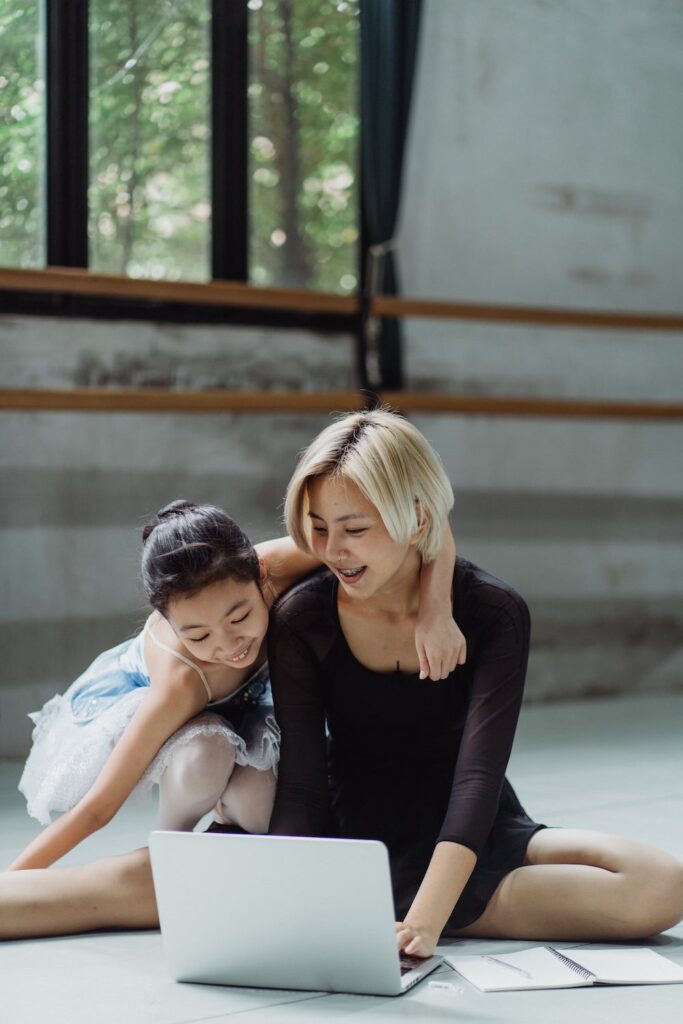
It is essential to make the time to nurture a relationship with your child, and perhaps even more imperative, making sure the interactions we have with our children during that time are positive. This is something that many parents find challenging, which is why we created a parent book club for the book Как да говорим, така че децата да слушат и да слушат, така че децата да говорят by Adele Faber and Elaine Mazlish. Together we learned ways to positively communicate with our children in order to strengthen our bonds. We spent time discussing ideas from the book, as well as had a virtual meet up to role-play some of the strategies from the book. On top of that, we invited Middle School Guidance Counselor, Реджина Венер, to provide parents with a workshop in understanding our child’s cognitive and emotional development.
Here are some highlights we would like to share with you!
First, from Как да говорим, така че децата да слушат и да слушат, така че децата да говорят, here are two of our favorite strategies:
Children have difficulty regulating their emotions, as the brain’s emotional regulation center is one of the last to develop. This means that they need our help in the form of compassion and modeling. This can be so challenging, especially when we may have difficulty managing our own emotions at times! We have an easy strategy for you that will only require two things:
When your child comes home upset about something that happened at school, instead of lecturing and offering our sage advice, we can simply listen to their concerns and repeat the ideas back to them. For example, if your child comes home upset and says something like, “Ugh, today Elizabeth and Sarah were so mean to me! They completely ignored me and I hate both of them now!” Instead of saying, “Elizabeth and Sarah are your best friends. It’s not a big deal and I am sure you will be fine tomorrow,” which could invalidate your child’s feelings, you can say, “Oh, I see. Elizabeth and Sarah made you feel a bit left out. That probably made you feel a bit sad and mad.” At this point your child might keep talking and open up to you, which is great! It means they trust you and you are making them feel better. Continue to listen, nod, say, “Mmmhmm,” and repeat what they say. Having you simply listen will likely make your child feel 100% better and ready to face their next challenge!

2. I wish!
Our children often express their desires in the form of wishing they had things they don’t have or wishing things were different than the way they are. For example, children may say, “I wish I didn’t have to do all that homework.” We may reply, “Well, you do and that’s that!” or “It’s what you have to do. It’s your responsibility so you need to do it now!”
This may escalate into a battle of wills as parents feel frustrated that they keep hearing the same complaint and repeat the same reasoning. The children feel frustrated because their opinions are being invalidated and they feel misunderstood. добре, don’t worry, we are here to help! We have a little trick that will help you turn the conversation around, and that is to agree with your child. It may sound counterintuitive, but we have firsthand experience with this trick and it works wonders!
For example, if your child says, “I wish we could go to the park today like I wanted!”
Instead of saying, “I can’t, I am too busy,” or “Yes, but we can’t, it’s raining,” we can say, “I wish we could too! We could go to the park and have a picnic! We could fly a kite and blow bubbles! Why don’t we have a picnic in the living room and after that we can blow bubbles in the bathroom!”
The first part gets the kids excited and their imagination going, taking them to a happy place. The next part makes them feel heard and connected to you.
Сега, some highlights from Ms. Wehner’s workshop:
*Please help me choose these! :)*
If you would like to join one of our workshops or book clubs in the future, make sure to follow us and stay tuned! We have great things coming up this fall!
Много родители ни питат какъв е най-бързият начин детето им да подобри писането си. Въпреки че твърдо вярваме, че няма преки пътища, за да станете наистина ефективен и опитен писател, има някои неща, които учениците могат да включат в своето писане, за да помогнат за по-ефективното преминаване на следващото ниво. Like with anything trying to be mastered, the key to success lies in hard work and repetition. Practicing these skills regularly will help your child reach their educational goals.
This article will be the first in a series of articles that will focus on skills suited for different types of writing. This week, we will focus on descriptive writing tips.
Descriptive Writing Tips:
Descriptive writing is a true art form, as its purpose should be to create an image in the minds of the readers. One cannot tell a story on action and dialogue alone, and one cannot convey deep meaning and emotion in a poem without painting a picture with his or her words.
One powerful way to excel in description is to add adjectives and adverbs wherever possible. For example, if your child is writing a story he or she might write something like:
“Harry went outside and started looking for his friends.”
While this sentence conveys a basic meaning, it’s effect on the reader is also basic. By adding descriptive language in the form of adjectives and adverbs, we can quickly and effectively add imagery to the sentence:
“Harry zipped out the front door, slamming it shut behind him. His heart raced as he ran around the neighborhood eagerly looking for his friends.”
In the revised sentence, we see descriptions that tell us not only the action that is taking place, but also helping us feel the emotion of the character, an important aspect of storytelling.

Another great way to make a story or poem more effective is by adding figurative language, such as similes. Similes are comparisons that use like or as that can be used to help the reader imagine what is happening more clearly.
For example, your child might write something like:
I was so happy!
It was so cute!
He was so scared!
We can add similes to help create an even better result:
I was as happy as a a kitten in a yarn shop.
It was a cute as a baby panda playing in the snow.
He was as scared as a rabbit that just heard a wolf howl.

Our final tip for descriptive writing is to choose vocabulary that is so precise that it communicates exactly what the writer wants the reader to feel. Often, students will write descriptions that are a bit vague, with sentences like:
He was very tired.
The movie was very boring.
They were very cold.
The room very hot.
Again, these sentences convey a simple meaning, but in descriptive writing, that is simply not enough. Effective description uses vocabulary that has an impact, and we can achieve that by choosing only the best words to convey the most exact meaning.
See how we can take the sentences above from ordinary to extraordinary by replacing part of the sentence with powerful vocabulary:
He was exhausted.
The movie was unimaginative.
They were chilled to the bone.
The room was roasting.
The good news is that your child doesn't need to rely on his or her current vocabulary knowledge in order to succeed in creating sentences like those above. The thesaurus has all of the words they need to create memorable descriptions.
We hope these tips have been helpful! If you would like for your child to learn how to put these skills into practice with one of our passionate educators, stay tuned for coming announcements on our new summer and fall courses!
Next week, we’ll have a look at persuasive writing tips!
Разкажете ни малко за себе си.
Израснал съм в пет различни държави (Швеция, Англия, Германия, Южна Африка, и Канада). Интегрирането в разнообразен спектър от култури по време на израстването ми ме накара да гледам на света с отворен ум. I currently reside in Canada and work as both a university lecturer and a Math teacher at Reach Out. Outside of work I really enjoy sports such as badminton and chess, which I played at a competitive level for many years.

What is your educational background and qualifications?
I received a Bachelor of Science Degree from the University of British Columbia (UBC) and an obtained my MSc at the same university. My graduate work involved experimental geoscience where I designed an apparatus to investigate how diamonds reach the surface of the Earth through high velocity magmas. I published articles in two high impact journals and presented the work across Canada and Europe.
During my graduate studies I had the privilege of lecturing a few classes which transitioned into a lectureship position. Teaching at the university level involves lecturing a class of over 200 студенти, which is very different to the work I do at Reach Out, but has helped me develop a dynamic teaching style.
Additionally, I have been teaching Math and Science both privately and through educational organizations for over 6 години.
Why did you join Reach Out?
I joined Reach Out because the prospect of being able to deliver high quality education from around the globe without border restrictions resonates with me.
I feel that the reason I am committed to staying at Reach Out is more important. The personalized classes being delivered has allowed me to connect with the students, making their progression much more meaningful to me. Some students have been together with me through multiple grade levels and I feel immensely proud to have played a role in their education.
What is your educational philosophy?
Having a background in experimental science has allowed me to see value in making breakthroughs through experimentation. By allowing students to experiment with different methodologies while offering guidance is an extremely effective way of teaching students to not be afraid of failure. Richard Fuller correctly said, “There is no such thing as a failed experiment, only experiments with unexpected outcomes.” Students often start my classes afraid to answer questions, discuss with their classmates, or write on the board since they don’t know the answers. Since I am always more focused on solutions rather than answers, students’ are rewarded for trying new techniques, discussing failed methods, and asking questions about their classmates’ work. I found this to produce a phenomenal learning environment and takes a lot of pressure off the students.

What is your favorite thing about teaching Math?
My favorite thing about teaching Math is the exciting challenges it provides. After teaching Math for many years, I have come to realize that students see the world from a unique perspective, which more often than not, is very different from my own. This diversity produces a wide spectrum of learning styles and requires me to stay very flexible with the methodologies I use in my teaching.
Math is a complex subject which has provided us with a universal language to better understand the universe that surrounds us. Having a good problem solving ability is a byproduct of learning Math and crucial for success in the modern world. For these reasons I have the responsibility to transform a traditionally dry and boring subject into something exciting by creating compelling lessons and using creativity to inspire my students. This will always be something I love about my job.
Who is your favorite mathematician and why?
This is a tough question, and it’s hard to pinpoint one Mathematician since I utilize the works of so many Mathematicians in just one lesson. If I had to pick it would be either Johannes Kepler or Nicolaus Copernicus since I also love astronomy. Their Math not only challenged everything that was believed about our solar system at the time, but also formed the foundations for understanding planetary motion. Space travel has relied heavily on these concepts.
If you could only give parents one piece of advice when it comes to helping their child improve in Math, what would it be?
One thing I have worked on a lot with my students, is getting them to explain their solutions to me regardless of how easy it may seem. Being able to arrive at the correct answer in certain school curriculums may not require a complete understanding, but being able to explain a solution well does require a good understanding. Make sure that your child is always showing very clear steps in their work and that they can explain their steps to you. This certifies understanding and shows they are prepared for questions which test the same concept but may be worded differently.
What is one fun fact about yourself?
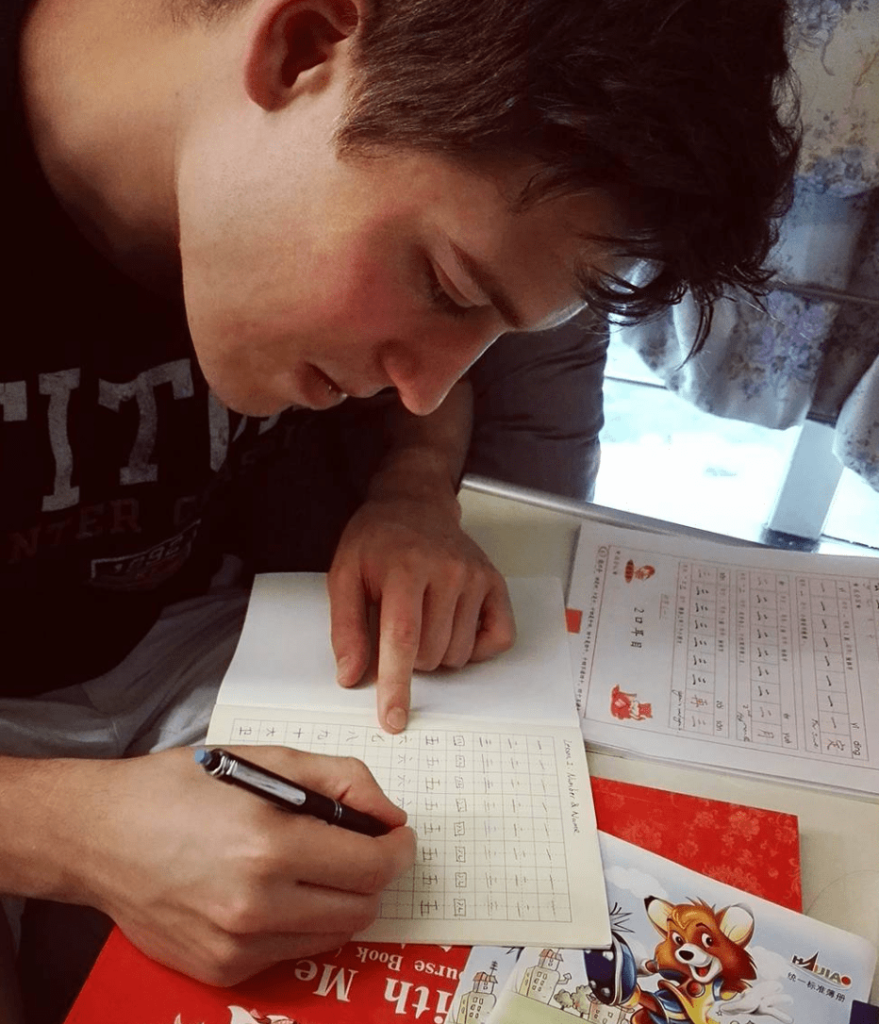
I really like learning languages! After growing up in many different countries I can speak English, Swedish, and German fluently. For the past two years I have been working to add Chinese to my collection and have enjoyed the unique challenges that learning this complex language has provided me with.
Тайната градина е част от класическата литература, която е била част от неизброим брой детства (ако сте пропуснали нашата статия за това защо децата трябва да четат класически романи, вижте го свързано по-долу!). Това е силна история за приятелство и откриване на себе си, която резонира с душите ни.
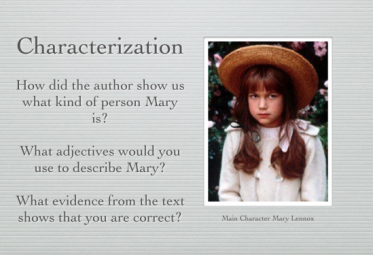
Тайната градина is about a young girl named Mary Lennox who loses her family and everything familiar with her due to a cholera outbreak in India, where her father was working as a British Army Captain. As a child, Mary was quite neglected, but indulged by family’s servants, so she was a spoiled child with a terrible disposition. She had very few traits that would help her cope with a new life in England, where she was sent to live with a grouchy distant relative, г-н. Craven.
г-н. Craven had very strict rules for Mary to follow at her new home at Misselthwaite Manor in Yorkshire, which included her being forbidden to enter various rooms inside the giant mansion, as well as forbidden to enter one of the gardens on the sprawling property, which belonged to his beloved late wife. As Mary begins to explore her new home, she begins to find a sense of happiness and regains her health after being sickly for much of her childhood. After a robin helps her find the key to the secret garden, she finds a sense of purpose in restoring the garden, much as she restores her inner self. Through the thorns and dried leaves of winter, she finds much more lies within.
Aided by new friend Dickon, Mary develops her first friendships, and uses her newfound strength and kindness to help her bedridden cousin Colin, whom she finds tucked away in the manor. Friendship strengthens both Mary and Colin, and in the end, everyone witnesses a miracle only made possible by these close bonds and belief in oneself, two very important themes in the novel.
Young people will love reading this fantastic story of friendship, overcoming obstacles, and experiencing the healing power of nature. The characters and the lessons they teach us will surely touch your child and help them experience the power of a great story.
If you would like an opportunity for your child to experience this story with others, we are happy to let you know that we will be reading Тайната градина as the first novel in our Young Classics Level 2 Course this summer.
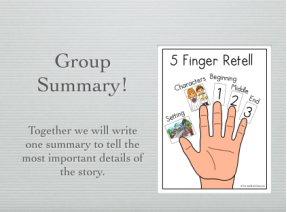
In the course, we not only read the novel, but we also learn and apply new vocabulary from the book, discuss important literary techniques used by the writer, and practice writing summaries, a key skill that many students find challenging
If you are interesting in learning more about Young Classics, or and of our other excellent and engaging courses, свържете се с един от нашите образователни консултанти днес! We hope to work with your child very soon!
Изучаването на литература е важен аспект от всяка отлична академична програма, и това е така, защото помага да се преподават на учениците широк набор от знания и умения, които са от съществено значение за успеха в много области на живота. Докато учи литература, учениците научават за важни събития и хора през цялата история, they consider cultural perspective and increase their own understanding of acceptance of different ideas and beliefs, and they learn how to analyse the words of others in order to form a deep understanding of new ideas and ways of communicating. In short, it exposes students to a toolbox of ideas, techniques, strategies, theories, and more that they will carry with them throughout their life, shaping the way they approach the world.
Why do we offer this course?
Reach Out students typically pursue high school programs such as IGCSE, which includes challenging courses such as English Language and Literature and English as a First Language. Later, most of those students will take on the challenge of IB and AP level programs, in which they must take on the task of reading a variety of literature. Our aim is to expose students in upper primary and middle school to a wide range of advanced literature so that by the time they reach high school they possess the knowledge and skills to hit the ground running, and therefore achieve to a higher level.
This course is designed for Grade 7-9 студенти.
The Objectives of our Advanced Literature Course are to:
✪ Enhance students’ ability to understand and discern literary techniques used English and American literature, and the ability to communicate the effects of those techniques;
✪Improve children's literary comprehension skills and increase their understanding of British and American culture;
✪ Under the guidance of our expert educators, learn the power of language and storytelling in a challenging yet engaging way.
Meet Our Teachers
*Insert teacher bios here for Barry, Anthony, and John*
Our Book Selections:
Cry the Beloved Country by Alan Paton

Set in South Africa in the 1940s, award-winning Cry the Beloved Country tells the story of a Zulu Pastor, Steven Kumalo, who travels from his village to the city of Johannesburg. Along his arduous and heart-wrenching journey, he discovers that his sister and son have found themselves in terrible situations that he must now face with them. The characters’ vastly different lives become unexpectedly woven together through tragedy during a dark time in South Africa’s history. Въпреки това, through tragedy and challenges, the true nature of the human spirit can be found and uplift those who need it most.
Dracula by Bram Stoker

The legend of Dracula has loomed large in the minds of readers and movie-goers for generations. Bram Stoker based the infamous character of Dracula on the legend of the real life ruler of Wallachia, Vlad the Impaler. Stoker was able to take this dark corner of history and turn it into a legendary novel told through journal entries, letters and telegrams. As with any classic, Dracula has stood the test of time because it speaks to something very deep and meaningful within the human psyche.
Of Mice and Men by John Steinbeck
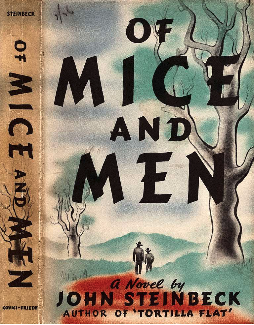
The Great Depression was a defining moment in American history that tested its strength as a nation, and placed the population in a precarious balance between life and death. In what is considered one of the greatest American classics, readers are introduced to two displaced migrant workers, George and Lennie. George is an intelligent young man, while Lennie is mentally disabled. George takes Lennie under his wing as they seek employment where few opportunities exist, trying to survive, yet still dreaming of the day they will have their own land and build a life. Their hopes are dashed when a devastating incident occurs that alters their lives forever.
What Students Will Gain
Develop an early sense of literary appreciation,
See the world from a more mature perspective
British and American classics contain thought-provoking moral and social issues. Reading the most influential classic literature thoroughly helps students become better readers, and begin the process of pursuing self-realization.
Improve understanding of culture and history
Learning allusions from classic British and American literature can help us bridge cultural differences. "The classics have opened the door to different worlds, different cultures, and different historical perspectives. Literature crosses race, culture, religion, and geography."
Self-reflection and personal growth
Many classic literature allude to our lives from the side: books that reflect similarities to our own lives are called "mirrors"; and those that give us a glimpse of different lives are called "windows." Whether it is a "mirror" or a "window", it further enriches the students' life experience and increases the courage and strength to face life.
Join Us!
Contact us to discover more about our course. We sincerely hope to meet your child soon, and develop a love of reading classic literature together.
Връща се времето за училище и знаем, че родителите се подготвят за новата година с нови начала. Началото на новата година обикновено се посреща със смесица от вълнение и малко тревога, тъй като учениците и родителите очакват с нетърпение нови умения и опит, but also might feel nervous about new routines and expectations.
не се безпокойте, Reach Out it here to help! This year, we have 5 top tips to a fantastic start to the school year.
Understanding how your child’s school approaches education, what curriculum they use, what systems, and standards are used can be overwhelming for non-educators. Spending a bit of time each day reading your school’s website content, handbooks, and other resources can help you feel more confident in understanding what your child is learning at school and how they are learning. It’s also important to attend your child’s back-to-school night and informational sessions to get a better understanding of your child’s program as a whole. It also provides a great opportunity for you to establish a relationship with your child’s teacher. At any time if you still have questions, you can always e-mail your child’s teacher. They are there for you and your child, as they know that a great relationship with parents is a fantastic way to ensure academic, social, and emotional success for all students.
2. Make Sure to Catch Enough Zzzzs Before the ABCs
Sleep is so important for a child’s growth and development, and a lack of it can negatively impact a child’s academic achievement. Всъщност, research shows that sleep depravation in children can lead to higher rates of anxiety and depression. When we sleep, our brain processes the information from he day, finds the best system to file it away in out memories, and re-charges our systems for a new day. For various reasons, parents often find sticking to an early bedtime difficult, but with a clear routine, and time for adjustment, it can be easy! Children 3-6 years old should be getting 10-12 hours of sleep per day, 7-12 year olds should get 10-11 hours per day, и 12-18 year olds should get 8-9 hours per day. Creating a schedule where children get to bed earlier will make mornings easier as well, hopefully with less stress for both parents and children as they will be well rested and ready to start their day!
3. Ask the Right Questions at the Right Time
Sometimes parents are anxious to know how their child’s day was as soon as they get home from school, especially during the first few weeks. Those weeks are especially exhausting and full of ups and downs as your child learns to navigate new material, new friends, new teachers, and new expectations. Giving them time to come home and decompress is extremely important for their emotional and mental well-being. Once they have had some “me” time, parents can ask specific questions based on what they know they are working on, if they happen to know. They can go through their child’s homework diary with them and help them make a plan on how to tackle each task, as well as share in their enthusiasm for specific subjects, books, or information they also enjoy. Avoid asking, “How was school? What did you learn?” as kids respond much better to more specific questions, such as, “What did you do with your friends at lunch? What was the best part of your day? What was the weirdest or most wonderful thing that happened at school today?” Most importantly, parents should be fully present and listen intently when students answer, so they really feel valued and hear when they share.
4. Let Them Learn From Failure
This one can be extremely hard for parents to allow. We want our children to do well and reach their full potential, which means we might go over each assignment with a fine-toothed comb, correcting every mis-calculation or grammar mistake. Although parents have good intentions when we do this, we are taking away important learning opportunities from children when we do so. Back when we were students, many of our parents were often too busy or didn’t have the knowledge or capacity to help us with our school work, but we found a way to push through and try our best. If children are never given opportunities to fail when they are young, they might resist taking on challenges later in life for fear of failing at them. Въпреки това, when we let them fail gently, such as on an assignment or at a little league soccer game, we are teaching them resilience. It’s not the end of the world, and they learn a valuable lesson; that we can try and not succeed, dust ourselves off, and try again next time.
5. Nurture Their Passions
New school years are an exciting time for many reasons, one of them being that they provide children a chance to discover new passions. If they are lucky, they will stumble upon something they truly love, and that they can become fascinated with enough to spend hours on end discovering. Helping a child find his or her passion is not always easy and takes time. Sometimes parents worry if their child focuses too much on a couple of things, and feel they need to expose them to as much as possible to help shape them into well-rounded individuals. Въпреки това, if we look at the people who have shaped our world, it was because they had a laser focus on what they were passionate about. It was all they ever did or do. As humans, we naturally gravitate towards what we love most, and as long as it provides some sort of value on top of fulfillment, we should continue pursuing it. И така, don’t worry if your child protests going to one activity while running out the door to attend another. Maybe the one they love is the most valuable to their growth and development, and the one they don’t like isn’t that necessary after all.
We hope these tips have helped, and we wish you and your child the best in the coming school year! We are excited for the new school year and all of the challenges and hope it will bring.
Reach Out will be with you every step of the way, so be on the lookout for more information and more articles we hope you will love!