U Reach Out, vjerujemo da je veoma važno slaviti uspjehe učenika. Sa zadovoljstvom najavljujemo još jednog Star Studenta - Emma!
Emma predstavlja sve što učenici mogu postići uz naporan rad i posvećenost izvrsnosti. Emmini učitelji prepoznaju je kao učenicu koja ima divan stav prema učenju, veoma je prijemčiv za instrukcije, i ima porodicu punu podrške koja često komunicira sa svojim nastavnicima. U razredu, Emma je pažljiva i pažljiva slušateljica koja je dovoljno samouvjerena da podijeli svoje ideje, ali dovoljno strpljiv da svakome dođe na red. Ne smeta joj da rizikuje, i u stanju je da unese svoju ličnost u svoj rad.
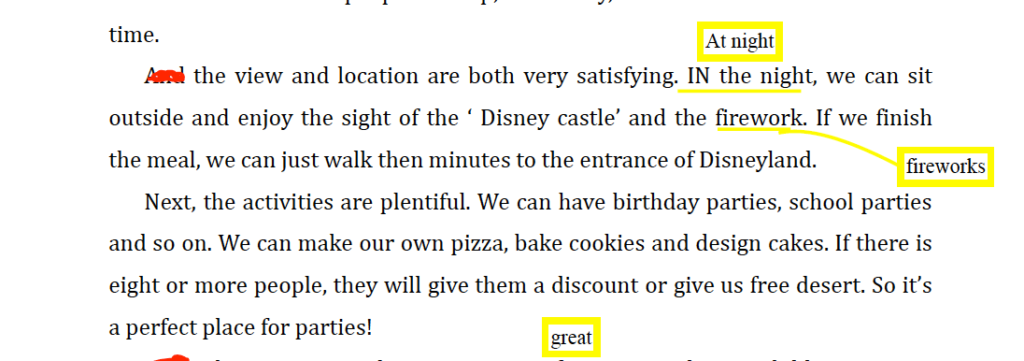
Emma je trenutno upisana na naš nivo kreativnog čitanja i pisanja 4 Naravno, i pokazala je pravi dar u mogućnosti da stvori snažne slike u svom pisanju. Na početku semestra, završila je recenziju ogranka Blue Frog's Shanghai Disneyland.
Emma je pokazala svoju sposobnost da kritikuje određene aspekte mjesta, i razvija svoje ideje koristeći odgovarajuće detalje.
“Pogled i lokacija su vrlo zadovoljni. Noću možemo sjediti napolju i uživati u pogledu na Diznijev zamak i vatromet.”
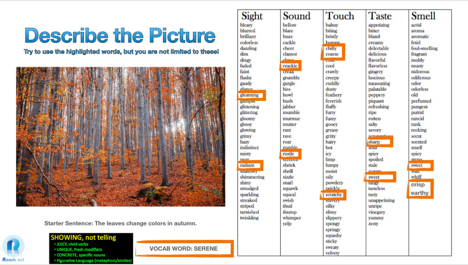
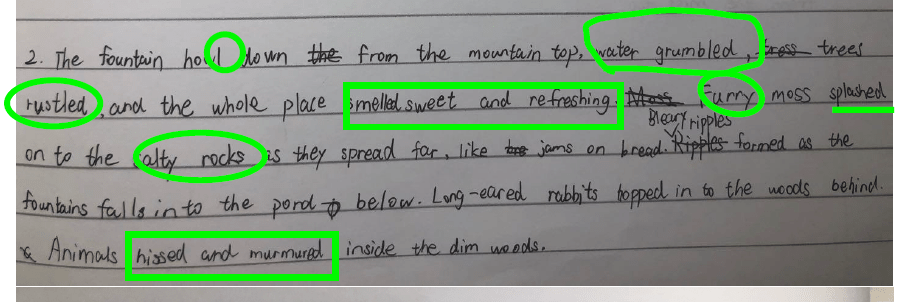
Kako je semestar odmicao, Emma je pokazala razvoj u svojim vještinama pisanja, i počeo da uključuje naprednije književne tehnike. U zadatku za opisivanje pejzaža, Emma je uspjela stvoriti snažnu sliku koristeći precizan vokabular i figurativni jezik.
„Čupava mahovina prskala je po slanim stijenama dok su se širile daleko, kao džem na hlebu. Mutni talasi su se formirali kada je fontana pala u jezerce ispod.”
Emma je nastavila primjenjivati lekcije koje je naučila tokom cijelog kursa, a njena spisateljska sposobnost postala je jača. U nedavnom zadatku na pisanju Fantasy Narative, Emma je namerno i efikasno konstruisala okruženje i karakter svoje priče.
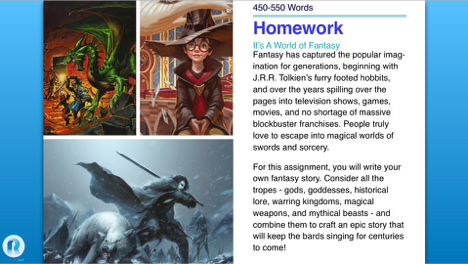
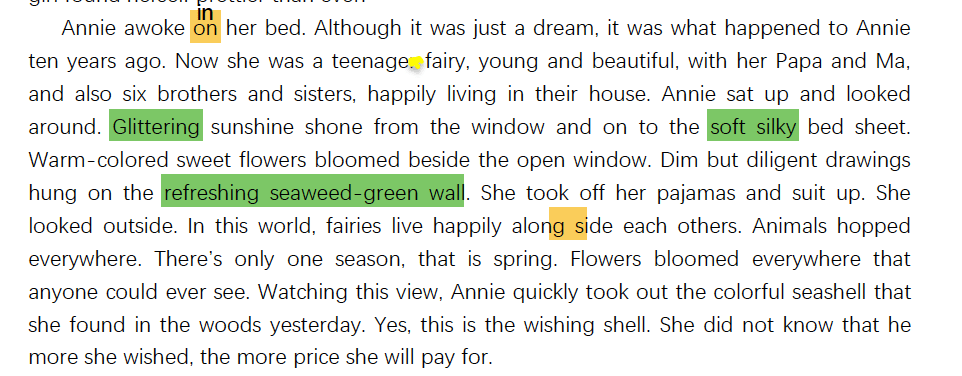
“Svjetlucavo sunce sijalo je sa prozora i dalje na meko, svilenkasta posteljina. Kraj otvorenog prozora cvjetalo je slatko cvijeće toplih boja. Nejasni, ali marljivi crteži visili su na osvježavajućem zelenom zidu od morskih algi.”
Kao što vidite, Emma pokazuje karakteristike perspektivne mlade spisateljice. Njena odlučnost da se poboljša, i pažljiva primjena naučenih lekcija pomogli su da se njeno pisanje podigne na napredniji nivo.
Hvala ti Emma, što si takva ZVEZDA! Radujemo se što ćemo vidjeti vaš rast još dugo vremena. Znamo da je ovo samo početak briljantnog putovanja.
Kao edukatori, često su nam postavljali ovo pitanje, „Kako da nateram svoje dete da prestane da čita stripove?” Roditelji su zabrinuti da stripovi nemaju obrazovnu vrijednost, nisu dovoljno akademski rigorozni, ili najgore od svega, gubljenje vremena njihovog djeteta. Na ovo, naš odgovor ih obično iznenadi, a taj odgovor je, “Neka čitaju stripove!”
Razumljivo je da bi roditelji bili pomalo zabrinuti jer je percepcija da su stripovi isključivo za uživanje u čitanju, međutim, stripovi imaju mnoge prednosti osim što nam pomažu da provedemo vrijeme.
Stripovi i grafički romani nisu novi oblici pisanja. Naravno, u njima su uživali mnogi generacijama. Tokom godina, žanr se promenio u jedan sa značajnom dubinom i značenjem, zbog čega ohrabrujemo roditelje da svojoj djeci ne dozvole samo čitanje stripova, ali i da ih podrži u tome.
Evo naših glavnih razloga zašto stripove treba čitati (posebno ljeti!):
Za studente kojima engleski nije maternji jezik, stripovi im pružaju odličan način da počnu uživati u engleskoj književnosti. Za mnogo djece, zadatak prelaska iz udžbenika engleskog jezika na roman može biti veoma zastrašujući, ali stripovi im mogu pružiti neophodan most za izgradnju samopouzdanja, kao i za tečno čitanje. Vizuelni znakovi na slikama omogućavaju učenicima da stvore dublje razumijevanje radnje i likova, kao i novi vokabular. Osim toga, upoznaje ih sa efikasnim književnim sredstvima, kao što je onomatopeja (mislim POW! SMACK! ZOOM!) i idiomi (ilustracija koja pokazuje značenje idioma poput, “Mačka ti je uhvatila jezik?” ima mnogo više smisla nego samostalno zagrijavanje idioma!).

2.Enhancing Inference
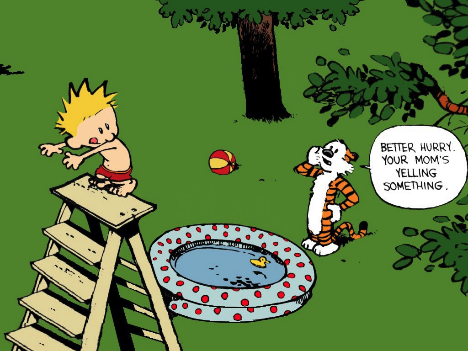
Zaključivanje je ključna vještina čitanja s kojom se mnogi učenici bore na standardiziranim procjenama čitanja. Zaključci se dešavaju kada donosimo zaključke na osnovu onoga što čitamo. Neki primjeri pitanja na koja će se učenici susresti tokom zadataka ili ocjenjivanja s razumijevanjem čitanja su oni kao što su, “Kako se lik osjećao kada?”, “Šta možete zaključiti o…” i “Šta je bila pouka u priči?” Stripovi zahtijevaju da učenici “čitaju između redova” kako bi zaključili informacije koje obično govori narator u romanu, tako da mogu steći mnogo dragocjenog iskustva u jačanju ove vještine čitajući stripove.
3.Word Power!
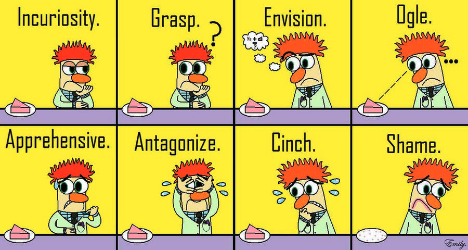
Često u stripovima i grafičkim romanima, pisci uključuju prilično napredan vokabular, i kao dio priče kao i u imenima likova. U 2016 na svjetski poznatom Comic-Conu u San Diegu, California, panelist edukatora raspravljao je o moći stripa u izgradnji rječnika učenika. James Bucky Carter, rekao je autor knjige Izgradnja veze pismenosti sa grafičkim romanima, „Imate Colossus, i ovako je veliki, gigantski metalac. Imaš stvarno dobar osjećaj šta znači riječ kolos i to je dobra riječ od 10 centi. Bansheejeva moć vrišti. Imate ove likove koji utjelovljuju riječi iz vokabulara koje jesu. To je nešto što je zabavan način da naučite nove riječi, pored kontekstualnih tragova.”
Nakon što pročitate ovo, možda ćete samo htjeti pustiti svoje dijete da zaroni u čitanje stripova ili grafičkih romana! To je muzika za naše uši. Ako niste sigurni odakle početi, imamo neke omiljene učenike koje bi vaše dijete moglo probati!
Dog Man, Dave Pilkey

Miles Morales Spider-Man od Jasona Reynoldsa

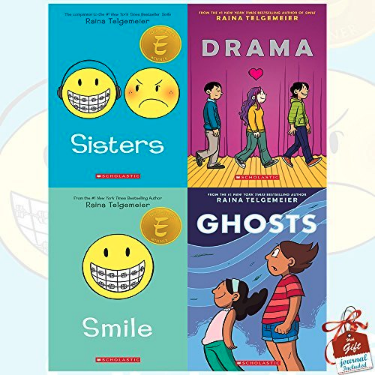
Smiles, Sestre, Duhovi, Drame i druge priče Raine Telgemeier
Bone od Jeffa Smitha

Tražite više ljetnih prilika za čitanje za vaše dijete? Kontaktirajte jednog od naših savjetnika za obrazovanje za više informacija o našim ljetnim kursevima čitanja. Radujemo se čitanju sa vašim djetetom!
Sezona ispita je stigla, i to može biti veoma stresno doba godine i za učenike i za roditelje. U Reach Out-u želimo dati sve od sebe da ublažimo anksioznost pred ispitom nudeći neke jedinstvene savjete za učenje koje možda niste probali.
Uobičajenu mudrost učenja često su slijedili mnogi roditelji i nastavnici koji misle dobro, međutim, ako pogledamo neke zanimljive pristupe zasnovane na istraživanju, možemo vidjeti da postoji niz efikasnih načina za proučavanje! Uvijek je dobro probati nove stvari, posebno za djecu. Oni mogu iskusiti nove načine obavljanja stvari kada su mladi, a kad malo postanu, mogu izabrati način koji najbolje odgovara njihovim ličnim potrebama i stilu.
Sada, pogledajmo tri jedinstvena načina učenja.
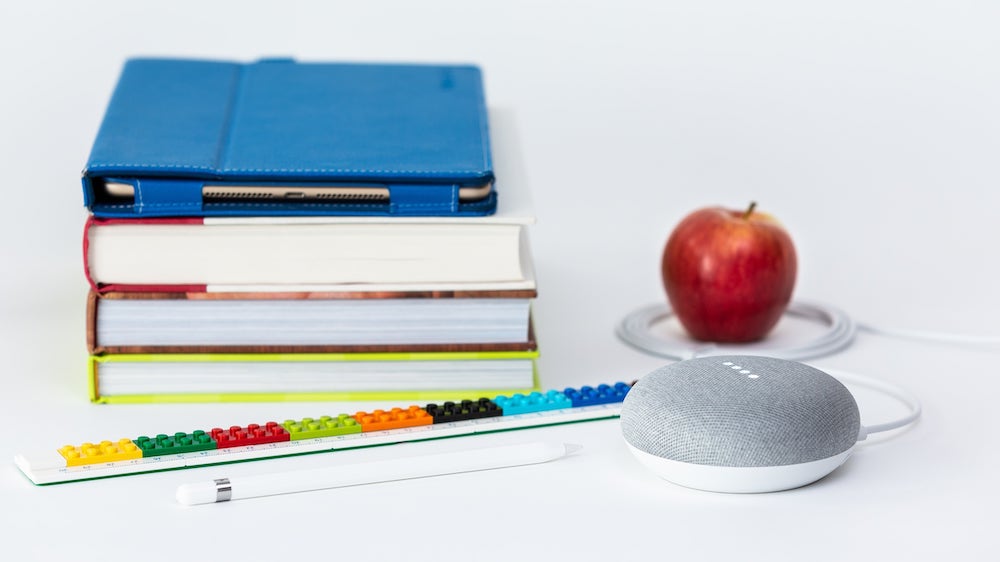
Raznolikost je začin života - čak i kada studirate
Za mnoge, mnogo godina su nam to govorili da bismo dobro učili, treba da učimo na istom mestu svaki dan; mesto koje je tiho, dobro osvijetljen, i ima sve naše materijale. Iako bi to moglo biti istina za dio vremena koje proučavamo, istraživanja nam pokazuju da naš mozak zapravo radi bolje kada mijenjamo lokaciju na kojoj učimo. Prilično iznenađujuće, u pravu?
U studiji koja je urađena skroz nazad 1978, studentima su davani 40 riječi vokabulara za proučavanje. Jednoj grupi je rečeno da dva puta prouči listu na istoj lokaciji. Drugoj grupi je rečeno da prouči listu na dvije različite lokacije. Ono što su pronašli je bilo, grupa koja je mijenjala svoje lokacije za učenje zapravo je imala bolje rezultate u pamćenju riječi kasnije. Zašto je to tako? Pa, naš mozak često uspostavlja veze sa informacijama na osnovu našeg okruženja, pa što više variramo naše okruženje, što više dajemo našem mozgu priliku da zadrži informacije jer će se one vezati za više stvari. Ovo može biti i razlog zašto jedna tehnika vizualizacije, gdje se vizualiziraju stvari koje žele zapamtiti na određenim mjestima u okruženju koje im je poznato, može biti i tako efikasna. Za studente, jednostavno mijenjanje okruženja moglo bi učiniti trik!
Zabavite se!
Neki roditelji mogu pogrešno pomisliti da ako se njihovo dijete smije ili uzbuđuje dok uči ili uči, možda gube vrijeme. Međutim, ovo nije nužno slučaj.
Kao roditelj, na svom poslu ili u kancelariji možete s vremena na vrijeme imati posebne radionice. Radionice se obično koriste kao alat za učenje o novoj strategiji, ideja, ili informacije koje će vam pomoći da naučite više na poslu. Ove sesije često vode ljudi koji su specijalizirani za kreiranje motivirajućih i inspirativnih radionica koje osnažuju i energiziraju zaposlenike. Dani mogu biti dugi i intenzivni, ali ako se rade kako treba, zaposleni mogu otići sigurni u svoja nova znanja i vještine.
Isto važi i za mlade ljude. Uvođenje igrica i zabave kao načina učenja za ispite ne samo da izmamite osmijeh na Vaše dijete, ali istraživanja pokazuju da zabava tokom učenja aktivira određene kognitivne resurse, povezuje nagrade i zadovoljstvo sa učenjem, jača i širi memorijske mreže, i uključuje apstraktno razmišljanje i fokusiranu pažnju.

Pomodoro tehnika
Ostati fokusiran, na zadatku i motivacija za obavljanje određenih aktivnosti može biti teško i za odrasle i za djecu. Jeste li se ikada osjećali kao da satima buljite u ekran kompjutera, ali postigao vrlo malo? Ili možda imate rok za nekoliko dana, ali samo napreduju ka cilju? Nije ni čudo, kao što istraživanja pokazuju da naš um ima tendenciju da odluta do 20% tog vremena, možda čak i više za mlađe ljude.
Jednu zanimljivu tehniku osmislio je student Francesco Cirillo kako bi mu pomogao da ostane fokusiran, a to je Pomodoro tehnika, koji je dobio ime po tajmeru u obliku paradajza koji je Cirillo koristio dok je testirao ovu strategiju na sebi. Kako to funkcionira je da postavite tajmer za 25 minuta, što je radno vrijeme. Zatim ponovo postavite za 5 minuta, što je vrijeme pauze. Ovo je sjajno vrijeme za ustajanje, rastegnuti, prošetati po kući, mazi svoju mačku, ili popijte vodu ili užinu. Vrijeme nakon pauze je isteklo, podesite tajmer za drugi 25 minuta i ponovite!
Ispostavilo se da je ova strategija potkrijepljena naučnim dokazima, kao što su istraživači zaključili da kratke pauze pomažu da vaša pažnja bude na pravom putu. Ovo bi moglo biti povezano sa činjenicom da kognitivna dosada može dovesti do neangažovanog uma, što je posljednja stvar koju želite kada učite za važan ispit.
Nadamo se da ste uživali u istraživanju ovih jedinstvenih savjeta za učenje koliko i mi! Želimo vašem djetetu sve najbolje na ispitima ovog mjeseca. Jiayou!
Znamo da postoji toliko toga što možemo učiniti da odgajamo i obrazujemo našu djecu, zbog čega se kao roditelji često trudimo ispuniti njihovo vrijeme obogaćujućim aktivnostima i časovima. Zašto ovo radimo? Naravno, iz mnogo razloga, ali glavni cilj je osigurati njihov budući uspjeh. Roditelji se nadaju da će njihova djeca biti još uspješnija u životu nego oni sami. Uspjeh, naravno, je subjektivna, i svi mi možda imamo svoju definiciju uspjeha. Međutim, generalno, mogli bismo se složiti da uspjeh uključuje osjećaj zadovoljstva u nečijem privatnom životu, kao i osjećaj zadovoljstva karijerom i finansijske sigurnosti.
Nedavno je na društvenim mrežama podijeljen intrigantan TED govor, u kojem bivši dekan brucoša na Univerzitetu Stanford, Julie Lythcott-Haims, citira dokaze iz Harvard Grant studije koji povezuju profesionalni uspjeh u životu s pojedincima koji su obavljali kućne poslove kao djeca. Ne fudbalski trening, ne učenje jezika, ne farbanje, ali kućni poslovi.
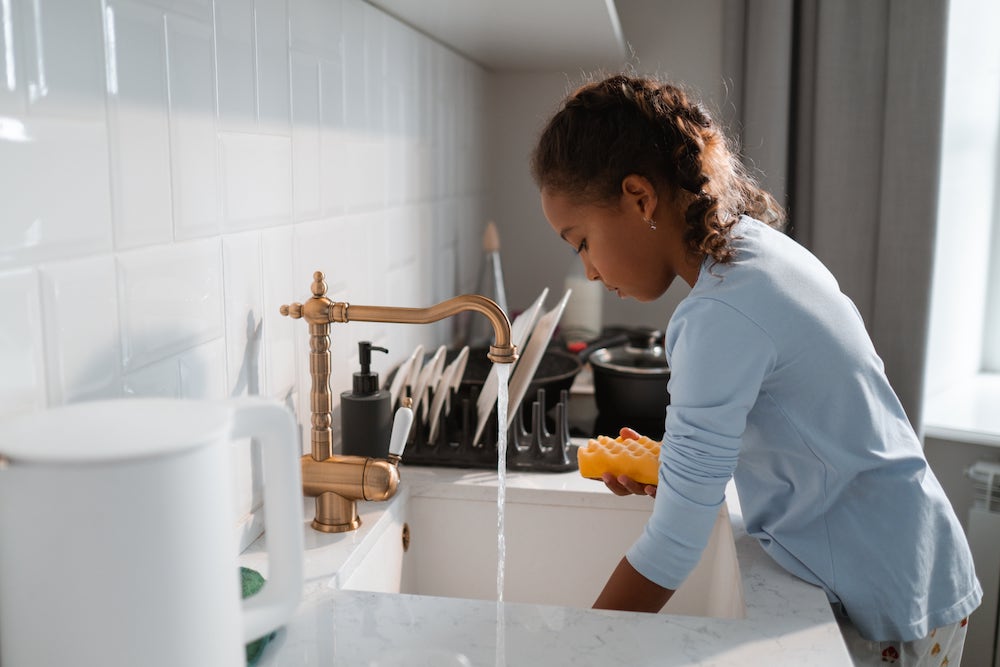
Iznenađujuće tačno?
Mnoga naša djeca koja odrastaju u velikim gradovima možda nikada neće znati kako je ribati sudove, oprati prozor, ili obrisati pod. Možda smatramo da postoje važnije stvari koje treba uraditi kako bi izgradili njihovo znanje i karakter. Lythcott-Haims objašnjava da ona djeca koja zaprljaju ruke, međutim, mogu dostići nivo uspjeha u životu koji nadmašuje njihove vršnjake bez obaveza. To je zato što uči učenike kako da doprinesu i iskorače kada posao treba obaviti, i to obavljanje “grubnog posla” kojem bi se drugi mogli podsmijevati, jer je to ono što je najbolje za sve, je ono što se primjećuje na radnom mjestu.
Zapažena su radna mjesta onih s visokim postignućima koji su učestvovali u Harvard Grant studiji, kao što je Bela kuća, gdje je radio predsjednik Kennedy, i uredništvo u kojem je sjedio Ben Bradlee kao urednik Washington Posta. Možemo pretpostaviti da su njihovi roditelji, kao mi, morao podsticati i moliti za obavljanje poslova, i prihvatite to čak i ako su gotovi, možda nisu dobro urađeni; i to je u redu.
Bitna stvar, kako ističe Lythcott-Haims, da li je to obavljanjem poslova, djeca shvataju da oni, “…moraju raditi životni posao da bi bili dio života.” Shvate da se život ne dešava samo njima, i za njih, ali sa njima.
Ako vaša djeca već rade kućne poslove kao dio svoje dnevne ljetne rutine, bravo! Na pravom ste putu. Ako ne, nema potrebe za panikom. Nikad nije kasno da u život naše djece uvedemo kućne poslove. Evo nekoliko savjeta koji će vam pomoći da započnete!
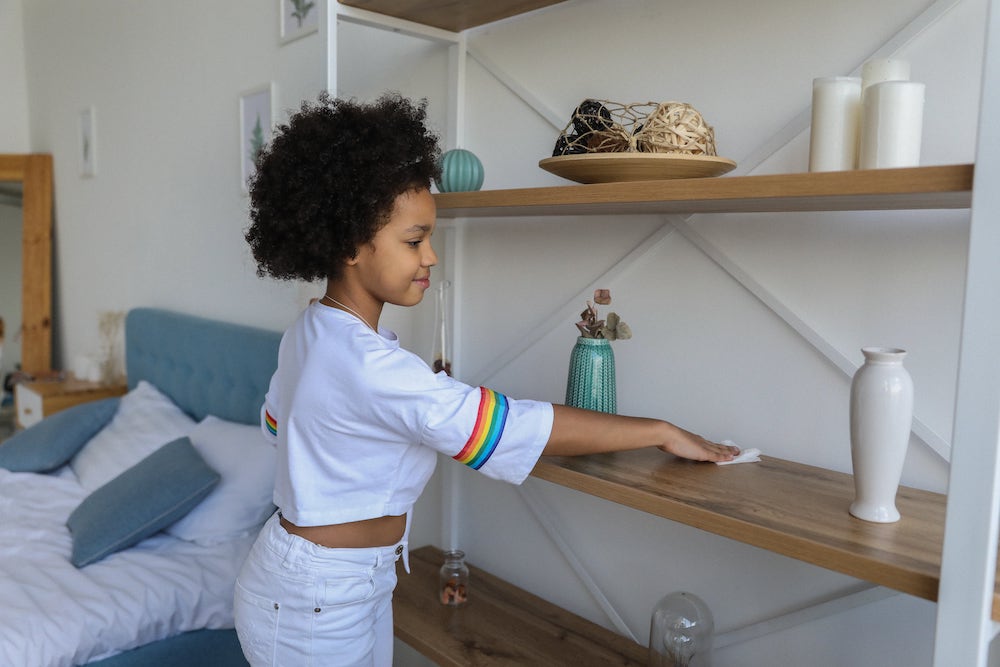
Neka budu dio toga
Prilikom uvođenja koncepta vaše djece koja obavljaju kućne poslove da vam pomognu, održite “porodični sastanak” na kojem su svi prisutni kako bi razgovarali o tome šta se očekuje od vaše djece i zašto. Možete zamoliti svoje dijete da vam pomogne da napišete listu kućnih poslova kojima bi potencijalno mogli pomoći. Možda će vas iznenaditi svojim entuzijazmom jer je obavljanje kućnih poslova za neku djecu vrlo uzbudljivo jer se osjećaju osnaženim i korisnim (dvije stvari koje često volimo osjećati kao odrasli).
Igrajte ga
Da stvari budu zabavne, jer zabava čini sve boljim, vi ili vaše dijete možete pisati zadatke na štapićima od sladoleda i svaki dan vaše dijete može izabrati jedan štapić iz tegle. To će im biti zadatak za taj dan! Ako imate više od jednog djeteta kod kuće, čišćenje uvijek možete pretvoriti u natjecanje tako što ćete postaviti tajmer i vidjeti koje dijete može očistiti najviše igračaka u datom vremenu, na primjer.
Nagradi to
Kao roditelji, za svoj doprinos na poslu nagrađujemo platom. Ne bi li i naša djeca trebala biti nagrađena za svoj trud? Jedna ideja je da ako vaše dijete završi sve svoje poslove za sedmicu, on ili ona može izabrati malu igračku iz „kutije s blagom“ ispunjene malim igračkama. Druga opcija bi mogla biti ako vaše dijete uporno obavlja kućne poslove mjesec dana, mogu izabrati ekstra poseban porodični izlet.
Naučiti našu djecu da rade kućne poslove nije uvijek lako, ali potencijalne koristi su vrijedne vremena i truda. Nadamo se da su vam naši savjeti bili korisni, i da mogu pomoći da dovedete do pozitivnog iskustva za vas i vaše dijete. Sretno čišćenje!
We are pleased to announce a new summer book club, just for parents! Summer is the perfect time to read that book you have always wanted to read, but have not had the time to. This summer, we invite you to join us in reading How to Talk So Kids Will Listen and Listen So Kids Will Talk.
We know it is not always easy to connect with our children because of the demands of school, work and daily life. Sometimes our anxieties about the future interfere with us living our lives right now. Međutim, one thing we can guarantee is that we will never get another chance to experience childhood with our own children, and we don’t want to miss out on this precious time. Dakle, how can we make the most of it and have meaningful conversations with our children that will strengthen our bond and help our children feel supported? These are big questions many of us have.
To help us answer these important questions, we invite you to join us in reading one of the most popular parenting books of all time, written by Adele Faber and Elaine Mazlish. How to Talk So Kids Will Listen and Listen So Kids Will Talk, which teaches us how to accept our children’s feelings, as by not doing so we could be unwittingly causing bad behavior. It also teaches us positive ways to encourage cooperation, as well as independence, autonomy, and self-confidence. These are all the ingredients needed to help nurture a positive parent-child relationship that will indeed help to grow our children into confident and capable adults.

How Will It Work?
The first step is to contact one of our Education Consultants to register. Registration is FREE and open to everyone! We will create a group chat where the book study content and sharing will take place starting on July 1st. Lindsey Fine, our Education Manager, will be joining the group as a parent as well, as she is a mother of two boys, aged 4 i 6, who will be learning along with you. She will also be helping to lead the weekly discussions.
The book can be found in English and Chinese and easily accessible in print, e-book, or audiobook formats.
Then there are two options for how you would like to participate:
The reading schedule is as follows:
Week 1: Chapters 1 & 2
Week 2: Chapters 3 & 4
Week 3: Chapters 5 & 6
Week 4 Chapters 7 & Afterword
At the end of the month, we will host an online workshop led by School Counselor, Regina Wehner. At the workshop, Regina will share additional information and strategies you can use to strengthen your relationship with your child.
About Regina Wehner

Regina Wehner is a Licensed School Counselor that has worked with students in Middle School for over 16 years. Originally from the United States, she lives with her husband and 2 children, ages 10 i 12, in Beijing, China.
Regina works at the Western Academy of Beijing (WAB), a diverse international school. A big part of being a school counselor is helping students learn about themselves and others as they are growing. Regina also hosts monthly Parent Coffee Mornings to bring parents together to learn more about their children's developmental changes and how to communicate during these times of transition.
Contact us today to join!
Pomozite svom djetetu da nauči novi vokabular
Istraživanja pokazuju da ako želimo da studenti uspiju u akademskom kontekstu, na važnim procenama i ispitima sa visokim ulozima, kao i njihove buduće karijere, moramo im pomoći da razviju svoj vokabular. Razlog tome je ovo: naše razumijevanje novih informacija direktno je povezano s našim razumijevanjem vokabulara koji se koristi za prenošenje te nove informacije.
Za studente, povećanje njihovog vokabulara jedan je od ključeva uspjeha u savladavanju jezika; što više reči znamo, što više reči razumemo, i što više riječi možemo koristiti u našem pisanju kako bismo ga učinili efektnijim i djelotvornijim. Međutim, učenje vokabulara sada se ponekad posmatra kao zamoran ili neuhvatljiv proces. Ponekad roditelji nisu sigurni kako da usmjere svoju djecu, posebno jer se način na koji pristupamo proučavanju vokabulara može znatno razlikovati od načina na koji su ga roditelji učili dok su bili u školi.
ne brini, Reach Out je tu da pomogne! Hajde da istražimo usvajanje vokabulara (proces pamćenja i primjene novog vokabulara), a mi ćemo vam reći kako možete pomoći svom djetetu da izgradi svoj vokabular!
Pričajte o tome!
Moglo bi izgledati previše jednostavno, ali kada je u pitanju učenje novih riječi, jedan efikasan način na koji mladi to rade je razgovor sa drugima. Djeca najbolje uče nove riječi kada su u kontekstu, kao što je razgovor o određenoj temi. Mogu zaključiti malo značenja novih riječi na osnovu načina na koji se koriste zajedno s drugim riječima koje su im već poznate.
Vjerovatno vas je dijete prekidalo u mnogim prilikama kada koristite nepoznati vokabular i ono radoznalo pita, „Šta znači katastrofa?” Možda ste mislili na stanje njihove spavaće sobe (jer je u njemu potpuni nered), i odvojivši trenutak da im objasnim višestruka značenja katastrofe, nećete ih samo naučiti novoj riječi za opisivanje neuredne sobe, ali i neuspjeh ili prirodni fenomen, kao što je prirodna katastrofa.
Dakle, razgovor sa svojim djetetom je odličan način da ga naučite novim riječima!
Explore It!
Učenici općenito razumiju da mogu koristiti rječnik ili prevoditelja ako naiđu na riječ koju ne znaju, ali ponekad čak i definicija riječi može im ostaviti više pitanja nego odgovora.
Prema našem iskustvu, mnogi učenici ne koriste jedan veoma važan alat za učenje i primjenu novog vokabulara, a taj alat je tezaurus! Ako primijetite da vaše dijete pretjerano koristi riječ kada govori ili piše, na primjer, “lijepa”, “slatko”, “dobro”, ili "loše", zatim odvojite malo vremena da im pokažete kako da koriste web stranicu kao što je npr thesaurus.com da potražim te reči. Kada traže riječ kao što je "lijepa", vidjet će da postoji toliko zanimljivih i jedinstvenih riječi koje treba koristiti umjesto njih! I
Prema našem iskustvu, učenici zaista uživaju u korištenju novog vokabulara, i osjećaju se osnaženim da znaju da postoji alat koji će im pomoći da svoje riječi učine moćnijim.
Igraj!
Zabava tokom učenja nije nešto što nastavnici rade samo da usrećuju učenike, neuronauka je zapravo dokazala da je efikasan način da se pomogne učenicima da uče sve dublje i dublje. Istraživanja pokazuju da kada su učenici i stimulirani i izazvani, njihov mozak oslobađa dopamin. Dopamin je neurotransmiter koji stimulira memorijske centre i potiče oslobađanje acetilkolinema, što povećava fokusiranu pažnju.
Na našim kursevima ovdje u Reach Out, nastava vokabulara je važan dio svake lekcije. Takođe imamo kurseve koji počinju ovog ljeta, Nivoi graditelja vokabulara 1-3, u kojem ćemo se fokusirati isključivo na pomoć vašem djetetu da proširi svoje znanje vokabulara izazovnim novim riječima. Dok odabrane riječi nude izazov, alati kao što su Quizlet i igre kao što su Guess Who i Sentence Racer pružaju učenicima priliku da komuniciraju na smislen i privlačan način.
Kako znamo da su ove metode efikasne? Zbog našeg višedecenijskog iskustva, i studij obrazovne psihologije i metodologije naučili su nas kako učenici najbolje uče!
Voljeli bismo pomoći vašem djetetu da nauči novi vokabular kao jedan od načina na koji ono može postati djelotvorniji i uspješniji čitalac, pisac, i zvučnik. Da saznate više o tome kako možemo pomoći, kontaktirajte jednog od naših savjetnika za obrazovanje danas!
If you are looking for a more individualized educational service, Reach Out offers 1-on-1 services with our expert educators!
What do We Offer?
Our teachers offer a wide range of 1-on-1 subjects including English, Social Sciences, and Maths.
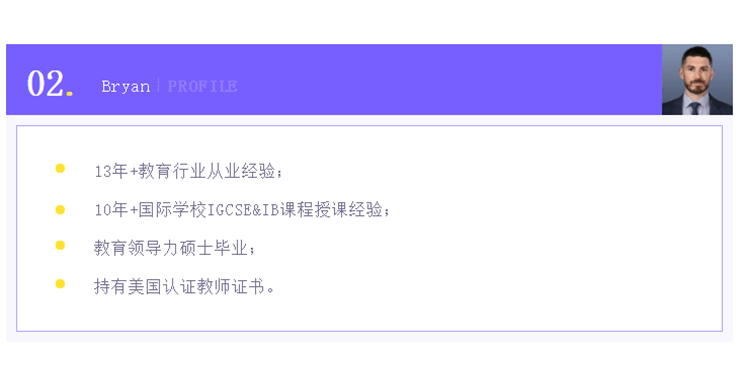
Meet some of our highly qualified and experienced teachers!



Why Should I Choose 1-on-1 Services?
Perhaps your child is preparing to study abroad or applying to a new school and he or she would like a more intensive and targeted approach in order to polish his or her skills. Alternatively, your child might not feel challenged enough with his or her current curriculum, and needs an alternative approach that is more appropriate for his or her ability level.
There are a number of reasons a parent might be searching for services such as this, and we can assure you that we will always work to understand you child’s unique situation and provide the service that is best for them.
How Does it Work?
With our hands-on approach, and orientation process, we will assess your child’s knowledge and skills based on current assessment data, writing ability, i više. Based on our findings, we will select the teacher best suited for your child’s needs. All of Reach Out’s teachers have been carefully selected, and have years of experience in teaching challenging curriculums, such as IGCSE, IB, i AP, in top schools from around the world.
Our process is goal-oriented. We find out exactly what your child needs to reach their educational goals, and then we create a unique and tailor-made learning path that will best suit your child’s particular needs.
What Else Does Reach Out Offer?
In addition to 1-on-1 services, Reach Out offers a wide variety of courses specifically designed to challenge and engage your 2nd to 8th grade child with above grade level content in order to help them prepare for the rigor of programs such as IGCSE, IB, i AP.
How Can I Learn More?
To find out more about our 1-on-1 services, please contact one of our Education Consultants today to find out more! We look forward to helping your child reach his or her educational goals for a bright future!
Ko smo mi
Kao što ste možda primijetili, rastemo i imamo neke uzbudljive dodatke onome što nudimo ovdje u Reach Out-u. Kao što je prošlo dosta vremena otkako smo se predstavili, mislili smo da ćemo našu priču podijeliti s vama kako bismo vam pomogli da bolje shvatite ko smo i šta radimo!
Naša misija
Misija Reach Out-a je da poveže učenike sa stručnim edukatorima koji stvaraju i isporučuju originale, inspirativno, nastavni planovi i programi svjetske klase. Krenuli smo na ovo putovanje kako bismo pomogli učenicima da shvate kako pronaći svoj jedinstveni glas i otkriti kreativne i vrijedne ideje koje leže u svakom od njih.. Sa njihovim glasovima, imaju moć da promene svet, i želimo da ih osnažimo da to učine.

Naša vizija
Reach Out nastoji da bude međunarodno priznata obrazovna institucija koja omogućava studentima pristup međunarodnom nastavnom planu i programu najvišeg nivoa i edukatorima, bez obzira gde se u svetu nalaze. Naši učenici će biti pronicljivi, radoznao, i kritički misleći koji donose informisane odluke kao odlični rješavači problema i komunikatori. Reach Out učenici će ostvariti svoje akademske i lične ciljeve i snove od osnovne škole do univerziteta, stavljajući svoju briljantnu budućnost na dohvat ruke.
Naše osnovne vrijednosti
Ovo su principi koji oblikuju Reach Out:
Naša priča
Reach Out je kreirala mala grupa posvećenih majki, možda slično sebi. Spojila ih je zajednička vizija obrazovnih potreba njihove djece. Neki su tražili obrazovni program koji bi njihovoj djeci mogao ponuditi pristup idejama, podučavanje filozofije, i metodologiju koja je odgovarala onome što su iskusili dok su živjeli u inostranstvu. Drugi su tražili internacionalizirani nastavni plan i program kojem bi njihova djeca mogla pristupiti kako bi obogatili svoje obrazovno iskustvo u Kini. Zajedničko im je bila želja za rigoroznim programom koji je također otvorio vrata kreativnom i kritičkom mišljenju, samorefleksija, i lični izraz - obeležja snažnog međunarodnog nastavnog plana i programa. Nakon što ste proveli dosta vremena istražujući razne opcije, ove mame nisu mogle pronaći ništa što bi sasvim zadovoljilo potrebe njihove djece.
Dakle, uradili su ono što bi svaka dobra majka uradila, data prilika, i pronašli svoj način da svojoj djeci ponude najbolje moguće mogućnosti učenja osmišljene da im pomognu da napreduju. Konsultovali su stručne nastavnike i radili s drugim roditeljima kako bi otkrili kako najbolje mogu zadovoljiti potrebe druge djece sa sličnim ciljevima.. Djeca, nadamo se, kao tvoj.
Roditelji su bili posvećeni:
Sretni smo što možemo reći da su ove majke postigle svoj cilj. Today Reach Out se može pohvaliti kompletnom linijom rigoroznih, ali zanimljivih kurseva na kojima učenici duboko uče dok se zabavljaju i stvaraju smislene odnose sa svojim nastavnicima i vršnjacima.
Sve to zbog posvećenosti naših majki osnivačica obrazovanju i sreći svoje djece.
Šta nas čini jedinstvenim?
Iako razumijemo, roditelji imaju niz izbora kada su u pitanju programi koji obogaćuju obrazovanje njihove djece, vjerujemo da nudimo mnoge jedinstvene kvalitete koje nije lako pronaći drugdje.
Naš tim čine visokostručni i iskusni edukatori koji su kreirali jedinstven i rigorozan program zasnovan na međunarodnim školskim standardima, koji priprema mlađe učenike da polažu rigorozne nastavne planove i programe kao što je IGCSE, IB, i AP.
-Naši jedan na jedan programi i nastavni planovi i programi osmišljeni da nadmaše obrazovne potrebe naših učenika
-Naša filozofija nastave inspiracije i osnaživanja učenika, i metodologija podučavanja koja omogućava učenicima da istražuju znanje široko i dublje, dok u isto vrijeme razvijaju ljubav prema učenju
-Naša posvećenost dugoročnom uspjehu naših učenika jer nastojimo da ih opremimo osnovnim vještinama koje će im trebati za uspjeh u budućim karijerama i svijetu izvan škole
- Detaljne povratne informacije koje pružamo sa svim našim ocjenama učenika, kako bi učenici znali gdje su uspješni i gdje bi se mogli poboljšati, kao i dodatne materijale i instrukcije potrebne da pomognu našim učenicima da poprave sve praznine u razumijevanju
-Naša posvećenost razvoju kritičkog mišljenja naših učenika i vještina rješavanja problema, koji će biti od suštinskog značaja za njihovu budućnost, kao i budućnost našeg globalnog društva
-Naše obećanje da ćemo zaposliti svo naše nastavno i nenastavno osoblje na osnovu njihove zajedničke strasti za obrazovanjem
-Naša sposobnost da osnažimo učenike da koriste jezik, znanje, i vještine koje stiču kako bi se razvili izvan učionice i postali znatiželjni, cjeloživotni učenici koji postavljaju izazove i traže ih, ispunjavanje, i vredne ciljeve.
-Naša praktična, individualizovan pristup kreiranju putanje učenja za naše učenike, tako da bez obzira koji su razred kada nam se pridruže, oni će biti opremljeni alatima neophodnim za poboljšanje i brzi rast
-Naša posvećenost osnaživanju naših klijenata informacijama i iskustvima koja će im pomoći da donesu apsolutno najbolji izbor za obrazovanje svog djeteta nudeći informativne članke, video zapise i radionice.
Naš nastavni plan i program
Naš nastavni plan i program Plava linija, koji uključuje kurseve za učenike u razredima 2 to 8, dizajniran od strane stručnih edukatora sa naprednim stepenom diplome u svojim predmetima koji su decenijama proveli u nekim od najboljih međunarodnih škola u svijetu. Koristimo dizajn nastavnog plana i programa unatrag radeći na svom putu od prve godine programa kao što je široko priznat i cijenjen IGCSE program.
Kako su naši edukatori proveli godine predajući kurseve prije IGCSE-a, IGCSE, Nastavni plan i program IB i AP ili A nivoa, oni razumiju šta učenicima treba da bi uspjeli u tim programima. Dakle, svaki aspekt našeg nastavnog plana i programa je kreiran da osiguramo da svi naši učenici uđu u prvi dan razreda 9 osjećaj samopouzdanja, opremljen, i spremni da udovolje zahtjevima ovih rigoroznih kurseva.
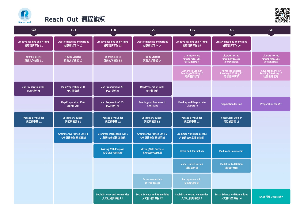
Nudimo širok spektar kurseva iz predmeta engleskog jezika, Math, Istorija i geografija. Pogledajte ispod za detaljnije informacije o našoj kompletnoj ponudi kurseva.
Dodatne usluge
Takođe nam je zadovoljstvo najaviti stvaranje naše Srebrne linije, koja nudi obrazovne usluge po meri koje imaju individualizovan pristup zadovoljavanju potreba naših učenika. Počinjemo sa dubokom procjenom obrazovnih ciljeva i potreba svakog učenika, a zatim kreirajte i implementirajte šemu rada pomoću koje će naši stručni edukatori voditi vaše dijete kroz akademske izazove srednje škole kako bi ih pripremili da na kraju pohađaju univerzitet iz snova.
Također nudimo usluge 1-na-1 na svim nivoima za roditelje koji žele svojoj djeci ponuditi više individualne brige i instrukcija. Naši stručni konsultanti za obrazovanje će se pobrinuti da vaše dijete upare s najboljim vaspitačem za njegove ili njene specifične potrebe i ciljeve.
Pridružite nam se!
Radujemo se što ćemo upoznati vašu porodicu i razgovarati o tome kako možete biti dio naše Reach Out porodice; onaj koji uči zajedno, brine jedno o drugom, zajedno savladavamo izazove, i slave uspjehe jedni s drugima. Kontaktirajte nas danas da saznate više.
Nadamo se da ćemo se uskoro čuti!
Being a parent is hard. In fact, with the changes in our world today, it might just be one of the challenging moments we have had to face in decades. Change leads to uncertainty, and uncertainty can lead to stress. Stress certainly affects all areas of our lives, sometimes it will impact our relationship with our loved ones the most; especially our children.
Our children can be complicated (let’s face it, so can we!), and it is a daunting task to ensure that every move is the “right” one. That all of our conversations, demands, requests, plans, praises and criticisms mean something. Every moment we spend talking to our kids, we hold the hope that these words will be enough to fill our children with the hope of a great future at a time where the future is so uncertain. Times change, and this too shall pass, but one thing we can guarantee is that we will never have a second chance at spending a childhood with our children.
Kao roditelji, we often ask ourselves if we are in fact doing the right thing, wondering how we can get through to our kids, trying to understand our children better, and sometimes feeling like a guilty failure because we tell ourselves we are doing it wrong. Oftentimes, that is not the case, but there is no instruction manual on how to raise a child that will work for everyone in all situations. Sure, there is a lot of advice, an overwhelming amount of it, but again, most advice is just that; guidance and recommendations by people who don’t know you or your child. Some of it is helpful, and some of it…not so much.
One thing that we cannot deny though is the importance of a healthy relationship between parent and child.
Research shows that:
It is essential to make the time to nurture a relationship with your child, and perhaps even more imperative, making sure the interactions we have with our children during that time are positive. This is something that many parents find challenging, which is why we created a parent book club for the book How to Talk So Kids Will Listen and Listen So Kids Will Talk by Adele Faber and Elaine Mazlish. Together we learned ways to positively communicate with our children in order to strengthen our bonds. We spent time discussing ideas from the book, as well as had a virtual meet up to role-play some of the strategies from the book. On top of that, we invited Middle School Guidance Counselor, Regina Wehner, to provide parents with a workshop in understanding our child’s cognitive and emotional development.
Here are some highlights we would like to share with you!
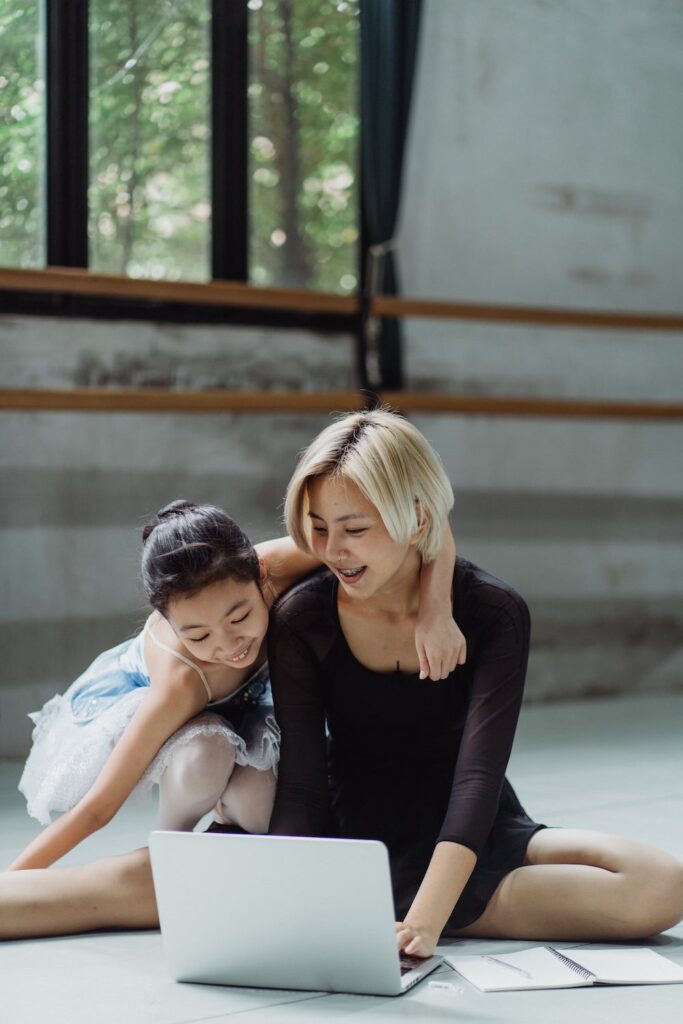
First, from How to Talk So Kids Will Listen and Listen So Kids Will Talk, here are two of our favorite strategies:
Children have difficulty regulating their emotions, as the brain’s emotional regulation center is one of the last to develop. This means that they need our help in the form of compassion and modeling. This can be so challenging, especially when we may have difficulty managing our own emotions at times! We have an easy strategy for you that will only require two things:
When your child comes home upset about something that happened at school, instead of lecturing and offering our sage advice, we can simply listen to their concerns and repeat the ideas back to them. For example, if your child comes home upset and says something like, “Ugh, today Elizabeth and Sarah were so mean to me! They completely ignored me and I hate both of them now!” Instead of saying, “Elizabeth and Sarah are your best friends. It’s not a big deal and I am sure you will be fine tomorrow,” which could invalidate your child’s feelings, you can say, “Oh, I see. Elizabeth and Sarah made you feel a bit left out. That probably made you feel a bit sad and mad.” At this point your child might keep talking and open up to you, which is great! It means they trust you and you are making them feel better. Continue to listen, nod, say, “Mmmhmm,” and repeat what they say. Having you simply listen will likely make your child feel 100% better and ready to face their next challenge!

2. I wish!
Our children often express their desires in the form of wishing they had things they don’t have or wishing things were different than the way they are. For example, children may say, “I wish I didn’t have to do all that homework.” We may reply, “Well, you do and that’s that!” or “It’s what you have to do. It’s your responsibility so you need to do it now!”
This may escalate into a battle of wills as parents feel frustrated that they keep hearing the same complaint and repeat the same reasoning. The children feel frustrated because their opinions are being invalidated and they feel misunderstood. Pa, don’t worry, we are here to help! We have a little trick that will help you turn the conversation around, and that is to agree with your child. It may sound counterintuitive, but we have firsthand experience with this trick and it works wonders!
For example, if your child says, “I wish we could go to the park today like I wanted!”
Instead of saying, “I can’t, I am too busy,” or “Yes, but we can’t, it’s raining,” we can say, “I wish we could too! We could go to the park and have a picnic! We could fly a kite and blow bubbles! Why don’t we have a picnic in the living room and after that we can blow bubbles in the bathroom!”
The first part gets the kids excited and their imagination going, taking them to a happy place. The next part makes them feel heard and connected to you.
Sada, some highlights from Ms. Wehner’s workshop:
*Please help me choose these! :)*
If you would like to join one of our workshops or book clubs in the future, make sure to follow us and stay tuned! We have great things coming up this fall!
Many parents ask us what the fastest way their child can improve their writing. While we firmly believe there are no shortcuts to becoming a truly effective and skilled writer, there are some things students can incorporate into their writing to help take it to the next level more efficiently. Like with anything trying to be mastered, the key to success lies in hard work and repetition. Practicing these skills regularly will help your child reach their educational goals.
This article will be the first in a series of articles that will focus on skills suited for different types of writing. This week, we will focus on descriptive writing tips.
Descriptive Writing Tips:
Descriptive writing is a true art form, as its purpose should be to create an image in the minds of the readers. One cannot tell a story on action and dialogue alone, and one cannot convey deep meaning and emotion in a poem without painting a picture with his or her words.
One powerful way to excel in description is to add adjectives and adverbs wherever possible. For example, if your child is writing a story he or she might write something like:
“Harry went outside and started looking for his friends.”
While this sentence conveys a basic meaning, it’s effect on the reader is also basic. By adding descriptive language in the form of adjectives and adverbs, we can quickly and effectively add imagery to the sentence:
“Harry zipped out the front door, slamming it shut behind him. His heart raced as he ran around the neighborhood eagerly looking for his friends.”
In the revised sentence, we see descriptions that tell us not only the action that is taking place, but also helping us feel the emotion of the character, an important aspect of storytelling.

Another great way to make a story or poem more effective is by adding figurative language, such as similes. Similes are comparisons that use like or as that can be used to help the reader imagine what is happening more clearly.
For example, your child might write something like:
I was so happy!
It was so cute!
He was so scared!
We can add similes to help create an even better result:
I was as happy as a a kitten in a yarn shop.
It was a cute as a baby panda playing in the snow.
He was as scared as a rabbit that just heard a wolf howl.

Our final tip for descriptive writing is to choose vocabulary that is so precise that it communicates exactly what the writer wants the reader to feel. Often, students will write descriptions that are a bit vague, with sentences like:
He was very tired.
The movie was very boring.
They were very cold.
The room very hot.
Again, these sentences convey a simple meaning, but in descriptive writing, that is simply not enough. Effective description uses vocabulary that has an impact, and we can achieve that by choosing only the best words to convey the most exact meaning.
See how we can take the sentences above from ordinary to extraordinary by replacing part of the sentence with powerful vocabulary:
He was exhausted.
The movie was unimaginative.
They were chilled to the bone.
The room was roasting.
The good news is that your child doesn't need to rely on his or her current vocabulary knowledge in order to succeed in creating sentences like those above. The thesaurus has all of the words they need to create memorable descriptions.
We hope these tips have been helpful! If you would like for your child to learn how to put these skills into practice with one of our passionate educators, stay tuned for coming announcements on our new summer and fall courses!
Next week, we’ll have a look at persuasive writing tips!
Tell us a bit about yourself.
I grew up in five different countries (Sweden, England, Germany, South Africa, and Canada). Integration into a diverse spectrum of cultures growing up has made me see the world with an open mind. I currently reside in Canada and work as both a university lecturer and a Math teacher at Reach Out. Outside of work I really enjoy sports such as badminton and chess, which I played at a competitive level for many years.

What is your educational background and qualifications?
I received a Bachelor of Science Degree from the University of British Columbia (UBC) and an obtained my MSc at the same university. My graduate work involved experimental geoscience where I designed an apparatus to investigate how diamonds reach the surface of the Earth through high velocity magmas. I published articles in two high impact journals and presented the work across Canada and Europe.
During my graduate studies I had the privilege of lecturing a few classes which transitioned into a lectureship position. Teaching at the university level involves lecturing a class of over 200 studenti, which is very different to the work I do at Reach Out, but has helped me develop a dynamic teaching style.
Additionally, I have been teaching Math and Science both privately and through educational organizations for over 6 godine.
Why did you join Reach Out?
I joined Reach Out because the prospect of being able to deliver high quality education from around the globe without border restrictions resonates with me.
I feel that the reason I am committed to staying at Reach Out is more important. The personalized classes being delivered has allowed me to connect with the students, making their progression much more meaningful to me. Some students have been together with me through multiple grade levels and I feel immensely proud to have played a role in their education.
What is your educational philosophy?
Having a background in experimental science has allowed me to see value in making breakthroughs through experimentation. By allowing students to experiment with different methodologies while offering guidance is an extremely effective way of teaching students to not be afraid of failure. Richard Fuller correctly said, “There is no such thing as a failed experiment, only experiments with unexpected outcomes.” Students often start my classes afraid to answer questions, discuss with their classmates, or write on the board since they don’t know the answers. Since I am always more focused on solutions rather than answers, students’ are rewarded for trying new techniques, discussing failed methods, and asking questions about their classmates’ work. I found this to produce a phenomenal learning environment and takes a lot of pressure off the students.

What is your favorite thing about teaching Math?
My favorite thing about teaching Math is the exciting challenges it provides. After teaching Math for many years, I have come to realize that students see the world from a unique perspective, which more often than not, is very different from my own. This diversity produces a wide spectrum of learning styles and requires me to stay very flexible with the methodologies I use in my teaching.
Math is a complex subject which has provided us with a universal language to better understand the universe that surrounds us. Having a good problem solving ability is a byproduct of learning Math and crucial for success in the modern world. For these reasons I have the responsibility to transform a traditionally dry and boring subject into something exciting by creating compelling lessons and using creativity to inspire my students. This will always be something I love about my job.
Who is your favorite mathematician and why?
This is a tough question, and it’s hard to pinpoint one Mathematician since I utilize the works of so many Mathematicians in just one lesson. If I had to pick it would be either Johannes Kepler or Nicolaus Copernicus since I also love astronomy. Their Math not only challenged everything that was believed about our solar system at the time, but also formed the foundations for understanding planetary motion. Space travel has relied heavily on these concepts.
If you could only give parents one piece of advice when it comes to helping their child improve in Math, what would it be?
One thing I have worked on a lot with my students, is getting them to explain their solutions to me regardless of how easy it may seem. Being able to arrive at the correct answer in certain school curriculums may not require a complete understanding, but being able to explain a solution well does require a good understanding. Make sure that your child is always showing very clear steps in their work and that they can explain their steps to you. This certifies understanding and shows they are prepared for questions which test the same concept but may be worded differently.
What is one fun fact about yourself?
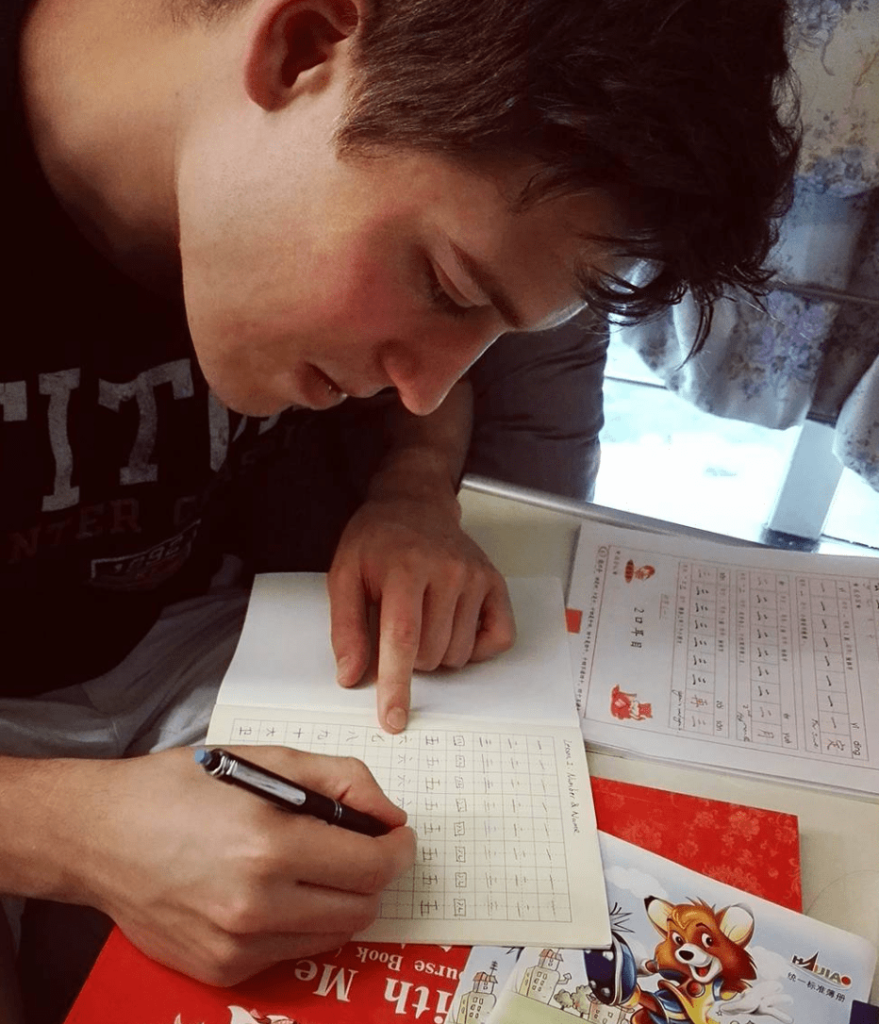
I really like learning languages! After growing up in many different countries I can speak English, Swedish, and German fluently. For the past two years I have been working to add Chinese to my collection and have enjoyed the unique challenges that learning this complex language has provided me with.
Tajni vrt je djelo klasične književnosti koje je bilo dio nebrojenog djetinjstva (ako ste propustili naš članak o tome zašto bi djeca trebala čitati klasične romane, pogledajte na linku ispod!). To je moćna priča o prijateljstvu i otkrivanju sebe koja odjekuje našim dušama.
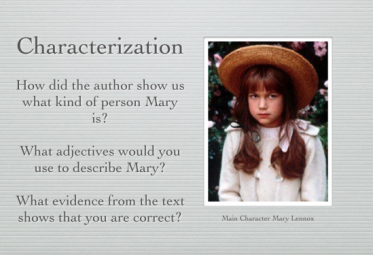
Tajna bašta govori o mladoj djevojci po imenu Mary Lennox koja gubi porodicu i sve što joj je poznato zbog izbijanja kolere u Indiji, gde je njen otac radio kao kapetan britanske vojske. Kao dijete, Mary je bila prilično zanemarena, ali prepušten porodičnim slugama, tako da je bila razmaženo dete sa strašnim raspoloženjem. Imala je vrlo malo osobina koje bi joj pomogle da se nosi s novim životom u Engleskoj, gde je poslata da živi sa mrzovoljnim daljim rođakom, g. Craven.
g. Craven je imao vrlo stroga pravila kojih se Mary mora pridržavati u svom novom domu u Misselthwaite Manoru u Yorkshireu, što je uključivalo da joj je zabranjeno da ulazi u razne prostorije unutar džinovske vile, kao i zabranjen ulazak u jedan od vrtova na prostranom imanju, koji je pripadao njegovoj voljenoj pokojnoj ženi. Dok Mary počinje istraživati svoj novi dom, Počinje pronalaziti osjećaj sreće i vraća zdravlje nakon što je veći dio svog djetinjstva bila bolesna. Nakon što joj crvendać pomogne pronaći ključ tajne bašte, ona pronalazi smisao u obnavljanju bašte, onoliko koliko ona obnavlja svoje unutrašnje ja. Kroz trnje i osušeno lišće zime, ona u sebi pronalazi mnogo više laži.
Uz pomoć novog prijatelja Dickona, Meri razvija svoja prva prijateljstva, i koristi svoju novopronađenu snagu i dobrotu da pomogne svom rođaku Colinu koji je prikovan za krevet, koga nađe ušuškanog u dvorcu. Prijateljstvo jača i Meri i Kolina, i na kraju, svi su svjedoci čuda koje je omogućeno samo ovim bliskim vezama i vjerovanjem u sebe, dve veoma važne teme u romanu.
Mladi će voljeti čitati ovu fantastičnu priču o prijateljstvu, savladavanje prepreka, i iskusiti iscjeljujuću moć prirode. Likovi i lekcije koje nas podučavaju zasigurno će dirnuti vaše dijete i pomoći mu da doživi moć velike priče.
Ako želite priliku da vaše dijete doživi ovu priču sa drugima, sa zadovoljstvom vas obavještavamo da ćemo čitati Tajna bašta kao prvi roman na našem nivou mladih klasika 2 Kurs ovog ljeta.
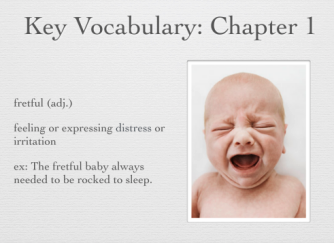
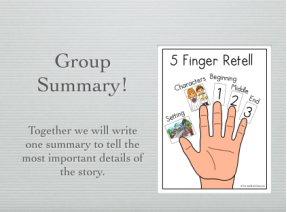
Na kursu, ne samo da čitamo roman, ali iz knjige učimo i primjenjujemo novi vokabular, raspravljati o važnim književnim tehnikama koje je pisac koristio, i vježbajte pisanje sažetaka, ključna vještina koju mnogi učenici smatraju izazovnom
Ako vam je zanimljivo saznati više o Young Classics, ili od naših drugih odličnih i zanimljivih kurseva, kontaktirajte jednog od naših savjetnika za obrazovanje danas! Nadamo se da ćemo uskoro raditi sa vašim djetetom!
Literature study is an important aspect of any excellent academic program, and that is because it helps to teach students a wide range of knowledge and skills that are essential for success in many areas of life. While studying literature, students learn about important events and people throughout history, they consider cultural perspective and increase their own understanding of acceptance of different ideas and beliefs, and they learn how to analyse the words of others in order to form a deep understanding of new ideas and ways of communicating. In short, it exposes students to a toolbox of ideas, techniques, strategies, theories, and more that they will carry with them throughout their life, shaping the way they approach the world.
Why do we offer this course?
Reach Out students typically pursue high school programs such as IGCSE, which includes challenging courses such as English Language and Literature and English as a First Language. Later, most of those students will take on the challenge of IB and AP level programs, in which they must take on the task of reading a variety of literature. Our aim is to expose students in upper primary and middle school to a wide range of advanced literature so that by the time they reach high school they possess the knowledge and skills to hit the ground running, and therefore achieve to a higher level.
This course is designed for Grade 7-9 studenti.
The Objectives of our Advanced Literature Course are to:
✪ Enhance students’ ability to understand and discern literary techniques used English and American literature, and the ability to communicate the effects of those techniques;
✪Improve children's literary comprehension skills and increase their understanding of British and American culture;
✪ Under the guidance of our expert educators, learn the power of language and storytelling in a challenging yet engaging way.
Meet Our Teachers
*Insert teacher bios here for Barry, Anthony, and John*
Our Book Selections:
Cry the Beloved Country by Alan Paton

Set in South Africa in the 1940s, award-winning Cry the Beloved Country tells the story of a Zulu Pastor, Steven Kumalo, who travels from his village to the city of Johannesburg. Along his arduous and heart-wrenching journey, he discovers that his sister and son have found themselves in terrible situations that he must now face with them. The characters’ vastly different lives become unexpectedly woven together through tragedy during a dark time in South Africa’s history. Međutim, through tragedy and challenges, the true nature of the human spirit can be found and uplift those who need it most.
Dracula by Bram Stoker

The legend of Dracula has loomed large in the minds of readers and movie-goers for generations. Bram Stoker based the infamous character of Dracula on the legend of the real life ruler of Wallachia, Vlad the Impaler. Stoker was able to take this dark corner of history and turn it into a legendary novel told through journal entries, letters and telegrams. As with any classic, Dracula has stood the test of time because it speaks to something very deep and meaningful within the human psyche.
Of Mice and Men by John Steinbeck
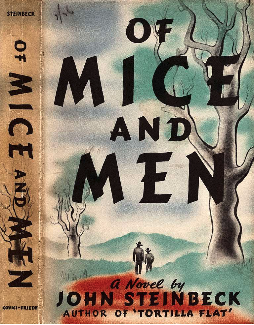
The Great Depression was a defining moment in American history that tested its strength as a nation, and placed the population in a precarious balance between life and death. In what is considered one of the greatest American classics, readers are introduced to two displaced migrant workers, George and Lennie. George is an intelligent young man, while Lennie is mentally disabled. George takes Lennie under his wing as they seek employment where few opportunities exist, trying to survive, yet still dreaming of the day they will have their own land and build a life. Their hopes are dashed when a devastating incident occurs that alters their lives forever.
What Students Will Gain
Develop an early sense of literary appreciation,
See the world from a more mature perspective
British and American classics contain thought-provoking moral and social issues. Reading the most influential classic literature thoroughly helps students become better readers, and begin the process of pursuing self-realization.
Improve understanding of culture and history
Learning allusions from classic British and American literature can help us bridge cultural differences. "The classics have opened the door to different worlds, different cultures, and different historical perspectives. Literature crosses race, culture, religion, and geography."
Self-reflection and personal growth
Many classic literature allude to our lives from the side: books that reflect similarities to our own lives are called "mirrors"; and those that give us a glimpse of different lives are called "windows." Whether it is a "mirror" or a "window", it further enriches the students' life experience and increases the courage and strength to face life.
Pridružite nam se!
Contact us to discover more about our course. We sincerely hope to meet your child soon, and develop a love of reading classic literature together.
It’s back to school time and we know parents are getting ready for a new year with new beginnings. The start of a new year is usually met with a mix of excitement and a bit of anxiety, as students and parents look forward to new skills and experiences, but also might feel nervous about new routines and expectations.
ne brini, Reach Out it here to help! This year, we have 5 top tips to a fantastic start to the school year.
Understanding how your child’s school approaches education, what curriculum they use, what systems, and standards are used can be overwhelming for non-educators. Spending a bit of time each day reading your school’s website content, handbooks, and other resources can help you feel more confident in understanding what your child is learning at school and how they are learning. It’s also important to attend your child’s back-to-school night and informational sessions to get a better understanding of your child’s program as a whole. It also provides a great opportunity for you to establish a relationship with your child’s teacher. At any time if you still have questions, you can always e-mail your child’s teacher. They are there for you and your child, as they know that a great relationship with parents is a fantastic way to ensure academic, social, and emotional success for all students.
2. Make Sure to Catch Enough Zzzzs Before the ABCs
Sleep is so important for a child’s growth and development, and a lack of it can negatively impact a child’s academic achievement. In fact, research shows that sleep depravation in children can lead to higher rates of anxiety and depression. When we sleep, our brain processes the information from he day, finds the best system to file it away in out memories, and re-charges our systems for a new day. For various reasons, parents often find sticking to an early bedtime difficult, but with a clear routine, and time for adjustment, it can be easy! Djeca 3-6 years old should be getting 10-12 hours of sleep per day, 7-12 year olds should get 10-11 hours per day, i 12-18 year olds should get 8-9 hours per day. Creating a schedule where children get to bed earlier will make mornings easier as well, hopefully with less stress for both parents and children as they will be well rested and ready to start their day!
3. Ask the Right Questions at the Right Time
Sometimes parents are anxious to know how their child’s day was as soon as they get home from school, especially during the first few weeks. Those weeks are especially exhausting and full of ups and downs as your child learns to navigate new material, new friends, new teachers, and new expectations. Giving them time to come home and decompress is extremely important for their emotional and mental well-being. Once they have had some “me” time, parents can ask specific questions based on what they know they are working on, if they happen to know. They can go through their child’s homework diary with them and help them make a plan on how to tackle each task, as well as share in their enthusiasm for specific subjects, books, or information they also enjoy. Avoid asking, “How was school? What did you learn?” as kids respond much better to more specific questions, such as, “What did you do with your friends at lunch? What was the best part of your day? What was the weirdest or most wonderful thing that happened at school today?” Most importantly, parents should be fully present and listen intently when students answer, so they really feel valued and hear when they share.
4. Let Them Learn From Failure
This one can be extremely hard for parents to allow. We want our children to do well and reach their full potential, which means we might go over each assignment with a fine-toothed comb, correcting every mis-calculation or grammar mistake. Although parents have good intentions when we do this, we are taking away important learning opportunities from children when we do so. Back when we were students, many of our parents were often too busy or didn’t have the knowledge or capacity to help us with our school work, but we found a way to push through and try our best. If children are never given opportunities to fail when they are young, they might resist taking on challenges later in life for fear of failing at them. Međutim, when we let them fail gently, such as on an assignment or at a little league soccer game, we are teaching them resilience. It’s not the end of the world, and they learn a valuable lesson; that we can try and not succeed, dust ourselves off, and try again next time.
5. Nurture Their Passions
New school years are an exciting time for many reasons, one of them being that they provide children a chance to discover new passions. If they are lucky, they will stumble upon something they truly love, and that they can become fascinated with enough to spend hours on end discovering. Helping a child find his or her passion is not always easy and takes time. Sometimes parents worry if their child focuses too much on a couple of things, and feel they need to expose them to as much as possible to help shape them into well-rounded individuals. Međutim, if we look at the people who have shaped our world, it was because they had a laser focus on what they were passionate about. It was all they ever did or do. As humans, we naturally gravitate towards what we love most, and as long as it provides some sort of value on top of fulfillment, we should continue pursuing it. Dakle, don’t worry if your child protests going to one activity while running out the door to attend another. Maybe the one they love is the most valuable to their growth and development, and the one they don’t like isn’t that necessary after all.
We hope these tips have helped, and we wish you and your child the best in the coming school year! We are excited for the new school year and all of the challenges and hope it will bring.
Reach Out will be with you every step of the way, so be on the lookout for more information and more articles we hope you will love!