À Reach Out, cridemu chì hè assai impurtante per celebrà i successi di i studienti. Semu piacè di annunzià un altru Studente Star - Emma!
Emma rapprisenta tuttu ciò chì i studienti ponu ottene un travagliu duru è impegnu à l'eccellenza. I prufessori di Emma a ricunnoscenu cum'è un studiente chì hà una attitudine maravigliosa versu l'apprendimentu, hè assai ricettiva à l'istruzzioni, è hà una famiglia estremamente sustegnu chì spessu cumunica cù i so maestri. In classe, Emma hè un ascoltatore attentu è attentu chì hè abbastanza cunfidenza per sparte e so idee, ma abbastanza pacienza per dà à ognunu u so turnu. Ùn importa micca di piglià risichi, è hè capaci di injectà a so persunità in u so travagliu.
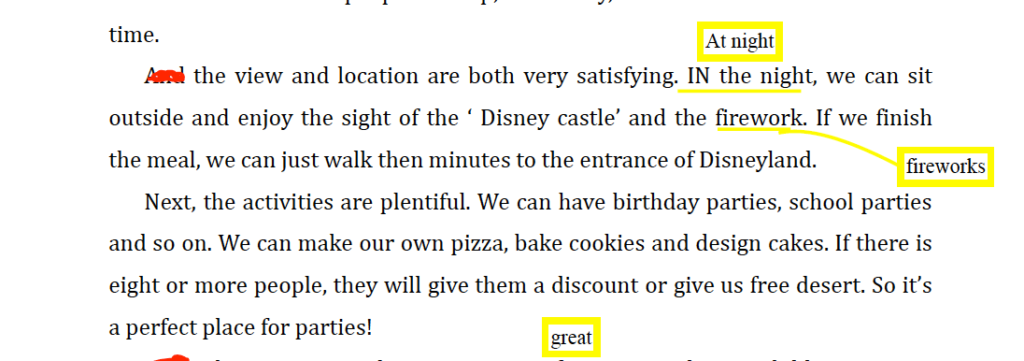
Emma hè attualmente iscritta à u nostru Livellu di Lettura è Scrittura Creativa 4 Corsu, è hà dimustratu un veru rigalu per pudè creà imagine forte in a so scrittura. À u principiu di u semestru, hà finitu una rivista di a filiera di Shanghai Disneyland di Blue Frog.
Emma hà dimustratu a so capacità di criticà aspetti specifichi di un locu, è sviluppà e so idee usendu dettagli adatti.
"A vista è u locu sò tramindui assai soddisfacenti. A notte pudemu pusà fora è gode di a vista di u Castellu Disney è i fuochi d'artificiu ".
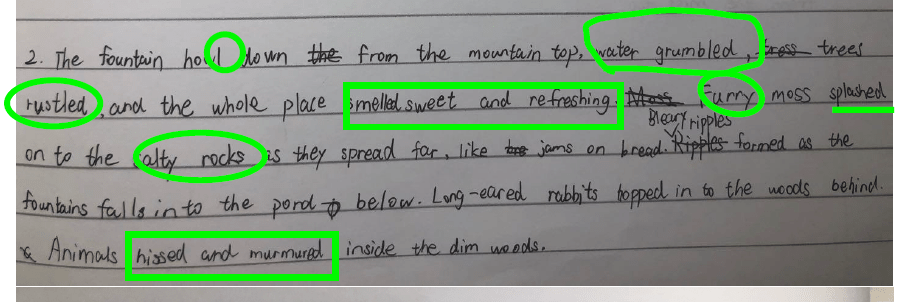
Cum'è u semestru passava, Emma hà dimustratu u sviluppu in e so cumpetenze di scrittura, è hà cuminciatu à incorpore tecniche literarie più avanzate. In una missione nantu à a descrizzione di i paisaghji, Emma hà sappiutu creà una maghjina forte cù un vocabulariu precisu è una lingua figurativa.
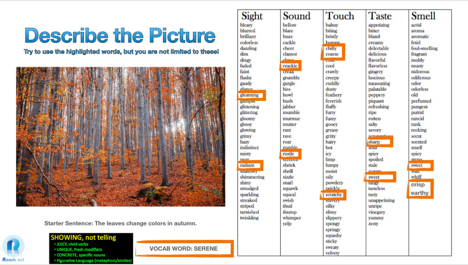
"U muschiu pelu spruzzava nantu à e rocce salate mentre si sparghjevanu luntanu, cum'è marmellata nantu à u pane. Ondulations sombres s'étaient formées lorsque la fontaine s'élevait dans l'étang qui se trouvait au-dessous.
Emma hà cuntinuatu à applicà e lezioni chì hà amparatu in tuttu u cursu, è a so capacità di scrittore hè diventata più forte. In una recente missione per scrive una Narrativa di Fantasia, Emma hà custruitu l'ambienti è u caratteru di a so storia deliberatamente è efficace.
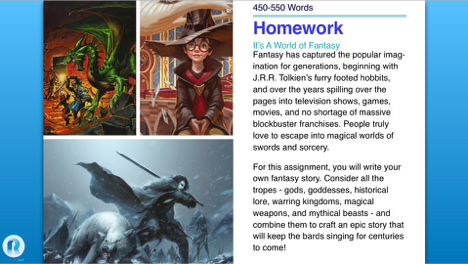
"U sole scintillante brillava da a finestra è nantu à u dolce, lenzuola di seta. I fiori dolci di culori caldi fiuriscenu accantu à a finestra aperta. Disegni scuri ma diligenti appesi à u muru verde d'alga rinfrescante.
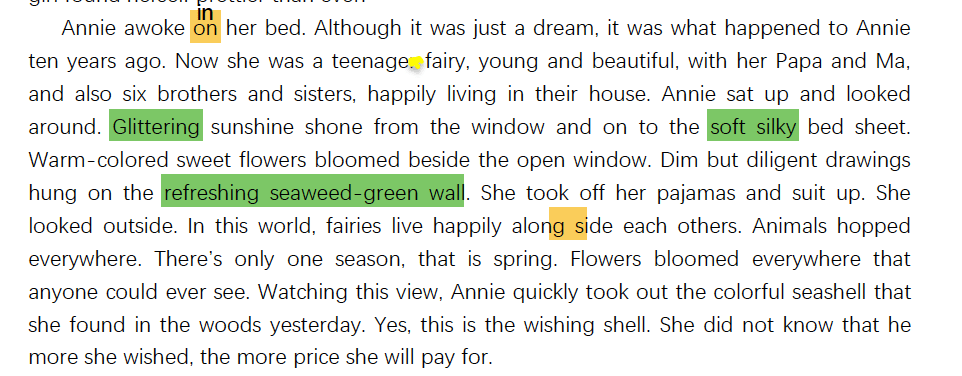
Comu pudete vede, Emma mostra e caratteristiche di un ghjovanu scrittore promettente. A so determinazione di migliurà, è l'applicazione attenta di e lezioni insegnate anu aiutatu à elevà a so scrittura à un livellu più avanzatu.
Grazie Emma, per esse una STELLA cusì! Aspittemu di vede a vostra crescita per un bellu pezzu. Sapemu chì questu hè solu u principiu di un viaghju brillanti.
Cum'è educatori, ci hè statu spessu dumandatu a quistione, "Cumu possu fà chì u mo figliolu smette di leghje i fumetti?"I genitori sò preoccupati chì i fumetti ùn furnisce micca un valore educativu, ùn sò micca abbastanza rigurosu accademicu, o peghju di tuttu, una perdita di u tempu di u so zitellu. À questu, a nostra risposta di solitu li sorprende, è sta risposta hè, "Lasciate leghje i fumetti!"
Hè comprensibile chì i genitori seranu un pocu preoccupati postu chì a percepzione hè chì i fumetti sò solu per piacè di leghje., però, i fumetti anu parechji benefizii oltre à aiutà à passà u tempu.
I fumetti è i rumanzi grafici ùn sò micca novi forme di scrittura. Ben intesu, sò stati goduti da parechji per generazioni. Nantu à l'anni, u generu hà cambiatu in unu cun prufundità considerableu è significatu, hè per quessa chì incuraghjemu i genitori per ùn solu permette à i so figlioli di leghje comics, ma ancu di sustene li in questu.
Eccu i nostri principali motivi per i fumetti chì deve esse leghje (in particulare in l'estiu!):
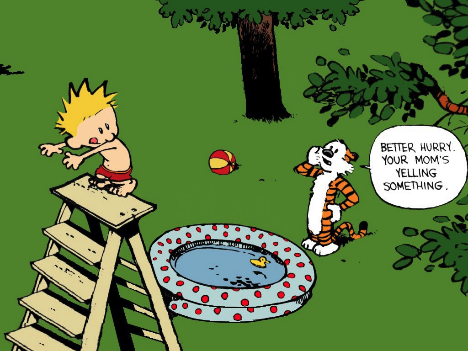
Per i studienti chì ùn sò micca parlanti nativi in inglese, I fumetti furniscenu un modu fantasticu per elli à cumincià à gode di a literatura inglese. Per parechji zitelli, u compitu di passà da un libru di testu in lingua inglese à un rumanzu pò esse assai intimidatori, ma i fumetti ponu furnisce un ponte necessariu per elli à custruisce a fiducia è a fluenza di lettura. I segnali visuali in l'imaghjini permettenu à i studienti di creà una cunniscenza più profonda di a trama è di i caratteri, è ancu di novu vocabulariu.. In più, li intruduce à i dispusitivi literarii efficaci, cum'è l'onomatopea (pensa POW! SMACK! ZOOM!) è idiomi (una illustrazione chì mostra u significatu di un idiom like, "U gattu hà pigliatu a lingua?"Hà assai più sensu chì riscalda l'idioma per sè stessu!).

2.Aumenta l'inferenza
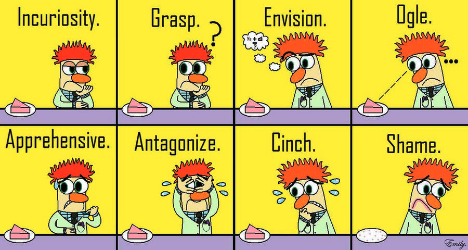
L'inferenza hè una cumpetenza di lettura chjave chì parechji studienti pugnanu cù valutazioni di lettura standardizzate. L'inferenza accade quandu avemu tiratu cunclusioni basatu annantu à ciò chì leghje. Certi esempi di dumande chì i studienti scontranu durante i travaglii di comprensione di lettura o valutazioni sò quelli cum'è, "Cumu si sentia u caratteru quandu?", "Chì pudete cuncludi nantu à ..." è "Quale era a lezione in a storia?"I fumetti necessitanu chì i studienti "leghjenu trà e linee" per inferisce l'infurmazioni chì sò generalmente dite da u narratore in un rumanzu., cusì ponu guadagnà assai esperienza preziosa in rinfurzà sta cumpetenza da lettura di fumetti.
3.Forza Parola!
Spessu in comics è rumanzi grafici, i scrittori includenu un vocabulariu abbastanza avanzatu, tramindui cum'è parte di a storia, è ancu in i nomi di i caratteri. In 2016 à u famosu Comic-Con in San Diego, California, un panelist di educatori hà discututu u putere di i fumetti in a creazione di vocabulari di i studienti. James Bucky Carter, autore di Building Literacy Connections with Graphic Novels hà dettu, "Avete Colossus, è ellu hè cusì grande, un omu giganti di metallu. Avete un sensu veramente bonu di ciò chì significa a parolla colossu è questu hè una bona parolla di 10 centesimi. U putere di Banshee urla. Avete questi caratteri chì incarnanu e parolle di vocabulariu chì sò. Hè qualcosa chì hè un modu divertente per amparà e parolle novi, in più di l'indizi contextuali ".
Dopu avè lettu questu, pudete solu vulete lascià u vostru zitellu immergerà ghjustu in leghje fumetti o rumanzi grafici! Hè musica à i nostri orecchi. Se ùn site micca sicuru da induve principià, avemu qualchi studianti favuriti chì u vostru zitellu pudia pruvà!
Dog Man di Dave Pilkey

Miles Morales Spider-Man di Jason Reynolds

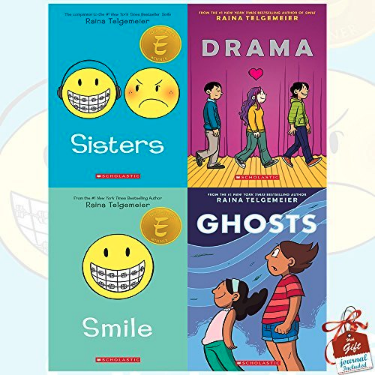
Sorrisi, Surelle, Fantasmi, Drama è altre storie di Raina Telgemeier
Bone di Jeff Smith

Cerchendu più opportunità di lettura d'estate per u vostru zitellu? Cuntattate unu di i nostri Consulenti Educativi per più infurmazione nantu à i nostri corsi di lettura estivi. Aspittemu di leghje cù u vostru zitellu!
A stagione d'esame hè quì, è pò esse un tempu assai stressanti di l'annu per i studienti è i genitori. À Reach Out vulemu fà u nostru megliu per aiutà à allevà l'ansietà di l'esame offrendu qualchi cunsiglii di studiu unichi chì pudete micca avè pruvatu..
A saviezza convenzionale di studià hè stata spessu seguita da parechji genitori è maestri chì volenu bè, però, s'è no guardemu à qualchi avvicinamenti ntirissanti basatu a ricerca, pudemu vede chì ci sò una varietà di modi efficaci di studià! Sempre hè bonu per pruvà cose novi, in particulare per i zitelli. Puderanu sperimentà novi modi di fà e cose quandu sò ghjovani, è quandu sò un pocu più vechje, ponu sceglie u modu più adattatu à i so bisogni persunali è stile.
Avà, fighjemu un ochju à trè modi unichi di studià.

A varietà hè a spezia di a vita, ancu quandu studia
Per parechji, tanti anni ci hè statu dettu chì per studià bè, duvemu studià in u stessu locu ogni ghjornu; un locu tranquillu, ben illuminata, è hà tutti i nostri materiali. Mentre chì questu puderia esse veru per un pocu di u tempu chì studiemu, a ricerca ci mostra chì u nostru cervellu hè veramente megliu quandu variemu u locu in quale studiemu. Piuttostu surprisante, diritta?
In un studiu fattu tuttu u ritornu in 1978, i studienti universitari sò stati dati 40 parolle di vocabulariu per studià. Un gruppu hè statu dettu di studià a lista duie volte in u stessu locu. L'altru gruppu hè statu dettu di studià a lista in dui lochi diffirenti. Ciò chì anu trovu era, u gruppu chì hà variatu i so lochi di studiu hà fattu megliu à ricurdà e parolle dopu. Avà perchè hè questu? Ebbè, u nostru cervu spessu face cunnessione à l'infurmazioni basati nantu à u nostru ambiente, cusì più variemu u nostru ambiente, più ci damu à u nostru cervellu l'uppurtunità di mantene l'infurmazioni cumu si attaccarà à più cose. Questu pò ancu esse perchè una tecnica di visualizazione, induve unu visualizeghja e cose chì volenu ricurdà in certi lochi in un ambiente chì sò familiarizati, pò esse cusì efficace ancu. Per i studienti, solu cambià l'ambiente puderia fà u truccu!
Diverte si!
Certi parenti puderanu pensà erroneamente chì se u so figliolu si riria o si entusiasma mentre amparà o studia, puderanu perde u so tempu. Tuttavia, questu ùn hè micca necessariamente u casu.
Cum'è un genitore, in u vostru travagliu o in l'uffiziu pudete avè attelli speciali da u tempu à u tempu. I workshop sò generalmente usati com'è strumentu per aiutà à amparà nantu à una nova strategia, idea, o infurmazione chì vi aiuterà à amparà di più à u travagliu. Queste sessioni sò spessu gestite da persone chì sò specializate in a creazione di attelli motivanti è inspiratori chì rinfurzà è energizà l'impiegati.. I ghjorni ponu esse longu è intensi, ma si sò fatti bè, l'impiegati ponu alluntanassi cunfidenti in a so nova cunniscenza è cumpetenze.
I stessi anelli vera per i ghjovani. Introducendu u ghjocu è u divertimentu cum'è una manera di studià per l'esami ùn solu face u vostru zitellu surrisu, ma a ricerca indica chì divertisce mentre l'aprenu attivate certe risorse cognitive, assucia ricompense è piacè cù l'apprendimentu, rinforza è allarga e rete di memoria, è cambia u pensamentu astrattu è l'attenzione focu.

A tecnica Pomodoro
Stà cuncentratu, on-task è mutivatu à compie certe attività pò esse difficiule sia per adulti è zitelli. Avete mai sentitu chì avete fighjatu à u screnu di l'urdinatore per ore, ma hà fattu assai pocu? O forse avete una scadenza in pochi ghjorni, ma sò solu à pocu pressu versu a linea di finitura? Ùn hè micca maravigghiusu, cum'è a ricerca mostra chì a nostra mente tende à vagare 20% di u tempu, forse ancu di più per i ghjovani.
Una tecnica interessante hè stata creata da u studiente universitariu Francesco Cirillo cum'è un modu per aiutà à stà cuncentratu, è questu hè a Tecnica Pomodoro, chì hà pigliatu u so nome da u timer in forma di tomate chì Cirillo hà utilizatu durante a prova di sta strategia nantu à ellu stessu. Cumu funziona hè di stabilisce un timer per 25 minuti, chì hè u tempu di travagliu. Allora mettite di novu per 5 minuti, chì hè u tempu di pausa. Questu hè un bellu tempu per alzà, stretch, piglià una volta intornu à a casa, pet u vostru gattu, o pigliate un beie d'acqua o un snack. Dopu u tempu di pausa hè finitu, stabilisce u timer per un altru 25 minuti è ripetiri!
Ci hè chì sta strategia hè sustinuta da evidenza scientifica, cum'è i circadori cuncludi chì i brevi pause aiutanu à mantene a vostra attenzione nantu à a pista. Questu pò esse ligatu à u fattu chì l'avè cognitivu pò guidà à una mente senza impegni, chì hè l'ultima cosa chì vulete quandu studia per un esame impurtante.
Speremu chì avete piaciutu à spiegà sti cunsiglii di studiu unichi quant'è noi! Vulendu u vostru zitellu u megliu di furtuna in esami stu mese. Jiayou!
Sapemu chì ci hè tantu chì pudemu fà per crià è educà i nostri figlioli, Hè per quessa chì, cum'è genitori, spessu andemu à un grande sforzu per riempie u so tempu cù attività è classi arricchisce. Perchè facemu questu? Per parechje ragioni di sicuru, ma u scopu principale hè di assicurà u so successu futuru. I genitori speranu chì i so figlioli seranu ancu più riesciuti in a vita cà elli stessi. Successu, ben intesu, hè subjectiva, è tutti pudemu avè a nostra propria definizione di successu. In generale però, Puderemu accunsentì chì u successu include u sensu di cuntenutu in a vita persunale, ancu avè un sensu di satisfaczione di carriera è sicurezza finanziaria.
Recentemente ci hè statu un intrigante TED Talk spartutu nantu à e social media, in quale l'ex Dean of Freshman in Stanford University, Julie Lythcott-Haims, cita evidenza da u Harvard Grant Study chì correlate u successu prufessiunale in a vita à l'individui chì anu fattu i travaglii cum'è zitelli. Micca furmazione di football, micca l'apprendimentu di a lingua, micca pittura, ma faccende.
Surprising right?
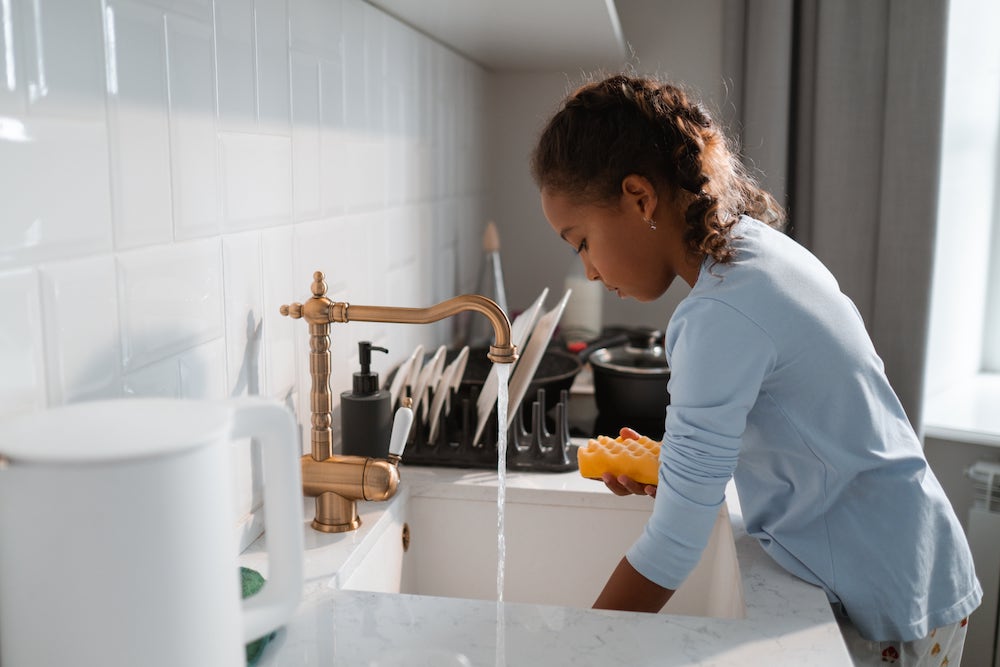
Parechji di i nostri figlioli chì crescenu in e grande cità ùn sanu mai ciò chì hè di scrub un platu, lavà una finestra, o mop un pavimentu. Puderemu sentu chì ci sò cose più impurtanti da fà per custruisce a so cunniscenza è u so caratteru. Lythcott-Haims spiegà chì quelli zitelli chì facenu e so mani brutte, però, pò ghjunghje sin'à un livellu di successu in a vita chì supera i so pari chì ùn facenu micca travagliu. Hè perchè insegna à i studienti cumu cuntribuisce è intensificà quandu u travagliu deve esse fattu, è chì fà u "travagliu grunt" chì l'altri puderanu schernà, perchè hè ciò chì hè megliu per tutti, hè ciò chì si nota in u locu di travagliu.
I posti di travagliu di l'alti risultati chì anu participatu à u Studiu di Harvard Grant eranu notevuli, cum'è a Casa Bianca, induve u presidente Kennedy hà travagliatu, è l'uffiziu di l'editore induve Ben Bradlee si pusò cum'è editore di u Washington Post. Pudemu assume chì i so genitori, cum'è noi, duverebbe pruvucà è implora per fà i travaglii, è accettà chì ancu s'elli eranu fatti, ùn anu pussutu esse fattu bè; è hè bè.
L'impurtante, cum'è Lythcott-Haims indica, hè chì fendu i travaglii, i zitelli capiscenu chì elli, "... deve fà u travagliu di a vita per esse parte di a vita". Si capiscenu chì a vita ùn hè micca solu per elli, è per elli, ma cun elli.
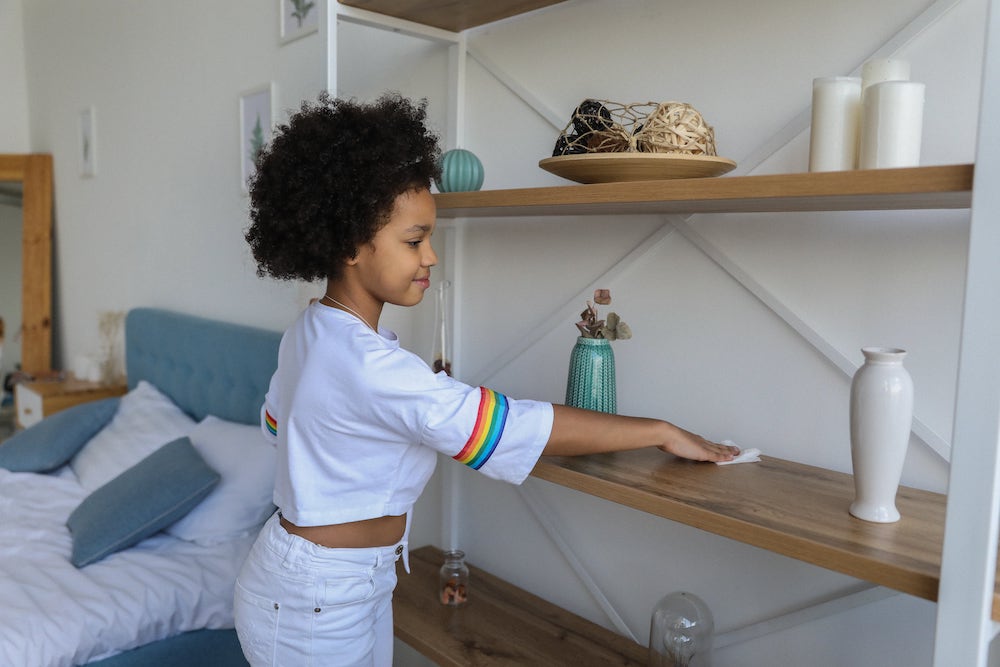
Sì i vostri figlioli sò digià fattu i travaglii cum'è parte di a so rutina di l'estiu di ogni ghjornu, bravu! Siate nantu à a strada bona. Se no, senza bisognu di panicu. Ùn hè mai troppu tardi per intruduce i travaglii in a vita di i nostri figlioli. Eccu alcuni cunsiglii per aiutà à inizià!
Lasciateli esse una parte di questu
Quandu intruduce u cuncettu di i vostri figlioli compie i travaglii per aiutà, avè una "reunione di famiglia" induve tutti sò prisenti per discutiri ciò chì serà aspittatu di i vostri figlioli è perchè. Pudete dumandà à u vostru zitellu per aiutà à scrive una lista di i travaglii chì puderanu aiutà à a casa. Puderanu sorprenderà cù u so entusiasmu, postu chì fà i travaglii hè assai eccitante per certi zitelli perchè li face sentenu capaci è utili. (duie cose chì spessu ci piace à sente cum'è adulti).
Game-ify It
Per fà e cose divertenti, perchè u divertimentu face tuttu megliu, voi o u vostru zitellu pudete scrive i travaglii nantu à i bastoni di popsicle è ogni ghjornu u vostru zitellu pò sceglie un bastone da u vasu.. Chì serà u so travagliu per u ghjornu! Sì avete più di un zitellu in casa, pudete sempre trasfurmà a pulizia in una cumpetizione mettendu un timer è videndu quale zitellu pò pulisce a maiò parte di i ghjoculi in u tempu determinatu., per esempiu.
Recompensa
Cum'è genitori, simu ricumpinsati per i nostri cuntributi à u travagliu cù un salariu. I nostri figlioli ùn anu ancu esse ricumpinsati per u so travagliu duru? Una idea hè chì se u vostru zitellu compie tutti i so travaglii per a settimana, ellu o ella pò sceglie un picculu ghjoculu da una "scatola di tesoru" piena di ghjoculi chjuchi. Un'altra opzione puderia esse chì, se u vostru zitellu compie constantemente i travaglii per un mesi, ponu sceglie una gita in famiglia extra speciale.
Insegni à i nostri figlioli à fà i travaglii ùn hè micca sempre faciule, ma i beneficii putenziali valenu u tempu è u sforzu. Speremu chì avete trovu i nostri cunsiglii utili, è chì ponu aiutà à guidà à una sperienza pusitiva per voi è u vostru zitellu. Felice pulizia!
Semu piacè di annunzià un novu club di libru d'estiu, solu per i genitori! L'estiu hè u tempu perfettu per leghje quellu libru chì avete sempre vulutu leghje, ma ùn aghju micca avutu u tempu. Stu veranu, vi invitemu à unisce à noi in a lettura Cumu parlà cusì chì i zitelli ascoltaranu è sentenu cusì chì i zitelli parlanu.
Sapemu chì ùn hè micca sempre faciule cunnetta cù i nostri figlioli per via di e dumande di a scola, travagliu è a vita di ogni ghjornu. Calchì volta e nostre ansietà per u futuru interferiscenu cù noi chì campemu a nostra vita avà. Tuttavia, una cosa chì pudemu guarantisci hè chì ùn averemu mai una altra chance di sperienze a zitiddina cù i nostri figlioli, è ùn vulemu mancassi stu tempu preziosu. Allora, cumu pudemu fà u più di questu è avè cunversazione significativa cù i nostri figlioli chì rinfurzà u nostru ligame è aiutanu i nostri figlioli à sentenu supportati? Quessi sò grandi dumande chì parechji di noi avemu.
Per aiutà à risponde à queste dumande impurtanti, vi invitemu à unisce à noi in leghje unu di i libri di genitori più populari di tutti i tempi, scrittu da Adele Faber è Elaine Mazlish. Cumu parlà cusì chì i zitelli ascoltaranu è Ascolta cusì chì i zitelli parleranu, chì ci insegna à accettà i sentimenti di i nostri figlioli, cum'è per ùn fà cusì pudemu esse senza vulsutu pruvucà un cattivu cumpurtamentu. Ci insegna ancu modi pusitivi per incuragisce a cooperazione, cum'è l'indipendenza, autunumia, è cunfidenza in sè stessu. Quessi sò tutti l'ingredienti necessarii per aiutà à cultivà una relazione positiva di genitori-figlioli chì daveru aiuterà à cultivà i nostri figlioli in adulti cunfidenti è capaci..

Cumu Funcionà?
U primu passu hè di cuntattà unu di i nostri Consulenti Educativi per registrà. A iscrizzione hè GRATUITA è aperta à tutti! Creemu un chat di gruppu induve u cuntenutu di u studiu di u libru è a spartera si feranu da u 1 di lugliu. Lindsey Fine, u nostru Manager di Educazione, serà ancu unitu à u gruppu cum'è un genitore, cum'è ella hè una mamma di dui picciotti, età 4 è 6, chì hà da amparà cun voi. Ella aiuterà ancu à guidà e discussioni settimanali.
U libru pò esse truvatu in inglese è cinese è facilmente accessibile in stampa, e-book, o formati di audiolibri.
Allora ci sò duie opzioni per cumu vulete participà:
U calendariu di lettura hè u seguitu:
Settimana 1: Capituli 1 & 2
Settimana 2: Capituli 3 & 4
Settimana 3: Capituli 5 & 6
Settimana 4 Capituli 7 & Afterword
À a fine di u mese, ospiteremu un attellu in linea guidatu da u Cunsigliu di a Scola, Regina Wehner. À l'attellu, Regina hà da sparte infurmazioni supplementari è strategie chì pudete aduprà per rinfurzà a vostra relazione cù u vostru zitellu.
À propositu di Regina Wehner

Regina Wehner hè un Cunsigliu Scola Licenziatu chì hà travagliatu cù i studienti in a Scuola Media per più 16 anni. Originariamente da i Stati Uniti, ella campa cù u so maritu è 2 i zitelli, età 10 è 12, in Pechino, Cina.
Regina travaglia à l'Accademia Occidentale di Pechino (WAB), una scola internaziunale diversa. Una grande parte di esse cunsiglieru di a scola hè di aiutà i studienti à amparà di sè stessu è di l'altri mentre crescenu. Regina ospita ancu mensili Parent Coffee Mornings per riunisce i genitori per amparà di più nantu à i cambiamenti di sviluppu di i so figlioli è cumu cumunicà in questi tempi di transizione.
Cuntattateci oghje per unisce!
Aiutà u vostru Figliolu à amparà Novu Vocabulariu
A ricerca indica chì se vulemu chì i studienti riescenu in u cuntestu accademicu, nantu à valutazioni impurtanti è esami high-stakes, cum'è a so carriera futura, avemu da aiutà li à sviluppà u so vocabulariu. U mutivu di questu hè questu: a nostra intelligenza di a nova infurmazione hè direttamente ligata à a nostra intelligenza di u vocabulariu utilizatu per cumunicà quella nova infurmazione.
Per i studienti, aumentà u so vocabulariu hè una chjave per u successu in u maestru di una lingua; più parolle chì sapemu, più parolle avemu capitu, è più parolle pudemu usà in a nostra scrittura per fà più impactful è efficace. Tuttavia, imparà avà u vocabulariu hè qualchì volta vistu cum'è un prucessu tedioso o sfuggente. Calchì volta i genitori ùn sò micca sicuru cumu guidà i so figlioli, soprattuttu cum'è a manera chì avvicinamu u studiu di studiu di vocabulariu pò differisce assai da a manera chì i genitori anu studiatu quandu eranu in a scola.
Ùn ti ne fà, Reach Out hè quì per aiutà! Esploremu l'acquistu di vocabulariu (u prucessu di memorizà è applicà un novu vocabulariu), è vi diceremu cumu pudete aiutà u vostru zitellu à custruisce u so vocabulariu!

Parlà di lu!
Puderia parè troppu simplice, ma quandu si tratta di amparà e parolle novi, una manera efficace chì i ghjovani facenu hè di parlà cù l'altri. I zitelli amparanu e parolle novi megliu quandu sò in u cuntestu, cum'è in una conversazione nantu à un certu tema. Puderanu inferisce un pocu di significati novi di e parolle basatu nantu à cumu sò usati cù l'altri parolle chì sò digià familiarizati..
Probabilmente avete statu interrottu da u vostru zitellu in parechje occasioni quandu utilizate un vocabulariu pocu cunnisciutu è dumandanu curiosamente., "Chì significa disastru?"Puderia esse riferitu à u statu di a so stanza (cum'è in questu hè un mess cumpleta), è piglià un mumentu per spiegà à elli i significati multipli di disastru, Ùn avete micca solu insignatu una nova parolla per discrive una stanza disordinata, ma dinò un fallimentu o un fenomenu naturali, cum'è un disastru naturali.
Allora, parlà cù u vostru zitellu hè una bella manera di insignà li novi parolle!
Esplora lu!
I studienti in generale capiscenu chì ponu utilizà un dizziunariu o un traduttore s'ellu scontranu una parolla chì ùn cunnosci micca, ma qualchì volta ancu a definizione di una parolla puderia lascià più dumande chè risposte.
In a nostra sperienza, assai studienti ùn utilizanu micca un strumentu assai impurtante per amparà è applicà un novu vocabulariu, è quellu strumentu hè un tesaurus! Sè vo avete chì u vostru zitellu overusing una parolla quandu parlà o in a so scrittura, per esempiu, "bellucciu", "carino", "bene", o "mali", poi piglià un pocu di tempu per mustrà cumu utilizà un situ web cum'è thesaurus.com per vede queste parolle. Quandu cercanu a parolla cum'è "bella" vederanu chì ci sò tanti paroli interessanti è unichi per aduprà invece! I
In a nostra sperienza, i studienti piacenu veramente aduprà u novu vocabulariu, è si sentenu capaci di sapè chì ci hè un strumentu per aiutà à fà e so parolle più putenti.
Ghjucà!
Divertisce mentre amparà ùn hè micca solu qualcosa chì i prufessori facenu per fà felici i studienti, hè stata pruvata da a neuroscienza per esse un modu efficace per aiutà i studienti à amparà più è più profondamente. A ricerca mostra chì quandu i studienti sò stimulati è sfidati, i so cervelli liberanu dopamina. A dopamina hè un neurotrasmettitore chì stimula i centri di memoria è prumove a liberazione di acetilcolinema., chì aumenta l'attenzione focalizzata.
Nei nostri corsi qui a Reach Out, L'istruzione di vocabulariu hè una parte impurtante di ogni lezzione. Avemu dinù corsi lanciati stu veranu, Livelli di Vocabulary Builder 1-3, in quale ci concentreremu solu à aiutà u vostru zitellu à espansione a so cunniscenza di vocabulariu cù e parolle novi sfida. Mentre chì e parolle scelte offrenu a sfida, Strumenti cum'è Quizlet è ghjochi cum'è Guess Who è Sentence Racer furniscenu à i studienti l'uppurtunità di interagisce in modu significativu è interessante..

Cumu sapemu chì sti metudi sò efficaci? Perchè i nostri decennii di sperienza, è u studiu di a psiculugia educativa è a metodulugia ci anu amparatu cumu i studienti amparanu megliu!
Ci piacerebbe aiutà u vostru zitellu à amparà un novu vocabulariu cum'è unu di i modi chì ellu o ella pò diventà un lettore più efficace è riesciutu., scrittore, è parlante. Per sapè di più nantu à cumu pudemu aiutà, cuntattate oghje unu di i nostri Consulenti Educativi!
Sè vo circate un serviziu educativu più individualizatu, Reach Out offre servizii 1-à-1 cù i nostri educatori esperti!
Chì offremu?
I nostri prufessori offrenu una larga gamma di materie 1-à-1 cumpresu l'inglese, Scienze Suciali, e Matematica.
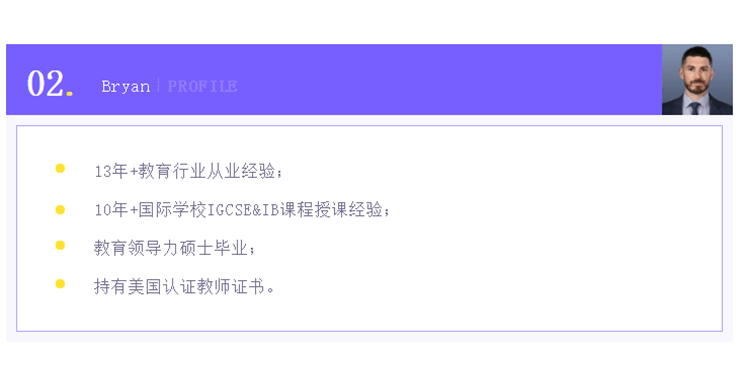
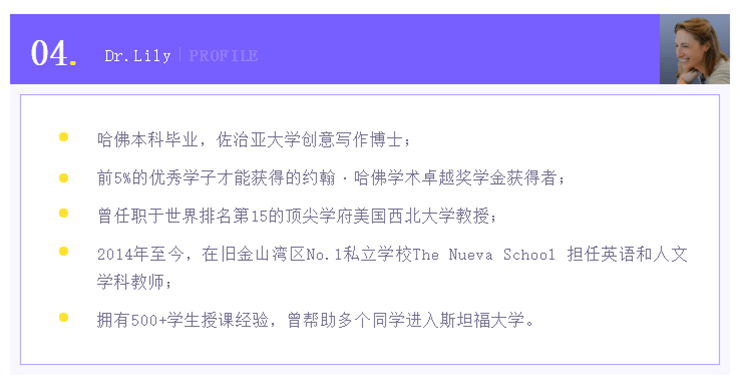
Incuntrà alcuni di i nostri maestri altamente qualificati è esperti!

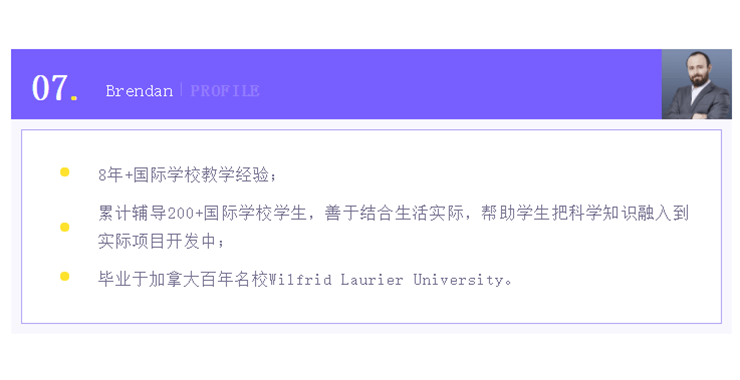
Perchè duverebbe sceglie i servizii 1-on-1?
Forse u vostru zitellu si prepara à studià à l'esteru o applicà à una nova scola è ellu vulete un approcciu più intensivu è miratu per pulisce e so cumpetenze.. In alternativa, u vostru zitellu ùn si senti micca abbastanza sfida cù u so curriculum attuale, è hà bisognu di un approcciu alternativu chì hè più adattatu per u so livellu di capacità.
Ci hè una quantità di motivi chì un genitore puderia esse cercatu servizii cum'è questu, è pudemu assicurà chì avemu sempre travaglià per capisce a situazione unica di u zitellu è furnisce u serviziu chì hè megliu per elli.
Cumu Funziona?
Cù u nostru approcciu praticu, è u prucessu d'orientazione, valuteremu a cunniscenza è e cumpetenze di u vostru zitellu basatu annantu à i dati di valutazione attuale, capacità di scrittura, è più. Basatu nantu à i nostri risultati, scegliemu u maestru più adattatu per i bisogni di u vostru zitellu. Tutti i prufessori di Reach Out sò stati accuratamente scelti, è avè anni di sperienza in l'insignamentu di curricula sfida, cum'è l'IGCSE, IB, è AP, in i migliori scole di u mondu.
U nostru prucessu hè orientatu à u scopu. Truvemu esattamente ciò chì u vostru zitellu hà bisognu per ghjunghje à i so scopi educativi, è tandu creamu un percorsu di apprendimentu unicu è su misura chì si adatta megliu à i bisogni particulari di u vostru zitellu.
Cosa d'altru offre Reach Out?
In più di servizii 1-on-1, Reach Out offre una larga varietà di corsi specificamente pensati per sfidà è impegnà u vostru zitellu di u 2u à u 8u gradu cù cuntenutu di livellu superiore per aiutà à preparà per u rigore di prugrammi cum'è IGCSE., IB, è AP.
Cumu possu amparà di più?
Per sapè di più nantu à i nostri servizii 1-on-1, per piacè cuntattate unu di i nostri Consulenti Educativi oghje per sapè di più! Aspittemu di aiutà u vostru zitellu à ghjunghje à i so scopi educativi per un futuru luminoso!
Quale Semu
Comu pudete avè nutatu, avemu crisciutu è avemu alcune aghjunte eccitanti à ciò chì offremu quì à Reach Out. Cum'è hè passatu un pocu di tempu da quandu avemu presentatu, avemu pensatu chì avissimu sparte a nostra storia cun voi per aiutà à capisce megliu quale simu è ciò chì facemu!
A nostra Mission
A missione di Reach Out hè di cunnetta i studienti cù educatori esperti chì creanu è furnisce originali, inspirante, curricula di classa mundiale. Avemu imbarcatu in stu viaghju in modu chì pudemu aiutà i studienti à capisce cumu truvà a so propria voce unica è scopre l'idee creative è preziose chì si trovanu in ognunu di elli.. Cù a so voce, anu u putere di cambià u mondu, è vulemu facultà elli à fà cusì.

A Nostra Visione
Reach Out s'impegna à esse una istituzione educativa ricunnisciuta à l'internaziunale chì permette à i studienti di accede à u curriculum è à l'educatori internaziunali di primu livellu., ùn importa induve in u mondu sò. I nostri studienti seranu perceptive, curiosu, è pensatori critichi chì facenu scelte infurmate cum'è solu solu di prublemi è cumunicatori eccellenti. I studienti Reach Out ghjunghjeranu i so scopi accademici è persunali è sogni da a Primaria à l'Università, mettendu i so futuri brillanti à portata.

I nostri valori fondamentali
Questi sò i principii chì formanu Reach Out:
A nostra Storia
Reach Out hè statu creatu da un picculu gruppu di mamme dedicate, forse assai cum'è sè stessu. Sò stati riuniti da una visione cumuna per i bisogni educativi di i so figlioli. Certi anu cercatu un prugramma educativu chì puderia offre à i so figlioli l'accessu à l'idee, insignà a filusufìa, è metodulugia chì currisponde à ciò chì avianu sperimentatu mentre stavanu à l'esteru. L'altri cercanu un curriculu internaziunale chì i so figlioli puderanu accede per arricchisce a so sperienza educativa in Cina. Ciò chì anu spartutu in cumunu era u desideriu di un prugramma rigurosu chì hà ancu apertu e porte à u pensamentu creativo è criticu., autoriflessione, è l'espressione persunale - i segni distintivi di un forte curriculum internaziunale. Dopu avè passatu assai tempu à scopre diverse opzioni, sti mamme ùn eranu capaci di truvà qualcosa chì abbastanza scontra i bisogni di i so figlioli.
Allora, anu fattu ciò chì ogni bona mamma faria, datu a chance, è truvaru u so propiu modu per offre à i so figlioli e migliori opportunità d'apprendimentu pussibuli pensate per aiutà à prosperà. Cunsultavanu prufessori esperti è anu travagliatu cù altri genitori per scopre cumu si puderanu risponde megliu à i bisogni di l'altri zitelli cù scopi simili.. I zitelli, speremu, cum'è u vostru.
I genitori sò stati impegnati:
Semu felici di dì chì queste mamme anu rializatu u so scopu. Oghje Reach Out vanta una linea cumpleta di corsi rigorosi ma impegnativi in i quali i studienti amparanu profondamente mentre si divertenu è creanu relazioni significative cù i so prufessori è i so pari..
Tuttu chistu per via di l'impegnu di e nostre mamme fondatrici per l'educazione è a felicità di i so figlioli.
Ciò chì ci rende unichi?
Mentre avemu capitu chì i genitori anu una varietà di scelte quandu si tratta di prugrammi chì arricchisce l'educazione di i so figlioli, credemu chì offre parechje qualità uniche chì ùn sò micca facilmente truvate in altrò.
A nostra squadra hè custituita da educatori altamente qualificati è sperimentati chì anu creatu un prugramma unicu è rigurosu basatu annantu à i normi internaziunali di a scola., chì prepara i studienti più ghjovani à piglià curricula rigorosa cum'è IGCSE, IB, è AP.
-I nostri prugrammi unu à unu è curricula pensati per superà i bisogni educativi di i nostri studienti
-A nostra filusufìa d'insignamentu d'ispirazione è di empowering i studienti, è a metodulugia di l'insignamentu di permette à i studienti di scopre a cunniscenza largamente è profondamente mentre à u stessu tempu sviluppanu un amore per l'apprendimentu
-U nostru impegnu à u successu à longu andà di i nostri studienti mentre ci sforzemu di equipà li cù e cumpetenze essenziali chì anu bisognu à riesce in a so carriera futura è in u mondu oltre a scola.
- I feedback detallati chì furnimu cù tutte e nostre valutazioni studienti, affinchì i studienti sappianu induve riescenu è induve puderanu migliurà, è ancu i materiali supplementari è l'istruzzioni necessarii per aiutà i nostri studienti à chjude ogni lacuna in a capiscitura
-A nostra dedizione à sviluppà u pensamentu criticu di i nostri studienti è e capacità di risolve i prublemi, chì serà essenziale per u so avvene, cume u futuru di a nostra sucetà glubale
-A nostra prumessa di ingaghjarà tuttu u nostru persunale insignante è micca insignante basatu annantu à a so passione mutuale per l'educazione
-A nostra capacità di facultà i studienti per aduprà a lingua, cunniscenza, è e cumpetenze ch'elli acquistanu per sviluppà si fora di l'aula è in curiosità, studianti per tutta a vita chì ponenu è perseguenu sfida, cumpiendu, e scopi di valore.
-I nostri mani, un approcciu individualizatu per creà un percorsu d'apprendimentu per i nostri studienti in modu chì ùn importa ciò chì u livellu di qualità sò quandu si uniscenu à noi, seranu furnuti cù l'arnesi necessarii per migliurà è cresce rapidamente
-U nostru impegnu à empowering i nostri clienti cù infurmazioni è sperienze chì li aiuteranu à fà e migliori scelte assolute per l'educazione di u so figliolu offrendu articuli informativi, video è attelli.
U nostru Curriculum
U nostru curriculum Blue Line, chì include corsi per i studienti in Gradi 2 à 8, hè statu cuncepitu da educatori esperti cù diplomi di livellu avanzatu in i so temi chì anu passatu decennii in alcune di e prime scole internaziunali in u mondu.. Utilizemu un cuncepimentu di currículum inversu chì travaglia da u primu annu di prugrammi cum'è u prugramma IGCSE largamente ricunnisciutu è rispettatu..
Siccomu i nostri educatori anu passatu anni insegnendu corsi pre-IGCSE, IGCSE, Curriculum IB è AP o A Levels, capiscenu ciò chì i studienti anu bisognu di successu in quelli prugrammi. Allora, ogni aspettu di u nostru curriculum hè statu creatu per assicurà chì tutti i nostri studienti entranu in u so primu ghjornu di Grade 9 sentu cunfidendu, equipatu, è preparatu per risponde à e richieste di sti corsi rigorosi.
Offriamu una larga gamma di corsi in i sugetti di l'inglese, Matematica, Storia è Geografia. Vede quì sottu per infurmazioni più dettagliate nantu à e nostre offerte di corsi cumpletu.
Servizi supplementari
Semu ancu piacè di annunzià a creazione di a nostra Silver Line, chì offre servizii educativi persunalizati chì piglianu un approcciu individualizatu per risponde à i bisogni di i nostri studienti. Cuminciamu cù una valutazione prufonda di i scopi educativi è i bisogni di ogni studiente, è dopu creà è implementà un schema di travagliu cù quale i nostri educatori esperti utilizanu per guidà u vostru zitellu à traversu e sfide accademiche di u Liceu per preparalli per eventualmente assistisce à a so università di sognu..
Offriamu ancu servizii 1-on-1 à tutti i livelli di gradu per i genitori chì volenu offre à i so figlioli più cura è struzzione individuale.. I nostri Cunsiglii di l'Educazione esperti s'assicureranu di cunfurmà u vostru zitellu cù u megliu educatore per i so bisogni è scopi specifichi.
Unisciti à noi!
Aspittemu di scuntrà a vostra famiglia è di discussione cumu pudete fà parte di a nostra famiglia Reach Out; unu chì ampara inseme, cura l'un l'altru, supera inseme e sfide, è celebra i successi unu cù l'altru. Per piacè cuntattateci oghje per sapè di più.
Speremu à sente da voi prestu!
Essa un genitore hè difficiule. In fattu, cù i cambiamenti in u nostru mondu oghje, puderia esse solu unu di i mumenti sfida chì avemu avutu affruntà in decennii. U cambiamentu porta à l'incertezza, è l'incertezza pò purtà à u stress. L'estresse certamente afecta tutte e aree di a nostra vita, qualchì volta hà da impattu a nostra relazione cù i nostri amati u più; in particulare i nostri figlioli.
I nostri figlioli ponu esse cumplicati (facemu a faccia, cusì pudemu!), è hè un compitu ardu per assicurà chì ogni muvimentu hè u "giusta".. Chì tutte e nostre conversazioni, dumande, dumande, piani, elogi è critichi significanu qualcosa. Ogni mumentu passamu à parlà cù i nostri figlioli, Tenemu a speranza chì queste parolle basteranu per riempie i nostri figlioli cù a speranza di un grande avvene in un tempu induve l'avvene hè cusì incertu. I tempi cambianu, è ancu questu passerà, ma una cosa chì pudemu guarantisci hè chì ùn averemu mai una seconda chance di passà una zitiddina cù i nostri figlioli.
Cum'è genitori, spessu ci dumandu s'è no simu in fattu fà u dirittu, si dumandassi cumu pudemu passà à i nostri figlioli, cercà di capisce megliu i nostri figlioli, è qualchì volta si sentenu cum'è un fallimentu culpèvule perchè ci dicemu chì l'avemu sbagliatu. Spessu, chì ùn hè micca u casu, ma ùn ci hè micca manuale d'istruzzioni nantu à cumu crià un zitellu chì travaglià per tutti in ogni situazione. Di sicuru, ci hè assai cunsiglii, una quantità eccessiva di questu, ma di novu, a maiò parte di i cunsiglii sò solu questu; guida è cunsiglii da e persone chì ùn cunnosci micca voi o u vostru zitellu. Alcune di questu hè utile, è un pocu di questu ... micca tantu.
Una cosa chì ùn pudemu micca negà hè l'impurtanza di una relazione sana trà i genitori è u zitellu.
A ricerca mostra chì:
Hè essenziale per fà u tempu di cultivà una relazione cù u vostru zitellu, è forse ancu più imperativu, assicurendu chì l'interazzione chì avemu cù i nostri figlioli durante quellu tempu sò pusitivi. Questu hè qualcosa chì parechji genitori trovanu sfida, chì hè per quessa avemu creatu un club di libru parenti per u libru Cumu parlà cusì chì i zitelli ascoltaranu è sentenu cusì chì i zitelli parlanu di Adele Faber è Elaine Mazlish. Inseme avemu amparatu modi per cumunicà positivamenti cù i nostri figlioli per rinfurzà i nostri ligami. Avemu passatu u tempu discutendu idee da u libru, oltri avutu un incontru virtuale up to role-play alcune di e strategie da u libru. In cima à questu, avemu invitatu u Cunsigliu di Guida di a Scuola Media, Regina Wehner, per furnisce i genitori cun un attellu per capisce u sviluppu cognitivu è emutivu di u nostru zitellu.
Eccu alcuni punti culminanti chì vulemu sparte cun voi!
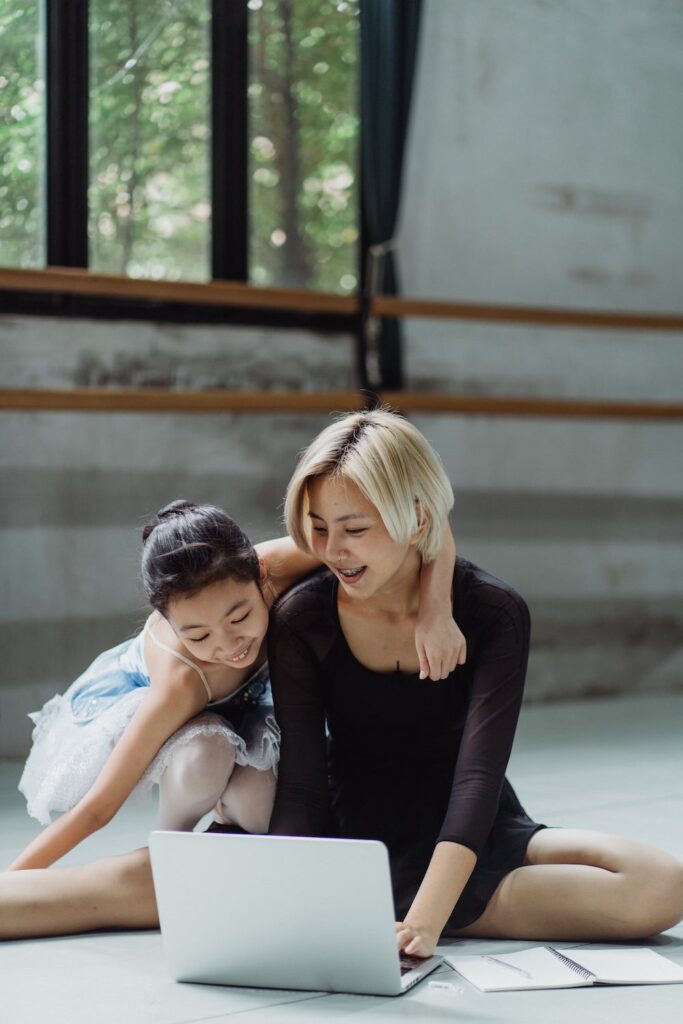
Primu, da Cumu parlà cusì chì i zitelli ascoltaranu è sentenu cusì chì i zitelli parlanu, quì sò dui di e nostre strategie preferite:
I zitelli anu difficultà à regulà e so emozioni, cum'è u centru di regulazione emuzionale di u cervellu hè unu di l'ultimi à sviluppà. Questu significa chì anu bisognu di u nostru aiutu in forma di cumpassione è mudeli. Questu pò esse cusì sfida, soprattuttu quandu pudemu avè difficultà à gestisce e nostre emozioni à volte! Avemu una strategia faciule per voi chì duverà solu duie cose:
Quandu u vostru zitellu vene in casa arrabbiatu per qualcosa chì hè accadutu à a scola, invece di dà lezioni è offre i nostri saggi cunsiglii, pudemu simpricimenti à sente e so preoccupazioni è ripetiri l'idee torna à elli. Per esempiu, s'è u vostru zitellu vene in casa arrabbiatu è dice qualcosa cum'è, "Ugh, oghje Elisabetta è Sara eranu cusì cattivi per mè! M'anu ignoratu cumplettamente è l'odiu tramindui avà!"Inveci di dì, "Elizabeth è Sarah sò i vostri migliori amichi. Ùn hè micca un grande affare è sò sicuru chì sarete bè dumane,” chì puderia invalidà i sentimenti di u vostru zitellu, pudete dì, "Oh, Vedu. Elisabetta è Sarah ti fece sentu un pocu fora. Probabilmente vi hà fattu sentite un pocu tristu è pazza ". À questu puntu, u vostru zitellu puderia cuntinuà à parlà è apre à voi, chì hè grande! Significa ch'elli anu fiducia in voi è chì li fate sentu megliu. Cuntinuà à sente, annunziu, dì, "Mmmhmm," è ripite ciò chì dicenu. Avè chì sèmplicemente à sente, prubabilmente farà u vostru zitellu senti 100% megliu è pronta per affruntà a so prossima sfida!

2. Auguru!
I nostri figlioli spessu sprimenu i so desideri in a forma di vulemu avè e cose chì ùn anu micca o chì volenu chì e cose sò diverse da a manera ch'elli sò.. Per esempiu, i zitelli ponu dì, "Vogliu ùn avè micca bisognu di fà tutti i travaglii di casa". Pudemu risponde, "Bè, fate è questu hè!" o "Hè ciò chì avete da fà. Hè a vostra rispunsabilità cusì avete bisognu di fà avà!"
Questu pò scalate in una battaglia di vuluntà cum'è i genitori si sentenu frustrati chì continuanu à sente a listessa lagnanza è ripete u listessu ragiunamentu.. I zitelli si sentenu frustrati perchè e so opinioni sò invalidate è si sentenu incomprensi. Ebbè, ùn ti ne fà, simu quì per aiutà! Avemu un picculu truccu chì vi aiuterà à turnà a cunversazione, è questu hè d'accordu cù u vostru zitellu. Puderà sona contraintuitivu, ma avemu una sperienza di prima manu cù stu truccu è travaglia meraviglie!
Per esempiu, se u vostru zitellu dice, "Vogliu chì pudemu andà in u parcu oghje cum'è vulia!"
Invece di dì, "Ùn possu micca, Sò troppu occupatu," o "Iè, ma ùn pudemu micca, piove,"Pudemu dì, "Vogliu chì pudemu ancu noi! Pudemu andà in u parcu è fà un picnic! Pudemu volà un kite è soffia bolle! Perchè ùn avemu micca un picnic in a sala di vita è dopu pudemu chjappà bolle in u bagnu!"
A prima parte face i zitelli entusiasmati è a so imaginazione, purtendu in un locu felice. A prossima parte li face sentenu è cunnessi à voi.
Avà, alcuni punti salienti da Ms. L'attellu di Wehner:
*Per piacè aiutami à sceglie questi! :)*
Se vulete unisce à unu di i nostri attelli o club di libru in u futuru, assicuratevi di seguiteci è stà sintonizzati! Avemu grandi cose chì venenu sta caduta!
Parechji parenti ci dumandanu quale u modu più veloce chì u so figliolu pò migliurà a so scrittura. Mentre credemu fermamente chì ùn ci sò micca scurciate per diventà un scrittore veramente efficace è qualificatu, Ci sò parechje cose chì i studienti ponu incorpore in a so scrittura per aiutà à purtà à u prossimu livellu più efficaci. Cum'è cù qualcosa chì prova à esse maestru, a chjave per u successu si trova in u travagliu duru è a ripetizione. Praticà sti cumpetenze regularmente aiuterà u vostru zitellu à ghjunghje à i so scopi educativi.
Questu articulu serà u primu in una seria di articuli chì si focalizeghjanu nantu à e cumpetenze adattate per diversi tipi di scrittura. Sta settimana, ci cuncintraremu nantu à cunsiglii di scrittura descriptiva.
Cunsiglii di scrittura descriptiva:
A scrittura descriptiva hè una vera forma d'arte, cum'è u so scopu deve esse di creà una maghjina in a mente di i lettori. Ùn si pò micca cuntà una storia nantu à l'azzione è u dialogu solu, è ùn si pò trasmette u significatu prufondu è l'emozioni in un puema senza pittura un ritrattu cù e so parolle.
Un modu putente di eccellenza in a descrizzione hè di aghjunghje aggettivi è avverbi induve pussibule. Per esempiu, se u vostru zitellu scrive una storia, ellu puderia scrive qualcosa cum'è:
"Harry hè andatu fora è hà cuminciatu à circà i so amichi".
Mentre sta frase trasmette un significatu basicu, u so effettu nant'à u lettore hè dinù basi. Aghjunghjendu una lingua descriptiva in forma di aggettivi è avverbi, pudemu aghjunghje rapidamente è in modu efficace l'imaghjini à a frase:
"Harry hà sbulicatu a porta di fronte, sbattendula chjude daretu à ellu. U so core batteva mentre correva intornu à u quartieru in cerca di i so amichi.
In a sentenza rivista, vedemu descrizzioni chì ci dicenu micca solu l'azzione chì si passa, ma aiuta ancu à sente l'emozione di u caratteru, un aspettu impurtante di a narrazione.

Un altru modu grandile per fà una storia o un poema più efficace hè di aghjunghje una lingua figurativa, cum'è similes. Simili sò paraguni chì utilizanu cum'è o cum'è chì ponu esse usatu per aiutà u lettore à imagine ciò chì succede più chjaramente..
Per esempiu, u vostru zitellu puderia scrive qualcosa cum'è:
Eru tantu cuntentu!
Era cusì caru!
Era tantu paura!
Pudemu aghjunghje similes per aiutà à creà un risultatu ancu megliu:
Eru felice cum'è un gattino in una tenda di filati.
Era un simpaticu cum'è un panda chì ghjucava in a neve.
Era spavintatu cum'è un cunigliu chì hà intesu ghjustu un lupu urla.

U nostru suggerimentu finali per a scrittura descriptiva hè di sceglie un vocabulariu cusì precisu chì cumunicà esattamente ciò chì u scrittore vole chì u lettore sente.. Spessu, i studienti scriveranu descrizzione un pocu vague, cù frasi cum'è:
Era assai stancu.
U filmu era assai noioso.
Eranu assai friddi.
A stanza assai calda.
Di novu, sti frasi trasmettenu un significatu simplice, ma in scrittura descriptiva, chì hè simplicemente micca abbastanza. A descrizzione efficace usa un vocabulariu chì hà un impattu, è pudemu ottene questu scegliendu solu e migliori parolle per trasmette u significatu più esatta.
Vede cumu pudemu piglià e frasi sopra da ordinariu à straordinariu rimpiazzendu una parte di a frase cù un vocabulariu putente:
Era stancu.
U filmu ùn era micca imaginativu.
Eranu friddi finu à l'ossu.
A stanza era arrosta.
A bona nutizia hè chì u vostru zitellu ùn hà micca bisognu di cunfidenza nantu à a so cunniscenza di vocabulariu attuale per riesce à creà frasi cum'è quelli sopra.. U tesaurus hà tutte e parolle chì anu bisognu per creà descrizioni memorabili.
Speremu chì sti cunsiglii sò stati utili! Se vulete chì u vostru zitellu amparà cumu mette in pratica queste cumpetenze cù unu di i nostri educatori appassiunati, restate sintonizzati per i prossimi annunzii nantu à i nostri novi corsi d'estate è d'autunno!
A settimane prossima, averemu un ochju à cunsiglii di scrittura persuasive!
Parlaci un pocu di sè stessu.
Sò cresciutu in cinque paesi diversi (Svezia, Inghilterra, Alemagna, Africa di u Sudu, è Canada). L'integrazione in un spettru diversu di culture chì crescenu m'hà fattu vede u mondu cù una mente aperta. Attualmente reside in Canada è travaglia cum'è docente universitariu è maestru di matematica in Reach Out. Fora di u travagliu mi piace assai sporti cum'è u badminton è i scacchi, chì aghju ghjucatu à un livellu cumpetitivu per parechji anni.

Chì ghjè u vostru background educativu è qualifiche?
Aghju ricevutu un Bachelor of Science da l'Università di a Culumbia Britannica (UBC) è un ottenutu u mo MSc in a listessa università. U mo travagliu graduatu hà implicatu a geoscienza sperimentale induve aghju cuncepitu un apparatu per investigà cumu i diamanti ghjunghjenu à a superficia di a Terra attraversu magmi à alta velocità.. Aghju publicatu articuli in dui ghjurnali di grande impattu è prisentatu u travagliu in u Canada è l'Europa.
Durante i mo studii di graduatu, aghju avutu u privilegiu di insignà uni pochi di classi chì sò passati à una pusizioni di lettura.. L'insignamentu à u livellu universitariu implica una classe di più 200 studienti, chì hè assai sfarente di u travagliu chì facciu à Reach Out, ma m'hà aiutatu à sviluppà un stilu d'insignamentu dinamicu.
In più, Insegnu Matematica è Scienza sia in privatu sia attraversu l'urganisazioni educative per più 6 anni.
Perchè vi unite à Reach Out?
Aghju unitu à Reach Out perchè a prospettiva di pudè furnisce una educazione di alta qualità da u mondu sanu senza restrizioni di fruntiera risona cun mè..
Sentu chì u mutivu chì sò impegnatu à stà in Reach Out hè più impurtante. E classi persunalizate esse furnite m'hà permessu di cunnette cù i studienti, rendendu a so progressione assai più significativa per mè. Certi studienti sò stati cun mè à traversu parechji livelli è mi sentu immensamente fieru d'avè ghjucatu un rolu in a so educazione.
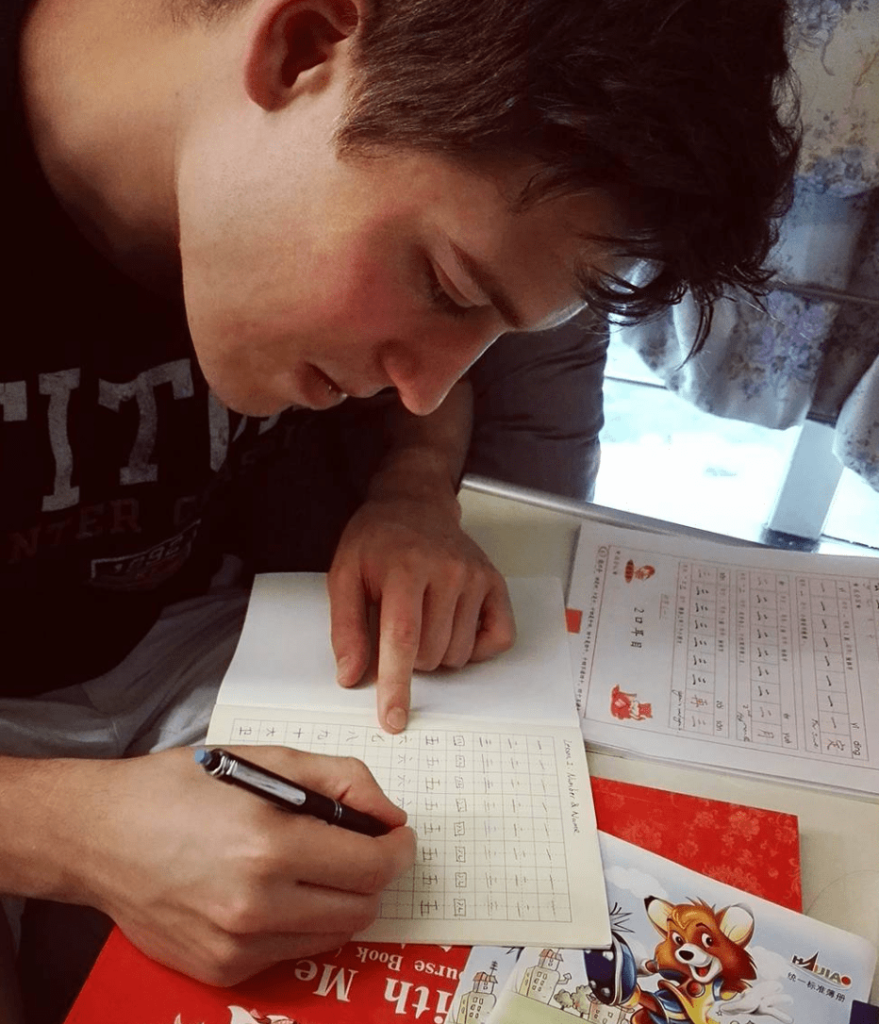
Chì ghjè a vostra filosofia educativa?
Avè un sfondate in a scienza sperimentale m'hà permessu di vede u valore di fà scopre per mezu di l'esperimentazione. Permettendu à i studienti di sperimentà diverse metodologie mentre offre una guida hè un modu estremamente efficace di insignà i studienti à ùn avè paura di fallimentu.. Richard Fuller hà dettu bè, "Ùn ci hè nunda cum'è un esperimentu fallutu, solu esperimenti cù risultati inaspettati ". I studienti spessu cumincianu i mo classi paura di risponde à e dumande, discute cù i so cumpagni di classe, o scrivite nant'à u tavulinu postu ch'elli ùn cunnosci micca e risposte. Siccomu sò sempre più focu annantu à e suluzioni piuttostu chè e risposte, i studienti sò ricumpinsati per pruvà tecniche novi, discutendu i metudi falluti, è dumandendu dumande nantu à u travagliu di i so cumpagni. Aghju trovu questu per pruduce un ambiente di apprendimentu fenomenale è piglia assai pressione da i studienti.

Chì ghjè a vostra cosa preferita di l'insignamentu di a matematica?
A mo cosa preferita di l'insignamentu di a matematica hè e sfide eccitanti chì furnisce. Dopu avè insignatu Math per parechji anni, Aghju capitu chì i studienti vedenu u mondu da una perspettiva unica, chì più spessu chè micca, hè assai sfarente da u mo propiu. Questa diversità produce un vastu spettru di stili d'apprendimentu è mi impone di stà assai flexible cù e metodulugia chì aghju utilizatu in u mo insegnamentu..
A matematica hè un sughjettu cumplessu chì ci hà furnitu una lingua universale per capisce megliu l'universu chì ci circonda. Avè una bona capacità di risolve i prublemi hè un subproduttu di l'apprendimentu di Matematica è cruciale per u successu in u mondu mudernu. Per queste ragioni aghju a rispunsabilità di trasfurmà un sughjettu tradiziunale seccu è noioso in qualcosa di eccitante creendu lezioni convincenti è usendu a creatività per inspirà i mo studienti.. Questu serà sempre qualcosa chì mi piace di u mo travagliu.
Quale hè u vostru matematicu preferitu è perchè?
Questa hè una quistione dura, è hè difficiule di identificà un Matematicu postu chì aghju utilizatu l'opere di tanti Matematici in una sola lezione. S'ellu avia da sceglie seria o Johannes Kepler o Nicolaus Copernicus postu chì mi piace ancu l'astronomia.. A so Matematica ùn solu sfidau tuttu ciò chì era cridutu annantu à u nostru sistema solare à u mumentu, ma hà ancu furmatu i fundamenti per capiscenu u muvimentu planetariu. I viaghji spaziali sò basati assai nantu à questi cuncetti.
Se pudete solu dà à i genitori un cunsigliu quandu si tratta di aiutà u so figliolu à migliurà in Math, chì saria?
Una cosa chì aghju travagliatu assai cù i mo studienti, hè chì li spiegà e so suluzioni à mè, indipendentemente da quantu faciule pò parè. Puderete ghjunghje à a risposta curretta in certi curricula scola ùn pò micca esse bisognu di una cunniscenza cumpleta, ma esse capace di spiegà bè una suluzione richiede una bona capiscitura. Assicuratevi chì u vostru zitellu mostra sempre passi assai chjaru in u so travagliu è chì ponu spiegà i so passi. Questu certifica a capiscitura è mostra chì sò pronti per e dumande chì testanu u stessu cuncettu, ma ponu esse formulate in modu diversu.
Chì ghjè un fattu divertente di sè stessu?
Mi piace assai à amparà e lingue! Dopu avè crisciutu in parechji paesi diffirenti, possu parlà inglese, Svedese, e tedesca fluentemente. Per l'ultimi dui anni aghju travagliatu per aghjunghje u Cinese à a mo cullezzione è aghju avutu i sfidi unichi chì l'apprendimentu di sta lingua cumplessa m'hà furnitu..
U Giardinu Secretu hè un pezzu di literatura classica chì hè stata parte di un numeru indicibile di zitiddina (se avete mancatu u nostru articulu per quessa chì i zitelli deve leghje rumanzi classici, vede lu ligatu quì sottu!). Hè una storia putente d'amicizia è di scuperta di sè stessu chì risona cù a nostra ànima.
U Giardinu Secretu si tratta di una ghjovana chjamata Mary Lennox chì perde a so famiglia è tuttu ciò chì hè familiarizatu cun ella per via di un focu di colera in India., induve u so babbu travagliava cum'è Capitanu di l'armata britannica. Cum'è un zitellu, Maria era abbastanza trascurata, ma indulgatu da i servitori di a famiglia, cusì era un zitellu spoiled cù una dispusizione terribili. Avia assai pochi tratti chì l'aiutavanu à fà fronte à una nova vita in Inghilterra, induve hè stata mandata à campà cù un parente distante, Mr. Craven.
Mr. Craven avia regule assai strette per Maria per seguità à a so nova casa in Misselthwaite Manor in Yorkshire, chì includeva ch'ella era pruibita d'entra in diverse stanze in u palazzu gigante, è ancu pruibitu di entre in unu di i giardini nantu à a pruprietà sprawling, chì appartene à a so amata defunta moglia. Mentre Maria principia à spiegà a so nova casa, ella principia à truvà un sensu di felicità è ripiglià a so salute dopu avè statu malatu per a maiò parte di a so zitiddina.. Dopu chì un robin l'aiuta à truvà a chjave di u giardinu secretu, ella trova un sensu di scopu in restaurazione di u giardinu, quantu ella restaura u so internu. À traversu i spine è e foglie secche di l'invernu, ella trova assai più bugie dentru.
Aiutatu da u novu amicu Dickon, Maria sviluppa a so prima amicizia, è usa a so nova forza è gentilezza per aiutà u so cuginu in lettu Colin, ch'ella trova chjusu in u manariu. L'amicizia rinforza sia Maria è Colin, è à a fine, ognunu tistimunia un miraculu resu pussibule solu da sti ligami stretti è crede in sè stessu, dui temi assai impurtanti in u rumanzu.
I ghjovani amarà leghje sta fantastica storia d'amicizia, superendu ostaculi, è sperendu u putere curativu di a natura. I caratteri è e lezioni chì ci insegnanu certamente toccheranu u vostru zitellu è li aiutanu à sperimentà u putere di una grande storia.
Sè vo vulete l'uppurtunità per u vostru zitellu di sperienze sta storia cù l'altri, simu felici di fà sapè chì leghjeremu U Giardinu Secretu cum'è u primu rumanzu in u nostru Livellu Young Classics 2 Corsu stu veranu.
In u corsu, ùn avemu micca solu leghje u rumanzu, ma avemu ancu amparà è applicà un novu vocabulariu da u libru, discute tecniche letterarie impurtanti aduprate da u scrittore, è praticà a scrittura di sintesi, una cumpetenza chjave chì parechji studienti trovanu sfida
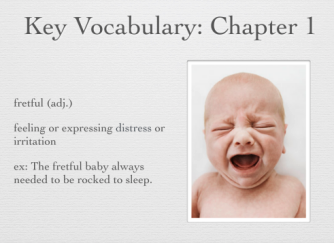
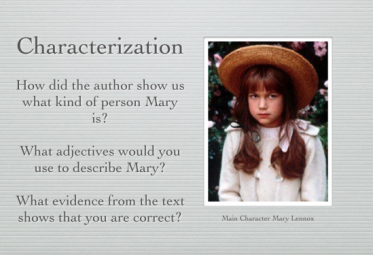
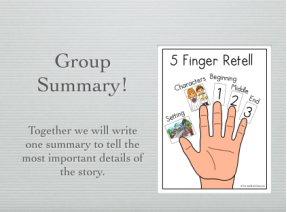
Sè site interessante à amparà di più nantu à Young Classics, o e di i nostri altri corsi eccellenti è interessanti, cuntattate oghje unu di i nostri Consulenti Educativi! Speremu di travaglià cù u vostru zitellu assai prestu!
U studiu di letteratura hè un aspettu impurtante di qualsiasi prugramma accademicu eccellente, è hè perchè aiuta à insignà à i studienti una larga gamma di cunniscenze è cumpetenze chì sò essenziali per u successu in parechji spazii di a vita.. Mentre studiava a literatura, i studienti amparanu avvenimenti impurtanti è persone in tutta a storia, cunsidereghjanu a perspettiva culturale è aumentanu a so propria cunniscenza di l'accettazione di diverse idee è credenze, è amparanu à analizà e parolle di l'altri per fà una cunniscenza prufonda di idee novi è modi di cumunicazione.. In corta, espone i studienti à una scatula di idee, tecniche, strategie, teorii, è più chì purteranu cun elli in tutta a so vita, formandu a manera ch'elli si avvicinanu à u mondu.
Perchè offremu stu cursu?
I studienti Reach Out tipicamente perseguenu prugrammi di liceu cum'è IGCSE, chì include corsi di sfida cum'è Lingua è Literatura Inglese è Inglese cum'è Prima Lingua. Più tardi, a maiò parte di quelli studienti piglianu a sfida di i prugrammi di livellu IB è AP, in quale anu da piglià u compitu di leghje una varietà di literatura. U nostru scopu hè di espone i studienti in a scola primaria è media superiore à una larga gamma di letteratura avanzata in modu chì, quandu ghjunghjenu à u liceu, pussede a cunniscenza è e cumpetenze per chjappà in terra., è dunque ghjunghje à un livellu più altu.
Stu cursu hè pensatu per u Grade 7-9 studienti.
L'obiettivi di u nostru Corsu di Letteratura Avanzata sò à:
✪ Aumentà a capacità di i studienti di capisce è discernisce e tecniche letterarie utilizzate a literatura inglese è americana, è a capacità di cumunicà l'effetti di queste tecniche;
✪ Migliurà e cumpetenze di comprensione literaria di i zitelli è aumentanu a so cunniscenza di a cultura britannica è americana;
✪ Sutta a guida di i nostri educatori esperti, amparate u putere di a lingua è a narrazione in una manera impegnativa ma impegnativa.
Scuntrà i nostri Maestri
*Inserite a biografia di u maestru quì per Barry, Antoniu, è Ghjuvanni*
A nostra selezzione di libri:
Pienghje u Paese Caru di Alan Paton

Situatu in Sudafrica in l'anni 1940, premiatu Pienghje u Paese Caru conta a storia di un pastore Zulu, Steven Kumalo, chì viaghja da u so paese à a cità di Johannesburg. À u so viaghju ardu è straziante, scopre chì a so surella è u figliolu si sò ritrovati in situazioni terribili chì avà deve affruntà cun elli. E vite assai diverse di i caratteri diventanu intrecciate inaspettatamente attraversu a tragedia durante un tempu scuru in a storia di u Sudafrica.. Tuttavia, à traversu tragedie è sfide, a vera natura di u spiritu umanu pò esse truvata è elevà quelli chì anu più bisognu.
Dracula da Bram Stoker

A legenda di Dracula hè apparsu in a mente di i lettori è di i filmati per generazioni. Bram Stoker hà basatu u famusu caratteru di Dracula nantu à a legenda di u regnu di a vita reale di Valacchia., Vlad l'Impalatore. Stoker hà sappiutu piglià stu angulu scuru di a storia è trasfurmà in un rumanzu leggendariu cuntatu per mezu di e entrate di ghjurnale, lettere è telegrammi. Cum'è cù qualsiasi classicu, Dracula hà resistutu à a prova di u tempu perchè parla di qualcosa assai prufonda è significativa in a psiche umana.
Di Topi è Omi di John Steinbeck
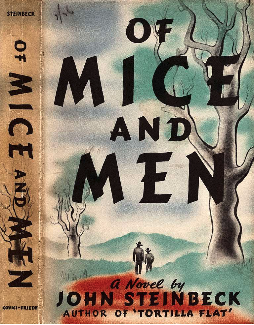
A Grande Depressione hè stata un momentu definitu in a storia americana chì hà pruvatu a so forza cum'è nazione, è pusò a pupulazione in un equilibriu precariu trà a vita è a morte. In ciò chì hè cunsideratu unu di i più grandi classici americani, i lettori sò presentati à dui travagliadori migranti spustati, George è Lennie. George hè un ghjovanu intelligente, mentre chì Lennie hè disabile mentalmente. George piglia Lennie sottu à a so ala mentre cercanu un impiegu induve ci sò poche opportunità, prova di sopravvive, eppuru sunnianu sempre di u ghjornu ch'elli anu a so propria terra è custruiscenu una vita. E so speranze sò annunziate quandu si verifica un incidente devastanti chì altera a so vita per sempre.
Ciò chì i studienti guadagnanu
Sviluppà un primu sensu di apprezzazione literaria,
Vede u mondu da una perspettiva più matura
I classici britannichi è americani cuntenenu prublemi morali è suciali chì facenu pensà. A lettura di a literatura classica più influente aiuta à i studienti à diventà megliu lettori, è principià u prucessu di perseguite l'autorealizazione.
Migliurà a cunniscenza di a cultura è a storia
L'amparà l'allusioni da a literatura classica britannica è americana pò aiutà à colma e differenze culturali. "I classici anu apertu a porta à diversi mondi, culture diverse, e diverse prospettive storiche. A literatura attraversa a razza, cultura, religione, è geografia."
Auto-riflessione è crescita persunale
Parechje letteratura classica allude à a nostra vita da u latu: I libri chì riflettenu similitudini cù a nostra vita sò chjamati "specchi"; è quelli chì ci danu un visu di diverse vite sò chjamati "finestri." Ch'ella sia a "specchiu" o a "finestra", arricchisce ancu l'esperienza di vita di i studienti è aumenta u curaghju è a forza per affruntà a vita.
Unisciti à noi!
Cuntattateci per scopre di più nantu à u nostru cursu. Speremu sinceramente di scuntrà u vostru zitellu prestu, è sviluppate l'amore di leghje a literatura classica inseme.
Hè tornatu à u tempu di a scola è sapemu chì i genitori si preparanu per un annu novu cù novi principii. U principiu di un annu novu hè di solitu scontru cù un mischju di eccitazione è un pocu di ansietà, cum'è i studienti è i genitori aspettanu novi cumpetenze è esperienze, ma puderia ancu sentu nervoso per e novi rutine è aspettative.
Ùn ti ne fà, Raggiungete quì per aiutà! Quist'annu, avemu 5 i migliori consigli per un fantastico inizio di anno scolastico.
Capisce cumu a scola di u vostru zitellu avvicina l'educazione, chì curriculum usanu, quali sistemi, è i normi sò usati ponu esse sbulicati per i non-educatori. Passendu un pocu di tempu ogni ghjornu à leghje u cuntenutu di u situ di a vostra scola, manuali, è altre risorse ponu aiutà à sente più cunfidendu à capisce ciò chì u vostru zitellu ampara à a scola è cumu si amparanu. Hè impurtante ancu di assistisce à a notte di ritornu à a scola di u vostru zitellu è à e sessioni informative per capiscenu megliu u prugramma di u vostru zitellu in tuttu.. Hè dinò una grande opportunità per voi di stabilisce una relazione cù u maestru di u vostru zitellu. In ogni mumentu si avete sempre dumande, pudete sempre e-mail à u maestru di u vostru zitellu. Sò quì per voi è u vostru zitellu, cum'è sanu chì una grande relazione cù i genitori hè un modu fantasticu per assicurà accademicu, suciale, è successu emutivu per tutti i studienti.
2. Assicuratevi di catturà abbastanza Zzzzs prima di l'ABC
U sonnu hè cusì impurtante per a crescita è u sviluppu di u zitellu, è a mancanza di questu pò influenzà negativamente u successu accademicu di u zitellu. In fattu, a ricerca mostra chì a depravazione di u sonnu in i zitelli pò purtà à tassi più altu di ansietà è di depressione. Quandu dormimu, u nostru cervellu processa l'infurmazioni da u ghjornu, trova u megliu sistema per arregistrallu in i ricordi, è ricarica i nostri sistemi per un novu ghjornu. Per diverse ragioni, i genitori spessu trovanu attaccà à una prima ora di dorme difficiule, ma cù una rutina chjara, è tempu per aghjustà, pò esse faciuli! I zitelli 3-6 anni duveria esse acquistatu 10-12 ore di sonnu per ghjornu, 7-12 i zitelli d'annu duveranu avè 10-11 ore per ghjornu, è 12-18 i zitelli d'annu duveranu avè 8-9 ore per ghjornu. Crià un schedariu induve i zitelli si mettenu in lettu prima farà ancu a matina più faciule, speremu cù menu stress per i genitori è i zitelli, postu chì seranu bè riposati è pronti per inizià a so ghjurnata!
3. Fate e dumande ghjustu à u mumentu ghjustu
Calchì volta i genitori sò ansiosi di sapè cumu era u ghjornu di u so figliolu appena ghjunghjenu in casa da a scola, soprattuttu durante e prime settimane. Quelli settimane sò soprattuttu esausanti è pieni di alti è bassi mentre u vostru zitellu ampara à navigà novu materiale, novi amichi, novi prufessori, è novi aspettative. Dà elli u tempu di vultà in casa è decompresse hè estremamente impurtante per u so benessiri emutivu è mentale. Una volta anu avutu qualchì tempu "me"., i genitori ponu dumandà dumande specifiche basatu nantu à ciò chì sanu chì travaglianu, s'ellu succede à sapè. Puderanu passà u ghjurnale di i travaglii di u so figliolu cun elli è aiutanu à fà un pianu nantu à cumu affruntà ogni compitu., cum'è sparte in u so entusiasmu per sughjetti specifichi, libri, o infurmazione chì ancu piacenu. Evite dumandà, "Comu era a scola? Chì avete amparatu?"cum'è i zitelli rispundenu assai megliu à e dumande più specifiche, cum'è, "Chì avete fattu cù i vostri amichi à u pranzu? Chì era a più bona parte di u vostru ghjornu? Chì era a cosa più strana o più maravigliosa chì hè accaduta à a scola oghje?"U più impurtante, i genitori duveranu esse cumplettamente presenti è ascoltanu attentamente quandu i studienti rispondenu, cusì si sentenu veramente valutati è sentenu quandu si sparte.
4. Ch'elli amparà da u fallimentu
Questu pò esse assai difficiule per i genitori di permette. Vulemu chì i nostri figlioli facenu bè è ghjunghje à u so pienu potenziale, chì significa chì pudemu passà ogni assignazione cù un pettine à denti fini, corregge ogni sbagliu di calculu o grammatica. Ancu i genitori anu boni intenzioni quandu facemu questu, cacciemu opportunità di apprendimentu impurtanti da i zitelli quandu facemu cusì. Quandu eramu studienti, assai di i nostri genitori eranu spessu troppu occupati o ùn avianu micca a cunniscenza o a capacità per aiutà à noi cù u nostru travagliu di a scola, ma avemu trovu un modu per spinghje è pruvà u nostru megliu. Sì i zitelli ùn sò mai datu l'uppurtunità di fallu quandu sò ghjovani, Puderanu resistere à piglià sfide più tardi in a vita per paura di fallu. Tuttavia, quannu li lassemu falà dolcemente, cum'è in una missione o in una partita di football di a piccula liga, li insegnemu a resistenza. Ùn hè micca a fine di u mondu, è amparanu una lezione preziosa; chì pudemu pruvà è micca successu, spolverare noi stessi, è pruvate di novu a prossima volta.
5. Cultivate e so passioni
I novi anni di scola sò un tempu eccitante per parechje ragioni, unu di elli hè chì furnisce i zitelli una chance di scopre novi passioni. S'elli sò furtunati, si sbatteranu nantu à qualcosa chì amanu veramente, è chì ponu esse affascinati cù abbastanza per passà ore à scopre. Aiutà un zitellu à truvà a so passione ùn hè micca sempre faciule è piglia tempu. Calchì volta i genitori si preoccupanu se u so figliolu fucalizza troppu nantu à un paru di cose, è sentu ch'elli anu bisognu di espose à quant'è pussibule per aiutà à furmà in individui ben arrotondati. Tuttavia, si guardemu à e persone chì anu furmatu u nostru mondu, era perchè avianu un focus laser nantu à ciò chì eranu passioni. Era tuttu ciò chì anu fattu o fà. Cum'è l'omu, naturalmente gravitemu versu ciò chì amemu più, è finu à ch'ella furnisce una sorta di valore in cima à u cumpletu, duvemu cuntinuà à perseguillu. Allora, ùn vi scantati s'è u vostru zitellu prutesta andendu à una attività, mentri curriri fora la porta à assistisce à un altru. Forsi quellu chì amanu hè u più preziosu per a so crescita è u sviluppu, è quellu chì ùn piace micca ùn hè micca necessariu dopu à tuttu.
Speremu chì sti cunsiglii anu aiutatu, è vulemu à voi è à u vostru zitellu u megliu in u prossimu annu scolasticu! Semu entusiasmati per u novu annu scolasticu è per tutte e sfide è spergu chì portarà.
Reach Out sarà cun voi ogni passu di a strada, dunque esse attentu à più infurmazione è più articuli chì speremu chì ti piacerà!