På Reach Out, vi mener, det er meget vigtigt at fejre elevernes succeser. Vi er glade for at kunne annoncere endnu en Star Student - Emma!
Emma repræsenterer alt, hvad eleverne kan opnå med hårdt arbejde og engagement i ekspertise. Emmas lærere anerkender hende som en elev, der har en vidunderlig indstilling til læring, er meget modtagelig for instruktion, and has an extremely supportive family who often communicates with her teachers. In class, Emma is a careful and attentive listener who is confident enough to share her ideas, but patient enough to give everyone their turn. She doesn’t mind taking risks, and is able to inject her personality into her work.
Emma is currently enrolled in our Creative Reading and Writing Level 4 Course, and she has shown a real gift in being able to create strong imagery in her writing. At the beginning of the semester, she completed a review of Blue Frog’s Shanghai Disneyland branch.
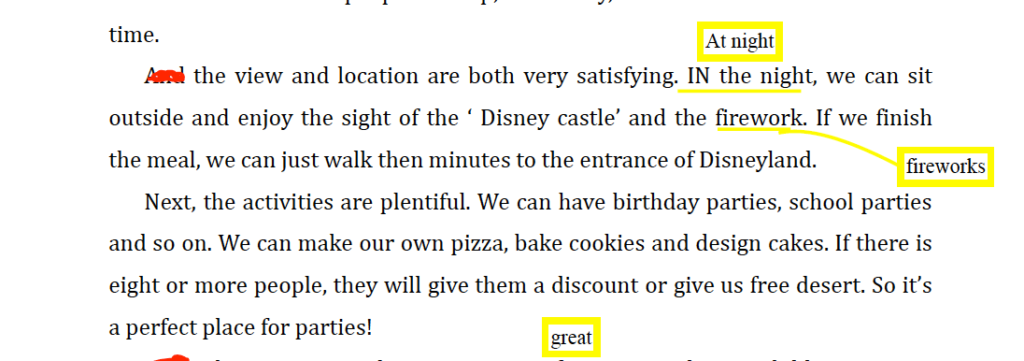
Emma showed her ability to critique specific aspects of a place, and develop her ideas using appropriate detail.
“The view and location are both very satisfying. At night we can sit outside and enjoy the sight of the Disney Castle and the fireworks.”
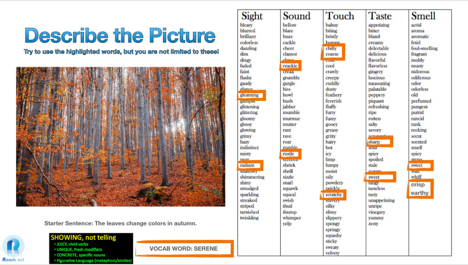
As the semester went on, Emma showed development in her writing skills, and began to incorporate more advanced literary techniques. In an assignment on describing landscapes, Emma was able to create a strong image using precise vocabulary and figurative language.
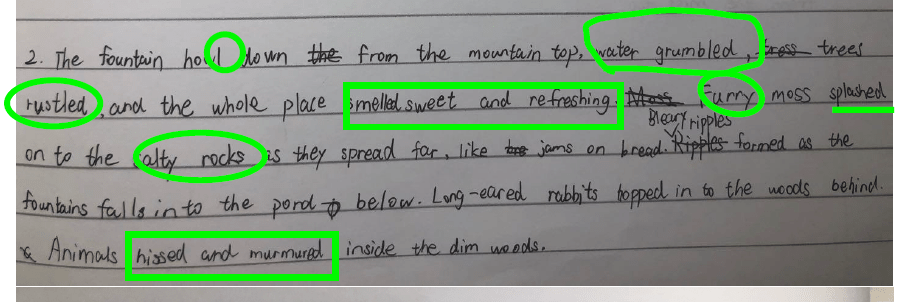
“Furry moss splashed onto the salty rocks as they spread far, like jam on bread. Bleary ripples formed as the fountain fell into the pond below.”
Emma continued to apply the lessons she learned throughout the course, and her ability as a writer became stronger. In a recent assignment on writing a Fantasy Narrative, Emma constructed the setting and character of her story deliberately and effectively.
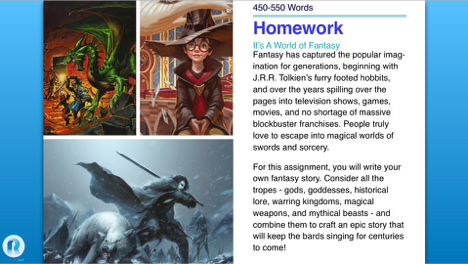
“Glittering sunshine shone from the window and on to the soft, silky bed sheet. Warm colored sweet flowers bloomed beside the open window. Dim but diligent drawings hung on the refreshing seaweed-green wall.”
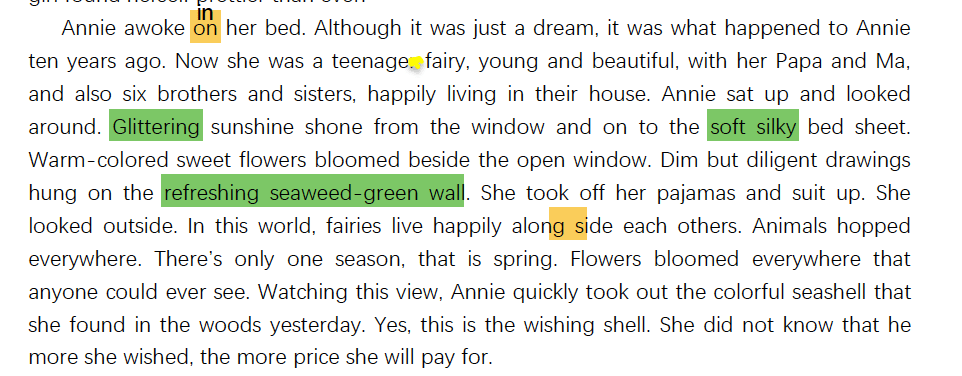
As you can see, Emma displays characteristics of a promising young writer. Her determination to improve, and careful application of the lessons taught have helped to elevate her writing to a more advanced level.
Thank you Emma, for being such a STAR! We look forward to seeing your growth for a long time to come. We know this is only the beginning of a brilliant journey.
Som pædagoger, vi er ofte blevet stillet spørgsmålet, “Hvordan kan jeg få mit barn til at stoppe med at læse tegneserier?” Forældre er bekymrede for, at tegneserier ikke giver pædagogisk værdi, er ikke akademisk strenge nok, eller værst af alt, spild af deres barns tid. Til dette, vores svar overrasker dem normalt, og det svar er, "Lad dem læse tegneserier!”
Det er forståeligt, at forældre ville være en smule bekymrede, da opfattelsen er, at tegneserier udelukkende er til fornøjelseslæsning, imidlertid, tegneserier har mange fordele ud over at hjælpe os med at fordrive tiden.
Tegneserier og grafiske romaner er ikke nye skriveformer. Selvfølgelig, de har været nydt af mange i generationer. Gennem årene, genren er ændret til en med betydelig dybde og mening, Derfor opfordrer vi forældre til ikke kun at lade deres børn læse tegneserier, men også for at støtte dem i at gøre det.
Her er vores vigtigste grunde til, at tegneserier bør læses (især om sommeren!):
For studerende, der ikke har engelsk som modersmål, tegneserier giver dem en fantastisk måde at begynde at nyde engelsk litteratur på. For mange børn, opgaven med at gå fra en engelsksproget lærebog til en roman kan være meget skræmmende, men tegneserier kan give dem en nødvendig bro for at opbygge selvtillid såvel som at læse flydende. De visuelle signaler i billederne giver eleverne mulighed for at skabe en dybere forståelse af plottet og karaktererne samt nyt ordforråd. Desuden, det introducerer dem til effektive litterære virkemidler, såsom onomatopoeia (tænk POW! SMAK! ZOOM!) og idiomer (en illustration, der viser betydningen af et formsprog som, "Kat har din tunge?” giver meget mere mening end at opvarme formsproget alene!).

2.Forbedring af inferens
Inferens er en vigtig læsefærdighed, som mange elever kæmper med på standardiserede læsevurderinger. Inferens sker, når vi drager konklusioner baseret på det, vi læser. Nogle eksempler på spørgsmål eleverne vil støde på under læseforståelsesopgaver eller vurderinger er dem som f.eks, “Hvordan følte karakteren hvornår?”, "Hvad kan du konkludere om..." og "Hvad var lektien i historien?Tegneserier kræver, at eleverne "læser mellem linjerne" for at udlede information, som normalt fortælles af fortælleren i en roman, så de kan få en masse værdifuld erfaring med at styrke denne færdighed ved at læse tegneserier.
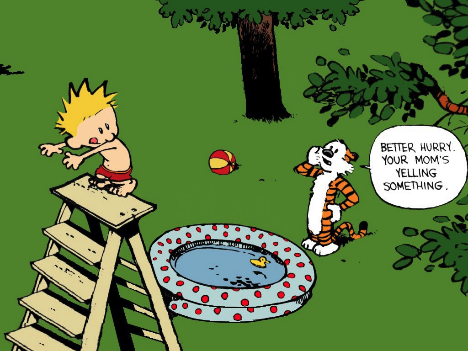
3.Word Power!
Ofte i tegneserier og grafiske romaner, forfattere omfatter et ret avanceret ordforråd, både som en del af historien såvel som i navnene på karaktererne. I 2016 ved den verdensberømte Comic-Con i San Diego, Californien, en paneldeltager af undervisere diskuterede tegneseriers magt til at opbygge elevernes ordforråd. James Bucky Carter, sagde forfatter til Building Literacy Connections with Graphic Novels, "Du har Colossus, og han er så stor, kæmpe metal fyr. Du får en rigtig god fornemmelse af, hvad ordet koloss betyder, og det er et godt 10-cents ord. Banshees magt skriger. Du har disse karakterer, der inkarnerer de ordforrådsord, som de er. Det er noget, der er en sjov måde at lære nye ord på, ud over de kontekstuelle spor.”
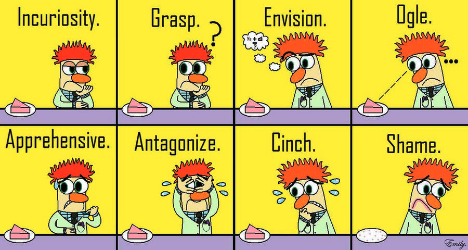
Efter at have læst dette vil du måske bare lade dit barn dykke direkte ind i at læse tegneserier eller grafiske romaner! Det er musik i vores ører. Hvis du ikke er sikker på, hvor du skal starte, vi har nogle elevfavoritter, dit barn kunne tænke sig at prøve!
Dog Man af Dave Pilkey

Miles Morales Spider-Man af Jason Reynolds

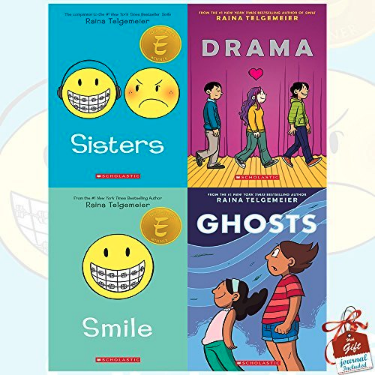
Smil, Søstre, Spøgelser, Drama og andre historier af Raina Telgemeier
Bone af Jeff Smith

Leder du efter flere muligheder for sommerlæsning til dit barn? Kontakt en af vores Uddannelseskonsulenter for mere information om vores sommerlæsekurser. Vi glæder os til at læse med dit barn!
Eksamenssæsonen er her, og det kan være en meget stressende tid på året for både elever og forældre. Hos Reach Out vil vi gøre vores bedste for at hjælpe med at lette eksamensangst ved at tilbyde nogle unikke studietips, du måske ikke har prøvet.
Konventionel visdom i at studere er ofte blevet fulgt af mange forældre og lærere, som mener det godt, imidlertid, Hvis vi ser på nogle interessante forskningsbaserede tilgange, kan vi se, at der er en række effektive måder at studere på! Det er altid godt at prøve nye ting, især for børn. De kan opleve nye måder at gøre tingene på, når de er unge, og når de er lidt ældre, de kan vælge den måde, der passer bedst til deres egne personlige behov og stil.
Nu, lad os tage et kig på tre unikke måder at studere på.

Variation er livets krydderi - også når man studerer
For mange, mange år har vi fået at vide det for at kunne studere godt, vi bør studere det samme sted hver dag; et sted, der er stille, godt oplyst, og har alle vores materialer. Selvom dette kan være sandt i noget af den tid, vi studerer, forskning viser os, at vores hjerne faktisk klarer sig bedre, når vi varierer det sted, hvor vi studerer. Ganske overraskende, højre?
I en undersøgelse lavet helt tilbage 1978, universitetsstuderende fik 40 ordforråd til at studere. En gruppe fik besked på at studere listen to gange på samme sted. Den anden gruppe fik besked på at studere listen to forskellige steder. Det de fandt var, gruppen, der varierede deres studiesteder, klarede sig faktisk bedre med at huske ordene senere. Hvorfor er det nu? Godt, vores hjerne danner ofte forbindelser til information baseret på vores miljø, så jo mere vi varierer vores miljø, jo mere giver vi vores hjerner en chance for at beholde information, da den vil knytte sig til flere ting. Dette kan også være grunden til en visualiseringsteknik, hvor man visualiserer ting, de ønsker at huske, til bestemte steder i et miljø, de er bekendt med, kan også være så effektiv. For studerende, blot at skifte miljøet kan gøre det trick!
Hav det sjovt!
Nogle forældre tror måske fejlagtigt, at hvis deres barn griner eller bliver ophidset, mens de lærer eller studerer, de spilder måske deres tid. Imidlertid, dette er ikke nødvendigvis tilfældet.
Som forælder, på dit arbejde eller kontor kan du have særlige værksteder fra tid til anden. Workshopsene bruges normalt som et værktøj til at hjælpe dig med at lære om en ny strategi, ide, eller oplysninger, der vil hjælpe dig med at lære mere på arbejdet. Disse sessioner afholdes ofte af folk, der har specialiseret sig i at skabe motiverende og inspirerende workshops, der styrker og giver energi medarbejderne. Dagene kan være lange og intense, men hvis de gøres rigtigt, medarbejdere kan gå derfra med tillid til deres nye viden og færdigheder.
Det samme gælder for unge. At introducere spil og sjov som en måde at læse til eksamen på får ikke kun dit barn til at smile, men forskning indikerer, at det at have det sjovt, mens man lærer, aktiverer visse kognitive ressourcer, forbinder belønning og fornøjelse med læring, styrker og udvider hukommelsesnetværk, og skifter abstrakt tænkning og fokuseret opmærksomhed.

Pomodoro-teknikken
Forbliver fokuseret, på opgave og motiveret til at gennemføre visse aktiviteter kan være svært for både voksne og børn. Har du nogensinde følt, at du har stirret på en computerskærm i timevis, men udrettet meget lidt? Eller måske har du en deadline om et par dage, men er kun på vej mod målstregen? Det er ikke underligt, som forskning viser, at vores sind har en tendens til at vandre op til 20% af tiden, måske endnu mere for yngre mennesker.
En interessant teknik blev skabt af universitetsstuderende Francesco Cirillo som en måde at hjælpe ham med at holde fokus, og det er Pomodoro-teknikken, som har fået sit navn fra den tomatformede timer, som Cirillo brugte, mens han testede denne strategi på sig selv. Hvordan det virker er du indstillet en timer til 25 minutter, som er arbejdstid. Indstil den derefter igen til 5 minutter, som er pausetid. Det er et godt tidspunkt at stå op, strække, tage en omgang rundt i huset, kæle med din kat, eller få en drink vand eller en snack. Efter pausen er tiden gået, indstille timeren til en anden 25 minutter og gentag!
Det viser sig, at denne strategi er bakket op af videnskabelig dokumentation, da forskere konkluderede, at korte pauser hjælper med at holde din opmærksomhed på sporet. Dette kan være relateret til det faktum, at kognitiv kedsomhed kan føre til et uengageret sind, hvilket er det sidste, du ønsker, når du læser til en vigtig eksamen.
Vi håber, at du har nydt at udforske disse unikke studietips lige så meget, som vi har! Ønsker dit barn held og lykke med eksamen i denne måned. Jiayou!
We know that there is so much we can do to nurture and educate our children, which is why as parents we often go to great lengths to fill their time with enriching activities and classes. Why do we do this? For many reasons of course, but the main goal is to ensure their future success. Parents hope that their children will be even more successful in life than they were themselves. Success, of course, is subjective, and we may all have our own definition of success. Generally however, we might agree that success includes feeling content in one’s personal life, as well having a sense of career satisfaction and financial security.
Recently there has been an intriguing TED Talk being shared on social media, in which former Dean of Freshman at Stanford University, Julie Lythcott-Haims, cites evidence from the Harvard Grant Study that correlates professional success in life to individuals having done chores as children. Not soccer training, not language learning, not painting, but chores.
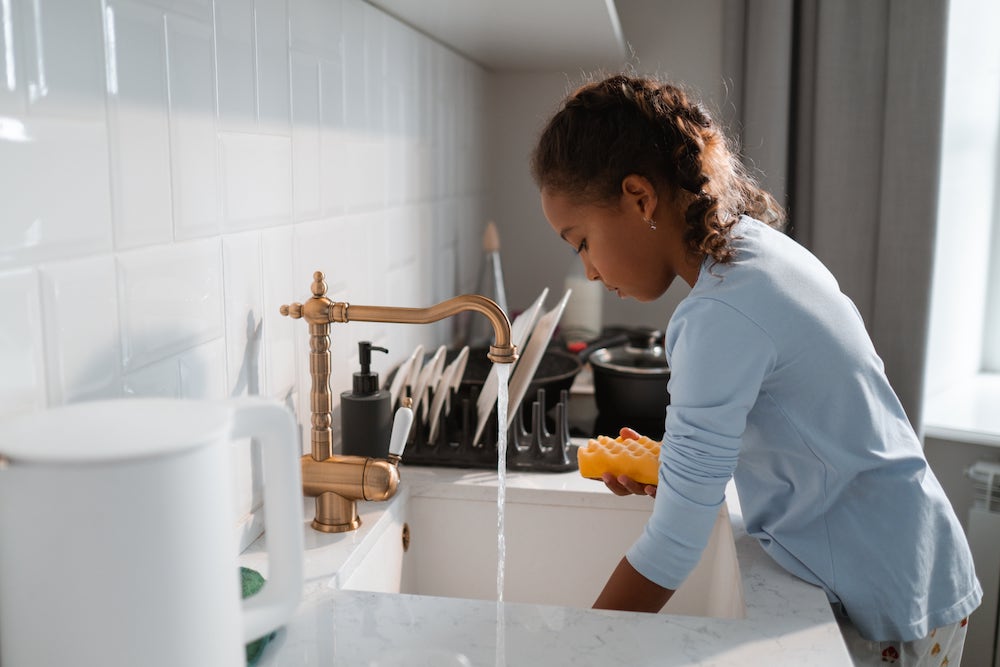
Surprising right?
Many of our children growing up in big cities may never know what it’s like to scrub a dish, wash a window, or mop a floor. We might feel like there are more important things to do to build their knowledge and their character. Lythcott-Haims explains that those children who do get their hands dirty, imidlertid, may reach a level of success in life that surpasses their no-chore-doing peers. That is because it teaches students how to contribute and step up when work needs to be done, and that doing the “grunt work” that others might scoff at, because it is what is best for all, is what gets noticed in the workplace.
The workplaces of the high-achievers who took part in the Harvard Grant Study were notable, such as the White House, where participant President Kennedy worked, and the editor’s office where Ben Bradlee sat as editor of The Washington Post. We can assume that their parents, like us, had to prod and plead for the chores to be done, and accept that even if they were done, they might not have been done well; and that’s okay.
The important thing, as Lythcott-Haims points out, is that by doing chores, children realize that they, “…have to do the work of life in order to be part of life.” They realize that life does not just happen to them, and for them, but with them.
If your children are already doing chores as part of their daily summer routine, bravo! You are on the right track. If not, no need to panic. It is never too late to introduce chores into the lives of our children. Here are some tips to help get you started!

Let Them Be a Part of It
When introducing the concept of your children completing chores to help, have a “family meeting” where everyone is present to discuss what will be expected of your children and why. You can ask your child to help you write a list of chores they could potentially help with around the house. They might surprise you with their enthusiasm as doing chores is very exciting for some children because it makes them feel empowered and helpful (two things we often like to feel as adults).
Game-ify It
To make things fun, because fun makes everything better, you or your child can write the chores on popsicle sticks and each day your child can choose one stick from the jar. That will be their chore for the day! If you have more than one child at home, you can always turn cleaning into a competition by setting a timer and seeing which child can clean the most toys in the given amount of time, for example.
Reward It
As parents, we are rewarded for our contributions at work with a salary. Shouldn’t our children also be rewarded for their hard work? One idea is that if your child completes all of his or her chores for the week, he or she can choose a small toy from a “treasure box” filled with small toys. Another option could be that if your child consistently completes chores for a month, they can choose an extra special family outing.
Teaching our children to do chores is not always easy, but the potential benefits are worth the time and effort. We hope you found our tips useful, and that they can help lead to a positive experience for you and your child. Happy cleaning!
We are pleased to announce a new summer book club, just for parents! Summer is the perfect time to read that book you have always wanted to read, but have not had the time to. This summer, we invite you to join us in reading How to Talk So Kids Will Listen and Listen So Kids Will Talk.
We know it is not always easy to connect with our children because of the demands of school, work and daily life. Sometimes our anxieties about the future interfere with us living our lives right now. Imidlertid, one thing we can guarantee is that we will never get another chance to experience childhood with our own children, and we don’t want to miss out on this precious time. Så, how can we make the most of it and have meaningful conversations with our children that will strengthen our bond and help our children feel supported? These are big questions many of us have.
To help us answer these important questions, we invite you to join us in reading one of the most popular parenting books of all time, written by Adele Faber and Elaine Mazlish. How to Talk So Kids Will Listen and Listen So Kids Will Talk, which teaches us how to accept our children’s feelings, as by not doing so we could be unwittingly causing bad behavior. It also teaches us positive ways to encourage cooperation, as well as independence, autonomy, and self-confidence. These are all the ingredients needed to help nurture a positive parent-child relationship that will indeed help to grow our children into confident and capable adults.

How Will It Work?
The first step is to contact one of our Education Consultants to register. Registration is FREE and open to everyone! We will create a group chat where the book study content and sharing will take place starting on July 1st. Lindsey Fine, our Education Manager, will be joining the group as a parent as well, as she is a mother of two boys, aged 4 og 6, who will be learning along with you. She will also be helping to lead the weekly discussions.
The book can be found in English and Chinese and easily accessible in print, e-book, or audiobook formats.
Then there are two options for how you would like to participate:
The reading schedule is as follows:
Week 1: Chapters 1 & 2
Week 2: Chapters 3 & 4
Week 3: Chapters 5 & 6
Week 4 Chapters 7 & Afterword
At the end of the month, we will host an online workshop led by School Counselor, Regina Wehner. At the workshop, Regina will share additional information and strategies you can use to strengthen your relationship with your child.
About Regina Wehner

Regina Wehner is a Licensed School Counselor that has worked with students in Middle School for over 16 years. Originally from the United States, she lives with her husband and 2 children, ages 10 og 12, in Beijing, China.
Regina works at the Western Academy of Beijing (WAB), a diverse international school. A big part of being a school counselor is helping students learn about themselves and others as they are growing. Regina also hosts monthly Parent Coffee Mornings to bring parents together to learn more about their children's developmental changes and how to communicate during these times of transition.
Contact us today to join!
Helping Your Child Learn New Vocabulary
Research indicates that if we want students to succeed in the academic context, on important assessments and high-stakes exams, as well as their future careers, we must help them develop their vocabulary. The reason for that is this: our understanding of new information is directly linked to our understanding of the vocabulary used to communicate that new information.
For studerende, increasing their vocabulary is one key to success in mastering a language; the more words we know, the more words we understand, and the more words we can use in our writing to make it more impactful and effective. Imidlertid, learning now vocabulary is sometimes viewed as a tedious or elusive process. Sometimes parents are not sure how to guide their children, especially as the way we approach vocabulary study study may vastly differ from the way parents studied it when they were in school.
Don’t worry, Reach Out is here to help! Let’s explore vocabulary acquisition (the process of memorizing and applying new vocabulary), and we’ll tell you how you can help your child build their vocabulary!

Talk About It!
It might seem overly simple, but when it comes to learning new words, one effective way young people do it is by talking with others. Children learn new words best when they are in context, such as in a conversation about a certain topic. They can infer a bit of new words’ meanings based on how they are used along with the other words they are already familiar with.
You have likely been interrupted by your child on many occasions when you use unfamiliar vocabulary and they curiously ask, “What does disaster mean?” You might have been referring to the state of their bedroom (as in it is a complete mess), and by taking a moment to explain the multiple meanings of disaster to them, you will not only have taught them a new word to describe a messy room, but also a failure or a naturally occurring phenomenon, such as a natural disaster.
Så, talking with your child is a great way to teach them new words!
Explore It!
Students generally understand that they can use a dictionary or a translator if they encounter a word they do not know, but sometimes even the definition of a word might leave them with more questions than answers.
In our experience, many students do not utilize one very important tool for learning and applying new vocabulary, and that tool is a thesaurus! If you notice your child overusing a word when speaking or in their writing, for example, “pretty”, “cute”, “good”, or “bad”, then take some time to show them how to use a website such as thesaurus.com to look those words up. When they search for the word such as “pretty” they will see that there are so many interesting and unique words to use instead! I
In our experience, students really enjoy using new vocabulary, and feel empowered to know there is a tool to help them make their words mightier.
Play!
Having fun while learning isn’t just something teachers do to make students happy, it’s actually been proven by neuroscience to be an effective way to help students learn more and more deeply. Research shows that when students are both stimulated and challenged, their brains release dopamine. Dopamine is a neurotransmitter that stimulates the memory centers and promotes the release of acetylcholinem, which increases focused attention.
In our courses here at Reach Out, vocabulary instruction is an important part of each lesson. We also have courses launching this summer, Vocabulary Builder Levels 1-3, in which we will focus exclusively on helping your child expand their vocabulary knowledge with challenging new words. While the words chosen offer the challenge, tools like Quizlet and games such as Guess Who and Sentence Racer provide students with the chance to interact in a meaningful and engaging way.

How do we know these methods are effective? Because our decades of experience, and study of educational psychology and methodology have taught us how students learn best!
We would love to help your child learn new vocabulary as one of the ways he or she can become an effect more effective and successful reader, writer, and speaker. To learn more about how we can help, kontakt en af vores uddannelseskonsulenter i dag!
If you are looking for a more individualized educational service, Reach Out offers 1-on-1 services with our expert educators!
What do We Offer?
Our teachers offer a wide range of 1-on-1 subjects including English, Social Sciences, and Maths.
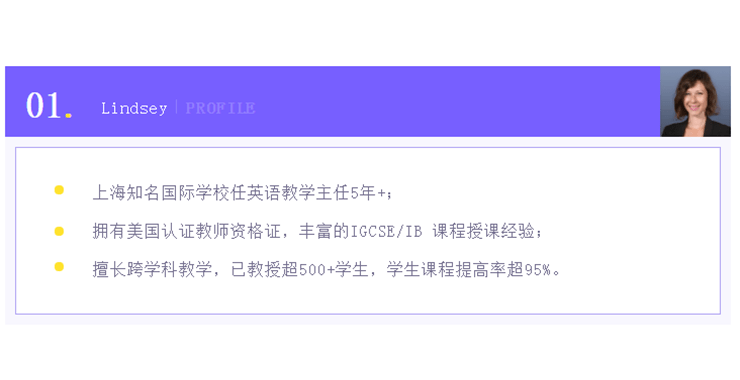
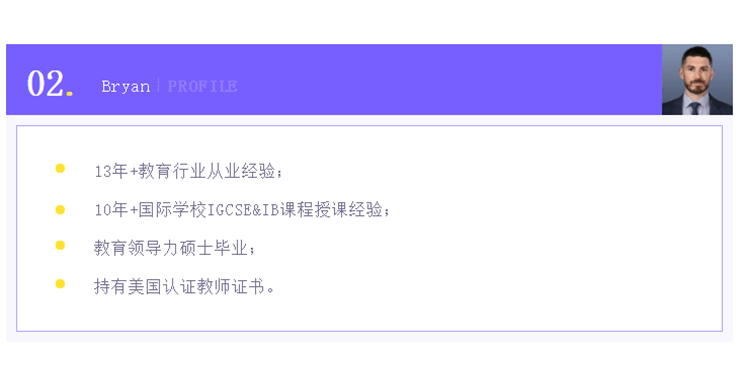
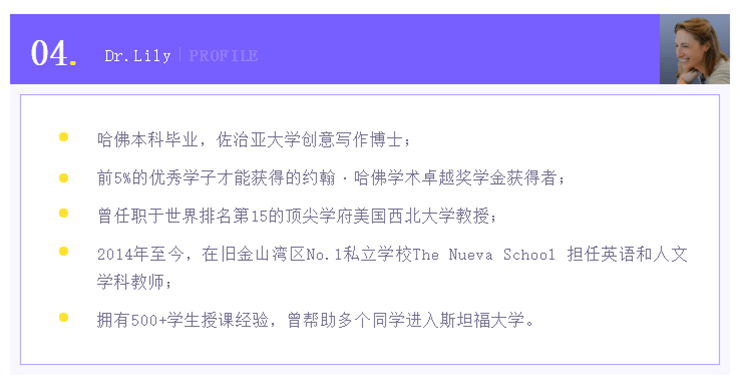
Meet some of our highly qualified and experienced teachers!
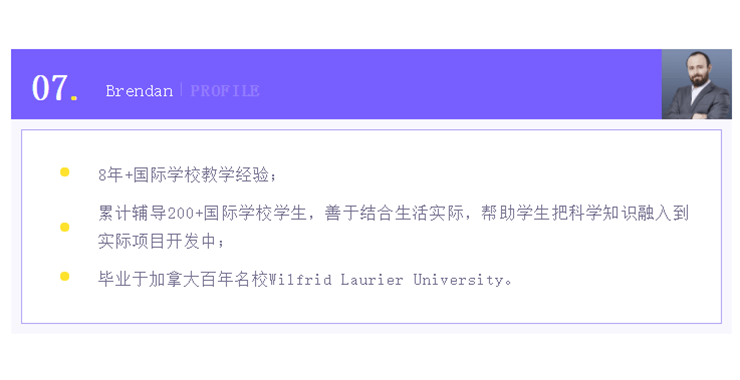
Why Should I Choose 1-on-1 Services?
Perhaps your child is preparing to study abroad or applying to a new school and he or she would like a more intensive and targeted approach in order to polish his or her skills. Alternatively, your child might not feel challenged enough with his or her current curriculum, and needs an alternative approach that is more appropriate for his or her ability level.
There are a number of reasons a parent might be searching for services such as this, and we can assure you that we will always work to understand you child’s unique situation and provide the service that is best for them.
How Does it Work?
With our hands-on approach, and orientation process, we will assess your child’s knowledge and skills based on current assessment data, writing ability, og mere. Based on our findings, we will select the teacher best suited for your child’s needs. All of Reach Out’s teachers have been carefully selected, and have years of experience in teaching challenging curriculums, such as IGCSE, IB, og AP, in top schools from around the world.
Our process is goal-oriented. We find out exactly what your child needs to reach their educational goals, and then we create a unique and tailor-made learning path that will best suit your child’s particular needs.
What Else Does Reach Out Offer?
In addition to 1-on-1 services, Reach Out offers a wide variety of courses specifically designed to challenge and engage your 2nd to 8th grade child with above grade level content in order to help them prepare for the rigor of programs such as IGCSE, IB, og AP.
How Can I Learn More?
To find out more about our 1-on-1 services, please contact one of our Education Consultants today to find out more! We look forward to helping your child reach his or her educational goals for a bright future!
Hvem vi er
Som du måske har bemærket, vi har været i vækst og har nogle spændende tilføjelser til det, vi tilbyder her hos Reach Out. Som det er et stykke tid siden vi præsenterede os selv, vi tænkte, at vi ville dele vores historie med dig for at hjælpe dig med bedre at forstå, hvem vi er, og hvad vi laver!
Vores Mission
Reach Outs mission er at forbinde elever med ekspertundervisere, der skaber og leverer originale, inspirerende, læseplaner i verdensklasse. Vi er begyndt på denne rejse, så vi kan hjælpe eleverne med at forstå, hvordan de finder deres egen unikke stemme og afdække de kreative og værdifulde ideer, der ligger i hver af dem. Med deres stemmer, de har magten til at ændre verden, og vi ønsker at bemyndige dem til at gøre det.

Vores vision
Reach Out stræber efter at være en internationalt anerkendt uddannelsesinstitution, der giver eleverne adgang til internationale læseplaner og undervisere på topniveau, uanset hvor i verden de er. Vores elever vil være opmærksomme, nysgerrig, og kritiske tænkere, der træffer informerede valg som fremragende problemløsere og kommunikatører. Reach Out-studerende vil nå deres akademiske og personlige mål og drømme fra grundskole til universitet, placere deres strålende fremtid inden for rækkevidde.

Vores kerneværdier
Det er de principper, der former Reach Out:
Vores historie
Reach Out blev skabt af en lille gruppe dedikerede mødre, måske meget som dig selv. De blev bragt sammen af en fælles vision for deres børns uddannelsesbehov. Nogle ledte efter et uddannelsesprogram, der kunne give deres børn adgang til ideerne, undervisning i filosofi, og metodik, der matchede det, de havde oplevet, mens de boede i udlandet. Andre ledte efter en internationaliseret læseplan, som deres børn kunne få adgang til for at berige deres uddannelseserfaring i Kina. Fælles for dem var et ønske om et stringent program, der også åbnede dørene til kreativ og kritisk tænkning, selvrefleksion, og personligt udtryk - kendetegnene for et stærkt internationalt pensum. Efter at have brugt lang tid på at udforske forskellige muligheder, disse mødre var ikke i stand til at finde noget, der helt opfyldte deres børns behov.
Så, de gjorde, hvad enhver god mor ville gøre, givet chancen, og fandt deres egen måde at tilbyde deres børn de bedst mulige læringsmuligheder designet til at hjælpe dem med at trives. De konsulterede ekspertlærere og arbejdede sammen med andre forældre for at finde ud af, hvordan de bedst kunne opfylde behovene hos andre børn med lignende mål. Børn, håber vi, ligesom din.
Forældrene var forpligtet til:
Vi er glade for at kunne sige, at disse mødre har nået deres mål. I dag kan Reach Out prale af en komplet serie af strenge, men engagerende kurser, hvor eleverne lærer dybt, mens de har det sjovt og skaber meningsfulde relationer til deres lærere og kammerater.
Alt dette på grund af vores stiftende mødres engagement i deres børns uddannelse og lykke.
Hvad gør os unikke?
Selvom vi forstår, at forældre har en række valgmuligheder, når det kommer til programmer, der beriger deres børns uddannelse, vi tror på, at vi tilbyder mange unikke kvaliteter, som ikke er let at finde andre steder.
Vores team består af meget dygtige og erfarne undervisere, der har skabt et unikt og stringent program baseret på internationale skolestandarder, som forbereder yngre studerende til at påtage sig strenge læseplaner såsom IGCSE, IB, og AP.
-Vores en-til-en-programmer og læseplaner designet til at overstige vores elevers uddannelsesbehov
-Vores undervisningsfilosofi om at inspirere og styrke eleverne, og undervisningsmetodologi, der giver eleverne mulighed for at udforske viden bredt og dybt, mens de på samme tid udvikler en kærlighed til læring
-Vores forpligtelse til den langsigtede succes for vores elever, da vi stræber efter at udstyre dem med de væsentlige færdigheder, de skal bruge for at få succes i deres fremtidige karriere og verden uden for skolen
- Den detaljerede feedback giver vi med alle vores elevvurderinger, så eleverne ved, hvor de lykkes, og hvor de kan blive bedre, samt de supplerende materialer og instruktioner, der er nødvendige for at hjælpe vores elever med at lukke eventuelle huller i forståelsen
-Vores dedikation til at udvikle vores elevers kritiske tænkning og problemløsningsevner, som vil være afgørende for deres fremtid, samt fremtiden for vores globale samfund
-Vores løfte om at ansætte alle vores lærere og ikke-undervisende medarbejdere baseret på deres gensidige passion for uddannelse
-Vores evne til at give eleverne mulighed for at bruge sproget, viden, og færdigheder, de tilegner sig til at udvikle sig ud over klasseværelset og til nysgerrige, livslange elever, der sætter og forfølger udfordrende, opfylder, og værdifulde mål.
-Vores hands-on, individualiseret tilgang til at skabe en læringsvej for vores elever, så uanset hvilket klassetrin de er, når de slutter sig til os, de vil blive udstyret med de nødvendige værktøjer til at forbedre sig og vokse hurtigt
-Vores forpligtelse til at styrke vores kunder med information og oplevelser, der vil hjælpe dem med at træffe de absolut bedste valg for deres barns uddannelse ved at tilbyde informative artikler, videoer og workshops.
Vores læseplan
Vores Blue Line-pensum, som omfatter kurser for elever i klassetrin 2 til 8, blev designet af ekspertundervisere med avancerede niveaugrader inden for deres fagområder, som har tilbragt årtier i nogle af de bedste internationale skoler i verden. Vi bruger baglæns læseplansdesign, der arbejder på vores måde fra det første år af programmer, såsom det bredt anerkendte og respekterede IGCSE-program.
Da vores undervisere har brugt år på at undervise i kurser før IGCSE, IGCSE, IB og AP eller A Levels læseplan, de forstår, hvad eleverne skal bruge for at få succes med disse programmer. Så, hvert aspekt af vores læseplan er blevet oprettet for at sikre, at alle vores elever går ind i deres første klassedag 9 føler sig selvsikker, udstyret, og parat til at imødekomme kravene fra disse strenge kurser.
Vi tilbyder en bred vifte af kurser i fagene engelsk, Matematik, Historie og geografi. Se nedenfor for mere detaljeret information om vores fulde kursustilbud.
Yderligere tjenester
Vi er også glade for at kunne annoncere oprettelsen af vores Silver Line, som tilbyder skræddersyede undervisningsydelser, der tager en individualiseret tilgang til at opfylde vores elevers behov. Vi starter med en dyb vurdering af hver enkelt elevs uddannelsesmål og behov, og derefter oprette og implementere et arbejdsskema, som vores ekspertundervisere vil bruge til at guide dit barn gennem de akademiske udfordringer på gymnasiet for at forberede dem til i sidste ende at gå på deres drømmeuniversitet.
Vi tilbyder også 1-til-1-tjenester på alle klassetrin til forældre, der ønsker at tilbyde deres børn mere individuel omsorg og undervisning. Vores ekspertuddannelseskonsulenter vil sørge for at matche dit barn med den bedste underviser til hans eller hendes specifikke behov og mål.
Slut dig til os!
Vi ser frem til at møde din familie og diskutere, hvordan du kan blive en del af vores Reach Out-familie; en der lærer sammen, passer på hinanden, overvinder udfordringer sammen, og fejrer succeser med hinanden. Kontakt os venligst i dag for at finde ud af mere.
Vi håber at høre fra dig snart!
Being a parent is hard. In fact, with the changes in our world today, it might just be one of the challenging moments we have had to face in decades. Change leads to uncertainty, and uncertainty can lead to stress. Stress certainly affects all areas of our lives, sometimes it will impact our relationship with our loved ones the most; especially our children.
Our children can be complicated (let’s face it, so can we!), and it is a daunting task to ensure that every move is the “right” one. That all of our conversations, demands, requests, plans, praises and criticisms mean something. Every moment we spend talking to our kids, we hold the hope that these words will be enough to fill our children with the hope of a great future at a time where the future is so uncertain. Times change, and this too shall pass, but one thing we can guarantee is that we will never have a second chance at spending a childhood with our children.
As parents, we often ask ourselves if we are in fact doing the right thing, wondering how we can get through to our kids, trying to understand our children better, and sometimes feeling like a guilty failure because we tell ourselves we are doing it wrong. Oftentimes, that is not the case, but there is no instruction manual on how to raise a child that will work for everyone in all situations. Sure, there is a lot of advice, an overwhelming amount of it, but again, most advice is just that; guidance and recommendations by people who don’t know you or your child. Some of it is helpful, and some of it…not so much.
One thing that we cannot deny though is the importance of a healthy relationship between parent and child.
Research shows that:
It is essential to make the time to nurture a relationship with your child, and perhaps even more imperative, making sure the interactions we have with our children during that time are positive. This is something that many parents find challenging, which is why we created a parent book club for the book How to Talk So Kids Will Listen and Listen So Kids Will Talk by Adele Faber and Elaine Mazlish. Together we learned ways to positively communicate with our children in order to strengthen our bonds. We spent time discussing ideas from the book, as well as had a virtual meet up to role-play some of the strategies from the book. On top of that, we invited Middle School Guidance Counselor, Regina Wehner, to provide parents with a workshop in understanding our child’s cognitive and emotional development.
Here are some highlights we would like to share with you!
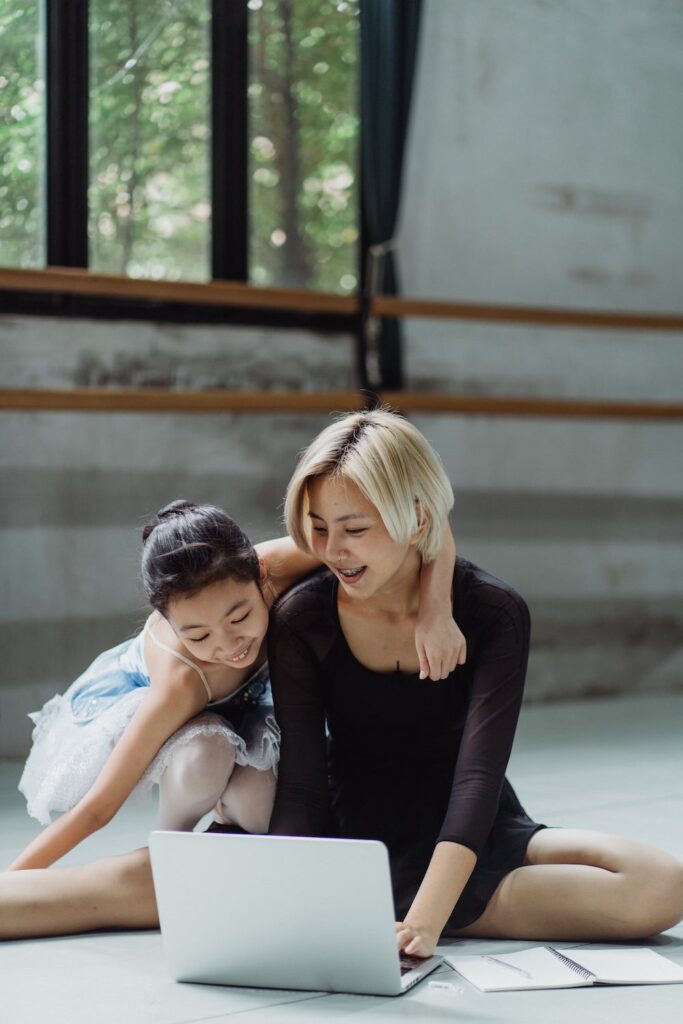
First, from How to Talk So Kids Will Listen and Listen So Kids Will Talk, here are two of our favorite strategies:
Children have difficulty regulating their emotions, as the brain’s emotional regulation center is one of the last to develop. This means that they need our help in the form of compassion and modeling. This can be so challenging, especially when we may have difficulty managing our own emotions at times! We have an easy strategy for you that will only require two things:
When your child comes home upset about something that happened at school, instead of lecturing and offering our sage advice, we can simply listen to their concerns and repeat the ideas back to them. F.eks, if your child comes home upset and says something like, “Ugh, today Elizabeth and Sarah were so mean to me! They completely ignored me and I hate both of them now!” Instead of saying, “Elizabeth and Sarah are your best friends. It’s not a big deal and I am sure you will be fine tomorrow,” which could invalidate your child’s feelings, you can say, “Oh, I see. Elizabeth and Sarah made you feel a bit left out. That probably made you feel a bit sad and mad.” At this point your child might keep talking and open up to you, which is great! It means they trust you and you are making them feel better. Continue to listen, nod, say, “Mmmhmm,” and repeat what they say. Having you simply listen will likely make your child feel 100% better and ready to face their next challenge!

2. I wish!
Our children often express their desires in the form of wishing they had things they don’t have or wishing things were different than the way they are. F.eks, children may say, “I wish I didn’t have to do all that homework.” We may reply, “Well, you do and that’s that!” or “It’s what you have to do. It’s your responsibility so you need to do it now!”
This may escalate into a battle of wills as parents feel frustrated that they keep hearing the same complaint and repeat the same reasoning. The children feel frustrated because their opinions are being invalidated and they feel misunderstood. Godt, don’t worry, we are here to help! We have a little trick that will help you turn the conversation around, and that is to agree with your child. It may sound counterintuitive, but we have firsthand experience with this trick and it works wonders!
F.eks, if your child says, “I wish we could go to the park today like I wanted!”
Instead of saying, “I can’t, I am too busy,” or “Yes, but we can’t, it’s raining,” we can say, “I wish we could too! We could go to the park and have a picnic! We could fly a kite and blow bubbles! Why don’t we have a picnic in the living room and after that we can blow bubbles in the bathroom!”
The first part gets the kids excited and their imagination going, taking them to a happy place. The next part makes them feel heard and connected to you.
Nu, some highlights from Ms. Wehner’s workshop:
*Please help me choose these! :)*
If you would like to join one of our workshops or book clubs in the future, make sure to follow us and stay tuned! We have great things coming up this fall!
Mange forældre spørger os, hvordan deres barn hurtigst kan forbedre deres skrivning. Selvom vi er overbevist om, at der ikke er nogen genveje til at blive en virkelig effektiv og dygtig forfatter, der er nogle ting, eleverne kan inkorporere i deres skrivning for at hjælpe med at tage det til næste niveau mere effektivt. Som med alt, der forsøger at blive mestret, nøglen til succes ligger i hårdt arbejde og gentagelse. At øve disse færdigheder regelmæssigt vil hjælpe dit barn med at nå deres uddannelsesmål.
Denne artikel vil være den første i en serie af artikler, der vil fokusere på færdigheder, der passer til forskellige typer skrivning. Denne uge, vi vil fokusere på beskrivende skrivetips.
Beskrivende skrivetips:
Beskrivende skrivning er en sand kunstform, da dens formål burde være at skabe et billede i læsernes sind. Man kan ikke fortælle en historie om handling og dialog alene, og man kan ikke formidle dyb mening og følelser i et digt uden at male et billede med hans eller hendes ord.
En effektiv måde at udmærke sig i beskrivelsen er at tilføje adjektiver og adverbier, hvor det er muligt. F.eks, hvis dit barn skriver en historie, skriver han eller hun måske noget lignende:
"Harry gik udenfor og begyndte at lede efter sine venner."
Mens denne sætning formidler en grundlæggende betydning, dens effekt på læseren er også grundlæggende. Ved at tilføje beskrivende sprog i form af adjektiver og adverbier, vi kan hurtigt og effektivt tilføje billeder til sætningen:
"Harry lynede ud af hoveddøren, smækker den bag sig. Hans hjerte skyndte sig, da han løb rundt i nabolaget ivrigt på udkig efter sine venner.”
I den reviderede sætning, vi ser beskrivelser, der ikke kun fortæller os den handling, der finder sted, men hjælper os også med at føle karakterens følelser, et vigtigt aspekt af historiefortælling.

En anden god måde at gøre en historie eller et digt mere effektivt på er ved at tilføje billedsprog, såsom lignelser. Lignelser er sammenligninger, der bruger lignende eller som, der kan bruges til at hjælpe læseren med at forestille sig, hvad der sker mere tydeligt.
F.eks, dit barn skriver måske noget lignende:
Jeg var så glad!
Det var så sødt!
Han var så bange!
Vi kan tilføje lignelser for at skabe et endnu bedre resultat:
Jeg var glad som en killing i en garnbutik.
Det var en sød som en baby panda, der legede i sneen.
Han var bange som en kanin, der lige hørte en ulv hyle.

Vores sidste tip til beskrivende skrivning er at vælge et ordforråd, der er så præcist, at det kommunikerer præcis, hvad forfatteren ønsker, at læseren skal føle. Ofte, eleverne vil skrive beskrivelser, der er lidt vage, med sætninger som:
Han var meget træt.
Filmen var meget kedelig.
De var meget kolde.
Værelset meget varmt.
Igen, disse sætninger giver en enkel betydning, men i beskrivende skrift, det er simpelthen ikke nok. Effektiv beskrivelse bruger ordforråd, der har en indflydelse, og det kan vi opnå ved kun at vælge de bedste ord til at formidle den mest nøjagtige betydning.
Se, hvordan vi kan tage sætningerne ovenfor fra almindelige til ekstraordinære ved at erstatte en del af sætningen med et stærkt ordforråd:
Han var udmattet.
Filmen var fantasiløs.
De var nedkølede ind til benet.
Værelset stegte.
Den gode nyhed er, at dit barn ikke behøver at stole på hans eller hendes nuværende ordforrådsviden for at få succes med at skabe sætninger som dem ovenfor. Tesaurusen har alle de ord, de behøver for at skabe mindeværdige beskrivelser.
Vi håber, at disse tips har været nyttige! Hvis du gerne vil have, at dit barn lærer at omsætte disse færdigheder i praksis med en af vores passionerede undervisere, følg med for kommende annonceringer om vores nye sommer- og efterårskurser!
Næste uge, vi tager et kig på overbevisende skrivetips!
Tell us a bit about yourself.
I grew up in five different countries (Sweden, England, Germany, South Africa, and Canada). Integration into a diverse spectrum of cultures growing up has made me see the world with an open mind. I currently reside in Canada and work as both a university lecturer and a Math teacher at Reach Out. Outside of work I really enjoy sports such as badminton and chess, which I played at a competitive level for many years.

What is your educational background and qualifications?
I received a Bachelor of Science Degree from the University of British Columbia (UBC) and an obtained my MSc at the same university. My graduate work involved experimental geoscience where I designed an apparatus to investigate how diamonds reach the surface of the Earth through high velocity magmas. I published articles in two high impact journals and presented the work across Canada and Europe.
During my graduate studies I had the privilege of lecturing a few classes which transitioned into a lectureship position. Teaching at the university level involves lecturing a class of over 200 studerende, which is very different to the work I do at Reach Out, but has helped me develop a dynamic teaching style.
Additionally, I have been teaching Math and Science both privately and through educational organizations for over 6 år.
Why did you join Reach Out?
I joined Reach Out because the prospect of being able to deliver high quality education from around the globe without border restrictions resonates with me.
I feel that the reason I am committed to staying at Reach Out is more important. The personalized classes being delivered has allowed me to connect with the students, making their progression much more meaningful to me. Some students have been together with me through multiple grade levels and I feel immensely proud to have played a role in their education.
What is your educational philosophy?
Having a background in experimental science has allowed me to see value in making breakthroughs through experimentation. By allowing students to experiment with different methodologies while offering guidance is an extremely effective way of teaching students to not be afraid of failure. Richard Fuller correctly said, “There is no such thing as a failed experiment, only experiments with unexpected outcomes.” Students often start my classes afraid to answer questions, discuss with their classmates, or write on the board since they don’t know the answers. Since I am always more focused on solutions rather than answers, students’ are rewarded for trying new techniques, discussing failed methods, and asking questions about their classmates’ work. I found this to produce a phenomenal learning environment and takes a lot of pressure off the students.

What is your favorite thing about teaching Math?
My favorite thing about teaching Math is the exciting challenges it provides. After teaching Math for many years, I have come to realize that students see the world from a unique perspective, which more often than not, is very different from my own. This diversity produces a wide spectrum of learning styles and requires me to stay very flexible with the methodologies I use in my teaching.
Math is a complex subject which has provided us with a universal language to better understand the universe that surrounds us. Having a good problem solving ability is a byproduct of learning Math and crucial for success in the modern world. For these reasons I have the responsibility to transform a traditionally dry and boring subject into something exciting by creating compelling lessons and using creativity to inspire my students. This will always be something I love about my job.
Who is your favorite mathematician and why?
This is a tough question, and it’s hard to pinpoint one Mathematician since I utilize the works of so many Mathematicians in just one lesson. If I had to pick it would be either Johannes Kepler or Nicolaus Copernicus since I also love astronomy. Their Math not only challenged everything that was believed about our solar system at the time, but also formed the foundations for understanding planetary motion. Space travel has relied heavily on these concepts.
If you could only give parents one piece of advice when it comes to helping their child improve in Math, what would it be?
One thing I have worked on a lot with my students, is getting them to explain their solutions to me regardless of how easy it may seem. Being able to arrive at the correct answer in certain school curriculums may not require a complete understanding, but being able to explain a solution well does require a good understanding. Make sure that your child is always showing very clear steps in their work and that they can explain their steps to you. This certifies understanding and shows they are prepared for questions which test the same concept but may be worded differently.
What is one fun fact about yourself?
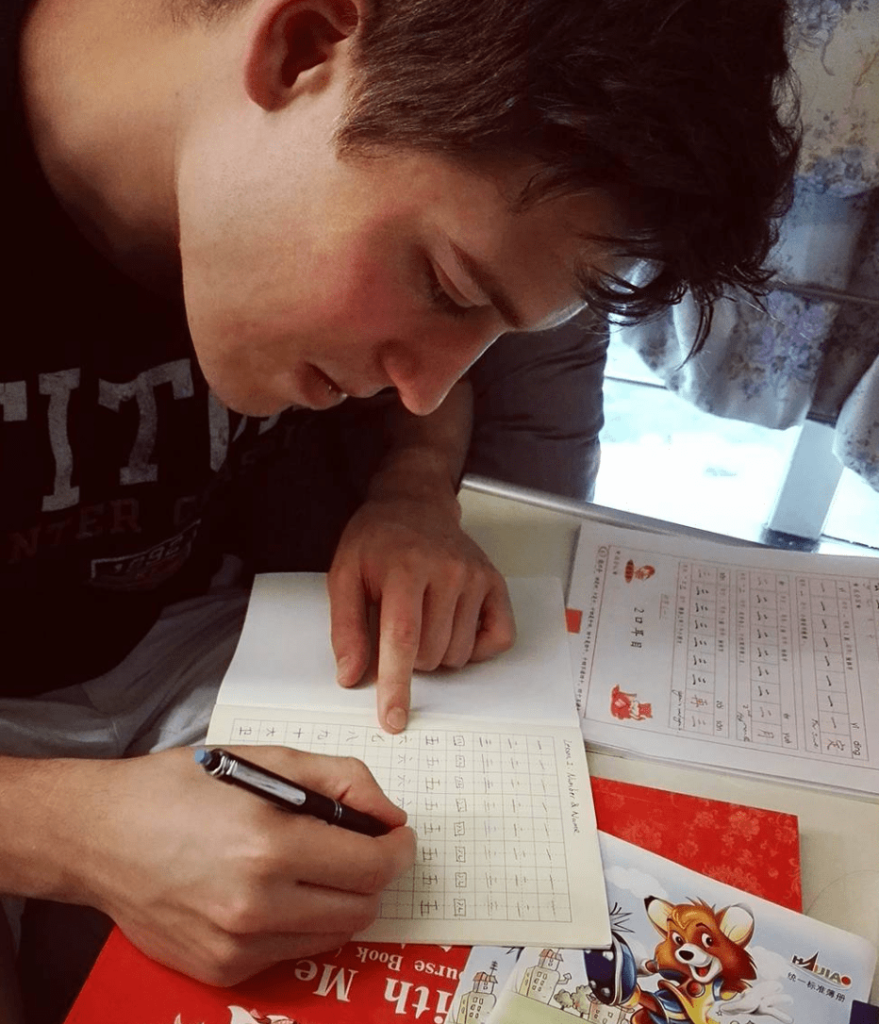
I really like learning languages! After growing up in many different countries I can speak English, Swedish, and German fluently. For the past two years I have been working to add Chinese to my collection and have enjoyed the unique challenges that learning this complex language has provided me with.
Den hemmelige have er et stykke klassisk litteratur, der har været en del af utallige barndomsår (hvis du gik glip af vores artikel om, hvorfor børn bør læse klassiske romaner, se det linket nedenfor!). Det er en stærk fortælling om venskab og opdagelse af sig selv, som giver genlyd i vores sjæle.
Den hemmelige have handler om en ung pige ved navn Mary Lennox, som mister sin familie og alt, hvad hun kender på grund af et koleraudbrud i Indien, hvor hendes far arbejdede som kaptajn i den britiske hær. Som barn, Mary var ret forsømt, men overgivet af familiens tjenere, så hun var et forkælet barn med et frygteligt gemyt. Hun havde meget få træk, der ville hjælpe hende med at klare et nyt liv i England, hvor hun blev sendt for at bo hos en sur fjern slægtning, Hr. Craven.
Hr. Craven havde meget strenge regler for Mary at følge i sit nye hjem på Misselthwaite Manor i Yorkshire, hvilket omfattede, at hun blev forbudt at komme ind i forskellige rum inde i det gigantiske palæ, samt forbudt at komme ind i en af haverne på den vidtstrakte ejendom, som tilhørte hans elskede afdøde hustru. Da Mary begynder at udforske sit nye hjem, hun begynder at finde en følelse af lykke og genvinder sit helbred efter at have været syg i store dele af sin barndom. Efter en robin hjælper hende med at finde nøglen til den hemmelige have, hun finder en følelse af formål med at genoprette haven, meget som hun genopretter sit indre. Gennem vinterens torne og tørrede blade, hun finder meget mere ligger indeni.
Hjulpet af den nye ven Dickon, Mary udvikler sine første venskaber, og bruger sin nyvundne styrke og venlighed til at hjælpe sin sengeliggende fætter Colin, som hun finder gemt i herregården. Venskab styrker både Mary og Colin, og til sidst, alle er vidne til et mirakel, der kun er muliggjort af disse tætte bånd og tro på sig selv, to meget vigtige temaer i romanen.
Unge mennesker vil elske at læse denne fantastiske historie om venskab, overvinde forhindringer, og opleve naturens helbredende kraft. Karaktererne og de lektioner, de lærer os, vil helt sikkert røre dit barn og hjælpe dem med at opleve kraften i en fantastisk historie.
Hvis du gerne vil have en mulighed for, at dit barn kan opleve denne historie sammen med andre, vi er glade for at kunne fortælle dig, at vi vil læse Den hemmelige have som den første roman i vores Young Classics Level 2 Kursus denne sommer.
I kurset, vi læser ikke kun romanen, men vi lærer og anvender også nyt ordforråd fra bogen, diskutere vigtige litterære teknikker brugt af forfatteren, og øv dig i at skrive resuméer, en nøglefærdighed, som mange elever finder udfordrende
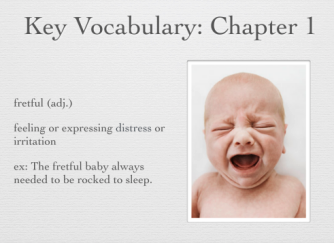
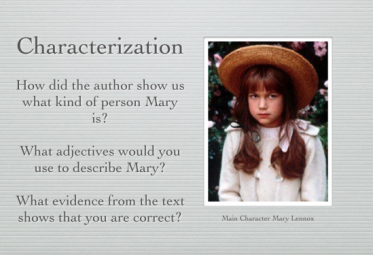
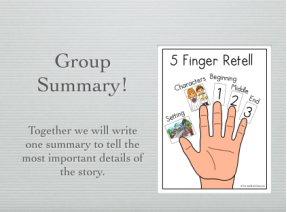
Hvis du er interesseret i at lære mere om Young Classics, eller og af vores andre fremragende og engagerende kurser, kontakt en af vores uddannelseskonsulenter i dag! Vi håber at arbejde med dit barn meget snart!
Literature study is an important aspect of any excellent academic program, and that is because it helps to teach students a wide range of knowledge and skills that are essential for success in many areas of life. While studying literature, students learn about important events and people throughout history, they consider cultural perspective and increase their own understanding of acceptance of different ideas and beliefs, and they learn how to analyse the words of others in order to form a deep understanding of new ideas and ways of communicating. In short, it exposes students to a toolbox of ideas, techniques, strategies, theories, and more that they will carry with them throughout their life, shaping the way they approach the world.
Why do we offer this course?
Reach Out students typically pursue high school programs such as IGCSE, which includes challenging courses such as English Language and Literature and English as a First Language. Later, most of those students will take on the challenge of IB and AP level programs, in which they must take on the task of reading a variety of literature. Our aim is to expose students in upper primary and middle school to a wide range of advanced literature so that by the time they reach high school they possess the knowledge and skills to hit the ground running, and therefore achieve to a higher level.
This course is designed for Grade 7-9 studerende.
The Objectives of our Advanced Literature Course are to:
✪ Enhance students’ ability to understand and discern literary techniques used English and American literature, and the ability to communicate the effects of those techniques;
✪Improve children's literary comprehension skills and increase their understanding of British and American culture;
✪ Under the guidance of our expert educators, learn the power of language and storytelling in a challenging yet engaging way.
Meet Our Teachers
*Insert teacher bios here for Barry, Anthony, and John*
Our Book Selections:
Cry the Beloved Country by Alan Paton

Set in South Africa in the 1940s, award-winning Cry the Beloved Country tells the story of a Zulu Pastor, Steven Kumalo, who travels from his village to the city of Johannesburg. Along his arduous and heart-wrenching journey, he discovers that his sister and son have found themselves in terrible situations that he must now face with them. The characters’ vastly different lives become unexpectedly woven together through tragedy during a dark time in South Africa’s history. Imidlertid, through tragedy and challenges, the true nature of the human spirit can be found and uplift those who need it most.
Dracula by Bram Stoker

The legend of Dracula has loomed large in the minds of readers and movie-goers for generations. Bram Stoker based the infamous character of Dracula on the legend of the real life ruler of Wallachia, Vlad the Impaler. Stoker was able to take this dark corner of history and turn it into a legendary novel told through journal entries, letters and telegrams. As with any classic, Dracula has stood the test of time because it speaks to something very deep and meaningful within the human psyche.
Of Mice and Men by John Steinbeck
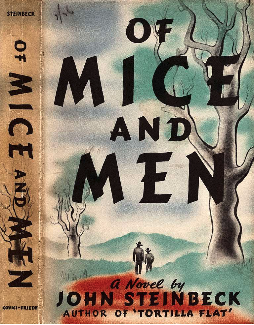
The Great Depression was a defining moment in American history that tested its strength as a nation, and placed the population in a precarious balance between life and death. In what is considered one of the greatest American classics, readers are introduced to two displaced migrant workers, George and Lennie. George is an intelligent young man, while Lennie is mentally disabled. George takes Lennie under his wing as they seek employment where few opportunities exist, trying to survive, yet still dreaming of the day they will have their own land and build a life. Their hopes are dashed when a devastating incident occurs that alters their lives forever.
What Students Will Gain
Develop an early sense of literary appreciation,
See the world from a more mature perspective
British and American classics contain thought-provoking moral and social issues. Reading the most influential classic literature thoroughly helps students become better readers, and begin the process of pursuing self-realization.
Improve understanding of culture and history
Learning allusions from classic British and American literature can help us bridge cultural differences. "The classics have opened the door to different worlds, different cultures, and different historical perspectives. Literature crosses race, culture, religion, and geography."
Self-reflection and personal growth
Many classic literature allude to our lives from the side: books that reflect similarities to our own lives are called "mirrors"; and those that give us a glimpse of different lives are called "windows." Whether it is a "mirror" or a "window", it further enriches the students' life experience and increases the courage and strength to face life.
Slut dig til os!
Contact us to discover more about our course. We sincerely hope to meet your child soon, and develop a love of reading classic literature together.
It’s back to school time and we know parents are getting ready for a new year with new beginnings. The start of a new year is usually met with a mix of excitement and a bit of anxiety, as students and parents look forward to new skills and experiences, but also might feel nervous about new routines and expectations.
Don’t worry, Reach Out it here to help! This year, we have 5 top tips to a fantastic start to the school year.
Understanding how your child’s school approaches education, what curriculum they use, what systems, and standards are used can be overwhelming for non-educators. Spending a bit of time each day reading your school’s website content, handbooks, and other resources can help you feel more confident in understanding what your child is learning at school and how they are learning. It’s also important to attend your child’s back-to-school night and informational sessions to get a better understanding of your child’s program as a whole. It also provides a great opportunity for you to establish a relationship with your child’s teacher. At any time if you still have questions, you can always e-mail your child’s teacher. They are there for you and your child, as they know that a great relationship with parents is a fantastic way to ensure academic, social, and emotional success for all students.
2. Make Sure to Catch Enough Zzzzs Before the ABCs
Sleep is so important for a child’s growth and development, and a lack of it can negatively impact a child’s academic achievement. In fact, research shows that sleep depravation in children can lead to higher rates of anxiety and depression. When we sleep, our brain processes the information from he day, finds the best system to file it away in out memories, and re-charges our systems for a new day. For various reasons, parents often find sticking to an early bedtime difficult, but with a clear routine, and time for adjustment, it can be easy! Børn 3-6 years old should be getting 10-12 hours of sleep per day, 7-12 year olds should get 10-11 hours per day, og 12-18 year olds should get 8-9 hours per day. Creating a schedule where children get to bed earlier will make mornings easier as well, hopefully with less stress for both parents and children as they will be well rested and ready to start their day!
3. Ask the Right Questions at the Right Time
Sometimes parents are anxious to know how their child’s day was as soon as they get home from school, especially during the first few weeks. Those weeks are especially exhausting and full of ups and downs as your child learns to navigate new material, new friends, new teachers, and new expectations. Giving them time to come home and decompress is extremely important for their emotional and mental well-being. Once they have had some “me” time, parents can ask specific questions based on what they know they are working on, if they happen to know. They can go through their child’s homework diary with them and help them make a plan on how to tackle each task, as well as share in their enthusiasm for specific subjects, books, or information they also enjoy. Avoid asking, “How was school? What did you learn?” as kids respond much better to more specific questions, such as, “What did you do with your friends at lunch? What was the best part of your day? What was the weirdest or most wonderful thing that happened at school today?” Most importantly, parents should be fully present and listen intently when students answer, so they really feel valued and hear when they share.
4. Let Them Learn From Failure
This one can be extremely hard for parents to allow. We want our children to do well and reach their full potential, which means we might go over each assignment with a fine-toothed comb, correcting every mis-calculation or grammar mistake. Although parents have good intentions when we do this, we are taking away important learning opportunities from children when we do so. Back when we were students, many of our parents were often too busy or didn’t have the knowledge or capacity to help us with our school work, but we found a way to push through and try our best. If children are never given opportunities to fail when they are young, they might resist taking on challenges later in life for fear of failing at them. Imidlertid, when we let them fail gently, such as on an assignment or at a little league soccer game, we are teaching them resilience. It’s not the end of the world, and they learn a valuable lesson; that we can try and not succeed, dust ourselves off, and try again next time.
5. Nurture Their Passions
New school years are an exciting time for many reasons, one of them being that they provide children a chance to discover new passions. If they are lucky, they will stumble upon something they truly love, and that they can become fascinated with enough to spend hours on end discovering. Helping a child find his or her passion is not always easy and takes time. Sometimes parents worry if their child focuses too much on a couple of things, and feel they need to expose them to as much as possible to help shape them into well-rounded individuals. Imidlertid, if we look at the people who have shaped our world, it was because they had a laser focus on what they were passionate about. It was all they ever did or do. As humans, we naturally gravitate towards what we love most, and as long as it provides some sort of value on top of fulfillment, we should continue pursuing it. Så, don’t worry if your child protests going to one activity while running out the door to attend another. Maybe the one they love is the most valuable to their growth and development, and the one they don’t like isn’t that necessary after all.
We hope these tips have helped, and we wish you and your child the best in the coming school year! We are excited for the new school year and all of the challenges and hope it will bring.
Reach Out will be with you every step of the way, so be on the lookout for more information and more articles we hope you will love!