En alcance, Creemos que es muy importante celebrar los éxitos de los estudiantes.. Nos complace anunciar otro estudiante estrella. - emma!
Emma representa todo lo que los estudiantes pueden lograr con trabajo duro y compromiso con la excelencia.. Los profesores de Emma la reconocen como una alumna que tiene una actitud maravillosa hacia el aprendizaje., es muy receptivo a la instrucción, y tiene una familia que la apoya mucho y que a menudo se comunica con sus maestros.. En la clase, Emma es una oyente cuidadosa y atenta que tiene la confianza suficiente para compartir sus ideas., pero lo suficientemente paciente como para darles a todos su turno. A ella no le importa correr riesgos, y es capaz de inyectar su personalidad en su trabajo..
Emma está actualmente inscrita en nuestro nivel de lectura y escritura creativa. 4 Curso, y ha demostrado un verdadero don al poder crear imágenes potentes en sus escritos.. Al comienzo del semestre, completó una revisión de la sucursal de Blue Frog en Shanghai Disneyland.
Emma mostró su capacidad para criticar aspectos específicos de un lugar., y desarrollar sus ideas utilizando los detalles apropiados..
«La vista y la ubicación son muy satisfactorias.. Por la noche podemos sentarnos afuera y disfrutar de la vista del Castillo de Disney y los fuegos artificiales”.

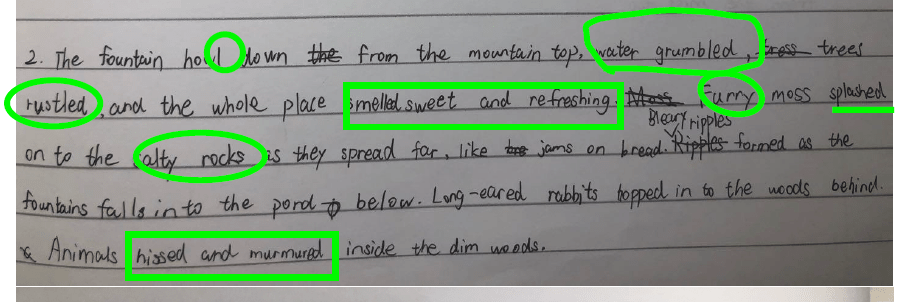
A medida que avanzaba el semestre, Emma mostró un desarrollo en sus habilidades de escritura., y comenzó a incorporar técnicas literarias más avanzadas. En un trabajo sobre la descripción de paisajes., Emma pudo crear una imagen sólida utilizando vocabulario preciso y lenguaje figurado..
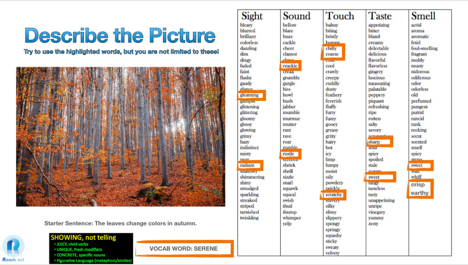
“El musgo peludo salpicó las rocas saladas a medida que se extendían, como mermelada en pan. Se formaron ondas turbias cuando la fuente cayó al estanque de abajo”.
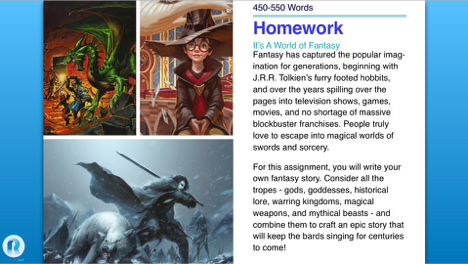
Emma continuó aplicando las lecciones que aprendió a lo largo del curso., y su habilidad como escritora se fortaleció. En una tarea reciente sobre cómo escribir una narrativa fantástica, Emma construyó el escenario y el personaje de su historia de manera deliberada y efectiva..
“Un sol resplandeciente brillaba desde la ventana hasta el suave, sábana sedosa. Flores dulces de colores cálidos florecieron junto a la ventana abierta. Dibujos oscuros pero diligentes colgaban de la refrescante pared verde alga”.

Como se puede ver, Emma muestra características de una joven escritora prometedora. Su determinación de mejorar, y la aplicación cuidadosa de las lecciones impartidas han ayudado a elevar su escritura a un nivel más avanzado..
gracias emma, por ser una ESTRELLA! Esperamos ver su crecimiento durante mucho tiempo.. Sabemos que esto es sólo el comienzo de un viaje brillante..
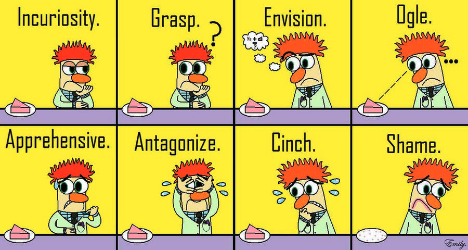
Como educadores, A menudo nos han hecho la pregunta, “¿Cómo puedo conseguir que mi hijo deje de leer cómics??”A los padres les preocupa que los cómics no aporten valor educativo, no son lo suficientemente rigurosos académicamente, o lo peor de todo, una pérdida de tiempo para sus hijos. a esto, nuestra respuesta suele sorprenderles, y esa respuesta es, “Que lean cómics!"
Es comprensible que los padres estén un poco preocupados ya que la percepción es que los cómics son puramente para leer por placer., sin embargo, Los cómics tienen muchos beneficios más allá de ayudarnos a pasar el tiempo..
Los cómics y las novelas gráficas no son nuevas formas de escritura.. Por supuesto, Han sido disfrutados por muchos durante generaciones.. A lo largo de los años, El género se ha convertido en uno con considerable profundidad y significado., Es por eso que animamos a los padres a no sólo permitir que sus hijos lean cómics., pero también para apoyarlos a hacerlo.
Estas son nuestras principales razones por las que se deben leer los cómics (especialmente en el verano!):
Para estudiantes que no son hablantes nativos de inglés, Los cómics les brindan una excelente manera de comenzar a disfrutar de la literatura inglesa.. Para muchos niños, La tarea de pasar de un libro de texto en inglés a una novela puede ser muy desalentadora., pero los cómics pueden proporcionar un puente necesario para que desarrollen confianza y fluidez en la lectura.. Las señales visuales en las imágenes permiten a los estudiantes crear una comprensión más profunda de la trama y los personajes, así como vocabulario nuevo.. Además, les presenta recursos literarios eficaces, como la onomatopeya (pensar prisionero de guerra! GOLPE! ZOOM!) y modismos (una ilustración que muestra el significado de un modismo como, “El gato te comió la lengua?"Tiene mucho más sentido que calentar el idioma por sí solo.!).

2.Mejora de la inferencia
La inferencia es una habilidad de lectura clave con la que muchos estudiantes tienen dificultades en las evaluaciones de lectura estandarizadas.. La inferencia ocurre cuando sacamos conclusiones basadas en lo que leemos.. Algunos ejemplos de preguntas que los estudiantes encontrarán durante las tareas o evaluaciones de comprensión lectora son aquellas como, “¿Cómo se sintió el personaje cuando?", “¿Qué puedes concluir sobre…” y “¿Cuál fue la lección de la historia?”?Los cómics requieren que los estudiantes “lean entre líneas” para inferir información que suele contar el narrador en una novela., para que puedan adquirir mucha experiencia valiosa en el fortalecimiento de esta habilidad leyendo cómics..
3.Poder de la palabra!
A menudo en cómics y novelas gráficas., Los escritores incluyen vocabulario bastante avanzado., tanto como parte de la trama como en los nombres de los personajes. En 2016 en la mundialmente famosa Comic-Con de San Diego, California, un panelista de educadores discutió el poder de los cómics para desarrollar el vocabulario de los estudiantes. James Bucky Carter, autor de Construyendo conexiones de alfabetización con novelas gráficas dijo, “Tienes Coloso, y él es así de grande, chico de metal gigante. Tienes una muy buena idea de lo que significa la palabra coloso y esa es una buena palabra de 10 centavos.. El poder de Banshee está gritando. Tienes estos personajes que encarnan las palabras del vocabulario que son.. Es una forma divertida de aprender nuevas palabras., además de las pistas contextuales”.
Después de leer esto, quizás quieras dejar que tu hijo se sumerja en la lectura de cómics o novelas gráficas.! Eso es música para nuestros oídos.. Si no estás seguro de por dónde empezar, Tenemos algunos favoritos de los estudiantes que a su hijo le gustaría probar.!
El hombre perro de Dave Pilkey

Miles Morales Spider-Man de Jason Reynolds

Sonrisas, hermanas, fantasmas, Drama y otras historias de Raina Telgemeier

Hueso de Jeff Smith

Buscando más oportunidades de lectura de verano para su hijo? Comuníquese con uno de nuestros consultores educativos para obtener más información sobre nuestros cursos de lectura de verano.. Esperamos leer con su hijo.!
La temporada de exámenes está aquí, y puede ser una época del año muy estresante tanto para los estudiantes como para los padres. En Reach Out queremos hacer todo lo posible para ayudar a aliviar la ansiedad ante los exámenes ofreciendo algunos consejos de estudio únicos que quizás no hayas probado..
Muchos padres y profesores con buenas intenciones a menudo han seguido la sabiduría convencional sobre el estudio., sin embargo, Si observamos algunos enfoques interesantes basados en investigaciones, podemos ver que hay una variedad de formas efectivas de estudiar.! Siempre es bueno probar cosas nuevas., especialmente para niños. Pueden experimentar nuevas formas de hacer las cosas cuando son jóvenes., y cuando sean un poco mayores, Pueden elegir la forma que mejor se adapte a sus necesidades y estilo personales..
Ahora, echemos un vistazo a tres formas únicas de estudiar.

La variedad es el sabor de la vida, incluso cuando se estudia
Para muchos, muchos años nos han dicho que para estudiar bien, deberíamos estudiar en el mismo lugar todos los días; un lugar que es tranquilo, bien iluminado, y tiene todos nuestros materiales. Si bien esto podría ser cierto durante parte del tiempo que estamos estudiando, La investigación nos muestra que nuestros cerebros en realidad funcionan mejor cuando variamos la ubicación en la que estamos estudiando.. bastante sorprendente, bien?
En un estudio realizado en 1978, los estudiantes universitarios recibieron 40 palabras de vocabulario para estudiar. One group was told to study the list twice in the same location. Al otro grupo se le pidió que estudiara la lista en dos lugares diferentes.. Lo que encontraron fue, el grupo que varió sus lugares de estudio en realidad tuvo mejores resultados al recordar las palabras más tarde. Ahora ¿por qué es eso?? Bien, Nuestro cerebro a menudo hace conexiones con información basada en nuestro entorno., Así que cuanto más variamos nuestro entorno, Cuanto más le damos a nuestro cerebro la oportunidad de retener información, más cosas se adjuntarán a ella.. Esta también puede ser la razón por la que una técnica de visualización, donde uno visualiza cosas que desea recordar en ciertos lugares en un entorno con el que está familiarizado, puede ser tan efectivo también. Para estudiantes, simplemente cambiar el entorno podría ser la solución!
Divertirse!
Algunos padres pueden pensar erróneamente que si su hijo se ríe o se emociona mientras aprende o estudia, tal vez estén perdiendo el tiempo. Sin embargo, este no es necesariamente el caso.
como padre, En tu trabajo u oficina es posible que tengas talleres especiales de vez en cuando.. Los talleres generalmente se utilizan como una herramienta para ayudarlo a aprender sobre una nueva estrategia., idea, o información que le ayudará a aprender más en el trabajo. Estas sesiones suelen estar dirigidas por personas que se especializan en crear talleres motivadores e inspiradores que vigorizan y energizan a los empleados.. Los días pueden ser largos e intensos., pero si se hacen bien, los empleados pueden irse confiados en sus nuevos conocimientos y habilidades.
Lo mismo ocurre con los jóvenes. Introducir juegos y diversión como forma de estudiar para los exámenes no solo hace sonreír a su hijo, pero las investigaciones indican que divertirse mientras se aprende activa ciertos recursos cognitivos, asocia recompensas y placer con el aprendizaje, Fortalece y amplía las redes de memoria., y alterna el pensamiento abstracto y la atención enfocada.

La técnica Pomodoro
Mantenerse enfocado, Centrarse en la tarea y estar motivado para completar ciertas actividades puede ser difícil tanto para adultos como para niños.. ¿Alguna vez has sentido que llevas horas mirando la pantalla de una computadora?, pero logró muy poco? O tal vez tengas una fecha límite en unos días., pero sólo avanzan poco a poco hacia la línea de meta? No es de extrañar, Como las investigaciones muestran que nuestra mente tiende a divagar hasta 20% del tiempo, quizás incluso más para los más jóvenes.
Una técnica interesante fue creada por el estudiante universitario Francesco Cirillo como una forma de ayudarlo a mantenerse concentrado., y esa es la Técnica Pomodoro, que debe su nombre al cronómetro con forma de tomate que Cirillo usó mientras probaba esta estrategia en sí mismo.. Cómo funciona es configurar un temporizador para 25 minutos, cual es el tiempo de trabajo. Luego configúrelo nuevamente para 5 minutos, cual es el tiempo de descanso. Este es un buen momento para levantarse., estirar, dar una vuelta por la casa, acaricia a tu gato, o tomar un trago de agua o un refrigerio. Después del descanso se acabó el tiempo, configurar el temporizador para otro 25 minutos y repetir!
Resulta que esta estrategia está respaldada por evidencia científica., ya que los investigadores concluyeron que los descansos breves ayudan a mantener la capacidad de atención encaminada. Esto podría estar relacionado con el hecho de que el aburrimiento cognitivo puede llevar a una mente desconectada., ¿Qué es lo último que quieres cuando estudias para un examen importante?.
Esperamos que haya disfrutado explorando estos consejos de estudio únicos tanto como nosotros.! Deseándole a su hijo la mejor de las suertes en los exámenes de este mes. Jiayou!
Sabemos que hay mucho que podemos hacer para nutrir y educar a nuestros hijos., Es por eso que como padres a menudo hacemos todo lo posible para llenar su tiempo con actividades y clases enriquecedoras.. ¿Por qué hacemos esto?? Por muchas razones, por supuesto., pero el objetivo principal es asegurar su éxito futuro.. Los padres esperan que sus hijos tengan aún más éxito en la vida que ellos mismos. Éxito, por supuesto, es subjetivo, Y es posible que todos tengamos nuestra propia definición de éxito.. Generalmente sin embargo, Podríamos estar de acuerdo en que el éxito incluye sentirse contento en la vida personal., además de tener una sensación de satisfacción profesional y seguridad financiera..
Recientemente se compartió una intrigante charla TED en las redes sociales., en el que el ex decano de estudiantes de primer año de la Universidad de Stanford, Julie Lythcott-Haims, cita evidencia del Estudio de Becas de Harvard que correlaciona el éxito profesional en la vida con las personas que realizaron tareas domésticas cuando eran niños. No entrenamiento de futbol, no aprendizaje de idiomas, no pintar, pero tareas.

Sorprendente derecho?
Es posible que muchos de nuestros niños que crecen en las grandes ciudades nunca sepan lo que es fregar un plato., lavar una ventana, o trapear un piso. Podríamos sentir que hay cosas más importantes que hacer para desarrollar su conocimiento y su carácter.. Lythcott-Haims explica que los niños que se ensucian las manos, sin embargo, pueden alcanzar un nivel de éxito en la vida que supera a sus compañeros que no hacen tareas domésticas. Esto se debe a que enseña a los estudiantes cómo contribuir y dar un paso adelante cuando es necesario trabajar., y que hacer el “trabajo duro” del que otros podrían burlarse, porque es lo mejor para todos, es lo que se nota en el lugar de trabajo.
Los lugares de trabajo de las personas con alto rendimiento que participaron en el Estudio de Becas de Harvard fueron notables, como la Casa Blanca, donde trabajó el presidente Kennedy, y la oficina del editor donde Ben Bradlee se sentaba como editor de The Washington Post. Podemos suponer que sus padres, como nosotros, tuvo que insistir y suplicar para que se hicieran las tareas, y aceptar que incluso si hubieran terminado, puede que no se hayan hecho bien; y eso está bien.
lo importante, como señala Lythcott-Haims, es que haciendo tareas, Los niños se dan cuenta de que, “…tenemos que hacer el trabajo de la vida para poder ser parte de la vida”. Se dan cuenta de que la vida no les sucede simplemente a ellos., y para ellos, pero con a ellos.
Si tus hijos ya están haciendo tareas domésticas como parte de su rutina diaria de verano, Bravo! Estás en el camino correcto. Si no, no hay necesidad de entrar en pánico. Nunca es tarde para introducir las tareas del hogar en la vida de nuestros hijos. A continuación se ofrecen algunos consejos que le ayudarán a empezar!

Déjalos ser parte de ello
Al presentar el concepto de que sus hijos completen tareas para ayudar, Tenga una “reunión familiar” donde todos estén presentes para discutir qué se espera de sus hijos y por qué.. Puede pedirle a su hijo que le ayude a escribir una lista de tareas en las que potencialmente podría ayudar en la casa.. Es posible que te sorprendan con su entusiasmo, ya que hacer las tareas del hogar es muy emocionante para algunos niños porque los hace sentir empoderados y útiles. (Dos cosas que a menudo nos gusta sentir como adultos.).
Gameifícalo
Para hacer las cosas divertidas, porque la diversión hace que todo sea mejor, usted o su hijo pueden escribir las tareas del hogar en palitos de helado y cada día su hijo puede elegir un palito del frasco. Esa será su tarea del día.! Si tienes más de un hijo en casa, Siempre puedes convertir la limpieza en una competencia configurando un cronómetro y viendo qué niño puede limpiar la mayor cantidad de juguetes en el tiempo determinado., Por ejemplo.
Recompénselo
Como padres, somos recompensados por nuestras aportaciones en el trabajo con un salario. ¿No deberían también nuestros hijos ser recompensados por su arduo trabajo?? Una idea es que si su hijo completa todas sus tareas de la semana, él o ella puede elegir un juguete pequeño de una “caja del tesoro” llena de juguetes pequeños. Otra opción podría ser que si su hijo completa constantemente las tareas del hogar durante un mes, pueden elegir una salida familiar extra especial.
Enseñar a nuestros hijos a hacer las tareas del hogar no siempre es fácil, pero los beneficios potenciales valen el tiempo y el esfuerzo.. Esperamos que hayas encontrado útiles nuestros consejos., y que pueden ayudar a generar una experiencia positiva para usted y su hijo.. feliz limpieza!
Nos complace anunciar un nuevo club de lectura de verano., solo para padres! El verano es el momento perfecto para leer ese libro que siempre has querido leer, pero no he tenido tiempo de. este verano, Te invitamos a unirte a nosotros en la lectura. Cómo hablar para que los niños escuchen y escuchar para que los niños hablen.
Sabemos que no siempre es fácil conectar con nuestros hijos debido a las exigencias de la escuela., trabajo y vida diaria. A veces nuestras ansiedades sobre el futuro interfieren con que vivamos nuestras vidas ahora mismo.. Sin embargo, Una cosa que podemos garantizar es que nunca tendremos otra oportunidad de experimentar la infancia con nuestros propios hijos., y no queremos perdernos este precioso tiempo. Entonces, ¿Cómo podemos aprovecharlo al máximo y tener conversaciones significativas con nuestros hijos que fortalezcan nuestro vínculo y ayuden a nuestros hijos a sentirse apoyados?? Estas son grandes preguntas que muchos de nosotros tenemos..
Para ayudarnos a responder estas importantes preguntas, Te invitamos a unirte a nosotros para leer uno de los libros para padres más populares de todos los tiempos., escrito por Adele Faber y Elaine Mazlish. Cómo hablar para que los niños escuchen y Escuche para que los niños hablen, que nos enseña a aceptar los sentimientos de nuestros hijos, ya que al no hacerlo podríamos estar provocando sin querer un mal comportamiento. También nos enseña formas positivas de fomentar la cooperación., así como la independencia, autonomía, y confianza en uno mismo. Estos son todos los ingredientes necesarios para ayudar a fomentar una relación positiva entre padres e hijos que, de hecho, ayudará a que nuestros hijos se conviertan en adultos seguros y capaces..

¿Cómo funcionará??
El primer paso es contactar a uno de nuestros Asesores Educativos para registrarse.. La inscripción es GRATUITA y abierta a todos.! Crearemos un chat grupal donde el contenido del estudio del libro y el intercambio se llevarán a cabo a partir del 1 de julio.. Lindsey bien, nuestro Gerente de Educación, También se unirá al grupo como padre., ya que es madre de dos niños, viejo 4 y 6, ¿Quién aprenderá contigo?. También ayudará a dirigir las discusiones semanales..
El libro se puede encontrar en inglés y chino y es fácilmente accesible en versión impresa., libro electrónico, o formatos de audiolibros.
Entonces hay dos opciones sobre cómo te gustaría participar.:
El horario de lectura es el siguiente.:
Semana 1: Capítulos 1 & 2
Semana 2: Capítulos 3 & 4
Semana 3: Capítulos 5 & 6
Semana 4 Capítulos 7 & Epílogo
A fin de mes, organizaremos un taller en línea dirigido por el consejero escolar, Regina Wehner. en el taller, Regina compartirá información adicional y estrategias que puede utilizar para fortalecer la relación con su hijo..
Acerca de Regina Wehner

Regina Wehner es una consejera escolar autorizada que ha trabajado con estudiantes de secundaria durante más de 16 años. Originario de Estados Unidos, ella vive con su marido y 2 niños, siglos 10 y 12, en Pekín, Porcelana.
Regina trabaja en la Academia Occidental de Beijing. (WAB), una escuela internacional diversa. Una gran parte de ser consejero escolar es ayudar a los estudiantes a aprender sobre sí mismos y sobre los demás a medida que crecen. Regina también organiza mensualmente cafés matutinos para padres para reunir a los padres y aprender más sobre los cambios en el desarrollo de sus hijos y cómo comunicarse durante estos tiempos de transición.
Contáctanos hoy para unirte!
Ayudar a su hijo a aprender vocabulario nuevo
Las investigaciones indican que si queremos que los estudiantes tengan éxito en el contexto académico, sobre evaluaciones importantes y exámenes de alto riesgo, así como sus futuras carreras, debemos ayudarles a desarrollar su vocabulario. La razón de esto es esta: Nuestra comprensión de nueva información está directamente relacionada con nuestra comprensión del vocabulario utilizado para comunicar esa nueva información..
Para estudiantes, aumentar su vocabulario es una de las claves para tener éxito en el dominio de un idioma; Cuantas más palabras sepamos, cuantas más palabras entendemos, y cuantas más palabras podamos usar en nuestra escritura para que sea más impactante y efectiva. Sin embargo, Aprender vocabulario ahora a veces se considera un proceso tedioso o difícil de alcanzar.. A veces los padres no están seguros de cómo guiar a sus hijos, especialmente porque la forma en que abordamos el estudio del vocabulario puede diferir enormemente de la forma en que los padres lo estudiaban cuando estaban en la escuela..
No te preocupes, Reach Out está aquí para ayudar! Exploremos la adquisición de vocabulario. (el proceso de memorizar y aplicar vocabulario nuevo), y te diremos cómo puedes ayudar a tu hijo a desarrollar su vocabulario!

hablar de ello!
Puede parecer demasiado simple, pero cuando se trata de aprender nuevas palabras, Una forma efectiva en que los jóvenes lo hacen es hablando con otros.. Los niños aprenden mejor palabras nuevas cuando están en contexto, como en una conversación sobre un tema determinado. Pueden inferir algunos significados de palabras nuevas basándose en cómo se usan junto con otras palabras con las que ya están familiarizados..
Es probable que tu hijo te haya interrumpido en muchas ocasiones cuando utilizas vocabulario desconocido y te pregunta con curiosidad., “¿Qué significa desastre??"Es posible que te hayas referido al estado de su dormitorio. (como si fuera un completo desastre), y tomándose un momento para explicarles los múltiples significados del desastre, no sólo les habrás enseñado una nueva palabra para describir una habitación desordenada, pero también un fallo o un fenómeno natural, como un desastre natural.
Entonces, hablar con su hijo es una excelente manera de enseñarle nuevas palabras!
Explorarlo!
Los estudiantes generalmente entienden que pueden usar un diccionario o un traductor si encuentran una palabra que no conocen., pero a veces incluso la definición de una palabra puede dejarles con más preguntas que respuestas..
En nuestra experiencia, Muchos estudiantes no utilizan una herramienta muy importante para aprender y aplicar vocabulario nuevo., y esa herramienta es un diccionario de sinónimos! Si nota que su hijo usa excesivamente una palabra cuando habla o escribe, Por ejemplo, "bonito", "lindo", "bien", o “malo”, luego tómate un tiempo para mostrarles cómo usar un sitio web como diccionario de sinónimos.com para buscar esas palabras. Cuando busquen una palabra como “bonita”, verán que hay muchas palabras interesantes y únicas para usar.! I
En nuestra experiencia, Los estudiantes realmente disfrutan usando vocabulario nuevo., y sentirse empoderado al saber que existe una herramienta que les ayudará a hacer que sus palabras sean más poderosas..
Jugar!
Divertirse mientras aprenden no es sólo algo que hacen los profesores para hacer felices a los estudiantes, De hecho, la neurociencia ha demostrado que es una forma eficaz de ayudar a los estudiantes a aprender cada vez más profundamente.. Las investigaciones muestran que cuando los estudiantes son estimulados y desafiados, sus cerebros liberan dopamina. La dopamina es un neurotransmisor que estimula los centros de la memoria y promueve la liberación de acetilcolinem., lo que aumenta la atención enfocada.
En nuestros cursos aquí en Reach Out, La instrucción de vocabulario es una parte importante de cada lección.. También tenemos cursos que se lanzarán este verano., Niveles de desarrollo de vocabulario 1-3, en el que nos centraremos exclusivamente en ayudar a su hijo a ampliar su conocimiento de vocabulario con nuevas palabras desafiantes. Mientras las palabras elegidas ofrecen el desafío, Herramientas como Quizlet y juegos como Guess Who y Sentence Racer brindan a los estudiantes la oportunidad de interactuar de una manera significativa y atractiva..

¿Cómo sabemos que estos métodos son efectivos?? Porque nuestras décadas de experiencia, y el estudio de la psicología y la metodología de la educación nos han enseñado cómo los estudiantes aprenden mejor!
Nos encantaría ayudar a su hijo a aprender vocabulario nuevo como una de las formas en que puede convertirse en un lector efectivo y exitoso., escritor, y orador. Para saber más sobre cómo podemos ayudar, Póngase en contacto con uno de nuestros consultores educativos hoy!
Si buscas un servicio educativo más individualizado, Reach Out ofrece servicios personalizados con nuestros educadores expertos!
¿Qué ofrecemos??
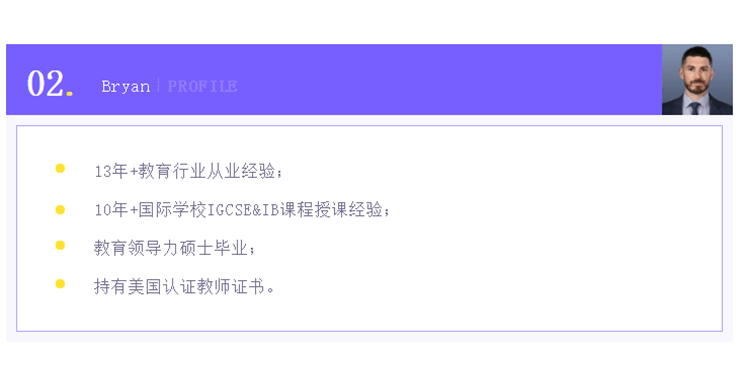
Nuestros profesores ofrecen una amplia gama de materias individuales, incluido inglés., Ciencias Sociales, y matemáticas.
Conozca a algunos de nuestros profesores altamente calificados y experimentados.!



¿Por qué debería elegir servicios 1 a 1??
Quizás su hijo se esté preparando para estudiar en el extranjero o solicitar ingreso a una nueva escuela y le gustaría un enfoque más intensivo y específico para pulir sus habilidades.. Alternativamente, Es posible que su hijo no se sienta lo suficientemente desafiado con su plan de estudios actual., y necesita un enfoque alternativo que sea más apropiado para su nivel de habilidad.
Hay varias razones por las que un padre podría estar buscando servicios como este, y podemos asegurarle que siempre trabajaremos para comprender la situación única de su hijo y brindarle el mejor servicio..
¿Cómo funciona??
Con nuestro enfoque práctico, y proceso de orientación, Evaluaremos los conocimientos y habilidades de su hijo en función de los datos de evaluación actuales., habilidad de escritura, y más. Basado en nuestros hallazgos, Seleccionaremos al maestro que mejor se adapte a las necesidades de su hijo.. Todos los profesores de Reach Out han sido cuidadosamente seleccionados., y tenemos años de experiencia en la enseñanza de planes de estudio desafiantes., como el IGCSE, IB, y PA, en las mejores escuelas de todo el mundo.
Nuestro proceso está orientado a objetivos.. Descubrimos exactamente lo que su hijo necesita para alcanzar sus objetivos educativos., y luego creamos un camino de aprendizaje único y personalizado que se adaptará mejor a las necesidades particulares de su hijo..
¿Qué más ofrece Reach Out??
Además de servicios 1 a 1, Reach Out ofrece una amplia variedad de cursos diseñados específicamente para desafiar e involucrar a su hijo de 2.º a 8.º grado con contenido superior al nivel de grado para ayudarlo a prepararse para el rigor de programas como IGCSE., IB, y PA.
¿Cómo puedo obtener más información??
Para saber más sobre nuestros servicios 1 a 1, Comuníquese con uno de nuestros consultores educativos hoy para obtener más información.! Esperamos ayudar a su hijo a alcanzar sus objetivos educativos para un futuro brillante.!
Quienes somos
Como habrás notado, Hemos estado creciendo y tenemos algunas adiciones interesantes a lo que ofrecemos aquí en Reach Out.. Como ha pasado un tiempo desde que nos presentamos., Pensamos en compartir nuestra historia contigo para ayudarte a comprender mejor quiénes somos y qué hacemos.!
Nuestra misión
La misión de Reach Out es conectar a los estudiantes con educadores expertos que crean y entregan contenido original., inspirador, planes de estudios de clase mundial. Nos hemos embarcado en este viaje para ayudar a los estudiantes a comprender cómo encontrar su propia voz única y descubrir las ideas creativas y valiosas que se encuentran dentro de cada uno de ellos.. con sus voces, ellos tienen el poder de cambiar el mundo, y deseamos empoderarlos para que lo hagan.

Nuestra visión
Reach Out se esfuerza por ser una institución educativa reconocida internacionalmente que permite a los estudiantes acceder a currículos y educadores internacionales de primer nivel., no importa en qué parte del mundo se encuentren. Nuestros alumnos serán perceptivos, curioso, y pensadores críticos que toman decisiones informadas como excelentes solucionadores de problemas y comunicadores. Los estudiantes de Reach Out alcanzarán sus metas y sueños académicos y personales desde la escuela primaria hasta la universidad., poniendo sus brillantes futuros a su alcance.

Nuestros valores fundamentales
Estos son los principios que dan forma a Reach Out:
Nuestra historia
Reach Out fue creado por un pequeño grupo de madres dedicadas, tal vez como tú. Los unió una visión común de las necesidades educativas de sus hijos.. Algunos buscaban un programa educativo que pudiera ofrecer a sus hijos acceso a las ideas, enseñanza de la filosofía, y metodología que coincidía con lo que habían experimentado mientras vivían en el extranjero. Otros buscaban un plan de estudios internacionalizado al que sus hijos pudieran acceder para enriquecer su experiencia educativa en China.. Lo que tenían en común era el deseo de un programa riguroso que también abriera las puertas al pensamiento creativo y crítico., autorreflexión, y expresión personal - las características de un plan de estudios internacional sólido. Después de pasar un tiempo considerable explorando varias opciones, Estas mamás no pudieron encontrar nada que satisficiera las necesidades de sus hijos..
Entonces, hicieron lo que haría cualquier buena madre, dada la oportunidad, y encontraron su propia manera de ofrecer a sus hijos las mejores oportunidades de aprendizaje posibles diseñadas para ayudarlos a prosperar. Consultaron a maestros expertos y trabajaron con otros padres para descubrir cómo podrían satisfacer mejor las necesidades de otros niños con objetivos similares.. Niños, esperamos, como el tuyo.
Los padres se comprometieron a:
Nos alegra decir que estas madres han logrado su objetivo.. Hoy Reach Out cuenta con una línea completa de cursos rigurosos pero atractivos en los que los estudiantes aprenden profundamente mientras se divierten y crean relaciones significativas con sus maestros y compañeros..
Todo esto gracias al compromiso de nuestras madres fundadoras con la educación y la felicidad de sus hijos..
Lo que nos hace únicos?
Si bien entendemos que los padres tienen una variedad de opciones cuando se trata de programas que enriquecen la educación de sus hijos., Creemos que ofrecemos muchas cualidades únicas que no se encuentran fácilmente en otros lugares..
Nuestro equipo está formado por educadores altamente capacitados y experimentados que han creado un programa único y riguroso basado en los estándares escolares internacionales., que prepara a los estudiantes más jóvenes para asumir currículos rigurosos como IGCSE, IB, y PA.
-Nuestros programas y planes de estudio personalizados diseñados para superar las necesidades educativas de nuestros estudiantes.
-Nuestra filosofía de enseñanza de inspirar y capacitar a los estudiantes, y metodología de enseñanza para permitir a los estudiantes explorar el conocimiento de manera amplia y profunda mientras al mismo tiempo desarrollan un amor por el aprendizaje
-Nuestro compromiso con el éxito a largo plazo de nuestros estudiantes mientras nos esforzamos por equiparlos con las habilidades esenciales que necesitarán para tener éxito en sus futuras carreras y en el mundo más allá de la escuela.
- Los comentarios detallados que proporcionamos con todas las evaluaciones de nuestros estudiantes, para que los estudiantes sepan dónde están teniendo éxito y dónde podrían mejorar, así como los materiales complementarios y la instrucción necesaria para ayudar a nuestros estudiantes a cerrar cualquier brecha en la comprensión.
-Nuestra dedicación a desarrollar el pensamiento crítico y las habilidades de resolución de problemas de nuestros estudiantes., que será fundamental para su futuro, así como el futuro de nuestra sociedad global
-Nuestra promesa de contratar a todo nuestro personal docente y no docente en función de su pasión mutua por la educación.
-Nuestra capacidad para capacitar a los estudiantes para usar el idioma., conocimiento, y habilidades que adquieren para desarrollarse más allá del salón de clases y en curiosos, aprendices de por vida que establecen y persiguen desafíos, cumpliendo, y metas que valen la pena.
-nuestra práctica, enfoque individualizado para crear un camino de aprendizaje para nuestros estudiantes, de modo que no importa en qué nivel de grado se encuentren cuando se unan a nosotros, estarán equipados con las herramientas necesarias para mejorar y crecer rápidamente
-Nuestro compromiso de empoderar a nuestros clientes con información y experiencias que los ayudarán a tomar las mejores decisiones para la educación de sus hijos al ofrecer artículos informativos., videos y talleres.
Nuestro plan de estudios
Nuestro plan de estudios de la Línea Azul, que incluye cursos para estudiantes en Grados 2 a 8, fue diseñado por educadores expertos con títulos de nivel avanzado en sus áreas temáticas que han pasado décadas en algunas de las mejores escuelas internacionales del mundo.. Utilizamos un diseño curricular inverso desde el primer año de programas como el ampliamente reconocido y respetado programa IGCSE..
Como nuestros educadores llevan años impartiendo cursos pre-IGCSE, IGCSE, Plan de estudios IB y AP o A Levels, Entienden lo que los estudiantes necesitan para tener éxito en esos programas.. Entonces, Cada aspecto de nuestro plan de estudios ha sido creado para garantizar que todos nuestros estudiantes ingresen a su primer día de grado. 9 sentirse confiado, equipado, y preparado para cumplir con las exigencias de estos rigurosos cursos.
Ofrecemos una amplia gama de cursos en las materias de inglés., Matemáticas, Historia y Geografía. Consulte a continuación para obtener información más detallada sobre nuestra oferta completa de cursos..
Servicios adicionales
También nos complace anunciar la creación de nuestra Silver Line., que ofrece servicios educativos personalizados que adoptan un enfoque individualizado para satisfacer las necesidades de nuestros estudiantes. Comenzamos con una evaluación profunda de las metas y necesidades educativas de cada estudiante., y luego crear e implementar un esquema de trabajo que nuestros educadores expertos utilizarán para guiar a su hijo a través de los desafíos académicos de la escuela secundaria con el fin de prepararlo para eventualmente asistir a la universidad de sus sueños..
También ofrecemos servicios 1 a 1 en todos los niveles de grado para padres que desean ofrecer a sus hijos un cuidado e instrucción más individualizados.. Nuestros consultores educativos expertos se asegurarán de encontrar a su hijo con el mejor educador para sus necesidades y objetivos específicos..
Únase a nosotros!
Esperamos conocer a su familia y discutir cómo puede ser parte de nuestra familia Reach Out.; uno que aprende juntos, se preocupan el uno por el otro, supera desafíos juntos, y celebran los éxitos unos con otros. Por favor contáctenos hoy para saber más.
Esperamos saber de usted pronto!
Ser padre es difícil. De hecho, con los cambios en nuestro mundo hoy, Podría ser simplemente uno de los momentos desafiantes que hemos tenido que enfrentar en décadas.. El cambio genera incertidumbre, y la incertidumbre puede provocar estrés. Sin duda el estrés afecta a todos los ámbitos de nuestra vida., A veces afectará más nuestra relación con nuestros seres queridos.; especialmente nuestros hijos.
Nuestros hijos pueden ser complicados (seamos realistas, nosotros también podemos!), y es una tarea desalentadora garantizar que cada movimiento sea el “correcto”. que todas nuestras conversaciones, demandas, solicitudes, planes, los elogios y las críticas significan algo. Cada momento que pasamos hablando con nuestros hijos, Mantenemos la esperanza de que estas palabras sean suficientes para llenar a nuestros hijos con la esperanza de un gran futuro en un momento en el que el futuro es tan incierto.. Los tiempos cambian, y esto también pasará, pero una cosa que podemos garantizar es que nunca tendremos una segunda oportunidad de pasar una infancia con nuestros hijos..
Como padres, A menudo nos preguntamos si en realidad estamos haciendo lo correcto., preguntándonos cómo podemos comunicarnos con nuestros hijos, tratando de comprender mejor a nuestros hijos, y a veces sentirnos culpables porque nos decimos a nosotros mismos que lo estamos haciendo mal. A menudo, ese no es el caso, pero no existe un manual de instrucciones sobre cómo criar a un niño que funcione para todos en todas las situaciones.. Seguro, hay muchos consejos, una cantidad abrumadora, pero de nuevo, la mayoría de los consejos son solo eso; Orientación y recomendaciones de personas que no lo conocen a usted ni a su hijo.. Algo de esto es útil, y algo de eso... no tanto.
Una cosa que no podemos negar es la importancia de una relación sana entre padres e hijos..
La investigación muestra que:
Es esencial dedicar tiempo a fomentar una relación con su hijo., y quizás aún más imperativo, asegurarnos de que las interacciones que tenemos con nuestros hijos durante ese tiempo sean positivas. Esto es algo que muchos padres encuentran desafiante., Es por eso que creamos un club de lectura para padres sobre el libro. Cómo hablar para que los niños escuchen y escuchar para que los niños hablen por Adele Faber y Elaine Mazlish. Juntos aprendimos formas de comunicarnos positivamente con nuestros hijos para fortalecer nuestros vínculos.. Pasamos tiempo discutiendo ideas del libro., además de tener una reunión virtual para representar algunas de las estrategias del libro.. encima de eso, invitamos al Consejero de Orientación de la Escuela Secundaria, Regina Wehner, Brindar a los padres un taller para comprender el desarrollo cognitivo y emocional de nuestros hijos..
Aquí hay algunos aspectos destacados que nos gustaría compartir con usted.!

Primero, de Cómo hablar para que los niños escuchen y escuchar para que los niños hablen, aquí están dos de nuestras estrategias favoritas:
Los niños tienen dificultades para regular sus emociones., ya que el centro de regulación emocional del cerebro es uno de los últimos en desarrollarse. Esto significa que necesitan nuestra ayuda en forma de compasión y ejemplo.. Esto puede ser tan desafiante, especialmente cuando a veces podemos tener dificultades para manejar nuestras propias emociones! Tenemos una estrategia fácil para ti que solo requerirá dos cosas:
Cuando tu hijo llega a casa molesto por algo que pasó en el colegio, en lugar de sermonear y ofrecer nuestros sabios consejos, simplemente podemos escuchar sus inquietudes y repetirles las ideas.. Por ejemplo, si su hijo llega a casa molesto y dice algo como, "Puaj, Hoy Elizabeth y Sarah fueron tan malas conmigo.! Me ignoraron por completo y ahora los odio a ambos.!"En lugar de decir, “Elizabeth y Sarah son tus mejores amigas.. No es gran cosa y estoy seguro de que mañana estarás bien.,”lo que podría invalidar los sentimientos de su hijo, puedes decir, "Oh, Veo. Elizabeth y Sarah te hicieron sentir un poco excluido.. Probablemente eso te hizo sentir un poco triste y enojado”. En este punto, es posible que su hijo siga hablando y se abra a usted., lo cual es genial! Significa que confían en ti y los estás haciendo sentir mejor.. continuar escuchando, asentir, decir, “Mmmmm,” y repetir lo que dicen. El hecho de que usted simplemente escuche probablemente hará que su hijo se sienta 100% mejor y listo para enfrentar su próximo desafío!

2. Deseo!
Nuestros hijos a menudo expresan sus deseos deseando tener cosas que no tienen o deseando que las cosas fueran diferentes a como son.. Por ejemplo, los niños pueden decir, "Ojalá no tuviera que hacer toda esa tarea". podemos responder, "Bien, lo haces y eso es todo!” o “Es lo que tienes que hacer. Es tu responsabilidad, así que debes hacerlo ahora.!"
Esto puede convertirse en una batalla de voluntades ya que los padres se sienten frustrados por seguir escuchando la misma queja y repitiendo el mismo razonamiento.. Los niños se sienten frustrados porque sus opiniones están siendo invalidadas y se sienten incomprendidos.. Bien, no te preocupes, estamos aquí para ayudar! Tenemos un pequeño truco que te ayudará a darle un giro a la conversación., y eso es para aceptar con tu hijo. Puede parecer contradictorio, pero tenemos experiencia de primera mano con este truco y funciona de maravilla!
Por ejemplo, si tu hijo dice, “Ojalá pudiéramos ir al parque hoy como quería!"
en lugar de decir, "No puedo, estoy demasiado ocupado,” o “Sí, pero no podemos, Está lloviendo,"Podemos decir, “Ojalá nosotros también pudiéramos! Podríamos ir al parque y hacer un picnic.! Podríamos volar una cometa y soplar burbujas.! ¿Por qué no hacemos un picnic en la sala de estar y luego hacemos burbujas en el baño?!"
La primera parte entusiasma a los niños y hace volar su imaginación., llevándolos a un lugar feliz. La siguiente parte los hace sentir escuchados y conectados contigo..
Ahora, algunos aspectos destacados de la Sra.. El taller de wehner:
*Por favor ayúdame a elegir estos! :)*
Si desea unirse a uno de nuestros talleres o clubes de lectura en el futuro, Asegúrate de seguirnos y estar atento.! Tenemos grandes cosas por venir este otoño.!
Muchos padres nos preguntan cuál es la manera más rápida para que su hijo mejore su escritura. Si bien creemos firmemente que no existen atajos para convertirse en un escritor verdaderamente eficaz y hábil., Hay algunas cosas que los estudiantes pueden incorporar en su escritura para ayudarlos a pasar al siguiente nivel de manera más eficiente.. Como con cualquier cosa que intente ser dominada., La clave del éxito está en el trabajo duro y la repetición.. Practicar estas habilidades con regularidad ayudará a su hijo a alcanzar sus objetivos educativos..
Este artículo será el primero de una serie de artículos que se centrarán en las habilidades adecuadas para diferentes tipos de escritura.. Esta semana, Nos centraremos en consejos de escritura descriptiva..
Consejos de escritura descriptiva:
La escritura descriptiva es una verdadera forma de arte., ya que su propósito debe ser crear una imagen en la mente de los lectores. No se puede contar una historia basándose únicamente en la acción y el diálogo., y uno no puede transmitir un significado y una emoción profundos en un poema sin pintar un cuadro con sus palabras..
Una forma poderosa de sobresalir en la descripción es agregar adjetivos y adverbios siempre que sea posible.. Por ejemplo, Si su hijo está escribiendo una historia, podría escribir algo como:
"Harry salió y comenzó a buscar a sus amigos".
Si bien esta oración transmite un significado básico, Su efecto en el lector también es básico.. Añadiendo lenguaje descriptivo en forma de adjetivos y adverbios., Podemos agregar imágenes a la oración de manera rápida y efectiva.:
“Harry salió por la puerta principal., cerrándola de golpe detrás de él. Su corazón se aceleró mientras corría por el vecindario buscando ansiosamente a sus amigos”.
En la frase revisada, Vemos descripciones que nos dicen no sólo la acción que está teniendo lugar., pero también ayudándonos a sentir la emoción del personaje., un aspecto importante de la narración.

Otra excelente manera de hacer que una historia o un poema sea más efectivo es agregando lenguaje figurado., como símiles. Los símiles son comparaciones que usan me gusta o como y que pueden usarse para ayudar al lector a imaginar lo que está sucediendo con mayor claridad..
Por ejemplo, su hijo podría escribir algo como:
estaba tan feliz!
fue tan lindo!
Estaba tan asustado!
Podemos agregar símiles para ayudar a crear un resultado aún mejor.:
Estaba tan feliz como un gatito en una tienda de lanas..
Era lindo como un panda bebé jugando en la nieve..
Estaba tan asustado como un conejo que acaba de escuchar a un lobo aullar..

Nuestro último consejo para la escritura descriptiva es elegir un vocabulario que sea tan preciso que comunique exactamente lo que el escritor quiere que el lector sienta.. A menudo, Los estudiantes escribirán descripciones que son un poco vagas., con frases como:
estaba muy cansado.
la pelicula fue muy aburrida.
estaban muy frios.
La habitacion muy caliente.
De nuevo, estas oraciones transmiten un significado simple, pero en escritura descriptiva, eso simplemente no es suficiente. La descripción eficaz utiliza vocabulario que tiene un impacto., Y podemos lograrlo eligiendo solo las mejores palabras para transmitir el significado más exacto..
Vea cómo podemos llevar las oraciones anteriores de ordinarias a extraordinarias reemplazando parte de la oración con vocabulario poderoso.:
estaba exhausto.
La película era poco imaginativa..
Estaban helados hasta los huesos..
La habitación estaba ardiendo.
La buena noticia es que su hijo no necesita depender de su conocimiento actual del vocabulario para lograr crear oraciones como las anteriores.. El diccionario de sinónimos tiene todas las palabras que necesitan para crear descripciones memorables..
Esperamos que estos consejos hayan sido útiles.! Si desea que su hijo aprenda cómo poner en práctica estas habilidades con uno de nuestros apasionados educadores., Estén atentos a los próximos anuncios sobre nuestros nuevos cursos de verano y otoño.!
La próxima semana, Echaremos un vistazo a consejos de escritura persuasiva.!
Cuéntanos un poco sobre ti.
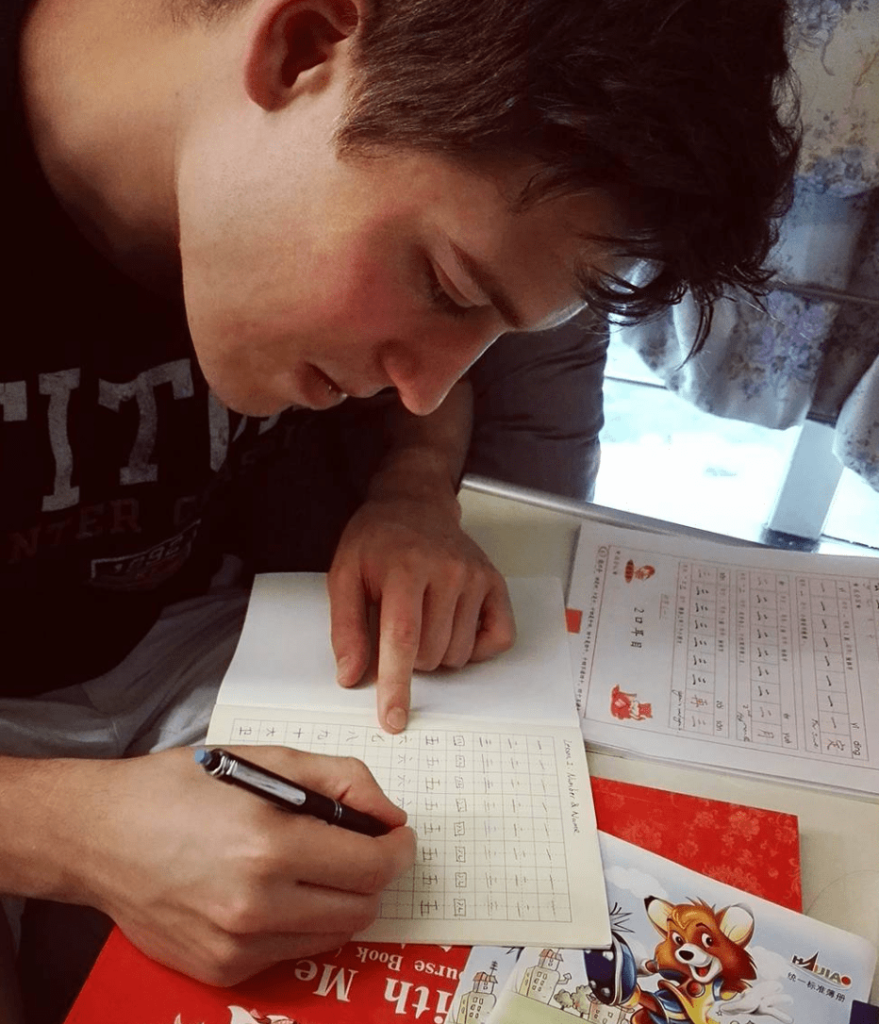
Crecí en cinco países diferentes. (Suecia, Inglaterra, Alemania, Sudáfrica, y Canadá). La integración en un espectro diverso de culturas mientras crecía me ha hecho ver el mundo con una mente abierta.. Actualmente resido en Canadá y trabajo como profesor universitario y profesor de matemáticas en Reach Out.. Fuera del trabajo disfruto mucho de deportes como el bádminton y el ajedrez., que jugué a nivel competitivo durante muchos años.

¿Cuál es su formación académica y sus calificaciones??
Recibí una Licenciatura en Ciencias de la Universidad de Columbia Británica. (UBC) y obtuve mi maestría en la misma universidad.. Mi trabajo de posgrado involucró geociencia experimental donde diseñé un aparato para investigar cómo los diamantes llegan a la superficie de la Tierra a través de magmas de alta velocidad.. Publiqué artículos en dos revistas de alto impacto y presenté el trabajo en Canadá y Europa..
Durante mis estudios de posgrado tuve el privilegio de impartir algunas clases que me convirtieron en un puesto de profesor.. La enseñanza a nivel universitario implica impartir clases a más de 200 estudiantes, que es muy diferente al trabajo que hago en Reach Out, pero me ha ayudado a desarrollar un estilo de enseñanza dinámico..
Además, He estado enseñando Matemáticas y Ciencias tanto de forma privada como a través de organizaciones educativas durante más de 6 años.
¿Por qué te uniste a Reach Out??
Me uní a Reach Out porque resuena en mí la perspectiva de poder brindar educación de alta calidad en todo el mundo sin restricciones fronterizas..
Siento que la razón por la que me comprometo a permanecer en Reach Out es más importante. Las clases personalizadas que se imparten me han permitido conectarme con los estudiantes., haciendo que su progresión sea mucho más significativa para mí. Algunos estudiantes han estado conmigo en varios niveles de grado y me siento inmensamente orgulloso de haber desempeñado un papel en su educación..
¿Cuál es su filosofía educativa??
Tener experiencia en ciencia experimental me ha permitido ver el valor de lograr avances a través de la experimentación.. Permitir a los estudiantes experimentar con diferentes metodologías mientras se les ofrece orientación es una forma extremadamente efectiva de enseñarles a no tener miedo al fracaso.. Richard Fuller dijo correctamente, “No existe ningún experimento fallido, sólo experimentos con resultados inesperados”. Los estudiantes a menudo comienzan mis clases con miedo de responder preguntas., discutir con sus compañeros, o escribir en la pizarra ya que no saben las respuestas. Ya que siempre estoy más centrado en soluciones que en respuestas., Los estudiantes son recompensados por probar nuevas técnicas., discutiendo métodos fallidos, y hacer preguntas sobre el trabajo de sus compañeros. Descubrí que esto produce un ambiente de aprendizaje fenomenal y les quita mucha presión a los estudiantes..

¿Qué es lo que más te gusta de enseñar matemáticas??
Lo que más me gusta de enseñar matemáticas son los emocionantes desafíos que ofrece.. Después de enseñar matemáticas durante muchos años., Me he dado cuenta de que los estudiantes ven el mundo desde una perspectiva única., que la mayoría de las veces, es muy diferente al mio. Esta diversidad produce un amplio espectro de estilos de aprendizaje y requiere que sea muy flexible con las metodologías que uso en mi enseñanza..
Las matemáticas son una materia compleja que nos ha proporcionado un lenguaje universal para comprender mejor el universo que nos rodea.. Tener una buena capacidad para resolver problemas es un subproducto del aprendizaje de matemáticas y es crucial para el éxito en el mundo moderno.. Por estas razones, tengo la responsabilidad de transformar una materia tradicionalmente árida y aburrida en algo emocionante creando lecciones convincentes y usando la creatividad para inspirar a mis alumnos.. Esto siempre será algo que me encanta de mi trabajo..
¿Quién es tu matemático favorito y por qué??
Esta es una pregunta difícil, y es difícil identificar a un matemático ya que utilizo los trabajos de tantos matemáticos en una sola lección.. Si tuviera que elegir sería Johannes Kepler o Nicolaus Copernicus ya que también amo la astronomía.. Sus matemáticas no sólo desafiaron todo lo que se creía sobre nuestro sistema solar en ese momento., pero también formó las bases para comprender el movimiento planetario.. Los viajes espaciales se han basado en gran medida en estos conceptos..
Si pudieras dar un solo consejo a los padres a la hora de ayudar a sus hijos a mejorar en matemáticas, ¿Qué sería??
Una cosa en la que he trabajado mucho con mis alumnos., es lograr que me expliquen sus soluciones sin importar lo fácil que pueda parecer. Para poder llegar a la respuesta correcta en ciertos planes de estudios escolares, es posible que no sea necesario una comprensión completa., pero poder explicar bien una solución requiere una buena comprensión. Asegúrate de que tu hijo siempre esté mostrando pasos muy claros en su trabajo y que pueda explicarte sus pasos.. Esto certifica la comprensión y demuestra que están preparados para preguntas que evalúan el mismo concepto pero que pueden estar redactadas de manera diferente..
¿Cuál es un dato curioso sobre ti??
Me gusta mucho aprender idiomas! Después de crecer en muchos países diferentes, puedo hablar inglés., sueco, y alemán con fluidez. Durante los últimos dos años he estado trabajando para agregar chino a mi colección y he disfrutado de los desafíos únicos que me ha brindado aprender este complejo idioma..
El jardín secreto es una pieza de literatura clásica que ha formado parte de incontables infancias. (si te perdiste nuestro artículo sobre por qué los niños deberían leer novelas clásicas, verlo vinculado a continuación!). Es una poderosa historia de amistad y descubrimiento de uno mismo que resuena en nuestras almas..
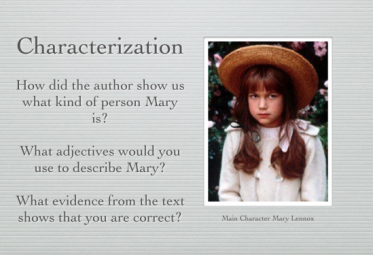
El jardín secreto trata sobre una joven llamada Mary Lennox que pierde a su familia y todo lo que la conocía debido a un brote de cólera en la India., donde su padre trabajaba como capitán del ejército británico. cuando era niño, María estaba bastante descuidada, pero mimado por los sirvientes de la familia, Entonces ella era una niña mimada con un carácter terrible.. Tenía muy pocos rasgos que la ayudarían a afrontar una nueva vida en Inglaterra., donde la enviaron a vivir con un pariente lejano gruñón, Señor. Cobarde.
Señor. Craven tenía reglas muy estrictas que Mary debía seguir en su nuevo hogar en Misselthwaite Manor en Yorkshire., lo que incluía que se le prohibiera entrar a varias habitaciones dentro de la mansión gigante., así como prohibido entrar a uno de los jardines de la extensa propiedad, que pertenecía a su amada difunta esposa. Mientras Mary comienza a explorar su nuevo hogar, comienza a encontrar una sensación de felicidad y recupera su salud después de haber estado enfermiza durante gran parte de su infancia.. Después de que un petirrojo la ayuda a encontrar la llave del jardín secreto, ella encuentra un sentido de propósito al restaurar el jardín, tanto como ella restaura su yo interior. A través de las espinas y las hojas secas del invierno, ella encuentra muchas más mentiras dentro.
Con la ayuda de su nuevo amigo Dickon., Mary desarrolla sus primeras amistades., y utiliza su nueva fuerza y amabilidad para ayudar a su primo Colin, postrado en cama., a quien encuentra escondido en la mansión. La amistad fortalece tanto a Mary como a Colin, y al final, Todos somos testigos de un milagro que sólo es posible gracias a estos estrechos vínculos y a la fe en uno mismo., dos temas muy importantes en la novela.
A los jóvenes les encantará leer esta fantástica historia de amistad., superando obstáculos, y experimentar el poder curativo de la naturaleza. Los personajes y las lecciones que nos enseñan seguramente conmoverán a su hijo y le ayudarán a experimentar el poder de una gran historia..
Si desea tener la oportunidad para que su hijo experimente esta historia con otros, Nos complace informarle que estaremos leyendo. El jardín secreto como primera novela de nuestro Nivel Jóvenes Clásicos 2 Curso este verano.
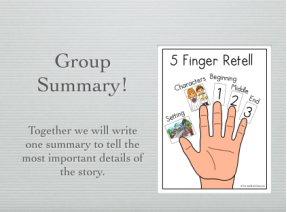
en el curso, no solo leemos la novela, pero también aprendemos y aplicamos nuevo vocabulario del libro., discutir técnicas literarias importantes utilizadas por el escritor, y practicar la redacción de resúmenes, una habilidad clave que muchos estudiantes encuentran desafiante

Si estás interesado en aprender más sobre Clásicos Jóvenes, o y de nuestros otros cursos excelentes y atractivos, Póngase en contacto con uno de nuestros consultores educativos hoy! Esperamos trabajar con su hijo muy pronto.!
El estudio de la literatura es un aspecto importante de cualquier programa académico excelente., y eso se debe a que ayuda a enseñar a los estudiantes una amplia gama de conocimientos y habilidades que son esenciales para el éxito en muchas áreas de la vida.. mientras estudiaba literatura, Los estudiantes aprenden sobre eventos y personas importantes a lo largo de la historia., Consideran la perspectiva cultural y aumentan su propia comprensión de la aceptación de diferentes ideas y creencias., y aprenden a analizar las palabras de los demás para formar una comprensión profunda de nuevas ideas y formas de comunicarse.. En breve, expone a los estudiantes a una caja de herramientas de ideas, técnicas, estrategias, teorías, y más que llevarán consigo durante toda su vida, dando forma a la forma en que abordan el mundo.
¿Por qué ofrecemos este curso??
Los estudiantes de Reach Out normalmente cursan programas de escuela secundaria como IGCSE, que incluye cursos desafiantes como Lengua y Literatura Inglesas e Inglés como Primera Lengua. Más tarde, la mayoría de esos estudiantes asumirán el desafío de los programas de nivel IB y AP, en el que deben asumir la tarea de leer una variedad de literatura. Nuestro objetivo es exponer a los estudiantes de la escuela primaria superior y secundaria a una amplia gama de literatura avanzada para que cuando lleguen a la escuela secundaria posean el conocimiento y las habilidades para comenzar a trabajar., y por lo tanto alcanzar un nivel superior.
Este curso está diseñado para Grado 7-9 estudiantes.
Los objetivos de nuestro curso de literatura avanzada son:
✪ Mejorar la capacidad de los estudiantes para comprender y discernir las técnicas literarias utilizadas en la literatura inglesa y estadounidense., y la capacidad de comunicar los efectos de esas técnicas.;
✪Mejorar las habilidades de comprensión literaria de los niños y aumentar su comprensión de la cultura británica y estadounidense;
✪ Bajo la guía de nuestros educadores expertos., aprenda el poder del lenguaje y la narración de una manera desafiante pero atractiva.
Conoce a nuestros profesores
*Inserte aquí biografías de profesores de Barry., Antonio, y Juan*
Nuestras selecciones de libros:
Llora el país amado por Alan Patón

Ambientada en la Sudáfrica de los años 40, premiado Llora el país amado cuenta la historia de un pastor zulú, Steven Kumalo, que viaja desde su pueblo a la ciudad de Johannesburgo. A lo largo de su arduo y desgarrador viaje, descubre que su hermana y su hijo se han encontrado en situaciones terribles que ahora deberá afrontar con ellos.. Las vidas muy diferentes de los personajes se entrelazan inesperadamente a través de la tragedia durante una época oscura de la historia de Sudáfrica.. Sin embargo, a través de tragedias y desafíos, La verdadera naturaleza del espíritu humano se puede encontrar y elevar a quienes más lo necesitan..
Drácula por Bram Stoker

La leyenda de Drácula ha ocupado un lugar preponderante en la mente de lectores y cinéfilos durante generaciones.. Bram Stoker basó el infame personaje de Drácula en la leyenda del gobernante real de Valaquia., Vlad el Empalador. Stoker pudo tomar este rincón oscuro de la historia y convertirlo en una novela legendaria contada a través de anotaciones en su diario., cartas y telegramas. Como todo clásico, Drácula ha resistido la prueba del tiempo porque habla de algo muy profundo y significativo dentro de la psique humana..
De ratones y hombres por John Steinbeck
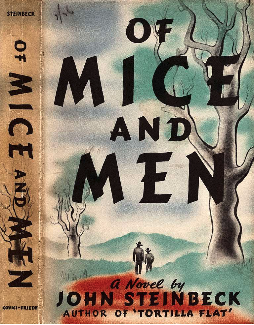
La Gran Depresión fue un momento decisivo en la historia de Estados Unidos que puso a prueba su fuerza como nación., y colocó a la población en un precario equilibrio entre la vida y la muerte. En lo que se considera uno de los grandes clásicos americanos., Los lectores conocen a dos trabajadores migrantes desplazados., george y lennie. George es un joven inteligente., mientras Lennie tiene una discapacidad mental. George toma a Lennie bajo su protección mientras buscan empleo donde existen pocas oportunidades., tratando de sobrevivir, y todavía sueñan con el día en que tendrán su propia tierra y construirán una vida.. Sus esperanzas se desvanecen cuando ocurre un devastador incidente que altera sus vidas para siempre..
Lo que los estudiantes ganarán
Desarrollar un sentido temprano de apreciación literaria.,
Ver el mundo desde una perspectiva más madura
Los clásicos británicos y estadounidenses contienen cuestiones morales y sociales que invitan a la reflexión.. Leer en profundidad la literatura clásica más influyente ayuda a los estudiantes a convertirse en mejores lectores., y comenzar el proceso de búsqueda de la autorrealización.
Mejorar la comprensión de la cultura y la historia.
Aprender alusiones de la literatura clásica británica y estadounidense puede ayudarnos a salvar las diferencias culturales. "Los clásicos han abierto la puerta a mundos diferentes, diferentes culturas, y diferentes perspectivas históricas. La literatura cruza la raza, cultura, religión, y geografía."
Autorreflexión y crecimiento personal
Muchas literaturas clásicas aluden a nuestras vidas desde el exterior.: Los libros que reflejan similitudes con nuestras propias vidas se llaman "espejos"; y aquellos que nos dejan entrever vidas diferentes se llaman "ventanas." Ya sea un "espejo" o un "ventana", Enriquece aún más la experiencia de vida de los estudiantes y aumenta el coraje y la fuerza para afrontar la vida..
Únase a nosotros!
Contáctanos para descubrir más sobre nuestro curso. Esperamos sinceramente conocer a su hijo pronto., y desarrollar juntos el amor por la lectura de literatura clásica.
Es hora de regresar a clases y sabemos que los padres se están preparando para un nuevo año con nuevos comienzos.. El comienzo de un nuevo año suele provocar una mezcla de emoción y un poco de ansiedad., mientras los estudiantes y los padres esperan nuevas habilidades y experiencias, pero también puede sentirse nervioso por las nuevas rutinas y expectativas.
No te preocupes, Comuníquese aquí para ayudar! este año, tenemos 5 Los mejores consejos para un comienzo fantástico del año escolar..
Comprender cómo la escuela de su hijo aborda la educación, ¿Qué plan de estudios utilizan?, que sistemas, y se utilizan estándares puede resultar abrumador para quienes no son educadores.. Dedicar un poco de tiempo cada día a leer el contenido del sitio web de su escuela, manuales, y otros recursos pueden ayudarlo a sentirse más seguro al comprender lo que su hijo está aprendiendo en la escuela y cómo lo está aprendiendo.. También es importante asistir a la noche de regreso a clases de su hijo y a las sesiones informativas para comprender mejor el programa de su hijo en su conjunto.. También le brinda una gran oportunidad para establecer una relación con el maestro de su hijo.. En cualquier momento si todavía tienes preguntas, siempre puede enviar un correo electrónico al maestro de su hijo. Están ahí para usted y su hijo., ya que saben que una excelente relación con los padres es una manera fantástica de garantizar la calidad académica., social, y éxito emocional para todos los estudiantes.
2. Asegúrese de capturar suficientes Zzzzs antes del ABC
El sueño es muy importante para el crecimiento y desarrollo de un niño, y la falta de él puede afectar negativamente el rendimiento académico de un niño. De hecho, La investigación muestra que la privación del sueño en los niños puede provocar mayores tasas de ansiedad y depresión.. cuando dormimos, Nuestro cerebro procesa la información del día., encuentra el mejor sistema para archivarlo en nuestros recuerdos, y recarga nuestros sistemas para un nuevo día. Por varias razones, A los padres a menudo les resulta difícil acostarse temprano., pero con una rutina clara, y tiempo para el ajuste, puede ser fácil! Niños 3-6 los años deberían estar llegando 10-12 horas de sueño por día, 7-12 los niños de un año deberían recibir 10-11 horas por dia, y 12-18 los niños de un año deberían recibir 8-9 horas por dia. Crear un horario en el que los niños se acuesten más temprano también facilitará las mañanas, Con suerte, habrá menos estrés tanto para los padres como para los niños, ya que estarán bien descansados y listos para comenzar el día.!
3. Haga las preguntas correctas en el momento adecuado
A veces los padres están ansiosos por saber cómo estuvo el día de sus hijos tan pronto como llegan a casa del colegio., especialmente durante las primeras semanas. Esas semanas son especialmente agotadoras y están llenas de altibajos a medida que su hijo aprende a navegar por material nuevo., nuevos amigos, nuevos profesores, y nuevas expectativas. Darles tiempo para volver a casa y relajarse es extremadamente importante para su bienestar emocional y mental.. Una vez que hayan tenido algo de tiempo para "yo", Los padres pueden hacer preguntas específicas basadas en lo que saben que están trabajando., si lo saben. Pueden revisar el diario de tareas de su hijo con ellos y ayudarlos a hacer un plan sobre cómo abordar cada tarea., así como compartir su entusiasmo por temas específicos, libros, o información que también disfrutan. Evite preguntar, “¿Cómo estuvo la escuela?? ¿Qué aprendiste??” ya que los niños responden mucho mejor a preguntas más específicas, como, “¿Qué hiciste con tus amigos en el almuerzo?? ¿Cuál fue la mejor parte de tu día?? ¿Qué fue lo más raro o maravilloso que pasó hoy en la escuela??“Lo más importante, Los padres deben estar completamente presentes y escuchar atentamente cuando los estudiantes respondan., para que realmente se sientan valorados y escuchen cuando comparten.
4. Déjelos aprender del fracaso
Esto puede ser extremadamente difícil para los padres permitirlo.. Queremos que a nuestros hijos les vaya bien y alcancen su máximo potencial., lo que significa que podríamos repasar cada tarea con lupa, corrigiendo cada error de cálculo o gramática. Aunque los padres tenemos buenas intenciones cuando hacemos esto, Cuando lo hacemos, les estamos quitando importantes oportunidades de aprendizaje a los niños.. Cuando éramos estudiantes, Muchos de nuestros padres a menudo estaban demasiado ocupados o no tenían el conocimiento o la capacidad para ayudarnos con nuestro trabajo escolar., pero encontramos una manera de seguir adelante y hacer nuestro mejor esfuerzo.. Si a los niños nunca se les dan oportunidades de fracasar cuando son pequeños, Es posible que se resistan a asumir desafíos más adelante en la vida por miedo a fallar en ellos.. Sin embargo, cuando les dejamos fallar suavemente, como en una tarea o en un partido de fútbol de ligas menores, les estamos enseñando resiliencia. No es el fin del mundo, y aprenden una valiosa lección; que podemos intentarlo y no tener éxito, quitarnos el polvo, e inténtalo de nuevo la próxima vez.
5. Alimenta sus pasiones
Los nuevos años escolares son una época emocionante por muchas razones, Uno de ellos es que brindan a los niños la oportunidad de descubrir nuevas pasiones.. si tienen suerte, se toparán con algo que realmente aman, y que pueden quedar fascinados con lo suficiente como para pasar horas y horas descubriendo. Ayudar a un niño a encontrar su pasión no siempre es fácil y lleva tiempo. A veces los padres se preocupan si su hijo se concentra demasiado en un par de cosas, y sienten que necesitan exponerlos tanto como sea posible para ayudarlos a convertirse en individuos completos.. Sin embargo, si miramos a las personas que han dado forma a nuestro mundo, fue porque tenían un enfoque láser en lo que les apasionaba. Fue todo lo que alguna vez hicieron o hacen.. Como humanos, naturalmente gravitamos hacia lo que más amamos, y siempre que proporcione algún tipo de valor además del cumplimiento, debemos seguir persiguiéndolo. Entonces, No se preocupe si su hijo protesta por ir a una actividad mientras sale corriendo para asistir a otra.. Quizás la persona que aman sea la más valiosa para su crecimiento y desarrollo., y el que no les gusta no es tan necesario después de todo.
Esperamos que estos consejos te hayan ayudado, y le deseamos a usted y a su hijo lo mejor en el próximo año escolar.! Estamos emocionados por el nuevo año escolar y todos los desafíos que traerá.
Reach Out estará contigo en cada paso del camino., Así que esté atento a más información y más artículos que esperamos que le gusten.!