Reach Outissa, uskomme, että on erittäin tärkeää juhlia opiskelijoiden menestystä. Meillä on ilo ilmoittaa toisesta tähtiopiskelijasta - Emma!
Emma edustaa kaikkea, mitä opiskelijat voivat saavuttaa kovalla työllä ja sitoutumisella huippuosaamiseen. Emman opettajat tunnustavat hänet opiskelijaksi, jolla on upea asenne oppimiseen, on erittäin vastaanottavainen ohjeille, and has an extremely supportive family who often communicates with her teachers. In class, Emma is a careful and attentive listener who is confident enough to share her ideas, but patient enough to give everyone their turn. She doesn’t mind taking risks, and is able to inject her personality into her work.
Emma is currently enrolled in our Creative Reading and Writing Level 4 Course, and she has shown a real gift in being able to create strong imagery in her writing. At the beginning of the semester, she completed a review of Blue Frog’s Shanghai Disneyland branch.
Emma showed her ability to critique specific aspects of a place, and develop her ideas using appropriate detail.
“The view and location are both very satisfying. At night we can sit outside and enjoy the sight of the Disney Castle and the fireworks.”

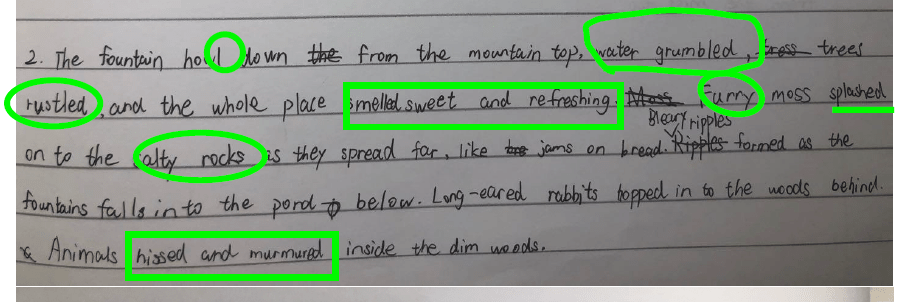
As the semester went on, Emma showed development in her writing skills, and began to incorporate more advanced literary techniques. In an assignment on describing landscapes, Emma was able to create a strong image using precise vocabulary and figurative language.
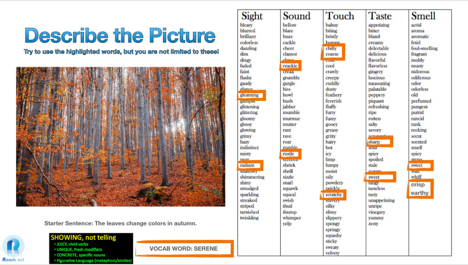
“Furry moss splashed onto the salty rocks as they spread far, like jam on bread. Bleary ripples formed as the fountain fell into the pond below.”
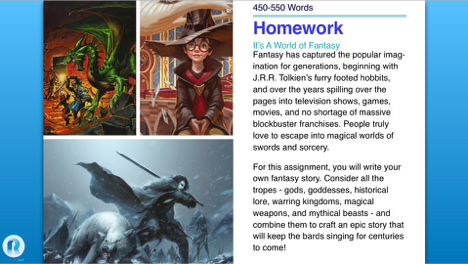
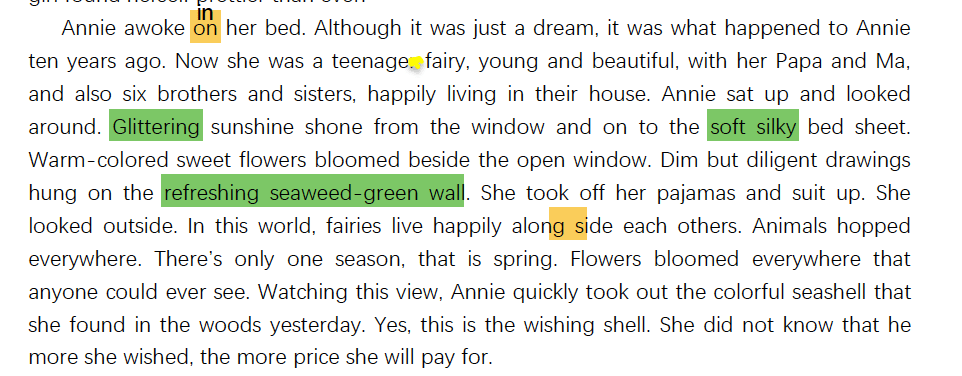
Emma continued to apply the lessons she learned throughout the course, and her ability as a writer became stronger. In a recent assignment on writing a Fantasy Narrative, Emma constructed the setting and character of her story deliberately and effectively.
“Glittering sunshine shone from the window and on to the soft, silky bed sheet. Warm colored sweet flowers bloomed beside the open window. Dim but diligent drawings hung on the refreshing seaweed-green wall.”
As you can see, Emma displays characteristics of a promising young writer. Her determination to improve, and careful application of the lessons taught have helped to elevate her writing to a more advanced level.
Thank you Emma, for being such a STAR! We look forward to seeing your growth for a long time to come. We know this is only the beginning of a brilliant journey.
Kouluttajina, meiltä on usein kysytty kysymys, "Kuinka saan lapseni lopettamaan sarjakuvien lukemisen??” Parents are worried that comics do not provide educational value, eivät ole akateemisesti tarpeeksi tiukkoja, tai mikä pahinta, lapsensa ajan hukkaa. Tähän, vastauksemme yleensä yllättää heidät, and that answer is, “Let them read comics!”
It’s understandable that parents would be a bit concerned as the perception is that comics are purely for pleasure reading, however, comics have many benefits beyond helping us pass the time.
Comics and graphic novels are not new forms of writing. Of course, they have been enjoyed by many for generations. Over the years, the genre has changed into one with considerable depth and meaning, which is why we encourage parents to not only allow their children to read comics, but also to support them in doing so.
Here are our top reasons comics should be read (especially in the summer!):
For students who are not native English speakers, comics provide a great way for them to begin enjoying English literature. For many children, the task of going from an English language textbook to a novel can be very daunting, but comics can provide a necessary bridge for them to build confidence as well as reading fluency. The visual cues in the pictures allow students to create a deeper understanding of the plot and characters as well as new vocabulary. Lisäksi, it introduces them to effective literary devices, such as onomatopoeia (think POW! SMACK! ZOOM!) and idioms (an illustration showing the meaning of an idiom like, “Cat got your tongue?” makes much more sense than heating the idiom on its own!).

2.Enhancing Inference
Inference is a key reading skill that many students struggle with on standardized reading assessments. Inference happens when we draw conclusions based on what we read. Some examples of questions students will encounter during reading comprehension tasks or assessments are those such as, “How did the character feel when?”, “What can you conclude about…” and “What was the lesson in the story?” Comics require that students “read between the lines” to infer information that is usually told by the narrator in a novel, so they can gain a lot of valuable experience in strengthening this skill by reading comics.
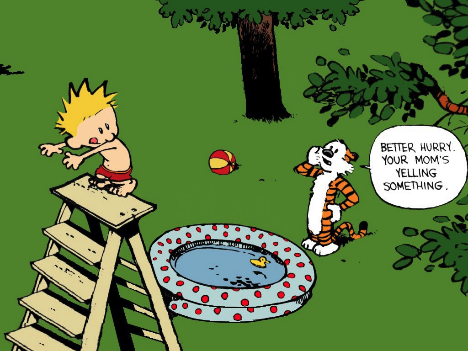
3.Word Power!
Often in comics and graphic novels, writers include quite advanced vocabulary, both as part of the story line as well as in the names of the characters. In 2016 at the world famous Comic-Con in San Diego, California, a panelist of educators discussed the power of comics in building students’ vocabularies. James Bucky Carter, author of Building Literacy Connections with Graphic Novels said, “You have Colossus, and he’s this big, giant metal guy. You get a really good sense of what the word colossus means and that’s a good 10-cent word. Banshee’s power is screaming. You have these characters that embody the vocabulary words that they are. That’s something that’s a fun way to learn new words, in addition to the contextual clues.”
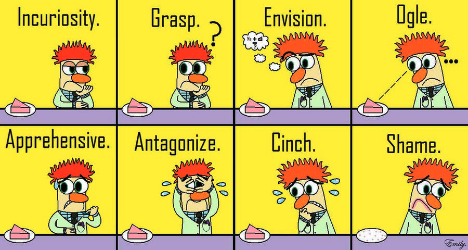
After reading this you may just want to let your child dive right into reading comics or graphic novels! That’s music to our ears. If you are not sure where to start, we have some student favorites your child might like to try!
Dog Man by Dave Pilkey

Miles Morales Spider-Man by Jason Reynolds

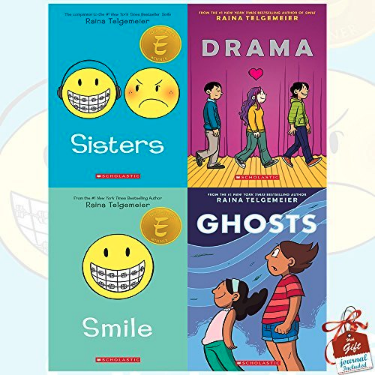
Smiles, Sisters, Ghosts, Drama and Other Stories by Raina Telgemeier
Bone by Jeff Smith

Looking for more summer reading opportunities for your child? Contact one of our Education Consultants for more information about our summer reading courses. We look forward to reading with your child!
Tenttikausi on täällä, ja se voi olla erittäin stressaavaa aikaa sekä opiskelijoille että vanhemmille. Reach Outilla haluamme tehdä parhaamme helpottaaksemme kokeen ahdistusta tarjoamalla ainutlaatuisia opiskeluvinkkejä, joita et ehkä ole kokeillut.
Conventional wisdom of studying has often been followed by many parents and teachers who mean well, however, if we look at some interesting research-based approaches we can see that there are a variety of effective ways to study! It’s always good to try new things, especially for children. They can experience new ways of doing things when they are young, and when they are a bit older, they can choose the way best suited to their own personal needs and style.
Nyt, let’s take a look at three unique ways to study.

Variety is the Spice of Life-Even When Studying
For many, many years we've been told that in order to study well, we should study in the same place every day; a place that is quiet, well lit, and has all our materials. While this might be true for some of the time we are studying, research shows us that our brains actually do better when we vary the location in which we are studying. Quite surprising, right?
In a study done all the way back in 1978, college students were given 40 vocabulary words to study. One group was told to study the list twice in the same location. The other group was told to study the list in two different locations. What they found was, the group that varied their studying locations actually performed better on remembering the words later. Now why is that? Hyvin, our brain often makes connections to information based on our environment, so the more we vary our environment, the more we are giving our brains a chance to retain information as it will attach to more things. This may also be why one visualization technique, where one visualizes things they wish to remember to certain places in an environment they are familiar with, can be so effective as well. For students, simply switching up the environment might do the trick!
Have Fun!
Some parents might mistakenly think that if their child is laughing or getting excited while learning or studying, they might be wasting their time. However, this is not necessarily the case.
As a parent, in your work or office you might have special workshops from time to time. The workshops are usually used as a tool to help you learn about a new strategy, idea, or information that will help you learn more at work. These sessions are often run by people who specialize in creating motivating and inspiring workshops that invigorate and energize employees. The days can be long and intense, but if they are done right, employees can walk away confident in their new knowledge and skills.
The same rings true for young people. Introducing game play and fun as a way to study for exams not only makes your child smile, but research indicates that having fun while learning activates certain cognitive resources, associates rewards and pleasure with learning, strengthens and broadens memory networks, and toggles abstract thinking and focused attention.

The Pomodoro Technique
Staying focused, on-task and motivated to complete certain activities can be difficult for both adults and children alike. Have you ever felt like you have been staring at a computer screen for hours, but accomplished very little? Or maybe you have a deadline in a few days, but are only inching towards the finish line? It’s no wonder, as research shows that our mind tends to wander up to 20% of the time, perhaps even more for younger people.
One interesting technique was created by college student Francesco Cirillo as a way to help him stay focused, and that is the Pomodoro Technique, which got its name from the tomato shaped timer Cirillo used while testing this strategy on himself. How it works is you set a timer for 25 minutes, which is work time. Then set it again for 5 minutes, which is break time. This is a great time to get up, stretch, take a lap around the house, pet your cat, or get a drink of water or a snack. After break time is up, set the timer for another 25 minutes and repeat!
It turns out that this strategy is backed up by scientific evidence, as researchers concluded that short breaks help keep your attention span on track. This might be related to the fact that cognitive boredom can lead to an unengaged mind, which is the last thing you want when studying for an important exam.
We hope you have enjoyed exploring these unique study tips as much as we have! Wishing your child the best of luck on exams this month. Jiayou!
We know that there is so much we can do to nurture and educate our children, which is why as parents we often go to great lengths to fill their time with enriching activities and classes. Why do we do this? For many reasons of course, but the main goal is to ensure their future success. Parents hope that their children will be even more successful in life than they were themselves. Success, of course, is subjective, and we may all have our own definition of success. Generally however, we might agree that success includes feeling content in one’s personal life, as well having a sense of career satisfaction and financial security.
Recently there has been an intriguing TED Talk being shared on social media, in which former Dean of Freshman at Stanford University, Julie Lythcott-Haims, cites evidence from the Harvard Grant Study that correlates professional success in life to individuals having done chores as children. Not soccer training, not language learning, not painting, but chores.
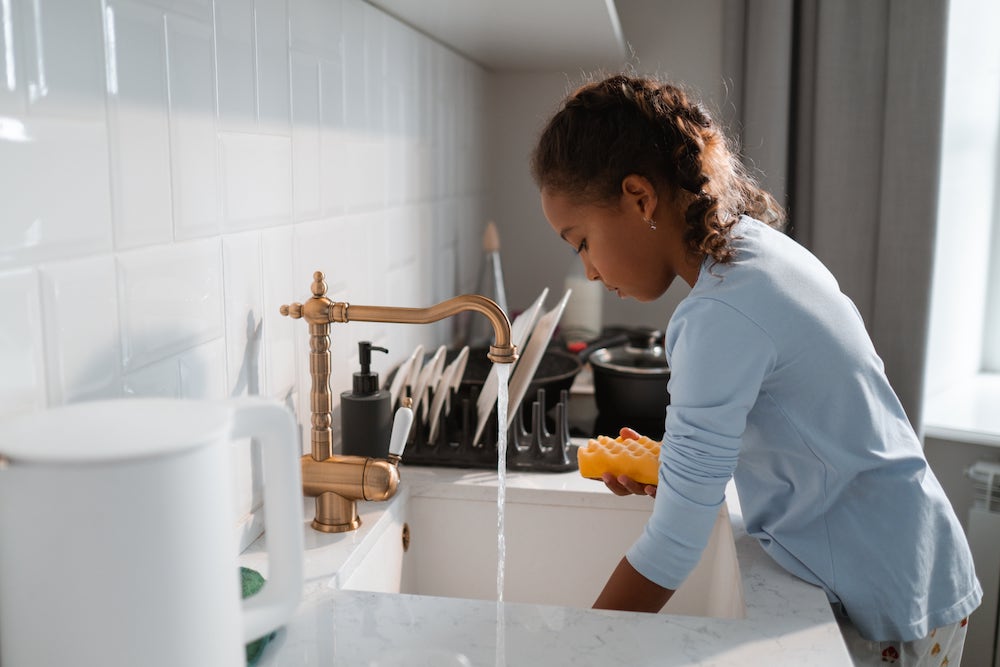
Surprising right?
Many of our children growing up in big cities may never know what it’s like to scrub a dish, wash a window, or mop a floor. We might feel like there are more important things to do to build their knowledge and their character. Lythcott-Haims explains that those children who do get their hands dirty, however, may reach a level of success in life that surpasses their no-chore-doing peers. That is because it teaches students how to contribute and step up when work needs to be done, and that doing the “grunt work” that others might scoff at, because it is what is best for all, is what gets noticed in the workplace.
The workplaces of the high-achievers who took part in the Harvard Grant Study were notable, such as the White House, where participant President Kennedy worked, and the editor’s office where Ben Bradlee sat as editor of The Washington Post. We can assume that their parents, like us, had to prod and plead for the chores to be done, and accept that even if they were done, they might not have been done well; and that’s okay.
The important thing, as Lythcott-Haims points out, is that by doing chores, children realize that they, “…have to do the work of life in order to be part of life.” They realize that life does not just happen to them, and for them, but with them.
If your children are already doing chores as part of their daily summer routine, bravo! You are on the right track. If not, no need to panic. It is never too late to introduce chores into the lives of our children. Here are some tips to help get you started!

Let Them Be a Part of It
When introducing the concept of your children completing chores to help, have a “family meeting” where everyone is present to discuss what will be expected of your children and why. You can ask your child to help you write a list of chores they could potentially help with around the house. They might surprise you with their enthusiasm as doing chores is very exciting for some children because it makes them feel empowered and helpful (two things we often like to feel as adults).
Game-ify It
To make things fun, because fun makes everything better, you or your child can write the chores on popsicle sticks and each day your child can choose one stick from the jar. That will be their chore for the day! If you have more than one child at home, you can always turn cleaning into a competition by setting a timer and seeing which child can clean the most toys in the given amount of time, for example.
Reward It
Vanhempana, we are rewarded for our contributions at work with a salary. Shouldn’t our children also be rewarded for their hard work? One idea is that if your child completes all of his or her chores for the week, he or she can choose a small toy from a “treasure box” filled with small toys. Another option could be that if your child consistently completes chores for a month, they can choose an extra special family outing.
Teaching our children to do chores is not always easy, but the potential benefits are worth the time and effort. We hope you found our tips useful, and that they can help lead to a positive experience for you and your child. Happy cleaning!
We are pleased to announce a new summer book club, just for parents! Summer is the perfect time to read that book you have always wanted to read, but have not had the time to. This summer, we invite you to join us in reading Kuinka puhua niin, että lapset kuuntelevat ja kuuntele niin, että lapset puhuvat.
We know it is not always easy to connect with our children because of the demands of school, work and daily life. Sometimes our anxieties about the future interfere with us living our lives right now. However, one thing we can guarantee is that we will never get another chance to experience childhood with our own children, and we don’t want to miss out on this precious time. Niin, how can we make the most of it and have meaningful conversations with our children that will strengthen our bond and help our children feel supported? These are big questions many of us have.
To help us answer these important questions, we invite you to join us in reading one of the most popular parenting books of all time, written by Adele Faber and Elaine Mazlish. How to Talk So Kids Will Listen and Listen So Kids Will Talk, which teaches us how to accept our children’s feelings, as by not doing so we could be unwittingly causing bad behavior. It also teaches us positive ways to encourage cooperation, as well as independence, autonomy, and self-confidence. These are all the ingredients needed to help nurture a positive parent-child relationship that will indeed help to grow our children into confident and capable adults.

How Will It Work?
The first step is to contact one of our Education Consultants to register. Registration is FREE and open to everyone! We will create a group chat where the book study content and sharing will take place starting on July 1st. Lindsey Fine, our Education Manager, will be joining the group as a parent as well, as she is a mother of two boys, aged 4 ja 6, who will be learning along with you. She will also be helping to lead the weekly discussions.
The book can be found in English and Chinese and easily accessible in print, e-book, or audiobook formats.
Then there are two options for how you would like to participate:
The reading schedule is as follows:
Week 1: Chapters 1 & 2
Week 2: Chapters 3 & 4
Week 3: Chapters 5 & 6
Week 4 Chapters 7 & Afterword
At the end of the month, we will host an online workshop led by School Counselor, Regina Wehner. At the workshop, Regina will share additional information and strategies you can use to strengthen your relationship with your child.
About Regina Wehner

Regina Wehner is a Licensed School Counselor that has worked with students in Middle School for over 16 years. Originally from the United States, she lives with her husband and 2 children, ages 10 ja 12, in Beijing, China.
Regina works at the Western Academy of Beijing (WAB), a diverse international school. A big part of being a school counselor is helping students learn about themselves and others as they are growing. Regina also hosts monthly Parent Coffee Mornings to bring parents together to learn more about their children's developmental changes and how to communicate during these times of transition.
Contact us today to join!
Helping Your Child Learn New Vocabulary
Research indicates that if we want students to succeed in the academic context, on important assessments and high-stakes exams, as well as their future careers, we must help them develop their vocabulary. The reason for that is this: our understanding of new information is directly linked to our understanding of the vocabulary used to communicate that new information.
For students, increasing their vocabulary is one key to success in mastering a language; the more words we know, the more words we understand, and the more words we can use in our writing to make it more impactful and effective. However, learning now vocabulary is sometimes viewed as a tedious or elusive process. Sometimes parents are not sure how to guide their children, especially as the way we approach vocabulary study study may vastly differ from the way parents studied it when they were in school.
Don’t worry, Reach Out is here to help! Let’s explore vocabulary acquisition (the process of memorizing and applying new vocabulary), and we’ll tell you how you can help your child build their vocabulary!

Talk About It!
It might seem overly simple, but when it comes to learning new words, one effective way young people do it is by talking with others. Children learn new words best when they are in context, such as in a conversation about a certain topic. They can infer a bit of new words’ meanings based on how they are used along with the other words they are already familiar with.
You have likely been interrupted by your child on many occasions when you use unfamiliar vocabulary and they curiously ask, “What does disaster mean?” You might have been referring to the state of their bedroom (as in it is a complete mess), and by taking a moment to explain the multiple meanings of disaster to them, you will not only have taught them a new word to describe a messy room, but also a failure or a naturally occurring phenomenon, such as a natural disaster.
Niin, talking with your child is a great way to teach them new words!
Explore It!
Students generally understand that they can use a dictionary or a translator if they encounter a word they do not know, but sometimes even the definition of a word might leave them with more questions than answers.
In our experience, many students do not utilize one very important tool for learning and applying new vocabulary, and that tool is a thesaurus! If you notice your child overusing a word when speaking or in their writing, for example, “pretty”, “cute”, “good”, or “bad”, then take some time to show them how to use a website such as thesaurus.com to look those words up. When they search for the word such as “pretty” they will see that there are so many interesting and unique words to use instead! I
In our experience, students really enjoy using new vocabulary, and feel empowered to know there is a tool to help them make their words mightier.
Play!
Having fun while learning isn’t just something teachers do to make students happy, it’s actually been proven by neuroscience to be an effective way to help students learn more and more deeply. Research shows that when students are both stimulated and challenged, their brains release dopamine. Dopamine is a neurotransmitter that stimulates the memory centers and promotes the release of acetylcholinem, which increases focused attention.
In our courses here at Reach Out, vocabulary instruction is an important part of each lesson. We also have courses launching this summer, Vocabulary Builder Levels 1-3, in which we will focus exclusively on helping your child expand their vocabulary knowledge with challenging new words. While the words chosen offer the challenge, tools like Quizlet and games such as Guess Who and Sentence Racer provide students with the chance to interact in a meaningful and engaging way.

How do we know these methods are effective? Because our decades of experience, and study of educational psychology and methodology have taught us how students learn best!
We would love to help your child learn new vocabulary as one of the ways he or she can become an effect more effective and successful reader, writer, and speaker. To learn more about how we can help, ota yhteyttä koulutuskonsulttiimme jo tänään!
If you are looking for a more individualized educational service, Reach Out offers 1-on-1 services with our expert educators!
What do We Offer?
Our teachers offer a wide range of 1-on-1 subjects including English, Social Sciences, and Maths.
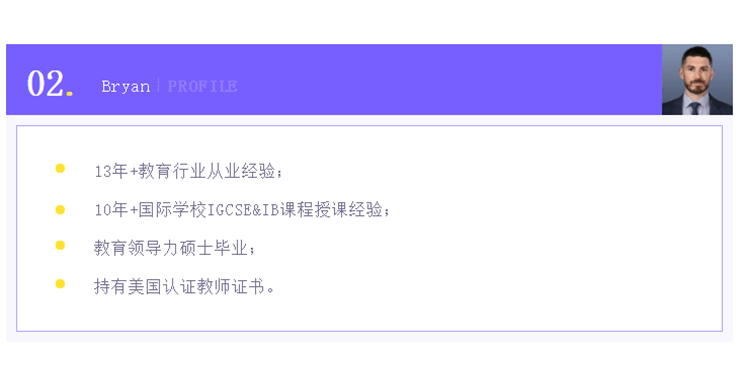
Meet some of our highly qualified and experienced teachers!



Why Should I Choose 1-on-1 Services?
Perhaps your child is preparing to study abroad or applying to a new school and he or she would like a more intensive and targeted approach in order to polish his or her skills. Alternatively, your child might not feel challenged enough with his or her current curriculum, and needs an alternative approach that is more appropriate for his or her ability level.
There are a number of reasons a parent might be searching for services such as this, and we can assure you that we will always work to understand you child’s unique situation and provide the service that is best for them.
How Does it Work?
With our hands-on approach, and orientation process, we will assess your child’s knowledge and skills based on current assessment data, writing ability, ja enemmän. Based on our findings, we will select the teacher best suited for your child’s needs. All of Reach Out’s teachers have been carefully selected, and have years of experience in teaching challenging curriculums, such as IGCSE, IB, ja AP, in top schools from around the world.
Our process is goal-oriented. We find out exactly what your child needs to reach their educational goals, and then we create a unique and tailor-made learning path that will best suit your child’s particular needs.
What Else Does Reach Out Offer?
In addition to 1-on-1 services, Reach Out offers a wide variety of courses specifically designed to challenge and engage your 2nd to 8th grade child with above grade level content in order to help them prepare for the rigor of programs such as IGCSE, IB, ja AP.
How Can I Learn More?
To find out more about our 1-on-1 services, please contact one of our Education Consultants today to find out more! We look forward to helping your child reach his or her educational goals for a bright future!
Keitä olemme
Kuten olet ehkä huomannut, Olemme kasvaneet ja meillä on joitain jännittäviä lisäyksiä siihen, mitä tarjoamme täällä Reach Outissa. Kuten siitä onkin aikaa, kun esittelimme itsemme, ajattelimme jakaa tarinamme kanssasi auttaaksemme sinua ymmärtämään paremmin keitä olemme ja mitä teemme!
Tehtävämme
Reach Outin missiona on yhdistää opiskelijat asiantunteviin opettajiin, jotka luovat ja toimittavat alkuperäistä, inspiroivaa, maailmanluokan opetussuunnitelmia. Olemme aloittaneet tämän matkan, jotta voimme auttaa oppilaita ymmärtämään, kuinka löytää oma ainutlaatuinen äänensä ja paljastaa heidän jokaisen sisällä olevat luovat ja arvokkaat ideat.. Äänensä kanssa, heillä on valta muuttaa maailmaa, ja haluamme antaa heille valtuudet tehdä niin.

Visiomme
Reach Out pyrkii olemaan kansainvälisesti tunnustettu oppilaitos, joka mahdollistaa opiskelijoiden pääsyn huipputason kansainväliseen opetussuunnitelmaan ja kouluttajiin, riippumatta siitä, missä päin maailmaa he ovat. Opiskelijamme ovat tarkkaavaisia, utelias, ja kriittisiä ajattelijoita, jotka tekevät tietoisia valintoja erinomaisina ongelmanratkaisijana ja kommunikaattorina. Reach Out -opiskelijat saavuttavat akateemiset ja henkilökohtaiset tavoitteensa ja unelmansa peruskoulusta yliopistoon, asettamalla loistavat tulevaisuutensa käden ulottuville.
Perusarvomme
Nämä ovat periaatteet, jotka muodostavat Reach Outin:
Meidän tarinamme
Reach Outin loi pieni ryhmä omistautuneita äitejä, ehkä paljon kuin itsesi. Heidät yhdisti yhteinen visio lastensa koulutustarpeista. Jotkut etsivät koulutusohjelmaa, joka voisi tarjota lapsilleen pääsyn ideoihin, filosofian opettaminen, ja metodologia, joka vastasi sitä, mitä he olivat kokeneet ulkomailla asuessaan. Toiset etsivät kansainvälistä opetussuunnitelmaa, johon heidän lapsensa voisivat päästä rikastuttamaan koulutuskokemustaan Kiinassa. Heitä jakoi yhteistä halu tiukasta ohjelmasta, joka avasi ovet myös luovalle ja kriittiselle ajattelulle, itseheijastus, ja henkilökohtainen ilmaisu - vahvan kansainvälisen opetussuunnitelman tunnusmerkkejä. Vietettyään paljon aikaa eri vaihtoehtojen tutkimiseen, nämä äidit eivät löytäneet mitään, mikä vastaisi heidän lastensa tarpeita.
Niin, he tekivät sen, mitä jokainen hyvä äiti tekisi, annettu mahdollisuus, ja löysivät oman tapansa tarjota lapsilleen parhaat mahdolliset oppimismahdollisuudet, jotka on suunniteltu auttamaan heitä menestymään. He kuulivat asiantuntevia opettajia ja työskentelivät muiden vanhempien kanssa selvittääkseen, kuinka he voisivat parhaiten vastata muiden lasten tarpeisiin, joilla on samanlaiset tavoitteet. Lapset, toivomme, kuten sinun.
Vanhemmat olivat sitoutuneet:
Olemme iloisia voidessamme todeta, että nämä äidit ovat saavuttaneet tavoitteensa. Nykyään Reach Out tarjoaa täydellisen valikoiman tiukkoja mutta mukaansatempaavia kursseja, joilla opiskelijat oppivat syvällisesti pitäen hauskaa ja luomalla merkityksellisiä suhteita opettajiinsa ja kollegoinsa.
Kaikki tämä johtuu perustajaäidemme sitoutumisesta lastensa koulutukseen ja onnellisuuteen.
Mikä tekee meistä ainutlaatuisia?
Ymmärrämme, että vanhemmilla on monia valintoja, kun on kyse ohjelmista, jotka rikastavat heidän lastensa koulutusta, uskomme tarjoavamme monia ainutlaatuisia ominaisuuksia, joita ei ole helppo löytää muualta.
Tiimimme koostuu erittäin ammattitaitoisista ja kokeneista opettajista, jotka ovat luoneet ainutlaatuisen ja tiukan ohjelman, joka perustuu kansainvälisiin koulustandardeihin, joka valmistaa nuorempia opiskelijoita ottamaan tiukat opetussuunnitelmat, kuten IGCSE, IB, ja AP.
-Yksittäiset ohjelmamme ja opetussuunnitelmamme on suunniteltu ylittämään opiskelijoiden koulutustarpeet
-Opetusfilosofiamme innostaa ja voimaannuttaa opiskelijoita, ja opetusmetodologia, jonka avulla opiskelijat voivat tutkia tietoa laajasti ja syvällisesti ja samalla kehittää rakkautta oppimiseen
-Sitoutumisemme opiskelijoiden menestykseen pitkällä aikavälillä, kun pyrimme varustamaan heille välttämättömät taidot, joita he tarvitsevat menestyäkseen tulevalla urallaan ja koulun jälkeisessä maailmassa
- Yksityiskohtainen palaute, jonka annamme kaikkien opiskelijoiden arvioiden yhteydessä, jotta opiskelijat tietävät missä he menestyvät ja missä he voisivat kehittyä, sekä lisämateriaalit ja ohjeet, joita tarvitaan auttamaan opiskelijoitamme korjaamaan ymmärryspuutteita
-Omistaudumme kehittämään oppilaidemme kriittistä ajattelua ja ongelmanratkaisutaitoja, mikä on välttämätöntä heidän tulevaisuudelleen, sekä globaalin yhteiskuntamme tulevaisuus
-Lupauksemme palkata koko opetus- ja ei-opetushenkilöstömme heidän molemminpuolisen intohimonsa koulutusta kohtaan
-Kykymme antaa opiskelijoille mahdollisuuden käyttää kieltä, tietoa, ja taitoja, joita he hankkivat kehittääkseen itseään luokkahuoneen ulkopuolella ja uteliaisiksi, elinikäiset oppijat, jotka asettavat haasteita ja pyrkivät siihen, täyttävä, ja arvokkaita tavoitteita.
-Meidän käytännön, yksilöllinen lähestymistapa oppimispolun luomiseen opiskelijoillemme niin, että riippumatta siitä, millä luokkatasolla he ovat liittyessään meihin, ne varustetaan tarvittavilla työkaluilla kehittyäkseen ja kasvaakseen nopeasti
-Sitoumuksemme antaa asiakkaillemme tietoa ja kokemuksia, jotka auttavat heitä tekemään ehdottomasti parhaat valinnat lapsensa koulutukseen tarjoamalla informatiivisia artikkeleita, videoita ja työpajoja.
Opetussuunnitelmamme
Blue Line -opetussuunnitelmamme, joka sisältää kursseja Gradesin opiskelijoille 2 to 8, sen suunnittelivat asiantuntijakouluttajat, joilla on korkeatasoinen tutkinto ainealueillaan ja jotka ovat viettäneet vuosikymmeniä joissakin maailman parhaista kansainvälisistä kouluista. Käytämme taaksepäin suunnattua opetussuunnitelmasuunnittelua ohjelmien ensimmäisestä vuodesta lähtien, kuten laajalti tunnustettu ja arvostettu IGCSE-ohjelma..
Kouluttajamme ovat opettaneet vuosia kursseja ennen IGCSE:tä, IGCSE, IB- ja AP- tai A-tason opetussuunnitelma, he ymmärtävät, mitä opiskelijat tarvitsevat menestyäkseen näissä ohjelmissa. Niin, Jokainen opetussuunnitelmamme osa on luotu varmistamaan, että kaikki opiskelijamme pääsevät ensimmäisen luokkapäivänsä 9 itsevarma olo, varustettu, ja valmis vastaamaan näiden tiukkojen kurssien vaatimuksiin.
Tarjoamme laajan valikoiman kursseja englannin oppiaineista, Matematiikka, Historia ja maantiede. Katso alta tarkemmat tiedot koko kurssitarjonnastamme.
Lisäpalvelut
Meillä on myös ilo ilmoittaa Hopealinjamme luomisesta, joka tarjoaa räätälöityjä koulutuspalveluita, jotka ottavat yksilöllisen lähestymistavan opiskelijoiden tarpeisiin. Aloitamme jokaisen opiskelijan koulutustavoitteiden ja -tarpeiden syvällisen arvioinnin, ja sitten luoda ja toteuttaa työsuunnitelma, jonka avulla asiantuntijaopettajamme ohjaavat lastasi lukion akateemisten haasteiden läpi valmistaakseen häntä lopulta osallistumaan unelmayliopistoon.
Tarjoamme myös henkilökohtaisia palveluita kaikilla tasoilla vanhemmille, jotka haluavat tarjota lapsilleen yksilöllisempää hoitoa ja ohjausta. Asiantuntevat koulutuskonsulttimme varmistavat, että lapsesi löytää parhaan kasvattajan hänen erityistarpeisiinsa ja tavoitteisiinsa.
Liity meihin!
Odotamme innolla tapaamista perheesi ja keskustelemista siitä, kuinka voit olla osa Reach Out -perhettämme; joka oppii yhdessä, välittävät toisistaan, voitetaan haasteet yhdessä, ja juhlii onnistumisia toistensa kanssa. Ota meihin yhteyttä jo tänään saadaksesi lisätietoja.
Toivomme kuulevamme sinusta pian!
Being a parent is hard. Itse asiassa, nykymaailmassamme tapahtuvien muutosten kanssa, it might just be one of the challenging moments we have had to face in decades. Muutos johtaa epävarmuuteen, ja epävarmuus voi aiheuttaa stressiä. Stressi vaikuttaa varmasti kaikilla elämämme osa-alueilla, joskus se vaikuttaa eniten suhteeseemme rakkaimpiin; especially our children.
Lapsemme voivat olla monimutkaisia (let’s face it, so can we!), ja se on pelottava tehtävä varmistaa, että jokainen liike on "oikea".. Siinä kaikki keskustelumme, demands, requests, plans, ylistys ja kritiikki merkitsevät jotain. Joka hetki, jonka vietämme puhumalla lasten kanssa, toivomme, että nämä sanat riittävät täyttämään lapsemme toivolla suuresta tulevaisuudesta aikana, jolloin tulevaisuus on niin epävarma. Ajat muuttuvat, ja tämäkin menee ohi, mutta voimme taata yhden asian, että meillä ei koskaan ole toista mahdollisuutta viettää lapsuutta lastemme kanssa.
Vanhempana, kysymme usein itseltämme, teemmekö todella oikein, ihmettelemme, kuinka voimme tulla toimeen lapsiemme kanssa, yrittää ymmärtää lapsiamme paremmin, ja joskus tunnemme olevamme syyllinen epäonnistuja, koska sanomme itsellemme, että teemme sen väärin. Usein, siitä ei ole kysymys, mutta lapsen kasvattamiseen ei ole ohjekirjaa, joka sopisi kaikille kaikissa tilanteissa. Varma, neuvoja on paljon, valtava määrä sitä, mutta taas, most advice is just that; opastusta ja suosituksia ihmisiltä, jotka eivät tunne sinua tai lastasi. Some of it is helpful, ja osa siitä… ei niin paljon.
Yksi asia, jota emme kuitenkaan voi kiistää, on vanhemman ja lapsen välisen terveen suhteen merkitys.
Tutkimukset osoittavat sen:
It is essential to make the time to nurture a relationship with your child, ja ehkä vielä tärkeämpää, varmistamalla, että vuorovaikutus lastemme kanssa tuona aikana on positiivista. Tämä on asia, jonka monet vanhemmat pitävät haastavana, Siksi loimme kirjalle emokirjakerhon Kuinka puhua niin, että lapset kuuntelevat ja kuuntele niin, että lapset puhuvat Adele Faber ja Elaine Mazlish. Yhdessä opimme tapoja kommunikoida positiivisesti lasten kanssa vahvistaaksemme siteitämme. Käytimme aikaa keskustelemalla kirjan ideoista, sekä tapasi virtuaalisesti roolileikkiä joitakin kirjan strategioita. Sen päälle, kutsuimme yläkoulun ohjausneuvojan, Regina Wehner, tarjota vanhemmille työpaja lapsemme kognitiivisen ja emotionaalisen kehityksen ymmärtämiseksi.
Tässä on joitain kohokohtia, jotka haluamme jakaa kanssasi!
Ensimmäinen, alkaen Kuinka puhua niin, että lapset kuuntelevat ja kuuntele niin, että lapset puhuvat, tässä on kaksi suosikkistrategiaamme:
Lapsilla on vaikeuksia säädellä tunteitaan, koska aivojen emotionaalinen säätelykeskus on yksi viimeisistä kehittyvistä. Tämä tarkoittaa, että he tarvitsevat apuamme myötätunnon ja mallin muodossa. Tämä voi olla niin haastavaa, varsinkin kun meillä voi toisinaan olla vaikeuksia hallita omia tunteitamme! Meillä on sinulle helppo strategia, joka vaatii vain kaksi asiaa:
Kun lapsesi tulee kotiin järkyttyneenä jostain koulussa tapahtuneesta, sen sijaan, että luennoimme ja tarjoamme viisaita neuvojamme, voimme yksinkertaisesti kuunnella heidän huolenaiheitaan ja toistaa ajatukset heille takaisin. Esimerkiksi, jos lapsesi tulee kotiin järkyttyneenä ja sanoo jotain sellaista, "Uh, tänään Elizabeth ja Sarah olivat niin ilkeitä minulle! He jättivät minut täysin huomiotta ja vihaan heitä molempia nyt!”Sen sijaan että sanoisi, ”Elizabeth ja Sarah ovat parhaita ystäviäsi. Se ei ole iso asia, ja olen varma, että olet kunnossa huomenna,", mikä voi mitätöidä lapsesi tunteet, voit sanoa, "Voi, Minä näen. Elizabeth ja Sarah saivat sinut tuntemaan olosi hieman ulkopuolelle. Se luultavasti sai sinut tuntemaan olosi surulliseksi ja vihaiseksi." Tässä vaiheessa lapsesi saattaa jatkaa puhumista ja avautua sinulle, mikä on hienoa! Se tarkoittaa, että he luottavat sinuun ja sinä saat heidät tuntemaan olonsa paremmaksi. Jatka kuuntelemista, nyökkäys, sanoa, "Mmmhmm,”ja toista mitä he sanovat. Jos vain kuuntelet, saat lapsesi todennäköisesti tuntemaan 100% paremmin ja valmiina kohtaamaan seuraavan haasteensa!

2. toivon!
Lapsemme ilmaisevat usein toiveensa toivoen, että heillä olisi asioita, joita heillä ei ole, tai toivoen, että asiat olisivat erilaisia kuin ne ovat. Esimerkiksi, lapset voivat sanoa, "Toivon, ettei minun tarvitsisi tehdä kaikkea sitä läksyä." Voimme vastata, "Hyvin, teet ja siinä se!" tai "Se on mitä sinun täytyy tehdä. Se on sinun vastuullasi, joten sinun on tehtävä se nyt!”
Tämä voi kärjistyä tahtojen taisteluksi, kun vanhemmat ovat turhautuneita kuullessaan saman valituksen ja toistavat samoja perusteluja. Lapset ovat turhautuneita, koska heidän mielipiteensä kumotaan ja he tuntevat olevansa väärinymmärrettyjä. Hyvin, älä huoli, olemme täällä auttamassa! Meillä on pieni temppu, joka auttaa sinua kääntämään keskustelun, ja se on samaa mieltä lapsesi kanssa. Se voi kuulostaa ristiriitaiselta, mutta meillä on omakohtaista kokemusta tästä tempusta ja se tekee ihmeitä!
Esimerkiksi, jos lapsesi sanoo, "Toivon, että voisimme mennä puistoon tänään kuten halusin!”
Sen sijaan että sanoisi, "En voi, Olen liian kiireinen," tai "Kyllä, mutta emme voi, sataa,"Voimme sanoa, "Toivon, että mekin voisimme! Voisimme mennä puistoon piknikille! Voisimme lennättää leijaa ja puhaltaa kuplia! Miksei meillä olisi piknik olohuoneessa ja sen jälkeen voimme puhaltaa kuplia kylpyhuoneeseen!”
Ensimmäinen osa saa lapset innostumaan ja heidän mielikuvituksensa liikkeelle, viedä heidät onnelliseen paikkaan. Seuraava osa saa heidät tuntemaan itsensä kuulluksi ja yhteydessä sinuun.
Nyt, joitain kohokohtia rouvasta. Wehnerin työpaja:
*Auta minua valitsemaan nämä! :)*
Jos haluat liittyä johonkin työpajoistamme tai kirjakerhoistamme tulevaisuudessa, muista seurata meitä ja pysyä kuulolla! Meillä on hienoja asioita tulossa tänä syksynä!
Monet vanhemmat kysyvät meiltä, millä nopeimmin heidän lapsensa voi parantaa kirjoitustaan. Uskomme vakaasti, että todella tehokkaaksi ja taitavaksi kirjoittajaksi ei ole oikoteitä, on joitain asioita, joita opiskelijat voivat sisällyttää kirjoittamiseensa, jotta ne voivat viedä sen seuraavalle tasolle tehokkaammin. Kuten kaikessa, jota yritetään hallita, avain menestykseen on kovassa työssä ja toistossa. Näiden taitojen säännöllinen harjoitteleminen auttaa lasta saavuttamaan koulutustavoitteensa.
Tämä artikkeli on ensimmäinen artikkelisarjassa, joka keskittyy erityyppisiin kirjoittamiseen soveltuviin taitoihin. Tällä viikolla, keskitymme kuvaaviin kirjoitusvinkkeihin.
Kuvaavia kirjoitusvinkkejä:
Kuvaava kirjoittaminen on todellinen taiteen muoto, koska sen tarkoituksena tulisi olla kuvan luominen lukijoiden mieliin. Tarinaa ei voi kertoa pelkästään toiminnasta ja dialogista, eikä runossa voi välittää syvää merkitystä ja tunnetta maalaamatta kuvaa sanoillaan.
Yksi tehokas tapa kunnostautua kuvauksessa on lisätä adjektiiveja ja adverbejä aina kun mahdollista. Esimerkiksi, jos lapsesi kirjoittaa tarinaa, hän saattaa kirjoittaa jotain vastaavaa:
"Harry meni ulos ja alkoi etsiä ystäviään."
Vaikka tämä lause välittää perusmerkityksen, sen vaikutus lukijaan on myös perus. Lisäämällä kuvailevaa kieltä adjektiivien ja adverbien muodossa, voimme lisätä lauseeseen kuvia nopeasti ja tehokkaasti:
"Harry sulki etuovesta vetoketjun, sulkemalla sen perässään. Hänen sydämensä sykkii, kun hän juoksi ympäri naapurustoa innokkaasti etsiessään ystäviään."
Uudistetussa lauseessa, näemme kuvauksia, jotka kertovat meille paitsi tapahtuvasta toiminnasta, mutta myös auttaa meitä tuntemaan hahmon tunteita, tärkeä osa tarinankerrontaa.

Toinen hieno tapa tehdä tarinasta tai runosta tehokkaampi on lisätä kuvaannollista kieltä, kuten vertaukset. Vertailut ovat vertailuja, joissa käytetään like- tai as-muotoa, joita voidaan käyttää auttamaan lukijaa kuvittelemaan mitä tapahtuu selkeämmin.
Esimerkiksi, lapsesi saattaa kirjoittaa jotain tällaista:
Olin niin onnellinen!
Se oli niin söpö!
Hän oli niin peloissaan!
Voimme lisätä vertauksia entistä paremman tuloksen luomiseksi:
Olin onnellinen kuin kissanpentu lankakaupassa.
Se oli suloinen kuin pandavauva leikkimässä lumessa.
Hän oli peloissaan kuin kani, joka juuri kuuli suden ulvomisen.

Viimeinen vinkkimme kuvaavaan kirjoittamiseen on valita sanasto, joka on niin tarkka, että se viestii täsmälleen sen, mitä kirjoittaja haluaa lukijan tuntevan. Usein, opiskelijat kirjoittavat kuvauksia, jotka ovat hieman epämääräisiä, sellaisilla lauseilla:
Hän oli hyvin väsynyt.
Elokuva oli erittäin tylsä.
He olivat hyvin kylmiä.
Huone erittäin kuuma.
Uudelleen, näillä lauseilla on yksinkertainen merkitys, mutta kuvailevalla kirjoituksella, se ei yksinkertaisesti riitä. Tehokas kuvaus käyttää sanastoa, jolla on vaikutusta, ja voimme saavuttaa sen valitsemalla vain parhaat sanat välittämään tarkimman merkityksen.
Katso, kuinka voimme muuttaa yllä olevat lauseet tavallisista poikkeuksellisiin korvaamalla osan lauseesta tehokkaalla sanastolla:
Hän oli uupunut.
Elokuva oli mielikuvitukseton.
He olivat jäähtyneet luuta myöten.
Huoneessa paistoi.
Hyvä uutinen on, että lapsesi ei tarvitse luottaa nykyiseen sanavarastoinsa voidakseen luoda yllä olevien lauseiden kaltaisia lauseita. Tesaurus sisältää kaikki sanat, joita he tarvitsevat ikimuistoisten kuvausten luomiseen.
Toivomme, että näistä vinkeistä oli apua! Jos haluat, että lapsesi oppii soveltamaan näitä taitoja käytäntöön yhden intohimoisen opettajamme kanssa, Pysy kuulolla uusista kesän ja syksyn kursseistamme tulevista ilmoituksista!
Ensi viikolla, katsomme vakuuttavia kirjoitusvinkkejä!
Tell us a bit about yourself.
I grew up in five different countries (Sweden, England, Germany, South Africa, and Canada). Integration into a diverse spectrum of cultures growing up has made me see the world with an open mind. I currently reside in Canada and work as both a university lecturer and a Math teacher at Reach Out. Outside of work I really enjoy sports such as badminton and chess, which I played at a competitive level for many years.

What is your educational background and qualifications?
I received a Bachelor of Science Degree from the University of British Columbia (UBC) and an obtained my MSc at the same university. My graduate work involved experimental geoscience where I designed an apparatus to investigate how diamonds reach the surface of the Earth through high velocity magmas. I published articles in two high impact journals and presented the work across Canada and Europe.
During my graduate studies I had the privilege of lecturing a few classes which transitioned into a lectureship position. Teaching at the university level involves lecturing a class of over 200 opiskelijat, which is very different to the work I do at Reach Out, but has helped me develop a dynamic teaching style.
Additionally, I have been teaching Math and Science both privately and through educational organizations for over 6 vuotta.
Why did you join Reach Out?
I joined Reach Out because the prospect of being able to deliver high quality education from around the globe without border restrictions resonates with me.
I feel that the reason I am committed to staying at Reach Out is more important. The personalized classes being delivered has allowed me to connect with the students, making their progression much more meaningful to me. Some students have been together with me through multiple grade levels and I feel immensely proud to have played a role in their education.
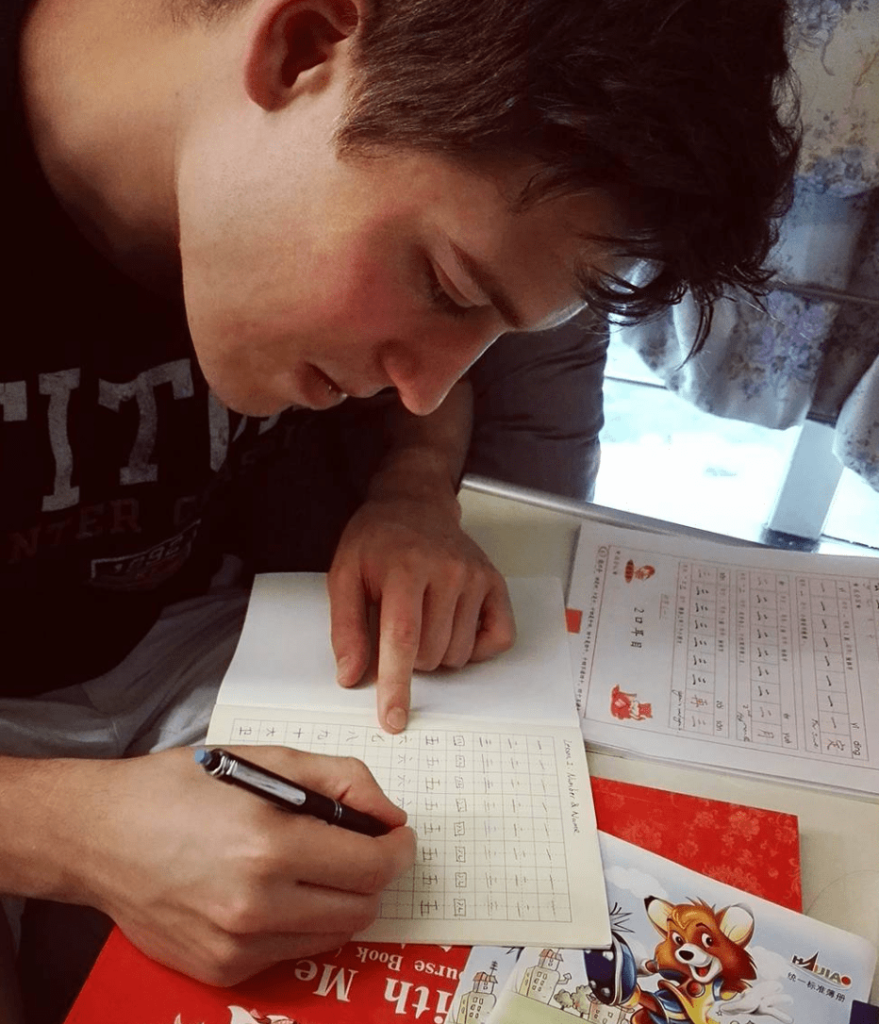
What is your educational philosophy?
Having a background in experimental science has allowed me to see value in making breakthroughs through experimentation. By allowing students to experiment with different methodologies while offering guidance is an extremely effective way of teaching students to not be afraid of failure. Richard Fuller correctly said, “There is no such thing as a failed experiment, only experiments with unexpected outcomes.” Students often start my classes afraid to answer questions, discuss with their classmates, or write on the board since they don’t know the answers. Since I am always more focused on solutions rather than answers, students’ are rewarded for trying new techniques, discussing failed methods, and asking questions about their classmates’ work. I found this to produce a phenomenal learning environment and takes a lot of pressure off the students.

What is your favorite thing about teaching Math?
My favorite thing about teaching Math is the exciting challenges it provides. After teaching Math for many years, I have come to realize that students see the world from a unique perspective, which more often than not, is very different from my own. This diversity produces a wide spectrum of learning styles and requires me to stay very flexible with the methodologies I use in my teaching.
Math is a complex subject which has provided us with a universal language to better understand the universe that surrounds us. Having a good problem solving ability is a byproduct of learning Math and crucial for success in the modern world. For these reasons I have the responsibility to transform a traditionally dry and boring subject into something exciting by creating compelling lessons and using creativity to inspire my students. This will always be something I love about my job.
Who is your favorite mathematician and why?
This is a tough question, and it’s hard to pinpoint one Mathematician since I utilize the works of so many Mathematicians in just one lesson. If I had to pick it would be either Johannes Kepler or Nicolaus Copernicus since I also love astronomy. Their Math not only challenged everything that was believed about our solar system at the time, but also formed the foundations for understanding planetary motion. Space travel has relied heavily on these concepts.
If you could only give parents one piece of advice when it comes to helping their child improve in Math, what would it be?
One thing I have worked on a lot with my students, is getting them to explain their solutions to me regardless of how easy it may seem. Being able to arrive at the correct answer in certain school curriculums may not require a complete understanding, but being able to explain a solution well does require a good understanding. Make sure that your child is always showing very clear steps in their work and that they can explain their steps to you. This certifies understanding and shows they are prepared for questions which test the same concept but may be worded differently.
What is one fun fact about yourself?
I really like learning languages! After growing up in many different countries I can speak English, Swedish, and German fluently. For the past two years I have been working to add Chinese to my collection and have enjoyed the unique challenges that learning this complex language has provided me with.
Salainen puutarha on pala klassista kirjallisuutta, joka on ollut osa lukemattomia lapsuuksia (jos unohdat artikkelimme siitä, miksi lasten pitäisi lukea klassisia romaaneja, katso se linkitettynä alla!). Se on voimakas tarina ystävyydestä ja itsensä löytämisestä, joka resonoi sielumme kanssa.
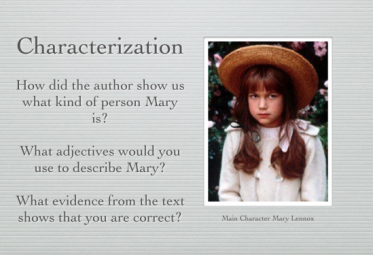
Salainen puutarha kertoo nuoresta tytöstä nimeltä Mary Lennox, joka menettää perheensä ja kaiken tutun Intian koleraepidemian vuoksi., jossa hänen isänsä työskenteli brittiarmeijan kapteenina. Lapsena, Mary oli melko laiminlyöty, mutta perheen palvelijat hemmottelevat niitä, joten hän oli hemmoteltu lapsi, jolla oli kauhea asenne. Hänellä oli hyvin vähän ominaisuuksia, jotka auttaisivat häntä selviytymään uudesta elämästä Englannissa, jonne hänet lähetettiin asumaan surkean kaukaisen sukulaisen luo, Mr. Craven.
Mr. Cravenilla oli erittäin tiukat säännöt Marylle, jota hänen oli noudatettava uudessa kodissaan Misselthwaite Manorissa Yorkshiressa, joka sisälsi sen, että häntä kiellettiin menemästä eri huoneisiin jättimäisen kartanon sisällä, sekä kiellettyä mennä johonkin rönsyilevän kiinteistön puutarhaan, joka kuului hänen rakkaalle edesmenneelle vaimolleen. Kun Mary alkaa tutkia uutta kotiaan, hän alkaa löytää onnen tunnetta ja saa takaisin terveytensä oltuaan sairaana suuren osan lapsuudestaan. Robin auttaa häntä löytämään avaimen salaiseen puutarhaan, hän löytää tarkoituksen puutarhan kunnostamisesta, niin paljon kuin hän palauttaa sisäisen minänsä. Talven piikkojen ja kuivattujen lehtien läpi, hän löytää sisällään paljon enemmän valheita.
Uusi ystävä Dickon auttoi, Mary solmii ensimmäiset ystävyytensä, ja käyttää uutta voimaaan ja ystävällisyyttään auttaakseen vuoteessa olevaa serkkuaan Colinia, jonka hän löytää piilossa kartanosta. Ystävyys vahvistaa sekä Marya että Colinia, ja lopulta, jokainen todistaa ihmettä, jonka vain nämä läheiset siteet ja usko itseensä mahdollistavat, kaksi erittäin tärkeää teemaa romaanissa.
Nuoret lukevat mielellään tätä fantastista ystävyyden tarinaa, esteiden voittamiseksi, ja kokea luonnon parantavaa voimaa. Hahmot ja heidän meille antamansa opetukset koskettavat varmasti lastasi ja auttavat häntä kokemaan suuren tarinan voiman.
Jos haluat lapsellesi mahdollisuuden kokea tämä tarina muiden kanssa, olemme iloisia voidessamme ilmoittaa sinulle, että aiomme lukea Salainen puutarha ensimmäisenä romaanina Nuorten klassikoiden tasolla 2 Kurssi tänä kesänä.
Kurssilla, emme vain lue romaania, mutta myös opimme ja käytämme uutta sanastoa kirjasta, keskustele kirjailijan käyttämistä tärkeistä kirjallisista tekniikoista, ja harjoitella yhteenvetojen kirjoittamista, keskeinen taito, jota monet opiskelijat pitävät haastavana
Jos olet kiinnostunut oppimaan lisää Young Classicsista, tai ja muista erinomaisista ja kiinnostavista kursseistamme, ota yhteyttä koulutuskonsulttiimme jo tänään! Toivomme, että pääsemme pian työskentelemään lapsesi kanssa!
Literature study is an important aspect of any excellent academic program, and that is because it helps to teach students a wide range of knowledge and skills that are essential for success in many areas of life. While studying literature, students learn about important events and people throughout history, they consider cultural perspective and increase their own understanding of acceptance of different ideas and beliefs, and they learn how to analyse the words of others in order to form a deep understanding of new ideas and ways of communicating. In short, it exposes students to a toolbox of ideas, techniques, strategies, theories, and more that they will carry with them throughout their life, shaping the way they approach the world.
Why do we offer this course?
Reach Out students typically pursue high school programs such as IGCSE, which includes challenging courses such as English Language and Literature and English as a First Language. Later, most of those students will take on the challenge of IB and AP level programs, in which they must take on the task of reading a variety of literature. Our aim is to expose students in upper primary and middle school to a wide range of advanced literature so that by the time they reach high school they possess the knowledge and skills to hit the ground running, and therefore achieve to a higher level.
This course is designed for Grade 7-9 opiskelijat.
The Objectives of our Advanced Literature Course are to:
✪ Enhance students’ ability to understand and discern literary techniques used English and American literature, and the ability to communicate the effects of those techniques;
✪Improve children's literary comprehension skills and increase their understanding of British and American culture;
✪ Under the guidance of our expert educators, learn the power of language and storytelling in a challenging yet engaging way.
Meet Our Teachers
*Insert teacher bios here for Barry, Anthony, and John*
Our Book Selections:
Cry the Beloved Country by Alan Paton

Set in South Africa in the 1940s, award-winning Cry the Beloved Country tells the story of a Zulu Pastor, Steven Kumalo, who travels from his village to the city of Johannesburg. Along his arduous and heart-wrenching journey, he discovers that his sister and son have found themselves in terrible situations that he must now face with them. The characters’ vastly different lives become unexpectedly woven together through tragedy during a dark time in South Africa’s history. However, through tragedy and challenges, the true nature of the human spirit can be found and uplift those who need it most.
Dracula by Bram Stoker

The legend of Dracula has loomed large in the minds of readers and movie-goers for generations. Bram Stoker based the infamous character of Dracula on the legend of the real life ruler of Wallachia, Vlad the Impaler. Stoker was able to take this dark corner of history and turn it into a legendary novel told through journal entries, letters and telegrams. As with any classic, Dracula has stood the test of time because it speaks to something very deep and meaningful within the human psyche.
Of Mice and Men by John Steinbeck
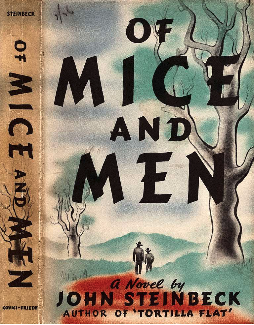
The Great Depression was a defining moment in American history that tested its strength as a nation, and placed the population in a precarious balance between life and death. In what is considered one of the greatest American classics, readers are introduced to two displaced migrant workers, George and Lennie. George is an intelligent young man, while Lennie is mentally disabled. George takes Lennie under his wing as they seek employment where few opportunities exist, trying to survive, yet still dreaming of the day they will have their own land and build a life. Their hopes are dashed when a devastating incident occurs that alters their lives forever.
What Students Will Gain
Develop an early sense of literary appreciation,
See the world from a more mature perspective
British and American classics contain thought-provoking moral and social issues. Reading the most influential classic literature thoroughly helps students become better readers, and begin the process of pursuing self-realization.
Improve understanding of culture and history
Learning allusions from classic British and American literature can help us bridge cultural differences. "The classics have opened the door to different worlds, different cultures, and different historical perspectives. Literature crosses race, culture, religion, and geography."
Self-reflection and personal growth
Many classic literature allude to our lives from the side: books that reflect similarities to our own lives are called "mirrors"; and those that give us a glimpse of different lives are called "windows." Whether it is a "mirror" or a "window", it further enriches the students' life experience and increases the courage and strength to face life.
Liity meihin!
Contact us to discover more about our course. We sincerely hope to meet your child soon, and develop a love of reading classic literature together.
It’s back to school time and we know parents are getting ready for a new year with new beginnings. The start of a new year is usually met with a mix of excitement and a bit of anxiety, as students and parents look forward to new skills and experiences, but also might feel nervous about new routines and expectations.
Don’t worry, Reach Out it here to help! This year, we have 5 top tips to a fantastic start to the school year.
Understanding how your child’s school approaches education, what curriculum they use, what systems, and standards are used can be overwhelming for non-educators. Spending a bit of time each day reading your school’s website content, handbooks, and other resources can help you feel more confident in understanding what your child is learning at school and how they are learning. It’s also important to attend your child’s back-to-school night and informational sessions to get a better understanding of your child’s program as a whole. It also provides a great opportunity for you to establish a relationship with your child’s teacher. At any time if you still have questions, you can always e-mail your child’s teacher. They are there for you and your child, as they know that a great relationship with parents is a fantastic way to ensure academic, social, and emotional success for all students.
2. Make Sure to Catch Enough Zzzzs Before the ABCs
Sleep is so important for a child’s growth and development, and a lack of it can negatively impact a child’s academic achievement. Itse asiassa, research shows that sleep depravation in children can lead to higher rates of anxiety and depression. When we sleep, our brain processes the information from he day, finds the best system to file it away in out memories, and re-charges our systems for a new day. For various reasons, parents often find sticking to an early bedtime difficult, but with a clear routine, and time for adjustment, it can be easy! Lapset 3-6 years old should be getting 10-12 hours of sleep per day, 7-12 year olds should get 10-11 hours per day, ja 12-18 year olds should get 8-9 hours per day. Creating a schedule where children get to bed earlier will make mornings easier as well, hopefully with less stress for both parents and children as they will be well rested and ready to start their day!
3. Ask the Right Questions at the Right Time
Sometimes parents are anxious to know how their child’s day was as soon as they get home from school, especially during the first few weeks. Those weeks are especially exhausting and full of ups and downs as your child learns to navigate new material, new friends, new teachers, and new expectations. Giving them time to come home and decompress is extremely important for their emotional and mental well-being. Once they have had some “me” time, parents can ask specific questions based on what they know they are working on, if they happen to know. They can go through their child’s homework diary with them and help them make a plan on how to tackle each task, as well as share in their enthusiasm for specific subjects, books, or information they also enjoy. Avoid asking, “How was school? What did you learn?” as kids respond much better to more specific questions, such as, “What did you do with your friends at lunch? What was the best part of your day? What was the weirdest or most wonderful thing that happened at school today?” Most importantly, parents should be fully present and listen intently when students answer, so they really feel valued and hear when they share.
4. Let Them Learn From Failure
This one can be extremely hard for parents to allow. We want our children to do well and reach their full potential, which means we might go over each assignment with a fine-toothed comb, correcting every mis-calculation or grammar mistake. Although parents have good intentions when we do this, we are taking away important learning opportunities from children when we do so. Back when we were students, many of our parents were often too busy or didn’t have the knowledge or capacity to help us with our school work, but we found a way to push through and try our best. If children are never given opportunities to fail when they are young, they might resist taking on challenges later in life for fear of failing at them. However, when we let them fail gently, such as on an assignment or at a little league soccer game, we are teaching them resilience. It’s not the end of the world, and they learn a valuable lesson; that we can try and not succeed, dust ourselves off, and try again next time.
5. Nurture Their Passions
New school years are an exciting time for many reasons, one of them being that they provide children a chance to discover new passions. If they are lucky, they will stumble upon something they truly love, and that they can become fascinated with enough to spend hours on end discovering. Helping a child find his or her passion is not always easy and takes time. Sometimes parents worry if their child focuses too much on a couple of things, and feel they need to expose them to as much as possible to help shape them into well-rounded individuals. However, if we look at the people who have shaped our world, it was because they had a laser focus on what they were passionate about. It was all they ever did or do. As humans, we naturally gravitate towards what we love most, and as long as it provides some sort of value on top of fulfillment, we should continue pursuing it. Niin, don’t worry if your child protests going to one activity while running out the door to attend another. Maybe the one they love is the most valuable to their growth and development, and the one they don’t like isn’t that necessary after all.
We hope these tips have helped, and we wish you and your child the best in the coming school year! We are excited for the new school year and all of the challenges and hope it will bring.
Reach Out will be with you every step of the way, so be on the lookout for more information and more articles we hope you will love!