By Reach Out, wy leauwe dat it heul wichtich is om studintensukses te fieren. Wy binne bliid om in oare Star Student oan te kundigjen - Emma!
Emma fertsjintwurdiget alles dat studinten kinne berikke mei hurd wurk en ynset foar treflikens. Emma's learkrêften werkenne har as in studint dy't in prachtige hâlding hat foar learen, is tige ûntfanklik foar ynstruksje, en hat in ekstreem stypjende famylje dy't faak kommunisearret mei har leararen. Yn 'e klasse, Emma is in soarchfâldige en attente harker dy't genôch fertrouwen hat om har ideeën te dielen, mar geduldich genôch om elkenien syn beurt te jaan. Se fynt it net slim om risiko's te nimmen, en is yn steat om har persoanlikheid yn har wurk te ynjeksje.
Emma is op it stuit ynskreaun yn ús Creative Reading and Writing Level 4 Ferrin, en se hat in wiere kado toand yn it meitsjen fan sterke byldspraak yn har skriuwen. Oan it begjin fan it semester, sy foltôge in resinsje fan Blue Frog's Shanghai Disneyland branch.
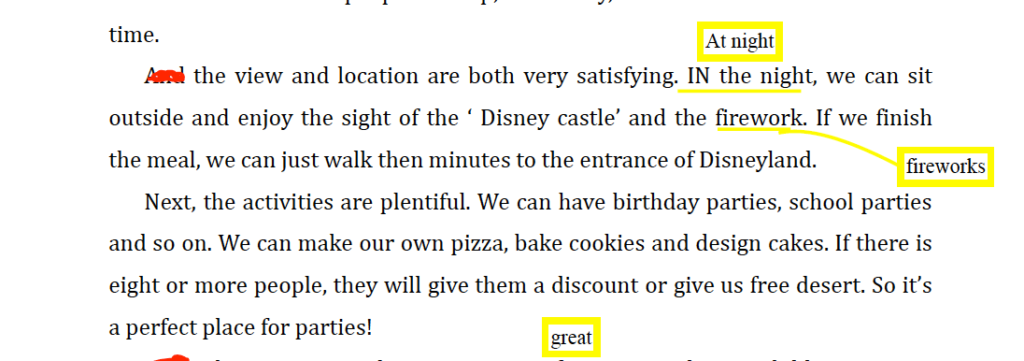
Emma liet har fermogen sjen om spesifike aspekten fan in plak te kritisearjen, en ûntwikkelje har ideeën mei passend detail.
“It útsicht en de lokaasje binne beide tige befredigjend. Nachts kinne wy bûten sitte en genietsje fan it sicht fan it Disney-kastiel en it fjoerwurk.
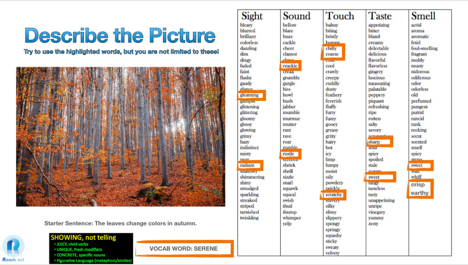
As it semester gie op, Emma liet ûntwikkeling sjen yn har skriuwfeardigens, en begon mear avansearre literêre techniken op te nimmen. Yn in opdracht oer it beskriuwen fan lânskippen, Emma koe in sterk byld meitsje mei de krekte wurdskat en figuerlike taal.
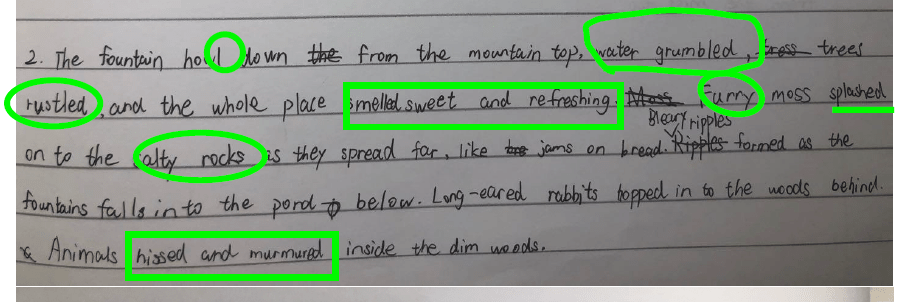
"Furry mos spatte op 'e sâlte rotsen doe't se fier ferspriede, as jam op brea. Bleary rimpelingen foarme doe't de fontein foel yn de fiver ûnder."
Emma bleau de lessen dy't se learde yn 'e kursus tapasse, en har fermogen as skriuwster waard sterker. Yn in resinte opdracht oer it skriuwen fan in Fantasy Narrative, Emma konstruearre de setting en karakter fan har ferhaal bewust en effektyf.
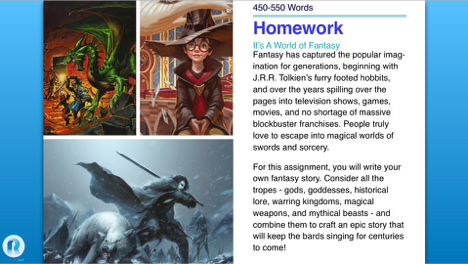
“Glittering sunshine shone from the window and on to the soft, silky bed sheet. Warm colored sweet flowers bloomed beside the open window. Dim but diligent drawings hung on the refreshing seaweed-green wall.”
As you can see, Emma displays characteristics of a promising young writer. Her determination to improve, and careful application of the lessons taught have helped to elevate her writing to a more advanced level.
Thank you Emma, for being such a STAR! We look forward to seeing your growth for a long time to come. We know this is only the beginning of a brilliant journey.
As ûnderwizers, wy hawwe faak de fraach steld, "Hoe kin ik myn bern krije om op te hâlden mei it lêzen fan stripboeken?” Parents are worried that comics do not provide educational value, binne net akademysk strang genôch, of it slimste fan alles, in fergriemerij fan harren bern syn tiid. Oan dit, ús antwurd ferrast har meastentiids, and that answer is, “Let them read comics!”
It’s understandable that parents would be a bit concerned as the perception is that comics are purely for pleasure reading, lykwols, comics have many benefits beyond helping us pass the time.
Comics and graphic novels are not new forms of writing. Of course, they have been enjoyed by many for generations. Over the years, the genre has changed into one with considerable depth and meaning, which is why we encourage parents to not only allow their children to read comics, but also to support them in doing so.
Here are our top reasons comics should be read (especially in the summer!):
For students who are not native English speakers, comics provide a great way for them to begin enjoying English literature. For many children, the task of going from an English language textbook to a novel can be very daunting, but comics can provide a necessary bridge for them to build confidence as well as reading fluency. The visual cues in the pictures allow students to create a deeper understanding of the plot and characters as well as new vocabulary. Derneist, it introduces them to effective literary devices, such as onomatopoeia (think POW! SMACK! ZOOM!) and idioms (an illustration showing the meaning of an idiom like, “Cat got your tongue?” makes much more sense than heating the idiom on its own!).

2.Enhancing Inference
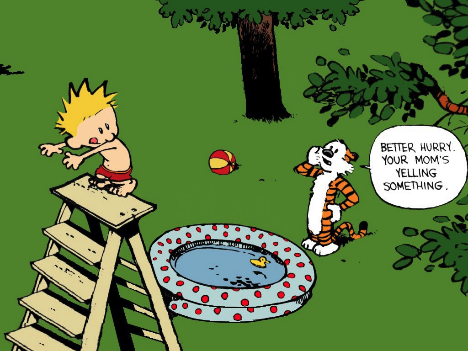
Inference is a key reading skill that many students struggle with on standardized reading assessments. Inference happens when we draw conclusions based on what we read. Some examples of questions students will encounter during reading comprehension tasks or assessments are those such as, “How did the character feel when?”, “What can you conclude about…” and “What was the lesson in the story?” Comics require that students “read between the lines” to infer information that is usually told by the narrator in a novel, so they can gain a lot of valuable experience in strengthening this skill by reading comics.
3.Word Power!
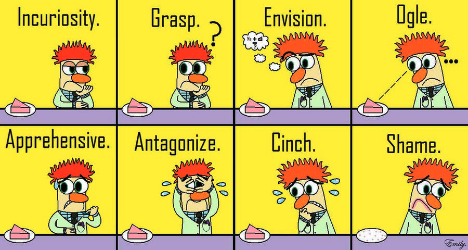
Often in comics and graphic novels, writers include quite advanced vocabulary, both as part of the story line as well as in the names of the characters. In 2016 at the world famous Comic-Con in San Diego, California, a panelist of educators discussed the power of comics in building students’ vocabularies. James Bucky Carter, author of Building Literacy Connections with Graphic Novels said, “You have Colossus, and he’s this big, giant metal guy. You get a really good sense of what the word colossus means and that’s a good 10-cent word. Banshee’s power is screaming. You have these characters that embody the vocabulary words that they are. That’s something that’s a fun way to learn new words, in addition to the contextual clues.”
After reading this you may just want to let your child dive right into reading comics or graphic novels! That’s music to our ears. If you are not sure where to start, we have some student favorites your child might like to try!
Dog Man by Dave Pilkey

Miles Morales Spider-Man by Jason Reynolds

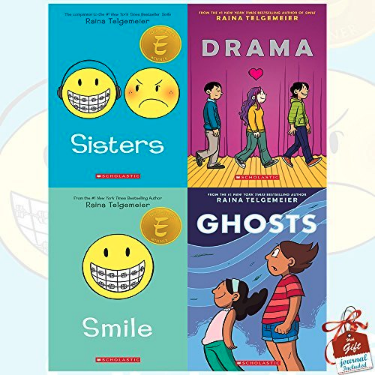
Smiles, Sisters, Ghosts, Drama and Other Stories by Raina Telgemeier
Bone by Jeff Smith

Looking for more summer reading opportunities for your child? Contact one of our Education Consultants for more information about our summer reading courses. We look forward to reading with your child!
Eksamenseizoen is hjir, en it kin in heul stressfolle tiid fan it jier wêze foar sawol studinten as âlders. By Reach Out wolle wy ús bêst dwaan om eksameneangst te ferminderjen troch wat unike stúdzjetips oan te bieden dy't jo miskien net hawwe besocht.
Conventional wisdom of studying has often been followed by many parents and teachers who mean well, lykwols, if we look at some interesting research-based approaches we can see that there are a variety of effective ways to study! It’s always good to try new things, especially for children. They can experience new ways of doing things when they are young, and when they are a bit older, they can choose the way best suited to their own personal needs and style.
No, let’s take a look at three unique ways to study.

Variety is the Spice of Life-Even When Studying
For many, many years we've been told that in order to study well, we should study in the same place every day; a place that is quiet, well lit, and has all our materials. While this might be true for some of the time we are studying, research shows us that our brains actually do better when we vary the location in which we are studying. Quite surprising, right?
In a study done all the way back in 1978, college students were given 40 vocabulary words to study. One group was told to study the list twice in the same location. The other group was told to study the list in two different locations. What they found was, the group that varied their studying locations actually performed better on remembering the words later. Now why is that? Well, our brain often makes connections to information based on our environment, so the more we vary our environment, the more we are giving our brains a chance to retain information as it will attach to more things. This may also be why one visualization technique, where one visualizes things they wish to remember to certain places in an environment they are familiar with, can be so effective as well. Foar studinten, simply switching up the environment might do the trick!
Have Fun!
Some parents might mistakenly think that if their child is laughing or getting excited while learning or studying, they might be wasting their time. Lykwols, this is not necessarily the case.
As a parent, in your work or office you might have special workshops from time to time. The workshops are usually used as a tool to help you learn about a new strategy, idea, or information that will help you learn more at work. These sessions are often run by people who specialize in creating motivating and inspiring workshops that invigorate and energize employees. The days can be long and intense, but if they are done right, employees can walk away confident in their new knowledge and skills.
The same rings true for young people. Introducing game play and fun as a way to study for exams not only makes your child smile, but research indicates that having fun while learning activates certain cognitive resources, associates rewards and pleasure with learning, strengthens and broadens memory networks, and toggles abstract thinking and focused attention.

The Pomodoro Technique
Staying focused, on-task and motivated to complete certain activities can be difficult for both adults and children alike. Have you ever felt like you have been staring at a computer screen for hours, but accomplished very little? Or maybe you have a deadline in a few days, but are only inching towards the finish line? It’s no wonder, as research shows that our mind tends to wander up to 20% of the time, perhaps even more for younger people.
One interesting technique was created by college student Francesco Cirillo as a way to help him stay focused, and that is the Pomodoro Technique, which got its name from the tomato shaped timer Cirillo used while testing this strategy on himself. How it works is you set a timer for 25 minutes, which is work time. Then set it again for 5 minutes, which is break time. This is a great time to get up, stretch, take a lap around the house, pet your cat, or get a drink of water or a snack. After break time is up, set the timer for another 25 minutes and repeat!
It turns out that this strategy is backed up by scientific evidence, as researchers concluded that short breaks help keep your attention span on track. This might be related to the fact that cognitive boredom can lead to an unengaged mind, which is the last thing you want when studying for an important exam.
We hope you have enjoyed exploring these unique study tips as much as we have! Wishing your child the best of luck on exams this month. Jiayou!
Wy witte dat d'r safolle is dat wy kinne dwaan om ús bern te koesterjen en op te lieden, dat is de reden dat wy as âlden faak dwaande binne om har tiid te foljen mei ferrykende aktiviteiten en lessen. Wêrom dogge wy dit? Om in protte redenen fansels, mar it wichtichste doel is om te soargjen harren takomst súkses. Âlden hoopje dat harren bern sille wêze noch mear súkses yn it libben as se wiene sels. Sukses, fansels, is subjektyf, en wy meie allegearre hawwe ús eigen definysje fan súkses. Algemien lykwols, wy kinne it iens wêze dat sukses it gefoel fan ynhâld yn 'e persoanlik libben omfettet, en ek in gefoel fan karriêretefredenheid en finansjele feiligens hawwe.
Koartlyn is d'r in yntrigearjende TED-petear dield op sosjale media, wêryn eardere Dean fan Freshman oan Stanford University, Julie Lythcott-Haims, neamt bewiis út 'e Harvard Grant Study dy't profesjoneel sukses yn it libben korrelearret mei persoanen dy't taken dien hawwe as bern. Gjin fuotbaltraining, net taallearen, net skilderje, mar karren.

Ferrassend rjocht?
In protte fan ús bern dy't opgroeie yn grutte stêden kinne noait witte hoe't it is om in skûtel te skrobjen, waskje in finster, of dweil in flier. Wy kinne fiele dat d'r wichtiger dingen binne te dwaan om har kennis en har karakter op te bouwen. Lythcott-Haims leit út dat dy bern dy't wol smoarge hannen krije, lykwols, kin in nivo fan sukses yn it libben berikke dat har leeftydsgenoaten dy't gjin karwei dwaan oertreffe. Dat komt om't it learlingen leart hoe't se bydrage kinne en opknappe as wurk dien wurde moat, en dat it "grûnwurk" dwaan dêr't oaren mei spotte kinne, want it is wat it bêste is foar elkenien, is wat opmurken wurdt op it wurkplak.
De wurkplakken fan 'e hege-prestaasjes dy't meidienen oan' e Harvard Grant Study wiene opmerklik, lykas it Wite Hûs, dêr't dielnimmer presidint Kennedy wurke, en it redaksjekantoar dêr't Ben Bradlee siet as redakteur fan The Washington Post. Wy kinne oannimme dat harren âlden, lykas wy, moast prodearje en pleite foar de karweien, en akseptearje dat sels as se dien binne, se wiene miskien net goed dien; en dat is goed.
It wichtige ding, lykas Lythcott-Haims oanjout, is dat troch karwei te dwaan, bern realisearje dat se, "...moatte it wurk fan it libben dwaan om diel te wêzen fan it libben." Se realisearje dat it libben net allinich mei har bart, en foar harren, mar mei harren.
As jo bern al dwaande binne as ûnderdiel fan har deistige simmerroutine, bravo! Jo binne op it goede spoar. As net, net nedich panyk. It is noait te let om taken yn it libben fan ús bern yn te fieren. Hjir binne wat tips om jo te helpen te begjinnen!

Lit se der diel fan wêze
By it yntrodusearjen fan it konsept fan jo bern foltôgje taken om te helpen, ha in "famyljegearkomste" dêr't elkenien oanwêzich is om te bepraten wat der fan jo bern ferwachte wurde sil en wêrom. Jo kinne jo bern freegje om jo te helpen in list mei wurken te skriuwen wêrmei't se mooglik om it hûs kinne helpe. Se kinne jo ferrasse mei har entûsjasme, om't taken dwaan foar guon bern heul spannend is, om't se har machtich en behelpsum fiele (twa dingen dy't wy faaks graach fiele as folwoeksenen).
Game-ify It
Om dingen leuk te meitsjen, want wille makket alles better, do of dyn bern kin de karweien op popsicle sticks skriuwe en elke dei kin dyn bern ien stok út de pot kieze. Dat sil har kar wêze foar de dei! As jo mear as ien bern thús hawwe, jo kinne skjinmeitsjen altyd omsette yn in kompetysje troch in timer yn te stellen en te sjen hokker bern it measte boartersguod kin skjinmeitsje yn 'e opjûne tiid, bygelyks.
Reward It
As âlden, wy wurde beleanne foar ús bydragen op it wurk mei in salaris. Soene ús bern ek net beleanne wurde foar har hurde wurk? Ien idee is dat as jo bern al syn of har wurken foar de wike foltôget, hy of sy kin kieze in lyts boartersguod út in "skat doaze" fol mei lytse boartersguod. In oare opsje kin wêze dat as jo bern konsekwint taken foar in moanne foltôget, se kinne kieze foar in ekstra bysûndere famylje útstapke.
It learen fan ús bern om karwei te dwaan is net altyd maklik, mar de potinsjele foardielen binne de tiid en muoite wurdich. Wy hoopje dat jo ús tips nuttich fûn hawwe, en dat se kinne helpe liede ta in positive ûnderfining foar jo en jo bern. Happy cleaning!
Graach kinne wy in nije simmerboekklub oankundigje, allinnich foar âlden! Simmer is de perfekte tiid om dat boek te lêzen dat jo altyd wollen hawwe, mar hawwe net hie de tiid om. Dizze simmer, wy noegje jo út om mei ús te lêzen Hoe kinne jo prate sadat bern harkje en harkje sadat bern prate.
Wy witte dat it net altyd maklik is om te ferbinen mei ús bern fanwegen de easken fan skoalle, wurk en deistich libben. Soms bemuoit ús eangsten oer de takomst ús dat wy no ús libben libje. Lykwols, ien ding kinne wy garandearje is dat wy sille nea krije in oare kâns om te belibjen bernetiid mei ús eigen bern, en wy wolle dizze kostbere tiid net misse. Sa, hoe kinne wy der it measte fan meitsje en sinfolle petearen hawwe mei ús bern dy't ús bân fersterkje en ús bern helpe fiele stipe? Dit binne grutte fragen dy't in protte fan ús hawwe.
Om ús te helpen dizze wichtige fragen te beantwurdzjen, wy noegje jo út om mei ús te lêzen ien fan 'e populêrste berneboeken fan alle tiden, skreaun troch Adele Faber en Elaine Mazlish. Hoe te praten sadat bern harkje en Harkje sa bern sille prate, dy't ús leart hoe't wy de gefoelens fan ús bern kinne akseptearje, as troch it net te dwaan kinne wy ûnbewust min gedrach feroarsaakje. It leart ús ek positive manieren om gearwurking te stimulearjen, likegoed as ûnôfhinklikens, autonomy, en selsbetrouwen. These are all the ingredients needed to help nurture a positive parent-child relationship that will indeed help to grow our children into confident and capable adults.

How Will It Work?
The first step is to contact one of our Education Consultants to register. Registration is FREE and open to everyone! We will create a group chat where the book study content and sharing will take place starting on July 1st. Lindsey Fine, our Education Manager, will be joining the group as a parent as well, as she is a mother of two boys, aged 4 en 6, who will be learning along with you. She will also be helping to lead the weekly discussions.
The book can be found in English and Chinese and easily accessible in print, e-book, or audiobook formats.
Then there are two options for how you would like to participate:
The reading schedule is as follows:
Week 1: Chapters 1 & 2
Week 2: Chapters 3 & 4
Week 3: Chapters 5 & 6
Week 4 Chapters 7 & Afterword
At the end of the month, we will host an online workshop led by School Counselor, Regina Wehner. At the workshop, Regina will share additional information and strategies you can use to strengthen your relationship with your child.
About Regina Wehner

Regina Wehner is a Licensed School Counselor that has worked with students in Middle School for over 16 years. Originally from the United States, she lives with her husband and 2 children, ages 10 en 12, in Beijing, China.
Regina works at the Western Academy of Beijing (WAB), a diverse international school. A big part of being a school counselor is helping students learn about themselves and others as they are growing. Regina also hosts monthly Parent Coffee Mornings to bring parents together to learn more about their children's developmental changes and how to communicate during these times of transition.
Contact us today to join!
Help jo bern nije wurdskat te learen
Undersyk jout oan dat as wy wolle dat studinten slagje yn 'e akademyske kontekst, op wichtige beoardielingen en hege-ynset eksamens, lykas har takomstige karriêres, wy moatte har helpe om har wurdskat te ûntwikkeljen. De reden dêrfoar is dit: ús begryp fan nije ynformaasje is direkt keppele oan ús begryp fan 'e wurdskat dy't brûkt wurdt om dy nije ynformaasje te kommunisearjen.
Foar studinten, it fergrutsjen fan har wurdskat is ien kaai foar sukses by it behearskjen fan in taal; hoe mear wurden wy witte, hoe mear wurden wy begripe, en hoe mear wurden wy kinne brûke yn ús skriuwen om it effektiger en effektiver te meitsjen. Lykwols, wurdskat leare wurdt soms sjoen as in ferfeelsum of ûntwykend proses. Sometimes parents are not sure how to guide their children, benammen om't de manier wêrop wy wurdskatstúdzjestúdzje benaderje kin gâns ferskille fan 'e manier wêrop âlders it studearre doe't se op skoalle wiene.
Meitsje dy gjin soargen, Reach Out is hjir om te helpen! Litte wy de oanwinst fan wurdskat ûndersykje (it proses fan ûnthâlden en tapassen fan nije wurdskat), en wy sille jo fertelle hoe't jo jo bern kinne helpe om har wurdskat op te bouwen!

Praat deroer!
It kin lykje te simpel, mar as it giet om it learen fan nije wurden, ien effektive manier wêrop jonge minsken it dogge is troch te praten mei oaren. Bern leare nije wurden it bêste as se yn kontekst binne, lykas yn in petear oer in bepaald ûnderwerp. Se kinne in bytsje betsjuttingen fan nije wurden ôfliede op basis fan hoe't se wurde brûkt tegearre mei de oare wurden dy't se al bekend binne.
Jo binne wierskynlik by in protte gelegenheden ûnderbrutsen troch jo bern as jo ûnbekende wurdskat brûke en se nijsgjirrich freegje, "Wat betsjut ramp?"Jo hawwe miskien ferwize nei de steat fan har sliepkeamer (lykas yn it is in folsleine puinhoop), en troch in momint te nimmen om har de meardere betsjuttingen fan ramp te ferklearjen, jo sille har net allinich in nij wurd leard hawwe om in rommelige keamer te beskriuwen, mar ek in mislearring of in natuerlik foarkommend ferskynsel, lykas in natuerramp.
Sa, prate mei jo bern is in geweldige manier om har nije wurden te learen!
Explore It!
Studinten begripe oer it algemien dat se in wurdboek of in oersetter brûke kinne as se in wurd tsjinkomme dat se net kenne, mar soms kin sels de definysje fan in wurd harren mei mear fragen litte as antwurden.
Yn ús ûnderfining, in protte studinten brûke net ien heul wichtich ark foar it learen en tapassen fan nije wurdskat, en dat ark is in tesaurus! As jo fernimme dat jo bern in wurd oerbrûkt by it praten of yn har skriuwen, bygelyks, "skoander", "leuk", "goed", of "min", nim dan wat tiid om se sjen te litten hoe't jo in webside brûke kinne lykas thesaurus.com om dy wurden op te sykjen. As se sykje nei it wurd lykas "moai" sille se sjen dat d'r safolle ynteressante en unike wurden binne om ynstee te brûken! ik
Yn ús ûnderfining, studinten genietsje echt fan it brûken fan nije wurdskat, en fiele har machtich om te witten dat d'r in ark is om har te helpen har wurden machtiger te meitsjen.
Toanielstik!
Lekker hawwe by it learen is net allinich wat learkrêften dogge om learlingen bliid te meitsjen, it is eins bewiisd troch neurowittenskip in effektive manier te wêzen om studinten te helpen mear en djipper te learen. Undersyk lit sjen dat wannear't studinten sawol stimulearre wurde as útdage, harren harsens release dopamine. Dopamine is in neurotransmitter dy't de ûnthâldsintra stimulearret en de frijlitting fan acetylcholinem befoarderet, wat fergruttet rjochte oandacht.
Yn ús kursussen hjir by Reach Out, wurdskatynstruksje is in wichtich ûnderdiel fan elke les. Wy hawwe dizze simmer ek kursussen lansearre, Wurdskatbouwernivo's 1-3, wêryn wy ús eksklusyf sille rjochtsje op it helpen fan jo bern om har wurdskatkennis út te wreidzjen mei útdaagjende nije wurden. Wylst de keazen wurden de útdaging biede, ark lykas Quizlet en spultsjes lykas Guess Who en Sentence Racer jouwe studinten de kâns om op in sinfolle en boeiende manier te ynteraksje..

Hoe witte wy dat dizze metoaden effektyf binne? Omdat ús tsientallen jierren ûnderfining, en stúdzje fan edukative psychology en metodyk hawwe ús leard hoe't studinten it bêste leare!
Wy soene graach helpe jo bern nije wurdskat te learen as ien fan 'e manieren wêrop hy of sy in effektiver en suksesfolle lêzer kin wurde, skriuwer, en sprekker. Om mear te learen oer hoe't wy kinne helpe, kontakt hjoed ien fan ús Underwiis Consultants!
If you are looking for a more individualized educational service, Reach Out offers 1-on-1 services with our expert educators!
What do We Offer?
Our teachers offer a wide range of 1-on-1 subjects including English, Social Sciences, and Maths.
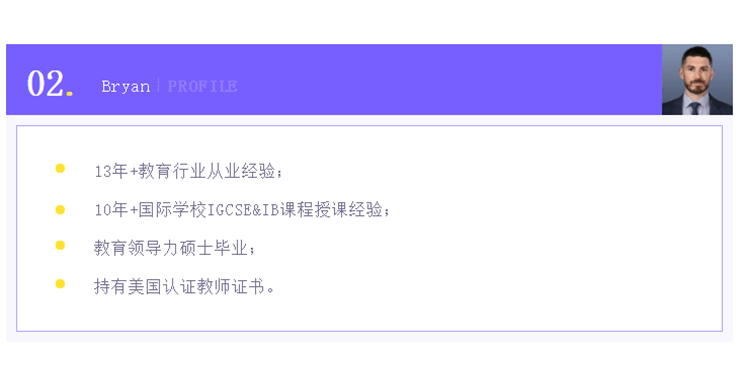
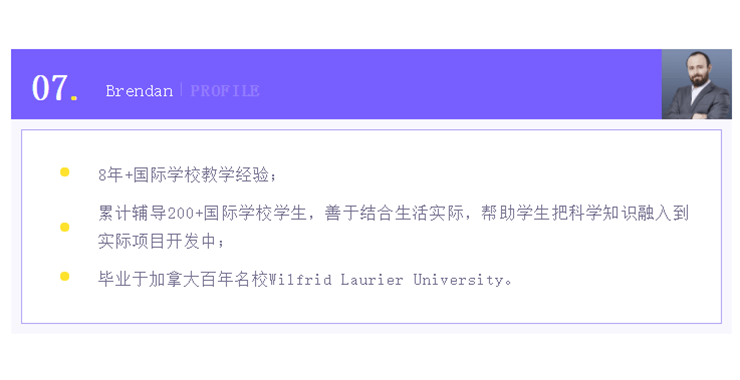
Meet some of our highly qualified and experienced teachers!


Why Should I Choose 1-on-1 Services?
Perhaps your child is preparing to study abroad or applying to a new school and he or she would like a more intensive and targeted approach in order to polish his or her skills. Alternatively, your child might not feel challenged enough with his or her current curriculum, and needs an alternative approach that is more appropriate for his or her ability level.
There are a number of reasons a parent might be searching for services such as this, and we can assure you that we will always work to understand you child’s unique situation and provide the service that is best for them.
How Does it Work?
With our hands-on approach, and orientation process, we will assess your child’s knowledge and skills based on current assessment data, writing ability, en mear. Based on our findings, we will select the teacher best suited for your child’s needs. All of Reach Out’s teachers have been carefully selected, and have years of experience in teaching challenging curriculums, such as IGCSE, IB, and AP, in top schools from around the world.
Our process is goal-oriented. We find out exactly what your child needs to reach their educational goals, and then we create a unique and tailor-made learning path that will best suit your child’s particular needs.
What Else Does Reach Out Offer?
In addition to 1-on-1 services, Reach Out offers a wide variety of courses specifically designed to challenge and engage your 2nd to 8th grade child with above grade level content in order to help them prepare for the rigor of programs such as IGCSE, IB, and AP.
How Can I Learn More?
To find out more about our 1-on-1 services, please contact one of our Education Consultants today to find out more! We look forward to helping your child reach his or her educational goals for a bright future!
Who We Are
As you may have noticed, we have been growing and have some exciting additions to what we offer here at Reach Out. As it has been a while since we introduced ourselves, we thought we would share our story with you to help you better understand who we are and what we do!
Our Mission
Reach Out’s mission is to connect students with expert educators who create and deliver original, inspiring, world-class curricula. We have embarked on this journey so that we may help students understand how to find their own unique voice and uncover the creative and valuable ideas that lie within each of them. With their voices, they have the power to change the world, and we wish to empower them to do so.

Our Vision
Reach Out strives to be an internationally recognized educational institution that allows students to access top level international curriculum and educators, no matter where in the world they are. Our students will be perceptive, curious, and critical thinkers who make informed choices as excellent problem solvers and communicators. Reach Out students will achieve their academic and personal goals and dreams from Primary School to University, placing their brilliant futures within reach.

Our Core Values
These are the principles which shape Reach Out:
Our Story
Reach Out was created by a small group of dedicated mothers, perhaps much like yourself. They were brought together by a common vision for the educational needs of their children. Some were looking for an educational program that could offer their children access to the ideas, teaching philosophy, and methodology that matched what they had experienced while living abroad. Others were looking for an internationalized curriculum that their children could access to enrich their educational experience in China. What they shared in common was a desire for a rigorous program that also opened the doors to creative and critical thinking, self-reflection, and personal expression - the hallmarks of a strong international curriculum. After spending considerable time exploring various options, these moms were not able to find anything that quite met their children’s needs.
Sa, they did what any good mother would do, given the chance, and found their own way to offer their children the best possible learning opportunities designed to help them thrive. They consulted expert teachers and worked with other parents to discover how they could best meet the needs of other children with similar goals. Children, we hope, like yours.
The parents were committed to:
We are happy to say that these mothers have achieved their goal. Today Reach Out boasts a complete line of rigorous yet engaging courses in which students learn deeply while having fun and creating meaningful relationships with their teachers and peers.
All of this because of our founding mothers’ commitment to their children’s education and happiness.
What Makes Us Unique?
While we understand parents have an array of choices when it comes to programs that enrich their children’s education, we believe we offer many unique qualities that are not easily found elsewhere.
Our team consists of highly skilled and experienced educators who have created a unique and rigorous program based on international school standards, which prepares younger students to take on rigorous curriculums such as IGCSE, IB, and AP.
-Our one to one programs and curriculums designed to exceed the educational needs of our students
-Our teaching philosophy of inspiring and empowering students, and teaching methodology of allowing students to explore knowledge widely and deeply while at the same time developing a love of learning
-Our commitment to the long-term success of our students as we strive to equip them with the essential skills they will need to succeed in their future careers and the world beyond school
- The detailed feedback we provide with all of our student assessments, so that students know where they are succeeding and where they might improve, as well as the supplemental materials and instruction needed to help our students close any gaps in understanding
-Our dedication to developing our students’ critical thinking and problem solving skills, which will be essential for their future, as well as the future of our global society
-Our promise to hire all of our teaching and non-teaching staff based on their mutual passion for education
-Our ability to empower students to use the language, knowledge, and skills they acquire to develop themselves beyond the classroom and into curious, lifelong learners who set and pursue challenging, fulfilling, and worthwhile goals.
-Our hands-on, individualized approach to creating a learning path for our students so that no matter what grade level they are when they join us, they will be equipped with the tools necessary to improve and grow rapidly
-Our commitment to empowering our clients with information and experiences that will help them make the absolute best choices for their child's education by offering informative articles, videos and workshops.
Our Curriculum
Our Blue Line curriculum, which includes courses for students in Grades 2 to 8, was designed by expert educators with advanced level degrees in their subject areas who have spent decades in some of the top international schools in the world. We use backwards curriculum design working our way from the first year of programs such as the widely recognized and respected IGCSE program.
As our educators have spent years teaching courses pre-IGCSE, IGCSE, IB and AP or A Levels curriculum, they understand what students need to succeed in those programs. Sa, each aspect of our curriculum has been created to make sure that all of our students enter their first day of Grade 9 feeling confident, equipped, and prepared to meet the demands of these rigorous courses.
We offer a wide range of courses in the subjects of English, Math, History and Geography. See below for more detailed information on our full course offerings.
Additional Services
We are also pleased to announce the creation of our Silver Line, which offers bespoke educational services that take an individualized approach to meeting our students' needs. We begin with a deep assessment of each student's educational goals and needs, and then create and implement a scheme of work with which our expert educators will use to guide your child through the academic challenges of High School in order to prepare them to eventually attend their dream university.
We also offer 1-on-1 services at all grade levels for parents who wish to offer their children more individual care and instruction. Our expert Education Consultants will make sure to match your child with the best educator for his or her specific needs and goals.
Join Us!
We look forward to meeting your family and discussing how you can be part of our Reach Out family; one that learns together, cares for each other, overcomes challenges together, and celebrates successes with one another. Please contact us today to find out more.
We hope to hear from you soon!
Being a parent is hard. In fact, with the changes in our world today, it might just be one of the challenging moments we have had to face in decades. Change leads to uncertainty, and uncertainty can lead to stress. Stress certainly affects all areas of our lives, sometimes it will impact our relationship with our loved ones the most; especially our children.
Our children can be complicated (let’s face it, so can we!), and it is a daunting task to ensure that every move is the “right” one. That all of our conversations, demands, requests, plans, praises and criticisms mean something. Every moment we spend talking to our kids, we hold the hope that these words will be enough to fill our children with the hope of a great future at a time where the future is so uncertain. Times change, and this too shall pass, but one thing we can guarantee is that we will never have a second chance at spending a childhood with our children.
As âlden, we often ask ourselves if we are in fact doing the right thing, wondering how we can get through to our kids, trying to understand our children better, and sometimes feeling like a guilty failure because we tell ourselves we are doing it wrong. Oftentimes, that is not the case, but there is no instruction manual on how to raise a child that will work for everyone in all situations. Sure, there is a lot of advice, an overwhelming amount of it, but again, most advice is just that; guidance and recommendations by people who don’t know you or your child. Some of it is helpful, and some of it…not so much.
One thing that we cannot deny though is the importance of a healthy relationship between parent and child.
Research shows that:
It is essential to make the time to nurture a relationship with your child, and perhaps even more imperative, making sure the interactions we have with our children during that time are positive. This is something that many parents find challenging, which is why we created a parent book club for the book Hoe kinne jo prate sadat bern harkje en harkje sadat bern prate by Adele Faber and Elaine Mazlish. Together we learned ways to positively communicate with our children in order to strengthen our bonds. We spent time discussing ideas from the book, as well as had a virtual meet up to role-play some of the strategies from the book. On top of that, we invited Middle School Guidance Counselor, Regina Wehner, to provide parents with a workshop in understanding our child’s cognitive and emotional development.
Here are some highlights we would like to share with you!
First, from Hoe kinne jo prate sadat bern harkje en harkje sadat bern prate, here are two of our favorite strategies:
Children have difficulty regulating their emotions, as the brain’s emotional regulation center is one of the last to develop. This means that they need our help in the form of compassion and modeling. This can be so challenging, especially when we may have difficulty managing our own emotions at times! We have an easy strategy for you that will only require two things:
When your child comes home upset about something that happened at school, instead of lecturing and offering our sage advice, we can simply listen to their concerns and repeat the ideas back to them. Bygelyks, if your child comes home upset and says something like, “Ugh, today Elizabeth and Sarah were so mean to me! They completely ignored me and I hate both of them now!” Instead of saying, “Elizabeth and Sarah are your best friends. It’s not a big deal and I am sure you will be fine tomorrow,” which could invalidate your child’s feelings, you can say, “Oh, I see. Elizabeth and Sarah made you feel a bit left out. That probably made you feel a bit sad and mad.” At this point your child might keep talking and open up to you, which is great! It means they trust you and you are making them feel better. Continue to listen, nod, say, “Mmmhmm,” and repeat what they say. Having you simply listen will likely make your child feel 100% better and ready to face their next challenge!

2. I wish!
Our children often express their desires in the form of wishing they had things they don’t have or wishing things were different than the way they are. Bygelyks, children may say, “I wish I didn’t have to do all that homework.” We may reply, “Well, you do and that’s that!” or “It’s what you have to do. It’s your responsibility so you need to do it now!”
This may escalate into a battle of wills as parents feel frustrated that they keep hearing the same complaint and repeat the same reasoning. The children feel frustrated because their opinions are being invalidated and they feel misunderstood. Well, don’t worry, we are here to help! We have a little trick that will help you turn the conversation around, and that is to agree with your child. It may sound counterintuitive, but we have firsthand experience with this trick and it works wonders!
Bygelyks, if your child says, “I wish we could go to the park today like I wanted!”
Instead of saying, “I can’t, I am too busy,” or “Yes, but we can’t, it’s raining,” we can say, “I wish we could too! We could go to the park and have a picnic! We could fly a kite and blow bubbles! Why don’t we have a picnic in the living room and after that we can blow bubbles in the bathroom!”
The first part gets the kids excited and their imagination going, taking them to a happy place. The next part makes them feel heard and connected to you.
No, some highlights from Ms. Wehner’s workshop:
*Please help me choose these! :)*
If you would like to join one of our workshops or book clubs in the future, make sure to follow us and stay tuned! We have great things coming up this fall!
In protte âlders freegje ús wat de rapste manier har bern har skriuwen kin ferbetterje. Wylst wy stevich leauwe dat d'r gjin fluchtoetsen binne om in wirklik effektive en betûfte skriuwer te wurden, d'r binne wat dingen dy't studinten kinne opnimme yn har skriuwen om it effisjinter nei it folgjende nivo te nimmen. Lykas mei alles dat besykje te behearskjen, de kaai ta súkses leit yn hurd wurk en werhelling. Regelmjittich oefenjen fan dizze feardichheden sil jo bern helpe om har edukative doelen te berikken.
Dit artikel sil it earste wêze yn in searje artikels dy't sil rjochtsje op feardichheden geskikt foar ferskate soarten skriuwen. Dizze wike, wy sille rjochtsje op beskriuwende skriuwtips.
Beskriuwende skriuwtips:
Beskriuwend skriuwen is in wiere keunstfoarm, as it doel moat wêze om in byld te meitsjen yn 'e tinzen fan' e lêzers. Men kin in ferhaal net fertelle oer aksje en dialooch allinnich, en men kin gjin djippe betsjutting en emoasje oerbringe yn in gedicht sûnder in byld te skilderjen mei syn of har wurden.
Ien krêftige manier om út te blinken yn beskriuwing is om eigenskipswurden en bywurden ta te foegjen wêr mooglik. Bygelyks, as jo bern in ferhaal skriuwt, kin hy of sy soksawat skriuwe:
"Harry gie nei bûten en begon nei syn freonen te sykjen."
Wylst dizze sin in basisbetsjutting oerbringt, it effekt op de lêzer is ek basis. Troch it tafoegjen fan beskriuwende taal yn 'e foarm fan eigenskipswurden en bywurden, wy kinne fluch en effektyf byldspraak tafoegje oan 'e sin:
"Harry rits de foardoar út, slacht it efter him ticht. Syn hert raasde doe't hy yn 'e buert rûn, op syk nei syn freonen.
Yn de feroare sin, wy sjogge beskriuwingen dy't ús net allinich fertelle oer de aksje dy't plakfynt, mar ek helpt ús fiele de emoasje fan it karakter, in wichtich aspekt fan ferhalen.

In oare geweldige manier om in ferhaal of gedicht effektiver te meitsjen is troch figuerlike taal ta te foegjen, lykas similes. Similen binne fergelikingen dy't lykas of as dat kinne wurde brûkt om de lêzer te helpen foar te stellen wat der dúdliker bart.
Bygelyks, dyn bern kin skriuwe wat as:
Ik wie sa bliid!
It wie sa leaf!
Hy wie sa bang!
Wy kinne simulaasjes tafoegje om in noch better resultaat te meitsjen:
Ik wie sa bliid as in kitten yn in garenwinkel.
It wie in cute as in poppe panda spylje yn 'e snie.
Hy wie sa bang as in knyn dy't krekt in wolf gûlen hearde.

Us lêste tip foar beskriuwend skriuwen is om wurdskat te kiezen dy't sa presys is dat it presys kommunisearret wat de skriuwer wol dat de lêzer fielt. Faak, studinten sille beskriuwingen skriuwe dy't wat vague binne, mei sinnen lykas:
Hy wie tige wurch.
De film wie tige saai.
Se wiene tige kâld.
De keamer tige waarm.
Wer, dizze sinnen jouwe in ienfâldige betsjutting oer, mar yn beskriuwend skriuwen, dat is gewoan net genôch. Effektive beskriuwing brûkt wurdskat dy't ynfloed hat, en wy kinne dat berikke troch allinich de bêste wurden te kiezen om de meast krekte betsjutting oer te bringen.
Sjoch hoe't wy de sinnen hjirboppe kinne nimme fan gewoan nei bûtengewoan troch in diel fan 'e sin te ferfangen troch krêftige wurdskat:
Hy wie útput.
De film wie fantasieloos.
Se waarden koel oant it bonke.
De keamer wie roast.
It goede nijs is dat jo bern net hoecht te fertrouwe op syn of har hjoeddeistige wurdskatkennis om te slagjen yn it meitsjen fan sinnen lykas dy hjirboppe. De tesaurus hat alle wurden dy't se nedich binne om memorabele beskriuwingen te meitsjen.
Wy hoopje dat dizze tips nuttich west hawwe! As jo wolle dat jo bern leart hoe't jo dizze feardigens yn 'e praktyk kinne bringe mei ien fan ús entûsjaste oplieders, bliuw op 'e hichte foar kommende oankundigingen oer ús nije simmer- en hjerstkursussen!
Takom wike, wy sille sjen nei oertsjûgjende skriuwtips!
Tell us a bit about yourself.
I grew up in five different countries (Sweden, England, Germany, South Africa, and Canada). Integration into a diverse spectrum of cultures growing up has made me see the world with an open mind. I currently reside in Canada and work as both a university lecturer and a Math teacher at Reach Out. Outside of work I really enjoy sports such as badminton and chess, which I played at a competitive level for many years.

What is your educational background and qualifications?
I received a Bachelor of Science Degree from the University of British Columbia (UBC) and an obtained my MSc at the same university. My graduate work involved experimental geoscience where I designed an apparatus to investigate how diamonds reach the surface of the Earth through high velocity magmas. I published articles in two high impact journals and presented the work across Canada and Europe.
During my graduate studies I had the privilege of lecturing a few classes which transitioned into a lectureship position. Teaching at the university level involves lecturing a class of over 200 studinten, which is very different to the work I do at Reach Out, but has helped me develop a dynamic teaching style.
Additionally, I have been teaching Math and Science both privately and through educational organizations for over 6 jierren.
Why did you join Reach Out?
I joined Reach Out because the prospect of being able to deliver high quality education from around the globe without border restrictions resonates with me.
I feel that the reason I am committed to staying at Reach Out is more important. The personalized classes being delivered has allowed me to connect with the students, making their progression much more meaningful to me. Some students have been together with me through multiple grade levels and I feel immensely proud to have played a role in their education.
What is your educational philosophy?
Having a background in experimental science has allowed me to see value in making breakthroughs through experimentation. By allowing students to experiment with different methodologies while offering guidance is an extremely effective way of teaching students to not be afraid of failure. Richard Fuller correctly said, “There is no such thing as a failed experiment, only experiments with unexpected outcomes.” Students often start my classes afraid to answer questions, discuss with their classmates, or write on the board since they don’t know the answers. Since I am always more focused on solutions rather than answers, students’ are rewarded for trying new techniques, discussing failed methods, and asking questions about their classmates’ work. I found this to produce a phenomenal learning environment and takes a lot of pressure off the students.

What is your favorite thing about teaching Math?
My favorite thing about teaching Math is the exciting challenges it provides. After teaching Math for many years, I have come to realize that students see the world from a unique perspective, which more often than not, is very different from my own. This diversity produces a wide spectrum of learning styles and requires me to stay very flexible with the methodologies I use in my teaching.
Math is a complex subject which has provided us with a universal language to better understand the universe that surrounds us. Having a good problem solving ability is a byproduct of learning Math and crucial for success in the modern world. For these reasons I have the responsibility to transform a traditionally dry and boring subject into something exciting by creating compelling lessons and using creativity to inspire my students. This will always be something I love about my job.
Who is your favorite mathematician and why?
This is a tough question, and it’s hard to pinpoint one Mathematician since I utilize the works of so many Mathematicians in just one lesson. If I had to pick it would be either Johannes Kepler or Nicolaus Copernicus since I also love astronomy. Their Math not only challenged everything that was believed about our solar system at the time, but also formed the foundations for understanding planetary motion. Space travel has relied heavily on these concepts.
If you could only give parents one piece of advice when it comes to helping their child improve in Math, what would it be?
One thing I have worked on a lot with my students, is getting them to explain their solutions to me regardless of how easy it may seem. Being able to arrive at the correct answer in certain school curriculums may not require a complete understanding, but being able to explain a solution well does require a good understanding. Make sure that your child is always showing very clear steps in their work and that they can explain their steps to you. This certifies understanding and shows they are prepared for questions which test the same concept but may be worded differently.
What is one fun fact about yourself?
I really like learning languages! After growing up in many different countries I can speak English, Swedish, and German fluently. For the past two years I have been working to add Chinese to my collection and have enjoyed the unique challenges that learning this complex language has provided me with.
The Secret Garden is a piece of classic literature that has been part of an untold number of childhoods (if you missed our article on why children should read classic novels, see it linked below!). It is a powerful tale of friendship and discovering oneself that resonates with our souls.
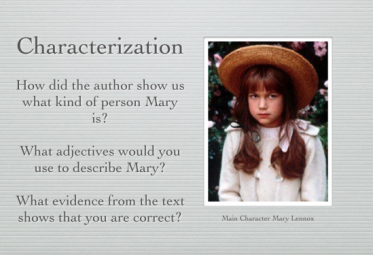
The Secret Garden is about a young girl named Mary Lennox who loses her family and everything familiar with her due to a cholera outbreak in India, where her father was working as a British Army Captain. As a child, Mary was quite neglected, but indulged by family’s servants, so she was a spoiled child with a terrible disposition. She had very few traits that would help her cope with a new life in England, where she was sent to live with a grouchy distant relative, Mr. Craven.
Mr. Craven had very strict rules for Mary to follow at her new home at Misselthwaite Manor in Yorkshire, which included her being forbidden to enter various rooms inside the giant mansion, as well as forbidden to enter one of the gardens on the sprawling property, which belonged to his beloved late wife. As Mary begins to explore her new home, she begins to find a sense of happiness and regains her health after being sickly for much of her childhood. After a robin helps her find the key to the secret garden, she finds a sense of purpose in restoring the garden, much as she restores her inner self. Through the thorns and dried leaves of winter, she finds much more lies within.
Aided by new friend Dickon, Mary develops her first friendships, and uses her newfound strength and kindness to help her bedridden cousin Colin, whom she finds tucked away in the manor. Friendship strengthens both Mary and Colin, and in the end, everyone witnesses a miracle only made possible by these close bonds and belief in oneself, two very important themes in the novel.
Young people will love reading this fantastic story of friendship, overcoming obstacles, and experiencing the healing power of nature. The characters and the lessons they teach us will surely touch your child and help them experience the power of a great story.
If you would like an opportunity for your child to experience this story with others, we are happy to let you know that we will be reading The Secret Garden as the first novel in our Young Classics Level 2 Course this summer.
In the course, we not only read the novel, but we also learn and apply new vocabulary from the book, discuss important literary techniques used by the writer, and practice writing summaries, a key skill that many students find challenging
If you are interesting in learning more about Young Classics, or and of our other excellent and engaging courses, kontakt hjoed ien fan ús Underwiis Consultants! We hope to work with your child very soon!
Literature study is an important aspect of any excellent academic program, and that is because it helps to teach students a wide range of knowledge and skills that are essential for success in many areas of life. While studying literature, students learn about important events and people throughout history, they consider cultural perspective and increase their own understanding of acceptance of different ideas and beliefs, and they learn how to analyse the words of others in order to form a deep understanding of new ideas and ways of communicating. In short, it exposes students to a toolbox of ideas, techniques, strategies, theories, and more that they will carry with them throughout their life, shaping the way they approach the world.
Why do we offer this course?
Reach Out students typically pursue high school programs such as IGCSE, which includes challenging courses such as English Language and Literature and English as a First Language. Later, most of those students will take on the challenge of IB and AP level programs, in which they must take on the task of reading a variety of literature. Our aim is to expose students in upper primary and middle school to a wide range of advanced literature so that by the time they reach high school they possess the knowledge and skills to hit the ground running, and therefore achieve to a higher level.
This course is designed for Grade 7-9 studinten.
The Objectives of our Advanced Literature Course are to:
✪ Enhance students’ ability to understand and discern literary techniques used English and American literature, and the ability to communicate the effects of those techniques;
✪Improve children's literary comprehension skills and increase their understanding of British and American culture;
✪ Under the guidance of our expert educators, learn the power of language and storytelling in a challenging yet engaging way.
Meet Our Teachers
*Insert teacher bios here for Barry, Anthony, and John*
Our Book Selections:
Cry the Beloved Country by Alan Paton

Set in South Africa in the 1940s, award-winning Cry the Beloved Country tells the story of a Zulu Pastor, Steven Kumalo, who travels from his village to the city of Johannesburg. Along his arduous and heart-wrenching journey, he discovers that his sister and son have found themselves in terrible situations that he must now face with them. The characters’ vastly different lives become unexpectedly woven together through tragedy during a dark time in South Africa’s history. Lykwols, through tragedy and challenges, the true nature of the human spirit can be found and uplift those who need it most.
Dracula by Bram Stoker

The legend of Dracula has loomed large in the minds of readers and movie-goers for generations. Bram Stoker based the infamous character of Dracula on the legend of the real life ruler of Wallachia, Vlad the Impaler. Stoker was able to take this dark corner of history and turn it into a legendary novel told through journal entries, letters and telegrams. As with any classic, Dracula has stood the test of time because it speaks to something very deep and meaningful within the human psyche.
Of Mice and Men by John Steinbeck
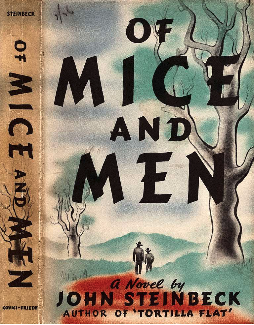
The Great Depression was a defining moment in American history that tested its strength as a nation, and placed the population in a precarious balance between life and death. In what is considered one of the greatest American classics, readers are introduced to two displaced migrant workers, George and Lennie. George is an intelligent young man, while Lennie is mentally disabled. George takes Lennie under his wing as they seek employment where few opportunities exist, trying to survive, yet still dreaming of the day they will have their own land and build a life. Their hopes are dashed when a devastating incident occurs that alters their lives forever.
What Students Will Gain
Develop an early sense of literary appreciation,
See the world from a more mature perspective
British and American classics contain thought-provoking moral and social issues. Reading the most influential classic literature thoroughly helps students become better readers, and begin the process of pursuing self-realization.
Improve understanding of culture and history
Learning allusions from classic British and American literature can help us bridge cultural differences. "The classics have opened the door to different worlds, different cultures, and different historical perspectives. Literature crosses race, culture, religion, and geography."
Self-reflection and personal growth
Many classic literature allude to our lives from the side: books that reflect similarities to our own lives are called "mirrors"; and those that give us a glimpse of different lives are called "windows." Whether it is a "mirror" or a "window", it further enriches the students' life experience and increases the courage and strength to face life.
Join Us!
Contact us to discover more about our course. We sincerely hope to meet your child soon, and develop a love of reading classic literature together.
It’s back to school time and we know parents are getting ready for a new year with new beginnings. The start of a new year is usually met with a mix of excitement and a bit of anxiety, as students and parents look forward to new skills and experiences, but also might feel nervous about new routines and expectations.
Meitsje dy gjin soargen, Reach Out it here to help! This year, we have 5 top tips to a fantastic start to the school year.
Understanding how your child’s school approaches education, what curriculum they use, what systems, and standards are used can be overwhelming for non-educators. Spending a bit of time each day reading your school’s website content, handbooks, and other resources can help you feel more confident in understanding what your child is learning at school and how they are learning. It’s also important to attend your child’s back-to-school night and informational sessions to get a better understanding of your child’s program as a whole. It also provides a great opportunity for you to establish a relationship with your child’s teacher. At any time if you still have questions, you can always e-mail your child’s teacher. They are there for you and your child, as they know that a great relationship with parents is a fantastic way to ensure academic, social, and emotional success for all students.
2. Make Sure to Catch Enough Zzzzs Before the ABCs
Sleep is so important for a child’s growth and development, and a lack of it can negatively impact a child’s academic achievement. In fact, research shows that sleep depravation in children can lead to higher rates of anxiety and depression. When we sleep, our brain processes the information from he day, finds the best system to file it away in out memories, and re-charges our systems for a new day. For various reasons, parents often find sticking to an early bedtime difficult, but with a clear routine, and time for adjustment, it can be easy! Children 3-6 years old should be getting 10-12 hours of sleep per day, 7-12 year olds should get 10-11 hours per day, en 12-18 year olds should get 8-9 hours per day. Creating a schedule where children get to bed earlier will make mornings easier as well, hopefully with less stress for both parents and children as they will be well rested and ready to start their day!
3. Ask the Right Questions at the Right Time
Sometimes parents are anxious to know how their child’s day was as soon as they get home from school, especially during the first few weeks. Those weeks are especially exhausting and full of ups and downs as your child learns to navigate new material, new friends, new teachers, and new expectations. Giving them time to come home and decompress is extremely important for their emotional and mental well-being. Once they have had some “me” time, parents can ask specific questions based on what they know they are working on, if they happen to know. They can go through their child’s homework diary with them and help them make a plan on how to tackle each task, as well as share in their enthusiasm for specific subjects, books, or information they also enjoy. Avoid asking, “How was school? What did you learn?” as kids respond much better to more specific questions, such as, “What did you do with your friends at lunch? What was the best part of your day? What was the weirdest or most wonderful thing that happened at school today?” Most importantly, parents should be fully present and listen intently when students answer, so they really feel valued and hear when they share.
4. Let Them Learn From Failure
This one can be extremely hard for parents to allow. We want our children to do well and reach their full potential, which means we might go over each assignment with a fine-toothed comb, correcting every mis-calculation or grammar mistake. Although parents have good intentions when we do this, we are taking away important learning opportunities from children when we do so. Back when we were students, many of our parents were often too busy or didn’t have the knowledge or capacity to help us with our school work, but we found a way to push through and try our best. If children are never given opportunities to fail when they are young, they might resist taking on challenges later in life for fear of failing at them. Lykwols, when we let them fail gently, such as on an assignment or at a little league soccer game, we are teaching them resilience. It’s not the end of the world, and they learn a valuable lesson; that we can try and not succeed, dust ourselves off, and try again next time.
5. Nurture Their Passions
New school years are an exciting time for many reasons, one of them being that they provide children a chance to discover new passions. If they are lucky, they will stumble upon something they truly love, and that they can become fascinated with enough to spend hours on end discovering. Helping a child find his or her passion is not always easy and takes time. Sometimes parents worry if their child focuses too much on a couple of things, and feel they need to expose them to as much as possible to help shape them into well-rounded individuals. Lykwols, if we look at the people who have shaped our world, it was because they had a laser focus on what they were passionate about. It was all they ever did or do. As humans, we naturally gravitate towards what we love most, and as long as it provides some sort of value on top of fulfillment, we should continue pursuing it. Sa, don’t worry if your child protests going to one activity while running out the door to attend another. Maybe the one they love is the most valuable to their growth and development, and the one they don’t like isn’t that necessary after all.
We hope these tips have helped, and we wish you and your child the best in the coming school year! We are excited for the new school year and all of the challenges and hope it will bring.
Reach Out will be with you every step of the way, so be on the lookout for more information and more articles we hope you will love!