Aig Reach Out, tha sinn den bheachd gu bheil e air leth cudromach soirbheasan oileanach a chomharrachadh. Tha sinn toilichte Oileanach Rionnag eile ainmeachadh - Emma!
Tha Emma a’ riochdachadh a h-uile rud as urrainn dha oileanaich a choileanadh le obair chruaidh agus dealas airson sàr-mhathais. Tha tidsearan Emma ga h-aithneachadh mar oileanach aig a bheil deagh shealladh a thaobh ionnsachadh, tha e gu math deònach gabhail ris an oideachadh, agus tha teaghlach air leth taiceil aice a bhios tric a’ conaltradh ris na tidsearan aice. Anns a' chlas, Tha Emma na neach-èisteachd faiceallach agus furachail a tha misneachail gu leòr airson a beachdan a roinn, ach foighidneach gu leòir an cas a thoirt do gach neach. Chan eil dragh aice air cunnartan a ghabhail, agus tha i comasach air a pearsantachd a thoirt a-steach don obair aice.
Tha Emma an-dràsta clàraichte san Ìre Leughaidh is Sgrìobhaidh Cruthachail againn 4 Cùrsa, agus tha i air fìor thiodhlac a nochdadh ann a bhith comasach air ìomhaighean làidir a chruthachadh na sgrìobhadh. Aig toiseach an t-seisein, chuir i crìoch air lèirmheas air meur Shanghai Disneyland Blue Frog.
Sheall Emma a comas a bhith a’ càineadh taobhan sònraichte de dh’ àite, agus leasaich a beachdan a’ cleachdadh mion-fhiosrachadh iomchaidh.
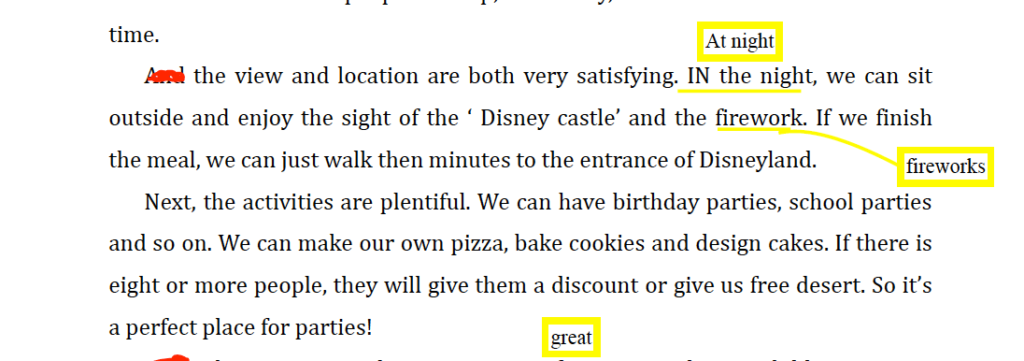
“Tha an sealladh agus an t-àite an dà chuid glè thoilichte. Air an oidhche faodaidh sinn suidhe a-muigh agus tlachd fhaighinn bho shealladh Caisteal Disney agus na cleasan-teine. ”
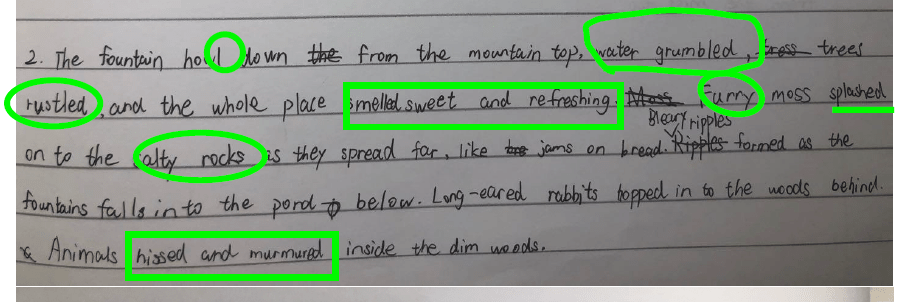
Mar a chaidh an semeastar air adhart, Sheall Emma leasachadh anns na sgilean sgrìobhaidh aice, agus thòisich e air dòighean litreachais nas adhartaiche a thoirt a-steach. Ann an obair air a bhith a’ toirt cunntas air cruthan-tìre, Bha Emma comasach air ìomhaigh làidir a chruthachadh a’ cleachdadh briathrachas mionaideach agus cànan figurach.
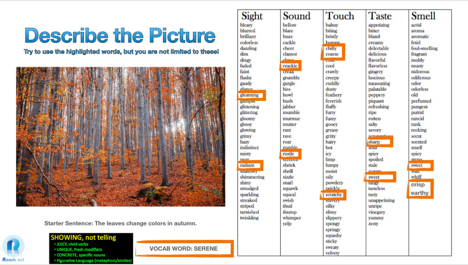
“Bha còinneach bian a’ frasadh air na creagan saillte agus iad a’ sgaoileadh fada, mar jam air aran. Chruthaich cromagan bleary nuair a thuit am fuaran dhan lòn gu h-ìosal."
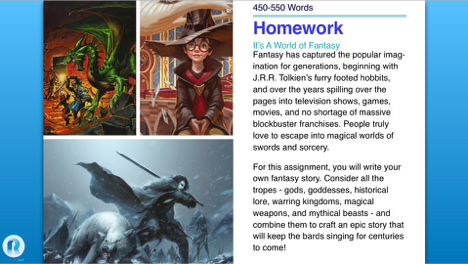
Lean Emma oirre a’ cleachdadh nan leasanan a dh’ ionnsaich i tron chùrsa, agus dh’fhàs a comas mar sgrìobhadair na bu làidire. Ann an obair shònraichte o chionn ghoirid air sgrìobhadh Aithris Fantasy, Thog Emma suidheachadh agus caractar na sgeòil aice a dh’aona ghnothach agus gu h-èifeachdach.
“Bha grian soilleir a’ deàrrsadh bhon uinneig agus air adhart chun bhog, duilleag leabaidh shìoda. Bha flùraichean milis dathte blàth a 'fàs ri taobh na h-uinneige fosgailte. Bha dealbhan beaga ach dìcheallach an crochadh air balla ùr na feamainn-uaine.”
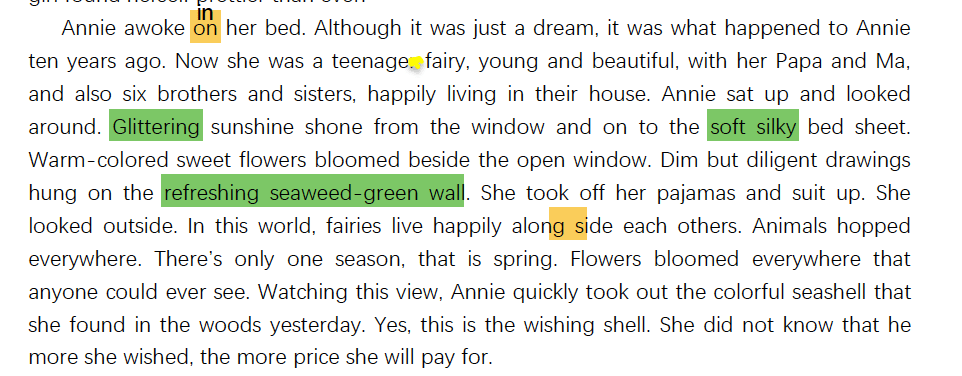
Mar a chì thu, Tha Emma a’ taisbeanadh feartan sgrìobhadair òg gealltanach. A diongmhaltas airson leasachadh, agus tha cleachdadh cùramach de na leasanan air cuideachadh le bhith ag àrdachadh a cuid sgrìobhaidh gu ìre nas adhartaiche.
Tapadh leibh Emma, airson a bhith na leithid de STAR! Tha sinn a’ coimhead air adhart ri d’ fhàs fhaicinn airson ùine mhòr ri thighinn. Tha fios againn nach e seo ach toiseach turas sgoinneil.
Mar luchd-foghlaim, 's tric a chuireadh a' cheist oirnn, “Ciamar a gheibh mi air mo phàiste stad a bhith a’ leughadh leabhraichean comaig?“Tha pàrantan draghail nach eil comaigean a’ toirt seachad luach foghlaim, chan eil iad teann gu leòr a thaobh acadaimigeach, no as miosa dheth, caitheamh ùine na cloinne aca. Gu seo, mar as trice bidh ar freagairt a’ cur iongnadh orra, agus is e am freagradh sin, “Leig leotha comaigean a leughadh!”
Tha e furasta a thuigsinn gum biodh pàrantan beagan iomagaineach oir is e am beachd gur ann airson leughadh tlachdmhor a-mhàin a tha comaigean, ge-tà, tha mòran bhuannachdan aig comaigean a bharrachd air ar cuideachadh gus an ùine a chuir seachad.
Chan e cruthan sgrìobhaidh ùra a th’ ann an comaigean agus nobhailean grafaigeach. Gu dearbh, tha mòran air a bhith a’ còrdadh riutha airson ginealaichean. Thairis air na bliadhnaichean, tha an gnè air atharrachadh gu bhith na aon le fìor dhoimhneachd agus brìgh, is e sin as coireach gu bheil sinn a’ brosnachadh phàrantan chan e a-mhàin leigeil leis a’ chloinn aca comaigean a leughadh, ach cuideachd gus taic a thoirt dhaibh ann a bhith a’ dèanamh sin.
Seo na prìomh adhbharan againn a bu chòir comaigean a leughadh (gu h-àraidh as t-samhradh!):
Airson oileanaich aig nach eil Beurla bho thùs, tha comaigean nan deagh dhòigh dhaibh tòiseachadh air litreachas Beurla a mhealtainn. Airson mòran chloinne, faodaidh an obair a bhith a’ dol bho leabhar teacsa Beurla gu nobhail a bhith gu math eagallach, ach faodaidh comaigean drochaid riatanach a thoirt dhaibh gus misneachd a thogail a bharrachd air fileantachd a leughadh. Tha na sanasan lèirsinneach anns na dealbhan a’ leigeil le oileanaich tuigse nas doimhne a chruthachadh air a’ chuilbheart agus na caractaran a bharrachd air briathrachas ùr. A bharrachd air, tha e gan toirt a-steach gu innealan litreachais èifeachdach, leithid onomatopoeia (smaoinich POW! SMACHD! SÙM!) agus gnàthasan-cainnte (dealbh a tha a’ sealltainn brìgh a leithid de ghnàthasan-cainnte, “Fhuair cat do theanga?” a’ dèanamh tòrr a bharrachd ciall na bhith a’ teasachadh na gnàthasan-cainnte leis fhèin!).

2.Ag àrdachadh Co-dhùnadh
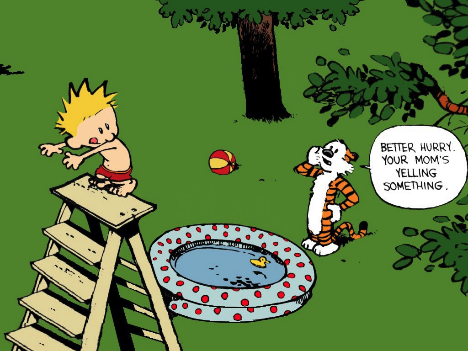
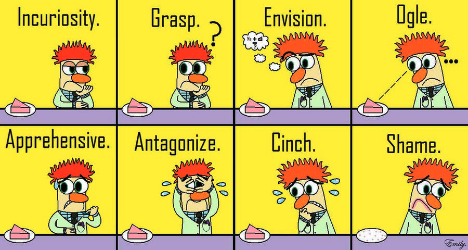
Tha co-dhùnadh na phrìomh sgil leughaidh a bhios mòran oileanach a’ strì leis air measaidhean leughaidh àbhaisteach. Bidh co-dhùnadh a’ tachairt nuair a thig sinn gu co-dhùnaidhean stèidhichte air na leugh sinn. Is e eisimpleirean de cheistean a choinnicheas oileanaich ann an gnìomhan tuigse leughaidh no measaidhean an fheadhainn mar, “Ciamar a bha an caractar a’ faireachdainn nuair?”, “Dè as urrainn dhut a cho-dhùnadh mu dheidhinn…” agus “Dè an leasan a bh’ anns an sgeulachd?” Tha comaigean ag iarraidh air oileanaich “leughadh eadar na loidhnichean” gus fiosrachadh a thoirt a-steach a bhios mar as trice ag innse leis an neach-aithris ann an nobhail, gus am faigh iad tòrr eòlas luachmhor ann a bhith a’ neartachadh na sgil seo le bhith a’ leughadh comaigean.
3.Cumhachd Facal!
Gu math tric ann an comaigean agus nobhailean grafaigeach, tha briathrachas gu math adhartach aig sgrìobhadairean, an dà chuid mar phàirt den sgeulachd agus ann an ainmean nan caractaran. Anns 2016 aig an Comic-Con ainmeil air feadh an t-saoghail ann an San Diego, California, bheachdaich panal de luchd-foghlaim air cumhachd comaigean ann a bhith a’ togail briathrachas nan oileanach. Seumas Bucky Carter, thuirt ùghdar Building Literacy Connections with Graphic Nobhailean, “Tha Colossus agad, agus tha e cho mòr, fear mòr meatailt. Gheibh thu fìor dheagh mhothachadh air dè tha am facal colossus a’ ciallachadh agus is e deagh fhacal 10-cent a tha sin. Tha cumhachd Banshee a’ sgreuchail. Tha na caractaran sin agad a tha a’ toirt a-steach na faclan briathrachais a th’ annta. Sin rudeigin a tha na dhòigh spòrsail airson faclan ùra ionnsachadh, a bharrachd air na sanasan co-theacsail.”
Às deidh dhut seo a leughadh is dòcha gum bi thu airson leigeil le do phàiste dàibheadh a-steach a bhith a’ leughadh comaigean no nobhailean grafaigeach! Sin ceòl gu ar cluasan. Mura h-eil thu cinnteach càite an tòisich thu, tha cuid de na h-oileanaich as fheàrr leat a dh’ fhaodadh do phàiste feuchainn!
Dog Man le Dave Pilkey

Miles Morales Spider-Man le Jason Reynolds

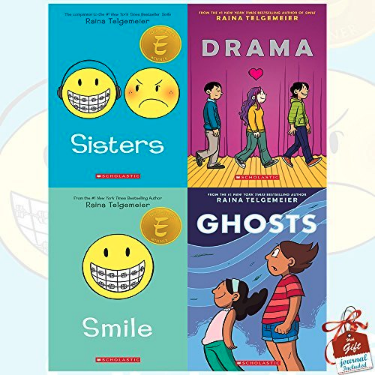
Smuaintean, Peathraichean, Taibhsean, Dràma agus Sgeulachdan Eile le Raina Telgemeier
Cnàmh le Jeff Smith

A’ coimhead airson barrachd chothroman leughaidh samhraidh dha do phàiste? Cuir fios gu aon de na Comhairlichean Foghlaim againn airson tuilleadh fiosrachaidh mu na cùrsaichean leughaidh samhraidh againn. Tha sinn a’ coimhead air adhart ri leughadh còmhla ri do phàiste!
Tha seusan nan deuchainnean an seo, agus faodaidh e a bhith na àm duilich den bhliadhna airson oileanaich agus pàrantan. Aig Reach Out tha sinn airson ar dìcheall a dhèanamh gus cuideachadh le bhith a’ lughdachadh iomagain deuchainnean le bhith a’ tabhann cuid de mholaidhean sgrùdaidh sònraichte is dòcha nach do dh’ fheuch thu.
Tha mòran phàrantan agus tidsearan air a bhith a’ leantainn gliocas gnàthach mu bhith ag ionnsachadh a tha a’ ciallachadh gu math, ge-tà, ma choimheadas sinn air dòighean-obrach inntinneach stèidhichte air rannsachadh chì sinn gu bheil grunn dhòighean èifeachdach ann airson sgrùdadh! Tha e an-còmhnaidh math rudan ùra fheuchainn, gu sònraichte airson clann. Faodaidh iad eòlas fhaighinn air dòighean ùra air rudan a dhèanamh nuair a tha iad òg, agus nuair a tha iad beagan nas sine, faodaidh iad an dòigh as fheàrr a fhreagras air na feumalachdan agus an stoidhle pearsanta aca fhèin a thaghadh.
Nise, bheir sinn sùil air trì dòighean gun samhail airson sgrùdadh.

Tha iomadachd na spìosraidh beatha - eadhon nuair a bhios tu ag ionnsachadh
Airson mòran, iomadh bliadhna chaidh innse dhuinn sin airson ionnsachadh math, bu chòir dhuinn ionnsachadh san aon àite a h-uile latha; àite sàmhach, air a dheagh shoillseachadh, agus tha na stuthan againn uile. Ged a dh’ fhaodadh seo a bhith fìor airson cuid den ùine a tha sinn ag ionnsachadh, tha rannsachadh a’ sealltainn dhuinn gu bheil ar n-eanchainn a’ dèanamh nas fheàrr nuair a dh’ atharraicheas sinn an t-àite anns a bheil sinn ag ionnsachadh. Gu math iongantach, deas?
Ann an sgrùdadh a chaidh a dhèanamh fad na slighe air ais a-steach 1978, thugadh oileanaich na colaiste 40 briathrachas ri ionnsachadh. Chaidh innse do aon bhuidheann an liosta a sgrùdadh dà uair san aon àite. Chaidh innse don bhuidheann eile an liosta a sgrùdadh ann an dà àite eadar-dhealaichte. Bha na lorg iad, rinn a’ bhuidheann a dh’atharraich na h-àiteachan sgrùdaidh aca na b’ fheàrr le bhith a’ cuimhneachadh nam faclan nas fhaide air adhart. A-nis carson a tha sin? Uill, bidh ar n-eanchainn gu tric a’ dèanamh cheanglaichean ri fiosrachadh stèidhichte air an àrainneachd againn, mar sin mar as motha a dh’ atharraicheas sinn ar n-àrainneachd, mar as motha a tha sinn a’ toirt cothrom dha ar n-eanchainn fiosrachadh a chumail oir bidh e a’ ceangal ri barrachd rudan. Is dòcha gur e seo cuideachd carson a tha aon innleachd lèirsinneachd, far am faicear rudan a tha iad airson a chuimhneachadh gu àiteachan sònraichte ann an àrainneachd air a bheil iad eòlach, faodaidh e a bhith cho èifeachdach cuideachd. Do dh'oileanaich, is dòcha gun dèan e dìreach an àrainneachd atharrachadh!
Biodh spòrs agad!
Is dòcha gu bheil cuid de phàrantan a’ smaoineachadh le mearachd ma tha an leanabh aca a’ gàireachdainn no a’ faighinn toileachas fhad ‘s a tha iad ag ionnsachadh no ag ionnsachadh, is dòcha gu bheil iad a’ caitheamh an ùine. Ge-tà, chan eil seo gu feum mar chùis.
Mar phàrant, san obair no san oifis agad is dòcha gum bi bùthan-obrach sònraichte agad bho àm gu àm. Mar as trice bithear a’ cleachdadh na bùthan-obrach mar inneal gus do chuideachadh le bhith ag ionnsachadh mu ro-innleachd ùr, beachd, no fiosrachadh a chuidicheas tu gus barrachd ionnsachadh aig an obair. Bidh na seiseanan sin gu tric air an ruith le daoine a tha gu sònraichte a’ cruthachadh bhùthan-obrach brosnachail is brosnachail a bheir spionnadh is spionnadh do luchd-obrach.. Faodaidh na làithean a bhith fada agus dian, ach ma tha iad air an deanamh ceart, faodaidh luchd-obrach coiseachd air falbh le misneachd nan eòlas agus na sgilean ùra.
Tha an aon rud fìor airson daoine òga. Le bhith a’ toirt a-steach cluich geama agus spòrs mar dhòigh air sgrùdadh airson deuchainnean chan ann a-mhàin a’ toirt air do phàiste gàire a dhèanamh, ach tha rannsachadh a’ sealltainn gu bheil spòrs fhad ‘s a tha thu ag ionnsachadh a’ cur an gnìomh cuid de ghoireasan inntinneil, chompanaich dhuaisean agus tlachd ann an ionnsachadh, a’ neartachadh agus a’ leudachadh lìonraidhean cuimhne, agus a’ togail smaoineachadh eas-chruthach agus aire chuimsichte.

Teicneòlas Pomodoro
A 'cumail fòcas, faodaidh e a bhith duilich dha inbhich agus clann le chèile a bhith air an obair agus air am brosnachadh gus gnìomhan sònraichte a choileanadh. Na mhothaich thu a-riamh gu bheil thu air a bhith a’ coimhead air scrion coimpiutair airson uairean, ach glè bheag de choileanadh? No is dòcha gu bheil ceann-latha agad ann am beagan làithean, ach chan eil iad ach a’ dol a dh’ionnsaigh na loidhne crìochnachaidh? Chan eil e na iongnadh, oir tha rannsachadh a 'sealltainn gu bheil ar n-inntinn buailteach a dhol suas gu 20% den ùine, is dòcha eadhon nas motha airson daoine òga.
Chaidh aon dòigh inntinneach a chruthachadh leis an oileanach colaiste Francesco Cirillo mar dhòigh air a chuideachadh le bhith a’ cumail fòcas, agus is e sin an Pomodoro Technique, a fhuair ainm bhon timer cumadh tomato a chleachd Cirillo fhad ‘s a bha e a’ dèanamh deuchainn air an ro-innleachd seo air fhèin. Mar a tha e ag obair tha thu a’ suidheachadh timer air a shon 25 mionaidean, is e sin ùine obrach. An uairsin cuir air dòigh a-rithist e 5 mionaidean, is e sin àm fois. Is e deagh àm a tha seo airson èirigh, sìneadh, gabh lap timcheall an taighe, peat do chat, no faigh deoch uisge no greim-bìdh. Às deidh ùine fois suas, suidhich an timer airson fear eile 25 mionaidean agus ath-aithris!
Tha e coltach gu bheil an ro-innleachd seo a’ faighinn taic bho fhianais shaidheansail, mar a cho-dhùin luchd-rannsachaidh gu bheil saor-làithean goirid a’ cuideachadh le bhith a’ cumail do raon aire air an t-slighe. Dh’ fhaodadh seo a bhith co-cheangailte ris an fhìrinn gum faod dòrainn inntinneil leantainn gu inntinn neo-cheangailte, is e sin an rud mu dheireadh a tha thu ag iarraidh nuair a bhios tu ag ionnsachadh airson deuchainn chudromach.
Tha sinn an dòchas gun do chòrd e riut a bhith a’ sgrùdadh nam molaidhean sgrùdaidh sònraichte seo cho mòr ‘s a th’ againn! A’ guidhe gach soirbheachas don leanabh agaibh air deuchainnean na mìos seo. Jia thu!
We know that there is so much we can do to nurture and educate our children, which is why as parents we often go to great lengths to fill their time with enriching activities and classes. Why do we do this? For many reasons of course, but the main goal is to ensure their future success. Parents hope that their children will be even more successful in life than they were themselves. Success, of course, is subjective, and we may all have our own definition of success. Generally however, we might agree that success includes feeling content in one’s personal life, as well having a sense of career satisfaction and financial security.
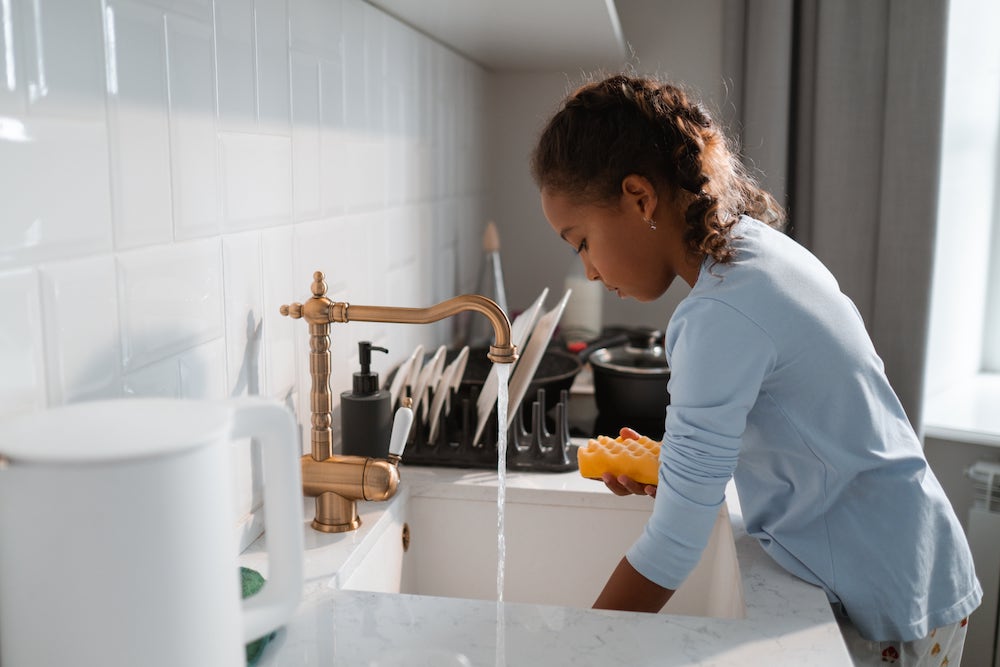
Recently there has been an intriguing TED Talk being shared on social media, in which former Dean of Freshman at Stanford University, Julie Lythcott-Haims, cites evidence from the Harvard Grant Study that correlates professional success in life to individuals having done chores as children. Not soccer training, not language learning, not painting, but chores.
Surprising right?
Many of our children growing up in big cities may never know what it’s like to scrub a dish, wash a window, or mop a floor. We might feel like there are more important things to do to build their knowledge and their character. Lythcott-Haims explains that those children who do get their hands dirty, ge-tà, may reach a level of success in life that surpasses their no-chore-doing peers. That is because it teaches students how to contribute and step up when work needs to be done, and that doing the “grunt work” that others might scoff at, because it is what is best for all, is what gets noticed in the workplace.
The workplaces of the high-achievers who took part in the Harvard Grant Study were notable, such as the White House, where participant President Kennedy worked, and the editor’s office where Ben Bradlee sat as editor of The Washington Post. We can assume that their parents, like us, had to prod and plead for the chores to be done, and accept that even if they were done, they might not have been done well; and that’s okay.
The important thing, as Lythcott-Haims points out, is that by doing chores, children realize that they, “…have to do the work of life in order to be part of life.” They realize that life does not just happen to them, and for them, but with them.
If your children are already doing chores as part of their daily summer routine, bravo! You are on the right track. If not, no need to panic. It is never too late to introduce chores into the lives of our children. Here are some tips to help get you started!

Let Them Be a Part of It
When introducing the concept of your children completing chores to help, have a “family meeting” where everyone is present to discuss what will be expected of your children and why. You can ask your child to help you write a list of chores they could potentially help with around the house. They might surprise you with their enthusiasm as doing chores is very exciting for some children because it makes them feel empowered and helpful (two things we often like to feel as adults).
Game-ify It
To make things fun, because fun makes everything better, you or your child can write the chores on popsicle sticks and each day your child can choose one stick from the jar. That will be their chore for the day! If you have more than one child at home, you can always turn cleaning into a competition by setting a timer and seeing which child can clean the most toys in the given amount of time, for example.
Reward It
As parents, we are rewarded for our contributions at work with a salary. Shouldn’t our children also be rewarded for their hard work? One idea is that if your child completes all of his or her chores for the week, he or she can choose a small toy from a “treasure box” filled with small toys. Another option could be that if your child consistently completes chores for a month, they can choose an extra special family outing.
Teaching our children to do chores is not always easy, but the potential benefits are worth the time and effort. We hope you found our tips useful, and that they can help lead to a positive experience for you and your child. Happy cleaning!
We are pleased to announce a new summer book club, just for parents! Summer is the perfect time to read that book you have always wanted to read, but have not had the time to. This summer, we invite you to join us in reading How to Talk So Kids Will Listen and Listen So Kids Will Talk.
We know it is not always easy to connect with our children because of the demands of school, work and daily life. Sometimes our anxieties about the future interfere with us living our lives right now. Ge-tà, one thing we can guarantee is that we will never get another chance to experience childhood with our own children, and we don’t want to miss out on this precious time. Mar sin, how can we make the most of it and have meaningful conversations with our children that will strengthen our bond and help our children feel supported? These are big questions many of us have.
To help us answer these important questions, we invite you to join us in reading one of the most popular parenting books of all time, written by Adele Faber and Elaine Mazlish. How to Talk So Kids Will Listen and Listen So Kids Will Talk, which teaches us how to accept our children’s feelings, as by not doing so we could be unwittingly causing bad behavior. It also teaches us positive ways to encourage cooperation, as well as independence, autonomy, and self-confidence. These are all the ingredients needed to help nurture a positive parent-child relationship that will indeed help to grow our children into confident and capable adults.

How Will It Work?
The first step is to contact one of our Education Consultants to register. Registration is FREE and open to everyone! We will create a group chat where the book study content and sharing will take place starting on July 1st. Lindsey Fine, our Education Manager, will be joining the group as a parent as well, as she is a mother of two boys, aged 4 agus 6, who will be learning along with you. She will also be helping to lead the weekly discussions.
The book can be found in English and Chinese and easily accessible in print, e-book, or audiobook formats.
Then there are two options for how you would like to participate:
The reading schedule is as follows:
Week 1: Chapters 1 & 2
Week 2: Chapters 3 & 4
Week 3: Chapters 5 & 6
Week 4 Chapters 7 & Afterword
At the end of the month, we will host an online workshop led by School Counselor, Regina Wehner. At the workshop, Regina will share additional information and strategies you can use to strengthen your relationship with your child.
About Regina Wehner

Regina Wehner is a Licensed School Counselor that has worked with students in Middle School for over 16 years. Originally from the United States, she lives with her husband and 2 children, ages 10 agus 12, in Beijing, China.
Regina works at the Western Academy of Beijing (WAB), a diverse international school. A big part of being a school counselor is helping students learn about themselves and others as they are growing. Regina also hosts monthly Parent Coffee Mornings to bring parents together to learn more about their children's developmental changes and how to communicate during these times of transition.
Contact us today to join!
Helping Your Child Learn New Vocabulary
Research indicates that if we want students to succeed in the academic context, on important assessments and high-stakes exams, as well as their future careers, we must help them develop their vocabulary. The reason for that is this: our understanding of new information is directly linked to our understanding of the vocabulary used to communicate that new information.
Do dh'oileanaich, increasing their vocabulary is one key to success in mastering a language; the more words we know, the more words we understand, and the more words we can use in our writing to make it more impactful and effective. Ge-tà, learning now vocabulary is sometimes viewed as a tedious or elusive process. Sometimes parents are not sure how to guide their children, especially as the way we approach vocabulary study study may vastly differ from the way parents studied it when they were in school.
Na gabh dragh, Reach Out is here to help! Let’s explore vocabulary acquisition (the process of memorizing and applying new vocabulary), and we’ll tell you how you can help your child build their vocabulary!

Talk About It!
It might seem overly simple, but when it comes to learning new words, one effective way young people do it is by talking with others. Children learn new words best when they are in context, such as in a conversation about a certain topic. They can infer a bit of new words’ meanings based on how they are used along with the other words they are already familiar with.
You have likely been interrupted by your child on many occasions when you use unfamiliar vocabulary and they curiously ask, “What does disaster mean?” You might have been referring to the state of their bedroom (as in it is a complete mess), and by taking a moment to explain the multiple meanings of disaster to them, you will not only have taught them a new word to describe a messy room, but also a failure or a naturally occurring phenomenon, such as a natural disaster.
Mar sin, talking with your child is a great way to teach them new words!
Explore It!
Students generally understand that they can use a dictionary or a translator if they encounter a word they do not know, but sometimes even the definition of a word might leave them with more questions than answers.
In our experience, many students do not utilize one very important tool for learning and applying new vocabulary, and that tool is a thesaurus! If you notice your child overusing a word when speaking or in their writing, for example, “pretty”, “cute”, “good”, or “bad”, then take some time to show them how to use a website such as thesaurus.com to look those words up. When they search for the word such as “pretty” they will see that there are so many interesting and unique words to use instead! I
In our experience, students really enjoy using new vocabulary, and feel empowered to know there is a tool to help them make their words mightier.
Play!
Having fun while learning isn’t just something teachers do to make students happy, it’s actually been proven by neuroscience to be an effective way to help students learn more and more deeply. Research shows that when students are both stimulated and challenged, their brains release dopamine. Dopamine is a neurotransmitter that stimulates the memory centers and promotes the release of acetylcholinem, which increases focused attention.
In our courses here at Reach Out, vocabulary instruction is an important part of each lesson. We also have courses launching this summer, Vocabulary Builder Levels 1-3, in which we will focus exclusively on helping your child expand their vocabulary knowledge with challenging new words. While the words chosen offer the challenge, tools like Quizlet and games such as Guess Who and Sentence Racer provide students with the chance to interact in a meaningful and engaging way.

How do we know these methods are effective? Because our decades of experience, and study of educational psychology and methodology have taught us how students learn best!
We would love to help your child learn new vocabulary as one of the ways he or she can become an effect more effective and successful reader, writer, and speaker. To learn more about how we can help, cuir fios gu aon de na Comhairlichean Foghlaim againn an-diugh!
If you are looking for a more individualized educational service, Reach Out offers 1-on-1 services with our expert educators!
What do We Offer?
Our teachers offer a wide range of 1-on-1 subjects including English, Social Sciences, and Maths.
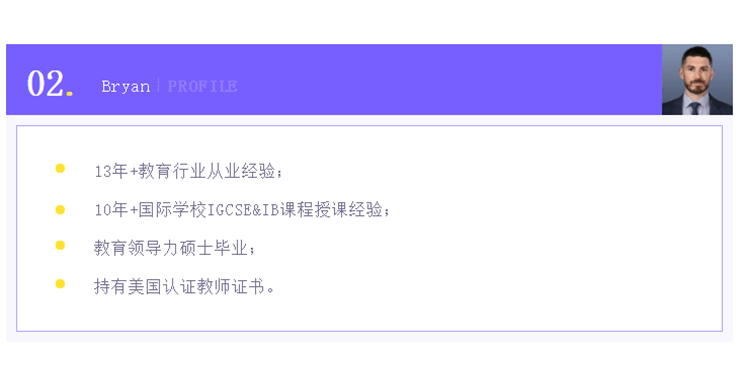
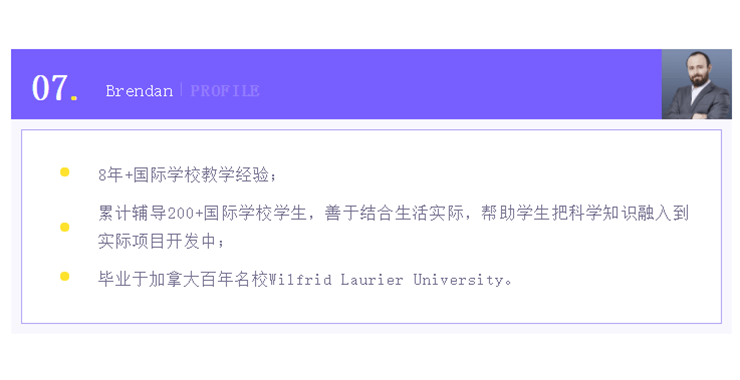
Meet some of our highly qualified and experienced teachers!


Why Should I Choose 1-on-1 Services?
Perhaps your child is preparing to study abroad or applying to a new school and he or she would like a more intensive and targeted approach in order to polish his or her skills. Alternatively, your child might not feel challenged enough with his or her current curriculum, and needs an alternative approach that is more appropriate for his or her ability level.
There are a number of reasons a parent might be searching for services such as this, and we can assure you that we will always work to understand you child’s unique situation and provide the service that is best for them.
How Does it Work?
With our hands-on approach, and orientation process, we will assess your child’s knowledge and skills based on current assessment data, writing ability, agus tuilleadh. Based on our findings, we will select the teacher best suited for your child’s needs. All of Reach Out’s teachers have been carefully selected, and have years of experience in teaching challenging curriculums, such as IGCSE, IB, agus AP, in top schools from around the world.
Our process is goal-oriented. We find out exactly what your child needs to reach their educational goals, and then we create a unique and tailor-made learning path that will best suit your child’s particular needs.
What Else Does Reach Out Offer?
In addition to 1-on-1 services, Reach Out offers a wide variety of courses specifically designed to challenge and engage your 2nd to 8th grade child with above grade level content in order to help them prepare for the rigor of programs such as IGCSE, IB, agus AP.
How Can I Learn More?
To find out more about our 1-on-1 services, please contact one of our Education Consultants today to find out more! We look forward to helping your child reach his or her educational goals for a bright future!
Cò sinn
Mar is dòcha gu bheil thu air mothachadh, tha sinn air a bhith a’ fàs agus tha rudan inntinneach againn ris na tha sinn a’ tabhann an seo aig Reach Out. Mar a tha ùine air a bhith ann bho thug sinn a-steach sinn fhìn, bha sinn den bheachd gun roinn sinn ar sgeulachd riut gus do chuideachadh le bhith a’ tuigsinn nas fheàrr cò sinn agus dè bhios sinn a’ dèanamh!
Ar misean
Is e rùn Reach Out oileanaich a cheangal ri luchd-foghlaim eòlach a bhios a’ cruthachadh agus a’ lìbhrigeadh stuth tùsail, brosnachail, curraicealaman aig ìre cruinne. Tha sinn air tòiseachadh air an turas seo gus an cuidich sinn oileanaich le bhith a’ tuigsinn mar a lorgas iad an guth sònraichte aca fhèin agus gun lorg sinn na beachdan cruthachail is luachmhor a tha taobh a-staigh gach fear dhiubh.. Leis na guthan aca, tha cumhachd aca an saoghal atharrachadh, agus tha sinn airson cumhachd a thoirt dhaibh sin a dhèanamh.

Ar Lèirsinn
Tha Reach Out a’ strì ri bhith na ionad foghlaim a tha aithnichte gu h-eadar-nàiseanta a leigeas le oileanaich cothrom fhaighinn air curraicealam eadar-nàiseanta agus luchd-foghlaim aig ìre àrd., ge bith càite air an t-saoghal a tha iad. Bidh na h-oileanaich againn mothachail, fiosrach, agus luchd-smaoineachaidh breithneachail a bhios a’ dèanamh roghainnean fiosraichte mar fhìor luchd-fuasglaidh cheistean agus luchd-conaltraidh. Coileanaidh oileanaich Reach Out an amasan acadaimigeach agus pearsanta agus aislingean bhon Bhun-sgoil chun an Oilthigh, a’ cur na h-amannan ri teachd sgoinneil aca taobh a-staigh ruigsinneachd.

Na Prìomh Luachan againn
Is iad seo na prionnsapalan a tha a’ cumadh Reach Out:
An Sgeul againn
Chaidh Reach Out a chruthachadh le buidheann bheag de mhàthraichean sònraichte, is dòcha gu math coltach riut fhèin. Bha iad air an toirt còmhla le lèirsinn chumanta airson feumalachdan foghlaim an cuid chloinne. Bha cuid a’ coimhead airson prògram foghlaim a bheireadh cothrom don chloinn aca air na beachdan, teagasg feallsanachd, agus dòigh-obrach a bha a rèir na dh’fhiosraich iad fhad ‘s a bha iad a’ fuireach thall thairis. Bha cuid eile a’ coimhead airson curraicealam eadar-nàiseanta a gheibheadh a’ chlann aca gus an eòlas foghlaim ann an Sìona a neartachadh. B’ e an rud a bha iad a’ roinn ann an cumantas miann airson prògram teann a dh’ fhosgail na dorsan gu smaoineachadh cruthachail agus breithneachail cuideachd, fèin-mheòrachadh, agus faireachdainn pearsanta - comharran curraicealaim làidir eadar-nàiseanta. Às deidh ùine mhòr a chuir seachad a’ sgrùdadh diofar roghainnean, cha b’ urrainn dha na màthraichean sin dad a lorg a choinnicheadh ri feumalachdan na cloinne aca.
Mar sin, rinn iad ciod a dheanadh mathair sam bith, thugadh an cothrom, agus lorg iad an dòigh aca fhèin air na cothroman ionnsachaidh as fheàrr a thabhann don chloinn aca a chaidh a dhealbhadh gus an cuideachadh le soirbheachadh. Rinn iad co-chomhairle le tidsearan eòlach agus dh'obraich iad le pàrantan eile gus faighinn a-mach mar a b' fheàrr a b' urrainn dhaibh feumalachdan chloinne eile le amasan co-chosmhail a choinneachadh. Clann, tha sinn an dòchas, coltach riut fhèin.
Bha na pàrantan dealasach a thaobh:
Tha sinn toilichte a ràdh gu bheil na màthraichean sin air an amas a choileanadh. An-diugh tha Reach Out a’ bòstadh sreath iomlan de chùrsaichean teann ach tarraingeach anns am bi oileanaich ag ionnsachadh gu domhainn fhad ‘s a bhios iad a’ faighinn spòrs agus a ’cruthachadh dàimhean brìoghmhor leis na tidsearan agus an co-aoisean..
Tha seo uile air sgàth dealas ar màthraichean stèidheachaidh a thaobh foghlam agus toileachas na cloinne aca.
Dè a tha gar dèanamh gun samhail?
Ged a tha sinn a’ tuigsinn gu bheil raon de roghainnean aig pàrantan a thaobh phrògraman a chuireas ri foghlam an cuid chloinne, tha sinn a’ creidsinn gu bheil sinn a’ tabhann mòran fheartan sònraichte nach fhaighear gu furasta ann an àiteachan eile.
Tha an sgioba againn air a dhèanamh suas de luchd-foghlaim fìor sgileil agus eòlach a tha air prògram sònraichte agus cruaidh a chruthachadh stèidhichte air inbhean sgoile eadar-nàiseanta, a bhios ag ullachadh oileanaich nas òige gus curraicealam teann a ghabhail os làimh leithid IGCSE, IB, agus AP.
-Tha na prògraman agus na curraicealam againn aon ri aon air an dealbhadh gus a dhol thairis air feumalachdan foghlaim ar n-oileanaich
-Ar feallsanachd teagaisg mu bhith a’ brosnachadh agus a’ toirt cumhachd do dh’oileanaich, agus modhan teagaisg gus leigeil le oileanaich eòlas a sgrùdadh gu farsaing agus gu domhainn agus aig an aon àm a’ leasachadh gaol ionnsachaidh
-Ar dealas airson soirbheachas ar n-oileanaich san fhad-ùine agus sinn a’ feuchainn ri na sgilean riatanach a thoirt dhaibh a dh’ fheumas iad airson soirbheachadh nan dreuchdan san àm ri teachd agus san t-saoghal taobh a-muigh na sgoile
- Am fios air ais mionaideach a bheir sinn seachad leis na measaidhean oileanach againn uile, gus am bi fios aig oileanaich càite a bheil iad a’ soirbheachadh agus càite am faodadh iad leasachadh, a bharrachd air na stuthan agus an stiùireadh leasachail a dh’ fheumar gus na h-oileanaich againn a chuideachadh gus beàrnan sam bith ann an tuigse a dhùnadh
-Ar dealas ann a bhith a’ leasachadh sgilean smaoineachaidh breithneachail agus fuasgladh cheistean ar n-oileanaich, a bhios riatanach airson an ama ri teachd, a bharrachd air àm ri teachd ar comann-sòisealta cruinne
-Tha sinn a’ gealltainn gum bi sinn a’ fastadh ar luchd-teagaisg agus luchd-teagaisg neo-theagaisg stèidhichte air an dealas airson foghlam
-Ar comas cumhachd a thoirt do dh’ oileanaich an cànan a chleachdadh, eòlas, agus na sgilean a thogas iad gus iad fhèin a leasachadh taobh a-muigh a’ chlas agus gu bhith fiosrach, luchd-ionnsachaidh fad-beatha a tha a’ suidheachadh agus a’ leantainn dùbhlan, choimhlionadh, agus amasan luachmhor.
-Ar làmh-làimhe, dòigh-obrach fa leth airson slighe ionnsachaidh a chruthachadh dha na h-oileanaich againn gus nach bi e gu diofar dè an ìre ìre a bhios iad nuair a thig iad còmhla rinn, bidh iad uidheamaichte leis na h-innealan a tha riatanach airson leasachadh agus fàs gu luath
-Ar dealas airson cumhachd a thoirt do ar teachdaichean le fiosrachadh agus eòlasan a chuidicheas iad gus na roghainnean as fheàrr a dhèanamh airson foghlam an cuid chloinne le bhith a’ tabhann artaigilean fiosrachail, bhideothan agus bùthan-obrach.
An Curraicealam againn
Curraicealam an Loidhne Gorm againn, a tha a’ gabhail a-steach cùrsaichean do dh’oileanaich ann an Ìrean 2 gu 8, air a dhealbhadh le luchd-foghlaim eòlach le ceuman ìre adhartach anns na raointean cuspair aca a tha air deicheadan a chuir seachad ann an cuid de na prìomh sgoiltean eadar-nàiseanta san t-saoghal. Bidh sinn a’ cleachdadh dealbhadh curraicealaim air ais ag obair air ar slighe bhon chiad bhliadhna de phrògraman leithid prògram IGCSE a tha aithnichte agus air a bheil mòran spèis.
Leis gu bheil an luchd-foghlaim againn air bliadhnaichean a chuir seachad a’ teagasg chùrsaichean ro-IGCSE, IGCSE, Curraicealam IB agus AP no A Ìrean, tha iad a’ tuigsinn na dh’fheumas oileanaich gus soirbheachadh anns na prògraman sin. Mar sin, chaidh gach taobh den churraicealam againn a chruthachadh gus dèanamh cinnteach gun tèid na h-oileanaich againn uile a-steach don chiad latha den Ìre aca 9 faireachdainn misneachail, uidheamaichte, agus deiseil airson coinneachadh ri iarrtasan nan cùrsaichean teann sin.
Bidh sinn a’ tabhann raon farsaing de chùrsaichean ann an cuspairean Beurla, Math, Eachdraidh agus Cruinn-eòlas. Faic gu h-ìosal airson fiosrachadh nas mionaidiche mu na tha sinn a’ tabhann làn chùrsaichean.
Seirbheisean a bharrachd
Tha sinn cuideachd toilichte ainmeachadh gu bheil an Loidhne Airgid againn air a chruthachadh, a tha a’ tabhann seirbheisean foghlaim sònraichte a bhios a’ cleachdadh dòigh-obrach fa leth gus coinneachadh ri feumalachdan ar n-oileanaich. Tòisichidh sinn le measadh domhainn air amasan agus feumalachdan foghlaim gach oileanach, agus an uairsin cruthaich agus cuir an gnìomh sgeama obrach leis am bi ar luchd-foghlaim eòlach a’ cleachdadh gus do phàiste a stiùireadh tro dhùbhlain acadaimigeach na h-Àrd-sgoile gus an ullachadh airson a dhol don oilthigh bruadar aca mu dheireadh..
Bidh sinn cuideachd a’ tabhann seirbheisean 1-air-1 aig gach ìre do phàrantan a tha airson barrachd cùram is stiùireadh fa-leth a thabhann don chloinn aca. Nì ar Comhairlichean Foghlaim eòlach cinnteach gum bi thu a’ maidseadh do phàiste leis an neach-foghlaim as fheàrr airson na feumalachdan agus na h-amasan sònraichte aige.
Thig còmhla rinn!
Tha sinn a’ coimhead air adhart ri bhith a’ coinneachadh ri do theaghlach agus a’ bruidhinn air mar as urrainn dhut a bhith nad phàirt den teaghlach Reach Out againn; aon a tha ag ionnsachadh còmhla, a' gabhail cùram d'a chèile, a’ faighinn thairis air dùbhlain còmhla, agus a’ comharrachadh soirbheasan le chèile. Feuch an cuir thu fios thugainn an-diugh gus tuilleadh fhaighinn a-mach.
Tha sinn an dòchas cluinntinn bhuat a dh'aithghearr!
Being a parent is hard. Leis an fhìrinn innse, with the changes in our world today, it might just be one of the challenging moments we have had to face in decades. Change leads to uncertainty, and uncertainty can lead to stress. Stress certainly affects all areas of our lives, sometimes it will impact our relationship with our loved ones the most; especially our children.
Our children can be complicated (let’s face it, so can we!), and it is a daunting task to ensure that every move is the “right” one. That all of our conversations, demands, requests, plans, praises and criticisms mean something. Every moment we spend talking to our kids, we hold the hope that these words will be enough to fill our children with the hope of a great future at a time where the future is so uncertain. Times change, and this too shall pass, but one thing we can guarantee is that we will never have a second chance at spending a childhood with our children.
As parents, we often ask ourselves if we are in fact doing the right thing, wondering how we can get through to our kids, trying to understand our children better, and sometimes feeling like a guilty failure because we tell ourselves we are doing it wrong. Oftentimes, that is not the case, but there is no instruction manual on how to raise a child that will work for everyone in all situations. Sure, there is a lot of advice, an overwhelming amount of it, but again, most advice is just that; guidance and recommendations by people who don’t know you or your child. Some of it is helpful, and some of it…not so much.
One thing that we cannot deny though is the importance of a healthy relationship between parent and child.
Research shows that:
It is essential to make the time to nurture a relationship with your child, and perhaps even more imperative, making sure the interactions we have with our children during that time are positive. This is something that many parents find challenging, which is why we created a parent book club for the book How to Talk So Kids Will Listen and Listen So Kids Will Talk by Adele Faber and Elaine Mazlish. Together we learned ways to positively communicate with our children in order to strengthen our bonds. We spent time discussing ideas from the book, as well as had a virtual meet up to role-play some of the strategies from the book. On top of that, we invited Middle School Guidance Counselor, Regina Wehner, to provide parents with a workshop in understanding our child’s cognitive and emotional development.
Here are some highlights we would like to share with you!

First, from How to Talk So Kids Will Listen and Listen So Kids Will Talk, here are two of our favorite strategies:
Children have difficulty regulating their emotions, as the brain’s emotional regulation center is one of the last to develop. This means that they need our help in the form of compassion and modeling. This can be so challenging, especially when we may have difficulty managing our own emotions at times! We have an easy strategy for you that will only require two things:
When your child comes home upset about something that happened at school, instead of lecturing and offering our sage advice, we can simply listen to their concerns and repeat the ideas back to them. For example, if your child comes home upset and says something like, “Ugh, today Elizabeth and Sarah were so mean to me! They completely ignored me and I hate both of them now!” Instead of saying, “Elizabeth and Sarah are your best friends. It’s not a big deal and I am sure you will be fine tomorrow,” which could invalidate your child’s feelings, you can say, “Oh, I see. Elizabeth and Sarah made you feel a bit left out. That probably made you feel a bit sad and mad.” At this point your child might keep talking and open up to you, which is great! It means they trust you and you are making them feel better. Continue to listen, nod, say, “Mmmhmm,” and repeat what they say. Having you simply listen will likely make your child feel 100% better and ready to face their next challenge!

2. I wish!
Our children often express their desires in the form of wishing they had things they don’t have or wishing things were different than the way they are. For example, children may say, “I wish I didn’t have to do all that homework.” We may reply, “Well, you do and that’s that!” or “It’s what you have to do. It’s your responsibility so you need to do it now!”
This may escalate into a battle of wills as parents feel frustrated that they keep hearing the same complaint and repeat the same reasoning. The children feel frustrated because their opinions are being invalidated and they feel misunderstood. Uill, don’t worry, we are here to help! We have a little trick that will help you turn the conversation around, and that is to agree with your child. It may sound counterintuitive, but we have firsthand experience with this trick and it works wonders!
For example, if your child says, “I wish we could go to the park today like I wanted!”
Instead of saying, “I can’t, I am too busy,” or “Yes, but we can’t, it’s raining,” we can say, “I wish we could too! We could go to the park and have a picnic! We could fly a kite and blow bubbles! Why don’t we have a picnic in the living room and after that we can blow bubbles in the bathroom!”
The first part gets the kids excited and their imagination going, taking them to a happy place. The next part makes them feel heard and connected to you.
Nise, some highlights from Ms. Wehner’s workshop:
*Please help me choose these! :)*
If you would like to join one of our workshops or book clubs in the future, make sure to follow us and stay tuned! We have great things coming up this fall!
Many parents ask us what the fastest way their child can improve their writing. While we firmly believe there are no shortcuts to becoming a truly effective and skilled writer, there are some things students can incorporate into their writing to help take it to the next level more efficiently. Like with anything trying to be mastered, the key to success lies in hard work and repetition. Practicing these skills regularly will help your child reach their educational goals.
This article will be the first in a series of articles that will focus on skills suited for different types of writing. This week, we will focus on descriptive writing tips.
Descriptive Writing Tips:
Descriptive writing is a true art form, as its purpose should be to create an image in the minds of the readers. One cannot tell a story on action and dialogue alone, and one cannot convey deep meaning and emotion in a poem without painting a picture with his or her words.
One powerful way to excel in description is to add adjectives and adverbs wherever possible. For example, if your child is writing a story he or she might write something like:
“Harry went outside and started looking for his friends.”
While this sentence conveys a basic meaning, it’s effect on the reader is also basic. By adding descriptive language in the form of adjectives and adverbs, we can quickly and effectively add imagery to the sentence:
“Harry zipped out the front door, slamming it shut behind him. His heart raced as he ran around the neighborhood eagerly looking for his friends.”
In the revised sentence, we see descriptions that tell us not only the action that is taking place, but also helping us feel the emotion of the character, an important aspect of storytelling.

Another great way to make a story or poem more effective is by adding figurative language, such as similes. Similes are comparisons that use like or as that can be used to help the reader imagine what is happening more clearly.
For example, your child might write something like:
I was so happy!
It was so cute!
He was so scared!
We can add similes to help create an even better result:
I was as happy as a a kitten in a yarn shop.
It was a cute as a baby panda playing in the snow.
He was as scared as a rabbit that just heard a wolf howl.

Our final tip for descriptive writing is to choose vocabulary that is so precise that it communicates exactly what the writer wants the reader to feel. Often, students will write descriptions that are a bit vague, with sentences like:
He was very tired.
The movie was very boring.
They were very cold.
The room very hot.
Again, these sentences convey a simple meaning, but in descriptive writing, that is simply not enough. Effective description uses vocabulary that has an impact, and we can achieve that by choosing only the best words to convey the most exact meaning.
See how we can take the sentences above from ordinary to extraordinary by replacing part of the sentence with powerful vocabulary:
He was exhausted.
The movie was unimaginative.
They were chilled to the bone.
The room was roasting.
The good news is that your child doesn't need to rely on his or her current vocabulary knowledge in order to succeed in creating sentences like those above. The thesaurus has all of the words they need to create memorable descriptions.
We hope these tips have been helpful! If you would like for your child to learn how to put these skills into practice with one of our passionate educators, stay tuned for coming announcements on our new summer and fall courses!
Next week, we’ll have a look at persuasive writing tips!
Tell us a bit about yourself.
I grew up in five different countries (Sweden, England, Germany, South Africa, and Canada). Integration into a diverse spectrum of cultures growing up has made me see the world with an open mind. I currently reside in Canada and work as both a university lecturer and a Math teacher at Reach Out. Outside of work I really enjoy sports such as badminton and chess, which I played at a competitive level for many years.

What is your educational background and qualifications?
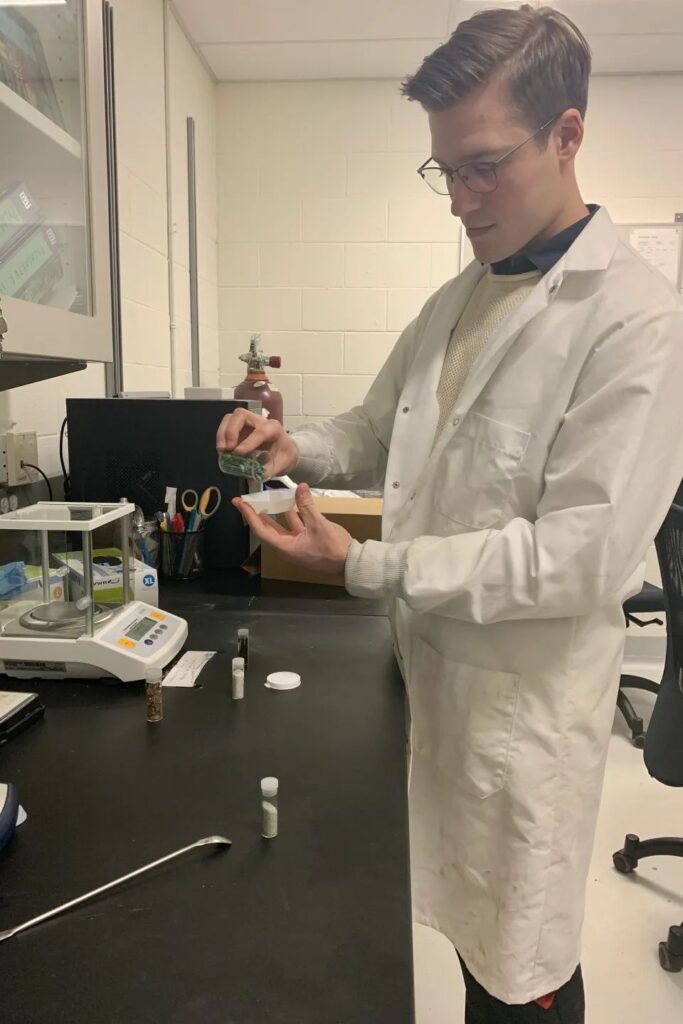
I received a Bachelor of Science Degree from the University of British Columbia (UBC) and an obtained my MSc at the same university. My graduate work involved experimental geoscience where I designed an apparatus to investigate how diamonds reach the surface of the Earth through high velocity magmas. I published articles in two high impact journals and presented the work across Canada and Europe.
During my graduate studies I had the privilege of lecturing a few classes which transitioned into a lectureship position. Teaching at the university level involves lecturing a class of over 200 oileanaich, which is very different to the work I do at Reach Out, but has helped me develop a dynamic teaching style.
Additionally, I have been teaching Math and Science both privately and through educational organizations for over 6 bliadhnaichean.
Why did you join Reach Out?
I joined Reach Out because the prospect of being able to deliver high quality education from around the globe without border restrictions resonates with me.
I feel that the reason I am committed to staying at Reach Out is more important. The personalized classes being delivered has allowed me to connect with the students, making their progression much more meaningful to me. Some students have been together with me through multiple grade levels and I feel immensely proud to have played a role in their education.
What is your educational philosophy?
Having a background in experimental science has allowed me to see value in making breakthroughs through experimentation. By allowing students to experiment with different methodologies while offering guidance is an extremely effective way of teaching students to not be afraid of failure. Richard Fuller correctly said, “There is no such thing as a failed experiment, only experiments with unexpected outcomes.” Students often start my classes afraid to answer questions, discuss with their classmates, or write on the board since they don’t know the answers. Since I am always more focused on solutions rather than answers, students’ are rewarded for trying new techniques, discussing failed methods, and asking questions about their classmates’ work. I found this to produce a phenomenal learning environment and takes a lot of pressure off the students.
What is your favorite thing about teaching Math?
My favorite thing about teaching Math is the exciting challenges it provides. After teaching Math for many years, I have come to realize that students see the world from a unique perspective, which more often than not, is very different from my own. This diversity produces a wide spectrum of learning styles and requires me to stay very flexible with the methodologies I use in my teaching.
Math is a complex subject which has provided us with a universal language to better understand the universe that surrounds us. Having a good problem solving ability is a byproduct of learning Math and crucial for success in the modern world. For these reasons I have the responsibility to transform a traditionally dry and boring subject into something exciting by creating compelling lessons and using creativity to inspire my students. This will always be something I love about my job.
Who is your favorite mathematician and why?
This is a tough question, and it’s hard to pinpoint one Mathematician since I utilize the works of so many Mathematicians in just one lesson. If I had to pick it would be either Johannes Kepler or Nicolaus Copernicus since I also love astronomy. Their Math not only challenged everything that was believed about our solar system at the time, but also formed the foundations for understanding planetary motion. Space travel has relied heavily on these concepts.
If you could only give parents one piece of advice when it comes to helping their child improve in Math, what would it be?
One thing I have worked on a lot with my students, is getting them to explain their solutions to me regardless of how easy it may seem. Being able to arrive at the correct answer in certain school curriculums may not require a complete understanding, but being able to explain a solution well does require a good understanding. Make sure that your child is always showing very clear steps in their work and that they can explain their steps to you. This certifies understanding and shows they are prepared for questions which test the same concept but may be worded differently.
What is one fun fact about yourself?
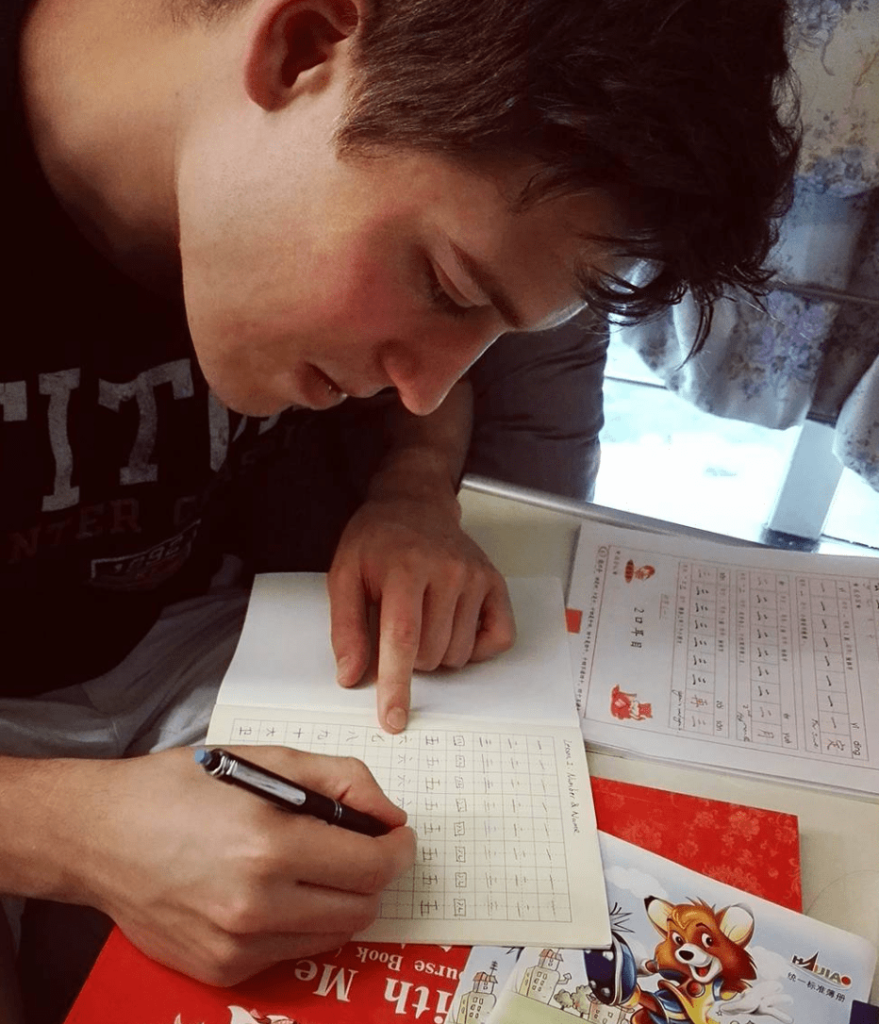
I really like learning languages! After growing up in many different countries I can speak English, Swedish, and German fluently. For the past two years I have been working to add Chinese to my collection and have enjoyed the unique challenges that learning this complex language has provided me with.
Is e pìos de litreachas clasaigeach a th’ anns a’ Ghàrradh Dhìomhair a tha air a bhith na phàirt de dh’àireamh leanabachd nach deach innse (ma chaill thu an artaigil againn air carson a bu chòir do chloinn nobhailean clasaigeach a leughadh, faic e ceangailte gu h-ìosal!). Is e sgeulachd chumhachdach a th’ ann mu chàirdeas agus faighinn a-mach a tha a’ freagairt air ar n-anaman.
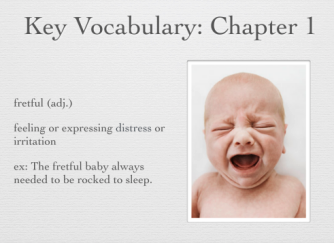
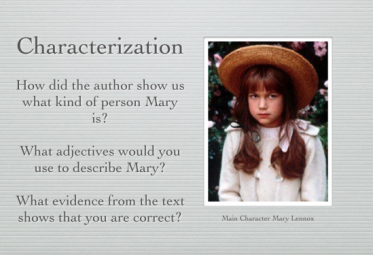
An Gàrradh Dìomhair tha e mu dheidhinn nighean òg leis an t-ainm Mary Lennox a chailleas a teaghlach agus a h-uile càil air a bheil i eòlach air sgàth ar-a-mach colera anns na h-Innseachan, far an robh a h-athair ag obair mar Chaiptean air Arm Bhreatainn. Mar leanabh, Bha Màiri air a dearmad gu mòr, ach air a mhaslachadh le seirbhisich an teaghlaich, mar sin bha i 'na leanabh millte le suidheachadh uamhasach. Cha robh ach glè bheag de fheartan aice a chuidicheadh i le bhith a’ dèiligeadh ri beatha ùr ann an Sasainn, far an deach a cur a dh'fhuireach còmhla ri càirdeas fad às, Bha Mr. Craven.
Bha Mr. Bha riaghailtean gu math teann aig Craven airson Màiri a leantainn aig an dachaigh ùr aice aig Misselthwaite Manor ann an Siorrachd Iorc, agus thug sin a-steach gun robh i toirmisgte a dhol a-steach do dhiofar sheòmraichean taobh a-staigh an taigh mòr, a bharrachd air a bhith toirmisgte a dhol a-steach do aon de na gàrraidhean air an togalach sprawling, a bhuineadh do mhnaoi a ghràidh nach maireann. Mar a thòisicheas Màiri a’ rannsachadh a dachaigh ùr, tha i a’ tòiseachadh a’ faighinn faireachdainn de thoileachas agus a’ faighinn air ais a slàinte às deidh a bhith tinn fad mòran de a h-òige. Às deidh robin ga cuideachadh gus an iuchair a lorg don ghàrradh dìomhair, tha i a 'faighinn mothachadh air adhbhar ann a bhith ag ath-nuadhachadh a' ghàrraidh, cho mòr 's a tha i ag ath-nuadhachadh i fhèin a-staigh. Tro na sgàinidhean agus duilleagan tioram a 'gheamhraidh, lorg i tòrr a bharrachd bhreugan a-staigh.
Le taic bho charaid ùr Dickon, Bidh Màiri a’ leasachadh a ciad chàirdeas, agus tha i a' cleachdadh a neart agus a caoimhneis ùr gu Cailean a cho-ogha air an leabaidh a chuideachadh, a gheibh i air falbh anns a' mhachair. Tha càirdeas a’ neartachadh Màiri agus Cailean, agus aig a' cheann thall, tha a h-uile duine a 'toirt fianais air mìorbhail a-mhàin a chaidh a dhèanamh comasach leis na dlùth-cheangail agus an creideas annad fhèin, dà chuspair fìor chudromach san nobhail.
Còrdaidh e ri daoine òga an sgeulachd iongantach seo mu chàirdeas a leughadh, faighinn thairis air cnapan-starra, agus a 'faighinn eòlas air cumhachd slànachaidh nàdair. Bidh na caractaran agus na leasanan a bhios iad a’ teagasg dhuinn gu cinnteach a’ suathadh ri do phàiste agus gan cuideachadh gus eòlas fhaighinn air cumhachd sgeulachd sgoinneil.
Ma tha thu ag iarraidh cothrom do phàiste eòlas fhaighinn air an sgeulachd seo còmhla ri daoine eile, tha sinn toilichte innse dhut gum bi sinn a’ leughadh An Gàrradh Dìomhair mar a’ chiad nobhail san Ìre Young Classics againn 2 Cùrsa as t-samhradh seo a.
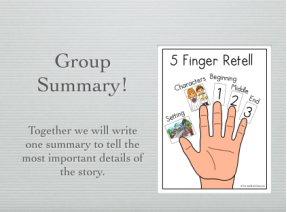
Anns a’ chùrsa, chan e a-mhàin gun leugh sinn an nobhail, ach bidh sinn cuideachd ag ionnsachadh agus a’ cleachdadh briathrachas ùr bhon leabhar, bruidhinn mu dhòighean litreachais cudromach a chleachd an sgrìobhadair, agus cleachd geàrr-chunntasan a sgrìobhadh, prìomh sgil a tha dùbhlanach dha mòran oileanach
Ma tha ùidh agad ann a bhith ag ionnsachadh barrachd mu Young Classics, no de na cùrsaichean sàr-mhath agus tarraingeach eile againn, cuir fios gu aon de na Comhairlichean Foghlaim againn an-diugh! Tha sinn an dòchas a bhith ag obair còmhla ri do phàiste gu math luath!
Literature study is an important aspect of any excellent academic program, and that is because it helps to teach students a wide range of knowledge and skills that are essential for success in many areas of life. While studying literature, students learn about important events and people throughout history, they consider cultural perspective and increase their own understanding of acceptance of different ideas and beliefs, and they learn how to analyse the words of others in order to form a deep understanding of new ideas and ways of communicating. In short, it exposes students to a toolbox of ideas, techniques, strategies, theories, and more that they will carry with them throughout their life, shaping the way they approach the world.
Why do we offer this course?
Reach Out students typically pursue high school programs such as IGCSE, which includes challenging courses such as English Language and Literature and English as a First Language. Later, most of those students will take on the challenge of IB and AP level programs, in which they must take on the task of reading a variety of literature. Our aim is to expose students in upper primary and middle school to a wide range of advanced literature so that by the time they reach high school they possess the knowledge and skills to hit the ground running, and therefore achieve to a higher level.
This course is designed for Grade 7-9 oileanaich.
The Objectives of our Advanced Literature Course are to:
✪ Enhance students’ ability to understand and discern literary techniques used English and American literature, and the ability to communicate the effects of those techniques;
✪Improve children's literary comprehension skills and increase their understanding of British and American culture;
✪ Under the guidance of our expert educators, learn the power of language and storytelling in a challenging yet engaging way.
Meet Our Teachers
*Insert teacher bios here for Barry, Anthony, and John*
Our Book Selections:
Cry the Beloved Country by Alan Paton

Set in South Africa in the 1940s, award-winning Cry the Beloved Country tells the story of a Zulu Pastor, Steven Kumalo, who travels from his village to the city of Johannesburg. Along his arduous and heart-wrenching journey, he discovers that his sister and son have found themselves in terrible situations that he must now face with them. The characters’ vastly different lives become unexpectedly woven together through tragedy during a dark time in South Africa’s history. Ge-tà, through tragedy and challenges, the true nature of the human spirit can be found and uplift those who need it most.
Dracula by Bram Stoker

The legend of Dracula has loomed large in the minds of readers and movie-goers for generations. Bram Stoker based the infamous character of Dracula on the legend of the real life ruler of Wallachia, Vlad the Impaler. Stoker was able to take this dark corner of history and turn it into a legendary novel told through journal entries, letters and telegrams. As with any classic, Dracula has stood the test of time because it speaks to something very deep and meaningful within the human psyche.
Of Mice and Men by John Steinbeck
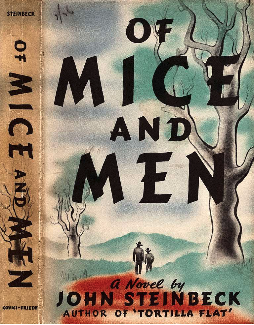
The Great Depression was a defining moment in American history that tested its strength as a nation, and placed the population in a precarious balance between life and death. In what is considered one of the greatest American classics, readers are introduced to two displaced migrant workers, George and Lennie. George is an intelligent young man, while Lennie is mentally disabled. George takes Lennie under his wing as they seek employment where few opportunities exist, trying to survive, yet still dreaming of the day they will have their own land and build a life. Their hopes are dashed when a devastating incident occurs that alters their lives forever.
What Students Will Gain
Develop an early sense of literary appreciation,
See the world from a more mature perspective
British and American classics contain thought-provoking moral and social issues. Reading the most influential classic literature thoroughly helps students become better readers, and begin the process of pursuing self-realization.
Improve understanding of culture and history
Learning allusions from classic British and American literature can help us bridge cultural differences. "The classics have opened the door to different worlds, different cultures, and different historical perspectives. Literature crosses race, culture, religion, and geography."
Self-reflection and personal growth
Many classic literature allude to our lives from the side: books that reflect similarities to our own lives are called "mirrors"; and those that give us a glimpse of different lives are called "windows." Whether it is a "mirror" or a "window", it further enriches the students' life experience and increases the courage and strength to face life.
Thig còmhla rinn!
Contact us to discover more about our course. We sincerely hope to meet your child soon, and develop a love of reading classic literature together.
Tha e air ais don sgoil agus tha fios againn gu bheil pàrantan ag ullachadh airson bliadhna ùr le tòiseachadh ùr. Mar as trice bidh toiseach na bliadhna ùir air a choinneachadh le measgachadh de thoileachas agus beagan iomagain, mar a bhios oileanaich agus pàrantan a’ coimhead air adhart ri sgilean agus eòlasan ùra, ach dh’ fhaodadh iad cuideachd a bhith iomagaineach mu chleachdaidhean is dùilean ùra.
Na gabh dragh, Faigh a-mach e an seo gus do chuideachadh! Am-bliadhna, Tha againn 5 molaidhean math airson toiseach tòiseachaidh math don bhliadhna sgoile.
Tuigsinn mar a tha sgoil do phàiste a’ dlùthachadh ri foghlam, dè an curraicealam a bhios iad a’ cleachdadh, dè na siostaman, agus faodaidh inbhean a bhith gan cleachdadh airson daoine nach eil a’ foghlam. A’ caitheamh beagan ùine gach latha a’ leughadh susbaint làrach-lìn na sgoile agad, leabhraichean-làimhe, agus goireasan eile do chuideachadh a bhith a’ faireachdainn nas misneachaile ann a bhith a’ tuigsinn na tha do phàiste ag ionnsachadh san sgoil agus mar a tha iad ag ionnsachadh. Tha e cudromach cuideachd a bhith an làthair aig oidhche cùl-gu-sgoil do phàiste agus seiseanan fiosrachaidh gus tuigse nas fheàrr fhaighinn air prògram do phàiste gu h-iomlan.. Tha e cuideachd a’ toirt deagh chothrom dhut dàimh a stèidheachadh le tidsear do phàiste. Aig àm sam bith ma tha ceistean agad fhathast, faodaidh tu an-còmhnaidh post-d a chuir gu tidsear do phàiste. Tha iad ann dhut fhèin agus do phàiste, oir tha fios aca gu bheil deagh dhàimh le pàrantan na dhòigh air leth airson dèanamh cinnteach à acadaimigeach, sòisealta, agus soirbheachas tòcail dha na h-oileanaich air fad.
2. Dèan cinnteach gun glac thu gu leòr Zzzzzs ro na ABCs
Tha cadal cho cudromach airson fàs agus leasachadh an leanaibh, agus faodaidh dìth sin droch bhuaidh a thoirt air coileanadh acadaimigeach pàiste. Leis an fhìrinn innse, tha rannsachadh a’ sealltainn gum faod bochdainn cadail ann an clann leantainn gu ìrean nas àirde de dh’ iomagain agus trom-inntinn. Nuair a bhios sinn a 'cadal, bidh ar n-eanchainn a’ pròiseasadh an fhiosrachaidh bhon latha sin, lorg an siostam as fheàrr airson a chuir air falbh ann an cuimhneachain, agus ag ath-phàigheadh ar siostaman airson latha ùr. Airson diofar adhbharan, gu tric bidh e doirbh do phàrantan cumail ri àm leabaidh tràth, ach le riaghailt shoilleir, agus ùine airson rèiteachadh, faodaidh e a bhith furasta! Clann 3-6 bu chòir dha bliadhnaichean a dh'aois a bhith a 'faighinn 10-12 uairean cadail san latha, 7-12 bu chòir do dhaoine aois faighinn 10-11 uair san latha, agus 12-18 bu chòir do dhaoine aois faighinn 8-9 uair san latha. Le bhith a’ cruthachadh clàr far am bi clann a’ dol dhan leabaidh nas tràithe nì sin madainnean nas fhasa cuideachd, an dòchas le nas lugha de chuideam air pàrantan agus clann oir bidh iad air an deagh shocair agus deiseil airson an latha a thòiseachadh!
3. Faighnich na Ceistean Ceart aig an àm cheart
Uaireannan bidh pàrantan iomagaineach fios a bhith aca ciamar a bha latha an cuid chloinne cho luath ‘s a gheibh iad dhachaigh bhon sgoil, gu sònraichte anns a’ chiad beagan sheachdainean. Tha na seachdainean sin gu sònraichte sàrachail agus làn de dh’ atharrachaidhean agus de dh’ ìsleachadh fhad ‘s a tha do phàiste ag ionnsachadh a bhith a’ seòladh stuthan ùra, caraidean ùra, tidsearan ùra, agus dùilean ùra. Tha a bhith a’ toirt ùine dhaibh a thighinn dhachaigh agus dì-dhùmhlachadh air leth cudromach airson am sunnd tòcail is inntinn. Aon uair ‘s gu bheil beagan ùine“ dhomh ”air a bhith aca, faodaidh pàrantan ceistean sònraichte fhaighneachd stèidhichte air na tha fios aca air a bheil iad ag obair, ma tha fios aca. Faodaidh iad a dhol tro leabhar-latha obair-dachaigh an cuid chloinne còmhla riutha agus an cuideachadh le bhith a’ dèanamh plana air mar a bu chòir dèiligeadh ri gach gnìomh, a bharrachd air a bhith a’ roinn an dealas airson cuspairean sònraichte, leabhraichean, no fiosrachadh a tha a’ còrdadh riutha cuideachd. Seachain faighneachd, “Ciamar a bha an sgoil? Dè dh'ionnsaich thu?” leis gu bheil clann a’ freagairt mòran nas fheàrr do cheistean nas sònraichte, Leithid, “Dè rinn thu le do charaidean aig àm lòn? Dè am pàirt as fheàrr den latha agad? Dè an rud as neònach no as iongantaiche a thachair san sgoil an-diugh?“An rud as cudromaiche, bu chòir do phàrantan a bhith làn làthair agus èisteachd gu furachail nuair a fhreagras oileanaich, mar sin tha iad dha-rìribh a’ faireachdainn gu bheil luach orra agus cluinnidh iad nuair a bhios iad a’ roinn.
4. Leig leotha ionnsachadh bho dhuilgheadas
Faodaidh am fear seo a bhith gu math duilich dha pàrantan a cheadachadh. Tha sinn airson gun dèan ar clann gu math agus gun ruig iad an làn chomais, tha sin a’ ciallachadh gum faodadh sinn a dhol thairis air gach tasgadh le cìr le fiaclan mìn, ceartachadh gach mearachd àireamhachaidh no gràmair. Ged a tha deagh rùn aig pàrantan nuair a nì sinn seo, tha sinn a’ toirt air falbh cothroman ionnsachaidh cudromach bhon chloinn nuair a nì sinn sin. Air ais nuair a bha sinn nar oileanaich, bha mòran de ar pàrantan glè thric ro thrang neo cha robh an t-eòlas no an comas gus ar cuideachadh le ar n-obair-sgoile, ach lorg sinn dòigh air putadh troimhe agus feuchainn ar dìcheall. Mura faigh clann cothrom air fàiligeadh nuair a tha iad òg, dh’ fhaodadh iad seasamh an aghaidh dùbhlain nas fhaide air adhart nam beatha air eagal ’s gum fàillig iad orra. Ge-tà, nuair a leigeas sinn leotha fàiligeadh gu socair, leithid air sònrachadh no aig geama ball-coise beag lìog, tha sinn a' teagasg fuasglaidh dhaibh. Chan e deireadh an t-saoghail a th’ ann, agus ionnsaichidh iad leasan luachmhor; gun urrainn dhuinn feuchainn agus nach soirbhich leinn, duslach fein dheth, agus feuch ris a-rithist an ath thuras.
5. Ag àrach an dìoghras
Tha bliadhnaichean sgoile ùra nan àm brosnachail airson iomadach adhbhar, is e aon dhiubh gu bheil iad a’ toirt cothrom do chloinn ùidhean ùra a lorg. Ma tha iad fortanach, tuislichidh iad air ni air am bheil gràdh dha-rìribh, agus gum faod iad a bhith air am beò-ghlacadh le gu leòr airson uairean a chaitheamh mu dheireadh a’ faighinn a-mach. Chan eil e an-còmhnaidh furasta leanabh a chuideachadh gus an dìoghras aige a lorg agus bheir e ùine. Uaireannan bidh pàrantan a’ gabhail dragh ma tha an leanabh aca a’ cur cus cudrom air rud no dhà, agus a’ faireachdainn gum feum iad am faicinn cho mòr ‘s as urrainn dhaibh gus an cumadh gu bhith nan daoine fa leth cruinn. Ge-tà, ma choimheadas sinn air na daoine a chruthaich ar saoghal, bha e air sgàth gu robh fòcas laser aca air na bha iad dìoghrasach. Sin a h-uile rud a rinn no a rinn iad a-riamh. Mar dhaoine, tha sinn gu nàdarrach a’ toirt buaidh air an rud as fheàrr leinn, agus cho fad 'sa tha e a' toirt seachad luach air choreigin a bharrachd air coileanadh, bu chòir dhuinn cumail oirnn ga leantainn. Mar sin, na gabh dragh ma tha do phàiste a’ gearan mu bhith a’ dol gu aon ghnìomhachd fhad ‘s a ruitheas tu a-mach an doras airson fear eile a fhrithealadh. Is dòcha gur e am fear as fheàrr leotha an fheadhainn as luachmhoire airson am fàs agus an leasachadh, agus am fear nach toil leotha chan eil sin riatanach às deidh a h-uile càil.
Tha sinn an dòchas gu bheil na molaidhean seo air cuideachadh, agus tha sinn a’ guidhe gach soirbheachas dhut fhèin agus do phàiste sa bhliadhna sgoile a tha romhainn! Tha sinn air bhioran airson na bliadhna sgoile ùr agus na dùbhlain uile agus an dòchas a thig leis.
Bidh Reach Out còmhla riut a h-uile ceum den t-slighe, mar sin cùm sùil a-mach airson tuilleadh fiosrachaidh agus barrachd artaigilean a tha sinn an dòchas a chòrdas riut!