A Reach Out, mun yi imani yana da matukar muhimmanci a yi bikin nasarorin dalibai. Muna farin cikin sanar da wani dalibin Tauraro - Emma!
Emma tana wakiltar duk abin da ɗalibai za su iya samu tare da aiki tuƙuru da himma ga ƙwarewa. Malaman Emma sun gane ta a matsayin ɗalibi mai ban sha'awa game da koyo, yana da karɓuwa sosai ga koyarwa, kuma tana da dangi mai taimako sosai waɗanda galibi suna tattaunawa da malamanta. A cikin aji, Emma mai sauraro ce mai hankali da kulawa wacce ke da kwarin gwiwa don raba ra'ayoyinta, amma hakuri ya isa ya bawa kowa lokacinsa. Ba ta damu da yin kasada ba, kuma tana iya shigar da mutuntaka cikin aikinta.
Emma a halin yanzu tana rajista a matakin Ƙirƙirar Karatu da Rubutu 4 Hakika, kuma ta nuna kyauta ta gaske wajen iya ƙirƙirar hotuna masu ƙarfi a cikin rubutunta. A farkon semester, ta kammala nazarin reshen Blue Frog na Shanghai Disneyland.
Emma ta nuna iyawarta na sukar takamaiman al'amuran wuri, da haɓaka ra'ayoyinta ta amfani da cikakkun bayanai masu dacewa.
“Ra'ayi da wurin duka suna da gamsarwa sosai. Da daddare za mu iya zama a waje mu ji daɗin kallon Kasuwar Disney da wasan wuta."

Kamar yadda semester ya gudana, Emma ta nuna ci gaba a cikin ƙwarewar rubutun ta, kuma ya fara haɗa ƙarin fasahar adabi na ci gaba. A cikin wani aiki kan kwatanta shimfidar wurare, Emma ya sami damar ƙirƙirar hoto mai ƙarfi ta amfani da madaidaicin ƙamus da harshe na alama.
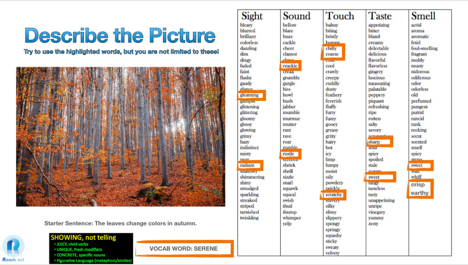
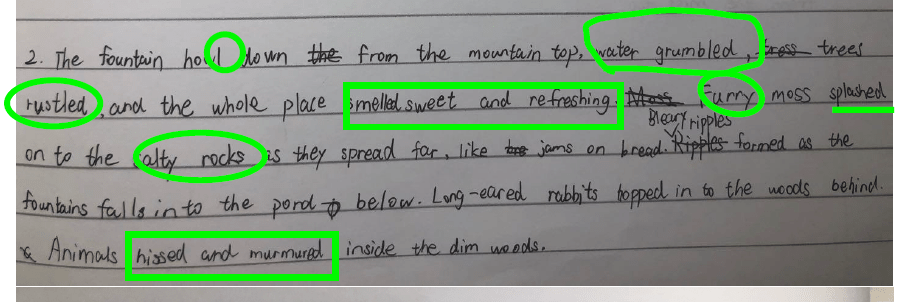
“Moss Fure ya fantsama kan duwatsu masu gishiri yayin da suke bazuwa, kamar jam akan burodi. Bleary ripples sun samo asali yayin da maɓuɓɓugar ruwa ta faɗo a cikin tafkin da ke ƙasa.
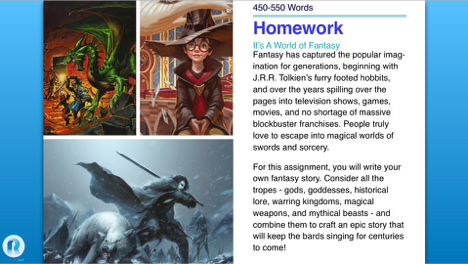
Emma ta ci gaba da yin amfani da darussan da ta koya a duk tsawon karatun, kuma iyawarta a matsayinta na marubuci ya ƙara ƙarfi. A cikin aikin kwanan nan akan rubuta Labarin Fantasy, Emma ta gina saitin da halayen labarinta da gangan da inganci.
“Kyakkyawan hasken rana na haskakawa daga taga har zuwa taushi, siliki gadon gado. Dumi-dumu-dumu-dumu-dumu-dumu-dumu-dumu-dumu na furanni furanni a gefen bude taga. Dim amma ƙwaƙƙwaran zane sun rataye akan bangon koren ruwan teku mai ban sha'awa."
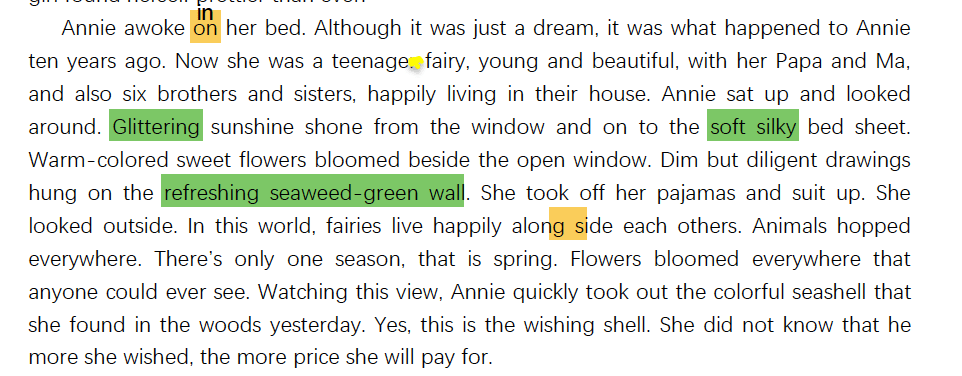
Kamar yadda kuke gani, Emma tana nuna halayen matashin marubuci mai ban sha'awa. Qodarta ta inganta, da kuma yin amfani da darussan da ake koyarwa a tsanake ya taimaka wajen daukaka rubuce-rubucen ta zuwa wani mataki na ci gaba.
Na gode Emma, domin kasancewar irin wannan STAR! Muna fatan ganin girman ku na dogon lokaci mai zuwa. Mun san wannan ita ce kawai mafarin tafiya mai haske.
A matsayin malamai, An sha yi mana tambaya, “Ta yaya zan sa yarona ya daina karanta littattafan ban dariya?” Parents are worried that comics do not provide educational value, ba su da ƙarfin ilimi sosai, ko mafi muni, bata lokacin yaran su. To wannan, Amsar mu kan ba su mamaki, and that answer is, “Let them read comics!”
It’s understandable that parents would be a bit concerned as the perception is that comics are purely for pleasure reading, however, comics have many benefits beyond helping us pass the time.
Comics and graphic novels are not new forms of writing. Of course, they have been enjoyed by many for generations. Over the years, the genre has changed into one with considerable depth and meaning, which is why we encourage parents to not only allow their children to read comics, but also to support them in doing so.
Here are our top reasons comics should be read (especially in the summer!):
For students who are not native English speakers, comics provide a great way for them to begin enjoying English literature. For many children, the task of going from an English language textbook to a novel can be very daunting, but comics can provide a necessary bridge for them to build confidence as well as reading fluency. The visual cues in the pictures allow students to create a deeper understanding of the plot and characters as well as new vocabulary. In addition, it introduces them to effective literary devices, such as onomatopoeia (think POW! SMACK! ZOOM!) and idioms (an illustration showing the meaning of an idiom like, “Cat got your tongue?” makes much more sense than heating the idiom on its own!).

2.Enhancing Inference
Inference is a key reading skill that many students struggle with on standardized reading assessments. Inference happens when we draw conclusions based on what we read. Some examples of questions students will encounter during reading comprehension tasks or assessments are those such as, “How did the character feel when?”, “What can you conclude about…” and “What was the lesson in the story?” Comics require that students “read between the lines” to infer information that is usually told by the narrator in a novel, so they can gain a lot of valuable experience in strengthening this skill by reading comics.
3.Word Power!
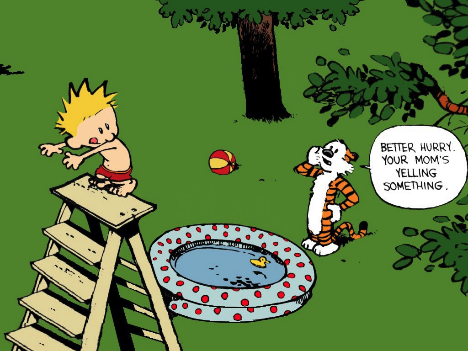
Often in comics and graphic novels, writers include quite advanced vocabulary, both as part of the story line as well as in the names of the characters. In 2016 at the world famous Comic-Con in San Diego, California, a panelist of educators discussed the power of comics in building students’ vocabularies. James Bucky Carter, author of Building Literacy Connections with Graphic Novels said, “You have Colossus, and he’s this big, giant metal guy. You get a really good sense of what the word colossus means and that’s a good 10-cent word. Banshee’s power is screaming. You have these characters that embody the vocabulary words that they are. That’s something that’s a fun way to learn new words, in addition to the contextual clues.”
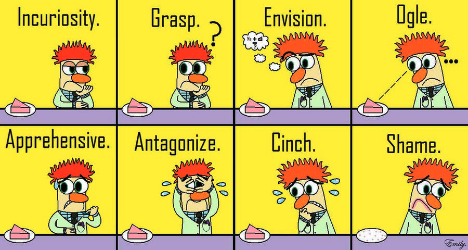
After reading this you may just want to let your child dive right into reading comics or graphic novels! That’s music to our ears. If you are not sure where to start, we have some student favorites your child might like to try!
Dog Man by Dave Pilkey

Miles Morales Spider-Man by Jason Reynolds

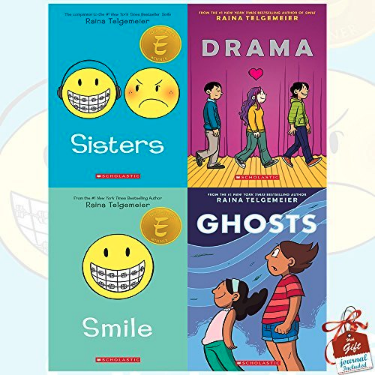
Smiles, Sisters, Ghosts, Drama and Other Stories by Raina Telgemeier
Bone by Jeff Smith

Looking for more summer reading opportunities for your child? Contact one of our Education Consultants for more information about our summer reading courses. We look forward to reading with your child!
Lokacin jarrabawa yana nan, kuma yana iya zama lokacin damuwa na shekara ga duka ɗalibai da iyaye. A Reach Out muna son yin iyakar ƙoƙarinmu don taimakawa sauƙaƙe damuwa ta jarrabawa ta hanyar ba da wasu nasihu na musamman na binciken da ƙila ba ku gwada ba.
Conventional wisdom of studying has often been followed by many parents and teachers who mean well, however, if we look at some interesting research-based approaches we can see that there are a variety of effective ways to study! It’s always good to try new things, especially for children. They can experience new ways of doing things when they are young, and when they are a bit older, they can choose the way best suited to their own personal needs and style.
Yanzu, let’s take a look at three unique ways to study.

Variety is the Spice of Life-Even When Studying
For many, many years we've been told that in order to study well, we should study in the same place every day; a place that is quiet, well lit, and has all our materials. While this might be true for some of the time we are studying, research shows us that our brains actually do better when we vary the location in which we are studying. Quite surprising, right?
In a study done all the way back in 1978, college students were given 40 vocabulary words to study. One group was told to study the list twice in the same location. The other group was told to study the list in two different locations. What they found was, the group that varied their studying locations actually performed better on remembering the words later. Now why is that? Well, our brain often makes connections to information based on our environment, so the more we vary our environment, the more we are giving our brains a chance to retain information as it will attach to more things. This may also be why one visualization technique, where one visualizes things they wish to remember to certain places in an environment they are familiar with, can be so effective as well. Ga dalibai, simply switching up the environment might do the trick!
Have Fun!
Some parents might mistakenly think that if their child is laughing or getting excited while learning or studying, they might be wasting their time. Duk da haka, this is not necessarily the case.
As a parent, in your work or office you might have special workshops from time to time. The workshops are usually used as a tool to help you learn about a new strategy, idea, or information that will help you learn more at work. These sessions are often run by people who specialize in creating motivating and inspiring workshops that invigorate and energize employees. The days can be long and intense, but if they are done right, employees can walk away confident in their new knowledge and skills.
The same rings true for young people. Introducing game play and fun as a way to study for exams not only makes your child smile, but research indicates that having fun while learning activates certain cognitive resources, associates rewards and pleasure with learning, strengthens and broadens memory networks, and toggles abstract thinking and focused attention.

The Pomodoro Technique
Staying focused, on-task and motivated to complete certain activities can be difficult for both adults and children alike. Have you ever felt like you have been staring at a computer screen for hours, but accomplished very little? Or maybe you have a deadline in a few days, but are only inching towards the finish line? It’s no wonder, as research shows that our mind tends to wander up to 20% of the time, perhaps even more for younger people.
One interesting technique was created by college student Francesco Cirillo as a way to help him stay focused, and that is the Pomodoro Technique, which got its name from the tomato shaped timer Cirillo used while testing this strategy on himself. How it works is you set a timer for 25 minutes, which is work time. Then set it again for 5 minutes, which is break time. This is a great time to get up, stretch, take a lap around the house, pet your cat, or get a drink of water or a snack. After break time is up, set the timer for another 25 minutes and repeat!
It turns out that this strategy is backed up by scientific evidence, as researchers concluded that short breaks help keep your attention span on track. This might be related to the fact that cognitive boredom can lead to an unengaged mind, which is the last thing you want when studying for an important exam.
We hope you have enjoyed exploring these unique study tips as much as we have! Wishing your child the best of luck on exams this month. Jiayou!
We know that there is so much we can do to nurture and educate our children, which is why as parents we often go to great lengths to fill their time with enriching activities and classes. Why do we do this? For many reasons of course, but the main goal is to ensure their future success. Parents hope that their children will be even more successful in life than they were themselves. Success, of course, is subjective, and we may all have our own definition of success. Generally however, we might agree that success includes feeling content in one’s personal life, as well having a sense of career satisfaction and financial security.
Recently there has been an intriguing TED Talk being shared on social media, in which former Dean of Freshman at Stanford University, Julie Lythcott-Haims, cites evidence from the Harvard Grant Study that correlates professional success in life to individuals having done chores as children. Not soccer training, not language learning, not painting, but chores.

Surprising right?
Many of our children growing up in big cities may never know what it’s like to scrub a dish, wash a window, or mop a floor. We might feel like there are more important things to do to build their knowledge and their character. Lythcott-Haims explains that those children who do get their hands dirty, however, may reach a level of success in life that surpasses their no-chore-doing peers. That is because it teaches students how to contribute and step up when work needs to be done, and that doing the “grunt work” that others might scoff at, because it is what is best for all, is what gets noticed in the workplace.
The workplaces of the high-achievers who took part in the Harvard Grant Study were notable, such as the White House, where participant President Kennedy worked, and the editor’s office where Ben Bradlee sat as editor of The Washington Post. We can assume that their parents, like us, had to prod and plead for the chores to be done, and accept that even if they were done, they might not have been done well; and that’s okay.
The important thing, as Lythcott-Haims points out, is that by doing chores, children realize that they, “…have to do the work of life in order to be part of life.” They realize that life does not just happen to them, and for them, but with them.
If your children are already doing chores as part of their daily summer routine, bravo! You are on the right track. If not, no need to panic. It is never too late to introduce chores into the lives of our children. Here are some tips to help get you started!

Let Them Be a Part of It
When introducing the concept of your children completing chores to help, have a “family meeting” where everyone is present to discuss what will be expected of your children and why. You can ask your child to help you write a list of chores they could potentially help with around the house. They might surprise you with their enthusiasm as doing chores is very exciting for some children because it makes them feel empowered and helpful (two things we often like to feel as adults).
Game-ify It
To make things fun, because fun makes everything better, you or your child can write the chores on popsicle sticks and each day your child can choose one stick from the jar. That will be their chore for the day! If you have more than one child at home, you can always turn cleaning into a competition by setting a timer and seeing which child can clean the most toys in the given amount of time, misali.
Reward It
As parents, we are rewarded for our contributions at work with a salary. Shouldn’t our children also be rewarded for their hard work? One idea is that if your child completes all of his or her chores for the week, he or she can choose a small toy from a “treasure box” filled with small toys. Another option could be that if your child consistently completes chores for a month, they can choose an extra special family outing.
Teaching our children to do chores is not always easy, but the potential benefits are worth the time and effort. We hope you found our tips useful, and that they can help lead to a positive experience for you and your child. Happy cleaning!
We are pleased to announce a new summer book club, just for parents! Summer is the perfect time to read that book you have always wanted to read, but have not had the time to. This summer, we invite you to join us in reading How to Talk So Kids Will Listen and Listen So Kids Will Talk.
We know it is not always easy to connect with our children because of the demands of school, work and daily life. Sometimes our anxieties about the future interfere with us living our lives right now. Duk da haka, one thing we can guarantee is that we will never get another chance to experience childhood with our own children, and we don’t want to miss out on this precious time. Don haka, how can we make the most of it and have meaningful conversations with our children that will strengthen our bond and help our children feel supported? These are big questions many of us have.
To help us answer these important questions, we invite you to join us in reading one of the most popular parenting books of all time, written by Adele Faber and Elaine Mazlish. How to Talk So Kids Will Listen and Listen So Kids Will Talk, which teaches us how to accept our children’s feelings, as by not doing so we could be unwittingly causing bad behavior. It also teaches us positive ways to encourage cooperation, as well as independence, autonomy, and self-confidence. These are all the ingredients needed to help nurture a positive parent-child relationship that will indeed help to grow our children into confident and capable adults.

How Will It Work?
The first step is to contact one of our Education Consultants to register. Registration is FREE and open to everyone! We will create a group chat where the book study content and sharing will take place starting on July 1st. Lindsey Fine, our Education Manager, will be joining the group as a parent as well, as she is a mother of two boys, aged 4 kuma 6, who will be learning along with you. She will also be helping to lead the weekly discussions.
The book can be found in English and Chinese and easily accessible in print, e-book, or audiobook formats.
Then there are two options for how you would like to participate:
The reading schedule is as follows:
Week 1: Chapters 1 & 2
Week 2: Chapters 3 & 4
Week 3: Chapters 5 & 6
Week 4 Chapters 7 & Afterword
At the end of the month, we will host an online workshop led by School Counselor, Regina Wehner. At the workshop, Regina will share additional information and strategies you can use to strengthen your relationship with your child.
About Regina Wehner

Regina Wehner is a Licensed School Counselor that has worked with students in Middle School for over 16 years. Originally from the United States, she lives with her husband and 2 children, ages 10 kuma 12, in Beijing, China.
Regina works at the Western Academy of Beijing (WAB), a diverse international school. A big part of being a school counselor is helping students learn about themselves and others as they are growing. Regina also hosts monthly Parent Coffee Mornings to bring parents together to learn more about their children's developmental changes and how to communicate during these times of transition.
Contact us today to join!
Taimakawa Yaronku Ya Koyi Sabon Kalmomi
Bincike ya nuna cewa idan muna son ɗalibai su yi nasara a fagen ilimi, akan muhimman kimantawa da jarrabawa mai girma, da kuma ayyukansu na gaba, dole ne mu taimaka musu su haɓaka ƙamus. Dalilin haka shi ne: fahimtar sabon bayani yana da alaƙa kai tsaye da fahimtar ƙamus ɗin da aka yi amfani da shi don sadarwa da sabon bayanin.
Ga dalibai, haɓaka ƙamus ɗin su shine mabuɗin nasara wajen ƙware harshe; yawan kalmomin da muka sani, da yawan kalmomin da muke fahimta, da yawan kalmomin da za mu iya amfani da su a cikin rubutunmu don ƙara tasiri da tasiri. Duk da haka, koyon yanzu ƙamus wani lokaci ana kallonsa azaman tsari mai wahala ko gagara. Wani lokaci iyaye ba su san yadda za su yi wa ’ya’yansu ja-gora ba, especially as the way we approach vocabulary study study may vastly differ from the way parents studied it when they were in school.
Don’t worry, Reach Out is here to help! Let’s explore vocabulary acquisition (the process of memorizing and applying new vocabulary), and we’ll tell you how you can help your child build their vocabulary!
Talk About It!
It might seem overly simple, but when it comes to learning new words, one effective way young people do it is by talking with others. Children learn new words best when they are in context, such as in a conversation about a certain topic. They can infer a bit of new words’ meanings based on how they are used along with the other words they are already familiar with.
Wataƙila yaranku sun katse ku a lokuta da yawa lokacin da kuke amfani da ƙamus ɗin da ba ku sani ba kuma suna mamaki, "Menene ma'anar bala'i?” Watakila kana magana ne akan yanayin dakin kwanan su (kamar yadda a cikinsa yake cike da rudani), da kuma ɗaukar ɗan lokaci don bayyana musu ma'anoni da yawa na bala'i, Ba wai kawai za ku koya musu wata sabuwar kalma don siffanta ɗaki mara kyau ba, amma kuma gazawa ko wani abu da ke faruwa a zahiri, kamar bala'i.
Don haka, yin magana da yaranku babbar hanya ce ta koya musu sababbin kalmomi!
Bincika Shi!
Dalibai gabaɗaya sun fahimci cewa za su iya amfani da ƙamus ko mai fassara idan sun ci karo da kalmar da ba su sani ba, amma wani lokacin ma ma'anar kalma na iya barin su da ƙarin tambayoyi fiye da amsoshi.
A cikin kwarewarmu, ɗalibai da yawa ba sa amfani da kayan aiki mai mahimmanci guda ɗaya don koyo da amfani da sabbin ƙamus, kuma wannan kayan aiki shine thesaurus! Idan ka lura yaronka yana yawan amfani da kalma yayin magana ko a rubuce-rubucensu, misali, "kyakkyawa", "kyakkyawa", "mai kyau", ko "bad", sai a dauki lokaci don nuna musu yadda ake amfani da gidan yanar gizo kamar thesaurus.com don duba waɗannan kalmomi. Lokacin da suke neman kalmar kamar "kyawawan" za su ga cewa akwai kalmomi masu ban sha'awa da yawa da za a yi amfani da su a maimakon haka! I
A cikin kwarewarmu, ɗalibai suna jin daɗin amfani da sabbin ƙamus, kuma a ba su ikon sanin akwai kayan aiki da zai taimaka musu su sa kalmominsu su yi ƙarfi.
Wasa!
Yin nishaɗi yayin koyo ba kawai abin da malamai ke yi don faranta wa ɗalibai farin ciki ba, a zahiri an tabbatar da shi ta hanyar neuroscience don zama hanya mai inganci don taimakawa ɗalibai su kara koyo da zurfi. Bincike ya nuna cewa lokacin da ɗalibai suka sami kuzari da ƙalubale, kwakwalwarsu tana sakin dopamine. Dopamine ne neurotransmitter wanda ke motsa cibiyoyin ƙwaƙwalwar ajiya kuma yana haɓaka sakin acetylcholinem., wanda ke ƙara mayar da hankali hankali.
A cikin kwasa-kwasan mu a nan Reach Out, koyarwar ƙamus muhimmin sashi ne na kowane darasi. Muna kuma da kwasa-kwasan ƙaddamar da wannan bazarar, Matakan Maginin Kalmomi 1-3, inda za mu mai da hankali musamman kan taimaka wa yaranku su faɗaɗa ilimin ƙamus tare da sababbin kalmomi masu ƙalubale. Yayin da kalmomin da aka zaɓa ke ba da ƙalubale, kayan aikin kamar Quizlet da wasanni irin su Guess Who da Sentence Racer suna ba wa ɗalibai damar yin mu'amala ta hanya mai ma'ana da jan hankali..

Ta yaya za mu san waɗannan hanyoyin suna da tasiri? Domin shekarunmu na gogewa, da kuma nazarin ilimin halin dan Adam da kuma hanyoyin da suka koya mana yadda dalibai ke koyo mafi kyau!
Za mu so mu taimaka wa yaron ya koyi sababbin ƙamus a matsayin ɗaya daga cikin hanyoyin da shi ko ita za su iya zama tasiri mafi tasiri da nasara mai karatu., marubuci, da mai magana. Don ƙarin koyo game da yadda za mu iya taimakawa, tuntuɓi ɗaya daga cikin masu ba da shawara kan Ilimi a yau!
If you are looking for a more individualized educational service, Reach Out offers 1-on-1 services with our expert educators!
What do We Offer?
Our teachers offer a wide range of 1-on-1 subjects including English, Social Sciences, and Maths.
Meet some of our highly qualified and experienced teachers!

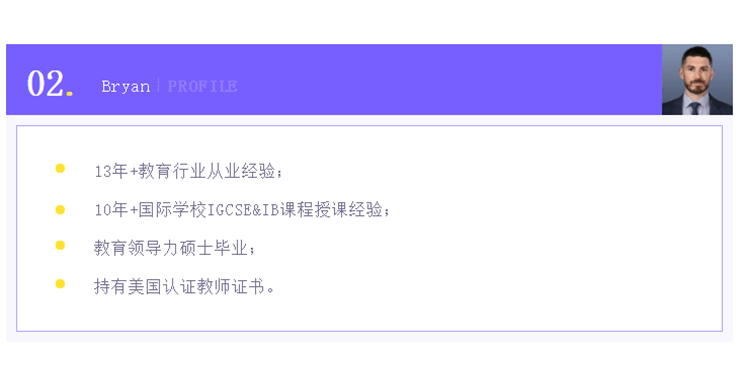


Why Should I Choose 1-on-1 Services?
Perhaps your child is preparing to study abroad or applying to a new school and he or she would like a more intensive and targeted approach in order to polish his or her skills. Alternatively, your child might not feel challenged enough with his or her current curriculum, and needs an alternative approach that is more appropriate for his or her ability level.
There are a number of reasons a parent might be searching for services such as this, and we can assure you that we will always work to understand you child’s unique situation and provide the service that is best for them.
How Does it Work?
With our hands-on approach, and orientation process, we will assess your child’s knowledge and skills based on current assessment data, writing ability, da sauransu. Based on our findings, we will select the teacher best suited for your child’s needs. All of Reach Out’s teachers have been carefully selected, and have years of experience in teaching challenging curriculums, such as IGCSE, IB, da AP, in top schools from around the world.
Our process is goal-oriented. We find out exactly what your child needs to reach their educational goals, and then we create a unique and tailor-made learning path that will best suit your child’s particular needs.
What Else Does Reach Out Offer?
In addition to 1-on-1 services, Reach Out offers a wide variety of courses specifically designed to challenge and engage your 2nd to 8th grade child with above grade level content in order to help them prepare for the rigor of programs such as IGCSE, IB, da AP.
How Can I Learn More?
To find out more about our 1-on-1 services, please contact one of our Education Consultants today to find out more! We look forward to helping your child reach his or her educational goals for a bright future!
Wanene Mu
Kamar yadda watakila kun lura, mun kasance muna girma kuma muna da ƙarin abubuwan ban sha'awa ga abin da muke bayarwa anan a Reach Out. Da yake an jima da gabatar da kanmu, mun yi tunanin za mu raba labarinmu tare da ku don taimaka muku fahimtar ko wanene mu da abin da muke yi!
Manufar Mu
Manufar Reach Out ita ce haɗa ɗalibai tare da ƙwararrun malamai waɗanda suka ƙirƙira da isar da asali, ban sha'awa, manhaja masu daraja ta duniya. Mun fara wannan tafiya ne domin mu taimaka wa ɗalibai su fahimci yadda za su sami muryarsu ta musamman da kuma buɗe ƙirƙira da ra'ayoyi masu mahimmanci waɗanda ke cikin kowannensu.. Da muryoyinsu, suna da ikon canza duniya, kuma muna so mu ba su ikon yin hakan.

Burinmu
Reach Out yana ƙoƙari ya zama cibiyar ilimi ta duniya wacce ke ba wa ɗalibai damar samun damar manyan matakan karatu na duniya da malamai., duk inda suke a duniya. Dalibanmu za su kasance masu fahimta, m, da masu tunani masu mahimmanci waɗanda suke yin zaɓin da suka dace a matsayin ƙwararrun masu warware matsala da masu sadarwa. Dalibai za su cim ma burinsu na ilimi da na kansu da kuma burinsu daga Makarantar Firamare zuwa Jami'a, sanya makomarsu mai haske cikin isa.

Babban Darajojin Mu
Waɗannan su ne ƙa'idodin da ke siffanta Samun Kai:
Labarin Mu
Reach Out an ƙirƙira shi ta ƴan ƙaramin rukunin iyaye mata, watakila kamar kanku. An haɗa su tare da hangen nesa ɗaya don bukatun ilimi na 'ya'yansu. Wasu suna neman tsarin ilimi wanda zai ba 'ya'yansu damar samun ra'ayoyin, koyar da falsafar, da hanyoyin da suka yi daidai da abin da suka fuskanta yayin da suke zaune a kasashen waje. Wasu kuma suna neman tsarin karatu na duniya wanda 'ya'yansu za su iya samun damar inganta kwarewarsu ta ilimi a kasar Sin. Abin da suka raba gaba ɗaya shine sha'awar ingantaccen shiri wanda kuma ya buɗe kofofin yin tunani da tunani mai zurfi, tunanin kai, da kuma magana ta sirri - Alamomin ingantaccen tsarin karatu na duniya. Bayan ɓata lokaci mai yawa don bincika zaɓuɓɓuka daban-daban, wadannan uwayen ba su iya samun wani abu da ya dace da bukatun 'ya'yansu ba.
Don haka, sun yi abin da kowace uwa ta gari za ta yi, aka ba da dama, kuma sun sami hanyarsu don baiwa 'ya'yansu mafi kyawun damar koyo da aka tsara don taimaka musu su bunƙasa. Sun tuntubi ƙwararrun malamai kuma sun yi aiki tare da wasu iyaye don gano yadda za su fi dacewa da biyan bukatun sauran yara masu irin wannan manufa. Yara, muna fata, kamar naku.
Iyayen sun jajirce:
Muna farin cikin cewa wadannan uwayen sun cimma burinsu. Yau Reach Out yana alfahari da cikakken layin tsayayyen kwasa-kwasan darussa waɗanda ɗalibai ke koyo sosai yayin da suke jin daɗi da ƙirƙirar alaƙa mai ma'ana tare da malamansu da takwarorinsu..
Duk wannan saboda jajircewar iyayenmu mata na tarbiyyar ’ya’yansu da farin ciki.
Me Ya Sa Mu Musamman?
Duk da yake mun fahimci iyaye suna da zaɓin zaɓi idan ya zo ga shirye-shiryen da ke wadatar da ilimin 'ya'yansu, mun yi imani muna ba da halaye na musamman da yawa waɗanda ba a samun sauƙin samu a wasu wurare.
Ƙungiyarmu ta ƙunshi ƙwararrun ƙwararrun malamai da ƙwararrun malamai waɗanda suka ƙirƙiri wani shiri na musamman da tsauri dangane da ƙa'idodin makarantun duniya., wanda ke shirya ƙananan ɗalibai don ɗaukar tsauraran matakan karatu kamar IGCSE, IB, da AP.
-Shirye-shiryenmu da manhajojin mu na ɗaya zuwa ɗaya da aka tsara don wuce buƙatun ilimi na ɗalibanmu
-Falsafar koyarwarmu ta ƙarfafawa da ƙarfafa ɗalibai, da tsarin koyarwa na ba wa ɗalibai damar bincika ilimi yaɗu da zurfi yayin da a lokaci guda haɓaka son koyo
-Jajircewarmu ga nasarar dogon lokaci na ɗalibanmu yayin da muke ƙoƙarin samar musu da mahimman ƙwarewar da za su buƙaci yin nasara a ayyukansu na gaba da kuma duniya bayan makaranta.
- Cikakken bayanin da muka bayar tare da duk kimar ɗaliban mu, domin dalibai su san inda suke samun nasara da kuma inda zasu inganta, da kuma ƙarin kayan aiki da koyarwa da ake buƙata don taimaka wa ɗalibanmu rufe duk wani gibin fahimta
-Yunkurinmu don haɓaka tunanin ɗalibanmu da ƙwarewar warware matsala, wanda zai zama mahimmanci ga makomarsu, da kuma makomar al'ummarmu ta duniya
-Alkawarin da muka yi na daukar dukkan ma’aikatanmu na koyarwa da wadanda ba na koyarwa ba ne bisa sha’awarsu ta ilimi
-Ikon mu na ƙarfafa ɗalibai su yi amfani da harshe, ilimi, da basirar da suke samu don bunkasa kansu fiye da aji da kuma sha'awar, xaliban rayuwa waɗanda suka kafa kuma suka bi ƙalubale, cikawa, da manufa masu dacewa.
-Hannunmu-kan, hanyar keɓantacce don ƙirƙirar hanyar ilmantarwa ga ɗalibanmu ta yadda ko wane mataki suke a lokacin da suka haɗa mu, za a samar musu da kayan aikin da ake buƙata don haɓakawa da girma cikin sauri
-Yunkurinmu na ƙarfafa abokan cinikinmu da bayanai da gogewa waɗanda za su taimaka musu yin cikakken zaɓi don ilimin ɗansu ta hanyar ba da labarai masu fa'ida., bidiyo da bita.
Manhajar mu
Manhajarmu ta Blue Line, wanda ya hada da kwasa-kwasai ga dalibai masu digiri 2 ku 8, ƙwararrun malamai ne suka tsara su tare da manyan digiri a fannonin batutuwan da suka shafe shekaru da yawa a wasu manyan makarantun duniya a duniya.. Muna amfani da ƙira na baya-bayan nan da ke aiki daga farkon shekarar shirye-shirye kamar shirin IGCSE da aka fi sani da mutuntawa..
Kamar yadda malamanmu suka kwashe shekaru suna koyar da darussan pre-IGCSE, IGCSE, IB da AP ko A Levels curriculum, sun fahimci abin da ɗalibai ke buƙatar yin nasara a cikin waɗannan shirye-shiryen. Don haka, kowane bangare na tsarin karatun mu an ƙirƙira shi ne don tabbatar da cewa duk ɗalibanmu sun shiga ranar farko ta Grade 9 jin kwarin gwiwa, sanye take, da kuma shirye don biyan buƙatun waɗannan tsauraran darussa.
Muna ba da darussa da yawa a cikin darussan Ingilishi, Lissafi, Tarihi da Geography. Dubi ƙasa don ƙarin cikakkun bayanai game da cikakkiyar kyautar kwas ɗinmu.
Ƙarin Ayyuka
Muna kuma farin cikin sanar da samar da Layin Azurfa na mu, wanda ke ba da sabis na ilimantarwa wanda ke ɗaukar hanyar keɓancewa don biyan bukatun ɗaliban mu. Za mu fara da zurfin kimanta burin kowane ɗalibi na ilimi da bukatunsa, sannan a kirkiro da aiwatar da wani tsari na aiki wanda kwararrun malamanmu za su yi amfani da shi wajen jagorantar yaran ku ta hanyar kalubalen ilimi na Makarantar Sakandare domin shirya su a karshe su halarci jami'ar da suke mafarki..
Muna kuma ba da sabis na 1-on-1 a kowane matakin digiri ga iyaye waɗanda ke son ba wa 'ya'yansu ƙarin kulawa da koyarwa.. Kwararrun Masu Ba da Shawarwari na Ilimi za su tabbatar sun dace da yaranku da mafi kyawun malami don takamaiman buƙatunsa da manufofinsa..
Shiga Mu!
Muna ɗokin saduwa da dangin ku da tattauna yadda zaku iya kasancewa cikin dangin mu Reach Out; wanda suke koyi tare, kula da juna, shawo kan kalubale tare, kuma suna murna da nasara tare da juna. Da fatan za a tuntuɓe mu a yau don ƙarin bayani.
Muna fatan jin ta bakinku nan ba da jimawa ba!
Being a parent is hard. In fact, with the changes in our world today, it might just be one of the challenging moments we have had to face in decades. Change leads to uncertainty, and uncertainty can lead to stress. Stress certainly affects all areas of our lives, sometimes it will impact our relationship with our loved ones the most; especially our children.
Our children can be complicated (let’s face it, so can we!), and it is a daunting task to ensure that every move is the “right” one. That all of our conversations, demands, requests, plans, praises and criticisms mean something. Every moment we spend talking to our kids, we hold the hope that these words will be enough to fill our children with the hope of a great future at a time where the future is so uncertain. Times change, and this too shall pass, but one thing we can guarantee is that we will never have a second chance at spending a childhood with our children.
As parents, we often ask ourselves if we are in fact doing the right thing, wondering how we can get through to our kids, trying to understand our children better, and sometimes feeling like a guilty failure because we tell ourselves we are doing it wrong. Oftentimes, that is not the case, but there is no instruction manual on how to raise a child that will work for everyone in all situations. Sure, there is a lot of advice, an overwhelming amount of it, but again, most advice is just that; guidance and recommendations by people who don’t know you or your child. Some of it is helpful, and some of it…not so much.
One thing that we cannot deny though is the importance of a healthy relationship between parent and child.
Research shows that:
It is essential to make the time to nurture a relationship with your child, and perhaps even more imperative, making sure the interactions we have with our children during that time are positive. This is something that many parents find challenging, which is why we created a parent book club for the book How to Talk So Kids Will Listen and Listen So Kids Will Talk by Adele Faber and Elaine Mazlish. Together we learned ways to positively communicate with our children in order to strengthen our bonds. We spent time discussing ideas from the book, as well as had a virtual meet up to role-play some of the strategies from the book. On top of that, we invited Middle School Guidance Counselor, Regina Wehner, to provide parents with a workshop in understanding our child’s cognitive and emotional development.
Here are some highlights we would like to share with you!
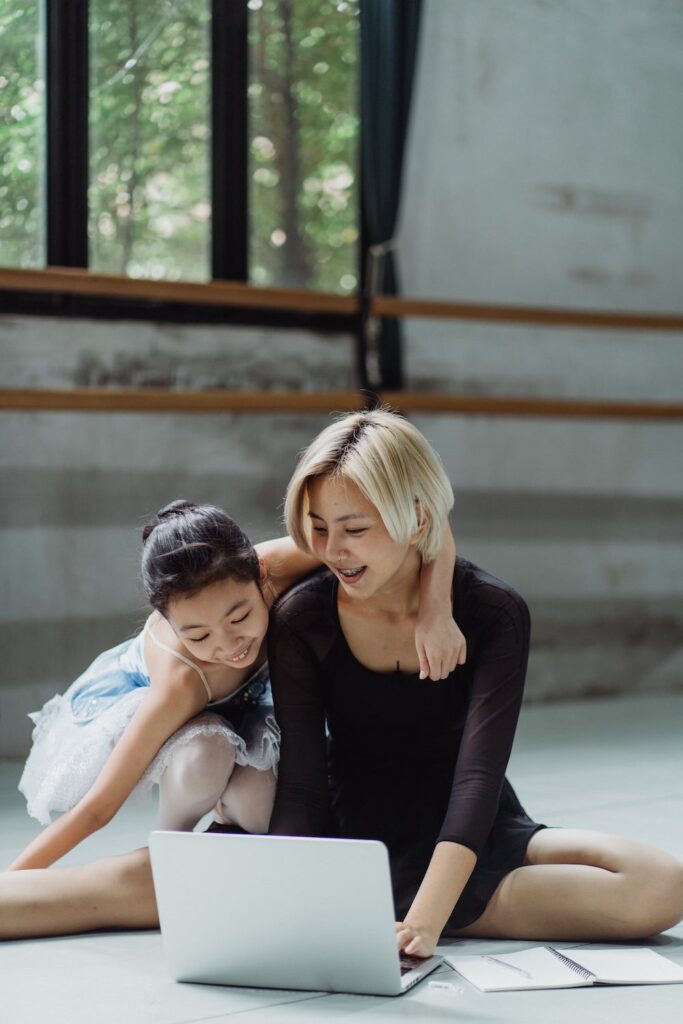
First, from How to Talk So Kids Will Listen and Listen So Kids Will Talk, here are two of our favorite strategies:
Children have difficulty regulating their emotions, as the brain’s emotional regulation center is one of the last to develop. This means that they need our help in the form of compassion and modeling. This can be so challenging, especially when we may have difficulty managing our own emotions at times! We have an easy strategy for you that will only require two things:
When your child comes home upset about something that happened at school, instead of lecturing and offering our sage advice, we can simply listen to their concerns and repeat the ideas back to them. For example, if your child comes home upset and says something like, “Ugh, today Elizabeth and Sarah were so mean to me! They completely ignored me and I hate both of them now!” Instead of saying, “Elizabeth and Sarah are your best friends. It’s not a big deal and I am sure you will be fine tomorrow,” which could invalidate your child’s feelings, you can say, “Oh, I see. Elizabeth and Sarah made you feel a bit left out. That probably made you feel a bit sad and mad.” At this point your child might keep talking and open up to you, which is great! It means they trust you and you are making them feel better. Continue to listen, nod, say, “Mmmhmm,” and repeat what they say. Having you simply listen will likely make your child feel 100% better and ready to face their next challenge!

2. I wish!
Our children often express their desires in the form of wishing they had things they don’t have or wishing things were different than the way they are. For example, children may say, “I wish I didn’t have to do all that homework.” We may reply, “Well, you do and that’s that!” or “It’s what you have to do. It’s your responsibility so you need to do it now!”
This may escalate into a battle of wills as parents feel frustrated that they keep hearing the same complaint and repeat the same reasoning. The children feel frustrated because their opinions are being invalidated and they feel misunderstood. Well, don’t worry, we are here to help! We have a little trick that will help you turn the conversation around, and that is to agree with your child. It may sound counterintuitive, but we have firsthand experience with this trick and it works wonders!
For example, if your child says, “I wish we could go to the park today like I wanted!”
Instead of saying, “I can’t, I am too busy,” or “Yes, but we can’t, it’s raining,” we can say, “I wish we could too! We could go to the park and have a picnic! We could fly a kite and blow bubbles! Why don’t we have a picnic in the living room and after that we can blow bubbles in the bathroom!”
The first part gets the kids excited and their imagination going, taking them to a happy place. The next part makes them feel heard and connected to you.
Yanzu, some highlights from Ms. Wehner’s workshop:
*Please help me choose these! :)*
If you would like to join one of our workshops or book clubs in the future, make sure to follow us and stay tuned! We have great things coming up this fall!
Many parents ask us what the fastest way their child can improve their writing. While we firmly believe there are no shortcuts to becoming a truly effective and skilled writer, there are some things students can incorporate into their writing to help take it to the next level more efficiently. Like with anything trying to be mastered, the key to success lies in hard work and repetition. Practicing these skills regularly will help your child reach their educational goals.
This article will be the first in a series of articles that will focus on skills suited for different types of writing. This week, we will focus on descriptive writing tips.
Descriptive Writing Tips:
Descriptive writing is a true art form, as its purpose should be to create an image in the minds of the readers. One cannot tell a story on action and dialogue alone, and one cannot convey deep meaning and emotion in a poem without painting a picture with his or her words.
One powerful way to excel in description is to add adjectives and adverbs wherever possible. For example, if your child is writing a story he or she might write something like:
“Harry went outside and started looking for his friends.”
While this sentence conveys a basic meaning, it’s effect on the reader is also basic. By adding descriptive language in the form of adjectives and adverbs, we can quickly and effectively add imagery to the sentence:
“Harry zipped out the front door, slamming it shut behind him. His heart raced as he ran around the neighborhood eagerly looking for his friends.”
In the revised sentence, we see descriptions that tell us not only the action that is taking place, but also helping us feel the emotion of the character, an important aspect of storytelling.

Another great way to make a story or poem more effective is by adding figurative language, such as similes. Similes are comparisons that use like or as that can be used to help the reader imagine what is happening more clearly.
For example, your child might write something like:
I was so happy!
It was so cute!
He was so scared!
We can add similes to help create an even better result:
I was as happy as a a kitten in a yarn shop.
It was a cute as a baby panda playing in the snow.
He was as scared as a rabbit that just heard a wolf howl.

Our final tip for descriptive writing is to choose vocabulary that is so precise that it communicates exactly what the writer wants the reader to feel. Often, students will write descriptions that are a bit vague, with sentences like:
He was very tired.
The movie was very boring.
They were very cold.
The room very hot.
Again, these sentences convey a simple meaning, but in descriptive writing, that is simply not enough. Effective description uses vocabulary that has an impact, and we can achieve that by choosing only the best words to convey the most exact meaning.
See how we can take the sentences above from ordinary to extraordinary by replacing part of the sentence with powerful vocabulary:
He was exhausted.
The movie was unimaginative.
They were chilled to the bone.
The room was roasting.
The good news is that your child doesn't need to rely on his or her current vocabulary knowledge in order to succeed in creating sentences like those above. The thesaurus has all of the words they need to create memorable descriptions.
We hope these tips have been helpful! If you would like for your child to learn how to put these skills into practice with one of our passionate educators, stay tuned for coming announcements on our new summer and fall courses!
Next week, we’ll have a look at persuasive writing tips!
Tell us a bit about yourself.
I grew up in five different countries (Sweden, England, Germany, South Africa, and Canada). Integration into a diverse spectrum of cultures growing up has made me see the world with an open mind. I currently reside in Canada and work as both a university lecturer and a Math teacher at Reach Out. Outside of work I really enjoy sports such as badminton and chess, which I played at a competitive level for many years.

What is your educational background and qualifications?
I received a Bachelor of Science Degree from the University of British Columbia (UBC) and an obtained my MSc at the same university. My graduate work involved experimental geoscience where I designed an apparatus to investigate how diamonds reach the surface of the Earth through high velocity magmas. I published articles in two high impact journals and presented the work across Canada and Europe.
During my graduate studies I had the privilege of lecturing a few classes which transitioned into a lectureship position. Teaching at the university level involves lecturing a class of over 200 dalibai, which is very different to the work I do at Reach Out, but has helped me develop a dynamic teaching style.
Additionally, I have been teaching Math and Science both privately and through educational organizations for over 6 shekaru.
Why did you join Reach Out?
I joined Reach Out because the prospect of being able to deliver high quality education from around the globe without border restrictions resonates with me.
I feel that the reason I am committed to staying at Reach Out is more important. The personalized classes being delivered has allowed me to connect with the students, making their progression much more meaningful to me. Some students have been together with me through multiple grade levels and I feel immensely proud to have played a role in their education.
What is your educational philosophy?
Having a background in experimental science has allowed me to see value in making breakthroughs through experimentation. By allowing students to experiment with different methodologies while offering guidance is an extremely effective way of teaching students to not be afraid of failure. Richard Fuller correctly said, “There is no such thing as a failed experiment, only experiments with unexpected outcomes.” Students often start my classes afraid to answer questions, discuss with their classmates, or write on the board since they don’t know the answers. Since I am always more focused on solutions rather than answers, students’ are rewarded for trying new techniques, discussing failed methods, and asking questions about their classmates’ work. I found this to produce a phenomenal learning environment and takes a lot of pressure off the students.

What is your favorite thing about teaching Math?
My favorite thing about teaching Math is the exciting challenges it provides. After teaching Math for many years, I have come to realize that students see the world from a unique perspective, which more often than not, is very different from my own. This diversity produces a wide spectrum of learning styles and requires me to stay very flexible with the methodologies I use in my teaching.
Math is a complex subject which has provided us with a universal language to better understand the universe that surrounds us. Having a good problem solving ability is a byproduct of learning Math and crucial for success in the modern world. For these reasons I have the responsibility to transform a traditionally dry and boring subject into something exciting by creating compelling lessons and using creativity to inspire my students. This will always be something I love about my job.
Who is your favorite mathematician and why?
This is a tough question, and it’s hard to pinpoint one Mathematician since I utilize the works of so many Mathematicians in just one lesson. If I had to pick it would be either Johannes Kepler or Nicolaus Copernicus since I also love astronomy. Their Math not only challenged everything that was believed about our solar system at the time, but also formed the foundations for understanding planetary motion. Space travel has relied heavily on these concepts.
If you could only give parents one piece of advice when it comes to helping their child improve in Math, what would it be?
One thing I have worked on a lot with my students, is getting them to explain their solutions to me regardless of how easy it may seem. Being able to arrive at the correct answer in certain school curriculums may not require a complete understanding, but being able to explain a solution well does require a good understanding. Make sure that your child is always showing very clear steps in their work and that they can explain their steps to you. This certifies understanding and shows they are prepared for questions which test the same concept but may be worded differently.
What is one fun fact about yourself?
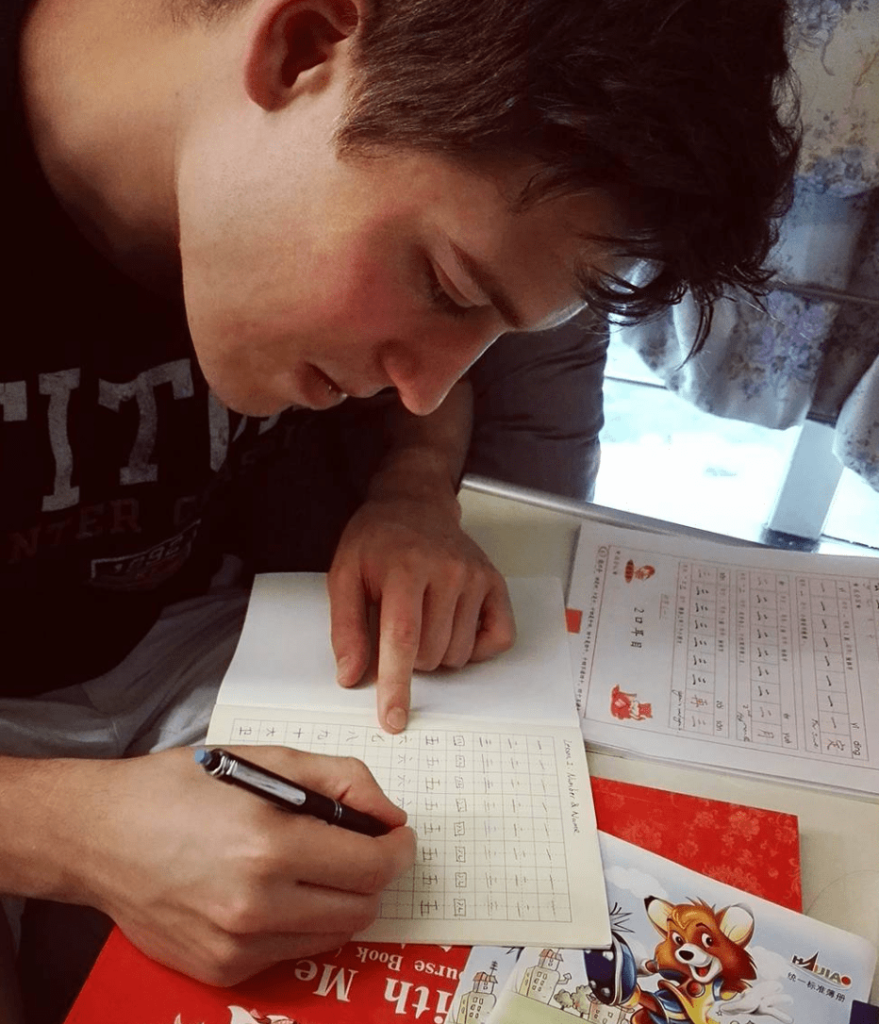
I really like learning languages! After growing up in many different countries I can speak English, Swedish, and German fluently. For the past two years I have been working to add Chinese to my collection and have enjoyed the unique challenges that learning this complex language has provided me with.
The Secret Garden is a piece of classic literature that has been part of an untold number of childhoods (if you missed our article on why children should read classic novels, see it linked below!). It is a powerful tale of friendship and discovering oneself that resonates with our souls.
The Secret Garden is about a young girl named Mary Lennox who loses her family and everything familiar with her due to a cholera outbreak in India, where her father was working as a British Army Captain. As a child, Mary was quite neglected, but indulged by family’s servants, so she was a spoiled child with a terrible disposition. She had very few traits that would help her cope with a new life in England, where she was sent to live with a grouchy distant relative, Mr. Craven.
Mr. Craven had very strict rules for Mary to follow at her new home at Misselthwaite Manor in Yorkshire, which included her being forbidden to enter various rooms inside the giant mansion, as well as forbidden to enter one of the gardens on the sprawling property, which belonged to his beloved late wife. As Mary begins to explore her new home, she begins to find a sense of happiness and regains her health after being sickly for much of her childhood. After a robin helps her find the key to the secret garden, she finds a sense of purpose in restoring the garden, much as she restores her inner self. Through the thorns and dried leaves of winter, she finds much more lies within.
Aided by new friend Dickon, Mary develops her first friendships, and uses her newfound strength and kindness to help her bedridden cousin Colin, whom she finds tucked away in the manor. Friendship strengthens both Mary and Colin, and in the end, everyone witnesses a miracle only made possible by these close bonds and belief in oneself, two very important themes in the novel.
Young people will love reading this fantastic story of friendship, overcoming obstacles, and experiencing the healing power of nature. The characters and the lessons they teach us will surely touch your child and help them experience the power of a great story.
If you would like an opportunity for your child to experience this story with others, we are happy to let you know that we will be reading The Secret Garden as the first novel in our Young Classics Level 2 Course this summer.
In the course, we not only read the novel, but we also learn and apply new vocabulary from the book, discuss important literary techniques used by the writer, and practice writing summaries, a key skill that many students find challenging
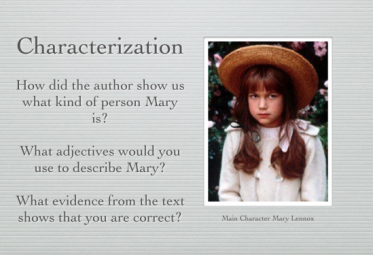
If you are interesting in learning more about Young Classics, or and of our other excellent and engaging courses, tuntuɓi ɗaya daga cikin masu ba da shawara kan Ilimi a yau! We hope to work with your child very soon!
Literature study is an important aspect of any excellent academic program, and that is because it helps to teach students a wide range of knowledge and skills that are essential for success in many areas of life. While studying literature, students learn about important events and people throughout history, they consider cultural perspective and increase their own understanding of acceptance of different ideas and beliefs, and they learn how to analyse the words of others in order to form a deep understanding of new ideas and ways of communicating. In short, it exposes students to a toolbox of ideas, techniques, strategies, theories, and more that they will carry with them throughout their life, shaping the way they approach the world.
Why do we offer this course?
Reach Out students typically pursue high school programs such as IGCSE, which includes challenging courses such as English Language and Literature and English as a First Language. Later, most of those students will take on the challenge of IB and AP level programs, in which they must take on the task of reading a variety of literature. Our aim is to expose students in upper primary and middle school to a wide range of advanced literature so that by the time they reach high school they possess the knowledge and skills to hit the ground running, and therefore achieve to a higher level.
This course is designed for Grade 7-9 dalibai.
The Objectives of our Advanced Literature Course are to:
✪ Enhance students’ ability to understand and discern literary techniques used English and American literature, and the ability to communicate the effects of those techniques;
✪Improve children's literary comprehension skills and increase their understanding of British and American culture;
✪ Under the guidance of our expert educators, learn the power of language and storytelling in a challenging yet engaging way.
Meet Our Teachers
*Insert teacher bios here for Barry, Anthony, and John*
Our Book Selections:
Cry the Beloved Country by Alan Paton

Set in South Africa in the 1940s, award-winning Cry the Beloved Country tells the story of a Zulu Pastor, Steven Kumalo, who travels from his village to the city of Johannesburg. Along his arduous and heart-wrenching journey, he discovers that his sister and son have found themselves in terrible situations that he must now face with them. The characters’ vastly different lives become unexpectedly woven together through tragedy during a dark time in South Africa’s history. Duk da haka, through tragedy and challenges, the true nature of the human spirit can be found and uplift those who need it most.
Dracula by Bram Stoker

The legend of Dracula has loomed large in the minds of readers and movie-goers for generations. Bram Stoker based the infamous character of Dracula on the legend of the real life ruler of Wallachia, Vlad the Impaler. Stoker was able to take this dark corner of history and turn it into a legendary novel told through journal entries, letters and telegrams. As with any classic, Dracula has stood the test of time because it speaks to something very deep and meaningful within the human psyche.
Of Mice and Men by John Steinbeck
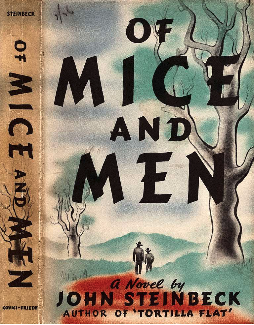
The Great Depression was a defining moment in American history that tested its strength as a nation, and placed the population in a precarious balance between life and death. In what is considered one of the greatest American classics, readers are introduced to two displaced migrant workers, George and Lennie. George is an intelligent young man, while Lennie is mentally disabled. George takes Lennie under his wing as they seek employment where few opportunities exist, trying to survive, yet still dreaming of the day they will have their own land and build a life. Their hopes are dashed when a devastating incident occurs that alters their lives forever.
What Students Will Gain
Develop an early sense of literary appreciation,
See the world from a more mature perspective
British and American classics contain thought-provoking moral and social issues. Reading the most influential classic literature thoroughly helps students become better readers, and begin the process of pursuing self-realization.
Improve understanding of culture and history
Learning allusions from classic British and American literature can help us bridge cultural differences. "The classics have opened the door to different worlds, different cultures, and different historical perspectives. Literature crosses race, culture, religion, and geography."
Self-reflection and personal growth
Many classic literature allude to our lives from the side: books that reflect similarities to our own lives are called "mirrors"; and those that give us a glimpse of different lives are called "windows." Whether it is a "mirror" or a "window", it further enriches the students' life experience and increases the courage and strength to face life.
Shiga Mu!
Contact us to discover more about our course. We sincerely hope to meet your child soon, and develop a love of reading classic literature together.
It’s back to school time and we know parents are getting ready for a new year with new beginnings. The start of a new year is usually met with a mix of excitement and a bit of anxiety, as students and parents look forward to new skills and experiences, but also might feel nervous about new routines and expectations.
Don’t worry, Reach Out it here to help! This year, we have 5 top tips to a fantastic start to the school year.
Understanding how your child’s school approaches education, what curriculum they use, what systems, and standards are used can be overwhelming for non-educators. Spending a bit of time each day reading your school’s website content, handbooks, and other resources can help you feel more confident in understanding what your child is learning at school and how they are learning. It’s also important to attend your child’s back-to-school night and informational sessions to get a better understanding of your child’s program as a whole. It also provides a great opportunity for you to establish a relationship with your child’s teacher. At any time if you still have questions, you can always e-mail your child’s teacher. They are there for you and your child, as they know that a great relationship with parents is a fantastic way to ensure academic, social, and emotional success for all students.
2. Make Sure to Catch Enough Zzzzs Before the ABCs
Sleep is so important for a child’s growth and development, and a lack of it can negatively impact a child’s academic achievement. In fact, research shows that sleep depravation in children can lead to higher rates of anxiety and depression. When we sleep, our brain processes the information from he day, finds the best system to file it away in out memories, and re-charges our systems for a new day. For various reasons, parents often find sticking to an early bedtime difficult, but with a clear routine, and time for adjustment, it can be easy! Yara 3-6 years old should be getting 10-12 hours of sleep per day, 7-12 year olds should get 10-11 hours per day, kuma 12-18 year olds should get 8-9 hours per day. Creating a schedule where children get to bed earlier will make mornings easier as well, hopefully with less stress for both parents and children as they will be well rested and ready to start their day!
3. Ask the Right Questions at the Right Time
Sometimes parents are anxious to know how their child’s day was as soon as they get home from school, especially during the first few weeks. Those weeks are especially exhausting and full of ups and downs as your child learns to navigate new material, new friends, new teachers, and new expectations. Giving them time to come home and decompress is extremely important for their emotional and mental well-being. Once they have had some “me” time, parents can ask specific questions based on what they know they are working on, if they happen to know. They can go through their child’s homework diary with them and help them make a plan on how to tackle each task, as well as share in their enthusiasm for specific subjects, books, or information they also enjoy. Avoid asking, “How was school? What did you learn?” as kids respond much better to more specific questions, such as, “What did you do with your friends at lunch? What was the best part of your day? What was the weirdest or most wonderful thing that happened at school today?” Most importantly, parents should be fully present and listen intently when students answer, so they really feel valued and hear when they share.
4. Let Them Learn From Failure
This one can be extremely hard for parents to allow. We want our children to do well and reach their full potential, which means we might go over each assignment with a fine-toothed comb, correcting every mis-calculation or grammar mistake. Although parents have good intentions when we do this, we are taking away important learning opportunities from children when we do so. Back when we were students, many of our parents were often too busy or didn’t have the knowledge or capacity to help us with our school work, but we found a way to push through and try our best. If children are never given opportunities to fail when they are young, they might resist taking on challenges later in life for fear of failing at them. Duk da haka, when we let them fail gently, such as on an assignment or at a little league soccer game, we are teaching them resilience. It’s not the end of the world, and they learn a valuable lesson; that we can try and not succeed, dust ourselves off, and try again next time.
5. Nurture Their Passions
New school years are an exciting time for many reasons, one of them being that they provide children a chance to discover new passions. If they are lucky, they will stumble upon something they truly love, and that they can become fascinated with enough to spend hours on end discovering. Helping a child find his or her passion is not always easy and takes time. Sometimes parents worry if their child focuses too much on a couple of things, and feel they need to expose them to as much as possible to help shape them into well-rounded individuals. Duk da haka, if we look at the people who have shaped our world, it was because they had a laser focus on what they were passionate about. It was all they ever did or do. As humans, we naturally gravitate towards what we love most, and as long as it provides some sort of value on top of fulfillment, we should continue pursuing it. Don haka, don’t worry if your child protests going to one activity while running out the door to attend another. Maybe the one they love is the most valuable to their growth and development, and the one they don’t like isn’t that necessary after all.
We hope these tips have helped, and we wish you and your child the best in the coming school year! We are excited for the new school year and all of the challenges and hope it will bring.
Reach Out will be with you every step of the way, so be on the lookout for more information and more articles we hope you will love!