Ma ka Loi, manaʻo mākou he mea nui ka hoʻolauleʻa ʻana i ka holomua o nā haumāna. Hauʻoli mākou i ka hoʻolaha ʻana i kekahi Haumāna Hōkū - Emma!
Hōʻike ʻo Emma i nā mea a pau e hiki i nā haumāna ke hoʻokō me ka hana ikaika a me ka hoʻokō i ka maikaʻi. Hoʻomaopopo nā kumu a Emma iā ia he haumāna maikaʻi loa i ke aʻo ʻana, he oluolu i ke ao ana, a he ʻohana kākoʻo nui kona e kamaʻilio pinepine me kāna mau kumu. Ma ka papa, He kanaka hoʻolohe makaʻala a hoʻolohe ʻo Emma i ka hilinaʻi nui e kaʻana like i kāna mau manaʻo, aka, hoomanawanui no ka haawi ana i kela mea keia mea i ko lakou manawa. ʻAʻole manaʻo ʻo ia e lawe i nā pilikia, a hiki iā ia ke hoʻokomo i kona ʻano i loko o kāna hana.
Ua kākau inoa ʻia ʻo Emma ma kā mākou Creative Reading and Writing Level 4 Papa, a ua hōʻike ʻo ia i kahi makana maoli i ka hiki ke hana i nā kiʻi ikaika i kāna palapala. I ka hoomaka ana o ke kau, Ua hoʻopau ʻo ia i ka loiloi o ka lālā Shanghai Disneyland o Blue Frog.
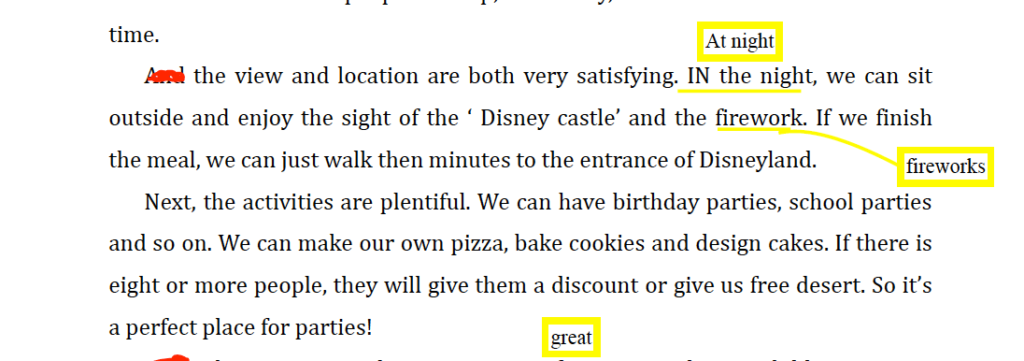
Ua hōʻike ʻo Emma i kona hiki ke hoʻohewa i nā ʻano kikoʻī o kahi wahi, a hoʻomohala i kona mau manaʻo me ka hoʻohana ʻana i nā kikoʻī kūpono.
“Maikaʻi loa ka ʻike a me ka wahi. I ka pō hiki iā mākou ke noho i waho a hauʻoli i ka ʻike ʻana i ka Disney Castle a me nā mea ahi.
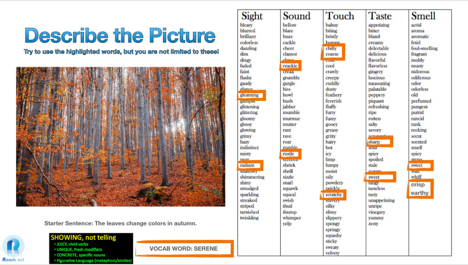
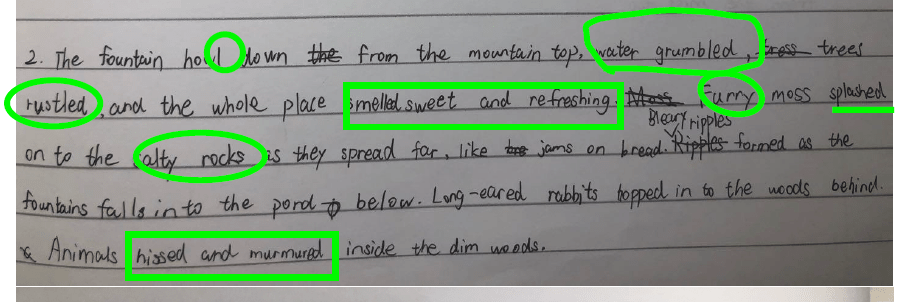
Ke hele nei ke kau, Ua hōʻike ʻo Emma i ka hoʻomohala ʻana i kona mākaukau kākau, a hoʻomaka e hoʻokomo i nā ʻenehana palapala ʻoi aku ka holomua. Ma kahi hana no ka wehewehe ʻana i nā ʻāina, Ua hiki iā Emma ke hana i kiʻi ikaika me ka hoʻohana ʻana i nā huaʻōlelo pololei a me ka ʻōlelo kiʻi.
“Pili ka limu huluhulu ma luna o nā pōhaku paʻakai i ko lākou laha ʻana, e like me ka jam ma ka berena. Ua hoʻokumu ʻia nā nalu ʻeleʻele i ka hāʻule ʻana o ka pūnāwai i loko o ka loko iʻa ma lalo.
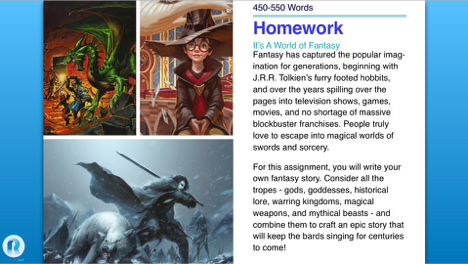
Ua hoʻomau ʻo Emma i ka hoʻohana ʻana i nā haʻawina āna i aʻo ai a puni ka papa, a ʻoi aku ka ikaika o kona mākaukau ma ke ʻano he mea kākau. Ma kahi hana hou ma ke kākau ʻana i kahi Fantasy Narrative, Ua kūkulu ʻo Emma i ke kūlana a me ke ʻano o kāna moʻolelo me ka noʻonoʻo a me ka maikaʻi.
“Pālohilohi ka lā mai ka puka makani a hiki i ka palupalu, pepa moe silika. Mohala nā pua momona ʻulaʻula ma ka ʻaoʻao o ka puka makani. Ua kau ʻia nā kaha kiʻi ʻeleʻele akā hoʻoikaika i ka paia limu-ʻōmaʻomaʻo.
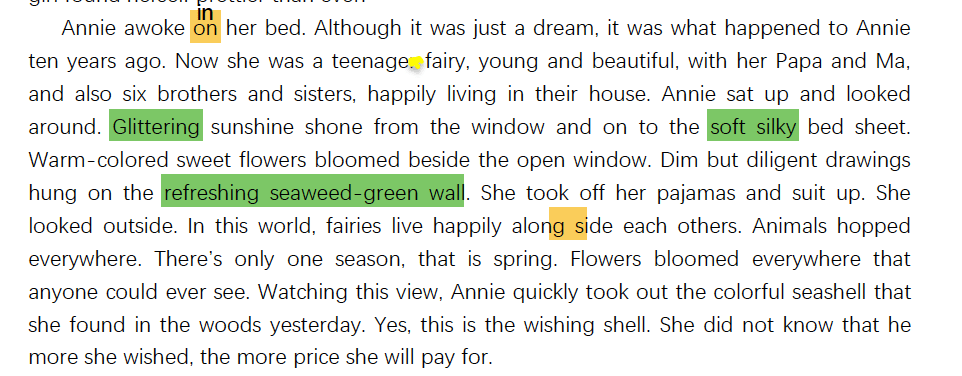
E like me kāu e ʻike ai, Hōʻike ʻo Emma i nā hiʻohiʻona o kahi mea kākau ʻōpio maikaʻi. ʻO kona manaʻo paʻa e hoʻomaikaʻi, a ʻo ka hoʻohana pono ʻana i nā haʻawina i aʻo ʻia ua kōkua ia e hoʻokiʻekiʻe i kāna kākau ʻana i kahi pae kiʻekiʻe.
Mahalo iā Emma, no ka mea, he HOKU! Manaʻo mākou e ʻike i kou ulu ʻana no ka manawa lōʻihi e hiki mai ana. ʻIke mākou he hoʻomaka wale kēia o kahi huakaʻi maikaʻi loa.
Ma ke ʻano he kumu hoʻonaʻauao, ua nīnau pinepine ʻia mākou i ka nīnau, “Pehea e hiki ai iaʻu ke hoʻōki i kaʻu keiki i ka heluhelu ʻana i nā puke mele?” Ke hopohopo nei nā mākua no ka hāʻawi ʻole ʻana o nā komikika i ka waiwai hoʻonaʻauao, 'a'ole lawa ka 'oihana ho'ona'auao, a i ʻole ka mea ʻino loa, he hoopau manawa o ka laua keiki. I keia, kā mākou pane maʻamau iā lākou, a ʻo ia pane, “E heluhelu lākou i ka komike!”
Hiki ke hoʻomaopopo ʻia e hopohopo iki nā mākua no ka mea ʻo ka manaʻo he mea maʻemaʻe nā comics no ka leʻaleʻa heluhelu., akā naʻe, He nui nā pōmaikaʻi o ka comics ma mua o ke kōkua ʻana iā mākou e hoʻolōʻihi i ka manawa.
ʻAʻole nā ʻano kākau hou nā komike a me nā moʻolelo kiʻi. ʻae nō hoʻi, ua hauʻoli ʻia e nā mea he nui no nā hanauna. I nā makahiki, ua hoʻololi ke ʻano i hoʻokahi me ka hohonu a me ke ʻano, ʻo ia ke kumu a mākou e paipai ai i nā mākua ʻaʻole e ʻae wale i kā lākou mau keiki e heluhelu i nā mele, akā, e kākoʻo pū iā lākou ma ka hana ʻana pēlā.
Eia kā mākou kumu nui e heluhelu ʻia ai nā komikika (ʻoi aku i ke kauwela!):
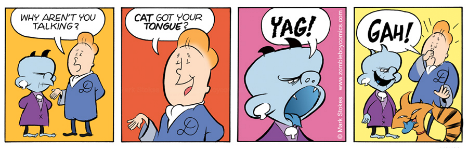
No nā haumāna ʻaʻole kamaʻāina ʻōlelo Pelekania, He ala maikaʻi loa ka moʻokalaleo no lākou e leʻaleʻa i ka palapala Pelekane. No nā keiki he nui, ʻO ka hana o ka hele ʻana mai kahi puke haʻawina ʻōlelo Pelekania i kahi puke moʻolelo hiki ke hoʻoweliweli loa, akā, hiki i nā komike ke hāʻawi i kahi alahaka kūpono no lākou e kūkulu i ka hilinaʻi a me ka heluhelu ʻana. Hiki i nā kiʻi ʻike ma nā kiʻi ke hoʻomohala i ka ʻike hohonu o ka pā a me nā kiʻi a me nā huaʻōlelo hou.. Kahi mea hou aʻe, hoʻolauna ʻo ia iā lākou i nā mea hana palapala kūpono, e like me onomatopoeia (manao POW! SMACK! ZOOM!) a me nā ʻōlelo ʻōlelo (he kiʻi e hōʻike ana i ke ʻano o ka ʻōlelo like, “Ua loaʻa i ka pōpoki kou alelo?” ʻoi aku ka maikaʻi ma mua o ka hoʻomehana ʻana i ka ʻōlelo ma kāna iho!).
2.Hoʻonui i ka ʻike
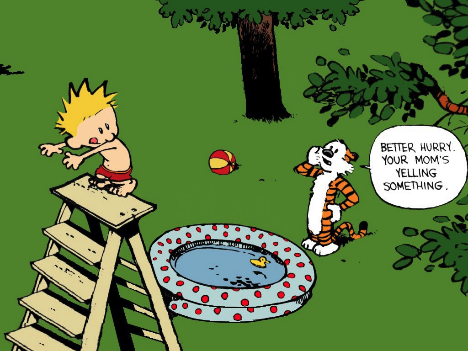
He mākau heluhelu koʻikoʻi ka Inference e hakakā ai nā haumāna he nui ma nā loiloi heluhelu maʻamau. Hana ʻia ka inference ke huki mākou i nā hopena ma muli o ka mea a mākou i heluhelu ai. ʻO kekahi mau laʻana o nā nīnau e hālāwai ai nā haumāna i ka wā o ka heluhelu ʻana a i ʻole nā loiloi e like me, “Pehea ka manaʻo o ke ʻano i ka wā?”, "He aha kāu e hoʻoholo ai e pili ana i ..." a "He aha ka haʻawina o ka moʻolelo?"Koi ʻo Comics i nā haumāna e "heluhelu ma waena o nā laina" e ʻike i ka ʻike i haʻi pinepine ʻia e ka mea haʻi moʻolelo ma kahi moʻolelo., no laila hiki iā lākou ke loaʻa i nā ʻike waiwai he nui i ka hoʻoikaika ʻana i kēia mākau ma ka heluhelu ʻana i nā mele.
3.Mana Huaolelo!
ʻO ka manawa pinepine i loko o nā komike a me nā moʻolelo kiʻi, loaʻa i nā mea kākau nā huaʻōlelo kiʻekiʻe loa, ʻelua ma ke ʻano o ka moʻolelo a me ka inoa o nā mea. In 2016 ma ka honua kaulana Comic-Con ma San Diego, Kaleponi, Ua kūkākūkā kekahi panelist o nā kumu aʻo i ka mana o ka hana komikika i ke kūkulu ʻana i nā huaʻōlelo a nā haumāna. James Bucky Carter, wahi a ka mea kākau o Building Literacy Connections with Graphic Novels, “Aia iā ʻoe ʻo Colossus, a nui ʻo ia, kanaka metala pilikua. Loaʻa iā ʻoe kahi manaʻo maikaʻi loa i ke ʻano o ka huaʻōlelo colossus a he huaʻōlelo 10 keneta maikaʻi kēlā. Ke uē nei ka mana o Banshee. Loaʻa iā ʻoe kēia mau huaʻōlelo e pili ana i nā huaʻōlelo. He mea leʻaleʻa kēlā e aʻo ai i nā huaʻōlelo hou, ma waho aʻe o nā hōʻailona pili.
Ma hope o ka heluhelu ʻana i kēia, makemake paha ʻoe e ʻae i kāu keiki e luʻu pono i ka heluhelu ʻana i nā puke komike a i ʻole nā moʻolelo kiʻi! He mele ia i ko mākou mau pepeiao. Inā ʻaʻole maopopo ʻoe i kahi e hoʻomaka ai, loaʻa iā mākou kekahi mau punahele haumāna e makemake paha kāu keiki e hoʻāʻo!
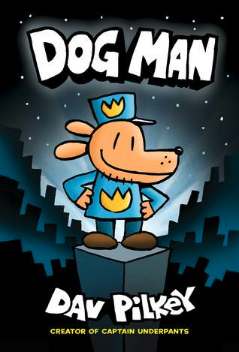
Kanaka ʻīlio na Dave Pilkey
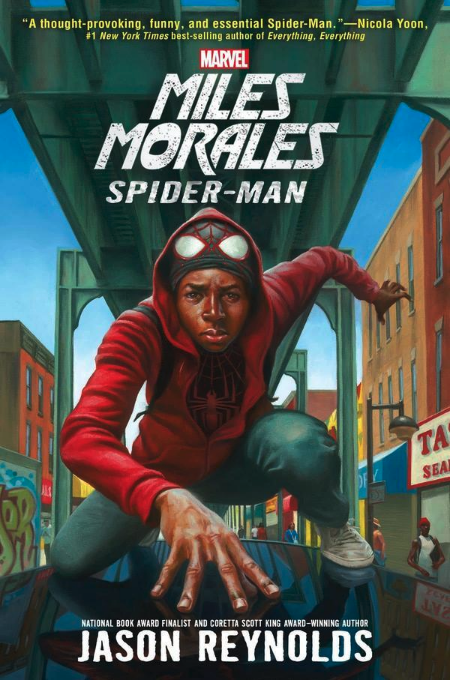
ʻO Miles Morales Spider-Man na Jason Reynolds
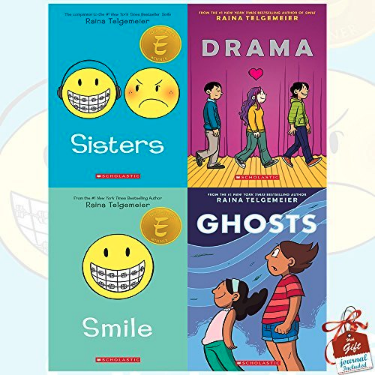
minoaka, Na kaikuahine, Nā ʻuhane, Keaka a me nā moʻolelo ʻē aʻe na Raina Telgemeier
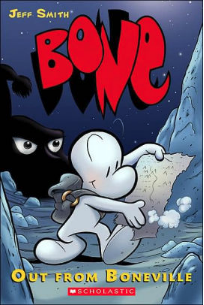
Iwi na Jeff Smith
Ke ʻimi nei i nā manawa heluhelu hou no kāu keiki? E leka uila i kekahi o kā mākou Kumu Hoʻonaʻauao no ka ʻike hou aku e pili ana i kā mākou papa heluhelu kauwela. Manaʻo mākou e heluhelu pū me kāu keiki!
Aia kēia kau hoʻokolohua, a he manawa koʻikoʻi loa ia o ka makahiki no nā haumāna a me nā mākua. Ma Reach Out makemake mākou e hana i ka mea maikaʻi loa e kōkua i ka hōʻoluʻolu i ka hopohopo o ka hoʻokolokolo ma o ka hāʻawi ʻana i kekahi mau ʻōlelo aʻoaʻo kūikawā āu i hoʻāʻo ʻole ai..
Ua hahai pinepine ʻia ka naʻauao maʻamau o ke aʻo ʻana e nā mākua a me nā kumu i manaʻo maikaʻi, akā naʻe, inā mākou e nānā i kekahi mau ala noiʻi hoihoi e ʻike mākou aia nā ʻano ala kūpono e aʻo ai! Maikaʻi mau ke hoʻāʻo i nā mea hou, no na kamalii. Hiki iā lākou ke ʻike i nā ʻano hana hou i ko lākou wā ʻōpiopio, a i ko lakou nui ana, hiki iā lākou ke koho i ke ala kūpono i ko lākou pono pono'ī a me ke ʻano.
I kēia manawa, e nānā kākou i ʻekolu ala kū hoʻokahi e aʻo ai.
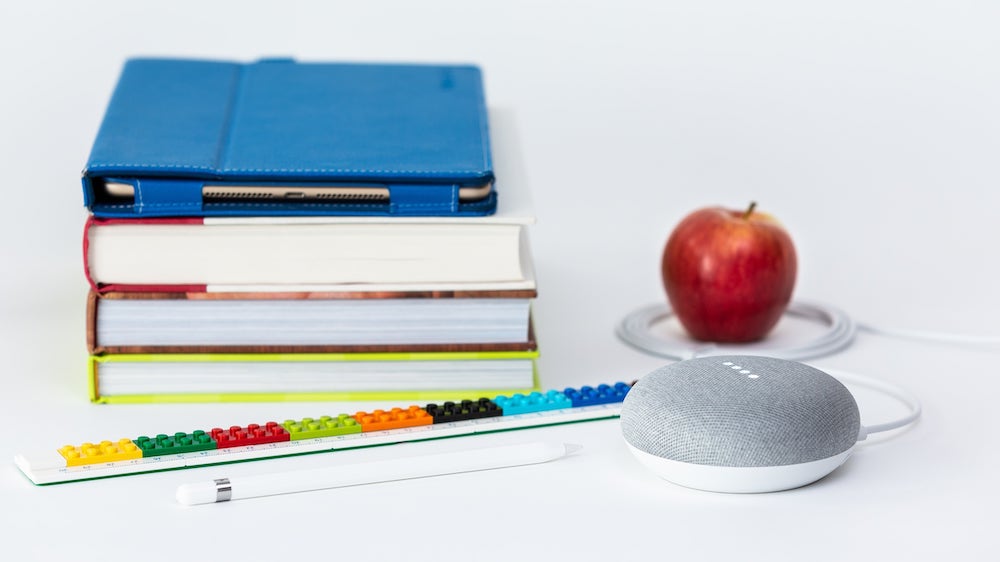
ʻO ka ʻokoʻa ka mea ʻala o ke ola-ʻoiai ke aʻo ʻana
No ka lehulehu, he mau makahiki i oleloia mai ia makou i mea e ao maikai ai, pono mākou e aʻo ma kahi hoʻokahi i kēlā me kēia lā; he wahi malie, kukui maikaʻi, a loaʻa iā mākou nā mea a pau. ʻOiai he ʻoiaʻiʻo paha kēia no kekahi manawa a mākou e aʻo nei, hōʻike mai ka noiʻi iā mākou e ʻoi aku ka maikaʻi o ko mākou lolo ke hoʻololi mākou i ka wahi a mākou e aʻo nei. Kahaha loa, akau?
Ma kahi haʻawina i hana ʻia a hoʻi i loko 1978, hāʻawi ʻia nā haumāna kulanui 40 huaʻōlelo e aʻo ai. Ua ʻōlelo ʻia kekahi hui e aʻo ʻelua i ka papa inoa ma kahi hoʻokahi. Ua ʻōlelo ʻia ka hui ʻē aʻe e aʻo i ka papa inoa ma nā wahi like ʻole. ʻO ka mea i loaʻa iā lākou, ʻoi aku ka maikaʻi o ka hui i hoʻololi i ko lākou mau wahi aʻo i ka hoʻomanaʻo ʻana i nā huaʻōlelo ma hope. I kēia manawa no ke aha ia? Pono, Hoʻopili pinepine ko mākou lolo i ka ʻike e pili ana i ko mākou kaiapuni, no laila ʻoi aku ka nui o kā mākou hoʻololi ʻana i ko mākou kaiapuni, ʻoi aku ka nui o ka hāʻawi ʻana i ko mākou lolo i ka manawa e mālama ai i ka ʻike e pili ana i nā mea hou aku. ʻO kēia paha ke kumu o kahi ʻenehana hiʻohiʻona, kahi e ʻike ai i nā mea a lākou e makemake ai e hoʻomanaʻo i kekahi mau wahi i kahi kaiapuni a lākou i kamaʻāina ai, hiki ke hana maikaʻi pū kekahi. No nā haumāna, ʻO ka hoʻololi wale ʻana i ke kaiapuni hiki ke hana i ka hana!
I leʻaleʻa kāu!
Manaʻo paha kekahi mau mākua inā ʻakaʻaka a hauʻoli paha kā lākou keiki i ke aʻo ʻana a i ʻole ke aʻo ʻana, e hoopau ana paha lakou i ko lakou manawa. Eia naʻe, ʻaʻole pono kēia.
Ma ke ano he makua, i kāu hana a i ʻole ke keʻena e loaʻa paha iā ʻoe nā papa hana kūikawā i kēlā me kēia manawa. Hoʻohana pinepine ʻia nā papa hana i mea hana e kōkua iā ʻoe e aʻo e pili ana i kahi hoʻolālā hou, manaʻo, a i ʻole ka ʻike e kōkua iā ʻoe e aʻo hou aku ma ka hana. Hoʻohana pinepine ʻia kēia mau kau e nā poʻe loea i ka hoʻokumu ʻana i nā papa hana hoʻoikaika a hoʻoikaika e hoʻoikaika a hoʻoikaika i nā limahana.. Hiki ke lōʻihi a ikaika nā lā, aka, ina ua hana pono, hiki i nā limahana ke hele me ka hilinaʻi i ko lākou ʻike a me nā mākau hou.
ʻO ke kani like no ka poʻe ʻōpio. ʻO ka hoʻolauna ʻana i ka pāʻani pāʻani a me ka leʻaleʻa ma ke ʻano he ala e aʻo ai no nā hoʻokolohua ʻaʻole wale e ʻakaʻaka kāu keiki, akā, hōʻike ka noiʻi ʻana i ka leʻaleʻa ʻoiai ke aʻo ʻana e hoʻāla i kekahi mau kumuwaiwai cognitive, hoʻopili i ka uku a me ka leʻaleʻa me ke aʻo ʻana, hoʻoikaika a hoʻonui i nā pūnaewele hoʻomanaʻo, a hoʻololi i ka noʻonoʻo abstract a me ka nānā pono.
ʻO ka ʻenehana Pomodoro
Noho ka nānā 'ana, ma ka hana a hoʻoikaika ʻia e hoʻopau i kekahi mau hana hiki ke paʻakikī no nā pākeke a me nā keiki. Ua manaʻo paha ʻoe e nānā ana ʻoe i ka pale kamepiula no nā hola, aka, he uuku loa ka hana? A i ʻole he lā palena pau kāu i kekahi mau lā, akā, ke ʻimi wale nei lākou i ka laina hoʻopau? ʻAʻole ia he mea kupanaha, e like me ka noiʻi e hōʻike ana i ko mākou noʻonoʻo e hele i luna 20% o ka manawa, ʻoi aku paha no ka poʻe ʻōpio.
Ua hana ʻia kekahi ʻenehana hoihoi e ka haumāna kulanui ʻo Francesco Cirillo ma ke ʻano he ala e kōkua ai iā ia e noʻonoʻo pono, a ʻo ia ka Pomodoro Technique, Ua loaʻa kona inoa ma muli o ka timer kiʻi ʻōmato i hoʻohana ʻia ʻo Cirillo i ka wā e hoʻāʻo ai i kēia hoʻolālā iā ia iho. Pehea e hana ai, hoʻonoho ʻoe i kahi manawa no 25 minuke, ʻo ia ka manawa hana. A laila hoʻonoho hou no 5 minuke, ʻo ia ka manawa hoʻomaha. He manawa maikaʻi kēia e ala ai, kikoo, e uhai a puni ka hale, hānai i kāu pōpoki, aiʻole e inu i ka wai a i ʻole ka ʻai. Ma hope o ka wā hoʻomaha, hoʻonoho i ka manawa no kekahi 25 minuke a hana hou!
ʻIke ʻia ua kākoʻo ʻia kēia hoʻolālā e nā hōʻike ʻepekema, e like me ka poʻe noiʻi i hoʻoholo ai e kōkua nā wā hoʻomaha pōkole e mālama i kou mau maka ma ke ala. Pili paha kēia i ka ʻoiaʻiʻo ʻo ka ʻoluʻolu cognitive hiki ke alakaʻi i kahi noʻonoʻo ʻole, ʻo ia ka mea hope āu e makemake ai i ke aʻo ʻana no kahi hoʻokolokolo koʻikoʻi.
Manaʻo mākou ua hauʻoli ʻoe i ka ʻimi ʻana i kēia mau ʻōlelo aʻoaʻo kūikawā e like me mākou! Makemake ʻoe i kāu keiki i ka pōmaikaʻi ma nā hoʻokolohua i kēia mahina. Jiayou!
Ua ʻike mākou he nui nā mea hiki iā mākou ke hana e hānai a hoʻonaʻauao i kā mākou mau keiki, ʻo ia ke kumu e hele pinepine ai mākou i nā mākua e hoʻopiha i ko lākou manawa me nā hana hoʻonui a me nā papa. No ke aha mākou e hana ai i kēia? No nā kumu he nui, akā, ʻo ka pahuhopu nui e hōʻoia i ka holomua o ka wā e hiki mai ana. Manaʻo nā mākua e ʻoi aku ka pōmaikaʻi o kā lākou mau keiki i ke ola ma mua o lākou iho. Pōmaikaʻi, ʻae nō hoʻi, he kumuhana, a loaʻa paha iā kākou ka wehewehe ponoʻī o ka holomua. ʻO ka maʻamau naʻe, hiki iā mākou ke ʻae ʻo ka kūleʻa e pili ana i ka manaʻo ʻoluʻolu i ke ola pilikino, me ka loaʻa ʻana o ka manaʻo o ka ʻoihana a me ka palekana kālā.
I kēia mau lā, ua hōʻike ʻia kahi TED Talk e kaʻana like ʻana ma ka pāhana kaiapili, kahi Dean o Freshman ma ke Kulanui ʻo Stanford, Julie Lythcott-Haims, hōʻike i nā hōʻike mai ka Harvard Grant Study e pili ana i ka holomua ʻoihana i ke ola i nā poʻe i hana i nā hana ma ke ʻano he kamaliʻi. ʻAʻole aʻo pōpeku, ʻaʻole aʻo ʻōlelo, ʻaʻole pena, akā, nā hana.
Kahaha pololei?
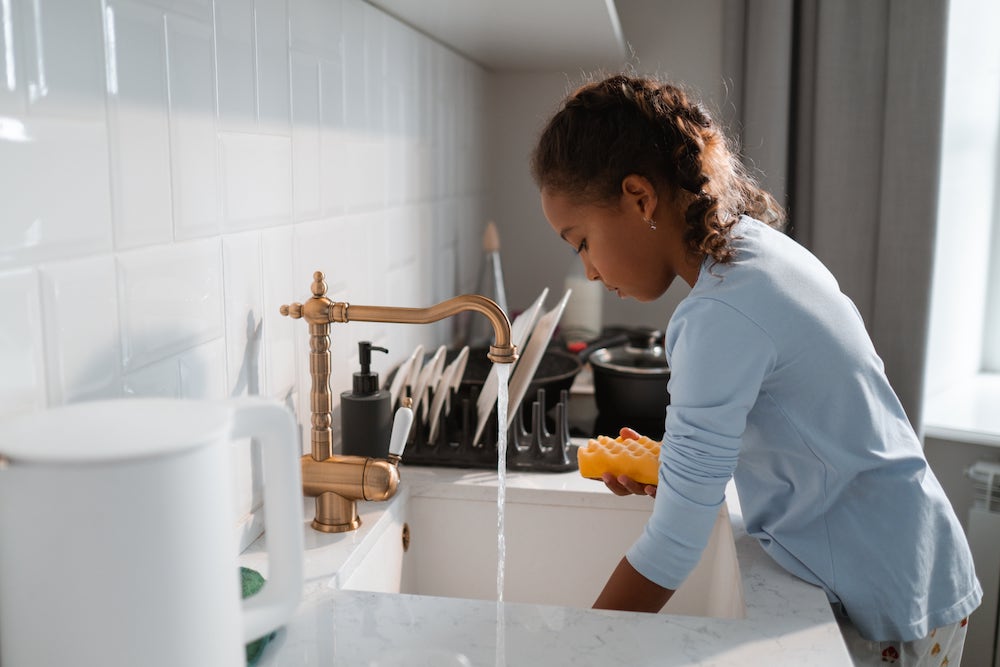
ʻAʻole ʻike paha ka hapa nui o kā mākou mau keiki e ulu ana ma nā kūlanakauhale nui i ke ʻano o ka holoi ʻana i kahi kīʻaha, holoi i ka puka makani, a mop i ka papahele. Manaʻo paha mākou he mau mea nui aʻe e hana e kūkulu i ko lākou ʻike a me ko lākou ʻano. Ua wehewehe ʻo Lythcott-Haims i kēlā mau keiki i haumia i ko lākou mau lima, akā naʻe, hiki ke kiʻekiʻe o ka holomua i ke ola ma mua o ko lākou mau hoa hana ʻole. ʻO ia no ke aʻo ʻana i nā haumāna pehea e hāʻawi a piʻi i luna i ka wā e pono ai ka hana, a ʻo ka hana ʻana i ka "hana ʻōhumu" e hoʻomāʻewaʻewa ai kekahi, no ka mea, ʻo ia ka mea maikaʻi no nā mea a pau, ʻo ia ka mea i ʻike ʻia ma ka wahi hana.
Ua kaulana nā wahi hana o nā poʻe kiʻekiʻe i komo i ka Harvard Grant Study, e like me ka Hale Keʻokeʻo, kahi i hana ai ka Pelekikena Kennedy, a me ke keʻena hoʻoponopono i noho ai ʻo Ben Bradlee ma ke ʻano he luna hoʻoponopono o The Washington Post. Hiki iā mākou ke manaʻo i ko lākou mau mākua, e like me mākou, pono e paipai a noi aku i na hana, a e ʻae aku inā ua pau lākou, ʻaʻole paha i hana maikaʻi ʻia; a ua maikaʻi kēlā.
ʻO ka mea nui, e like me kā Lythcott-Haims i kuhikuhi ai, ʻo ia ma ka hana ʻana i nā hana, ʻike nā keiki iā lākou, "… pono e hana i ka hana o ke ola i mea e lilo ai i ʻāpana o ke ola." ʻIke lākou ʻaʻole hiki wale ke ola iā lākou, a no lakou, aka me lakou.
Inā hana kāu mau keiki i nā hana ma ke ʻano he hana maʻamau o ke kauwela, aloha! Aia ʻoe ma ke ala pololei. Inā ʻaʻole, ʻaʻole pono e hopohopo. ʻAʻole i lohi ka hoʻokomo ʻana i nā hana i loko o ke ola o kā mākou mau keiki. Eia kekahi mau ʻōlelo aʻoaʻo e kōkua iā ʻoe e hoʻomaka!
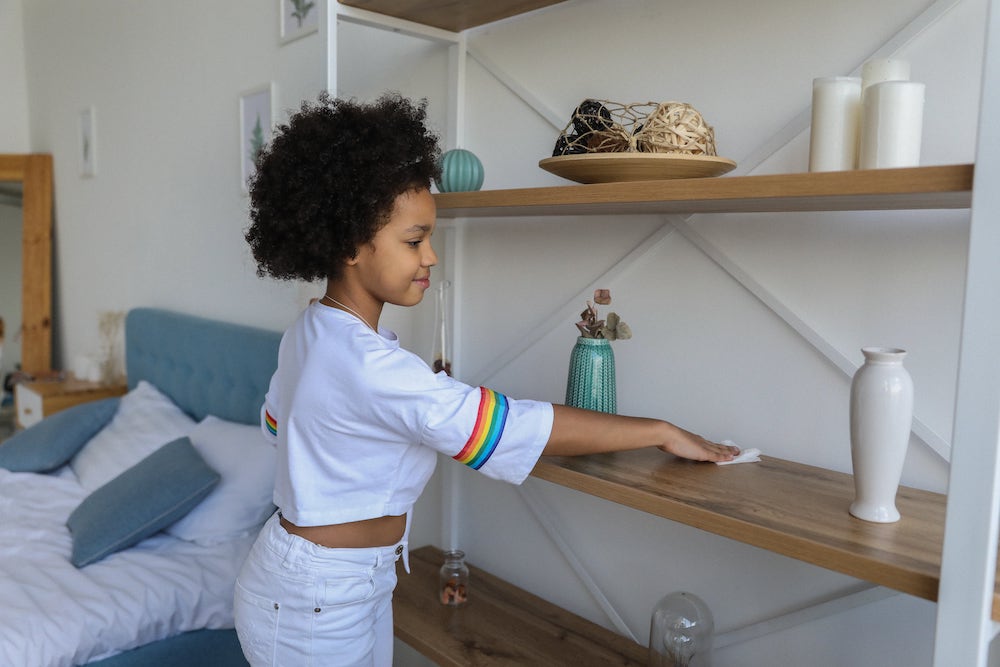
E lilo lākou i ʻāpana o ia mea
Ke hoʻolauna nei i ka manaʻo o kāu mau keiki e hoʻopau ana i nā hana e kōkua ai, e hana i kahi "halawai ʻohana" kahi e noho ai nā mea a pau e kūkākūkā i nā mea e manaʻo ʻia mai kāu mau keiki a me ke kumu. Hiki iā ʻoe ke noi i kāu keiki e kōkua iā ʻoe e kākau i kahi papa inoa o nā hana i hiki iā lākou ke kōkua a puni ka hale. Hiki paha iā lākou ke kahaha iā ʻoe me ko lākou hoihoi ʻoiai ʻo ka hana ʻana i nā hana he mea hoihoi loa ia no kekahi mau keiki no ka mea e manaʻo ai lākou i ka mana a me ke kōkua. (ʻelua mau mea a mākou e makemake ai e like me nā mākua).
Pāʻani-ify It
E leʻaleʻa i nā mea, no ka mea, ʻoi aku ka maikaʻi o nā mea a pau, Hiki iā ʻoe a i kāu keiki ke kākau i nā hana ma nā lāʻau popsicle a i kēlā me kēia lā hiki i kāu keiki ke koho i hoʻokahi lāʻau mai ka ipu.. ʻO ia kā lākou hana no ka lā! Inā ʻoi aku kāu keiki ma mua o hoʻokahi ma ka home, hiki iā ʻoe ke hoʻololi mau i ka hoʻomaʻemaʻe ʻana i hoʻokūkū ma ka hoʻonohonoho ʻana i kahi manawa a ʻike i ke keiki hiki ke hoʻomaʻemaʻe i ka hapa nui o nā mea pāʻani i ka manawa i hāʻawi ʻia., ʻo kahi laʻana.
E uku ia
E like me nā mākua, uku ʻia mākou no kā mākou hāʻawi ʻana i ka hana me ka uku. ʻAʻole anei e uku ʻia kā mākou mau keiki no kā lākou hana nui? Hoʻokahi manaʻo inā hoʻopau kāu keiki i kāna mau hana a pau no ka pule, hiki iā ia ke koho i kahi mea pāʻani liʻiliʻi mai kahi "pahu waiwai" i piha i nā mea pāʻani liʻiliʻi. ʻO kahi koho ʻē aʻe paha inā hoʻopau kāu keiki i nā hana no hoʻokahi mahina, hiki iā lākou ke koho i kahi huakaʻi ʻohana kūikawā ʻē aʻe.
ʻAʻole maʻalahi ke aʻo ʻana i kā mākou mau keiki e hana i nā hana, akā, kūpono nā pōmaikaʻi i ka manawa a me ka hoʻoikaika. Manaʻo mākou ua ʻike ʻoe i kā mākou mau ʻōlelo aʻoaʻo, a hiki iā lākou ke kōkua i ke alakaʻi ʻana i kahi ʻike maikaʻi no ʻoe a me kāu keiki. Hauʻoli hoʻomaʻemaʻe!
Ua hauʻoli mākou e hoʻolaha i kahi hui puke kau wela hou, no na makua wale no! ʻO ke kauwela ka manawa kūpono e heluhelu ai i kēlā puke āu i makemake mau ai e heluhelu, akā ʻaʻole i loaʻa ka manawa. ʻO kēia kauwela, kono mākou iā ʻoe e hui pū me mākou i ka heluhelu ʻana Pehea e kamaʻilio ai e hoʻolohe a hoʻolohe nā keiki i kamaʻilio ai nā keiki.
ʻIke mākou ʻaʻole maʻalahi ka launa pū ʻana me kā mākou mau keiki ma muli o nā koi o ke kula, ka hana a me ke ola o kēlā me kēia lā. I kekahi manawa, pilikia ko mākou hopohopo e pili ana i ka wā e hiki mai ana i ko mākou ola i kēia manawa. Eia naʻe, ʻO kahi mea hiki iā mākou ke hōʻoiaʻiʻo ʻaʻole loa e loaʻa iā mākou kahi manawa hou e ʻike i ka wā kamaliʻi me kā mākou mau keiki ponoʻī, a ʻaʻole makemake mākou e haʻalele i kēia manawa makamae. No laila, pehea e hiki ai iā mākou ke hoʻohana maikaʻi a loaʻa i nā kamaʻilio koʻikoʻi me kā mākou mau keiki e hoʻoikaika ai i kā mākou pilina a kōkua i kā mākou mau keiki e manaʻo i ke kākoʻo ʻia.? He mau nīnau nui kēia a ka poʻe he nui o mākou.
E kōkua iā mākou e pane i kēia mau nīnau koʻikoʻi, kono mākou iā ʻoe e hui pū me mākou i ka heluhelu ʻana i kekahi o nā puke makua kaulana loa o nā manawa a pau, i kākau ʻia e Adele Faber lāua ʻo Elaine Mazlish. Pehea e kamaʻilio ai i hoʻolohe nā keiki a E hoʻolohe i kamaʻilio ʻia nā keiki, e aʻo mai iā mākou pehea e ʻae ai i nā manaʻo o kā mākou mau keiki, no ka hana ʻole ʻana pēlā hiki iā mākou ke hana hewa me ka ʻike ʻole. Aʻo pū ia iā mākou i nā ala maikaʻi e paipai ai i ka launa pū ʻana, a me ke kuokoa, kūʻokoʻa, a me ka hilinaʻi iā ia iho. ʻO kēia nā mea a pau e pono ai ke kōkua i ka hoʻoulu ʻana i kahi pilina makua-keiki maikaʻi e kōkua maoli i ka ulu ʻana i kā mākou mau keiki i mau mākua kūpaʻa a mākaukau..
Pehea e hana ai?
ʻO ka hana mua e hoʻokaʻaʻike aku i kekahi o kā mākou Kumu Hoʻonaʻauao e hoʻopaʻa inoa. He manuahi a wehe ʻia ke kākau inoa ʻana i nā mea a pau! E hana mākou i kamaʻilio pūʻulu kahi e mālama ʻia ai ka ʻike puke a me ka māhele ʻana e hoʻomaka ana ma Iulai 1. Lindsey Maikaʻi, ko makou Luna Hoonaauao, e komo pū ana i ka hui ma ke ʻano he makua, oiai he makuahine oia no na keikikane elua, ʻelemakule 4 a 6, e aʻo pū ana me ʻoe. E kōkua pū ʻo ia i ke alakaʻi ʻana i nā kūkākūkā pule.
Hiki ke loaʻa ka puke ma ka ʻōlelo Pelekania a me ka Pākē a hiki ke maʻalahi i ka paʻi, e-puke, a i ʻole nā ʻano puke leo.
A laila aia ʻelua mau koho no ke ʻano āu e makemake ai e komo:
Penei ka papa helu heluhelu:
Pule 1: Mokuna 1 & 2
Pule 2: Mokuna 3 & 4
Pule 3: Mokuna 5 & 6
Pule 4 Mokuna 7 & ʻŌlelo hope
I ka hopena o ka mahina, e hoʻokipa mākou i kahi papa hana pūnaewele e alakaʻi ʻia e ke Kakauolelo Kula, Regina Wehner. Ma ka hale hana, E kaʻana like ʻo Regina i ka ʻike a me nā hoʻolālā e hiki ai iā ʻoe ke hoʻohana e hoʻoikaika i kou pilina me kāu keiki.
No Regina Wehner
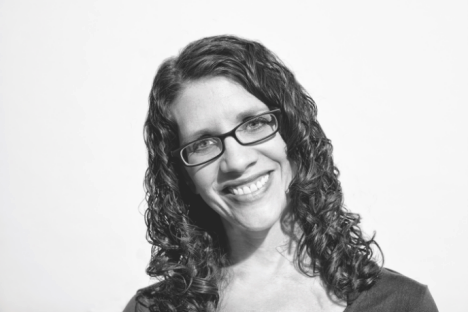
He Kākoʻo Kula Laikini ʻo Regina Wehner i hana pū me nā haumāna ma ke kula waena 16 makahiki. No ʻAmelika Hui Pū ʻIa, noho me kana kane a 2 keiki, makahiki 10 a 12, ma Pekina, Kina.
Hana ʻo Regina ma ke Kulanui Komohana o Beijing (WAB), he kula honua like ʻole. ʻO kahi ʻāpana nui o ka lilo ʻana i kākāʻōlelo kula ke kōkua i nā haumāna e aʻo e pili ana iā lākou iho a me nā poʻe ʻē aʻe i ko lākou ulu ʻana. Hoʻokipa pū ʻo Regina i kēlā me kēia mahina Parent Coffee Mornings e hui pū i nā mākua e aʻo hou e pili ana i nā loli ulu o kā lākou mau keiki a pehea e kamaʻilio ai i kēia mau manawa o ka hoʻololi.
E kelepona iā mākou i kēia lā e hui pū!
Kōkua i kāu keiki e aʻo i nā huaʻōlelo hou
Hōʻike ka noiʻi inā makemake mākou e holomua nā haumāna ma ka pōʻaiapili hoʻonaʻauao, ma nā loiloi koʻikoʻi a me nā hoʻokolokolo kiʻekiʻe, a me kā lākou mau hana e hiki mai ana, pono mākou e kōkua iā lākou e hoʻomohala i kā lākou mau huaʻōlelo. ʻO kēia ke kumu: pili pono ko mākou ʻike i ka ʻike hou i ko mākou ʻike ʻana i nā huaʻōlelo i hoʻohana ʻia e kamaʻilio i kēlā ʻike hou.
No nā haumāna, ʻO ka hoʻonui ʻana i kā lākou mau huaʻōlelo kekahi kī i ka holomua o ka ʻike ʻana i ka ʻōlelo; ʻoi aku ka nui o nā huaʻōlelo a mākou i ʻike ai, ʻoi aku ka nui o nā huaʻōlelo a mākou e hoʻomaopopo ai, a ʻoi aku ka nui o nā huaʻōlelo i hiki iā mākou ke hoʻohana i kā mākou kākau ʻana i mea e ʻoi aku ka hopena a me ka maikaʻi. Eia naʻe, ʻO ke aʻo ʻana i kēia manawa ʻike ʻia ka huaʻōlelo he hana paʻakikī a paʻakikī paha. I kekahi manawa ʻaʻole maopopo nā mākua pehea e alakaʻi ai i kā lākou mau keiki, ʻoiai ʻo ke ʻano o kā mākou hoʻokokoke ʻana i ke aʻo ʻana i nā huaʻōlelo he ʻokoʻa loa ia mai ke ʻano o ke aʻo ʻana o nā mākua iā lākou i ke kula..
Mai hopohopo, Aia ʻo Reach Out e kōkua! E ʻimi kākou i ka loaʻa ʻana o nā huaʻōlelo (ke kaʻina o ka hoʻopaʻanaʻau a me ka hoʻohana ʻana i nā huaʻōlelo hou), a e haʻi mākou iā ʻoe pehea e hiki ai iā ʻoe ke kōkua i kāu keiki e kūkulu i kāna mau huaʻōlelo!
Kamailio no ia mea!
He mea maʻalahi paha ia, akā i ka wā e aʻo ai i nā huaʻōlelo hou, ʻO kekahi ala maikaʻi e hana ai ka poʻe ʻōpio ma ke kamaʻilio ʻana me nā poʻe ʻē aʻe. Aʻo maikaʻi nā keiki i nā huaʻōlelo hou inā lākou i ka pōʻaiapili, e like me ke kamaʻilio ʻana no kekahi kumuhana. Hiki iā lākou ke hoʻomaopopo i ka manaʻo o nā huaʻōlelo hou e pili ana i ka hoʻohana ʻia ʻana me nā huaʻōlelo ʻē aʻe a lākou i kamaʻāina ai..
Ua hoʻopilikia ʻia paha ʻoe e kāu keiki i nā manawa he nui ke hoʻohana ʻoe i nā huaʻōlelo kamaʻāina ʻole a nīnau lākou, “He aha ke ʻano o ka pōʻino?” Ua ʻōlelo paha ʻoe i ke kūlana o ko lākou lumi moe (me he mea la, he haukae loa), a ma ka lawe ʻana i kahi manawa e wehewehe i nā manaʻo lehulehu o ka pōʻino iā lākou, ʻAʻole wale ʻoe i aʻo iā lākou i kahi huaʻōlelo hou e wehewehe i kahi lumi ʻino, akā, he hāʻule a i ʻole he hanana kūlohelohe, e like me ka pōʻino kūlohelohe.
No laila, ʻO ke kamaʻilio ʻana me kāu keiki he ala maikaʻi loa ia e aʻo ai iā ia i nā huaʻōlelo hou!
E ʻimi iā ia!
Hoʻomaopopo maʻamau nā haumāna hiki iā lākou ke hoʻohana i ka puke wehewehe ʻōlelo a i ʻole ka unuhi ʻōlelo inā ʻike lākou i kahi huaʻōlelo a lākou i ʻike ʻole ai, akā i kekahi manawa, hiki i ka wehewehe ʻana i kahi huaʻōlelo ke waiho iā lākou me nā nīnau ʻoi aku ma mua o nā pane.
I ko mākou ʻike, ʻAʻole hoʻohana nā haumāna he hoʻokahi mea koʻikoʻi no ke aʻo ʻana a me ka hoʻohana ʻana i nā huaʻōlelo hou, a he thesaurus kēlā mea hana! Inā ʻike ʻoe i kāu keiki e hoʻohana nui ana i kahi huaʻōlelo i ka wā e kamaʻilio ai a i kāna palapala, ʻo kahi laʻana, "nani", “nani”, "maikaʻi loa", aiʻole "ʻino", a laila e lawe i kekahi manawa e hōʻike iā lākou pehea e hoʻohana ai i kahi pūnaewele e like me thesaurus.com e nānā i kēlā mau ʻōlelo i luna. Ke ʻimi lākou i ka huaʻōlelo e like me "nani" e ʻike lākou he nui nā huaʻōlelo hoihoi a kū hoʻokahi e hoʻohana ai.! I
I ko mākou ʻike, hauʻoli loa nā haumāna i ka hoʻohana ʻana i nā huaʻōlelo hou, a manaʻo i ka mana e ʻike aia kahi mea hana e kōkua iā lākou e hoʻoikaika i kā lākou ʻōlelo.
Pāʻani!
ʻO ka leʻaleʻa ʻoiai ke aʻo ʻana ʻaʻole ia he hana a nā kumu e hauʻoli ai nā haumāna, ua hōʻoia maoli ʻia e ka neuroscience he ala kūpono e kōkua i nā haumāna e aʻo hou a hohonu. Hōʻike ka noiʻi i ka wā e hoʻoulu ʻia ai nā haumāna, Hoʻokuʻu ko lākou lolo i ka dopamine. ʻO ka Dopamine kahi neurotransmitter e hoʻoulu ai i nā kikowaena hoʻomanaʻo a hāpai i ka hoʻokuʻu ʻana o ka acetylcholinem, ka mea e hoʻonui i ka nānā pono.
Ma kā mākou mau papa ma ʻaneʻi ma Reach Out, ʻO ke aʻo ʻana i nā huaʻōlelo he ʻāpana koʻikoʻi o kēlā me kēia haʻawina. Loaʻa iā mākou nā papa e hoʻomaka ana i kēia kauwela, Nā pae kūkulu huaʻōlelo 1-3, kahi e kālele wale ai mākou i ke kōkua ʻana i kāu keiki e hoʻonui i kā lākou ʻike huaʻōlelo me nā huaʻōlelo hou paʻakikī. ʻOiai nā huaʻōlelo i koho ʻia e hāʻawi i ka paʻakikī, ʻO nā mea hana e like me Quizlet a me nā pāʻani e like me Guess Who a me Sentence Racer e hāʻawi i nā haumāna i ka manawa e launa pū ai ma ke ʻano kūpono a me ke ʻano hoihoi..
Pehea mākou e ʻike ai he pono kēia mau ʻano? No ko mākou mau makahiki o ka ʻike, a ua aʻo mai ke aʻo ʻana i ka noʻonoʻo hoʻonaʻauao a me ke ʻano hana pehea e aʻo maikaʻi ai nā haumāna!
Makemake mākou e kōkua i kāu keiki e aʻo i nā huaʻōlelo hou e like me kekahi o nā ala e hiki ai iā ia ke lilo i mea heluhelu maikaʻi a holomua., mea kākau, a me ka haiolelo. E aʻo hou e pili ana pehea e hiki ai iā mākou ke kōkua, e hoʻokaʻaʻike aku i kekahi o kā mākou Kumu Hoʻonaʻauao i kēia lā!
Inā ʻoe e ʻimi nei i kahi lawelawe hoʻonaʻauao pilikino, Hāʻawi ʻo Reach Out i nā lawelawe 1-a-1 me kā mākou mau kumu aʻo loea!
He aha kā mākou e hāʻawi ai?
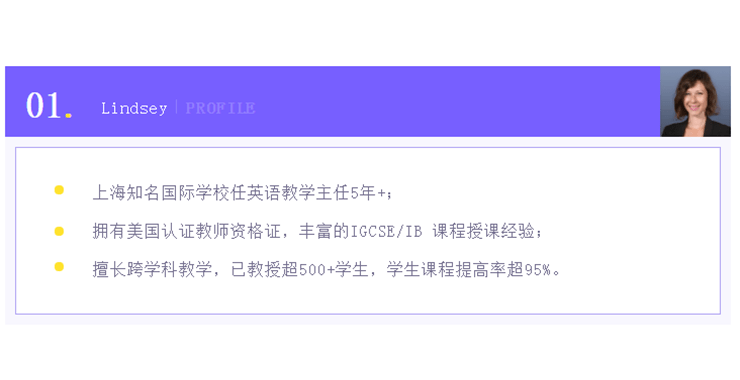
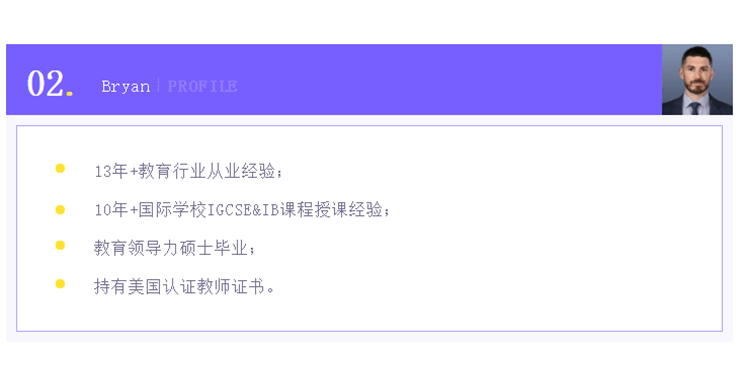
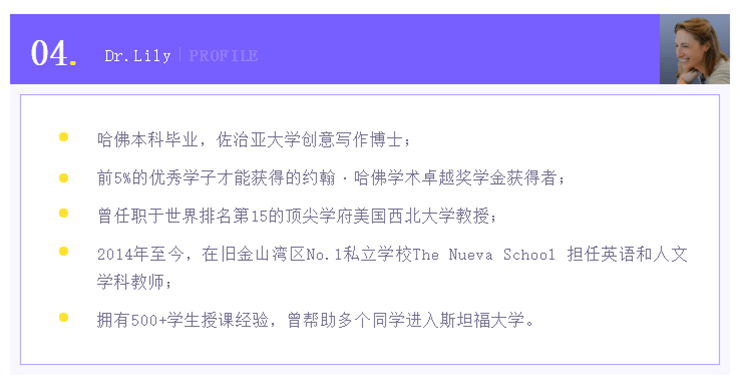
Hāʻawi kā mākou mau kumu i nā kumuhana 1-a-1 me ka ʻōlelo Pelekane, ʻIke Pilikino, a me ka makemakika.
E ʻike i kekahi o kā mākou mau kumu mākaukau a ʻike!
No ke aha e koho ai au i nā lawelawe 1-a-1?
Malia paha e hoʻomākaukau ana kāu keiki e aʻo i nā ʻāina ʻē a i ʻole ke noi ʻana i kahi kula hou a makemake ʻo ia i kahi ala ʻoi aku ka ikaika a i ʻike ʻia i mea e hoʻolalelale ai i kona mau akamai.. ʻO kahi ʻē aʻe, ʻAʻole paha i pilikia kāu keiki me kāna haʻawina o kēia manawa, a makemake i kahi ala ʻē aʻe i kūpono i kona pae mākaukau.
Nui nā kumu e ʻimi ai ka makua i nā lawelawe e like me kēia, a hiki iā mākou ke hōʻoiaʻiʻo iā ʻoe e hana mau mākou e hoʻomaopopo i ke kūlana kūʻokoʻa o kāu keiki a hāʻawi i ka lawelawe i kūpono iā lākou..
Pehea e hana ai?
Me kā mākou hana lima lima, a me ke kaʻina hoʻonohonoho, e loiloi mākou i ka ʻike a me nā mākau o kāu keiki ma muli o ka ʻikepili loiloi o kēia manawa, hiki ke kakau, a oi aku. Ma muli o kā mākou ʻike, e koho mākou i ke kumu i kūpono i nā pono o kāu keiki. Ua koho pono ʻia nā kumu a pau o Reach Out, a he mau makahiki o ka ʻike ma ke aʻo ʻana i nā haʻawina paʻakikī, e like me IGCSE, IB, a me AP, ma nā kula kiʻekiʻe mai nā wahi a puni o ka honua.
ʻO kā mākou kaʻina hana he pahuhopu. ʻIke mākou i nā mea e pono ai kāu keiki e hoʻokō i kāna mau pahuhopu hoʻonaʻauao, a laila hana mākou i kahi ala hoʻonaʻauao kū hoʻokahi a i hana ʻia e kūpono i nā pono pono o kāu keiki.
He aha ʻē aʻe e hāʻawi aku ai?
Ma waho aʻe o nā lawelawe 1-a-1, Hāʻawi ʻo Reach Out i nā ʻano papa like ʻole i hoʻolālā ʻia e hoʻokūkū a hoʻokomo i kāu keiki papa 2 a 8 me ka ʻike ma luna o ka papa i mea e kōkua ai iā lākou e hoʻomākaukau no ka paʻakikī o nā papahana e like me IGCSE, IB, a me AP.
Pehea e hiki ai iaʻu ke aʻo hou aku?
No ka ʻike hou aku e pili ana i kā mākou lawelawe 1-a-1, e ʻoluʻolu e kelepona i kekahi o kā mākou Kumu Hoʻonaʻauao i kēia lā no ka ʻike hou aku! Manaʻo mākou e kōkua i kāu keiki e hoʻokō i kāna mau pahuhopu hoʻonaʻauao no ka wā e hiki mai ana!
ʻO wai mākou
E like me kāu i ʻike ai, ke ulu nei mākou a loaʻa iā mākou kekahi mau mea hoihoi i nā mea a mākou e hāʻawi nei ma Reach Out. No ka mea, he manawa lōʻihi mai ko mākou hoʻolauna ʻana iā mākou iho, Ua manaʻo mākou e kaʻana like i kā mākou moʻolelo me ʻoe e kōkua iā ʻoe e hoʻomaopopo maikaʻi ʻo wai mākou a me kā mākou hana!
Ko makou Misiona
ʻO ka hana a Reach Out ʻo ka hoʻopili ʻana i nā haumāna me nā kumu aʻoaʻo loea nāna i hana a hoʻopuka i ke kumu, hoʻouluhua, papa kula honua. Ua hoʻomaka mākou i kēia huakaʻi i hiki iā mākou ke kōkua i nā haumāna e hoʻomaopopo pehea e ʻike ai i ko lākou leo kūʻokoʻa a wehe i nā manaʻo noʻonoʻo a waiwai i loko o kēlā me kēia.. Me ko lakou leo, ia lakou ka mana e hoololi i ke ao nei, a makemake mākou e hoʻoikaika iā lākou e hana pēlā.
ʻO kā mākou ʻike
Hoʻoikaika ʻo Reach Out e lilo i ʻoihana hoʻonaʻauao i ʻike ʻia ma ka honua e hiki ai i nā haumāna ke komo i nā haʻawina kula kiʻekiʻe a me nā kumu aʻo., ʻaʻohe mea o ka honua nei lākou. E noʻonoʻo kā mākou mau haumāna, pāʻani, a me ka poʻe noʻonoʻo koʻikoʻi e hana i nā koho ʻike ma ke ʻano he mea hoʻoponopono pilikia maikaʻi loa a kamaʻilio. E hoʻokō nā haumāna Reach Out i kā lākou mau pahuhopu a me nā pahuhopu pilikino mai ke kula kiʻekiʻe a hiki i ke kulanui, e waiho ana i ko lakou mau hope maikai i hiki ke loaa.
ʻO kā mākou mau kumu waiwai
ʻO kēia nā kumukānāwai e hoʻohālike i ka Reach Out:
Ko makou Moolelo
Ua hana ʻia ʻo Reach Out e kahi hui liʻiliʻi o nā makuahine hoʻolaʻa, like paha me oe. Ua hui pū ʻia lākou e ka manaʻo like no ka pono hoʻonaʻauao o kā lākou mau keiki. Ke ʻimi nei kekahi i kahi papahana hoʻonaʻauao e hiki ai ke hāʻawi i kā lākou mau keiki i ka ʻike i nā manaʻo, ao ana i ka manao, a me nā ʻano hana i kūpono i nā mea a lākou i ʻike ai i ko lākou noho ʻana ma waho. Ke ʻimi nei nā poʻe ʻē aʻe i kahi haʻawina hoʻonaʻauao honua i hiki i kā lākou mau keiki ke komo e hoʻonui i kā lākou ʻike hoʻonaʻauao ma Kina. ʻO ka mea a lākou i puʻunaue like ai, ʻo ia ka makemake i kahi papahana koʻikoʻi e wehe pū ana i nā puka no ka noʻonoʻo ʻana a me ka noʻonoʻo koʻikoʻi, noonoo ana iho, a me ka hōʻike pilikino - nā hiʻohiʻona o kahi haʻawina honua ikaika. Ma hope o ka hoʻolimalima manawa nui e ʻimi i nā koho like ʻole, ʻAʻole hiki i kēia mau makuahine ke loaʻa i kekahi mea i kūpono i ka pono o kā lākou mau keiki.
No laila, Ua hana lākou i ka hana a kekahi makuahine maikaʻi, hāʻawi ʻia ka manawa, a loaʻa i kā lākou ala ponoʻī e hāʻawi i kā lākou mau keiki i nā manawa aʻo maikaʻi loa i hoʻolālā ʻia e kōkua iā lākou e holomua. Ua kūkākūkā lākou i nā kumu akamai a ua hana pū me nā mākua ʻē aʻe e ʻike pehea e hiki ai iā lākou ke hoʻokō pono i nā pono o nā keiki ʻē aʻe me nā pahuhopu like. Nā keiki, manaʻolana mākou, e like me kāu.
Ua kūpaʻa nā mākua:
Hauʻoli mākou i ka ʻōlelo ʻana ua hoʻokō kēia mau makuahine i kā lākou pahuhopu. Hāʻawi ʻo Reach Out i kēia lā i kahi laina piha o nā papa koʻikoʻi akā e aʻo hohonu ana nā haumāna i ka leʻaleʻa a me ka hoʻokumu ʻana i nā pilina koʻikoʻi me kā lākou mau kumu a me nā hoa..
ʻO kēia mau mea a pau ma muli o ko mākou mau makuahine hoʻokumu i ka hoʻonaʻauao a me ka hauʻoli o kā lākou mau keiki.
He aha ka mea e kū ai mākou?
ʻOiai mākou e hoʻomaopopo nei he nui nā koho a nā mākua e pili ana i nā papahana e hoʻonui i ka hoʻonaʻauao o kā lākou mau keiki, ke manaʻoʻiʻo nei mākou hāʻawi mākou i nā ʻano ʻano like ʻole i ʻike maʻalahi ʻia ma kahi ʻē aʻe.
Loaʻa i kā mākou hui nā kumu hoʻonaʻauao akamai loa i hana i kahi papahana kūʻokoʻa a koʻikoʻi e pili ana i nā kūlana kula honua., e hoʻomākaukau ana i nā haumāna ʻōpio e lawe i nā haʻawina koʻikoʻi e like me IGCSE, IB, a me AP.
-ʻO kā mākou papahana hoʻokahi a hoʻokahi i hoʻolālā ʻia e ʻoi aku ma mua o nā pono hoʻonaʻauao o kā mākou mau haumāna
-ʻO kā mākou kumu aʻo no ka hoʻoulu a hoʻoikaika i nā haumāna, a me ke kumu aʻo no ka ʻae ʻana i nā haumāna e ʻimi i ka ʻike ākea a hohonu i ka manawa like e hoʻomohala ana i ke aloha i ke aʻo ʻana
-ʻO kā mākou kūpaʻa i ka holomua lōʻihi o kā mākou mau haumāna i ko mākou hoʻoikaika ʻana e hoʻolako iā lākou me nā mākau koʻikoʻi e pono ai lākou e kūleʻa i kā lākou ʻoihana e hiki mai ana a me ka honua ma waho o ke kula.
- ʻO nā manaʻo kikoʻī a mākou e hāʻawi ai me kā mākou loiloi haumāna āpau, i ʻike nā haumāna i kahi e holomua ai lākou a i kahi e holomua ai lākou, a me nā mea hoʻohui a me nā ʻōlelo aʻo e pono ai ke kōkua i kā mākou mau haumāna e pani i nā hemahema o ka ʻike
-ʻO kā mākou hoʻolaʻa ʻana i ka hoʻomohala ʻana i ka noʻonoʻo koʻikoʻi a me nā mākau hoʻoholo pilikia, he mea nui ia no ka wā e hiki mai ana, a me ka wā e hiki mai ana o ko kākou kaiaulu honua
-ʻO kā mākou ʻōlelo hoʻohiki e hoʻolimalima i kā mākou limahana aʻo a me nā limahana kumu ʻole ma muli o ko lākou makemake like i ka hoʻonaʻauao
-ʻO ko mākou hiki ke hoʻoikaika i nā haumāna e hoʻohana i ka ʻōlelo, ʻike, a me nā mākau i loaʻa iā lākou no ka hoʻomohala ʻana iā lākou iho ma waho o ka lumi papa a i ka ʻimi ʻimi, nā mea aʻo ola e hoʻonohonoho a hahai i ka paʻakikī, hoʻokō, a me nā pahuhopu kūpono.
-ʻO kā mākou mau lima, ʻO ke ala hoʻokahi i ka hana ʻana i kahi ala hoʻonaʻauao no kā mākou mau haumāna no laila ʻaʻohe pae o ka papa i ko lākou hui pū ʻana me mākou, e hoʻolako ʻia lākou me nā mea hana pono e hoʻomaikaʻi a ulu wikiwiki
-ʻO kā mākou kūpaʻa e hoʻoikaika i kā mākou mea kūʻai aku me ka ʻike a me nā ʻike e kōkua iā lākou e hana i nā koho maikaʻi loa no ka hoʻonaʻauao ʻana o kā lākou keiki ma o ka hāʻawi ʻana i nā ʻatikala ʻike., wikiō a me nā haʻawina.
ʻO kā mākou papahana
ʻO kā mākou papahana Blue Line, e komo pū ana nā papa no nā haumāna ma nā Papa 2 i 8, ua hoʻolālā ʻia e nā kumu aʻoaʻo loea me nā pae kiʻekiʻe kiʻekiʻe i kā lākou mau kumuhana i hala i mau makahiki i kekahi o nā kula honua kiʻekiʻe o ka honua.. Hoʻohana mākou i ka hoʻolālā haʻawina hope e hana ana mai ka makahiki mua o nā papahana e like me ka papahana IGCSE kaulana a mahalo nui ʻia..
E like me kā mākou mau kumu i hoʻopau i nā makahiki i ke aʻo ʻana i nā papa pre-IGCSE, IGCSE, IB a me AP a i ʻole ka papa haʻawina pae, maopopo iā lākou ka mea e pono ai nā haumāna e holomua ma ia mau papahana. No laila, Ua hana ʻia kēlā me kēia ʻano o kā mākou haʻawina e hōʻoia i ka komo ʻana o nā haumāna āpau i kā lākou lā mua o ka Papa 9 manaʻo hilinaʻi, lako, a mākaukau e hoʻokō i nā koi o kēia mau papa koʻikoʻi.
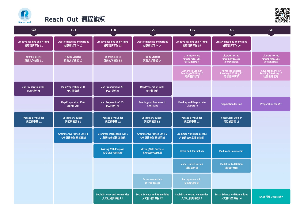
Hāʻawi mākou i kahi ākea o nā papa ma nā kumuhana o ka ʻōlelo Pelekane, Makemakika, Ka Moolelo a me ka Heluhonua. E ʻike ma lalo no ka ʻike kikoʻī hou aku i kā mākou hāʻawi papa piha.
Nā lawelawe hou aku
Hauʻoli nō hoʻi mākou i ka hoʻolaha ʻana i ka hana ʻana o kā mākou Laina Kālā, e hāʻawi ana i nā lawelawe hoʻonaʻauao maʻamau e lawe i kahi ala pilikino e hālāwai ai i nā pono o kā mākou haumāna. Hoʻomaka mākou me ka loiloi hohonu i nā pahuhopu a me nā pono hoʻonaʻauao o kēlā me kēia haumāna, a laila hana a hoʻokō i kahi papa hana e hoʻohana ai kā mākou mau kumu aʻo akamai e alakaʻi i kāu keiki ma o nā luʻi hoʻonaʻauao o ke kula kiʻekiʻe i mea e hoʻomākaukau ai iā lākou e hele hope i kā lākou kulanui moe..
Hāʻawi pū mākou i nā lawelawe 1-a-1 ma nā pae papa āpau no nā mākua makemake e hāʻawi i kā lākou mau keiki i ka mālama pilikino a me ke aʻo ʻana. E hōʻoia ko mākou loea Hoʻonaʻauao e hoʻohālikelike i kāu keiki me ka mea hoʻonaʻauao maikaʻi loa no kāna mau pono a me kāna mau pahuhopu.
E hui pū me mākou!
Manaʻo mākou e hālāwai me kou ʻohana a kūkākūkā pehea e hiki ai iā ʻoe ke lilo i ʻāpana o kā mākou ʻohana Reach Out; he mea aʻo pū, mālama kekahi i kekahi, lanakila pū nā pilikia, a hoʻolauleʻa i nā holomua me kekahi. E ʻoluʻolu e kelepona mai iā mākou i kēia lā no ka ʻike hou aku.
Manaʻo mākou e lohe koke mai iā ʻoe!
He paʻakikī ka lilo ʻana i makua. I ka ʻoiaʻiʻo, me nā loli o ko kākou honua i kēia mau lā, ʻo ia paha kekahi o nā manawa paʻakikī a mākou e alo ai i nā makahiki. Hoʻololi ke alakaʻi i ka maopopo ʻole, a hiki i ka maopopo ole ke alakai i ka pilikia. Hoʻopilikia maoli ka pilikia i nā wahi āpau o ko mākou ola, i kekahi manawa e hoʻopilikia nui i kā mākou pilina me kā mākou poʻe aloha; ʻoi aku kā mākou mau keiki.
Hiki i kā mākou mau keiki ke paʻakikī (e alo kakou, pela no kakou!), a he hana koʻikoʻi ka hōʻoia ʻana i kēlā me kēia neʻe ʻo ia ka "pololei".. ʻO kā mākou mau kamaʻilio ʻana, koi, noi, nā hoʻolālā, ʻo ka hoʻomaikaʻi a me ka hoʻohewa ʻana he mea ia. I kēlā me kēia manawa mākou e kamaʻilio me kā mākou mau keiki, ke lana nei ko makou manao e lawa ana keia mau olelo e hoopiha ai i na keiki me ka manaolana no ka hiki ana mai i ka wa maopopo ole o keia mua aku.. Hoʻololi nā manawa, a e hala no hoi keia, akā hoʻokahi mea hiki iā mākou ke hōʻoiaʻiʻo ʻaʻole loa e loaʻa iā mākou ka lua o ka manawa e hoʻolilo i kahi wā kamaliʻi me kā mākou mau keiki.
E like me nā mākua, ke nīnau pinepine nei mākou iā mākou iho inā mākou e hana nei i ka mea pono, e noʻonoʻo ana pehea e hiki ai iā mākou ke hele i kā mākou mau keiki, e hoʻāʻo e hoʻomaopopo pono i kā mākou mau keiki, a i kekahi manawa ke manaʻo nei e like me ka hewa hewa no ka mea ke ʻōlelo nei mākou iā mākou iho ke hana hewa nei mākou. ʻO ka manawa pinepine, ʻAʻole pēlā, akā, ʻaʻohe palapala aʻo e pili ana i ke ʻano o ka hānai ʻana i ke keiki e hana no kēlā me kēia ma nā kūlana āpau. ʻOiaʻiʻo, nui ka ʻōlelo aʻo, he nui loa o ia mea, aka hou, ʻO ka hapa nui o nā ʻōlelo aʻo ʻo ia wale nō; alakaʻi a me nā ʻōlelo aʻoaʻo a ka poʻe ʻike ʻole iā ʻoe a i kāu keiki. He mea kōkua kekahi, a ʻo kekahi o ia…ʻaʻole nui loa.
ʻO kahi mea hiki ʻole iā mākou ke hōʻole ʻoiai ʻo ke koʻikoʻi o ka pilina olakino ma waena o ka makua a me ke keiki.
Hōʻike ka noiʻi i kēlā:
He mea nui e hoʻokaʻawale i ka manawa e hānai ai i kahi pilina me kāu keiki, a ʻoi aku paha ka pono, e hōʻoia i ka maikaʻi o ka launa pū ʻana me kā mākou mau keiki i ia manawa. He mea paʻakikī kēia i nā mākua he nui, ʻo ia ke kumu i hana ai mākou i hui puke makua no ka puke Pehea e kamaʻilio ai e hoʻolohe a hoʻolohe nā keiki i kamaʻilio ai nā keiki na Adele Faber a me Elaine Mazlish. Ua aʻo pū mākou i nā ala e kamaʻilio maikaʻi me kā mākou mau keiki i mea e hoʻoikaika ai i kā mākou pilina. Ua hoʻolilo mākou i ka manawa e kūkākūkā ai i nā manaʻo mai ka puke, a me ka loaʻa ʻana o kahi hui virtual e pāʻani i kekahi o nā hoʻolālā mai ka puke. Ma luna o kēlā, ua kono mākou i ke alakaʻi alakaʻi kula waena, Regina Wehner, e hoʻolako i nā mākua i kahi papa hana no ka hoʻomaopopo ʻana i ka ulu ʻana o ka naʻau a me ka naʻau o kā mākou keiki.
Eia kekahi mau mea koʻikoʻi makemake mākou e kaʻana like me ʻoe!
Ka mua, mai Pehea e kamaʻilio ai e hoʻolohe a hoʻolohe nā keiki i kamaʻilio ai nā keiki, eia ʻelua o kā mākou punahele punahele:
Paʻakikī nā keiki i ka hoʻoponopono ʻana i ko lākou mau manaʻo, ʻoiai ʻo ke kikowaena hoʻoponopono naʻau o ka lolo kekahi o nā mea hope loa e hoʻomohala. 'O ia ho'i, pono lākou i kā mākou kōkua ma ke 'ano o ke aloha a me ka ho'ohālike. He mea paʻakikī kēia, ʻoi aku ka paʻakikī o ka mālama ʻana i ko mākou mau manaʻo i kekahi manawa! Loaʻa iā mākou kahi hoʻolālā maʻalahi no ʻoe e koi wale i ʻelua mau mea:
Ke hoʻi mai kāu keiki me ka huhū no kekahi mea i hana ʻia ma ke kula, ma kahi o ke aʻo ʻana a me ka hāʻawi ʻana i kā mākou ʻōlelo aʻoaʻo naʻauao, hiki iā mākou ke hoʻolohe wale i ko lākou manaʻo a hoʻihoʻi hou i nā manaʻo iā lākou. ʻo kahi laʻana, inā hoʻi mai kāu keiki me ka huhū a ʻōlelo i kekahi mea like, “Uh, I kēia lā, ua hana ʻino ʻo Elizabeth lāua ʻo Sara iaʻu! Hoʻowahāwahā loa lākou iaʻu a inaina wau iā lāua i kēia manawa!” Ma kahi o ka ʻōlelo ʻana, “ʻO Elizabeth lāua ʻo Sarah ko ʻolua mau hoaaloha maikaʻi loa. ʻAʻole ia he hana nui a maopopo iaʻu e maikaʻi ana ʻoe i ka lā ʻapōpō,” hiki ke hōʻole i ka manaʻo o kāu keiki, hiki iā ʻoe ke ʻōlelo, “Auwe, ʻike au. Ua haʻalele ʻo Elizabeth lāua ʻo Sarah iā ʻoe. Ua kaumaha paha ʻoe a huhū. I kēia manawa hiki i kāu keiki ke kamaʻilio a wehe iā ʻoe, ka mea nui! ʻO ia hoʻi, hilinaʻi lākou iā ʻoe a ke hoʻomaikaʻi nei ʻoe iā lākou. E hoʻomau i ka hoʻolohe, kunou, ʻōlelo, “Mmmhmm,” a haʻi hou i kā lākou ʻōlelo. Ma muli o kou hoʻolohe wale ʻana e manaʻo paha kāu keiki 100% ʻoi aku ka maikaʻi a me ka mākaukau e kū i kā lākou pilikia e hiki mai ana!
2. Lana koʻu manaʻo!
Hōʻike pinepine kā mākou mau keiki i ko lākou makemake ma ke ʻano o ka makemake e loaʻa iā lākou nā mea ʻaʻole i loaʻa iā lākou a makemake paha e ʻokoʻa nā mea i ko lākou ʻano.. ʻo kahi laʻana, e ʻōlelo paha nā keiki, "Makemake au ʻaʻole pono wau e hana i kēlā mau haʻawina home." Hiki iā mākou ke pane, “Pēlā, hana ʻoe a ʻo ia kēlā!" aiʻole "ʻO ia kāu mea e hana ai. Nau ke kuleana no laila pono ʻoe e hana i kēia manawa!”
E piʻi aʻe paha kēia i loko o ke kaua o ka makemake ʻoiai ke huhū nei nā mākua i ko lākou lohe ʻana i ka hoʻopiʻi like a hana hou i ka manaʻo like.. Hoʻopilikia ʻia nā keiki no ka hoʻopau ʻia ʻana o ko lākou manaʻo a manaʻo ʻole lākou. Pono, mai hopohopo, Eia mākou e kōkua! Loaʻa iā mākou kahi hana maʻalahi e kōkua iā ʻoe e hoʻohuli i ke kamaʻilio ʻana, a ʻo ia hoʻi ʻae aku me kāu keiki. He kūʻē paha ia, akā, ua loaʻa iā mākou ka ʻike mua me kēia hana hoʻopunipuni a hana kupanaha!
ʻo kahi laʻana, inā ʻōlelo kāu keiki, "Makemake au e hiki iā mākou ke hele i ka paka i kēia lā e like me koʻu makemake!”
Ma kahi o ka ʻōlelo ʻana, "ʻaʻole hiki iaʻu, Paahana loa au,” a i ʻole “ʻAe, akā ʻaʻole hiki iā mākou, ua ua,” hiki iā mākou ke ʻōlelo, “Makemake au e hiki nō iā mākou! Hiki iā mākou ke hele i ka paka a pākaʻi! Hiki iā mākou ke lele i ka lupe a puhi i nā ʻōhū! No ke aha i loaʻa ʻole ai kahi pīniki i loko o ka lumi hoʻokipa a ma hope o ia mea hiki iā mākou ke puhi i nā ʻōpala i loko o ka lumi lumi!”
ʻO ka hapa mua e hoʻohauʻoli i nā keiki a hele ko lākou noʻonoʻo, e lawe ana iā lākou i kahi hauʻoli. ʻO ka ʻāpana aʻe e manaʻo ai lākou e lohe ʻia a pili iā ʻoe.
I kēia manawa, kekahi mau mea koʻikoʻi mai Ms. hale hana o Wehner:
*E ʻoluʻolu e kōkua mai iaʻu e koho i kēia! :)*
Inā makemake ʻoe e hui pū me kekahi o kā mākou papa hana a i ʻole nā hui puke i ka wā e hiki mai ana, e ʻoluʻolu e hahai mai iā mākou a e hoʻomau! Loaʻa iā mākou nā mea nui e hiki mai ana i kēia hāʻule!
Nui nā mākua e nīnau iā mākou i ke ala wikiwiki loa e hiki ai i kā lākou keiki ke hoʻomaikaʻi i kā lākou palapala. ʻOiai mākou e manaʻoʻiʻo nei ʻaʻohe ala pōkole e lilo ai i mea kākau maikaʻi maoli a mākaukau, aia kekahi mau mea e hiki i nā haumāna ke hoʻokomo i loko o kā lākou palapala e kōkua i ka lawe ʻana i ka pae aʻe me ka maikaʻi. E like me kekahi mea e ho'āʻo nei e haku, aia ke kī o ka holomua ma ka hana nui a me ka hana hou ʻana. ʻO ka hoʻomaʻamaʻa mau ʻana i kēia mau mākau e kōkua i kāu keiki e hoʻokō i kāna mau pahuhopu hoʻonaʻauao.
ʻO kēia ʻatikala ka mea mua o nā ʻatikala e kālele ana i nā mākau kūpono no nā ʻano kākau like ʻole. I kēia pule, e kālele mākou i nā ʻōlelo aʻoaʻo kākau wehewehe.
Manaʻo Kākau wehewehe:
ʻO ke kākau wehewehe ʻana he ʻano kiʻi maoli, ʻoiai ʻo ia ke kumu e hana ai i kiʻi i loko o ka manaʻo o ka poʻe heluhelu. ʻAʻole hiki i kekahi ke haʻi i ka moʻolelo ma ka hana a me ke kamaʻilio wale ʻana, a ʻaʻole hiki i kekahi ke hōʻike i ka manaʻo hohonu a me ka manaʻo i loko o kahi mele me ka pena ʻole i ke kiʻi me kāna mau ʻōlelo.
ʻO kahi ala ikaika e ʻoi aku ka maikaʻi ma ka wehewehe ʻana ʻo ia ka hoʻohui ʻana i nā adjectives a me nā adverbs inā hiki. ʻo kahi laʻana, inā kākau kāu keiki i moʻolelo e kākau paha ʻo ia i kekahi mea like:
"Hele ʻo Harry i waho a hoʻomaka e ʻimi i kāna mau hoaaloha."
ʻOiai ke hōʻike nei kēia ʻōlelo i kahi manaʻo kumu, ʻo ka hopena ma ka mea heluhelu he kumu. Ma ka hoʻohui ʻana i ka ʻōlelo wehewehe ma ke ʻano o nā adjectives a me nā adverbs, hiki iā mākou ke hoʻohui koke i nā kiʻi i ka ʻōlelo:
"Hoʻopuka ʻo Harry i ka puka mua, e paʻa ana ma hope ona. Haʻalulu kona naʻau i kona holo ʻana a puni ke kaiāulu me ka ʻimi ʻana i kona mau hoaaloha.
Ma ka ʻōlelo i hoʻoponopono ʻia, ʻike mākou i nā wehewehe e haʻi iā mākou ʻaʻole wale ka hana e hana nei, akā kōkua pū kekahi iā mākou e ʻike i ka manaʻo o ke ʻano, he mea nui o ka moolelo.
ʻO kekahi ala maikaʻi ʻē aʻe e hoʻomaikaʻi ai i ka moʻolelo a i ʻole ka mele ma ka hoʻohui ʻana i ka ʻōlelo kiʻi, e like me na hoohalike ana. ʻO nā hoʻohālikelike ka hoʻohālikelike ʻana e hoʻohana ana i ka like a i ʻole e hiki ke hoʻohana ʻia e kōkua i ka mea heluhelu e noʻonoʻo pono i nā mea e hana nei.
ʻo kahi laʻana, hiki i kāu keiki ke kākau i kekahi mea like:
Ua hauʻoli loa au!
Ua nani loa!
Ua makaʻu loa ʻo ia!
Hiki iā mākou ke hoʻohui i nā hoʻohālikelike e kōkua i ka hana ʻana i kahi hopena maikaʻi aʻe:
Ua hauʻoli wau e like me ke keiki pipi ma kahi hale kūʻai lole.
He nani ia e like me ke keiki panda e pāʻani ana i ka hau.
Ua like kona maka'u me he lapeti i lohe wale i ka uwo o ka iliohae.
ʻO kā mākou ʻōlelo aʻoaʻo hope no ka kākau wehewehe ʻana, ʻo ia ke koho ʻana i nā huaʻōlelo i pololei loa e kamaʻilio pololei i ka mea a ka mea kākau e makemake ai i ka mea heluhelu.. pinepine, e kākau nā haumāna i nā wehewehe wehewehe ʻano pohihihi, me nā huaʻōlelo like:
Ua luhi loa ia.
Ua hauʻoli loa ke kiʻiʻoniʻoni.
Ua anu loa lākou.
Wela loa ka lumi.
hou, ʻO kēia mau huaʻōlelo he manaʻo maʻalahi, akā ma ke kākau wehewehe ʻana, ʻaʻole lawa kēlā. Hoʻohana ka wehewehe ʻana i nā huaʻōlelo i loaʻa ka hopena, a hiki iā mākou ke hoʻokō i kēlā ma ke koho ʻana i nā huaʻōlelo maikaʻi loa e hōʻike i ke ʻano pololei loa.
E ʻike pehea e hiki ai iā mākou ke lawe i nā ʻōlelo ma luna mai ka mea maʻamau a i ka mea kupaianaha ma ka hoʻololi ʻana i kahi ʻāpana o ka ʻōlelo me nā huaʻōlelo ikaika.:
Ua luhi ʻo ia.
He mea noʻonoʻo ʻole ke kiʻiʻoniʻoni.
Ua maʻalili a hiki i ka iwi.
E kālua ana ka lumi.
ʻO ka nūhou maikaʻi ʻaʻole pono kāu keiki e hilinaʻi i kāna ʻike huaʻōlelo o kēia manawa i mea e kūleʻa ai i ka hana ʻana i nā huaʻōlelo e like me nā mea i luna.. Aia i ka thesaurus nā huaʻōlelo a pau e pono ai lākou e hana i nā wehewehe poina ʻole.
Manaʻo mākou ua kōkua kēia mau ʻōlelo aʻoaʻo! Inā makemake ʻoe i kāu keiki e aʻo pehea e hoʻokō ai i kēia mau mākau me kekahi o kā mākou kumu aʻo hoihoi, e noʻonoʻo no nā hoʻolaha e hiki mai ana i kā mākou papa kauwela a hāʻule!
I kēia pule aʻe, e nānā mākou i nā ʻōlelo aʻoaʻo kākau hoʻohuli!
Tell us a bit about yourself.
I grew up in five different countries (Sweden, England, Germany, South Africa, and Canada). Integration into a diverse spectrum of cultures growing up has made me see the world with an open mind. I currently reside in Canada and work as both a university lecturer and a Math teacher at Reach Out. Outside of work I really enjoy sports such as badminton and chess, which I played at a competitive level for many years.
What is your educational background and qualifications?
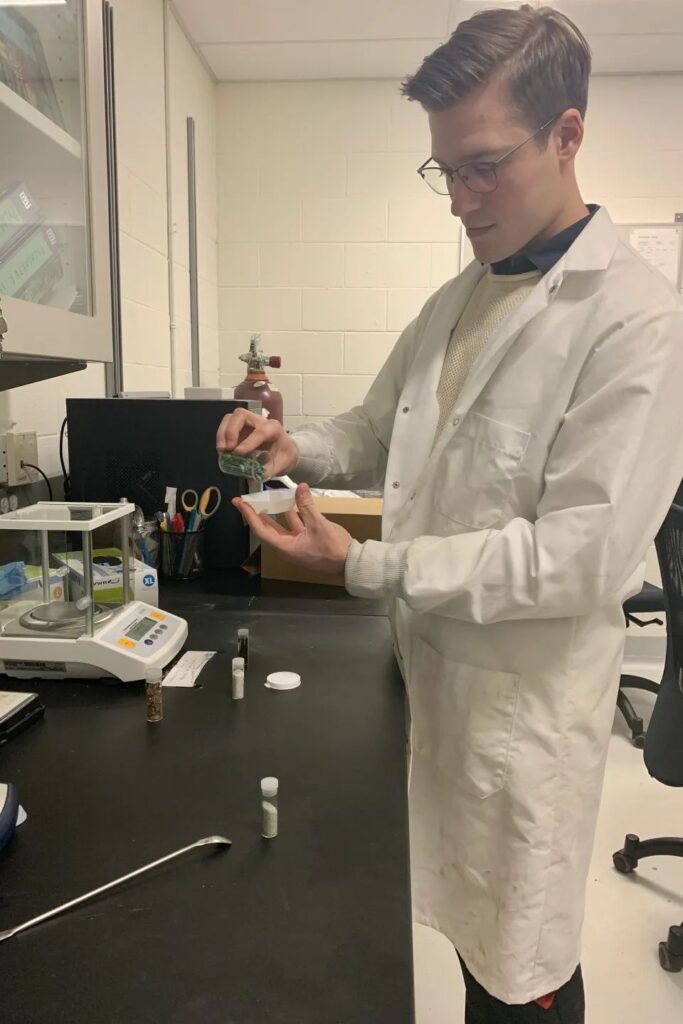
I received a Bachelor of Science Degree from the University of British Columbia (UBC) and an obtained my MSc at the same university. My graduate work involved experimental geoscience where I designed an apparatus to investigate how diamonds reach the surface of the Earth through high velocity magmas. I published articles in two high impact journals and presented the work across Canada and Europe.
During my graduate studies I had the privilege of lecturing a few classes which transitioned into a lectureship position. Teaching at the university level involves lecturing a class of over 200 nā haumāna, which is very different to the work I do at Reach Out, but has helped me develop a dynamic teaching style.
Additionally, I have been teaching Math and Science both privately and through educational organizations for over 6 makahiki.
Why did you join Reach Out?
I joined Reach Out because the prospect of being able to deliver high quality education from around the globe without border restrictions resonates with me.
I feel that the reason I am committed to staying at Reach Out is more important. The personalized classes being delivered has allowed me to connect with the students, making their progression much more meaningful to me. Some students have been together with me through multiple grade levels and I feel immensely proud to have played a role in their education.
What is your educational philosophy?
Having a background in experimental science has allowed me to see value in making breakthroughs through experimentation. By allowing students to experiment with different methodologies while offering guidance is an extremely effective way of teaching students to not be afraid of failure. Richard Fuller correctly said, “There is no such thing as a failed experiment, only experiments with unexpected outcomes.” Students often start my classes afraid to answer questions, discuss with their classmates, or write on the board since they don’t know the answers. Since I am always more focused on solutions rather than answers, students’ are rewarded for trying new techniques, discussing failed methods, and asking questions about their classmates’ work. I found this to produce a phenomenal learning environment and takes a lot of pressure off the students.
What is your favorite thing about teaching Math?
My favorite thing about teaching Math is the exciting challenges it provides. After teaching Math for many years, I have come to realize that students see the world from a unique perspective, which more often than not, is very different from my own. This diversity produces a wide spectrum of learning styles and requires me to stay very flexible with the methodologies I use in my teaching.
Math is a complex subject which has provided us with a universal language to better understand the universe that surrounds us. Having a good problem solving ability is a byproduct of learning Math and crucial for success in the modern world. For these reasons I have the responsibility to transform a traditionally dry and boring subject into something exciting by creating compelling lessons and using creativity to inspire my students. This will always be something I love about my job.
Who is your favorite mathematician and why?
This is a tough question, and it’s hard to pinpoint one Mathematician since I utilize the works of so many Mathematicians in just one lesson. If I had to pick it would be either Johannes Kepler or Nicolaus Copernicus since I also love astronomy. Their Math not only challenged everything that was believed about our solar system at the time, but also formed the foundations for understanding planetary motion. Space travel has relied heavily on these concepts.
If you could only give parents one piece of advice when it comes to helping their child improve in Math, what would it be?
One thing I have worked on a lot with my students, is getting them to explain their solutions to me regardless of how easy it may seem. Being able to arrive at the correct answer in certain school curriculums may not require a complete understanding, but being able to explain a solution well does require a good understanding. Make sure that your child is always showing very clear steps in their work and that they can explain their steps to you. This certifies understanding and shows they are prepared for questions which test the same concept but may be worded differently.
What is one fun fact about yourself?
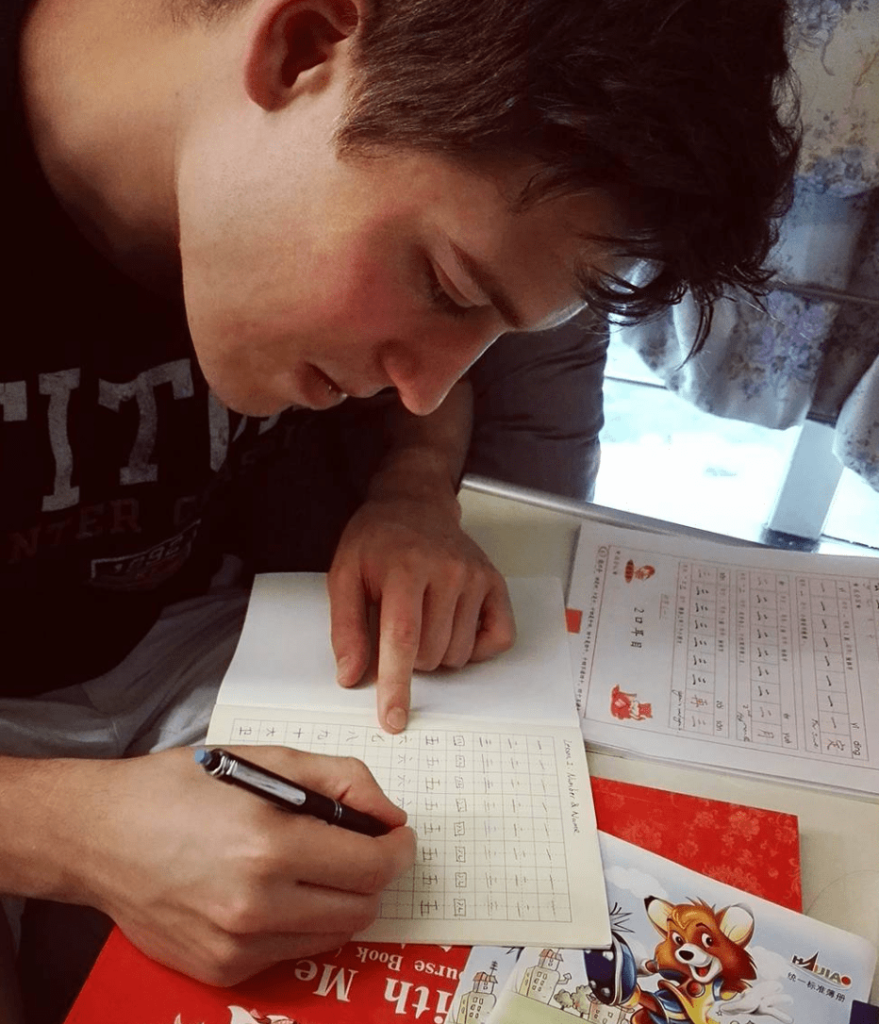
I really like learning languages! After growing up in many different countries I can speak English, Swedish, and German fluently. For the past two years I have been working to add Chinese to my collection and have enjoyed the unique challenges that learning this complex language has provided me with.
The Secret Garden is a piece of classic literature that has been part of an untold number of childhoods (if you missed our article on why children should read classic novels, see it linked below!). It is a powerful tale of friendship and discovering oneself that resonates with our souls.
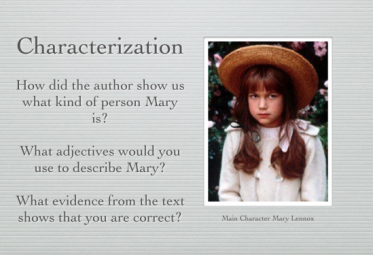
The Secret Garden is about a young girl named Mary Lennox who loses her family and everything familiar with her due to a cholera outbreak in India, where her father was working as a British Army Captain. As a child, Mary was quite neglected, but indulged by family’s servants, so she was a spoiled child with a terrible disposition. She had very few traits that would help her cope with a new life in England, where she was sent to live with a grouchy distant relative, Ua haʻi aku ʻo Mr. Craven.
Ua haʻi aku ʻo Mr. Craven had very strict rules for Mary to follow at her new home at Misselthwaite Manor in Yorkshire, which included her being forbidden to enter various rooms inside the giant mansion, as well as forbidden to enter one of the gardens on the sprawling property, which belonged to his beloved late wife. As Mary begins to explore her new home, she begins to find a sense of happiness and regains her health after being sickly for much of her childhood. After a robin helps her find the key to the secret garden, she finds a sense of purpose in restoring the garden, much as she restores her inner self. Through the thorns and dried leaves of winter, she finds much more lies within.
Aided by new friend Dickon, Mary develops her first friendships, and uses her newfound strength and kindness to help her bedridden cousin Colin, whom she finds tucked away in the manor. Friendship strengthens both Mary and Colin, and in the end, everyone witnesses a miracle only made possible by these close bonds and belief in oneself, two very important themes in the novel.
Young people will love reading this fantastic story of friendship, overcoming obstacles, and experiencing the healing power of nature. The characters and the lessons they teach us will surely touch your child and help them experience the power of a great story.
If you would like an opportunity for your child to experience this story with others, we are happy to let you know that we will be reading The Secret Garden as the first novel in our Young Classics Level 2 Course this summer.
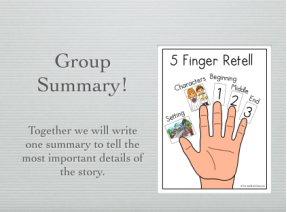
In the course, we not only read the novel, but we also learn and apply new vocabulary from the book, discuss important literary techniques used by the writer, and practice writing summaries, a key skill that many students find challenging
If you are interesting in learning more about Young Classics, or and of our other excellent and engaging courses, e hoʻokaʻaʻike aku i kekahi o kā mākou Kumu Hoʻonaʻauao i kēia lā! We hope to work with your child very soon!
Literature study is an important aspect of any excellent academic program, and that is because it helps to teach students a wide range of knowledge and skills that are essential for success in many areas of life. While studying literature, students learn about important events and people throughout history, they consider cultural perspective and increase their own understanding of acceptance of different ideas and beliefs, and they learn how to analyse the words of others in order to form a deep understanding of new ideas and ways of communicating. In short, it exposes students to a toolbox of ideas, techniques, strategies, theories, and more that they will carry with them throughout their life, shaping the way they approach the world.
Why do we offer this course?
Reach Out students typically pursue high school programs such as IGCSE, which includes challenging courses such as English Language and Literature and English as a First Language. Later, most of those students will take on the challenge of IB and AP level programs, in which they must take on the task of reading a variety of literature. Our aim is to expose students in upper primary and middle school to a wide range of advanced literature so that by the time they reach high school they possess the knowledge and skills to hit the ground running, and therefore achieve to a higher level.
This course is designed for Grade 7-9 nā haumāna.
The Objectives of our Advanced Literature Course are to:
✪ Enhance students’ ability to understand and discern literary techniques used English and American literature, and the ability to communicate the effects of those techniques;
✪Improve children's literary comprehension skills and increase their understanding of British and American culture;
✪ Under the guidance of our expert educators, learn the power of language and storytelling in a challenging yet engaging way.
Meet Our Teachers
*Insert teacher bios here for Barry, Anthony, and John*
Our Book Selections:
Cry the Beloved Country by Alan Paton
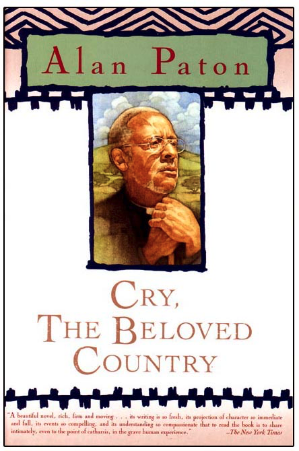
Set in South Africa in the 1940s, award-winning Cry the Beloved Country tells the story of a Zulu Pastor, Steven Kumalo, who travels from his village to the city of Johannesburg. Along his arduous and heart-wrenching journey, he discovers that his sister and son have found themselves in terrible situations that he must now face with them. The characters’ vastly different lives become unexpectedly woven together through tragedy during a dark time in South Africa’s history. Eia naʻe, through tragedy and challenges, the true nature of the human spirit can be found and uplift those who need it most.
Dracula by Bram Stoker
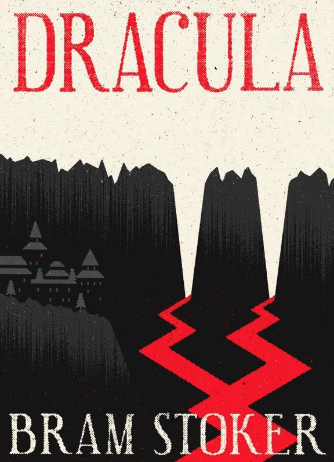
The legend of Dracula has loomed large in the minds of readers and movie-goers for generations. Bram Stoker based the infamous character of Dracula on the legend of the real life ruler of Wallachia, Vlad the Impaler. Stoker was able to take this dark corner of history and turn it into a legendary novel told through journal entries, letters and telegrams. As with any classic, Dracula has stood the test of time because it speaks to something very deep and meaningful within the human psyche.
Of Mice and Men by John Steinbeck
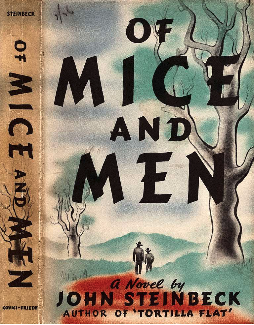
The Great Depression was a defining moment in American history that tested its strength as a nation, and placed the population in a precarious balance between life and death. In what is considered one of the greatest American classics, readers are introduced to two displaced migrant workers, George and Lennie. George is an intelligent young man, while Lennie is mentally disabled. George takes Lennie under his wing as they seek employment where few opportunities exist, trying to survive, yet still dreaming of the day they will have their own land and build a life. Their hopes are dashed when a devastating incident occurs that alters their lives forever.
What Students Will Gain
Develop an early sense of literary appreciation,
See the world from a more mature perspective
British and American classics contain thought-provoking moral and social issues. Reading the most influential classic literature thoroughly helps students become better readers, and begin the process of pursuing self-realization.
Improve understanding of culture and history
Learning allusions from classic British and American literature can help us bridge cultural differences. "The classics have opened the door to different worlds, different cultures, and different historical perspectives. Literature crosses race, culture, religion, and geography."
Self-reflection and personal growth
Many classic literature allude to our lives from the side: books that reflect similarities to our own lives are called "mirrors"; and those that give us a glimpse of different lives are called "windows." Whether it is a "mirror" or a "window", it further enriches the students' life experience and increases the courage and strength to face life.
E hui pū me mākou!
Contact us to discover more about our course. We sincerely hope to meet your child soon, and develop a love of reading classic literature together.
It’s back to school time and we know parents are getting ready for a new year with new beginnings. The start of a new year is usually met with a mix of excitement and a bit of anxiety, as students and parents look forward to new skills and experiences, but also might feel nervous about new routines and expectations.
Mai hopohopo, Reach Out it here to help! This year, we have 5 top tips to a fantastic start to the school year.
Understanding how your child’s school approaches education, what curriculum they use, what systems, and standards are used can be overwhelming for non-educators. Spending a bit of time each day reading your school’s website content, handbooks, and other resources can help you feel more confident in understanding what your child is learning at school and how they are learning. It’s also important to attend your child’s back-to-school night and informational sessions to get a better understanding of your child’s program as a whole. It also provides a great opportunity for you to establish a relationship with your child’s teacher. At any time if you still have questions, you can always e-mail your child’s teacher. They are there for you and your child, as they know that a great relationship with parents is a fantastic way to ensure academic, social, and emotional success for all students.
2. Make Sure to Catch Enough Zzzzs Before the ABCs
Sleep is so important for a child’s growth and development, and a lack of it can negatively impact a child’s academic achievement. I ka ʻoiaʻiʻo, research shows that sleep depravation in children can lead to higher rates of anxiety and depression. When we sleep, our brain processes the information from he day, finds the best system to file it away in out memories, and re-charges our systems for a new day. For various reasons, parents often find sticking to an early bedtime difficult, but with a clear routine, and time for adjustment, it can be easy! Nā keiki 3-6 years old should be getting 10-12 hours of sleep per day, 7-12 year olds should get 10-11 hours per day, a 12-18 year olds should get 8-9 hours per day. Creating a schedule where children get to bed earlier will make mornings easier as well, hopefully with less stress for both parents and children as they will be well rested and ready to start their day!
3. Ask the Right Questions at the Right Time
Sometimes parents are anxious to know how their child’s day was as soon as they get home from school, especially during the first few weeks. Those weeks are especially exhausting and full of ups and downs as your child learns to navigate new material, new friends, new teachers, and new expectations. Giving them time to come home and decompress is extremely important for their emotional and mental well-being. Once they have had some “me” time, parents can ask specific questions based on what they know they are working on, if they happen to know. They can go through their child’s homework diary with them and help them make a plan on how to tackle each task, as well as share in their enthusiasm for specific subjects, books, or information they also enjoy. Avoid asking, “How was school? What did you learn?” as kids respond much better to more specific questions, such as, “What did you do with your friends at lunch? What was the best part of your day? What was the weirdest or most wonderful thing that happened at school today?” Most importantly, parents should be fully present and listen intently when students answer, so they really feel valued and hear when they share.
4. Let Them Learn From Failure
This one can be extremely hard for parents to allow. We want our children to do well and reach their full potential, which means we might go over each assignment with a fine-toothed comb, correcting every mis-calculation or grammar mistake. Although parents have good intentions when we do this, we are taking away important learning opportunities from children when we do so. Back when we were students, many of our parents were often too busy or didn’t have the knowledge or capacity to help us with our school work, but we found a way to push through and try our best. If children are never given opportunities to fail when they are young, they might resist taking on challenges later in life for fear of failing at them. Eia naʻe, when we let them fail gently, such as on an assignment or at a little league soccer game, we are teaching them resilience. It’s not the end of the world, and they learn a valuable lesson; that we can try and not succeed, dust ourselves off, and try again next time.
5. Nurture Their Passions
New school years are an exciting time for many reasons, one of them being that they provide children a chance to discover new passions. If they are lucky, they will stumble upon something they truly love, and that they can become fascinated with enough to spend hours on end discovering. Helping a child find his or her passion is not always easy and takes time. Sometimes parents worry if their child focuses too much on a couple of things, and feel they need to expose them to as much as possible to help shape them into well-rounded individuals. Eia naʻe, if we look at the people who have shaped our world, it was because they had a laser focus on what they were passionate about. It was all they ever did or do. As humans, we naturally gravitate towards what we love most, and as long as it provides some sort of value on top of fulfillment, we should continue pursuing it. No laila, don’t worry if your child protests going to one activity while running out the door to attend another. Maybe the one they love is the most valuable to their growth and development, and the one they don’t like isn’t that necessary after all.
We hope these tips have helped, and we wish you and your child the best in the coming school year! We are excited for the new school year and all of the challenges and hope it will bring.
Reach Out will be with you every step of the way, so be on the lookout for more information and more articles we hope you will love!