ב-Reach Out, אנו מאמינים שחשוב מאוד לחגוג את הצלחות התלמידים. אנו שמחים להכריז על סטודנט כוכב נוסף - אמה!
אמה מייצגת את כל מה שתלמידים יכולים להשיג בעבודה קשה ומחויבות למצוינות. המורים של אמה מזהים אותה כתלמידה בעלת גישה נפלאה ללמידה, מאוד פתוח להדרכה, ויש לה משפחה תומכת במיוחד שמרבה לתקשר עם המורים שלה. בכיתה, אמה היא מאזינה זהירה וקשובה שבטוחה מספיק כדי לחלוק את רעיונותיה, אבל מספיק סבלני כדי לתת לכולם את התור שלו. לא אכפת לה לקחת סיכונים, ומסוגלת להחדיר את אישיותה לעבודתה.
אמה רשומה כעת לרמת הקריאה והכתיבה היצירתית שלנו 4 קוּרס, והיא הראתה מתנה אמיתית ביכולת ליצור דימויים חזקים בכתיבתה. בתחילת הסמסטר, היא השלימה סקירה של סניף דיסנילנד בשנחאי של Blue Frog.
אמה הראתה את יכולתה לבקר היבטים ספציפיים של מקום, ולפתח את הרעיונות שלה תוך שימוש בפרטים מתאימים.
"הנוף והמיקום שניהם מאוד מספקים. בלילה נוכל לשבת בחוץ וליהנות מהמראה של טירת דיסני ומהזיקוקים".

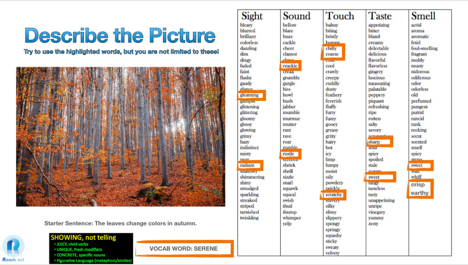
ככל שהסמסטר נמשך, אמה הפגינה התפתחות בכישורי הכתיבה שלה, והחל לשלב טכניקות ספרותיות מתקדמות יותר. במשימה על תיאור נופים, אמה הצליחה ליצור תדמית חזקה באמצעות אוצר מילים מדויק ושפה פיגורטיבית.
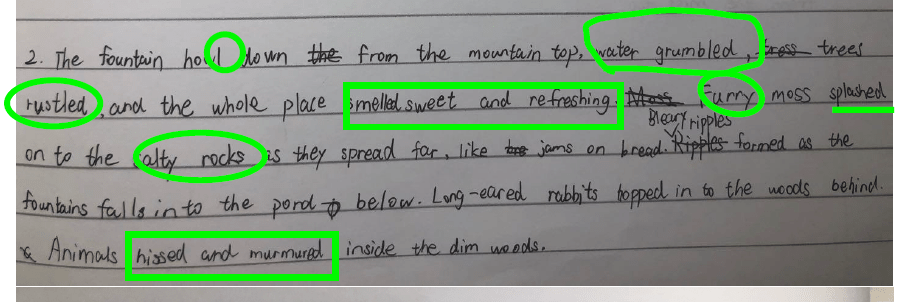
"אזוב פרוותי ניתז על הסלעים המלוחים כשהם התפשטו רחוק, כמו ריבה על לחם. אדוות עמומות נוצרו כשהמזרקה נפלה לתוך הבריכה למטה."
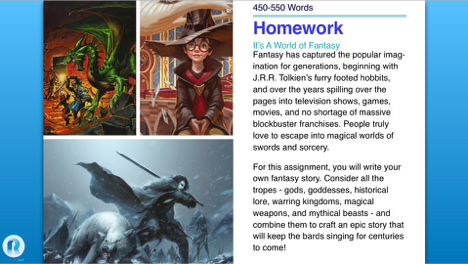
אמה המשיכה ליישם את הלקחים שלמדה לאורך הקורס, ויכולתה כסופרת התחזקה. במשימה האחרונה על כתיבת נרטיב פנטזיה, אמה בנתה את התפאורה והאופי של סיפורה בכוונה וביעילות.
"שמש נוצצת זרחה מהחלון והלאה אל הרכים, סדין משיי. פרחים מתוקים בצבעים חמים פרחו ליד החלון הפתוח. רישומים עמומים אך חרוצים נתלו על הקיר המרענן בצבע ירוק אצות".
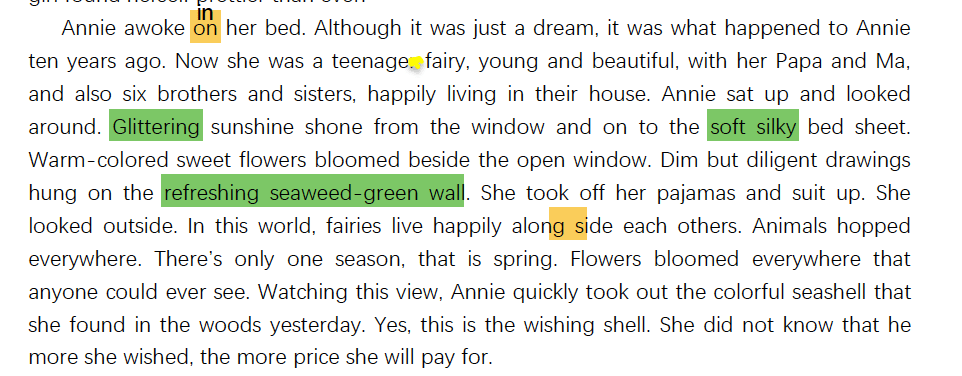
כפי שאתה יכול לראות, אמה מציגה מאפיינים של סופר צעיר ומבטיח. הנחישות שלה להשתפר, ויישום זהיר של השיעורים שנלמדו סייעו להעלות את הכתיבה שלה לרמה מתקדמת יותר.
תודה לך אמה, על היותו כוכב כזה! אנו מצפים לראות את הצמיחה שלך עוד הרבה זמן. אנחנו יודעים שזו רק תחילתו של מסע מבריק.
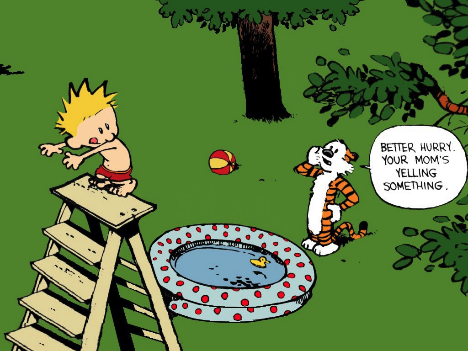
בתור מחנכים, נשאלנו לא פעם את השאלה, "איך אוכל לגרום לילד שלי להפסיק לקרוא ספרי קומיקס?"הורים חוששים שקומיקס לא נותן ערך חינוכי, אינם קפדניים מספיק מבחינה אקדמית, או הגרוע מכל, בזבוז זמן של הילד שלהם. לזה, התשובה שלנו בדרך כלל מפתיעה אותם, והתשובה הזו היא, "תנו להם לקרוא קומיקס!”
אפשר להבין שההורים יהיו קצת מודאגים שכן התפיסה היא שקומיקס נועד אך ורק להנאת קריאה, אוּלָם, לקומיקס יש יתרונות רבים מעבר לעזור לנו להעביר את הזמן.
קומיקס ורומנים גרפיים אינם צורות כתיבה חדשות. כַּמוּבָן, רבים מהם נהנו מזה דורות. במשך השנים, הז'אנר השתנה לאחד עם עומק ומשמעות ניכרים, לכן אנו מעודדים הורים לא רק לאפשר לילדיהם לקרוא קומיקס, אלא גם לתמוך בהם בכך.
להלן הסיבות העיקריות שלנו לכך שצריך לקרוא קומיקס (במיוחד בקיץ!):
לסטודנטים שאינם דוברי אנגלית כשפת אם, קומיקס מספק להם דרך מצוינת להתחיל ליהנות מספרות אנגלית. לילדים רבים, המשימה של מעבר מספר לימוד בשפה האנגלית לרומן יכולה להיות מרתיעה מאוד, אבל קומיקס יכול לספק להם גשר הכרחי לבניית ביטחון עצמי כמו גם שטף בקריאה. הרמזים הוויזואליים בתמונות מאפשרים לתלמידים ליצור הבנה עמוקה יותר של העלילה והדמויות כמו גם אוצר מילים חדש. בנוסף, הוא מציג להם מכשירים ספרותיים יעילים, כגון אונומטופיה (תחשוב שבויים! הֵרוֹאִין! זום!) וניבים (איור המראה את המשמעות של ניב כמו, "החתול תפס את הלשון שלך?זה הרבה יותר הגיוני מאשר לחמם את הביטוי לבד!).

2.שיפור מסקנות
הסקת מסקנות היא מיומנות קריאה מרכזית שתלמידים רבים נאבקים בה בהערכות קריאה סטנדרטיות. מסקנות מתרחשות כאשר אנו מסיקים מסקנות על סמך מה שאנו קוראים. כמה דוגמאות לשאלות שתלמידים יתקלו במהלך משימות או הערכות של הבנת הנקרא הן כאלו כמו, "איך הדמות הרגישה מתי?”, "על מה אתה יכול להסיק..." ו"מה היה הלקח בסיפור?קומיקס דורש מהתלמידים "לקרוא בין השורות" כדי להסיק מידע שבדרך כלל מסופר על ידי המספר ברומן, כך שהם יכולים לצבור ניסיון רב ערך בחיזוק מיומנות זו על ידי קריאת קומיקס.
3.Word Power!
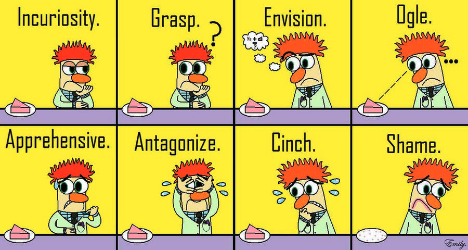
לעתים קרובות בקומיקס ורומנים גרפיים, סופרים כוללים אוצר מילים מתקדם למדי, גם כחלק מקו העלילה וגם בשמות הדמויות. ב 2016 בקומיקון המפורסם בעולם בסן דייגו, קליפורניה, חבר בפאנל של מחנכים דן בכוחו של קומיקס בבניית אוצר המילים של התלמידים. ג'יימס בוקי קרטר, מחבר הספר בניית חיבורי אוריינות עם רומנים גרפיים אמר, "יש לך קולוסוס, והוא כזה גדול, בחור מטאל ענק. אתה מקבל תחושה ממש טובה של משמעות המילה קולוסוס וזו מילה טובה של 10 סנט. הכוח של בנשי זועק. יש לך את הדמויות האלה שמגלמות את מילות אוצר המילים שהן. זה משהו שהוא דרך מהנה ללמוד מילים חדשות, בנוסף לרמזים ההקשריים."
לאחר קריאת זה אולי תרצה לתת לילדך לצלול ישר לתוך קריאת קומיקס או רומנים גרפיים! זו מוזיקה לאוזנינו. אם אתה לא בטוח מאיפה להתחיל, יש לנו כמה תלמידי מועדפים שהילד שלך ירצה לנסות!
איש כלבים מאת דייב פילקי

מיילס מוראלס ספיידרמן מאת ג'ייסון ריינולדס

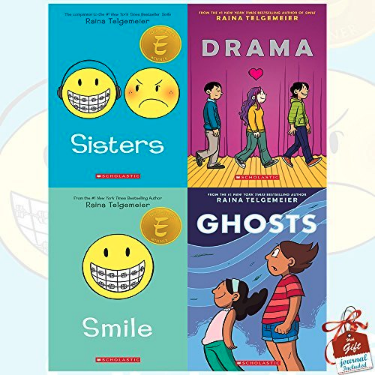
חיוכים, אחיות, רְפָאִים, דרמה וסיפורים אחרים מאת ריינה טלגמאייר
עצם מאת ג'ף סמית'

מחפש הזדמנויות נוספות לקריאה בקיץ עבור ילדך? צור קשר עם אחד מיועצי החינוך שלנו למידע נוסף על קורסי הקריאה שלנו בקיץ. נשמח לקרוא עם ילדכם!
עונת המבחנים כבר כאן, וזו יכולה להיות תקופה לחוצה מאוד בשנה הן לתלמידים והן להורים. ב-Reach Out אנחנו רוצים לעשות כמיטב יכולתנו כדי להקל על חרדת בחינות על ידי מתן כמה עצות לימוד ייחודיות שאולי לא ניסיתם.
חוכמת הלימוד הקונבנציונלית מלווה לעתים קרובות הורים ומורים רבים שמתכוונים לטוב, אוּלָם, אם נסתכל על כמה גישות מעניינות המבוססות על מחקר נוכל לראות שיש מגוון דרכים יעילות ללמוד! תמיד טוב לנסות דברים חדשים, במיוחד לילדים. הם יכולים לחוות דרכים חדשות לעשות דברים כשהם צעירים, וכשהם קצת יותר מבוגרים, הם יכולים לבחור את הדרך המתאימה ביותר לצרכים ולסגנון האישיים שלהם.
עַכשָׁיו, בואו נסתכל על שלוש דרכים ייחודיות ללמוד.

גיוון הוא התבלין של החיים - גם בלימודים
עבור רבים, שנים רבות אמרו לנו את זה כדי ללמוד טוב, אנחנו צריכים ללמוד באותו מקום כל יום; מקום שקט, מואר היטב, ויש לו את כל החומרים שלנו. אמנם זה עשוי להיות נכון בחלק מהזמן שאנו לומדים, מחקרים מראים לנו שהמוח שלנו באמת מצליח יותר כאשר אנו משנים את המיקום בו אנו לומדים. די מפתיע, יָמִינָה?
במחקר שנעשה כל הדרך חזרה 1978, ניתנו לתלמידי מכללה 40 מילים אוצר מילים ללימוד. לקבוצה אחת נאמר ללמוד את הרשימה פעמיים באותו מקום. לקבוצה השנייה נאמר ללמוד את הרשימה בשני מקומות שונים. מה שהם מצאו זה, הקבוצה ששינתה את מיקומי הלימוד שלה הצליחה יותר לזכור את המילים מאוחר יותר. עכשיו למה זה? טוֹב, המוח שלנו יוצר לעתים קרובות קשרים למידע על סמך הסביבה שלנו, אז ככל שאנו משנים את הסביבה שלנו, ככל שאנו נותנים למוח שלנו הזדמנות לשמור מידע מכיוון שהוא יתחבר לדברים נוספים. זו יכולה להיות גם הסיבה לטכניקת הדמיה אחת, שבו אדם מדמיין דברים שהם רוצים לזכור למקומות מסוימים בסביבה שהם מכירים, יכול להיות כל כך יעיל גם כן. לסטודנטים, פשוט החלפת הסביבה עשויה לעשות את העבודה!
תהנה!
חלק מההורים עלולים לחשוב בטעות שאם ילדם צוחק או מתרגש בזמן למידה או לימודים, אולי הם מבזבזים את זמנם. אוּלָם, זה לא בהכרח המקרה.
בתור הורה, בעבודה או במשרד שלך אולי יהיו לך סדנאות מיוחדות מעת לעת. הסדנאות משמשות בדרך כלל ככלי שיעזור לך ללמוד על אסטרטגיה חדשה, רַעְיוֹן, או מידע שיעזור לך ללמוד יותר בעבודה. מפגשים אלו מופעלים לרוב על ידי אנשים המתמחים ביצירת סדנאות מעוררות מוטיבציה ומעוררות השראה הממריצות וממריצים את העובדים. הימים יכולים להיות ארוכים ואינטנסיביים, אבל אם הם נעשים נכון, עובדים יכולים ללכת משם בביטחון בידע ובכישורים החדשים שלהם.
אותו הדבר נכון גם לצעירים. הצגת משחק והנאה כדרך ללמוד למבחנים לא רק גורמת לילדכם לחייך, אך מחקרים מצביעים על כך שכיף תוך כדי למידה מפעיל משאבים קוגניטיביים מסוימים, משייך תגמולים והנאה ללמידה, מחזק ומרחיב את רשתות הזיכרון, ומחליפה חשיבה מופשטת ותשומת לב ממוקדת.

טכניקת פומודורו
להישאר ממוקד, על משימה ומוטיבציה להשלים פעילויות מסוימות יכולים להיות קשים הן למבוגרים והן לילדים כאחד. האם אי פעם הרגשת שאתה בוהה במסך מחשב במשך שעות, אבל השיג מעט מאוד? או אולי יש לך מועד אחרון בעוד כמה ימים, אבל הם רק צועדים לעבר קו הסיום? אין זה פלא, כפי שמחקר מראה שהמוח שלנו נוטה לנדוד עד 20% של הזמן, אולי אפילו יותר עבור אנשים צעירים.
טכניקה מעניינת אחת נוצרה על ידי הסטודנט פרנצ'סקו צ'ירילו כדרך לעזור לו להישאר ממוקד, וזו טכניקת פומודורו, שקיבל את שמו מהטיימר בצורת עגבנייה שציריו השתמש בו בזמן שבדק את האסטרטגיה הזו על עצמו. איך זה עובד זה שאתה מגדיר טיימר עבור 25 פּרוֹטוֹקוֹל, שזה זמן עבודה. ואז הגדר אותו שוב עבור 5 פּרוֹטוֹקוֹל, שזה זמן הפסקה. זה זמן מצוין לקום, לִמְתוֹחַ, לעשות סיבוב בבית, ללטף את החתול שלך, או לקבל משקה מים או חטיף. אחרי ההפסקה נגמר הזמן, הגדר את הטיימר עבור אחר 25 דקות וחזור!
מסתבר שהאסטרטגיה הזו מגובה בראיות מדעיות, כפי שהחוקרים הגיעו למסקנה שהפסקות קצרות עוזרות לשמור על טווח הקשב שלך על המסלול. זה עשוי להיות קשור לעובדה ששעמום קוגניטיבי יכול להוביל למוח לא מעורב, שזה הדבר האחרון שאתה רוצה כשלומדים למבחן חשוב.
אנו מקווים שנהניתם לחקור את עצות הלימוד הייחודיות הללו כמונו! מאחלים לילדכם בהצלחה במבחנים החודש. ג'יאיו!
We know that there is so much we can do to nurture and educate our children, which is why as parents we often go to great lengths to fill their time with enriching activities and classes. Why do we do this? For many reasons of course, but the main goal is to ensure their future success. Parents hope that their children will be even more successful in life than they were themselves. Success, of course, is subjective, and we may all have our own definition of success. Generally however, we might agree that success includes feeling content in one’s personal life, as well having a sense of career satisfaction and financial security.
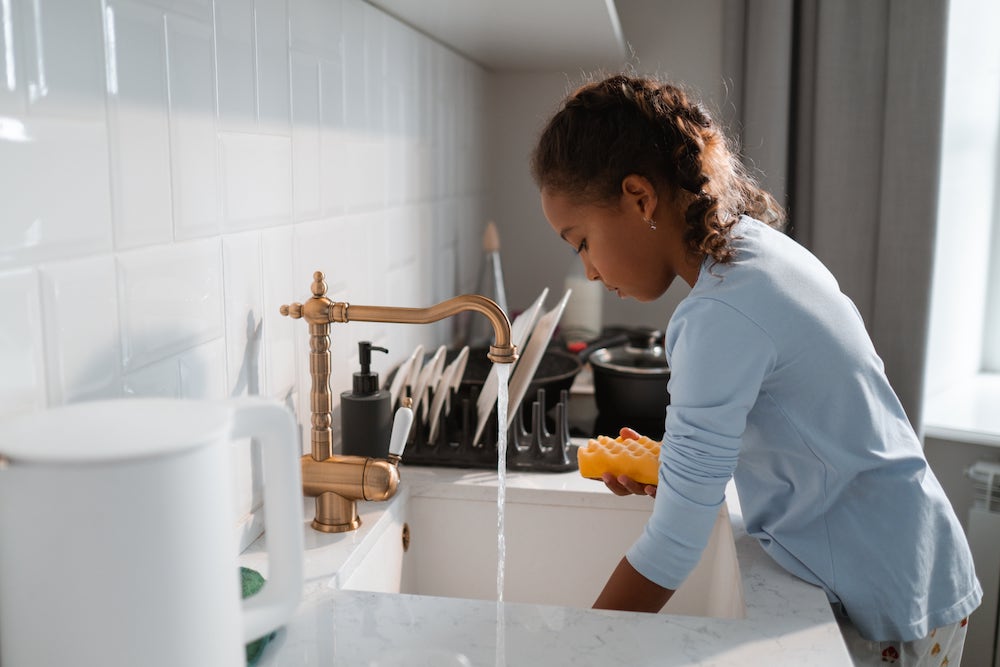
Recently there has been an intriguing TED Talk being shared on social media, in which former Dean of Freshman at Stanford University, Julie Lythcott-Haims, cites evidence from the Harvard Grant Study that correlates professional success in life to individuals having done chores as children. Not soccer training, not language learning, not painting, but chores.
Surprising right?
Many of our children growing up in big cities may never know what it’s like to scrub a dish, wash a window, or mop a floor. We might feel like there are more important things to do to build their knowledge and their character. Lythcott-Haims explains that those children who do get their hands dirty, אוּלָם, may reach a level of success in life that surpasses their no-chore-doing peers. That is because it teaches students how to contribute and step up when work needs to be done, and that doing the “grunt work” that others might scoff at, because it is what is best for all, is what gets noticed in the workplace.
The workplaces of the high-achievers who took part in the Harvard Grant Study were notable, such as the White House, where participant President Kennedy worked, and the editor’s office where Ben Bradlee sat as editor of The Washington Post. We can assume that their parents, like us, had to prod and plead for the chores to be done, and accept that even if they were done, they might not have been done well; and that’s okay.
The important thing, as Lythcott-Haims points out, is that by doing chores, children realize that they, “…have to do the work of life in order to be part of life.” They realize that life does not just happen to them, and for them, but with them.
If your children are already doing chores as part of their daily summer routine, bravo! You are on the right track. If not, no need to panic. It is never too late to introduce chores into the lives of our children. Here are some tips to help get you started!

Let Them Be a Part of It
When introducing the concept of your children completing chores to help, have a “family meeting” where everyone is present to discuss what will be expected of your children and why. You can ask your child to help you write a list of chores they could potentially help with around the house. They might surprise you with their enthusiasm as doing chores is very exciting for some children because it makes them feel empowered and helpful (two things we often like to feel as adults).
Game-ify It
To make things fun, because fun makes everything better, you or your child can write the chores on popsicle sticks and each day your child can choose one stick from the jar. That will be their chore for the day! If you have more than one child at home, you can always turn cleaning into a competition by setting a timer and seeing which child can clean the most toys in the given amount of time, לְדוּגמָה.
Reward It
As parents, we are rewarded for our contributions at work with a salary. Shouldn’t our children also be rewarded for their hard work? One idea is that if your child completes all of his or her chores for the week, he or she can choose a small toy from a “treasure box” filled with small toys. Another option could be that if your child consistently completes chores for a month, they can choose an extra special family outing.
Teaching our children to do chores is not always easy, but the potential benefits are worth the time and effort. We hope you found our tips useful, and that they can help lead to a positive experience for you and your child. Happy cleaning!
We are pleased to announce a new summer book club, just for parents! Summer is the perfect time to read that book you have always wanted to read, but have not had the time to. This summer, we invite you to join us in reading How to Talk So Kids Will Listen and Listen So Kids Will Talk.
We know it is not always easy to connect with our children because of the demands of school, work and daily life. Sometimes our anxieties about the future interfere with us living our lives right now. אוּלָם, one thing we can guarantee is that we will never get another chance to experience childhood with our own children, and we don’t want to miss out on this precious time. כָּך, how can we make the most of it and have meaningful conversations with our children that will strengthen our bond and help our children feel supported? These are big questions many of us have.
To help us answer these important questions, we invite you to join us in reading one of the most popular parenting books of all time, written by Adele Faber and Elaine Mazlish. How to Talk So Kids Will Listen and Listen So Kids Will Talk, which teaches us how to accept our children’s feelings, as by not doing so we could be unwittingly causing bad behavior. It also teaches us positive ways to encourage cooperation, as well as independence, autonomy, and self-confidence. These are all the ingredients needed to help nurture a positive parent-child relationship that will indeed help to grow our children into confident and capable adults.

How Will It Work?
The first step is to contact one of our Education Consultants to register. Registration is FREE and open to everyone! We will create a group chat where the book study content and sharing will take place starting on July 1st. Lindsey Fine, our Education Manager, will be joining the group as a parent as well, as she is a mother of two boys, aged 4 ו 6, who will be learning along with you. She will also be helping to lead the weekly discussions.
The book can be found in English and Chinese and easily accessible in print, e-book, or audiobook formats.
Then there are two options for how you would like to participate:
The reading schedule is as follows:
Week 1: Chapters 1 & 2
Week 2: Chapters 3 & 4
Week 3: Chapters 5 & 6
Week 4 Chapters 7 & Afterword
At the end of the month, we will host an online workshop led by School Counselor, Regina Wehner. At the workshop, Regina will share additional information and strategies you can use to strengthen your relationship with your child.
About Regina Wehner

Regina Wehner is a Licensed School Counselor that has worked with students in Middle School for over 16 years. Originally from the United States, she lives with her husband and 2 children, ages 10 ו 12, in Beijing, China.
Regina works at the Western Academy of Beijing (WAB), a diverse international school. A big part of being a school counselor is helping students learn about themselves and others as they are growing. Regina also hosts monthly Parent Coffee Mornings to bring parents together to learn more about their children's developmental changes and how to communicate during these times of transition.
Contact us today to join!
לעזור לילדך ללמוד אוצר מילים חדש
מחקרים מצביעים על כך שאם אנחנו רוצים שהסטודנטים יצליחו בהקשר האקדמי, על הערכות חשובות ומבחנים בעלי סיכון גבוה, כמו גם הקריירה העתידית שלהם, עלינו לעזור להם לפתח את אוצר המילים שלהם. הסיבה לכך היא זו: ההבנה שלנו של מידע חדש קשורה ישירות להבנה שלנו של אוצר המילים המשמש להעברת המידע החדש הזה.
לסטודנטים, הגדלת אוצר המילים שלהם היא מפתח אחד להצלחה בשליטה בשפה; ככל שנדע יותר מילים, ככל שנבין יותר מילים, וככל שנוכל להשתמש ביותר מילים בכתיבה שלנו כדי להפוך אותה ליותר השפעה ואפקטיבית. אוּלָם, ללמוד עכשיו אוצר מילים נתפס לפעמים כתהליך מייגע או חמקמק. לפעמים הורים לא בטוחים איך להדריך את ילדיהם, במיוחד מכיוון שהדרך שבה אנחנו ניגשים ללימוד אוצר מילים עשויה להיות שונה מאוד מהדרך שבה ההורים למדו את זה כשהיו בבית הספר.
אל תדאג, Reach Out כאן כדי לעזור! בואו לחקור את רכישת אוצר המילים (תהליך שינון ויישום אוצר מילים חדש), ואנחנו אגיד לך איך אתה יכול לעזור לילד שלך לבנות את אוצר המילים שלו!

דברו על זה!
זה אולי נראה פשוט מדי, אבל כשזה מגיע ללימוד מילים חדשות, דרך יעילה אחת שצעירים עושים זאת היא על ידי דיבור עם אחרים. ילדים לומדים מילים חדשות בצורה הטובה ביותר כשהם בהקשר, כמו בשיחה על נושא מסוים. הם יכולים להסיק קצת משמעויות של מילים חדשות על סמך אופן השימוש בהן יחד עם המילים האחרות שהם כבר מכירים.
סביר להניח שילדך הפריע לך בהזדמנויות רבות כאשר אתה משתמש באוצר מילים לא מוכר והם שואלים בסקרנות, "מה המשמעות של אסון?" אולי התכוונת למצב של חדר השינה שלהם (כמו שזה בלגן מוחלט), ועל ידי נטילת רגע להסביר להם את המשמעויות המרובות של אסון, לא רק שלימדת אותם מילה חדשה לתאר חדר מבולגן, אלא גם כשל או תופעה טבעית, כמו אסון טבע.
כָּך, שיחה עם ילדך היא דרך מצוינת ללמד אותו מילים חדשות!
חקור את זה!
תלמידים מבינים בדרך כלל שהם יכולים להשתמש במילון או במתרגם אם הם נתקלים במילה שהם לא יודעים, אבל לפעמים אפילו ההגדרה של מילה עלולה להשאיר אותם עם יותר שאלות מאשר תשובות.
מהניסיון שלנו, תלמידים רבים אינם מנצלים כלי אחד חשוב מאוד ללמידה ויישום אוצר מילים חדש, והכלי הזה הוא תזאורוס! אם אתה מבחין שילדך משתמש יותר מדי במילה בעת דיבור או בכתיבה, לְדוּגמָה, "יָפֶה", "חָמוּד", "טוֹב", או "רע", ואז קח קצת זמן כדי להראות להם כיצד להשתמש באתר אינטרנט כגון thesaurus.com לחפש את המילים האלה. כשהם מחפשים את המילה כמו "יפה" הם יראו שיש כל כך הרבה מילים מעניינות וייחודיות להשתמש בהן במקום! אֲנִי
מהניסיון שלנו, התלמידים מאוד נהנים להשתמש באוצר מילים חדש, ולהרגיש מועצמת לדעת שיש כלי שיעזור להם להפוך את המילים שלהם לעוצמתיות יותר.
לְשַׂחֵק!
ליהנות תוך כדי למידה זה לא רק משהו שהמורים עושים כדי לשמח את התלמידים, למעשה הוכח על ידי מדעי המוח כדרך יעילה לעזור לתלמידים ללמוד יותר ויותר לעומק. מחקרים מראים שכאשר התלמידים גם מגורים וגם מאותגרים, המוח שלהם משחרר דופמין. דופמין הוא נוירוטרנסמיטר הממריץ את מרכזי הזיכרון ומקדם את שחרור אצטילכולינם, מה שמגביר תשומת לב ממוקדת.
בקורסים שלנו כאן ב-Reach Out, הוראת אוצר מילים היא חלק חשוב בכל שיעור. יש לנו גם קורסים שמתחילים בקיץ הקרוב, רמות בונה אוצר מילים 1-3, שבו נתמקד אך ורק בסיוע לילדכם להרחיב את הידע שלו באוצר המילים באמצעות מילים חדשות מאתגרות. בעוד המילים שנבחרו מציעות את האתגר, כלים כמו Quizlet ומשחקים כמו Guess Who ו- Sentence Racer מספקים לתלמידים הזדמנות לקיים אינטראקציה בצורה משמעותית ומרתקת.

כיצד נדע שהשיטות הללו יעילות? כי עשרות שנות הניסיון שלנו, ולימודי פסיכולוגיה ומתודולוגיה חינוכית לימדו אותנו כיצד תלמידים לומדים בצורה הטובה ביותר!
נשמח לעזור לילדך ללמוד אוצר מילים חדש כאחת הדרכים שבהן הוא או היא יכולים להפוך לקורא יעיל ומוצלח יותר, סוֹפֵר, ורמקול. למידע נוסף על איך אנחנו יכולים לעזור, צור קשר עם אחד מיועצי החינוך שלנו עוד היום!
If you are looking for a more individualized educational service, Reach Out offers 1-on-1 services with our expert educators!
What do We Offer?
Our teachers offer a wide range of 1-on-1 subjects including English, Social Sciences, and Maths.
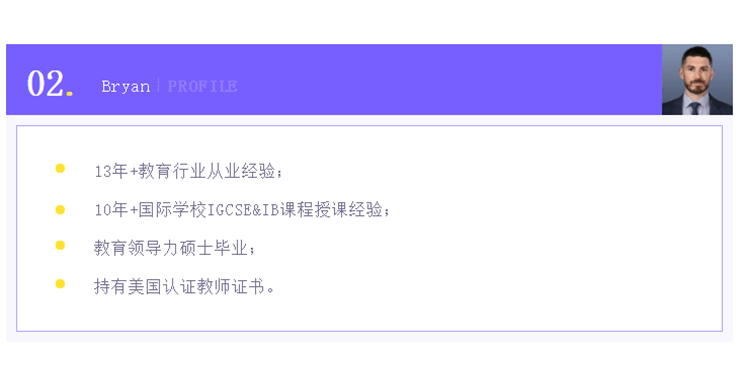
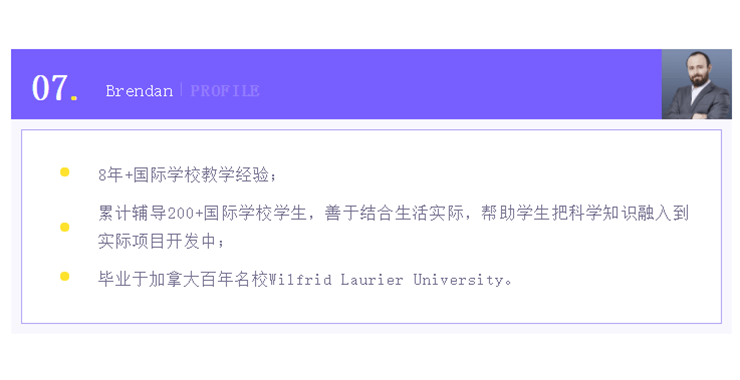
Meet some of our highly qualified and experienced teachers!


Why Should I Choose 1-on-1 Services?
Perhaps your child is preparing to study abroad or applying to a new school and he or she would like a more intensive and targeted approach in order to polish his or her skills. Alternatively, your child might not feel challenged enough with his or her current curriculum, and needs an alternative approach that is more appropriate for his or her ability level.
There are a number of reasons a parent might be searching for services such as this, and we can assure you that we will always work to understand you child’s unique situation and provide the service that is best for them.
How Does it Work?
With our hands-on approach, and orientation process, we will assess your child’s knowledge and skills based on current assessment data, writing ability, ועוד. Based on our findings, we will select the teacher best suited for your child’s needs. All of Reach Out’s teachers have been carefully selected, and have years of experience in teaching challenging curriculums, such as IGCSE, IB, and AP, in top schools from around the world.
Our process is goal-oriented. We find out exactly what your child needs to reach their educational goals, and then we create a unique and tailor-made learning path that will best suit your child’s particular needs.
What Else Does Reach Out Offer?
In addition to 1-on-1 services, Reach Out offers a wide variety of courses specifically designed to challenge and engage your 2nd to 8th grade child with above grade level content in order to help them prepare for the rigor of programs such as IGCSE, IB, and AP.
How Can I Learn More?
To find out more about our 1-on-1 services, please contact one of our Education Consultants today to find out more! We look forward to helping your child reach his or her educational goals for a bright future!
Who We Are
As you may have noticed, we have been growing and have some exciting additions to what we offer here at Reach Out. As it has been a while since we introduced ourselves, we thought we would share our story with you to help you better understand who we are and what we do!
Our Mission
Reach Out’s mission is to connect students with expert educators who create and deliver original, inspiring, world-class curricula. We have embarked on this journey so that we may help students understand how to find their own unique voice and uncover the creative and valuable ideas that lie within each of them. With their voices, they have the power to change the world, and we wish to empower them to do so.

Our Vision
Reach Out strives to be an internationally recognized educational institution that allows students to access top level international curriculum and educators, no matter where in the world they are. Our students will be perceptive, curious, and critical thinkers who make informed choices as excellent problem solvers and communicators. Reach Out students will achieve their academic and personal goals and dreams from Primary School to University, placing their brilliant futures within reach.

Our Core Values
These are the principles which shape Reach Out:
Our Story
Reach Out was created by a small group of dedicated mothers, perhaps much like yourself. They were brought together by a common vision for the educational needs of their children. Some were looking for an educational program that could offer their children access to the ideas, teaching philosophy, and methodology that matched what they had experienced while living abroad. Others were looking for an internationalized curriculum that their children could access to enrich their educational experience in China. What they shared in common was a desire for a rigorous program that also opened the doors to creative and critical thinking, self-reflection, and personal expression - the hallmarks of a strong international curriculum. After spending considerable time exploring various options, these moms were not able to find anything that quite met their children’s needs.
כָּך, they did what any good mother would do, given the chance, and found their own way to offer their children the best possible learning opportunities designed to help them thrive. They consulted expert teachers and worked with other parents to discover how they could best meet the needs of other children with similar goals. Children, we hope, like yours.
The parents were committed to:
We are happy to say that these mothers have achieved their goal. Today Reach Out boasts a complete line of rigorous yet engaging courses in which students learn deeply while having fun and creating meaningful relationships with their teachers and peers.
All of this because of our founding mothers’ commitment to their children’s education and happiness.
What Makes Us Unique?
While we understand parents have an array of choices when it comes to programs that enrich their children’s education, we believe we offer many unique qualities that are not easily found elsewhere.
Our team consists of highly skilled and experienced educators who have created a unique and rigorous program based on international school standards, which prepares younger students to take on rigorous curriculums such as IGCSE, IB, and AP.
-Our one to one programs and curriculums designed to exceed the educational needs of our students
-Our teaching philosophy of inspiring and empowering students, and teaching methodology of allowing students to explore knowledge widely and deeply while at the same time developing a love of learning
-Our commitment to the long-term success of our students as we strive to equip them with the essential skills they will need to succeed in their future careers and the world beyond school
- The detailed feedback we provide with all of our student assessments, so that students know where they are succeeding and where they might improve, as well as the supplemental materials and instruction needed to help our students close any gaps in understanding
-Our dedication to developing our students’ critical thinking and problem solving skills, which will be essential for their future, as well as the future of our global society
-Our promise to hire all of our teaching and non-teaching staff based on their mutual passion for education
-Our ability to empower students to use the language, knowledge, and skills they acquire to develop themselves beyond the classroom and into curious, lifelong learners who set and pursue challenging, fulfilling, and worthwhile goals.
-Our hands-on, individualized approach to creating a learning path for our students so that no matter what grade level they are when they join us, they will be equipped with the tools necessary to improve and grow rapidly
-Our commitment to empowering our clients with information and experiences that will help them make the absolute best choices for their child's education by offering informative articles, videos and workshops.
Our Curriculum
Our Blue Line curriculum, which includes courses for students in Grades 2 to 8, was designed by expert educators with advanced level degrees in their subject areas who have spent decades in some of the top international schools in the world. We use backwards curriculum design working our way from the first year of programs such as the widely recognized and respected IGCSE program.
As our educators have spent years teaching courses pre-IGCSE, IGCSE, IB and AP or A Levels curriculum, they understand what students need to succeed in those programs. כָּך, each aspect of our curriculum has been created to make sure that all of our students enter their first day of Grade 9 feeling confident, equipped, and prepared to meet the demands of these rigorous courses.
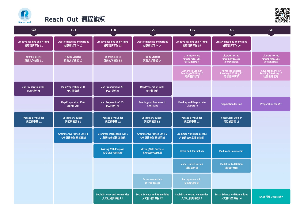
We offer a wide range of courses in the subjects of English, מתמטיקה, History and Geography. See below for more detailed information on our full course offerings.
Additional Services
We are also pleased to announce the creation of our Silver Line, which offers bespoke educational services that take an individualized approach to meeting our students' needs. We begin with a deep assessment of each student's educational goals and needs, and then create and implement a scheme of work with which our expert educators will use to guide your child through the academic challenges of High School in order to prepare them to eventually attend their dream university.
We also offer 1-on-1 services at all grade levels for parents who wish to offer their children more individual care and instruction. Our expert Education Consultants will make sure to match your child with the best educator for his or her specific needs and goals.
Join Us!
We look forward to meeting your family and discussing how you can be part of our Reach Out family; one that learns together, cares for each other, overcomes challenges together, and celebrates successes with one another. Please contact us today to find out more.
We hope to hear from you soon!
Being a parent is hard. In fact, with the changes in our world today, it might just be one of the challenging moments we have had to face in decades. Change leads to uncertainty, and uncertainty can lead to stress. Stress certainly affects all areas of our lives, sometimes it will impact our relationship with our loved ones the most; especially our children.
Our children can be complicated (let’s face it, so can we!), and it is a daunting task to ensure that every move is the “right” one. That all of our conversations, demands, requests, plans, praises and criticisms mean something. Every moment we spend talking to our kids, we hold the hope that these words will be enough to fill our children with the hope of a great future at a time where the future is so uncertain. Times change, and this too shall pass, but one thing we can guarantee is that we will never have a second chance at spending a childhood with our children.
As parents, we often ask ourselves if we are in fact doing the right thing, wondering how we can get through to our kids, trying to understand our children better, and sometimes feeling like a guilty failure because we tell ourselves we are doing it wrong. Oftentimes, that is not the case, but there is no instruction manual on how to raise a child that will work for everyone in all situations. Sure, there is a lot of advice, an overwhelming amount of it, but again, most advice is just that; guidance and recommendations by people who don’t know you or your child. Some of it is helpful, and some of it…not so much.
One thing that we cannot deny though is the importance of a healthy relationship between parent and child.
Research shows that:
It is essential to make the time to nurture a relationship with your child, and perhaps even more imperative, making sure the interactions we have with our children during that time are positive. This is something that many parents find challenging, which is why we created a parent book club for the book How to Talk So Kids Will Listen and Listen So Kids Will Talk by Adele Faber and Elaine Mazlish. Together we learned ways to positively communicate with our children in order to strengthen our bonds. We spent time discussing ideas from the book, as well as had a virtual meet up to role-play some of the strategies from the book. On top of that, we invited Middle School Guidance Counselor, Regina Wehner, to provide parents with a workshop in understanding our child’s cognitive and emotional development.
Here are some highlights we would like to share with you!
First, from How to Talk So Kids Will Listen and Listen So Kids Will Talk, here are two of our favorite strategies:
Children have difficulty regulating their emotions, as the brain’s emotional regulation center is one of the last to develop. This means that they need our help in the form of compassion and modeling. This can be so challenging, especially when we may have difficulty managing our own emotions at times! We have an easy strategy for you that will only require two things:
When your child comes home upset about something that happened at school, instead of lecturing and offering our sage advice, we can simply listen to their concerns and repeat the ideas back to them. לְדוּגמָה, if your child comes home upset and says something like, “Ugh, today Elizabeth and Sarah were so mean to me! They completely ignored me and I hate both of them now!” Instead of saying, “Elizabeth and Sarah are your best friends. It’s not a big deal and I am sure you will be fine tomorrow,” which could invalidate your child’s feelings, you can say, “Oh, I see. Elizabeth and Sarah made you feel a bit left out. That probably made you feel a bit sad and mad.” At this point your child might keep talking and open up to you, which is great! It means they trust you and you are making them feel better. Continue to listen, nod, say, “Mmmhmm,” and repeat what they say. Having you simply listen will likely make your child feel 100% better and ready to face their next challenge!

2. I wish!
Our children often express their desires in the form of wishing they had things they don’t have or wishing things were different than the way they are. לְדוּגמָה, children may say, “I wish I didn’t have to do all that homework.” We may reply, “Well, you do and that’s that!” or “It’s what you have to do. It’s your responsibility so you need to do it now!”
This may escalate into a battle of wills as parents feel frustrated that they keep hearing the same complaint and repeat the same reasoning. The children feel frustrated because their opinions are being invalidated and they feel misunderstood. טוֹב, don’t worry, we are here to help! We have a little trick that will help you turn the conversation around, and that is to agree with your child. It may sound counterintuitive, but we have firsthand experience with this trick and it works wonders!
לְדוּגמָה, if your child says, “I wish we could go to the park today like I wanted!”
Instead of saying, “I can’t, I am too busy,” or “Yes, but we can’t, it’s raining,” we can say, “I wish we could too! We could go to the park and have a picnic! We could fly a kite and blow bubbles! Why don’t we have a picnic in the living room and after that we can blow bubbles in the bathroom!”
The first part gets the kids excited and their imagination going, taking them to a happy place. The next part makes them feel heard and connected to you.
עַכשָׁיו, some highlights from Ms. Wehner’s workshop:
*Please help me choose these! :)*
If you would like to join one of our workshops or book clubs in the future, make sure to follow us and stay tuned! We have great things coming up this fall!
הורים רבים שואלים אותנו מה הדרך המהירה ביותר שילדם יכול לשפר את הכתיבה שלהם. אמנם אנו מאמינים בתוקף שאין קיצורי דרך להפוך לסופר יעיל ומיומן באמת, יש כמה דברים שתלמידים יכולים לשלב בכתיבה שלהם כדי לעזור לקחת אותה לשלב הבא בצורה יעילה יותר. כמו בכל דבר שמנסה להשתלט עליו, המפתח להצלחה טמון בעבודה קשה ובחזרות. תרגול מיומנויות אלו באופן קבוע יעזור לילדכם להגיע ליעדים החינוכיים שלו.
מאמר זה יהיה הראשון בסדרת מאמרים שיתמקדו במיומנויות המתאימות לסוגי כתיבה שונים. השבוע, נתמקד בטיפים לכתיבה תיאורית.
טיפים לכתיבה תיאורית:
כתיבה תיאורית היא צורת אמנות אמיתית, שכן מטרתו צריכה להיות ליצור תמונה במוחם של הקוראים. אי אפשר לספר סיפור על פעולה ודיאלוג בלבד, ואי אפשר להעביר משמעות ורגש עמוקים בשיר בלי לצייר תמונה עם המילים שלו.
אחת הדרכים העוצמתיות להצטיין בתיאור היא להוסיף תארים ותוארים בכל מקום אפשרי. לְדוּגמָה, אם הילד שלך כותב סיפור הוא או היא עשויים לכתוב משהו כמו:
"הארי יצא החוצה והתחיל לחפש את החברים שלו."
אמנם המשפט הזה מעביר משמעות בסיסית, ההשפעה שלו על הקורא היא גם בסיסית. על ידי הוספת שפה תיאורית בצורת תארים ותארים, אנו יכולים במהירות וביעילות להוסיף דימויים למשפט:
"הארי פתח את דלת הכניסה, טורק אותו מאחוריו. ליבו דפק כשהתרוצץ בשכונה בחיפוש אחר חבריו בשקיקה".
במשפט המתוקן, אנו רואים תיאורים שמספרים לנו לא רק את הפעולה שמתרחשת, אבל גם עוזר לנו להרגיש את הרגש של הדמות, היבט חשוב בסיפור סיפורים.

דרך מצוינת נוספת להפוך סיפור או שיר לאפקטיבי יותר היא על ידי הוספת שפה פיגורטיבית, כגון דימות. דימות הן השוואות שמשתמשות ב-like או כמו שיכולות לשמש כדי לעזור לקורא לדמיין מה קורה בצורה ברורה יותר.
לְדוּגמָה, הילד שלך עשוי לכתוב משהו כמו:
כל כך שמחתי!
זה היה כל כך חמוד!
הוא כל כך פחד!
אנחנו יכולים להוסיף דימות כדי לעזור ליצור תוצאה טובה עוד יותר:
שמחתי כמו חתלתול בחנות חוטים.
זה היה חמוד כמו תינוק פנדה ששיחק בשלג.
הוא פחד כמו ארנב ששמע רק זאב מיילל.

הטיפ האחרון שלנו לכתיבה תיאורית הוא לבחור אוצר מילים כל כך מדויק שהוא מתקשר בדיוק מה שהכותב רוצה שהקורא ירגיש. לְעִתִים קְרוֹבוֹת, התלמידים יכתבו תיאורים מעט מעורפלים, עם משפטים כמו:
הוא היה עייף מאוד.
הסרט היה מאוד משעמם.
היה להם קר מאוד.
החדר חם מאוד.
שׁוּב, המשפטים האלה מעבירים משמעות פשוטה, אלא בכתיבה תיאורית, זה פשוט לא מספיק. תיאור יעיל משתמש באוצר מילים שיש לו השפעה, ואנחנו יכולים להשיג זאת על ידי בחירה רק במילים הטובות ביותר כדי להעביר את המשמעות המדויקת ביותר.
ראה כיצד נוכל לקחת את המשפטים למעלה מרגיל ליוצא דופן על ידי החלפת חלק מהמשפט באוצר מילים רב עוצמה:
הוא היה מותש.
הסרט היה חסר דמיון.
הם היו מקוררים עד העצם.
החדר היה צלי.
החדשות הטובות הן שילדכם לא צריך להסתמך על הידע הנוכחי שלו אוצר המילים כדי להצליח ליצור משפטים כמו אלה שלמעלה. התזאורוס מכיל את כל המילים הדרושות ליצירת תיאורים בלתי נשכחים.
אנו מקווים שהטיפים הללו היו מועילים! אם תרצו שילדכם ילמד כיצד ליישם את המיומנויות הללו עם אחד מהמחנכים הנלהבים שלנו, הישאר מעודכן להודעות הקרובות על קורסי הקיץ והסתיו החדשים שלנו!
בשבוע הבא, נסתכל על טיפים לכתיבה משכנעת!
Tell us a bit about yourself.
I grew up in five different countries (Sweden, England, Germany, South Africa, and Canada). Integration into a diverse spectrum of cultures growing up has made me see the world with an open mind. I currently reside in Canada and work as both a university lecturer and a Math teacher at Reach Out. Outside of work I really enjoy sports such as badminton and chess, which I played at a competitive level for many years.

What is your educational background and qualifications?
I received a Bachelor of Science Degree from the University of British Columbia (UBC) and an obtained my MSc at the same university. My graduate work involved experimental geoscience where I designed an apparatus to investigate how diamonds reach the surface of the Earth through high velocity magmas. I published articles in two high impact journals and presented the work across Canada and Europe.
During my graduate studies I had the privilege of lecturing a few classes which transitioned into a lectureship position. Teaching at the university level involves lecturing a class of over 200 תלמידים, which is very different to the work I do at Reach Out, but has helped me develop a dynamic teaching style.
Additionally, I have been teaching Math and Science both privately and through educational organizations for over 6 שנים.
Why did you join Reach Out?
I joined Reach Out because the prospect of being able to deliver high quality education from around the globe without border restrictions resonates with me.
I feel that the reason I am committed to staying at Reach Out is more important. The personalized classes being delivered has allowed me to connect with the students, making their progression much more meaningful to me. Some students have been together with me through multiple grade levels and I feel immensely proud to have played a role in their education.
What is your educational philosophy?
Having a background in experimental science has allowed me to see value in making breakthroughs through experimentation. By allowing students to experiment with different methodologies while offering guidance is an extremely effective way of teaching students to not be afraid of failure. Richard Fuller correctly said, “There is no such thing as a failed experiment, only experiments with unexpected outcomes.” Students often start my classes afraid to answer questions, discuss with their classmates, or write on the board since they don’t know the answers. Since I am always more focused on solutions rather than answers, students’ are rewarded for trying new techniques, discussing failed methods, and asking questions about their classmates’ work. I found this to produce a phenomenal learning environment and takes a lot of pressure off the students.

What is your favorite thing about teaching Math?
My favorite thing about teaching Math is the exciting challenges it provides. After teaching Math for many years, I have come to realize that students see the world from a unique perspective, which more often than not, is very different from my own. This diversity produces a wide spectrum of learning styles and requires me to stay very flexible with the methodologies I use in my teaching.
Math is a complex subject which has provided us with a universal language to better understand the universe that surrounds us. Having a good problem solving ability is a byproduct of learning Math and crucial for success in the modern world. For these reasons I have the responsibility to transform a traditionally dry and boring subject into something exciting by creating compelling lessons and using creativity to inspire my students. This will always be something I love about my job.
Who is your favorite mathematician and why?
This is a tough question, and it’s hard to pinpoint one Mathematician since I utilize the works of so many Mathematicians in just one lesson. If I had to pick it would be either Johannes Kepler or Nicolaus Copernicus since I also love astronomy. Their Math not only challenged everything that was believed about our solar system at the time, but also formed the foundations for understanding planetary motion. Space travel has relied heavily on these concepts.
If you could only give parents one piece of advice when it comes to helping their child improve in Math, what would it be?
One thing I have worked on a lot with my students, is getting them to explain their solutions to me regardless of how easy it may seem. Being able to arrive at the correct answer in certain school curriculums may not require a complete understanding, but being able to explain a solution well does require a good understanding. Make sure that your child is always showing very clear steps in their work and that they can explain their steps to you. This certifies understanding and shows they are prepared for questions which test the same concept but may be worded differently.
What is one fun fact about yourself?
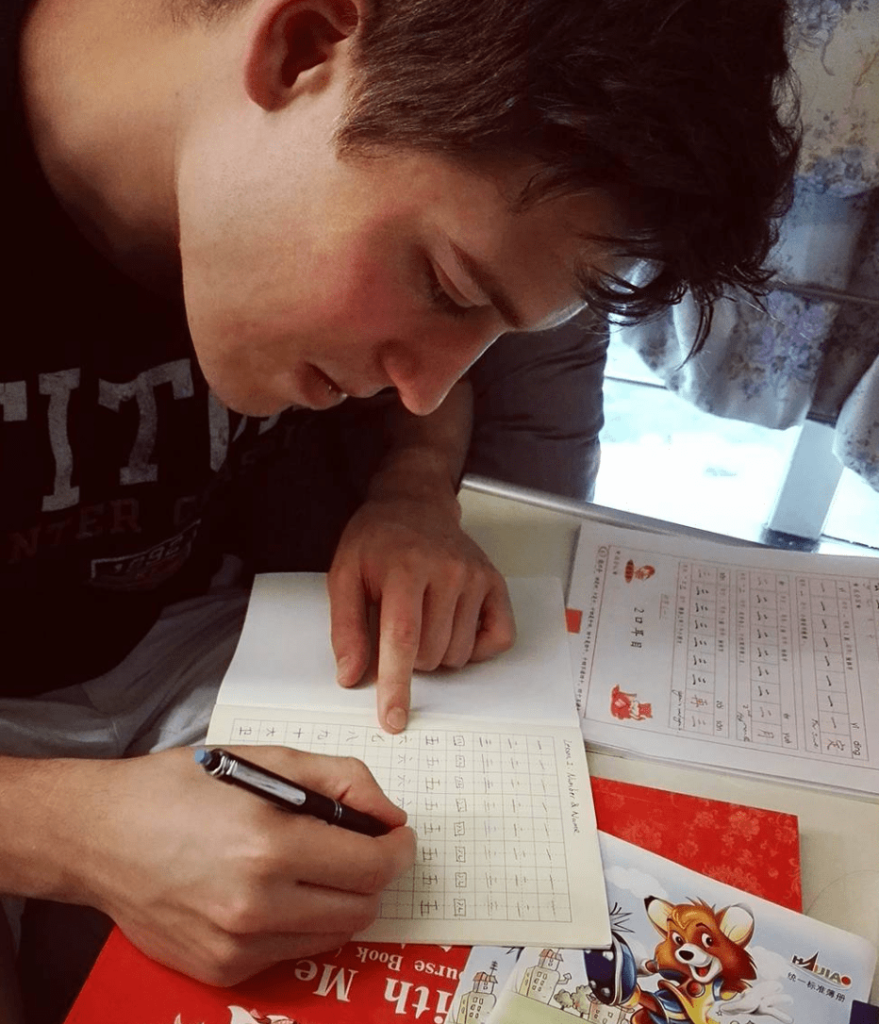
I really like learning languages! After growing up in many different countries I can speak English, Swedish, and German fluently. For the past two years I have been working to add Chinese to my collection and have enjoyed the unique challenges that learning this complex language has provided me with.
The Secret Garden is a piece of classic literature that has been part of an untold number of childhoods (if you missed our article on why children should read classic novels, see it linked below!). It is a powerful tale of friendship and discovering oneself that resonates with our souls.
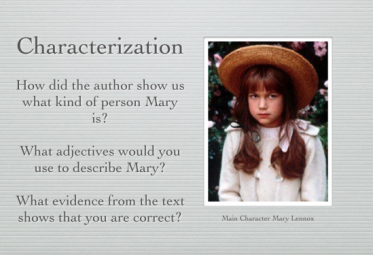
The Secret Garden is about a young girl named Mary Lennox who loses her family and everything familiar with her due to a cholera outbreak in India, where her father was working as a British Army Captain. As a child, Mary was quite neglected, but indulged by family’s servants, so she was a spoiled child with a terrible disposition. She had very few traits that would help her cope with a new life in England, where she was sent to live with a grouchy distant relative, מַר. Craven.
מַר. Craven had very strict rules for Mary to follow at her new home at Misselthwaite Manor in Yorkshire, which included her being forbidden to enter various rooms inside the giant mansion, as well as forbidden to enter one of the gardens on the sprawling property, which belonged to his beloved late wife. As Mary begins to explore her new home, she begins to find a sense of happiness and regains her health after being sickly for much of her childhood. After a robin helps her find the key to the secret garden, she finds a sense of purpose in restoring the garden, much as she restores her inner self. Through the thorns and dried leaves of winter, she finds much more lies within.
Aided by new friend Dickon, Mary develops her first friendships, and uses her newfound strength and kindness to help her bedridden cousin Colin, whom she finds tucked away in the manor. Friendship strengthens both Mary and Colin, and in the end, everyone witnesses a miracle only made possible by these close bonds and belief in oneself, two very important themes in the novel.
Young people will love reading this fantastic story of friendship, overcoming obstacles, and experiencing the healing power of nature. The characters and the lessons they teach us will surely touch your child and help them experience the power of a great story.
If you would like an opportunity for your child to experience this story with others, we are happy to let you know that we will be reading The Secret Garden as the first novel in our Young Classics Level 2 Course this summer.
In the course, we not only read the novel, but we also learn and apply new vocabulary from the book, discuss important literary techniques used by the writer, and practice writing summaries, a key skill that many students find challenging
If you are interesting in learning more about Young Classics, or and of our other excellent and engaging courses, צור קשר עם אחד מיועצי החינוך שלנו עוד היום! We hope to work with your child very soon!
Literature study is an important aspect of any excellent academic program, and that is because it helps to teach students a wide range of knowledge and skills that are essential for success in many areas of life. While studying literature, students learn about important events and people throughout history, they consider cultural perspective and increase their own understanding of acceptance of different ideas and beliefs, and they learn how to analyse the words of others in order to form a deep understanding of new ideas and ways of communicating. In short, it exposes students to a toolbox of ideas, techniques, strategies, theories, and more that they will carry with them throughout their life, shaping the way they approach the world.
Why do we offer this course?
Reach Out students typically pursue high school programs such as IGCSE, which includes challenging courses such as English Language and Literature and English as a First Language. Later, most of those students will take on the challenge of IB and AP level programs, in which they must take on the task of reading a variety of literature. Our aim is to expose students in upper primary and middle school to a wide range of advanced literature so that by the time they reach high school they possess the knowledge and skills to hit the ground running, and therefore achieve to a higher level.
This course is designed for Grade 7-9 תלמידים.
The Objectives of our Advanced Literature Course are to:
✪ Enhance students’ ability to understand and discern literary techniques used English and American literature, and the ability to communicate the effects of those techniques;
✪Improve children's literary comprehension skills and increase their understanding of British and American culture;
✪ Under the guidance of our expert educators, learn the power of language and storytelling in a challenging yet engaging way.
Meet Our Teachers
*Insert teacher bios here for Barry, Anthony, and John*
Our Book Selections:
Cry the Beloved Country by Alan Paton

Set in South Africa in the 1940s, award-winning Cry the Beloved Country tells the story of a Zulu Pastor, Steven Kumalo, who travels from his village to the city of Johannesburg. Along his arduous and heart-wrenching journey, he discovers that his sister and son have found themselves in terrible situations that he must now face with them. The characters’ vastly different lives become unexpectedly woven together through tragedy during a dark time in South Africa’s history. אוּלָם, through tragedy and challenges, the true nature of the human spirit can be found and uplift those who need it most.
Dracula by Bram Stoker

The legend of Dracula has loomed large in the minds of readers and movie-goers for generations. Bram Stoker based the infamous character of Dracula on the legend of the real life ruler of Wallachia, Vlad the Impaler. Stoker was able to take this dark corner of history and turn it into a legendary novel told through journal entries, letters and telegrams. As with any classic, Dracula has stood the test of time because it speaks to something very deep and meaningful within the human psyche.
Of Mice and Men by John Steinbeck
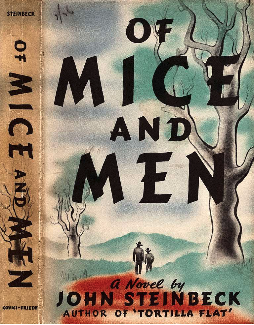
The Great Depression was a defining moment in American history that tested its strength as a nation, and placed the population in a precarious balance between life and death. In what is considered one of the greatest American classics, readers are introduced to two displaced migrant workers, George and Lennie. George is an intelligent young man, while Lennie is mentally disabled. George takes Lennie under his wing as they seek employment where few opportunities exist, trying to survive, yet still dreaming of the day they will have their own land and build a life. Their hopes are dashed when a devastating incident occurs that alters their lives forever.
What Students Will Gain
Develop an early sense of literary appreciation,
See the world from a more mature perspective
British and American classics contain thought-provoking moral and social issues. Reading the most influential classic literature thoroughly helps students become better readers, and begin the process of pursuing self-realization.
Improve understanding of culture and history
Learning allusions from classic British and American literature can help us bridge cultural differences. "The classics have opened the door to different worlds, different cultures, and different historical perspectives. Literature crosses race, culture, religion, and geography."
Self-reflection and personal growth
Many classic literature allude to our lives from the side: books that reflect similarities to our own lives are called "mirrors"; and those that give us a glimpse of different lives are called "windows." Whether it is a "mirror" or a "window", it further enriches the students' life experience and increases the courage and strength to face life.
Join Us!
Contact us to discover more about our course. We sincerely hope to meet your child soon, and develop a love of reading classic literature together.
It’s back to school time and we know parents are getting ready for a new year with new beginnings. The start of a new year is usually met with a mix of excitement and a bit of anxiety, as students and parents look forward to new skills and experiences, but also might feel nervous about new routines and expectations.
אל תדאג, Reach Out it here to help! This year, we have 5 top tips to a fantastic start to the school year.
Understanding how your child’s school approaches education, what curriculum they use, what systems, and standards are used can be overwhelming for non-educators. Spending a bit of time each day reading your school’s website content, handbooks, and other resources can help you feel more confident in understanding what your child is learning at school and how they are learning. It’s also important to attend your child’s back-to-school night and informational sessions to get a better understanding of your child’s program as a whole. It also provides a great opportunity for you to establish a relationship with your child’s teacher. At any time if you still have questions, you can always e-mail your child’s teacher. They are there for you and your child, as they know that a great relationship with parents is a fantastic way to ensure academic, social, and emotional success for all students.
2. Make Sure to Catch Enough Zzzzs Before the ABCs
Sleep is so important for a child’s growth and development, and a lack of it can negatively impact a child’s academic achievement. In fact, research shows that sleep depravation in children can lead to higher rates of anxiety and depression. When we sleep, our brain processes the information from he day, finds the best system to file it away in out memories, and re-charges our systems for a new day. For various reasons, parents often find sticking to an early bedtime difficult, but with a clear routine, and time for adjustment, it can be easy! Children 3-6 years old should be getting 10-12 hours of sleep per day, 7-12 year olds should get 10-11 hours per day, ו 12-18 year olds should get 8-9 hours per day. Creating a schedule where children get to bed earlier will make mornings easier as well, hopefully with less stress for both parents and children as they will be well rested and ready to start their day!
3. Ask the Right Questions at the Right Time
Sometimes parents are anxious to know how their child’s day was as soon as they get home from school, especially during the first few weeks. Those weeks are especially exhausting and full of ups and downs as your child learns to navigate new material, new friends, new teachers, and new expectations. Giving them time to come home and decompress is extremely important for their emotional and mental well-being. Once they have had some “me” time, parents can ask specific questions based on what they know they are working on, if they happen to know. They can go through their child’s homework diary with them and help them make a plan on how to tackle each task, as well as share in their enthusiasm for specific subjects, books, or information they also enjoy. Avoid asking, “How was school? What did you learn?” as kids respond much better to more specific questions, such as, “What did you do with your friends at lunch? What was the best part of your day? What was the weirdest or most wonderful thing that happened at school today?” Most importantly, parents should be fully present and listen intently when students answer, so they really feel valued and hear when they share.
4. Let Them Learn From Failure
This one can be extremely hard for parents to allow. We want our children to do well and reach their full potential, which means we might go over each assignment with a fine-toothed comb, correcting every mis-calculation or grammar mistake. Although parents have good intentions when we do this, we are taking away important learning opportunities from children when we do so. Back when we were students, many of our parents were often too busy or didn’t have the knowledge or capacity to help us with our school work, but we found a way to push through and try our best. If children are never given opportunities to fail when they are young, they might resist taking on challenges later in life for fear of failing at them. אוּלָם, when we let them fail gently, such as on an assignment or at a little league soccer game, we are teaching them resilience. It’s not the end of the world, and they learn a valuable lesson; that we can try and not succeed, dust ourselves off, and try again next time.
5. Nurture Their Passions
New school years are an exciting time for many reasons, one of them being that they provide children a chance to discover new passions. If they are lucky, they will stumble upon something they truly love, and that they can become fascinated with enough to spend hours on end discovering. Helping a child find his or her passion is not always easy and takes time. Sometimes parents worry if their child focuses too much on a couple of things, and feel they need to expose them to as much as possible to help shape them into well-rounded individuals. אוּלָם, if we look at the people who have shaped our world, it was because they had a laser focus on what they were passionate about. It was all they ever did or do. As humans, we naturally gravitate towards what we love most, and as long as it provides some sort of value on top of fulfillment, we should continue pursuing it. כָּך, don’t worry if your child protests going to one activity while running out the door to attend another. Maybe the one they love is the most valuable to their growth and development, and the one they don’t like isn’t that necessary after all.
We hope these tips have helped, and we wish you and your child the best in the coming school year! We are excited for the new school year and all of the challenges and hope it will bring.
Reach Out will be with you every step of the way, so be on the lookout for more information and more articles we hope you will love!