Ntawm Reach Out, peb ntseeg tias nws yog ib qho tseem ceeb heev los ua kev zoo siab rau cov tub ntxhais kawm txoj kev vam meej. Peb txaus siab tshaj tawm lwm tus tub ntxhais kawm hnub qub - Emma!
Emma sawv cev rau txhua yam tub ntxhais kawm tuaj yeem ua tiav nrog kev ua haujlwm hnyav thiab kev cog lus kom ua tau zoo. Emma cov kws qhia paub nws yog ib tug menyuam kawm ntawv uas muaj tus cwj pwm zoo rau kev kawm, yog heev txais kev qhia, and has an extremely supportive family who often communicates with her teachers. In class, Emma is a careful and attentive listener who is confident enough to share her ideas, but patient enough to give everyone their turn. She doesn’t mind taking risks, and is able to inject her personality into her work.
Emma is currently enrolled in our Creative Reading and Writing Level 4 Course, and she has shown a real gift in being able to create strong imagery in her writing. At the beginning of the semester, she completed a review of Blue Frog’s Shanghai Disneyland branch.
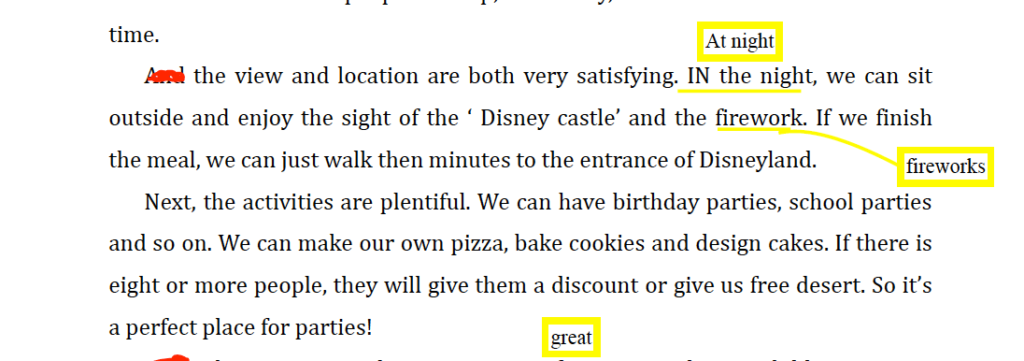
Emma showed her ability to critique specific aspects of a place, and develop her ideas using appropriate detail.
“The view and location are both very satisfying. At night we can sit outside and enjoy the sight of the Disney Castle and the fireworks.”
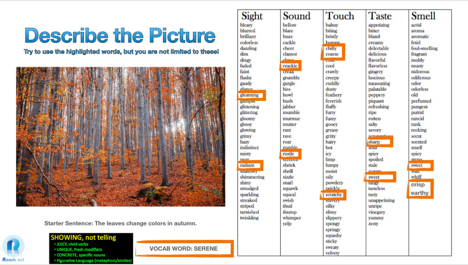
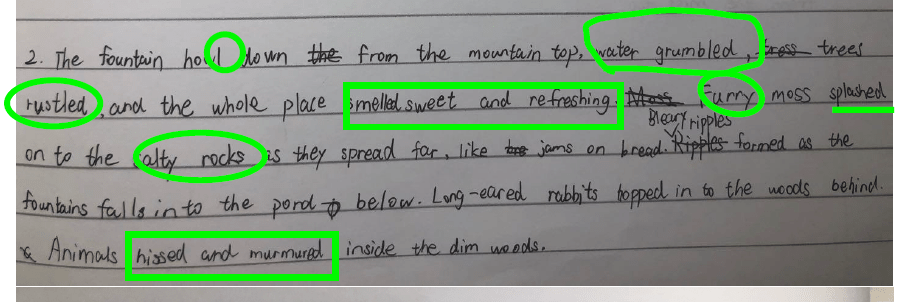
As the semester went on, Emma showed development in her writing skills, and began to incorporate more advanced literary techniques. In an assignment on describing landscapes, Emma was able to create a strong image using precise vocabulary and figurative language.
“Furry moss splashed onto the salty rocks as they spread far, like jam on bread. Bleary ripples formed as the fountain fell into the pond below.”
Emma continued to apply the lessons she learned throughout the course, and her ability as a writer became stronger. In a recent assignment on writing a Fantasy Narrative, Emma constructed the setting and character of her story deliberately and effectively.
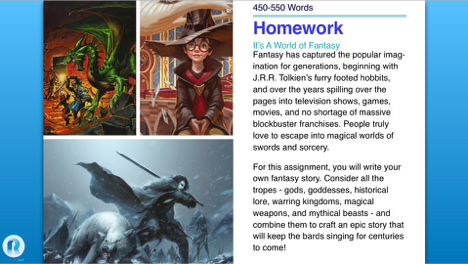
“Glittering sunshine shone from the window and on to the soft, silky bed sheet. Warm colored sweet flowers bloomed beside the open window. Dim but diligent drawings hung on the refreshing seaweed-green wall.”
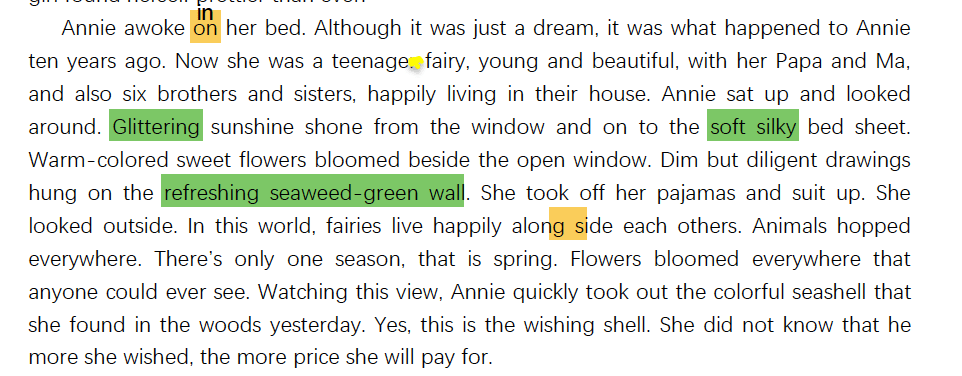
As you can see, Emma displays characteristics of a promising young writer. Her determination to improve, and careful application of the lessons taught have helped to elevate her writing to a more advanced level.
Thank you Emma, for being such a STAR! We look forward to seeing your growth for a long time to come. We know this is only the beginning of a brilliant journey.
Raws li cov kws qhia ntawv, peb tau nquag nug cov lus nug, “Kuv yuav ua li cas kom kuv tus menyuam tsis txhob nyeem phau ntawv comic?” Parents are worried that comics do not provide educational value, tsis muaj kev kawm nruj txaus, los yog phem tshaj plaws, nkim sijhawm ntawm lawv tus menyuam. Rau qhov no, peb cov lus teb feem ntau ua rau lawv xav tsis thoob, and that answer is, “Let them read comics!”
It’s understandable that parents would be a bit concerned as the perception is that comics are purely for pleasure reading, however, comics have many benefits beyond helping us pass the time.
Comics and graphic novels are not new forms of writing. Of course, they have been enjoyed by many for generations. Over the years, the genre has changed into one with considerable depth and meaning, which is why we encourage parents to not only allow their children to read comics, but also to support them in doing so.
Here are our top reasons comics should be read (especially in the summer!):
For students who are not native English speakers, comics provide a great way for them to begin enjoying English literature. For many children, the task of going from an English language textbook to a novel can be very daunting, but comics can provide a necessary bridge for them to build confidence as well as reading fluency. The visual cues in the pictures allow students to create a deeper understanding of the plot and characters as well as new vocabulary. Ntxiv rau, it introduces them to effective literary devices, such as onomatopoeia (think POW! SMACK! ZOOM!) and idioms (an illustration showing the meaning of an idiom like, “Cat got your tongue?” makes much more sense than heating the idiom on its own!).

2.Enhancing Inference
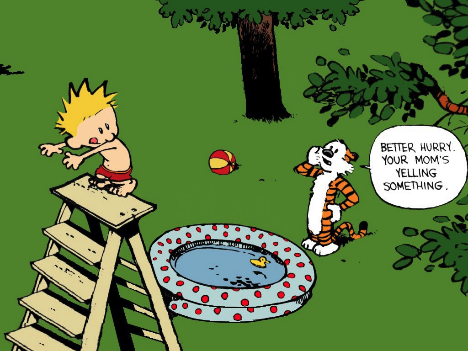
Inference is a key reading skill that many students struggle with on standardized reading assessments. Inference happens when we draw conclusions based on what we read. Some examples of questions students will encounter during reading comprehension tasks or assessments are those such as, “How did the character feel when?”, “What can you conclude about…” and “What was the lesson in the story?” Comics require that students “read between the lines” to infer information that is usually told by the narrator in a novel, so they can gain a lot of valuable experience in strengthening this skill by reading comics.
3.Word Power!
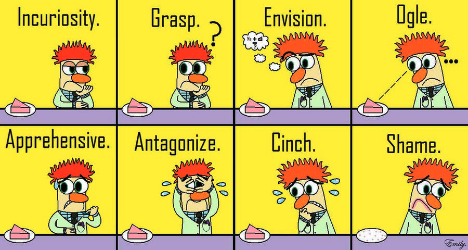
Often in comics and graphic novels, writers include quite advanced vocabulary, both as part of the story line as well as in the names of the characters. In 2016 at the world famous Comic-Con in San Diego, California, a panelist of educators discussed the power of comics in building students’ vocabularies. James Bucky Carter, author of Building Literacy Connections with Graphic Novels said, “You have Colossus, and he’s this big, giant metal guy. You get a really good sense of what the word colossus means and that’s a good 10-cent word. Banshee’s power is screaming. You have these characters that embody the vocabulary words that they are. That’s something that’s a fun way to learn new words, in addition to the contextual clues.”
After reading this you may just want to let your child dive right into reading comics or graphic novels! That’s music to our ears. If you are not sure where to start, we have some student favorites your child might like to try!
Dog Man by Dave Pilkey

Miles Morales Spider-Man by Jason Reynolds

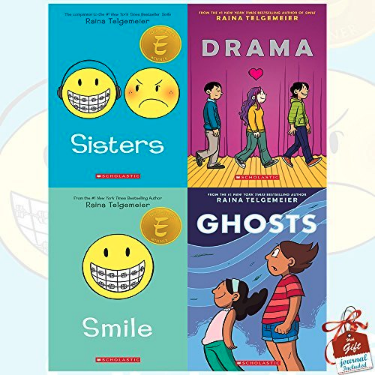
Smiles, Sisters, Ghosts, Drama and Other Stories by Raina Telgemeier
Bone by Jeff Smith

Looking for more summer reading opportunities for your child? Contact one of our Education Consultants for more information about our summer reading courses. We look forward to reading with your child!
Lub caij xeem nyob ntawm no, thiab nws tuaj yeem yog lub sijhawm ntxhov siab heev ntawm lub xyoo rau cov menyuam kawm ntawv thiab cov niam txiv. Ntawm Reach Out peb xav ua qhov zoo tshaj plaws los pab txo kev ntxhov siab los ntawm kev muab qee cov lus qhia tshwj xeeb uas koj yuav tsis tau sim.
Conventional wisdom of studying has often been followed by many parents and teachers who mean well, however, if we look at some interesting research-based approaches we can see that there are a variety of effective ways to study! It’s always good to try new things, especially for children. They can experience new ways of doing things when they are young, and when they are a bit older, they can choose the way best suited to their own personal needs and style.
Tam sim no, let’s take a look at three unique ways to study.

Variety is the Spice of Life-Even When Studying
For many, many years we've been told that in order to study well, we should study in the same place every day; a place that is quiet, well lit, and has all our materials. While this might be true for some of the time we are studying, research shows us that our brains actually do better when we vary the location in which we are studying. Quite surprising, right?
In a study done all the way back in 1978, college students were given 40 vocabulary words to study. One group was told to study the list twice in the same location. The other group was told to study the list in two different locations. What they found was, the group that varied their studying locations actually performed better on remembering the words later. Now why is that? Zoo, our brain often makes connections to information based on our environment, so the more we vary our environment, the more we are giving our brains a chance to retain information as it will attach to more things. This may also be why one visualization technique, where one visualizes things they wish to remember to certain places in an environment they are familiar with, can be so effective as well. Rau cov menyuam kawm ntawv, simply switching up the environment might do the trick!
Have Fun!
Some parents might mistakenly think that if their child is laughing or getting excited while learning or studying, they might be wasting their time. Txawm li cas los, this is not necessarily the case.
As a parent, in your work or office you might have special workshops from time to time. The workshops are usually used as a tool to help you learn about a new strategy, idea, or information that will help you learn more at work. These sessions are often run by people who specialize in creating motivating and inspiring workshops that invigorate and energize employees. The days can be long and intense, but if they are done right, employees can walk away confident in their new knowledge and skills.
The same rings true for young people. Introducing game play and fun as a way to study for exams not only makes your child smile, but research indicates that having fun while learning activates certain cognitive resources, associates rewards and pleasure with learning, strengthens and broadens memory networks, and toggles abstract thinking and focused attention.

The Pomodoro Technique
Staying focused, on-task and motivated to complete certain activities can be difficult for both adults and children alike. Have you ever felt like you have been staring at a computer screen for hours, but accomplished very little? Or maybe you have a deadline in a few days, but are only inching towards the finish line? It’s no wonder, as research shows that our mind tends to wander up to 20% of the time, perhaps even more for younger people.
One interesting technique was created by college student Francesco Cirillo as a way to help him stay focused, and that is the Pomodoro Technique, which got its name from the tomato shaped timer Cirillo used while testing this strategy on himself. How it works is you set a timer for 25 minutes, which is work time. Then set it again for 5 minutes, which is break time. This is a great time to get up, stretch, take a lap around the house, pet your cat, or get a drink of water or a snack. After break time is up, set the timer for another 25 minutes and repeat!
It turns out that this strategy is backed up by scientific evidence, as researchers concluded that short breaks help keep your attention span on track. This might be related to the fact that cognitive boredom can lead to an unengaged mind, which is the last thing you want when studying for an important exam.
We hope you have enjoyed exploring these unique study tips as much as we have! Wishing your child the best of luck on exams this month. Jiayou!
We know that there is so much we can do to nurture and educate our children, which is why as parents we often go to great lengths to fill their time with enriching activities and classes. Why do we do this? For many reasons of course, but the main goal is to ensure their future success. Parents hope that their children will be even more successful in life than they were themselves. Success, of course, is subjective, and we may all have our own definition of success. Generally however, we might agree that success includes feeling content in one’s personal life, as well having a sense of career satisfaction and financial security.
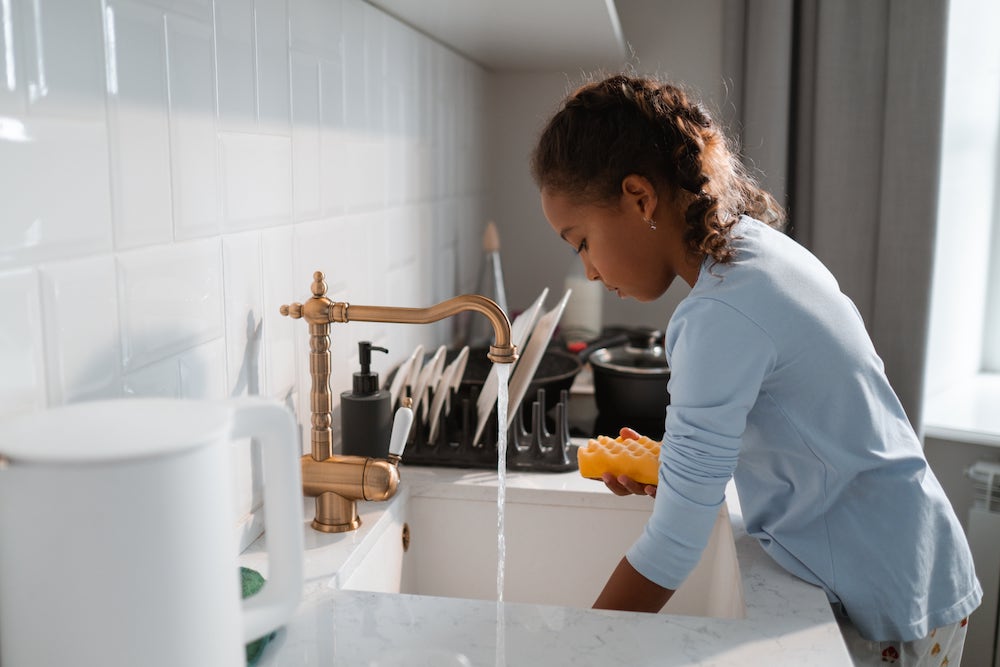
Recently there has been an intriguing TED Talk being shared on social media, in which former Dean of Freshman at Stanford University, Julie Lythcott-Haims, cites evidence from the Harvard Grant Study that correlates professional success in life to individuals having done chores as children. Not soccer training, not language learning, not painting, but chores.
Surprising right?
Many of our children growing up in big cities may never know what it’s like to scrub a dish, wash a window, or mop a floor. We might feel like there are more important things to do to build their knowledge and their character. Lythcott-Haims explains that those children who do get their hands dirty, however, may reach a level of success in life that surpasses their no-chore-doing peers. That is because it teaches students how to contribute and step up when work needs to be done, and that doing the “grunt work” that others might scoff at, because it is what is best for all, is what gets noticed in the workplace.
The workplaces of the high-achievers who took part in the Harvard Grant Study were notable, such as the White House, where participant President Kennedy worked, and the editor’s office where Ben Bradlee sat as editor of The Washington Post. We can assume that their parents, like us, had to prod and plead for the chores to be done, and accept that even if they were done, they might not have been done well; and that’s okay.
The important thing, as Lythcott-Haims points out, is that by doing chores, children realize that they, “…have to do the work of life in order to be part of life.” They realize that life does not just happen to them, and for them, but with them.
If your children are already doing chores as part of their daily summer routine, bravo! You are on the right track. If not, no need to panic. It is never too late to introduce chores into the lives of our children. Here are some tips to help get you started!

Let Them Be a Part of It
When introducing the concept of your children completing chores to help, have a “family meeting” where everyone is present to discuss what will be expected of your children and why. You can ask your child to help you write a list of chores they could potentially help with around the house. They might surprise you with their enthusiasm as doing chores is very exciting for some children because it makes them feel empowered and helpful (two things we often like to feel as adults).
Game-ify It
To make things fun, because fun makes everything better, you or your child can write the chores on popsicle sticks and each day your child can choose one stick from the jar. That will be their chore for the day! If you have more than one child at home, you can always turn cleaning into a competition by setting a timer and seeing which child can clean the most toys in the given amount of time, piv txwv.
Reward It
Raws li niam txiv, we are rewarded for our contributions at work with a salary. Shouldn’t our children also be rewarded for their hard work? One idea is that if your child completes all of his or her chores for the week, he or she can choose a small toy from a “treasure box” filled with small toys. Another option could be that if your child consistently completes chores for a month, they can choose an extra special family outing.
Teaching our children to do chores is not always easy, but the potential benefits are worth the time and effort. We hope you found our tips useful, and that they can help lead to a positive experience for you and your child. Happy cleaning!
We are pleased to announce a new summer book club, just for parents! Summer is the perfect time to read that book you have always wanted to read, but have not had the time to. This summer, we invite you to join us in reading Yuav Hais Li Cas Kom Cov Me Nyuam Yuav Mloog Thiab Mloog Kom Me Nyuam Yuav Hais.
We know it is not always easy to connect with our children because of the demands of school, work and daily life. Sometimes our anxieties about the future interfere with us living our lives right now. Txawm li cas los, one thing we can guarantee is that we will never get another chance to experience childhood with our own children, and we don’t want to miss out on this precious time. Yog li, how can we make the most of it and have meaningful conversations with our children that will strengthen our bond and help our children feel supported? These are big questions many of us have.
To help us answer these important questions, we invite you to join us in reading one of the most popular parenting books of all time, written by Adele Faber and Elaine Mazlish. How to Talk So Kids Will Listen and Listen So Kids Will Talk, which teaches us how to accept our children’s feelings, as by not doing so we could be unwittingly causing bad behavior. It also teaches us positive ways to encourage cooperation, as well as independence, autonomy, and self-confidence. These are all the ingredients needed to help nurture a positive parent-child relationship that will indeed help to grow our children into confident and capable adults.

How Will It Work?
The first step is to contact one of our Education Consultants to register. Registration is FREE and open to everyone! We will create a group chat where the book study content and sharing will take place starting on July 1st. Lindsey Fine, our Education Manager, will be joining the group as a parent as well, as she is a mother of two boys, aged 4 thiab 6, who will be learning along with you. She will also be helping to lead the weekly discussions.
The book can be found in English and Chinese and easily accessible in print, e-book, or audiobook formats.
Then there are two options for how you would like to participate:
The reading schedule is as follows:
Week 1: Chapters 1 & 2
Week 2: Chapters 3 & 4
Week 3: Chapters 5 & 6
Week 4 Chapters 7 & Afterword
At the end of the month, we will host an online workshop led by School Counselor, Regina Wehner. At the workshop, Regina will share additional information and strategies you can use to strengthen your relationship with your child.
About Regina Wehner

Regina Wehner is a Licensed School Counselor that has worked with students in Middle School for over 16 years. Originally from the United States, she lives with her husband and 2 children, ages 10 thiab 12, in Beijing, China.
Regina works at the Western Academy of Beijing (WAB), a diverse international school. A big part of being a school counselor is helping students learn about themselves and others as they are growing. Regina also hosts monthly Parent Coffee Mornings to bring parents together to learn more about their children's developmental changes and how to communicate during these times of transition.
Contact us today to join!
Pab Koj Tus Me Nyuam Kawm Lo Lus Tshiab
Kev tshawb fawb qhia tias yog peb xav kom cov tub ntxhais kawm ua tiav hauv cov ntsiab lus kev kawm, ntawm cov kev ntsuam xyuas tseem ceeb thiab cov kev xeem siab, nrog rau lawv cov hauj lwm yav tom ntej, peb yuav tsum pab lawv tsim lawv cov lus. Qhov laj thawj yog qhov no: peb txoj kev nkag siab ntawm cov ntaub ntawv tshiab yog txuas ncaj qha rau peb txoj kev nkag siab ntawm cov lus siv los sib txuas lus cov ntaub ntawv tshiab.
Rau cov menyuam kawm ntawv, nce lawv cov lus yog ib qho tseem ceeb rau kev vam meej hauv kev paub lus; cov lus ntau peb paub, cov lus ntau peb to taub, thiab ntau cov lus uas peb tuaj yeem siv hauv peb qhov kev sau ntawv kom nws muaj txiaj ntsig thiab muaj txiaj ntsig. Txawm li cas los, kev kawm tam sim no cov ntsiab lus yog qee zaum pom tias yog txheej txheem nyuaj lossis tsis yooj yim. Qee zaum cov niam txiv tsis paub meej tias yuav coj lawv cov menyuam li cas, tshwj xeeb tshaj yog txoj kev uas peb mus txog kev kawm cov lus kawm yuav txawv heev ntawm cov niam txiv kawm thaum lawv nyob hauv tsev kawm ntawv.
Tsis txhob txhawj, Reach Out nyob ntawm no los pab! Cia peb kawm txog kev nrhiav cov lus (tus txheej txheem ntawm kev nco thiab siv cov lus tshiab), thiab peb yuav qhia koj li cas koj tuaj yeem pab koj tus menyuam tsim lawv cov lus!
Tham Txog Nws!
Nws yuav zoo li yooj yim heev, tab sis thaum nws los kawm cov lus tshiab, ib txoj kev uas cov tub ntxhais hluas ua tau zoo yog los ntawm kev sib tham nrog lwm tus. Cov menyuam yaus kawm cov lus tshiab zoo tshaj plaws thaum lawv nyob hauv cov ntsiab lus, xws li hauv kev sib tham txog ib lub ntsiab lus. Lawv tuaj yeem txiav txim siab me ntsis ntawm cov lus tshiab lub ntsiab lus raws li lawv siv nrog rau lwm cov lus uas lawv twb paub lawm..
Koj yuav raug cuam tshuam los ntawm koj tus menyuam ntau zaus thaum koj siv cov lus tsis paub thiab lawv xav nug, “Kev puas tsuaj txhais li cas?” Tej zaum koj yuav tau xa mus rau lub xeev ntawm lawv chav pw (raws li nyob rau hauv nws yog tag nrho mess), thiab los ntawm kev siv sijhawm ib pliag los piav qhia ntau lub ntsiab lus ntawm kev puas tsuaj rau lawv, koj yuav tsis tau tsuas yog qhia lawv ib lo lus tshiab los piav txog ib chav tsev ntxhov, tab sis kuj yog ib qho tsis ua hauj lwm los yog ib qho tshwm sim tshwm sim, xws li kev puas tsuaj ntuj tsim.
Yog li, tham nrog koj tus menyuam yog ib txoj hauv kev zoo los qhia lawv cov lus tshiab!
Tshawb nrhiav nws!
Cov tub ntxhais kawm feem ntau nkag siab tias lawv tuaj yeem siv phau ntawv txhais lus lossis tus txhais lus yog tias lawv ntsib ib lo lus uas lawv tsis paub, tab sis qee zaum txawm tias lub ntsiab lus ntawm ib lo lus yuav ua rau lawv muaj lus nug ntau dua li cov lus teb.
Hauv peb qhov kev paub, ntau tus tub ntxhais kawm tsis siv ib lub cuab yeej tseem ceeb rau kev kawm thiab siv cov lus tshiab, thiab cov cuab yeej ntawd yog ib tug thesaurus! Yog tias koj pom koj tus menyuam siv ntau lo lus thaum hais lus lossis sau ntawv, piv txwv, “zoo nkauj”, “ntxim hlub”, “zoo”, los yog "phem", ces siv sij hawm los qhia lawv siv lub vev xaib xws li thesaurus.com saib cov lus no. Thaum lawv tshawb nrhiav lo lus xws li "zoo nkauj" lawv yuav pom tias muaj ntau cov lus nthuav thiab tshwj xeeb siv los hloov.! Kuv
Hauv peb qhov kev paub, cov tub ntxhais kawm yeej nyiam siv cov lus tshiab, thiab xav tias muaj zog kom paub tias muaj ib lub cuab yeej los pab lawv ua kom lawv cov lus muaj zog.
Ua si!
Kev lom zem thaum kawm tsis yog ib yam kws qhia ua kom cov tub ntxhais kawm zoo siab, nws tau raug pov thawj los ntawm neuroscience los ua ib txoj hauv kev zoo los pab cov tub ntxhais kawm kawm ntau dua thiab tob dua. Kev tshawb fawb qhia tau hais tias thaum cov tub ntxhais kawm muaj kev txhawb nqa thiab kev sib tw, lawv lub hlwb tso dopamine. Dopamine yog ib qho neurotransmitter uas txhawb cov chaw nco thiab txhawb kev tso tawm ntawm acetylcholinem, uas ua rau kom tsom ntsoov.
Hauv peb cov kev kawm no ntawm Reach Out, Kev qhia cov lus yog ib feem tseem ceeb ntawm txhua zaj lus qhia. Peb kuj muaj cov chav kawm pib lub caij ntuj sov no, Cov Qib Cov Lus Builder 1-3, nyob rau hauv uas peb yuav tsom tshwj xeeb rau kev pab koj tus menyuam nthuav lawv cov lus paub nrog cov lus tshiab nyuaj. Thaum cov lus xaiv muab qhov kev sib tw, cov cuab yeej xws li Quizlet thiab kev ua si xws li Guess Who thiab Sentence Racer muab cov tub ntxhais kawm muaj lub sijhawm los cuam tshuam rau txoj hauv kev muaj txiaj ntsig thiab koom nrog.

Peb yuav ua li cas thiaj paub cov hau kev no zoo? Vim peb lub xyoo dhau los ntawm kev paub, thiab kev kawm txog kev puas siab puas ntsws thiab kev kawm tau qhia peb tias cov tub ntxhais kawm kawm tau zoo tshaj plaws li cas!
Peb xav pab koj tus menyuam kawm cov lus tshiab raws li ib txoj hauv kev uas nws tuaj yeem dhau los ua cov neeg nyeem tau zoo dua thiab ua tiav, tus kws sau ntawv, thiab hais lus. Yog xav paub ntxiv txog peb yuav pab tau li cas, hu rau ib tus kws pab tswv yim txog kev kawm niaj hnub no!
Yog tias koj tab tom nrhiav kev pabcuam kev kawm tus kheej ntau dua, Reach Out muaj 1-on-1 cov kev pabcuam nrog peb cov kws qhia ntawv!
Peb muab dab tsi?
Peb cov kws qhia ntawv muaj ntau yam kev kawm 1-on-1 suav nrog lus Askiv, Social Sciences, thiab Maths.
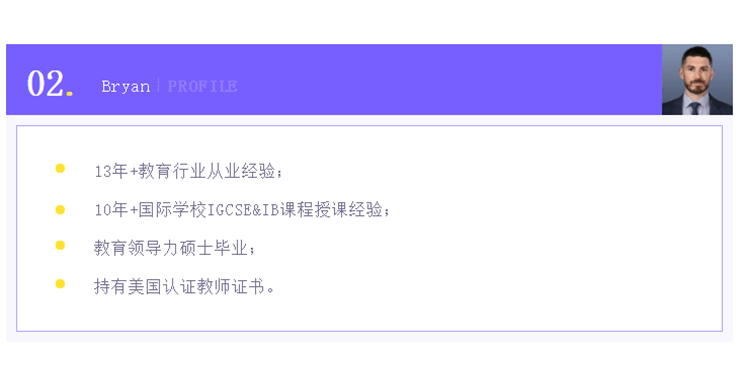
Ntsib ib co ntawm peb cov kws qhia ntawv uas muaj peev xwm thiab muaj kev paub dhau los!



Vim Li Cas Kuv Thiaj Li Xaiv 1-on-1 Services?
Tej zaum koj tus menyuam tab tom npaj mus kawm txawv teb chaws lossis thov rau lub tsev kawm ntawv tshiab thiab nws xav tau kev siv zog ntau dua thiab tsom mus rau txhawm rau txhawm rau txhim kho nws cov txuj ci. Xwb, Koj tus menyuam yuav tsis xav tias muaj kev sib tw txaus nrog nws cov ntaub ntawv kawm tam sim no, thiab xav tau lwm txoj hauv kev uas tsim nyog rau nws qib peev xwm.
Muaj ntau qhov laj thawj uas niam txiv yuav nrhiav kev pabcuam xws li qhov no, thiab peb tuaj yeem paub tseeb rau koj tias peb yuav ua haujlwm kom nkag siab koj tus menyuam qhov xwm txheej tshwj xeeb thiab muab kev pabcuam zoo tshaj rau lawv.
Nws Ua Li Cas?
Nrog peb txhais tes mus kom ze, thiab kev taw qhia, peb yuav ntsuas koj tus menyuam qhov kev paub thiab kev txawj ntse raws li cov ntaub ntawv ntsuas tam sim no, muaj peev xwm sau ntawv, thiab ntau dua. Raws li peb qhov kev tshawb pom, peb yuav xaiv tus kws qhia ntawv uas haum rau koj tus menyuam qhov kev xav tau. Txhua tus kws qhia ntawv Reach Out tau raug xaiv kom zoo, thiab muaj kev paub ntau xyoo hauv kev qhia cov ntaub ntawv nyuaj, xws li IGCSE, IB, thiab AP, nyob rau hauv cov tsev kawm ntawv sab saum toj los ntawm thoob plaws lub ntiaj teb no.
Peb cov txheej txheem yog lub hom phiaj-oriented. Peb paub tseeb tias koj tus menyuam xav tau dab tsi kom ncav cuag lawv cov hom phiaj kev kawm, thiab tom qab ntawd peb tsim txoj kev kawm tshwj xeeb thiab tsim kho uas yuav ua tau zoo tshaj plaws rau koj tus menyuam cov kev xav tau tshwj xeeb.
Lwm Yam Ua Kom Tau Txais Kev Pab?
Ntxiv rau cov kev pabcuam 1-on-1, Reach Out muaj ntau yam kev kawm tshwj xeeb uas tsim los rau kev sib tw thiab koom nrog koj tus menyuam qib 2 txog rau qib 8 uas muaj cov ntsiab lus siab dua qib kawm txhawm rau pab lawv npaj rau cov kev kawm nruj xws li IGCSE, IB, thiab AP.
Kuv Yuav Kawm Tau Li Cas?
Yog xav paub ntxiv txog peb cov kev pabcuam 1-on-1, thov hu rau ib tus kws pab tswv yim txog kev kawm niaj hnub no kom paub ntau ntxiv! Peb tos ntsoov yuav pab koj tus menyuam mus txog nws lub hom phiaj kev kawm rau lub neej yav tom ntej!
Who We Are
As you may have noticed, we have been growing and have some exciting additions to what we offer here at Reach Out. As it has been a while since we introduced ourselves, we thought we would share our story with you to help you better understand who we are and what we do!
Our Mission
Reach Out’s mission is to connect students with expert educators who create and deliver original, inspiring, world-class curricula. We have embarked on this journey so that we may help students understand how to find their own unique voice and uncover the creative and valuable ideas that lie within each of them. With their voices, they have the power to change the world, and we wish to empower them to do so.

Our Vision
Reach Out strives to be an internationally recognized educational institution that allows students to access top level international curriculum and educators, no matter where in the world they are. Our students will be perceptive, curious, and critical thinkers who make informed choices as excellent problem solvers and communicators. Reach Out students will achieve their academic and personal goals and dreams from Primary School to University, placing their brilliant futures within reach.
Our Core Values
These are the principles which shape Reach Out:
Our Story
Reach Out was created by a small group of dedicated mothers, perhaps much like yourself. They were brought together by a common vision for the educational needs of their children. Some were looking for an educational program that could offer their children access to the ideas, teaching philosophy, and methodology that matched what they had experienced while living abroad. Others were looking for an internationalized curriculum that their children could access to enrich their educational experience in China. What they shared in common was a desire for a rigorous program that also opened the doors to creative and critical thinking, self-reflection, and personal expression - the hallmarks of a strong international curriculum. After spending considerable time exploring various options, these moms were not able to find anything that quite met their children’s needs.
Yog li, they did what any good mother would do, given the chance, and found their own way to offer their children the best possible learning opportunities designed to help them thrive. They consulted expert teachers and worked with other parents to discover how they could best meet the needs of other children with similar goals. Children, we hope, like yours.
The parents were committed to:
We are happy to say that these mothers have achieved their goal. Today Reach Out boasts a complete line of rigorous yet engaging courses in which students learn deeply while having fun and creating meaningful relationships with their teachers and peers.
All of this because of our founding mothers’ commitment to their children’s education and happiness.
What Makes Us Unique?
While we understand parents have an array of choices when it comes to programs that enrich their children’s education, we believe we offer many unique qualities that are not easily found elsewhere.
Our team consists of highly skilled and experienced educators who have created a unique and rigorous program based on international school standards, which prepares younger students to take on rigorous curriculums such as IGCSE, IB, thiab AP.
-Our one to one programs and curriculums designed to exceed the educational needs of our students
-Our teaching philosophy of inspiring and empowering students, and teaching methodology of allowing students to explore knowledge widely and deeply while at the same time developing a love of learning
-Our commitment to the long-term success of our students as we strive to equip them with the essential skills they will need to succeed in their future careers and the world beyond school
- The detailed feedback we provide with all of our student assessments, so that students know where they are succeeding and where they might improve, as well as the supplemental materials and instruction needed to help our students close any gaps in understanding
-Our dedication to developing our students’ critical thinking and problem solving skills, which will be essential for their future, as well as the future of our global society
-Our promise to hire all of our teaching and non-teaching staff based on their mutual passion for education
-Our ability to empower students to use the language, knowledge, and skills they acquire to develop themselves beyond the classroom and into curious, lifelong learners who set and pursue challenging, fulfilling, and worthwhile goals.
-Our hands-on, individualized approach to creating a learning path for our students so that no matter what grade level they are when they join us, they will be equipped with the tools necessary to improve and grow rapidly
-Our commitment to empowering our clients with information and experiences that will help them make the absolute best choices for their child's education by offering informative articles, videos and workshops.
Our Curriculum
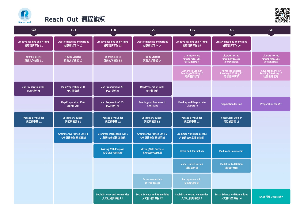
Our Blue Line curriculum, which includes courses for students in Grades 2 to 8, was designed by expert educators with advanced level degrees in their subject areas who have spent decades in some of the top international schools in the world. We use backwards curriculum design working our way from the first year of programs such as the widely recognized and respected IGCSE program.
As our educators have spent years teaching courses pre-IGCSE, IGCSE, IB and AP or A Levels curriculum, they understand what students need to succeed in those programs. Yog li, each aspect of our curriculum has been created to make sure that all of our students enter their first day of Grade 9 feeling confident, equipped, and prepared to meet the demands of these rigorous courses.
We offer a wide range of courses in the subjects of English, Math, History and Geography. See below for more detailed information on our full course offerings.
Additional Services
We are also pleased to announce the creation of our Silver Line, which offers bespoke educational services that take an individualized approach to meeting our students' needs. We begin with a deep assessment of each student's educational goals and needs, and then create and implement a scheme of work with which our expert educators will use to guide your child through the academic challenges of High School in order to prepare them to eventually attend their dream university.
We also offer 1-on-1 services at all grade levels for parents who wish to offer their children more individual care and instruction. Our expert Education Consultants will make sure to match your child with the best educator for his or her specific needs and goals.
Join Us!
We look forward to meeting your family and discussing how you can be part of our Reach Out family; one that learns together, cares for each other, overcomes challenges together, and celebrates successes with one another. Please contact us today to find out more.
We hope to hear from you soon!
Ua niam txiv nyuaj. Qhov tseeb, nrog rau cov kev hloov hauv peb lub ntiaj teb niaj hnub no, tej zaum nws tsuas yog ib lub sijhawm nyuaj uas peb yuav tsum tau ntsib hauv ntau xyoo lawm. Kev hloov ua rau qhov tsis paub tseeb, thiab kev tsis paub tseeb tuaj yeem ua rau muaj kev ntxhov siab. Kev ntxhov siab yeej cuam tshuam rau txhua qhov chaw hauv peb lub neej, qee zaum nws yuav cuam tshuam rau peb txoj kev sib raug zoo nrog peb cov neeg hlub tshaj plaws; tshwj xeeb yog peb cov menyuam.
Peb cov menyuam tuaj yeem nyuaj (cia peb fim nws, peb tuaj yeem ua tau!), thiab nws yog ib txoj haujlwm txaus ntshai los xyuas kom meej tias txhua qhov kev txav mus los yog "txoj cai" ib qho. Tag nrho peb cov lus nug, xav tau, thov, kev npaj, kev qhuas thiab kev thuam txhais tau tias ib yam dab tsi. Txhua lub sijhawm peb tham nrog peb cov menyuam, peb tuav txoj kev cia siab tias cov lus no yuav txaus los ua rau peb cov menyuam muaj kev cia siab rau yav tom ntej ntawm lub sijhawm uas lub neej yav tom ntej tsis paub tseeb. Lub sij hawm hloov, thiab qhov no yuav dhau mus, tab sis ib yam uas peb tuaj yeem lav tau yog tias peb yuav tsis muaj sijhawm thib ob ntawm kev siv menyuam yaus nrog peb cov menyuam.
Raws li niam txiv, peb feem ntau nug peb tus kheej seb peb puas ua qhov yog, xav paub tias yuav ua li cas peb thiaj tau mus txog peb cov me nyuam, sim nkag siab peb cov menyuam zoo dua, thiab qee zaum zoo li kev ua txhaum vim peb qhia peb tus kheej tias peb ua tsis yog. Feem ntau, tsis yog li ntawd, tab sis tsis muaj phau ntawv qhia yuav ua li cas tsa ib tug me nyuam uas yuav ua hauj lwm rau txhua leej txhua tus nyob rau hauv tag nrho cov xwm txheej. Tseeb, muaj ntau lub tswv yim, ib tug ntau dhau ntawm nws, tab sis dua, feem ntau cov lus qhia tsuas yog qhov ntawd; kev taw qhia thiab kev pom zoo los ntawm cov neeg uas tsis paub koj lossis koj tus menyuam. Ib txhia ntawm nws yog pab tau, thiab ib co ntawm nws ... tsis heev.
Ib yam uas peb tsis tuaj yeem tsis lees paub yog qhov tseem ceeb ntawm kev sib raug zoo ntawm niam txiv thiab menyuam.
Kev tshawb fawb qhia tau tias:
Nws yog ib qho tseem ceeb uas yuav tsum ua kom lub sijhawm los txhawb kev sib raug zoo nrog koj tus menyuam, thiab tej zaum kuj tseem ceeb dua, xyuas kom cov kev sib raug zoo uas peb muaj nrog peb cov menyuam thaum lub sij hawm ntawd yog qhov zoo. Qhov no yog ib yam uas ntau tus niam txiv pom tias nyuaj, uas yog vim li cas peb thiaj tsim ib pawg niam txiv phau ntawv rau phau ntawv Yuav Hais Li Cas Kom Cov Me Nyuam Yuav Mloog Thiab Mloog Kom Me Nyuam Yuav Hais los ntawm Adele Faber thiab Elaine Mazlish. Ua ke peb tau kawm txog kev sib txuas lus zoo nrog peb cov menyuam txhawm rau ntxiv dag zog rau peb txoj kev sib raug zoo. Peb siv sijhawm los tham txog cov tswv yim los ntawm phau ntawv, raws li tau zoo raws li muaj ib tug virtual sib ntsib mus rau lub luag hauj lwm-ua si ib co ntawm cov tswv yim los ntawm phau ntawv. Nyob rau ntawm qhov ntawd, peb tau caw Tus Kws Pab Tswv Yim rau Tsev Kawm Ntawv Nruab Nrab, Regina Wehner, los muab kev cob qhia rau cov niam txiv kom nkag siab txog peb tus menyuam txoj kev paub thiab kev xav.
Nov yog qee qhov tseem ceeb uas peb xav qhia rau koj!
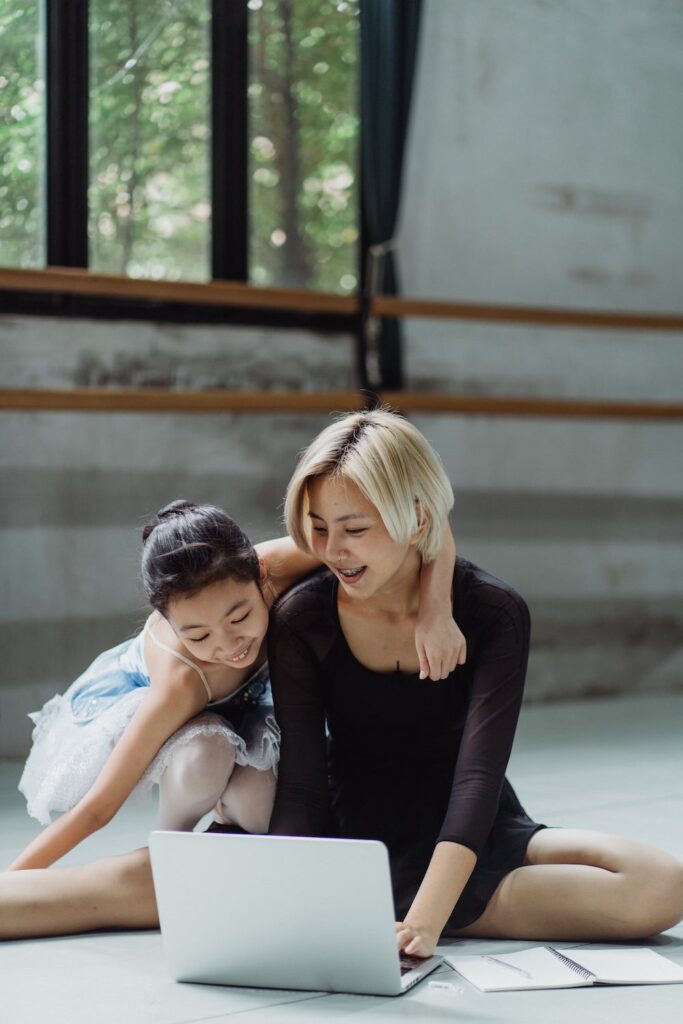
Ua ntej, los ntawm Yuav Hais Li Cas Kom Cov Me Nyuam Yuav Mloog Thiab Mloog Kom Me Nyuam Yuav Hais, ntawm no yog ob peb lub tswv yim nyiam:
Cov me nyuam muaj teeb meem tswj lawv txoj kev xav, raws li lub hlwb txoj kev tswj hwm qhov chaw yog ib qho ntawm qhov kawg los txhim kho. Qhov no txhais tau hais tias lawv xav tau peb kev pab hauv daim ntawv ntawm kev khuv leej thiab kev ua qauv. Qhov no tuaj yeem nyuaj heev, tshwj xeeb tshaj yog thaum peb muaj teeb meem tswj peb tus kheej lub siab lub ntsws lub sij hawm! Peb muaj lub tswv yim yooj yim rau koj uas yuav tsum tau tsuas yog ob yam:
Thaum koj tus menyuam los txog tsev chim siab txog tej yam uas tshwm sim tom tsev kawm ntawv, es tsis txhob hais lus thiab muab peb cov lus qhia sage, peb tuaj yeem mloog lawv cov kev txhawj xeeb thiab rov hais dua cov tswv yim rov qab rau lawv. Piv txwv li, yog koj tus menyuam tuaj hauv tsev chim thiab hais tej yam zoo li ntawd, “Ug, Hnub no Elizabeth thiab Sarah ua rau kuv siab phem heev! Lawv tsis quav ntsej kuv kiag li thiab kuv ntxub ob leeg tam sim no!” Es tsis txhob hais, “Elizabeth thiab Sarah yog koj cov phooj ywg zoo tshaj plaws. Nws tsis yog qhov loj thiab kuv paub tseeb tias koj yuav zoo tag kis,” uas tuaj yeem cuam tshuam koj tus menyuam txoj kev xav, koj hais tau, “Aw, kuv pom. Elizabeth thiab Sarah ua rau koj xav tias me ntsis sab laug. Qhov ntawd tej zaum ua rau koj tu siab me ntsis thiab npau taws. " Lub sijhawm no koj tus menyuam tuaj yeem hais lus thiab qhib rau koj, uas zoo heev! Nws txhais tau tias lawv tso siab rau koj thiab koj ua rau lawv zoo dua. Txuas ntxiv mus mloog, nod, hais, “Mmmm,”thiab rov hais dua qhov lawv hais. Thaum koj mloog yooj yim yuav ua rau koj tus menyuam hnov 100% zoo dua thiab npaj txhij mus ntsib lawv cov kev sib tw tom ntej!

2. kuv xav!
Peb cov me nyuam feem ntau qhia lawv lub siab nyiam nyob rau hauv daim ntawv ntawm kev xav lawv muaj yam uas lawv tsis muaj los yog xav tau yam txawv tshaj li qhov lawv muaj.. Piv txwv li, cov me nyuam yuav hais, "Kuv xav tias kuv tsis tas yuav ua txhua qhov homework." Peb yuav teb tau, “Zoo, koj ua thiab qhov ntawd yog qhov ntawd!"los yog "Nws yog qhov koj yuav tsum ua. Nws yog koj lub luag haujlwm yog li koj yuav tsum ua tam sim no!”
Qhov no yuav nce mus rau hauv kev sib ntaus sib tua ntawm lub siab nyiam thaum cov niam txiv ntxhov siab tias lawv pheej hnov cov lus tsis txaus siab tib yam thiab rov hais dua ib qho kev xav. Cov menyuam yaus ntxhov siab vim lawv cov kev xav tsis raug cai thiab lawv nkag siab yuam kev. Zoo, txhob txhawj, peb nyob ntawm no los pab! Peb muaj ib qho kev ua kom yuam kev me me uas yuav pab koj tig qhov kev sib tham, thiab yog li ntawd pom zoo nrog koj tus menyuam. Nws yuav suab counterintuitive, tab sis peb muaj kev paub ua ntej nrog qhov ua kom yuam kev no thiab nws ua haujlwm zoo!
Piv txwv li, yog koj tus menyuam hais, “Kuv xav tias peb tuaj yeem mus rau lub tiaj ua si hnub no raws li kuv xav tau!”
Es tsis txhob hais, “Kuv ua tsis tau, Kuv tsis khoom heev,"los yog "Yog, tab sis peb ua tsis tau, nws los nag,"Peb tuaj yeem hais, “Kuv xav tias peb ua tau thiab! Peb tuaj yeem mus rau lub tiaj ua si thiab muaj kev noj mov! Peb tuaj yeem ya kite thiab tshuab npuas! Vim li cas peb tsis muaj kev noj mov hauv chav nyob thiab tom qab ntawd peb tuaj yeem tshuab npuas hauv chav dej!”
Thawj ntu tau txais cov menyuam yaus zoo siab thiab lawv txoj kev xav mus, coj lawv mus rau qhov chaw zoo siab. Cov ntu tom ntej no ua rau lawv hnov thiab txuas nrog koj.
Tam sim no, qee qhov tseem ceeb ntawm Ms. Wehner lub rooj cob qhia:
*Thov pab kuv xaiv cov no! :)*
Yog tias koj xav koom nrog ib qho ntawm peb cov kev cob qhia lossis phau ntawv koom nrog yav tom ntej, nco ntsoov ua raws peb thiab nyob twj ywm! Peb muaj tej yam zoo tuaj txog lub caij nplooj zeeg no!
Many parents ask us what the fastest way their child can improve their writing. While we firmly believe there are no shortcuts to becoming a truly effective and skilled writer, there are some things students can incorporate into their writing to help take it to the next level more efficiently. Like with anything trying to be mastered, the key to success lies in hard work and repetition. Practicing these skills regularly will help your child reach their educational goals.
This article will be the first in a series of articles that will focus on skills suited for different types of writing. This week, we will focus on descriptive writing tips.
Descriptive Writing Tips:
Descriptive writing is a true art form, as its purpose should be to create an image in the minds of the readers. One cannot tell a story on action and dialogue alone, and one cannot convey deep meaning and emotion in a poem without painting a picture with his or her words.
One powerful way to excel in description is to add adjectives and adverbs wherever possible. Piv txwv li, if your child is writing a story he or she might write something like:
“Harry went outside and started looking for his friends.”
While this sentence conveys a basic meaning, it’s effect on the reader is also basic. By adding descriptive language in the form of adjectives and adverbs, we can quickly and effectively add imagery to the sentence:
“Harry zipped out the front door, slamming it shut behind him. His heart raced as he ran around the neighborhood eagerly looking for his friends.”
In the revised sentence, we see descriptions that tell us not only the action that is taking place, but also helping us feel the emotion of the character, an important aspect of storytelling.

Another great way to make a story or poem more effective is by adding figurative language, such as similes. Similes are comparisons that use like or as that can be used to help the reader imagine what is happening more clearly.
Piv txwv li, your child might write something like:
I was so happy!
It was so cute!
He was so scared!
We can add similes to help create an even better result:
I was as happy as a a kitten in a yarn shop.
It was a cute as a baby panda playing in the snow.
He was as scared as a rabbit that just heard a wolf howl.

Our final tip for descriptive writing is to choose vocabulary that is so precise that it communicates exactly what the writer wants the reader to feel. Often, students will write descriptions that are a bit vague, with sentences like:
He was very tired.
The movie was very boring.
They were very cold.
The room very hot.
Again, these sentences convey a simple meaning, but in descriptive writing, that is simply not enough. Effective description uses vocabulary that has an impact, and we can achieve that by choosing only the best words to convey the most exact meaning.
See how we can take the sentences above from ordinary to extraordinary by replacing part of the sentence with powerful vocabulary:
He was exhausted.
The movie was unimaginative.
They were chilled to the bone.
The room was roasting.
The good news is that your child doesn't need to rely on his or her current vocabulary knowledge in order to succeed in creating sentences like those above. The thesaurus has all of the words they need to create memorable descriptions.
We hope these tips have been helpful! If you would like for your child to learn how to put these skills into practice with one of our passionate educators, stay tuned for coming announcements on our new summer and fall courses!
Next week, we’ll have a look at persuasive writing tips!
Tell us a bit about yourself.
I grew up in five different countries (Sweden, England, Germany, South Africa, and Canada). Integration into a diverse spectrum of cultures growing up has made me see the world with an open mind. I currently reside in Canada and work as both a university lecturer and a Math teacher at Reach Out. Outside of work I really enjoy sports such as badminton and chess, which I played at a competitive level for many years.

What is your educational background and qualifications?
I received a Bachelor of Science Degree from the University of British Columbia (UBC) and an obtained my MSc at the same university. My graduate work involved experimental geoscience where I designed an apparatus to investigate how diamonds reach the surface of the Earth through high velocity magmas. I published articles in two high impact journals and presented the work across Canada and Europe.
During my graduate studies I had the privilege of lecturing a few classes which transitioned into a lectureship position. Teaching at the university level involves lecturing a class of over 200 cov tub ntxhais kawm, which is very different to the work I do at Reach Out, but has helped me develop a dynamic teaching style.
Additionally, I have been teaching Math and Science both privately and through educational organizations for over 6 xyoo.
Why did you join Reach Out?
I joined Reach Out because the prospect of being able to deliver high quality education from around the globe without border restrictions resonates with me.
I feel that the reason I am committed to staying at Reach Out is more important. The personalized classes being delivered has allowed me to connect with the students, making their progression much more meaningful to me. Some students have been together with me through multiple grade levels and I feel immensely proud to have played a role in their education.
What is your educational philosophy?
Having a background in experimental science has allowed me to see value in making breakthroughs through experimentation. By allowing students to experiment with different methodologies while offering guidance is an extremely effective way of teaching students to not be afraid of failure. Richard Fuller correctly said, “There is no such thing as a failed experiment, only experiments with unexpected outcomes.” Students often start my classes afraid to answer questions, discuss with their classmates, or write on the board since they don’t know the answers. Since I am always more focused on solutions rather than answers, students’ are rewarded for trying new techniques, discussing failed methods, and asking questions about their classmates’ work. I found this to produce a phenomenal learning environment and takes a lot of pressure off the students.

What is your favorite thing about teaching Math?
My favorite thing about teaching Math is the exciting challenges it provides. After teaching Math for many years, I have come to realize that students see the world from a unique perspective, which more often than not, is very different from my own. This diversity produces a wide spectrum of learning styles and requires me to stay very flexible with the methodologies I use in my teaching.
Math is a complex subject which has provided us with a universal language to better understand the universe that surrounds us. Having a good problem solving ability is a byproduct of learning Math and crucial for success in the modern world. For these reasons I have the responsibility to transform a traditionally dry and boring subject into something exciting by creating compelling lessons and using creativity to inspire my students. This will always be something I love about my job.
Who is your favorite mathematician and why?
This is a tough question, and it’s hard to pinpoint one Mathematician since I utilize the works of so many Mathematicians in just one lesson. If I had to pick it would be either Johannes Kepler or Nicolaus Copernicus since I also love astronomy. Their Math not only challenged everything that was believed about our solar system at the time, but also formed the foundations for understanding planetary motion. Space travel has relied heavily on these concepts.
If you could only give parents one piece of advice when it comes to helping their child improve in Math, what would it be?
One thing I have worked on a lot with my students, is getting them to explain their solutions to me regardless of how easy it may seem. Being able to arrive at the correct answer in certain school curriculums may not require a complete understanding, but being able to explain a solution well does require a good understanding. Make sure that your child is always showing very clear steps in their work and that they can explain their steps to you. This certifies understanding and shows they are prepared for questions which test the same concept but may be worded differently.
What is one fun fact about yourself?
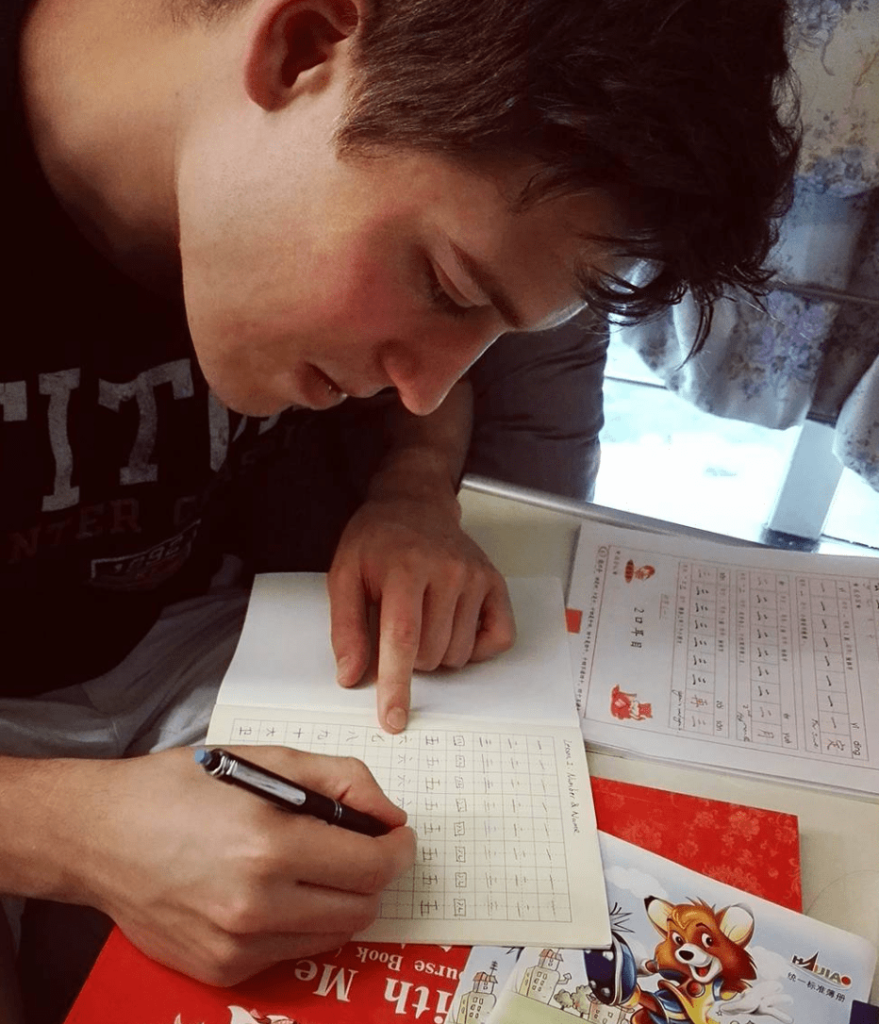
I really like learning languages! After growing up in many different countries I can speak English, Swedish, and German fluently. For the past two years I have been working to add Chinese to my collection and have enjoyed the unique challenges that learning this complex language has provided me with.
The Secret Garden is a piece of classic literature that has been part of an untold number of childhoods (if you missed our article on why children should read classic novels, see it linked below!). It is a powerful tale of friendship and discovering oneself that resonates with our souls.
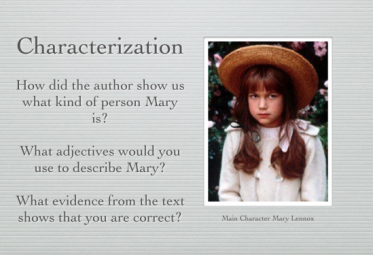
The Secret Garden is about a young girl named Mary Lennox who loses her family and everything familiar with her due to a cholera outbreak in India, where her father was working as a British Army Captain. As a child, Mary was quite neglected, but indulged by family’s servants, so she was a spoiled child with a terrible disposition. She had very few traits that would help her cope with a new life in England, where she was sent to live with a grouchy distant relative, Mr. Craven.
Mr. Craven had very strict rules for Mary to follow at her new home at Misselthwaite Manor in Yorkshire, which included her being forbidden to enter various rooms inside the giant mansion, as well as forbidden to enter one of the gardens on the sprawling property, which belonged to his beloved late wife. As Mary begins to explore her new home, she begins to find a sense of happiness and regains her health after being sickly for much of her childhood. After a robin helps her find the key to the secret garden, she finds a sense of purpose in restoring the garden, much as she restores her inner self. Through the thorns and dried leaves of winter, she finds much more lies within.
Aided by new friend Dickon, Mary develops her first friendships, and uses her newfound strength and kindness to help her bedridden cousin Colin, whom she finds tucked away in the manor. Friendship strengthens both Mary and Colin, and in the end, everyone witnesses a miracle only made possible by these close bonds and belief in oneself, two very important themes in the novel.
Young people will love reading this fantastic story of friendship, overcoming obstacles, and experiencing the healing power of nature. The characters and the lessons they teach us will surely touch your child and help them experience the power of a great story.
If you would like an opportunity for your child to experience this story with others, we are happy to let you know that we will be reading The Secret Garden as the first novel in our Young Classics Level 2 Course this summer.
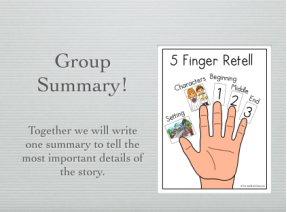
In the course, we not only read the novel, but we also learn and apply new vocabulary from the book, discuss important literary techniques used by the writer, and practice writing summaries, a key skill that many students find challenging
If you are interesting in learning more about Young Classics, or and of our other excellent and engaging courses, hu rau ib tus kws pab tswv yim txog kev kawm niaj hnub no! We hope to work with your child very soon!
Literature study is an important aspect of any excellent academic program, and that is because it helps to teach students a wide range of knowledge and skills that are essential for success in many areas of life. While studying literature, students learn about important events and people throughout history, they consider cultural perspective and increase their own understanding of acceptance of different ideas and beliefs, and they learn how to analyse the words of others in order to form a deep understanding of new ideas and ways of communicating. In short, it exposes students to a toolbox of ideas, techniques, strategies, theories, and more that they will carry with them throughout their life, shaping the way they approach the world.
Why do we offer this course?
Reach Out students typically pursue high school programs such as IGCSE, which includes challenging courses such as English Language and Literature and English as a First Language. Later, most of those students will take on the challenge of IB and AP level programs, in which they must take on the task of reading a variety of literature. Our aim is to expose students in upper primary and middle school to a wide range of advanced literature so that by the time they reach high school they possess the knowledge and skills to hit the ground running, and therefore achieve to a higher level.
This course is designed for Grade 7-9 cov tub ntxhais kawm.
The Objectives of our Advanced Literature Course are to:
✪ Enhance students’ ability to understand and discern literary techniques used English and American literature, and the ability to communicate the effects of those techniques;
✪Improve children's literary comprehension skills and increase their understanding of British and American culture;
✪ Under the guidance of our expert educators, learn the power of language and storytelling in a challenging yet engaging way.
Meet Our Teachers
*Insert teacher bios here for Barry, Anthony, and John*
Our Book Selections:
Cry the Beloved Country by Alan Paton

Set in South Africa in the 1940s, award-winning Cry the Beloved Country tells the story of a Zulu Pastor, Steven Kumalo, who travels from his village to the city of Johannesburg. Along his arduous and heart-wrenching journey, he discovers that his sister and son have found themselves in terrible situations that he must now face with them. The characters’ vastly different lives become unexpectedly woven together through tragedy during a dark time in South Africa’s history. Txawm li cas los, through tragedy and challenges, the true nature of the human spirit can be found and uplift those who need it most.
Dracula by Bram Stoker

The legend of Dracula has loomed large in the minds of readers and movie-goers for generations. Bram Stoker based the infamous character of Dracula on the legend of the real life ruler of Wallachia, Vlad the Impaler. Stoker was able to take this dark corner of history and turn it into a legendary novel told through journal entries, letters and telegrams. As with any classic, Dracula has stood the test of time because it speaks to something very deep and meaningful within the human psyche.
Of Mice and Men by John Steinbeck
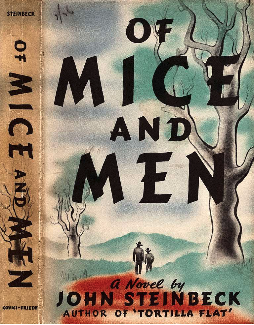
The Great Depression was a defining moment in American history that tested its strength as a nation, and placed the population in a precarious balance between life and death. In what is considered one of the greatest American classics, readers are introduced to two displaced migrant workers, George and Lennie. George is an intelligent young man, while Lennie is mentally disabled. George takes Lennie under his wing as they seek employment where few opportunities exist, trying to survive, yet still dreaming of the day they will have their own land and build a life. Their hopes are dashed when a devastating incident occurs that alters their lives forever.
What Students Will Gain
Develop an early sense of literary appreciation,
See the world from a more mature perspective
British and American classics contain thought-provoking moral and social issues. Reading the most influential classic literature thoroughly helps students become better readers, and begin the process of pursuing self-realization.
Improve understanding of culture and history
Learning allusions from classic British and American literature can help us bridge cultural differences. "The classics have opened the door to different worlds, different cultures, and different historical perspectives. Literature crosses race, culture, religion, and geography."
Self-reflection and personal growth
Many classic literature allude to our lives from the side: books that reflect similarities to our own lives are called "mirrors"; and those that give us a glimpse of different lives are called "windows." Whether it is a "mirror" or a "window", it further enriches the students' life experience and increases the courage and strength to face life.
Join Us!
Contact us to discover more about our course. We sincerely hope to meet your child soon, and develop a love of reading classic literature together.
It’s back to school time and we know parents are getting ready for a new year with new beginnings. The start of a new year is usually met with a mix of excitement and a bit of anxiety, as students and parents look forward to new skills and experiences, but also might feel nervous about new routines and expectations.
Tsis txhob txhawj, Reach Out it here to help! This year, we have 5 top tips to a fantastic start to the school year.
Understanding how your child’s school approaches education, what curriculum they use, what systems, and standards are used can be overwhelming for non-educators. Spending a bit of time each day reading your school’s website content, handbooks, and other resources can help you feel more confident in understanding what your child is learning at school and how they are learning. It’s also important to attend your child’s back-to-school night and informational sessions to get a better understanding of your child’s program as a whole. It also provides a great opportunity for you to establish a relationship with your child’s teacher. At any time if you still have questions, you can always e-mail your child’s teacher. They are there for you and your child, as they know that a great relationship with parents is a fantastic way to ensure academic, social, and emotional success for all students.
2. Make Sure to Catch Enough Zzzzs Before the ABCs
Sleep is so important for a child’s growth and development, and a lack of it can negatively impact a child’s academic achievement. Qhov tseeb, research shows that sleep depravation in children can lead to higher rates of anxiety and depression. When we sleep, our brain processes the information from he day, finds the best system to file it away in out memories, and re-charges our systems for a new day. For various reasons, parents often find sticking to an early bedtime difficult, but with a clear routine, and time for adjustment, it can be easy! Children 3-6 years old should be getting 10-12 hours of sleep per day, 7-12 year olds should get 10-11 hours per day, thiab 12-18 year olds should get 8-9 hours per day. Creating a schedule where children get to bed earlier will make mornings easier as well, hopefully with less stress for both parents and children as they will be well rested and ready to start their day!
3. Ask the Right Questions at the Right Time
Sometimes parents are anxious to know how their child’s day was as soon as they get home from school, especially during the first few weeks. Those weeks are especially exhausting and full of ups and downs as your child learns to navigate new material, new friends, new teachers, and new expectations. Giving them time to come home and decompress is extremely important for their emotional and mental well-being. Once they have had some “me” time, parents can ask specific questions based on what they know they are working on, if they happen to know. They can go through their child’s homework diary with them and help them make a plan on how to tackle each task, as well as share in their enthusiasm for specific subjects, books, or information they also enjoy. Avoid asking, “How was school? What did you learn?” as kids respond much better to more specific questions, such as, “What did you do with your friends at lunch? What was the best part of your day? What was the weirdest or most wonderful thing that happened at school today?” Most importantly, parents should be fully present and listen intently when students answer, so they really feel valued and hear when they share.
4. Let Them Learn From Failure
This one can be extremely hard for parents to allow. We want our children to do well and reach their full potential, which means we might go over each assignment with a fine-toothed comb, correcting every mis-calculation or grammar mistake. Although parents have good intentions when we do this, we are taking away important learning opportunities from children when we do so. Back when we were students, many of our parents were often too busy or didn’t have the knowledge or capacity to help us with our school work, but we found a way to push through and try our best. If children are never given opportunities to fail when they are young, they might resist taking on challenges later in life for fear of failing at them. Txawm li cas los, when we let them fail gently, such as on an assignment or at a little league soccer game, we are teaching them resilience. It’s not the end of the world, and they learn a valuable lesson; that we can try and not succeed, dust ourselves off, and try again next time.
5. Nurture Their Passions
New school years are an exciting time for many reasons, one of them being that they provide children a chance to discover new passions. If they are lucky, they will stumble upon something they truly love, and that they can become fascinated with enough to spend hours on end discovering. Helping a child find his or her passion is not always easy and takes time. Sometimes parents worry if their child focuses too much on a couple of things, and feel they need to expose them to as much as possible to help shape them into well-rounded individuals. Txawm li cas los, if we look at the people who have shaped our world, it was because they had a laser focus on what they were passionate about. It was all they ever did or do. As humans, we naturally gravitate towards what we love most, and as long as it provides some sort of value on top of fulfillment, we should continue pursuing it. Yog li, don’t worry if your child protests going to one activity while running out the door to attend another. Maybe the one they love is the most valuable to their growth and development, and the one they don’t like isn’t that necessary after all.
We hope these tips have helped, and we wish you and your child the best in the coming school year! We are excited for the new school year and all of the challenges and hope it will bring.
Reach Out will be with you every step of the way, so be on the lookout for more information and more articles we hope you will love!