U Reach Out, vjerujemo da je vrlo važno slaviti uspjehe učenika. Zadovoljstvo nam je najaviti još jednog Star Studenta - Emma!
Emma predstavlja sve što studenti mogu postići marljivim radom i predanošću izvrsnosti. Emmini učitelji je prepoznaju kao učenicu koja ima prekrasan stav prema učenju, vrlo je prijemčiv za poduku, i ima iznimno punu podršku u obitelji koja često komunicira s njezinim učiteljima. U razredu, Emma je pažljiva i pažljiva slušateljica koja je dovoljno samouvjerena da podijeli svoje ideje, ali dovoljno strpljiv da svima da red. Ona ne misli riskirati, i sposobna je unijeti svoju osobnost u svoj rad.
Emma je trenutno upisana u našu razinu kreativnog čitanja i pisanja 4 Naravno, i pokazala je pravi dar u tome što je mogla stvoriti snažne slike u svom pisanju. Na početku semestra, dovršila je recenziju Blue Frogove šangajske podružnice Disneylanda.
Emma je pokazala svoju sposobnost kritiziranja određenih aspekata mjesta, i razviti svoje ideje koristeći odgovarajuće detalje.
“Pogled i lokacija vrlo su zadovoljavajući. Noću možemo sjediti vani i uživati u pogledu na Disneyjev dvorac i vatromet.”
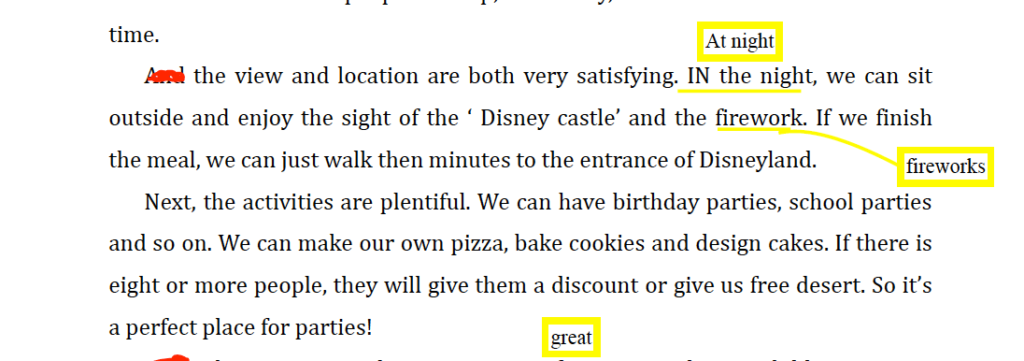
Kako je semestar odmicao, Emma je pokazala razvoj svojih vještina pisanja, i počeo uključivati naprednije književne tehnike. U zadatku o opisivanju krajolika, Emma je uspjela stvoriti snažnu sliku koristeći precizan vokabular i figurativni jezik.
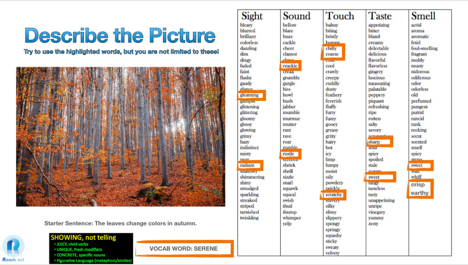
“Dlaknasta mahovina prskala je po slanom kamenju dok su se daleko širile, kao pekmez na kruhu. Mutni valovi nastali su kad je fontana pala u jezero ispod.”
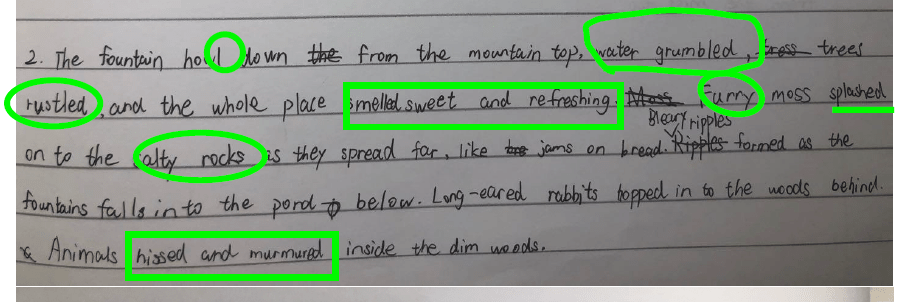
Emma je nastavila primjenjivati lekcije koje je naučila tijekom tečaja, a njezina spisateljska sposobnost postala je jača. U nedavnom zadatku pisanja fantazijske pripovijesti, Emma je osmislila mjesto i karakter svoje priče promišljeno i učinkovito.
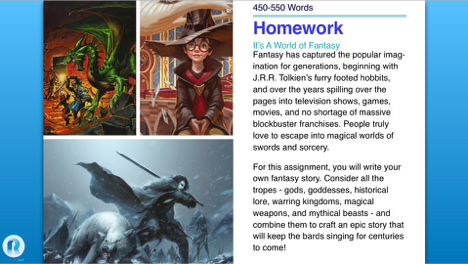
“Svjetlucavo sunce sjalo je s prozora na mekoću, svilenkasta posteljina. Slatko cvijeće toplih boja cvjetalo je pored otvorenog prozora. Mutni, ali marljivi crteži visjeli su na osvježavajućem zidu u boji morske trave.”
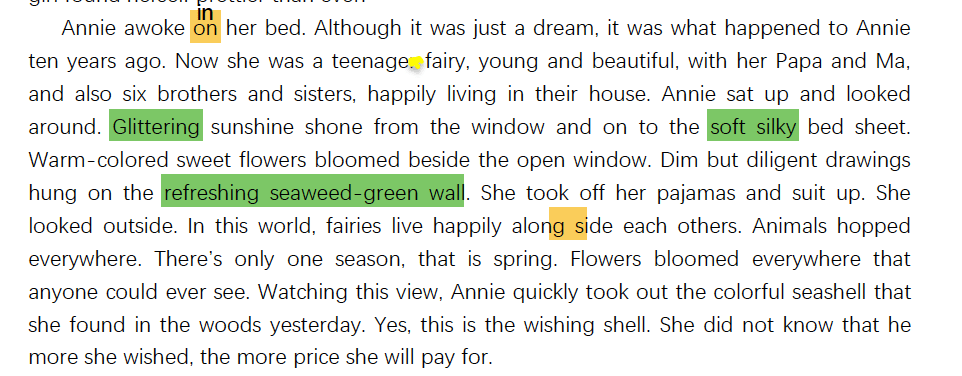
Kao što vidite, Emma pokazuje karakteristike mlade spisateljice koja obećava. Njezina odlučnost da se poboljša, i pažljiva primjena naučenih lekcija pomogla je da se njezino pisanje podigne na napredniju razinu.
Hvala Emma, jer si takva ZVIJEZDA! Radujemo se što ćemo još dugo vidjeti vaš rast. Znamo da je ovo samo početak briljantnog putovanja.
Kao odgajatelji, često su nam postavljali pitanje, “Kako mogu natjerati svoje dijete da prestane čitati stripove?” Roditelji su zabrinuti da stripovi nemaju obrazovnu vrijednost, nisu dovoljno akademski rigorozni, ili najgore od svega, gubitak vremena njihovog djeteta. ovome, naš ih odgovor obično iznenadi, a taj odgovor je, “Neka čitaju stripove!”
Razumljivo je da bi roditelji bili pomalo zabrinuti jer je percepcija da su stripovi samo za čitanje iz užitka, međutim, stripovi imaju mnoge prednosti osim što nam pomažu da prođemo vrijeme.
Stripovi i grafički romani nisu novi oblici pisanja. Naravno, u njima su uživali mnogi generacijama. Tijekom godina, žanr se promijenio u žanr sa značajnom dubinom i značenjem, zbog čega potičemo roditelje da svojoj djeci ne dopuštaju samo čitanje stripova, ali i podržati ih u tome.
Ovo su naši glavni razlozi zbog kojih stripove treba čitati (osobito ljeti!):
Za studente kojima engleski nije materinji jezik, stripovi im pružaju sjajan način da počnu uživati u engleskoj književnosti. Za mnogo djece, zadatak prelaska s udžbenika engleskog jezika na roman može biti vrlo zastrašujući, no stripovi im mogu pružiti neophodan most za izgradnju samopouzdanja, kao i tečnosti čitanja. Vizualni znakovi na slikama omogućuju učenicima stvaranje dubljeg razumijevanja radnje i likova kao i novog vokabulara. Osim toga, upoznaje ih s učinkovitim književnim sredstvima, kao što su onomatopeja (misli POW! SMEK! ZUM!) i idiomi (ilustracija koja pokazuje značenje idioma poput, “Mačka ti je pojela jezik?” ima mnogo više smisla nego samo zagrijavanje idioma!).

2.Poboljšanje zaključivanja
Zaključivanje je ključna vještina čitanja s kojom se mnogi učenici muče na standardiziranim procjenama čitanja. Zaključivanje se događa kada donosimo zaključke na temelju onoga što čitamo. Neki primjeri pitanja s kojima će se učenici susresti tijekom zadataka čitanja s razumijevanjem ili ocjenjivanja su oni kao što su, “Kako se lik osjećao kada?”, “Što možete zaključiti o...” i “Koja je bila pouka u priči?” Stripovi zahtijevaju da učenici „čitaju između redaka” kako bi zaključili informacije koje obično govori pripovjedač u romanu, pa mogu steći mnoga dragocjena iskustva u jačanju ove vještine čitajući stripove.
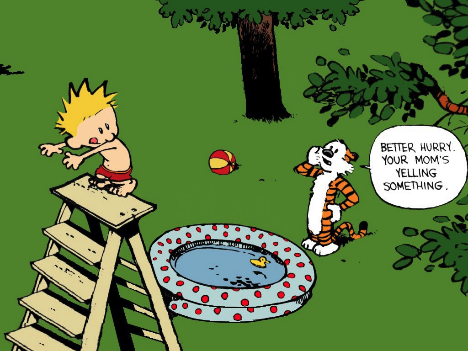
3.Snaga riječi!
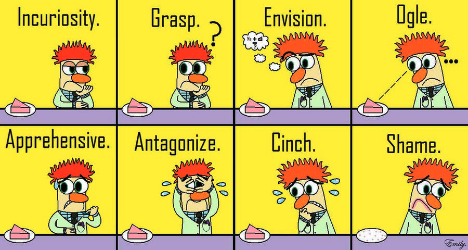
Često u stripovima i grafičkim romanima, pisci uključuju prilično napredan vokabular, i kao dio priče kao i u imenima likova. U 2016 na svjetski poznatom Comic-Conu u San Diegu, Kalifornija, panelist edukatora raspravljao je o moći stripa u izgradnji učeničkog vokabulara. James Bucky Carter, rekao je autor knjige Building Literacy Connections with Graphic Novels, “Imate Colossus, a on je ovoliki, divovski metalni tip. Dobivate stvarno dobar osjećaj što riječ kolos znači, a to je dobra riječ od 10 centi. Bansheejeva moć vrišti. Imate ove likove koji utjelovljuju riječi iz rječnika koje jesu. To je nešto što je zabavan način za učenje novih riječi, uz kontekstualne natuknice«.
Nakon što ovo pročitate, možda ćete poželjeti pustiti svoje dijete da uroni u čitanje stripova ili grafičkih romana! To je glazba za naše uši. Ako niste sigurni odakle početi, imamo neke omiljene učenike koje bi vaše dijete moglo probati!
Dog Man, Dave Pilkey

Miles Morales Spider-Man Jasona Reynoldsa

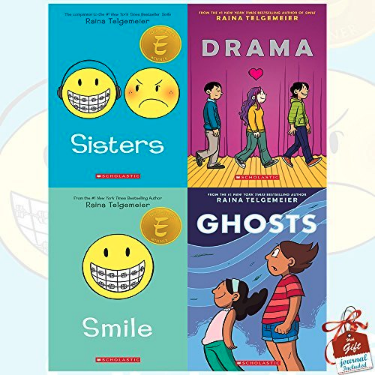
Osmijesi, Sestre, Duhovi, Drame i druge priče Raine Telgemeier
Bone od Jeffa Smitha

Tražite više ljetnih prilika za čitanje za svoje dijete? Obratite se jednom od naših obrazovnih savjetnika za više informacija o našim ljetnim tečajevima čitanja. Radujemo se čitanju s vašim djetetom!
Sezona ispita je stigla, i to može biti vrlo stresno doba godine i za učenike i za roditelje. U Reach Outu želimo dati sve od sebe kako bismo olakšali ispitnu tjeskobu nudeći neke jedinstvene savjete za učenje koje možda niste isprobali.
Konvencionalnu mudrost učenja često su slijedili mnogi roditelji i učitelji s dobrim namjerama, međutim, ako pogledamo neke zanimljive pristupe temeljene na istraživanju, možemo vidjeti da postoji niz učinkovitih načina proučavanja! Uvijek je dobro isprobavati nove stvari, posebno za djecu. Oni mogu iskusiti nove načine obavljanja stvari dok su mladi, a kad su malo stariji, mogu odabrati način koji najbolje odgovara njihovim osobnim potrebama i stilu.
Sada, pogledajmo tri jedinstvena načina učenja.

Raznolikost je začin života - čak i tijekom učenja
Za mnoge, mnogo godina su nam to govorili kako bismo dobro učili, trebali bismo učiti na istom mjestu svaki dan; mjesto koje je tiho, dobro osvijetljen, i ima sve naše materijale. Iako bi to moglo biti točno za dio vremena koje proučavamo, istraživanje nam pokazuje da naš mozak zapravo radi bolje kada mijenjamo mjesto na kojem učimo. Prilično iznenađujuće, pravo?
U studiji provedenoj sve do tamo 1978, studenti su dobili 40 riječi iz rječnika za proučavanje. Jednoj skupini je rečeno da prouči popis dva puta na istom mjestu. Drugoj skupini je rečeno da prouči popis na dva različita mjesta. Ono što su pronašli je, grupa koja je mijenjala svoja mjesta učenja zapravo je bila bolja u kasnijem sjećanju riječi. Sada zašto je to tako? Dobro, naš mozak često uspostavlja veze s informacijama na temelju našeg okruženja, pa što više mijenjamo svoju okolinu, što više dajemo našem mozgu priliku da zadrži informacije jer će se vezati za više stvari. To također može biti razlog zašto jedna tehnika vizualizacije, gdje netko vizualizira stvari koje želi zapamtiti na određenim mjestima u okruženju koje im je poznato, također može biti tako učinkovit. Za studente, jednostavno mijenjanje okruženja moglo bi poslužiti!
Zabavite se!
Neki bi roditelji mogli pogrešno pomisliti da se njihovo dijete smije ili uzbuđuje dok uči ili uči, možda gube vrijeme. Međutim, to nije nužno slučaj.
Kao roditelj, na svom poslu ili u uredu s vremena na vrijeme možete imati posebne radionice. Radionice se obično koriste kao alat koji vam pomaže da naučite o novoj strategiji, ideja, ili informacije koje će vam pomoći da naučite više na poslu. Ove sesije često vode ljudi koji su specijalizirani za kreiranje motivirajućih i inspirativnih radionica koje okrepljuju i energiziraju zaposlenike. Dani mogu biti dugi i intenzivni, ali ako su učinjeni kako treba, zaposlenici mogu otići sigurni u svoja nova znanja i vještine.
Isto zvoni vrijedi i za mlade ljude. Predstavljanje igre i zabave kao načina učenja za ispite ne samo da izmami osmijeh vašem djetetu, ali istraživanja pokazuju da zabava tijekom učenja aktivira određene kognitivne resurse, povezuje nagrade i zadovoljstvo s učenjem, jača i širi mreže pamćenja, i isključuje apstraktno razmišljanje i fokusiranu pažnju.
Pomodoro tehnika
Ostati usredotočen, na zadatku i motivirani za obavljanje određenih aktivnosti može biti teško i odraslima i djeci. Jeste li se ikada osjećali kao da satima buljite u ekran računala, ali postigao vrlo malo? Ili možda imate rok za nekoliko dana, ali samo se približavaju cilju? Nije ni čudo, kako istraživanja pokazuju da naš um ima tendenciju lutati do 20% vremena, možda čak i više za mlađe ljude.
Jednu zanimljivu tehniku osmislio je student Francesco Cirillo kao način da mu pomogne da ostane usredotočen, a to je Pomodoro tehnika, koji je ime dobio po mjeraču vremena u obliku rajčice koji je Cirillo koristio dok je na sebi testirao ovu strategiju. Kako to radi je da postavite tajmer za 25 minuta, što je radno vrijeme. Zatim ga ponovno postavite za 5 minuta, što je vrijeme pauze. Ovo je sjajno vrijeme za ustajanje, protežu se, prošetati se oko kuće, pomazi svoju mačku, ili popiti vodu ili nešto grickati. Vrijeme nakon pauze je isteklo, postavite tajmer za drugu 25 minuta i ponovite!
Ispostavilo se da je ova strategija potkrijepljena znanstvenim dokazima, kao što su istraživači zaključili da kratki odmori pomažu održati vašu pozornost na pravom putu. To bi moglo biti povezano s činjenicom da kognitivna dosada može dovesti do neangažiranog uma, što je zadnja stvar koju želite kada učite za važan ispit.
Nadamo se da ste uživali istražujući ove jedinstvene savjete za učenje koliko i mi! Vašem djetetu želimo puno sreće na ispitima ovog mjeseca. Jiayou!
We know that there is so much we can do to nurture and educate our children, which is why as parents we often go to great lengths to fill their time with enriching activities and classes. Why do we do this? For many reasons of course, but the main goal is to ensure their future success. Parents hope that their children will be even more successful in life than they were themselves. Success, of course, is subjective, and we may all have our own definition of success. Generally however, we might agree that success includes feeling content in one’s personal life, as well having a sense of career satisfaction and financial security.
Recently there has been an intriguing TED Talk being shared on social media, in which former Dean of Freshman at Stanford University, Julie Lythcott-Haims, cites evidence from the Harvard Grant Study that correlates professional success in life to individuals having done chores as children. Not soccer training, not language learning, not painting, but chores.
Surprising right?
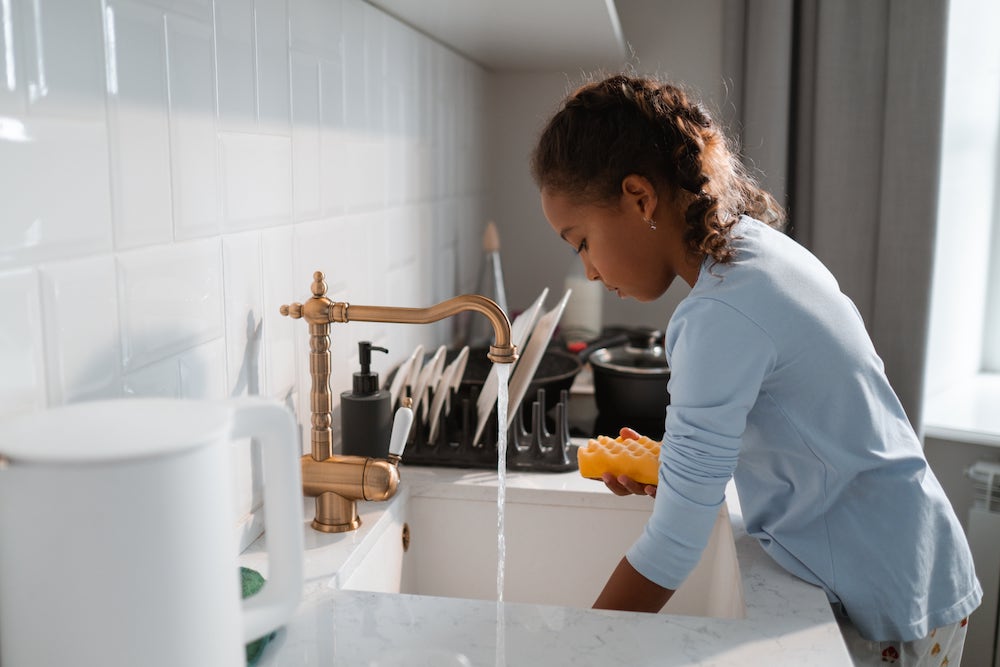
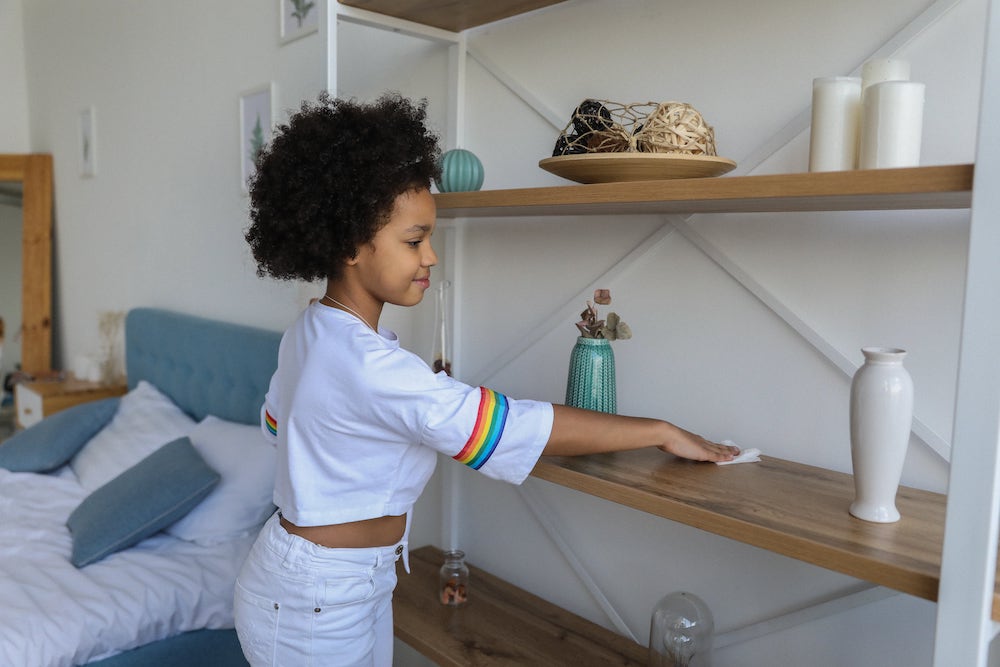
Many of our children growing up in big cities may never know what it’s like to scrub a dish, wash a window, or mop a floor. We might feel like there are more important things to do to build their knowledge and their character. Lythcott-Haims explains that those children who do get their hands dirty, međutim, may reach a level of success in life that surpasses their no-chore-doing peers. That is because it teaches students how to contribute and step up when work needs to be done, and that doing the “grunt work” that others might scoff at, because it is what is best for all, is what gets noticed in the workplace.
The workplaces of the high-achievers who took part in the Harvard Grant Study were notable, such as the White House, where participant President Kennedy worked, and the editor’s office where Ben Bradlee sat as editor of The Washington Post. We can assume that their parents, like us, had to prod and plead for the chores to be done, and accept that even if they were done, they might not have been done well; and that’s okay.
The important thing, as Lythcott-Haims points out, is that by doing chores, children realize that they, “…have to do the work of life in order to be part of life.” They realize that life does not just happen to them, and for them, but with them.
If your children are already doing chores as part of their daily summer routine, bravo! You are on the right track. If not, no need to panic. It is never too late to introduce chores into the lives of our children. Here are some tips to help get you started!
Let Them Be a Part of It
When introducing the concept of your children completing chores to help, have a “family meeting” where everyone is present to discuss what will be expected of your children and why. You can ask your child to help you write a list of chores they could potentially help with around the house. They might surprise you with their enthusiasm as doing chores is very exciting for some children because it makes them feel empowered and helpful (two things we often like to feel as adults).
Game-ify It
To make things fun, because fun makes everything better, you or your child can write the chores on popsicle sticks and each day your child can choose one stick from the jar. That will be their chore for the day! If you have more than one child at home, you can always turn cleaning into a competition by setting a timer and seeing which child can clean the most toys in the given amount of time, na primjer.
Reward It
As parents, we are rewarded for our contributions at work with a salary. Shouldn’t our children also be rewarded for their hard work? One idea is that if your child completes all of his or her chores for the week, he or she can choose a small toy from a “treasure box” filled with small toys. Another option could be that if your child consistently completes chores for a month, they can choose an extra special family outing.
Teaching our children to do chores is not always easy, but the potential benefits are worth the time and effort. We hope you found our tips useful, and that they can help lead to a positive experience for you and your child. Happy cleaning!
Zadovoljstvo nam je najaviti novi ljetni klub knjiga, samo za roditelje! Ljeto je savršeno vrijeme za čitanje knjige koju ste oduvijek željeli pročitati, ali nisu imali vremena za to. ovo ljeto, pozivamo vas da nam se pridružite u čitanju Kako govoriti da bi djeca slušala i kako bi djeca govorila.
Znamo da nije uvijek lako povezati se s našom djecom zbog zahtjeva škole, posao i svakodnevni život. Ponekad nas naše tjeskobe o budućnosti ometaju u tome da živimo svoje živote upravo sada. Međutim, jedna stvar koju možemo jamčiti je da više nikada nećemo dobiti priliku iskusiti djetinjstvo s vlastitom djecom, i ne želimo propustiti ovo dragocjeno vrijeme. Tako, kako to možemo najbolje iskoristiti i imati smislene razgovore sa svojom djecom koji će ojačati našu vezu i pomoći našoj djeci da osjećaju podršku? To su velika pitanja koja mnogi od nas postavljaju.
Kako bi nam pomogli odgovoriti na ova važna pitanja, pozivamo vas da nam se pridružite u čitanju jedne od najpopularnijih knjiga o roditeljstvu svih vremena, napisale Adele Faber i Elaine Mazlish. Kako govoriti tako da djeca slušaju i Slušajte kako bi djeca govorila, koja nas uči kako prihvatiti osjećaje naše djece, jer ako to ne učinimo mogli bismo nesvjesno uzrokovati loše ponašanje. Također nas uči pozitivnim načinima poticanja suradnje, kao i neovisnost, autonomija, i samopouzdanje. Sve su to sastojci potrebni za njegovanje pozitivnog odnosa roditelj-dijete koji će doista pomoći da naša djeca odrastu u samouvjerene i sposobne odrasle osobe.
Kako će to funkcionirati?
Prvi korak je kontaktirati jednog od naših obrazovnih savjetnika radi registracije. Registracija je BESPLATNA i otvorena za sve! Kreirat ćemo grupni chat u kojem će se sadržaj i dijeljenje knjige odvijati počevši od 1. srpnja. Lindsey Fine, naš voditelj obrazovanja, pridružit će se grupi i kao roditelj, budući da je majka dva dječaka, ostario 4 i 6, koji će učiti zajedno s vama. Također će pomagati u vođenju tjednih rasprava.
Knjiga se može pronaći na engleskom i kineskom jeziku i lako je dostupna u tiskanom obliku, e-knjiga, ili formate audioknjiga.
Zatim postoje dvije mogućnosti kako želite sudjelovati:
Raspored čitanja je sljedeći:
Tjedan 1: poglavlja 1 & 2
Tjedan 2: poglavlja 3 & 4
Tjedan 3: poglavlja 5 & 6
Tjedan 4 poglavlja 7 & Pogovor
Na kraju mjeseca, održat ćemo online radionicu koju će voditi školski savjetnik, Regina Wehner. Na radionici, Regina će podijeliti dodatne informacije i strategije koje možete koristiti za jačanje odnosa s djetetom.
O Regini Wehner

Regina Wehner je licencirana školska savjetnica koja već više godina radi s učenicima srednje škole 16 godina. Podrijetlom iz Sjedinjenih Država, živi s mužem i 2 djece, dobi 10 i 12, u Pekingu, Kina.
Regina radi na Zapadnoj akademiji u Pekingu (WAB), raznolika međunarodna škola. Veliki dio toga što ste školski savjetnik pomaže učenicima da uče o sebi i drugima dok rastu. Regina također organizira mjesečne Parent Coffee Mornings kako bi okupila roditelje kako bi naučili više o razvojnim promjenama svoje djece i kako komunicirati u ovim vremenima tranzicije.
Kontaktirajte nas danas da se pridružite!
Pomaganje vašem djetetu da nauči novi vokabular
Istraživanja pokazuju da ako želimo da studenti uspiju u akademskom kontekstu, na važnim procjenama i ispitima s visokim ulozima, kao i njihove buduće karijere, moramo im pomoći da razviju svoj vokabular. Razlog tome je ovaj: naše razumijevanje novih informacija izravno je povezano s našim razumijevanjem vokabulara koji se koristi za priopćavanje novih informacija.
Za studente, povećanje njihovog rječnika jedan je od ključeva uspjeha u svladavanju jezika; što više riječi znamo, što više riječi razumijemo, i što više riječi možemo koristiti u svom pisanju kako bismo ga učinili utjecajnijim i učinkovitijim. Međutim, Učenje vokabulara sada se ponekad smatra zamornim ili nedostižnim procesom. Ponekad roditelji nisu sigurni kako usmjeriti svoju djecu, pogotovo zato što se način na koji pristupamo proučavanju vokabulara može uvelike razlikovati od načina na koji su ga roditelji proučavali dok su bili u školi.
ne brini, Reach Out je ovdje da vam pomogne! Istražimo usvajanje vokabulara (proces pamćenja i primjene novog vokabulara), a mi ćemo vam reći kako možete pomoći svom djetetu da izgradi svoj vokabular!
Razgovarajte o tome!
Možda se čini previše jednostavnim, ali kada je riječ o učenju novih riječi, jedan učinkovit način na koji mladi ljudi to čine je razgovor s drugima. Djeca najbolje uče nove riječi kada su u kontekstu, kao što je u razgovoru o određenoj temi. Mogu zaključiti nešto o značenju novih riječi na temelju toga kako se koriste zajedno s drugim riječima koje su im već poznate.
Vjerojatno vas je dijete prekidalo u mnogo prilika kada ste koristili nepoznati rječnik, a ono je znatiželjno pitalo, “Što znači katastrofa?” Možda ste mislili na stanje njihove spavaće sobe (kao što je u njemu potpuni nered), i odvojivši trenutak da im objasnite višestruka značenja katastrofe, ne samo da ste ih naučili novu riječ za opisivanje neuredne sobe, ali i kvar ili prirodna pojava, kao što je prirodna katastrofa.
Tako, razgovor s djetetom odličan je način da ga naučite novim riječima!
Istražite ga!
Učenici općenito razumiju da mogu koristiti rječnik ili prevoditelj ako naiđu na riječ koju ne znaju, no ponekad bi im čak i definicija riječi mogla ostaviti više pitanja nego odgovora.
Prema našem iskustvu, mnogi učenici ne koriste jedan vrlo važan alat za učenje i primjenu novog vokabulara, a taj alat je tezaurus! Ako primijetite da vaše dijete pretjerano koristi riječ kada govori ili piše, na primjer, "prilično", “slatko”, "dobro", ili "loše", zatim odvojite malo vremena da im pokažete kako koristiti web stranicu kao što je thesaurus.com pogledati te riječi. Kada traže riječ kao što je "lijepa", vidjet će da postoji toliko zanimljivih i jedinstvenih riječi koje mogu koristiti umjesto! ja
Prema našem iskustvu, učenici stvarno uživaju u korištenju novog vokabulara, i osjećaju se osnaženo jer znaju da postoji alat koji će im pomoći da svoje riječi učine snažnijima.
Igrati!
Zabava tijekom učenja nije nešto što učitelji čine samo kako bi usrećili učenike, neuroznanost je zapravo dokazala da je to učinkovit način da se učenicima pomogne da uče više i dublje. Istraživanja pokazuju da kada su učenici i stimulirani i izazovni, njihovi mozgovi otpuštaju dopamin. Dopamin je neurotransmiter koji stimulira centre za pamćenje i potiče otpuštanje acetilkolinema, što povećava usmjerenu pažnju.
Na našim tečajevima ovdje u Reach Outu, poučavanje vokabulara važan je dio svake lekcije. Ovog ljeta imamo i tečajeve, Razine za izgradnju rječnika 1-3, u kojem ćemo se fokusirati isključivo na pomoć vašem djetetu da proširi svoje znanje vokabulara izazovnim novim riječima. Dok odabrane riječi nude izazov, alati kao što su Quizlet i igre kao što su Guess Who i Sentence Racer pružaju učenicima priliku za interakciju na smislen i privlačan način.
Kako znamo da su ove metode učinkovite? Zbog našeg desetljeća iskustva, i studij psihologije i metodologije obrazovanja naučili su nas kako učenici najbolje uče!
Voljeli bismo pomoći vašem djetetu da nauči novi vokabular kao jedan od načina na koji ono ili ona mogu postati djelotvorniji i uspješniji čitač, pisac, i zvučnik. Kako bismo saznali više o tome kako možemo pomoći, kontaktirajte jednog od naših obrazovnih savjetnika već danas!
If you are looking for a more individualized educational service, Reach Out offers 1-on-1 services with our expert educators!
What do We Offer?
Our teachers offer a wide range of 1-on-1 subjects including English, Social Sciences, and Maths.
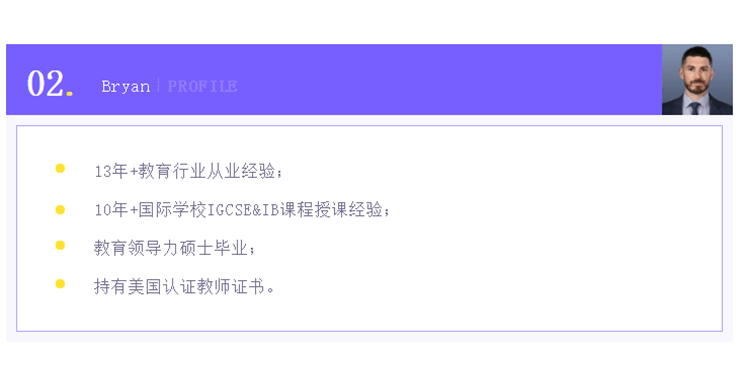
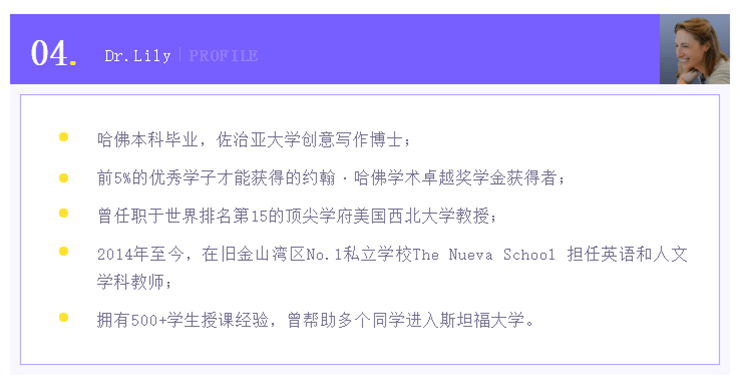
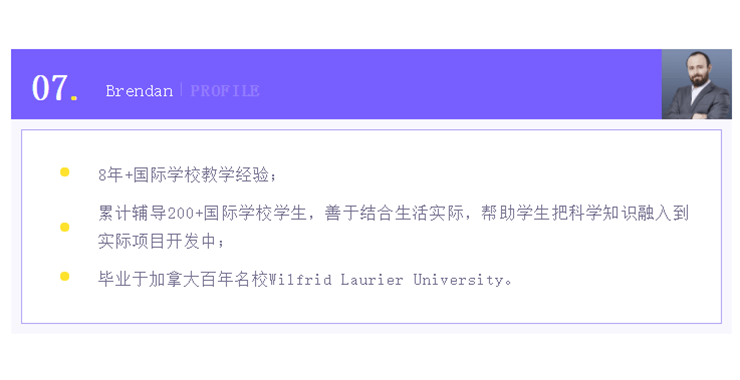
Meet some of our highly qualified and experienced teachers!

Why Should I Choose 1-on-1 Services?
Perhaps your child is preparing to study abroad or applying to a new school and he or she would like a more intensive and targeted approach in order to polish his or her skills. Alternatively, your child might not feel challenged enough with his or her current curriculum, and needs an alternative approach that is more appropriate for his or her ability level.
There are a number of reasons a parent might be searching for services such as this, and we can assure you that we will always work to understand you child’s unique situation and provide the service that is best for them.
How Does it Work?
With our hands-on approach, and orientation process, we will assess your child’s knowledge and skills based on current assessment data, writing ability, i više. Based on our findings, we will select the teacher best suited for your child’s needs. All of Reach Out’s teachers have been carefully selected, and have years of experience in teaching challenging curriculums, such as IGCSE, IB, i AP, in top schools from around the world.
Our process is goal-oriented. We find out exactly what your child needs to reach their educational goals, and then we create a unique and tailor-made learning path that will best suit your child’s particular needs.
What Else Does Reach Out Offer?
In addition to 1-on-1 services, Reach Out offers a wide variety of courses specifically designed to challenge and engage your 2nd to 8th grade child with above grade level content in order to help them prepare for the rigor of programs such as IGCSE, IB, i AP.
How Can I Learn More?
To find out more about our 1-on-1 services, please contact one of our Education Consultants today to find out more! We look forward to helping your child reach his or her educational goals for a bright future!
Who We Are
As you may have noticed, we have been growing and have some exciting additions to what we offer here at Reach Out. As it has been a while since we introduced ourselves, we thought we would share our story with you to help you better understand who we are and what we do!
Naša misija
Misija Reach Outa je povezati studente sa stručnim edukatorima koji stvaraju i prenose original, inspirativno, nastavni planovi i programi svjetske klase. Krenuli smo na ovo putovanje kako bismo pomogli studentima da razumiju kako pronaći svoj jedinstveni glas i otkriti kreativne i vrijedne ideje koje leže u svakom od njih. Svojim glasovima, imaju moć promijeniti svijet, i želimo ih osnažiti da to učine.

Naša vizija
Reach Out nastoji biti međunarodno priznata obrazovna institucija koja studentima omogućuje pristup vrhunskom međunarodnom nastavnom planu i programu i edukatorima, bez obzira gdje se u svijetu nalaze. Naši će učenici biti pronicljivi, znatiželjan, i kritički mislioci koji donose informirane odluke kao izvrsni rješavatelji problema i komunikatori. Reach Out studenti će ostvariti svoje akademske i osobne ciljeve i snove od osnovne škole do sveučilišta, stavljajući svoju briljantnu budućnost nadohvat ruke.
Naše temeljne vrijednosti
Ovo su principi koji oblikuju Reach Out:
Our Story
Reach Out was created by a small group of dedicated mothers, možda poput vas samih. Okupila ih je zajednička vizija obrazovnih potreba njihove djece. Neki su tražili obrazovni program koji bi njihovoj djeci mogao ponuditi pristup idejama, nastava filozofije, i metodologiju koja odgovara onome što su iskusili dok su živjeli u inozemstvu. Others were looking for an internationalized curriculum that their children could access to enrich their educational experience in China. What they shared in common was a desire for a rigorous program that also opened the doors to creative and critical thinking, samorefleksija, i osobni izraz - obilježja snažnog međunarodnog kurikuluma. Nakon što je proveo dosta vremena istražujući razne mogućnosti, te mame nisu mogle pronaći ništa što bi sasvim zadovoljilo potrebe njihove djece.
Tako, učinile su ono što bi učinila svaka dobra majka, pružena prilika, and found their own way to offer their children the best possible learning opportunities designed to help them thrive. Konzultirali su se sa stručnim učiteljima i radili s drugim roditeljima kako bi otkrili kako najbolje mogu zadovoljiti potrebe druge djece sa sličnim ciljevima. Children, we hope, like yours.
The parents were committed to:
We are happy to say that these mothers have achieved their goal. Today Reach Out boasts a complete line of rigorous yet engaging courses in which students learn deeply while having fun and creating meaningful relationships with their teachers and peers.
All of this because of our founding mothers’ commitment to their children’s education and happiness.
Što nas čini jedinstvenima?
While we understand parents have an array of choices when it comes to programs that enrich their children’s education, we believe we offer many unique qualities that are not easily found elsewhere.
Naš tim sastoji se od visoko kvalificiranih i iskusnih edukatora koji su kreirali jedinstven i rigorozan program temeljen na međunarodnim školskim standardima, koji priprema mlađe učenike za preuzimanje rigoroznih nastavnih planova i programa kao što je IGCSE, IB, i AP.
-Our one to one programs and curriculums designed to exceed the educational needs of our students
-Naša filozofija podučavanja inspirira i osnažuje učenike, i metodologija poučavanja koja omogućuje učenicima široko i duboko istraživanje znanja dok u isto vrijeme razvijaju ljubav prema učenju
-Naša predanost dugoročnom uspjehu naših učenika dok ih nastojimo opremiti osnovnim vještinama koje će im trebati za uspjeh u budućim karijerama i svijetu izvan škole
- Detaljne povratne informacije koje pružamo uz sve naše procjene učenika, kako bi učenici znali gdje uspijevaju i gdje bi se mogli poboljšati, kao i dopunske materijale i upute potrebne kako bi pomogli našim studentima da popune sve nedostatke u razumijevanju
-Naša predanost razvijanju kritičkog razmišljanja i vještina rješavanja problema naših učenika, što će biti bitno za njihovu budućnost, kao i budućnost našeg globalnog društva
-Our promise to hire all of our teaching and non-teaching staff based on their mutual passion for education
-Naša sposobnost da osnažimo učenike da koriste jezik, znanje, i vještine koje stječu kako bi se razvili izvan učionice i postali znatiželjni, cjeloživotni učenici koji postavljaju i ostvaruju izazove, ispunjavajući, i vrijedne ciljeve.
-Naše ruke, individualizirani pristup stvaranju puta učenja za naše učenike, tako da bez obzira na razrednoj razini kada nam se pridruže, bit će opremljeni alatima potrebnim za poboljšanje i brzi rast
-Naša predanost osnaživanju naših klijenata informacijama i iskustvima koji će im pomoći da naprave apsolutno najbolje izbore za obrazovanje svog djeteta nudeći informativne članke, videa i radionica.
Our Curriculum
Our Blue Line curriculum, which includes courses for students in Grades 2 to 8, was designed by expert educators with advanced level degrees in their subject areas who have spent decades in some of the top international schools in the world. We use backwards curriculum design working our way from the first year of programs such as the widely recognized and respected IGCSE program.
As our educators have spent years teaching courses pre-IGCSE, IGCSE, IB and AP or A Levels curriculum, they understand what students need to succeed in those programs. Tako, each aspect of our curriculum has been created to make sure that all of our students enter their first day of Grade 9 feeling confident, equipped, and prepared to meet the demands of these rigorous courses.
We offer a wide range of courses in the subjects of English, matematika, History and Geography. See below for more detailed information on our full course offerings.
Additional Services
We are also pleased to announce the creation of our Silver Line, which offers bespoke educational services that take an individualized approach to meeting our students' needs. We begin with a deep assessment of each student's educational goals and needs, and then create and implement a scheme of work with which our expert educators will use to guide your child through the academic challenges of High School in order to prepare them to eventually attend their dream university.
We also offer 1-on-1 services at all grade levels for parents who wish to offer their children more individual care and instruction. Our expert Education Consultants will make sure to match your child with the best educator for his or her specific needs and goals.
Join Us!
We look forward to meeting your family and discussing how you can be part of our Reach Out family; one that learns together, cares for each other, overcomes challenges together, and celebrates successes with one another. Please contact us today to find out more.
We hope to hear from you soon!
Being a parent is hard. In fact, with the changes in our world today, it might just be one of the challenging moments we have had to face in decades. Change leads to uncertainty, and uncertainty can lead to stress. Stress certainly affects all areas of our lives, sometimes it will impact our relationship with our loved ones the most; especially our children.
Our children can be complicated (let’s face it, so can we!), and it is a daunting task to ensure that every move is the “right” one. That all of our conversations, demands, requests, plans, praises and criticisms mean something. Every moment we spend talking to our kids, we hold the hope that these words will be enough to fill our children with the hope of a great future at a time where the future is so uncertain. Times change, and this too shall pass, but one thing we can guarantee is that we will never have a second chance at spending a childhood with our children.
As parents, we often ask ourselves if we are in fact doing the right thing, wondering how we can get through to our kids, trying to understand our children better, and sometimes feeling like a guilty failure because we tell ourselves we are doing it wrong. Oftentimes, that is not the case, but there is no instruction manual on how to raise a child that will work for everyone in all situations. Sure, there is a lot of advice, an overwhelming amount of it, but again, most advice is just that; guidance and recommendations by people who don’t know you or your child. Some of it is helpful, and some of it…not so much.
One thing that we cannot deny though is the importance of a healthy relationship between parent and child.
Research shows that:
It is essential to make the time to nurture a relationship with your child, and perhaps even more imperative, making sure the interactions we have with our children during that time are positive. This is something that many parents find challenging, which is why we created a parent book club for the book Kako govoriti da bi djeca slušala i kako bi djeca govorila by Adele Faber and Elaine Mazlish. Together we learned ways to positively communicate with our children in order to strengthen our bonds. We spent time discussing ideas from the book, as well as had a virtual meet up to role-play some of the strategies from the book. On top of that, we invited Middle School Guidance Counselor, Regina Wehner, to provide parents with a workshop in understanding our child’s cognitive and emotional development.
Here are some highlights we would like to share with you!
First, from Kako govoriti da bi djeca slušala i kako bi djeca govorila, here are two of our favorite strategies:
Children have difficulty regulating their emotions, as the brain’s emotional regulation center is one of the last to develop. This means that they need our help in the form of compassion and modeling. This can be so challenging, especially when we may have difficulty managing our own emotions at times! We have an easy strategy for you that will only require two things:
When your child comes home upset about something that happened at school, instead of lecturing and offering our sage advice, we can simply listen to their concerns and repeat the ideas back to them. Na primjer, if your child comes home upset and says something like, “Ugh, today Elizabeth and Sarah were so mean to me! They completely ignored me and I hate both of them now!” Instead of saying, “Elizabeth and Sarah are your best friends. It’s not a big deal and I am sure you will be fine tomorrow,” which could invalidate your child’s feelings, you can say, “Oh, I see. Elizabeth and Sarah made you feel a bit left out. That probably made you feel a bit sad and mad.” At this point your child might keep talking and open up to you, which is great! It means they trust you and you are making them feel better. Continue to listen, nod, say, “Mmmhmm,” and repeat what they say. Having you simply listen will likely make your child feel 100% better and ready to face their next challenge!

2. I wish!
Our children often express their desires in the form of wishing they had things they don’t have or wishing things were different than the way they are. Na primjer, children may say, “I wish I didn’t have to do all that homework.” We may reply, “Well, you do and that’s that!” or “It’s what you have to do. It’s your responsibility so you need to do it now!”
This may escalate into a battle of wills as parents feel frustrated that they keep hearing the same complaint and repeat the same reasoning. The children feel frustrated because their opinions are being invalidated and they feel misunderstood. Dobro, don’t worry, we are here to help! We have a little trick that will help you turn the conversation around, and that is to agree with your child. It may sound counterintuitive, but we have firsthand experience with this trick and it works wonders!
Na primjer, if your child says, “I wish we could go to the park today like I wanted!”
Instead of saying, “I can’t, I am too busy,” or “Yes, but we can’t, it’s raining,” we can say, “I wish we could too! We could go to the park and have a picnic! We could fly a kite and blow bubbles! Why don’t we have a picnic in the living room and after that we can blow bubbles in the bathroom!”
The first part gets the kids excited and their imagination going, taking them to a happy place. The next part makes them feel heard and connected to you.
Sada, some highlights from Ms. Wehner’s workshop:
*Please help me choose these! :)*
If you would like to join one of our workshops or book clubs in the future, make sure to follow us and stay tuned! We have great things coming up this fall!
Mnogi nas roditelji pitaju koji je najbrži način da njihovo dijete poboljša svoje pisanje. Iako čvrsto vjerujemo da nema prečaca da postanete istinski učinkovit i vješt pisac, postoje neke stvari koje učenici mogu uključiti u svoje pisanje kako bi ga učinkovitije podigli na višu razinu. Kao i sa svime čime se pokušava svladati, ključ uspjeha leži u napornom radu i ponavljanju. Redovito vježbanje ovih vještina pomoći će vašem djetetu da postigne svoje obrazovne ciljeve.
Ovaj će članak biti prvi u nizu članaka koji će se fokusirati na vještine prikladne za različite vrste pisanja. Ovaj tjedan, usredotočit ćemo se na savjete za opisno pisanje.
Savjeti za opisno pisanje:
Opisno pisanje prava je umjetnička forma, jer bi njegova svrha trebala biti stvaranje slike u glavama čitatelja. Ne može se pričati priča samo o akciji i dijalogu, a ne može se prenijeti duboko značenje i emocija u pjesmi bez slikanja slike svojim riječima.
Jedan moćan način da budete bolji u opisu je dodavanje pridjeva i priloga gdje god je to moguće. Na primjer, ako vaše dijete piše priču, moglo bi napisati nešto slično:
“Harry je izašao van i počeo tražiti svoje prijatelje.”
Dok ova rečenica prenosi osnovno značenje, njegov učinak na čitatelja je također osnovni. Dodavanjem opisnog jezika u obliku pridjeva i priloga, možemo brzo i učinkovito dodati slike u rečenicu:
“Harry je otvorio ulazna vrata, zalupivši ga za sobom. Srce mu je lupalo dok je trčao po susjedstvu željno tražeći svoje prijatelje.”
U prerađenoj rečenici, vidimo opise koji nam govore ne samo o radnji koja se odvija, ali i pomaže nam da osjetimo emociju lika, važan aspekt pripovijedanja.

Još jedan sjajan način da učinite priču ili pjesmu učinkovitijom je dodavanje figurativnog jezika, kao što su poređenja. Usporedbe su usporedbe koje koriste poput ili kao koje se mogu koristiti kako bi pomogle čitatelju da jasnije zamisli što se događa.
Na primjer, vaše bi dijete moglo napisati nešto poput:
Bio sam tako sretan!
Bilo je tako slatko!
Bio je tako uplašen!
Možemo dodati usporedbe kako bismo stvorili još bolji rezultat:
Bio sam sretan kao mačić u prodavaonici pređe.
Bilo je slatko poput bebe pande koja se igra u snijegu.
Bio je uplašen kao zec koji je upravo čuo vučje zavijanje.
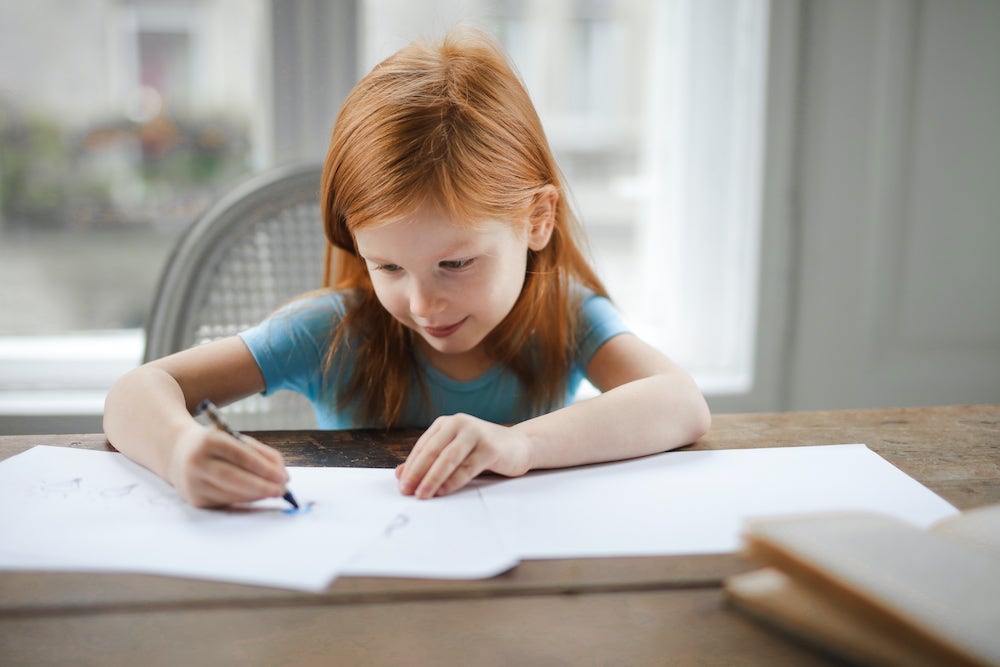
Naš posljednji savjet za opisno pisanje je odabir vokabulara koji je toliko precizan da komunicira točno ono što pisac želi da čitatelj osjeća. Često, učenici će napisati opise koji su pomalo nejasni, s rečenicama poput:
Bio je jako umoran.
Film je bio jako dosadan.
Bilo im je jako hladno.
Soba je vrlo vruća.
Opet, ove rečenice prenose jednostavno značenje, ali u opisnom pisanju, to jednostavno nije dovoljno. Učinkovit opis koristi rječnik koji ima utjecaj, a to možemo postići odabirom samo najboljih riječi koje će prenijeti najtočnije značenje.
Pogledajte kako gornje rečenice možemo pretvoriti iz običnih u izvanredne zamjenom dijela rečenice snažnim rječnikom:
Bio je iscrpljen.
Film je bio nemaštovit.
Bili su promrzli do kostiju.
Soba se pržila.
Dobra vijest je da se vaše dijete ne mora oslanjati na svoje trenutno znanje vokabulara kako bi uspjelo sastaviti rečenice poput ovih gore. Tezaurus sadrži sve riječi koje su im potrebne za stvaranje nezaboravnih opisa.
Nadamo se da su vam ovi savjeti bili od pomoći! Ako želite da vaše dijete nauči kako ove vještine primijeniti u praksi s jednim od naših strastvenih edukatora, pratite nadolazeće najave o našim novim ljetnim i jesenskim tečajevima!
Sljedeći tjedan, pogledat ćemo savjete za uvjerljivo pisanje!
Tell us a bit about yourself.
I grew up in five different countries (Sweden, England, Germany, South Africa, and Canada). Integration into a diverse spectrum of cultures growing up has made me see the world with an open mind. I currently reside in Canada and work as both a university lecturer and a Math teacher at Reach Out. Outside of work I really enjoy sports such as badminton and chess, which I played at a competitive level for many years.

What is your educational background and qualifications?
I received a Bachelor of Science Degree from the University of British Columbia (UBC) and an obtained my MSc at the same university. My graduate work involved experimental geoscience where I designed an apparatus to investigate how diamonds reach the surface of the Earth through high velocity magmas. I published articles in two high impact journals and presented the work across Canada and Europe.
During my graduate studies I had the privilege of lecturing a few classes which transitioned into a lectureship position. Teaching at the university level involves lecturing a class of over 200 učenicima, which is very different to the work I do at Reach Out, but has helped me develop a dynamic teaching style.
Additionally, I have been teaching Math and Science both privately and through educational organizations for over 6 godina.
Why did you join Reach Out?
I joined Reach Out because the prospect of being able to deliver high quality education from around the globe without border restrictions resonates with me.
I feel that the reason I am committed to staying at Reach Out is more important. The personalized classes being delivered has allowed me to connect with the students, making their progression much more meaningful to me. Some students have been together with me through multiple grade levels and I feel immensely proud to have played a role in their education.
What is your educational philosophy?
Having a background in experimental science has allowed me to see value in making breakthroughs through experimentation. By allowing students to experiment with different methodologies while offering guidance is an extremely effective way of teaching students to not be afraid of failure. Richard Fuller correctly said, “There is no such thing as a failed experiment, only experiments with unexpected outcomes.” Students often start my classes afraid to answer questions, discuss with their classmates, or write on the board since they don’t know the answers. Since I am always more focused on solutions rather than answers, students’ are rewarded for trying new techniques, discussing failed methods, and asking questions about their classmates’ work. I found this to produce a phenomenal learning environment and takes a lot of pressure off the students.

What is your favorite thing about teaching Math?
My favorite thing about teaching Math is the exciting challenges it provides. After teaching Math for many years, I have come to realize that students see the world from a unique perspective, which more often than not, is very different from my own. This diversity produces a wide spectrum of learning styles and requires me to stay very flexible with the methodologies I use in my teaching.
Math is a complex subject which has provided us with a universal language to better understand the universe that surrounds us. Having a good problem solving ability is a byproduct of learning Math and crucial for success in the modern world. For these reasons I have the responsibility to transform a traditionally dry and boring subject into something exciting by creating compelling lessons and using creativity to inspire my students. This will always be something I love about my job.
Who is your favorite mathematician and why?
This is a tough question, and it’s hard to pinpoint one Mathematician since I utilize the works of so many Mathematicians in just one lesson. If I had to pick it would be either Johannes Kepler or Nicolaus Copernicus since I also love astronomy. Their Math not only challenged everything that was believed about our solar system at the time, but also formed the foundations for understanding planetary motion. Space travel has relied heavily on these concepts.
If you could only give parents one piece of advice when it comes to helping their child improve in Math, what would it be?
One thing I have worked on a lot with my students, is getting them to explain their solutions to me regardless of how easy it may seem. Being able to arrive at the correct answer in certain school curriculums may not require a complete understanding, but being able to explain a solution well does require a good understanding. Make sure that your child is always showing very clear steps in their work and that they can explain their steps to you. This certifies understanding and shows they are prepared for questions which test the same concept but may be worded differently.
What is one fun fact about yourself?
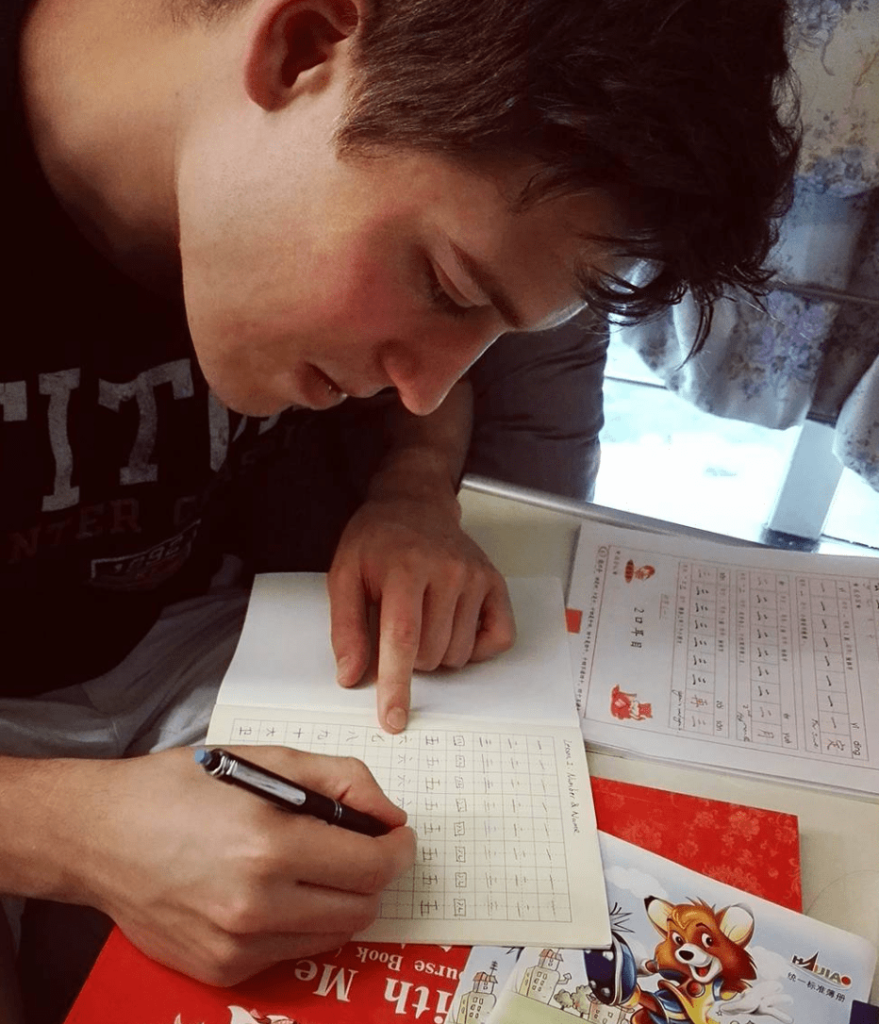
I really like learning languages! After growing up in many different countries I can speak English, Swedish, and German fluently. For the past two years I have been working to add Chinese to my collection and have enjoyed the unique challenges that learning this complex language has provided me with.
The Secret Garden is a piece of classic literature that has been part of an untold number of childhoods (if you missed our article on why children should read classic novels, see it linked below!). It is a powerful tale of friendship and discovering oneself that resonates with our souls.
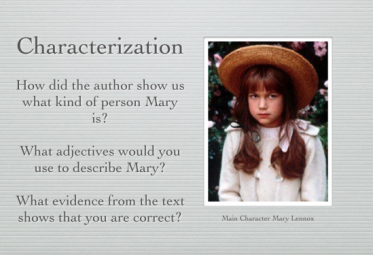
The Secret Garden is about a young girl named Mary Lennox who loses her family and everything familiar with her due to a cholera outbreak in India, where her father was working as a British Army Captain. As a child, Mary was quite neglected, but indulged by family’s servants, so she was a spoiled child with a terrible disposition. She had very few traits that would help her cope with a new life in England, where she was sent to live with a grouchy distant relative, gosp. Craven.
gosp. Craven had very strict rules for Mary to follow at her new home at Misselthwaite Manor in Yorkshire, which included her being forbidden to enter various rooms inside the giant mansion, as well as forbidden to enter one of the gardens on the sprawling property, which belonged to his beloved late wife. As Mary begins to explore her new home, she begins to find a sense of happiness and regains her health after being sickly for much of her childhood. After a robin helps her find the key to the secret garden, she finds a sense of purpose in restoring the garden, much as she restores her inner self. Through the thorns and dried leaves of winter, she finds much more lies within.
Aided by new friend Dickon, Mary develops her first friendships, and uses her newfound strength and kindness to help her bedridden cousin Colin, whom she finds tucked away in the manor. Friendship strengthens both Mary and Colin, and in the end, everyone witnesses a miracle only made possible by these close bonds and belief in oneself, two very important themes in the novel.
Young people will love reading this fantastic story of friendship, overcoming obstacles, and experiencing the healing power of nature. The characters and the lessons they teach us will surely touch your child and help them experience the power of a great story.
If you would like an opportunity for your child to experience this story with others, we are happy to let you know that we will be reading The Secret Garden as the first novel in our Young Classics Level 2 Course this summer.
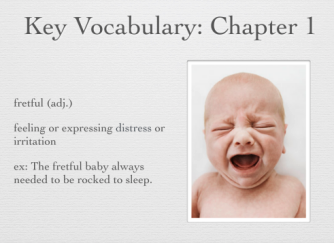
In the course, we not only read the novel, but we also learn and apply new vocabulary from the book, discuss important literary techniques used by the writer, and practice writing summaries, a key skill that many students find challenging
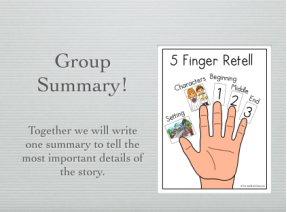
If you are interesting in learning more about Young Classics, or and of our other excellent and engaging courses, kontaktirajte jednog od naših obrazovnih savjetnika već danas! We hope to work with your child very soon!
Literature study is an important aspect of any excellent academic program, and that is because it helps to teach students a wide range of knowledge and skills that are essential for success in many areas of life. While studying literature, students learn about important events and people throughout history, they consider cultural perspective and increase their own understanding of acceptance of different ideas and beliefs, and they learn how to analyse the words of others in order to form a deep understanding of new ideas and ways of communicating. In short, it exposes students to a toolbox of ideas, techniques, strategies, theories, and more that they will carry with them throughout their life, shaping the way they approach the world.
Why do we offer this course?
Reach Out students typically pursue high school programs such as IGCSE, which includes challenging courses such as English Language and Literature and English as a First Language. Later, most of those students will take on the challenge of IB and AP level programs, in which they must take on the task of reading a variety of literature. Our aim is to expose students in upper primary and middle school to a wide range of advanced literature so that by the time they reach high school they possess the knowledge and skills to hit the ground running, and therefore achieve to a higher level.
This course is designed for Grade 7-9 učenicima.
The Objectives of our Advanced Literature Course are to:
✪ Enhance students’ ability to understand and discern literary techniques used English and American literature, and the ability to communicate the effects of those techniques;
✪Improve children's literary comprehension skills and increase their understanding of British and American culture;
✪ Under the guidance of our expert educators, learn the power of language and storytelling in a challenging yet engaging way.
Meet Our Teachers
*Insert teacher bios here for Barry, Anthony, and John*
Our Book Selections:
Cry the Beloved Country by Alan Paton

Set in South Africa in the 1940s, award-winning Cry the Beloved Country tells the story of a Zulu Pastor, Steven Kumalo, who travels from his village to the city of Johannesburg. Along his arduous and heart-wrenching journey, he discovers that his sister and son have found themselves in terrible situations that he must now face with them. The characters’ vastly different lives become unexpectedly woven together through tragedy during a dark time in South Africa’s history. Međutim, through tragedy and challenges, the true nature of the human spirit can be found and uplift those who need it most.
Dracula by Bram Stoker

The legend of Dracula has loomed large in the minds of readers and movie-goers for generations. Bram Stoker based the infamous character of Dracula on the legend of the real life ruler of Wallachia, Vlad the Impaler. Stoker was able to take this dark corner of history and turn it into a legendary novel told through journal entries, letters and telegrams. As with any classic, Dracula has stood the test of time because it speaks to something very deep and meaningful within the human psyche.
Of Mice and Men by John Steinbeck
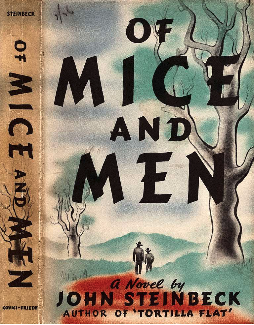
The Great Depression was a defining moment in American history that tested its strength as a nation, and placed the population in a precarious balance between life and death. In what is considered one of the greatest American classics, readers are introduced to two displaced migrant workers, George and Lennie. George is an intelligent young man, while Lennie is mentally disabled. George takes Lennie under his wing as they seek employment where few opportunities exist, trying to survive, yet still dreaming of the day they will have their own land and build a life. Their hopes are dashed when a devastating incident occurs that alters their lives forever.
What Students Will Gain
Develop an early sense of literary appreciation,
See the world from a more mature perspective
British and American classics contain thought-provoking moral and social issues. Reading the most influential classic literature thoroughly helps students become better readers, and begin the process of pursuing self-realization.
Improve understanding of culture and history
Learning allusions from classic British and American literature can help us bridge cultural differences. "The classics have opened the door to different worlds, different cultures, and different historical perspectives. Literature crosses race, culture, religion, and geography."
Self-reflection and personal growth
Many classic literature allude to our lives from the side: books that reflect similarities to our own lives are called "mirrors"; and those that give us a glimpse of different lives are called "windows." Whether it is a "mirror" or a "window", it further enriches the students' life experience and increases the courage and strength to face life.
Join Us!
Contact us to discover more about our course. We sincerely hope to meet your child soon, and develop a love of reading classic literature together.
It’s back to school time and we know parents are getting ready for a new year with new beginnings. The start of a new year is usually met with a mix of excitement and a bit of anxiety, as students and parents look forward to new skills and experiences, but also might feel nervous about new routines and expectations.
ne brini, Reach Out it here to help! This year, we have 5 top tips to a fantastic start to the school year.
Understanding how your child’s school approaches education, what curriculum they use, what systems, and standards are used can be overwhelming for non-educators. Spending a bit of time each day reading your school’s website content, handbooks, and other resources can help you feel more confident in understanding what your child is learning at school and how they are learning. It’s also important to attend your child’s back-to-school night and informational sessions to get a better understanding of your child’s program as a whole. It also provides a great opportunity for you to establish a relationship with your child’s teacher. At any time if you still have questions, you can always e-mail your child’s teacher. They are there for you and your child, as they know that a great relationship with parents is a fantastic way to ensure academic, social, and emotional success for all students.
2. Make Sure to Catch Enough Zzzzs Before the ABCs
Sleep is so important for a child’s growth and development, and a lack of it can negatively impact a child’s academic achievement. In fact, research shows that sleep depravation in children can lead to higher rates of anxiety and depression. When we sleep, our brain processes the information from he day, finds the best system to file it away in out memories, and re-charges our systems for a new day. For various reasons, parents often find sticking to an early bedtime difficult, but with a clear routine, and time for adjustment, it can be easy! Children 3-6 years old should be getting 10-12 hours of sleep per day, 7-12 year olds should get 10-11 hours per day, i 12-18 year olds should get 8-9 hours per day. Creating a schedule where children get to bed earlier will make mornings easier as well, hopefully with less stress for both parents and children as they will be well rested and ready to start their day!
3. Ask the Right Questions at the Right Time
Sometimes parents are anxious to know how their child’s day was as soon as they get home from school, especially during the first few weeks. Those weeks are especially exhausting and full of ups and downs as your child learns to navigate new material, new friends, new teachers, and new expectations. Giving them time to come home and decompress is extremely important for their emotional and mental well-being. Once they have had some “me” time, parents can ask specific questions based on what they know they are working on, if they happen to know. They can go through their child’s homework diary with them and help them make a plan on how to tackle each task, as well as share in their enthusiasm for specific subjects, books, or information they also enjoy. Avoid asking, “How was school? What did you learn?” as kids respond much better to more specific questions, such as, “What did you do with your friends at lunch? What was the best part of your day? What was the weirdest or most wonderful thing that happened at school today?” Most importantly, parents should be fully present and listen intently when students answer, so they really feel valued and hear when they share.
4. Let Them Learn From Failure
This one can be extremely hard for parents to allow. We want our children to do well and reach their full potential, which means we might go over each assignment with a fine-toothed comb, correcting every mis-calculation or grammar mistake. Although parents have good intentions when we do this, we are taking away important learning opportunities from children when we do so. Back when we were students, many of our parents were often too busy or didn’t have the knowledge or capacity to help us with our school work, but we found a way to push through and try our best. If children are never given opportunities to fail when they are young, they might resist taking on challenges later in life for fear of failing at them. Međutim, when we let them fail gently, such as on an assignment or at a little league soccer game, we are teaching them resilience. It’s not the end of the world, and they learn a valuable lesson; that we can try and not succeed, dust ourselves off, and try again next time.
5. Nurture Their Passions
New school years are an exciting time for many reasons, one of them being that they provide children a chance to discover new passions. If they are lucky, they will stumble upon something they truly love, and that they can become fascinated with enough to spend hours on end discovering. Helping a child find his or her passion is not always easy and takes time. Sometimes parents worry if their child focuses too much on a couple of things, and feel they need to expose them to as much as possible to help shape them into well-rounded individuals. Međutim, if we look at the people who have shaped our world, it was because they had a laser focus on what they were passionate about. It was all they ever did or do. As humans, we naturally gravitate towards what we love most, and as long as it provides some sort of value on top of fulfillment, we should continue pursuing it. Tako, don’t worry if your child protests going to one activity while running out the door to attend another. Maybe the one they love is the most valuable to their growth and development, and the one they don’t like isn’t that necessary after all.
We hope these tips have helped, and we wish you and your child the best in the coming school year! We are excited for the new school year and all of the challenges and hope it will bring.
Reach Out will be with you every step of the way, so be on the lookout for more information and more articles we hope you will love!