Nan Reach Out, nou kwè li trè enpòtan pou selebre siksè elèv yo. Nou kontan anonse yon lòt Star Student - Emma!
Emma reprezante tout sa elèv yo ka reyalize ak travay di ak angajman pou ekselans. Pwofesè Emma yo rekonèt li kòm yon elèv ki gen yon bèl atitid anvè aprantisaj, se trè reseptif nan enstriksyon, and has an extremely supportive family who often communicates with her teachers. In class, Emma is a careful and attentive listener who is confident enough to share her ideas, but patient enough to give everyone their turn. She doesn’t mind taking risks, and is able to inject her personality into her work.
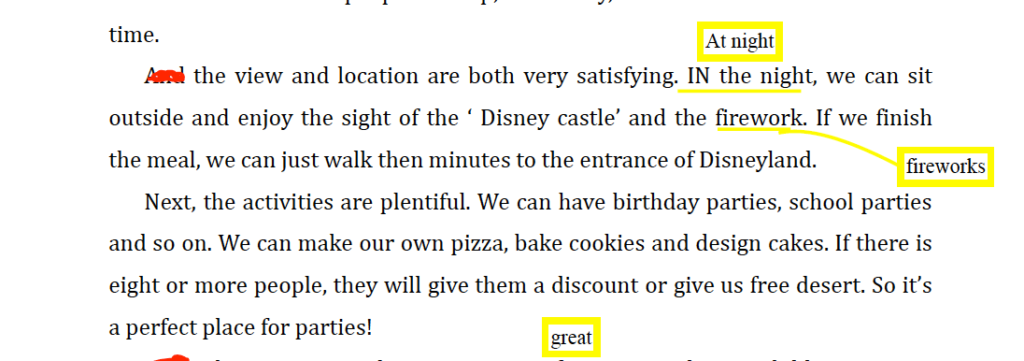
Emma is currently enrolled in our Creative Reading and Writing Level 4 Course, and she has shown a real gift in being able to create strong imagery in her writing. At the beginning of the semester, she completed a review of Blue Frog’s Shanghai Disneyland branch.
Emma showed her ability to critique specific aspects of a place, and develop her ideas using appropriate detail.
“The view and location are both very satisfying. At night we can sit outside and enjoy the sight of the Disney Castle and the fireworks.”
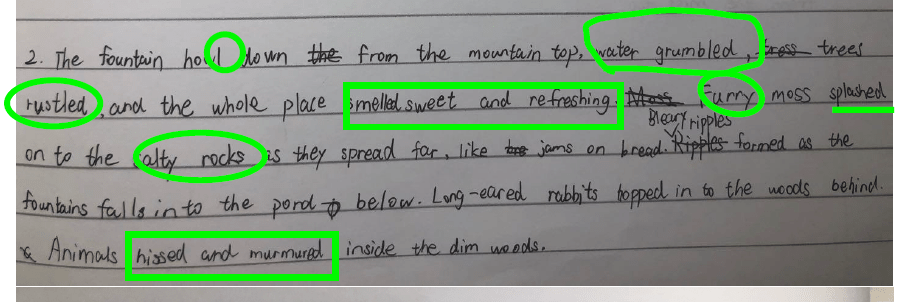
As the semester went on, Emma showed development in her writing skills, and began to incorporate more advanced literary techniques. In an assignment on describing landscapes, Emma was able to create a strong image using precise vocabulary and figurative language.
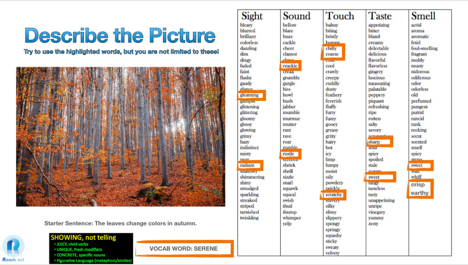
“Furry moss splashed onto the salty rocks as they spread far, like jam on bread. Bleary ripples formed as the fountain fell into the pond below.”
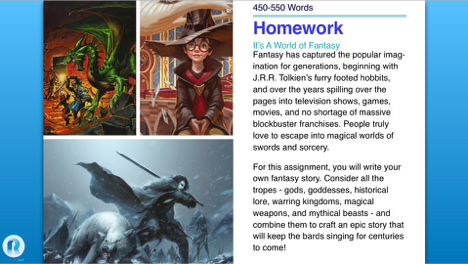
Emma continued to apply the lessons she learned throughout the course, and her ability as a writer became stronger. In a recent assignment on writing a Fantasy Narrative, Emma constructed the setting and character of her story deliberately and effectively.
“Glittering sunshine shone from the window and on to the soft, silky bed sheet. Warm colored sweet flowers bloomed beside the open window. Dim but diligent drawings hung on the refreshing seaweed-green wall.”
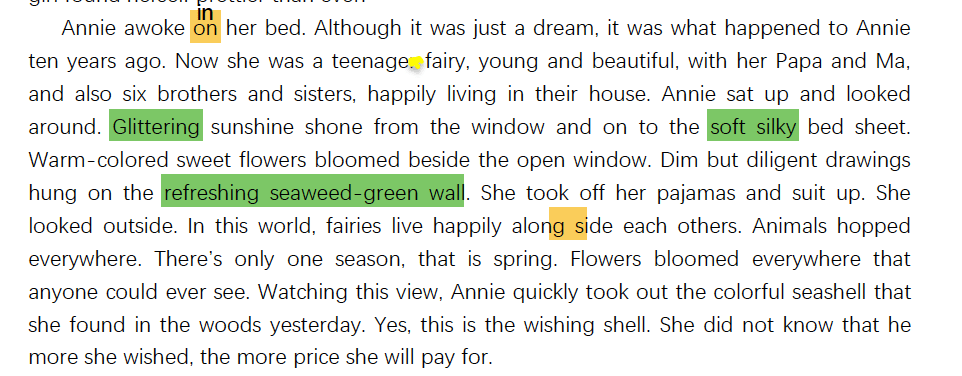
As you can see, Emma displays characteristics of a promising young writer. Her determination to improve, and careful application of the lessons taught have helped to elevate her writing to a more advanced level.
Thank you Emma, for being such a STAR! We look forward to seeing your growth for a long time to come. We know this is only the beginning of a brilliant journey.
Kòm edikatè, souvan yo te poze nou kesyon an, “Kijan mwen ka fè pitit mwen an sispann li liv komik?” Paran yo enkyete ke komik pa bay valè edikatif, yo pa akademik ase solid, oswa pi move nan tout, yon gaspiyaj tan pitit yo. Pou sa, repons nou an anjeneral sipriz yo, epi repons sa a se, "Kite yo li komik!”
Li konprann ke paran yo ta yon ti jan konsène kòm pèsepsyon a se ke komik yo se piman pou lekti plezi., sepandan, komik gen anpil avantaj pi lwen pase ede nou pase tan an.
Komik ak woman grafik yo pa nouvo fòm ekriti. Natirèlman, yo te jwi pa anpil pou jenerasyon. Pandan ane yo, genre a te chanje nan yon sèl ak pwofondè konsiderab ak siyifikasyon, se poutèt sa nou ankouraje paran yo pa sèlman pèmèt pitit yo li komik, men tou pou sipòte yo nan fè sa.
Men rezon prensipal nou yo ta dwe li komik (espesyalman nan sezon lete an!):
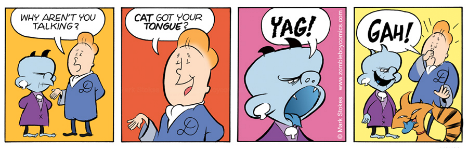
Pou elèv ki pa pale angle natif natal, komik bay yon bon fason pou yo kòmanse jwi literati angle. Pou anpil timoun, travay la pou ale soti nan yon liv lang angle nan yon woman ka trè redoutable, men komik yo ka bay yon pon ki nesesè pou yo vin gen konfyans ansanm ak lekti. Siyal vizyèl nan foto yo pèmèt elèv yo kreye yon konpreyansyon pi pwofon sou konplo a ak karaktè yo ansanm ak nouvo vokabilè.. Anplis de sa, li entwodui yo nan aparèy literè efikas, tankou onomatopei (panse POW! SMACK! ZOOM!) ak idiom (yon ilistrasyon ki montre siyifikasyon yon idiom tankou, "Chat gen lang ou?” fè pi plis sans pase chofe idiom nan poukont li!).
2.Amelyore Enferans
Enferans se yon konpetans kle nan lekti ke anpil elèv ap lite ak nan evalyasyon estanda lekti. Enferans rive lè nou tire konklizyon ki baze sou sa nou li. Kèk egzanp kesyon elèv yo pral rankontre pandan travay konpreyansyon lekti oswa evalyasyon yo se tankou, "Kijan karaktè a te santi lè?”, "Ki sa ou ka konkli sou..." ak "Ki leson ki te nan istwa a?” Komik mande pou elèv yo “li ant liy yo” pou dedwi enfòmasyon ke narrateur a anjeneral di nan yon woman., pou yo ka jwenn anpil eksperyans valab nan ranfòse konpetans sa a nan li komik.
3.Pawòl pouvwa!
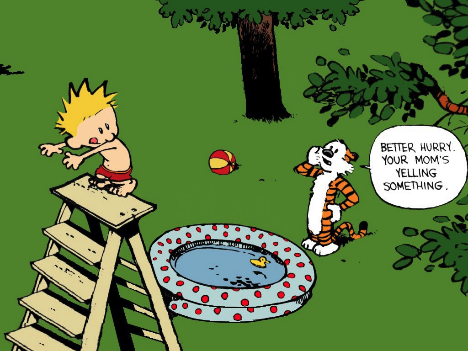
Souvan nan komik ak woman grafik, ekriven yo enkli vokabilè byen avanse, tou de kòm yon pati nan liy lan istwa kòm byen ke nan non yo nan karaktè yo. Nan 2016 nan mond popilè Comic-Con la nan San Diego, Kalifòni, yon panelist edikatè te diskite sou pouvwa komik nan bati vokabilè elèv yo. James Bucky Carter, otè Building Literacy Connections with Graphic Novels te di, "Ou gen Colossus, epi li se gwo sa a, nèg metal jeyan. Ou jwenn yon bon sans de sa mo kolos la vle di e sa se yon bon mo 10 santim. Pouvwa Banshee ap kriye. Ou gen karaktè sa yo ki enkòpore mo vokabilè yo ke yo ye. Sa se yon bagay ki se yon fason amizan pou aprann nouvo mo, anplis de endikasyon kontèks yo.”
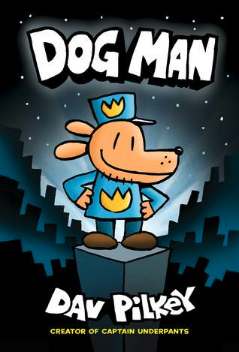
Apre ou fin li sa a ou ka jis vle kite pitit ou a plonje dwa nan lekti komik oswa woman grafik! Sa se mizik pou zòrèy nou. Si ou pa fin sèten ki kote pou kòmanse, nou gen kèk elèv pi renmen pitit ou ta renmen eseye!
Dog Man pa Dave Pilkey
Miles Morales Spider-Man pa Jason Reynolds

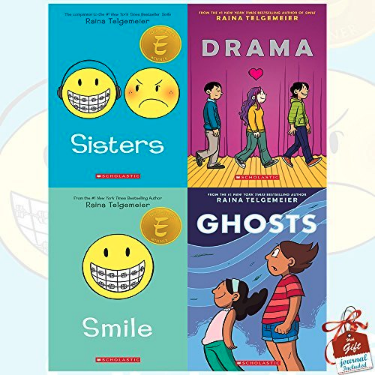
Souri, Sè yo, Fantom, Dram ak lòt istwa pa Raina Telgemeier
Bone pa Jeff Smith

Kap chèche plis opòtinite lekti ete pou pitit ou a? Kontakte youn nan Konsiltan Edikasyon nou yo pou plis enfòmasyon sou kou lekti ete nou yo. Nou tann lekti ak pitit ou a!
Sezon egzamen an la, epi li kapab yon moman nan ane trè estrès pou elèv yo ak paran yo. Nan Reach Out nou vle fè pi byen nou pou ede soulaje enkyetid egzamen an nan ofri kèk konsèy etid inik ou ta ka pa te eseye..
Sajès konvansyonèl nan etid souvan te swiv pa anpil paran ak pwofesè ki vle di byen, sepandan, si nou gade nan kèk apwòch enteresan ki baze sou rechèch nou ka wè ke gen yon varyete fason efikas yo etidye! Li toujou bon pou eseye nouvo bagay, espesyalman pou timoun yo. Yo ka fè eksperyans nouvo fason pou yo fè bagay lè yo jèn, ak lè yo yon ti jan pi gran, yo ka chwazi fason ki pi byen adapte a pwòp bezwen pèsonèl yo ak style.
Kounye a, Ann pran yon gade nan twa fason inik yo etidye.
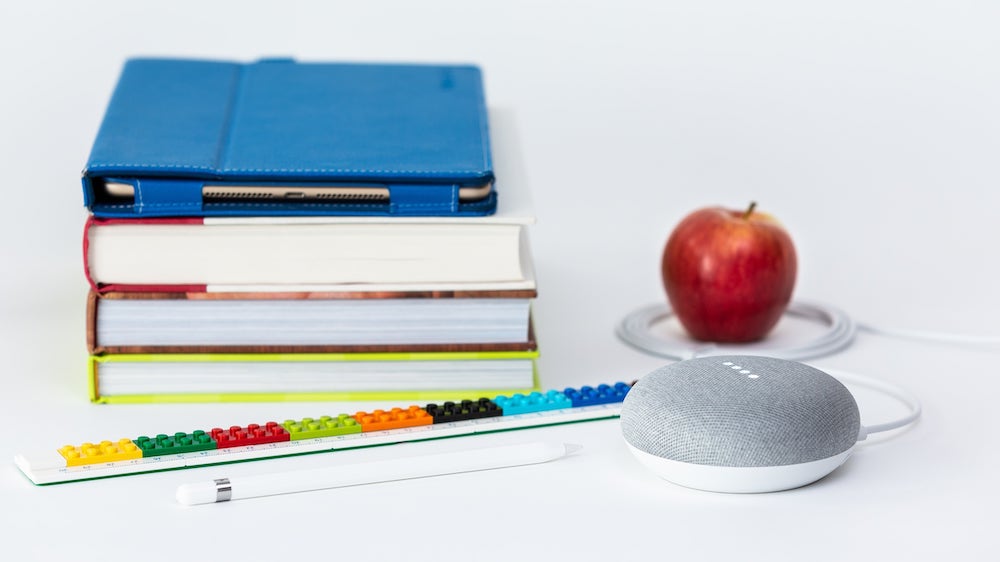
Varyete se epis nan lavi-menm lè etidye
Pou anpil moun, anpil ane yo te di nou sa yo nan lòd yo etidye byen, nou ta dwe etidye nan menm kote chak jou; yon kote ki trankil, byen limen, epi li gen tout materyèl nou yo. Pandan ke sa a ta ka vre pou kèk nan tan an nou ap etidye, rechèch montre nou ke sèvo nou an aktyèlman fè pi byen lè nou varye kote n ap etidye a. Byen etone, dwa?
Nan yon etid fè tout wout la tounen nan 1978, yo te bay etidyan kolèj yo 40 mo vokabilè pou etidye. Yon gwoup te di pou etidye lis la de fwa nan menm kote a. Yo te di lòt gwoup la etidye lis la nan de kote diferan. Sa yo te jwenn se te, gwoup la ki varye kote etid yo aktyèlman fè pi byen sou sonje mo yo pita. Koulye a, poukisa se sa? Oke, sèvo nou souvan fè koneksyon ak enfòmasyon ki baze sou anviwònman nou an, se konsa plis nou varye anviwònman nou an, plis n ap bay sèvo nou yon chans pou kenbe enfòmasyon kòm li pral tache ak plis bagay. Sa a ka tou poukisa yon teknik vizyalizasyon, kote yon moun vizyalize bagay yo vle sonje nan sèten kote nan yon anviwònman yo abitye avèk yo, ka tèlman efikas tou. Pou elèv yo, tou senpleman chanje anviwònman an ta ka fè jwe fent la!
Pran plezi!
Gen kèk paran ki ka panse ke si pitit yo ap ri oswa ap eksite pandan y ap aprann oswa etidye, yo ta ka pèdi tan yo. Sepandan, sa a se pa nesesèman ka a.
Kòm yon paran, nan travay ou oswa biwo ou ta ka gen atelye espesyal de tan zan tan. Atelye yo anjeneral yo itilize kòm yon zouti pou ede w aprann sou yon nouvo estrateji, lide, oswa enfòmasyon ki pral ede w aprann plis nan travay ou. Sesyon sa yo souvan dirije pa moun ki espesyalize nan kreye atelye motivasyon ak enspire ki dinamize ak dinamize anplwaye yo.. Jou yo ka long ak entans, men si yo fè byen, anplwaye yo ka ale konfyans nan nouvo konesans ak konpetans yo.
Menm bag yo vre pou jèn moun. Entwodwi jwèt ak plezi kòm yon fason pou etidye pou egzamen pa sèlman fè pitit ou a souri, men rechèch endike ke pran plezi pandan y ap aprann aktive sèten resous mantal, asosye rekonpans ak plezi ak aprantisaj, ranfòse ak elaji rezo memwa, ak baskile panse abstrè ak atansyon konsantre.
Teknik Pomodoro a
Rete konsantre, sou travay ak motive pou konplete sèten aktivite ka difisil pou tou de granmoun ak timoun sanble. Èske w te janm santi tankou ou te fikse nan yon ekran òdinatè pou èdtan, men akonpli anpil? Oswa petèt ou gen yon dat limit nan kèk jou, men yo sèlman pous nan direksyon fini an? Se pa etonan, kòm rechèch montre ke lide nou gen tandans moute desann nan 20% nan tan an, petèt menm plis pou pi piti.
Yon teknik enteresan te kreye pa etidyan kolèj Francesco Cirillo kòm yon fason pou ede l 'rete konsantre, e se teknik Pomodoro, ki te resevwa non li nan revèy la ki gen fòm tomat Cirillo te itilize pandan y ap teste estrateji sa a sou tèt li. Ki jan li fonksyone se ou mete yon revèy pou 25 minit, ki se tan travay. Lè sa a, mete l 'ankò pou 5 minit, ki se tan repo. Sa se yon bon moman pou leve, detire, pran yon tour nan kay la, bèt kay chat ou, oswa pran yon bwè nan dlo oswa yon ti goute. Apre repo tan an rive, mete revèy la pou yon lòt 25 minit epi repete!
Li sanble ke estrateji sa a apiye pa prèv syantifik, kòm chèchè konkli ke ti repo ede kenbe atansyon ou sou track. Sa a ta ka gen rapò ak lefèt ke annwi mantal ka mennen nan yon lide ki pa angaje, ki se dènye bagay ou vle lè w ap etidye pou yon egzamen enpòtan.
Nou espere ou te renmen eksplore konsèy etid inik sa yo otan ke nou genyen! Swete pitit ou a pi bon chans nan egzamen mwa sa a. Jiayou!
We know that there is so much we can do to nurture and educate our children, which is why as parents we often go to great lengths to fill their time with enriching activities and classes. Why do we do this? For many reasons of course, but the main goal is to ensure their future success. Parents hope that their children will be even more successful in life than they were themselves. Success, of course, is subjective, and we may all have our own definition of success. Generally however, we might agree that success includes feeling content in one’s personal life, as well having a sense of career satisfaction and financial security.
Recently there has been an intriguing TED Talk being shared on social media, in which former Dean of Freshman at Stanford University, Julie Lythcott-Haims, cites evidence from the Harvard Grant Study that correlates professional success in life to individuals having done chores as children. Not soccer training, not language learning, not painting, but chores.
Surprising right?
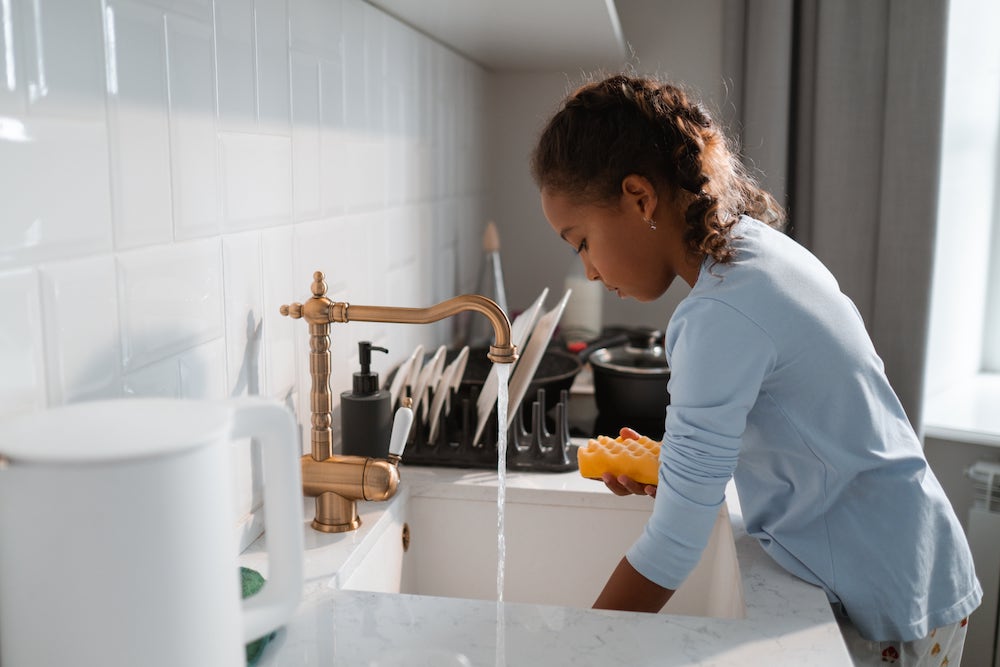
Many of our children growing up in big cities may never know what it’s like to scrub a dish, wash a window, or mop a floor. We might feel like there are more important things to do to build their knowledge and their character. Lythcott-Haims explains that those children who do get their hands dirty, sepandan, may reach a level of success in life that surpasses their no-chore-doing peers. That is because it teaches students how to contribute and step up when work needs to be done, and that doing the “grunt work” that others might scoff at, because it is what is best for all, is what gets noticed in the workplace.
The workplaces of the high-achievers who took part in the Harvard Grant Study were notable, such as the White House, where participant President Kennedy worked, and the editor’s office where Ben Bradlee sat as editor of The Washington Post. We can assume that their parents, like us, had to prod and plead for the chores to be done, and accept that even if they were done, they might not have been done well; and that’s okay.
The important thing, as Lythcott-Haims points out, is that by doing chores, children realize that they, “…have to do the work of life in order to be part of life.” They realize that life does not just happen to them, and for them, but with them.
If your children are already doing chores as part of their daily summer routine, bravo! You are on the right track. If not, no need to panic. It is never too late to introduce chores into the lives of our children. Here are some tips to help get you started!
Let Them Be a Part of It
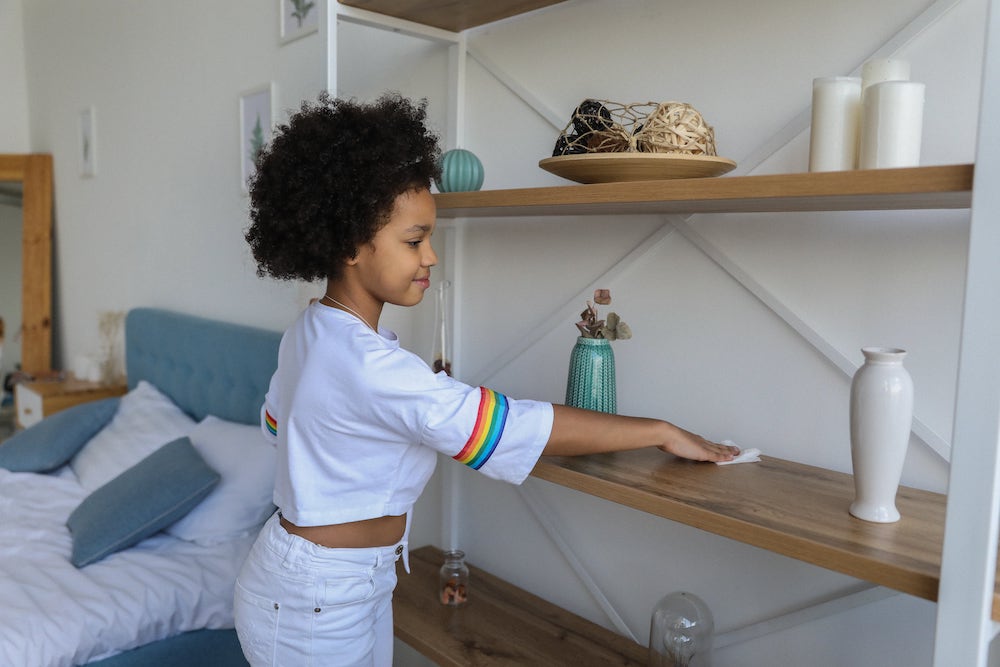
When introducing the concept of your children completing chores to help, have a “family meeting” where everyone is present to discuss what will be expected of your children and why. You can ask your child to help you write a list of chores they could potentially help with around the house. They might surprise you with their enthusiasm as doing chores is very exciting for some children because it makes them feel empowered and helpful (two things we often like to feel as adults).
Game-ify It
To make things fun, because fun makes everything better, you or your child can write the chores on popsicle sticks and each day your child can choose one stick from the jar. That will be their chore for the day! If you have more than one child at home, you can always turn cleaning into a competition by setting a timer and seeing which child can clean the most toys in the given amount of time, for example.
Reward It
As parents, we are rewarded for our contributions at work with a salary. Shouldn’t our children also be rewarded for their hard work? One idea is that if your child completes all of his or her chores for the week, he or she can choose a small toy from a “treasure box” filled with small toys. Another option could be that if your child consistently completes chores for a month, they can choose an extra special family outing.
Teaching our children to do chores is not always easy, but the potential benefits are worth the time and effort. We hope you found our tips useful, and that they can help lead to a positive experience for you and your child. Happy cleaning!
We are pleased to announce a new summer book club, just for parents! Summer is the perfect time to read that book you have always wanted to read, but have not had the time to. This summer, we invite you to join us in reading How to Talk So Kids Will Listen and Listen So Kids Will Talk.
We know it is not always easy to connect with our children because of the demands of school, work and daily life. Sometimes our anxieties about the future interfere with us living our lives right now. Sepandan, one thing we can guarantee is that we will never get another chance to experience childhood with our own children, and we don’t want to miss out on this precious time. Se konsa, how can we make the most of it and have meaningful conversations with our children that will strengthen our bond and help our children feel supported? These are big questions many of us have.
To help us answer these important questions, we invite you to join us in reading one of the most popular parenting books of all time, written by Adele Faber and Elaine Mazlish. How to Talk So Kids Will Listen and Listen So Kids Will Talk, which teaches us how to accept our children’s feelings, as by not doing so we could be unwittingly causing bad behavior. It also teaches us positive ways to encourage cooperation, as well as independence, autonomy, and self-confidence. These are all the ingredients needed to help nurture a positive parent-child relationship that will indeed help to grow our children into confident and capable adults.

How Will It Work?
The first step is to contact one of our Education Consultants to register. Registration is FREE and open to everyone! We will create a group chat where the book study content and sharing will take place starting on July 1st. Lindsey Fine, our Education Manager, will be joining the group as a parent as well, as she is a mother of two boys, aged 4 epi 6, who will be learning along with you. She will also be helping to lead the weekly discussions.
The book can be found in English and Chinese and easily accessible in print, e-book, or audiobook formats.
Then there are two options for how you would like to participate:
The reading schedule is as follows:
Week 1: Chapters 1 & 2
Week 2: Chapters 3 & 4
Week 3: Chapters 5 & 6
Week 4 Chapters 7 & Afterword
At the end of the month, we will host an online workshop led by School Counselor, Regina Wehner. At the workshop, Regina will share additional information and strategies you can use to strengthen your relationship with your child.
About Regina Wehner

Regina Wehner is a Licensed School Counselor that has worked with students in Middle School for over 16 years. Originally from the United States, she lives with her husband and 2 children, ages 10 epi 12, in Beijing, China.
Regina works at the Western Academy of Beijing (WAB), a diverse international school. A big part of being a school counselor is helping students learn about themselves and others as they are growing. Regina also hosts monthly Parent Coffee Mornings to bring parents together to learn more about their children's developmental changes and how to communicate during these times of transition.
Contact us today to join!
Helping Your Child Learn New Vocabulary
Research indicates that if we want students to succeed in the academic context, on important assessments and high-stakes exams, as well as their future careers, we must help them develop their vocabulary. The reason for that is this: our understanding of new information is directly linked to our understanding of the vocabulary used to communicate that new information.
Pou elèv yo, increasing their vocabulary is one key to success in mastering a language; the more words we know, the more words we understand, and the more words we can use in our writing to make it more impactful and effective. Sepandan, learning now vocabulary is sometimes viewed as a tedious or elusive process. Sometimes parents are not sure how to guide their children, especially as the way we approach vocabulary study study may vastly differ from the way parents studied it when they were in school.
pa enkyete w, Reach Out is here to help! Let’s explore vocabulary acquisition (the process of memorizing and applying new vocabulary), and we’ll tell you how you can help your child build their vocabulary!
Talk About It!
It might seem overly simple, but when it comes to learning new words, one effective way young people do it is by talking with others. Children learn new words best when they are in context, such as in a conversation about a certain topic. They can infer a bit of new words’ meanings based on how they are used along with the other words they are already familiar with.
You have likely been interrupted by your child on many occasions when you use unfamiliar vocabulary and they curiously ask, “What does disaster mean?” You might have been referring to the state of their bedroom (as in it is a complete mess), and by taking a moment to explain the multiple meanings of disaster to them, you will not only have taught them a new word to describe a messy room, but also a failure or a naturally occurring phenomenon, such as a natural disaster.
Se konsa, talking with your child is a great way to teach them new words!
Explore It!
Students generally understand that they can use a dictionary or a translator if they encounter a word they do not know, but sometimes even the definition of a word might leave them with more questions than answers.
In our experience, many students do not utilize one very important tool for learning and applying new vocabulary, and that tool is a thesaurus! If you notice your child overusing a word when speaking or in their writing, for example, “pretty”, “cute”, “good”, or “bad”, then take some time to show them how to use a website such as thesaurus.com to look those words up. When they search for the word such as “pretty” they will see that there are so many interesting and unique words to use instead! I
In our experience, students really enjoy using new vocabulary, and feel empowered to know there is a tool to help them make their words mightier.
Play!
Having fun while learning isn’t just something teachers do to make students happy, it’s actually been proven by neuroscience to be an effective way to help students learn more and more deeply. Research shows that when students are both stimulated and challenged, their brains release dopamine. Dopamine is a neurotransmitter that stimulates the memory centers and promotes the release of acetylcholinem, which increases focused attention.
In our courses here at Reach Out, vocabulary instruction is an important part of each lesson. We also have courses launching this summer, Vocabulary Builder Levels 1-3, in which we will focus exclusively on helping your child expand their vocabulary knowledge with challenging new words. While the words chosen offer the challenge, tools like Quizlet and games such as Guess Who and Sentence Racer provide students with the chance to interact in a meaningful and engaging way.
How do we know these methods are effective? Because our decades of experience, and study of educational psychology and methodology have taught us how students learn best!
We would love to help your child learn new vocabulary as one of the ways he or she can become an effect more effective and successful reader, writer, and speaker. To learn more about how we can help, kontakte youn nan Konsiltan Edikasyon nou yo jodi a!
If you are looking for a more individualized educational service, Reach Out offers 1-on-1 services with our expert educators!
What do We Offer?
Our teachers offer a wide range of 1-on-1 subjects including English, Social Sciences, and Maths.
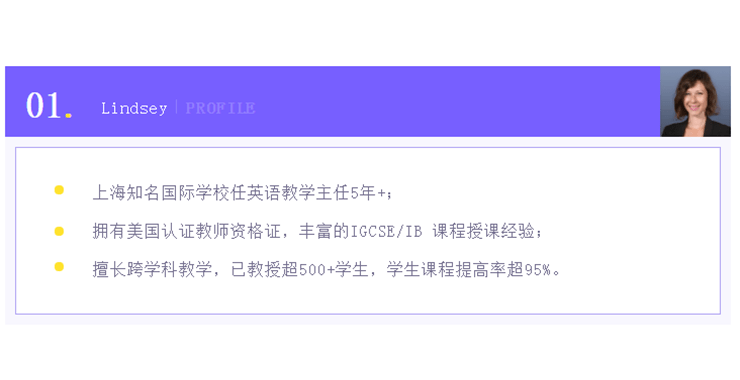
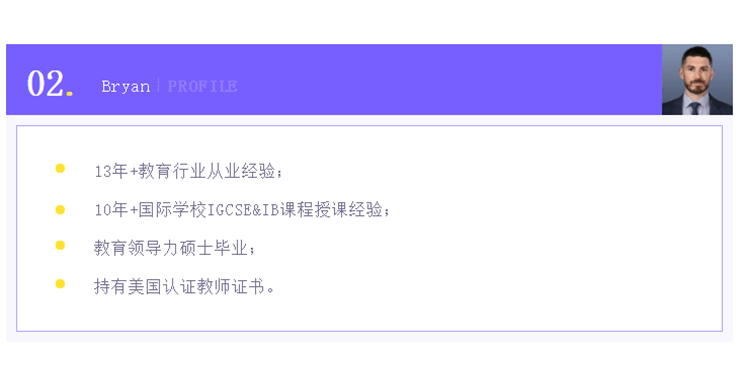
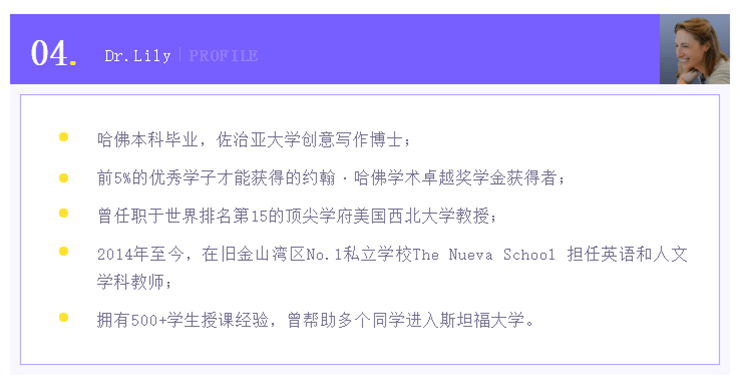
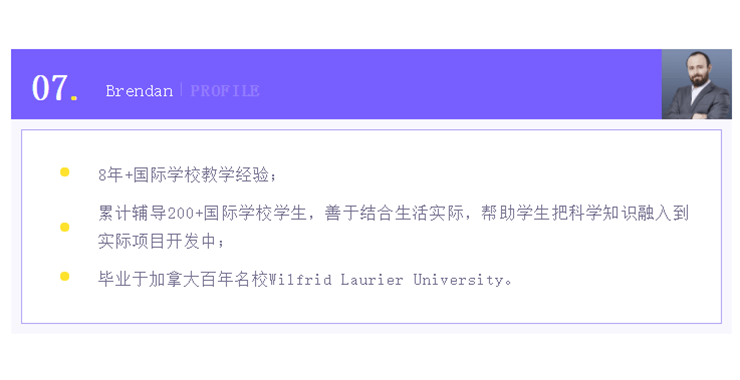
Meet some of our highly qualified and experienced teachers!
Why Should I Choose 1-on-1 Services?
Perhaps your child is preparing to study abroad or applying to a new school and he or she would like a more intensive and targeted approach in order to polish his or her skills. Alternatively, your child might not feel challenged enough with his or her current curriculum, and needs an alternative approach that is more appropriate for his or her ability level.
There are a number of reasons a parent might be searching for services such as this, and we can assure you that we will always work to understand you child’s unique situation and provide the service that is best for them.
How Does it Work?
With our hands-on approach, and orientation process, we will assess your child’s knowledge and skills based on current assessment data, writing ability, ak plis ankò. Based on our findings, we will select the teacher best suited for your child’s needs. All of Reach Out’s teachers have been carefully selected, and have years of experience in teaching challenging curriculums, such as IGCSE, IB, and AP, in top schools from around the world.
Our process is goal-oriented. We find out exactly what your child needs to reach their educational goals, and then we create a unique and tailor-made learning path that will best suit your child’s particular needs.
What Else Does Reach Out Offer?
In addition to 1-on-1 services, Reach Out offers a wide variety of courses specifically designed to challenge and engage your 2nd to 8th grade child with above grade level content in order to help them prepare for the rigor of programs such as IGCSE, IB, and AP.
How Can I Learn More?
To find out more about our 1-on-1 services, please contact one of our Education Consultants today to find out more! We look forward to helping your child reach his or her educational goals for a bright future!
Who We Are
As you may have noticed, we have been growing and have some exciting additions to what we offer here at Reach Out. As it has been a while since we introduced ourselves, we thought we would share our story with you to help you better understand who we are and what we do!
Our Mission
Reach Out’s mission is to connect students with expert educators who create and deliver original, inspiring, world-class curricula. We have embarked on this journey so that we may help students understand how to find their own unique voice and uncover the creative and valuable ideas that lie within each of them. With their voices, they have the power to change the world, and we wish to empower them to do so.
Our Vision
Reach Out strives to be an internationally recognized educational institution that allows students to access top level international curriculum and educators, no matter where in the world they are. Our students will be perceptive, curious, and critical thinkers who make informed choices as excellent problem solvers and communicators. Reach Out students will achieve their academic and personal goals and dreams from Primary School to University, placing their brilliant futures within reach.
Our Core Values
These are the principles which shape Reach Out:
Our Story
Reach Out was created by a small group of dedicated mothers, perhaps much like yourself. They were brought together by a common vision for the educational needs of their children. Some were looking for an educational program that could offer their children access to the ideas, teaching philosophy, and methodology that matched what they had experienced while living abroad. Others were looking for an internationalized curriculum that their children could access to enrich their educational experience in China. What they shared in common was a desire for a rigorous program that also opened the doors to creative and critical thinking, self-reflection, and personal expression - the hallmarks of a strong international curriculum. After spending considerable time exploring various options, these moms were not able to find anything that quite met their children’s needs.
Se konsa, they did what any good mother would do, given the chance, and found their own way to offer their children the best possible learning opportunities designed to help them thrive. They consulted expert teachers and worked with other parents to discover how they could best meet the needs of other children with similar goals. Timoun yo, we hope, like yours.
The parents were committed to:
We are happy to say that these mothers have achieved their goal. Today Reach Out boasts a complete line of rigorous yet engaging courses in which students learn deeply while having fun and creating meaningful relationships with their teachers and peers.
All of this because of our founding mothers’ commitment to their children’s education and happiness.
What Makes Us Unique?
While we understand parents have an array of choices when it comes to programs that enrich their children’s education, we believe we offer many unique qualities that are not easily found elsewhere.
Our team consists of highly skilled and experienced educators who have created a unique and rigorous program based on international school standards, which prepares younger students to take on rigorous curriculums such as IGCSE, IB, and AP.
-Our one to one programs and curriculums designed to exceed the educational needs of our students
-Our teaching philosophy of inspiring and empowering students, and teaching methodology of allowing students to explore knowledge widely and deeply while at the same time developing a love of learning
-Our commitment to the long-term success of our students as we strive to equip them with the essential skills they will need to succeed in their future careers and the world beyond school
- The detailed feedback we provide with all of our student assessments, so that students know where they are succeeding and where they might improve, as well as the supplemental materials and instruction needed to help our students close any gaps in understanding
-Our dedication to developing our students’ critical thinking and problem solving skills, which will be essential for their future, as well as the future of our global society
-Our promise to hire all of our teaching and non-teaching staff based on their mutual passion for education
-Our ability to empower students to use the language, knowledge, and skills they acquire to develop themselves beyond the classroom and into curious, lifelong learners who set and pursue challenging, fulfilling, and worthwhile goals.
-Our hands-on, individualized approach to creating a learning path for our students so that no matter what grade level they are when they join us, they will be equipped with the tools necessary to improve and grow rapidly
-Our commitment to empowering our clients with information and experiences that will help them make the absolute best choices for their child's education by offering informative articles, videos and workshops.
Our Curriculum
Our Blue Line curriculum, which includes courses for students in Grades 2 to 8, was designed by expert educators with advanced level degrees in their subject areas who have spent decades in some of the top international schools in the world. We use backwards curriculum design working our way from the first year of programs such as the widely recognized and respected IGCSE program.
As our educators have spent years teaching courses pre-IGCSE, IGCSE, IB and AP or A Levels curriculum, they understand what students need to succeed in those programs. Se konsa, each aspect of our curriculum has been created to make sure that all of our students enter their first day of Grade 9 feeling confident, equipped, and prepared to meet the demands of these rigorous courses.
We offer a wide range of courses in the subjects of English, Matematik, History and Geography. See below for more detailed information on our full course offerings.
Additional Services
We are also pleased to announce the creation of our Silver Line, which offers bespoke educational services that take an individualized approach to meeting our students' needs. We begin with a deep assessment of each student's educational goals and needs, and then create and implement a scheme of work with which our expert educators will use to guide your child through the academic challenges of High School in order to prepare them to eventually attend their dream university.
We also offer 1-on-1 services at all grade levels for parents who wish to offer their children more individual care and instruction. Our expert Education Consultants will make sure to match your child with the best educator for his or her specific needs and goals.
Join Us!
We look forward to meeting your family and discussing how you can be part of our Reach Out family; one that learns together, cares for each other, overcomes challenges together, and celebrates successes with one another. Please contact us today to find out more.
We hope to hear from you soon!
Being a parent is hard. An reyalite, with the changes in our world today, it might just be one of the challenging moments we have had to face in decades. Change leads to uncertainty, and uncertainty can lead to stress. Stress certainly affects all areas of our lives, sometimes it will impact our relationship with our loved ones the most; especially our children.
Our children can be complicated (let’s face it, so can we!), and it is a daunting task to ensure that every move is the “right” one. That all of our conversations, demands, requests, plans, praises and criticisms mean something. Every moment we spend talking to our kids, we hold the hope that these words will be enough to fill our children with the hope of a great future at a time where the future is so uncertain. Times change, and this too shall pass, but one thing we can guarantee is that we will never have a second chance at spending a childhood with our children.
As parents, we often ask ourselves if we are in fact doing the right thing, wondering how we can get through to our kids, trying to understand our children better, and sometimes feeling like a guilty failure because we tell ourselves we are doing it wrong. Oftentimes, that is not the case, but there is no instruction manual on how to raise a child that will work for everyone in all situations. Sure, there is a lot of advice, an overwhelming amount of it, but again, most advice is just that; guidance and recommendations by people who don’t know you or your child. Some of it is helpful, and some of it…not so much.
One thing that we cannot deny though is the importance of a healthy relationship between parent and child.
Research shows that:
It is essential to make the time to nurture a relationship with your child, and perhaps even more imperative, making sure the interactions we have with our children during that time are positive. This is something that many parents find challenging, which is why we created a parent book club for the book How to Talk So Kids Will Listen and Listen So Kids Will Talk by Adele Faber and Elaine Mazlish. Together we learned ways to positively communicate with our children in order to strengthen our bonds. We spent time discussing ideas from the book, as well as had a virtual meet up to role-play some of the strategies from the book. On top of that, we invited Middle School Guidance Counselor, Regina Wehner, to provide parents with a workshop in understanding our child’s cognitive and emotional development.
Here are some highlights we would like to share with you!
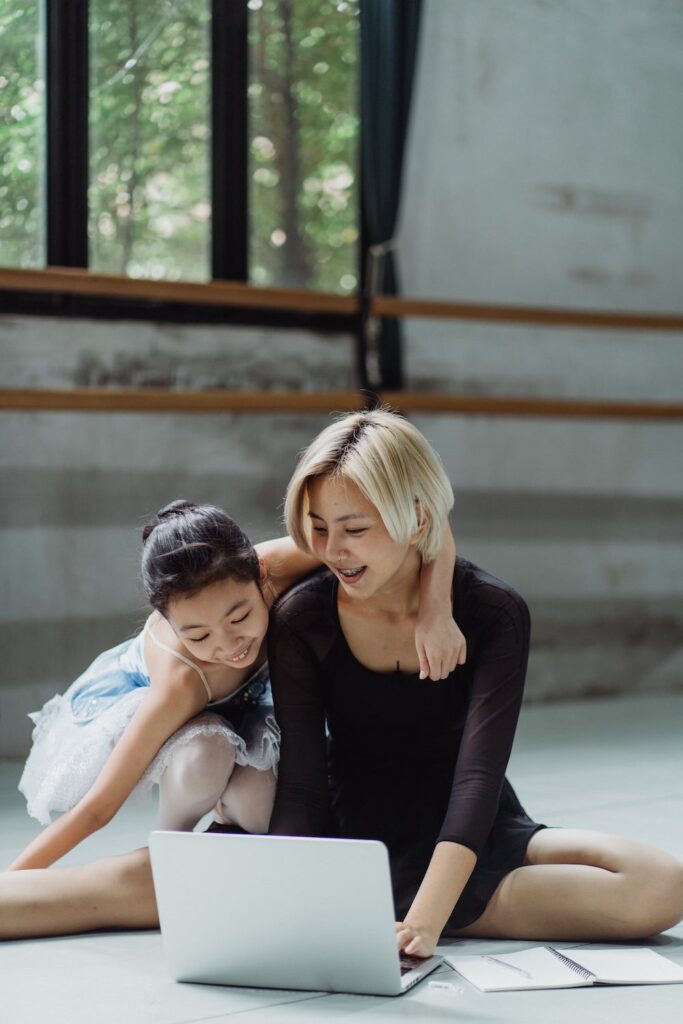
First, from How to Talk So Kids Will Listen and Listen So Kids Will Talk, here are two of our favorite strategies:
Children have difficulty regulating their emotions, as the brain’s emotional regulation center is one of the last to develop. This means that they need our help in the form of compassion and modeling. This can be so challenging, especially when we may have difficulty managing our own emotions at times! We have an easy strategy for you that will only require two things:
When your child comes home upset about something that happened at school, instead of lecturing and offering our sage advice, we can simply listen to their concerns and repeat the ideas back to them. Pou egzanp, if your child comes home upset and says something like, “Ugh, today Elizabeth and Sarah were so mean to me! They completely ignored me and I hate both of them now!” Instead of saying, “Elizabeth and Sarah are your best friends. It’s not a big deal and I am sure you will be fine tomorrow,” which could invalidate your child’s feelings, you can say, “Oh, I see. Elizabeth and Sarah made you feel a bit left out. That probably made you feel a bit sad and mad.” At this point your child might keep talking and open up to you, which is great! It means they trust you and you are making them feel better. Continue to listen, nod, say, “Mmmhmm,” and repeat what they say. Having you simply listen will likely make your child feel 100% better and ready to face their next challenge!

2. I wish!
Our children often express their desires in the form of wishing they had things they don’t have or wishing things were different than the way they are. Pou egzanp, children may say, “I wish I didn’t have to do all that homework.” We may reply, “Well, you do and that’s that!” or “It’s what you have to do. It’s your responsibility so you need to do it now!”
This may escalate into a battle of wills as parents feel frustrated that they keep hearing the same complaint and repeat the same reasoning. The children feel frustrated because their opinions are being invalidated and they feel misunderstood. Oke, don’t worry, we are here to help! We have a little trick that will help you turn the conversation around, and that is to agree with your child. It may sound counterintuitive, but we have firsthand experience with this trick and it works wonders!
Pou egzanp, if your child says, “I wish we could go to the park today like I wanted!”
Instead of saying, “I can’t, I am too busy,” or “Yes, but we can’t, it’s raining,” we can say, “I wish we could too! We could go to the park and have a picnic! We could fly a kite and blow bubbles! Why don’t we have a picnic in the living room and after that we can blow bubbles in the bathroom!”
The first part gets the kids excited and their imagination going, taking them to a happy place. The next part makes them feel heard and connected to you.
Kounye a, some highlights from Ms. Wehner’s workshop:
*Please help me choose these! :)*
If you would like to join one of our workshops or book clubs in the future, make sure to follow us and stay tuned! We have great things coming up this fall!
Anpil paran mande nou ki fason ki pi rapid pitit yo ka amelyore ekriti yo. Pandan ke nou fèm kwè ke pa gen okenn rakoursi pou vin yon ekriven vrèman efikas ak kalifye, gen kèk bagay elèv yo ka enkòpore nan ekriti yo pou ede mennen li nan pwochen nivo pi efikas. Tankou ak nenpòt bagay ki ap eseye metrize, kle nan siksè manti nan travay di ak repetisyon. Pratike konpetans sa yo regilyèman ap ede pitit ou a atenn objektif edikasyonèl yo.
Atik sa a pral premye nan yon seri de atik ki pral konsantre sou konpetans ki adapte pou diferan kalite ekri. Semèn sa a, nou pral konsantre sou konsèy ekri deskriptif.
Konsèy ekriti deskriptif:
Ekri deskriptif se yon fòm atizay vre, kòm objektif li yo ta dwe kreye yon imaj nan lespri lektè yo. Yon moun pa ka rakonte yon istwa sou aksyon ak dyalòg pou kont li, epi yon moun pa ka transmèt siyifikasyon pwofon ak emosyon nan yon powèm san yo pa pentire yon foto ak mo li yo.
Yon fason pwisan pou briye nan deskripsyon se ajoute adjektif ak advèb tout kote sa posib. Pou egzanp, si pitit ou a ap ekri yon istwa li ta ka ekri yon bagay tankou:
"Harry te ale deyò epi li te kòmanse chèche zanmi l yo."
Pandan ke fraz sa a transmèt yon siyifikasyon debaz, efè li sou lektè a tou debaz. Lè w ajoute langaj deskriptif sou fòm adjektif ak advèb, nou ka byen vit ak efektivman ajoute imaj nan fraz la:
"Harry te fèmen pòt devan an, klake li fèmen dèyè l '. Kè l te bat pandan l te kouri nan katye a anvi chèche zanmi l yo.”
Nan fraz revize a, nou wè deskripsyon ki di nou pa sèlman aksyon k ap fèt la, men tou, ede nou santi emosyon pèsonaj la, yon aspè enpòtan nan rakonte istwa.

Yon lòt bon fason pou fè yon istwa oswa powèm pi efikas se lè w ajoute langaj figire, tankou simil. Similye yo se konparezon ki sèvi ak tankou oswa kòm ki ka itilize pou ede lektè a imajine sa k ap pase pi klè..
Pou egzanp, pitit ou a ka ekri yon bagay tankou:
Mwen te tèlman kontan!
Li te tèlman bèl!
Li te tèlman pè!
Nou kapab ajoute similaires pou ede kreye yon pi bon rezilta:
Mwen te kontan tankou yon ti chat nan yon magazen fil.
Se te yon bèl tankou yon panda ti bebe ap jwe nan nèj la.
Li te pè tankou yon lapen ki jis tande yon bèt nan bwa kriye.
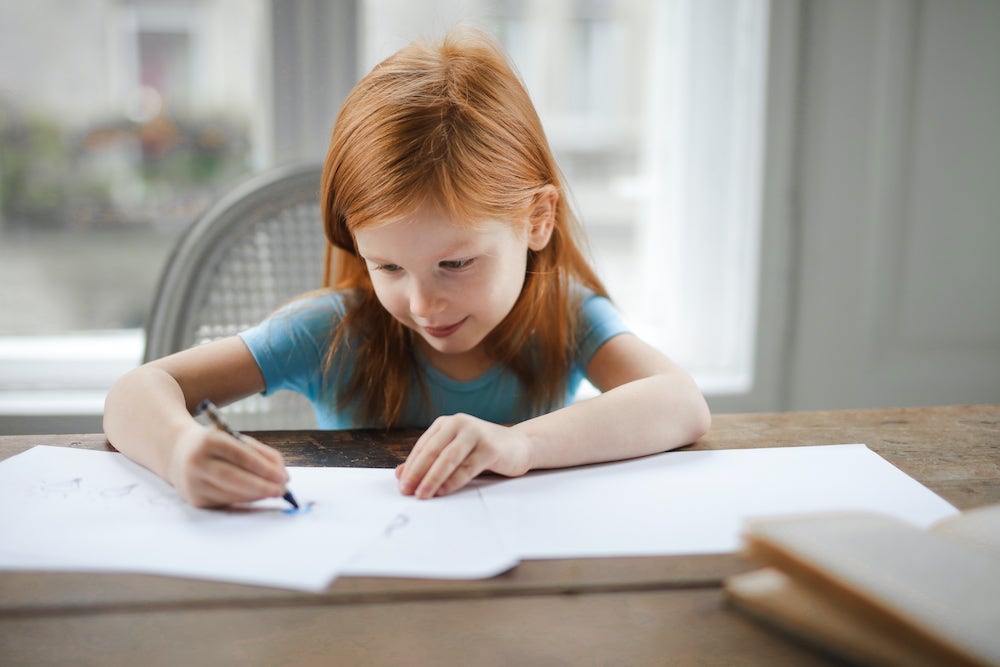
Konsèy final nou pou ekri deskriptif se chwazi vokabilè ki tèlman presi ke li kominike egzakteman sa ekriven an vle lektè a santi.. Souvan, elèv yo pral ekri deskripsyon ki yon ti jan vag, ak fraz tankou:
Li te fatige anpil.
Fim nan te trè raz.
Yo te frèt anpil.
Chanm nan cho anpil.
Ankò, fraz sa yo bay yon siyifikasyon senp, men nan ekriti deskriptif, sa tou senpleman pa ase. Deskripsyon efikas itilize vokabilè ki gen yon enpak, epi nou ka reyalize sa lè nou chwazi sèlman pi bon mo yo pou transmèt siyifikasyon ki pi egzak la.
Gade ki jan nou ka pran fraz ki anwo yo soti nan òdinè a ekstraòdinè lè nou ranplase yon pati nan fraz la ak vokabilè pwisan.:
Li te fin itilize.
Fim nan te san imajinasyon.
Yo te frèt jiska zo yo.
Chanm nan t ap boukannen.
Bon nouvèl la se ke pitit ou a pa bezwen konte sou konesans aktyèl li nan vokabilè pou l reyisi kreye fraz tankou sa yo ki pi wo a.. Thesaurus a gen tout mo yo bezwen pou kreye deskripsyon memorab.
Nou espere konsèy sa yo te itil! Si ou ta renmen pou pitit ou a aprann kijan pou mete konpetans sa yo an pratik ak youn nan edikatè pasyone nou yo, rete branche pou anons k ap vini sou nouvo kou ete ak otòn nou yo!
Semèn pwochèn, nou pral gen yon gade nan konsèy ekri persuasion!
Tell us a bit about yourself.
I grew up in five different countries (Sweden, England, Germany, South Africa, and Canada). Integration into a diverse spectrum of cultures growing up has made me see the world with an open mind. I currently reside in Canada and work as both a university lecturer and a Math teacher at Reach Out. Outside of work I really enjoy sports such as badminton and chess, which I played at a competitive level for many years.

What is your educational background and qualifications?
I received a Bachelor of Science Degree from the University of British Columbia (UBC) and an obtained my MSc at the same university. My graduate work involved experimental geoscience where I designed an apparatus to investigate how diamonds reach the surface of the Earth through high velocity magmas. I published articles in two high impact journals and presented the work across Canada and Europe.
During my graduate studies I had the privilege of lecturing a few classes which transitioned into a lectureship position. Teaching at the university level involves lecturing a class of over 200 elèv yo, which is very different to the work I do at Reach Out, but has helped me develop a dynamic teaching style.
Additionally, I have been teaching Math and Science both privately and through educational organizations for over 6 ane.
Why did you join Reach Out?
I joined Reach Out because the prospect of being able to deliver high quality education from around the globe without border restrictions resonates with me.
I feel that the reason I am committed to staying at Reach Out is more important. The personalized classes being delivered has allowed me to connect with the students, making their progression much more meaningful to me. Some students have been together with me through multiple grade levels and I feel immensely proud to have played a role in their education.
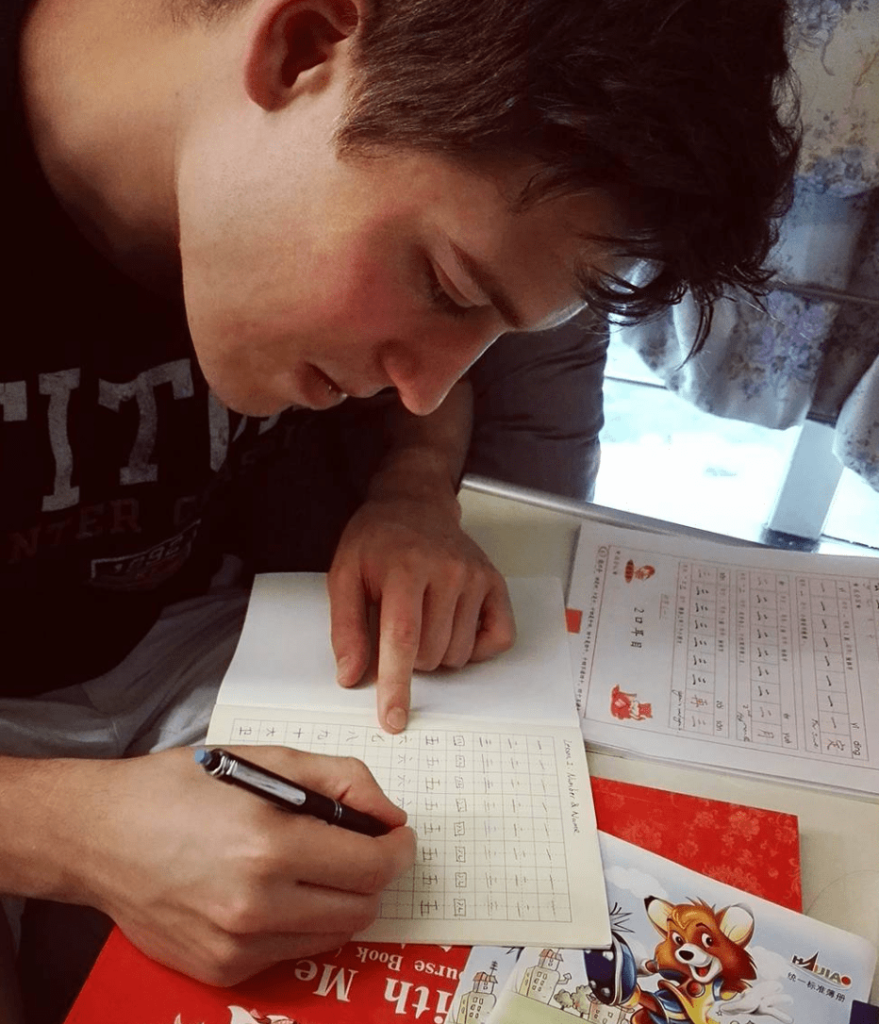
What is your educational philosophy?
Having a background in experimental science has allowed me to see value in making breakthroughs through experimentation. By allowing students to experiment with different methodologies while offering guidance is an extremely effective way of teaching students to not be afraid of failure. Richard Fuller correctly said, “There is no such thing as a failed experiment, only experiments with unexpected outcomes.” Students often start my classes afraid to answer questions, discuss with their classmates, or write on the board since they don’t know the answers. Since I am always more focused on solutions rather than answers, students’ are rewarded for trying new techniques, discussing failed methods, and asking questions about their classmates’ work. I found this to produce a phenomenal learning environment and takes a lot of pressure off the students.

What is your favorite thing about teaching Math?
My favorite thing about teaching Math is the exciting challenges it provides. After teaching Math for many years, I have come to realize that students see the world from a unique perspective, which more often than not, is very different from my own. This diversity produces a wide spectrum of learning styles and requires me to stay very flexible with the methodologies I use in my teaching.
Math is a complex subject which has provided us with a universal language to better understand the universe that surrounds us. Having a good problem solving ability is a byproduct of learning Math and crucial for success in the modern world. For these reasons I have the responsibility to transform a traditionally dry and boring subject into something exciting by creating compelling lessons and using creativity to inspire my students. This will always be something I love about my job.
Who is your favorite mathematician and why?
This is a tough question, and it’s hard to pinpoint one Mathematician since I utilize the works of so many Mathematicians in just one lesson. If I had to pick it would be either Johannes Kepler or Nicolaus Copernicus since I also love astronomy. Their Math not only challenged everything that was believed about our solar system at the time, but also formed the foundations for understanding planetary motion. Space travel has relied heavily on these concepts.
If you could only give parents one piece of advice when it comes to helping their child improve in Math, what would it be?
One thing I have worked on a lot with my students, is getting them to explain their solutions to me regardless of how easy it may seem. Being able to arrive at the correct answer in certain school curriculums may not require a complete understanding, but being able to explain a solution well does require a good understanding. Make sure that your child is always showing very clear steps in their work and that they can explain their steps to you. This certifies understanding and shows they are prepared for questions which test the same concept but may be worded differently.
What is one fun fact about yourself?
I really like learning languages! After growing up in many different countries I can speak English, Swedish, and German fluently. For the past two years I have been working to add Chinese to my collection and have enjoyed the unique challenges that learning this complex language has provided me with.
Jaden sekrè a se yon moso nan literati klasik ki te fè pati yon kantite inonbrabl nan anfans (si ou rate atik nou an sou poukisa timoun yo ta dwe li woman klasik, gade li lye anba a!). Li se yon istwa pwisan nan amitye ak dekouvri tèt li ki rezone ak nanm nou.
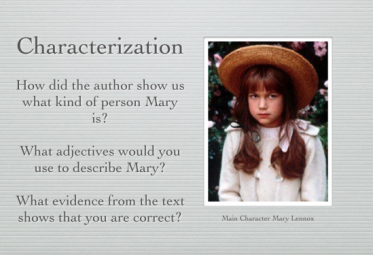
Sou entènèt jwèt Jaden sekrè a se sou yon jèn fi ki rele Mary Lennox ki pèdi fanmi li ak tout bagay ki abitye ak li akòz yon epidemi kolera nan peyi Zend., kote papa l t ap travay kòm yon Kapitèn Lame Britanik. Kòm yon timoun, Mari te byen neglije, men sèvitè fanmi yo te fè yo plezi, Se konsa, li te yon timoun gate ak yon dispozisyon terib. Li te gen anpil karakteristik ki ta ede l fè fas ak yon nouvo lavi nan Angletè, kote li te voye al viv ak yon fanmi byen lwen grouchy, Mr. Craven.
Mr. Craven te gen règ trè sevè pou Mari swiv nan nouvo kay li nan Misselthwaite Manor nan Yorkshire, ki enkli li te entèdi antre nan divès chanm andedan chato jeyan an, osi byen ke entèdi antre nan youn nan jaden yo sou pwopriyete a etandu, ki te fè pati madanm li renmen anpil an reta. Pandan Mari kòmanse eksplore nouvo kay li a, li kòmanse jwenn yon sans de kontantman epi li reprann sante li apre li te malad pandan anpil nan anfans li.. Apre yon robin ede l jwenn kle nan jaden an sekrè, li jwenn yon sans de objektif nan restorasyon jaden an, otan ke li retabli pwòp tèt li enteryè. Atravè pikan yo ak fèy sèk nan sezon fredi, li jwenn anpil plis manti andedan.
Èd pa nouvo zanmi Dickon, Mari devlope premye amitye li yo, epi sèvi ak fòs li te jwenn ak jantiyès pou ede kouzin li al kabann Colin, ki moun li jwenn kache nan manwa a. Zanmitay ranfòse tou de Mari ak Colin, ak nan fen a, tout moun temwen yon mirak sèlman ki fè posib grasa lyezon sere sa yo ak kwayans nan tèt li, de tèm trè enpòtan nan woman an.
Jèn yo pral renmen li kokenn istwa amitye sa a, simonte obstak, ak fè eksperyans pouvwa gerizon lanati. Pèsonaj yo ak leson yo anseye nou yo pral siman manyen pitit ou a epi ede yo fè eksperyans pouvwa a nan yon gwo istwa..
Si ou ta renmen yon opòtinite pou pitit ou a fè eksperyans istwa sa a ak lòt moun, nou kontan fè w konnen ke nou pral li Sou entènèt jwèt Jaden sekrè a kòm premye woman nan Nivo Young Classics nou an 2 Kou ete sa a.
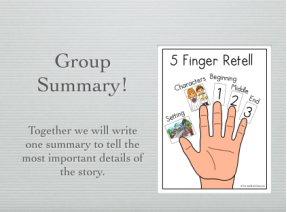
Nan kou a, nou pa sèlman li roman an, men nou tou aprann epi aplike nouvo vokabilè nan liv la, diskite sou teknik literè enpòtan ekriven an itilize, epi pratike ekri rezime, yon konpetans kle ke anpil elèv jwenn defi
Si w enteresan nan aprann plis sou Young Classics, oswa ak lòt kou ekselan ak enteresan nou yo, kontakte youn nan Konsiltan Edikasyon nou yo jodi a! Nou espere travay ak pitit ou a trè byento!
Literature study is an important aspect of any excellent academic program, and that is because it helps to teach students a wide range of knowledge and skills that are essential for success in many areas of life. While studying literature, students learn about important events and people throughout history, they consider cultural perspective and increase their own understanding of acceptance of different ideas and beliefs, and they learn how to analyse the words of others in order to form a deep understanding of new ideas and ways of communicating. In short, it exposes students to a toolbox of ideas, techniques, strategies, theories, and more that they will carry with them throughout their life, shaping the way they approach the world.
Why do we offer this course?
Reach Out students typically pursue high school programs such as IGCSE, which includes challenging courses such as English Language and Literature and English as a First Language. Later, most of those students will take on the challenge of IB and AP level programs, in which they must take on the task of reading a variety of literature. Our aim is to expose students in upper primary and middle school to a wide range of advanced literature so that by the time they reach high school they possess the knowledge and skills to hit the ground running, and therefore achieve to a higher level.
This course is designed for Grade 7-9 elèv yo.
The Objectives of our Advanced Literature Course are to:
✪ Enhance students’ ability to understand and discern literary techniques used English and American literature, and the ability to communicate the effects of those techniques;
✪Improve children's literary comprehension skills and increase their understanding of British and American culture;
✪ Under the guidance of our expert educators, learn the power of language and storytelling in a challenging yet engaging way.
Meet Our Teachers
*Insert teacher bios here for Barry, Anthony, and John*
Our Book Selections:
Cry the Beloved Country by Alan Paton

Set in South Africa in the 1940s, award-winning Cry the Beloved Country tells the story of a Zulu Pastor, Steven Kumalo, who travels from his village to the city of Johannesburg. Along his arduous and heart-wrenching journey, he discovers that his sister and son have found themselves in terrible situations that he must now face with them. The characters’ vastly different lives become unexpectedly woven together through tragedy during a dark time in South Africa’s history. Sepandan, through tragedy and challenges, the true nature of the human spirit can be found and uplift those who need it most.
Dracula by Bram Stoker
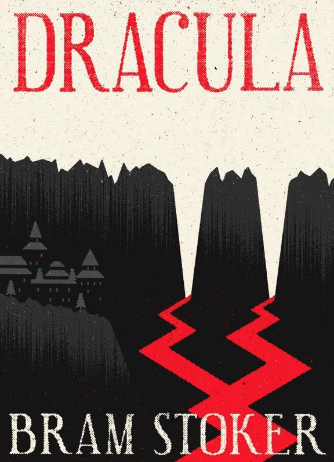
The legend of Dracula has loomed large in the minds of readers and movie-goers for generations. Bram Stoker based the infamous character of Dracula on the legend of the real life ruler of Wallachia, Vlad the Impaler. Stoker was able to take this dark corner of history and turn it into a legendary novel told through journal entries, letters and telegrams. As with any classic, Dracula has stood the test of time because it speaks to something very deep and meaningful within the human psyche.
Of Mice and Men by John Steinbeck
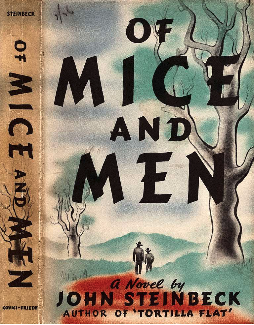
The Great Depression was a defining moment in American history that tested its strength as a nation, and placed the population in a precarious balance between life and death. In what is considered one of the greatest American classics, readers are introduced to two displaced migrant workers, George and Lennie. George is an intelligent young man, while Lennie is mentally disabled. George takes Lennie under his wing as they seek employment where few opportunities exist, trying to survive, yet still dreaming of the day they will have their own land and build a life. Their hopes are dashed when a devastating incident occurs that alters their lives forever.
What Students Will Gain
Develop an early sense of literary appreciation,
See the world from a more mature perspective
British and American classics contain thought-provoking moral and social issues. Reading the most influential classic literature thoroughly helps students become better readers, and begin the process of pursuing self-realization.
Improve understanding of culture and history
Learning allusions from classic British and American literature can help us bridge cultural differences. "The classics have opened the door to different worlds, different cultures, and different historical perspectives. Literature crosses race, culture, religion, and geography."
Self-reflection and personal growth
Many classic literature allude to our lives from the side: books that reflect similarities to our own lives are called "mirrors"; and those that give us a glimpse of different lives are called "windows." Whether it is a "mirror" or a "window", it further enriches the students' life experience and increases the courage and strength to face life.
Join Us!
Contact us to discover more about our course. We sincerely hope to meet your child soon, and develop a love of reading classic literature together.
Li tounen nan tan lekòl e nou konnen paran yo ap prepare pou yon nouvo ane ak nouvo kòmansman. Kòmanse nan yon nouvo ane anjeneral rankontre ak yon melanj de eksitasyon ak yon ti jan nan enkyetid, pandan elèv yo ak paran yo ap tann nouvo ladrès ak eksperyans, men tou ta ka santi nève sou nouvo woutin ak atant.
pa enkyete w, Releve li isit la pou ede! Ane sa a, nou genyen 5 pi gwo konsèy pou yon bèl kòmansman ane lekòl la.
Konprann kijan lekòl pitit ou a apwoche edikasyon, ki kourikoulòm yo itilize, ki sistèm, ak estanda yo itilize yo ka akablan pou moun ki pa edikatè. Pase yon ti tan chak jou li kontni sit entènèt lekòl ou a, manyèl yo, ak lòt resous yo ka ede w santi w plis konfyans pou w konprann sa pitit ou a ap aprann nan lekòl la ak fason l ap aprann. Li enpòtan tou pou w patisipe nan sware pou retounen lekòl pitit ou a ak sesyon enfòmasyon yo pou w ka gen yon pi bon konpreyansyon sou pwogram pitit ou a an jeneral.. Li bay tou yon gwo opòtinite pou ou etabli yon relasyon ak pwofesè pitit ou a. A nenpòt ki lè si ou toujou gen kesyon, ou ka toujou voye yon imèl bay pwofesè pitit ou a. Yo la pou ou ak pitit ou, jan yo konnen ke yon bon relasyon ak paran yo se yon fason kokenn asire akademik, sosyal, ak siksè emosyonèl pou tout elèv yo.
2. Asire w ke w kenbe ase Zzzzs anvan ABC yo
Dòmi enpòtan anpil pou kwasans ak devlopman yon timoun, epi yon mank de li ka gen yon enpak negatif sou siksè akademik yon timoun. An reyalite, rechèch montre ke depravasyon dòmi nan timoun yo ka mennen nan pi gwo pousantaj nan enkyetid ak depresyon. Lè nou dòmi, sèvo nou trete enfòmasyon ki soti nan jou a, jwenn pi bon sistèm nan ranpli li ale nan soti memwa, epi re-chaje sistèm nou yo pou yon nouvo jou. Pou plizyè rezon, paran yo souvan jwenn rete soude ak yon lè dòmi bonè difisil, men ak yon woutin klè, ak tan pou ajisteman, li kapab fasil! Timoun yo 3-6 ane yo ta dwe resevwa 10-12 èdtan dòmi pa jou, 7-12 timoun yo ta dwe jwenn 10-11 èdtan pa jou, epi 12-18 timoun yo ta dwe jwenn 8-9 èdtan pa jou. Kreye yon orè kote timoun yo ale nan kabann pi bonè pral fè maten pi fasil tou, èspere ke ak mwens estrès pou tou de paran yo ak timoun yo paske yo pral byen repoze ak pare yo kòmanse jounen yo!
3. Poze bon kesyon yo nan bon moman
Pafwa paran yo enkyete pou konnen ki jan jounen pitit yo te ye le pli vit ke yo rive lakay yo sot lekòl, sitou pandan premye semèn yo. Semèn sa yo espesyalman fatigan e yo chaje ak monte ak desann pandan pitit ou a aprann navige nouvo materyèl, nouvo zanmi, nouvo pwofesè, ak nouvo atant. Bay yo tan pou yo tounen lakay yo ak dekonpresyon trè enpòtan pou byennèt emosyonèl ak mantal yo. Yon fwa yo te gen kèk tan "mwen"., paran yo ka poze kesyon espesifik ki baze sou sa yo konnen yo ap travay sou, si yo rive konnen. Yo ka ale nan jounal devwa pitit yo avèk yo epi ede yo fè yon plan sou fason pou yo atake chak travay., osi byen ke pataje nan antouzyasm yo pou sijè espesifik, liv, oswa enfòmasyon yo tou jwi. Evite mande, "Koman lekòl la te ye? Kisa ou te aprann?” jan timoun yo reponn pi byen a kesyon ki pi espesifik, tankou, "Kisa ou te fè ak zanmi ou nan manje midi? Ki sa ki te pi bon pati nan jounen ou? Ki sa ki te pi etranj oswa pi bèl bagay ki te pase nan lekòl la jodi a?” Sa ki pi enpòtan, paran yo dwe prezan nèt epi koute avèk atansyon lè elèv yo reponn, Se konsa, yo reyèlman santi yo valè ak tande lè yo pataje.
4. Kite yo aprann nan echèk
Yon sèl sa a ka trè difisil pou paran yo pèmèt. Nou vle pitit nou yo fè byen epi atenn tout potansyèl yo, ki vle di nou ta ka ale sou chak devwa ak yon peny byen dan, korije chak erè kalkil oswa gramè. Malgre ke paran yo gen bon entansyon lè nou fè sa, n ap retire opòtinite aprantisaj enpòtan nan men timoun yo lè nou fè sa. Lè nou te etidyan, anpil nan paran nou yo te souvan twò okipe oswa yo pa t gen konesans oswa kapasite pou ede nou nan travay lekòl nou an, men nou jwenn yon fason pou nou pouse epi eseye pi byen nou. Si timoun yo pa janm jwenn opòtinite pou yo echwe lè yo jèn, yo ta ka reziste pran defi pita nan lavi yo paske yo te pè pa echwe nan yo. Sepandan, lè nou kite yo echwe dousman, tankou nan yon devwa oswa nan yon ti jwèt foutbòl lig, n ap anseye yo rezistans. Se pa nan fen mond lan, epi yo aprann yon leson ki gen anpil valè; ke nou ka eseye epi yo pa reyisi, pousye tèt nou, epi eseye ankò pwochen fwa.
5. Nouri pasyon yo
Nouvo ane lekòl yo se yon tan enteresan pou plizyè rezon, youn nan yo se ke yo bay timoun yo yon chans dekouvri nouvo pasyon. Si yo gen chans, yo pral bite sou yon bagay yo vrèman renmen, e ke yo ka vin kaptive ak ase yo pase èdtan sou fen dekouvri. Ede yon timoun jwenn pasyon li pa toujou fasil epi li pran tan. Pafwa paran yo enkyete si pitit yo konsantre twòp sou yon koup de bagay, epi yo santi yo bezwen ekspoze yo otank posib pou ede fòme yo nan moun ki byen awondi. Sepandan, si nou gade moun ki te fòme mond nou an, li te paske yo te gen yon konsantre lazè sou sa yo te pasyone sou. Se te tout sa yo te janm fè oswa fè. Kòm moun, nou natirèlman gravite nan direksyon sa nou renmen pi plis, epi osi lontan ke li bay kèk sòt de valè sou tèt pwogrè, nou ta dwe kontinye pouswiv li. Se konsa, pa enkyete w si pitit ou a pwoteste pou ale nan yon aktivite pandan l ap kouri soti nan pòt la pou l ale nan yon lòt. Petèt moun yo renmen an ki pi enpòtan pou kwasans ak devlopman yo, ak youn nan yo pa renmen se pa sa ki nesesè apre tout.
Nou espere konsèy sa yo te ede, epi nou swete ou menm ak pitit ou a pi bon pou ane eskolè k ap vini an! Nou eksite pou nouvo ane lekòl la ak tout defi yo e nou espere ke li pral pote.
Reach Out ap avèk ou chak etap nan wout la, Se konsa, veye pou plis enfòmasyon ak plis atik nou espere ou pral renmen!