Na Reach Out, anyị kwenyere na ọ dị ezigbo mkpa ịme ememe mmeri ụmụ akwụkwọ. Obi dị anyị ụtọ ịkpọsa nwa akwụkwọ kpakpando ọzọ - Emma!
Emma na-anọchite anya ihe niile ụmụ akwụkwọ nwere ike nweta site na ịrụsi ọrụ ike na ntinye aka na ịdị mma. Ndị nkuzi Emma na-amata ya dị ka nwa akwụkwọ nwere àgwà magburu onwe ya maka mmụta, na-anabata ntụziaka, and has an extremely supportive family who often communicates with her teachers. In class, Emma is a careful and attentive listener who is confident enough to share her ideas, but patient enough to give everyone their turn. She doesn’t mind taking risks, and is able to inject her personality into her work.
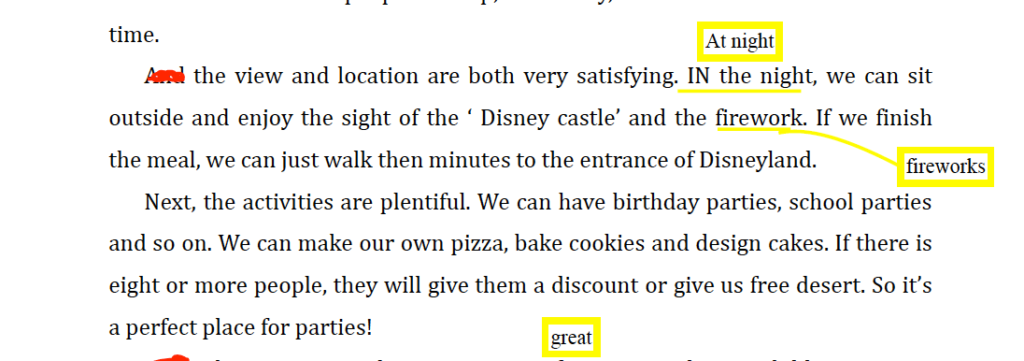
Emma is currently enrolled in our Creative Reading and Writing Level 4 Course, and she has shown a real gift in being able to create strong imagery in her writing. At the beginning of the semester, she completed a review of Blue Frog’s Shanghai Disneyland branch.
Emma showed her ability to critique specific aspects of a place, and develop her ideas using appropriate detail.
“The view and location are both very satisfying. At night we can sit outside and enjoy the sight of the Disney Castle and the fireworks.”
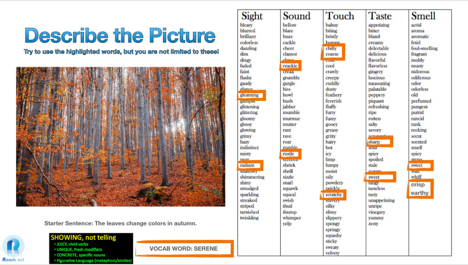
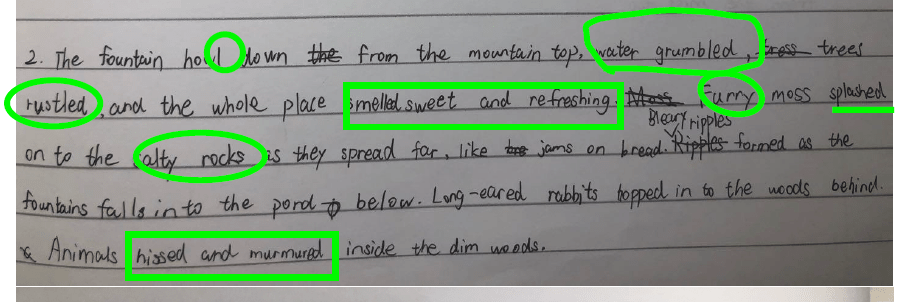
As the semester went on, Emma showed development in her writing skills, and began to incorporate more advanced literary techniques. In an assignment on describing landscapes, Emma was able to create a strong image using precise vocabulary and figurative language.
“Furry moss splashed onto the salty rocks as they spread far, like jam on bread. Bleary ripples formed as the fountain fell into the pond below.”
Emma continued to apply the lessons she learned throughout the course, and her ability as a writer became stronger. In a recent assignment on writing a Fantasy Narrative, Emma constructed the setting and character of her story deliberately and effectively.
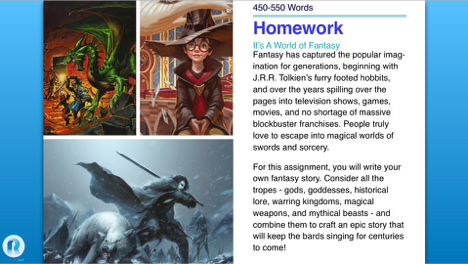
“Glittering sunshine shone from the window and on to the soft, silky bed sheet. Warm colored sweet flowers bloomed beside the open window. Dim but diligent drawings hung on the refreshing seaweed-green wall.”
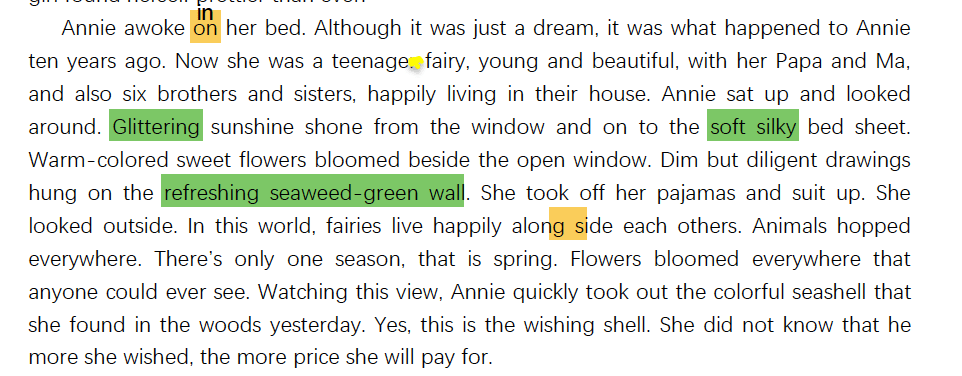
As you can see, Emma displays characteristics of a promising young writer. Her determination to improve, and careful application of the lessons taught have helped to elevate her writing to a more advanced level.
Thank you Emma, for being such a STAR! We look forward to seeing your growth for a long time to come. We know this is only the beginning of a brilliant journey.
Dị ka ndị nkuzi, Ọtụtụ mgbe a jụrụ anyị ajụjụ ahụ, “Olee otú m ga-esi mee ka nwa m kwụsị ịgụ akwụkwọ na-atọ ọchị?” Ndị nne na nna na-enwe nchegbu na ihe nkiri na-atọ ọchị adịghị enye uru mmụta, na agụmakwụkwọ siri ike zuru oke, ma ọ bụ nke kacha njọ, igbu oge nwa ha. Maka nke a, azịza anyị na-ejukarị ha anya, na azịza ya bụ, “Ka ha gụọ ihe ọchị!”
Ọ bụ ihe kwere nghọta na ndị nne na nna ga-enwe ntakịrị nchegbu n'ihi na echiche bụ na ihe ọchị bụ nanị maka ịgụ ihe ụtọ, Otú ọ dị, ihe ọchị nwere ọtụtụ uru karịa inyere anyị aka ịfefe oge.
Ihe ọchị na akwụkwọ akụkọ eserese abụghị ụdị ederede ọhụrụ. N'ezie, ọtụtụ ndị na-anụ ụtọ ha kemgbe ọtụtụ ọgbọ. N'ime ọtụtụ afọ, ụdị ahụ agbanweela ịbụ nke nwere nnukwu omimi na ihe ọ pụtara, ya mere anyị ji agba ndị nne na nna ume ka ha ghara ikwe ka ụmụ ha na-agụ ihe ọchị, kama ịkwado ha n'ime otu ahụ.
Nke a bụ isi ihe mere eji gụọ ihe ọchị ọchị (karịsịa n'oge okpomọkụ!):
Maka ụmụ akwụkwọ na-abụghị ndị na-asụ bekee, ihe ọchị na-enye ha ụzọ dị mma isi malite ịnụ ụtọ akwụkwọ Bekee. Maka ọtụtụ ụmụaka, Ọrụ nke isi n’akwụkwọ ọgụgụ asụsụ bekee gaa n’akwụkwọ akụkọ nwere ike na-agwụ ike, ma ndị na-atọ ọchị nwere ike inye ha akwa mmiri dị mkpa iji wulite ntụkwasị obi yana ịgụ ihe nke ọma. Ihe ngosi a na-ahụ anya na foto a na-enye ụmụ akwụkwọ ohere ịmepụta nghọta miri emi nke atụmatụ na agwa yana okwu ọhụrụ.. Na mgbakwunye, ọ na-ewebata ha na ngwaọrụ edemede dị irè, dị ka onomatopoeia (chere POW! SMACK! ZOOM!) na akpaalaokwu (ihe atụ na-egosi ihe akpaalaokwu dị ka, "Cat nwetara ire gị?” na-eme ka uche dị ukwuu karịa kpo oku akpaalaokwu n'onwe ya!).

2.Na-eme ka ntinye aka
Ntụnye aka bụ nkà ọgụgụ isi nke ọtụtụ ụmụ akwụkwọ na-agbasi mbọ ike na nleba anya ịgụ akwụkwọ. Ntinye aka na-eme mgbe anyị kwubiri nkwubi okwu dabere n'ihe anyị gụrụ. Ụfọdụ ihe atụ nke ajụjụ ụmụ akwụkwọ ga-ezute n'oge ọrụ nghọta ọgụgụ ma ọ bụ nleba anya bụ ndị dị ka, “Olee otú obi dị onye ahụ mgbe?”, "Gịnị ka ị nwere ike ikwubi banyere..." na "Gịnị bụ ihe mmụta dị na akụkọ ahụ?"Ihe ọchị na-achọ ka ụmụ akwụkwọ "gụọ n'etiti ahịrị" iji kọwaa ozi nke onye na-akọ akụkọ na-ekwukarị na akwụkwọ akụkọ., ka ha wee nweta ọtụtụ ahụmịhe bara uru n'ịgbasi ike nka site n'ịgụ ihe ọchị.
3.Ike Okwu!
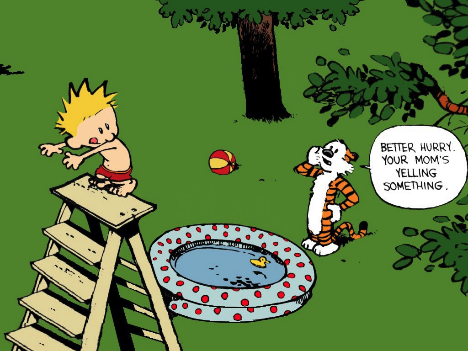
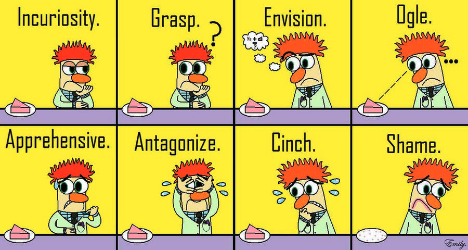
Ọtụtụ mgbe na ihe ọchị na akwụkwọ akụkọ eserese, ndị na-ede akwụkwọ na-agụnye okwu ndị dị elu nke ọma, ma dịka akụkụ nke ahịrị akụkọ yana n'aha ndị odide. N'ime 2016 na ụwa ama ama Comic-Con na San Diego, California, otu onye nkuzi tụlere ike nke ihe ọchị n'ịrụ okwu ụmụ akwụkwọ. James Bucky Carter, odee nke Buildinglọ mmuta njikọ na ihe osise akwụkwọ akụkọ kwuru, "Ị nwere Colossus, na ọ bụ nnukwu ihe a, nnukwu metal nwoke. Ị nweta ezigbo nghọta nke ihe okwu colossus pụtara na nke ahụ bụ ezigbo okwu 10-cent. Ike Banshee na-eti mkpu. Ị nwere mkpụrụedemede ndị a na-agụnye mkpụrụokwu nke ha bụ. Nke ahụ bụ ihe na-atọ ụtọ ụzọ ịmụta okwu ọhụrụ, na mgbakwunye na nkọwa ndị gbara gburugburu. "
Mgbe ị gụchara nke a, ị nwere ike ịhapụ nwa gị ka ọ banye ozugbo na-agụ ihe ọchị ma ọ bụ akwụkwọ akụkọ eserese! Nke ahụ bụ egwu na ntị anyị. Ọ bụrụ na ịmaghị ebe ị ga-amalite, anyị nwere ụfọdụ ọkacha mmasị nwa gị nwere ike ịmasị ịnwale!
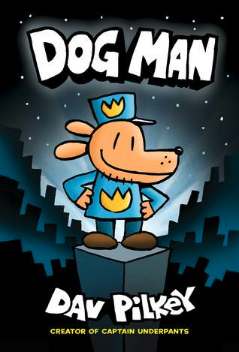
Nwoke nkịta nke Dave Pilkey dere
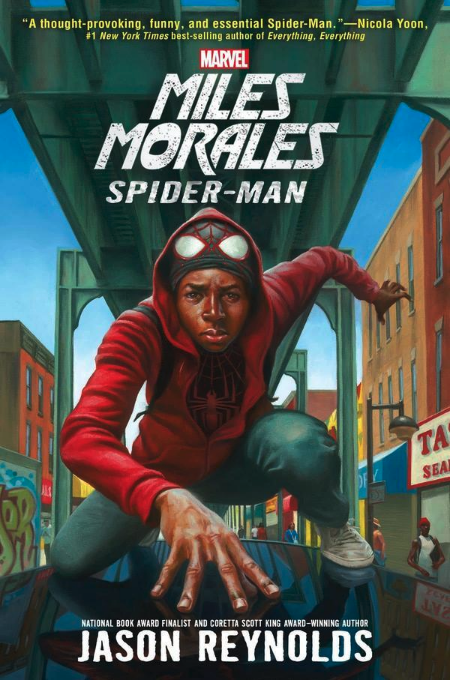
Miles Morales Spider-Man nke Jason Reynolds dere
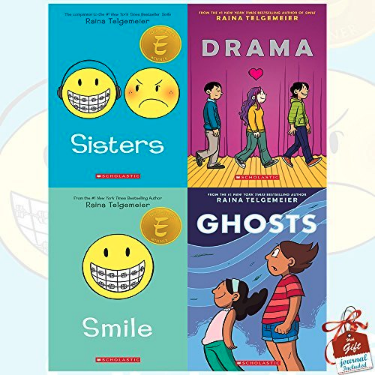
Ọchị, Ụmụnne nwanyị, Ghosts, Ihe nkiri na akụkọ ndị ọzọ nke Raina Telgemeier
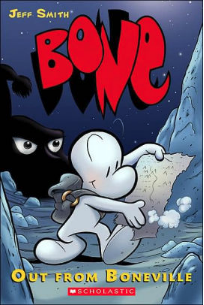
Ọkpụkpụ nke Jeff Smith
Na-achọ ohere ịgụ akwụkwọ n'oge okpomọkụ maka nwa gị? Kpọtụrụ otu n'ime ndị ndụmọdụ mmụta maka ozi ndị ọzọ gbasara nkuzi ịgụ akwụkwọ n'oge okpomọkụ anyị. Anyị na-atụ anya ka gị na nwa gị gụọ akwụkwọ!
Oge ule dị ebe a, na ọ nwere ike bụrụ oge nrụgide nke afọ maka ma ụmụ akwụkwọ ma ndị nne na nna. Na Reach Out anyị chọrọ ime ike anyị niile iji nyere aka belata nchekasị ule site n'inye ụfọdụ ndụmọdụ ọmụmụ pụrụ iche ị nwere ike ịgbalịbeghị.
Conventional wisdom of studying has often been followed by many parents and teachers who mean well, Otú ọ dị, if we look at some interesting research-based approaches we can see that there are a variety of effective ways to study! It’s always good to try new things, especially for children. They can experience new ways of doing things when they are young, and when they are a bit older, they can choose the way best suited to their own personal needs and style.
Ugbua, let’s take a look at three unique ways to study.
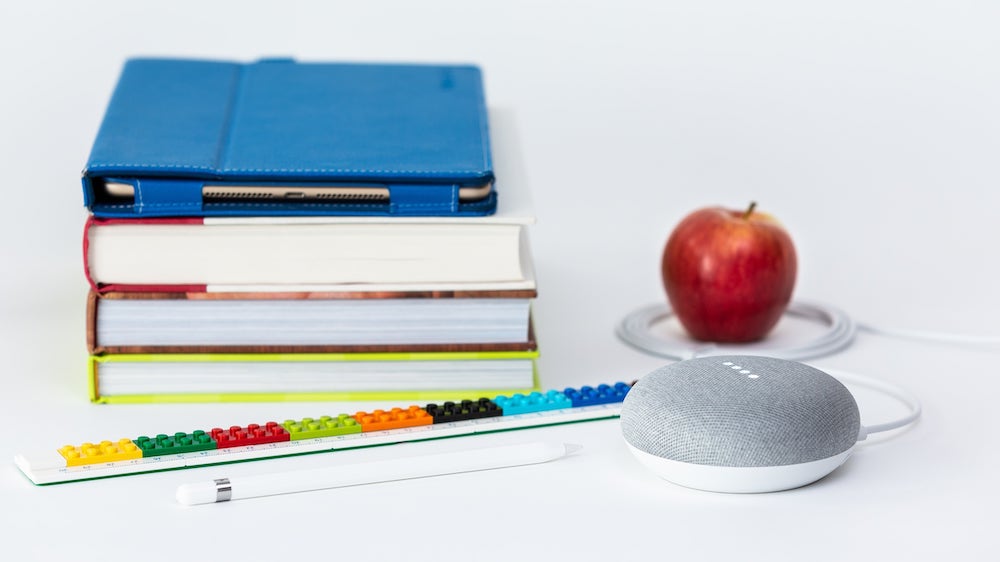
Variety is the Spice of Life-Even When Studying
For many, many years we've been told that in order to study well, we should study in the same place every day; a place that is quiet, well lit, and has all our materials. While this might be true for some of the time we are studying, research shows us that our brains actually do better when we vary the location in which we are studying. Quite surprising, right?
In a study done all the way back in 1978, college students were given 40 vocabulary words to study. One group was told to study the list twice in the same location. The other group was told to study the list in two different locations. What they found was, the group that varied their studying locations actually performed better on remembering the words later. Now why is that? Ọfọn, our brain often makes connections to information based on our environment, so the more we vary our environment, the more we are giving our brains a chance to retain information as it will attach to more things. This may also be why one visualization technique, where one visualizes things they wish to remember to certain places in an environment they are familiar with, can be so effective as well. Maka ụmụ akwụkwọ, simply switching up the environment might do the trick!
Have Fun!
Some parents might mistakenly think that if their child is laughing or getting excited while learning or studying, they might be wasting their time. Agbanyeghị, this is not necessarily the case.
As a parent, in your work or office you might have special workshops from time to time. The workshops are usually used as a tool to help you learn about a new strategy, idea, or information that will help you learn more at work. These sessions are often run by people who specialize in creating motivating and inspiring workshops that invigorate and energize employees. The days can be long and intense, but if they are done right, employees can walk away confident in their new knowledge and skills.
The same rings true for young people. Introducing game play and fun as a way to study for exams not only makes your child smile, but research indicates that having fun while learning activates certain cognitive resources, associates rewards and pleasure with learning, strengthens and broadens memory networks, and toggles abstract thinking and focused attention.
The Pomodoro Technique
Staying focused, on-task and motivated to complete certain activities can be difficult for both adults and children alike. Have you ever felt like you have been staring at a computer screen for hours, but accomplished very little? Or maybe you have a deadline in a few days, but are only inching towards the finish line? It’s no wonder, as research shows that our mind tends to wander up to 20% of the time, perhaps even more for younger people.
One interesting technique was created by college student Francesco Cirillo as a way to help him stay focused, and that is the Pomodoro Technique, which got its name from the tomato shaped timer Cirillo used while testing this strategy on himself. How it works is you set a timer for 25 minutes, which is work time. Then set it again for 5 minutes, which is break time. This is a great time to get up, stretch, take a lap around the house, pet your cat, or get a drink of water or a snack. After break time is up, set the timer for another 25 minutes and repeat!
It turns out that this strategy is backed up by scientific evidence, as researchers concluded that short breaks help keep your attention span on track. This might be related to the fact that cognitive boredom can lead to an unengaged mind, which is the last thing you want when studying for an important exam.
We hope you have enjoyed exploring these unique study tips as much as we have! Wishing your child the best of luck on exams this month. Jiayou!
Anyị maara na e nwere ọtụtụ ihe anyị nwere ike ime iji zụọ ụmụ anyị na ịkụziri ha ihe, ya mere, dị ka ndị nne na nna, anyị na-agbakarị mbọ ike iji mejupụta oge ha na mmemme na ọmụmụ ihe bara ụba. Gịnị mere anyị ji eme nke a? N'ihi ọtụtụ ihe n'ezie, ma isi ihe mgbaru ọsọ bụ ịhụ na ha ga-aga nke ọma n'ọdịnihu. Ndị nne na nna na-atụ anya na ụmụ ha ga-enwekwu ihe ịga nke ọma ná ndụ karịa ka ha nwere onwe ha. Ihe ịga nke ọma, n'ezie, bụ nke onwe, na anyị niile nwere ike inwe nkọwa nke ihe ịga nke ọma. Otú ọ dị, n'ozuzu, anyị nwere ike ikweta na ihe ịga nke ọma gụnyere inwe afọ ojuju na ndụ onwe onye, yana inwe mmetụta nke afọ ojuju ọrụ na nchekwa ego.
N'oge na-adịbeghị anya enwere TED Talk na-adọrọ mmasị na-ekesa na mgbasa ozi ọha, nke onye bụbu Dean nke Freshman na Mahadum Stanford, Julie Lythcott-Haims, hotara ihe akaebe sitere na Harvard Grant Study nke jikọtara ihe ịga nke ọma ọkachamara na ndụ na ndị rụrụ ọrụ mgbe ha bụ ụmụaka. Ọ bụghị ọzụzụ bọọlụ, ọ bụghị mmụta asụsụ, ọ bụghị eserese, mana ọrụ.
Ịtụnanya nri?
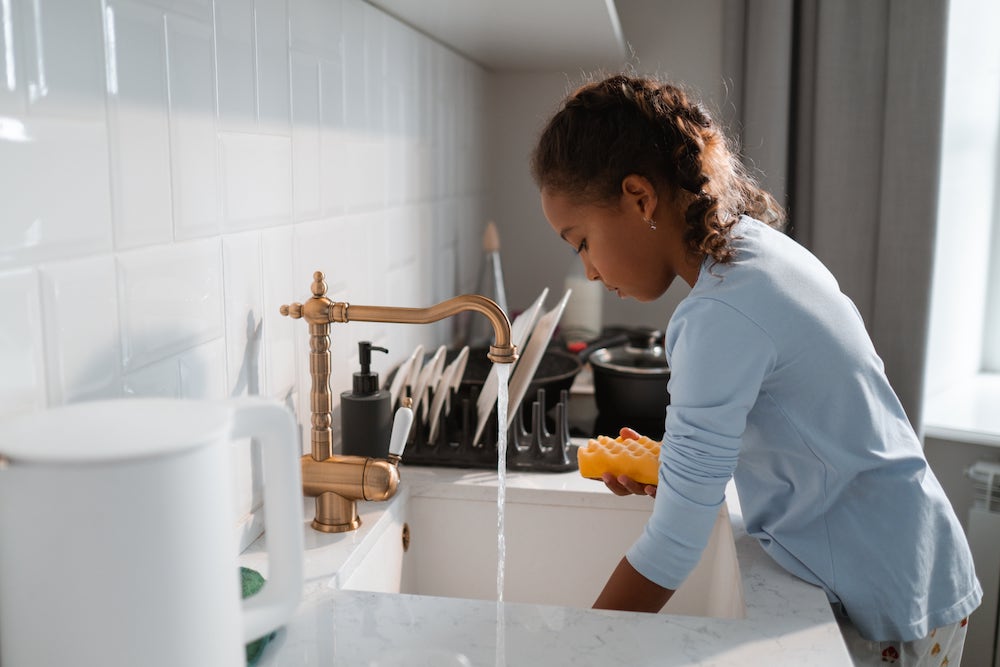
Ọtụtụ n'ime ụmụaka anyị na-etolite n'obodo ukwu nwere ike ọ gaghị ama ihe ọ dị ka ịsa efere, saa windo, ma ọ bụ kpochaa ala. Anyị nwere ike ịdị anyị ka enwere ihe ndị ka mkpa ime iji wulite ihe ọmụma ha na àgwà ha. Lythcott-Haims na-akọwa na ụmụaka ndị na-eme ka aka ha ruru unyi, Otú ọ dị, nwere ike iru n'ọkwa nke ihe ịga nke ọma ná ndụ nke karịrị ndị ọgbọ ha na-adịghị arụ ọrụ ọ bụla. Nke ahụ bụ n'ihi na ọ na-akụziri ụmụ akwụkwọ ka ha na-atụnye ụtụ na ịmalite mgbe ọrụ kwesịrị ịrụ, na ịrụ “ọrụ iwe” nke ndị ọzọ nwere ike ịkwa emo, n'ihi na ọ bụ ihe kacha mma maka mmadụ niile, bụ ihe a na-ahụta n'ebe ọrụ.
Ebe ọrụ nke ndị mmeri dị elu bụ ndị sonyere na Harvard Grant Study bụ ndị ama ama, dị ka White House, ebe onye so na President Kennedy rụrụ ọrụ, na ụlọ ọrụ nchịkọta akụkọ ebe Ben Bradlee nọdụrụ dị ka onye nchịkọta akụkọ Washington Post. Anyị nwere ike iche na ndị mụrụ ha, dị ka anyị, kwesịrị iwepụta ma rịọ ka e rụọ ọrụ ndị ahụ, ma nabata na ọ bụrụgodị na ha mere ya, o nwere ike ịbụ na emebeghị ha nke ọma; na nke ahụ dịkwa mma.
Ihe dị mkpa, dị ka Lythcott-Haims si kwuo, bụ nke ahụ site n'ịrụ ọrụ, ụmụaka na-aghọta na ha, "… ga-arụ ọrụ nke ndụ iji bụrụ akụkụ nke ndụ." Ha ghọtara na ọ bụghị naanị ha ka ndụ na-eme, na maka ha, ma ya na ha.
Ọ bụrụ na ụmụ gị na-arụ ọrụ dị ka akụkụ nke usoro okpomọkụ ha na-eme kwa ụbọchị, obi ike! Ị nọ n'ụzọ ziri ezi. Ọ bụrụ na ọ bụghị, ọ dịghị mkpa ịtụ ụjọ. Ọ dịghị mgbe akaha iwebata ọrụ n'ime ndụ ụmụ anyị. Nke a bụ ndụmọdụ ụfọdụ iji nyere gị aka ibido!
Ka Ha bụrụ akụkụ nke ya
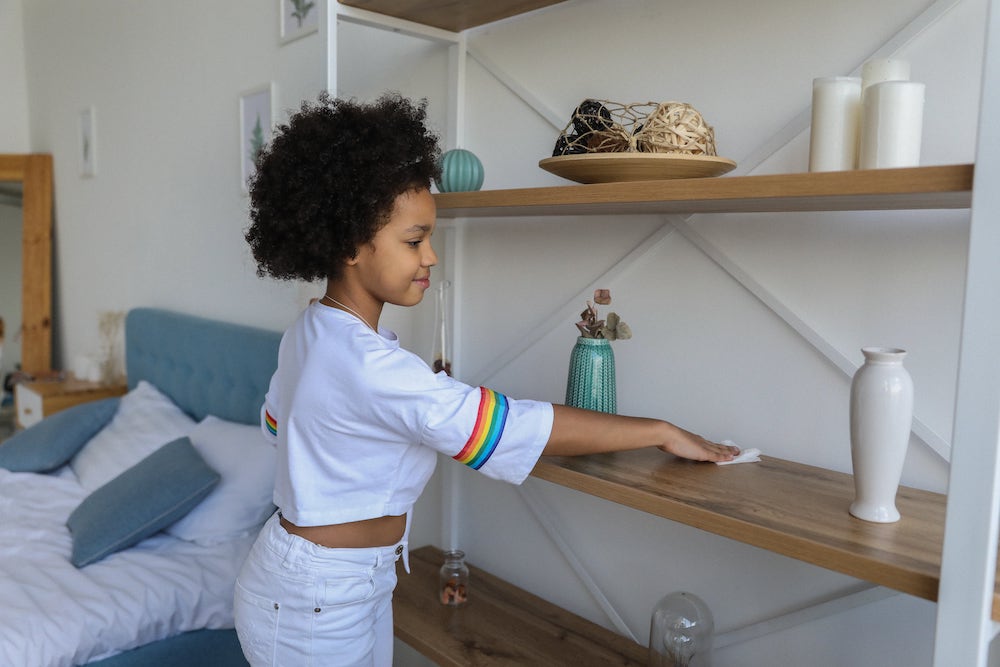
Mgbe ị na-ewebata echiche nke ụmụ gị na-emecha ọrụ iji nyere aka, nwee “mgbakọ ezinụlọ” bụ́ ebe onye ọ bụla ga-anọ kwurịta ihe a ga-atụ anya ya n’aka ụmụ unu na ihe kpatara ya. Ị nwere ike ịrịọ nwa gị ka o nyere gị aka dee ndepụta ọrụ ha nwere ike inye aka na gburugburu ụlọ. Ha nwere ike iju gị anya site na ịnụ ọkụ n'obi ha n'ihi na ịrụ ọrụ na-atọ ụmụaka ụfọdụ ụtọ n'ihi na ọ na-eme ka ha nwee mmetụta nke ike na enyemaka. (ihe abụọ na-amasịkarị anyị ka ndị okenye).
Egwuregwu-ify Ya
Iji mee ka ihe na-atọ ụtọ, n'ihi na ntụrụndụ na-eme ka ihe niile dị mma, gị ma ọ bụ nwa gị nwere ike dee ọrụ n'osisi popsicle kwa ụbọchị nwa gị nwere ike họrọ otu osisi n'ime ite ahụ. Nke ahụ ga-abụ ọrụ ha maka ụbọchị ahụ! Ọ bụrụ na ị nwere ihe karịrị otu nwa n'ụlọ, ị nwere ike ịtụgharị nhicha mgbe niile ka ọ bụrụ asọmpi site na ịtọ oge na ịhụ nwa nke nwere ike ihicha ihe egwuregwu ụmụaka n'ime oge enyere., ọmụmaatụ.
Nye ya ụgwọ ọrụ
Dị ka nne na nna, a na-akwụ anyị ụgwọ maka onyinye anyị na-arụ ọrụ na ụgwọ ọnwa. Ọ bụ na ụmụ anyị ekwesịghịkwa akwụ ụgwọ maka ịrụsi ọrụ ike ha? Otu echiche bụ na ọ bụrụ na nwa gị rụchaa ọrụ ya niile maka izu, ọ nwere ike họrọ obere ihe egwuregwu si na "igbe akụ" jupụtara na obere ihe egwuregwu. Nhọrọ ọzọ nwere ike ịbụ na ọ bụrụ na nwa gị na-arụcha ọrụ ya otu ọnwa, ha nwere ike họrọ ọpụpụ ezinụlọ pụrụ iche.
Ịkụziri ụmụ anyị ịrụ ọrụ ụlọ anaghị adịcha mfe, ma uru ndị nwere ike ịba uru na oge na mgbalị. Anyị nwere olileanya na ndụmọdụ anyị bara uru, na na ha nwere ike inye aka na-eduga gị na nwa gị ahụmahụ dị mma. Nhicha nke ọma!
We are pleased to announce a new summer book club, just for parents! Summer is the perfect time to read that book you have always wanted to read, but have not had the time to. This summer, we invite you to join us in reading Otu esi ekwu okwu ka ụmụaka ga-ege ntị ma gee ntị ka ụmụaka ga-ekwurịta okwu.
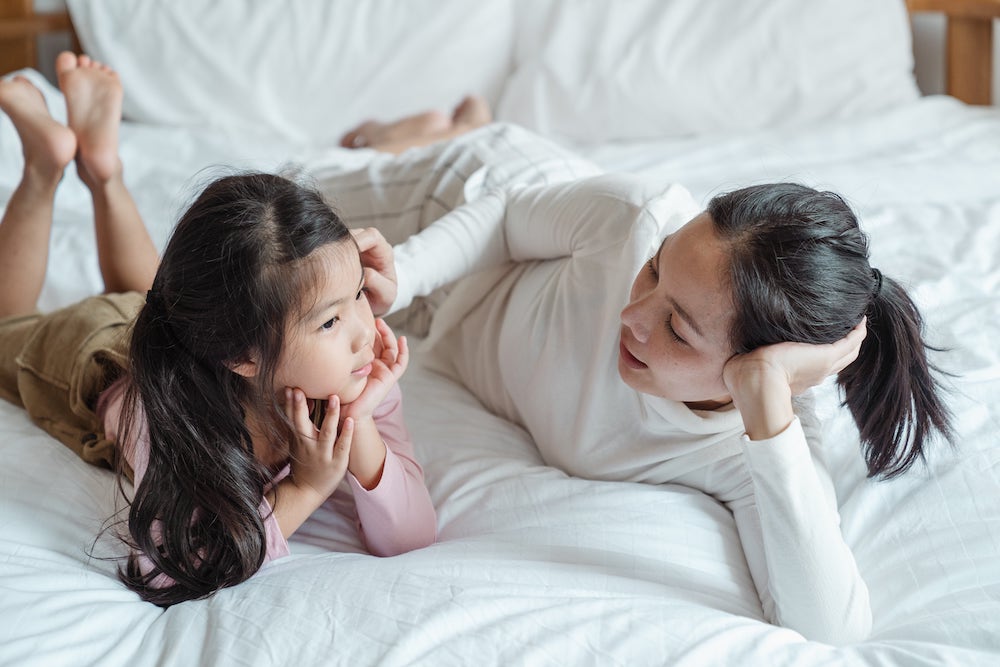
We know it is not always easy to connect with our children because of the demands of school, work and daily life. Sometimes our anxieties about the future interfere with us living our lives right now. Agbanyeghị, one thing we can guarantee is that we will never get another chance to experience childhood with our own children, and we don’t want to miss out on this precious time. Ya mere, how can we make the most of it and have meaningful conversations with our children that will strengthen our bond and help our children feel supported? These are big questions many of us have.
To help us answer these important questions, we invite you to join us in reading one of the most popular parenting books of all time, written by Adele Faber and Elaine Mazlish. How to Talk So Kids Will Listen and Listen So Kids Will Talk, which teaches us how to accept our children’s feelings, as by not doing so we could be unwittingly causing bad behavior. It also teaches us positive ways to encourage cooperation, as well as independence, autonomy, and self-confidence. These are all the ingredients needed to help nurture a positive parent-child relationship that will indeed help to grow our children into confident and capable adults.
How Will It Work?
The first step is to contact one of our Education Consultants to register. Registration is FREE and open to everyone! We will create a group chat where the book study content and sharing will take place starting on July 1st. Lindsey Fine, our Education Manager, will be joining the group as a parent as well, as she is a mother of two boys, aged 4 na 6, who will be learning along with you. She will also be helping to lead the weekly discussions.
The book can be found in English and Chinese and easily accessible in print, e-book, or audiobook formats.
Then there are two options for how you would like to participate:
The reading schedule is as follows:
Week 1: Chapters 1 & 2
Week 2: Chapters 3 & 4
Week 3: Chapters 5 & 6
Week 4 Chapters 7 & Afterword
At the end of the month, we will host an online workshop led by School Counselor, Regina Wehner. At the workshop, Regina will share additional information and strategies you can use to strengthen your relationship with your child.
About Regina Wehner
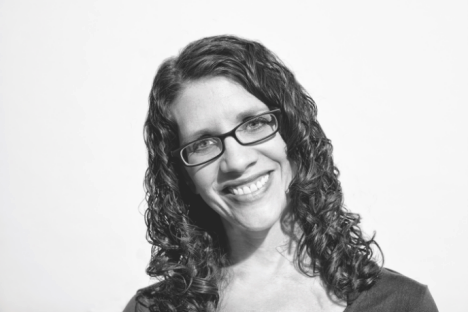
Regina Wehner is a Licensed School Counselor that has worked with students in Middle School for over 16 years. Originally from the United States, she lives with her husband and 2 children, ages 10 na 12, in Beijing, China.
Regina works at the Western Academy of Beijing (WAB), a diverse international school. A big part of being a school counselor is helping students learn about themselves and others as they are growing. Regina also hosts monthly Parent Coffee Mornings to bring parents together to learn more about their children's developmental changes and how to communicate during these times of transition.
Contact us today to join!
Inyere nwa gị aka ịmụta okwu ọhụrụ
Nnyocha na-egosi na ọ bụrụ na anyị chọrọ ka ụmụ akwụkwọ nwee ọganihu na ọnọdụ agụmakwụkwọ, na nyocha dị mkpa na ule dị elu, yana ọrụ ha n'ọdịnihu, anyị ga-enyere ha aka ịzụlite okwu ha. Ihe kpatara ya bụ nke a: Nghọta anyị maka ozi ọhụrụ jikọtara ya na nghọta anyị nke okwu ndị e ji eziga ozi ọhụrụ ahụ.
Maka ụmụ akwụkwọ, ịba ụba okwu ha bụ otu isi ihe na-eme ka ọ nwee ihe ịga nke ọma n'ịmụ asụsụ; ka anyị na-amakwu okwu, ka anyị na-aghọtakwu okwu, na ọtụtụ okwu anyị nwere ike iji na ederede anyị mee ka ọ na-enwe mmetụta ma dị irè karị. Agbanyeghị, mmụta ugbu a ka a na-elekarị okwu anya dị ka usoro na-agwụ ike ma ọ bụ nke na-adịghị ahụkebe. Mgbe ụfọdụ ndị nne na nna amaghị otú ha ga-esi eduzi ụmụ ha, karịsịa ka ụzọ anyị si abịa ọmụmụ ihe ọmụmụ okwu nwere ike ịdịgasị iche n'ụzọ ndị nne na nna si mụọ ya mgbe ha nọ n'ụlọ akwụkwọ..
Echegbula onwe gị, Reach Out dị ebe a iji nyere aka! Ka anyị nyochaa inweta okwu (usoro nke iburu na itinye okwu ọhụrụ n'isi), ma anyị ga-agwa gị otu ị ga-esi nyere nwa gị aka iwulite okwu ha!
Kwuo Banyere Ya!
Ọ nwere ike ịdị mfe karịa, ma a bịa n’ịmụ okwu ọhụrụ, Otu ụzọ ndị na-eto eto si eme ya bụ site n'iso ndị ọzọ na-ekwurịta okwu. Ụmụaka na-amụta okwu ọhụrụ kacha mma mgbe ha nọ na gburugburu, dị ka na mkparịta ụka gbasara otu isiokwu. Ha nwere ike wepụta ntakịrị nkọwa okwu ọhụrụ dabere n'otú e si eji ha na okwu ndị ọzọ ha maraworị..
O yikarịrị ka nwa gị akwụsịla gị ọtụtụ oge mgbe ị na-eji okwu ndị ị na-amabughị, ha na-ajụkwa gị nke ukwuu., “Gịnị ka ọdachi pụtara?” O nwere ike ịbụ na ị na-ekwu maka ọnọdụ ọnụ ụlọ ha dị (dị ka n'ime ya bụ ọgbaghara zuru oke), na site n'iwepụta oge kọwaara ha ọtụtụ ihe ọdachi pụtara, Ọ bụghị nanị na ị ga-akụziri ha okwu ọhụrụ iji kọwaa ọnụ ụlọ adịghị mma, kamakwa ọdịda ma ọ bụ ihe na-eme n'okike, dị ka ọdachi na-emere onwe ya.
Ya mere, Gị na nwa gị kparịta ụka bụ ụzọ dị mma isi kuziere ha okwu ọhụrụ!
Nyochaa Ya!
Ụmụ akwụkwọ na-aghọtakarị na ha nwere ike iji akwụkwọ ọkọwa okwu ma ọ bụ onye ntụgharị ma ọ bụrụ na ha zutere okwu ha na-amaghị, ma mgbe ụfọdụ ọbụna nkọwa nke otu okwu nwere ike hapụ ha ọtụtụ ajụjụ karịa azịza.
Na ahụmahụ anyị, Ọtụtụ ụmụ akwụkwọ anaghị eji otu ngwa ọrụ dị oke mkpa maka mmụta na itinye okwu ọhụrụ n'ọrụ, na ngwá ọrụ ahụ bụ thesaurus! Ọ bụrụ na ị chọpụta na nwa gị na-eji otu okwu emebiga ihe ókè mgbe ọ na-ekwu okwu ma ọ bụ n'ihe odide ya, ọmụmaatụ, "mara mma", "mara mma", "mma", ma ọ bụ "ọjọọ", wee wepụta oge gosi ha otu esi eji webụsaịtị dị ka thesaurus.com ilele okwu ndị ahụ anya. Mgbe ha na-achọ okwu ahụ dị ka "mara mma" ha ga-ahụ na e nwere ọtụtụ okwu na-adọrọ mmasị na ndị pụrụ iche iji kama! I
Na ahụmahụ anyị, ụmụ akwụkwọ na-enwe mmasị na iji okwu ọhụrụ, ma nwee ike ịmata na e nwere ngwá ọrụ ga-enyere ha aka ime ka okwu ha dị ike.
Gwuo!
Inwe ntụrụndụ mgbe ị na-amụ ihe abụghị naanị ihe ndị nkuzi na-eme iji mee ka ụmụ akwụkwọ nwee obi ụtọ, ọ bụ n'ezie egosipụtara site na neuroscience ka ọ bụrụ ụzọ dị irè iji nyere ụmụ akwụkwọ aka ịmụtakwu na omimi. Nnyocha na-egosi na mgbe ụmụ akwụkwọ na-akpali ma na-ama aka, ụbụrụ ha na-ahapụ dopamine. Dopamine bụ neurotransmitter na-akpali ebe nchekwa ma na-akwalite ntọhapụ nke acetylcholinem., nke na-abawanye nlebara anya.
Na nkuzi anyị ebe a na Reach Out, nkuzi okwu bụ akụkụ dị mkpa nke nkuzi ọ bụla. Anyị nwekwara nkuzi na-ebido n'oge okpomọkụ a, Ọkwa Nrụpụta Okwu 1-3, nke anyị ga-elekwasị anya naanị n'inyere nwa gị aka ịgbasa ihe ọmụma okwu ha site na iji okwu ọhụrụ siri ike. Ebe okwu ndị a họọrọ na-enye ihe ịma aka, Ngwa dị ka Quizlet na egwuregwu ndị dị ka Guess Who na Sentence Racer na-enye ụmụ akwụkwọ ohere ịmekọrịta ihe n'ụzọ bara uru na itinye aka..
Olee otú anyị si mara na ụzọ ndị a dị irè? N'ihi na anyị ọtụtụ iri afọ ahụmahụ, na ọmụmụ nke mmụta akparamaagwa na usoro akụziworo anyị ka ụmụ akwụkwọ si amụta nke ọma!
Ọ ga-amasị anyị inyere nwa gị aka ịmụta okwu ọhụrụ dịka otu n'ime ụzọ ọ nwere ike isi ghọọ onye na-agụ akwụkwọ nke ọma na nke ọma., odee, na ọkà okwu. Iji mụtakwuo maka otu anyị nwere ike isi nyere aka, kpọtụrụ otu ndị ndụmọdụ mmụta anyị taa!
If you are looking for a more individualized educational service, Reach Out offers 1-on-1 services with our expert educators!
What do We Offer?
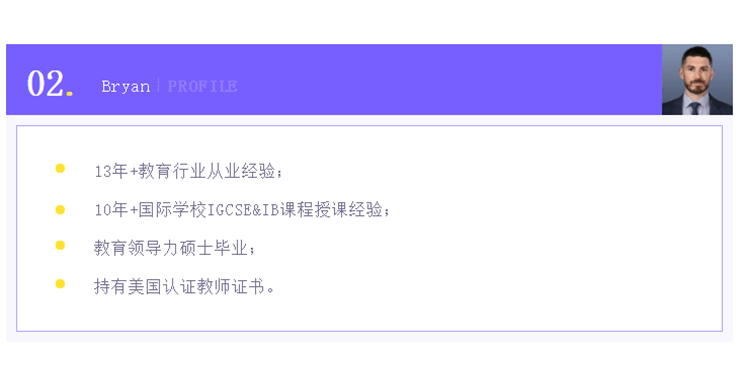
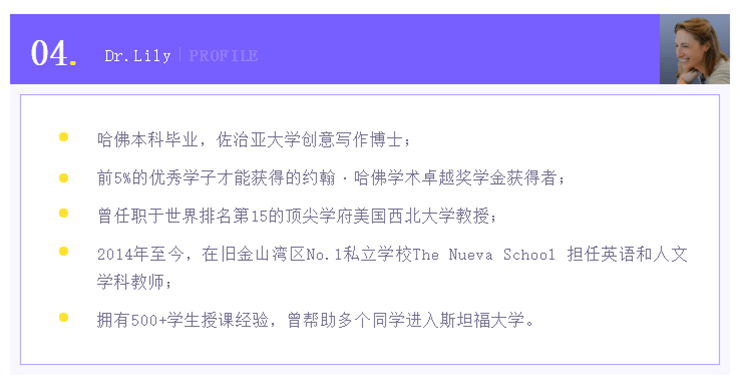
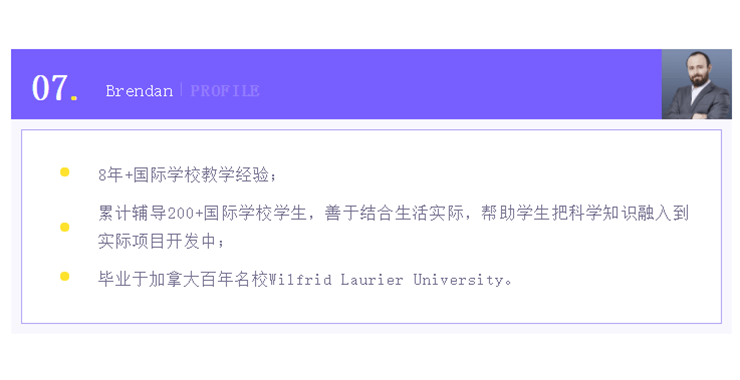
Our teachers offer a wide range of 1-on-1 subjects including English, Social Sciences, and Maths.
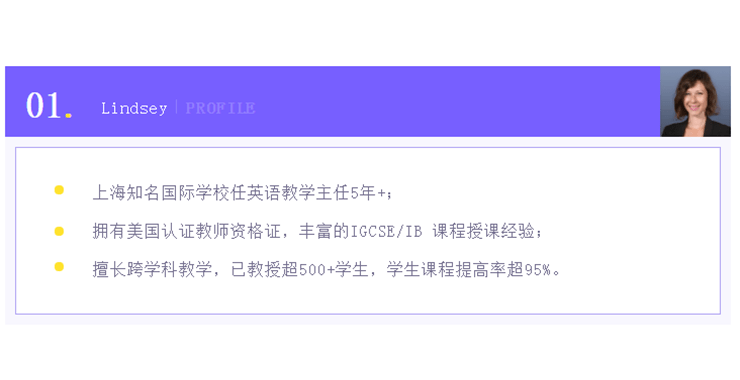
Meet some of our highly qualified and experienced teachers!
Why Should I Choose 1-on-1 Services?
Perhaps your child is preparing to study abroad or applying to a new school and he or she would like a more intensive and targeted approach in order to polish his or her skills. Alternatively, your child might not feel challenged enough with his or her current curriculum, and needs an alternative approach that is more appropriate for his or her ability level.
There are a number of reasons a parent might be searching for services such as this, and we can assure you that we will always work to understand you child’s unique situation and provide the service that is best for them.
How Does it Work?
With our hands-on approach, and orientation process, we will assess your child’s knowledge and skills based on current assessment data, writing ability, na ndi ọzọ. Based on our findings, we will select the teacher best suited for your child’s needs. All of Reach Out’s teachers have been carefully selected, and have years of experience in teaching challenging curriculums, such as IGCSE, IB, na AP, in top schools from around the world.
Our process is goal-oriented. We find out exactly what your child needs to reach their educational goals, and then we create a unique and tailor-made learning path that will best suit your child’s particular needs.
What Else Does Reach Out Offer?
In addition to 1-on-1 services, Reach Out offers a wide variety of courses specifically designed to challenge and engage your 2nd to 8th grade child with above grade level content in order to help them prepare for the rigor of programs such as IGCSE, IB, na AP.
How Can I Learn More?
To find out more about our 1-on-1 services, please contact one of our Education Consultants today to find out more! We look forward to helping your child reach his or her educational goals for a bright future!
Onye Anyị Bụ
Dị ka ị chọpụtala, anyị na-eto eto ma nwee ụfọdụ mgbakwunye na-atọ ụtọ na ihe anyị na-enye ebe a na Reach Out. Dị ka ọ dịla mgbe anyị gosipụtara onwe anyị, anyị chere na anyị ga-ekerịta akụkọ anyị iji nyere gị aka ịghọta onye anyị bụ na ihe anyị na-eme!
Ebumnuche anyị
Ebumnuche Reach Out bụ ijikọ ụmụ akwụkwọ na ndị nkuzi ọkachamara na-emepụta ma na-ebuga mbụ, na-akpali akpali, usoro ọmụmụ klaasị ụwa. Anyị abanyela na njem a ka anyị wee nyere ụmụ akwụkwọ aka ịghọta otu esi achọta olu nke ha pụrụ iche wee kpughee echiche okike na bara uru dị n'ime nke ọ bụla n'ime ha.. Na olu ha, ha nwere ikike ịgbanwe ụwa, ma anyị chọrọ inye ha ike ime otu ahụ.
Ọhụụ anyị
Reach Out na-agba mbọ ịbụ ụlọ akwụkwọ agụmakwụkwọ ama ama nke mba ụwa nke na-enye ụmụ akwụkwọ ohere ịnweta usoro ọmụmụ na ndị nkuzi mba ụwa kachasị elu., n'agbanyeghị ebe ha nọ n'ụwa. Ụmụ akwụkwọ anyị ga-enwe nghọta, ịmata ihe, na ndị na-eche echiche siri ike bụ ndị na-eme nhọrọ ziri ezi dị ka ezigbo ndị na-edozi nsogbu na ndị na-ekwurịta okwu. Ụmụ akwụkwọ Reach Out ga-emezu ebumnuche agụmakwụkwọ na nke onwe ha na nrọ ha site na ụlọ akwụkwọ praịmarị ruo na mahadum, na-etinye ọdịnihu ha na-egbuke egbuke n'ebe ga-eru.
Ụkpụrụ bụ isi anyị
Ndị a bụ ụkpụrụ na-akpụzi Reach Out:
Akụkọ anyị
Reach Out bụ obere ìgwè ndị nne raara onwe ha nye, ikekwe dị ka onwe gị. E jikọtara ha ọnụ site n'ọhụụ nkịtị maka mkpa mmụta nke ụmụ ha. Ụfọdụ nọ na-achọ usoro izi ihe nke pụrụ ime ka ụmụ ha nweta echiche ndị ahụ, nkuzi nkà ihe ọmụma, na usoro dabara na ihe ha nwetara mgbe ha bi na mba ofesi. Ndị ọzọ nọ na-achọ usoro ọmụmụ mba ụwa nke ụmụ ha nwere ike nweta iji mee ka ahụmịhe agụmakwụkwọ ha na China kwalite. Ihe ha na-ekekọrịta ọnụ bụ ọchịchọ maka mmemme siri ike nke meghekwara ọnụ ụzọ nke imepụta ihe na iche echiche, ntule onwe onye, na okwu onwe onye - akara ngosi nke usoro ọmụmụ mba ụwa siri ike. Mgbe etinyere oge buru ibu na-enyocha nhọrọ dị iche iche, ndị nne a enweghị ike ịchọta ihe ọ bụla gbochiri mkpa ụmụ ha.
Ya mere, ha mere ihe ezigbo nne ọ bụla ga-eme, nyere ohere, wee chọta ụzọ nke ha iji nye ụmụ ha ohere mmụta kacha mma emebere iji nyere ha aka ime nke ọma. Ha kpọtụụrụ ndị nkụzi ọkachamara ma soro ndị nne na nna ndị ọzọ rụkọọ ọrụ ka ha chọpụta otú ha ga-esi gboo mkpa ụmụaka ndị ọzọ nwere ihe mgbaru ọsọ yiri nke ahụ. Ụmụaka, anyị na-atụ anya, dị ka nke gị.
Ndị nne na nna kwenyesiri ike na:
Obi dị anyị ụtọ ịsị na ndị nne a emechaala ihe mgbaru ọsọ ha. Taa Reach Out na-anya isi usoro nkuzi siri ike ma na-etinye aka na nke ụmụ akwụkwọ na-amụta nke ọma mgbe ha na-ekpori ndụ ma na-eme ka ha na ndị nkuzi na ndị ọgbọ ha nwee mmekọrịta bara uru..
Ihe ndị a niile n'ihi na nne anyị tọrọ ntọala na-etinye aka na agụmakwụkwọ na obi ụtọ ụmụ ha.
Ihe Na-eme Ka Anyị Pụrụ Iche?
Ọ bụ ezie na anyị ghọtara na ndị nne na nna nwere ọtụtụ nhọrọ ma a bịa n'ihe mmemme na-eme ka mmụta ụmụ ha dịkwuo mma, anyị kwenyere na anyị na-enye ọtụtụ àgwà pụrụ iche nke na-adịghị mfe ịchọta ebe ọzọ.
Ndị otu anyị nwere ndị nkuzi nwere nkà na ndị nwere ahụmahụ bụ ndị mepụtara mmemme pụrụ iche na nke siri ike dabere na ụkpụrụ ụlọ akwụkwọ mba ụwa., nke na-akwado ụmụ akwụkwọ na-eto eto ịnara usoro ọmụmụ siri ike dịka IGCSE, IB, na AP.
-Mmemme na usoro ọmụmụ anyị nke otu na otu e mere ka ọ gafee mkpa agụmakwụkwọ nke ụmụ akwụkwọ anyị
-Nkà ihe ọmụma nkuzi anyị nke na-akpali akpali na inye ụmụ akwụkwọ ike, na usoro nkuzi nke inye ụmụ akwụkwọ ohere inyocha ihe ọmụma n'ọtụtụ ebe na miri emi ma n'otu oge ahụ na-azụlite ịhụnanya mmụta
-Nkwenye anyị maka ịga nke ọma ogologo oge nke ụmụ akwụkwọ anyị ka anyị na-agbalịsi ike ịkwado ha na nkà ndị dị mkpa ha ga-achọ iji mee nke ọma na ọrụ ha n'ọdịnihu na ụwa gafere ụlọ akwụkwọ.
- Nzaghachi zuru ezu anyị na-enye na nyocha ụmụ akwụkwọ anyị niile, ka ụmụ akwụkwọ wee mara ebe ha na-eme nke ọma na ebe ha nwere ike imeziwanye, yana mgbakwunye ihe na nkuzi achọrọ iji nyere ụmụ akwụkwọ anyị aka imechi oghere ọ bụla na nghọta
-Nrara anyị raara onwe anyị nye ịzụlite echiche siri ike nke ụmụ akwụkwọ anyị na nkà idozi nsogbu, nke ga-adị mkpa maka ọdịnihu ha, yana ọdịnihu obodo anyị zuru ụwa ọnụ
-Nkwa anyị kwere ịkpọ ndị ọrụ nkuzi na ndị na-abụghị ndị nkuzi n'ọrụ dabere na mmasị ha nwere maka agụmakwụkwọ
-Ikike anyị inye ụmụ akwụkwọ ike iji asụsụ ahụ, ihe ọmụma, na nkà ha nwetara iji zụlite onwe ha karịa klaasị na ịchọ ịmata ihe, ndị mmụta ogologo ndụ niile na-esetịpụ ma na-achụso ihe ịma aka, na-emezu, na ihe mgbaru ọsọ bara uru.
-Aka-anyị, ụzọ dị iche iche maka ịmepụta ụzọ mmụta maka ụmụ akwụkwọ anyị ka n'agbanyeghị ọkwa ọkwa ha bụ mgbe ha sonyere anyị, a ga-eji ngwa ọrụ dị mkpa iji kwalite ma too ngwa ngwa
-Nkwenye anyị ime ka ndị ahịa anyị nwee ozi na ahụmịhe ga-enyere ha aka ime nhọrọ kacha mma maka agụmakwụkwọ nwa ha site n'inye akụkọ na-enye nkọwa., vidiyo na ogbako.
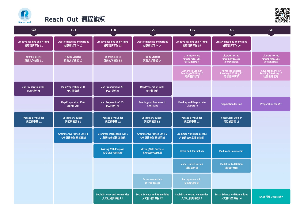
Usoro ọmụmụ anyị
Usoro nkuzi Blue Line anyị, nke gụnyere nkuzi maka ụmụ akwụkwọ na akara ule 2 ka 8, bụ ndị ọkachamara ọkachamara nwere ogo ogo dị elu na mpaghara isiokwu ha bụ ndị nọrọla ọtụtụ iri afọ na ụfọdụ ụlọ akwụkwọ mba ụwa kachasị elu n'ụwa.. Anyị na-eji usoro ọmụmụ azụ azụ na-arụ ọrụ anyị site na afọ mbụ nke mmemme dịka mmemme IGCSE a ma ama na nke a na-akwanyere ùgwù..
Dịka ndị nkuzi anyị ejirila ọtụtụ afọ nkuzi nkuzi tupu IGCSE, IGCSE, Usoro ọmụmụ IB na AP ma ọ bụ A, ha ghọtara ihe ụmụ akwụkwọ kwesịrị ime nke ọma na mmemme ndị ahụ. Ya mere, Emebere akụkụ ọ bụla nke usoro ọmụmụ anyị iji hụ na ụmụ akwụkwọ anyị niile abanyela n'ụbọchị mbụ nke ọkwa 9 inwe obi ike, kwadebere, ma dị njikere imezu ihe ọmụmụ ndị a siri ike chọrọ.
Anyị na-enye ọtụtụ ọmụmụ ihe na isiokwu Bekee, Ebere, History na Geography. Lee n'okpuru maka ozi zuru ezu na onyinye nkuzi anyị zuru oke.
Ọrụ ndị ọzọ
Obi dịkwa anyị ụtọ ikwusa na e mepụtara Line Silver anyị, nke na-enye ọrụ nkuzi bespoke na-ewere ụzọ n'otu n'otu iji gboo mkpa ụmụ akwụkwọ anyị. Anyị na-amalite site na ntule miri emi nke ebumnuche na mkpa mmụta nke nwa akwụkwọ ọ bụla, wee mepụta ma mejuputa atụmatụ ọrụ nke ndị nkuzi ọkachamara anyị ga-eji duzie nwa gị site na ihe ịma aka agụmakwụkwọ nke ụlọ akwụkwọ sekọndrị iji kwado ha ka ha mechaa gaa mahadum nrọ ha..
Anyị na-enyekwa ọrụ 1-na-1 na ọkwa ọkwa niile maka ndị nne na nna chọrọ inye ụmụ ha nlekọta na ntụziaka n'otu n'otu.. Ndị ọkachamara mmụta anyị ga-agba mbọ hụ na nwa gị na onye nkuzi kacha mma maka mkpa na ebumnuche ya..
Sonyere anyị!
Anyị na-atụ anya izute ezinụlọ gị ma kparịta otu ị ga-esi bụrụ akụkụ nke ezinụlọ Reach Out; onye na-amụta ọnụ, na-eche banyere ibe ya, na-emeri ihe ịma aka ọnụ, na-eme ememe ihe ịga nke ọma na ibe. Biko kpọtụrụ anyị taa ka ịmatakwu ihe.
Anyị na-atụ anya ịnụ gị n'oge adịghị anya!
Ịbụ nne na nna siri ike. N'ezie, na mgbanwe nke ụwa anyị taa, ọ pụrụ ịbụ nnọọ otu n'ime oge ịma aka anyị chere ihu n'ime ọtụtụ iri afọ. Mgbanwe na-eduga na ejighị n'aka, na ejighị n'aka nwere ike ịkpata nrụgide. Nchegbu na-emetụta akụkụ niile nke ndụ anyị n'ezie, mgbe ụfọdụ ọ ga-emetụta mmekọrịta anyị na ndị anyị hụrụ n'anya; karịsịa ụmụ anyị.
Ụmụ anyị nwere ike ịdị mgbagwoju anya (ka anyị chee ya ihu, otú ahụ ka anyị nwere ike!), na ọ bụ ọrụ siri ike ịhụ na mmegharị ọ bụla bụ nke "ziri ezi".. Na mkparịta ụka anyị niile, chọrọ, arịrịọ, atụmatụ, otuto na nkatọ pụtara ihe. Oge ọ bụla anyị na-eji agwa ụmụaka anyị okwu, anyị nwere olile anya na okwu ndị a ga-ezu iji mejupụta ụmụ anyị olileanya nke ọdịnihu dị ukwuu n'oge ọdịnihu na-ejighị n'aka.. Oge na-agbanwe, ma nka gāgabiga kwa, mana otu ihe anyị ga-ekwe nkwa bụ na anyị agaghị enwe ohere nke abụọ na isoro ụmụ anyị nọrọ oge ọ bụ nwata.
Dị ka nne na nna, anyị na-ajụkarị onwe anyị ma ànyị na-eme ihe ziri ezi n'ezie, na-eche ka anyị ga-esi nweta ụmụ anyị, na-agbalị ịghọta ụmụ anyị nke ọma, na mgbe ụfọdụ ọ na-adị ka onye dara ada n'ihi na anyị na-agwa onwe anyị na anyị na-eme ya adịghị mma. Ọtụtụ mgbe, ọ bụghị otú ahụ, ma ọ dịghị akwụkwọ ntuziaka maka otu esi azụ nwa nke ga-arụ ọrụ maka onye ọ bụla n'ọnọdụ niile. O doro anya, enwere otutu ndụmọdụ, ọnụ ọgụgụ dị ukwuu nke ya, ma ọzọ, ọtụtụ ndụmọdụ bụ naanị nke ahụ; nduzi na ndụmọdụ ndị mmadụ na-amaghị gị ma ọ bụ nwa gị. Ụfọdụ n'ime ya na-enyere aka, na ụfọdụ n'ime ya… ọ bụghị nke ukwuu.
Otu ihe anyị na-apụghị ịgọnarị n'agbanyeghị bụ mkpa ọ dị inwe mmekọrịta dị mma n'etiti nne na nna na nwa.
Nnyocha na-egosi na:
Ọ dị mkpa iwepụta oge iji kwalite mmekọrịta gị na nwa gị, na ikekwe ọ dị mkpa karịa, hụ na mmekọrịta anyị na ụmụ anyị na-enwe n'oge ahụ dị mma. Nke a bụ ihe na-esiri ọtụtụ ndị nne na nna ike, ọ bụ ya mere anyị ji mepụta ụlọ akwụkwọ nne na nna maka akwụkwọ ahụ Otu esi ekwu okwu ka ụmụaka ga-ege ntị ma gee ntị ka ụmụaka ga-ekwurịta okwu nke Adele Faber na Elaine Mazlish dere. Anyị jikọtara ọnụ, anyị mụtara ụzọ anyị na ụmụ anyị ga-esi na-ekwurịta okwu nke ọma ka anyị wee wusie njikọ anyị ike. Anyị wepụtara oge na-ekwurịta echiche sitere n'akwụkwọ ahụ, yana nwee mkparịta ụka mebere iji rụọ-egwu ụfọdụ atụmatụ sitere n'akwụkwọ ahụ. N'elu nke ahụ, anyị kpọrọ onye ndụmọdụ nduzi ụlọ akwụkwọ Middle School, Regina Wehner, iji nye ndị nne na nna ihe ọmụmụ ihe n'ịghọta nzụlite ọgụgụ isi na nke mmetụta uche nwa anyị.
Nke a bụ ụfọdụ isi ihe anyị ga-achọ ịkọrọ gị!
Mbụ, si Otu esi ekwu okwu ka ụmụaka ga-ege ntị ma gee ntị ka ụmụaka ga-ekwurịta okwu, ebe a bụ atụmatụ abụọ kacha amasị anyị:
Ọ na-esiri ụmụaka ike ịchịkwa mmetụta ha, dị ka etiti nchịkwa mmetụta uche nke ụbụrụ bụ otu n'ime ndị ikpeazụ na-etolite. Nke a pụtara na ha chọrọ enyemaka anyị n'ụdị ọmịiko na nṅomi. Nke a nwere ike bụrụ ihe ịma aka, karịsịa mgbe ọ pụrụ isiri anyị ike ịchịkwa mmetụta anyị mgbe ụfọdụ! Anyị nwere atụmatụ dị mfe maka gị nke ga-achọ naanị ihe abụọ:
Mgbe nwa gị lọtara n'ụlọ na-ewe iwe maka ihe mere n'ụlọ akwụkwọ, kama inye nkuzi na inye ndụmọdụ amamihe anyị, anyị nwere ike na-ege ntị na nchegbu ha na ikwughachi echiche azụ ha. Ọmụmaatụ, ọ bụrụ na nwa gị alọta n'ụlọ were were kwuo ihe dịka, "Ọfọn, ta, Elizabet na Sera mesirim ike! Ha leghaara m anya kpamkpam na m na-akpọ ha abụọ asị ugbu a!” Kama ikwu, “Elizabeth na Sera bụ ezigbo enyi gị. Ọ bụghị nnukwu ihe ma ejiri m n'aka na ị ga-adị mma echi,” nke nwere ike imebi mmetụta nwa gị, ị nwere ike ikwu, “Ah, Ahụla m. Elizabeth na Sarah mere ka ọ dị gị ka àpụrụ gị. O yikarịrị ka nke ahụ mere ka obi jọọ gị njọ na iwe.” N'oge a, nwa gị nwere ike ịga n'ihu na-agwa gị okwu, nke dị mma! Ọ pụtara na ha tụkwasịrị gị obi na ị na-eme ka ahụ dịkwuo ha mma. Gaa n'ihu na-ege ntị, kwee, kwuo, "Mmmhmm,” ma kwughachi ihe ha kwuru. Ọ bụrụ na i gee nwa gị ntị nanị, ọ ga-eme ka obi na-adị nwa gị ụtọ 100% ka mma ma dị njikere iche ihe ịma aka ọzọ ihu!

2. Ana m atụ anya!
Ụmụ anyị na-egosipụtakarị ọchịchọ ha n'ụdị ọchịchọ na ha nwere ihe ha na-enweghị ma ọ bụ na-achọ ka ihe dị iche karịa otú ha dị.. Ọmụmaatụ, ụmụaka nwere ike ịsị, "Ọ dị m ka ya bụrụ na agaghị m eme ihe omume ụlọ akwụkwọ ahụ niile." Anyị nwere ike ịza, “Ọfọn, ị na-eme na nke ahụ!"ma ọ bụ" Ọ bụ ihe ị ga-eme. Ọ bụ ọrụ gị yabụ na ị ga-eme ya ugbu a!”
Nke a nwere ike ịba n'ọgụ nke ọchịchọ ka ndị nne na nna na-enwe nkụda mmụọ na ha nọgidere na-anụ otu mkpesa ahụ ma na-ekwughachi otu echiche ahụ.. Ụmụaka na-enwe nkụda mmụọ n'ihi na a na-emebi echiche ha, ha na-echekwa na a ghọtahiere ha. Ọfọn, echegbula, anyị nọ ebe a iji nyere aka! Anyị nwere obere aghụghọ ga-enyere gị aka ịtụgharị mkparịta ụka ahụ, na nke ahụ bụ kwenye gi na nwa gi. Ọ nwere ike ịdị ka ihe na-emegide onwe ya, ma anyị nwere ahụmahụ nke mbụ na aghụghọ a ma ọ na-arụ ọrụ ebube!
Ọmụmaatụ, ọ bụrụ na nwa gị asị, "Ọ dị m ka ya bụrụ na anyị nwere ike ịga ogige taa dị ka m chọrọ!”
Kama ikwu, "Enweghị m ike, Enwere m ọrụ n'aka,” ma ọ bụ “Ee, mana anyị enweghị ike, mmiri na-ezo,” anyị nwere ike ikwu, “Ọ dị m ka ya bụrụ na anyị nwekwara ike! Anyị nwere ike ịga n'ogige ntụrụndụ ma mee picnic! Anyị nwere ike ife egbe wee fụ afụ! Kedu ihe kpatara na anyị anaghị enwe picnic n'ime ụlọ ma mgbe nke ahụ gasịrị, anyị nwere ike ịfụ ụfụfụ n'ime ime ụlọ ịwụ ahụ!”
Akụkụ nke mbụ na-eme ka ụmụaka nwee obi ụtọ na echiche ha na-aga, na-akpọrọ ha gaa ebe obi ụtọ. Akụkụ na-esote na-eme ka a nụ ha na jikọọ gị.
Ugbua, isi ihe ụfọdụ sitere na Ms. Ụlọ ọrụ Wehner:
*Biko nyere m aka ịhọrọ ndị a! :)*
Ọ bụrụ na ị ga-achọ isonye n'otu ụlọ ọrụ nkuzi ma ọ bụ klọb akwụkwọ n'ọdịnihu, gbaa mbọ soro anyị nọrọ na nche! Anyị nwere nnukwu ihe na-abịa na ọdịda a!
Many parents ask us what the fastest way their child can improve their writing. While we firmly believe there are no shortcuts to becoming a truly effective and skilled writer, there are some things students can incorporate into their writing to help take it to the next level more efficiently. Like with anything trying to be mastered, the key to success lies in hard work and repetition. Practicing these skills regularly will help your child reach their educational goals.
This article will be the first in a series of articles that will focus on skills suited for different types of writing. This week, we will focus on descriptive writing tips.
Descriptive Writing Tips:
Descriptive writing is a true art form, as its purpose should be to create an image in the minds of the readers. One cannot tell a story on action and dialogue alone, and one cannot convey deep meaning and emotion in a poem without painting a picture with his or her words.
One powerful way to excel in description is to add adjectives and adverbs wherever possible. Ọmụmaatụ, if your child is writing a story he or she might write something like:
“Harry went outside and started looking for his friends.”
While this sentence conveys a basic meaning, it’s effect on the reader is also basic. By adding descriptive language in the form of adjectives and adverbs, we can quickly and effectively add imagery to the sentence:
“Harry zipped out the front door, slamming it shut behind him. His heart raced as he ran around the neighborhood eagerly looking for his friends.”
In the revised sentence, we see descriptions that tell us not only the action that is taking place, but also helping us feel the emotion of the character, an important aspect of storytelling.
Another great way to make a story or poem more effective is by adding figurative language, such as similes. Similes are comparisons that use like or as that can be used to help the reader imagine what is happening more clearly.
Ọmụmaatụ, your child might write something like:
I was so happy!
It was so cute!
He was so scared!
We can add similes to help create an even better result:
I was as happy as a a kitten in a yarn shop.
It was a cute as a baby panda playing in the snow.
He was as scared as a rabbit that just heard a wolf howl.
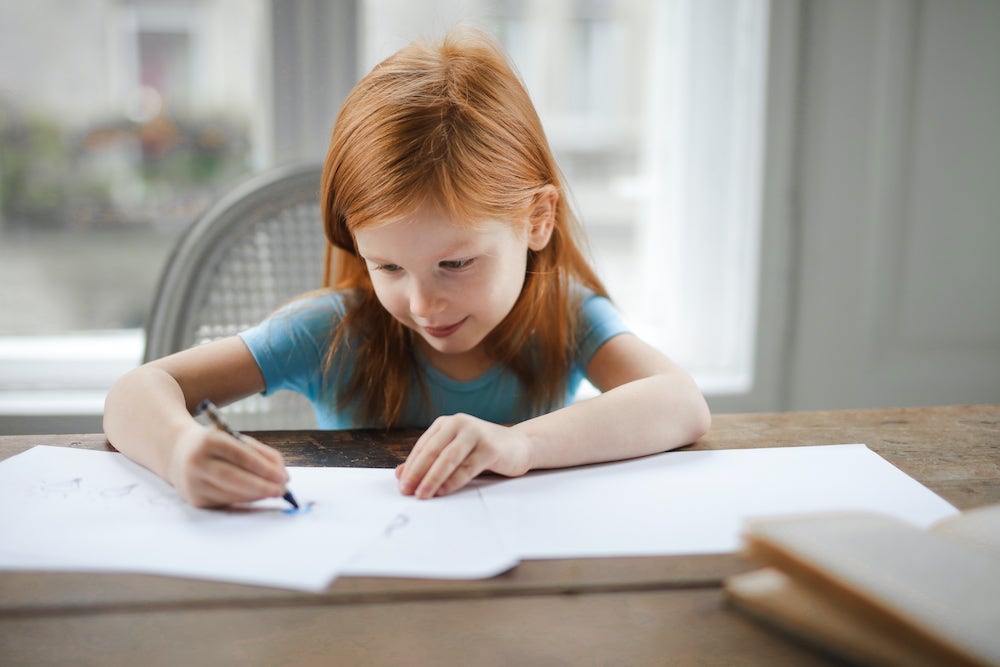
Our final tip for descriptive writing is to choose vocabulary that is so precise that it communicates exactly what the writer wants the reader to feel. Often, students will write descriptions that are a bit vague, with sentences like:
He was very tired.
The movie was very boring.
They were very cold.
The room very hot.
Again, these sentences convey a simple meaning, but in descriptive writing, that is simply not enough. Effective description uses vocabulary that has an impact, and we can achieve that by choosing only the best words to convey the most exact meaning.
See how we can take the sentences above from ordinary to extraordinary by replacing part of the sentence with powerful vocabulary:
He was exhausted.
The movie was unimaginative.
They were chilled to the bone.
The room was roasting.
The good news is that your child doesn't need to rely on his or her current vocabulary knowledge in order to succeed in creating sentences like those above. The thesaurus has all of the words they need to create memorable descriptions.
We hope these tips have been helpful! If you would like for your child to learn how to put these skills into practice with one of our passionate educators, stay tuned for coming announcements on our new summer and fall courses!
Next week, we’ll have a look at persuasive writing tips!
Tell us a bit about yourself.
I grew up in five different countries (Sweden, England, Germany, South Africa, and Canada). Integration into a diverse spectrum of cultures growing up has made me see the world with an open mind. I currently reside in Canada and work as both a university lecturer and a Math teacher at Reach Out. Outside of work I really enjoy sports such as badminton and chess, which I played at a competitive level for many years.

What is your educational background and qualifications?
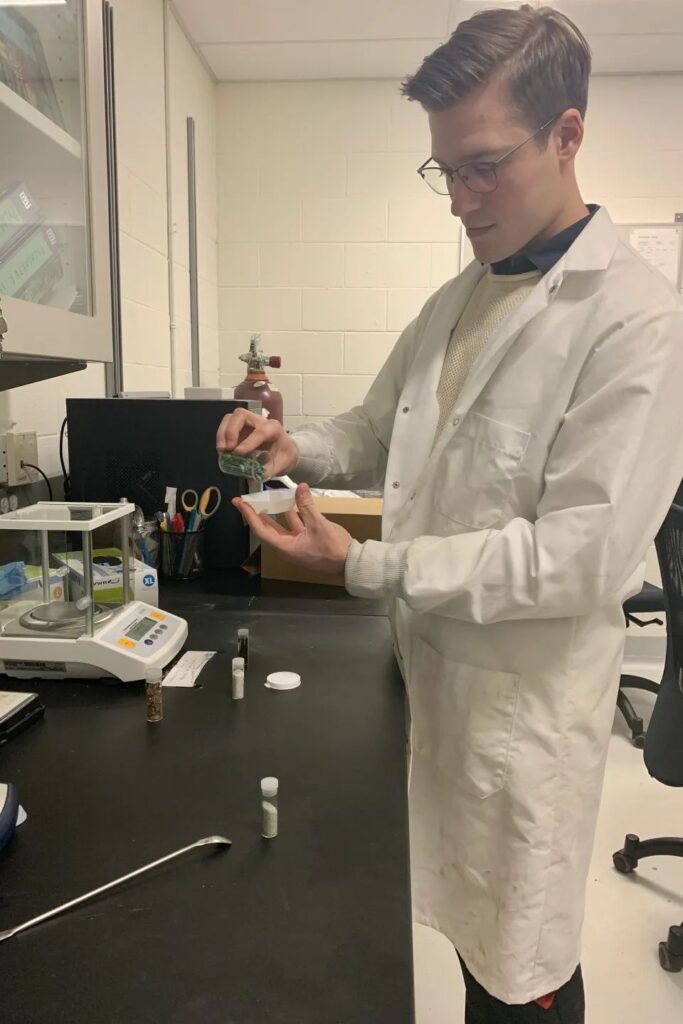
I received a Bachelor of Science Degree from the University of British Columbia (UBC) and an obtained my MSc at the same university. My graduate work involved experimental geoscience where I designed an apparatus to investigate how diamonds reach the surface of the Earth through high velocity magmas. I published articles in two high impact journals and presented the work across Canada and Europe.
During my graduate studies I had the privilege of lecturing a few classes which transitioned into a lectureship position. Teaching at the university level involves lecturing a class of over 200 ụmụ akwụkwọ, which is very different to the work I do at Reach Out, but has helped me develop a dynamic teaching style.
Additionally, I have been teaching Math and Science both privately and through educational organizations for over 6 afọ.
Why did you join Reach Out?
I joined Reach Out because the prospect of being able to deliver high quality education from around the globe without border restrictions resonates with me.
I feel that the reason I am committed to staying at Reach Out is more important. The personalized classes being delivered has allowed me to connect with the students, making their progression much more meaningful to me. Some students have been together with me through multiple grade levels and I feel immensely proud to have played a role in their education.
What is your educational philosophy?
Having a background in experimental science has allowed me to see value in making breakthroughs through experimentation. By allowing students to experiment with different methodologies while offering guidance is an extremely effective way of teaching students to not be afraid of failure. Richard Fuller correctly said, “There is no such thing as a failed experiment, only experiments with unexpected outcomes.” Students often start my classes afraid to answer questions, discuss with their classmates, or write on the board since they don’t know the answers. Since I am always more focused on solutions rather than answers, students’ are rewarded for trying new techniques, discussing failed methods, and asking questions about their classmates’ work. I found this to produce a phenomenal learning environment and takes a lot of pressure off the students.
What is your favorite thing about teaching Math?
My favorite thing about teaching Math is the exciting challenges it provides. After teaching Math for many years, I have come to realize that students see the world from a unique perspective, which more often than not, is very different from my own. This diversity produces a wide spectrum of learning styles and requires me to stay very flexible with the methodologies I use in my teaching.
Math is a complex subject which has provided us with a universal language to better understand the universe that surrounds us. Having a good problem solving ability is a byproduct of learning Math and crucial for success in the modern world. For these reasons I have the responsibility to transform a traditionally dry and boring subject into something exciting by creating compelling lessons and using creativity to inspire my students. This will always be something I love about my job.
Who is your favorite mathematician and why?
This is a tough question, and it’s hard to pinpoint one Mathematician since I utilize the works of so many Mathematicians in just one lesson. If I had to pick it would be either Johannes Kepler or Nicolaus Copernicus since I also love astronomy. Their Math not only challenged everything that was believed about our solar system at the time, but also formed the foundations for understanding planetary motion. Space travel has relied heavily on these concepts.
If you could only give parents one piece of advice when it comes to helping their child improve in Math, what would it be?
One thing I have worked on a lot with my students, is getting them to explain their solutions to me regardless of how easy it may seem. Being able to arrive at the correct answer in certain school curriculums may not require a complete understanding, but being able to explain a solution well does require a good understanding. Make sure that your child is always showing very clear steps in their work and that they can explain their steps to you. This certifies understanding and shows they are prepared for questions which test the same concept but may be worded differently.
What is one fun fact about yourself?
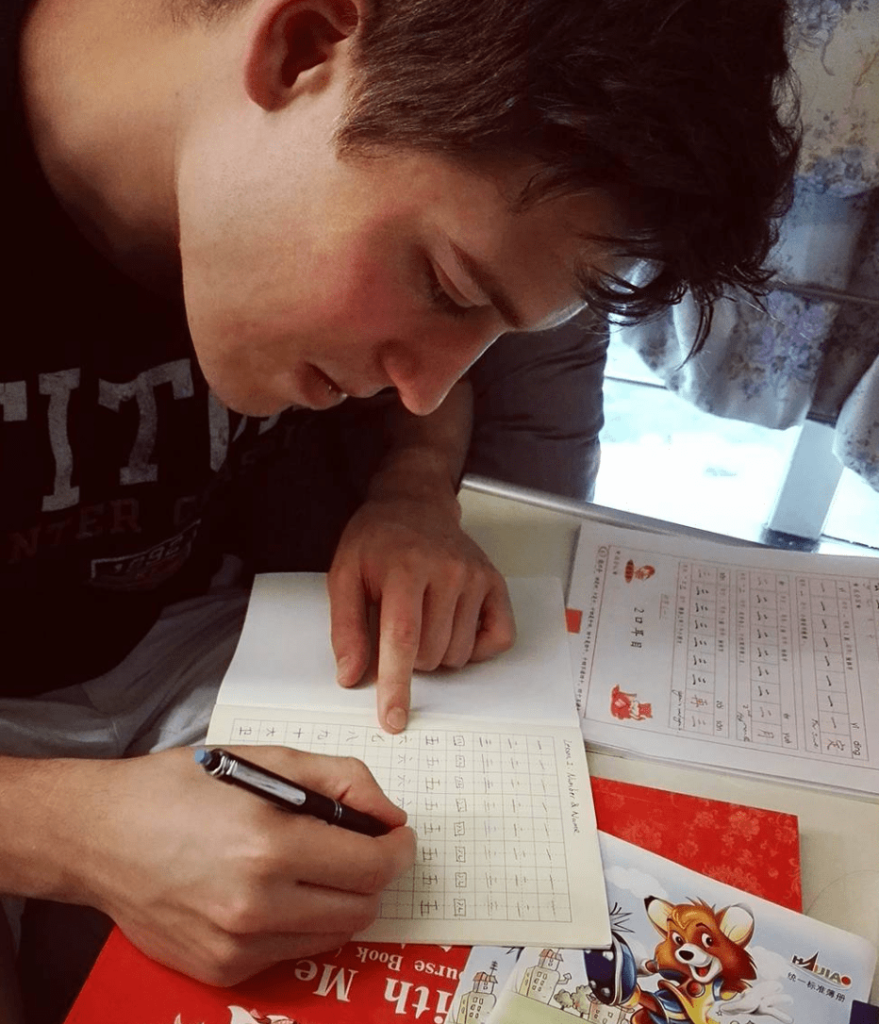
I really like learning languages! After growing up in many different countries I can speak English, Swedish, and German fluently. For the past two years I have been working to add Chinese to my collection and have enjoyed the unique challenges that learning this complex language has provided me with.
Ogige Nzuzo bụ mpempe akwụkwọ mara mma nke so na ọnụ ọgụgụ nwata a na-enweghị atụ (ọ bụrụ na ị chefuru akụkọ anyị ihe mere ụmụaka ji agụ akwụkwọ akụkọ kpochapụ, hụ ya jikọtara n'okpuru!). Ọ bụ akụkọ siri ike nke ọbụbụenyi na ikpughe onwe ya nke na-emetụta mkpụrụ obi anyị.
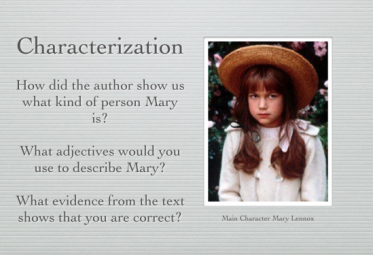
Ogige Nzuzo bụ maka otu nwa agbọghọ aha ya bụ Mary Lennox onye ezinụlọ ya na ihe niile maara ya nwụnahụrụ n'ihi ọrịa ọgbụgbọ ọgbụgbọ n'India., ebe nna ya na-arụ ọrụ dịka Captain Army British. Dị ka nwata, E leghaara Meri anya nke ukwuu, mana ndị ọrụ ezinaụlọ na-anabata ya, ya mere ọ bụ nwa e merụrụ emerụ nke nwere obi ọjọọ. O nwere àgwà ole na ole ga-enyere ya aka idi ndụ ọhụrụ n'England, ebe ezigara ya ka ya na onye ikwu ya dị anya biri, Maazị. Akara obi.
Maazị. Craven nwere iwu siri ike maka Mary ịgbaso n'ụlọ ọhụrụ ya na Misselthwaite Manor na Yorkshire, nke gụnyere machibido ya iwu ịbanye n'ime ụlọ dị iche iche n'ime nnukwu ụlọ, yana machibidoro ịbanye n'otu n'ime ogige ndị dị na mbara ala ahụ, nke bụ nke nwunye ọ hụrụ n’anya nwụrụ anwụ. Ka Meri malitere inyocha ụlọ ọhụrụ ya, ọ na-amalite inwe mmetụta nke obi ụtọ wee nwetaghachi ahụike ya mgbe ọ rịasịrị ọrịa n'oge ọ bụ nwata. Mgbe Robin na-enyere ya aka ịchọta igodo nke ogige nzuzo ahụ, ọ na-ahụ echiche nke nzube na iweghachi ubi ahụ, ka ọ na-eweghachi onwe ya n'ime. Site na ogwu na Fikiere epupụta oyi, ọ na-ahụ ọtụtụ ụgha n'ime.
Enyi ọhụrụ Dickon nyere aka, Meri malitere ọbụbụenyi mbụ ya, ma na-eji ike ọhụrụ ya na obiọma nyere nwa nwanne nna ya bụ Colin aka n'ụra, onye ọ huru na a tọb͕ọrọ n'efu na manor. Ịbụ enyi na-ewusi ma Meri na Colin ike, na n'ikpeazụ, onye ọ bụla na-agba akaebe ọrụ ebube mere naanị site na njikọ chiri anya na nkwenye na onwe ya, isiokwu abụọ dị ezigbo mkpa na akwụkwọ akụkọ.
Ndị na-eto eto ga-enwe mmasị ịgụ akụkọ enyi a magburu onwe ya, imeri ihe mgbochi, na inwe ike ịgwọ ọrịa nke okike. Ihe odide na nkuzi ndị ha na-akụziri anyị ga-emetụ nwa gị aka n'ezie ma nyere ha aka ịhụ ike nke nnukwu akụkọ.
Ọ bụrụ na ị ga-achọ ohere maka nwa gị ka ya na ndị ọzọ hụ akụkọ a, obi dị anyị ụtọ ime ka ị mara na anyị ga-agụ akwụkwọ Ogige Nzuzo dị ka akwụkwọ akụkọ mbụ na ọkwa ndị ntorobịa anyị 2 N'ezie n'oge okpomọkụ a.
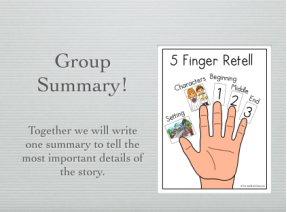
N'ime usoro, anyị abụghị naanị ịgụ akwụkwọ akụkọ, mana anyị na-amụta ma tinye okwu ọhụrụ site n'akwụkwọ ahụ, kwurịta usoro edemede dị mkpa nke onye edemede ji eme ihe, ma na-eme nchịkọta ederede, nkà bụ isi nke ọtụtụ ụmụ akwụkwọ na-ahụ ihe ịma aka
Ọ bụrụ na ị masịrị gị ịmụtakwu gbasara Young Classics, ma ọ bụ na usoro ọmụmụ anyị ndị ọzọ mara mma ma na-adọrọ mmasị, kpọtụrụ otu ndị ndụmọdụ mmụta anyị taa! Anyị na-atụ anya ka gị na nwa gị rụkọọ ọrụ n'oge adịghị anya!
Literature study is an important aspect of any excellent academic program, and that is because it helps to teach students a wide range of knowledge and skills that are essential for success in many areas of life. While studying literature, students learn about important events and people throughout history, they consider cultural perspective and increase their own understanding of acceptance of different ideas and beliefs, and they learn how to analyse the words of others in order to form a deep understanding of new ideas and ways of communicating. In short, it exposes students to a toolbox of ideas, techniques, strategies, theories, and more that they will carry with them throughout their life, shaping the way they approach the world.
Why do we offer this course?
Reach Out students typically pursue high school programs such as IGCSE, which includes challenging courses such as English Language and Literature and English as a First Language. Later, most of those students will take on the challenge of IB and AP level programs, in which they must take on the task of reading a variety of literature. Our aim is to expose students in upper primary and middle school to a wide range of advanced literature so that by the time they reach high school they possess the knowledge and skills to hit the ground running, and therefore achieve to a higher level.
This course is designed for Grade 7-9 ụmụ akwụkwọ.
The Objectives of our Advanced Literature Course are to:
✪ Enhance students’ ability to understand and discern literary techniques used English and American literature, and the ability to communicate the effects of those techniques;
✪Improve children's literary comprehension skills and increase their understanding of British and American culture;
✪ Under the guidance of our expert educators, learn the power of language and storytelling in a challenging yet engaging way.
Meet Our Teachers
*Insert teacher bios here for Barry, Anthony, and John*
Our Book Selections:
Cry the Beloved Country by Alan Paton
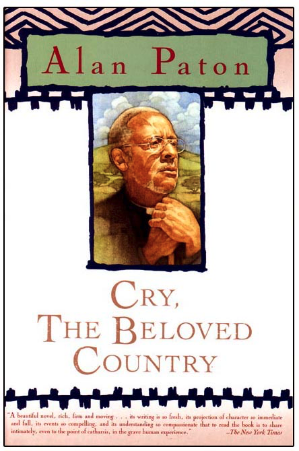
Set in South Africa in the 1940s, award-winning Cry the Beloved Country tells the story of a Zulu Pastor, Steven Kumalo, who travels from his village to the city of Johannesburg. Along his arduous and heart-wrenching journey, he discovers that his sister and son have found themselves in terrible situations that he must now face with them. The characters’ vastly different lives become unexpectedly woven together through tragedy during a dark time in South Africa’s history. Agbanyeghị, through tragedy and challenges, the true nature of the human spirit can be found and uplift those who need it most.
Dracula by Bram Stoker
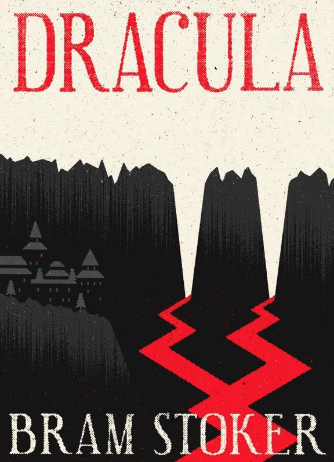
The legend of Dracula has loomed large in the minds of readers and movie-goers for generations. Bram Stoker based the infamous character of Dracula on the legend of the real life ruler of Wallachia, Vlad the Impaler. Stoker was able to take this dark corner of history and turn it into a legendary novel told through journal entries, letters and telegrams. As with any classic, Dracula has stood the test of time because it speaks to something very deep and meaningful within the human psyche.
Of Mice and Men by John Steinbeck
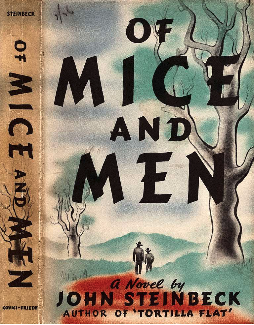
The Great Depression was a defining moment in American history that tested its strength as a nation, and placed the population in a precarious balance between life and death. In what is considered one of the greatest American classics, readers are introduced to two displaced migrant workers, George and Lennie. George is an intelligent young man, while Lennie is mentally disabled. George takes Lennie under his wing as they seek employment where few opportunities exist, trying to survive, yet still dreaming of the day they will have their own land and build a life. Their hopes are dashed when a devastating incident occurs that alters their lives forever.
What Students Will Gain
Develop an early sense of literary appreciation,
See the world from a more mature perspective
British and American classics contain thought-provoking moral and social issues. Reading the most influential classic literature thoroughly helps students become better readers, and begin the process of pursuing self-realization.
Improve understanding of culture and history
Learning allusions from classic British and American literature can help us bridge cultural differences. "The classics have opened the door to different worlds, different cultures, and different historical perspectives. Literature crosses race, culture, religion, and geography."
Self-reflection and personal growth
Many classic literature allude to our lives from the side: books that reflect similarities to our own lives are called "mirrors"; and those that give us a glimpse of different lives are called "windows." Whether it is a "mirror" or a "window", it further enriches the students' life experience and increases the courage and strength to face life.
Sonyere anyị!
Contact us to discover more about our course. We sincerely hope to meet your child soon, and develop a love of reading classic literature together.
It’s back to school time and we know parents are getting ready for a new year with new beginnings. The start of a new year is usually met with a mix of excitement and a bit of anxiety, as students and parents look forward to new skills and experiences, but also might feel nervous about new routines and expectations.
Echegbula onwe gị, Reach Out it here to help! This year, we have 5 top tips to a fantastic start to the school year.
Understanding how your child’s school approaches education, what curriculum they use, what systems, and standards are used can be overwhelming for non-educators. Spending a bit of time each day reading your school’s website content, handbooks, and other resources can help you feel more confident in understanding what your child is learning at school and how they are learning. It’s also important to attend your child’s back-to-school night and informational sessions to get a better understanding of your child’s program as a whole. It also provides a great opportunity for you to establish a relationship with your child’s teacher. At any time if you still have questions, you can always e-mail your child’s teacher. They are there for you and your child, as they know that a great relationship with parents is a fantastic way to ensure academic, social, and emotional success for all students.
2. Make Sure to Catch Enough Zzzzs Before the ABCs
Sleep is so important for a child’s growth and development, and a lack of it can negatively impact a child’s academic achievement. N'ezie, research shows that sleep depravation in children can lead to higher rates of anxiety and depression. When we sleep, our brain processes the information from he day, finds the best system to file it away in out memories, and re-charges our systems for a new day. For various reasons, parents often find sticking to an early bedtime difficult, but with a clear routine, and time for adjustment, it can be easy! Ụmụaka 3-6 years old should be getting 10-12 hours of sleep per day, 7-12 year olds should get 10-11 hours per day, na 12-18 year olds should get 8-9 hours per day. Creating a schedule where children get to bed earlier will make mornings easier as well, hopefully with less stress for both parents and children as they will be well rested and ready to start their day!
3. Ask the Right Questions at the Right Time
Sometimes parents are anxious to know how their child’s day was as soon as they get home from school, especially during the first few weeks. Those weeks are especially exhausting and full of ups and downs as your child learns to navigate new material, new friends, new teachers, and new expectations. Giving them time to come home and decompress is extremely important for their emotional and mental well-being. Once they have had some “me” time, parents can ask specific questions based on what they know they are working on, if they happen to know. They can go through their child’s homework diary with them and help them make a plan on how to tackle each task, as well as share in their enthusiasm for specific subjects, books, or information they also enjoy. Avoid asking, “How was school? What did you learn?” as kids respond much better to more specific questions, such as, “What did you do with your friends at lunch? What was the best part of your day? What was the weirdest or most wonderful thing that happened at school today?” Most importantly, parents should be fully present and listen intently when students answer, so they really feel valued and hear when they share.
4. Let Them Learn From Failure
This one can be extremely hard for parents to allow. We want our children to do well and reach their full potential, which means we might go over each assignment with a fine-toothed comb, correcting every mis-calculation or grammar mistake. Although parents have good intentions when we do this, we are taking away important learning opportunities from children when we do so. Back when we were students, many of our parents were often too busy or didn’t have the knowledge or capacity to help us with our school work, but we found a way to push through and try our best. If children are never given opportunities to fail when they are young, they might resist taking on challenges later in life for fear of failing at them. Agbanyeghị, when we let them fail gently, such as on an assignment or at a little league soccer game, we are teaching them resilience. It’s not the end of the world, and they learn a valuable lesson; that we can try and not succeed, dust ourselves off, and try again next time.
5. Nurture Their Passions
New school years are an exciting time for many reasons, one of them being that they provide children a chance to discover new passions. If they are lucky, they will stumble upon something they truly love, and that they can become fascinated with enough to spend hours on end discovering. Helping a child find his or her passion is not always easy and takes time. Sometimes parents worry if their child focuses too much on a couple of things, and feel they need to expose them to as much as possible to help shape them into well-rounded individuals. Agbanyeghị, if we look at the people who have shaped our world, it was because they had a laser focus on what they were passionate about. It was all they ever did or do. As humans, we naturally gravitate towards what we love most, and as long as it provides some sort of value on top of fulfillment, we should continue pursuing it. Ya mere, don’t worry if your child protests going to one activity while running out the door to attend another. Maybe the one they love is the most valuable to their growth and development, and the one they don’t like isn’t that necessary after all.
We hope these tips have helped, and we wish you and your child the best in the coming school year! We are excited for the new school year and all of the challenges and hope it will bring.
Reach Out will be with you every step of the way, so be on the lookout for more information and more articles we hope you will love!