A portata di mano, crediamo che sia molto importante celebrare i successi degli studenti. Siamo lieti di annunciare un altro Star Student - Emma!
Emma rappresenta tutto ciò che gli studenti possono ottenere con il duro lavoro e l'impegno per l'eccellenza. Gli insegnanti di Emma la riconoscono come una studentessa che ha un atteggiamento meraviglioso verso l’apprendimento, è molto ricettivo alle istruzioni, e ha una famiglia estremamente solidale che comunica spesso con i suoi insegnanti. In classe, Emma è un'ascoltatrice attenta e attenta, abbastanza sicura di sé da condividere le sue idee, ma abbastanza paziente da dare a ognuno il proprio turno. Non le importa correre rischi, ed è in grado di iniettare la sua personalità nel suo lavoro.
Emma è attualmente iscritta al nostro livello di Lettura e Scrittura Creativa 4 Corso, e ha dimostrato un vero dono nel riuscire a creare immagini forti nella sua scrittura. All'inizio del semestre, ha completato una revisione della filiale Shanghai Disneyland di Blue Frog.
Emma ha mostrato la sua capacità di criticare aspetti specifici di un luogo, e sviluppare le sue idee utilizzando i dettagli appropriati.
«La vista e la posizione sono entrambe molto soddisfacenti. Di notte possiamo sederci fuori e goderci la vista del Castello Disney e dei fuochi d'artificio.”

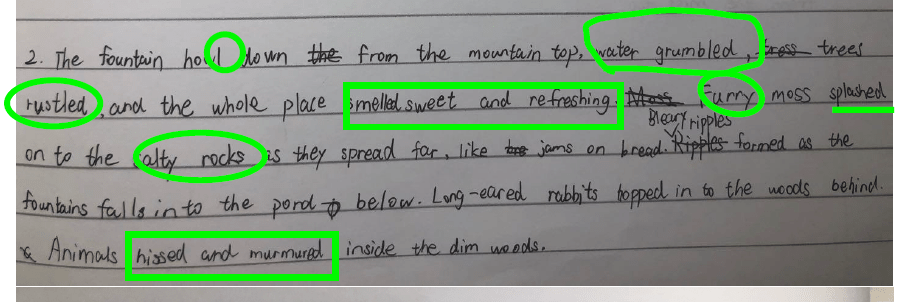
Mentre il semestre andava avanti, Emma ha mostrato uno sviluppo nelle sue capacità di scrittura, e iniziò a incorporare tecniche letterarie più avanzate. In un compito sulla descrizione dei paesaggi, Emma è stata in grado di creare un'immagine forte utilizzando un vocabolario preciso e un linguaggio figurativo.
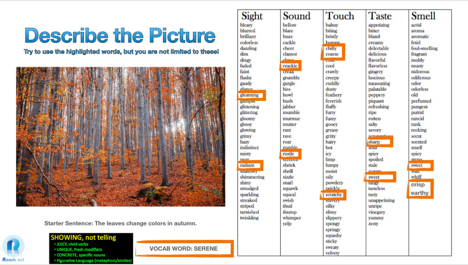
“Il muschio peloso schizzava sulle rocce salate mentre si diffondevano lontano, come la marmellata sul pane. Increspature confuse si formarono mentre la fontana cadeva nello stagno sottostante.
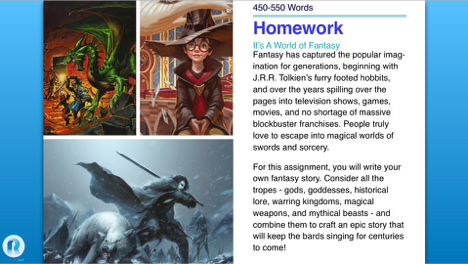
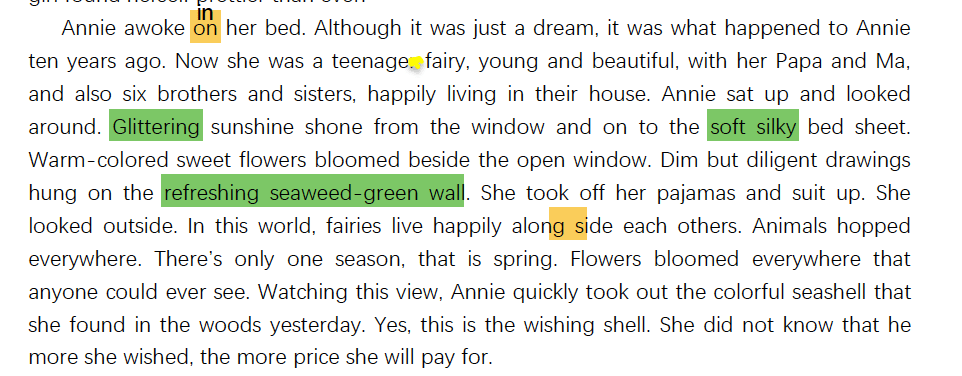
Emma ha continuato ad applicare le lezioni apprese durante il corso, e la sua capacità di scrittrice divenne più forte. In un recente incarico sulla scrittura di un racconto fantasy, Emma ha costruito l'ambientazione e il personaggio della sua storia in modo deliberato ed efficace.
“Il sole scintillante splendeva dalla finestra e sul dolce, lenzuolo setoso. Fiori dolci e dai colori caldi sbocciavano accanto alla finestra aperta. Disegni vaghi ma diligenti erano appesi al rinfrescante muro verde alga.
Come potete vedere, Emma mostra le caratteristiche di una giovane scrittrice promettente. La sua determinazione a migliorare, e un'attenta applicazione delle lezioni insegnate hanno contribuito a elevare la sua scrittura a un livello più avanzato.
Grazie Emma, per essere una tale STAR! Non vediamo l'ora di vedere la tua crescita per molto tempo a venire. Sappiamo che questo è solo l'inizio di un viaggio brillante.
Come educatori, spesso ci è stata posta la domanda, “Come posso convincere mio figlio a smettere di leggere fumetti?I genitori temono che i fumetti non forniscano valore educativo, non sono abbastanza rigorosi dal punto di vista accademico, o peggio di tutto, una perdita di tempo per il loro bambino. A questo, la nostra risposta di solito li sorprende, e la risposta è, “Lascia che leggano i fumetti!"
È comprensibile che i genitori siano un po’ preoccupati poiché la percezione è che i fumetti siano puramente una lettura di piacere, Tuttavia, i fumetti hanno molti vantaggi oltre ad aiutarci a passare il tempo.
Fumetti e graphic novel non sono nuove forme di scrittura. Ovviamente, sono stati apprezzati da molti per generazioni. Nel corso degli anni, il genere è cambiato in uno con notevole profondità e significato, ecco perché incoraggiamo i genitori non solo a permettere ai propri figli di leggere fumetti, ma anche supportarli in questo.
Ecco i nostri principali motivi per cui i fumetti dovrebbero essere letti (soprattutto in estate!):
Per gli studenti che non sono di madrelingua inglese, i fumetti rappresentano un ottimo modo per iniziare ad apprezzare la letteratura inglese. Per molti bambini, il compito di passare da un libro di testo in lingua inglese a un romanzo può essere molto arduo, ma i fumetti possono fornire loro un ponte necessario per acquisire fiducia e acquisire fluidità nella lettura. Gli spunti visivi nelle immagini consentono agli studenti di creare una comprensione più profonda della trama e dei personaggi, nonché di un nuovo vocabolario. Inoltre, li introduce a dispositivi letterari efficaci, come le onomatopee (pensa al POW! SMACCO! ZOOM!) e idiomi (un'illustrazione che mostra il significato di un idioma simile, “Il gatto ti ha mangiato la lingua?" ha molto più senso che riscaldare l'idioma da solo!).

2.Migliorare l'inferenza
L'inferenza è un'abilità di lettura chiave con cui molti studenti hanno difficoltà nelle valutazioni di lettura standardizzate. L'inferenza avviene quando traiamo conclusioni basate su ciò che leggiamo. Alcuni esempi di domande che gli studenti incontreranno durante i compiti o le valutazioni di comprensione della lettura sono quelli come, “Come si è sentito il personaggio in quel momento?", “Cosa puoi concludere su…” e “Qual è stata la lezione nella storia?I fumetti richiedono che gli studenti “leggano tra le righe” per dedurre le informazioni che di solito vengono raccontate dal narratore in un romanzo, in modo che possano acquisire molta preziosa esperienza nel rafforzare questa abilità leggendo fumetti.
3.Potere della parola!
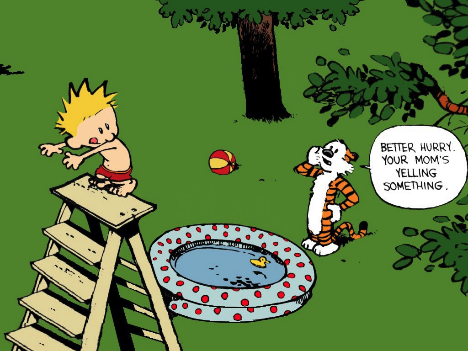
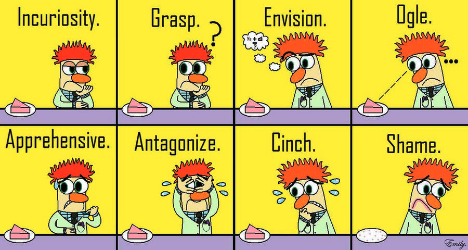
Spesso nei fumetti e nelle graphic novel, gli scrittori includono un vocabolario piuttosto avanzato, sia come parte della trama che nei nomi dei personaggi. In 2016 al famoso Comic-Con di San Diego, California, un relatore di educatori ha discusso del potere dei fumetti nella costruzione del vocabolario degli studenti. James Bucky Carter, ha detto l'autore di Building Literacy Connections with Graphic Novels, “Hai Colosso, ed è così grande, ragazzo gigante di metallo. Hai un'idea davvero chiara di cosa significhi la parola colosso e questa è una buona parola da 10 centesimi. Il potere di Banshee sta urlando. Hai questi personaggi che incarnano le parole del vocabolario che sono. È qualcosa che è un modo divertente per imparare nuove parole, oltre agli indizi contestuali.”
Dopo aver letto questo, potresti semplicemente lasciare che tuo figlio si tuffi direttamente nella lettura di fumetti o graphic novel! Questa è musica per le nostre orecchie. Se non sei sicuro da dove iniziare, abbiamo alcuni preferiti dagli studenti che tuo figlio potrebbe voler provare!
L'uomo cane di Dave Pilkey

Miles Morales Spider-Man di Jason Reynolds

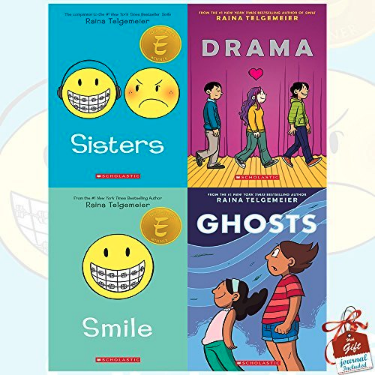
Sorrisi, Sorelle, Fantasmi, Dramma e altre storie di Raina Telgemeier
Osso di Jeff Smith

Cerchi più opportunità di lettura estiva per tuo figlio? Contatta uno dei nostri consulenti educativi per ulteriori informazioni sui nostri corsi estivi di lettura. Non vediamo l'ora di leggerlo con tuo figlio!
La stagione degli esami è arrivata, e può essere un periodo dell'anno molto stressante sia per gli studenti che per i genitori. A Reach Out vogliamo fare del nostro meglio per alleviare l'ansia da esame offrendo alcuni suggerimenti di studio unici che potresti non aver provato.
La saggezza convenzionale dello studio è stata spesso seguita da molti genitori e insegnanti che avevano buone intenzioni, Tuttavia, se osserviamo alcuni interessanti approcci basati sulla ricerca possiamo vedere che esistono diversi modi efficaci per studiare! È sempre bello provare cose nuove, soprattutto per i bambini. Possono sperimentare nuovi modi di fare le cose quando sono giovani, e quando saranno un po' più grandi, potranno scegliere la modalità più adatta alle proprie esigenze e al proprio stile personale.
Ora, diamo un’occhiata a tre modi unici di studiare.

La varietà è il sale della vita, anche quando si studia
Per molti, da tanti anni ce lo dicono per studiare bene, dovremmo studiare nello stesso posto ogni giorno; un posto tranquillo, ben illuminato, e ha tutti i nostri materiali. Anche se questo potrebbe essere vero per una parte del tempo che stiamo studiando, la ricerca ci mostra che il nostro cervello effettivamente funziona meglio quando variamo il luogo in cui stiamo studiando. Abbastanza sorprendente, Giusto?
In uno studio fatto fin dall'inizio 1978, sono stati dati agli studenti universitari 40 parole del vocabolario da studiare. A un gruppo è stato detto di studiare l'elenco due volte nello stesso luogo. All'altro gruppo è stato detto di studiare l'elenco in due luoghi diversi. Quello che hanno trovato è stato, il gruppo che ha variato i luoghi di studio in realtà ha ottenuto risultati migliori nel ricordare le parole in seguito. Ora perché è così?? BENE, il nostro cervello spesso stabilisce connessioni con le informazioni in base al nostro ambiente, quindi più variamo il nostro ambiente, più diamo al nostro cervello la possibilità di conservare le informazioni poiché si collegheranno a più cose. Questo potrebbe anche essere il motivo per cui una tecnica di visualizzazione, dove si visualizzano cose che si desidera ricordare in determinati luoghi in un ambiente con cui si ha familiarità, può essere altrettanto efficace. Per gli studenti, semplicemente cambiare l'ambiente potrebbe risolvere il problema!
Divertiti!
Alcuni genitori potrebbero erroneamente pensare che se il loro bambino ride o si emoziona mentre impara o studia, potrebbero perdere tempo. Tuttavia, questo non è necessariamente il caso.
Come genitore, nel tuo lavoro o ufficio potresti organizzare seminari speciali di tanto in tanto. I workshop vengono solitamente utilizzati come strumento per aiutarti a conoscere una nuova strategia, idea, o informazioni che ti aiuteranno a saperne di più sul lavoro. Queste sessioni sono spesso gestite da persone specializzate nella creazione di workshop motivanti e stimolanti che rinvigoriscono ed energizzano i dipendenti. Le giornate possono essere lunghe e intense, ma se sono fatti bene, i dipendenti possono andarsene fiduciosi nelle loro nuove conoscenze e competenze.
Lo stesso vale per i giovani. Presentare il gioco e il divertimento come modo di studiare per gli esami non solo fa sorridere tuo figlio, ma la ricerca indica che divertirsi mentre si impara attiva determinate risorse cognitive, associa gratificazioni e piacere all’apprendimento, rafforza e amplia le reti di memoria, e alterna il pensiero astratto e l'attenzione focalizzata.

La Tecnica del Pomodoro
Rimanere concentrati, essere concentrati e motivati a completare determinate attività può essere difficile sia per gli adulti che per i bambini. Ti sei mai sentito come se stessi fissando lo schermo di un computer per ore?, ma ha realizzato ben poco? O forse hai una scadenza tra pochi giorni, ma si stanno avvicinando solo lentamente al traguardo? Non c’è da meravigliarsi, poiché le ricerche dimostrano che la nostra mente tende a divagare 20% del tempo, forse ancora di più per i più giovani.
Una tecnica interessante è stata creata dallo studente universitario Francesco Cirillo per aiutarlo a rimanere concentrato, e questa è la Tecnica del Pomodoro, che prende il nome dal timer a forma di pomodoro utilizzato da Cirillo mentre testava questa strategia su se stesso. Come funziona è impostare un timer per 25 minuti, che è tempo di lavoro. Quindi impostalo di nuovo per 5 minuti, che è l'ora della pausa. Questo è un ottimo momento per alzarsi, stirata, fare un giro per casa, accarezza il tuo gatto, oppure prendi un bicchiere d'acqua o uno spuntino. Dopo la pausa il tempo è scaduto, impostare il timer per un altro 25 minuti e ripetere!
Si scopre che questa strategia è supportata da prove scientifiche, poiché i ricercatori hanno concluso che le brevi pause aiutano a mantenere la capacità di attenzione sulla giusta strada. Ciò potrebbe essere correlato al fatto che la noia cognitiva può portare a una mente disimpegnata, che è l'ultima cosa che vuoi quando studi per un esame importante.
Ci auguriamo che ti sia piaciuto esplorare questi suggerimenti di studio unici tanto quanto noi! Auguro a tuo figlio buona fortuna per gli esami di questo mese. Jiayou!
Sappiamo che c’è molto che possiamo fare per nutrire ed educare i nostri figli, ecco perché come genitori spesso facciamo di tutto per riempire il loro tempo con attività e lezioni arricchenti. Perché lo facciamo?? Per molte ragioni ovviamente, but the main goal is to ensure their future success. Parents hope that their children will be even more successful in life than they were themselves. Success, of course, is subjective, and we may all have our own definition of success. Generally however, we might agree that success includes feeling content in one’s personal life, as well having a sense of career satisfaction and financial security.
Recently there has been an intriguing TED Talk being shared on social media, in which former Dean of Freshman at Stanford University, Julie Lythcott-Haims, cites evidence from the Harvard Grant Study that correlates professional success in life to individuals having done chores as children. Not soccer training, not language learning, not painting, but chores.

Surprising right?
Many of our children growing up in big cities may never know what it’s like to scrub a dish, wash a window, or mop a floor. We might feel like there are more important things to do to build their knowledge and their character. Lythcott-Haims explains that those children who do get their hands dirty, Tuttavia, may reach a level of success in life that surpasses their no-chore-doing peers. That is because it teaches students how to contribute and step up when work needs to be done, and that doing the “grunt work” that others might scoff at, because it is what is best for all, is what gets noticed in the workplace.
The workplaces of the high-achievers who took part in the Harvard Grant Study were notable, such as the White House, where participant President Kennedy worked, and the editor’s office where Ben Bradlee sat as editor of The Washington Post. We can assume that their parents, like us, had to prod and plead for the chores to be done, and accept that even if they were done, they might not have been done well; and that’s okay.
The important thing, as Lythcott-Haims points out, is that by doing chores, children realize that they, “…have to do the work of life in order to be part of life.” They realize that life does not just happen to them, and for them, but with them.
If your children are already doing chores as part of their daily summer routine, bravo! You are on the right track. If not, no need to panic. It is never too late to introduce chores into the lives of our children. Here are some tips to help get you started!

Let Them Be a Part of It
When introducing the concept of your children completing chores to help, have a “family meeting” where everyone is present to discuss what will be expected of your children and why. You can ask your child to help you write a list of chores they could potentially help with around the house. They might surprise you with their enthusiasm as doing chores is very exciting for some children because it makes them feel empowered and helpful (two things we often like to feel as adults).
Game-ify It
To make things fun, because fun makes everything better, you or your child can write the chores on popsicle sticks and each day your child can choose one stick from the jar. That will be their chore for the day! If you have more than one child at home, you can always turn cleaning into a competition by setting a timer and seeing which child can clean the most toys in the given amount of time, for example.
Reward It
Come genitori, we are rewarded for our contributions at work with a salary. Shouldn’t our children also be rewarded for their hard work? One idea is that if your child completes all of his or her chores for the week, he or she can choose a small toy from a “treasure box” filled with small toys. Another option could be that if your child consistently completes chores for a month, they can choose an extra special family outing.
Teaching our children to do chores is not always easy, but the potential benefits are worth the time and effort. We hope you found our tips useful, and that they can help lead to a positive experience for you and your child. Happy cleaning!
Siamo lieti di annunciare un nuovo club del libro estivo, solo per i genitori! L’estate è il momento perfetto per leggere quel libro che hai sempre desiderato leggere, ma non ho avuto il tempo di farlo. Quest'estate, we invite you to join us in reading Come parlare affinché i bambini ascoltino e come ascoltare affinché i bambini parlino.
We know it is not always easy to connect with our children because of the demands of school, work and daily life. Sometimes our anxieties about the future interfere with us living our lives right now. Tuttavia, one thing we can guarantee is that we will never get another chance to experience childhood with our own children, and we don’t want to miss out on this precious time. COSÌ, how can we make the most of it and have meaningful conversations with our children that will strengthen our bond and help our children feel supported? These are big questions many of us have.
To help us answer these important questions, we invite you to join us in reading one of the most popular parenting books of all time, written by Adele Faber and Elaine Mazlish. How to Talk So Kids Will Listen and Listen So Kids Will Talk, which teaches us how to accept our children’s feelings, as by not doing so we could be unwittingly causing bad behavior. It also teaches us positive ways to encourage cooperation, as well as independence, autonomy, and self-confidence. These are all the ingredients needed to help nurture a positive parent-child relationship that will indeed help to grow our children into confident and capable adults.

How Will It Work?
The first step is to contact one of our Education Consultants to register. Registration is FREE and open to everyone! We will create a group chat where the book study content and sharing will take place starting on July 1st. Lindsey Fine, our Education Manager, will be joining the group as a parent as well, as she is a mother of two boys, aged 4 E 6, who will be learning along with you. She will also be helping to lead the weekly discussions.
The book can be found in English and Chinese and easily accessible in print, e-book, or audiobook formats.
Then there are two options for how you would like to participate:
The reading schedule is as follows:
Week 1: Chapters 1 & 2
Week 2: Chapters 3 & 4
Week 3: Chapters 5 & 6
Week 4 Chapters 7 & Afterword
At the end of the month, we will host an online workshop led by School Counselor, Regina Wehner. At the workshop, Regina will share additional information and strategies you can use to strengthen your relationship with your child.
About Regina Wehner

Regina Wehner is a Licensed School Counselor that has worked with students in Middle School for over 16 years. Originally from the United States, she lives with her husband and 2 children, ages 10 E 12, in Beijing, China.
Regina works at the Western Academy of Beijing (WAB), a diverse international school. A big part of being a school counselor is helping students learn about themselves and others as they are growing. Regina also hosts monthly Parent Coffee Mornings to bring parents together to learn more about their children's developmental changes and how to communicate during these times of transition.
Contact us today to join!
Helping Your Child Learn New Vocabulary
Research indicates that if we want students to succeed in the academic context, su valutazioni importanti ed esami ad alto rischio, così come le loro future carriere, dobbiamo aiutarli a sviluppare il loro vocabolario. La ragione è questa: our understanding of new information is directly linked to our understanding of the vocabulary used to communicate that new information.
Per gli studenti, increasing their vocabulary is one key to success in mastering a language; the more words we know, the more words we understand, and the more words we can use in our writing to make it more impactful and effective. Tuttavia, learning now vocabulary is sometimes viewed as a tedious or elusive process. Sometimes parents are not sure how to guide their children, especially as the way we approach vocabulary study study may vastly differ from the way parents studied it when they were in school.
Non preoccuparti, Reach Out is here to help! Let’s explore vocabulary acquisition (the process of memorizing and applying new vocabulary), and we’ll tell you how you can help your child build their vocabulary!

Talk About It!
It might seem overly simple, but when it comes to learning new words, one effective way young people do it is by talking with others. Children learn new words best when they are in context, such as in a conversation about a certain topic. They can infer a bit of new words’ meanings based on how they are used along with the other words they are already familiar with.
You have likely been interrupted by your child on many occasions when you use unfamiliar vocabulary and they curiously ask, “What does disaster mean?” You might have been referring to the state of their bedroom (as in it is a complete mess), and by taking a moment to explain the multiple meanings of disaster to them, you will not only have taught them a new word to describe a messy room, but also a failure or a naturally occurring phenomenon, such as a natural disaster.
COSÌ, talking with your child is a great way to teach them new words!
Explore It!
Students generally understand that they can use a dictionary or a translator if they encounter a word they do not know, but sometimes even the definition of a word might leave them with more questions than answers.
In our experience, many students do not utilize one very important tool for learning and applying new vocabulary, and that tool is a thesaurus! If you notice your child overusing a word when speaking or in their writing, for example, “pretty”, “cute”, “good”, or “bad”, then take some time to show them how to use a website such as thesaurus.com to look those words up. When they search for the word such as “pretty” they will see that there are so many interesting and unique words to use instead! I
In our experience, students really enjoy using new vocabulary, and feel empowered to know there is a tool to help them make their words mightier.
Play!
Having fun while learning isn’t just something teachers do to make students happy, it’s actually been proven by neuroscience to be an effective way to help students learn more and more deeply. Research shows that when students are both stimulated and challenged, their brains release dopamine. Dopamine is a neurotransmitter that stimulates the memory centers and promotes the release of acetylcholinem, which increases focused attention.
In our courses here at Reach Out, vocabulary instruction is an important part of each lesson. We also have courses launching this summer, Vocabulary Builder Levels 1-3, in which we will focus exclusively on helping your child expand their vocabulary knowledge with challenging new words. While the words chosen offer the challenge, tools like Quizlet and games such as Guess Who and Sentence Racer provide students with the chance to interact in a meaningful and engaging way.

How do we know these methods are effective? Because our decades of experience, and study of educational psychology and methodology have taught us how students learn best!
We would love to help your child learn new vocabulary as one of the ways he or she can become an effect more effective and successful reader, writer, and speaker. To learn more about how we can help, contact one of our Education Consultants today!
Se stai cercando un servizio educativo più personalizzato, Reach Out offre servizi individuali con i nostri educatori esperti!
Cosa offriamo?
I nostri insegnanti offrono una vasta gamma di materie individuali, incluso l'inglese, Scienze sociali, e matematica.
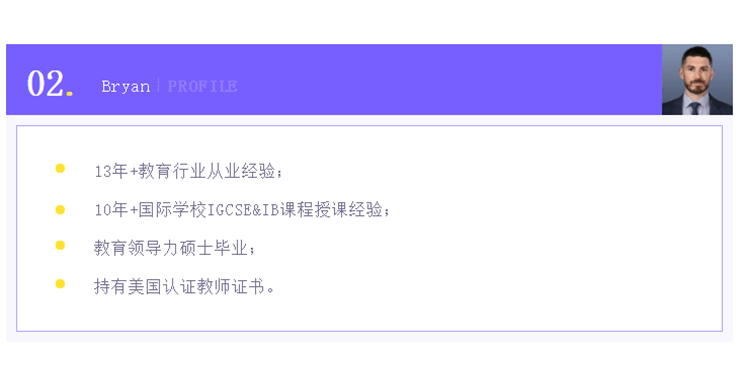
Incontra alcuni dei nostri insegnanti altamente qualificati ed esperti!



Perché dovrei scegliere i servizi individuali?
Perhaps your child is preparing to study abroad or applying to a new school and he or she would like a more intensive and targeted approach in order to polish his or her skills. Alternatively, your child might not feel challenged enough with his or her current curriculum, and needs an alternative approach that is more appropriate for his or her ability level.
There are a number of reasons a parent might be searching for services such as this, and we can assure you that we will always work to understand you child’s unique situation and provide the service that is best for them.
How Does it Work?
With our hands-on approach, and orientation process, we will assess your child’s knowledge and skills based on current assessment data, writing ability, e altro ancora. Based on our findings, we will select the teacher best suited for your child’s needs. All of Reach Out’s teachers have been carefully selected, and have years of experience in teaching challenging curriculums, such as IGCSE, IB, e AP, in top schools from around the world.
Our process is goal-oriented. We find out exactly what your child needs to reach their educational goals, and then we create a unique and tailor-made learning path that will best suit your child’s particular needs.
What Else Does Reach Out Offer?
In addition to 1-on-1 services, Reach Out offers a wide variety of courses specifically designed to challenge and engage your 2nd to 8th grade child with above grade level content in order to help them prepare for the rigor of programs such as IGCSE, IB, e AP.
How Can I Learn More?
To find out more about our 1-on-1 services, please contact one of our Education Consultants today to find out more! We look forward to helping your child reach his or her educational goals for a bright future!
Chi siamo
Come avrai notato, siamo cresciuti e abbiamo alcune interessanti aggiunte a ciò che offriamo qui a Reach Out. Poiché è passato un po' di tempo dall'ultima volta che ci siamo presentati, abbiamo pensato di condividere con te la nostra storia per aiutarti a capire meglio chi siamo e cosa facciamo!
La nostra missione
La missione di Reach Out è quella di mettere in contatto gli studenti con educatori esperti che creano e forniscono contenuti originali, stimolante, programmi di studio di livello mondiale. Abbiamo intrapreso questo viaggio per aiutare gli studenti a capire come trovare la propria voce unica e scoprire le idee creative e preziose che si trovano in ognuno di loro.. Con le loro voci, hanno il potere di cambiare il mondo, e desideriamo dare loro il potere di farlo.

La nostra visione
Reach Out si sforza di essere un istituto educativo riconosciuto a livello internazionale che consente agli studenti di accedere a curriculum ed educatori internazionali di alto livello, non importa dove si trovino nel mondo. I nostri studenti saranno perspicaci, curioso, e pensatori critici che fanno scelte informate come eccellenti risolutori e comunicatori di problemi. Gli studenti di Reach Out raggiungeranno i loro obiettivi e sogni accademici e personali dalla scuola primaria all'università, mettendo il loro brillante futuro a portata di mano.

I nostri valori fondamentali
Questi sono i principi che danno forma a Reach Out:
La nostra storia
Reach Out è stato creato da un piccolo gruppo di madri devote, forse molto simile a te. Sono stati uniti da una visione comune per i bisogni educativi dei loro figli. Alcuni erano alla ricerca di un programma educativo che potesse offrire ai propri figli l'accesso alle idee, insegnare filosofia, e metodologia che corrispondeva a ciò che avevano sperimentato mentre vivevano all'estero. Altri erano alla ricerca di un curriculum internazionalizzato a cui i loro figli potessero accedere per arricchire la loro esperienza educativa in Cina. Ciò che avevano in comune era il desiderio di un programma rigoroso che aprisse anche le porte al pensiero creativo e critico, autoriflessione, ed espressione personale - i tratti distintivi di un forte curriculum internazionale. Dopo aver trascorso molto tempo esplorando varie opzioni, queste mamme non sono riuscite a trovare nulla che soddisfacesse pienamente le esigenze dei loro figli.
COSÌ, hanno fatto quello che farebbe ogni buona madre, data la possibilità, e hanno trovato il proprio modo di offrire ai propri figli le migliori opportunità di apprendimento possibili progettate per aiutarli a crescere. Hanno consultato insegnanti esperti e lavorato con altri genitori per scoprire come poter soddisfare al meglio le esigenze di altri bambini con obiettivi simili. Bambini, speriamo, come il tuo.
I genitori si erano impegnati:
Siamo felici di dire che queste mamme hanno raggiunto il loro obiettivo. Oggi Reach Out vanta una linea completa di corsi rigorosi ma coinvolgenti in cui gli studenti imparano profondamente divertendosi e creando relazioni significative con i loro insegnanti e colleghi.
Tutto questo grazie all’impegno delle nostre madri fondatrici per l’educazione e la felicità dei loro figli.
Ciò che ci rende unici?
Sebbene comprendiamo che i genitori hanno una vasta gamma di scelte quando si tratta di programmi che arricchiscono l’istruzione dei loro figli, crediamo di offrire molte qualità uniche che non si trovano facilmente altrove.
Il nostro team è composto da educatori altamente qualificati ed esperti che hanno creato un programma unico e rigoroso basato su standard scolastici internazionali, che prepara gli studenti più giovani ad affrontare programmi di studio rigorosi come l'IGCSE, IB, e AP.
-I nostri programmi e curriculum individuali sono progettati per superare le esigenze educative dei nostri studenti
-La nostra filosofia di insegnamento mira a ispirare e responsabilizzare gli studenti, e una metodologia di insegnamento che consente agli studenti di esplorare la conoscenza in modo ampio e profondo e allo stesso tempo sviluppare l'amore per l'apprendimento
-Il nostro impegno per il successo a lungo termine dei nostri studenti mentre ci sforziamo di fornire loro le competenze essenziali di cui avranno bisogno per avere successo nelle loro future carriere e nel mondo oltre la scuola
- The detailed feedback we provide with all of our student assessments, in modo che gli studenti sappiano dove stanno avendo successo e dove potrebbero migliorare, così come i materiali e le istruzioni supplementari necessari per aiutare i nostri studenti a colmare eventuali lacune nella comprensione
-La nostra dedizione allo sviluppo del pensiero critico e delle capacità di risoluzione dei problemi dei nostri studenti, che sarà fondamentale per il loro futuro, così come il futuro della nostra società globale
-La nostra promessa di assumere tutto il nostro personale docente e non docente sulla base della loro comune passione per l'istruzione
-La nostra capacità di consentire agli studenti di usare la lingua, conoscenza, e le competenze che acquisiscono per svilupparsi oltre la classe e diventare curiosi, studenti permanenti che si pongono e perseguono sfide impegnative, appagante, e obiettivi meritevoli.
-La nostra pratica, approccio personalizzato per creare un percorso di apprendimento per i nostri studenti in modo che, indipendentemente dal livello scolastico, si uniscano a noi, saranno dotati degli strumenti necessari per migliorare e crescere rapidamente
-Il nostro impegno nel fornire ai nostri clienti informazioni ed esperienze che li aiuteranno a fare le scelte migliori in assoluto per l'istruzione dei loro figli offrendo articoli informativi, video e workshop.
Il nostro curriculum
Il nostro curriculum della Linea Blu, che comprende corsi per gli studenti dei Grades 2 A 8, è stato progettato da educatori esperti con titoli di studio di livello avanzato nelle loro aree tematiche che hanno trascorso decenni in alcune delle migliori scuole internazionali del mondo. Usiamo la progettazione del curriculum a ritroso lavorando a modo nostro fin dal primo anno di programmi come il programma IGCSE ampiamente riconosciuto e rispettato.
Poiché i nostri educatori hanno trascorso anni a tenere corsi pre-IGCSE, IGCSE, Curriculum IB e AP o A Levels, capiscono di cosa hanno bisogno gli studenti per avere successo in quei programmi. COSÌ, ogni aspetto del nostro curriculum è stato creato per garantire che tutti i nostri studenti entrino nel loro primo giorno di scuola 9 sentirsi fiducioso, attrezzato, e preparato a soddisfare le esigenze di questi corsi rigorosi.
Offriamo una vasta gamma di corsi sulle materie della lingua inglese, Matematica, Storia e geografia. Vedi sotto per informazioni più dettagliate sulla nostra offerta di corsi completi.
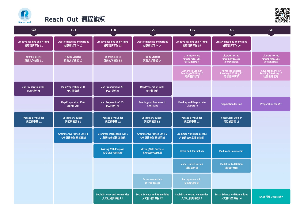
Servizi aggiuntivi
Siamo inoltre lieti di annunciare la creazione della nostra Linea Silver, che offre servizi educativi su misura che adottano un approccio personalizzato per soddisfare le esigenze dei nostri studenti. Iniziamo con una valutazione approfondita degli obiettivi e dei bisogni educativi di ogni studente, e poi creare e implementare uno schema di lavoro che i nostri educatori esperti utilizzeranno per guidare tuo figlio attraverso le sfide accademiche della scuola superiore al fine di prepararlo a frequentare l'università dei suoi sogni.
Offriamo anche servizi individuali a tutti i livelli scolastici per i genitori che desiderano offrire ai propri figli un'assistenza e un'istruzione più individuali. I nostri esperti consulenti educativi si assicureranno di abbinare tuo figlio al miglior educatore per le sue esigenze e obiettivi specifici.
Unisciti a noi!
Non vediamo l'ora di incontrare la tua famiglia e discutere su come puoi far parte della nostra famiglia Reach Out; uno che impara insieme, si prende cura l'uno dell'altro, superare le sfide insieme, e celebrano i successi l'uno con l'altro. Vi preghiamo di contattarci oggi per saperne di più.
Speriamo di sentirti presto!
Essere genitori è difficile. Infatti, con i cambiamenti nel nostro mondo oggi, potrebbe essere proprio uno dei momenti difficili che abbiamo dovuto affrontare negli ultimi decenni. Il cambiamento porta all’incertezza, e l’incertezza può portare allo stress. Lo stress colpisce sicuramente tutti gli ambiti della nostra vita, a volte avrà un impatto maggiore sul nostro rapporto con i nostri cari; soprattutto i nostri figli.
I nostri figli possono essere complicati (ammettiamolo, possiamo farlo anche noi!), ed è un compito arduo garantire che ogni mossa sia quella “giusta”.. Queste sono tutte le nostre conversazioni, richieste, richieste, piani, lodi e critiche significano qualcosa. Ogni momento che passiamo a parlare con i nostri figli, nutriamo la speranza che queste parole bastino a riempire i nostri figli con la speranza di un grande futuro in un momento in cui il futuro è così incerto. I tempi cambiano, e anche questo passerà, ma una cosa che possiamo garantire è che non avremo mai una seconda possibilità di trascorrere un’infanzia con i nostri figli.
Come genitori, spesso ci chiediamo se stiamo effettivamente facendo la cosa giusta, chiedendoci come possiamo comunicare con i nostri figli, cercando di capire meglio i nostri figli, e talvolta ci sentiamo colpevoli di aver fallito perché diciamo a noi stessi che stiamo sbagliando. Spesso, non è così, ma non esiste un manuale di istruzioni su come crescere un bambino che funzioni per tutti in tutte le situazioni. Sicuro, ci sono molti consigli, una quantità enorme di esso, ma ancora una volta, la maggior parte dei consigli è proprio questo; guida e raccomandazioni da parte di persone che non conoscono te o tuo figlio. In parte è utile, e in parte... non così tanto.
Una cosa che non possiamo negare però è l’importanza di una sana relazione tra genitore e figlio.
La ricerca lo dimostra:
It is essential to make the time to nurture a relationship with your child, e forse ancora più imperativo, assicurandoci che le interazioni che abbiamo con i nostri figli durante quel periodo siano positive. Questo è qualcosa che molti genitori trovano impegnativo, which is why we created a parent book club for the book Come parlare affinché i bambini ascoltino e come ascoltare affinché i bambini parlino di Adele Faber e Elaine Mazlish. Together we learned ways to positively communicate with our children in order to strengthen our bonds. Abbiamo trascorso del tempo discutendo le idee tratte dal libro, oltre ad aver avuto un incontro virtuale per mettere in scena alcune delle strategie del libro. Inoltre, abbiamo invitato il consulente di orientamento della scuola media, Regina Wehner, to provide parents with a workshop in understanding our child’s cognitive and emotional development.
Here are some highlights we would like to share with you!
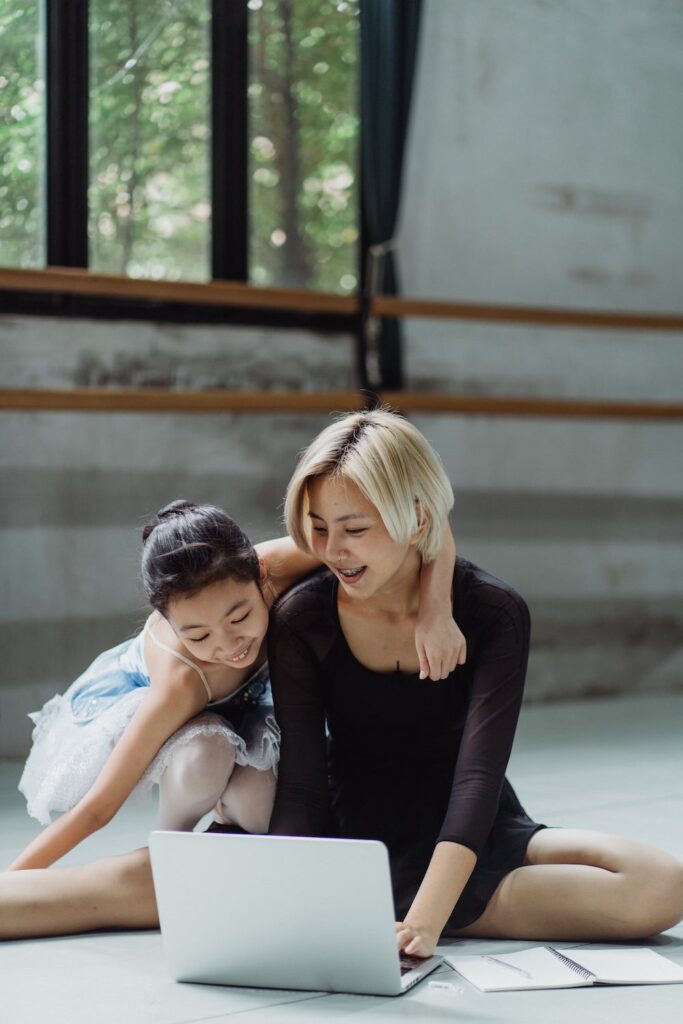
Primo, da Come parlare affinché i bambini ascoltino e come ascoltare affinché i bambini parlino, ecco due delle nostre strategie preferite:
Children have difficulty regulating their emotions, as the brain’s emotional regulation center is one of the last to develop. This means that they need our help in the form of compassion and modeling. Questo può essere davvero impegnativo, soprattutto quando a volte potremmo avere difficoltà a gestire le nostre emozioni! We have an easy strategy for you that will only require two things:
When your child comes home upset about something that happened at school, instead of lecturing and offering our sage advice, we can simply listen to their concerns and repeat the ideas back to them. Per esempio, if your child comes home upset and says something like, “Uffa, oggi Elizabeth e Sarah sono state così cattive con me! They completely ignored me and I hate both of them now!” Invece di dire, “Elizabeth e Sarah sono le tue migliori amiche. It’s not a big deal and I am sure you will be fine tomorrow,” which could invalidate your child’s feelings, puoi dire, "OH, Vedo. Elizabeth e Sarah ti hanno fatto sentire un po' escluso. That probably made you feel a bit sad and mad.” At this point your child might keep talking and open up to you, which is great! It means they trust you and you are making them feel better. Continue to listen, nod, say, “Mmmhmm,” and repeat what they say. Having you simply listen will likely make your child feel 100% better and ready to face their next challenge!

2. I wish!
Our children often express their desires in the form of wishing they had things they don’t have or wishing things were different than the way they are. Per esempio, children may say, “I wish I didn’t have to do all that homework.” We may reply, “Well, you do and that’s that!” or “It’s what you have to do. It’s your responsibility so you need to do it now!"
Ciò potrebbe degenerare in uno scontro di volontà poiché i genitori si sentono frustrati nel continuare a sentire la stessa lamentela e ripetere lo stesso ragionamento. I bambini si sentono frustrati perché le loro opinioni vengono invalidate e si sentono incompresi. BENE, Non preoccuparti, siamo qui per aiutare! Abbiamo un piccolo trucco che ti aiuterà a dare una svolta alla conversazione, e questo è quello Essere d'accordo con tuo figlio. Può sembrare controintuitivo, ma abbiamo esperienza diretta con questo trucco e funziona a meraviglia!
Per esempio, se tuo figlio dice, “Vorrei che potessimo andare al parco oggi come volevo!"
Invece di dire, “Non posso, Sono troppo occupato,” oppure “Sì, ma non possiamo, sta piovendo,” possiamo dire, “Vorrei che potessimo farlo anche noi! Potremmo andare al parco e fare un picnic! Potremmo far volare un aquilone e fare bolle! Perché non facciamo un picnic in soggiorno e poi possiamo fare le bolle in bagno!"
La prima parte entusiasma i bambini e stimola la loro immaginazione, portandoli in un luogo felice. La parte successiva li fa sentire ascoltati e connessi a te.
Ora, alcuni punti salienti della Sig. Il laboratorio di Wehner:
*Per favore aiutami a scegliere questi! :)*
Se desideri partecipare a uno dei nostri workshop o club del libro in futuro, assicuratevi di seguirci e rimanete sintonizzati! Abbiamo grandi cose in arrivo questo autunno!
Molti genitori ci chiedono quale sia il modo più veloce in cui i loro figli possono migliorare la loro scrittura. Anche se crediamo fermamente che non ci siano scorciatoie per diventare uno scrittore veramente efficace e qualificato, ci sono alcune cose che gli studenti possono incorporare nella loro scrittura per portarla al livello successivo in modo più efficiente. Come con qualsiasi cosa cerchi di essere padroneggiata, la chiave del successo sta nel duro lavoro e nella ripetizione. Praticare regolarmente queste abilità aiuterà tuo figlio a raggiungere i suoi obiettivi educativi.
Questo articolo sarà il primo di una serie di articoli che si concentreranno sulle competenze adatte a diversi tipi di scrittura. Questa settimana, ci concentreremo su suggerimenti di scrittura descrittiva.
Suggerimenti per la scrittura descrittiva:
La scrittura descrittiva è una vera forma d’arte, poiché il suo scopo dovrebbe essere quello di creare un'immagine nella mente dei lettori. Non si può raccontare una storia basandosi solo sull’azione e sul dialogo, e non è possibile trasmettere un significato profondo e un'emozione in una poesia senza dipingere un quadro con le sue parole.
Un modo efficace per eccellere nella descrizione è aggiungere aggettivi e avverbi ove possibile. Per esempio, se tuo figlio sta scrivendo una storia potrebbe scrivere qualcosa di simile:
"Harry è uscito e ha iniziato a cercare i suoi amici."
Mentre questa frase trasmette un significato fondamentale, anche l’effetto sul lettore è fondamentale. Aggiungendo un linguaggio descrittivo sotto forma di aggettivi e avverbi, possiamo aggiungere rapidamente ed efficacemente immagini alla frase:
“Harry è uscito dalla porta principale, chiudendola sbattendola alle spalle. Il suo cuore batteva forte mentre correva per il quartiere cercando avidamente i suoi amici.
Nella frase modificata, vediamo descrizioni che ci dicono non solo l'azione che si sta svolgendo, ma anche aiutandoci a sentire l'emozione del personaggio, un aspetto importante della narrazione.

Un altro ottimo modo per rendere più efficace una storia o una poesia è aggiungere un linguaggio figurato, come le similitudini. Le similitudini sono confronti che utilizzano simile o come che possono essere utilizzati per aiutare il lettore a immaginare cosa sta succedendo in modo più chiaro.
Per esempio, tuo figlio potrebbe scrivere qualcosa del genere:
Ero così felice!
Era così carino!
Era così spaventato!
Possiamo aggiungere similitudini per contribuire a creare un risultato ancora migliore:
Ero felice come un gattino in un negozio di filati.
Era carino come un cucciolo di panda che giocava nella neve.
Era spaventato come un coniglio che ha appena sentito un lupo ululare.

Il nostro ultimo consiglio per la scrittura descrittiva è quello di scegliere un vocabolario così preciso da comunicare esattamente ciò che lo scrittore vuole che il lettore senta.. Spesso, gli studenti scriveranno descrizioni un po' vaghe, con frasi come:
Era molto stanco.
Il film era molto noioso.
Erano molto freddi.
La stanza molto calda.
Ancora, queste frasi trasmettono un significato semplice, ma in una scrittura descrittiva, semplicemente non è sufficiente. Una descrizione efficace utilizza un vocabolario che ha un impatto, e possiamo raggiungere questo obiettivo scegliendo solo le parole migliori per trasmettere il significato più esatto.
Scopri come possiamo trasformare le frasi di cui sopra da ordinarie a straordinarie sostituendo parte della frase con un vocabolario potente:
Era esausto.
Il film era privo di fantasia.
Erano gelati fino alle ossa.
La stanza stava arrostendo.
La buona notizia è che tuo figlio non ha bisogno di fare affidamento sulla sua attuale conoscenza del vocabolario per riuscire a creare frasi come quelle sopra. Il dizionario dei sinonimi contiene tutte le parole necessarie per creare descrizioni memorabili.
Ci auguriamo che questi suggerimenti siano stati utili! Se desideri che tuo figlio impari a mettere in pratica queste abilità con uno dei nostri appassionati educatori, restate sintonizzati per i prossimi annunci sui nostri nuovi corsi estivi e autunnali!
La prossima settimana, daremo un'occhiata ai suggerimenti di scrittura persuasivi!
Raccontaci un po' di te.
Sono cresciuto in cinque paesi diversi (Svezia, Inghilterra, Germania, Sudafrica, e Canada). Crescendo, l'integrazione in un diverso spettro di culture mi ha fatto vedere il mondo con una mente aperta. I currently reside in Canada and work as both a university lecturer and a Math teacher at Reach Out. Outside of work I really enjoy sports such as badminton and chess, which I played at a competitive level for many years.

What is your educational background and qualifications?
I received a Bachelor of Science Degree from the University of British Columbia (UBC) and an obtained my MSc at the same university. My graduate work involved experimental geoscience where I designed an apparatus to investigate how diamonds reach the surface of the Earth through high velocity magmas. I published articles in two high impact journals and presented the work across Canada and Europe.
During my graduate studies I had the privilege of lecturing a few classes which transitioned into a lectureship position. Teaching at the university level involves lecturing a class of over 200 studenti, which is very different to the work I do at Reach Out, but has helped me develop a dynamic teaching style.
Additionally, I have been teaching Math and Science both privately and through educational organizations for over 6 anni.
Why did you join Reach Out?
I joined Reach Out because the prospect of being able to deliver high quality education from around the globe without border restrictions resonates with me.
I feel that the reason I am committed to staying at Reach Out is more important. The personalized classes being delivered has allowed me to connect with the students, making their progression much more meaningful to me. Some students have been together with me through multiple grade levels and I feel immensely proud to have played a role in their education.
What is your educational philosophy?
Having a background in experimental science has allowed me to see value in making breakthroughs through experimentation. By allowing students to experiment with different methodologies while offering guidance is an extremely effective way of teaching students to not be afraid of failure. Richard Fuller correctly said, “There is no such thing as a failed experiment, only experiments with unexpected outcomes.” Students often start my classes afraid to answer questions, discuss with their classmates, or write on the board since they don’t know the answers. Since I am always more focused on solutions rather than answers, students’ are rewarded for trying new techniques, discussing failed methods, and asking questions about their classmates’ work. I found this to produce a phenomenal learning environment and takes a lot of pressure off the students.

What is your favorite thing about teaching Math?
My favorite thing about teaching Math is the exciting challenges it provides. After teaching Math for many years, I have come to realize that students see the world from a unique perspective, which more often than not, is very different from my own. This diversity produces a wide spectrum of learning styles and requires me to stay very flexible with the methodologies I use in my teaching.
Math is a complex subject which has provided us with a universal language to better understand the universe that surrounds us. Having a good problem solving ability is a byproduct of learning Math and crucial for success in the modern world. For these reasons I have the responsibility to transform a traditionally dry and boring subject into something exciting by creating compelling lessons and using creativity to inspire my students. This will always be something I love about my job.
Who is your favorite mathematician and why?
This is a tough question, and it’s hard to pinpoint one Mathematician since I utilize the works of so many Mathematicians in just one lesson. If I had to pick it would be either Johannes Kepler or Nicolaus Copernicus since I also love astronomy. Their Math not only challenged everything that was believed about our solar system at the time, but also formed the foundations for understanding planetary motion. Space travel has relied heavily on these concepts.
If you could only give parents one piece of advice when it comes to helping their child improve in Math, what would it be?
One thing I have worked on a lot with my students, is getting them to explain their solutions to me regardless of how easy it may seem. Being able to arrive at the correct answer in certain school curriculums may not require a complete understanding, but being able to explain a solution well does require a good understanding. Make sure that your child is always showing very clear steps in their work and that they can explain their steps to you. This certifies understanding and shows they are prepared for questions which test the same concept but may be worded differently.
What is one fun fact about yourself?
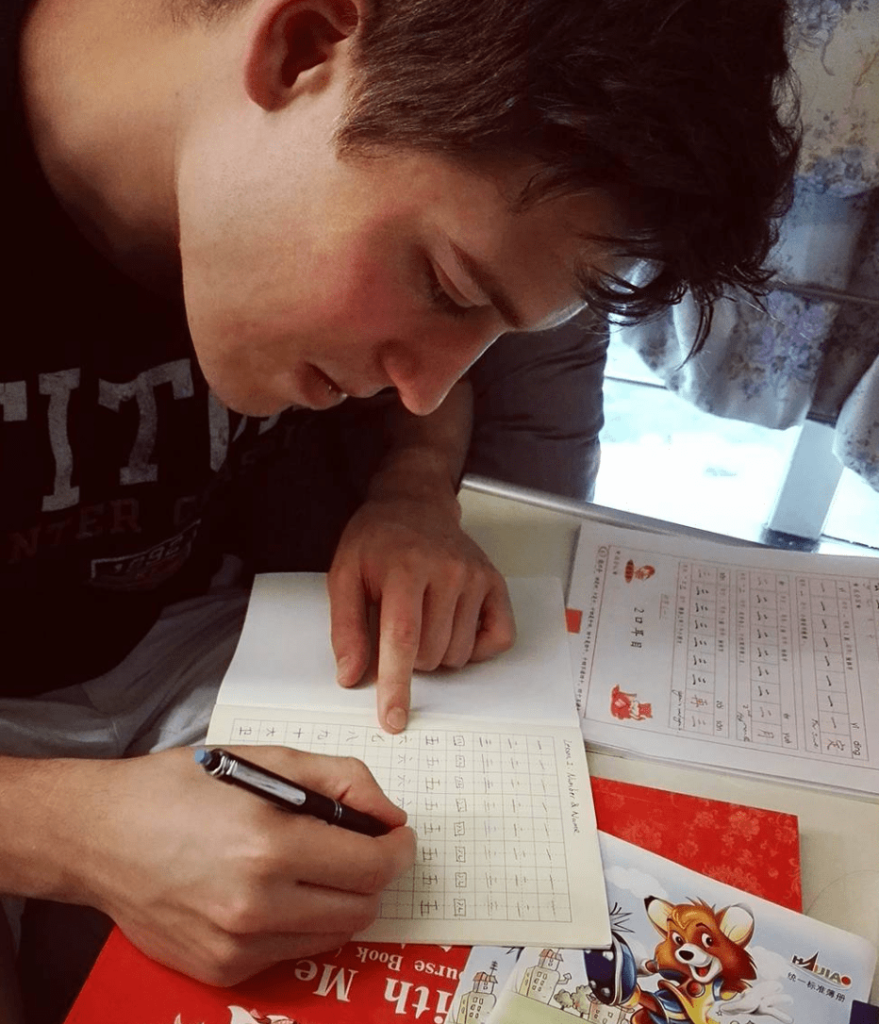
I really like learning languages! After growing up in many different countries I can speak English, Swedish, and German fluently. For the past two years I have been working to add Chinese to my collection and have enjoyed the unique challenges that learning this complex language has provided me with.
Il giardino segreto è un pezzo di letteratura classica che ha fatto parte di un numero indicibile di infanzie (se ti sei perso il nostro articolo sul perché i bambini dovrebbero leggere i romanzi classici, guardalo collegato qui sotto!). È una potente storia di amicizia e di scoperta di se stessi che risuona con le nostre anime.
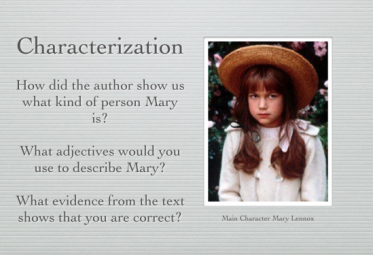
Il giardino segreto is about a young girl named Mary Lennox who loses her family and everything familiar with her due to a cholera outbreak in India, where her father was working as a British Army Captain. As a child, Mary was quite neglected, but indulged by family’s servants, so she was a spoiled child with a terrible disposition. She had very few traits that would help her cope with a new life in England, where she was sent to live with a grouchy distant relative, Sig. Craven.
Sig. Craven had very strict rules for Mary to follow at her new home at Misselthwaite Manor in Yorkshire, which included her being forbidden to enter various rooms inside the giant mansion, as well as forbidden to enter one of the gardens on the sprawling property, which belonged to his beloved late wife. As Mary begins to explore her new home, she begins to find a sense of happiness and regains her health after being sickly for much of her childhood. After a robin helps her find the key to the secret garden, she finds a sense of purpose in restoring the garden, much as she restores her inner self. Through the thorns and dried leaves of winter, she finds much more lies within.
Aided by new friend Dickon, Mary develops her first friendships, and uses her newfound strength and kindness to help her bedridden cousin Colin, whom she finds tucked away in the manor. Friendship strengthens both Mary and Colin, and in the end, everyone witnesses a miracle only made possible by these close bonds and belief in oneself, two very important themes in the novel.
Young people will love reading this fantastic story of friendship, overcoming obstacles, and experiencing the healing power of nature. The characters and the lessons they teach us will surely touch your child and help them experience the power of a great story.
If you would like an opportunity for your child to experience this story with others, we are happy to let you know that we will be reading Il giardino segreto as the first novel in our Young Classics Level 2 Course this summer.
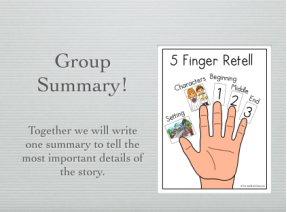
In the course, we not only read the novel, but we also learn and apply new vocabulary from the book, discuss important literary techniques used by the writer, and practice writing summaries, a key skill that many students find challenging
If you are interesting in learning more about Young Classics, or and of our other excellent and engaging courses, contact one of our Education Consultants today! We hope to work with your child very soon!
Lo studio della letteratura è un aspetto importante di qualsiasi eccellente programma accademico, e questo perché aiuta a insegnare agli studenti una vasta gamma di conoscenze e abilità essenziali per il successo in molti ambiti della vita. Mentre studiavo letteratura, gli studenti apprendono eventi e persone importanti nel corso della storia, considerano la prospettiva culturale e aumentano la propria comprensione dell'accettazione di idee e credenze diverse, e imparano ad analizzare le parole degli altri per formare una profonda comprensione di nuove idee e modi di comunicare. Insomma, espone gli studenti a una cassetta degli attrezzi piena di idee, tecniche, strategie, teorie, e altro ancora che porteranno con sé per tutta la vita, plasmare il modo in cui si avvicinano al mondo.
Perché offriamo questo corso?
Gli studenti Reach Out in genere perseguono programmi delle scuole superiori come IGCSE, che include corsi impegnativi come lingua e letteratura inglese e inglese come prima lingua. Dopo, la maggior parte di questi studenti affronterà la sfida dei programmi di livello IB e AP, in cui devono assumersi il compito di leggere una varietà di letteratura. Il nostro obiettivo è quello di esporre gli studenti delle scuole primarie e medie superiori a un'ampia gamma di letteratura avanzata in modo che quando raggiungono la scuola superiore possiedano le conoscenze e le competenze per partire con successo., e quindi raggiungere un livello superiore.
Questo corso è progettato per Grade 7-9 studenti.
Gli obiettivi del nostro corso di letteratura avanzata sono::
✪ Migliorare la capacità degli studenti di comprendere e discernere le tecniche letterarie utilizzate nella letteratura inglese e americana, e la capacità di comunicare gli effetti di tali tecniche;
✪Migliora capacità di comprensione letteraria dei bambini e aumentare la loro comprensione della cultura britannica e americana;
✪ Sotto la guida dei nostri educatori esperti, imparare il potere del linguaggio e della narrazione in un modo stimolante ma coinvolgente.
Incontra i nostri insegnanti
*Inserisci qui la biografia dell'insegnante di Barry, Antonio, e Giovanni*
Le nostre selezioni di libri:
Piangi l'Amato Paese di Alan Patón

Ambientato in Sud Africa negli anni '40, pluripremiato Piangi l'Amato Paese racconta la storia di un pastore Zulu, Steven Kumalo, che viaggia dal suo villaggio alla città di Johannesburg. Nel suo arduo e straziante viaggio, scopre che sua sorella e suo figlio si sono trovati in situazioni terribili che ora dovrà affrontare insieme a loro. Le vite molto diverse dei personaggi si intrecciano inaspettatamente attraverso la tragedia avvenuta in un periodo oscuro della storia del Sud Africa. Tuttavia, attraverso tragedie e sfide, la vera natura dello spirito umano può essere trovata ed elevare coloro che ne hanno più bisogno.
Dracula di Bram Stoker

La leggenda di Dracula incombe da generazioni nella mente dei lettori e degli spettatori. Bram Stoker ha basato il famigerato personaggio di Dracula sulla leggenda del vero sovrano della Valacchia, Vlad l'Impalatore. Stoker è riuscito a prendere questo angolo oscuro della storia e trasformarlo in un romanzo leggendario raccontato attraverso le voci del diario, lettere e telegrammi. Come ogni classico, Dracula ha resistito alla prova del tempo perché parla di qualcosa di molto profondo e significativo nella psiche umana.
Di topi e uomini di John Steinbeck
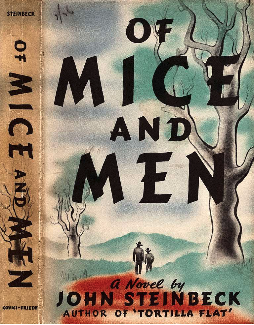
La Grande Depressione fu un momento decisivo nella storia americana che mise alla prova la sua forza come nazione, e pose la popolazione in un precario equilibrio tra la vita e la morte. In quello che è considerato uno dei più grandi classici americani, ai lettori vengono presentati due lavoratori migranti sfollati, George e Lennie. George è un giovane intelligente, mentre Lennie è mentalmente disabile. George prende Lennie sotto la sua protezione mentre cercano lavoro dove esistono poche opportunità, cercando di sopravvivere, eppure sognano ancora il giorno in cui avranno la loro terra e costruiranno una vita. Le loro speranze vengono deluse quando si verifica un incidente devastante che cambia per sempre le loro vite.
Cosa guadagneranno gli studenti
Sviluppare un precoce senso di apprezzamento letterario,
Guarda il mondo da una prospettiva più matura
I classici britannici e americani contengono questioni morali e sociali stimolanti. Leggere a fondo la letteratura classica più influente aiuta gli studenti a diventare lettori migliori, e iniziare il processo di ricerca dell'autorealizzazione.
Migliorare la comprensione della cultura e della storia
Imparare allusioni dalla letteratura classica britannica e americana può aiutarci a colmare le differenze culturali. "I classici hanno aperto le porte a mondi diversi, culture diverse, e diverse prospettive storiche. La letteratura attraversa la razza, cultura, religione, e geografia."
Autoriflessione e crescita personale
Molte letterature classiche alludono alle nostre vite in modo laterale: vengono chiamati i libri che riflettono somiglianze con la nostra vita "specchi"; e si chiamano quelli che ci fanno intravedere vite diverse "finestre." Che si tratti di a "specchio" o a "finestra", arricchisce ulteriormente l'esperienza di vita degli studenti e aumenta il coraggio e la forza per affrontare la vita.
Unisciti a noi!
Contattaci per scoprire di più sul nostro corso. Speriamo sinceramente di incontrare presto tuo figlio, e sviluppare insieme l'amore per la lettura della letteratura classica.
È tornato il momento della scuola e sappiamo che i genitori si stanno preparando per un nuovo anno con nuovi inizi. L’inizio di un nuovo anno viene solitamente accolto con un mix di eccitazione e un po’ di ansia, poiché studenti e genitori attendono con impazienza nuove competenze ed esperienze, ma potrebbe anche sentirsi nervoso per le nuove routine e aspettative.
Non preoccuparti, Raggiungilo qui per aiutare! Quest'anno, abbiamo 5 i migliori consigli per iniziare al meglio l'anno scolastico.
Capire come la scuola di tuo figlio si avvicina all’istruzione, quale curriculum usano, quali sistemi, e gli standard utilizzati possono essere travolgenti per i non educatori. Trascorri un po' di tempo ogni giorno leggendo i contenuti del sito web della tua scuola, manuali, e altre risorse possono aiutarti a sentirti più sicuro nel comprendere cosa sta imparando tuo figlio a scuola e come sta imparando. È anche importante partecipare alla serata di rientro a scuola e alle sessioni informative di tuo figlio per comprendere meglio il programma di tuo figlio nel suo insieme. Fornisce anche una grande opportunità per stabilire una relazione con l’insegnante di tuo figlio. In qualsiasi momento se hai ancora domande, puoi sempre inviare un'e-mail all'insegnante di tuo figlio. Sono lì per te e tuo figlio, poiché sanno che un ottimo rapporto con i genitori è un modo fantastico per garantire il percorso accademico, sociale, e successo emotivo per tutti gli studenti.
2. Assicurati di catturare abbastanza Zzzz prima dell'ABC
Il sonno è importantissimo per la crescita e lo sviluppo di un bambino, e la sua mancanza può avere un impatto negativo sul rendimento scolastico di un bambino. Infatti, la ricerca mostra che la deprivazione del sonno nei bambini può portare a tassi più elevati di ansia e depressione. Quando dormiamo, il nostro cervello elabora le informazioni da lui giorno, trova il sistema migliore per archiviarlo nei nostri ricordi, e ricarica i nostri sistemi per un nuovo giorno. Per vari motivi, i genitori spesso trovano difficile attenersi all'ora di andare a dormire presto, ma con una routine chiara, e tempo per l'adeguamento, può essere facile! Bambini 3-6 dovrebbero avere anni 10-12 ore di sonno al giorno, 7-12 i bambini di un anno dovrebbero ottenere 10-11 ore al giorno, E 12-18 i bambini di un anno dovrebbero ottenere 8-9 ore al giorno. Creare un programma in cui i bambini vadano a letto prima renderà anche le mattine più facili, si spera con meno stress sia per i genitori che per i bambini poiché saranno ben riposati e pronti per iniziare la giornata!
3. Fai le domande giuste al momento giusto
A volte i genitori sono ansiosi di sapere come è andata la giornata dei loro figli non appena tornano a casa da scuola, soprattutto durante le prime settimane. Quelle settimane sono particolarmente estenuanti e piene di alti e bassi mentre tuo figlio impara a destreggiarsi in nuovo materiale, nuovi amici, new teachers, and new expectations. Giving them time to come home and decompress is extremely important for their emotional and mental well-being. Once they have had some “me” time, parents can ask specific questions based on what they know they are working on, if they happen to know. They can go through their child’s homework diary with them and help them make a plan on how to tackle each task, as well as share in their enthusiasm for specific subjects, books, or information they also enjoy. Avoid asking, “How was school? What did you learn?” as kids respond much better to more specific questions, such as, “What did you do with your friends at lunch? What was the best part of your day? What was the weirdest or most wonderful thing that happened at school today?” Most importantly, parents should be fully present and listen intently when students answer, so they really feel valued and hear when they share.
4. Let Them Learn From Failure
This one can be extremely hard for parents to allow. We want our children to do well and reach their full potential, which means we might go over each assignment with a fine-toothed comb, correcting every mis-calculation or grammar mistake. Although parents have good intentions when we do this, we are taking away important learning opportunities from children when we do so. Back when we were students, many of our parents were often too busy or didn’t have the knowledge or capacity to help us with our school work, but we found a way to push through and try our best. Se ai bambini non viene mai data l’opportunità di fallire quando sono piccoli, potrebbero resistere ad affrontare le sfide più avanti nella vita per paura di fallire. Tuttavia, quando li lasciamo fallire dolcemente, come ad esempio durante un compito o una partita di calcio della lega minore, stiamo insegnando loro la resilienza. Non è la fine del mondo, e imparano una lezione preziosa; che possiamo provare e non avere successo, rispolverarci, e riprova la prossima volta.
5. Coltiva le loro passioni
I nuovi anni scolastici sono un momento emozionante per molte ragioni, uno di questi è che offrono ai bambini la possibilità di scoprire nuove passioni. Se sono fortunati, si imbatteranno in qualcosa che amano veramente, e che possono rimanere affascinati da tanto da trascorrere ore e ore a scoprirlo. Helping a child find his or her passion is not always easy and takes time. Sometimes parents worry if their child focuses too much on a couple of things, and feel they need to expose them to as much as possible to help shape them into well-rounded individuals. Tuttavia, if we look at the people who have shaped our world, it was because they had a laser focus on what they were passionate about. It was all they ever did or do. As humans, we naturally gravitate towards what we love most, and as long as it provides some sort of value on top of fulfillment, we should continue pursuing it. COSÌ, don’t worry if your child protests going to one activity while running out the door to attend another. Maybe the one they love is the most valuable to their growth and development, e quello che non gli piace non è poi così necessario.
Speriamo che questi suggerimenti siano stati d'aiuto, e auguriamo il meglio a te e a tuo figlio per il prossimo anno scolastico! Siamo entusiasti per il nuovo anno scolastico e per tutte le sfide e speriamo che porterà.
Reach Out sarà con te in ogni fase del percorso, quindi stai alla ricerca di ulteriori informazioni e altri articoli che speriamo ti piaceranno!