リーチアウト時, 私たちは学生の成功を祝うことが非常に重要であると信じています. もう一人のスター生徒を発表できることを嬉しく思います - エマ!
エマは、生徒が努力と卓越性への取り組みによって達成できるすべてを体現しています. エマの教師は彼女を学習に対する素晴らしい態度を持つ生徒として認めています, 指示を非常に受け入れます, 非常に協力的な家族がいて、先生たちと頻繁にコミュニケーションをとっています. クラスで, エマは慎重で気配りのある聞き手で、自信を持って自分のアイデアを共有します, しかし、全員に順番を与えるのに十分な忍耐力. 彼女はリスクを取ることを厭わない, 自分の作品に自分の個性を注入することができる.
エマは現在、クリエイティブ リーディングおよびライティング レベルに登録しています。 4 コース, そして彼女は、文章の中で強いイメージを生み出すことができるという真の才能を示しました。. 学期の初めに, 彼女はブルー フロッグの上海ディズニーランド店のレビューを完了しました。
エマは場所の特定の側面を批評する能力を示しました, 適切な詳細を使用してアイデアを発展させます.
「景色もロケーションもとても満足です」. 夜は外に座ってディズニーキャッスルや花火を楽しむことができます。」
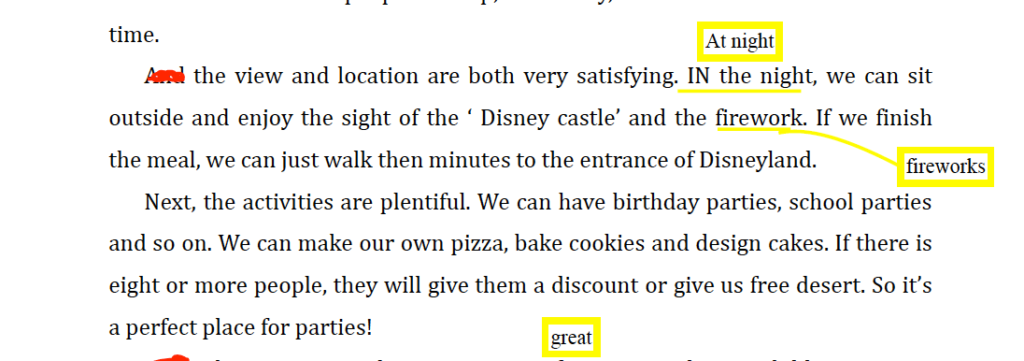
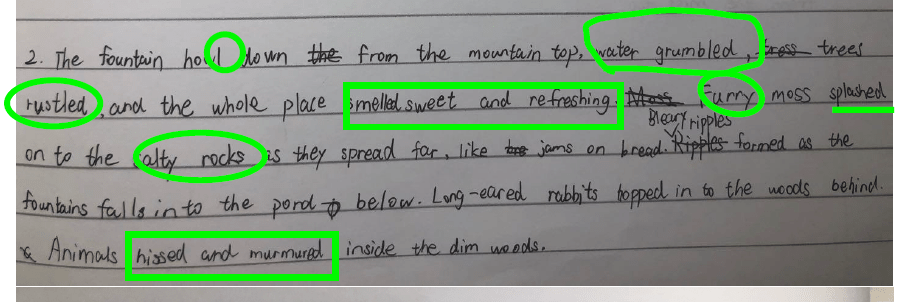
学期が進むにつれて, エマはライティングスキルの向上を示しました, より高度な文学的技法を取り入れ始めた. 風景を描写する課題で, エマは正確な語彙と比喩的な言葉を使って強いイメージを作り出すことができました.
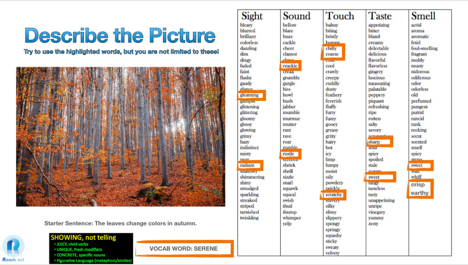
「毛むくじゃらの苔が塩辛い岩の上に飛び散り、遠くまで広がった」, パンにジャムを塗ったような. 噴水が下の池に落ちると、暗い波紋が形成されました。」
エマは学んだ教訓をコース全体に応用し続けました, そして作家としての彼女の能力はさらに強くなった. ファンタジー物語を書くという最近の課題で, エマは自分の物語の設定と性格を意図的かつ効果的に構築しました.
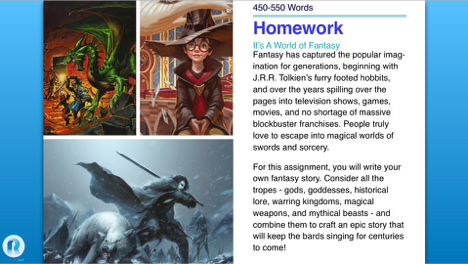
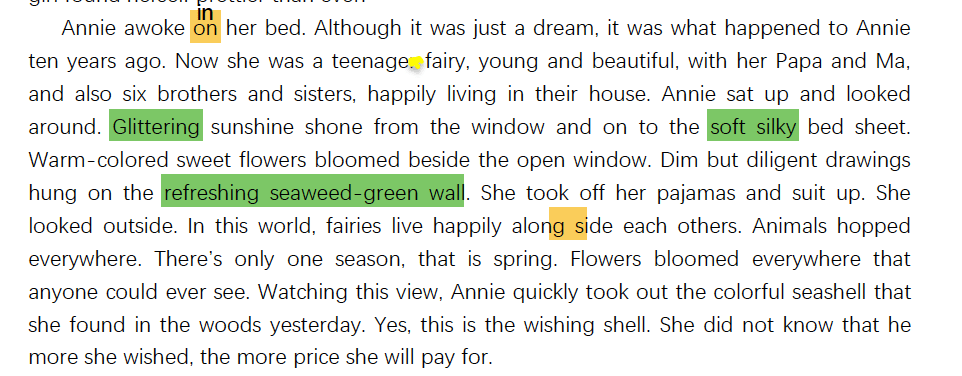
「窓からは輝く太陽の光が柔らかな空間を照らしていました。, 絹のようなベッドシーツ. 開け放たれた窓辺に咲いた暖色系の可憐な花々. さわやかな海藻緑の壁には、薄暗くて一生懸命な絵が描かれていました。」
ご覧のように, エマは将来有望な若い作家の特徴を示している. 改善するという彼女の決意, 教えられた教訓を注意深く応用することで、彼女の文章をより高度なレベルに引き上げることができました。.
ありがとうエマ, あんなにスターだったから! これからも皆様の成長を楽しみにしております. これは素晴らしい旅の始まりに過ぎないことを私たちは知っています.
教育者として, 私たちはよく質問を受けました, 「子供に漫画を読むのをやめさせるにはどうすればよいですか?」?「親たちは漫画が教育的価値をもたらさないのではないかと心配している」, 学術的には十分に厳密ではない, あるいは最悪の場合, 子供の時間の無駄. これに, 私たちの答えはたいてい彼らを驚かせます, そしてその答えは, 「漫画を読ませてください」!」
漫画は純粋に楽しく読むためのものだという認識があるため、親が少し心配するのは当然です。, しかし, 漫画には暇つぶし以外にも多くの利点があります.
漫画やグラフィック ノベルは新しい文章形式ではありません. もちろん, 何世代にもわたって多くの人に楽しまれてきました. 長年にわたって, かなり奥深く意味のあるジャンルに変化しました, だからこそ、私たちは親たちに、子供たちに漫画だけを読ませないよう勧めています。, しかし、そうすることで彼らをサポートすることも.
漫画を読むべき主な理由は次のとおりです (特に夏には!):
英語を母国語としない学生向け, 漫画は英語文学を楽しむための素晴らしい方法です. 多くの子供たちにとって, 英語の教科書から小説に移行するという作業は、非常に気が遠くなることがあります, しかし漫画は、子どもたちが自信を持ち、流暢に読めるようになるために必要な架け橋となることができます。. 絵の中の視覚的な手がかりにより、生徒はプロットや登場人物、そして新しい語彙をより深く理解することができます。. 加えて, それは彼らに効果的な文学的工夫を紹介します, オノマトペなど (捕虜を考える! スマック! ズーム!) とイディオム (のようなイディオムの意味を示す図, 「猫はあなたの舌を持っています?」という表現は、イディオムを単独で加熱するよりもはるかに理にかなっています。!).

2.推論の強化
推論は重要な読解スキルであり、多くの生徒が標準化された読解評価で苦労しています。. 推論は、読んだ内容に基づいて結論を導き出すときに起こります. 学生が読解課題や評価中に遭遇する質問の例としては、次のようなものがあります。, 「キャラクターはその時どう感じましたか?」?」, 「…について何を結論付けることができますか?」と「この物語の教訓は何でしたか?」?漫画では、通常小説の中でナレーターによって語られる情報を推測するために生徒が「行間を読む」ことが求められます, 漫画を読むことで、このスキルを強化する貴重な経験を積むことができます。.
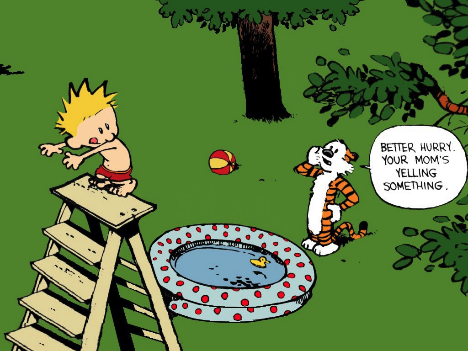
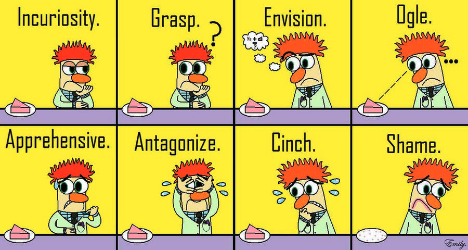
3.ワードパワー!
漫画やグラフィックノベルでよく使われる, 作家にはかなり高度な語彙が含まれています, ストーリーラインの一部としても、キャラクターの名前としても. で 2016 サンディエゴの世界的に有名なコミコンで, カリフォルニア, 教育者のパネリストが生徒の語彙力向上における漫画の力について議論した. ジェームズ・バッキー・カーター, 『Building Literacy Connections with Graphic Novels』の著者はこう述べています。, 「あなたにはコロッサスがいます, そして彼はこんなに大きい, 巨大な金属の男. 「巨像」という言葉の意味がよくわかりました。10 セントの言葉として最適です。. バンシーの力が叫ぶ. 語彙を体現するこれらのキャラクターがいます. それは新しい単語を学ぶ楽しい方法です, 文脈上の手がかりに加えて。」
これを読んだ後は、お子様に漫画やグラフィック ノベルを読み始めてもらいたくなるかもしれません。! それは私たちの耳には音楽です. どこから始めればよいかわからない場合, お子様が試してみたくなるような学生のお気に入りをいくつかご用意しています!
ドッグマン by Dave Pilkey

マイルズ・モラレス スパイダーマン by ジェイソン・レイノルズ

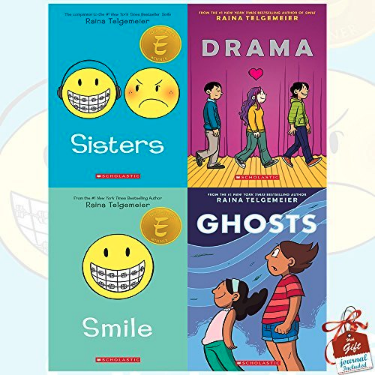
笑顔, 姉妹, 幽霊, ライナ・テルゲマイヤーによるドラマとその他の物語
ボーン by ジェフ・スミス

お子様にもっと夏休みの読書の機会を探してください? 夏期読書コースの詳細については、教育コンサルタントにお問い合わせください。. お子様と一緒に読んでいただけることを楽しみにしています!
受験シーズンが到来, 生徒にとっても保護者にとっても、一年で非常にストレスの多い時期になる可能性があります. Reach Out では、あなたが試したことのないようなユニークな勉強のヒントを提供することで、試験の不安を和らげられるよう最善を尽くしたいと考えています。.
勉強に関する従来の常識は、善意を持って多くの親や教師によって守られてきました。, しかし, 研究に基づいた興味深いアプローチをいくつか見てみると、さまざまな効果的な研究方法があることがわかります。! 新しいことに挑戦するのはいつも良いことです, 特に子供たちにとって. 若いうちに新しいやり方を経験できる, そして彼らがもう少し大きくなったら, 自分の個人的なニーズやスタイルに最も適した方法を選択できます.
今, 3つのユニークな勉強法を見てみましょう.

多様性は人生のスパイス - 勉強中でも
多くの人にとって, よく勉強するためにはそう言われ続けてきた, 私たちは毎日同じ場所で勉強すべきです; 静かな場所, 明るい, すべての材料が揃っています. 私たちが研究している時期にはこれが当てはまるかもしれませんが、, 研究によると、勉強する場所を変えると実際に脳のパフォーマンスが向上することがわかっています。. かなり驚くべきこと, 右?
はるか昔に行われた研究では 1978, 大学生に与えられた 40 勉強すべき語彙. あるグループには、同じ場所でリストを 2 回調べるように言われました。. もう一方のグループには、2 つの異なる場所でリストを調べるように言われました。. 彼らが見つけたのは、, 勉強する場所を変えたグループは、実際に後で単語を思い出す成績が良かった. さて、それはなぜですか? 良い, 私たちの脳は、環境に基づいた情報と関連付けることがよくあります。, ですから、環境を変えれば変えるほど、, 私たちが脳に情報を保持する機会を与えれば与えるほど、情報はより多くのものに結びつくようになる. これが、ある視覚化テクニックの理由でもあるかもしれません, 覚えておきたいことを、慣れ親しんだ環境の特定の場所に思い浮かべる場所, とても効果的です. 学生向け, 環境を切り替えるだけでうまくいくかもしれません!
楽しむ!
親の中には、子供が学習中に笑ったり興奮したりしていると誤解する人もいるかもしれません。, 彼らは時間を無駄にしているかもしれない. しかし, これは必ずしも当てはまるわけではありません.
親として, あなたの職場やオフィスでは、特別なワークショップが時々開催されるかもしれません. ワークショップは通常、新しい戦略について学ぶのに役立つツールとして使用されます。, アイデア, または仕事でさらに学ぶのに役立つ情報. これらのセッションは、多くの場合、従業員に活力を与え、活力を与える、やる気とインスピレーションを与えるワークショップの作成を専門とする人々によって運営されます。. 一日は長くて激しいものになることがある, しかし、それが正しく行われた場合, 従業員は新しい知識とスキルに自信を持って仕事を終えることができます.
若者にも同じことが言える. お子様を笑顔にするだけでなく、試験勉強の方法としてゲーム遊びや楽しみを導入します, しかし研究では、楽しみながら学習すると特定の認知リソースが活性化されることが示されています。, 学習に報酬と喜びを結びつける, 記憶ネットワークを強化し、広げる, 抽象的思考と集中力を切り替えます.

ポモドーロテクニック
集中力を維持する, 課題に取り組み、特定の活動を完了する意欲を持つことは、大人にとっても子供にとっても同様に難しい場合があります. 何時間もコンピューター画面を見つめているように感じたことはありますか, しかし達成したことはほとんどない? あるいは、数日後に締め切りがあるかもしれません, しかし、ゴールラインに向かって少しずつ進んでいるだけです? それは不思議ではありません, 研究によると、私たちの心は次のようなものに向かってさまよう傾向があることがわかっています。 20% 当時の, おそらく若い人にとってはさらに.
集中力を維持する方法として、大学生のフランチェスコ・シリロが考案した興味深いテクニックがあります。, それがポモドーロテクニックです, この名前は、シリロがこの戦略を自分でテストするときに使用したトマトの形をしたタイマーに由来しています。. 仕組みは、タイマーを設定することです 25 分, それは仕事時間です. 次に、再度設定します 5 分, 休憩時間です. これは起きるのに最適な時間です, ストレッチ, 家の周りを一周する, 猫を撫でる, または水か軽食を飲んでください. 休憩時間が終わったら, 別のタイマーをセットする 25 分と繰り返し!
この戦略は科学的証拠によって裏付けられていることが判明, 研究者らは短い休憩が注意力を持続させるのに役立つと結論付けています. これは、認知的退屈が精神の集中力の低下につながる可能性があるという事実に関連している可能性があります。, 重要な試験に向けて勉強するときに最も避けたいことはこれです.
私たちと同じように、これらのユニークな学習のヒントを楽しんでいただければ幸いです。! お子様の今月の試験の幸運を祈ります. ジアユウ!
私たちは子供たちを育て、教育するためにできることがたくさんあることを知っています, だからこそ、私たちは親として、充実した活動や授業で時間を埋めるために多大な労力を費やすことがよくあります。. なぜこれを行うのか? もちろん多くの理由から, しかし、主な目標は将来の成功を確実にすることです. 親は自分の子供が自分よりも人生でさらに成功することを望んでいます. 成功, もちろん, 主観的です, そして私たちは皆、独自の成功の定義を持っているかもしれません. ただし一般的には, 成功には私生活で満足感を感じることが含まれるということに私たちは同意するかもしれません, キャリアへの満足感と経済的安定感も併せ持つ.
最近、興味深いTEDトークがソーシャルメディアでシェアされています, スタンフォード大学の元新入生学部長, ジュリー・リスコット=ハイムズ, 人生における職業上の成功と子供の頃に家事を行った個人との相関関係を示すハーバード大学助成金研究の証拠を引用している. サッカーの練習ではない, 語学学習ではなく, 絵を描いていない, でも家事.

驚くべきことですね?
大都市で育った多くの子供たちは、食器をこすることがどのようなものかを知らないかもしれません, 窓を洗う, または床をモップ掛けする. 私たちは、彼らの知識と人格を構築するために、もっと重要なことがあるように感じるかもしれません. リスコット=ヘイムズは、手を汚す子供たちはこう説明する, しかし, 雑用を何もしない仲間を超える人生の成功レベルに達するかもしれない. それは、仕事が必要なときに貢献し、ステップアップする方法を生徒に教えるためです。, そして、他の人から嘲笑されるかもしれない「単調な仕事」をしていること, それがすべてにとって最善だから, それは職場で注目されることです.
ハーバード大学の助成金研究に参加した成績優秀者の職場は注目に値した, ホワイトハウスなど, 参加者のケネディ大統領が勤務していた場所, そしてベン・ブラッドリーがワシントン・ポストの編集者として座っていた編集室. 彼らの両親は, 私たちのように, 家事をやってほしいと突いて懇願しなければならなかった, たとえそれが終わったとしてもそれを受け入れる, 彼らはうまくできなかったかもしれない; それで大丈夫です.
重要なこと, リスコット=ヘイムズが指摘するように, それは家事をすることによってですか, 子どもたちは自分たちが, 「…人生の一部になるためには、人生の仕事をしなければなりません。」彼らは、人生は自分たちにただ起こるものではないことを理解しています, そして彼らのために, しかし と 彼ら.
お子様がすでに夏の日課として家事を行っている場合, ブラボー! あなたは正しい道を進んでいます. そうでない場合, パニックになる必要はありません. 子どもたちの生活に家事を取り入れるのに遅すぎるということはありません. 始めるのに役立つヒントをいくつか紹介します!

彼らもそれに参加しましょう
子どもに家事を手伝ってもらうという概念を導入するとき, 全員が出席する「家族会議」を開き、子供たちに何が期待されるのか、そしてその理由について話し合う. 子どもに、家の中で手伝わせそうな家事のリストを書くのを手伝ってもらうとよいでしょう。. 一部の子供たちにとって、家事をすることは力を与えられ、助けになっていると感じられるため、非常に興奮するものであり、彼らの熱意には驚かれるかもしれません。 (私たちが大人になってよく感じたいことの 2 つ).
ゲーム化する
物事を楽しくするために, 楽しいとすべてが良くなるから, あなたまたはあなたの子供はアイスキャンディーの棒に家事を書くことができ、毎日あなたの子供は瓶から棒を1本選ぶことができます. それがその日の彼らの仕事になる! 家に複数の子供がいる場合, タイマーを設定して、どの子供が指定された時間内に最も多くのおもちゃを掃除できるかを確認することで、いつでも掃除を競争に変えることができます。, 例えば.
ご褒美をあげましょう
親として, 私たちは仕事での貢献に対して給料という報酬を受け取ります. 私たちの子供たちにもその努力が報われるべきではないでしょうか? 1 つのアイデアは、子供がその週の家事をすべて完了した場合です。, 小さなおもちゃが詰まった「宝箱」から小さなおもちゃを選ぶことができます. 別の選択肢としては、子供が 1 か月間一貫して家事を完了する場合です。, 特別な家族の外出を選ぶことができます.
子供たちに家事を教えるのは必ずしも簡単ではありません, しかし、潜在的な利点には時間と労力を費やす価値があります. 私たちのヒントがお役に立てば幸いです, そして、それらがあなたとあなたのお子さんにとってポジティブな経験につながることを願っています。. ハッピークリーニング!
新しい夏の読書クラブをお知らせできることを嬉しく思います, 両親のためだけに! 夏は、ずっと読みたかった本を読むのに最適な季節です, しかし時間がありませんでした. この夏, ぜひ読書にご参加ください 子どもが聞くように話す方法と、子どもが話すように聞くための話し方.
私たちは、学校での要求により、子供たちとつながることが必ずしも簡単ではないことを承知しています。, 仕事も日常生活も. 時々、将来についての不安が今の生活を妨げることがあります. しかし, 私たちが保証できることの一つは、私たちが自分の子供たちと一緒に子供時代を経験する機会は二度と得られないということです, この貴重な時間を逃したくないのです. そう, どうすればそれを最大限に活用して、子供たちと有意義な会話をすることができますか。そうすることで、私たちの絆が強化され、子供たちがサポートされていると感じることができるようになります? これらは私たちの多くが抱く大きな疑問です.
これらの重要な質問に答えるために, 史上最も人気のある育児書を一緒に読んでみませんか。, アデル・フェイバーとエレイン・マズリッシュ著. 子どもたちが聞いてくれる話し方と 子供たちが話すように聞いてください, それは私たちに子供の気持ちを受け入れる方法を教えてくれます, そうしないと、知らず知らずのうちに悪い行為を引き起こしてしまう可能性があるからです. また、協力を促進するための前向きな方法も教えてくれます。, 独立も同様に, 自律性, そして自信. これらはすべて、子供たちを自信を持って有能な大人に成長させるのに役立つ、前向きな親子関係を育むのに必要な要素すべてです。.

どうやって機能するのか?
最初のステップは、教育コンサルタントに連絡して登録することです。. 登録は無料で誰でも参加できます! 7月1日から本の学習内容や共有が行われるグループチャットを作成します。. リンジー・ファイン, 私たちの教育マネージャー, 私も保護者としてグループに参加します, 彼女は二人の男の子の母親なので, 老人 4 と 6, あなたと一緒に学ぶ人は誰ですか. 彼女は毎週のディスカッションの主導も手伝ってくれるでしょう.
この本は英語と中国語で出版されており、印刷物でも簡単に入手できます。, 電子書籍, またはオーディオブック形式.
参加方法には 2 つの選択肢があります:
読書スケジュールは以下の通りです:
週 1: 章 1 & 2
週 2: 章 3 & 4
週 3: 章 5 & 6
週 4 章 7 & あとがき
月末には, スクールカウンセラーによるオンラインワークショップを開催します, レジーナ・ヴェーナー. ワークショップで, レジーナは、お子様との関係を強化するために使用できる追加情報と戦略を共有します。.
レジーナ・ヴェーナーについて

Regina Wehner は、中学校の生徒たちと長年にわたって取り組んできた公認スクールカウンセラーです。 16 年。アメリカ出身, 彼女は夫と一緒に住んでいて、 2 子供たち, 年齢 10 と 12, 北京で, 中国。
レジーナは北京の西洋学院で働いています (WAB), 多様性に富んだインターナショナルスクール。 スクールカウンセラーの仕事の大きな部分は、生徒が成長するにつれて自分自身や他の人について学ぶのを助けることです。 レジーナはまた、保護者を集めて子供の発達の変化と、この移行期におけるコミュニケーション方法について学ぶために毎月のペアレント コーヒー モーニングを主催しています。
参加するには今すぐお問い合わせください!
お子様の新しい語彙の学習を支援する
研究によると、学生に学業の面で成功してもらいたいのであれば、, 重要な評価や一か八かの試験について, 彼らの今後のキャリアも含めて, 私たちは彼らが語彙力を伸ばすのを手助けしなければなりません. その理由はこれです: 新しい情報に対する私たちの理解は、その新しい情報を伝えるために使用される語彙の理解に直接結びついています。.
学生向け, 語彙を増やすことが言語習得の成功の鍵の 1 つです; 知っている単語が増えれば増えるほど, 理解できる言葉が増えれば増えるほど, より多くの単語を文章に使用できるようになり、文章をよりインパクトのある効果的なものにすることができます。. しかし, 今すぐ語彙を学習することは、退屈でとらえどころのないプロセスであると見なされることもあります. 親は子供たちをどのように指導すればよいかわからない場合があります, 特に、私たちが語彙学習に取り組む方法は、親が学校に通っていたときの勉強方法とは大きく異なる可能性があるためです。.
心配しないで, Reach Out がお手伝いします! 語彙の獲得を探ってみましょう (新しい語彙を記憶して適用するプロセス), お子様の語彙力の向上をどのようにサポートできるかを説明します!
それについて話してください!
シンプルすぎるように思えるかもしれません, しかし、新しい単語を学ぶとなると, 若者がそれを行う効果的な方法の 1 つは、他の人と話すことです. 子どもは文脈の中で新しい単語を最もよく学びます, 特定のトピックに関する会話など. 彼らは、すでによく知っている他の単語との併用方法に基づいて、新しい単語の意味を少し推測することができます。.
あなたがなじみのない語彙を使っていると、子供が興味津々で尋ねてきたときに、子供が邪魔をしたことが何度もあるでしょう。, 「災害とはどういう意味ですか?” あなたは彼らの寝室の様子を指しているのかもしれません (完全に混乱しているので), そして時間をかけて災害のさまざまな意味を彼らに説明することによって, 散らかった部屋を表す新しい言葉を教えただけでなく、, 失敗や自然現象もある, 自然災害など.
そう, お子様と話すことは、新しい言葉を教える素晴らしい方法です!
探検してみよう!
生徒は一般に、知らない単語が出てきた場合には辞書や翻訳機を使えばよいことを理解しています。, しかし、場合によっては、言葉の定義でさえ、答えよりも疑問の方が多くなることがあります。.
私たちの経験では, 多くの生徒は、新しい語彙を学習し応用するための非常に重要なツールを 1 つも利用していません, そのツールはシソーラスです! お子様が話したり書いたりするときに言葉を使いすぎていることに気づいた場合, 例えば, "かわいい", "かわいい", "良い", または「悪い」, 次に、少し時間をかけて、次のような Web サイトの使用方法を説明します。 シソーラス.com その言葉を調べるために. 「かわいい」などの単語を検索すると、代わりに使用できる興味深いユニークな単語がたくさんあることがわかります。! 私
私たちの経験では, 生徒たちは新しい語彙を使うのをとても楽しんでいます, そして、自分の言葉をより力強いものにするためのツールがあることを知ると力づけられると感じます。.
遊ぶ!
楽しみながら学ぶことは、教師が生徒を幸せにするためだけのものではありません, 実際、学生がより深く学ぶのに効果的な方法であることが神経科学によって証明されています。. 研究によると、生徒が刺激と挑戦の両方を感じると、, 彼らの脳はドーパミンを放出します. ドーパミンは、記憶中枢を刺激し、アセチルコリンの放出を促進する神経伝達物質です。, それは集中力を高めます.
Reach Out のコースでは, 語彙指導は各レッスンの重要な部分です. この夏も開講予定です, 語彙ビルダーのレベル 1-3, このコースでは、お子様が新しい単語に挑戦して語彙の知識を増やすのを助けることに専念します。. 選ばれた言葉が挑戦をもたらす一方で, Quizlet などのツールや、Guess Who や Sentence Racer などのゲームは、生徒に有意義で魅力的な方法で対話する機会を提供します。.

これらの方法が効果的であることはどのようにしてわかりますか? なぜなら私たちの数十年の経験から, 教育心理学と教育方法論の研究により、生徒が最も効果的に学習する方法がわかりました。!
私たちは、お子様がより効果的で成功した読書家になるための方法の 1 つとして、新しい語彙を学ぶお手伝いをしたいと思っています。, ライター, そしてスピーカー. 私たちがどのようにお手伝いできるかについて詳しく知りたい方は, 今すぐ教育コンサルタントにご連絡ください!
より個別化された教育サービスをお求めの場合, Reach Out は専門の教育者と 1 対 1 のサービスを提供します!
私たちが提供するもの?
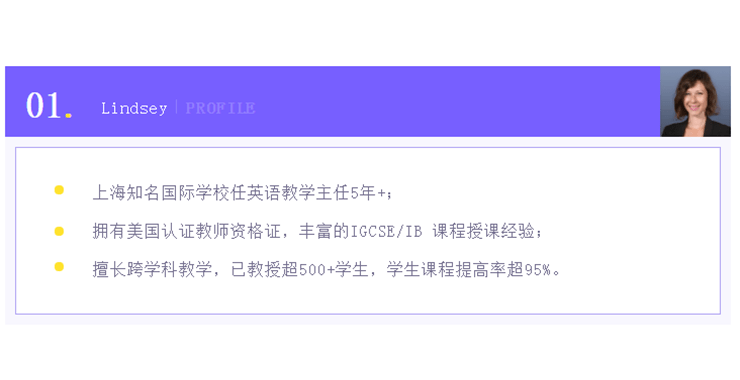
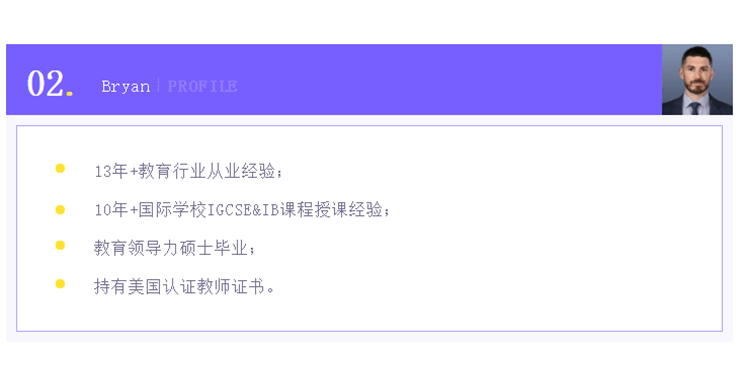
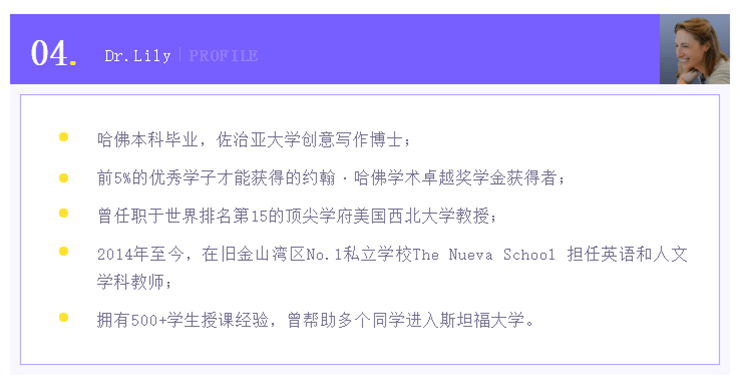
私たちの教師は英語を含む幅広い1対1の科目を提供します, 社会科学, そして数学.
高度な資格を持ち、経験豊富な教師を紹介します!
1対1サービスを選択すべき理由?
おそらくあなたのお子様は、海外留学の準備をしている、または新しい学校への入学を申請中で、自分のスキルを磨くために、より集中的で的を絞ったアプローチを望んでいるかもしれません。. あるいは, お子様は、現在のカリキュラムでは十分な挑戦を感じていないかもしれません, その人の能力レベルにより適した代替アプローチが必要である.
親がこのようなサービスを探す理由はいくつかあります。, お子様の特殊な状況を理解し、お子様にとって最適なサービスを提供できるよう常に努めることを保証いたします。.
仕組み?
実践的なアプローチにより, そしてオリエンテーションのプロセス, 現在の評価データに基づいてお子様の知識とスキルを評価します, 文章力, もっと. 私たちの調査結果に基づいて, お子様のニーズに最適な教師を選択します. Reach Out の講師は全員厳選されています, 挑戦的なカリキュラムを教えてきた長年の経験がある, IGCSEなど, IB, とAP, 世界中のトップスクールで.
私たちのプロセスは目標指向です. お子様が教育目標を達成するために何が必要かを正確に見つけます, そして、お子様の特定のニーズに最適な、独自のオーダーメイドの学習パスを作成します。.
他に手を差し伸べることで得られるもの?
1対1のサービスに加えて, Reach Out は、IGCSE などの厳格なプログラムに備えられるよう、2 年生から 8 年生までのお子様が学年レベル以上のコンテンツに挑戦し、参加できるように特別に設計された幅広いコースを提供しています。, IB, とAP.
もっと詳しく知るにはどうすればよいですか?
1on1サービスについて詳しく知りたい方はこちら, 詳細については、今すぐ教育コンサルタントにお問い合わせください。! お子様の明るい未来に向けた教育目標の達成をお手伝いできることを楽しみにしています!
私たちは誰なのか
お気づきかもしれませんが, 私たちは成長を続けており、ここ Reach Out で提供するものにいくつかのエキサイティングな追加機能があります. 自己紹介から時間が経ってしまったので、, 私たちは、私たちが何者で、私たちが何をしているのかをよりよく理解していただくために、私たちのストーリーを皆さんと共有したいと考えました。!
私たちの使命
Reach Out の使命は、オリジナルの作品を作成して配信する専門の教育者と学生を結びつけることです。, 刺激的な, 世界クラスのカリキュラム. 私たちはこの旅に乗り出し、生徒たちが自分のユニークな声を見つけ、それぞれの中にある創造的で価値のあるアイデアを発見する方法を理解できるようにします。. 彼らの声で, 彼らは世界を変える力を持っています, そして私たちは彼らにそうする力を与えたいと思っています.

私たちのビジョン
Reach Out は、学生がトップレベルの国際的なカリキュラムと教育者にアクセスできるようにする、国際的に認められた教育機関になるよう努めています。, 世界のどこにいても. 私たちの学生は知覚的になります, 奇妙な, 優れた問題解決者およびコミュニケーターとして情報に基づいた選択を行う批判的思想家. リーチアウトの生徒は、小学校から大学まで、学問的および個人的な目標と夢を達成します, 彼らの輝かしい未来を手の届くところに置く.
私たちのコアバリュー
これらは、リーチ アウトを形成する原則です。:
私たちのストーリー
Reach Out は献身的な母親たちの小さなグループによって設立されました, 多分自分に似てる. 彼らは、子供たちの教育的ニーズに対する共通のビジョンによって結ばれました。. 子供たちがアイデアにアクセスできるようにする教育プログラムを探していた人もいました, 哲学を教える, 海外生活での経験に即した方法論. 他の人は、子供たちが中国での教育経験を豊かにするためにアクセスできる国際化されたカリキュラムを探していました. 彼らに共通していたのは、創造的かつ批判的思考への扉を開く厳密なプログラムを望むということでした。, 内省, と個人的な表現 - 強力な国際カリキュラムの特徴. さまざまなオプションを検討するのにかなりの時間を費やした後, これらの母親は、子供たちのニーズを完全に満たすものを見つけることができませんでした.
そう, 彼らは良い母親がすることをした, 与えられたチャンス, そして、彼らの成長を助けるために設計された可能な限り最高の学習の機会を子供たちに提供する独自の方法を見つけました。. 彼らは専門の教師に相談し、他の保護者と協力して、同様の目標を持つ他の子供たちのニーズを満たす最善の方法を見つけました。. 子供たち, 私たちは願っています, あなたのように.
両親が約束したのは、:
これらの母親たちが目標を達成したことを嬉しく思います. 現在、Reach Out は、学生が楽しみながら深く学び、教師や同僚と有意義な関係を築くための、厳格かつ魅力的なコースの完全なラインを誇っています。.
これらすべては、子どもたちの教育と幸福に対する創立者の母親の献身によるものです。.
私たちをユニークにするもの?
子供の教育を充実させるプログラムに関しては、親にはさまざまな選択肢があることは理解していますが、, 私たちは、他では簡単に見つけられない多くのユニークな品質を提供できると信じています.
私たちのチームは、インターナショナルスクールの基準に基づいた独自の厳格なプログラムを作成した、高度なスキルと経験を備えた教育者で構成されています。, IGCSEなどの厳格なカリキュラムを受講するための若い学生を準備します, IB, とAP.
-生徒の教育ニーズを超えるように設計されたマンツーマンプログラムとカリキュラム
-生徒にインスピレーションを与え、力を与えるという私たちの教育哲学, 学生が知識を広く深く探求できるようにすると同時に、学習への愛情を育む教授法
-将来のキャリアや学校を超えた世界で成功するために必要な必須スキルを学生に身に付けさせるよう努めているため、学生の長期的な成功へのコミットメント
- すべての生徒の評価で提供される詳細なフィードバック, 生徒がどこで成功しているか、どこで改善できるかを知ることができるようにする, 学生が理解のギャップを埋めるのを助けるために必要な補足資料と指導
-学生の批判的思考力と問題解決能力を伸ばすための私たちの献身, 彼らの将来に欠かせないもの, そして私たちのグローバル社会の未来
-教育に対するお互いの情熱に基づいて、すべての教職員と非教職員を雇用することを約束します
-学生が言語を使用できるようにする私たちの能力, 知識, そして、教室を超えて好奇心旺盛になるために自分自身を成長させるために習得するスキル, 挑戦し、追求する生涯学習者, 充実した, そして価値のある目標.
-私たちのハンズオン, 学生の学習パスを作成するための個別のアプローチにより、学生が入学する学年に関係なく、, 彼らは、改善と急速な成長に必要なツールを備えています。
-有益な記事を提供することにより、クライアントが子供の教育のために絶対的に最良の選択をするのに役立つ情報と経験をクライアントに提供するという私たちのコミットメント, ビデオとワークショップ.
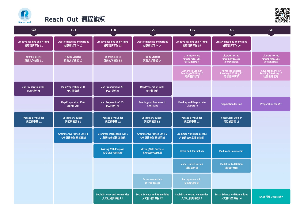
私たちのカリキュラム
ブルーラインカリキュラム, これには、グレードの学生向けのコースが含まれます 2 に 8, 世界トップクラスのインターナショナルスクールで数十年を過ごし、専門分野で上級レベルの学位を取得した専門教育者によって設計されました。. 私たちは、広く認知され尊敬されているIGCSEプログラムなどのプログラムの初年度から逆算したカリキュラム設計を採用しています。.
私たちの教育者はIGCSE以前のコースの指導に何年も費やしてきました, IGCSE, IBおよびAPまたはAレベルのカリキュラム, 彼らは学生がそれらのプログラムで成功するために何が必要かを理解しています. そう, 私たちのカリキュラムの各側面は、すべての生徒が確実に学年の初日を迎えることができるように作成されています。 9 自信を持って, 装備されている, これらの厳しいコースの要求を満たす準備ができています.
英語に関する幅広いコースを提供しています, 算数, 歴史と地理. フルコースの詳細については、以下をご覧ください。.
追加サービス
また、シルバーラインの創設も発表できることを嬉しく思います。, 生徒のニーズを満たすために個別のアプローチをとるオーダーメイドの教育サービスを提供します. 私たちは各生徒の教育目標とニーズを深く評価することから始めます。, そして、私たちの専門教育者がお子様を高校の学業上の課題を通じて導き、最終的に夢の大学に入学できるように準備するための作業計画を作成および実行します。.
また、お子様により個別のケアと指導を提供したい保護者のために、すべての学年レベルで 1 対 1 のサービスも提供しています。. 当社の専門教育コンサルタントが、お子様の特定のニーズや目標に最適な教育者を確実にマッチングします。.
参加しませんか!
ご家族にお会いし、Reach Out ファミリーの一員になる方法について話し合うことを楽しみにしています; 一緒に学ぶもの, お互いを気遣う, 一緒に課題を乗り越える, そしてお互いの成功を祝います. 詳細については今すぐお問い合わせください.
すぐにご連絡をお待ちしております!
親になるのは大変なことだ. 実際には, 今日の世界の変化に合わせて, それは私たちがここ数十年で直面しなければならなかった困難な瞬間の一つかもしれない. 変化は不確実性をもたらす, 不確実性はストレスにつながる可能性があります. ストレスは確かに私たちの生活のあらゆる領域に影響を与えます, 時にはそれが愛する人との関係に最も影響を与えることもあります; 特に私たちの子供たち.
私たちの子供たちは複雑な場合があります (それに直面しましょう, それで私たちもできますか!), そして、すべての動きが「正しい」ことであることを確認するのは気の遠くなるような仕事です. 私たちの会話のすべてが, 要求, リクエスト, 予定, 賞賛と批判には意味がある. 私たちが子供たちと話しているすべての瞬間, 未来が非常に不確実な今、この言葉が子供たちを素晴らしい未来への希望で満たすのに十分であるという希望を私たちは抱いています。. 時代は変わる, そしてこれも過ぎ去るだろう, しかし、私たちが保証できることの1つは、子供時代を子供たちと過ごす二度目の機会は決してないということです.
親として, 私たちは自分が本当に正しいことをしているのかとよく自問します。, どうすれば子供たちに伝えられるだろうかと考えている, 子どもたちをもっと理解しようと努めています, 自分のやり方が間違っていると自分に言い聞かせて、時には失敗したように罪悪感を感じることもあります. 多くの場合, そうではありません, しかし、あらゆる状況で誰にとっても有効な子供の育て方に関する取扱説明書はありません。. もちろん, たくさんのアドバイスがあります, 圧倒的な量の, しかしまた, ほとんどのアドバイスはそれだけです; あなたやあなたの子供を知らない人による指導や推奨. 一部は役に立ちます, そしてその一部は…それほど多くはありません.
しかし、否定できないことの一つは、親子間の健全な関係の重要性です。.
研究によると、:
子どもとの関係を育む時間を作ることが大切, そしておそらくさらに重要なこと, その期間に子供たちと交わすコミュニケーションが前向きなものであることを確認する. これは多くの親にとって困難だと感じていることです, それが、私たちがこの本のために親読書クラブを設立した理由です。 子どもが聞くように話す方法と、子どもが話すように聞くための話し方 アデル・フェイバー、エレイン・マズリッシュ著. 私たちは絆を強めるために、子供たちと積極的にコミュニケーションをとる方法を一緒に学びました。. 私たちは本からのアイデアについて話し合うのに時間を費やしました, また、本に記載されている戦略の一部をロールプレイするための仮想ミーティングも行いました。. その上で, 中学校指導カウンセラーをお招きしました, レジーナ・ヴェーナー, 子供の認知的および感情的発達を理解するためのワークショップを保護者に提供する.
ここでは皆さんと共有したいいくつかのハイライトを紹介します!
初め, から 子どもが聞くように話す方法と、子どもが話すように聞くための話し方, 私たちのお気に入りの戦略を 2 つ紹介します:
子どもたちは自分の感情をコントロールすることが難しい, 脳の感情調節中枢は最後に発達するものの1つであるため、. これは、彼らが思いやりと模範という形で私たちの助けを必要としていることを意味します. これはとても難しいことかもしれません, 特に自分の感情をコントロールするのが難しい場合があります! たった 2 つのことだけで済む簡単な戦略をご用意しました。:
子どもが学校で起こった出来事に腹を立てて帰宅したとき, 賢明なアドバイスを説教したり提供したりする代わりに, 私たちは彼らの懸念に耳を傾け、そのアイデアを彼らに繰り返すだけで済みます。. 例えば, あなたの子供がイライラして帰宅して次のようなことを言ったら, 「うーん, 今日、エリザベスとサラは私にとても意地悪でした! 彼らは私を完全に無視しました、そして私は今ではどちらも嫌いです!”と言う代わりに, 「エリザベスとサラはあなたの親友です. 大したことじゃないよ、明日はきっと大丈夫だよ,」と子どもの気持ちを無効にしてしまう可能性があります。, あなたは言うことができます, "おお, なるほど. エリザベスとサラは少し疎外感を感じさせた. それはおそらくあなたを少し悲しく、怒らせたでしょう。」この時点で、子供は話し続けてあなたに心を開くかもしれません, それは素晴らしいことです! それは彼らがあなたを信頼しており、あなたが彼らの気分を良くしていることを意味します. 聞き続けてください, うなずく, 言う, 「うーん、うーん」,」と彼らの言うことを繰り返します. ただ聞いてもらうだけで、子どもは次のように感じるでしょう。 100% より良くなり、次の課題に直面する準備ができています!

2. 私は望む!
私たちの子供たちは、自分が持っていないものがあればいいのに、あるいは物事が自分たちのやり方と違っていればいいのにという形で自分の欲望を表現することがよくあります。. 例えば, 子どもたちは言うかもしれない, 「そんなに宿題をしなくてもよかったのに。」返信させていただく場合がございます, "良い, あなたはそうします、そしてそれはそれです!」または「それはあなたがしなければならないことです. それはあなたの責任ですから、今すぐにやるべきです!」
同じ苦情を聞かされ続け、同じ理由付けを繰り返すことに親が不満を感じ、これが意地の戦いにエスカレートする可能性があります。. 子どもたちは自分の意見が無効にされ、誤解されていると感じてイライラしている. 良い, 心配しないで, 私たちは助けるためにここにいます! 会話を好転させるちょっとしたコツがあります, そしてそれは 同意する お子様と一緒に. 直観に反して聞こえるかもしれない, しかし、私たちはこのトリックを直接経験しており、驚くほどうまくいきます!
例えば, あなたの子供が言ったら, 「今日は思うように公園に行けたらいいのに」!」
言う代わりに, "私はできません, 忙しすぎる,」または「はい, でもそれはできません, 雨が降っている,”と言えます, 「私たちもそうなれたらいいのに! 私たちは公園に行ってピクニックをすることもできます! 凧を揚げたり、泡を吹いたりすることもできました! リビングルームでピクニックをしませんか。その後はバスルームで泡を吹くこともできます!」
最初の部分は子供たちを興奮させ、想像力を掻き立てます, 彼らを幸せな場所に連れて行きます. 次の部分では、彼らはあなたの話を聞いてくれて、あなたとつながっていると感じます.
今, さんからのハイライト. ヴェーナーさんのワークショップ:
*これらを選ぶのを手伝ってください! :)*
将来的にワークショップや読書クラブに参加したい場合は, ぜひフォローしてご期待ください! この秋には素敵なイベントが予定されています!
多くの親が、子どもの作文を上達させる最も早い方法は何かと私たちに尋ねます。. 私たちは、真に有能で熟練したライターになるための近道はないと固く信じていますが、, 生徒がより効率的に次のレベルに進むために文章に組み込めることがいくつかあります. 何かをマスターしようとするときと同じように、, 成功の鍵は勤勉と繰り返しにあります. これらのスキルを定期的に練習することで、お子様の教育目標の達成に役立ちます.
この記事は、さまざまなタイプのライティングに適したスキルに焦点を当てる一連の記事の最初の記事です。. 今週, 説明的な書き方のヒントに焦点を当てます.
説明的な書き方のヒント:
説明的な文章は真の芸術形式です, その目的は読者の心の中にイメージを作り出すことであるはずです. アクションと対話だけではストーリーを語ることはできません, そして、言葉で絵を描かずに詩の深い意味や感情を伝えることはできません。.
説明を優れたものにするための強力な方法の 1 つは、可能な限り形容詞と副詞を追加することです. 例えば, あなたの子供が物語を書いているなら、次のようなものを書くかもしれません。:
「ハリーは外に出て友達を探し始めました。」
この文は基本的な意味を伝えていますが、, 読者への影響も基本的です. 形容詞と副詞の形で説明的な言語を追加することによって, 文章に画像を素早く効果的に追加できます:
「ハリーは玄関のドアを勢いよく出て行った」, 彼の後ろでバタンと閉めた. 友達を熱心に探して近所を走り回ったとき、彼の心臓は高鳴っていました。」
修正された文では, 起こっているアクションだけではないことを伝える記述が見られます。, キャラクターの感情を感じるのにも役立ちます, ストーリーテリングの重要な側面.

物語や詩をより効果的にするもう 1 つの優れた方法は、比喩的な言葉を追加することです。, 比喩など. 直喩は、読者が何が起こっているのかをより明確に想像できるようにするために使用できる、like または as that を使用した比較です。.
例えば, あなたの子供は次のようなことを書くかもしれません:
とても嬉しかったです!
とてもかわいかったです!
彼はとても怖かった!
直喩を追加して、さらに良い結果を生み出すことができます:
毛糸屋にいる子猫のように幸せでした.
雪の中で遊ぶ赤ちゃんパンダみたいで可愛かったです.
彼は狼の遠吠えを聞いたウサギのように怖がっていた.

説明的な文章を書くための最後のヒントは、書き手が読者に感じてほしいことを正確に伝えることができる正確な語彙を選択することです。. 頻繁, 学生は少し曖昧な説明を書きます, のような文で:
彼はとても疲れていました.
その映画はとても退屈だった.
彼らはとても寒かったです.
部屋がとても暑い.
また, これらの文は簡単な意味を伝えます, しかし、説明的な文章では, それは単に十分ではありません. インパクトのある語彙を使用した効果的な説明, 最も正確な意味を伝えるために最適な言葉だけを選択することで、それを実現できます。.
文の一部を強力な語彙に置き換えることで、上の文を日常から非日常にどのように変えることができるかを見てください。:
彼は疲れきっていた.
その映画は想像力に欠けたものだった.
彼らは骨の髄まで冷えていた.
部屋は焼けていました.
良いニュースは、お子様が上記のような文を作成するのに、現在の語彙知識に頼る必要がないということです。. シソーラスには、記憶に残る説明を作成するために必要なすべての単語が含まれています.
これらのヒントがお役に立てば幸いです! お子様にこれらのスキルを実践する方法を当社の情熱的な教育者から学びたい場合は、, 新しい夏コースと秋コースに関する今後の発表にご期待ください!
来週, 説得力のある文章のヒントを見てみましょう!
あなた自身について少し教えてください.
私は5つの異なる国で育ちました (スウェーデン, イングランド, ドイツ, 南アフリカ, そしてカナダ). 多様な文化に溶け込んで育ったことで、広い心で世界を見ることができました. 私は現在カナダに住んでおり、大学講師と Reach Out の数学教師の両方として働いています。. 仕事以外では、バドミントンやチェスなどのスポーツをとても楽しんでいます。, 私は長年競技レベルでプレーしてきた.

学歴や資格は何ですか?
ブリティッシュコロンビア大学から理学士号を取得しました (UBC) 同じ大学で修士号を取得しました. 私の卒業研究は実験地球科学に関係しており、ダイヤモンドが高速のマグマを通ってどのようにして地表に到達するかを調査する装置を設計しました。. 私は 2 つの大きな影響力を持つジャーナルに論文を発表し、その研究をカナダとヨーロッパに発表しました。.
大学院で勉強している間、いくつかのクラスで講義をする機会に恵まれ、その後講義職に移行しました。. 大学レベルで教えるには、以上のクラスで講義を行う必要があります。 200 学生, それは私が Reach Out で行っている仕事とは大きく異なります, しかし、ダイナミックな指導スタイルを開発するのに役立ちました.
さらに, 私は個人的に、また教育機関を通じて数学と科学を教えてきました。 6 年.
リーチアウトに参加した理由?
私が Reach Out に参加したのは、国境制限なしで世界中から質の高い教育を提供できるという見通しに共感したからです。.
私が Reach Out に留まる理由の方が重要だと感じています. パーソナライズされたクラスが提供されることで、生徒たちとつながることができました, 彼らの進歩は私にとってより意味のあるものになります. 複数の学年を通じて私と一緒に過ごした生徒もおり、彼らの教育に貢献できたことを非常に誇りに思っています。.
あなたの教育理念は何ですか?
実験科学の背景があるため、実験を通じてブレークスルーを起こすことに価値があることがわかりました。. 生徒に指導しながらさまざまな方法論を試してもらうことは、生徒に失敗を恐れないように教える非常に効果的な方法です。. リチャード・フラーは正しく言った, 「失敗した実験などというものはない」, 予期せぬ結果をもたらす実験のみを行ってください。」学生は質問に答えるのを怖がって私の授業を始めることがよくあります, クラスメートと話し合う, または、答えがわからないので黒板に書きます. 私は常に答えよりも解決策に重点を置いているので、, 学生は新しいテクニックを試すと報われます, 失敗したメソッドについて議論する, クラスメートの仕事について質問したり、. これにより、驚異的な学習環境が生み出され、生徒たちの大きなプレッシャーが軽減されることがわかりました。.

数学を教えることで一番好きなことは何ですか?
数学を教えることで私が一番気に入っているのは、刺激的な課題が与えられることです. 長年数学を教えた後, 学生たちは独特の視点で世界を見ていることに気づきました, 多くの場合、, それは自分のものとは大きく異なります. この多様性が幅広い学習スタイルを生み出し、指導に使用する方法論を非常に柔軟に保つ必要があります。.
数学は複雑な科目であり、私たちを取り巻く宇宙をより深く理解するための普遍的な言語を提供してきました。. 優れた問題解決能力を持つことは数学を学ぶことの副産物であり、現代社会で成功するために不可欠です。. こうした理由から、私には、魅力的な授業を作成し、創造性を発揮して生徒たちにインスピレーションを与えることで、伝統的に無味乾燥で退屈な主題を刺激的なものに変える責任があります。. これは今後も私の仕事で大好きなことです.
あなたの好きな数学者は誰ですか、そしてその理由は?
これは難しい質問です, たった 1 回のレッスンで非常に多くの数学者の著作を利用するため、1 人の数学者を特定するのは困難です. 私は天文学も大好きなので、もし選ばなければならないとしたら、ヨハネス・ケプラーかニコラウス・コペルニクスでしょう。. 彼らの数学は、当時私たちの太陽系について信じられていたすべてに挑戦しただけではありませんでした。, だけでなく、惑星の運動を理解するための基礎も形成しました. 宇宙旅行はこれらの概念に大きく依存してきました.
お子様の数学の成績向上を助ける上で、保護者の方にアドバイスを 1 つだけできるとしたら, それは何でしょう?
私が生徒たちとたくさん取り組んできたことの 1 つは、, どんなに簡単そうに見えても、彼らに解決策を説明してもらうこと. 特定の学校のカリキュラムでは、正しい答えに到達するのに完全な理解は必要ない場合があります, しかし、解決策をうまく説明するには十分な理解が必要です. お子様が自分の作業において常に明確な手順を示し、その手順をあなたに説明できるようにしてください。. これは理解を証明し、同じ概念を別の言い方でテストする質問に対する準備ができていることを示します。.
あなた自身についての面白い事実は何ですか?
私は言語を学ぶのが本当に好きです! さまざまな国で育ったので英語を話すことができます, スウェーデン語, そして流暢なドイツ語. 過去 2 年間、私は自分のコレクションに中国語を追加することに取り組んできましたが、この複雑な言語を学ぶことで得られる独特の課題を楽しんできました。.
『秘密の花園』は、数え切れないほどの子供時代を過ごした古典文学の一部です。 (なぜ子供たちは古典小説を読むべきなのかについての記事を見逃した方は, 以下のリンクを参照してください!). それは私たちの魂に響く、友情と自分自身の発見の力強い物語です.
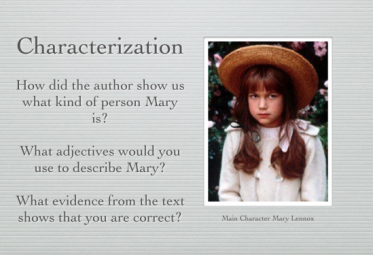
秘密の花園 インドでコレラが発生したため、家族や身近なものすべてを失ったメアリー・レノックスという少女の物語である。, 彼女の父親が英国陸軍大尉として働いていた場所. 子供の頃, メアリーはかなり無視されました, しかし家族の使用人たちに耽溺されていた, だから彼女はひどい性質を持つ甘やかされて育った子供だった. 彼女にはイギリスでの新しい生活に対処するのに役立つ特徴がほとんどありませんでした, 彼女は不機嫌な遠い親戚の家に送られました。, 氏. クレイブン.
氏. クレイヴンは、ヨークシャーのミセルスウェイト邸にある新居でメアリーが従うべき非常に厳しい規則を設けていた。, これには、彼女が巨大な邸宅内のさまざまな部屋に入ることが禁止されることも含まれていました。, 広大な敷地にある庭園の一つへの立ち入りも禁止されている, それは彼の最愛の亡き妻のものでした. メアリーが新しい家を探索し始めると、, 彼女は幸福感を感じ始め、幼少期の大半を病弱だったが健康を取り戻す。. ロビンが秘密の花園の鍵を見つけるのを手伝った後, 彼女は庭を修復することに目的意識を見出している, 彼女が自分の内面を取り戻すのと同じくらい. 冬の棘と枯れ葉を乗り越えて, 彼女は自分の中にもっと多くの嘘を見つけます.
新しい友人ディコンの協力を得て, メアリーは初めての友情を育む, 新しく見つけた強さと優しさを使って、寝たきりのいとこのコリンを助けます。, 彼女は邸宅に隠れているのを見つけます. 友情はメアリーとコリンの両方を強める, そして最後に, 固い絆と自分への信念によってのみ可能となる奇跡を誰もが目撃する, 小説の2つの非常に重要なテーマ.
若い人たちはこの素晴らしい友情の物語を読むのが大好きになるでしょう, 障害を克服する, 自然の治癒力を体験する. 登場人物と彼らが教える教訓は、きっとお子様の心を動かし、素晴らしい物語の力を体験するのに役立つでしょう。.
お子様にこの物語を他の人と一緒に体験してもらう機会をご希望の場合, ぜひ読んでいただけると嬉しいです 秘密の花園 ヤングクラシックレベルの最初の小説として 2 この夏のコース.
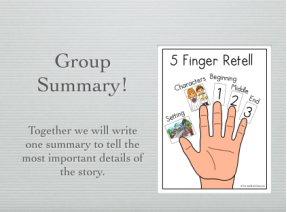
コース中, 私たちは小説を読むだけではありません, しかし、私たちはその本から新しい語彙を学び、応用することもできます, 作家が使用した重要な文学技法について話し合う, そして要約を書く練習をする, 多くの生徒にとって難しいと感じる重要なスキル
ヤング・クラシックについてもっと知りたい場合は, または、その他の優れた魅力的なコースについても, 今すぐ教育コンサルタントにご連絡ください! 私たちはあなたのお子様と一緒にすぐに仕事ができることを願っています!
文学研究は優れた学術プログラムの重要な側面です, それは、人生のさまざまな分野で成功するために不可欠な幅広い知識とスキルを生徒に教えるのに役立つからです。. 文学を勉強しながら, 学生は歴史上の重要な出来事や人物について学びます, 彼らは文化的な観点を考慮し、異なる考えや信念の受け入れについて自分自身の理解を深めます。, そして、新しいアイデアやコミュニケーション方法を深く理解するために、他人の言葉を分析する方法を学びます。. 要するに, 学生にアイデアのツールボックスを提供します, テクニック, 戦略, 理論, そしてそれ以上のものを生涯を通じて持ち続けることになるでしょう, 世界へのアプローチ方法を形作る.
このコースを提供する理由?
Reach Out の生徒は通常、IGCSE などの高校プログラムを受講します。, これには、英語と文学、第一言語としての英語などのやりがいのあるコースが含まれます. 後で, それらの学生のほとんどは、IB および AP レベルのプログラムに挑戦します。, そこでは、さまざまな文献を読むという課題に取り組まなければなりません. 私たちの目的は、小学校高学年と中学校の生徒に幅広い高度な文学に触れさせ、高校生になるまでに本格的に使える知識とスキルを身につけさせることです。, したがって、より高いレベルに達することができます.
このコースはグレード向けに設計されています 7-9 学生.
私たちの上級文学コースの目的は次のとおりです。:
✪ 英米文学で使用される文学的手法を理解し、識別する生徒の能力を強化します。, そしてそれらのテクニックの効果を伝える能力;
✪改善する 児童の文学的理解力を高め、イギリスとアメリカの文化への理解を深めます。;
✪ 専門教育者の指導の下, 挑戦的かつ魅力的な方法で言語とストーリーテリングの力を学びます.
私たちの先生のご紹介
*Barry の教師の略歴をここに挿入します, アンソニー, そしてジョン*
私たちの書籍セレクション:
愛する国を叫べ アラン・ペイトン著

舞台は1940年代の南アフリカ, 受賞歴のある 愛する国を叫べ ズールー族の牧師の物語, スティーブン・クマロ, 自分の村からヨハネスブルグ市まで旅行する人. 彼の困難で胸が張り裂けるような旅の途中, 彼は、妹と息子がひどい状況に陥っていることを知り、これから彼らと向き合わなければならないことを知りました。. 登場人物たちの大きく異なる人生が、南アフリカの歴史の暗い時代の悲劇を通じて思いがけず織り交ぜられる. しかし, 悲劇と困難を乗り越えて, 人間の精神の本質を見つけ出し、それを最も必要とする人々を高揚させることができる.
ドラキュラ による ブラム・ストーカー

ドラキュラの伝説は、何世代にもわたって読者や映画ファンの心に大きく迫ってきました。. ブラム・ストーカーは、ワラキアの実在の支配者の伝説に基づいて、悪名高いドラキュラのキャラクターを描きました。, ヴラド串刺し者. ストーカーは、この歴史の暗い一角を取り上げ、日記を通じて語られる伝説的な小説に変えることができました。, 手紙と電報. 他のクラシックと同様に、, ドラキュラが時の試練に耐えてきたのは、人間の精神の中にある非常に深く意味のある何かについて語っているからです。.
ネズミと人間の ジョン・スタインベック著
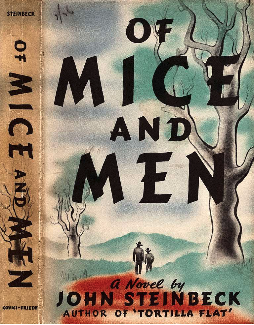
大恐慌はアメリカの歴史において、国家としての強さを試す決定的な瞬間でした, そして人々を生と死の間の不安定なバランスに置いた. アメリカの最も偉大な古典の一つと考えられている作品で, 読者は2人の避難民移民労働者を紹介される, ジョージとレニー. ジョージは知的な若者です, レニーは知的障害を持っていますが、. ジョージはレニーを保護し、機会がほとんどない職を探す, 生き残ろうとしている, 彼らは自分たちの土地を持ち、生活を築く日をまだ夢見ています. 彼らの人生を永遠に変えるような壊滅的な事件が起こり、彼らの希望は打ち砕かれます。.
学生が得られるもの
早期に文学鑑賞の感覚を養う,
より成熟した視点から世界を見る
イギリスとアメリカの古典には、示唆に富んだ道徳的および社会的問題が含まれています. 最も影響力のある古典文学を徹底的に読むことは、学生がより優れた読書家になるのに役立ちます, そして自己実現を追求するプロセスを開始します.
文化と歴史への理解を深めます
イギリスとアメリカの古典文学から暗喩を学ぶことは、文化的な違いを埋めるのに役立ちます. "古典がさまざまな世界への扉を開いた, 異なる文化, そしてさまざまな歴史的視点. 文学は人種を越える, 文化, 宗教, そして地理。"
内省と個人の成長
多くの古典文学は私たちの人生を側面から暗示しています: 私たち自身の生活との類似点を反映した本は、 "鏡"; さまざまな人生を垣間見ることができるものは、 "窓。" かどうか "鏡" または "ウィンドウ", 生徒たちの人生経験をさらに豊かにし、人生に立ち向かう勇気と強さを高めます。.
参加しませんか!
コースの詳細についてはお問い合わせください. お子様に早くお会いできることを心より願っております, 一緒に古典文学を読むことへの愛を育みます.
学校の季節に戻り、保護者の皆様も新たなスタートの新年度に向けて準備をしていることと思います。. 新しい年の始まりは、楽しみと少しの不安が入り混じるのが一般的です, 生徒も保護者も新しいスキルや経験を楽しみにしているからです, しかし、新しい日課や期待に対して緊張することもあります.
心配しないで, こちらからお問い合わせください。! 今年, 我々は持っています 5 素晴らしい学年のスタートを切るためのヒント.
お子様の学校が教育にどのように取り組んでいるかを理解する, どのようなカリキュラムを使用しているか, どのようなシステム, 使用される標準は教育者以外の人にとっては圧倒される可能性があります. 毎日少しの時間をかけて学校の Web サイトのコンテンツを読む, ハンドブック, などのリソースは、お子様が学校で何を学んでいるのか、どのように学習しているのかをより自信を持って理解するのに役立ちます。. お子様のプログラム全体をより深く理解するために、お子様の新学期の夜や説明会に参加することも重要です. また、お子様の先生との関係を築く素晴らしい機会にもなります。. まだ質問がある場合はいつでも, いつでもお子様の先生にメールを送信できます. 彼らはあなたとあなたのお子様のためにそこにいます, 両親との良好な関係が学力を確保する素晴らしい方法であることを彼らは知っているからです。, 社交, すべての生徒に精神的な成功をもたらす.
2. ABC の前に、十分な Zzzz をキャッチするようにしてください
睡眠は子どもの成長と発達にとってとても大切です, 不足すると子供の学力に悪影響を及ぼす可能性があります. 実際には, 研究によると、子供の睡眠不足は不安やうつ病の発症率を高める可能性がある. 寝るとき, 私たちの脳はその日の情報を処理します, 記憶に保存するための最適なシステムを見つける, 新しい一日のために私たちのシステムを再充電します. さまざまな理由から, 親は早めの就寝時間を守るのが難しいと感じることが多い, しかし、明確なルーチンがあれば, そして調整の時間, それは簡単かもしれません! 子供たち 3-6 歳になるはずです 10-12 1日あたりの睡眠時間, 7-12 1歳の人は取得する必要があります 10-11 1日あたりの時間数, と 12-18 1歳の人は取得する必要があります 8-9 1日あたりの時間数. 子どもが早く寝るスケジュールを立てると、朝も楽になります, 親も子もストレスが軽減され、しっかり休んで一日を始める準備ができれば幸いです。!
3. 適切なタイミングで適切な質問をする
親は、学校から帰宅するとすぐに、子どもの一日がどうだったかを知りたがることがあります。, 特に最初の数週間は. この数週間は、子供が新しい内容を理解することを学ぶにつれて、特に疲れ果て、浮き沈みに満ちたものになります。, 新しい友達, 新しい先生, そして新たな期待. 彼らに家に帰ってリラックスする時間を与えることは、彼らの感情的および精神的な健康にとって非常に重要です. 彼らが「私」の時間を過ごしたら, 保護者は、自分が取り組んでいることを知っていることに基づいて、具体的な質問をすることができます, 彼らがたまたま知っていたら. お子様の宿題日記を一緒に確認し、それぞれの課題に取り組む方法についての計画を立てるのを手伝うことができます。, 特定の主題に対する熱意を共有するだけでなく、, 本, または彼らも楽しんでいる情報. 質問を避ける, 「学校はどうでしたか? 何を学びましたか?」子供たちはより具体的な質問にはるかによく反応するようになりました, のような, 「お昼休みに友達と何をしましたか?」? その日一番良かったことは何ですか? 今日学校で起こった最も奇妙な、または最も素晴らしい出来事は何でしたか?” 最も重要なこと, 保護者は必ずその場にいて、生徒が答えるときは熱心に耳を傾けるべきです。, そのため、共有するときに彼らは本当に大切にされていると感じ、意見を聞いてくれるのです.
4. 失敗から学ばせる
これは親にとっては非常に許せないことかもしれません. 私たちは子供たちが元気に成長し、自分の可能性を最大限に発揮してほしいと願っています, つまり、細かい櫛を使って各課題を検討する可能性があります, 計算ミスや文法の間違いをすべて修正する. たとえ親が善意でそうしているとしても, そうすることで、子供たちから重要な学習の機会を奪うことになります。. 私たちが学生だった頃, 私たちの親の多くは忙しすぎたり、学校の勉強を手伝う知識や能力がなかったりすることがよくありました。, でも私たちは乗り越える方法を見つけて最善を尽くしました. もし子供たちが幼い頃に失敗する機会を与えられなかったら, 失敗することを恐れて、後年になって挑戦することを抵抗するかもしれない. しかし, 彼らを穏やかに失敗させたとき, 課題やリトルリーグのサッカーの試合など, 私たちは彼らに回復力を教えています. 世界の終わりではない, そして彼らは貴重な教訓を学びます; 試してみても成功しないかもしれないということ, 埃を払ってください, そして次回もう一度試してください.
5. 情熱を育む
新学期はさまざまな理由から楽しい時期です, そのうちの 1 つは、子供たちに新しい情熱を発見する機会を提供することです。. 彼らが幸運であれば, 彼らは本当に愛するものに出会うでしょう, そして、何時間もかけて発見するほど夢中になれるということ. 子どもが自分の情熱を見つけるのを助けるのは必ずしも簡単ではなく、時間がかかります. 子どもがいくつかのことに集中しすぎると、親が心配することがあります。, そして、子どもたちをバランスのとれた人間に育てるために、できるだけ多くのことにさらす必要があると感じています。. しかし, 私たちの世界を形作ってきた人々を見てみると, それは彼らが自分たちが情熱を注いでいるものに焦点を合わせていたからです. それが彼らがこれまでに行ったこと、あるいは行ったことのすべてでした. 人間として, 私たちは最も愛するものに自然に引き寄せられます, そしてそれが充実感に加えて何らかの価値を提供する限り, 私たちはそれを追求し続けるべきです. そう, お子様があるアクティビティに参加しようとドアを飛び出しているときに、別のアクティビティに参加することに抗議しても心配しないでください。. おそらく、彼らが愛する人は、彼らの成長と発達にとって最も価値のあるものです, そして嫌いなものは結局のところ必要ないのです.
これらのヒントがお役に立てば幸いです, そして、あなたとあなたのお子様の次の学年が最高のものになることを祈っています! 私たちは新学期とそれがもたらすあらゆる挑戦を楽しみにしています。
Reach Out はあらゆる段階であなたとともにあります, より多くの情報と、皆様に気に入っていただける記事を楽しみにお待ちください!