Ing Reach Out, kita pracaya iku penting banget kanggo ngrameke sukses mahasiswa. Kita seneng ngumumake Siswa Bintang liyane - Emma!
Emma nggambarake kabeh sing bisa digayuh siswa kanthi kerja keras lan komitmen kanggo keunggulan. Guru Emma ngakoni dheweke minangka murid sing nduweni sikap apik kanggo sinau, banget nampa instruksi, lan duwe kulawarga banget ndhukung sing asring komunikasi karo guru. Ing kelas, Emma minangka pamiyarsa sing ati-ati lan ati-ati sing cukup percaya diri kanggo nuduhake ide, nanging cukup sabar kanggo menehi saben wong giliran. Dheweke ora mikir njupuk risiko, lan bisa nyuntikake pribadine ing karyane.
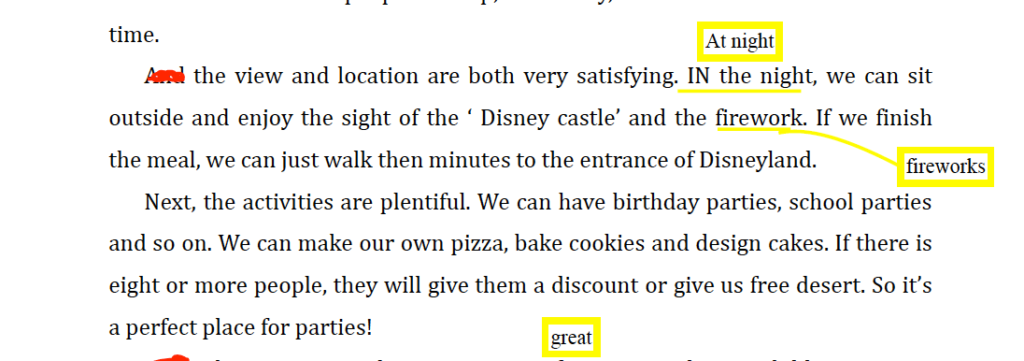
Emma saiki wis mlebu ing Tingkat Maca lan Nulis Kreatif 4 Kursus, lan dheweke wis nuduhake hadiah nyata sing bisa nggawe perumpamaan sing kuat ing tulisane. Ing wiwitan semester, dheweke ngrampungake review cabang Shanghai Disneyland Blue Frog.
Emma nuduhake kemampuane kanggo ngritik aspek tartamtu saka sawijining panggonan, lan ngembangake ide dheweke nggunakake rincian sing cocog.
"Pemandangan lan lokasi pancen marem banget. Ing wayah wengi kita bisa lungguh ing njaba lan nikmati pemandangan Kastil Disney lan kembang api.
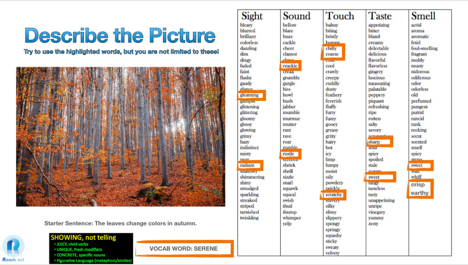
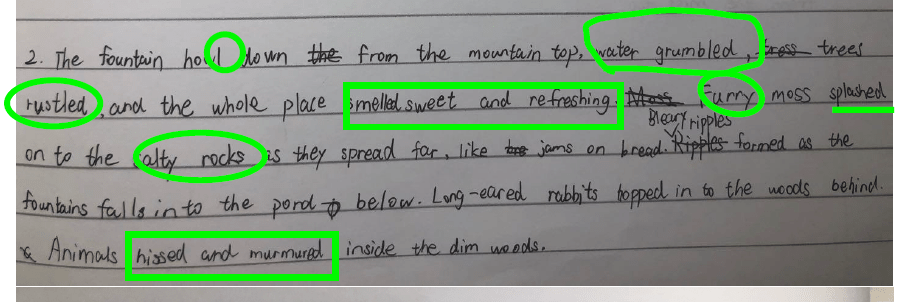
Nalika semester maju, Emma nuduhake pangembangan ing kemampuan nulis, lan wiwit nggabungake teknik sastra sing luwih maju. Ing tugas kanggo njlentrehake lanskap, Emma bisa nggawe gambar sing kuat nggunakake kosakata sing tepat lan basa figuratif.
"Lumut wulune nyemprotake menyang watu asin nalika nyebar adoh, kaya senggol ing roti. Ripples katon nalika banyu mancur tiba ing blumbang ing ngisor iki.
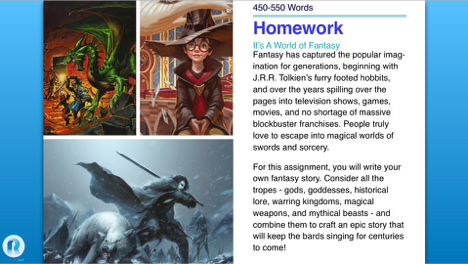
Emma terus ngetrapake pelajaran sing disinaoni sajrone kursus kasebut, lan kabisan minangka panulis saya kuwat. Ing tugas anyar babagan nulis Narasi Fantasi, Emma mbangun latar lan karakter critane kanthi sengaja lan efektif.
"Srengenge kumrincing sumorot saka cendhela lan menyang alus, sprei silky. Kembang manis warnane anget mekar ing jejere jendela sing mbukak. Gambar sing surem nanging sregep digantung ing tembok ijo rumput laut sing seger.
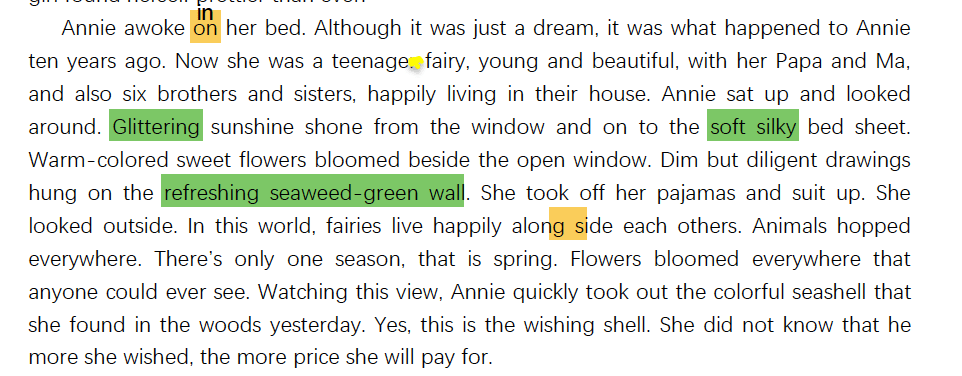
Minangka sampeyan bisa ndeleng, Emma nampilake karakteristik penulis enom sing janjeni. Tekad dheweke kanggo nambah, lan aplikasi kanthi ati-ati saka piwulang sing diwulangake wis mbantu ngunggahake tulisane menyang tingkat sing luwih maju.
Matur nuwun Emma, amarga dadi STAR! We look nerusake kanggo ndeleng wutah kanggo dangu teka. Kita ngerti iki mung wiwitan lelungan sing apik.
Minangka pendidik, kita wis kerep takon pitakonan, “Kepriye carane supaya anakku mandheg maca komik?” Wong tuwa kuwatir yen komik ora menehi nilai pendidikan, akademis ora cukup kaku, utawa paling awon kabeh, mbuang wektu anak. Iki, jawaban kita biasane surprises wong, lan jawaban iku, “Ayo padha maca komik!”
Bisa dimangerteni yen wong tuwa bakal prihatin amarga persepsi yen komik mung kanggo maca kesenengan., nanging, komik duwe akeh keuntungan ngluwihi ngewangi kita nglampahi wektu.
Komik lan novel grafis dudu wangun tulisan anyar. Mesthi wae, wis disenengi dening akeh kanggo generasi. Swara taun, genre wis diganti dadi siji karo ambane owahan lan makna, pramila kita ngajak wong tuwa supaya ora mung ngidini anak-anake maca komik, nanging uga kanggo ndhukung wong-wong mau ing nglakoni.
Mangkene alasan utama komik kudu diwaca (utamané ing mangsa panas!):
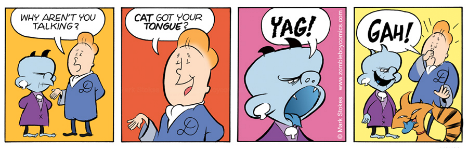
Kanggo siswa sing dudu penutur basa Inggris asli, komik menehi cara sing apik kanggo dheweke wiwit seneng sastra Inggris. Kanggo akeh bocah, tugas saka buku teks basa Inggris menyang novel bisa banget nggegirisi, nanging komik bisa nyedhiyakake jembatan sing perlu kanggo mbangun kapercayan uga lancar maca. Isyarat visual ing gambar ngidini siswa nggawe pangerten sing luwih jero babagan plot lan karakter uga kosakata anyar.. Kajaba iku, iku nepangake piranti sastra sing efektif, kayata onomatopoeia (mikir POW! SMACK! ZOOM!) lan idiom (ilustrasi sing nuduhake makna idiom kaya, "Kucing entuk ilatmu?"Dadi luwih raos tinimbang dadi panas idiom dhewe!).
2.Nambah Inferensi
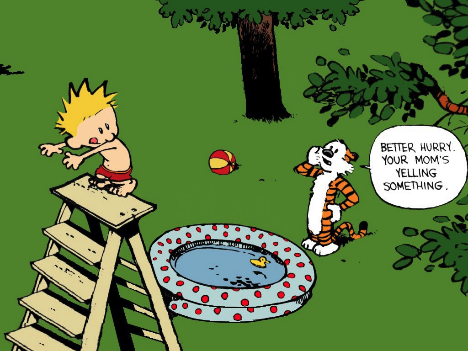
Inferensi minangka katrampilan maca kunci sing ditindakake dening akeh siswa ing penilaian maca standar. Inferensi kedadeyan nalika nggawe kesimpulan adhedhasar apa sing diwaca. Sawetara conto pitakonan sing bakal ditemoni siswa sajrone tugas maca pemahaman utawa pambiji yaiku kayata, “Kepriye rasane paraga nalika?”, "Apa sing bisa sampeyan simpulake babagan ..." lan "Apa piwulang ing crita kasebut?"Komik mbutuhake siswa "maca antarane baris" kanggo nyimpulake informasi sing biasane dicritakake dening narator ing novel., supaya bisa entuk akeh pengalaman sing migunani kanggo nguatake katrampilan iki kanthi maca komik.
3.Daya Tembung!
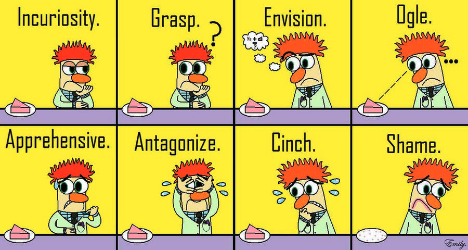
Asring ing komik lan novel grafis, panulis kalebu kosakata sing cukup maju, loro minangka bagéan saka alur crita uga ing jeneng paraga. Ing 2016 ing donya misuwur Comic-Con ing San Diego, California, panelis saka pendidik ngrembug daya saka komik ing mbangun vocabulary siswa. James Bucky Carter, penulis Bangunan Literasi Sambungan karo Novel Grafis ngandika, "Sampeyan duwe Colossus, lan dheweke iki gedhe, wong logam raksasa. Sampeyan bisa ngerteni apa tegese tembung colossus lan iku tembung 10 sen sing apik. Daya Banshee njerit. Sampeyan duwe karakter iki sing ngemot tembung kosakata sing padha. Iki minangka cara sing nyenengake kanggo sinau tembung anyar, Saliyane pitunjuk kontekstual.
Sawise maca iki, sampeyan bisa uga pengin ngidini anak sampeyan langsung maca komik utawa novel grafis! Iku musik kanggo kuping kita. Yen sampeyan ora yakin ngendi kanggo miwiti, kita duwe sawetara favorit siswa anak sampeyan bisa seneng nyoba!
Dog Man dening Dave Pilkey

Miles Morales Spider-Man dening Jason Reynolds

mesem, mbakyu, memedi, Drama lan Crita Liyane dening Raina Telgemeier
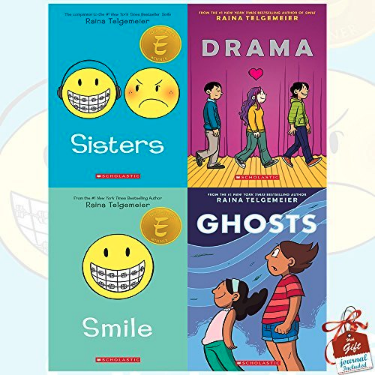
Bone dening Jeff Smith

Nggoleki kesempatan maca musim panas liyane kanggo anak sampeyan? Hubungi salah sawijining Konsultan Pendidikan kanggo informasi luwih lengkap babagan kursus maca musim panas. Kita ngarepake maca karo anak sampeyan!
Musim ujian wis teka, lan bisa dadi wektu sing ngepenakke banget kanggo siswa lan wong tuwa. Ing Reach Out, kita pengin ngupayakake sing paling apik kanggo mbantu ngatasi rasa kuwatir ujian kanthi menehi sawetara tips sinau unik sing sampeyan durung tau nyoba..
Kawicaksanan sinau konvensional asring ditindakake dening akeh wong tuwa lan guru sing tegese apik, nanging, yen kita ndeleng sawetara pendekatan adhedhasar riset sing menarik, kita bisa ndeleng manawa ana macem-macem cara sing efektif kanggo sinau! Iku tansah apik kanggo nyoba iku anyar, utamané kanggo bocah-bocah. Dheweke bisa nemu cara-cara anyar nalika isih enom, lan nalika wis rada tuwa, padha bisa milih cara paling cocog kanggo kabutuhan pribadi lan gaya.
Saiki, ayo goleki telung cara unik kanggo sinau.

Macem-macem minangka Rempah-rempah Urip-Malah Nalika Sinau
Kanggo akeh, pirang-pirang taun kita wis dikandhani supaya bisa sinau kanthi apik, kita kudu sinau ing panggonan sing padha saben dina; papan kang sepi, uga surem, lan duwe kabeh bahan kita. Nalika iki bisa uga bener kanggo sawetara wektu kita sinau, riset nuduhake yen otak kita bener-bener luwih apik nalika kita beda-beda ing lokasi sing kita sinau. Cukup nggumunake, bener?
Ing sinau rampung kabeh cara bali ing 1978, mahasiswa diwenehi 40 kosakata kanggo sinau. Siji klompok didhawuhi sinau dhaptar kaping pindho ing lokasi sing padha. Klompok liyane didhawuhi sinau dhaptar ing rong lokasi sing beda. Sing ditemokake yaiku, kelompok sing mawarni-warni lokasi sinau bener nindakake luwih apik ing ngelingi tembung mengko. Saiki kok ngono? Inggih, otak kita asring nggawe sambungan kanggo informasi adhedhasar lingkungan kita, dadi luwih kita beda-beda lingkungan kita, luwih akeh kita menehi otak kita kesempatan kanggo nahan informasi amarga bakal digandhengake karo liyane. Iki bisa uga dadi salah sawijining teknik visualisasi, ngendi siji visualizes iku padha pengin elinga menyang panggonan tartamtu ing lingkungan padha menowo, bisa dadi efektif uga. Kanggo siswa, mung ngganti lingkungan bisa nindakake trick!
Have Fun!
Sawetara wong tuwa bisa uga salah mikir yen anake ngguyu utawa bungah nalika sinau utawa sinau, padha bisa mbuang wektu. Nanging, iki ora mesthi.
Minangka wong tuwa, ing karya utawa kantor sampeyan bisa uga duwe lokakarya khusus saka wektu kanggo wektu. Lokakarya biasane digunakake minangka alat kanggo mbantu sampeyan sinau babagan strategi anyar, gagasan, utawa informasi sing bakal mbantu sampeyan sinau luwih akeh ing karya. Sesi iki asring ditindakake dening wong sing duwe spesialisasi nggawe lokakarya sing menehi motivasi lan inspirasi sing nyemangati lan semangat karyawan.. Dina bisa dawa lan kuat, nanging yen ditindakake kanthi bener, karyawan bisa mlaku adoh manteb ing ati ing kawruh anyar lan skills.
Rings padha bener kanggo wong enom. Ngenalake dolanan game lan nyenengake minangka cara kanggo sinau kanggo ujian ora mung nggawe anak mesem, nanging riset nuduhake yen seneng-seneng nalika sinau ngaktifake sumber daya kognitif tartamtu, nggandhengake ganjaran lan kesenengan karo sinau, nguatake lan nggedhekake jaringan memori, lan malih pikiran abstrak lan fokus manungsa waé.
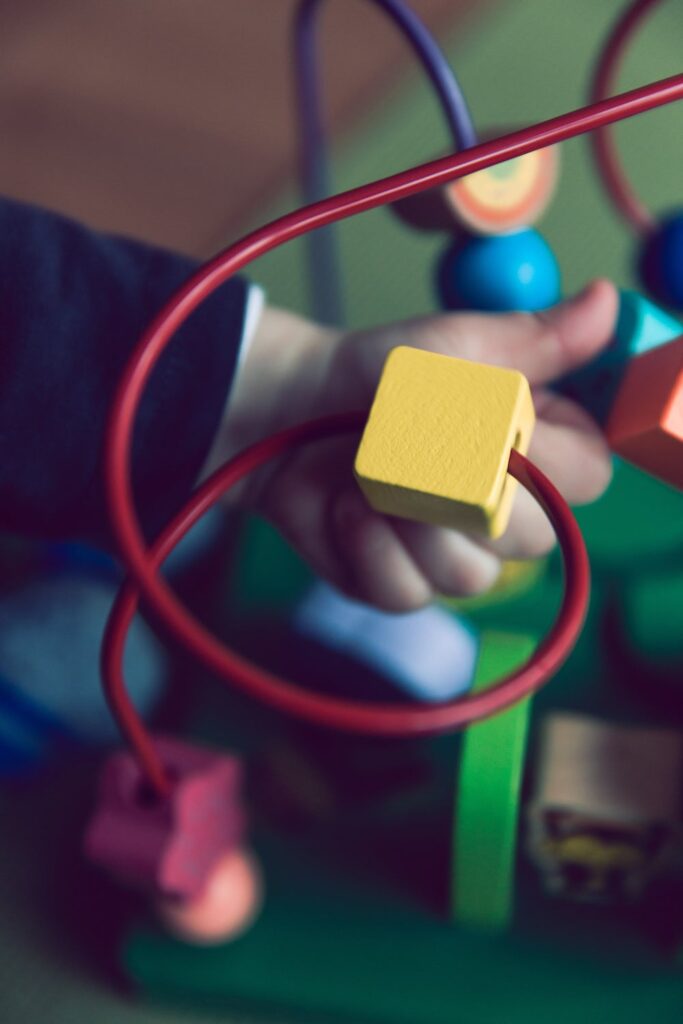
Teknik Pomodoro
Tetep fokus, on-tugas lan motivasi kanggo ngrampungake aktivitas tartamtu bisa dadi angel kanggo wong diwasa lan bocah-bocah. Apa sampeyan tau ngrasa kaya wis nate nyawang layar komputer nganti pirang-pirang jam, nanging tuntas banget sethitik? Utawa Mungkin sampeyan duwe deadline ing sawetara dina, nanging mung inching menyang garis finish? Ora nggumunake, minangka riset nuduhake yen pikiran kita cenderung ngumbara nganti 20% wektu, mbok menawa malah luwih kanggo wong enom.
Siji teknik sing menarik digawe dening mahasiswa Francesco Cirillo minangka cara kanggo mbantu dheweke tetep fokus, lan sing Technique Pomodoro, sing entuk jenenge saka timer berbentuk tomat Cirillo digunakake nalika nyoba strategi iki ing awake dhewe. Cara kerjane sampeyan nyetel wektu kanggo 25 menit, yaiku wektu kerja. Banjur nyetel maneh kanggo 5 menit, yaiku wektu istirahat. Iki wektu sing apik kanggo tangi, mulur, ngubengi omah, pelihara kucing sampeyan, utawa njaluk ngombe banyu utawa cemilan. Sawise wektu istirahat wis rampung, nyetel wektu kanggo liyane 25 menit lan baleni!
Pranyata strategi iki didhukung dening bukti ilmiah, minangka peneliti nyimpulake yen istirahat cendhak mbantu njaga rentang perhatian sampeyan. Iki bisa uga ana hubungane karo kasunyatan manawa kebosanan kognitif bisa nyebabake pikiran sing ora ana gandhengane, yaiku bab pungkasan sing dikarepake nalika sinau kanggo ujian penting.
Muga-muga sampeyan wis seneng njelajah tips sinau unik iki kaya sing kita lakoni! Muga-muga anakmu sukses ing ujian ing wulan iki. Jiayou!
Kita ngerti manawa ana akeh sing bisa kita lakoni kanggo nguri-uri lan ngajari anak-anak kita, pramila kita minangka tiyang sepuh kita asring ngginakaken wekdal kangge ngisi kegiatan lan perkuliahan. Apa kita nindakake iki? Kanggo akeh alasan mesthi, nanging goal utama iku kanggo mesthekake sukses mangsa. Para wong tuwa ngarep-arep supaya anak-anake bakal luwih sukses ing urip tinimbang awake dhewe. Sukses, mesthi, iku subyektif, lan kita kabeh bisa duwe definisi sukses dhewe. Umume nanging, kita bisa uga setuju yen sukses kalebu perasaan isi ing urip pribadi, uga duwe rasa kepuasan karir lan keamanan finansial.
Bubar iki ana TED Talk sing menarik sing dituduhake ing media sosial, ing ngendi mantan Dekan Freshman ing Universitas Stanford, Julie Lythcott-Haims, nyebutake bukti saka Harvard Grant Study sing nggandhengake sukses profesional ing urip karo individu sing wis nindakake tugas nalika isih bocah. Ora latihan bal-balan, ora sinau basa, ora lukisan, nanging tugas.
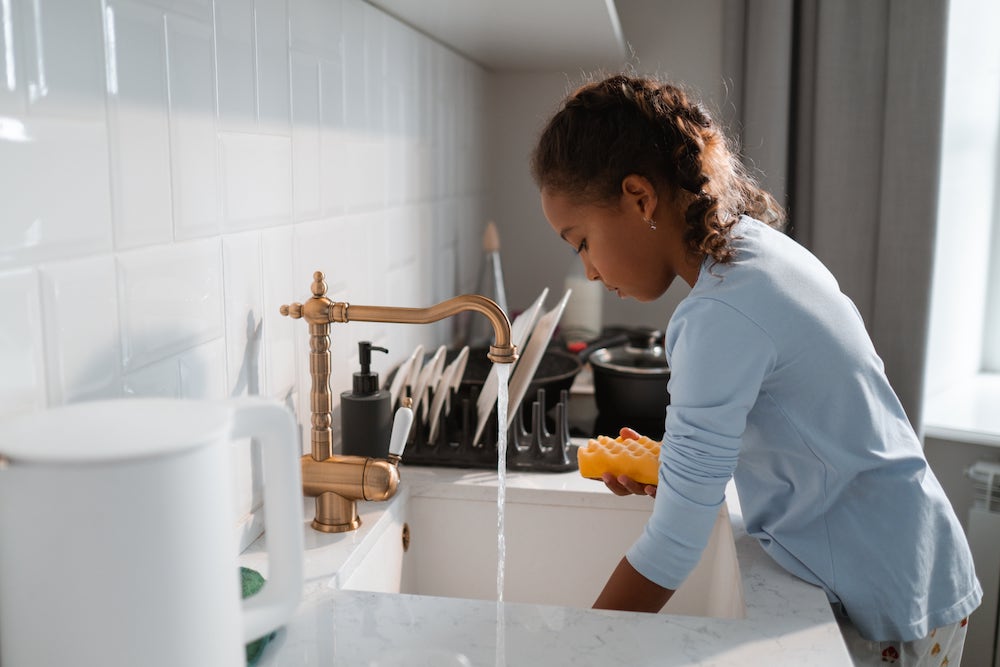
Ngageti bener?
Akeh anak-anak kita sing tuwuh ing kutha-kutha gedhe bisa uga ora ngerti kepiye nggosok piring, ngumbah jendhela, utawa ngepel lantai. Kita bisa uga rumangsa ana prekara sing luwih penting kanggo mbangun kawruh lan karakter. Lythcott-Haims nerangake yen bocah-bocah sing nggawe tangane reged, nanging, bisa nggayuh tingkat sukses ing urip sing ngluwihi kanca-kanca sing ora duwe tugas. Iku amarga mulang siswa carane kontribusi lan langkah munggah nalika karya kudu rampung, lan nindakake "karya grunt" sing bisa dipoyoki wong liya, amarga iku sing paling apik kanggo kabeh, iku sing diweruhi ing papan kerja.
Papan-papan kerja para wong sing berprestasi sing melu ing Harvard Grant Study padha banget, kayata Gedung Putih, ngendi peserta Presiden Kennedy makarya, lan kantor editor ing ngendi Ben Bradlee lungguh minangka editor The Washington Post. Kita bisa nganggep yen wong tuwane, kaya kita, kudu prod lan nyuwun supaya tugas rampung, lan nampa sing malah yen padha rampung, bisa uga ora ditindakake kanthi becik; lan ora apa-apa.
Sing penting, minangka Lythcott-Haims nuduhake, yaiku kanthi nindakake pagawean, anak éling sing padha, "... kudu nindakake pakaryan urip supaya bisa dadi bagian saka urip." Dheweke ngerti yen urip ora mung kedadeyan, lan kanggo wong-wong mau, nanging karo wong-wong mau.
Yen bocah-bocah wis nindakake tugas minangka bagéan saka rutinitas musim panas saben dina, bravo! Sampeyan ana ing dalan sing bener. Yen ora, ora perlu gupuh. Ora kasep kanggo ngenalake tugas ing urip anak-anak kita. Ing ngisor iki sawetara tips kanggo mbantu sampeyan miwiti!
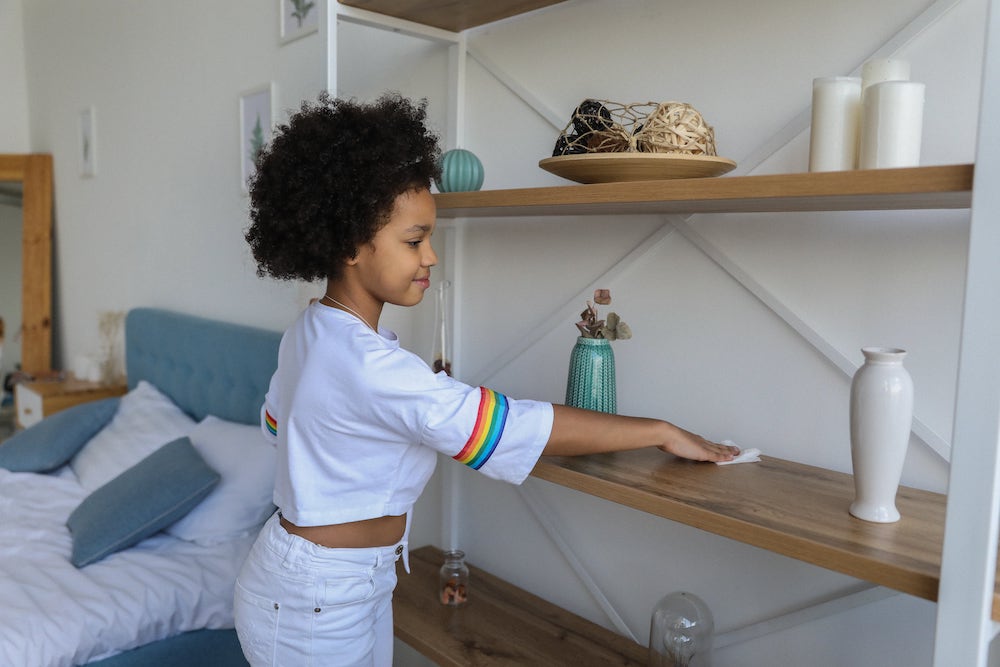
Ayo Padha Dadi Bagéan saka Iku
Nalika ngenalake konsep anak sampeyan ngrampungake tugas kanggo mbantu, duwe "pertemuan kulawarga" ing ngendi kabeh wong teka kanggo ngrembug apa sing bakal dikarepake saka anak-anakmu lan apa sebabe. Sampeyan bisa njaluk anak sampeyan nulis dhaptar tugas sing bisa ditulungi ing omah. Dheweke bisa uga nggumunake sampeyan kanthi semangat amarga nindakake tugas iku nyenengake kanggo sawetara bocah amarga nggawe dheweke rumangsa kuwat lan mbiyantu. (rong perkara sing asring kita rasakake nalika diwasa).
Game-ify It
Kanggo nggawe nyenengake, amarga seneng nggawe kabeh luwih apik, sampeyan utawa anak sampeyan bisa nulis tugas ing stik es loli lan saben dina anak sampeyan bisa milih siji tongkat saka jar.. Sing bakal dadi tugas kanggo dina! Yen sampeyan duwe anak luwih saka siji ing omah, sampeyan bisa tansah ngowahi reresik dadi kompetisi kanthi nyetel wektu lan ndeleng bocah sing bisa ngresiki paling akeh dolanan sajrone wektu tartamtu., contone.
Ganjaran Iku
Minangka wong tuwa, kita diganjar kanggo kontribusi kita ing karya karo gaji. Apa anak-anak kita uga kudu diganjar amarga kerja kerase? Siji gagasan yaiku yen bocah sampeyan ngrampungake kabeh tugas ing minggu kasebut, dheweke bisa milih dolanan cilik saka "kothak bandha" sing diisi dolanan cilik. Pilihan liyane bisa uga yen anak sampeyan terus-terusan ngrampungake tugas sajrone sewulan, padha bisa milih outing kulawarga khusus ekstra.
Ngajari anak-anak kita nindakake tugas ora mesthi gampang, nanging keuntungan potensial worth wektu lan gaweyan. Muga-muga sampeyan nemokake tips sing migunani, lan sing bisa mbantu mimpin kanggo pengalaman positif kanggo sampeyan lan anak. Sugeng reresik!
We are pleased kanggo ngumumake klub buku panas anyar, mung kanggo wong tuwa! Musim panas minangka wektu sing paling cocog kanggo maca buku sing sampeyan pengin diwaca, nanging ora duwe wektu kanggo. Musim panas iki, kita ngajak sampeyan melu maca Carane Ngomong Dadi Bocah-bocah Bakal Ngrungokake lan Ngrungokake Supaya Bocah-bocah Bakal Ngomong.
Kita ngerti manawa ora gampang nyambung karo bocah-bocah amarga tuntutan sekolah, karya lan urip saben dina. Kadhangkala rasa kuwatir babagan masa depan ngganggu urip kita saiki. Nanging, siji bab kita bisa njamin sing kita ora bakal njaluk liyane kasempatan kanggo nemu kanak-kanak karo anak kita dhewe, lan kita ora pengin kantun wektu larang regane iki. Dadi, kepiye carane kita bisa ngoptimalake lan ngobrol kanthi migunani karo anak-anak sing bakal nguatake ikatan lan mbantu anak-anak kita didhukung? Iki minangka pitakonan gedhe sing ana ing antarane kita.
Kanggo mbantu njawab pitakonan penting iki, kita ngajak sampeyan gabung karo maca salah sawijining buku parenting sing paling populer ing kabeh wektu, ditulis dening Adele Faber lan Elaine Mazlish. Carane Ngomong Dadi Bocah-bocah Bakal Ngrungokake lan Rungokake Dadi Bocah-bocah Bakal Ngomong, kang mulang kita carane nampa raos anak kita, amarga kanthi ora nindakake, kita bisa kanthi ora sengaja nyebabake tumindak ala. Iki uga mulang kita cara positif kanggo nyengkuyung kerjasama, uga kamardikan, otonomi, lan rasa percaya diri. Iki minangka kabeh bahan sing dibutuhake kanggo nuwuhake hubungan wong tuwa-anak sing positif sing pancen bakal mbantu anak-anak kita dadi wong diwasa sing percaya diri lan bisa..
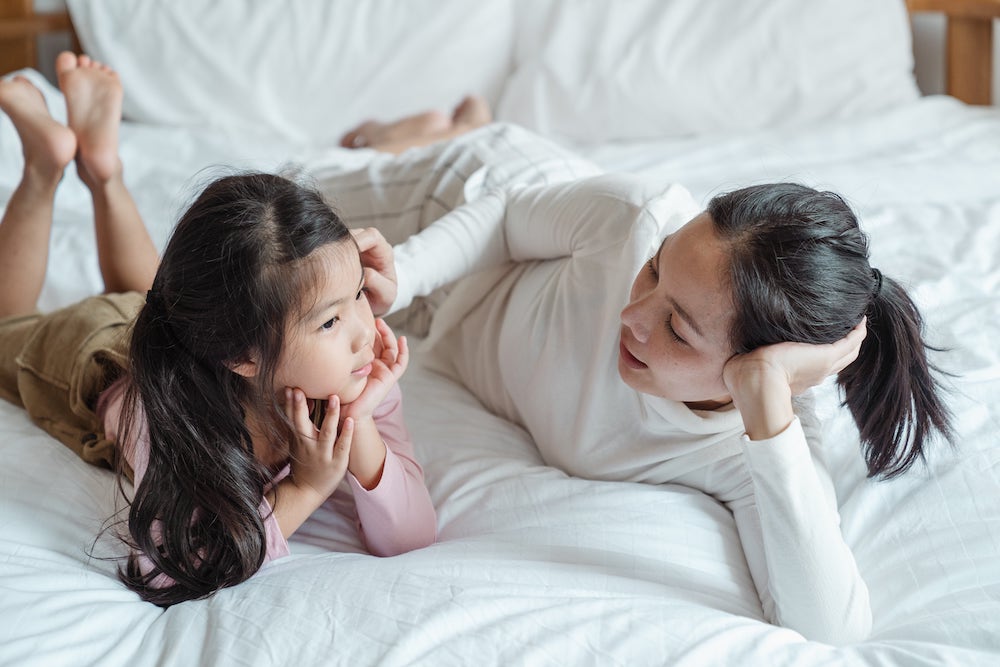
Carane Bakal Bisa?
Langkah pisanan yaiku hubungi salah sawijining Konsultan Pendidikan kanggo ndhaptar. Registrasi GRATIS lan mbukak kanggo kabeh wong! Kita bakal nggawe grup chatting ngendi isi sinau buku lan nuduhake bakal njupuk Panggonan wiwit 1 Juli. Lindsey apik, Manajer Pendidikan kita, bakal melu grup minangka wong tuwa uga, amarga iku ibu saka loro lanang, tuwa 4 lan 6, sing bakal sinau bareng karo sampeyan. Dheweke uga bakal mbantu mimpin diskusi mingguan.
Buku kasebut bisa ditemokake ing basa Inggris lan Cina lan gampang diakses ing cetakan, e-buku, utawa format audiobook.
Banjur ana rong pilihan babagan carane sampeyan pengin melu:
Jadwal maca kaya ing ngisor iki:
Minggu 1: Bab 1 & 2
Minggu 2: Bab 3 & 4
Minggu 3: Bab 5 & 6
Minggu 4 Bab 7 & Tembung sesulih
Ing pungkasan sasi, kita bakal dadi tuan rumah lokakarya online sing dipimpin dening Penasihat Sekolah, Regina Wehner. Ing bengkel, Regina bakal nuduhake informasi lan strategi tambahan sing bisa digunakake kanggo nguatake hubungan sampeyan karo anak sampeyan.
Babagan Regina Wehner
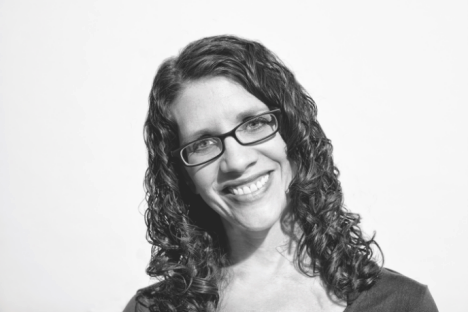
Regina Wehner minangka Penasihat Sekolah Berlisensi sing wis kerja bareng karo siswa ing Sekolah Menengah 16 taun. Originally saka Amerika Serikat, dheweke urip karo bojone lan 2 bocah-bocah, umur 10 lan 12, ing Beijing, Cina.
Regina kerja ing Akademi Barat Beijing (WAB), sekolah internasional macem-macem. Bagean gedhe dadi penasihat sekolah yaiku mbantu para siswa sinau babagan awake dhewe lan wong liya nalika tuwuh. Regina uga dadi tuan rumah Parent Coffee Mornings saben wulan kanggo ngumpulake wong tuwa kanggo sinau luwih lengkap babagan owah-owahan perkembangan anak-anake lan cara komunikasi sajrone transisi kasebut.
Hubungi kita dina iki kanggo nggabungake!
Mbantu Anak Sinau Vocabulary Anyar
Riset nuduhake yen kita pengin siswa sukses ing konteks akademik, babagan penilaian penting lan ujian taruhan dhuwur, uga karir mangsa, kita kudu mbantu dheweke ngembangake kosakata. Alesan kanggo sing iki: pangerten kita babagan informasi anyar langsung disambung karo pemahaman kita babagan kosakata sing digunakake kanggo komunikasi informasi anyar kasebut.
Kanggo siswa, nambah kosakata minangka salah sawijining kunci sukses nguwasani basa; tembung liyane kita ngerti, tembung liyane kita ngerti, lan luwih akeh tembung sing bisa digunakake kanggo nulis supaya luwih efektif lan efektif. Nanging, learning saiki Vocabulary kadhangkala viewed minangka proses tedious utawa angel dipahami. Kadhangkala wong tuwa ora yakin carane nuntun anak-anake, utamane amarga cara pendekatan sinau kosakata bisa beda banget karo cara wong tuwa sinau nalika isih sekolah..
Aja kuwatir, Reach Out kene kanggo mbantu! Ayo njelajah akuisisi kosakata (proses ngapalake lan ngetrapake kosakata anyar), lan kita bakal pitutur marang kowe carane sampeyan bisa mbantu anak mbangun vocabulary!
Dhiskusi babagan!
Bisa uga katon prasaja banget, nanging nalika nerangake sinau tembung anyar, salah sawijining cara sing efektif ditindakake dening para mudha yaiku kanthi ngomong karo wong liya. Anak-anak sinau tembung anyar sing paling apik nalika ana ing konteks, kayata ing pacelathon babagan topik tartamtu. Dheweke bisa nyimpulake sawetara makna tembung anyar adhedhasar cara digunakake bebarengan karo tembung liyane sing wis dikenal..
Sampeyan bisa uga kerep diselani dening anak nalika sampeyan nggunakake kosakata sing ora dingerteni lan dheweke kepengin weruh., “Apa tegese bencana?” Sampeyan bisa uga ngrujuk marang kahanan kamar turu (minangka ing kekacoan lengkap), lan kanthi njupuk wayahe kanggo nerangake macem-macem makna bilai kanggo wong-wong mau, sampeyan bakal ora mung wis mulang wong tembung anyar kanggo njlèntrèhaké kamar tumoto, nanging uga gagal utawa kedadean alamiah, kayata bencana alam.
Dadi, ngomong karo anak iku cara sing apik kanggo mulang dheweke tembung anyar!
Jelajahi Iku!
Umume siswa ngerti yen bisa nggunakake kamus utawa penerjemah yen nemoni tembung sing ora dingerteni, nanging kadhangkala malah definisi tembung bisa ninggalake wong karo pitakonan luwih saka jawaban.
Ing pengalaman kita, akeh siswa ora nggunakake salah siji alat sing penting banget kanggo sinau lan ngetrapake kosakata anyar, lan alat kasebut minangka tesaurus! Yen sampeyan ngelingi anak sampeyan nggunakake tembung sing berlebihan nalika ngomong utawa nulis, contone, “ayu”, “cute”, “apik”, utawa "ala", banjur njupuk sawetara wektu kanggo nuduhake carane nggunakake situs web kayata tesaurus.com kanggo nggoleki tembung kasebut. Nalika nggoleki tembung kayata "ayu", dheweke bakal weruh yen ana akeh tembung sing menarik lan unik kanggo digunakake.! aku
Ing pengalaman kita, siswa seneng banget nggunakake kosakata anyar, lan rumangsa bisa ngerti yen ana alat kanggo mbantu dheweke nggawe tembung luwih kuat.
Dolanan!
Seneng-seneng nalika sinau ora mung sing ditindakake guru kanggo nggawe siswa seneng, iku bener wis buktiaken dening neuroscience minangka cara efektif kanggo siswa sinau liyane lan liyane rumiyin. Riset nuduhake yen siswa loro-lorone dirangsang lan ditantang, otak dheweke ngeculake dopamin. Dopamin minangka neurotransmitter sing ngrangsang pusat memori lan ningkatake pelepasan asetilkolin, kang mundhak manungsa waé fokus.
Ing kursus kita kene ing Reach Out, instruksi vocabulary minangka bagéyan penting saben pawulangan. Kita uga duwe kursus sing diluncurake ing musim panas iki, Tataran Pambangun Vocabulary 1-3, ing ngendi kita bakal fokus khusus kanggo mbantu anak sampeyan ngembangake kawruh kosakata kanthi tembung anyar sing tantangan. Nalika tembung sing dipilih menehi tantangan, alat kaya Quizlet lan game kayata Guess Who lan Sentence Racer nyedhiyakake siswa kesempatan kanggo sesambungan kanthi cara sing migunani lan nyenengake..
Kepiye carane ngerti cara kasebut efektif? Amarga pengalaman puluhan taun, lan sinau psikologi pendidikan lan metodologi wis mulang kita carane siswa sinau paling apik!
Kita bakal seneng mbantu bocah sinau kosakata anyar minangka salah sawijining cara dheweke bisa dadi efek maca sing luwih efektif lan sukses., panulis, lan speaker. Kanggo mangerteni sing luwih lengkap babagan carane kita bisa mbantu, hubungi salah sawijining Konsultan Pendidikan dina iki!
Yen sampeyan nggoleki layanan pendidikan sing luwih individual, Reach Out nawakake layanan 1-on-1 karo pendidik ahli!
Apa We Offer?
Guru kita nawakake macem-macem subjek 1-on-1 kalebu basa Inggris, Ilmu Sosial, lan Matematika.
Temokake sawetara guru sing berkualitas lan berpengalaman!
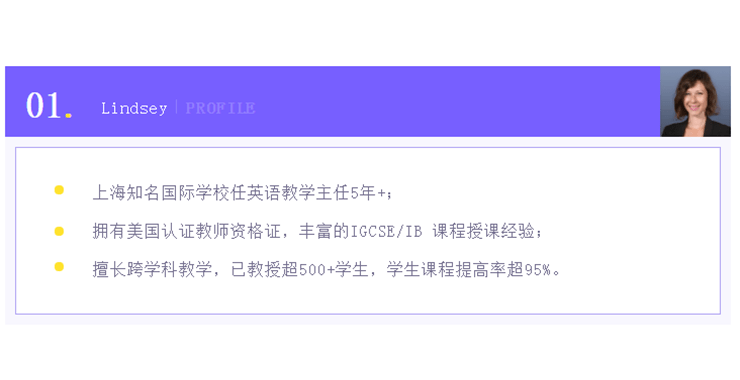
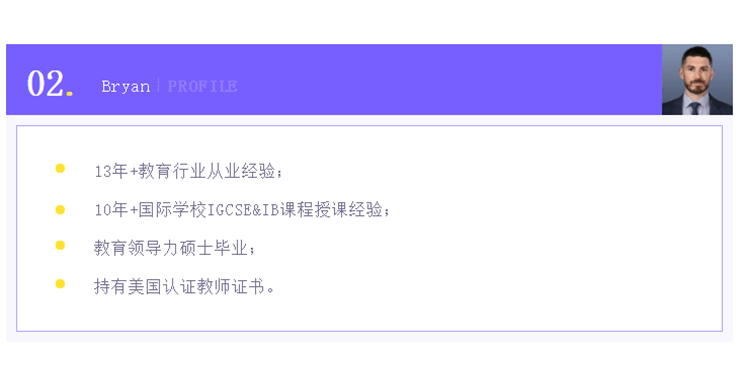
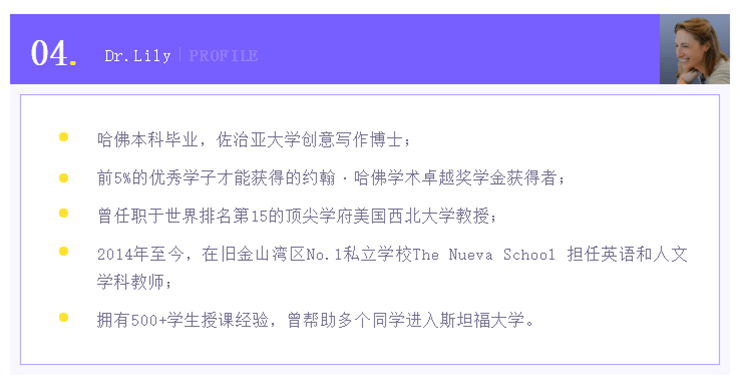
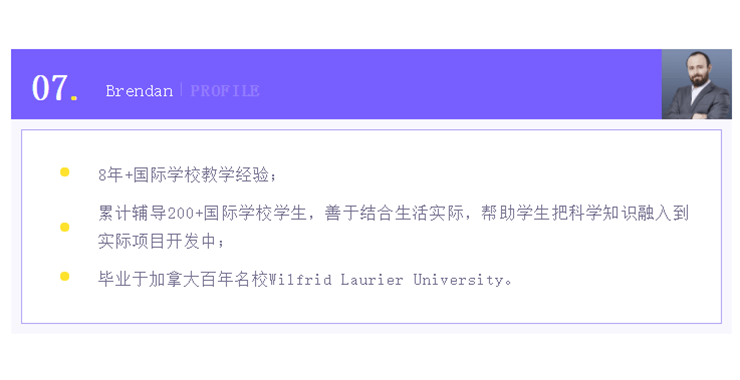
Napa Aku kudu Pilih Layanan 1-on-1?
Mbok menawa anak sampeyan lagi nyiapake sinau ing luar negeri utawa nglamar menyang sekolah anyar lan dheweke pengin pendekatan sing luwih intensif lan ditargetake supaya bisa nyegerake katrampilane.. Utawa, anak sampeyan bisa uga ora rumangsa cukup tantangan karo kurikulum saiki, lan mbutuhake pendekatan alternatif sing luwih trep karo tingkat kemampuane.
Ana sawetara alasan wong tuwa bisa nggoleki layanan kaya iki, lan kita bisa njamin yen kita bakal tansah mangertos kahanan unik anak lan nyedhiyani layanan sing paling apik kanggo dheweke..
Cara Kerjane?
Kanthi pendekatan tangan kita, lan proses orientasi, kita bakal netepke kawruh lan skills anak adhedhasar data taksiran saiki, kemampuan nulis, lan liyane. Adhedhasar temuan kita, kita bakal milih guru paling cocog kanggo kabutuhan anak. Kabeh guru Reach Out wis dipilih kanthi teliti, lan duwe pengalaman taun ing mulang kurikulum tantangan, kayata IGCSE, IB, lan AP, ing sekolah ndhuwur saka sak donya.
Proses kita dadi tujuan. Kita ngerteni persis apa sing dibutuhake bocah kanggo nggayuh tujuan pendhidhikan, banjur kita nggawe dalan sinau unik lan khusus sing paling cocog karo kabutuhan khusus anak.
Apa Liyane Nggayuh Nawakake?
Saliyane layanan 1-on-1, Reach Out nawakake macem-macem kursus sing dirancang khusus kanggo nantang lan melu bocah kelas 2 nganti 8 kanthi konten tingkat ndhuwur kanggo mbantu dheweke nyiapake program kayata IGCSE., IB, lan AP.
Carane Aku Bisa Sinau Luwih?
Kanggo ngerteni luwih akeh babagan layanan 1-on-1, hubungi salah sawijining Konsultan Pendidikan dina iki kanggo ngerteni luwih akeh! Kita ngarep-arep bisa mbantu anak sampeyan nggayuh tujuan pendidikan kanggo masa depan sing cerah!
Sapa Kita
Minangka sampeyan bisa uga wis ngeweruhi, kita wis akeh lan duwe sawetara tambahan macem apa kita kurban kene ing Reach Out. Kaya wis sawetara wektu kita ngenalaken awak, kita panginten kita bakal nuduhake crita kita karo sampeyan kanggo mbantu luwih ngerti sapa kita lan apa kita!
Misi Kita
Misi Reach Out yaiku nyambungake siswa karo pendidik ahli sing nggawe lan ngirim asli, maringi inspirasi, kurikulum kelas donya. Kita wis miwiti lelungan iki supaya bisa mbantu siswa ngerti carane nemokake swara unik dhewe lan nemokake ide kreatif lan terkenal sing ana ing saben wong.. Kanthi swarane, padha duwe daya kanggo ngganti donya, lan kita pengin menehi daya kanggo nindakake.

Visi Kita
Reach Out ngupaya dadi institusi pendidikan sing diakoni sacara internasional sing ngidini siswa ngakses kurikulum lan pendidik internasional tingkat paling dhuwur, ora preduli ing ngendi wae ing jagad iki. Siswa kita bakal dadi perseptif, penasaran, lan pamikir kritis sing nggawe pilihan informed minangka solvers masalah banget lan komunikator. Siswa Reach Out bakal nggayuh tujuan lan impen akademik lan pribadi saka Sekolah Dasar nganti Universitas, manggonke mangsa sarwa ing jangkoan.
Nilai Inti Kita
Iki minangka prinsip sing mbentuk Reach Out:
Kisah Kita
Reach Out digawe dening sekelompok cilik ibu sing darmabakti, mbok menawa akeh kaya sampeyan. Padha digawa bebarengan dening sesanti umum kanggo kabutuhan pendidikan anak-anake. Sawetara padha nggoleki program pendidikan sing bisa menehi anak akses menyang gagasan, piwulang filsafat, lan metodologi sing cocog karo apa sing dialami nalika manggon ing luar negeri. Liyane nggoleki kurikulum internasional sing bisa diakses anak-anake kanggo nambah pengalaman pendhidhikan ing China. Sing padha dienggo bareng yaiku kepinginan kanggo program sing ketat sing uga mbukak lawang kanggo pamikiran kreatif lan kritis, mawas dhiri, lan ekspresi pribadi - ciri khas kurikulum internasional sing kuwat. Sawise mbuwang wektu akeh njelajah macem-macem opsi, ibu-ibu iki ora bisa nemokake apa-apa sing cukup nyukupi kabutuhan anak-anake.
Dadi, padha nindakake apa sing bakal ditindakake dening ibu sing apik, diwenehi kasempatan, lan nemokake cara dhewe kanggo menehi anak-anake kesempatan sinau sing paling apik sing dirancang kanggo mbantu dheweke berkembang. Dheweke takon karo guru ahli lan kerja bareng karo wong tuwa liyane kanggo nemokake kepiye carane bisa nyukupi kabutuhan bocah liya kanthi tujuan sing padha. Bocah-bocah, kita ngarep-arep, kaya sampeyan.
Wong tuwa padha setya:
Kita seneng ngomong yen ibu-ibu iki wis entuk target. Dina iki Reach Out nawakake kursus lengkap sing ketat nanging menarik kanggo siswa sinau kanthi jero nalika seneng-seneng lan nggawe hubungan sing migunani karo guru lan kanca-kancane..
Kabeh iki amarga komitmen ibu pendiri kita kanggo pendidikan lan kebahagiaan anak-anake.
Apa Ndadekake Kita Unik?
Nalika kita ngerti wong tuwa duwe macem-macem pilihan nalika nerangake program sing nambah pendidikan anak-anake, kita pracaya nawakake akeh kuwalitas unik sing ora gampang ditemokaké ing panggenan liya.
Tim kita kalebu pendidik sing trampil lan berpengalaman sing wis nggawe program unik lan ketat adhedhasar standar sekolah internasional, sing nyiapake siswa sing luwih enom kanggo njupuk kurikulum sing ketat kayata IGCSE, IB, lan AP.
-Program lan kurikulum siji-siji sing dirancang kanggo ngluwihi kabutuhan pendhidhikan para siswa
-Filosofi piwulang kita kanggo menehi inspirasi lan nguatake siswa, lan metodologi pamulangan supaya siswa bisa njelajah kawruh kanthi wiyar lan jero lan ing wektu sing padha ngembangake rasa seneng sinau
-Komitmen kita kanggo sukses jangka panjang para siswa nalika kita ngupayakake kanggo nglengkapi katrampilan penting sing dibutuhake supaya bisa sukses ing karir mbesuk lan jagad ngluwihi sekolah.
- Umpan balik rinci sing diwenehake karo kabeh penilaian siswa, supaya siswa ngerti ngendi dheweke bisa sukses lan ing ngendi dheweke bisa nambah, uga bahan tambahan lan instruksi sing dibutuhake kanggo mbantu siswa nutup kesenjangan ing pemahaman
-Dedikasi kita kanggo ngembangake pamikiran kritis siswa lan katrampilan ngrampungake masalah, sing bakal dadi penting kanggo masa depane, uga masa depan masyarakat global kita
-Janji kita kanggo nyewa kabeh staf pengajar lan non-guru adhedhasar semangat bebarengan kanggo pendidikan
-Kemampuan kita kanggo nguatake siswa nggunakake basa kasebut, kawruh, lan skills padha entuk kanggo berkembang piyambak ngluwihi kelas lan dadi penasaran, sinau seumur hidup sing nyetel lan nguber tantangan, nyukupi, lan gol sing migunani.
-Tangan kita, pendekatan individu kanggo nggawe path learning kanggo siswa kita supaya ora ketompo apa tingkat kelas lagi nalika padha gabung kita, dheweke bakal dilengkapi alat sing dibutuhake kanggo nambah lan tuwuh kanthi cepet
-Komitmen kita kanggo nguatake para klien kanthi informasi lan pengalaman sing bakal mbantu dheweke nggawe pilihan sing paling apik kanggo pendhidhikan anak kanthi menehi artikel informatif, video lan workshop.
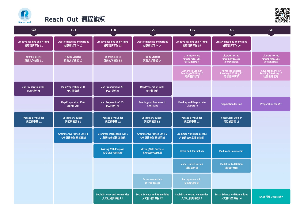
Kurikulum kita
Kurikulum Blue Line, kang kalebu kursus kanggo siswa ing Grades 2 kanggo 8, dirancang dening pendidik ahli kanthi gelar tingkat lanjut ing wilayah subjek sing wis pirang-pirang dekade ing sawetara sekolah internasional paling dhuwur ing donya.. Kita nggunakake desain kurikulum mundur sing digunakake wiwit taun pisanan program kayata program IGCSE sing diakoni lan dihormati..
Amarga para pendidik wis pirang-pirang taun ngajar kursus pra-IGCSE, IGCSE, Kurikulum IB lan AP utawa A Level, padha ngerti apa sing dibutuhake siswa kanggo sukses ing program kasebut. Dadi, saben aspek saka kurikulum kita wis digawe kanggo mesthekake yen kabeh siswa kita mlebu dina pisanan Kelas 9 kroso manteb, dilengkapi, lan disiapake kanggo nyukupi panjaluk kursus sing ketat iki.
Kita nawakake macem-macem kursus ing subjek basa Inggris, Matématika, Sajarah lan Geografi. Deleng ing ngisor iki kanggo informasi sing luwih rinci babagan penawaran kursus lengkap.
Layanan Tambahan
Kita uga seneng ngumumake nggawe Silver Line, sing nawakake layanan pendidikan bespoke sing njupuk pendekatan individu kanggo nyukupi kabutuhan siswa kita. Kita miwiti kanthi evaluasi sing jero babagan tujuan lan kabutuhan pendidikan saben siswa, banjur nggawe lan ngleksanakake skema kerja sing bakal digunakake para pendidik ahli kanggo nuntun anak sampeyan liwat tantangan akademik ing Sekolah Menengah kanggo nyiapake dheweke mlebu ing universitas sing dikarepake..
Kita uga nawakake layanan 1-on-1 ing kabeh tingkat kelas kanggo wong tuwa sing pengin menehi perawatan lan instruksi kanggo anak-anake. Konsultan Pendidikan pakar kita bakal nggawe manawa cocog karo anak sampeyan karo pendidik sing paling apik kanggo kabutuhan lan tujuan tartamtu.
Gabung karo Kita!
We look nerusake kanggo ketemu kulawarga lan ngrembug carane sampeyan bisa dadi bagéan saka kulawarga Reach Out; sing sinau bareng, saling peduli, ngatasi tantangan bebarengan, lan ngrameke sukses karo siji liyane. Hubungi kita dina iki kanggo mangerteni sing luwih lengkap.
Kita ngarep-arep krungu saka sampeyan!
Dadi wong tuwa iku angel. Nyatane, karo owah-owahan ing donya kita saiki, bisa uga dadi salah sawijining momen tantangan sing kudu kita adhepi sajrone pirang-pirang dekade. Owah-owahan nyebabake kahanan sing durung mesthi, lan kahanan sing durung mesthi bisa nyebabake stres. Kaku mesthi mengaruhi kabeh wilayah gesang kita, kadhangkala bakal mengaruhi hubungan kita karo wong sing ditresnani; utamané anak kita.
Anak-anak kita bisa dadi rumit (ayo padha ngadhepi, kita uga bisa!), lan iku tugas daunting kanggo mesthekake yen saben pamindhahan iku "tengen".. Sing kabeh obrolan kita, panjaluk, panjalukan, rencana, pangalembana lan kritik iku tegese. Saben wayahe kita ngobrol karo bocah-bocah, kita duwe pangarep-arep supaya tembung-tembung iki cukup kanggo ngisi anak-anak kita kanthi pangarep-arep masa depan sing apik ing wektu sing isih durung mesthi.. Jaman ganti, lan iki uga bakal liwati, nanging siji bab kita bisa njamin iku kita ora bakal duwe kesempatan kaping pindho ing mbuwang kanak-kanak karo anak kita.
Minangka wong tuwa, kita asring takon dhéwé apa kita bener nindakake bab sing bener, kepingin weruh carane kita bisa njaluk liwat kanggo anak kita, nyoba kanggo ngerti anak kita luwih, lan kadhangkala aran kaya gagal guilty amarga kita ngomong dhéwé kita nindakake iku salah. Asring, ora ngono, nanging ora ana instruksi manual babagan carane ngunggahake bocah sing bisa digunakake kanggo kabeh wong ing kabeh kahanan. mesthi, ana akeh pitutur, jumlah sing akeh banget, nanging maneh, paling saran mung sing; panuntun dhumateng lan Rekomendasi dening wong sing ora ngerti sampeyan utawa anak. Sawetara iku mbiyantu, lan sawetara…ora akeh.
Siji bab sing ora bisa ditolak yaiku pentinge hubungan sing sehat antarane wong tuwa lan anak.
Riset nuduhake yen:
Penting kanggo nggawe wektu kanggo nurture hubungan karo anak, lan mbok menawa malah luwih prentah, mesthekake yen interaksi kita karo anak-anak kita sajrone wektu kasebut positif. Iki minangka tantangan kanggo akeh wong tuwa, pramila kita nggawe klub buku induk kanggo buku kasebut Carane Ngomong Dadi Bocah-bocah Bakal Ngrungokake lan Ngrungokake Supaya Bocah-bocah Bakal Ngomong dening Adele Faber lan Elaine Mazlish. Bebarengan kita sinau cara kanggo komunikasi positif karo anak-anak kanggo nguatake ikatan kita. We ngginakaken wektu ngrembug gagasan saka buku, uga wis ketemu virtual kanggo peran-muter sawetara Sastranegara saka buku. Ing ndhuwur iku, kita ngundang Konselor Bimbingan Sekolah Menengah, Regina Wehner, kanggo nyedhiyani wong tuwa karo workshop kanggo mangerteni perkembangan kognitif lan emosi anak kita.
Ing ngisor iki sawetara sorotan sing pengin dituduhake karo sampeyan!
pisanan, saka Carane Ngomong Dadi Bocah-bocah Bakal Ngrungokake lan Ngrungokake Supaya Bocah-bocah Bakal Ngomong, kene loro strategi favorit kita:
Anak kangelan ngatur emosi, minangka pusat angger emosi otak iku salah siji saka pungkasan kanggo berkembang. Iki tegese dheweke butuh bantuan kita ing bentuk welas asih lan modeling. Iki bisa dadi tantangan, utamané nalika kita bisa duwe kangelan ngatur emosi kita dhewe ing kaping! Kita duwe strategi gampang kanggo sampeyan sing mung mbutuhake rong perkara:
Nalika anakmu teka ing omah, dheweke bingung babagan kedadeyan ing sekolah, tinimbang ceramah lan menehi pitutur sage kita, kita mung bisa ngrungokake uneg-uneg lan mbaleni gagasan bali kanggo wong-wong mau. Contone, yen anakmu mulih kesel lan ngomong kaya ngono, “Ugh, Dina iki Elisabet lan Sarah banget jahat marang aku! Dheweke ora nggatekake aku lan aku sengit karo dheweke saiki!” Tinimbang ngomong, “Elizabeth lan Sarah iku kanca apikmu. Iku ora masalah gedhe lan aku yakin sampeyan bakal apik sesuk,” sing bisa mbatalake perasaane anakmu, sampeyan bisa ngomong, “Oh, Aku weruh. Elizabeth lan Sarah nggawe sampeyan rumangsa ditinggalake. Iki mbok menawa sampeyan rumangsa sedhih lan nesu.” Ing wektu iki anak sampeyan bisa terus ngomong lan mbukak kanggo sampeyan, kang gedhe! Tegese dheweke percaya karo sampeyan lan sampeyan nggawe dheweke luwih apik. Terus ngrungokake, manthuk, ngomong, “Mmmhmm,” lan mbaleni omongane. Duwe sampeyan mung ngrungokake bakal nggawe anak aran 100% luwih apik lan siap ngadhepi tantangan sabanjure!

2. Aku pengin!
Anak-anak kita asring ngucapake kepinginan kanthi bentuk kepinginan yen dheweke duwe barang sing ora diduweni utawa pengin barang-barang sing beda karo sing ana.. Contone, anak bisa ngomong, "Muga-muga aku ora kudu nindakake kabeh PR." Kita bisa mangsuli, “Inggih, sampeyan nindakake lan sing!"utawa" Iku sing kudu sampeyan lakoni. Iku tanggung jawab sampeyan supaya sampeyan kudu nindakake saiki!”
Iki bisa dadi perang kekarepan amarga wong tuwa rumangsa frustasi amarga terus krungu keluhan sing padha lan mbaleni alesan sing padha.. Bocah-bocah rumangsa frustasi amarga panemune ora sah lan rumangsa salah. Inggih, aja kuwatir, kita kene kanggo bantuan! Kita duwe trik cilik sing bakal mbantu sampeyan ngowahi obrolan, lan iku kanggo sarujuk karo anakmu. Iku bisa uga muni counterintuitive, nanging kita duwe pengalaman langsung karo trik iki lan kerjane apik banget!
Contone, yen anakmu ngomong, "Muga-muga kita bisa menyang taman dina iki kaya sing dakkarepake!”
Tinimbang ngomong, “Aku ora bisa, Aku sibuk banget,” utawa “Ya, nanging kita ora bisa, iku udan,"kita bisa ngomong, “Muga-muga kita uga bisa! Kita bisa menyang taman lan piknik! Kita bisa mabur layangan lan nyebul gelembung! Apa ora kita piknik ing ruang tamu lan sawise kita bisa nyebul gelembung ing jedhing!”
Bagian pisanan ndadekake bocah-bocah bungah lan imajinasi, njupuk menyang panggonan sing seneng. Bagian sabanjure nggawe dheweke rumangsa krungu lan nyambung karo sampeyan.
Saiki, sawetara highlights saka Ms. Bengkel Wehner:
*Tulung aku milih iki! :)*
Yen sampeyan pengin gabung karo salah sawijining bengkel utawa klub buku ing mangsa ngarep, priksa manawa kanggo tindakake kita lan tetep dirungokake! Kita duwe prekara gedhe sing bakal teka ing musim gugur iki!
Akeh wong tuwa sing takon apa cara paling cepet anak bisa nambah tulisane. Nalika kita yakin ora ana trabasan kanggo dadi panulis sing efektif lan trampil, ana sawetara bab sing bisa dilebokake siswa ing tulisan kanggo mbantu munggah menyang tingkat sabanjure kanthi luwih efisien. Kaya apa wae sing nyoba dikuasai, tombol kanggo sukses dumunung ing karya hard lan Ambalan. Nglatih katrampilan kasebut kanthi rutin bakal mbantu anak sampeyan nggayuh tujuan pendhidhikan.
Artikel iki bakal dadi sing pertama ing seri artikel sing bakal fokus ing katrampilan sing cocog kanggo macem-macem jinis tulisan. minggu iki, kita bakal fokus ing tips nulis deskriptif.
Tips Nulis Deskriptif:
Tulisan deskriptif minangka wujud seni kang sejati, minangka tujuane kudu nggawe gambar ing pikirane para pamaca. Siji ora bisa crita mung ing tumindak lan dialog, lan siji ora bisa ngirim makna jero lan emosi ing geguritan tanpa lukisan gambar karo tembung utawa dheweke.
Salah siji cara sing kuat kanggo unggul ing deskripsi yaiku nambahake adjectives lan adverbs ing ngendi wae. Contone, yen anak sampeyan nulis crita, dheweke bisa nulis kaya:
"Harry metu lan wiwit nggoleki kanca-kancane."
Dene ukara iki nduweni teges dhasar, iku efek ing maca uga dhasar. Kanthi nambahi basa deskriptif awujud adjektiva lan adverbia, kita bisa kanthi cepet lan èfèktif nambah gambar kanggo ukara:
"Harry mbukak lawang ngarep, mbanting tutup mburi dheweke. Atine dheg-dhegan nalika mlayu ngubengi lingkungan kanthi sregep nggoleki kanca-kancane.”
Ing ukara sing direvisi, kita ndeleng gambaran sing ngandhani kita ora mung tumindak sing njupuk Panggonan, nanging uga mbantu kita ngrasakake emosi karakter kasebut, aspek penting saka crita.

Cara liya sing apik kanggo nggawe crita utawa geguritan luwih efektif yaiku kanthi nambahake basa figuratif, kayata simile. Simile yaiku mbandhingake sing nggunakake kaya utawa kaya sing bisa digunakake kanggo mbantu pamaca mbayangake apa sing kedadeyan kanthi luwih jelas.
Contone, anak sampeyan bisa nulis kaya:
Aku seneng banget!
Iku banget cute!
Dheweke wedi banget!
Kita bisa nambah simile kanggo nggawe asil sing luwih apik:
Aku seneng kaya anak kucing ing toko benang.
Iku cute minangka bayi panda muter ing salju.
Dheweke wedi kaya kelinci sing lagi wae krungu lolongan serigala.

Tip pungkasan kita kanggo nulis deskriptif yaiku milih kosakata sing tepat banget supaya bisa menehi informasi persis apa sing dikarepake panulis supaya bisa dirasakake.. Asring, siswa bakal nulis deskripsi sing rada samar, karo ukara kaya:
Dheweke kesel banget.
Film iki mboseni banget.
Padha banget kadhemen.
Kamar panas banget.
maneh, ukara-ukara kasebut nduweni teges kang prasaja, nanging ing tulisan deskriptif, iku mung ora cukup. Deskripsi efektif nggunakake kosakata sing nduweni pengaruh, lan kita bisa nggayuh kanthi milih tembung sing paling apik kanggo menehi makna sing paling pas.
Delengen kepiye carane bisa njupuk ukara ing ndhuwur saka biasa dadi mirunggan kanthi ngganti bagean ukara kasebut nganggo kosakata sing kuat.:
Dheweke kesel.
Film kasebut ora imajinatif.
Padha chilled kanggo balung.
Kamar iki manggang.
Kabar apik yaiku bocah sampeyan ora perlu ngandelake kawruh kosakata sing saiki supaya bisa nggawe ukara kaya ing ndhuwur.. Tesaurus nduweni kabeh tembung sing dibutuhake kanggo nggawe deskripsi sing ora bisa dilalekake.
Muga-muga tips iki migunani! Yen sampeyan pengin anak sinau carane ngetrapake katrampilan kasebut karo salah sawijining pendidik sing semangat, tetep dirungokake kanggo pengumuman sing bakal teka babagan kursus musim panas lan musim gugur sing anyar!
Minggu ngarep, kita bakal duwe dipikir ing tips nulis persuasif!
Marang kita dicokot bab sampeyan dhewe.
Aku tuwuh ing limang negara sing beda-beda (Swedia, Inggris, Jerman, Afrika Kidul, lan Kanada). Integrasi menyang macem-macem spektrum budaya sing tuwuh wis nggawe aku ndeleng jagad iki kanthi pikiran sing mbukak. Saiki aku manggon ing Kanada lan kerja minangka dosen universitas lan guru Matematika ing Reach Out. Ing njaba kerja aku seneng banget olahraga kayata badminton lan catur, kang aku main ing tingkat competitive kanggo akèh taun.

Apa latar mburi pendidikan lan kualifikasi sampeyan?
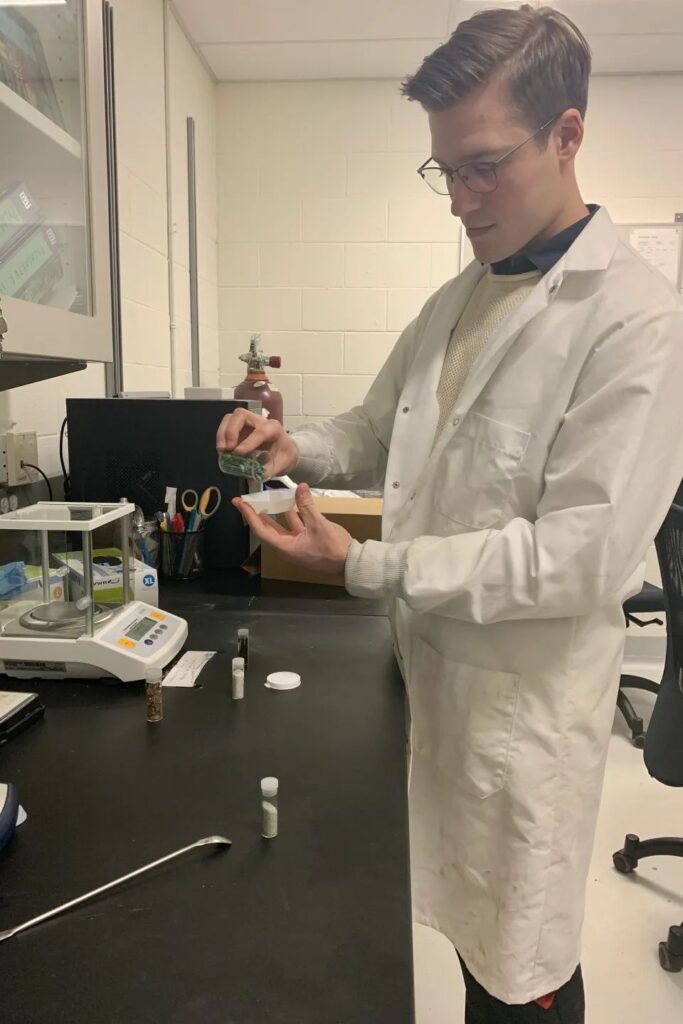
Aku nampa gelar Bachelor of Science saka Universitas British Columbia (UBC) lan entuk MSc ing universitas sing padha. Karya lulusanku melu geosains eksperimen ing ngendi aku ngrancang piranti kanggo nyelidiki carane intan tekan lumahing bumi liwat magma kecepatan dhuwur.. Aku nerbitake artikel ing rong jurnal sing nduwe pengaruh dhuwur lan nampilake karya kasebut ing Kanada lan Eropa.
Sajrone pasinaon pascasarjana, aku duwe hak istimewa kanggo ngajar sawetara kelas sing diganti dadi jabatan dosen. Pengajaran ing tingkat universitas kalebu kuliah kelas liwat 200 siswa, sing beda banget karo karya sing daklakoni ing Reach Out, nanging wis mbantu aku ngembangake gaya piwulangan sing dinamis.
Kajaba iku, Aku wis mulang Matematika lan Sains kanthi pribadi lan liwat organisasi pendidikan 6 taun.
Apa sampeyan melu Reach Out?
Aku gabung karo Reach Out amarga prospek bisa menehi pendhidhikan sing berkualitas saka sak ndonya tanpa watesan tapel wates karo aku..
Aku rumangsa yen alasan aku setya tetep ing Reach Out luwih penting. Kelas pribadi sing dikirimake ngidini aku nyambungake karo para siswa, nggawe kemajuane luwih migunani kanggo aku. Sawetara siswa wis bebarengan karo kula liwat macem-macem tingkat kelas lan aku aran immensely bangga wis diputer peran ing pendidikan sing.
Apa filosofi pendidikan sampeyan?
Duwe latar mburi ing ilmu eksperimen ngidini aku ndeleng nilai kanggo nggawe terobosan liwat eksperimen. Kanthi ngidini siswa eksperimen karo metodologi sing beda-beda nalika menehi pandhuan minangka cara sing efektif banget kanggo mulang siswa supaya ora wedi gagal.. Richard Fuller ngandika bener, "Ora ana eksperimen sing gagal, mung eksperimen karo asil sing ora dikarepke." Siswa asring miwiti kelasku wedi njawab pitakonan, rembugan karo kanca sekelas, utawa nulis ing papan amarga padha ora ngerti jawaban. Awit aku tansah luwih fokus ing solusi tinimbang jawaban, siswa diganjar kanggo nyoba Techniques anyar, ngrembug cara gagal, lan takon-takon bab gaweyane kanca-kancane. Aku nemokake iki kanggo ngasilake lingkungan sinau sing fenomenal lan njupuk akeh tekanan saka para siswa.
Apa sing paling disenengi nalika mulang Matematika?
Bab sing paling disenengi babagan mulang Math yaiku tantangan sing nyenengake. Sawise mulang Matematika pirang-pirang taun, Aku ngerti manawa para siswa ndeleng jagad saka perspektif sing unik, kang luwih kerep tinimbang ora, beda banget karo aku. Keragaman iki ngasilake macem-macem gaya sinau lan mbutuhake aku tetep fleksibel karo metodologi sing digunakake ing pamulangan..
Matématika minangka subyek sing rumit sing nyedhiyakake basa universal kanggo luwih ngerti alam semesta sing ngubengi kita. Nduwe kemampuan ngrampungake masalah sing apik minangka produk sampingan saka sinau Matematika lan penting kanggo sukses ing jagad modern. Amarga alasan kasebut, aku duwe tanggung jawab kanggo ngowahi subjek sing garing lan mboseni dadi perkara sing nyenengake kanthi nggawe pelajaran sing menarik lan nggunakake kreatifitas kanggo menehi inspirasi marang siswa.. Iki mesthi dadi perkara sing daktresnani babagan pakaryanku.
Sapa ahli matematika sing paling disenengi lan ngapa?
Iki pitakonan angel, lan angel kanggo nemtokake siji Mathematician amarga aku nggunakake karya akeh Mathematician ing siji pelajaran.. Yen aku kudu milih Johannes Kepler utawa Nicolaus Copernicus amarga aku uga seneng astronomi.. Matematika kasebut ora mung nantang kabeh sing diyakini babagan tata surya kita ing wektu kasebut, nanging uga dadi dhasar kanggo mangerteni gerakan planet. Perjalanan ruang angkasa wis gumantung banget marang konsep kasebut.
Yen sampeyan mung bisa menehi pitutur marang wong tuwa babagan mbantu bocah-bocah bisa nambah ing Matematika, bakal dadi apa?
Siji bab sing wis dakgarap akeh karo murid-muridku, njaluk wong-wong mau kanggo nerangake solusi kanggo kula preduli saka carane gampang koyone. Bisa teka ing jawaban sing bener ing kurikulum sekolah tartamtu bisa uga ora mbutuhake pangerten lengkap, nanging bisa nerangake solusi kanthi apik mbutuhake pangerten sing apik. Priksa manawa anak sampeyan tansah nuduhake langkah-langkah sing cetha banget ing karyane lan dheweke bisa nerangake langkah-langkahe marang sampeyan. Iki nuduhake pangerten lan nuduhake yen dheweke wis siyap kanggo pitakonan sing nguji konsep sing padha nanging bisa uga beda.
Apa siji kasunyatan fun bab sampeyan dhewe?
Aku seneng banget sinau basa! Sawise tuwuh ing pirang-pirang negara, aku bisa nganggo basa Inggris, Swedia, lan basa Jerman lancar. Sajrone rong taun kepungkur, aku ngupayakake nambahake basa Tionghoa menyang koleksiku lan seneng tantangan unik sing disedhiyakake kanggo sinau basa kompleks iki..
Taman Rahasia minangka karya sastra klasik sing wis dadi bagian saka bocah cilik sing ora bisa dingerteni (yen sampeyan ora kejawab artikel kita kenapa bocah kudu maca novel klasik, ndeleng pranala ing ngisor iki!). Iki minangka crita persahabatan sing kuat lan nemokake awake dhewe sing cocog karo jiwa kita.
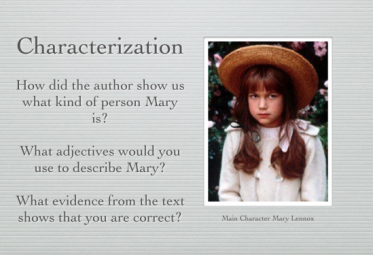
Taman Rahasia yaiku babagan bocah wadon enom jenenge Mary Lennox sing kelangan kulawargane lan kabeh sing akrab karo dheweke amarga wabah kolera ing India., ing ngendi bapake kerja minangka Kapten Tentara Inggris. Minangka bocah, Maryam pancen ora digatekake, nanging ditresnani dening abdine kulawarga, mula dheweke dadi bocah sing manja kanthi watak elek. Dheweke duwe sawetara sifat sing bisa mbantu dheweke ngrampungake urip anyar ing Inggris, ngendi dheweke dikirim kanggo manggon karo sedulur adoh grouchy, Pak. Craven.
Pak. Craven duwe aturan sing ketat banget sing kudu ditindakake Mary ing omah anyar ing Misselthwaite Manor ing Yorkshire, sing kalebu dheweke dilarang mlebu macem-macem kamar ing njero omah raksasa, uga dilarang mlebu ing salah sawijining kebon ing properti sing jembar, ingkang kagungan garwa ingkang kinasih. Nalika Mary wiwit njelajah omah anyar dheweke, dheweke wiwit nemokake rasa seneng lan pulih kesehatane sawise lara banget nalika isih cilik. Sawise robin mbantu dheweke nemokake kunci taman rahasia, dheweke nemokake tujuan kanggo mulihake kebon kasebut, kaya dheweke mulihake batine. Liwat eri lan godhong garing ing mangsa, dheweke nemokake luwih akeh ing jero.
Dibantu dening kanca anyar Dickon, Mary ngembangake kanca-kancane sing sepisanan, lan nggunakake kekuatan lan kebecikan sing anyar kanggo mbantu sedulure Colin sing lagi turu, sing ditemokake ing manor. Persahabatan nguatake Mary lan Colin, lan ing pungkasan, saben wong nyekseni mukjijat sing mung bisa ditindakake kanthi ikatan lan kapercayan sing cedhak karo awake dhewe, rong tema kang wigati ing novel kasebut.
Wong enom bakal seneng maca crita kekancan sing apik iki, ngatasi alangan, lan ngalami daya marasake awak alam. Karakter lan pelajaran sing diwulangake mesthi bakal ndemek anak sampeyan lan mbantu dheweke ngalami kekuwatan crita sing apik..
Yen sampeyan pengin kesempatan kanggo anak kanggo ngalami crita iki karo wong liya, kita seneng supaya ngerti sing kita bakal maca Taman Rahasia minangka novel pisanan ing Tingkat Klasik Muda kita 2 Kursus musim panas iki.
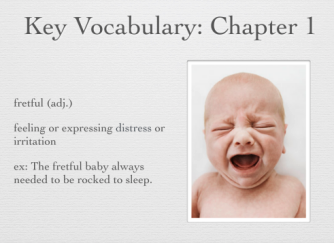
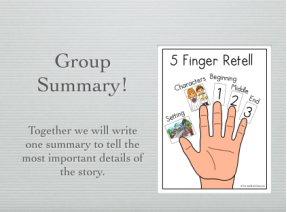
Ing kursus, kita ora mung maca novel, nanging kita uga sinau lan ngetrapake kosakata anyar saka buku kasebut, ngrembug teknik-teknik sastra kang wigati digunakake panganggit, lan latihan nulis ringkesan, skill tombol sing akeh siswa nemokake tantangan
Yen sampeyan kepengin sinau babagan Klasik Muda, utawa kursus liyane sing apik banget lan menarik, hubungi salah sawijining Konsultan Pendidikan dina iki! Muga-muga bisa kerja bareng karo anak sampeyan kanthi cepet!
Pasinaon sastra minangka aspek penting saka program akademik sing apik, lan iku amarga mbantu mulang siswa macem-macem kawruh lan katrampilan sing penting kanggo sukses ing akeh bidang urip.. Nalika sinau sastra, siswa sinau babagan acara penting lan wong ing sajarah, padha nimbang perspektif budaya lan nambah pangerten dhewe acceptance gagasan beda lan kapercayan, lan padha sinau cara nganalisa tembung-tembunge wong liya kanggo mbentuk pangerten sing jero babagan ide-ide anyar lan cara komunikasi. Cekakipun, iku mbabarake siswa menyang kothak piranti saka gagasan, teknik, strategi, teori-teori, lan liyane sing bakal padha nggawa karo wong-wong mau ing saindhenging urip, mbentuk cara nyedhaki donya.
Napa kita nawakake kursus iki?
Siswa Reach Out biasane ngupayakake program sekolah menengah kayata IGCSE, sing kalebu kursus sing tantangan kayata Basa lan Sastra Inggris lan Inggris minangka Basa Kapisan. mengko, umume siswa kasebut bakal nantang tantangan program tingkat IB lan AP, kang kudu nindakake tugas maca maneka warna sastra. Tujuwan kita yaiku supaya siswa ing sekolah dasar lan menengah ndhuwur bisa maca macem-macem sastra sing majeng, supaya nalika sekolah menengah, dheweke duwe kawruh lan katrampilan kanggo nggayuh lapangan., lan mulane entuk tingkat sing luwih dhuwur.
Kursus iki dirancang kanggo Grade 7-9 siswa.
Tujuan Kursus Sastra Maju yaiku:
✪ Ningkatake kemampuan siswa kanggo mangerteni lan mbedakake teknik sastra sing digunakake sastra Inggris lan Amerika, lan kemampuan kanggo komunikasi efek saka Techniques kasebut;
✪ Ngapikake katrampilan pangerten sastra anak lan nambah pangerten babagan budaya Inggris lan Amerika;
✪ Ing panuntun dhumateng para pendidik ahli, sinau kekuwatan basa lan crita kanthi cara sing tantangan nanging nyenengake.
Ketemu Guru Kita
*Lebokake bios guru ing kene kanggo Barry, Anthony, lan John*
Pilihan Buku Kita:
Tangis Negara Tercinta dening Alan Paton

Setel ing Afrika Kidul ing taun 1940-an, penghargaan-menang Tangis Negara Tercinta nyritakake babagan pandhita Zulu, Steven Kumalo, sing lelungan saka desane menyang kutha Johannesburg. Sadawane lelampahan kang angel lan nglarani ati, dheweke nemokake yen adhine lan putrane wis nemoni kahanan sing nggegirisi sing saiki kudu diadhepi. Urip karakter sing beda banget dadi ora disangka-sangka dirajut liwat tragedi sajrone wektu peteng ing sejarah Afrika Kidul. Nanging, liwat tragedi lan tantangan, sifat sejatine roh manungsa bisa ditemokake lan ngunggahake wong sing paling mbutuhake.
Dracula dening Bram Stoker

Legenda Dracula wis dadi gedhe ing pikirane para pamaca lan penonton film nganti pirang-pirang generasi.. Bram Stoker adhedhasar karakter Dracula sing misuwur ing legenda panguwasa Wallachia sing nyata., Vlad the Impaler. Stoker bisa njupuk sudhut peteng sajarah iki lan nguripake menyang novel legendaris marang liwat entri jurnal, layang lan telegram. Minangka klasik sembarang, Dracula wis tahan uji wektu amarga ngomong babagan sing jero banget lan migunani ing jiwa manungsa.
Saka Tikus lan Men dening John Steinbeck
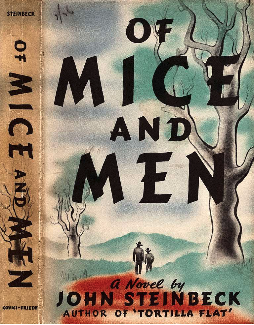
Depresi Agung minangka momen penting ing sejarah Amerika sing nguji kekuwatane minangka bangsa, lan manggonake populasi ing imbangan precarious antarane urip lan pati. Ing apa sing dianggep minangka salah sawijining klasik Amerika paling gedhe, maca dikenalaké kanggo loro buruh migran terlantar, George lan Lennie. George minangka wong enom sing cerdas, nalika Lennie cacat mental. George njupuk Lennie ing sangisore swiwine nalika golek lapangan kerja ing ngendi ana sawetara kesempatan, nyoba kanggo urip, nanging isih ngimpi dina bakal duwe tanah dhewe lan mbangun urip. Pangarep-arep padha musna nalika kedadeyan sing ngrusak sing bisa ngubah uripe ing salawas-lawase.
Apa sing Bakal Digayuh Siswa
Ngembangake rasa awal apresiasi sastra,
Deleng jagad saka perspektif sing luwih diwasa
Klasik Inggris lan Amerika ngemot masalah moral lan sosial sing nggegirisi. Maca sastra klasik sing paling akeh pengaruhe mbantu siswa dadi pamaca sing luwih apik, lan miwiti proses nggayuh kesadaran diri.
Ngapikake pemahaman babagan budaya lan sejarah
Sinau alusi saka sastra Inggris lan Amerika klasik bisa mbantu kita ngatasi beda budaya. "Klasik wis mbukak lawang kanggo macem-macem donya, budaya beda, lan perspektif sejarah sing beda. Sastra ngliwati balapan, budaya, agama, lan geografi."
Refleksi dhiri lan wutah pribadi
Akeh sastra klasik alluding kanggo gesang kita saka sisih: buku sing nggambarake podho karo urip kita dhewe diarani "pangilon"; lan sing menehi kita sak klebatan urip beda diarani "jendhela." Apa iku a "pangilon" utawa a "jendhela", luwih nambahi pengalaman uripe para siswa lan nambahi keberanian lan kekuatan kanggo ngadhepi urip.
Gabung karo Kita!
Hubungi kita kanggo ngerteni luwih akeh babagan kursus kita. Kita ngarep-arep banget bisa ketemu karo anak sampeyan, lan nuwuhake rasa seneng maca sastra klasik bebarengan.
Wis bali menyang wektu sekolah lan kita ngerti wong tuwa wis siyap-siyap kanggo taun anyar kanthi wiwitan anyar. Awal taun anyar biasane ketemu karo campuran kasenengan lan rada kuatir, minangka siswa lan tuwane looking nerusake kanggo skills anyar lan pengalaman, nanging bisa uga rumangsa gemeter babagan rutinitas lan pangarepan anyar.
Aja kuwatir, Tekan kene kanggo mbantu! Taun iki, kita duwe 5 tips ndhuwur kanggo wiwitan Fantastic taun sekolah.
Ngerti carane sekolah anak nyedhaki pendidikan, kurikulum apa sing digunakake, sistem apa, lan standar sing digunakake bisa dadi akeh banget kanggo non-pendidik. Mbuwang sawetara wektu saben dina maca konten situs web sekolah sampeyan, buku pegangan, lan sumber daya liyane bisa mbantu sampeyan ngrasa luwih percaya diri kanggo mangerteni apa sing disinaoni anak ing sekolah lan carane dheweke sinau. Sampeyan uga penting kanggo rawuh ing wayah wengi bali sekolah lan sesi informasi anak kanggo entuk pangerten sing luwih apik babagan program anak sampeyan kanthi sakabehe.. Iki uga menehi kesempatan sing apik kanggo sampeyan nggawe hubungan karo guru anak sampeyan. Sawayah-wayah yen sampeyan isih duwe pitakon, sampeyan bisa tansah e-mail guru anak. Dheweke ana kanggo sampeyan lan anak sampeyan, lagi ngerti sing hubungan gedhe karo tuwane iku cara Fantastic kanggo mesthekake akademisi, sosial, lan sukses emosional kanggo kabeh siswa.
2. Priksa manawa Nyekel Cukup Zzzzs Sadurunge ABCs
Turu penting banget kanggo pertumbuhan lan perkembangan bocah, lan kurang bisa mengaruhi prestasi akademik bocah. Nyatane, riset nuduhake yen kurang turu ing bocah-bocah bisa nyebabake tingkat kuatir lan depresi sing luwih dhuwur. Nalika kita turu, otak kita ngolah informasi wiwit dina, nemokake sistem paling apik kanggo file adoh ing metu kenangan, lan ngisi maneh sistem kanggo dina anyar. Kanggo macem-macem alasan, tuwane asring nemokake tancep kanggo bedtime awal angel, nanging kanthi rutinitas sing jelas, lan wektu kanggo imbuhan, bisa gampang! Bocah-bocah 3-6 umur kudu entuk 10-12 jam turu saben dina, 7-12 umur taun kudu njaluk 10-11 jam saben dina, lan 12-18 umur taun kudu njaluk 8-9 jam saben dina. Nggawe jadwal ing ngendi bocah-bocah turu luwih awal bakal nggawe esuk luwih gampang uga, muga-muga kanthi kurang stres kanggo wong tuwa lan bocah-bocah amarga padha ngaso lan siap miwiti dina!
3. Takon Pitakonan sing Tepat ing Wektu sing Tepat
Kadhangkala wong tuwa kepengin ngerti kepiye dinane anake nalika mulih sekolah, utamané ing sawetara minggu pisanan. Minggu-minggu iku utamané ngeselake lan kebak munggah lan mudhun nalika anak sinau kanggo navigasi materi anyar, kanca anyar, guru anyar, lan pangarepan anyar. Menehi wektu kanggo mulih lan dekompres penting banget kanggo kesejahteraan emosional lan mental. Sawise padha duwe sawetara wektu "kula"., tuwane bisa takon pitakonan tartamtu adhedhasar apa padha ngerti lagi nggarap, yen padha kelakon ngerti. Dheweke bisa mbukak buku harian peer karo dheweke lan mbantu dheweke nggawe rencana babagan carane ngatasi saben tugas, uga nuduhake semangat kanggo subyek tartamtu, buku, utawa informasi uga padha seneng. Aja takon, “Piye sekolahe? Apa sing sampeyan sinau?" minangka bocah-bocah nanggapi luwih apik kanggo pitakonan sing luwih spesifik, kayata, “Apa sing sampeyan tindakake karo kanca-kanca nalika nedha awan? Apa sing paling apik ing dina sampeyan? Apa sing paling aneh utawa paling apik sing kedadeyan ing sekolah saiki?” Sing paling penting, wong tuwa kudu kanthi lengkap lan ngrungokake kanthi tliti nalika siswa mangsuli, supaya padha tenan aran rego lan krungu nalika padha nuduhake.
4. Ayo Padha Sinau Saka Gagal
Iki bisa dadi angel banget kanggo diidini wong tuwa. Kita pengin anak-anak kita bisa nindakake kanthi apik lan nggayuh potensi sing maksimal, sing tegese kita bisa ngliwati saben tugas kanthi sisir sing apik, mbenerake saben mis-pitungan utawa kesalahan grammar. Senajan wong tuwa nduweni niat sing apik nalika kita nindakake iki, kita njupuk adoh kesempatan sinau penting saka anak nalika kita nindakaken. Mbalik nalika kita isih mahasiswa, akeh wong tuwa kita kerep banget sibuk utawa ora duwe kawruh utawa kapasitas kanggo mbantu tugas sekolah, nanging kita nemokake cara kanggo nyurung lan nyoba sing paling apik. Yen bocah ora tau diwenehi kesempatan kanggo gagal nalika isih enom, padha bisa nolak njupuk tantangan mengko ing urip amarga wedi gagal ing wong. Nanging, nalika kita supaya padha gagal alon-alon, kayata ing tugas utawa ing game bal-balan liga cilik, kita mulang wong-wong mau ketahanan. Iku ora mburi donya, lan padha sinau pawulangan sing migunani; supaya kita bisa nyoba lan ora sukses, bledug awake dhewe, lan coba maneh sabanjure.
5. Nurture Karep
Taun sekolah anyar minangka wektu sing nyenengake amarga akeh alasan, salah sijine yaiku menehi anak kesempatan kanggo nemokake karep anyar. Yen padha begja, bakal kesandhung marang soko sing padha tresna tenan, lan padha bisa dadi kepincut karo cukup kanggo nglampahi jam ing pungkasan nemokake. Mbantu bocah nemokake semangate ora mesthi gampang lan butuh wektu. Kadhangkala wong tuwa kuwatir yen anak fokus banget ing sawetara perkara, lan aran padha kudu mbabarake wong-wong mau kanggo okehe kanggo bantuan mbentuk wong-wong mau menyang uga-dibunderaké individu. Nanging, yen dideleng wong-wong sing wis mbentuk donya kita, iku amarga padha fokus laser ing apa padha hasrat babagan. Iku kabeh padha tau nindakake utawa nindakake. Minangka manungsa, kita alamiah gravitate menyang apa kita tresna paling, lan anggere menehi sawetara Urut saka Nilai ing ndhuwur kasenengan, kita kudu terus nguber. Dadi, aja padha sumelang yen anak protes arep menyang siji kegiatan nalika mbukak lawang kanggo rawuh liyane. Mungkin sing ditresnani iku sing paling berharga kanggo wutah lan perkembangane, lan sing ora disenengi iku ora perlu sawise kabeh.
Muga-muga tips iki mbantu, lan kita pengin sampeyan lan anak sing paling apik ing taun sekolah teka! Kita bungah kanggo taun ajaran anyar lan kabeh tantangan lan ngarep-arep bakal nggawa.
Reach Out bakal karo sampeyan saben langkah, supaya ing jaga kanggo informasi luwih lengkap lan artikel liyane kita ngarep-arep bakal tresna!