Prie Reach Out, manome, kad labai svarbu pasidžiaugti studentų sėkme. Džiaugiamės galėdami pranešti apie dar vieną Star Studentą - Ema!
Emma reprezentuoja viską, ką mokiniai gali pasiekti sunkiai dirbdami ir pasišventę siekti meistriškumo. Emos mokytojai pripažįsta ją kaip mokinę, kuri turi nuostabų požiūrį į mokymąsi, yra labai imlus nurodymams, ir turi nepaprastai palaikančią šeimą, kuri dažnai bendrauja su savo mokytojais. Klasėje, Emma yra atidi ir dėmesinga klausytoja, pakankamai pasitikinti savo idėjomis, bet pakankamai kantrus, kad kiekvienam duotų savo eilę. Ji neprieštarauja rizikuoti, ir geba į savo kūrybą įtraukti savo asmenybę.
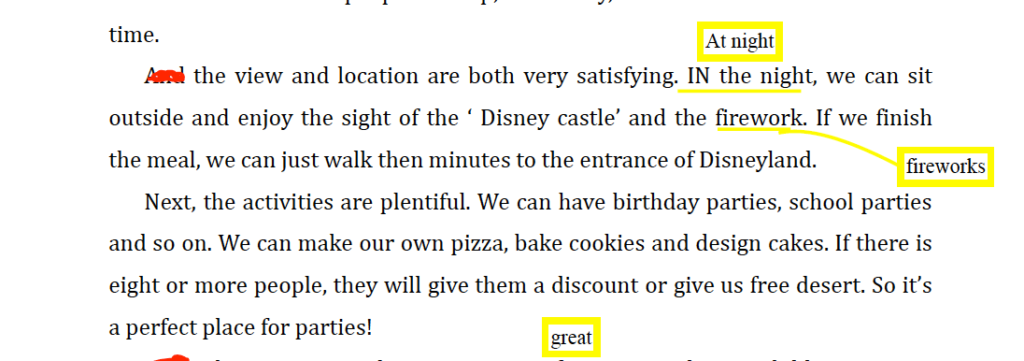
Šiuo metu Emma yra įtraukta į mūsų kūrybinio skaitymo ir rašymo lygį 4 Kursas, ir ji parodė tikrą dovaną, kad savo raštu gali sukurti stiprius vaizdus. Semestro pradžioje, ji baigė Blue Frog Šanchajaus Disneilendo filialo apžvalgą.
Emma parodė savo gebėjimą kritikuoti konkrečius vietos aspektus, ir plėtoti savo idėjas naudodami atitinkamas detales.
„Vaizdas ir vieta labai džiugina. Naktį galime sėdėti lauke ir mėgautis Disnėjaus pilies vaizdais bei fejerverkais.
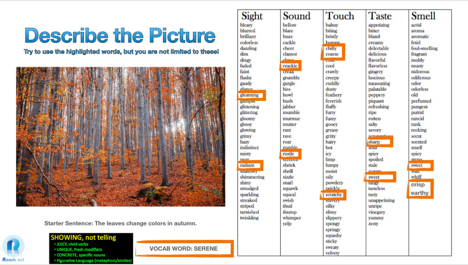
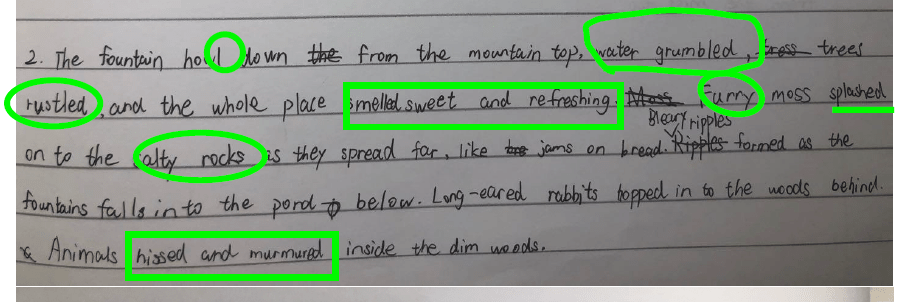
Semestrui einant, Emma pademonstravo savo rašymo įgūdžių tobulėjimą, ir pradėjo taikyti pažangesnes literatūrines technikas. Užduotyje apie peizažų apibūdinimą, Emma sugebėjo sukurti tvirtą įvaizdį naudodama tikslią žodyną ir vaizdingą kalbą.
„Kailinės samanos aptaškė sūrias uolas, kai jos toli plinta, kaip uogienė ant duonos. Fontanui įkritus į žemiau esantį tvenkinį, susidarė nešvarūs raibuliukai.
Emma ir toliau taikė pamokas, kurias išmoko viso kurso metu, ir jos, kaip rašytojos, sugebėjimai sustiprėjo. Neseniai atlikta fantastinio pasakojimo rašymo užduotis, Emma savo istorijos aplinką ir charakterį sukūrė apgalvotai ir efektyviai.
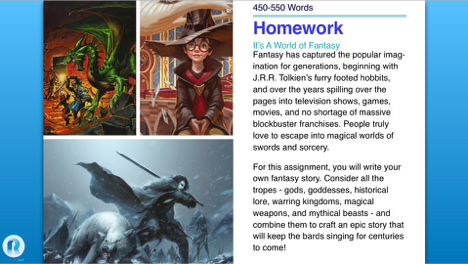
„Blizganti saulė švietė pro langą ir toliau į minkštą, šilkinė paklodė. Šalia atviro lango žydėjo šiltos spalvos saldžios gėlės. Neryškūs, bet kruopštūs piešiniai kabėjo ant gaivios jūros dumblių žalios sienos.
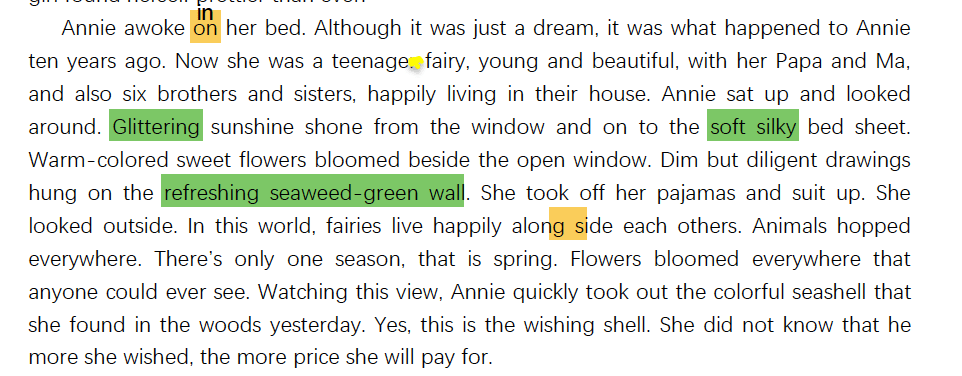
Kaip matote, Emma demonstruoja perspektyvios jaunos rašytojos savybes. Jos ryžtas tobulėti, ir kruopštus išmoktų pamokų taikymas padėjo pakelti jos rašymą į aukštesnį lygį.
Ačiū Emma, už tai, kad esi tokia ŽVAIGŽDĖ! Laukiame jūsų augimo dar ilgai. Žinome, kad tai tik nuostabios kelionės pradžia.
Kaip pedagogai, mums dažnai buvo užduotas klausimas, „Kaip aš galiu priversti savo vaiką nustoti skaityti komiksų knygas??” Tėvai nerimauja, kad komiksai nesuteikia edukacinės vertės, nėra pakankamai akademiškai griežti, arba blogiausia, savo vaiko laiko švaistymas. Prie šito, mūsų atsakymas dažniausiai juos nustebina, ir atsakymas toks, „Tegul jie skaito komiksus!“
Suprantama, kad tėvai būtų šiek tiek susirūpinę, nes manoma, kad komiksai skirti tik maloniam skaitymui, tačiau, Komiksai turi daug privalumų, ne tik padeda mums praleisti laiką.
Komiksai ir grafiniai romanai nėra naujos rašymo formos. Žinoma, jais daugelis mėgavosi ištisas kartas. Per metus, Žanras pasikeitė į tokį, turintį nemažą gylį ir prasmę, todėl raginame tėvus ne tik leisti vaikams skaityti komiksus, bet ir palaikyti juos tai darant.
Čia pateikiamos pagrindinės priežastys, kodėl komiksai turėtų būti skaitomi (ypač vasarą!):
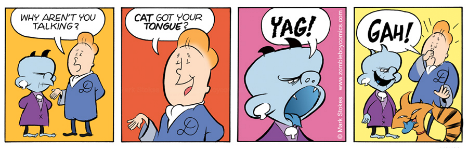
Studentams, kuriems anglų kalba nėra gimtoji, komiksai yra puikus būdas jiems pradėti mėgautis anglų literatūra. Daugeliui vaikų, užduotis pereiti nuo anglų kalbos vadovėlio prie romano gali būti labai nelengva, tačiau komiksai gali būti būtinas tiltas, padedantis stiprinti pasitikėjimą ir sklandžiai skaityti. Vaizdinės užuominos paveikslėliuose leidžia mokiniams geriau suprasti siužetą ir veikėjus bei naują žodyną. Be to, supažindina juos su veiksmingomis literatūrinėmis priemonėmis, pavyzdžiui, onomatopoėja (pagalvok POW! SMACK! MODYTI!) ir idiomos (iliustracija, rodanti idiomos reikšmę, „Katė gavo tavo liežuvį?“ yra daug prasmingiau nei kaitinti idiomą atskirai!).
2.Išvados stiprinimas
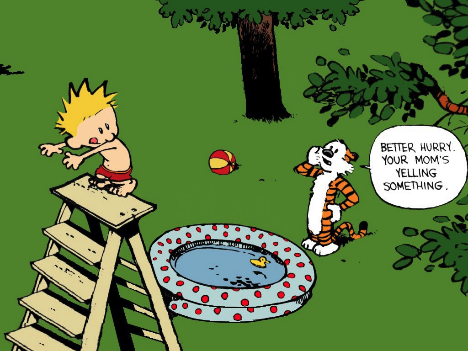
Išvados yra pagrindinis skaitymo įgūdis, su kuriuo susiduria daugelis studentų standartizuotuose skaitymo vertinimuose. Išvados daromos, kai darome išvadas remdamiesi tuo, ką perskaitome. Kai kurie klausimų, su kuriais mokiniai susidurs vykdydami skaitymo supratimo užduotis ar vertinimus, pavyzdžiai yra tokie, kaip, „Kaip jautėsi personažas, kai?“, „Ką galite daryti išvadą apie...“ ir „Kokia buvo istorijos pamoka?Komiksai reikalauja, kad mokiniai „skaitytų tarp eilučių“, kad padarytų informaciją, kurią paprastai pasakotojas pasakoja romane., todėl skaitydami komiksus jie gali įgyti daug vertingos patirties stiprindami šį įgūdį.
3.Žodžio galia!
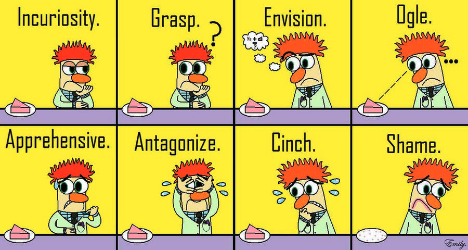
Dažnai komiksuose ir grafiniuose romanuose, rašytojai turi gana pažangų žodyną, tiek kaip istorijos linijos dalis, tiek veikėjų varduose. Į 2016 pasaulinio garso komiksų konferencijoje San Diege, Kalifornija, pedagogų panelė diskutavo apie komiksų galią kuriant mokinių žodyną. Jamesas Bucky Carteris, sakė knygos „Raštingumo ryšių su grafiniais romanais kūrimas“ autorius, „Tu turi Kolosą, ir jis toks didelis, milžiniškas metalo vaikinas. Jūs tikrai gerai suprantate, ką reiškia žodis kolosas, ir tai yra geras 10 centų žodis. Banshee galia rėkia. Jūs turite šiuos simbolius, kurie įkūnija žodyno žodžius, kurie jie yra. Tai įdomus būdas išmokti naujų žodžių, be kontekstinių užuominų“.
Perskaitę tai, galbūt norėsite tiesiog leisti savo vaikui pasinerti į komiksų ar grafinių romanų skaitymą! Tai muzika mūsų ausims. Jei nesate tikri, nuo ko pradėti, turime keletą studentų mėgstamiausių dalykų, kuriuos galbūt norėtų išbandyti jūsų vaikas!
„Dog Man“, autorius Dave'as Pilkey

Miles Morales Žmogus-voras, autorius Jason Reynolds

Šypsosi, Seserys, Vaiduokliai, Rainos Telgemeier drama ir kitos istorijos
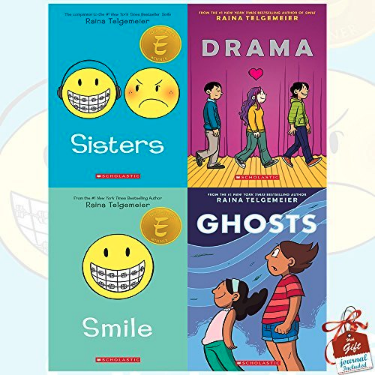
„Bone“ – Jeffas Smithas

Ieškote daugiau vasaros skaitymo galimybių savo vaikui? Norėdami gauti daugiau informacijos apie vasaros skaitymo kursus, susisiekite su vienu iš mūsų švietimo konsultantų. Laukiame skaitymo kartu su vaiku!
Egzaminų sezonas jau čia pat, ir tai gali būti labai įtemptas metų laikas tiek mokiniams, tiek tėvams. „Reach Out“ norime padaryti viską, kad palengvintume egzaminų nerimą, pateikdami keletą unikalių studijų patarimų, kurių galbūt nesate išbandę.
Įprasta mokymosi išmintimi dažnai vadovaujasi daugelis gerai nusiteikusių tėvų ir mokytojų, tačiau, jei pažvelgsime į įdomius moksliniais tyrimais pagrįstus metodus, pamatysime, kad yra daug veiksmingų studijų būdų! Visada gera išbandyti naujus dalykus, ypač vaikams. Jaunystėje jie gali patirti naujus veiklos būdus, ir kai jie bus šiek tiek vyresni, jie gali pasirinkti būdą, geriausiai atitinkantį jų asmeninius poreikius ir stilių.
Dabar, pažvelkime į tris unikalius studijų būdus.
Įvairovė yra gyvenimo prieskonis – net ir studijuojant
Daugeliui, daug metų mums tai buvo sakoma, kad galėtume gerai mokytis, turėtume mokytis toje pačioje vietoje kiekvieną dieną; vieta, kuri yra rami, gerai apšviesta, ir turi visas mūsų medžiagas. Nors tai gali būti tiesa tam tikrą laiką, kurį mes studijuojame, Tyrimai rodo, kad mūsų smegenys iš tikrųjų veikia geriau, kai keičiame vietą, kurioje studijuojame. Visai stebina, teisingai?
Tyrime, atliktame iki pat pradžios 1978, buvo duota kolegijos studentams 40 žodyno žodžiai, kuriuos reikia studijuoti. Vienai grupei buvo liepta du kartus ištirti sąrašą toje pačioje vietoje. Kitai grupei buvo liepta ištirti sąrašą dviejose skirtingose vietose. Tai, ką jie rado, buvo, grupė, kuri keitė savo studijų vietas, iš tikrųjų geriau įsiminė žodžius vėliau. Dabar kodėl taip? Na, mūsų smegenys dažnai užmezga ryšį su informacija remdamosi mūsų aplinka, taigi kuo labiau keičiame savo aplinką, tuo daugiau suteikiame savo smegenims galimybę išsaugoti informaciją, nes ji prisiriš prie daugiau dalykų. Dėl to taip pat gali būti viena vizualizacijos technika, kai žmogus vizualizuoja dalykus, kuriuos nori prisiminti tam tikrose jiems pažįstamos aplinkos vietose, taip pat gali būti toks veiksmingas. Studentams, paprasčiausiai pakeitus aplinką gali pasisekti!
Pasilinksmink!
Kai kurie tėvai gali klaidingai manyti, kad jų vaikas juokiasi ar jaudinasi mokydamasis ar mokydamasis, jie gali gaišti savo laiką. Tačiau, taip nebūtinai.
Kaip tėvas, savo darbe ar biure retkarčiais galite surengti specialias dirbtuves. Seminarai dažniausiai naudojami kaip priemonė, padedanti sužinoti apie naują strategiją, idėja, arba informacija, kuri padės daugiau sužinoti darbe. Šias sesijas dažnai veda žmonės, kurie specializuojasi kurdami motyvuojančius ir įkvepiančius seminarus, kurie pagyvina ir suteikia energijos darbuotojams.. Dienos gali būti ilgos ir intensyvios, bet jei jie daromi teisingai, darbuotojai gali išeiti pasitikėdami savo naujomis žiniomis ir įgūdžiais.
Tas pats pasakytina ir apie jaunimą. Žaidimo ir linksmybių pristatymas, kaip būdas mokytis laikyti egzaminus, ne tik priverčia jūsų vaiką šypsotis, tačiau tyrimai rodo, kad linksminantis mokymosi metu suaktyvinami tam tikri pažinimo ištekliai, atlygį ir malonumą sieja su mokymusi, stiprina ir plečia atminties tinklus, ir perjungia abstraktų mąstymą ir sutelktą dėmesį.
Pomodoro technika
Išlikti susikaupęs, atlikti užduotį ir būti motyvuotam atlikti tam tikrą veiklą gali būti sunku tiek suaugusiems, tiek vaikams. Ar kada nors jautėtės taip, lyg valandų valandas žiūrėtumėte į kompiuterio ekraną?, bet pavyko labai mažai? O gal turite terminą po kelių dienų, bet tik žengia link finišo linijos? Nieko nuostabaus, nes tyrimai rodo, kad mūsų protas linkęs klaidžioti iki 20% laiko, gal net labiau jaunesniems.
Vieną įdomią techniką sukūrė koledžo studentas Francesco Cirillo, kad padėtų jam susikaupti, ir tai yra Pomodoro technika, kuris gavo savo pavadinimą iš pomidoro formos laikmačio Cirillo, kurį naudojo bandydamas šią strategiją ant savęs. Kaip tai veikia, nustatote laikmatį 25 minučių, kuris yra darbo laikas. Tada vėl nustatykite 5 minučių, kuris yra pertraukos laikas. Tai puikus laikas keltis, ištempti, apeiti ratą po namus, paglostykite savo katę, arba atsigerti vandens ar užkąsti. Po pertraukos laikas baigiasi, nustatykite laikmatį kitam 25 minučių ir pakartokite!
Pasirodo, ši strategija paremta moksliniais įrodymais, tyrėjai padarė išvadą, kad trumpos pertraukėlės padeda išlaikyti jūsų dėmesį. Tai gali būti susiję su tuo, kad pažintinis nuobodulys gali sukelti neįtrauktą protą, kuris yra paskutinis dalykas, kurio norite mokantis svarbiam egzaminui.
Tikimės, kad jums taip pat patiko tyrinėti šiuos unikalius studijų patarimus, kaip ir mes! Linkime savo vaikui sėkmės šio mėnesio egzaminuose. Jiayou!
Žinome, kad galime tiek daug nuveikti, kad auklėtume ir ugdytume savo vaikus, Štai kodėl mes, tėvai, dažnai labai stengiamės užpildyti savo laiką praturtinančia veikla ir užsiėmimais. Kodėl mes tai darome? Žinoma, dėl daugelio priežasčių, tačiau pagrindinis tikslas – užtikrinti jų sėkmę ateityje. Tėvai tikisi, kad jų vaikams gyvenime seksis dar geriau nei jiems patiems. Sėkmės, žinoma, yra subjektyvus, ir mes visi galime turėti savo sėkmės apibrėžimą. Tačiau apskritai, galime sutikti, kad sėkmė apima pasitenkinimą asmeniniame gyvenime, taip pat pasitenkinimo karjera ir finansinio saugumo jausmą.
Neseniai socialinėje žiniasklaidoje buvo dalijamasi intriguojančiu TED pokalbiu, kuriame buvęs Stenfordo universiteto pirmakursių dekanas, Julie Lythcott-Haims, cituoja Harvardo stipendijos tyrimo įrodymus, kurie sieja profesinę sėkmę gyvenime su asmenimis, kurie vaikystėje atliko darbus. Ne futbolo treniruotės, ne kalbos mokymasis, ne dažymas, bet darbai.
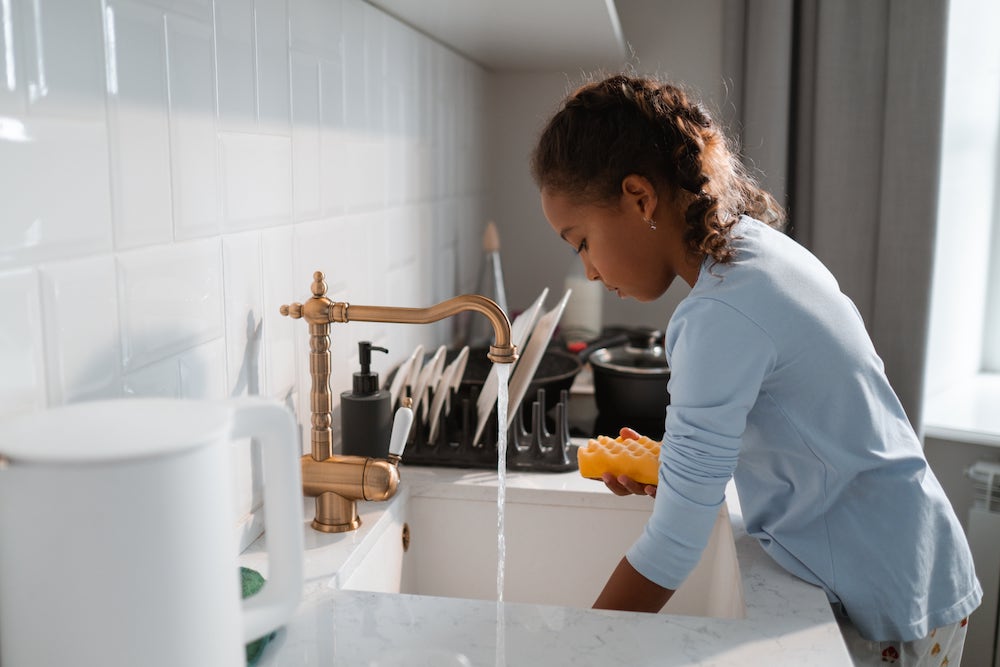
Stebina teisingai?
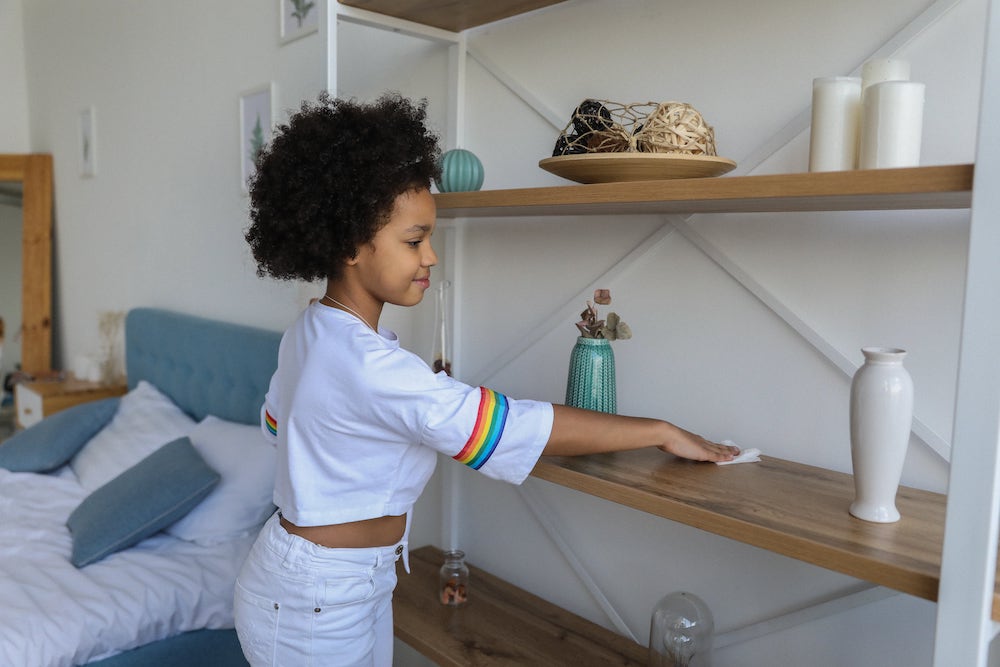
Daugelis mūsų vaikų, augančių dideliuose miestuose, gali niekada nežinoti, ką reiškia šveisti indą, plauti langą, arba nušluostyti grindis. Galime manyti, kad yra svarbesnių dalykų, kuriuos reikia padaryti, kad sustiprintume jų žinias ir jų charakterį. Lythcottas-Haimsas aiškina, kad tie vaikai, kurie tai daro, susitepa rankas, tačiau, gali pasiekti tokį sėkmės lygį gyvenime, kuris pranoksta jų nedirbančius bendraamžius. Taip yra todėl, kad ji moko studentus, kaip prisidėti ir paspartinti darbą, kai reikia atlikti darbą, ir tai, kad daro „graužimą“, iš kurio kiti gali šaipytis, nes tai yra geriausia visiems, yra tai, kas pastebima darbo vietoje.
Daug pasiekusių žmonių, dalyvavusių Harvardo stipendijų studijoje, darbo vietos buvo pastebimos, tokių kaip Baltieji rūmai, kur dirbo dalyvis prezidentas Kenedis, ir redaktoriaus kabinetas, kuriame Benas Bradlee dirbo „The Washington Post“ redaktoriumi. Galime manyti, kad jų tėvai, kaip ir mes, turėjo ragauti ir prašyti, kad darbai būtų atlikti, ir susitaikyti su tuo, net jei jie buvo padaryti, jie galėjo būti padaryti netinkamai; ir tai gerai.
Svarbiausias dalykas, kaip pažymi Lythcott-Haims, tai darydamas darbus, vaikai supranta, kad jie, „...turi atlikti gyvenimo darbą, kad būtum gyvenimo dalis“. Jie supranta, kad gyvenimas atsitinka ne tik jiems, ir jiems, bet su juos.
Jei jūsų vaikai jau atlieka darbus kaip savo kasdienės vasaros rutinos dalį, bravo! Esate teisingame kelyje. Jei ne, nereikia panikuoti. Niekada ne vėlu įvesti namų ruošos darbus į mūsų vaikų gyvenimą. Štai keletas patarimų, kurie padės jums pradėti!
Leiskite jiems tapti jos dalimi
Pristatydami koncepciją, kad jūsų vaikai atlieka namų ruošos darbus, kad padėtų, surengti „šeimos susitikimą“, kuriame visi dalyvauja aptarti, ko ir kodėl tikimasi iš jūsų vaikų. Galite paprašyti savo vaiko padėti jums sudaryti darbų, kuriuos jis galėtų atlikti namuose, sąrašą. Jie gali jus nustebinti savo entuziazmu, nes kai kuriems vaikams atlikti darbus yra labai įdomu, nes jie jaučiasi stiprūs ir padeda (du dalykai, kuriuos dažnai mėgstame jausti suaugę).
Žaidimas patvirtina tai
Kad viskas būtų linksma, nes linksmybės daro viską geriau, jūs arba jūsų vaikas galite užrašyti darbus ant popsios lazdelių ir kiekvieną dieną jūsų vaikas gali pasirinkti vieną pagaliuką iš stiklainio. Tai bus jų dienos darbas! Jei namuose turite daugiau nei vieną vaiką, valymą visada galite paversti varžybomis, nustatydami laikmatį ir pažiūrėję, kuris vaikas per tam tikrą laiką gali išvalyti daugiausia žaislų, pavyzdžiui.
Apdovanokite tai
Kaip tėvai, už įnašus darbe esame apdovanojami atlyginimu. Ar mūsų vaikai taip pat neturėtų būti apdovanoti už sunkų darbą? Viena idėja yra ta, kad jei jūsų vaikas atliks visus savo savaitės darbus, jis arba ji gali pasirinkti nedidelį žaislą iš „lobių dėžutės“, užpildytos mažais žaislais. Kitas variantas gali būti, jei jūsų vaikas mėnesį nuolat atlieka darbus, jie gali pasirinkti ypatingą šeimos išvyką.
Išmokyti vaikus atlikti namų ruošos darbus ne visada lengva, bet galima nauda verta laiko ir pastangų. Tikimės, kad mūsų patarimai buvo naudingi, ir kad jie gali padėti jums ir jūsų vaikui įgyti teigiamos patirties. Laimingas valymas!
Džiaugiamės galėdami pranešti apie naują vasaros knygų klubą, tik tėvams! Vasara yra pats tinkamiausias metas skaityti tą knygą, kurią visada norėjote perskaityti, bet neturėjo laiko. Šią vasarą, kviečiame prisijungti prie mūsų skaitymo Kaip kalbėti, kad vaikai klausytų ir klausytų, kad vaikai kalbėtų.
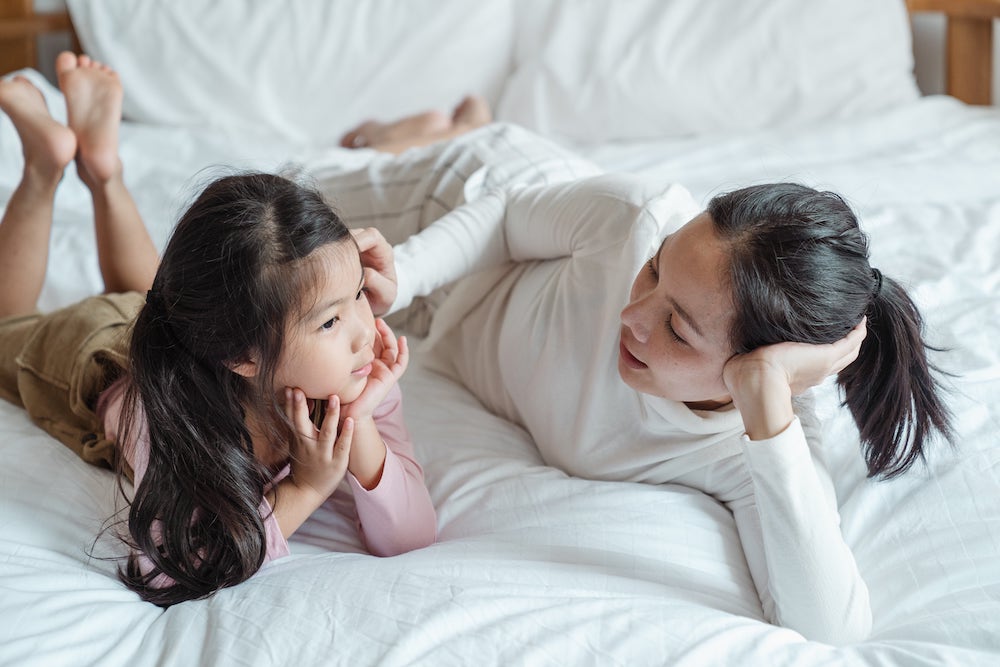
Žinome, kad ne visada lengva susisiekti su savo vaikais dėl mokyklos reikalavimų, darbas ir kasdienis gyvenimas. Kartais mūsų nerimas dėl ateities trukdo mums gyventi savo gyvenimą dabar. Tačiau, Vienas dalykas, kurį galime garantuoti, yra tai, kad niekada neturėsime kitos progos patirti vaikystę su savo vaikais, ir nenorime praleisti šio brangaus laiko. Taigi, kaip galime išnaudoti visas galimybes ir turėti prasmingų pokalbių su savo vaikais, kurie sustiprins mūsų ryšį ir padės vaikams jaustis palaikomiems? Tai dideli klausimai, kuriuos užduoda daugelis iš mūsų.
Kad padėtų mums atsakyti į šiuos svarbius klausimus, kviečiame prisijungti prie vienos populiariausių visų laikų vaikų auklėjimo knygų, parašė Adele Faber ir Elaine Mazlish. Kaip kalbėti, kad vaikai klausytų ir Klausykite, kad vaikai kalbėtų, kuri moko mus priimti savo vaikų jausmus, nes to nedarydami galime nesąmoningai sukelti blogą elgesį. Tai taip pat moko mus pozityvių būdų skatinti bendradarbiavimą, taip pat nepriklausomybę, autonomija, ir pasitikėjimas savimi. Tai yra visos sudedamosios dalys, kurių reikia norint padėti puoselėti teigiamus tėvų ir vaikų santykius, kurie iš tiesų padės išauginti mūsų vaikus savimi pasitikinčiais ir pajėgiais suaugusiais.
Kaip tai veiks?
Pirmiausia susisiekite su vienu iš mūsų švietimo konsultantų ir užsiregistruokite. Registracija NEMOKAMA ir atvira visiems! Sukursime grupinį pokalbį, kuriame knygos studijų turinys ir dalijimasis vyks nuo liepos 1 d. Lindsey gerai, mūsų švietimo vadovas, taip pat prisijungs prie grupės kaip tėvai, nes ji yra dviejų berniukų mama, amžiaus 4 ir 6, kurie mokysis kartu su tavimi. Ji taip pat padės vesti savaitines diskusijas.
Knygą galima rasti anglų ir kinų kalbomis ir lengvai prieinama atspausdinta, e-knyga, arba garso knygų formatus.
Tada yra du variantai, kaip norėtumėte dalyvauti:
Skaitymo grafikas yra toks:
Savaitė 1: Skyriai 1 & 2
Savaitė 2: Skyriai 3 & 4
Savaitė 3: Skyriai 5 & 6
Savaitė 4 Skyriai 7 & Pokalbis
Mėnesio pabaigoje, surengsime internetinį seminarą, kurį ves mokyklos konsultantas, Regina Wehner. Dirbtuvėje, Regina pasidalins papildoma informacija ir strategijomis, kurias galite panaudoti stiprindami santykius su vaiku.
Apie Reginą Wehner
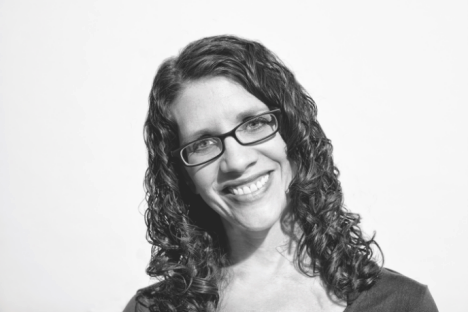
Regina Wehner yra licencijuota mokyklos konsultantė, daugiau nei anksčiau dirbusi su mokiniais vidurinėje mokykloje 16 metų. Kilęs iš Jungtinių Amerikos Valstijų, ji gyvena su vyru ir 2 vaikai, amžių 10 ir 12, Pekine, Kinija.
Regina dirba Pekino Vakarų akademijoje (WAB), įvairiapusę tarptautinę mokyklą. Didelė mokyklos konsultanto darbo dalis yra padėti mokiniams sužinoti apie save ir kitus jiems augant. Regina taip pat kas mėnesį rengia „Tėvų kavos rytus“, kad suburtų tėvus, kad sužinotų daugiau apie savo vaikų raidos pokyčius ir kaip bendrauti šiais pereinamaisiais laikais.
Susisiekite su mumis šiandien, kad prisijungtumėte!
Padėkite savo vaikui išmokti naują žodyną
Tyrimai rodo, kad jei norime, kad studentams pasisektų akademiniame kontekste, apie svarbius įvertinimus ir aukšto lygio egzaminus, taip pat jų būsima karjera, turime padėti jiems tobulinti savo žodyną. To priežastis yra ši: mūsų supratimas apie naują informaciją yra tiesiogiai susijęs su mūsų supratimu apie žodyną, naudojamą perduodant tą naują informaciją.
Studentams, žodyno didinimas yra vienas iš raktų į sėkmę mokantis kalbą; kuo daugiau žodžių žinome, kuo daugiau žodžių suprantame, ir kuo daugiau žodžių galime panaudoti rašydami, kad jis būtų paveikesnis ir veiksmingesnis. Tačiau, žodyno mokymasis dabar kartais vertinamas kaip varginantis ar sunkiai suprantamas procesas. Kartais tėvai nežino, kaip vadovauti savo vaikams, ypač dėl to, kaip požiūris į žodyno studijas gali labai skirtis nuo to, kaip tėvai mokėsi, kai jie mokėsi mokykloje.
Nesijaudinkite, „Reach Out“ yra čia, kad padėtų! Panagrinėkime žodyno įgijimą (naujo žodyno įsiminimo ir taikymo procesas), ir mes jums pasakysime, kaip galite padėti savo vaikui kaupti žodyną!
Kalbėk apie tai!
Tai gali atrodyti pernelyg paprasta, bet kai reikia mokytis naujų žodžių, Vienas iš veiksmingų būdų, kaip jaunimas tai daro, yra kalbėjimasis su kitais. Vaikai geriausiai išmoksta naujų žodžių, kai jie yra kontekste, pavyzdžiui, pokalbyje tam tikra tema. Jie gali numanyti šiek tiek naujų žodžių reikšmių pagal tai, kaip jie vartojami kartu su kitais jiems jau pažįstamais žodžiais.
Tikriausiai vaikas jus pertraukė daug kartų, kai vartojate nepažįstamą žodyną ir jis smalsiai klausia, „Ką reiškia nelaimė?Galbūt turėjai omenyje jų miegamojo būklę (nes jame yra visiška netvarka), ir skirdami šiek tiek laiko paaiškinti jiems įvairias nelaimės reikšmes, jūs ne tik išmokysite juos nauju žodžiu apibūdinti netvarkingą kambarį, bet ir nesėkmė ar natūraliai atsirandantis reiškinys, pavyzdžiui, stichinė nelaimė.
Taigi, pokalbis su vaiku yra puikus būdas išmokyti jį naujų žodžių!
Ištirkite Jį!
Mokiniai paprastai supranta, kad gali naudotis žodynu arba vertėju, jei susiduria su žodžiu, kurio nežino, bet kartais net dėl žodžio apibrėžimo jiems gali kilti daugiau klausimų nei atsakymų.
Pagal mūsų patirtį, daugelis mokinių nenaudoja vienos labai svarbios priemonės mokydamiesi ir pritaikydami naują žodyną, ir tas įrankis yra tezauras! Jei pastebėjote, kad vaikas per daug vartoja žodį kalbėdamas ar rašydamas, pavyzdžiui, "gražus", "mielas", "geras", arba "blogai", tada skirkite šiek tiek laiko ir parodykite jiems, kaip naudotis tokia svetaine kaip thesaurus.com pažvelgti į tuos žodžius. Kai jie ieškos tokio žodžio kaip „gražu“, jie pamatys, kad vietoj jo galima naudoti tiek daug įdomių ir unikalių žodžių! aš
Pagal mūsų patirtį, mokiniams labai patinka naudoti naują žodyną, ir jaustis įgalintas žinoti, kad yra įrankis, kuris padėtų jiems padaryti savo žodžius galingesnius.
Žaisti!
Smagiai leisti laiką besimokydami mokytojai daro ne tik tam, kad mokiniai būtų laimingi, iš tikrųjų neuromokslai įrodė, kad tai veiksmingas būdas padėti mokiniams mokytis vis giliau. Tyrimai rodo, kad kai mokiniai yra ir stimuliuojami, ir iššūkiai, jų smegenys išskiria dopaminą. Dopaminas yra neuromediatorius, kuris stimuliuoja atminties centrus ir skatina acetilcholino išsiskyrimą, kuris padidina sutelktą dėmesį.
Mūsų kursuose čia, Reach Out, žodyno mokymas yra svarbi kiekvienos pamokos dalis. Šią vasarą taip pat pradedame kursus, Žodyno kūrėjo lygiai 1-3, kurioje mes sutelksime dėmesį tik į tai, kad padėtų jūsų vaikui išplėsti savo žodyno žinias naujais sudėtingais žodžiais. Nors pasirinkti žodžiai siūlo iššūkį, įrankiai, tokie kaip „Quizlet“, ir žaidimai, pvz., „Gess Who“ ir „Sentence Racer“, suteikia mokiniams galimybę prasmingai ir patraukliai bendrauti.
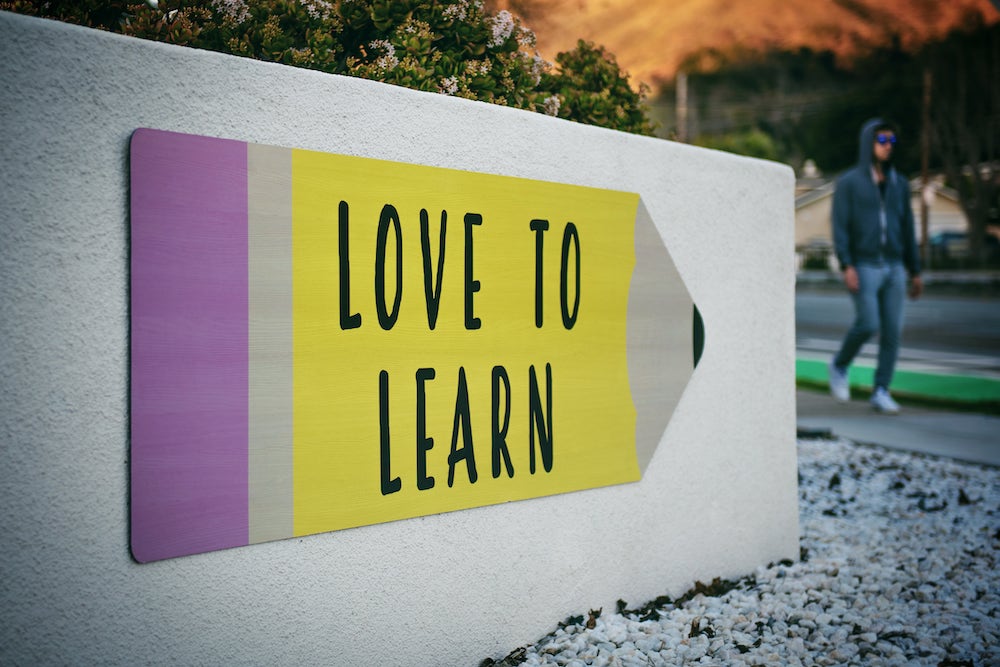
Kaip mes žinome, kad šie metodai yra veiksmingi? Nes mūsų dešimtmečių patirtis, o ugdymo psichologijos ir metodologijos studijos mus išmokė, kaip mokiniai mokosi geriausiai!
Norėtume padėti jūsų vaikui išmokti naujo žodyno, nes tai vienas iš būdų, kaip jis gali tapti efektyvesniu ir sėkmingesniu skaitytoju., rašytojas, ir garsiakalbis. Norėdami sužinoti daugiau apie tai, kaip galime padėti, susisiekite su vienu iš mūsų švietimo konsultantų šiandien!
Jei ieškote labiau individualizuotos švietimo paslaugos, „Reach Out“ siūlo individualias paslaugas su mūsų ekspertais pedagogais!
Ką mes siūlome?
Mūsų mokytojai siūlo platų 1 prieš 1 dalykų pasirinkimą, įskaitant anglų kalbą, Socialiniai mokslai, ir matematika.
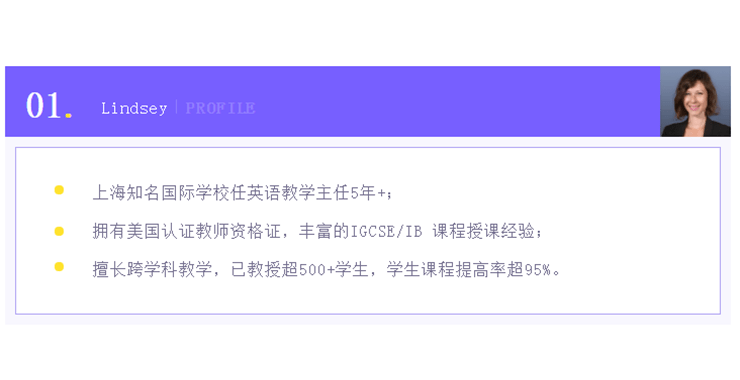
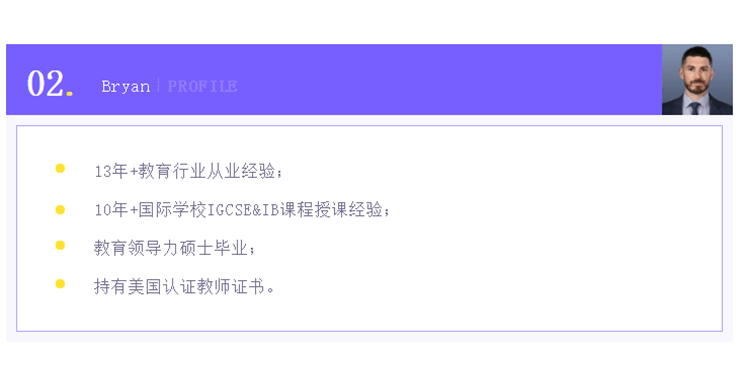
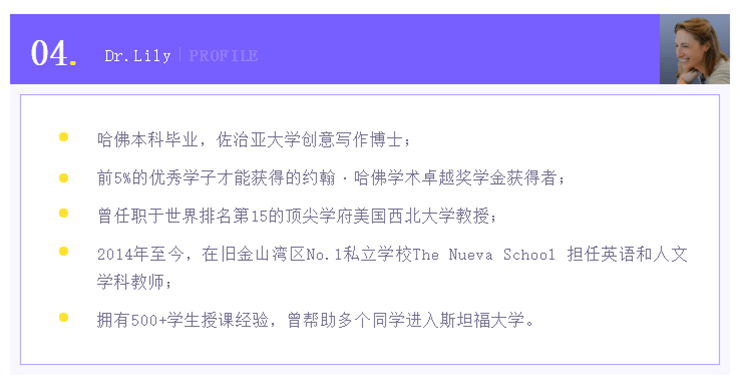
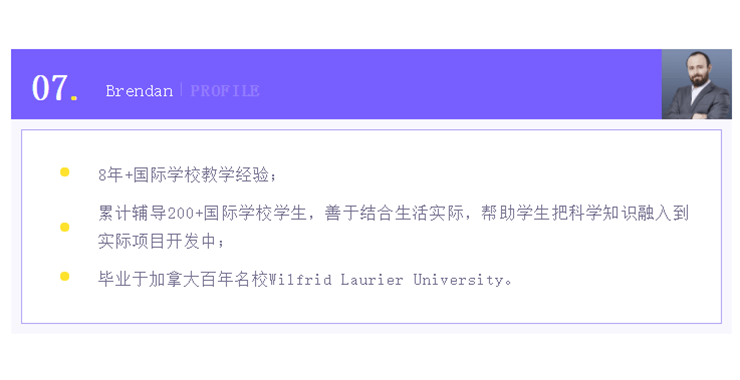
Susipažinkite su kai kuriais mūsų aukštos kvalifikacijos ir patyrusiais mokytojais!
Kodėl turėčiau rinktis „1 prieš 1“ paslaugas?
Galbūt jūsų vaikas ruošiasi studijuoti užsienyje arba stoja į naują mokyklą ir norėtų intensyvesnio bei tikslingesnio požiūrio, kad patobulintų savo įgūdžius.. Arba, jūsų vaikas gali nejausti pakankamai iššūkių dėl savo dabartinės mokymo programos, ir jam reikia alternatyvaus požiūrio, labiau atitinkančio jo gebėjimų lygį.
Yra keletas priežasčių, kodėl tėvai gali ieškoti tokių paslaugų, ir galime jus užtikrinti, kad visada stengsimės suprasti jūsų vaiko unikalią situaciją ir suteikti jam geriausią paslaugą.
Kaip tai veikia?
Su mūsų praktiniu požiūriu, ir orientavimosi procesas, įvertinsime Jūsų vaiko žinias ir įgūdžius pagal esamus vertinimo duomenis, rašymo gebėjimas, ir daugiau. Remiantis mūsų išvadomis, parinksime mokytoją, geriausiai atitinkantį jūsų vaiko poreikius. Visi Reach Out mokytojai buvo kruopščiai atrinkti, ir turėti ilgametę patirtį mokant sudėtingas mokymo programas, pavyzdžiui, IGCSE, IB, ir AP, geriausiose mokyklose iš viso pasaulio.
Mūsų procesas yra orientuotas į tikslą. Mes tiksliai sužinome, ko reikia jūsų vaikui, kad jis pasiektų savo ugdymo tikslus, tada sukuriame unikalų ir pritaikytą mokymosi kelią, kuris geriausiai atitiks konkrečius jūsų vaiko poreikius.
Ką dar pasiūlo?
Be individualių paslaugų, „Reach Out“ siūlo platų kursų pasirinkimą, specialiai sukurtą jūsų 2–8 klasės vaikui iššūkiams ir sudominimui aukštesnio lygio turiniu, kad padėtų jiems pasiruošti tokioms programoms kaip IGCSE., IB, ir AP.
Kaip galiu sužinoti daugiau?
Norėdami sužinoti daugiau apie mūsų individualias paslaugas, Norėdami sužinoti daugiau, susisiekite su vienu iš mūsų švietimo konsultantų šiandien! Tikimės, kad galėsime padėti jūsų vaikui pasiekti savo ugdymo tikslus ir šviesią ateitį!
Kas Mes Esame
Kaip galbūt pastebėjote, mes augame ir turime keletą įdomių papildymų prie to, ką siūlome čia, „Reach Out“.. Kaip ir praėjo nemažai laiko nuo tada, kai prisistatėme, manėme, kad pasidalinsime savo istorija su jumis, kad padėtume geriau suprasti, kas mes esame ir ką darome!
Mūsų misija
„Reach Out“ misija yra sujungti mokinius su patyrusiais pedagogais, kurie kuria ir pristato originalų, įkvepiantis, pasaulinio lygio mokymo programas. Mes pradėjome šią kelionę, kad galėtume padėti mokiniams suprasti, kaip atrasti savo unikalų balsą ir atskleisti kiekviename iš jų glūdinčias kūrybingas ir vertingas idėjas.. Su jų balsais, jie turi galią pakeisti pasaulį, ir norime suteikti jiems galimybę tai padaryti.
Mūsų vizija
„Reach Out“ siekia būti tarptautiniu mastu pripažinta švietimo įstaiga, leidžiančia studentams pasiekti aukščiausio lygio tarptautinę mokymo programą ir pedagogus., kad ir kurioje pasaulio vietoje jie būtų. Mūsų mokiniai bus įžvalgūs, smalsu, ir kritiškai mąstantys asmenys, kurie daro pagrįstus sprendimus kaip puikūs problemų sprendėjai ir komunikatoriai. „Reach Out“ studentai sieks savo akademinių ir asmeninių tikslų bei svajonių nuo pradinės mokyklos iki universiteto, pateikdami savo puikią ateitį pasiekiamoje vietoje.
Mūsų pagrindinės vertybės
Tai yra principai, formuojantys Reach Out:
Mūsų istorija
„Reach Out“ sukūrė nedidelė atsidavusių mamų grupė, gal labai panašus į save. Juos subūrė bendra vaikų ugdymosi poreikių vizija. Kai kurie ieškojo edukacinės programos, kuri galėtų pasiūlyti jų vaikams galimybę susipažinti su idėjomis, dėstydamas filosofiją, ir metodiką, atitinkančią tai, ką jie patyrė gyvendami užsienyje. Kiti ieškojo internacionalizuotos mokymo programos, kuria galėtų naudotis jų vaikai, kad praturtintų savo mokymosi patirtį Kinijoje. Juos siejo bendras troškimas griežtos programos, kuri taip pat atvertų duris kūrybiškam ir kritiniam mąstymui, savirefleksija, ir asmenine išraiška - stiprios tarptautinės mokymo programos bruožai. Praleidęs nemažai laiko tyrinėdamas įvairius variantus, šios mamos negalėjo rasti nieko, kas visiškai atitiktų jų vaikų poreikius.
Taigi, jie darė tai, ką darytų bet kuri gera mama, suteikta galimybė, ir rado savo būdą pasiūlyti savo vaikams geriausias įmanomas mokymosi galimybes, skirtas padėti jiems klestėti. Jie konsultavosi su mokytojais ekspertais ir bendradarbiavo su kitais tėvais, siekdami išsiaiškinti, kaip jie galėtų geriausiai patenkinti kitų vaikų, turinčių panašius tikslus, poreikius. Vaikai, mes tikimės, kaip tavo.
Tėvai buvo įsipareigoję:
Džiaugiamės galėdami pasakyti, kad šios mamos pasiekė savo tikslą. Šiandien „Reach Out“ gali pasigirti visa eile griežtų, tačiau patrauklių kursų, kuriuose mokiniai giliai mokosi, linksmindamiesi ir kurdami prasmingus santykius su savo mokytojais ir bendraamžiais..
Visa tai dėl mūsų motinų įkūrėjų įsipareigojimo savo vaikų išsilavinimui ir laimei.
Kas daro mus unikalius?
Nors suprantame, tėvai turi daugybę pasirinkimų, kai kalbama apie programas, kurios praturtina jų vaikų išsilavinimą, mes tikime, kad siūlome daug unikalių savybių, kurių nėra lengva rasti kitur.
Mūsų komandą sudaro aukštos kvalifikacijos ir patyrę pedagogai, sukūrę unikalią ir griežtą programą, pagrįstą tarptautiniais mokyklos standartais., kuri rengia jaunesnius mokinius imtis griežtų mokymo programų, tokių kaip IGCSE, IB, ir AP.
-Mūsų individualios programos ir mokymo programos, skirtos viršyti mūsų mokinių ugdymosi poreikius
-Mūsų mokymo filosofija įkvepia ir suteikia galių studentams, ir mokymo metodika, leidžianti studentams plačiai ir giliai tyrinėti žinias, kartu ugdant meilę mokytis
-Mūsų įsipareigojimas užtikrinti ilgalaikę mūsų mokinių sėkmę, nes stengiamės suteikti jiems esminių įgūdžių, kurių jiems prireiks, kad ateityje pasisektų karjeroje ir pasaulyje po mokyklos.
- Išsamūs atsiliepimai, kuriuos pateikiame su visais mūsų studentų vertinimais, kad mokiniai žinotų, kur jiems sekasi ir kur galėtų tobulėti, taip pat papildomos medžiagos ir instrukcijų, reikalingų padėti mūsų studentams užpildyti supratimo spragas
-Mūsų atsidavimas ugdyti mūsų mokinių kritinį mąstymą ir problemų sprendimo įgūdžius, kurie bus būtini jų ateičiai, taip pat mūsų globalios visuomenės ateitis
-Mūsų pažadas samdyti visus mūsų mokytojus ir ne dėstytojus, remiantis jų abipuse aistra švietimui
-Mūsų gebėjimas įgalinti mokinius vartoti kalbą, žinių, ir įgūdžių, kuriuos jie įgyja, kad galėtų tobulėti už klasės ribų ir tapti smalsiais, visą gyvenimą besimokantys asmenys, kurie kelia ir siekia iššūkių, išpildanti, ir vertų tikslų.
-Mūsų rankos, individualizuotas požiūris į mokymosi kelio kūrimą mūsų mokiniams, kad nesvarbu, kokio lygio jie yra, kai prisijungia prie mūsų, jie bus aprūpinti įrankiais, reikalingais tobulėti ir sparčiai augti
-Mūsų įsipareigojimas suteikti savo klientams informaciją ir patirtį, kuri padėtų jiems pasirinkti absoliučiai geriausius savo vaiko ugdymo sprendimus, siūlant informacinius straipsnius., vaizdo įrašai ir seminarai.
Mūsų mokymo programa
Mūsų Mėlynosios linijos mokymo programa, kuri apima kursus, skirtus klasių mokiniams 2 į 8, sukūrė mokytojai ekspertai, turintys aukštesnio lygio laipsnius savo dalykinėse srityse, kurie dešimtmečius praleido kai kuriose geriausiose tarptautinėse mokyklose pasaulyje.. Naudojame atgalinę mokymo programą, kuri veikia nuo pirmųjų programų, tokių kaip plačiai pripažinta ir gerbiama IGCSE programa, metų..
Kadangi mūsų pedagogai daug metų dėstė kursus prieš IGCSE, IGCSE, IB ir AP arba A lygių mokymo programa, jie supranta, ko studentams reikia, kad tose programose pasisektų. Taigi, kiekvienas mūsų mokymo programos aspektas buvo sukurtas siekiant užtikrinti, kad visi mūsų mokiniai pradėtų pirmąją klasės dieną 9 pasitikintis savimi, įrengtas, ir pasiruošę patenkinti šių griežtų kursų reikalavimus.
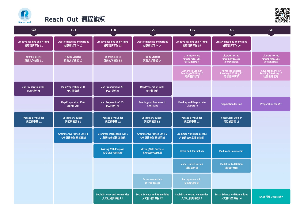
Siūlome platų anglų kalbos kursų pasirinkimą, Matematika, Istorija ir geografija. Žemiau rasite išsamesnės informacijos apie visus mūsų kursų pasiūlymus.
Papildomos paslaugos
Taip pat džiaugiamės galėdami pranešti apie mūsų Sidabrinės linijos sukūrimą, kuri siūlo pagal užsakymą pritaikytas švietimo paslaugas, kurios atitinka individualų požiūrį į mūsų studentų poreikius. Pradedame nuo gilaus kiekvieno mokinio ugdymo tikslų ir poreikių įvertinimo, tada sukurkite ir įgyvendinkite darbo schemą, kurią naudodami mūsų ekspertai pedagogai padės jūsų vaikui įveikti vidurinės mokyklos akademinius iššūkius, kad paruoštų jį galiausiai lankyti savo svajonių universitetą..
Taip pat siūlome asmenines paslaugas visais lygiais tėvams, norintiems pasiūlyti savo vaikams daugiau individualios priežiūros ir mokymo. Mūsų ekspertai švietimo konsultantai pasirūpins, kad jūsų vaikui būtų geriausias pedagogas, atitinkantis jo konkrečius poreikius ir tikslus..
Prisijunkite prie mūsų!
Nekantraujame susitikti su jūsų šeima ir aptarti, kaip galėtumėte tapti mūsų „Reach Out“ šeimos dalimi; kuri mokosi kartu, rūpinasi vienas kitu, kartu įveikia iššūkius, ir švenčia sėkmes vieni su kitais. Susisiekite su mumis šiandien ir sužinokite daugiau.
Tikimės netrukus išgirsti!
Būti tėvais yra sunku. Tiesą sakant, su pokyčiais mūsų pasaulyje šiandien, tai gali būti tik vienas iš sudėtingų momentų, su kuriais teko susidurti per dešimtmečius. Pokyčiai veda į netikrumą, o netikrumas gali sukelti stresą. Stresas neabejotinai veikia visas mūsų gyvenimo sritis, kartais tai labiausiai paveiks mūsų santykius su artimaisiais; ypač mūsų vaikai.
Mūsų vaikai gali būti sudėtingi (pripažinkime, taip ir mes galime!), ir tai yra nelengva užduotis užtikrinti, kad kiekvienas žingsnis būtų „teisingas“.. Tai visi mūsų pokalbiai, reikalavimus, prašymus, planus, pagyrimai ir kritika kažką reiškia. Kiekvieną akimirką, kurią praleidžiame kalbėdami su savo vaikais, tikimės, kad šių žodžių pakaks, kad pripildytų mūsų vaikus puikios ateities viltimi tuo metu, kai ateitis tokia neaiški. Laikai keičiasi, ir tai taip pat praeis, bet galime garantuoti vieną dalyką – niekada neturėsime antros galimybės vaikystę praleisti su savo vaikais.
Kaip tėvai, dažnai klausiame savęs, ar iš tikrųjų elgiamės teisingai, įdomu, kaip galime susitvarkyti su savo vaikais, stengiamės geriau suprasti savo vaikus, ir kartais jaučiamės kalti nesėkmingai, nes sakome sau, kad elgiamės neteisingai. Dažnai, taip nėra, bet nėra instrukcijų, kaip auginti vaiką, kuri tiktų visiems visose situacijose. Žinoma, yra daug patarimų, didžiulis jo kiekis, bet vėl, dauguma patarimų yra būtent tokie; žmonių, kurie nepažįsta jūsų ar jūsų vaiko, patarimai ir rekomendacijos. Kai kurie iš jų yra naudingi, ir kai kurie iš jų... ne tiek daug.
Vieno dalyko, kurio negalime paneigti, yra sveikų santykių tarp tėvų ir vaiko svarba.
Tyrimai rodo, kad:
Labai svarbu skirti laiko santykiams su vaiku puoselėti, o gal net būtiniau, užtikrinti, kad tuo metu bendravimas su vaikais būtų teigiamas. Tai yra kažkas, kas daugeliui tėvų atrodo sudėtinga, todėl sukūrėme knygos tėvų knygų klubą Kaip kalbėti, kad vaikai klausytų ir klausytų, kad vaikai kalbėtų Adele Faber ir Elaine Mazlish. Kartu išmokome pozityviai bendrauti su savo vaikais, kad sustiprintume savo ryšius. Mes praleidome laiką aptardami knygos idėjas, taip pat turėjo virtualų susitikimą, kuriame buvo galima suvaidinti kai kurias knygos strategijas. Negana to, pakvietėme vidurinės mokyklos orientavimo patarėją, Regina Wehner, surengti tėvams seminarą, kaip suprasti mūsų vaiko pažintinę ir emocinę raidą.
Štai keletas svarbiausių dalykų, kuriais norėtume pasidalinti su jumis!
Pirma, iš Kaip kalbėti, kad vaikai klausytų ir klausytų, kad vaikai kalbėtų, čia yra dvi mūsų mėgstamiausios strategijos:
Vaikams sunku reguliuoti savo emocijas, nes smegenų emocinio reguliavimo centras vystosi vienas iš paskutiniųjų. Tai reiškia, kad jiems reikia mūsų pagalbos – užuojautos ir modeliavimo. Tai gali būti labai sudėtinga, ypač kai mums kartais gali būti sunku valdyti savo emocijas! Turime jums paprastą strategiją, kuriai reikės tik dviejų dalykų:
Kai jūsų vaikas grįžta namo nusiminęs dėl to, kas nutiko mokykloje, užuot skaitę paskaitas ir siūlę mūsų išminčius patarimus, galime tiesiog išklausyti jų rūpesčius ir pakartoti jiems idėjas. Pavyzdžiui, jei jūsų vaikas grįžta namo nusiminęs ir sako kažką panašaus, „Uh, šiandien Elžbieta ir Sara man buvo tokios piktos! Jie visiškai mane ignoravo ir dabar nekenčiu jų abiejų!“Užuot sakęs, „Elžbieta ir Sara yra geriausios tavo draugės. Tai nėra didelis dalykas ir esu tikras, kad rytoj viskas bus gerai,“, kuris gali panaikinti jūsų vaiko jausmus, galite pasakyti, „O, matau. Elizabeth ir Sara privertė jus jaustis šiek tiek atstumtais. Tikriausiai dėl to jautiesi šiek tiek liūdnas ir supykęs. Šiuo metu jūsų vaikas gali toliau kalbėti ir jums atsiverti, kas yra puiku! Tai reiškia, kad jie jumis pasitiki ir jūs leidžiate jiems jaustis geriau. Klausyk toliau, linkteli, pasakyti, "Mmmhmm,“ ir pakartokite tai, ką jie sako. Jei tiesiog klausysite, jūsų vaikas gali jaustis 100% geresni ir pasiruošę priimti kitą iššūkį!
2. linkiu!
Mūsų vaikai dažnai išreiškia savo norus norėdami turėti tai, ko jie neturi, arba norėdami, kad viskas būtų kitaip nei yra. Pavyzdžiui, vaikai gali pasakyti, „Norėčiau, kad man nereikėtų daryti visų tų namų darbų“. Galime atsakyti, „Na, tu darai ir tiek!“ arba „Tai ką jūs turite padaryti. Tai jūsų atsakomybė, todėl turite tai padaryti dabar!“
Tai gali peraugti į valios mūšį, nes tėvai jaučiasi nusivylę, kad nuolat girdi tą patį skundą ir kartoja tuos pačius argumentus.. Vaikai jaučiasi nusivylę, nes jų nuomonės paneigiamos ir jie jaučiasi nesuprasti. Na, nesijaudink, mes esame čia, kad padėtume! Turime nedidelę gudrybę, kuri padės jums pakeisti pokalbį, ir tai yra sutinku su savo vaiku. Tai gali skambėti priešingai, bet mes turime tiesioginės patirties naudojant šį triuką ir jis daro stebuklus!
Pavyzdžiui, jei jūsų vaikas sako, „Norėčiau, kad šiandien galėtume nueiti į parką taip, kaip aš norėjau!“
Užuot sakęs, „Negaliu, Aš per daug užsiėmęs,“ arba „Taip, bet mes negalime, lyja,“, galime pasakyti, „Norėčiau, kad ir mes galėtume! Galėtume nueiti į parką ir surengti pikniką! Galėtume skraidinti aitvarą ir pūsti burbulus! Kodėl mes nesurengiame iškylos svetainėje ir po to galime pūsti burbulus vonioje!“
Pirmoji dalis sužadina vaikus ir skatina jų vaizduotę, nuvežti juos į laimingą vietą. Kita dalis leidžia jiems jaustis išgirstiems ir sujungtiems su jumis.
Dabar, kai kurie akcentai iš ponios. Wehnerio dirbtuvės:
*Prašau padėti man tai išsirinkti! :)*
Jei norėtumėte ateityje prisijungti prie kurio nors iš mūsų seminarų ar knygų klubų, būtinai sekite mus ir sekite naujienas! Šį rudenį mūsų laukia puikūs dalykai!
Daugelis tėvų mūsų klausia, kaip greičiausias būdas jų vaikas gali pagerinti savo rašymą. Nors mes tvirtai tikime, kad nėra jokių nuorodų, kaip tapti tikrai efektyviu ir kvalifikuotu rašytoju, Yra keletas dalykų, kuriuos studentai gali įtraukti į savo rašymą, kad padėtų efektyviau pereiti į kitą lygį. Kaip ir su viskuo, ką bandoma įvaldyti, raktas į sėkmę yra sunkus darbas ir kartojimas. Reguliarus šių įgūdžių lavinimas padės jūsų vaikui pasiekti savo ugdymo tikslus.
Šis straipsnis bus pirmasis iš straipsnių serijos, kurioje pagrindinis dėmesys bus skiriamas įvairių tipų rašymo įgūdžiams. Šią savaitę, sutelksime dėmesį į aprašomuosius rašymo patarimus.
Aprašomieji rašymo patarimai:
Aprašomasis rašymas yra tikra meno forma, nes jos tikslas turėtų būti sukurti įvaizdį skaitytojų mintyse. Negalima pasakoti istorijos vien veiksmu ir dialogu, o eilėraštyje negalima perteikti gilios prasmės ir emocijų, nenupiešęs paveikslo savo žodžiais.
Vienas galingas būdas tobulėti aprašant yra pridėti būdvardžių ir prieveiksmių, kur tik įmanoma. Pavyzdžiui, jei jūsų vaikas rašo istoriją, jis gali parašyti kažką panašaus:
„Haris išėjo į lauką ir pradėjo ieškoti savo draugų.
Nors šis sakinys perteikia pagrindinę prasmę, jo poveikis skaitytojui taip pat yra pagrindinis. Pridedant aprašomąją kalbą būdvardžių ir prieveiksmių forma, galime greitai ir efektyviai į sakinį įtraukti vaizdų:
„Harry užtrauktuku užtraukė priekines duris, užtrenkdamas jį už nugaros. Jo širdis daužėsi, kai jis nekantriai bėgiojo po apylinkes ieškodamas savo draugų.
Patikslintame sakinyje, matome aprašymus, kurie pasakoja ne tik apie vykstantį veiksmą, bet ir padeda mums pajusti veikėjo emocijas, svarbus pasakojimo aspektas.

Kitas puikus būdas padaryti istoriją ar eilėraštį veiksmingesnį – pridėti vaizdinės kalbos, pavyzdžiui, panašumų. Palyginimai yra palyginimai, kuriuose vartojama kaip arba kaip, kurie gali būti naudojami siekiant padėti skaitytojui aiškiau įsivaizduoti, kas vyksta.
Pavyzdžiui, Jūsų vaikas gali parašyti kažką panašaus:
Aš buvau toks laimingas!
Buvo taip miela!
Jis taip išsigando!
Galime pridėti panašumų, kurie padės sukurti dar geresnį rezultatą:
Buvau laiminga kaip kačiukas verpalų parduotuvėje.
Tai buvo miela kaip pandos kūdikis, žaidžiantis sniege.
Jis išsigando kaip triušis, kuris ką tik išgirdo vilko staugimą.
Paskutinis patarimas, kaip rašyti aprašomąjį rašymą, yra pasirinkti tokį tikslų žodyną, kad jis tiksliai perteiktų tai, ką rašytojas nori, kad skaitytojas jaustų.. Dažnai, mokiniai rašys kiek neaiškius aprašymus, su tokiais sakiniais:
Jis buvo labai pavargęs.
Filmas buvo labai nuobodus.
Jiems buvo labai šalta.
Kambaryje labai karšta.
Vėlgi, šie sakiniai perteikia paprastą prasmę, bet aprašomuoju raštu, to tiesiog nepakanka. Veiksmingame aprašyme naudojamas žodynas, kuris turi įtakos, ir mes galime tai pasiekti pasirinkę tik geriausius žodžius, kad perteiktų tiksliausią reikšmę.
Pažiūrėkite, kaip galime paversti aukščiau esančius sakinius iš įprastų į neįprastus, pakeisdami dalį sakinio galingu žodynu:
Jis buvo išsekęs.
Filmas buvo be vaizduotės.
Jie buvo atšalę iki kaulo.
Kambaryje skrudino.
Geros naujienos yra tai, kad jūsų vaikui nereikia pasikliauti savo dabartinėmis žodyno žiniomis, kad jam pavyktų kurti tokius sakinius kaip aukščiau.. Tezauras turi visus žodžius, kurių reikia norint sukurti įsimintinus aprašymus.
Tikimės, kad šie patarimai buvo naudingi! Jei norite, kad jūsų vaikas išmoktų pritaikyti šiuos įgūdžius su vienu iš mūsų aistringų pedagogų, Sekite naujienas apie mūsų naujus vasaros ir rudens kursus!
Kitą savaitę, pažvelgsime į įtikinamus rašymo patarimus!
Papasakok šiek tiek apie save.
Aš užaugau penkiose skirtingose šalyse (Švedija, Anglija, Vokietija, Pietų Afrika, ir Kanada). Integracija į įvairų kultūrų spektrą, kai augau, privertė mane pažvelgti į pasaulį atviru protu. Šiuo metu gyvenu Kanadoje ir dirbu universiteto dėstytoja ir matematikos mokytoja Reach Out. Už darbo ribų man labai patinka tokios sporto šakos kaip badmintonas ir šachmatai, kurį daug metų žaidžiau konkurenciniu lygiu.
Koks jūsų išsilavinimas ir kvalifikacija?
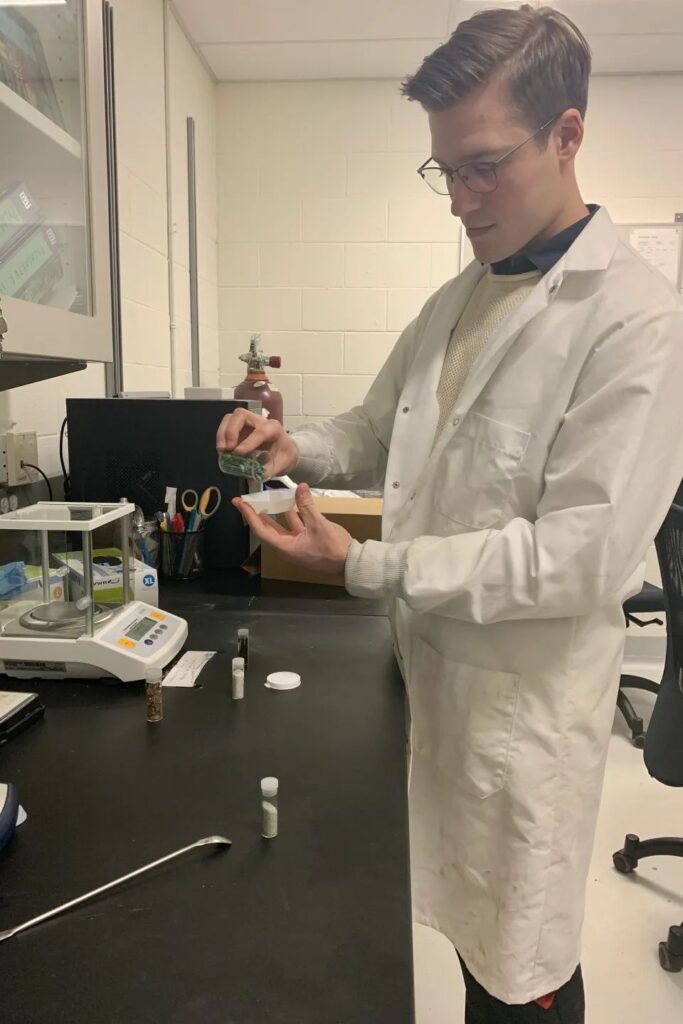
Gavau mokslų bakalauro laipsnį Britų Kolumbijos universitete (UBC) ir tame pačiame universitete įgijau magistro laipsnį. Mano baigiamasis darbas buvo susijęs su eksperimentiniais geomokslais, kur sukūriau aparatą, skirtą ištirti, kaip deimantai pasiekia Žemės paviršių per didelio greičio magmas.. Paskelbiau straipsnius dviejuose didelio poveikio žurnaluose ir pristačiau darbą visoje Kanadoje ir Europoje.
Per savo magistrantūros studijas turėjau privilegiją skaityti keletą paskaitų, kurios perėjo į dėstytojo pareigas. Dėstymas universitetiniame lygmenyje apima paskaitų paskaitą 200 studentai, kuris labai skiriasi nuo mano darbo „Reach Out“., bet padėjo man išsiugdyti dinamišką mokymo stilių.
Papildomai, Matematikos ir gamtos mokslų dėstau tiek privačiai, tiek per švietimo organizacijas 6 metų.
Kodėl prisijungėte prie „Reach Out“.?
Prisijungiau prie „Reach Out“, nes perspektyva teikti aukštos kokybės išsilavinimą iš viso pasaulio be sienų apribojimų man patinka.
Manau, kad priežastis, dėl kurios pasiryžau likti „Reach Out“, yra svarbesnė. Suasmenintos pamokos leido man susisiekti su studentais, kad jų progresas man būtų daug reikšmingesnis. Kai kurie mokiniai buvo kartu su manimi per kelias klases, ir aš labai didžiuojuosi, kad prisidėjau prie jų mokymosi.
Kokia jūsų ugdymo filosofija?
Eksperimentinio mokslo išsilavinimas leido man įžvelgti laimėjimų per eksperimentus vertę. Leidžiant studentams eksperimentuoti su įvairiomis metodikomis ir siūlyti gaires, tai itin veiksmingas būdas mokyti mokinius nebijoti nesėkmių.. Teisingai pasakė Richardas Fulleris, „Nėra tokio dalyko kaip nepavykęs eksperimentas, tik eksperimentai su netikėtais rezultatais“. Studentai dažnai pradeda mano pamokas bijodami atsakyti į klausimus, diskutuoti su savo klasės draugais, arba parašykite lentoje, nes nežino atsakymų. Kadangi visada labiau orientuojuosi į sprendimus, o ne į atsakymus, mokiniai apdovanojami už naujų technikų išbandymą, aptarti nepavykusius metodus, ir užduoda klausimus apie savo klasės draugų darbus. Radau, kad tai sukuria fenomenalią mokymosi aplinką ir atima didelį spaudimą studentams.
Koks jūsų mėgstamiausias dalykas mokantis matematikos??
Mano mėgstamiausias dalykas mokantis matematikos yra įdomūs iššūkiai, kuriuos ji teikia. Daug metų mokęs matematikos, Supratau, kad mokiniai pasaulį mato iš unikalios perspektyvos, kuri dažniau nei ne, labai skiriasi nuo mano paties. Ši įvairovė sukuria platų mokymosi stilių spektrą ir reikalauja, kad aš išlikčiau labai lankstus taikydamas savo mokymo metodikas..
Matematika yra sudėtingas dalykas, kuris suteikė mums universalią kalbą, kad galėtume geriau suprasti mus supančią visatą. Geri problemų sprendimo gebėjimai yra matematikos mokymosi šalutinis produktas ir labai svarbus sėkmei šiuolaikiniame pasaulyje. Dėl šių priežasčių turiu pareigą tradiciškai sausą ir nuobodų dalyką paversti kažkuo įdomiu, kurdamas patrauklias pamokas ir pasitelkdamas kūrybiškumą įkvėpti savo mokinius.. Tai man visada patiks mano darbe.
Kas yra jūsų mėgstamiausias matematikas ir kodėl?
Tai sunkus klausimas, ir sunku tiksliai nustatyti vieną matematiką, nes aš naudoju tiek daug matematikų darbus per vieną pamoką. Jei turėčiau pasirinkti, tai būtų Johannesas Kepleris arba Nikolajus Kopernikas, nes aš taip pat mėgstu astronomiją. Jų matematika ne tik ginčijo viską, kuo tuo metu buvo tikima apie mūsų saulės sistemą, bet ir sudarė pagrindus suprasti planetų judėjimą. Kosminės kelionės labai rėmėsi šiomis sąvokomis.
Jei galėtumėte duoti tėvams tik vieną patarimą, kaip padėti jų vaikui tobulėti matematikoje, kas tai būtų?
Vienas dalykas, dėl kurio daug dirbau su savo mokiniais, verčia juos paaiškinti man savo sprendimus, nepaisant to, kaip tai atrodo lengva. Norint gauti teisingą atsakymą pagal tam tikras mokyklos programas, gali nereikėti visiško supratimo, tačiau norint gerai paaiškinti sprendimą, reikia gerai suprasti. Įsitikinkite, kad jūsų vaikas savo darbe visada rodo labai aiškius žingsnius ir gali jums paaiškinti savo veiksmus. Tai patvirtina supratimą ir parodo, kad jie yra pasirengę klausimams, kurie tikrina tą pačią sąvoką, bet gali būti suformuluoti kitaip.
Kas yra vienas įdomus faktas apie save?
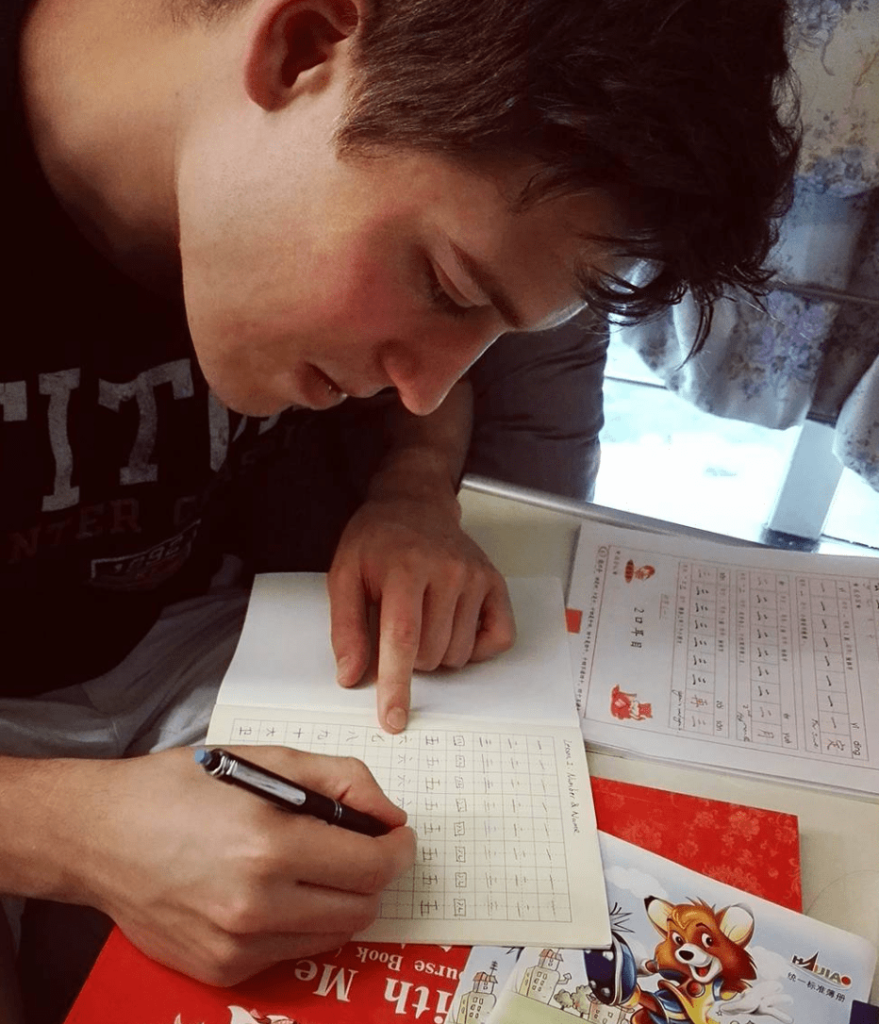
Man labai patinka mokytis kalbų! Užaugęs įvairiose šalyse galiu kalbėti angliškai, švedų, ir laisvai vokiškai. Pastaruosius dvejus metus stengiausi įtraukti į savo kolekciją kinų kalbą ir mėgavausi unikaliais iššūkiais, kuriuos man suteikė šios sudėtingos kalbos mokymasis..
„The Secret Garden“ yra klasikinės literatūros kūrinys, kuris buvo daugybės vaikystės dalis (jei praleidote mūsų straipsnį apie tai, kodėl vaikai turėtų skaityti klasikinius romanus, žiūrėkite žemiau!). Tai galingas pasakojimas apie draugystę ir savęs atradimą, kuris atsiliepia mūsų sieloms.
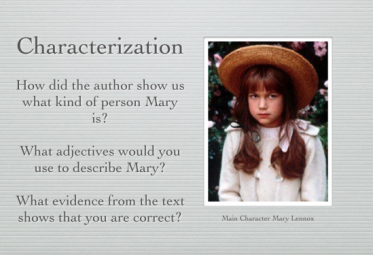
Slaptas sodas yra apie jauną merginą, vardu Mary Lennox, kuri dėl choleros protrūkio Indijoje netenka šeimos ir visko, kas su ja pažįstama., kur jos tėvas dirbo britų armijos kapitonu. Kaip vaikas, Marija buvo gana apleista, bet nuolaidžiauja šeimos tarnai, taigi ji buvo išlepintas vaikas su siaubingu nusiteikimu. Ji turėjo labai nedaug savybių, kurios padėtų jai susidoroti su nauju gyvenimu Anglijoje, kur ji buvo išsiųsta gyventi pas niūrų tolimą giminaitį, p. Craven.
p. Craven turėjo labai griežtas taisykles, kurių Mary turėjo laikytis savo naujuose namuose Misselthwaite dvare Jorkšyre, įskaitant jai uždraudimą patekti į įvairius milžiniško dvaro kambarius, taip pat uždrausta įeiti į vieną iš besidriekiančioje valdoje esančių sodų, kuris priklausė jo mylimai velionei žmonai. Kai Marija pradeda tyrinėti savo naujus namus, ji pradeda jausti laimės jausmą ir atgauna sveikatą po to, kai didžiąją vaikystės dalį sirgo. Po robin padeda jai rasti raktą į slaptą sodą, ji atkuria sodo atkūrimo tikslą, kiek ji atkuria savo vidinį aš. Pro spyglius ir išdžiūvusius žiemos lapus, ji randa daug daugiau slypinčių viduje.
Padėjo naujas draugas Dickonas, Marija užmezga pirmąsias draugystes, ir pasitelkia naujai atrastą jėgą bei gerumą, kad padėtų savo lovoje gulinčiam pusbroliui Kolinui, kurį randa pasislėpusią dvare. Draugystė stiprina ir Mariją, ir Koliną, ir galų gale, kiekvienas yra stebuklo, kurį įmano tik šie artimi ryšiai ir tikėjimas savimi, liudininkais, dvi labai svarbios romano temos.
Jaunimui patiks skaityti šią fantastišką draugystės istoriją, kliūčių įveikimas, ir patirti gydomąją gamtos galią. Personažai ir pamokos, kurias jie moko, tikrai palies jūsų vaiką ir padės patirti puikios istorijos galią.
Jei norite, kad jūsų vaikas galėtų patirti šią istoriją su kitais, džiaugiamės galėdami pranešti, kad skaitysime Slaptas sodas kaip pirmasis romanas mūsų jaunosios klasikos lygyje 2 Kursai šią vasarą.
Kurse, mes ne tik skaitome romaną, bet taip pat mokomės ir pritaikome naują žodyną iš knygos, aptarti svarbius rašytojo naudojamus literatūrinius metodus, ir praktikuotis rašyti santraukas, pagrindinis įgūdis, kuris daugeliui mokinių atrodo sudėtingas
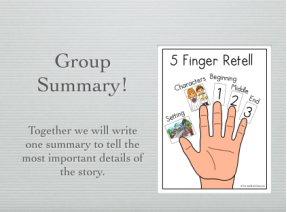
Jei jums įdomu sužinoti daugiau apie jaunąją klasiką, arba kitų mūsų puikių ir patrauklių kursų, susisiekite su vienu iš mūsų švietimo konsultantų šiandien! Tikimės, kad greitai dirbsime su jūsų vaiku!
Literatūros studijos yra svarbus bet kurios puikios akademinės programos aspektas, ir taip yra todėl, kad tai padeda mokinius išmokyti įvairių žinių ir įgūdžių, kurie yra būtini sėkmei daugelyje gyvenimo sričių. Studijuodamas literatūrą, mokiniai sužino apie svarbius istorijos įvykius ir žmones, jie atsižvelgia į kultūrinę perspektyvą ir padidina savo supratimą apie skirtingų idėjų ir įsitikinimų priėmimą, ir mokosi analizuoti kitų žodžius, kad susidarytų gilus naujų idėjų ir bendravimo būdų supratimas. Trumpai tariant, ji atskleidžia mokiniams idėjų rinkinį, technikos, strategijos, teorijos, ir dar daugiau, ką jie nešiosis su savimi visą gyvenimą, formuoja jų požiūrį į pasaulį.
Kodėl mes siūlome šį kursą?
„Reach Out“ studentai paprastai vykdo aukštųjų mokyklų programas, tokias kaip IGCSE, kuri apima sudėtingus kursus, tokius kaip anglų kalba ir literatūra bei anglų kalba kaip pirmoji kalba. Vėliau, dauguma tų studentų priims IB ir AP lygio programų iššūkį, kurioje jie turi imtis užduoties skaityti įvairią literatūrą. Mūsų tikslas yra supažindinti moksleivius su įvairia pažangia literatūra, kad baigę vidurinę mokyklą jie turėtų žinių ir įgūdžių, kad galėtų pradėti dirbti., ir todėl pasiekti aukštesnį lygį.
Šis kursas skirtas klasei 7-9 studentai.
Mūsų išplėstinio literatūros kurso tikslai yra:
✪ Padidinkite mokinių gebėjimą suprasti ir atskirti literatūrinius metodus, naudojamus anglų ir amerikiečių literatūroje, ir gebėjimas pranešti apie tų metodų poveikį;
✪ Tobulėti vaikų literatūros supratimo įgūdžius ir didinti jų supratimą apie britų ir amerikiečių kultūrą;
✪ Vadovaujant mūsų patyrusiems pedagogams, išmokite kalbos ir pasakojimo galios sudėtingu, bet patraukliu būdu.
Susipažinkite su mūsų mokytojais
*Čia įterpkite mokytojo biografiją Bariui, Anthony, ir Jonas*
Mūsų knygų pasirinkimas:
Verk mylimą šalį pateikė Alanas Patonas

Veiksmas vyksta XX amžiaus ketvirtajame dešimtmetyje Pietų Afrikoje, apdovanotas Verk mylimą šalį pasakoja apie zulų pastorių, Stevenas Kumalo, kuris keliauja iš savo kaimo į Johanesburgo miestą. Jo sunkioje ir širdį veriančioje kelionėje, jis atranda, kad jo sesuo ir sūnus atsidūrė baisiose situacijose, su kuriomis jis dabar turi susidurti. Labai skirtingi veikėjų gyvenimai netikėtai susipynė per tragediją tamsiu Pietų Afrikos istorijos laikotarpiu. Tačiau, per tragedijas ir iššūkius, tikrąją žmogaus dvasios prigimtį galima atrasti ir pakylėti tuos, kuriems jos labiausiai reikia.
Drakula pateikė Bramas Stokeris

Drakulos legenda skaitytojų ir kino žiūrovų mintyse šmėkštelėjo ištisas kartas. Bramas Stokeris liūdnai pagarsėjusį Drakulos personažą pagrindė legenda apie tikrąjį Valakijos valdovą., Vladas Impaleris. Stokeris sugebėjo paimti šį tamsų istorijos kampelį ir paversti jį legendiniu romanu, pasakojamu žurnalo įrašuose, laiškai ir telegramos. Kaip ir bet kuri klasika, Drakula išlaikė laiko išbandymą, nes kalba apie kažką labai gilaus ir prasmingo žmogaus psichikoje.
Pelių ir vyrų pateikė Johnas Steinbeckas
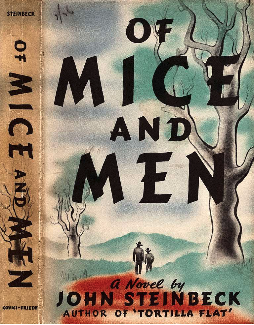
Didžioji depresija buvo lemiamas momentas Amerikos istorijoje, išbandęs jos, kaip tautos, jėgą, ir pastatė gyventojus į nesaugią pusiausvyrą tarp gyvybės ir mirties. Tai, kas laikoma viena didžiausių Amerikos klasikų, skaitytojai supažindinami su dviem perkeltaisiais darbuotojais migrantais, George'as ir Lennie. Džordžas yra protingas jaunuolis, o Lennie yra protiškai neįgalus. Džordžas paima Lennie po savo sparnu, nes jie ieško darbo ten, kur yra mažai galimybių, bando išgyventi, tačiau vis dar svajoja apie dieną, kai turės savo žemę ir kurs gyvenimą. Jų viltys žlunga, kai įvyksta niokojantis incidentas, kuris amžiams pakeičia jų gyvenimus.
Ką laimės studentai
Ugdykite ankstyvą literatūrinio dėkingumo jausmą,
Pamatykite pasaulį iš brandesnės perspektyvos
Britų ir amerikiečių klasikoje yra susimąstyti verčiančių moralinių ir socialinių klausimų. Nuodugniai skaitydami įtakingiausią klasikinę literatūrą, mokiniai tampa geresniais skaitytojais, ir pradėti savęs realizavimo procesą.
Pagerinti kultūros ir istorijos supratimą
Mokymasis aliuzijų iš klasikinės britų ir amerikiečių literatūros gali padėti įveikti kultūrinius skirtumus. "Klasika atvėrė duris į skirtingus pasaulius, skirtingos kultūros, ir skirtingos istorinės perspektyvos. Literatūra kerta lenktynes, kultūra, religija, ir geografija."
Savirefleksija ir asmeninis augimas
Daugelis klasikinės literatūros užsimena apie mūsų gyvenimą iš šono: vadinamos knygos, atspindinčios panašumus su mūsų pačių gyvenimu "veidrodžiai"; o tie, kurie suteikia mums žvilgsnį į skirtingus gyvenimus, vadinami "langai." Nesvarbu, ar tai a "veidrodis" arba a "langas", tai dar labiau praturtina mokinių gyvenimo patirtį ir didina drąsą bei jėgą žvelgti į gyvenimą.
Prisijunkite prie mūsų!
Susisiekite su mumis ir sužinokite daugiau apie mūsų kursą. Nuoširdžiai tikimės greitai susitikti su jūsų vaiku, ir ugdyti meilę kartu skaityti klasikinę literatūrą.
Atėjo mokyklos laikas ir žinome, kad tėvai ruošiasi naujiems metams su nauja pradžia. Naujųjų metų pradžia paprastai būna sumaišyta su jauduliu ir šiek tiek nerimo, nes mokiniai ir tėvai laukia naujų įgūdžių ir patirties, bet taip pat gali jaustis nervingas dėl naujos rutinos ir lūkesčių.
Nesijaudinkite, Kreipkitės čia, kad padėtumėte! Šiemet, mes turime 5 geriausi patarimai nuostabiai mokslo metų pradžiai.
Suprasti, kaip jūsų vaiko mokykla priartėja prie išsilavinimo, kokią mokymo programą jie naudoja, kokios sistemos, o naudojami standartai gali būti didžiuliai nemokantiems asmenims. Kiekvieną dieną skirkite šiek tiek laiko savo mokyklos svetainės turiniui, žinynai, ir kiti ištekliai gali padėti jaustis labiau įsitikinę, kad suprasite, ko jūsų vaikas mokosi mokykloje ir kaip jis mokosi. Taip pat svarbu dalyvauti vaiko grįžimo į mokyklą vakaruose ir informaciniuose užsiėmimuose, kad geriau suprastumėte visą vaiko programą.. Tai taip pat suteikia puikią galimybę užmegzti ryšį su savo vaiko mokytoju. Bet kuriuo metu, jei vis dar turite klausimų, visada galite parašyti savo vaiko mokytojui el. Jie skirti tau ir tavo vaikui, nes jie žino, kad puikūs santykiai su tėvais yra puikus būdas užtikrinti akademiškumą, socialiniai, ir emocinės sėkmės visiems mokiniams.
2. Prieš ABC būtinai pagaukite pakankamai „Zzzzz“.
Miegas yra labai svarbus vaiko augimui ir vystymuisi, o jo trūkumas gali neigiamai paveikti vaiko akademinius pasiekimus. Tiesą sakant, tyrimai rodo, kad vaikų miego sutrikimas gali sukelti didesnį nerimo ir depresijos lygį. Kai miegame, mūsų smegenys apdoroja informaciją nuo dienos, randa geriausią sistemą, kaip ją įrašyti į atmintį, ir iš naujo įkrauna mūsų sistemas naujai dienai. Dėl įvairių priežasčių, tėvams dažnai sunku laikytis ankstyvo miego, bet su aiškia rutina, ir laikas prisitaikyti, tai gali būti lengva! Vaikai 3-6 metų turėtų sulaukti 10-12 miego valandų per dieną, 7-12 metų amžiaus turėtų gauti 10-11 valandų per dieną, ir 12-18 metų amžiaus turėtų gauti 8-9 valandų per dieną. Sudarę grafiką, kai vaikai anksčiau eis miegoti, palengvinsite ir rytus, tikiuosi, kad tiek tėvai, tiek vaikai sukels mažiau streso, nes jie bus gerai pailsėję ir pasiruošę pradėti savo dieną!
3. Užduokite tinkamus klausimus tinkamu laiku
Kartais tėvai nori sužinoti, kaip praėjo jų vaiko diena, kai tik jie grįžo iš mokyklos, ypač pirmosiomis savaitėmis. Tos savaitės yra ypač varginančios ir kupinos pakilimų ir nuosmukių, kai vaikas mokosi naršyti naują medžiagą, naujų draugų, naujų mokytojų, ir nauji lūkesčiai. Suteikti jiems laiko grįžti namo ir atsipalaiduoti yra nepaprastai svarbu jų emocinei ir psichinei gerovei. Kai jie turi šiek tiek laiko „aš“., tėvai gali užduoti konkrečius klausimus pagal tai, ką jie žino, kad dirba, jei atsitiktinai žinotų. Jie gali kartu su jais perskaityti savo vaiko namų darbų dienoraštį ir padėti jiems sudaryti planą, kaip atlikti kiekvieną užduotį, taip pat dalintis savo entuziazmu dėl konkrečių dalykų, knygos, arba informacija, kuri jiems taip pat patinka. Venkite klausti, „Kaip sekėsi mokykloje? Ko išmokai?“, nes vaikai daug geriau atsako į konkretesnius klausimus, tokie kaip, „Ką veikėte su draugais per pietus? Kas buvo geriausia tavo dienos dalis? Kas buvo keisčiausia ar nuostabiausia šiandien nutikę mokykloje?“Svarbiausia, tėvai turėtų būti visapusiškai šalia ir atidžiai klausytis, kai mokiniai atsako, todėl jie tikrai jaučiasi vertinami ir girdi, kai dalijasi.
4. Leiskite jiems pasimokyti iš nesėkmių
Tėvams tai gali būti labai sunku leisti. Norime, kad mūsų vaikams sektųsi gerai ir išnaudotų visas savo galimybes, o tai reiškia, kad kiekvieną užduotį galime atlikti su smulkiomis šukomis, ištaisyti kiekvieną klaidingą skaičiavimo ar gramatikos klaidą. Nors tai darydami tėvai turi gerų ketinimų, tai darydami atimame iš vaikų svarbias mokymosi galimybes. Dar tada, kai buvome studentai, daugelis mūsų tėvų dažnai buvo per daug užsiėmę arba neturėjo žinių ar gebėjimų, kad padėtų mums mokyklos darbe, bet radome būdą, kaip pasistengti ir stengtis iš visų jėgų. Jei vaikams niekada nesuteikiama galimybių patirti nesėkmę, kai jie maži, jie gali atsispirti iššūkiams vėliau gyvenime, bijodami, kad jiems nepavyks. Tačiau, kai leidžiame jiems švelniai žlugti, pavyzdžiui, atliekant užduotį arba mažame lygos futbolo žaidime, mes mokome juos atsparumo. Tai ne pasaulio pabaiga, ir jie išmoko vertingą pamoką; kad galime pabandyti ir nepavyks, nusivalykite nuo savęs dulkes, ir kitą kartą bandykite dar kartą.
5. Puoselėkite jų aistras
Nauji mokslo metai yra jaudinantis metas dėl daugelio priežasčių, vienas iš jų yra tai, kad jie suteikia vaikams galimybę atrasti naujas aistras. Jei jiems pasiseks, jie suklups ką nors, ką tikrai myli, ir kad jie gali pakankamai susižavėti, kad galėtų valandų valandas praleisti ieškodami. Padėti vaikui atrasti savo aistrą ne visada lengva ir užtrunka. Kartais tėvai nerimauja, jei jų vaikas per daug susitelkia į kelis dalykus, ir mano, kad jiems reikia kuo daugiau atskleisti jiems, kad jie taptų visaverčiais asmenimis. Tačiau, jei pažvelgtume į žmones, kurie suformavo mūsų pasaulį, taip buvo todėl, kad jie lazeriu sutelkė dėmesį į tai, kas jiems buvo aistringa. Tai buvo viskas, ką jie kada nors padarė ar padarė. Kaip žmonės, mes natūraliai traukiame į tai, ką mylime labiausiai, ir tol, kol jis suteikia tam tikrą vertę be išsipildymo, turėtume ir toliau to siekti. Taigi, nesijaudinkite, jei jūsų vaikas protestuoja eiti į vieną užsiėmimą, o išbėgęs pro duris lankyti kitą. Galbūt tas, kurį jie myli, yra vertingiausias jų augimui ir vystymuisi, o tas, kuris jiems nepatinka, juk nėra toks reikalingas.
Tikimės, kad šie patarimai padėjo, ir linkime jums ir jūsų vaikui sėkmės ateinančiais mokslo metais! Nekantriai laukiame naujų mokslo metų ir visų iššūkių bei tikimės, kad jie atneš.
Reach Out bus su jumis kiekviename žingsnyje, todėl laukite daugiau informacijos ir daugiau straipsnių, tikimės, kad jums patiks!