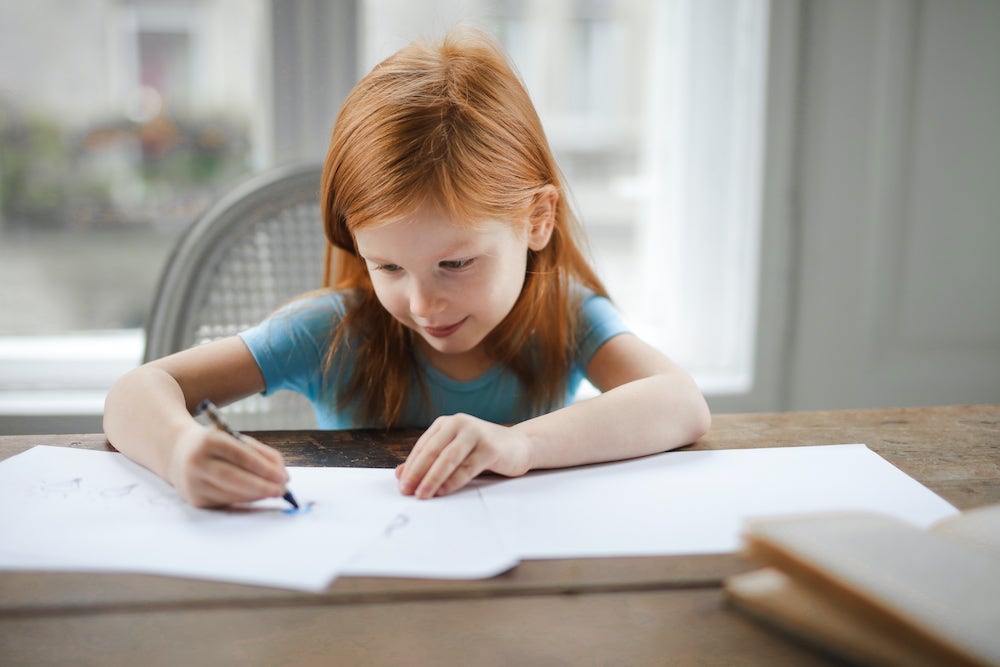
Ao amin'ny Reach Out, mino izahay fa tena zava-dehibe ny mankalaza ny fahombiazan'ny mpianatra. Faly izahay manambara mpianatra Star iray hafa - Emma!
Emma dia maneho ny zava-drehetra azon'ny mpianatra atao amin'ny asa mafy sy ny fanoloran-tena ho amin'ny fahombiazana. Ny mpampianatra an'i Emma dia manaiky azy ho mpianatra manana toe-tsaina mahafinaritra momba ny fianarana, dia mora mandray fampianarana, ary manana fianakaviana tena manohana izay mifandray matetika amin'ny mpampianatra azy. Ao an-dakilasy, I Emma dia mpihaino mitandrina sy malina ary matoky tena ka mizara ny heviny, fa manam-paharetana hanome ny anjarany ny tsirairay. Tsy mampaninona azy ny maka risika, ary afaka mampiditra ny maha-izy azy amin'ny asany.
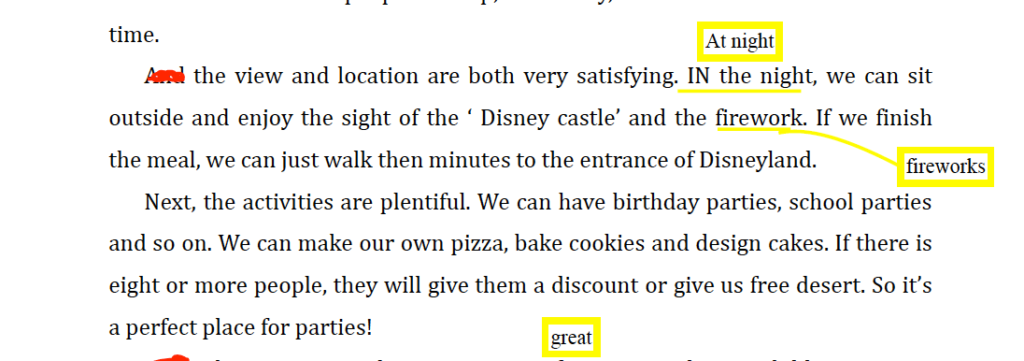
Emma dia misoratra anarana amin'ny ambaratonga famoronana mamaky sy manoratra 4 Mazava ho azy, ary nampiseho fanomezam-pahasoavana tena izy tamin'ny fahaizany mamorona sary matanjaka amin'ny asa sorany. Amin'ny fiandohan'ny semester, nahavita famerenana ny sampana Shanghai Disneyland an'ny Blue Frog izy.
Nasehon'i Emma ny fahaizany mitsikera lafiny manokana amin'ny toerana iray, ary amboary ny heviny amin'ny alalan'ny antsipiriany mifanaraka amin'izany.
“Samy mahafa-po ny fijery sy ny toerana. Amin'ny alina dia afaka mipetraka any ivelany izahay ary mankafy ny fahitana ny Disney Castle sy ny afomanga.
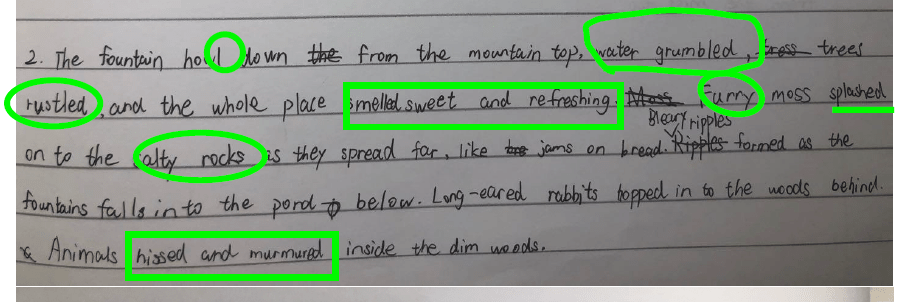
Rehefa nandeha ny semester, Nampiseho fivoarana teo amin’ny fahaizany manoratra i Emma, ary nanomboka nampiditra teknika literatiora mandroso kokoa. Ao amin'ny asa fanoritsoritana ny tontolo iainana, Nahavita namorona sary matanjaka i Emma tamin'ny fampiasana voambolana mazava sy fiteny an'ohatra.
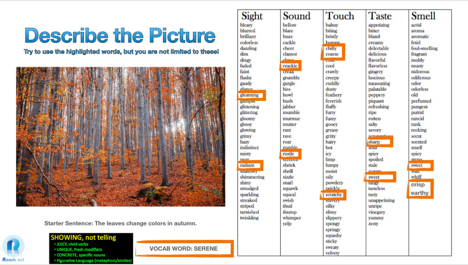
“Niparitaka teo amin'ireo vatolampy masira ny moka volom-biby rehefa niparitaka lavitra, toy ny jam amin'ny mofo. Niforona ny ranon-driaka rehefa nianjera tao anaty dobo ambany ilay loharano.”
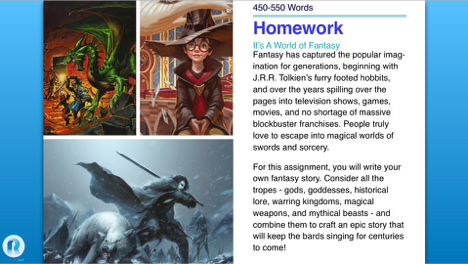
Nanohy nampihatra ireo lesona nianarany nandritra ny fianarana i Emma, ary nihanatanjaka ny fahaizany mpanoratra. Tao amin'ny fanendrena vao haingana momba ny fanoratana tantara Fantasy, Nanamboatra ny toerana sy ny toetran'ny tantarany tamin'ny fomba niniana sy nahomby i Emma.
“Namirapiratra avy teo am-baravarankely ny tara-masoandro manjelanjelatra ka hatrany amin’ny malefaka, lamba firakotra silky. Voninkazo mamy miloko mafana no mamony teo akaikin'ny varavarankely misokatra. Nisy sary manjavozavo nefa mazoto nihantona teo amin’ilay rindrina maitso maitso mamelombelona.”
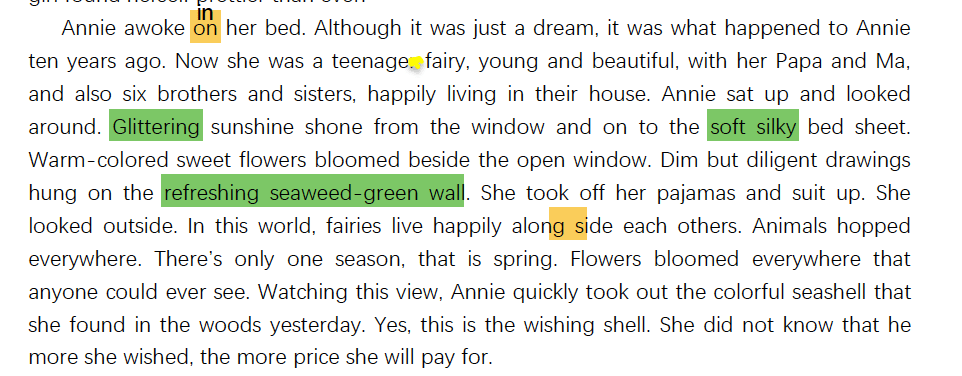
Araka ny hitanao izao, Emma dia mampiseho ny toetran'ny mpanoratra tanora mampanantena. Ny fahavononany hivoatra, ary ny fampiharana amim-pitandremana ireo lesona nampianarina dia nanampy tamin’ny fampisondrotana ny asa sorany ho amin’ny ambaratonga ambony kokoa.
Misaotra anao Emma, noho ny maha STAR azy! Manantena ny hahita ny fitomboanao mandritra ny fotoana maharitra izahay. Fantatsika fa fiandohan'ny dia mamiratra ihany izany.
Amin’ny maha mpanabe, matetika no apetraka aminay ny fanontaniana, “Ahoana no ahafahako mampitsahatra ny famakiana boky tantara an-tsary ny zanako?” Manahy ny ray aman-dreny fa tsy manome lanja fanabeazana ny tantara an-tsary, tsy dia henjana ara-akademika, na ny ratsy indrindra, fandaniam-potoanan’ny zanany. Amin'ity, mazàna no mahagaga azy ireo ny valintenintsika, ary izany valiny izany dia, “Avelao izy ireo hamaky tantara an-tsary!”
Mazava ho azy fa sahiran-tsaina ny ray aman-dreny satria ny fiheverana fa ny tantara an-tsary dia natao ho an'ny famakiana mahafinaritra., na izany aza, Ny tantara an-tsary dia manana tombony maro ankoatra ny fanampiana antsika handany ny fotoana.
Ny tantara an-tsary sy ny tantara an-tsary dia tsy endrika fanoratana vaovao. Mazava ho azy, nankafizin’ny maro hatramin’ny taranaka fara mandimby. Nandritra ny taona maro, Niova ho iray manana halaliny sy dikany ny karazana, izay no mahatonga anay manentana ny ray aman-dreny mba tsy hamela ny zanany hamaky tantara an-tsary fotsiny, fa koa mba hanohanana azy ireo amin’izany.
Ireto ny antony lehibe tokony hamakiana ny tantara an-tsary (indrindra amin'ny fahavaratra!):
Ho an'ny mpianatra tsy miteny anglisy, Ny tantara an-tsary dia manome fomba tsara ahafahan'izy ireo manomboka mankafy ny literatiora anglisy. Ho an'ny ankizy maro, Ny asa ny fandehanana avy amin'ny boky fianarana amin'ny teny anglisy mankany amin'ny tantara iray dia mety ho sarotra be, fa ny tantara an-tsary dia afaka manome tetezana ilaina ho azy ireo hanorina fahatokiana ary koa ny famakian-teny. Ny famantarana hita maso ao amin'ny sary dia ahafahan'ny mpianatra mamorona fahatakarana lalindalina kokoa ny tantara sy ny toetra ary koa ny voambolana vaovao.. Ankoatry ny, mampahafantatra azy ireo ny fitaovana ara-literatiora mahomby, toy ny onomatopoeia (mieritreritra POW! SMACK! ZOOM!) ary idioms (fanoharana mampiseho ny hevitry ny teny toy ny, “Nahazo ny lelanao ny saka?” dia misy dikany kokoa noho ny fanafanana samirery ny fomba fiteny!).
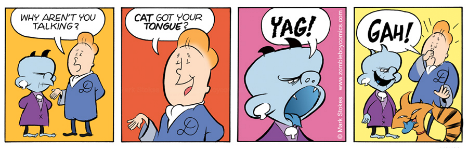
2.Fanatsarana ny Inference
Ny inference dia fahaizana mamaky teny manan-danja izay miady amin'ny mpianatra maro amin'ny fanombanana mamaky teny manara-penitra. Ny fanatsoahan-kevitra dia mitranga rehefa manao tsoa-kevitra mifototra amin'ny zavatra vakintsika isika. Ohatra sasany amin'ireo fanontaniana ho hitan'ny mpianatra mandritra ny asa na fanombanana ny fahatakarana mamaky teny dia ireo toy ny, “Ahoana no tsapan’ilay toetra rehefa?”, "Inona no azonao tsoahina momba ny ..." ary "Inona no lesona tamin'ny tantara?"Ny tantara an-tsary dia mitaky ny mpianatra "mamaky teny anelanelan'ny andalana" mba hanatsoaka hevitra izay matetika notantarain'ny mpitantara ao anaty tantara., mba hahafahan'izy ireo mahazo traikefa sarobidy amin'ny fanamafisana io fahaiza-manao io amin'ny famakiana tantara an-tsary.
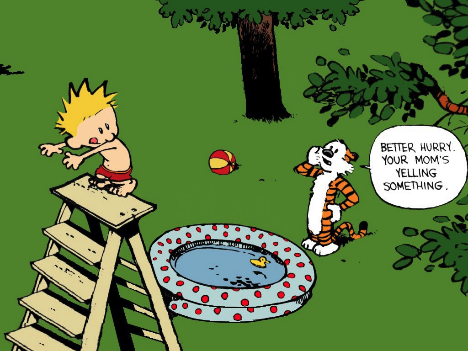
3.Hery Teny!
Matetika amin'ny tantara an-tsary sy tantara an-tsary, ny mpanoratra dia ahitana voambolana efa mandroso, na ao anatin'ny fizotry ny tantara na koa amin'ny anaran'ny olona. In 2016 ao amin'ny Comic-Con malaza eran-tany any San Diego, California, nifanakalo hevitra momba ny herin'ny tantara an-tsary amin'ny fananganana voambolan'ny mpianatra ny mpandinika mpanabe iray. James Bucky Carter, hoy ny mpanoratra ny Building Literacy Connections with Graphic Novels, “Manana Colossus ianao, ary lehibe izy io, lehilahy metaly goavam-be. Tena azonao tsara ny dikan'ny teny hoe colossus ary teny 10-cent tsara izany. Mikiakiaka ny herin'i Banshee. Manana ireto tarehin-tsoratra ireto ianao izay ahitana ny voambolana misy azy ireo. Izany dia fomba mahafinaritra hianarana teny vaovao, ankoatry ny fanoroana teny manodidina.”
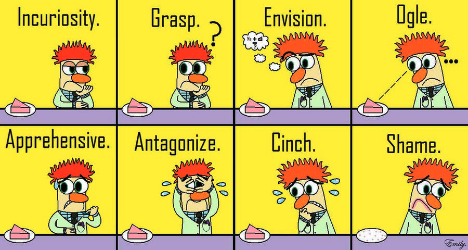
Aorian'ny famakianao ity dia azonao atao ny mamela ny zanakao hiroboka amin'ny famakiana tantara an-tsary na tantara an-tsary! Izany dia mozika ho an'ny sofinay. Raha tsy azonao antoka hoe aiza no hanombohana, manana ankafizin'ny mpianatra izay tian'ny zanakao hanandrana izahay!
Dog Man nataon'i Dave Pilkey

Miles Morales Spider-Man nataon'i Jason Reynolds

tsiky, Ry rahavavy, matoatoa, Tantara an-tsehatra sy tantara hafa nataon'i Raina Telgemeier
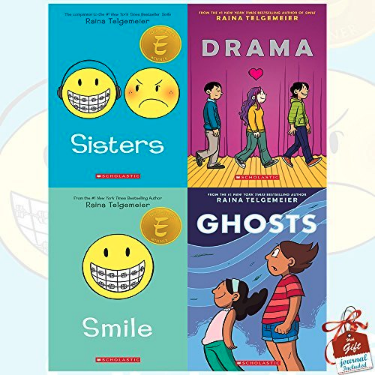
Bone nataon'i Jeff Smith

Mitady fahafahana mamaky teny amin'ny fahavaratra bebe kokoa ho an'ny zanakao? Mifandraisa amin'ny iray amin'ireo Mpanolotsaina momba ny Fanabeazana anay raha mila fanazavana fanampiny momba ny taranja famakiana fahavaratra. Tsy andrinay ny hiara-mamaky teny miaraka amin’ny zanakao!
Tonga ny vanim-potoanan'ny fanadinana, ary mety ho fotoan-tsarotra be ho an'ny mpianatra sy ny ray aman-dreny izany. Ao amin'ny Reach Out dia maniry ny hanao izay tsara indrindra vitanay izahay mba hanamaivanana ny fanahiana amin'ny fanadinana amin'ny fanolorana toro-hevitra momba ny fianarana manokana izay mety tsy mbola nanandrana.
Ny fahendrena mahazatra amin'ny fianarana dia matetika no narahin'ny ray aman-dreny sy mpampianatra maro izay midika hoe tsara, na izany aza, raha mijery fomba fikarohana mifototra amin'ny fikarohana isika dia afaka mahita fa misy karazana fomba mahomby hianarana! Tsara foana ny manandrana zava-baovao, indrindra ho an'ny ankizy. Afaka miaina fomba vaovao amin'ny fanaovana zavatra izy ireo raha mbola tanora, ary rehefa mihalehibe izy ireo, afaka misafidy ny lalana mifanaraka amin'ny filany manokana sy ny fomba fanaony manokana izy ireo.
ankehitriny, andao hijery fomba telo miavaka hianarana.

Ny fahasamihafàna no zava-manitra eo amin'ny fiainana-na dia rehefa mianatra aza
Ho an'ny maro, an-taonany maro no nilazana an'izany mba hianarana tsara, tokony hianatra any amin’ny toerana iray isan’andro isika; toerana mangina, mazava tsara, ary manana ny fitaovantsika rehetra. Na dia mety ho marina aza izany amin'ny fotoana sasany ianarantsika, Ny fikarohana dia mampiseho amintsika fa ny atidohantsika dia miasa tsara kokoa rehefa miovaova ny toerana ianarantsika. Tena mahagaga, TSARA?
Amin'ny fianarana natao hatrany am-piandohana 1978, nomena ireo mpianatry ny oniversite 40 voambolana hianarana. Nisy vondrona iray nasaina nandalina ny lisitra indroa tao amin’ny toerana iray ihany. Nasaina nandalina ilay lisitra tany amin’ny toerana roa samy hafa ny vondrona iray hafa. Ny zavatra hitany dia, ny vondrona izay nanova ny toerana nianarany dia tena nahavita tsara kokoa tamin'ny fitadidiana ireo teny taty aoriana. Fa maninona izao? TSARA, Matetika ny atidohantsika no mifandray amin'ny vaovao mifototra amin'ny tontolo iainantsika, ka arakaraka ny hanovantsika ny tontolo iainantsika, vao mainka isika manome ny atidohantsika hihazona vaovao satria hifamatotra amin'ny zavatra maro kokoa. Mety ho izany ihany koa no antony iray amin'ny teknikan'ny visualization, izay ahitana ny zavatra tiany hotadidina any amin'ny toerana sasany amin'ny tontolo mahazatra azy, mety hahomby koa. Ho an'ny mpianatra, ny famadihana ny tontolo iainana fotsiny dia mety hahavita izany!
Maka fahafinaretana!
Mety ho diso hevitra ny ray aman-dreny sasany fa raha mihomehy na mientanentana ny zanany rehefa mianatra na mianatra, mety handany fotoana izy ireo. na izany aza, tsy voatery ho izany no izy.
Amin’ny maha ray aman-dreny azy, ao amin'ny asanao na ny biraonao dia mety hanana atrikasa manokana ianao indraindray. Ny atrikasa dia matetika ampiasaina ho fitaovana hanampiana anao hianatra momba ny paikady vaovao, hevitra, na fampahalalana izay hanampy anao hianatra bebe kokoa any am-piasana. Ireo fivoriana ireo dia matetika ataon'ny olona manam-pahaizana manokana amin'ny famoronana atrikasa mandrisika sy manentana fanahy izay manentana sy manome hery ny mpiasa.. Mety ho lava sy mafy ny andro, fa raha atao tsara, ny mpiasa dia afaka miala amin'ny fahatokiana amin'ny fahalalany sy ny fahaizany vaovao.
Toy izany koa ny an'ny tanora. Ny fampahafantarana ny lalao lalao sy ny fialam-boly ho toy ny fomba fianarana amin'ny fanadinana dia tsy vitan'ny hoe mitsiky ny zanakao, fa ny fikarohana dia manondro fa ny fialam-boly mandritra ny fianarana dia manetsika loharanon-tsaina sasany, mampifandray ny valisoa sy ny fahafinaretana amin'ny fianarana, manamafy sy manitatra ny tambajotra fitadidiana, ary manodina ny fisainana mibaribary sy mifantoka amin'ny saina.

Ny teknika Pomodoro
Mifantoka hatrany, Mety ho sarotra ho an'ny olon-dehibe sy ny ankizy ny miasa sy mandrisika hamita ny asa sasany. Efa nahatsapa ho toy ny nibanjina ecran ordinatera nandritra ny ora maro ve ianao, nefa kely dia kely ny vita? Na mety manana fe-potoana ianao afaka andro vitsivitsy, fa mizotra mankany amin'ny tsipika fahatongavana fotsiny? Tsy mahagaga izany, satria ny fikarohana dia mampiseho fa ny saintsika dia mirona mankany amin'ny 20% ny fotoana, mety ho bebe kokoa ho an'ny tanora kokoa.
Teknika iray mahaliana no noforonin'ny mpianatry ny oniversite Francesco Cirillo ho fomba iray hanampiana azy hifantoka, ary izany no Technique Pomodoro, izay nahazo ny anarany avy amin'ny fameram-potoana miendrika voatabia nampiasain'i Cirillo rehefa nanandrana an'io paikady io ny tenany. Ny fomba fiasa dia ametrahanao fameram-potoana 25 minitra, izay fotoana fiasana. Dia apetraho indray ho an'ny 5 minitra, izay fotoana fiatoana. Fotoana tsara hifohazana izao, Ahinjiro, mandehandeha manodidina ny trano, alaivo ny sakao, na misotro rano na misakafo. Rehefa tapitra ny fotoana fiatoana, apetraho amin'ny hafa ny fameram-potoana 25 minitra ary avereno!
Hita fa tohanan’ny porofo ara-tsiansa io paikady io, araka ny nanatsoahan-kevitry ny mpikaroka fa ny fiatoana fohy dia manampy amin'ny fitazonana ny faharetan'ny sainao. Mety misy ifandraisany amin'ny zava-misy fa ny fahasorenana ara-tsaina dia mety hitarika ho amin'ny saina tsy voafehy, izay no zavatra farany tadiavinao rehefa mianatra amin'ny fanadinana manan-danja.
Manantena izahay fa nankafizinao ny nandinika ireo toro-hevitra momba ny fianarana tsy manam-paharoa ireo tahaka ny anay! Mirary soa ny zanakao amin'ny fanadinana amin'ity volana ity. Jiayou!
Fantatsika fa betsaka ny zavatra azontsika atao mba hitaizana sy hampianarana ny zanatsika, izay no mahatonga antsika ray aman-dreny matetika manao ezaka be mba hamenoana ny fotoanany amin'ny hetsika sy fampianarana mampanankarena. Nahoana isika no manao izany? Noho ny antony maro mazava ho azy, fa ny tena tanjona dia ny hiantohana ny fahombiazana ho avy. Manantena ny ray aman-dreny fa hahomby kokoa eo amin’ny fiainana ny zanany noho ny tenany. FETY, mazava ho azy, dia subjective, ary mety samy manana ny famaritana ny fahombiazana isika rehetra. Amin'ny ankapobeny anefa, mety hanaiky isika fa ny fahombiazana dia ahitana fahatsapana afa-po amin'ny fiainana manokana, ary koa manana fahatsapana fahafaham-po amin'ny asa sy fiarovana ara-bola.
Vao haingana no nisy resaka TED mahaliana nozaraina tao amin'ny media sosialy, izay Dean of Freshman teo aloha tao amin'ny Stanford University, Julie Lythcott-Haims, dia mitanisa porofo avy amin'ny Harvard Grant Study izay mampifandray ny fahombiazan'ny matihanina eo amin'ny fiainana amin'ny olona nanao raharaha tamin'ny mbola kely. Tsy fanofanana baolina kitra, tsy fianarana fiteny, tsy hoso-doko, fa ny raharaha.
Mahagaga marina?
Maro amin'ireo zanatsika mihalehibe any amin'ny tanàn-dehibe no mety tsy mahafantatra mihitsy hoe manao ahoana ny mikosoka lovia, manasa varavarankely, na moka gorodona. Mety hahatsapa isika fa misy zavatra manan-danja kokoa tokony hatao mba hanorina ny fahalalany sy ny toetrany. Lythcott-Haims dia manazava fa ireo ankizy izay maloto ny tanany, na izany aza, mety hahatratra ambaratongam-pahombiazana eo amin'ny fiainana izay mihoatra noho ny namany tsy manao raharaha. Izany dia satria mampianatra ny mpianatra ny fomba fandraisana anjara sy ny fisondrotry ny asa rehefa ilaina ny asa, ary ny fanaovana ny “asa mimenomenona” mety haneso ny hafa, satria io no tsara indrindra ho an'ny rehetra, izany no tsikaritra eny am-piasana.
Niavaka ny toeram-piasan'ireo olona ambony izay nandray anjara tamin'ny Harvard Grant Study, toy ny Trano Fotsy, toerana niasan'ny Filoha Kennedy mpandray anjara, ary ny biraon'ny tonian-dahatsoratra nipetrahan'i Ben Bradlee ho tonian'ny The Washington Post. Afaka mihevitra isika fa ny ray aman-dreniny, tahaka antsika, tsy maintsy nanosika sy nitalaho mba ho vita ny raharaha, ary ekeo izany na dia vita aza ireo, mety tsy vita tsara izy ireo; ary tsy maninona izany.
Ny zava-dehibe, araka ny nasehon'i Lythcott-Haims, dia ny manao raharaha, fantatry ny ankizy fa izy ireo, "... tsy maintsy manao ny asan'ny fiainana mba ho anisan'ny fiainana." Takatr’izy ireo fa tsy mihatra aminy fotsiny ny fiainana, ary ho azy ireo, SAINGY amin'ny IZY IREO.
Raha toa ka efa manao raharaha ny zanakao isan'andro amin'ny fahavaratra, bravo! Eo amin'ny lalana marina ianao. Raha tsy izany, tsy mila taitra. Mbola tsy tara mihitsy ny mampiditra ny raharaha eo amin’ny fiainan’ny zanatsika. Ireto misy torohevitra vitsivitsy hanampy anao hanomboka!
Avelao izy ireo ho anisan'izany
Rehefa mampiditra ny foto-kevitry ny zanakao mamita ny raharaha mba hanampy, manaova “fivorian’ny mpianakavy” izay hanatrika ny rehetra mba hiresahana izay andrasana amin’ny zanakao sy ny antony. Azonao atao ny mangataka ny zanakao hanampy anao hanoratra lisitr'ireo raharaha mety ho azony atao ao an-trano. Mety hahagaga anao amin'ny hafanam-pony izy ireo satria mampientanentana ny ankizy sasany ny manao raharaha satria mahatonga azy ireo hahatsapa hery sy manampy. (zavatra roa tiantsika matetika rehefa lehibe).
Lalao-ify It
Mba hahafinaritra ny zavatra, satria ny fahafinaretana dia manatsara ny zava-drehetra, ianao na ny zanakao dia afaka manoratra ny raharaha amin'ny popsicle ary isan'andro ny zanakao dia afaka misafidy tapa-kazo iray amin'ny siny.. Izany no hataon’izy ireo mandritra ny andro! Raha manan-janaka mihoatra ny iray ianao ao an-trano, azonao atao foana ny manova ny fanadiovana ho fifaninanana amin'ny alàlan'ny fametrahana fameram-potoana sy ny fijerena izay ankizy afaka manadio kilalao be indrindra ao anatin'ny fe-potoana nomena., ohatra.
Valio izany
Amin’ny maha ray aman-dreny azy, mahazo valisoa isika amin'ny fandraisana anjara amin'ny asa miaraka amin'ny karama. Tsy tokony hahazo valisoa koa ve ny zanatsika noho ny asa mafy nataony? Ny hevitra iray dia ny hoe raha vitan'ny zanakao ny raharaha rehetra mandritra ny herinandro, afaka misafidy kilalao kely avy amin’ny “boaty harena” feno kilalao kely izy. Ny safidy iray hafa dia ny hoe raha mahavita raharaha tsy tapaka mandritra ny iray volana ny zanakao, afaka misafidy fialan-tsasatra manokana ho an'ny fianakaviana izy ireo.
Tsy mora foana ny mampianatra ny zanatsika hanao raharaha, fa ny tombontsoa mety ho azo dia mendrika ny fotoana sy ny ezaka. Manantena izahay fa nahasoa anao ny toro-hevitray, ary afaka manampy amin'ny fitarihana traikefa tsara ho anao sy ny zanakao izy ireo. Faly manadio!
We are pleased to announce a new summer book club, just for parents! Summer is the perfect time to read that book you have always wanted to read, but have not had the time to. This summer, we invite you to join us in reading How to Talk So Kids Will Listen and Listen So Kids Will Talk.
We know it is not always easy to connect with our children because of the demands of school, work and daily life. Sometimes our anxieties about the future interfere with us living our lives right now. na izany aza, one thing we can guarantee is that we will never get another chance to experience childhood with our own children, and we don’t want to miss out on this precious time. Noho izany, how can we make the most of it and have meaningful conversations with our children that will strengthen our bond and help our children feel supported? These are big questions many of us have.
To help us answer these important questions, we invite you to join us in reading one of the most popular parenting books of all time, written by Adele Faber and Elaine Mazlish. How to Talk So Kids Will Listen and Listen So Kids Will Talk, which teaches us how to accept our children’s feelings, as by not doing so we could be unwittingly causing bad behavior. It also teaches us positive ways to encourage cooperation, as well as independence, autonomy, and self-confidence. These are all the ingredients needed to help nurture a positive parent-child relationship that will indeed help to grow our children into confident and capable adults.

How Will It Work?
The first step is to contact one of our Education Consultants to register. Registration is FREE and open to everyone! We will create a group chat where the book study content and sharing will take place starting on July 1st. Lindsey Fine, our Education Manager, will be joining the group as a parent as well, as she is a mother of two boys, aged 4 SY 6, who will be learning along with you. She will also be helping to lead the weekly discussions.
The book can be found in English and Chinese and easily accessible in print, e-book, or audiobook formats.
Then there are two options for how you would like to participate:
The reading schedule is as follows:
Week 1: Chapters 1 & 2
Week 2: Chapters 3 & 4
Week 3: Chapters 5 & 6
Week 4 Chapters 7 & Afterword
At the end of the month, we will host an online workshop led by School Counselor, Regina Wehner. At the workshop, Regina will share additional information and strategies you can use to strengthen your relationship with your child.
About Regina Wehner

Regina Wehner is a Licensed School Counselor that has worked with students in Middle School for over 16 years. Originally from the United States, she lives with her husband and 2 children, ages 10 SY 12, in Beijing, China.
Regina works at the Western Academy of Beijing (WAB), a diverse international school. A big part of being a school counselor is helping students learn about themselves and others as they are growing. Regina also hosts monthly Parent Coffee Mornings to bring parents together to learn more about their children's developmental changes and how to communicate during these times of transition.
Contact us today to join!
Helping Your Child Learn New Vocabulary
Research indicates that if we want students to succeed in the academic context, on important assessments and high-stakes exams, as well as their future careers, we must help them develop their vocabulary. The reason for that is this: our understanding of new information is directly linked to our understanding of the vocabulary used to communicate that new information.
Ho an'ny mpianatra, increasing their vocabulary is one key to success in mastering a language; the more words we know, the more words we understand, and the more words we can use in our writing to make it more impactful and effective. na izany aza, learning now vocabulary is sometimes viewed as a tedious or elusive process. Sometimes parents are not sure how to guide their children, especially as the way we approach vocabulary study study may vastly differ from the way parents studied it when they were in school.
Don’t worry, Reach Out is here to help! Let’s explore vocabulary acquisition (the process of memorizing and applying new vocabulary), and we’ll tell you how you can help your child build their vocabulary!
Talk About It!
It might seem overly simple, but when it comes to learning new words, one effective way young people do it is by talking with others. Children learn new words best when they are in context, such as in a conversation about a certain topic. They can infer a bit of new words’ meanings based on how they are used along with the other words they are already familiar with.
You have likely been interrupted by your child on many occasions when you use unfamiliar vocabulary and they curiously ask, “What does disaster mean?” You might have been referring to the state of their bedroom (as in it is a complete mess), and by taking a moment to explain the multiple meanings of disaster to them, you will not only have taught them a new word to describe a messy room, but also a failure or a naturally occurring phenomenon, such as a natural disaster.
Noho izany, talking with your child is a great way to teach them new words!
Explore It!
Students generally understand that they can use a dictionary or a translator if they encounter a word they do not know, but sometimes even the definition of a word might leave them with more questions than answers.
In our experience, many students do not utilize one very important tool for learning and applying new vocabulary, and that tool is a thesaurus! If you notice your child overusing a word when speaking or in their writing, ohatra, “pretty”, “cute”, “good”, or “bad”, then take some time to show them how to use a website such as thesaurus.com to look those words up. When they search for the word such as “pretty” they will see that there are so many interesting and unique words to use instead! I
In our experience, students really enjoy using new vocabulary, and feel empowered to know there is a tool to help them make their words mightier.
Play!
Having fun while learning isn’t just something teachers do to make students happy, it’s actually been proven by neuroscience to be an effective way to help students learn more and more deeply. Research shows that when students are both stimulated and challenged, their brains release dopamine. Dopamine is a neurotransmitter that stimulates the memory centers and promotes the release of acetylcholinem, which increases focused attention.
In our courses here at Reach Out, vocabulary instruction is an important part of each lesson. We also have courses launching this summer, Vocabulary Builder Levels 1-3, in which we will focus exclusively on helping your child expand their vocabulary knowledge with challenging new words. While the words chosen offer the challenge, tools like Quizlet and games such as Guess Who and Sentence Racer provide students with the chance to interact in a meaningful and engaging way.
How do we know these methods are effective? Because our decades of experience, and study of educational psychology and methodology have taught us how students learn best!
We would love to help your child learn new vocabulary as one of the ways he or she can become an effect more effective and successful reader, writer, and speaker. To learn more about how we can help, mifandraisa amin'ny iray amin'ireo Mpanolo-tsaina momba ny fanabeazana eto amintsika anio!
Raha mitady serivisy fanabeazana manokana kokoa ianao, Reach Out dia manolotra tolotra 1-on-1 miaraka amin'ireo mpanabe manam-pahaizana!
Inona no atolotray?
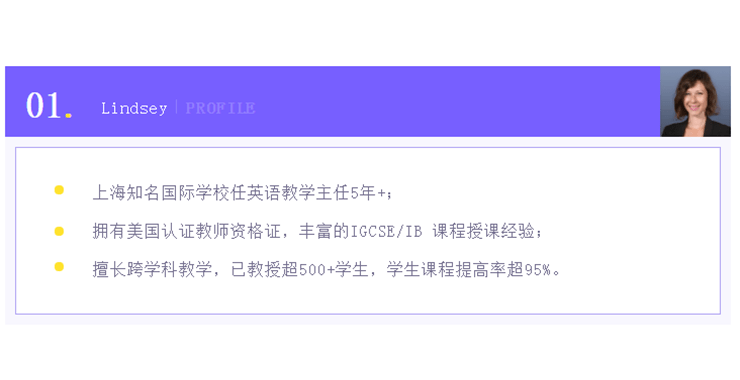
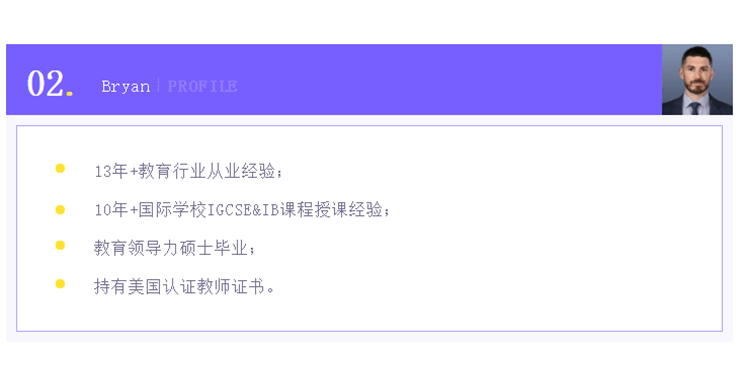
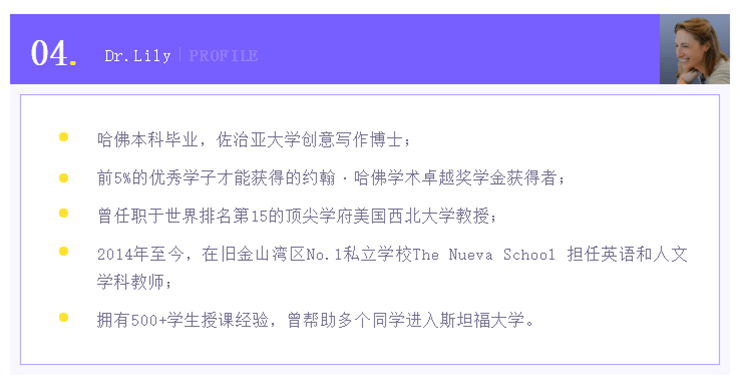
Ny mpampianatra anay dia manolotra taranja 1-on-1 isan-karazany ao anatin'izany ny teny anglisy, Siansa sosialy, ary Matematika.
Hihaona amin'ireo mpampianatra mahay sy manana traikefa!
Nahoana aho no tokony hisafidy serivisy 1-on-1?
Angamba ny zanakao dia miomana hianatra any ivelany na hisoratra anarana any amin'ny sekoly vaovao ary tiany ny fomba fiasa mafonja sy mikendry kokoa mba hanamafisana ny fahaizany.. -tsy izany, mety tsy hahatsiaro tena ho sahirana amin'ny fandaharam-pianarana misy azy ankehitriny ny zanakao, ary mila fomba hafa mifanaraka amin'ny haavon'ny fahaizany.
Misy antony maromaro mety hikaroka tolotra toy izany ny ray aman-dreny, ary afaka manome toky anao izahay fa hiezaka hatrany izahay hahatakatra ny toe-javatra tsy manam-paharoan'ny zanakao ary hanome ny tolotra tsara indrindra ho azy ireo..
Ahoana no fiasan'izy io?
Miaraka amin'ny fomba fiasantsika, ary ny fizotry ny orientation, hanombantombana ny fahalalana sy ny fahaizan'ny zanakao mifototra amin'ny angona fanombanana amin'izao fotoana izao, fahaizana manoratra, sy ny maro hafa. Mifototra amin'ny zavatra hitanay, hifidy ny mpampianatra mifanentana indrindra amin'ny filan'ny zanakao izahay. Voafantina tsara avokoa ny mpampianatra Reach Out, ary manana traikefa an-taonany amin'ny fampianarana fandaharam-pianarana sarotra, toy ny IGCSE, IB, ary AP, any amin'ireo sekoly ambony manerana izao tontolo izao.
Miompana amin'ny tanjona ny dingana ataontsika. Hitanay tsara izay ilain'ny zanakao hanatratrarana ny tanjony amin'ny fianarana, ary avy eo dia mamorona lalana fianarana tsy manam-paharoa sy namboarina izay mifanaraka indrindra amin'ny filan'ny zanakao.
Inona koa no atolotra?
Ankoatra ny serivisy 1-on-1, Ny Reach Out dia manolotra fampianarana isan-karazany natao manokana hanoherana sy hampiroboroboana ny zanakao ao amin'ny kilasy faha-2 hatramin'ny faha-8 miaraka amin'ny votoatin'ny ambaratonga ambony mba hanampiana azy ireo hiomana amin'ny hamafin'ny programa toy ny IGCSE., IB, ary AP.
Ahoana no ahafahako mianatra bebe kokoa?
Raha te hahalala bebe kokoa momba ny serivisy 1-on-1 izahay, azafady mba mifandraisa amin'ny iray amin'ireo Mpanolotsaina momba ny Fanabeazana anay anio raha te hahalala bebe kokoa! Manantena izahay ny hanampy ny zanakao hahatratra ny tanjony amin'ny fianarana ho amin'ny hoavy mamirapiratra!
Who We Are
As you may have noticed, we have been growing and have some exciting additions to what we offer here at Reach Out. As it has been a while since we introduced ourselves, we thought we would share our story with you to help you better understand who we are and what we do!
Our Mission
Reach Out’s mission is to connect students with expert educators who create and deliver original, inspiring, world-class curricula. We have embarked on this journey so that we may help students understand how to find their own unique voice and uncover the creative and valuable ideas that lie within each of them. With their voices, they have the power to change the world, and we wish to empower them to do so.

Our Vision
Reach Out strives to be an internationally recognized educational institution that allows students to access top level international curriculum and educators, no matter where in the world they are. Our students will be perceptive, curious, and critical thinkers who make informed choices as excellent problem solvers and communicators. Reach Out students will achieve their academic and personal goals and dreams from Primary School to University, placing their brilliant futures within reach.
Our Core Values
These are the principles which shape Reach Out:
Our Story
Reach Out was created by a small group of dedicated mothers, perhaps much like yourself. They were brought together by a common vision for the educational needs of their children. Some were looking for an educational program that could offer their children access to the ideas, teaching philosophy, and methodology that matched what they had experienced while living abroad. Others were looking for an internationalized curriculum that their children could access to enrich their educational experience in China. What they shared in common was a desire for a rigorous program that also opened the doors to creative and critical thinking, self-reflection, and personal expression - the hallmarks of a strong international curriculum. After spending considerable time exploring various options, these moms were not able to find anything that quite met their children’s needs.
Noho izany, they did what any good mother would do, given the chance, and found their own way to offer their children the best possible learning opportunities designed to help them thrive. They consulted expert teachers and worked with other parents to discover how they could best meet the needs of other children with similar goals. Children, we hope, like yours.
The parents were committed to:
We are happy to say that these mothers have achieved their goal. Today Reach Out boasts a complete line of rigorous yet engaging courses in which students learn deeply while having fun and creating meaningful relationships with their teachers and peers.
All of this because of our founding mothers’ commitment to their children’s education and happiness.
What Makes Us Unique?
While we understand parents have an array of choices when it comes to programs that enrich their children’s education, we believe we offer many unique qualities that are not easily found elsewhere.
Our team consists of highly skilled and experienced educators who have created a unique and rigorous program based on international school standards, which prepares younger students to take on rigorous curriculums such as IGCSE, IB, ary AP.
-Our one to one programs and curriculums designed to exceed the educational needs of our students
-Our teaching philosophy of inspiring and empowering students, and teaching methodology of allowing students to explore knowledge widely and deeply while at the same time developing a love of learning
-Our commitment to the long-term success of our students as we strive to equip them with the essential skills they will need to succeed in their future careers and the world beyond school
- The detailed feedback we provide with all of our student assessments, so that students know where they are succeeding and where they might improve, as well as the supplemental materials and instruction needed to help our students close any gaps in understanding
-Our dedication to developing our students’ critical thinking and problem solving skills, which will be essential for their future, as well as the future of our global society
-Our promise to hire all of our teaching and non-teaching staff based on their mutual passion for education
-Our ability to empower students to use the language, knowledge, and skills they acquire to develop themselves beyond the classroom and into curious, lifelong learners who set and pursue challenging, fulfilling, and worthwhile goals.
-Our hands-on, individualized approach to creating a learning path for our students so that no matter what grade level they are when they join us, they will be equipped with the tools necessary to improve and grow rapidly
-Our commitment to empowering our clients with information and experiences that will help them make the absolute best choices for their child's education by offering informative articles, videos and workshops.
Our Curriculum
Our Blue Line curriculum, which includes courses for students in Grades 2 to 8, was designed by expert educators with advanced level degrees in their subject areas who have spent decades in some of the top international schools in the world. We use backwards curriculum design working our way from the first year of programs such as the widely recognized and respected IGCSE program.
As our educators have spent years teaching courses pre-IGCSE, IGCSE, IB and AP or A Levels curriculum, they understand what students need to succeed in those programs. Noho izany, each aspect of our curriculum has been created to make sure that all of our students enter their first day of Grade 9 feeling confident, equipped, and prepared to meet the demands of these rigorous courses.
We offer a wide range of courses in the subjects of English, Matematika, History and Geography. See below for more detailed information on our full course offerings.
Additional Services
We are also pleased to announce the creation of our Silver Line, which offers bespoke educational services that take an individualized approach to meeting our students' needs. We begin with a deep assessment of each student's educational goals and needs, and then create and implement a scheme of work with which our expert educators will use to guide your child through the academic challenges of High School in order to prepare them to eventually attend their dream university.
We also offer 1-on-1 services at all grade levels for parents who wish to offer their children more individual care and instruction. Our expert Education Consultants will make sure to match your child with the best educator for his or her specific needs and goals.
Join Us!
We look forward to meeting your family and discussing how you can be part of our Reach Out family; one that learns together, cares for each other, overcomes challenges together, and celebrates successes with one another. Please contact us today to find out more.
We hope to hear from you soon!
Being a parent is hard. In fact, with the changes in our world today, it might just be one of the challenging moments we have had to face in decades. Change leads to uncertainty, and uncertainty can lead to stress. Stress certainly affects all areas of our lives, sometimes it will impact our relationship with our loved ones the most; especially our children.
Our children can be complicated (let’s face it, so can we!), and it is a daunting task to ensure that every move is the “right” one. That all of our conversations, demands, requests, plans, praises and criticisms mean something. Every moment we spend talking to our kids, we hold the hope that these words will be enough to fill our children with the hope of a great future at a time where the future is so uncertain. Times change, and this too shall pass, but one thing we can guarantee is that we will never have a second chance at spending a childhood with our children.
Amin’ny maha ray aman-dreny azy, we often ask ourselves if we are in fact doing the right thing, wondering how we can get through to our kids, trying to understand our children better, and sometimes feeling like a guilty failure because we tell ourselves we are doing it wrong. Oftentimes, that is not the case, but there is no instruction manual on how to raise a child that will work for everyone in all situations. Sure, there is a lot of advice, an overwhelming amount of it, but again, most advice is just that; guidance and recommendations by people who don’t know you or your child. Some of it is helpful, and some of it…not so much.
One thing that we cannot deny though is the importance of a healthy relationship between parent and child.
Research shows that:
It is essential to make the time to nurture a relationship with your child, and perhaps even more imperative, making sure the interactions we have with our children during that time are positive. This is something that many parents find challenging, which is why we created a parent book club for the book How to Talk So Kids Will Listen and Listen So Kids Will Talk by Adele Faber and Elaine Mazlish. Together we learned ways to positively communicate with our children in order to strengthen our bonds. We spent time discussing ideas from the book, as well as had a virtual meet up to role-play some of the strategies from the book. On top of that, we invited Middle School Guidance Counselor, Regina Wehner, to provide parents with a workshop in understanding our child’s cognitive and emotional development.
Here are some highlights we would like to share with you!
First, from How to Talk So Kids Will Listen and Listen So Kids Will Talk, here are two of our favorite strategies:
Children have difficulty regulating their emotions, as the brain’s emotional regulation center is one of the last to develop. This means that they need our help in the form of compassion and modeling. This can be so challenging, especially when we may have difficulty managing our own emotions at times! We have an easy strategy for you that will only require two things:
When your child comes home upset about something that happened at school, instead of lecturing and offering our sage advice, we can simply listen to their concerns and repeat the ideas back to them. Ohatra, if your child comes home upset and says something like, “Ugh, today Elizabeth and Sarah were so mean to me! They completely ignored me and I hate both of them now!” Instead of saying, “Elizabeth and Sarah are your best friends. It’s not a big deal and I am sure you will be fine tomorrow,” which could invalidate your child’s feelings, you can say, “Oh, I see. Elizabeth and Sarah made you feel a bit left out. That probably made you feel a bit sad and mad.” At this point your child might keep talking and open up to you, which is great! It means they trust you and you are making them feel better. Continue to listen, nod, say, “Mmmhmm,” and repeat what they say. Having you simply listen will likely make your child feel 100% better and ready to face their next challenge!

2. I wish!
Our children often express their desires in the form of wishing they had things they don’t have or wishing things were different than the way they are. Ohatra, children may say, “I wish I didn’t have to do all that homework.” We may reply, “Well, you do and that’s that!” or “It’s what you have to do. It’s your responsibility so you need to do it now!”
This may escalate into a battle of wills as parents feel frustrated that they keep hearing the same complaint and repeat the same reasoning. The children feel frustrated because their opinions are being invalidated and they feel misunderstood. TSARA, don’t worry, we are here to help! We have a little trick that will help you turn the conversation around, and that is to agree with your child. It may sound counterintuitive, but we have firsthand experience with this trick and it works wonders!
Ohatra, if your child says, “I wish we could go to the park today like I wanted!”
Instead of saying, “I can’t, I am too busy,” or “Yes, but we can’t, it’s raining,” we can say, “I wish we could too! We could go to the park and have a picnic! We could fly a kite and blow bubbles! Why don’t we have a picnic in the living room and after that we can blow bubbles in the bathroom!”
The first part gets the kids excited and their imagination going, taking them to a happy place. The next part makes them feel heard and connected to you.
ankehitriny, some highlights from Ms. Wehner’s workshop:
*Please help me choose these! :)*
If you would like to join one of our workshops or book clubs in the future, make sure to follow us and stay tuned! We have great things coming up this fall!
Ray aman-dreny maro no manontany antsika hoe inona no fomba haingana indrindra ahafahan'ny zanany manatsara ny asa sorany. Na dia mino mafy aza izahay fa tsy misy fomba fohy hahatongavana ho mpanoratra tena mahomby sy mahay, misy zavatra sasany azon'ny mpianatra ampidirina ao anatin'ny asa sorany mba hanampiana azy ireo amin'ny ambaratonga manaraka amin'ny fomba mahomby kokoa. Toy ny amin'ny zavatra rehetra miezaka ho voafehy, Ny fanalahidin'ny fahombiazana dia ny asa mafy sy ny famerimberenana. Ny fampiharana tsy tapaka ireo fahaiza-manao ireo dia hanampy ny zanakao hahatratra ny tanjony amin'ny fianarana.
Ity lahatsoratra ity dia ho voalohany amin'ny andian-dahatsoratra izay hifantoka amin'ny fahaiza-manao mifanaraka amin'ny karazana fanoratana. Ity herinandro ity, hifantoka amin'ny toro-hevitra momba ny fanoratana famaritana isika.
Torohevitra momba ny fanoratana famaritana:
Ny fanoratana famaritana dia endrika zavakanto marina, satria ny tanjony dia ny hamorona sary ao an-tsain'ny mpamaky. Tsy afaka milaza tantara amin'ny hetsika sy ny fifanakalozan-kevitra irery, ary tsy afaka mampita hevitra sy fihetseham-po lalina ao anaty tononkalo ny olona iray raha tsy mandoko sary amin’ny teniny.
Ny fomba iray mahery vaika hanamafisana ny famaritana dia ny manampy adjectives sy adverbs na aiza na aiza azo atao. Ohatra, raha manoratra tantara ny zanakao dia mety hanoratra zavatra toy izany izy:
“Nivoaka tany ivelany i Harry ary nanomboka nitady ny namany.”
Raha misy dikany fototra io fehezanteny io, fototra ihany koa ny fiantraikany amin'ny mpamaky. Avy amin'ny tovona pai - mamaritra ny fitaona ankehitrinin'ny aôrisitry ny endriky ny atao, ny fototeny adjektiva ;, afaka manampy sary haingana sy mahomby amin'ny fehezanteny isika:
“Navoakan'i Harry ny varavarana fidirana, mamely azy ao aorianany. Nidobodoboka ny fony rehefa nihazakazaka nanodidina ny manodidina izy nitady ny namany.
Ao amin'ny fehezanteny nohavaozina, mahita famaritana izay milaza amintsika fa tsy ny hetsika izay mitranga ihany, fa manampy antsika hahatsapa ny fihetseham-pon'ny toetra, lafiny manan-danja amin'ny fitantarana.

Ny fomba tsara iray hafa hanamafisana ny tantara na tononkalo dia ny fampidirana fiteny an'ohatra, toy ny fanoharana. Ny fampitahana dia fampitahana izay mampiasa tahaka na toy izay azo ampiasaina hanampiana ny mpamaky haka sary an-tsaina ny zava-mitranga mazava kokoa.
Ohatra, mety hanoratra zavatra toy izany ny zanakao:
Faly be aho!
Tena mahafatifaty!
Tena natahotra izy!
Afaka manampy fampitahana isika mba hamoronana vokatra tsara kokoa:
Faly toy ny saka kely tao amin'ny fivarotana kofehy aho.
Mahafatifaty toy ny zazakely panda nilalao ny ranomandry.
Natahotra toy ny bitro vao nandre amboadia midradradradra izy.
Ny toro-hevitra farany ho an'ny fanoratana famaritana dia ny mifidy voambolana izay tena marina ka mampita tsara ny tian'ny mpanoratra ho tsapan'ny mpamaky.. Matetika, ny mpianatra dia hanoratra famaritana izay somary manjavozavo, miaraka amin'ny fehezanteny toy ny:
Reraka be izy.
Tena mankaleo ilay sarimihetsika.
Nangatsiaka be izy ireo.
Nafana be ny efitrano.
indray, ireo fehezanteny ireo dia mitondra dikany tsotra, fa amin'ny fanoratana famaritana, tsy ampy fotsiny izany. Ny famaritana mahomby dia mampiasa voambolana misy fiantraikany, ary afaka manatratra izany isika amin’ny alalan’ny fisafidianana ireo teny tsara indrindra mba hampitana ny heviny marina indrindra.
Jereo ny fomba fandraisantsika ireo fehezanteny etsy ambony avy amin'ny mahazatra mankany amin'ny miavaka amin'ny fanoloana ampahany amin'ny fehezanteny amin'ny voambolana mahery vaika:
Reraka izy.
Tsy noeritreretina ilay sarimihetsika.
Nangatsiaka hatramin'ny taolana izy ireo.
Natsatsika ny efitrano.
Ny vaovao tsara dia ny zanakao dia tsy mila miantehitra amin'ny fahalalany voambolana amin'izao fotoana izao mba hahombiazana amin'ny famoronana fehezanteny toy ireo etsy ambony.. Ny thesaurus dia manana ny teny rehetra ilainy mba hamoronana famaritana tsy hay hadinoina.
Manantena izahay fa nanampy ireto torohevitra ireto! Raha tianao ny hianaran'ny zanakao ny fomba hampiharana ireo fahaiza-manao ireo miaraka amin'ny iray amin'ireo mpanabe tianay, andraso ny filazana ho avy amin'ny taranja fahavaratra sy fararano vaovao!
Amin'ny herinandro ambony, hojerentsika ny toro-hevitra momba ny fanoratana mandresy lahatra!
Tell us a bit about yourself.
I grew up in five different countries (Sweden, England, Germany, South Africa, and Canada). Integration into a diverse spectrum of cultures growing up has made me see the world with an open mind. I currently reside in Canada and work as both a university lecturer and a Math teacher at Reach Out. Outside of work I really enjoy sports such as badminton and chess, which I played at a competitive level for many years.

What is your educational background and qualifications?
I received a Bachelor of Science Degree from the University of British Columbia (UBC) and an obtained my MSc at the same university. My graduate work involved experimental geoscience where I designed an apparatus to investigate how diamonds reach the surface of the Earth through high velocity magmas. I published articles in two high impact journals and presented the work across Canada and Europe.
During my graduate studies I had the privilege of lecturing a few classes which transitioned into a lectureship position. Teaching at the university level involves lecturing a class of over 200 MPIANATRA, which is very different to the work I do at Reach Out, but has helped me develop a dynamic teaching style.
Additionally, I have been teaching Math and Science both privately and through educational organizations for over 6 taona.
Why did you join Reach Out?
I joined Reach Out because the prospect of being able to deliver high quality education from around the globe without border restrictions resonates with me.
I feel that the reason I am committed to staying at Reach Out is more important. The personalized classes being delivered has allowed me to connect with the students, making their progression much more meaningful to me. Some students have been together with me through multiple grade levels and I feel immensely proud to have played a role in their education.
What is your educational philosophy?
Having a background in experimental science has allowed me to see value in making breakthroughs through experimentation. By allowing students to experiment with different methodologies while offering guidance is an extremely effective way of teaching students to not be afraid of failure. Richard Fuller correctly said, “There is no such thing as a failed experiment, only experiments with unexpected outcomes.” Students often start my classes afraid to answer questions, discuss with their classmates, or write on the board since they don’t know the answers. Since I am always more focused on solutions rather than answers, students’ are rewarded for trying new techniques, discussing failed methods, and asking questions about their classmates’ work. I found this to produce a phenomenal learning environment and takes a lot of pressure off the students.

What is your favorite thing about teaching Math?
My favorite thing about teaching Math is the exciting challenges it provides. After teaching Math for many years, I have come to realize that students see the world from a unique perspective, which more often than not, is very different from my own. This diversity produces a wide spectrum of learning styles and requires me to stay very flexible with the methodologies I use in my teaching.
Math is a complex subject which has provided us with a universal language to better understand the universe that surrounds us. Having a good problem solving ability is a byproduct of learning Math and crucial for success in the modern world. For these reasons I have the responsibility to transform a traditionally dry and boring subject into something exciting by creating compelling lessons and using creativity to inspire my students. This will always be something I love about my job.
Who is your favorite mathematician and why?
This is a tough question, and it’s hard to pinpoint one Mathematician since I utilize the works of so many Mathematicians in just one lesson. If I had to pick it would be either Johannes Kepler or Nicolaus Copernicus since I also love astronomy. Their Math not only challenged everything that was believed about our solar system at the time, but also formed the foundations for understanding planetary motion. Space travel has relied heavily on these concepts.
If you could only give parents one piece of advice when it comes to helping their child improve in Math, what would it be?
One thing I have worked on a lot with my students, is getting them to explain their solutions to me regardless of how easy it may seem. Being able to arrive at the correct answer in certain school curriculums may not require a complete understanding, but being able to explain a solution well does require a good understanding. Make sure that your child is always showing very clear steps in their work and that they can explain their steps to you. This certifies understanding and shows they are prepared for questions which test the same concept but may be worded differently.
What is one fun fact about yourself?
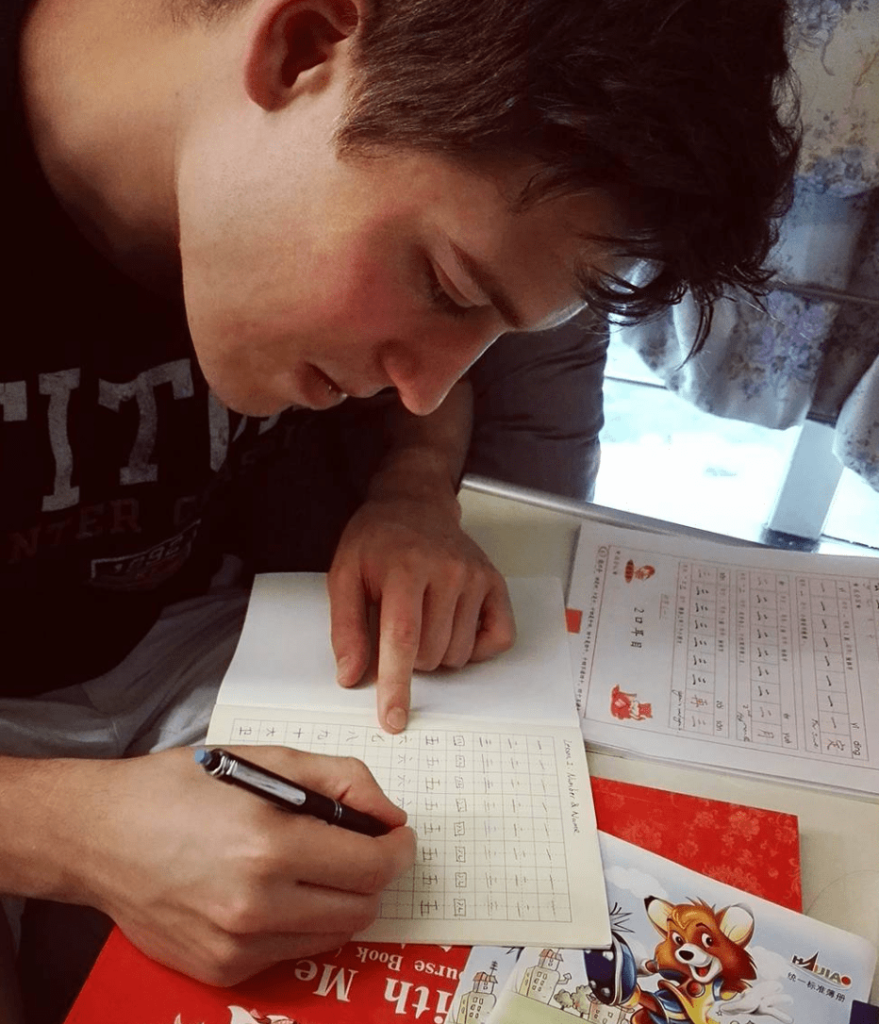
I really like learning languages! After growing up in many different countries I can speak English, Swedish, and German fluently. For the past two years I have been working to add Chinese to my collection and have enjoyed the unique challenges that learning this complex language has provided me with.
Ny Secret Garden dia literatiora mahazatra izay anisan'ny fahazazana tsy hita isa (raha tsy hitanao ny lahatsoratra momba ny antony tokony hamakian'ny ankizy ny tantara an-tsary mahazatra, jereo ny rohy eto ambany!). Tantara mafonja momba ny fisakaizana sy ny fahitana ny tena izay mirakitra ny fanahintsika.
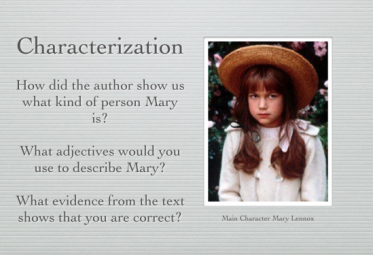
The Secret Garden momba ny tovovavy iray antsoina hoe Mary Lennox izay namoy ny fianakaviany sy izay rehetra nahazatra azy noho ny fihanaky ny kôlerà tany India., izay niasa ho Kapitenin'ny Tafika Britanika ny rainy. Fony mbola zaza, Tena tsy noraharahaina i Maria, fa navelan'ny mpanompon'ny fianakaviana, ka zaza simba sy ratsy toetra izy. Vitsy ny toetrany izay hanampy azy hiatrika fiainana vaovao any Angletera, izay nandefasana azy hiara-mipetraka amin'ny havany lavitra, Mr. Craven.
Mr. Nanana fitsipika henjana tokony harahin'i Mary tao amin'ny tranony vaovao tao Misselthwaite Manor any Yorkshire i Craven, anisan'izany ny fandrarana azy tsy hiditra amin'ny efitrano samihafa ao anatin'ilay trano lehibe, ary voarara koa ny miditra amin'ny zaridaina iray amin'ny fananana mivelatra, izay an’ny vadiny efa nodimandry malalany. Rehefa nanomboka nijery ny tranony vaovao i Mary, manomboka mahita fahasambarana izy ary miverina amin'ny fahasalamany rehefa avy narary nandritra ny ankamaroan'ny fahazazany. Taorian'ny Robin dia manampy azy hahita ny fanalahidin'ny zaridaina miafina, mahita tanjona amin'ny fanarenana ny zaridaina izy, tahaka ny namerenana ny ao anaty. Amin'ny alalan'ny tsilo sy ny ravina maina amin'ny ririnina, mahita lainga betsaka kokoa ao anatiny izy.
Nampian'ny namana vaovao Dickon, Nampitombo ny fisakaizana voalohany i Mary, ary mampiasa ny tanjany sy ny hatsaram-panahiny vaovao mba hanampiana an'i Colin, zanak'olo-mpiray tam-po aminy, eo am-pandriana, izay hitany nitaingina tao an-trano. Nampahery an’i Mary sy Colin ny fisakaizana, ary amin'ny farany, samy mahita fahagagana ny tsirairay raha tsy amin'ny alalan'ireo fatorana akaiky sy finoana ao amin'ny tena, lohahevitra roa tena manan-danja ao amin'ny tantara.
Ny tanora dia ho tia mamaky ity tantara mahafinaritra momba ny fisakaizana ity, mandresy sakana, ary miaina ny herin'ny natiora manasitrana. Ireo olona sy lesona ampianariny antsika dia azo antoka fa hanohina ny zanakao ary hanampy azy ireo hiaina ny herin'ny tantara mahafinaritra.
Raha tianao ny hanana fahafahana hiaina ity tantara ity miaraka amin'ny hafa ny zanakao, faly izahay mampahafantatra anareo fa hamaky izahay The Secret Garden ho ny tantara voalohany ao amin'ny Tanora Classics Level 2 Mazava ho azy amin'ity fahavaratra ity.
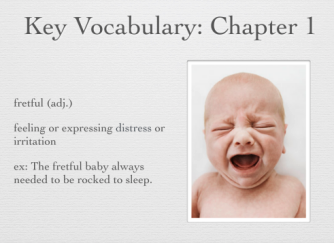
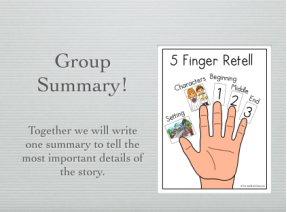
Amin'ny fianarana, tsy mamaky ny tantara fotsiny izahay, fa mianatra sy mampihatra voambolana vaovao avy amin’ilay boky koa isika, mifanakalo hevitra momba ny teknika literatiora lehibe ampiasain'ny mpanoratra, ary manao fanazaran-tena manoratra famintinana, fahaiza-manao fototra izay hitan'ny mpianatra maro fa sarotra
Raha mahaliana anao ny mianatra bebe kokoa momba ny Young Classics, na amin'ireo taranja hafa mahafinaritra sy mahasarika, mifandraisa amin'ny iray amin'ireo Mpanolo-tsaina momba ny fanabeazana eto amintsika anio! Manantena izahay fa hiara-hiasa amin'ny zanakao tsy ho ela!
Literature study is an important aspect of any excellent academic program, and that is because it helps to teach students a wide range of knowledge and skills that are essential for success in many areas of life. While studying literature, students learn about important events and people throughout history, they consider cultural perspective and increase their own understanding of acceptance of different ideas and beliefs, and they learn how to analyse the words of others in order to form a deep understanding of new ideas and ways of communicating. In short, it exposes students to a toolbox of ideas, techniques, strategies, theories, and more that they will carry with them throughout their life, shaping the way they approach the world.
Why do we offer this course?
Reach Out students typically pursue high school programs such as IGCSE, which includes challenging courses such as English Language and Literature and English as a First Language. Later, most of those students will take on the challenge of IB and AP level programs, in which they must take on the task of reading a variety of literature. Our aim is to expose students in upper primary and middle school to a wide range of advanced literature so that by the time they reach high school they possess the knowledge and skills to hit the ground running, and therefore achieve to a higher level.
This course is designed for Grade 7-9 MPIANATRA.
The Objectives of our Advanced Literature Course are to:
✪ Enhance students’ ability to understand and discern literary techniques used English and American literature, and the ability to communicate the effects of those techniques;
✪Improve children's literary comprehension skills and increase their understanding of British and American culture;
✪ Under the guidance of our expert educators, learn the power of language and storytelling in a challenging yet engaging way.
Meet Our Teachers
*Insert teacher bios here for Barry, Anthony, and John*
Our Book Selections:
Cry the Beloved Country by Alan Paton

Set in South Africa in the 1940s, award-winning Cry the Beloved Country tells the story of a Zulu Pastor, Steven Kumalo, who travels from his village to the city of Johannesburg. Along his arduous and heart-wrenching journey, he discovers that his sister and son have found themselves in terrible situations that he must now face with them. The characters’ vastly different lives become unexpectedly woven together through tragedy during a dark time in South Africa’s history. na izany aza, through tragedy and challenges, the true nature of the human spirit can be found and uplift those who need it most.
Dracula by Bram Stoker

The legend of Dracula has loomed large in the minds of readers and movie-goers for generations. Bram Stoker based the infamous character of Dracula on the legend of the real life ruler of Wallachia, Vlad the Impaler. Stoker was able to take this dark corner of history and turn it into a legendary novel told through journal entries, letters and telegrams. As with any classic, Dracula has stood the test of time because it speaks to something very deep and meaningful within the human psyche.
Of Mice and Men by John Steinbeck
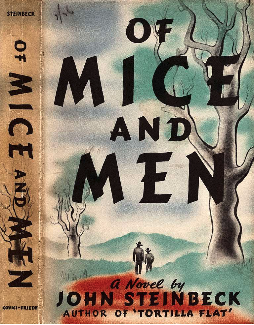
The Great Depression was a defining moment in American history that tested its strength as a nation, and placed the population in a precarious balance between life and death. In what is considered one of the greatest American classics, readers are introduced to two displaced migrant workers, George and Lennie. George is an intelligent young man, while Lennie is mentally disabled. George takes Lennie under his wing as they seek employment where few opportunities exist, trying to survive, yet still dreaming of the day they will have their own land and build a life. Their hopes are dashed when a devastating incident occurs that alters their lives forever.
What Students Will Gain
Develop an early sense of literary appreciation,
See the world from a more mature perspective
British and American classics contain thought-provoking moral and social issues. Reading the most influential classic literature thoroughly helps students become better readers, and begin the process of pursuing self-realization.
Improve understanding of culture and history
Learning allusions from classic British and American literature can help us bridge cultural differences. "The classics have opened the door to different worlds, different cultures, and different historical perspectives. Literature crosses race, culture, religion, and geography."
Self-reflection and personal growth
Many classic literature allude to our lives from the side: books that reflect similarities to our own lives are called "mirrors"; and those that give us a glimpse of different lives are called "windows." Whether it is a "mirror" or a "window", it further enriches the students' life experience and increases the courage and strength to face life.
Join Us!
Contact us to discover more about our course. We sincerely hope to meet your child soon, and develop a love of reading classic literature together.
It’s back to school time and we know parents are getting ready for a new year with new beginnings. The start of a new year is usually met with a mix of excitement and a bit of anxiety, as students and parents look forward to new skills and experiences, but also might feel nervous about new routines and expectations.
Don’t worry, Reach Out it here to help! This year, we have 5 top tips to a fantastic start to the school year.
Understanding how your child’s school approaches education, what curriculum they use, what systems, and standards are used can be overwhelming for non-educators. Spending a bit of time each day reading your school’s website content, handbooks, and other resources can help you feel more confident in understanding what your child is learning at school and how they are learning. It’s also important to attend your child’s back-to-school night and informational sessions to get a better understanding of your child’s program as a whole. It also provides a great opportunity for you to establish a relationship with your child’s teacher. At any time if you still have questions, you can always e-mail your child’s teacher. They are there for you and your child, as they know that a great relationship with parents is a fantastic way to ensure academic, social, and emotional success for all students.
2. Make Sure to Catch Enough Zzzzs Before the ABCs
Sleep is so important for a child’s growth and development, and a lack of it can negatively impact a child’s academic achievement. In fact, research shows that sleep depravation in children can lead to higher rates of anxiety and depression. When we sleep, our brain processes the information from he day, finds the best system to file it away in out memories, and re-charges our systems for a new day. For various reasons, parents often find sticking to an early bedtime difficult, but with a clear routine, and time for adjustment, it can be easy! Children 3-6 years old should be getting 10-12 hours of sleep per day, 7-12 year olds should get 10-11 hours per day, SY 12-18 year olds should get 8-9 hours per day. Creating a schedule where children get to bed earlier will make mornings easier as well, hopefully with less stress for both parents and children as they will be well rested and ready to start their day!
3. Ask the Right Questions at the Right Time
Sometimes parents are anxious to know how their child’s day was as soon as they get home from school, especially during the first few weeks. Those weeks are especially exhausting and full of ups and downs as your child learns to navigate new material, new friends, new teachers, and new expectations. Giving them time to come home and decompress is extremely important for their emotional and mental well-being. Once they have had some “me” time, parents can ask specific questions based on what they know they are working on, if they happen to know. They can go through their child’s homework diary with them and help them make a plan on how to tackle each task, as well as share in their enthusiasm for specific subjects, books, or information they also enjoy. Avoid asking, “How was school? What did you learn?” as kids respond much better to more specific questions, such as, “What did you do with your friends at lunch? What was the best part of your day? What was the weirdest or most wonderful thing that happened at school today?” Most importantly, parents should be fully present and listen intently when students answer, so they really feel valued and hear when they share.
4. Let Them Learn From Failure
This one can be extremely hard for parents to allow. We want our children to do well and reach their full potential, which means we might go over each assignment with a fine-toothed comb, correcting every mis-calculation or grammar mistake. Although parents have good intentions when we do this, we are taking away important learning opportunities from children when we do so. Back when we were students, many of our parents were often too busy or didn’t have the knowledge or capacity to help us with our school work, but we found a way to push through and try our best. If children are never given opportunities to fail when they are young, they might resist taking on challenges later in life for fear of failing at them. na izany aza, when we let them fail gently, such as on an assignment or at a little league soccer game, we are teaching them resilience. It’s not the end of the world, and they learn a valuable lesson; that we can try and not succeed, dust ourselves off, and try again next time.
5. Nurture Their Passions
New school years are an exciting time for many reasons, one of them being that they provide children a chance to discover new passions. If they are lucky, they will stumble upon something they truly love, and that they can become fascinated with enough to spend hours on end discovering. Helping a child find his or her passion is not always easy and takes time. Sometimes parents worry if their child focuses too much on a couple of things, and feel they need to expose them to as much as possible to help shape them into well-rounded individuals. na izany aza, if we look at the people who have shaped our world, it was because they had a laser focus on what they were passionate about. It was all they ever did or do. As humans, we naturally gravitate towards what we love most, and as long as it provides some sort of value on top of fulfillment, we should continue pursuing it. Noho izany, don’t worry if your child protests going to one activity while running out the door to attend another. Maybe the one they love is the most valuable to their growth and development, and the one they don’t like isn’t that necessary after all.
We hope these tips have helped, and we wish you and your child the best in the coming school year! We are excited for the new school year and all of the challenges and hope it will bring.
Reach Out will be with you every step of the way, so be on the lookout for more information and more articles we hope you will love!