På Reach Out, vi mener det er veldig viktig å feire studentsuksesser. Vi er glade for å kunngjøre nok en stjernestudent - Emma!
Emma representerer alt elevene kan oppnå med hardt arbeid og forpliktelse til fortreffelighet. Emmas lærere anerkjenner henne som en elev som har en fantastisk holdning til læring, er veldig mottakelig for instruksjon, og har en ekstremt støttende familie som ofte kommuniserer med lærerne sine. I klassen, Emma er en forsiktig og oppmerksom lytter som er trygg nok til å dele sine ideer, men tålmodig nok til å gi alle sin tur. Hun har ikke noe imot å ta risiko, og er i stand til å injisere hennes personlighet i arbeidet hennes.
Emma er for tiden registrert på vårt kreative lese- og skrivenivå 4 Kurs, og hun har vist en ekte gave i å kunne skape sterke bilder i forfatterskapet. I begynnelsen av semesteret, hun fullførte en anmeldelse av Blue Frogs Shanghai Disneyland-avdeling.
Emma viste sin evne til å kritisere spesifikke aspekter ved et sted, og utvikle ideene hennes ved å bruke passende detaljer.
«Utsikten og beliggenheten er begge veldig tilfredsstillende. Om natten kan vi sitte ute og nyte synet av Disney-slottet og fyrverkeriet.»

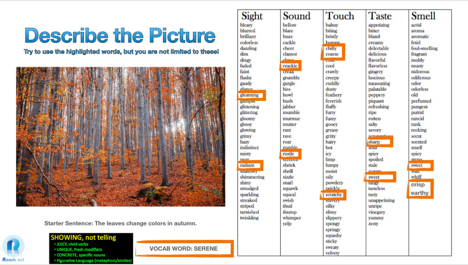
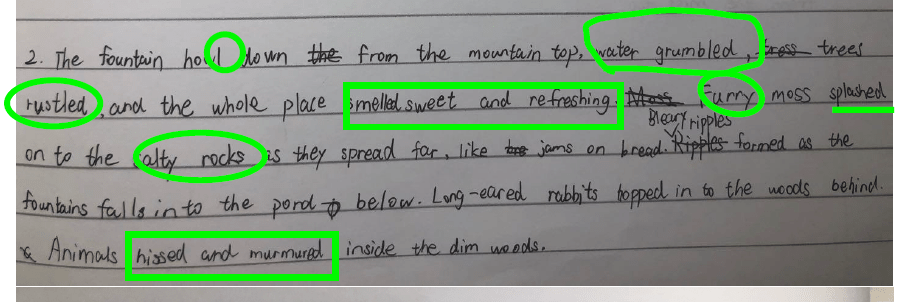
Ettersom semesteret gikk, Emma viste utvikling i sine skriveferdigheter, og begynte å innlemme mer avanserte litterære teknikker. I en oppgave om å beskrive landskap, Emma var i stand til å skape et sterkt bilde ved hjelp av presist ordforråd og figurativt språk.
«Lodden mose sprutet på de salte steinene mens de spredte seg langt, som syltetøy på brød. Bløde krusninger dannet seg da fontenen falt ned i dammen nedenfor.»
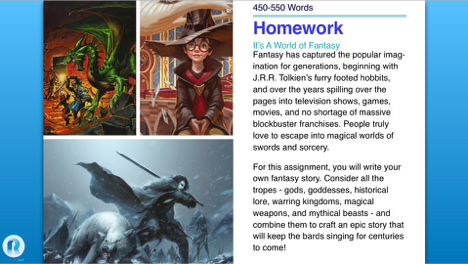
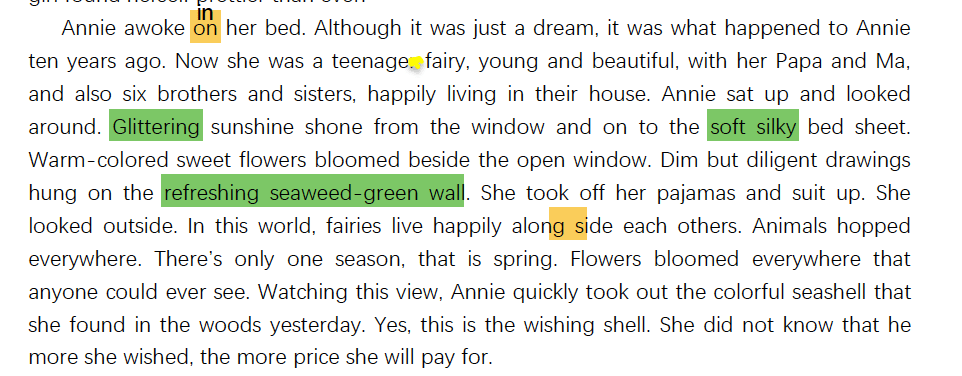
Emma fortsatte å bruke leksjonene hun lærte gjennom hele kurset, og hennes evne som forfatter ble sterkere. I en nylig oppgave om å skrive en fantasyfortelling, Emma konstruerte rammen og karakteren til historien hennes bevisst og effektivt.
«Glitrende solskinn skinte fra vinduet og videre til det myke, silkeaktig laken. Varme, søte blomster blomstret ved siden av det åpne vinduet. Dunkle, men flittige tegninger hang på den forfriskende tanggrønne veggen.»
Som du kan se, Emma viser karakteristikker av en lovende ung forfatter. Hennes vilje til å forbedre seg, og nøye anvendelse av leksjonene har bidratt til å løfte skrivingen hennes til et mer avansert nivå.
Takk Emma, for å være en slik STJERNE! Vi ser frem til å se veksten din i lang tid fremover. Vi vet at dette bare er begynnelsen på en strålende reise.
Som pedagoger, vi har ofte fått spørsmålet, «Hvordan kan jeg få barnet mitt til å slutte å lese tegneserier?” Foreldre er bekymret for at tegneserier ikke gir pedagogisk verdi, er ikke akademisk strenge nok, eller verst av alt, sløsing med barnets tid. Til dette, svaret vårt overrasker dem vanligvis, og det svaret er, «La dem lese tegneserier!”
Det er forståelig at foreldre ville være litt bekymret, siden oppfatningen er at tegneserier kun er for lystlesing, imidlertid, tegneserier har mange fordeler utover å hjelpe oss med å fordrive tiden.
Tegneserier og grafiske romaner er ikke nye former for skriving. Selvfølgelig, de har blitt likt av mange i generasjoner. Gjennom årene, sjangeren har endret seg til en med betydelig dybde og mening, Derfor oppfordrer vi foreldre til ikke bare å la barna lese tegneserier, men også for å støtte dem i å gjøre det.
Her er våre viktigste grunner til at tegneserier bør leses (spesielt om sommeren!):
For studenter som ikke har engelsk som morsmål, tegneserier gir dem en fin måte å begynne å glede seg over engelsk litteratur. For mange barn, oppgaven med å gå fra en engelskspråklig lærebok til en roman kan være veldig skremmende, men tegneserier kan gi en nødvendig bro for dem å bygge selvtillit og leseflytende. De visuelle signalene i bildene lar elevene skape en dypere forståelse av handlingen og karakterene samt nytt vokabular. I tillegg, den introduserer dem til effektive litterære virkemidler, slik som onomatopoeia (tenk POW! SMAKKE! ZOOM!) og idiomer (en illustrasjon som viser betydningen av et idiom som, «Katten fikk tungen din?” gir mye mer mening enn å varme opp idiomet alene!).

2.Forbedre inferens
Inferens er en sentral leseferdighet som mange elever sliter med på standardiserte lesevurderinger. Inferens skjer når vi trekker konklusjoner basert på det vi leser. Noen eksempler på spørsmål elevene vil møte under leseforståelsesoppgaver eller vurderinger er de som f.eks, «Hvordan følte karakteren seg når?”, "Hva kan du konkludere om ..." og "Hva var leksjonen i historien?Tegneserier krever at elevene "leser mellom linjene" for å utlede informasjon som vanligvis fortelles av fortelleren i en roman, slik at de kan få mye verdifull erfaring med å styrke denne ferdigheten ved å lese tegneserier.
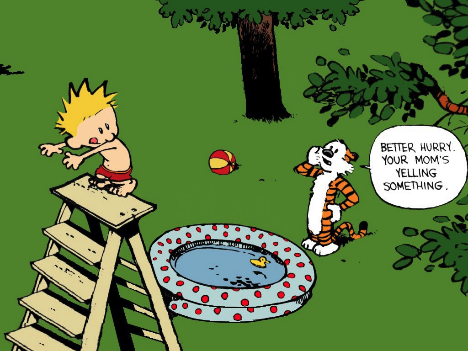
3.Word Power!
Ofte i tegneserier og grafiske romaner, forfattere inkluderer ganske avansert vokabular, både som en del av historien så vel som i navnene på karakterene. I 2016 på den verdensberømte Comic-Con i San Diego, California, en paneldeltaker av lærere diskuterte tegneseriens kraft i å bygge elevenes vokabular. James Bucky Carter, sa forfatter av Building Literacy Connections with Graphic Novels, «Du har Colossus, og han er så stor, gigantisk metall fyr. Du får en veldig god følelse av hva ordet koloss betyr, og det er et godt 10-cent-ord. Banshees makt skriker. Du har disse karakterene som legemliggjør vokabularordene de er. Det er noe som er en morsom måte å lære nye ord på, i tillegg til de kontekstuelle ledetrådene."
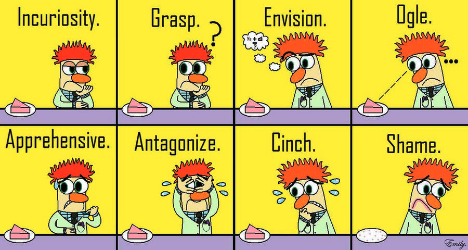
Etter å ha lest dette kan det være lurt å la barnet ditt dykke rett inn i å lese tegneserier eller grafiske romaner! Det er musikk i våre ører. Hvis du ikke er sikker på hvor du skal begynne, vi har noen studentfavoritter som barnet ditt kanskje vil prøve!
Dog Man av Dave Pilkey

Miles Morales Spider-Man av Jason Reynolds

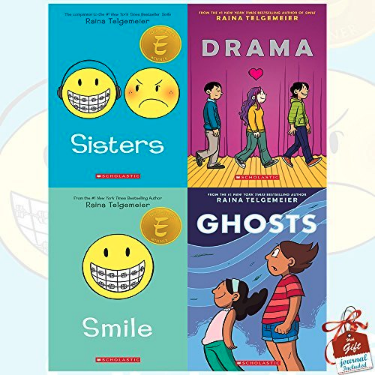
Smiler, Søstre, Spøkelser, Drama og andre historier av Raina Telgemeier
Bone av Jeff Smith

Ser du etter flere sommerlesemuligheter for barnet ditt? Ta kontakt med en av våre utdanningskonsulenter for mer informasjon om våre sommerlesekurs. Vi gleder oss til å lese med barnet ditt!
Eksamenssesongen er her, og det kan være en veldig stressende tid på året for både elever og foreldre. Hos Reach Out ønsker vi å gjøre vårt beste for å lette eksamensangst ved å tilby noen unike studietips du kanskje ikke har prøvd.
Konvensjonell visdom med å studere har ofte blitt fulgt av mange foreldre og lærere som mener det godt, imidlertid, hvis vi ser på noen interessante forskningsbaserte tilnærminger, kan vi se at det finnes en rekke effektive måter å studere på! Det er alltid godt å prøve nye ting, spesielt for barn. De kan oppleve nye måter å gjøre ting på når de er unge, og når de er litt eldre, de kan velge den måten som passer best til deres egne personlige behov og stil.
Nå, la oss ta en titt på tre unike måter å studere på.

Variasjon er livets krydder - selv når du studerer
For mange, mange år har vi blitt fortalt det for å studere godt, vi bør studere på samme sted hver dag; et sted som er stille, godt opplyst, og har alt vårt materiale. Selv om dette kan være sant for noen av tiden vi studerer, forskning viser oss at hjernen vår faktisk gjør det bedre når vi varierer hvor vi studerer. Ganske overraskende, høyre?
I en studie gjort helt tilbake 1978, høyskolestudenter ble gitt 40 ordforråd å studere. En gruppe ble bedt om å studere listen to ganger på samme sted. Den andre gruppen fikk beskjed om å studere listen på to forskjellige steder. Det de fant var, gruppen som varierte studiestedene sine presterte faktisk bedre på å huske ordene senere. Nå hvorfor er det? Godt, hjernen vår knytter ofte til informasjon basert på miljøet vårt, så jo mer vi varierer miljøet vårt, jo mer gir vi hjernen vår en sjanse til å beholde informasjon, da den vil knytte seg til flere ting. Dette kan også være grunnen til en visualiseringsteknikk, der man visualiserer ting de ønsker å huske til bestemte steder i et miljø de er kjent med, kan være så effektivt også. For studenter, bare å bytte opp miljøet kan gjøre susen!
Ha det gøy!
Noen foreldre kan feilaktig tenke at hvis barnet deres ler eller blir begeistret mens de lærer eller studerer, de kan kaste bort tiden sin. Imidlertid, dette er ikke nødvendigvis tilfelle.
Som forelder, på jobben eller kontoret kan det hende du har spesielle verksteder fra tid til annen. Workshopene brukes vanligvis som et verktøy for å hjelpe deg å lære om en ny strategi, idé, eller informasjon som vil hjelpe deg å lære mer på jobben. Disse øktene drives ofte av personer som spesialiserer seg på å lage motiverende og inspirerende workshops som styrker og gir energi til ansatte. Dagene kan være lange og intense, men hvis de gjøres riktig, ansatte kan gå bort med tillit til sin nye kunnskap og ferdigheter.
Det samme gjelder for unge mennesker. Å introdusere spilling og moro som en måte å studere til eksamen på får ikke bare barnet ditt til å smile, men forskning indikerer at det å ha det gøy mens man lærer aktiverer visse kognitive ressurser, forbinder belønning og glede med læring, styrker og utvider minnenettverk, og bytter abstrakt tenkning og fokusert oppmerksomhet.

Pomodoro-teknikken
Holder fokus, på oppgave og motivert til å fullføre visse aktiviteter kan være vanskelig for både voksne og barn. Har du noen gang følt at du har stirret på en dataskjerm i timevis, men oppnådde veldig lite? Eller kanskje du har en frist om noen dager, men er bare på vei mot målstreken? Det er ikke rart, som forskning viser at tankene våre har en tendens til å vandre opp til 20% av tiden, kanskje enda mer for yngre mennesker.
En interessant teknikk ble laget av collegestudent Francesco Cirillo som en måte å hjelpe ham med å holde fokus, og det er Pomodoro-teknikken, som fikk navnet sitt fra den tomatformede timeren Cirillo brukte mens han testet denne strategien på seg selv. Slik fungerer det er du stiller inn en timer for 25 minutter, som er arbeidstid. Sett den deretter på nytt for 5 minutter, som er pausetid. Dette er en fin tid å stå opp, strekke, ta en runde rundt huset, kjæle katten din, eller få en drink med vann eller en matbit. Etter pause er tiden ute, still inn tidtakeren for en annen 25 minutter og gjenta!
Det viser seg at denne strategien er støttet opp av vitenskapelig bevis, som forskere konkluderte med at korte pauser bidrar til å holde oppmerksomhetsspennet på rett spor. Dette kan ha sammenheng med det faktum at kognitiv kjedsomhet kan føre til et uengasjert sinn, som er det siste du ønsker når du studerer til en viktig eksamen.
Vi håper du har likt å utforske disse unike studietipsene like mye som vi har gjort! Ønsker barnet ditt lykke til på eksamen denne måneden. Jiayou!
We know that there is so much we can do to nurture and educate our children, which is why as parents we often go to great lengths to fill their time with enriching activities and classes. Why do we do this? For many reasons of course, but the main goal is to ensure their future success. Parents hope that their children will be even more successful in life than they were themselves. Success, of course, is subjective, and we may all have our own definition of success. Generally however, we might agree that success includes feeling content in one’s personal life, as well having a sense of career satisfaction and financial security.
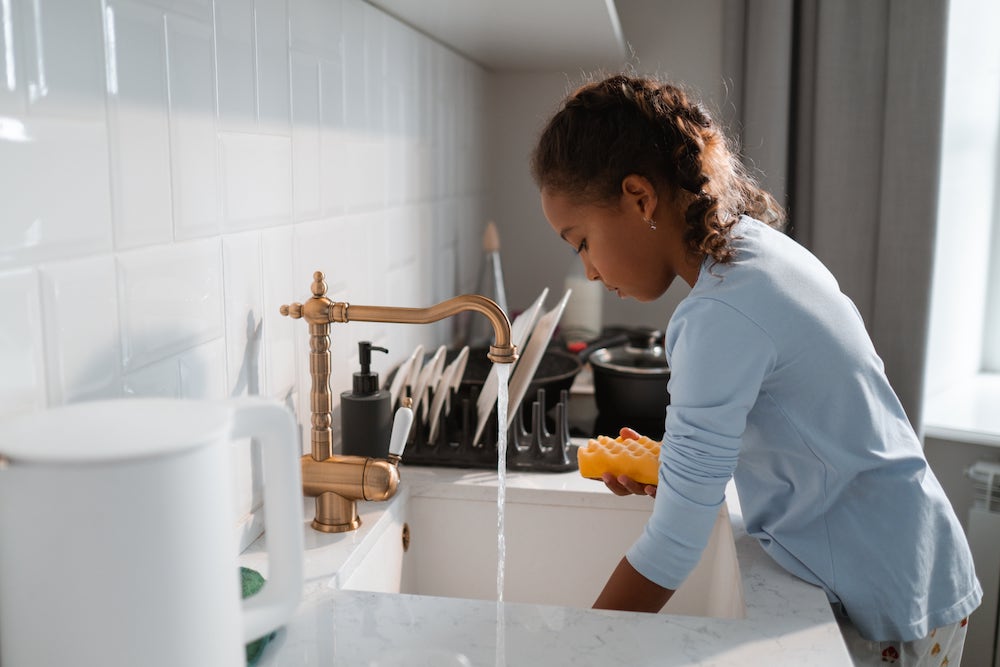
Recently there has been an intriguing TED Talk being shared on social media, in which former Dean of Freshman at Stanford University, Julie Lythcott-Haims, cites evidence from the Harvard Grant Study that correlates professional success in life to individuals having done chores as children. Not soccer training, not language learning, not painting, but chores.
Surprising right?
Many of our children growing up in big cities may never know what it’s like to scrub a dish, wash a window, or mop a floor. We might feel like there are more important things to do to build their knowledge and their character. Lythcott-Haims explains that those children who do get their hands dirty, imidlertid, may reach a level of success in life that surpasses their no-chore-doing peers. That is because it teaches students how to contribute and step up when work needs to be done, and that doing the “grunt work” that others might scoff at, because it is what is best for all, is what gets noticed in the workplace.
The workplaces of the high-achievers who took part in the Harvard Grant Study were notable, such as the White House, where participant President Kennedy worked, and the editor’s office where Ben Bradlee sat as editor of The Washington Post. We can assume that their parents, like us, had to prod and plead for the chores to be done, and accept that even if they were done, they might not have been done well; and that’s okay.
The important thing, as Lythcott-Haims points out, is that by doing chores, children realize that they, “…have to do the work of life in order to be part of life.” They realize that life does not just happen to them, and for them, but with them.
If your children are already doing chores as part of their daily summer routine, bravo! You are on the right track. If not, no need to panic. It is never too late to introduce chores into the lives of our children. Here are some tips to help get you started!

Let Them Be a Part of It
When introducing the concept of your children completing chores to help, have a “family meeting” where everyone is present to discuss what will be expected of your children and why. You can ask your child to help you write a list of chores they could potentially help with around the house. They might surprise you with their enthusiasm as doing chores is very exciting for some children because it makes them feel empowered and helpful (two things we often like to feel as adults).
Game-ify It
To make things fun, because fun makes everything better, you or your child can write the chores on popsicle sticks and each day your child can choose one stick from the jar. That will be their chore for the day! If you have more than one child at home, you can always turn cleaning into a competition by setting a timer and seeing which child can clean the most toys in the given amount of time, for example.
Reward It
As parents, we are rewarded for our contributions at work with a salary. Shouldn’t our children also be rewarded for their hard work? One idea is that if your child completes all of his or her chores for the week, he or she can choose a small toy from a “treasure box” filled with small toys. Another option could be that if your child consistently completes chores for a month, they can choose an extra special family outing.
Teaching our children to do chores is not always easy, but the potential benefits are worth the time and effort. We hope you found our tips useful, and that they can help lead to a positive experience for you and your child. Happy cleaning!
We are pleased to announce a new summer book club, just for parents! Summer is the perfect time to read that book you have always wanted to read, but have not had the time to. This summer, we invite you to join us in reading How to Talk So Kids Will Listen and Listen So Kids Will Talk.
We know it is not always easy to connect with our children because of the demands of school, work and daily life. Sometimes our anxieties about the future interfere with us living our lives right now. Imidlertid, one thing we can guarantee is that we will never get another chance to experience childhood with our own children, and we don’t want to miss out on this precious time. Så, how can we make the most of it and have meaningful conversations with our children that will strengthen our bond and help our children feel supported? These are big questions many of us have.
To help us answer these important questions, we invite you to join us in reading one of the most popular parenting books of all time, written by Adele Faber and Elaine Mazlish. How to Talk So Kids Will Listen and Listen So Kids Will Talk, which teaches us how to accept our children’s feelings, as by not doing so we could be unwittingly causing bad behavior. It also teaches us positive ways to encourage cooperation, as well as independence, autonomy, and self-confidence. These are all the ingredients needed to help nurture a positive parent-child relationship that will indeed help to grow our children into confident and capable adults.

How Will It Work?
The first step is to contact one of our Education Consultants to register. Registration is FREE and open to everyone! We will create a group chat where the book study content and sharing will take place starting on July 1st. Lindsey Fine, our Education Manager, will be joining the group as a parent as well, as she is a mother of two boys, aged 4 og 6, who will be learning along with you. She will also be helping to lead the weekly discussions.
The book can be found in English and Chinese and easily accessible in print, e-book, or audiobook formats.
Then there are two options for how you would like to participate:
The reading schedule is as follows:
Week 1: Chapters 1 & 2
Week 2: Chapters 3 & 4
Week 3: Chapters 5 & 6
Week 4 Chapters 7 & Afterword
At the end of the month, we will host an online workshop led by School Counselor, Regina Wehner. At the workshop, Regina will share additional information and strategies you can use to strengthen your relationship with your child.
About Regina Wehner

Regina Wehner is a Licensed School Counselor that has worked with students in Middle School for over 16 years. Originally from the United States, she lives with her husband and 2 children, ages 10 og 12, in Beijing, China.
Regina works at the Western Academy of Beijing (WAB), a diverse international school. A big part of being a school counselor is helping students learn about themselves and others as they are growing. Regina also hosts monthly Parent Coffee Mornings to bring parents together to learn more about their children's developmental changes and how to communicate during these times of transition.
Contact us today to join!
Helping Your Child Learn New Vocabulary
Research indicates that if we want students to succeed in the academic context, on important assessments and high-stakes exams, as well as their future careers, we must help them develop their vocabulary. The reason for that is this: our understanding of new information is directly linked to our understanding of the vocabulary used to communicate that new information.
For studenter, increasing their vocabulary is one key to success in mastering a language; the more words we know, the more words we understand, and the more words we can use in our writing to make it more impactful and effective. Imidlertid, learning now vocabulary is sometimes viewed as a tedious or elusive process. Sometimes parents are not sure how to guide their children, especially as the way we approach vocabulary study study may vastly differ from the way parents studied it when they were in school.
Ikke bekymre deg, Reach Out is here to help! Let’s explore vocabulary acquisition (the process of memorizing and applying new vocabulary), and we’ll tell you how you can help your child build their vocabulary!

Talk About It!
It might seem overly simple, but when it comes to learning new words, one effective way young people do it is by talking with others. Children learn new words best when they are in context, such as in a conversation about a certain topic. They can infer a bit of new words’ meanings based on how they are used along with the other words they are already familiar with.
You have likely been interrupted by your child on many occasions when you use unfamiliar vocabulary and they curiously ask, “What does disaster mean?” You might have been referring to the state of their bedroom (as in it is a complete mess), and by taking a moment to explain the multiple meanings of disaster to them, you will not only have taught them a new word to describe a messy room, but also a failure or a naturally occurring phenomenon, such as a natural disaster.
Så, talking with your child is a great way to teach them new words!
Explore It!
Students generally understand that they can use a dictionary or a translator if they encounter a word they do not know, but sometimes even the definition of a word might leave them with more questions than answers.
In our experience, many students do not utilize one very important tool for learning and applying new vocabulary, and that tool is a thesaurus! If you notice your child overusing a word when speaking or in their writing, for example, “pretty”, “cute”, “good”, or “bad”, then take some time to show them how to use a website such as thesaurus.com to look those words up. When they search for the word such as “pretty” they will see that there are so many interesting and unique words to use instead! I
In our experience, students really enjoy using new vocabulary, and feel empowered to know there is a tool to help them make their words mightier.
Play!
Having fun while learning isn’t just something teachers do to make students happy, it’s actually been proven by neuroscience to be an effective way to help students learn more and more deeply. Research shows that when students are both stimulated and challenged, their brains release dopamine. Dopamine is a neurotransmitter that stimulates the memory centers and promotes the release of acetylcholinem, which increases focused attention.
In our courses here at Reach Out, vocabulary instruction is an important part of each lesson. We also have courses launching this summer, Vocabulary Builder Levels 1-3, in which we will focus exclusively on helping your child expand their vocabulary knowledge with challenging new words. While the words chosen offer the challenge, tools like Quizlet and games such as Guess Who and Sentence Racer provide students with the chance to interact in a meaningful and engaging way.

How do we know these methods are effective? Because our decades of experience, and study of educational psychology and methodology have taught us how students learn best!
We would love to help your child learn new vocabulary as one of the ways he or she can become an effect more effective and successful reader, writer, and speaker. To learn more about how we can help, contact one of our Education Consultants today!
If you are looking for a more individualized educational service, Reach Out offers 1-on-1 services with our expert educators!
What do We Offer?
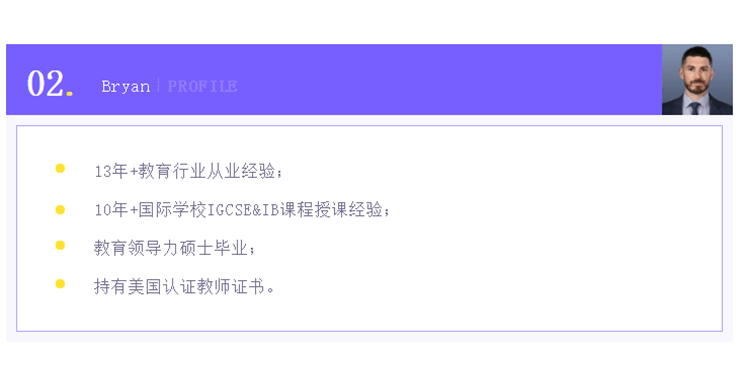
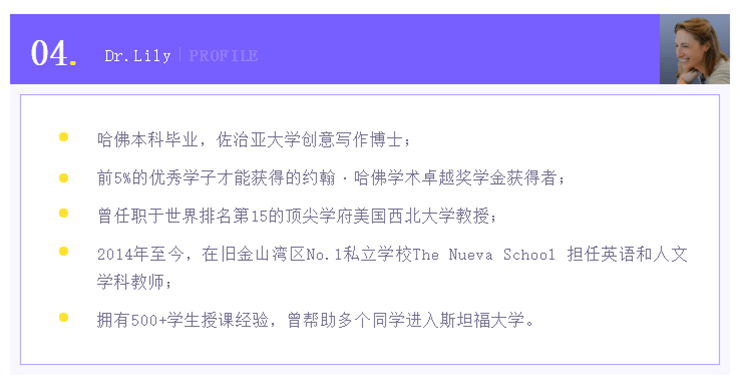
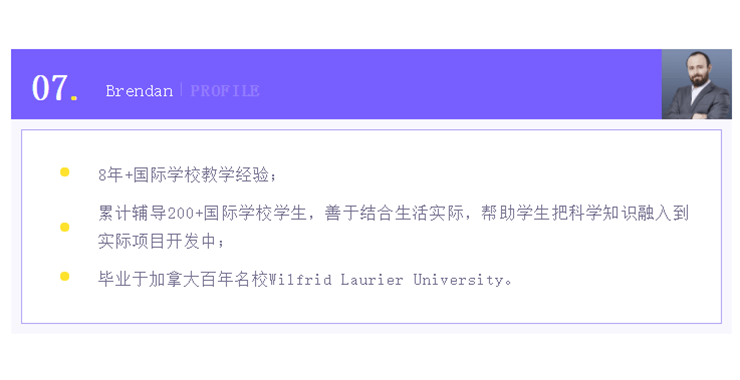
Our teachers offer a wide range of 1-on-1 subjects including English, Social Sciences, and Maths.
Meet some of our highly qualified and experienced teachers!

Why Should I Choose 1-on-1 Services?
Perhaps your child is preparing to study abroad or applying to a new school and he or she would like a more intensive and targeted approach in order to polish his or her skills. Alternatively, your child might not feel challenged enough with his or her current curriculum, and needs an alternative approach that is more appropriate for his or her ability level.
There are a number of reasons a parent might be searching for services such as this, and we can assure you that we will always work to understand you child’s unique situation and provide the service that is best for them.
How Does it Work?
With our hands-on approach, and orientation process, we will assess your child’s knowledge and skills based on current assessment data, writing ability, og mer. Based on our findings, we will select the teacher best suited for your child’s needs. All of Reach Out’s teachers have been carefully selected, and have years of experience in teaching challenging curriculums, such as IGCSE, IB, og AP, in top schools from around the world.
Our process is goal-oriented. We find out exactly what your child needs to reach their educational goals, and then we create a unique and tailor-made learning path that will best suit your child’s particular needs.
What Else Does Reach Out Offer?
In addition to 1-on-1 services, Reach Out offers a wide variety of courses specifically designed to challenge and engage your 2nd to 8th grade child with above grade level content in order to help them prepare for the rigor of programs such as IGCSE, IB, og AP.
How Can I Learn More?
To find out more about our 1-on-1 services, please contact one of our Education Consultants today to find out more! We look forward to helping your child reach his or her educational goals for a bright future!
Hvem vi er
Som du kanskje har lagt merke til, vi har vokst og har noen spennende tillegg til det vi tilbyr her på Reach Out. Som det er en stund siden vi presenterte oss, vi tenkte at vi skulle dele historien vår med deg for å hjelpe deg å forstå hvem vi er og hva vi gjør!
Vårt oppdrag
Reach Outs oppdrag er å koble studenter med ekspertlærere som skaper og leverer originale, inspirerende, læreplaner i verdensklasse. Vi har begynt på denne reisen slik at vi kan hjelpe elevene å forstå hvordan de kan finne sin egen unike stemme og avdekke de kreative og verdifulle ideene som ligger i hver av dem. Med stemmene deres, de har makten til å forandre verden, og vi ønsker å styrke dem til å gjøre det.

Vår visjon
Reach Out streber etter å være en internasjonalt anerkjent utdanningsinstitusjon som lar studenter få tilgang til internasjonale pensum og lærere på toppnivå, uansett hvor i verden de er. Elevene våre vil være oppmerksomme, nysgjerrig, og kritiske tenkere som tar informerte valg som utmerkede problemløsere og kommunikatorer. Reach Out-studenter vil nå sine akademiske og personlige mål og drømmer fra grunnskole til universitet, plasserer deres strålende fremtid innen rekkevidde.

Våre kjerneverdier
Dette er prinsippene som former Reach Out:
Vår historie
Reach Out ble opprettet av en liten gruppe dedikerte mødre, kanskje mye som deg selv. De ble brakt sammen av en felles visjon for barnas utdanningsbehov. Noen lette etter et pedagogisk program som kunne gi barna deres tilgang til ideene, undervisning i filosofi, og metodikk som stemte overens med det de hadde opplevd mens de bodde i utlandet. Andre lette etter en internasjonalisert læreplan som barna deres kunne få tilgang til for å berike sin pedagogiske erfaring i Kina. Felles for dem var et ønske om et strengt program som også åpnet dørene for kreativ og kritisk tenkning, selvrefleksjon, og personlig uttrykk - kjennetegnene på en sterk internasjonal læreplan. Etter å ha brukt mye tid på å utforske ulike alternativer, disse mødrene var ikke i stand til å finne noe som helt dekket barnas behov.
Så, de gjorde det enhver god mor ville gjøre, gitt sjansen, og fant sin egen måte å tilby barna sine best mulige læringsmuligheter designet for å hjelpe dem å trives. De konsulterte ekspertlærere og jobbet sammen med andre foreldre for å finne ut hvordan de best kunne møte behovene til andre barn med lignende mål. Barn, håper vi, som din.
Foreldrene var forpliktet til:
Vi er glade for å kunne si at disse mødrene har nådd målet sitt. I dag kan Reach Out skryte av en komplett serie med strenge, men engasjerende kurs der elevene lærer dypt mens de har det gøy og skaper meningsfulle relasjoner med lærerne og jevnaldrende.
Alt dette på grunn av våre grunnleggende mødres forpliktelse til barnas utdanning og lykke.
Hva gjør oss unike?
Selv om vi forstår at foreldre har en rekke valgmuligheter når det gjelder programmer som beriker barnas utdanning, vi tror vi tilbyr mange unike kvaliteter som ikke er lett å finne andre steder.
Teamet vårt består av svært dyktige og erfarne lærere som har laget et unikt og strengt program basert på internasjonale skolestandarder, som forbereder yngre studenter til å ta på seg strenge læreplaner som IGCSE, IB, og AP.
-Våre en til en programmer og læreplaner designet for å overgå utdanningsbehovene til våre studenter
-Vår undervisningsfilosofi om å inspirere og styrke studenter, og undervisningsmetodikk for å la studentene utforske kunnskap bredt og dypt, samtidig som de utvikler en kjærlighet til læring
-Vår forpliktelse til den langsiktige suksessen til elevene våre når vi streber etter å utstyre dem med de grunnleggende ferdighetene de trenger for å lykkes i deres fremtidige karrierer og verden utenfor skolen
- Den detaljerte tilbakemeldingen vi gir med alle våre elevvurderinger, slik at elevene vet hvor de lykkes og hvor de kan bli bedre, samt tilleggsmateriell og instruksjoner som trengs for å hjelpe elevene våre med å lukke eventuelle hull i forståelsen
-Vår dedikasjon til å utvikle studentenes kritiske tenkning og problemløsningsferdigheter, som vil være avgjørende for deres fremtid, så vel som fremtiden til vårt globale samfunn
-Vårt løfte om å ansette alle våre lærere og ikke-lærende ansatte basert på deres gjensidige lidenskap for utdanning
-Vår evne til å styrke elevene til å bruke språket, kunnskap, og ferdigheter de tilegner seg for å utvikle seg utover klasserommet og til nysgjerrige, livslange elever som setter og forfølger utfordrende, oppfylle, og verdifulle mål.
-Vår praktiske, individualisert tilnærming til å skape en læringsvei for elevene våre slik at uansett hvilket klassetrinn de er når de blir med oss, de vil være utstyrt med de nødvendige verktøyene for å forbedre seg og vokse raskt
-Vår forpliktelse til å styrke våre kunder med informasjon og erfaringer som vil hjelpe dem å ta de absolutt beste valgene for deres barns utdanning ved å tilby informative artikler, videoer og workshops.
Læreplanen vår
Vår Blue Line-pensum, som inkluderer kurs for elever i klassetrinn 2 til 8, ble designet av ekspertlærere med videregående grader innen fagområder som har tilbrakt flere tiår i noen av de beste internasjonale skolene i verden. Vi bruker baklengs pensumdesign som jobber vår vei fra det første året med programmer som det anerkjente og respekterte IGCSE-programmet.
Ettersom lærerne våre har brukt år på å undervise kurs før IGCSE, IGCSE, IB og AP eller A Levels læreplan, de forstår hva elevene trenger for å lykkes i disse programmene. Så, hvert aspekt av læreplanen vår er laget for å sikre at alle våre elever går inn i sin første klassedag 9 føler seg trygg, utstyrt, og forberedt på å møte kravene til disse strenge kursene.
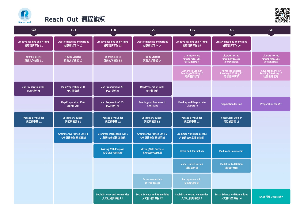
Vi tilbyr et bredt spekter av kurs innen fagene engelsk, Matematikk, Historie og geografi. Se nedenfor for mer detaljert informasjon om vårt komplette kurstilbud.
Tilleggstjenester
Vi er også glade for å kunngjøre opprettelsen av vår Silver Line, som tilbyr skreddersydde pedagogiske tjenester som tar en individualisert tilnærming for å møte våre studenters behov. Vi starter med en dyp vurdering av hver enkelt elevs pedagogiske mål og behov, og deretter lage og implementere et arbeidsopplegg som våre ekspertlærere vil bruke til å veilede barnet ditt gjennom de akademiske utfordringene på videregående skole for å forberede dem til å til slutt gå på drømmeuniversitetet.
Vi tilbyr også 1-til-1 tjenester på alle klassetrinn for foreldre som ønsker å tilby barna sine mer individuell omsorg og instruksjon. Våre ekspertutdanningskonsulenter vil sørge for å matche barnet ditt med den beste læreren for hans eller hennes spesifikke behov og mål.
Bli med oss!
Vi ser frem til å møte familien din og diskutere hvordan du kan være en del av Reach Out-familien vår; en som lærer sammen, bryr seg om hverandre, overvinner utfordringer sammen, og feirer suksesser med hverandre. Ta kontakt med oss i dag for å finne ut mer.
Vi håper å høre fra deg snart!
Being a parent is hard. Faktisk, with the changes in our world today, it might just be one of the challenging moments we have had to face in decades. Change leads to uncertainty, and uncertainty can lead to stress. Stress certainly affects all areas of our lives, sometimes it will impact our relationship with our loved ones the most; especially our children.
Our children can be complicated (let’s face it, so can we!), and it is a daunting task to ensure that every move is the “right” one. That all of our conversations, demands, requests, plans, praises and criticisms mean something. Every moment we spend talking to our kids, we hold the hope that these words will be enough to fill our children with the hope of a great future at a time where the future is so uncertain. Times change, and this too shall pass, but one thing we can guarantee is that we will never have a second chance at spending a childhood with our children.
As parents, we often ask ourselves if we are in fact doing the right thing, wondering how we can get through to our kids, trying to understand our children better, and sometimes feeling like a guilty failure because we tell ourselves we are doing it wrong. Oftentimes, that is not the case, but there is no instruction manual on how to raise a child that will work for everyone in all situations. Sure, there is a lot of advice, an overwhelming amount of it, but again, most advice is just that; guidance and recommendations by people who don’t know you or your child. Some of it is helpful, and some of it…not so much.
One thing that we cannot deny though is the importance of a healthy relationship between parent and child.
Research shows that:
It is essential to make the time to nurture a relationship with your child, and perhaps even more imperative, making sure the interactions we have with our children during that time are positive. This is something that many parents find challenging, which is why we created a parent book club for the book How to Talk So Kids Will Listen and Listen So Kids Will Talk by Adele Faber and Elaine Mazlish. Together we learned ways to positively communicate with our children in order to strengthen our bonds. We spent time discussing ideas from the book, as well as had a virtual meet up to role-play some of the strategies from the book. On top of that, we invited Middle School Guidance Counselor, Regina Wehner, to provide parents with a workshop in understanding our child’s cognitive and emotional development.
Here are some highlights we would like to share with you!
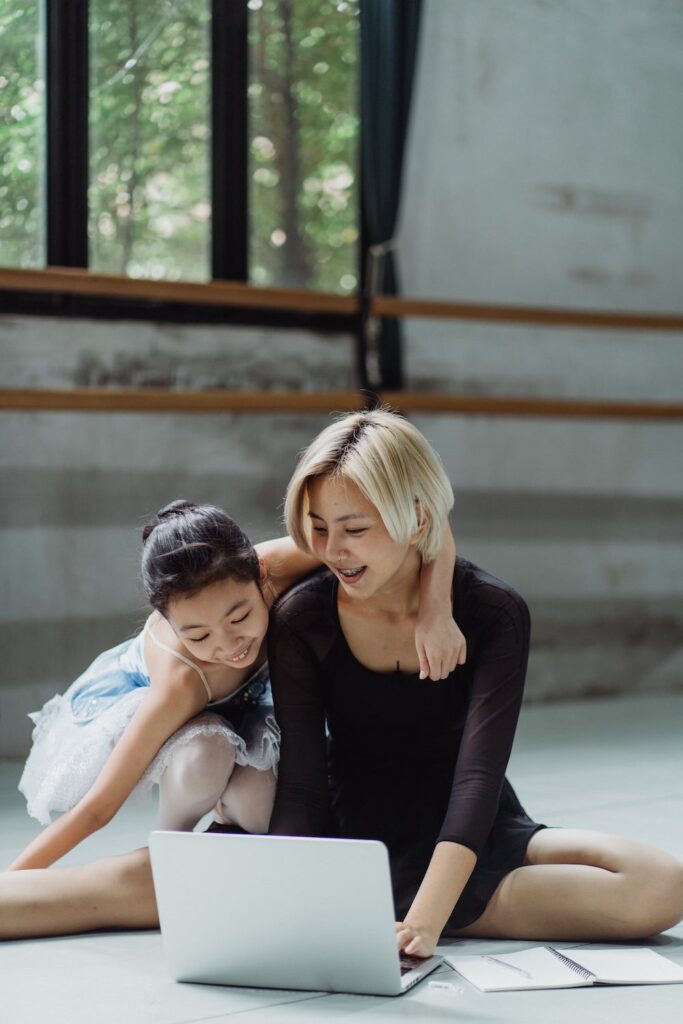
First, from How to Talk So Kids Will Listen and Listen So Kids Will Talk, here are two of our favorite strategies:
Children have difficulty regulating their emotions, as the brain’s emotional regulation center is one of the last to develop. This means that they need our help in the form of compassion and modeling. This can be so challenging, especially when we may have difficulty managing our own emotions at times! We have an easy strategy for you that will only require two things:
When your child comes home upset about something that happened at school, instead of lecturing and offering our sage advice, we can simply listen to their concerns and repeat the ideas back to them. For example, if your child comes home upset and says something like, “Ugh, today Elizabeth and Sarah were so mean to me! They completely ignored me and I hate both of them now!” Instead of saying, “Elizabeth and Sarah are your best friends. It’s not a big deal and I am sure you will be fine tomorrow,” which could invalidate your child’s feelings, you can say, “Oh, I see. Elizabeth and Sarah made you feel a bit left out. That probably made you feel a bit sad and mad.” At this point your child might keep talking and open up to you, which is great! It means they trust you and you are making them feel better. Continue to listen, nod, say, “Mmmhmm,” and repeat what they say. Having you simply listen will likely make your child feel 100% better and ready to face their next challenge!

2. I wish!
Our children often express their desires in the form of wishing they had things they don’t have or wishing things were different than the way they are. For example, children may say, “I wish I didn’t have to do all that homework.” We may reply, “Well, you do and that’s that!” or “It’s what you have to do. It’s your responsibility so you need to do it now!”
This may escalate into a battle of wills as parents feel frustrated that they keep hearing the same complaint and repeat the same reasoning. The children feel frustrated because their opinions are being invalidated and they feel misunderstood. Godt, don’t worry, we are here to help! We have a little trick that will help you turn the conversation around, and that is to agree with your child. It may sound counterintuitive, but we have firsthand experience with this trick and it works wonders!
For example, if your child says, “I wish we could go to the park today like I wanted!”
Instead of saying, “I can’t, I am too busy,” or “Yes, but we can’t, it’s raining,” we can say, “I wish we could too! We could go to the park and have a picnic! We could fly a kite and blow bubbles! Why don’t we have a picnic in the living room and after that we can blow bubbles in the bathroom!”
The first part gets the kids excited and their imagination going, taking them to a happy place. The next part makes them feel heard and connected to you.
Nå, some highlights from Ms. Wehner’s workshop:
*Please help me choose these! :)*
If you would like to join one of our workshops or book clubs in the future, make sure to follow us and stay tuned! We have great things coming up this fall!
Many parents ask us what the fastest way their child can improve their writing. While we firmly believe there are no shortcuts to becoming a truly effective and skilled writer, there are some things students can incorporate into their writing to help take it to the next level more efficiently. Like with anything trying to be mastered, the key to success lies in hard work and repetition. Practicing these skills regularly will help your child reach their educational goals.
This article will be the first in a series of articles that will focus on skills suited for different types of writing. This week, we will focus on descriptive writing tips.
Descriptive Writing Tips:
Descriptive writing is a true art form, as its purpose should be to create an image in the minds of the readers. One cannot tell a story on action and dialogue alone, and one cannot convey deep meaning and emotion in a poem without painting a picture with his or her words.
One powerful way to excel in description is to add adjectives and adverbs wherever possible. For example, if your child is writing a story he or she might write something like:
“Harry went outside and started looking for his friends.”
While this sentence conveys a basic meaning, it’s effect on the reader is also basic. By adding descriptive language in the form of adjectives and adverbs, we can quickly and effectively add imagery to the sentence:
“Harry zipped out the front door, slamming it shut behind him. His heart raced as he ran around the neighborhood eagerly looking for his friends.”
In the revised sentence, we see descriptions that tell us not only the action that is taking place, but also helping us feel the emotion of the character, an important aspect of storytelling.

Another great way to make a story or poem more effective is by adding figurative language, such as similes. Similes are comparisons that use like or as that can be used to help the reader imagine what is happening more clearly.
For example, your child might write something like:
I was so happy!
It was so cute!
He was so scared!
We can add similes to help create an even better result:
I was as happy as a a kitten in a yarn shop.
It was a cute as a baby panda playing in the snow.
He was as scared as a rabbit that just heard a wolf howl.

Our final tip for descriptive writing is to choose vocabulary that is so precise that it communicates exactly what the writer wants the reader to feel. Often, students will write descriptions that are a bit vague, with sentences like:
He was very tired.
The movie was very boring.
They were very cold.
The room very hot.
Again, these sentences convey a simple meaning, but in descriptive writing, that is simply not enough. Effective description uses vocabulary that has an impact, and we can achieve that by choosing only the best words to convey the most exact meaning.
See how we can take the sentences above from ordinary to extraordinary by replacing part of the sentence with powerful vocabulary:
He was exhausted.
The movie was unimaginative.
They were chilled to the bone.
The room was roasting.
The good news is that your child doesn't need to rely on his or her current vocabulary knowledge in order to succeed in creating sentences like those above. The thesaurus has all of the words they need to create memorable descriptions.
We hope these tips have been helpful! If you would like for your child to learn how to put these skills into practice with one of our passionate educators, stay tuned for coming announcements on our new summer and fall courses!
Next week, we’ll have a look at persuasive writing tips!
Tell us a bit about yourself.
I grew up in five different countries (Sweden, England, Germany, South Africa, and Canada). Integration into a diverse spectrum of cultures growing up has made me see the world with an open mind. I currently reside in Canada and work as both a university lecturer and a Math teacher at Reach Out. Outside of work I really enjoy sports such as badminton and chess, which I played at a competitive level for many years.

What is your educational background and qualifications?
I received a Bachelor of Science Degree from the University of British Columbia (UBC) and an obtained my MSc at the same university. My graduate work involved experimental geoscience where I designed an apparatus to investigate how diamonds reach the surface of the Earth through high velocity magmas. I published articles in two high impact journals and presented the work across Canada and Europe.
During my graduate studies I had the privilege of lecturing a few classes which transitioned into a lectureship position. Teaching at the university level involves lecturing a class of over 200 studenter, which is very different to the work I do at Reach Out, but has helped me develop a dynamic teaching style.
Additionally, I have been teaching Math and Science both privately and through educational organizations for over 6 år.
Why did you join Reach Out?
I joined Reach Out because the prospect of being able to deliver high quality education from around the globe without border restrictions resonates with me.
I feel that the reason I am committed to staying at Reach Out is more important. The personalized classes being delivered has allowed me to connect with the students, making their progression much more meaningful to me. Some students have been together with me through multiple grade levels and I feel immensely proud to have played a role in their education.
What is your educational philosophy?
Having a background in experimental science has allowed me to see value in making breakthroughs through experimentation. By allowing students to experiment with different methodologies while offering guidance is an extremely effective way of teaching students to not be afraid of failure. Richard Fuller correctly said, “There is no such thing as a failed experiment, only experiments with unexpected outcomes.” Students often start my classes afraid to answer questions, discuss with their classmates, or write on the board since they don’t know the answers. Since I am always more focused on solutions rather than answers, students’ are rewarded for trying new techniques, discussing failed methods, and asking questions about their classmates’ work. I found this to produce a phenomenal learning environment and takes a lot of pressure off the students.

What is your favorite thing about teaching Math?
My favorite thing about teaching Math is the exciting challenges it provides. After teaching Math for many years, I have come to realize that students see the world from a unique perspective, which more often than not, is very different from my own. This diversity produces a wide spectrum of learning styles and requires me to stay very flexible with the methodologies I use in my teaching.
Math is a complex subject which has provided us with a universal language to better understand the universe that surrounds us. Having a good problem solving ability is a byproduct of learning Math and crucial for success in the modern world. For these reasons I have the responsibility to transform a traditionally dry and boring subject into something exciting by creating compelling lessons and using creativity to inspire my students. This will always be something I love about my job.
Who is your favorite mathematician and why?
This is a tough question, and it’s hard to pinpoint one Mathematician since I utilize the works of so many Mathematicians in just one lesson. If I had to pick it would be either Johannes Kepler or Nicolaus Copernicus since I also love astronomy. Their Math not only challenged everything that was believed about our solar system at the time, but also formed the foundations for understanding planetary motion. Space travel has relied heavily on these concepts.
If you could only give parents one piece of advice when it comes to helping their child improve in Math, what would it be?
One thing I have worked on a lot with my students, is getting them to explain their solutions to me regardless of how easy it may seem. Being able to arrive at the correct answer in certain school curriculums may not require a complete understanding, but being able to explain a solution well does require a good understanding. Make sure that your child is always showing very clear steps in their work and that they can explain their steps to you. This certifies understanding and shows they are prepared for questions which test the same concept but may be worded differently.
What is one fun fact about yourself?
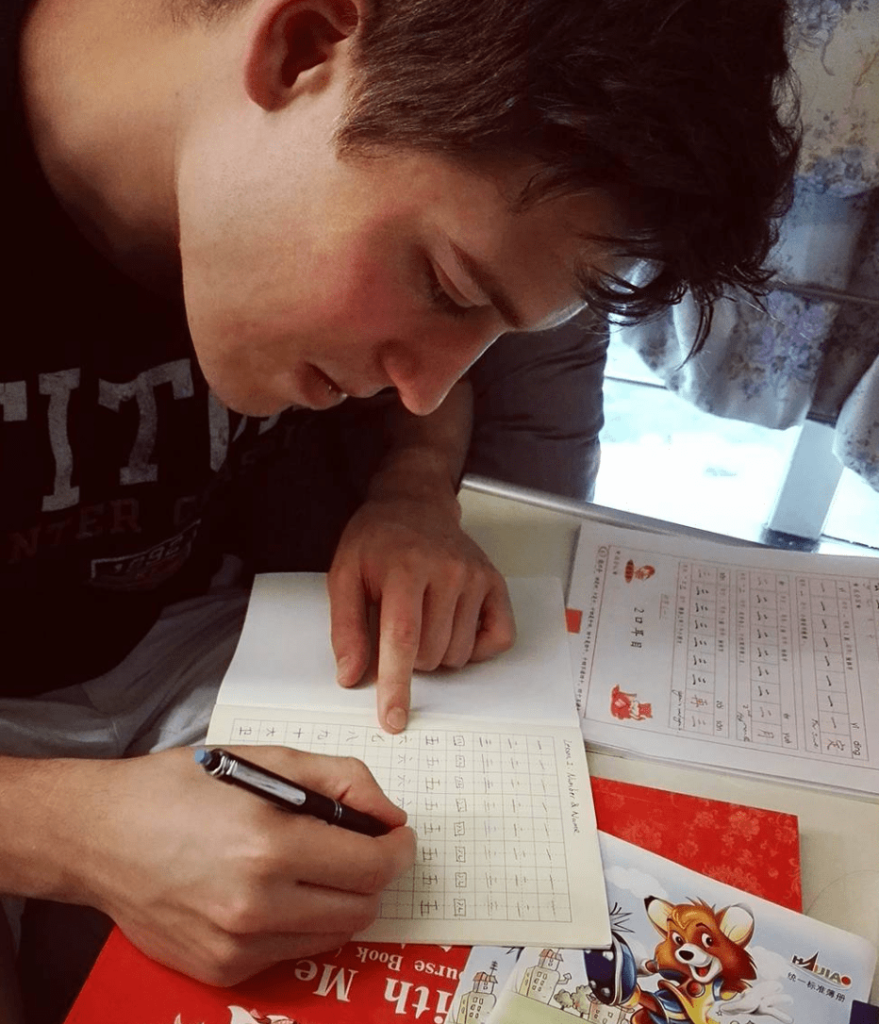
I really like learning languages! After growing up in many different countries I can speak English, Swedish, and German fluently. For the past two years I have been working to add Chinese to my collection and have enjoyed the unique challenges that learning this complex language has provided me with.
The Secret Garden is a piece of classic literature that has been part of an untold number of childhoods (if you missed our article on why children should read classic novels, see it linked below!). It is a powerful tale of friendship and discovering oneself that resonates with our souls.
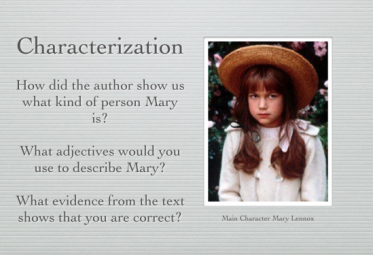
The Secret Garden is about a young girl named Mary Lennox who loses her family and everything familiar with her due to a cholera outbreak in India, where her father was working as a British Army Captain. As a child, Mary was quite neglected, but indulged by family’s servants, so she was a spoiled child with a terrible disposition. She had very few traits that would help her cope with a new life in England, where she was sent to live with a grouchy distant relative, Mr. Craven.
Mr. Craven had very strict rules for Mary to follow at her new home at Misselthwaite Manor in Yorkshire, which included her being forbidden to enter various rooms inside the giant mansion, as well as forbidden to enter one of the gardens on the sprawling property, which belonged to his beloved late wife. As Mary begins to explore her new home, she begins to find a sense of happiness and regains her health after being sickly for much of her childhood. After a robin helps her find the key to the secret garden, she finds a sense of purpose in restoring the garden, much as she restores her inner self. Through the thorns and dried leaves of winter, she finds much more lies within.
Aided by new friend Dickon, Mary develops her first friendships, and uses her newfound strength and kindness to help her bedridden cousin Colin, whom she finds tucked away in the manor. Friendship strengthens both Mary and Colin, and in the end, everyone witnesses a miracle only made possible by these close bonds and belief in oneself, two very important themes in the novel.
Young people will love reading this fantastic story of friendship, overcoming obstacles, and experiencing the healing power of nature. The characters and the lessons they teach us will surely touch your child and help them experience the power of a great story.
If you would like an opportunity for your child to experience this story with others, we are happy to let you know that we will be reading The Secret Garden as the first novel in our Young Classics Level 2 Course this summer.
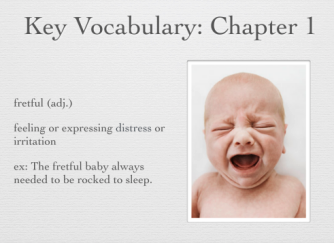
In the course, we not only read the novel, but we also learn and apply new vocabulary from the book, discuss important literary techniques used by the writer, and practice writing summaries, a key skill that many students find challenging
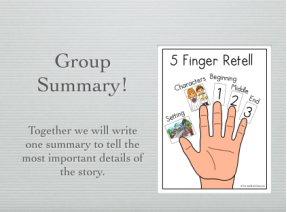
If you are interesting in learning more about Young Classics, or and of our other excellent and engaging courses, contact one of our Education Consultants today! We hope to work with your child very soon!
Literature study is an important aspect of any excellent academic program, and that is because it helps to teach students a wide range of knowledge and skills that are essential for success in many areas of life. While studying literature, students learn about important events and people throughout history, they consider cultural perspective and increase their own understanding of acceptance of different ideas and beliefs, and they learn how to analyse the words of others in order to form a deep understanding of new ideas and ways of communicating. In short, it exposes students to a toolbox of ideas, techniques, strategies, theories, and more that they will carry with them throughout their life, shaping the way they approach the world.
Why do we offer this course?
Reach Out students typically pursue high school programs such as IGCSE, which includes challenging courses such as English Language and Literature and English as a First Language. Later, most of those students will take on the challenge of IB and AP level programs, in which they must take on the task of reading a variety of literature. Our aim is to expose students in upper primary and middle school to a wide range of advanced literature so that by the time they reach high school they possess the knowledge and skills to hit the ground running, and therefore achieve to a higher level.
This course is designed for Grade 7-9 studenter.
The Objectives of our Advanced Literature Course are to:
✪ Enhance students’ ability to understand and discern literary techniques used English and American literature, and the ability to communicate the effects of those techniques;
✪Improve children's literary comprehension skills and increase their understanding of British and American culture;
✪ Under the guidance of our expert educators, learn the power of language and storytelling in a challenging yet engaging way.
Meet Our Teachers
*Insert teacher bios here for Barry, Anthony, and John*
Our Book Selections:
Cry the Beloved Country by Alan Paton

Set in South Africa in the 1940s, award-winning Cry the Beloved Country tells the story of a Zulu Pastor, Steven Kumalo, who travels from his village to the city of Johannesburg. Along his arduous and heart-wrenching journey, he discovers that his sister and son have found themselves in terrible situations that he must now face with them. The characters’ vastly different lives become unexpectedly woven together through tragedy during a dark time in South Africa’s history. Imidlertid, through tragedy and challenges, the true nature of the human spirit can be found and uplift those who need it most.
Dracula by Bram Stoker

The legend of Dracula has loomed large in the minds of readers and movie-goers for generations. Bram Stoker based the infamous character of Dracula on the legend of the real life ruler of Wallachia, Vlad the Impaler. Stoker was able to take this dark corner of history and turn it into a legendary novel told through journal entries, letters and telegrams. As with any classic, Dracula has stood the test of time because it speaks to something very deep and meaningful within the human psyche.
Of Mice and Men by John Steinbeck
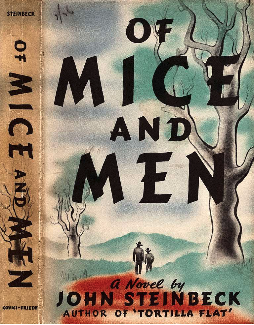
The Great Depression was a defining moment in American history that tested its strength as a nation, and placed the population in a precarious balance between life and death. In what is considered one of the greatest American classics, readers are introduced to two displaced migrant workers, George and Lennie. George is an intelligent young man, while Lennie is mentally disabled. George takes Lennie under his wing as they seek employment where few opportunities exist, trying to survive, yet still dreaming of the day they will have their own land and build a life. Their hopes are dashed when a devastating incident occurs that alters their lives forever.
What Students Will Gain
Develop an early sense of literary appreciation,
See the world from a more mature perspective
British and American classics contain thought-provoking moral and social issues. Reading the most influential classic literature thoroughly helps students become better readers, and begin the process of pursuing self-realization.
Improve understanding of culture and history
Learning allusions from classic British and American literature can help us bridge cultural differences. "The classics have opened the door to different worlds, different cultures, and different historical perspectives. Literature crosses race, culture, religion, and geography."
Self-reflection and personal growth
Many classic literature allude to our lives from the side: books that reflect similarities to our own lives are called "mirrors"; and those that give us a glimpse of different lives are called "windows." Whether it is a "mirror" or a "window", it further enriches the students' life experience and increases the courage and strength to face life.
Bli med oss!
Contact us to discover more about our course. We sincerely hope to meet your child soon, and develop a love of reading classic literature together.
Det er tilbake til skoletiden og vi vet at foreldrene gjør seg klare for et nytt år med ny begynnelse. Starten på et nytt år møtes vanligvis med en blanding av spenning og litt angst, ettersom elever og foreldre ser frem til nye ferdigheter og erfaringer, men kan også føle seg nervøs for nye rutiner og forventninger.
Ikke bekymre deg, Ta kontakt her for å hjelpe! I år, vi har 5 beste tips til en fantastisk start på skoleåret.
Forstå hvordan barnets skole nærmer seg utdanning, hvilket pensum de bruker, hvilke systemer, og standarder som brukes kan være overveldende for ikke-lærere. Bruk litt tid hver dag på å lese innholdet på skolens nettsted, håndbøker, og andre ressurser kan hjelpe deg å føle deg tryggere på å forstå hva barnet ditt lærer på skolen og hvordan det lærer. Det er også viktig å delta på barnets tilbake-til-skolen-kveld og informasjonsøkter for å få en bedre forståelse av barnets program som helhet. Det gir deg også en flott mulighet til å etablere et forhold til barnets lærer. Når som helst hvis du fortsatt har spørsmål, du kan alltid sende e-post til barnets lærer. De er der for deg og barnet ditt, som de vet at et godt forhold til foreldre er en fantastisk måte å sikre akademisk, sosial, og følelsesmessig suksess for alle elever.
2. Sørg for å fange nok zzzzs før ABC-ene
Søvn er så viktig for et barns vekst og utvikling, og mangel på det kan påvirke et barns akademiske prestasjoner negativt. Faktisk, Forskning viser at søvnforstyrrelse hos barn kan føre til høyere forekomst av angst og depresjon. Når vi sover, hjernen vår behandler informasjonen fra dagen, finner det beste systemet for å arkivere det i minnene, og lader systemene våre på nytt for en ny dag. Av ulike grunner, foreldre synes ofte det er vanskelig å holde seg til tidlig leggetid, men med en klar rutine, og tid for justering, det kan være enkelt! Barn 3-6 år gammel burde bli 10-12 timer søvn per dag, 7-12 åringer bør få 10-11 timer per dag, og 12-18 åringer bør få 8-9 timer per dag. Å lage en timeplan der barna legger seg tidligere, vil også gjøre morgenen enklere, forhåpentligvis med mindre stress for både foreldre og barn da de vil være godt uthvilte og klare til å starte dagen!
3. Still de riktige spørsmålene til rett tid
Noen ganger er foreldre ivrige etter å vite hvordan dagen til barnet deres var så snart de kommer hjem fra skolen, spesielt de første ukene. Disse ukene er spesielt utmattende og fulle av oppturer og nedturer ettersom barnet ditt lærer å navigere i nytt materiale, nye venner, nye lærere, og nye forventninger. Å gi dem tid til å komme hjem og dekomprimere er ekstremt viktig for deres følelsesmessige og mentale velvære. Når de har hatt litt "meg" tid, foreldre kan stille spesifikke spørsmål basert på det de vet de jobber med, hvis de tilfeldigvis vet. De kan gå gjennom barnets leksedagbok med dem og hjelpe dem med å lage en plan for hvordan de skal takle hver oppgave, samt deler i deres entusiasme for spesifikke fag, bøker, eller informasjon de også liker. Unngå å spørre, «Hvordan var skolen? Hva lærte du?ettersom barn svarer mye bedre på mer spesifikke spørsmål, slik som, «Hva gjorde du med vennene dine til lunsj? Hva var den beste delen av dagen din? Hva var det rareste eller mest fantastiske som skjedde på skolen i dag?«Viktigst, foreldre bør være fullt tilstede og lytte nøye når elevene svarer, slik at de virkelig føler seg verdsatt og hører når de deler.
4. La dem lære av fiasko
Dette kan være ekstremt vanskelig for foreldre å tillate. Vi ønsker at barna våre skal ha det bra og nå sitt fulle potensial, som betyr at vi kan gå over hver oppgave med en fintannet kam, korrigere alle feilberegninger eller grammatikkfeil. Selv om foreldre har gode intensjoner når vi gjør dette, vi tar bort viktige læringsmuligheter fra barn når vi gjør det. Da vi var studenter, mange av foreldrene våre var ofte for opptatt eller hadde ikke kunnskap eller kapasitet til å hjelpe oss med skolearbeidet vårt, men vi fant en måte å presse gjennom og prøve vårt beste. Hvis barn aldri får muligheter til å mislykkes når de er små, de kan motstå å ta på seg utfordringer senere i livet i frykt for å mislykkes med dem. Imidlertid, når vi lar dem feile forsiktig, for eksempel på et oppdrag eller på en liten ligafotballkamp, vi lærer dem motstandskraft. Det er ikke verdens undergang, og de lærer en verdifull lekse; at vi kan prøve og ikke lykkes, støv av oss selv, og prøv igjen neste gang.
5. Ta vare på lidenskapene deres
Nye skoleår er en spennende tid av mange grunner, en av dem er at de gir barn en sjanse til å oppdage nye lidenskaper. Hvis de er heldige, de vil snuble over noe de virkelig elsker, og at de kan bli fascinert av nok til å bruke timevis på å oppdage. Å hjelpe et barn med å finne sin lidenskap er ikke alltid lett og tar tid. Noen ganger bekymrer foreldre seg hvis barnet deres fokuserer for mye på et par ting, og føler at de trenger å utsette dem for så mye som mulig for å hjelpe til med å forme dem til godt avrundede individer. Imidlertid, hvis vi ser på menneskene som har formet vår verden, det var fordi de hadde et laserfokus på det de brenner for. Det var alt de noen gang gjorde eller gjorde. Som mennesker, vi graviterer naturlig mot det vi elsker mest, og så lenge det gir en slags verdi på toppen av oppfyllelsen, vi bør fortsette å forfølge det. Så, ikke bekymre deg hvis barnet ditt protesterer på å gå til én aktivitet mens han løper ut døren for å delta på en annen. Kanskje den de elsker er mest verdifull for deres vekst og utvikling, og den de ikke liker er tross alt ikke så nødvendig.
Vi håper disse tipsene har hjulpet, og vi ønsker deg og barnet ditt alt godt i det kommende skoleåret! Vi gleder oss til det nye skoleåret og alle utfordringene og håper det vil bringe.
Reach Out vil være med deg hele veien, så vær på utkikk etter mer informasjon og flere artikler vi håper du vil elske!