Pofika, Tikhulupirira kuti ndikofunikira kukondwerera kupambana kwa wophunzira. Ndife okondwa kulengeza za wophunzira wina - Emma!
Amma akuimira chilichonse ophunzira atha kukwaniritsa ntchito molimbika. Aphunzitsi a Emma amuzindikira kuti ndi wophunzira amene ali ndi malingaliro abwino pophunzira, amalandila malangizo, ndipo ali ndi banja lothandiza kwambiri lomwe nthawi zambiri limalankhula ndi aphunzitsi ake. M'kalasi, Emma ndi womvetsera mwatcheru komanso watcheru amene ali ndi chidaliro chokwanira kugawana malingaliro ake, koma woleza mtima kuti apatse aliyense nthawi yake. Sadandaula kutenga zoopsa, ndipo amatha kulowetsa umunthu wake mu ntchito yake.
Emma pakadali pano adalembetsa mugawo lathu la Creative Reading and Writing 4 Inde, ndipo wawonetsa mphatso yeniyeni potha kupanga zithunzi zamphamvu pazolemba zake. Kumayambiriro kwa semester, adamaliza ndemanga ya nthambi ya Blue Frog ya Shanghai Disneyland.
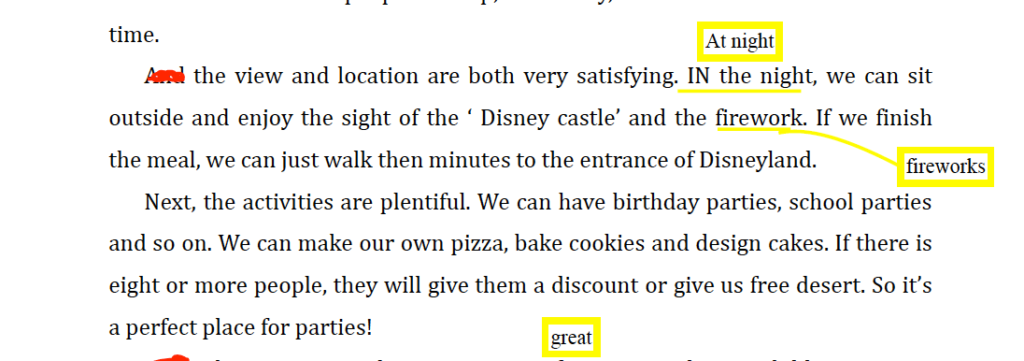
Emma adawonetsa kuthekera kwake kutsutsa mbali zina zamalo, ndikukulitsa malingaliro ake pogwiritsa ntchito mwatsatanetsatane.
"Mawonekedwe ndi malo onse ndi okhutiritsa kwambiri. Usiku timatha kukhala panja ndikusangalala ndikuwona Nyumba ya Disney Castle ndi zozimitsa moto. "
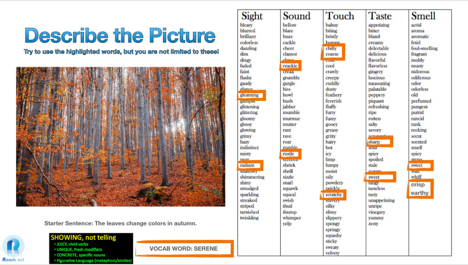
Pamene semester inapitirira, Emma adawonetsa chitukuko mu luso lake lolemba, ndipo anayamba kuphatikizirapo luso lolemba mabuku. Mu ntchito yofotokozera mawonekedwe, Emma adatha kupanga chithunzi cholimba pogwiritsa ntchito mawu olondola komanso chilankhulo chophiphiritsa.
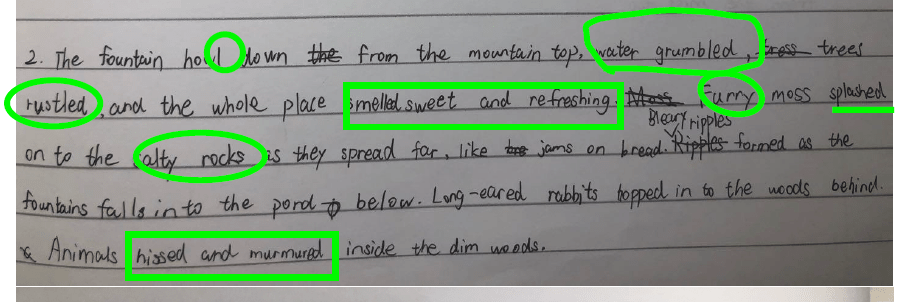
“Ubweya waubweyawo unathimukira pamiyala yamchereyo pamene inkafalikira kutali, monga kupanikizana pa mkate. Mitsinje yamadzi inapangika pamene kasupeyo anagwera m’dziwe lomwe lili m’munsimu.”
Emma anapitirizabe kugwiritsa ntchito zimene anaphunzira m’kati mwa maphunzirowo, ndipo luso lake monga wolemba linakula kwambiri. Mu ntchito yaposachedwa polemba Nkhani Yongopeka, Emma adapanga mawonekedwe ndi chikhalidwe cha nkhani yake mwadala komanso mogwira mtima.
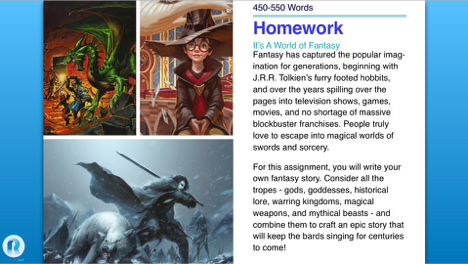
“Dzuwa lonyezimira linawala kuchokera pa zenera mpaka pa lofewa, bedi la silky. Maluwa okongola amitundu yofunda anaphuka pambali pa zenera lotseguka. Pakhoma lotsitsimula lobiriŵira m'nyanjamo munapachikidwa zithunzi zosaoneka bwino koma zachangu.”
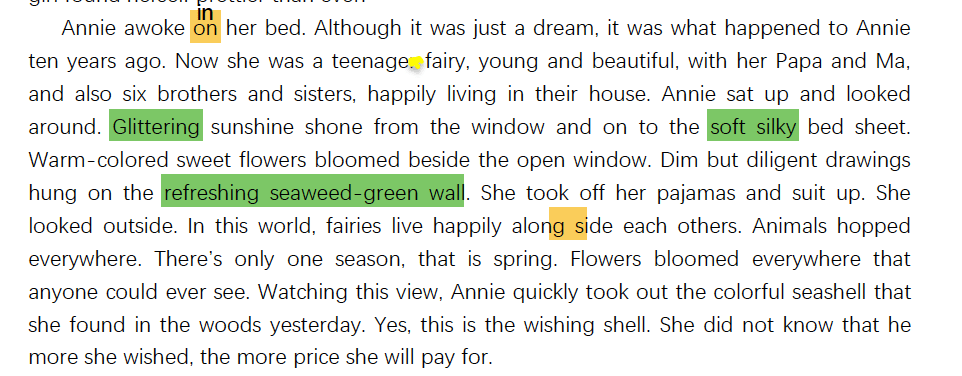
Monga mukuwonera, Emma akuwonetsa mikhalidwe ya wolemba wachinyamata wodalirika. Kufunitsitsa kwake kuwongolera, ndipo kugwiritsira ntchito mosamalitsa maphunziro ophunzitsidwa kwathandiza kukweza kulemba kwake kufika pamlingo wapamwamba kwambiri.
Zikomo Emma, chifukwa chokhala NYENYEZI yotero! Tikuyembekezera kuwona kukula kwanu kwa nthawi yayitali. Tikudziwa kuti ichi ndi chiyambi chabe cha ulendo wabwino kwambiri.
Monga aphunzitsi, Nthawi zambiri takhala tikufunsa funsoli, "Ndingamulepheretse bwanji mwana wanga kuti asiye kuwerenga mabuku abodza?” Makolo akuda nkhaŵa kuti nkhani zazithunzithunzi sizipereka phindu la maphunziro, siabwino kwambiri, kapena zoyipa zonse, kuwononga nthawi ya mwana wawo. Kwa izi, Yankho lathu nthawi zambiri limawadabwitsa, ndipo yankho ndilo, “Alekeni awerenge nthabwala!”
Ndizomveka kuti makolo angada nkhawa chifukwa amaganiza kuti nthabwala ndizongowerenga zosangalatsa, komabe, nthabwala zili ndi maubwino ambiri kupitilira kutithandiza kudutsa nthawi.
Ma Comics ndi ma graphic novel si njira zatsopano zolembera. Kumene, akhala akusangalatsidwa ndi ambiri kwa mibadwomibadwo. Kwa zaka zambiri, mtunduwo wasintha kukhala umodzi wokhala ndi kuzama komanso tanthauzo, nchifukwa chake timalimbikitsa makolo kuti asamangolola ana awo kuwerenga nkhani zamasewera, komanso kuwathandiza potero.
Nazi zifukwa zathu zapamwamba zomwe zithumwa ziyenera kuwerengedwa (makamaka m'chilimwe!):
Kwa ophunzira omwe sali olankhula Chingerezi, nthabwala zimapereka njira yabwino kuti ayambe kusangalala ndi zolemba zachingerezi. Kwa ana ambiri, ntchito yochoka m’buku lachingelezi n’kupita ku buku lachingelezi ingakhale yovuta kwambiri, koma nthabwala zingapereke mlatho wofunikira kwa iwo kuti alimbitse chidaliro komanso kuwerenga bwino. Zowoneka pazithunzizi zimalola ophunzira kumvetsetsa mozama zachiwembucho ndi otchulidwa komanso mawu atsopano.. Kuphatikiza apo, imawaphunzitsa kugwiritsa ntchito zida zolembera bwino, monga onomatopoeia (ndikuganiza POW! SMACK! ZOOM!) ndi miyambi (fanizo losonyeza tanthauzo la mawu okuluwika ngati, “Mphaka ali ndi lilime lako?” amamveka bwino kuposa kutenthetsa mwambiwo paokha!).

2.Kuwonjezera Inference
Inference ndi luso lowerengera lomwe ophunzira ambiri amavutika nalo pamayeso owerengera okhazikika. Kulingalira kumachitika tikamaganizira zomwe tawerengazo. Zitsanzo zina za mafunso omwe ophunzira angakumane nawo powerenga ntchito zomvetsetsa kapena kuwunika ndi awa, “Kodi munthuyo anamva bwanji?”, “Kodi munganene chiyani pa…” ndi “Phunziro lotani m’nkhaniyi??” Nkhani za nthabwala zimafuna kuti ophunzira “awerenge pakati pa mizere” kuti adziwe zambiri zomwe nthawi zambiri zimanenedwa ndi wolemba nkhani m'buku., kotero kuti angapeze zokumana nazo zambiri zamtengo wapatali m’kulimbitsa luso limeneli mwa kuŵerenga nkhani zoseketsa.
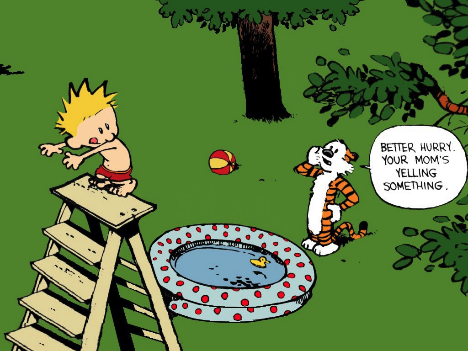
3.Mawu Mphamvu!
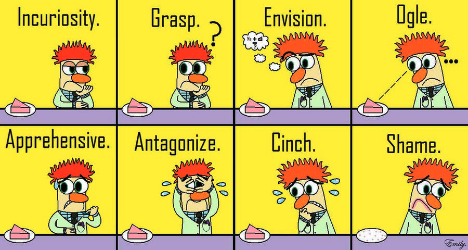
Nthawi zambiri m'mabuku azithunzi ndi zithunzi, olemba amaphatikizanso mawu apamwamba kwambiri, zonse monga gawo la nkhani komanso mayina a anthu otchulidwa. Mu 2016 pa Comic-Con yotchuka padziko lonse ku San Diego, California, gulu la aphunzitsi anakambirana za mphamvu ya nthabwala pomanga mawu a ophunzira. James Bucky Carter, mlembi wa Building Literacy Connections with Graphic Novels adatero, "Uli ndi Colossus, ndipo iye ndi wamkulu, chimphona chachitsulo. Mumamvetsetsa bwino zomwe mawu akuti colossus amatanthauza ndipo ndi mawu abwino a 10-cent. Mphamvu za Banshee zikukuwa. Muli ndi zilembo izi zomwe zikuphatikiza mawu omwe ali. Ndi chinthu chomwe ndi njira yosangalatsa yophunzirira mawu atsopano, kuwonjezera pa zidziwitso zamtsogolo. ”
Mukawerenga izi mungangofuna kulola mwana wanu kuti azitha kuwerenga nkhani zamasewera kapena zolemba zazithunzi! Izi ndi nyimbo m'makutu athu. Ngati simukudziwa poyambira, tili ndi zokonda za ophunzira zomwe mwana wanu angakonde kuyesa!
Dog Man wolemba Dave Pilkey

Miles Morales Spider-Man wolemba Jason Reynolds

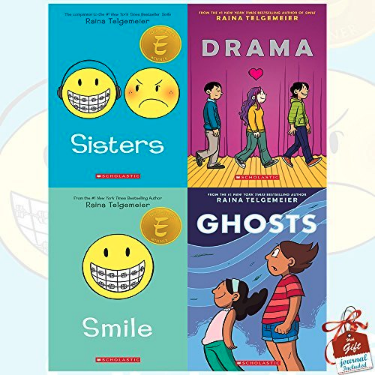
Kumwetulira, Alongo, Mizimu, Sewero ndi Nkhani Zina za Raina Telgemeier
Wolemba Jeff Smith

Mukuyang'ana mipata yambiri yowerengera mwana wanu m'chilimwe? Lumikizanani ndi mmodzi wa Alangizi athu a Maphunziro kuti mumve zambiri zamaphunziro athu owerengera achilimwe. Tikuyembekezera kuwerenga limodzi ndi mwana wanu!
Nyengo ya mayeso ili pano, ndipo ikhoza kukhala nthawi yovuta kwambiri pachaka kwa ophunzira komanso makolo. Pofika pansi tikufuna kuchita zonse zomwe tingathe kuti tithandizire kuda nkhawa popereka upangiri wina wapadera womwe simunayesere.
Nzeru zachizoloŵezi zophunzirira kaŵirikaŵiri zatsatiridwa ndi makolo ndi aphunzitsi ambiri amene amalingalira bwino, komabe, ngati tiyang'ana njira zina zochititsa chidwi zofufuza kafukufuku tikhoza kuona kuti pali njira zosiyanasiyana zophunzirira! Nthawi zonse ndi bwino kuyesa zinthu zatsopano, makamaka kwa ana. Amatha kupeza njira zatsopano zochitira zinthu ali achichepere, ndipo akakula pang'ono, amatha kusankha njira yoyenerana ndi zosowa ndi kalembedwe kawo.
Panopa, tiyeni tiwone njira zitatu zapadera zophunzirira.

Zosiyanasiyana Ndi Zokometsera Zamoyo-Ngakhale Powerenga
Kwa ambiri, zaka zambiri takhala tikuuzidwa zimenezo kuti tiphunzire bwino, tiyenera kuphunzira pamalo amodzi tsiku lililonse; malo amene ali chete, bwino kuwala, ndipo ali ndi zida zathu zonse. Ngakhale izi zitha kukhala zowona nthawi zina zomwe tikuphunzira, Kafukufuku akutiwonetsa kuti ubongo wathu umachita bwino kwambiri tikasintha malo omwe timaphunzirira. Zodabwitsa kwambiri, kulondola?
Mu phunziro lomwe lachitika mmbuyomo 1978, ophunzira aku koleji anapatsidwa 40 mawu ofunikira kuphunzira. Gulu lina linauzidwa kuti liphunzire mndandandawo kawiri pamalo amodzi. Gulu lina linauzidwa kuti liphunzire mndandandawo m’malo aŵiri osiyana. Zomwe anapeza zinali, gulu lomwe linasintha malo awo ophunzirira linachita bwino kwambiri kukumbukira mawu pambuyo pake. Tsopano chifukwa chiyani izo? Chabwino, ubongo wathu nthawi zambiri umapanga kulumikizana ndi chidziwitso kutengera chilengedwe chathu, kotero kuti timasinthasintha kwambiri chilengedwe chathu, m'pamenenso timapereka mwayi kwa ubongo wathu kusunga zidziwitso monga momwe zimalumikizira kuzinthu zambiri. Izi zitha kukhala chifukwa chake njira imodzi yowonera, kumene munthu amaona m’maganizo zinthu zimene akufuna kuzikumbukira kumalo enaake m’malo amene amawadziŵa bwino, Zingakhale zothandiza kwambiri. Kwa ophunzira, kungosintha chilengedwe kungachite chinyengo!
Sangalalani!
Makolo ena angaganize molakwa kuti ngati mwana wawo akuseka kapena kusangalala pamene akuphunzira kapena kuphunzira, iwo akhoza kukhala akutaya nthawi yawo. Komabe, izi siziri choncho.
Monga kholo, muntchito kapena muofesi mungakhale ndi zokambirana zapadera nthawi ndi nthawi. Maphunzirowa nthawi zambiri amagwiritsidwa ntchito ngati chida chothandizira kuphunzira za njira yatsopano, lingaliro, kapena chidziwitso chomwe chingakuthandizeni kuphunzira zambiri kuntchito. Magawowa nthawi zambiri amayendetsedwa ndi anthu omwe amapanga maphunziro olimbikitsa komanso olimbikitsa omwe amalimbikitsa ndi kulimbikitsa antchito.. Masiku akhoza kukhala aatali komanso amphamvu, koma ngati achita bwino, ogwira ntchito akhoza kuchokapo ali ndi chidaliro mu chidziwitso chawo chatsopano ndi luso.
Chimodzimodzinso kwa achinyamata. Kuyambitsa masewera amasewera ndi zosangalatsa monga njira yophunzirira mayeso sikumangopangitsa mwana wanu kumwetulira, koma kafukufuku akuwonetsa kuti kusangalala mukamaphunzira kumayambitsa zida zina zamaganizidwe, Amagwirizanitsa mphotho ndi chisangalalo ndi kuphunzira, kumalimbitsa ndi kukulitsa maukonde okumbukira, ndikusintha kuganiza kosawoneka ndi chidwi chokhazikika.

Njira ya Pomodoro
Kukhazikika, pa-ntchito komanso kulimbikitsidwa kuti mutsirize ntchito zina zitha kukhala zovuta kwa akulu ndi ana omwe. Kodi mudamvapo ngati mwakhala mukuyang'ana pakompyuta kwa maola ambiri, koma anachita zochepa kwambiri? Kapena mwinamwake muli ndi tsiku lomalizira m'masiku ochepa, koma akungofika kumapeto? Ndizosadabwitsa, monga kafukufuku akusonyeza kuti maganizo athu amakonda kuyendayenda 20% ya nthawiyo, mwinanso kwambiri kwa achinyamata.
Njira imodzi yosangalatsa idapangidwa ndi wophunzira waku koleji Francesco Cirillo ngati njira yomuthandizira kuti asamangoganizira, ndipo ndiye Pomodoro Technique, yomwe idapeza dzina kuchokera ku nthawi ya phwetekere yopangidwa ndi Cirillo yomwe adagwiritsa ntchito poyesa njirayi payekha. Momwe zimagwirira ntchito ndikukhazikitsa chowerengera 25 mphindi, yomwe ndi nthawi ya ntchito. Kenako ikhazikitsenso 5 mphindi, yomwe ndi nthawi yopuma. Iyi ndi nthawi yabwino kudzuka, kutambasula, yenda kuzungulira nyumba, samalira mphaka wako, kapena kumwa madzi kapena chokhwasula-khwasula. Nthawi yopuma yatha, ikani chowerengera china 25 mphindi ndikubwereza!
Zikuoneka kuti njira imeneyi imathandizidwa ndi umboni wa sayansi, monga ofufuza adatsimikiza kuti kupuma pang'ono kumathandiza kuti chidwi chanu chikhale chokhazikika. Izi zitha kukhala zogwirizana ndi mfundo yakuti kunyong'onyeka kwachidziwitso kungayambitse malingaliro osagwirizana, chomwe ndi chinthu chomaliza chomwe mukufuna pophunzira mayeso ofunikira.
Tikukhulupirira kuti mwasangalala ndi kuphunzira malangizo apaderawa monga momwe tachitira! Kufunira mwana wanu zabwino zonse pamayeso mwezi uno. Jiayou!
We know that there is so much we can do to nurture and educate our children, which is why as parents we often go to great lengths to fill their time with enriching activities and classes. Why do we do this? For many reasons of course, but the main goal is to ensure their future success. Parents hope that their children will be even more successful in life than they were themselves. Success, of course, is subjective, and we may all have our own definition of success. Generally however, we might agree that success includes feeling content in one’s personal life, as well having a sense of career satisfaction and financial security.
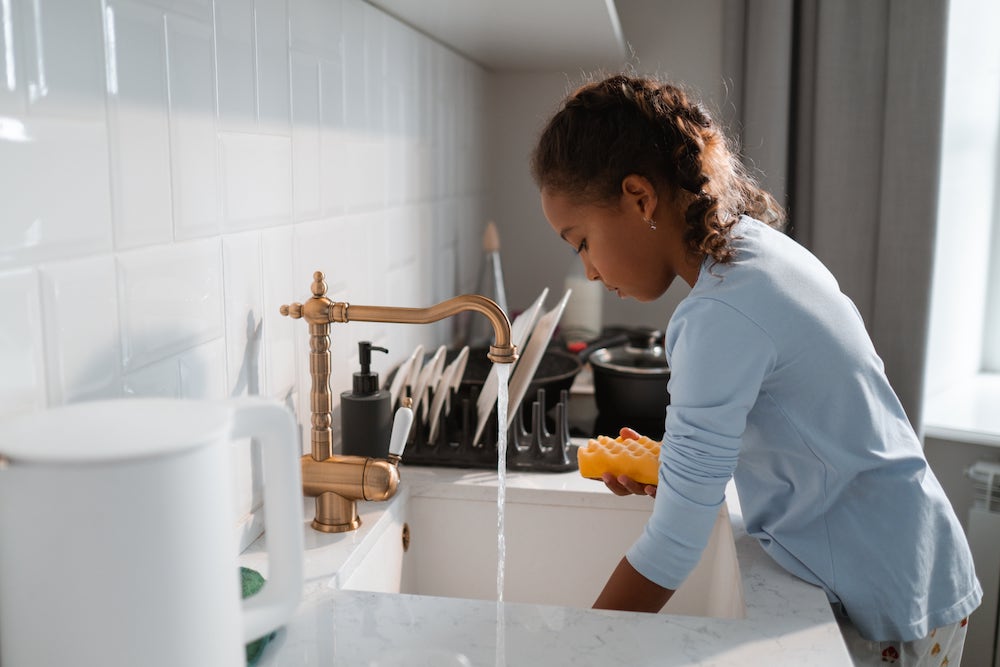
Recently there has been an intriguing TED Talk being shared on social media, in which former Dean of Freshman at Stanford University, Julie Lythcott-Haims, cites evidence from the Harvard Grant Study that correlates professional success in life to individuals having done chores as children. Not soccer training, not language learning, not painting, but chores.
Surprising right?
Many of our children growing up in big cities may never know what it’s like to scrub a dish, wash a window, or mop a floor. We might feel like there are more important things to do to build their knowledge and their character. Lythcott-Haims explains that those children who do get their hands dirty, komabe, may reach a level of success in life that surpasses their no-chore-doing peers. That is because it teaches students how to contribute and step up when work needs to be done, and that doing the “grunt work” that others might scoff at, because it is what is best for all, is what gets noticed in the workplace.
The workplaces of the high-achievers who took part in the Harvard Grant Study were notable, such as the White House, where participant President Kennedy worked, and the editor’s office where Ben Bradlee sat as editor of The Washington Post. We can assume that their parents, like us, had to prod and plead for the chores to be done, and accept that even if they were done, they might not have been done well; and that’s okay.
The important thing, as Lythcott-Haims points out, is that by doing chores, children realize that they, “…have to do the work of life in order to be part of life.” They realize that life does not just happen to them, and for them, but with them.
If your children are already doing chores as part of their daily summer routine, bravo! You are on the right track. If not, no need to panic. It is never too late to introduce chores into the lives of our children. Here are some tips to help get you started!
Let Them Be a Part of It
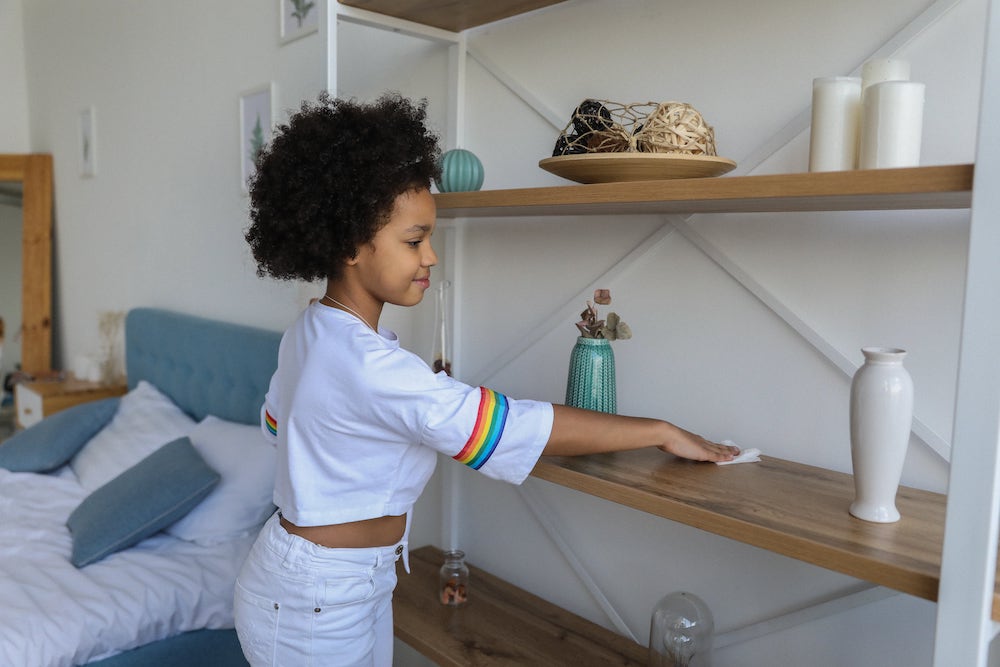
When introducing the concept of your children completing chores to help, have a “family meeting” where everyone is present to discuss what will be expected of your children and why. You can ask your child to help you write a list of chores they could potentially help with around the house. They might surprise you with their enthusiasm as doing chores is very exciting for some children because it makes them feel empowered and helpful (two things we often like to feel as adults).
Game-ify It
To make things fun, because fun makes everything better, you or your child can write the chores on popsicle sticks and each day your child can choose one stick from the jar. That will be their chore for the day! If you have more than one child at home, you can always turn cleaning into a competition by setting a timer and seeing which child can clean the most toys in the given amount of time, for example.
Reward It
As parents, we are rewarded for our contributions at work with a salary. Shouldn’t our children also be rewarded for their hard work? One idea is that if your child completes all of his or her chores for the week, he or she can choose a small toy from a “treasure box” filled with small toys. Another option could be that if your child consistently completes chores for a month, they can choose an extra special family outing.
Teaching our children to do chores is not always easy, but the potential benefits are worth the time and effort. We hope you found our tips useful, and that they can help lead to a positive experience for you and your child. Happy cleaning!
We are pleased to announce a new summer book club, just for parents! Summer is the perfect time to read that book you have always wanted to read, but have not had the time to. This summer, we invite you to join us in reading How to Talk So Kids Will Listen and Listen So Kids Will Talk.
We know it is not always easy to connect with our children because of the demands of school, work and daily life. Sometimes our anxieties about the future interfere with us living our lives right now. Komabe, one thing we can guarantee is that we will never get another chance to experience childhood with our own children, and we don’t want to miss out on this precious time. Choncho, how can we make the most of it and have meaningful conversations with our children that will strengthen our bond and help our children feel supported? These are big questions many of us have.
To help us answer these important questions, we invite you to join us in reading one of the most popular parenting books of all time, written by Adele Faber and Elaine Mazlish. How to Talk So Kids Will Listen and Listen So Kids Will Talk, which teaches us how to accept our children’s feelings, as by not doing so we could be unwittingly causing bad behavior. It also teaches us positive ways to encourage cooperation, as well as independence, autonomy, and self-confidence. These are all the ingredients needed to help nurture a positive parent-child relationship that will indeed help to grow our children into confident and capable adults.

How Will It Work?
The first step is to contact one of our Education Consultants to register. Registration is FREE and open to everyone! We will create a group chat where the book study content and sharing will take place starting on July 1st. Lindsey Fine, our Education Manager, will be joining the group as a parent as well, as she is a mother of two boys, aged 4 ndi 6, who will be learning along with you. She will also be helping to lead the weekly discussions.
The book can be found in English and Chinese and easily accessible in print, e-book, or audiobook formats.
Then there are two options for how you would like to participate:
The reading schedule is as follows:
Week 1: Chapters 1 & 2
Week 2: Chapters 3 & 4
Week 3: Chapters 5 & 6
Week 4 Chapters 7 & Afterword
At the end of the month, we will host an online workshop led by School Counselor, Regina Wehner. At the workshop, Regina will share additional information and strategies you can use to strengthen your relationship with your child.
About Regina Wehner
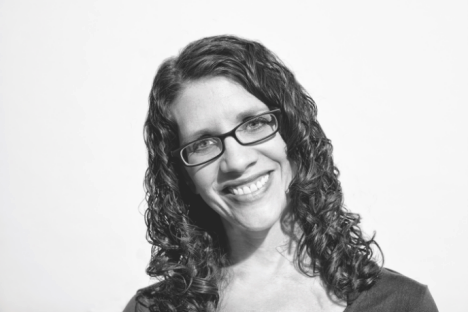
Regina Wehner is a Licensed School Counselor that has worked with students in Middle School for over 16 years. Originally from the United States, she lives with her husband and 2 children, ages 10 ndi 12, in Beijing, China.
Regina works at the Western Academy of Beijing (WAB), a diverse international school. A big part of being a school counselor is helping students learn about themselves and others as they are growing. Regina also hosts monthly Parent Coffee Mornings to bring parents together to learn more about their children's developmental changes and how to communicate during these times of transition.
Contact us today to join!
Helping Your Child Learn New Vocabulary
Research indicates that if we want students to succeed in the academic context, on important assessments and high-stakes exams, as well as their future careers, we must help them develop their vocabulary. The reason for that is this: our understanding of new information is directly linked to our understanding of the vocabulary used to communicate that new information.
Kwa ophunzira, increasing their vocabulary is one key to success in mastering a language; the more words we know, the more words we understand, and the more words we can use in our writing to make it more impactful and effective. Komabe, learning now vocabulary is sometimes viewed as a tedious or elusive process. Sometimes parents are not sure how to guide their children, especially as the way we approach vocabulary study study may vastly differ from the way parents studied it when they were in school.
Don’t worry, Reach Out is here to help! Let’s explore vocabulary acquisition (the process of memorizing and applying new vocabulary), and we’ll tell you how you can help your child build their vocabulary!
Talk About It!
It might seem overly simple, but when it comes to learning new words, one effective way young people do it is by talking with others. Children learn new words best when they are in context, such as in a conversation about a certain topic. They can infer a bit of new words’ meanings based on how they are used along with the other words they are already familiar with.
You have likely been interrupted by your child on many occasions when you use unfamiliar vocabulary and they curiously ask, “What does disaster mean?” You might have been referring to the state of their bedroom (as in it is a complete mess), and by taking a moment to explain the multiple meanings of disaster to them, you will not only have taught them a new word to describe a messy room, but also a failure or a naturally occurring phenomenon, such as a natural disaster.
Choncho, talking with your child is a great way to teach them new words!
Explore It!
Students generally understand that they can use a dictionary or a translator if they encounter a word they do not know, but sometimes even the definition of a word might leave them with more questions than answers.
In our experience, many students do not utilize one very important tool for learning and applying new vocabulary, and that tool is a thesaurus! If you notice your child overusing a word when speaking or in their writing, for example, “pretty”, “cute”, “good”, or “bad”, then take some time to show them how to use a website such as thesaurus.com to look those words up. When they search for the word such as “pretty” they will see that there are so many interesting and unique words to use instead! I
In our experience, students really enjoy using new vocabulary, and feel empowered to know there is a tool to help them make their words mightier.
Play!
Having fun while learning isn’t just something teachers do to make students happy, it’s actually been proven by neuroscience to be an effective way to help students learn more and more deeply. Research shows that when students are both stimulated and challenged, their brains release dopamine. Dopamine is a neurotransmitter that stimulates the memory centers and promotes the release of acetylcholinem, which increases focused attention.
In our courses here at Reach Out, vocabulary instruction is an important part of each lesson. We also have courses launching this summer, Vocabulary Builder Levels 1-3, in which we will focus exclusively on helping your child expand their vocabulary knowledge with challenging new words. While the words chosen offer the challenge, tools like Quizlet and games such as Guess Who and Sentence Racer provide students with the chance to interact in a meaningful and engaging way.
How do we know these methods are effective? Because our decades of experience, and study of educational psychology and methodology have taught us how students learn best!
We would love to help your child learn new vocabulary as one of the ways he or she can become an effect more effective and successful reader, writer, and speaker. To learn more about how we can help, funsani m'modzi mwa Alangizi athu a Maphunziro lero!
If you are looking for a more individualized educational service, Reach Out offers 1-on-1 services with our expert educators!
What do We Offer?
Our teachers offer a wide range of 1-on-1 subjects including English, Social Sciences, and Maths.
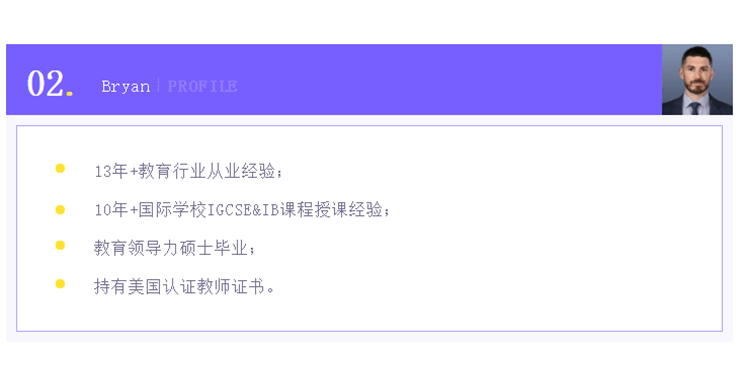
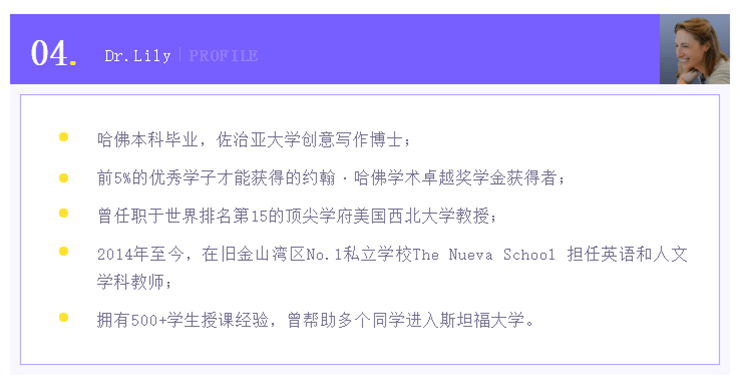
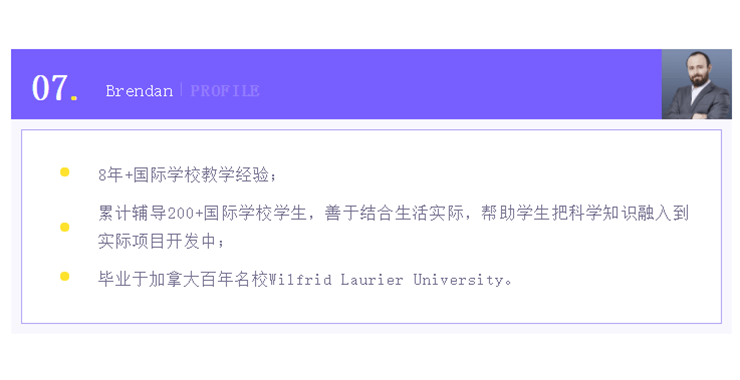
Meet some of our highly qualified and experienced teachers!

Why Should I Choose 1-on-1 Services?
Perhaps your child is preparing to study abroad or applying to a new school and he or she would like a more intensive and targeted approach in order to polish his or her skills. Alternatively, your child might not feel challenged enough with his or her current curriculum, and needs an alternative approach that is more appropriate for his or her ability level.
There are a number of reasons a parent might be searching for services such as this, and we can assure you that we will always work to understand you child’s unique situation and provide the service that is best for them.
How Does it Work?
With our hands-on approach, and orientation process, we will assess your child’s knowledge and skills based on current assessment data, writing ability, ndi zina. Based on our findings, we will select the teacher best suited for your child’s needs. All of Reach Out’s teachers have been carefully selected, and have years of experience in teaching challenging curriculums, such as IGCSE, IB, ndi AP, in top schools from around the world.
Our process is goal-oriented. We find out exactly what your child needs to reach their educational goals, and then we create a unique and tailor-made learning path that will best suit your child’s particular needs.
What Else Does Reach Out Offer?
In addition to 1-on-1 services, Reach Out offers a wide variety of courses specifically designed to challenge and engage your 2nd to 8th grade child with above grade level content in order to help them prepare for the rigor of programs such as IGCSE, IB, ndi AP.
How Can I Learn More?
To find out more about our 1-on-1 services, please contact one of our Education Consultants today to find out more! We look forward to helping your child reach his or her educational goals for a bright future!
Ndife Ndani
Monga mwina mwazindikira, takhala tikukula ndipo tili ndi zowonjezera zosangalatsa pazomwe timapereka pano pa Reach Out. Monga papita nthawi kuchokera pomwe tidadzizindikiritsa, tinaganiza kuti tigawana nanu nkhani yathu kuti ikuthandizeni kumvetsetsa kuti ndife ndani komanso zomwe timachita!
Ntchito Yathu
Ntchito ya Reach Out ndikulumikiza ophunzira ndi aphunzitsi aluso omwe amapanga ndikupereka zoyambirira, zolimbikitsa, maphunziro apamwamba padziko lonse lapansi. Tayamba ulendowu kuti tithandizire ophunzira kumvetsetsa momwe angapezere mawu awoawo apadera ndikuwulula malingaliro opanga ndi ofunikira omwe ali mkati mwa aliyense wa iwo.. Ndi mawu awo, ali ndi mphamvu zosintha dziko, ndipo tikufuna kuwapatsa mphamvu kuti atero.

Masomphenya Athu
Reach Out imayesetsa kukhala bungwe lovomerezeka padziko lonse lapansi lomwe limalola ophunzira kuti azitha kupeza maphunziro apamwamba apadziko lonse lapansi ndi aphunzitsi., zilibe kanthu kuti ali kuti padziko lapansi. Ophunzira athu adzakhala ozindikira, chidwi, ndi oganiza mozama omwe amapanga zisankho zodziwika bwino monga othetsa mavuto komanso olankhulana bwino. Ophunzira a Reach Out akwaniritsa zolinga zawo zamaphunziro ndi zaumwini ndi maloto awo kuyambira ku Primary School mpaka ku University, kuyika tsogolo lawo labwino kwambiri.
Mfundo Zathu Zazikulu
Izi ndi mfundo zomwe zimapanga Reach Out:
Nkhani Yathu
Reach Out inapangidwa ndi kagulu kakang'ono ka amayi odzipereka, mwinanso ngati inuyo. Iwo anasonkhanitsidwa pamodzi ndi masomphenya ofanana pa zosowa za maphunziro za ana awo. Ena anali kufunafuna pulogalamu yamaphunziro imene ingathandize ana awo kupeza malingaliro, kuphunzitsa filosofi, ndi njira zomwe zinali zogwirizana ndi zomwe anakumana nazo ali kudziko lina. Ena anali kufunafuna maphunziro apadziko lonse omwe ana awo angapeze kuti athe kupititsa patsogolo maphunziro awo ku China. Zomwe adagawana nazo zinali chikhumbo cha pulogalamu yolimba yomwe idatsegulanso zitseko za kulingalira kozama komanso mozama, kudzilingalira, ndi maonekedwe a munthu - zizindikiro za maphunziro amphamvu apadziko lonse lapansi. Patapita nthawi yaitali kufufuza njira zosiyanasiyana, amayi awa sanathe kupeza chilichonse chomwe chimakwaniritsa zosowa za ana awo.
Choncho, iwo anachita zimene mayi aliyense wabwino akanachita, kupatsidwa mwayi, ndipo anapeza njira yawoyawo yoperekera ana awo mipata yabwino koposa yophunzirira yokonzedwa kuti iwathandize kuchita bwino. Iwo anafunsira kwa aphunzitsi odziwa bwino ntchito yawo ndipo anagwira ntchito limodzi ndi makolo ena kuti apeze zimene angachite kuti akwaniritse bwino kwambiri ana ena okhala ndi zolinga zofanana. Ana, tikukhulupirira, ngati yanu.
Makolo anali odzipereka:
Ndife okondwa kunena kuti amayiwa akwaniritsa cholinga chawo. Today Reach Out ili ndi mndandanda wamaphunziro okhwima koma osangalatsa omwe ophunzira amaphunzira mozama akusangalala ndikupanga maubwenzi abwino ndi aphunzitsi ndi anzawo..
Zonsezi chifukwa cha kudzipereka kwa amayi athu oyambitsa maphunziro ndi chisangalalo cha ana awo.
Zomwe Zimatipangitsa Kukhala Osiyana?
Ngakhale tikudziwa kuti makolo ali ndi zosankha zingapo pankhani ya mapulogalamu omwe amalemeretsa maphunziro a ana awo, timakhulupirira kuti timapereka makhalidwe ambiri apadera omwe sapezeka mosavuta kwina.
Gulu lathu lili ndi aphunzitsi aluso komanso odziwa zambiri omwe apanga pulogalamu yapadera komanso yovuta kutengera miyezo yapasukulu zapadziko lonse lapansi., zomwe zimakonzekeretsa ophunzira achichepere kuti azitsatira maphunziro okhwima monga IGCSE, IB, ndi AP.
-Pulogalamu yathu imodzi ndi imodzi ndi maphunziro opangidwa kuti apitirire zosowa za maphunziro a ophunzira athu
-Philosofi yathu yophunzitsa yolimbikitsa ndi yopatsa mphamvu ophunzira, ndi njira yophunzitsira yololeza ophunzira kufufuza chidziwitso mozama komanso mwakuya kwinaku akukulitsa chikondi cha kuphunzira
-Kudzipereka kwathu pakuchita bwino kwanthawi yayitali kwa ophunzira athu pamene tikuyesetsa kuwapatsa maluso ofunikira omwe adzafunikire kuti apambane m'ntchito zawo zamtsogolo komanso kupitilira sukulu.
- Ndemanga zatsatanetsatane zomwe timapereka ndi zowunika zathu zonse za ophunzira, kuti ophunzira adziwe komwe akupambana komanso komwe angapite patsogolo, komanso zinthu zowonjezera ndi malangizo ofunikira kuthandiza ophunzira athu kutseka mipata iliyonse pakumvetsetsa
-Kudzipereka kwathu pakukulitsa kuganiza mozama kwa ophunzira athu ndi luso lotha kuthetsa mavuto, zomwe zidzakhala zofunika mtsogolo mwawo, komanso tsogolo la dziko lathu lapansi
-Lonjezo lathu lolemba antchito athu onse ophunzitsa ndi osaphunzitsa kutengera kukonda kwawo maphunziro
-Kukhoza kwathu kupatsa mphamvu ophunzira kugwiritsa ntchito chilankhulo, chidziwitso, ndi luso lomwe amapeza kuti adzitukule kupitirira m'kalasi ndikukhala ndi chidwi, ophunzira amoyo wonse omwe amakhazikitsa ndikutsata zovuta, kukwaniritsa, ndi zolinga zabwino.
-M'manja mwathu, njira payekha kupanga njira yophunzirira kwa ophunzira athu kuti ziribe kanthu kuti ali mukalasi yanji pamene alowa nafe, adzakhala ndi zida zofunikira kuti zitheke komanso kukula mwachangu
-Kudzipereka kwathu kupatsa mphamvu makasitomala athu ndi zidziwitso ndi zokumana nazo zomwe zingawathandize kupanga zisankho zabwino kwambiri zamaphunziro a mwana wawo popereka zolemba zodziwitsa., mavidiyo ndi zokambirana.
Maphunziro athu
Maphunziro athu a Blue Line, zomwe zimaphatikizapo maphunziro a ophunzira m'makalasi 2 ku 8, idapangidwa ndi aphunzitsi aluso omwe ali ndi madigiri apamwamba m'maphunziro awo omwe akhala zaka zambiri m'masukulu ena apamwamba kwambiri padziko lonse lapansi.. Timagwiritsa ntchito mapangidwe a maphunziro obwerera m'mbuyo akugwira ntchito kuyambira chaka choyamba cha mapulogalamu monga pulogalamu yodziwika bwino ya IGCSE..
Monga aphunzitsi athu akhala zaka zambiri akuphunzitsa maphunziro a pre-IGCSE, Mtengo wa IGCSE, Maphunziro a IB ndi AP kapena A Levels, amamvetsetsa zomwe ophunzira amafunikira kuti apambane pamapulogalamu amenewo. Choncho, gawo lililonse la maphunziro athu lapangidwa kuti zitsimikizire kuti ophunzira athu onse alowa tsiku lawo loyamba la Giredi 9 kudzidalira, zida, ndikukonzekera kukwaniritsa zofunikira za maphunziro ovuta awa.
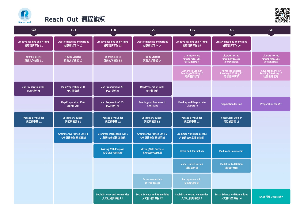
Timapereka maphunziro osiyanasiyana m'maphunziro a Chingerezi, Masamu, Mbiri ndi Geography. Onani pansipa kuti mudziwe zambiri zamaphunziro athu onse.
Ntchito Zowonjezera
Ndife okondwanso kulengeza za kupangidwa kwa Silver Line yathu, lomwe limapereka maphunziro a bespoke omwe amatenga njira payekha kuti akwaniritse zosowa za ophunzira athu. Timayamba ndikuwunika mozama zolinga zamaphunziro za wophunzira aliyense ndi zosowa zake, kenako pangani ndikukhazikitsa dongosolo lantchito lomwe aphunzitsi athu akatswiri adzagwiritsa ntchito kuwongolera mwana wanu pazovuta zamaphunziro a High School kuti amukonzekeretse kuti apite ku yunivesite yamaloto awo..
Timaperekanso ntchito za 1-on-1 m'makalasi onse kwa makolo omwe akufuna kupereka chisamaliro ndi malangizo kwa ana awo. Akatswiri athu a Maphunziro Alangizi adzaonetsetsa kuti akugwirizanitsa mwana wanu ndi mphunzitsi wabwino kwambiri pa zosowa ndi zolinga zake.
Titsatireni!
Tikuyembekezera kukumana ndi banja lanu ndikukambirana momwe mungakhalire mbali ya banja lathu la Reach Out; amene amaphunzira pamodzi, amasamalirana wina ndi mzake, amagonjetsa zovuta pamodzi, ndipo amakondwerera kupambana wina ndi mzake. Chonde titumizireni lero kuti mudziwe zambiri.
Tikuyembekeza kumva kuchokera kwa inu posachedwa!
Being a parent is hard. In fact, with the changes in our world today, it might just be one of the challenging moments we have had to face in decades. Change leads to uncertainty, and uncertainty can lead to stress. Stress certainly affects all areas of our lives, sometimes it will impact our relationship with our loved ones the most; especially our children.
Our children can be complicated (let’s face it, so can we!), and it is a daunting task to ensure that every move is the “right” one. That all of our conversations, demands, requests, plans, praises and criticisms mean something. Every moment we spend talking to our kids, we hold the hope that these words will be enough to fill our children with the hope of a great future at a time where the future is so uncertain. Times change, and this too shall pass, but one thing we can guarantee is that we will never have a second chance at spending a childhood with our children.
As parents, we often ask ourselves if we are in fact doing the right thing, wondering how we can get through to our kids, trying to understand our children better, and sometimes feeling like a guilty failure because we tell ourselves we are doing it wrong. Oftentimes, that is not the case, but there is no instruction manual on how to raise a child that will work for everyone in all situations. Sure, there is a lot of advice, an overwhelming amount of it, but again, most advice is just that; guidance and recommendations by people who don’t know you or your child. Some of it is helpful, and some of it…not so much.
One thing that we cannot deny though is the importance of a healthy relationship between parent and child.
Research shows that:
It is essential to make the time to nurture a relationship with your child, and perhaps even more imperative, making sure the interactions we have with our children during that time are positive. This is something that many parents find challenging, which is why we created a parent book club for the book How to Talk So Kids Will Listen and Listen So Kids Will Talk by Adele Faber and Elaine Mazlish. Together we learned ways to positively communicate with our children in order to strengthen our bonds. We spent time discussing ideas from the book, as well as had a virtual meet up to role-play some of the strategies from the book. On top of that, we invited Middle School Guidance Counselor, Regina Wehner, to provide parents with a workshop in understanding our child’s cognitive and emotional development.
Here are some highlights we would like to share with you!
First, from How to Talk So Kids Will Listen and Listen So Kids Will Talk, here are two of our favorite strategies:
Children have difficulty regulating their emotions, as the brain’s emotional regulation center is one of the last to develop. This means that they need our help in the form of compassion and modeling. This can be so challenging, especially when we may have difficulty managing our own emotions at times! We have an easy strategy for you that will only require two things:
When your child comes home upset about something that happened at school, instead of lecturing and offering our sage advice, we can simply listen to their concerns and repeat the ideas back to them. Mwachitsanzo, if your child comes home upset and says something like, “Ugh, today Elizabeth and Sarah were so mean to me! They completely ignored me and I hate both of them now!” Instead of saying, “Elizabeth and Sarah are your best friends. It’s not a big deal and I am sure you will be fine tomorrow,” which could invalidate your child’s feelings, you can say, “Oh, I see. Elizabeth and Sarah made you feel a bit left out. That probably made you feel a bit sad and mad.” At this point your child might keep talking and open up to you, which is great! It means they trust you and you are making them feel better. Continue to listen, nod, say, “Mmmhmm,” and repeat what they say. Having you simply listen will likely make your child feel 100% better and ready to face their next challenge!

2. I wish!
Our children often express their desires in the form of wishing they had things they don’t have or wishing things were different than the way they are. Mwachitsanzo, children may say, “I wish I didn’t have to do all that homework.” We may reply, “Well, you do and that’s that!” or “It’s what you have to do. It’s your responsibility so you need to do it now!”
This may escalate into a battle of wills as parents feel frustrated that they keep hearing the same complaint and repeat the same reasoning. The children feel frustrated because their opinions are being invalidated and they feel misunderstood. Chabwino, don’t worry, we are here to help! We have a little trick that will help you turn the conversation around, and that is to agree with your child. It may sound counterintuitive, but we have firsthand experience with this trick and it works wonders!
Mwachitsanzo, if your child says, “I wish we could go to the park today like I wanted!”
Instead of saying, “I can’t, I am too busy,” or “Yes, but we can’t, it’s raining,” we can say, “I wish we could too! We could go to the park and have a picnic! We could fly a kite and blow bubbles! Why don’t we have a picnic in the living room and after that we can blow bubbles in the bathroom!”
The first part gets the kids excited and their imagination going, taking them to a happy place. The next part makes them feel heard and connected to you.
Panopa, some highlights from Ms. Wehner’s workshop:
*Please help me choose these! :)*
If you would like to join one of our workshops or book clubs in the future, make sure to follow us and stay tuned! We have great things coming up this fall!
Makolo ambiri amatifunsa kuti bwanji mwana wawo amatha kukonza zolemba zawo. Pomwe tikukhulupirira mwamphamvu kuti palibe njira zazifupi kuti zikhale wolemba wogwira mtima komanso waluso, Pali zinthu zina zomwe ophunzira angaphatikize polemba kwawo kuti athandizire kutenga gawo lotsatira. Monga chilichonse choyesera kuti chichitike, Chinsinsi chopambana chimakhala ntchito molimbika komanso kubwereza. Kutsatira maluso awa kumathandiza mwana wanu kukwaniritsa zolinga zawo.
Nkhaniyi ikhala yoyamba mndandanda wa nkhani zingapo zomwe zikuwunikira maluso omwe amayenerera mitundu yosiyanasiyana yolemba. Sabata ino, Tionanso malangizo ofotokozera.
Malangizo ofotokozera:
Kulemba kofotokozera ndi mawonekedwe enieni aluso, Pamene cholinga chake chikuyenera kukhala chopanga chithunzi m'malingaliro a owerenga. Palibe amene anganene nkhani yochita ndi zokambirana zokha, ndipo wina sangatanthauze tanthauzo ndi malingaliro a ndakatulo popanda kujambula chithunzi ndi mawu ake.
Njira imodzi yamphamvu yowonjezera pofotokozera ndikuwonjezera zolembera ndi mafotokozedwe kulikonse komwe kungatheke. Mwachitsanzo, Ngati mwana wanu akulemba nkhani yomwe angalembe kena kake:
Harry adatuluka panja ndikuyamba kufunafuna abwenzi ake. "
Pomwe chiganizochi chimapereka tanthauzo loyambira, Zimakhudza wowerenga ndi chinthu chofunikira. Powonjezera chilankhulo chofotokozera mu mawonekedwe a zolembera ndi zomvera, Titha kuwonjezera zithunzi ndi mawu:
"Harry adalemba khomo lakutsogolo, Kutha kumatseka kumbuyo kwake. Mtima wake unakwiya pamene anali atathamangira pafupi ndi mzake kufunafuna abwenzi ake. "
Mu sentensi yosinthidwa, Tikuwona mafotokozedwe omwe amatiuza osati zomwe zikuchitika, komanso kutithandizanso kumva momwe akumvera, gawo lofunikira la nthano.

Njira ina yayikulu yopangira nkhani kapena ndakatulo yogwira mtima ndikuwonjezera chilankhulo chophiphiritsa, monga fani. Mafanizo amafananiza omwe amagwiritsa ntchito ngati omwe angagwiritsidwe ntchito kuthandiza owerenga akuganiza zomwe zikuchitika bwino.
Mwachitsanzo, Mwana wanu akhoza kulemba zina ngati:
Ndinali wokondwa kwambiri!
Zinali zokongola kwambiri!
Anali wowopa kwambiri!
Titha kuwonjezera makiledi kuti tithandizire kukulitsa zotsatira zabwino:
Ndinali wokondwa ngati mphaka mu shopu ya Yarn.
Unali wokongola ngati mwana panda kusewera chisanu.
Anali wokonda kwambiri ngati kalulu yemwe wangomva nkhandwe.

Malangizo athu omaliza kuti alembe ndikusankha mawu omwe amadziwika kuti amafotokoza zomwe wolemba akufuna kuti azimva. Kawirikawiri, Ophunzira alemba mafotokozedwe akuti ndi osamveka, ndi ziganizo ngati:
Anali atatopa kwambiri.
Kanemayo anali wotopetsa kwambiri.
Anali ozizira kwambiri.
Chipinda chotentha kwambiri.
Kachiwiri, Izi ziganizo zimapereka tanthauzo losavuta, koma polemba, Izi sizokwanira. Kufotokozera koyenera kumagwiritsa ntchito mawu omwe ali ndi vuto, Ndipo titha kukwaniritsa izi posankha mawu abwino kwambiri oti mufotokozere tanthauzo lenileni.
Onani momwe tingatengere ziganizo pamwambapa kuchokera wamba kuti muchepetse gawo la sentensi yokhala ndi mawu amphamvu:
Anatopa.
Kanemayo anali wosayerekezeka.
Anali atatha kufupa.
Chipindacho chinali chikuwotcha.
Nkhani yabwino ndiyakuti mwana wanu safunikira kudalira chidziwitso chake chamakono kuti muchite bwino kupanga ziganizo ngati zomwe zili pamwambapa. The Thesaurus ali ndi mawu onse omwe amafunikira kupanga malongosoledwe osaiwalika.
Tikukhulupirira kuti malangizowa akhala othandiza! Ngati mungafune kuti mwana wanu aphunzire momwe angagwiritsire ntchito maluso awa kukhala mmodzi mwa aphunzitsi athu okonda, Khalani okonzeka kudziwitsa za kubwera kwa chilimwe chathu chatsopano ndi maphunziro!
Sabata lamawa, Tikhala ndi malingaliro ojambula ojambula!
Tell us a bit about yourself.
I grew up in five different countries (Sweden, England, Germany, South Africa, and Canada). Integration into a diverse spectrum of cultures growing up has made me see the world with an open mind. I currently reside in Canada and work as both a university lecturer and a Math teacher at Reach Out. Outside of work I really enjoy sports such as badminton and chess, which I played at a competitive level for many years.

What is your educational background and qualifications?
I received a Bachelor of Science Degree from the University of British Columbia (UBC) and an obtained my MSc at the same university. My graduate work involved experimental geoscience where I designed an apparatus to investigate how diamonds reach the surface of the Earth through high velocity magmas. I published articles in two high impact journals and presented the work across Canada and Europe.
During my graduate studies I had the privilege of lecturing a few classes which transitioned into a lectureship position. Teaching at the university level involves lecturing a class of over 200 ophunzira, which is very different to the work I do at Reach Out, but has helped me develop a dynamic teaching style.
Additionally, I have been teaching Math and Science both privately and through educational organizations for over 6 zaka.
Why did you join Reach Out?
I joined Reach Out because the prospect of being able to deliver high quality education from around the globe without border restrictions resonates with me.
I feel that the reason I am committed to staying at Reach Out is more important. The personalized classes being delivered has allowed me to connect with the students, making their progression much more meaningful to me. Some students have been together with me through multiple grade levels and I feel immensely proud to have played a role in their education.
What is your educational philosophy?
Having a background in experimental science has allowed me to see value in making breakthroughs through experimentation. By allowing students to experiment with different methodologies while offering guidance is an extremely effective way of teaching students to not be afraid of failure. Richard Fuller correctly said, “There is no such thing as a failed experiment, only experiments with unexpected outcomes.” Students often start my classes afraid to answer questions, discuss with their classmates, or write on the board since they don’t know the answers. Since I am always more focused on solutions rather than answers, students’ are rewarded for trying new techniques, discussing failed methods, and asking questions about their classmates’ work. I found this to produce a phenomenal learning environment and takes a lot of pressure off the students.

What is your favorite thing about teaching Math?
My favorite thing about teaching Math is the exciting challenges it provides. After teaching Math for many years, I have come to realize that students see the world from a unique perspective, which more often than not, is very different from my own. This diversity produces a wide spectrum of learning styles and requires me to stay very flexible with the methodologies I use in my teaching.
Math is a complex subject which has provided us with a universal language to better understand the universe that surrounds us. Having a good problem solving ability is a byproduct of learning Math and crucial for success in the modern world. For these reasons I have the responsibility to transform a traditionally dry and boring subject into something exciting by creating compelling lessons and using creativity to inspire my students. This will always be something I love about my job.
Who is your favorite mathematician and why?
This is a tough question, and it’s hard to pinpoint one Mathematician since I utilize the works of so many Mathematicians in just one lesson. If I had to pick it would be either Johannes Kepler or Nicolaus Copernicus since I also love astronomy. Their Math not only challenged everything that was believed about our solar system at the time, but also formed the foundations for understanding planetary motion. Space travel has relied heavily on these concepts.
If you could only give parents one piece of advice when it comes to helping their child improve in Math, what would it be?
One thing I have worked on a lot with my students, is getting them to explain their solutions to me regardless of how easy it may seem. Being able to arrive at the correct answer in certain school curriculums may not require a complete understanding, but being able to explain a solution well does require a good understanding. Make sure that your child is always showing very clear steps in their work and that they can explain their steps to you. This certifies understanding and shows they are prepared for questions which test the same concept but may be worded differently.
What is one fun fact about yourself?
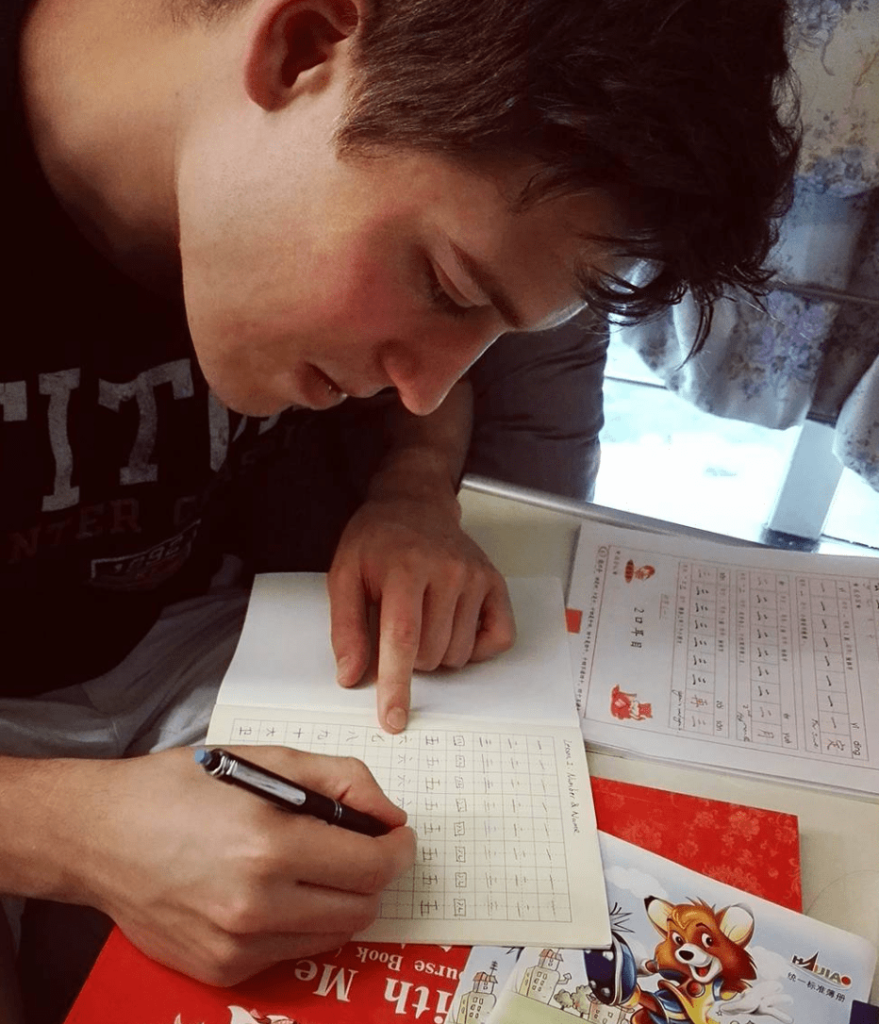
I really like learning languages! After growing up in many different countries I can speak English, Swedish, and German fluently. For the past two years I have been working to add Chinese to my collection and have enjoyed the unique challenges that learning this complex language has provided me with.
The Secret Garden ndi buku lakale lomwe lakhala gawo la ubwana wosawerengeka (ngati mudaphonya nkhani yathu chifukwa chake ana ayenera kuwerenga mabuku akale, onani zolumikizidwa pansipa!). Ndi nthano yamphamvu yaubwenzi ndikudzizindikira wekha yomwe imagwirizana ndi miyoyo yathu.
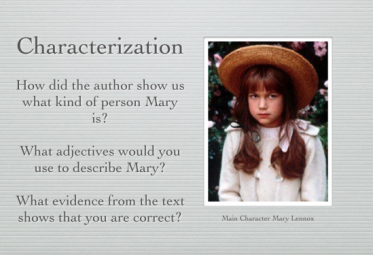
Munda Wachinsinsi Nkhaniyi ikufotokoza za mtsikana wina dzina lake Mary Lennox yemwe anataya achibale ake komanso chilichonse chimene ankadziwa chifukwa cha mliri wa kolera ku India., kumene bambo ake ankagwira ntchito ngati British Army Captain. Monga mwana, Mariya sanasamalidwe, koma kutengeka ndi antchito a m’banjamo, kotero kuti anali mwana woipitsidwa ndi makhalidwe oipa. Anali ndi makhalidwe ochepa amene akanamuthandiza kupirira moyo watsopano ku England, kumene anatumizidwa kukakhala ndi wachibale wakutali, Bambo. Craven.
Bambo. Craven anali ndi malamulo okhwima kwambiri kuti Mary azitsatira kunyumba yake yatsopano ku Misselthwaite Manor ku Yorkshire, zomwe zinaphatikizapo kumuletsa kulowa m'zipinda zosiyanasiyana mkati mwa nyumba yayikuluyi, komanso oletsedwa kulowa m'munda umodzi wa minda yomwe ili pamalo otambalala, yomwe inali ya mkazi wake wokondedwa malemu. Pamene Mary akuyamba kufufuza nyumba yake yatsopano, amayamba kupeza chimwemwe ndikukhalanso ndi thanzi labwino pambuyo pa kudwala kwaubwana wake. Phwiti atamuthandiza kupeza makiyi a dimba lachinsinsi, amaona kuti ali ndi cholinga pokonzanso munda, momwe amabwezeretsa umunthu wake wamkati. Kupyolera mu minga ndi zouma masamba a dzinja, amapeza mabodza ambiri mkati mwake.
Mothandizidwa ndi bwenzi latsopano Dickon, Mary amakulitsa maubwenzi ake oyambirira, ndipo amagwiritsa ntchito mphamvu zake zatsopano ndi kukoma mtima kwake kuthandiza msuweni wake Colin yemwe ali chigonere, omwe amawapeza atatsekeredwa mnyumbamo. Ubwenzi umalimbitsa onse awiri Mary ndi Colin, ndipo pamapeto, aliyense amachitira umboni chozizwitsa chotheka kokha ndi maubwenzi apamtima awa ndi kukhulupirira mwa iyemwini, mitu iwiri yofunika kwambiri mu bukuli.
Achinyamata angakonde kuwerenga nkhani yosangalatsayi yaubwenzi, kugonjetsa zopinga, ndi kukumana ndi mphamvu yochiritsa ya chilengedwe. Anthu otchulidwa komanso maphunziro omwe amatiphunzitsa adzakhudzadi mwana wanu ndikuwathandiza kuzindikira mphamvu ya nkhani yabwino.
Ngati mukufuna mwayi woti mwana wanu amve nkhaniyi ndi ena, ndife okondwa kukudziwitsani kuti tikhala tikuwerenga Munda Wachinsinsi monga buku loyamba mu Gawo lathu la Young Classics 2 Ndithudi chilimwechi.
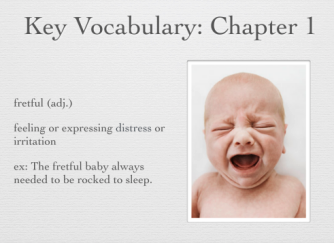
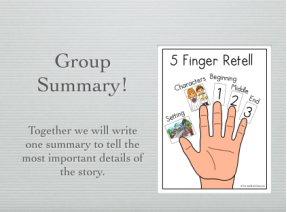
Mu maphunziro, sitinangowerenga bukuli, koma timaphunziranso ndikugwiritsa ntchito mawu atsopano kuchokera m'bukuli, kambiranani za njira zofunika zolembera zomwe wolembayo amagwiritsa ntchito, ndi kuyesera kulemba mwachidule, luso lofunikira lomwe ophunzira ambiri amapeza kuti ndi lovuta
Ngati mukufuna kuphunzira zambiri za Young Classics, kapena maphunziro athu ena abwino komanso ochititsa chidwi, funsani m'modzi mwa Alangizi athu a Maphunziro lero! Tikuyembekeza kugwira ntchito ndi mwana wanu posachedwa!
Literature study is an important aspect of any excellent academic program, and that is because it helps to teach students a wide range of knowledge and skills that are essential for success in many areas of life. While studying literature, students learn about important events and people throughout history, they consider cultural perspective and increase their own understanding of acceptance of different ideas and beliefs, and they learn how to analyse the words of others in order to form a deep understanding of new ideas and ways of communicating. In short, it exposes students to a toolbox of ideas, techniques, strategies, theories, and more that they will carry with them throughout their life, shaping the way they approach the world.
Why do we offer this course?
Reach Out students typically pursue high school programs such as IGCSE, which includes challenging courses such as English Language and Literature and English as a First Language. Later, most of those students will take on the challenge of IB and AP level programs, in which they must take on the task of reading a variety of literature. Our aim is to expose students in upper primary and middle school to a wide range of advanced literature so that by the time they reach high school they possess the knowledge and skills to hit the ground running, and therefore achieve to a higher level.
This course is designed for Grade 7-9 ophunzira.
The Objectives of our Advanced Literature Course are to:
✪ Enhance students’ ability to understand and discern literary techniques used English and American literature, and the ability to communicate the effects of those techniques;
✪Improve children's literary comprehension skills and increase their understanding of British and American culture;
✪ Under the guidance of our expert educators, learn the power of language and storytelling in a challenging yet engaging way.
Meet Our Teachers
*Insert teacher bios here for Barry, Anthony, and John*
Our Book Selections:
Cry the Beloved Country by Alan Paton
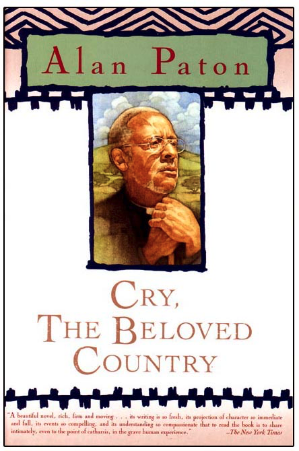
Set in South Africa in the 1940s, award-winning Cry the Beloved Country tells the story of a Zulu Pastor, Steven Kumalo, who travels from his village to the city of Johannesburg. Along his arduous and heart-wrenching journey, he discovers that his sister and son have found themselves in terrible situations that he must now face with them. The characters’ vastly different lives become unexpectedly woven together through tragedy during a dark time in South Africa’s history. Komabe, through tragedy and challenges, the true nature of the human spirit can be found and uplift those who need it most.
Dracula by Bram Stoker

The legend of Dracula has loomed large in the minds of readers and movie-goers for generations. Bram Stoker based the infamous character of Dracula on the legend of the real life ruler of Wallachia, Vlad the Impaler. Stoker was able to take this dark corner of history and turn it into a legendary novel told through journal entries, letters and telegrams. As with any classic, Dracula has stood the test of time because it speaks to something very deep and meaningful within the human psyche.
Of Mice and Men by John Steinbeck
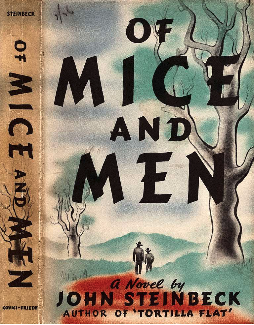
The Great Depression was a defining moment in American history that tested its strength as a nation, and placed the population in a precarious balance between life and death. In what is considered one of the greatest American classics, readers are introduced to two displaced migrant workers, George and Lennie. George is an intelligent young man, while Lennie is mentally disabled. George takes Lennie under his wing as they seek employment where few opportunities exist, trying to survive, yet still dreaming of the day they will have their own land and build a life. Their hopes are dashed when a devastating incident occurs that alters their lives forever.
What Students Will Gain
Develop an early sense of literary appreciation,
See the world from a more mature perspective
British and American classics contain thought-provoking moral and social issues. Reading the most influential classic literature thoroughly helps students become better readers, and begin the process of pursuing self-realization.
Improve understanding of culture and history
Learning allusions from classic British and American literature can help us bridge cultural differences. "The classics have opened the door to different worlds, different cultures, and different historical perspectives. Literature crosses race, culture, religion, and geography."
Self-reflection and personal growth
Many classic literature allude to our lives from the side: books that reflect similarities to our own lives are called "mirrors"; and those that give us a glimpse of different lives are called "windows." Whether it is a "mirror" or a "window", it further enriches the students' life experience and increases the courage and strength to face life.
Titsatireni!
Contact us to discover more about our course. We sincerely hope to meet your child soon, and develop a love of reading classic literature together.
It’s back to school time and we know parents are getting ready for a new year with new beginnings. The start of a new year is usually met with a mix of excitement and a bit of anxiety, as students and parents look forward to new skills and experiences, but also might feel nervous about new routines and expectations.
Don’t worry, Reach Out it here to help! This year, we have 5 top tips to a fantastic start to the school year.
Understanding how your child’s school approaches education, what curriculum they use, what systems, and standards are used can be overwhelming for non-educators. Spending a bit of time each day reading your school’s website content, handbooks, and other resources can help you feel more confident in understanding what your child is learning at school and how they are learning. It’s also important to attend your child’s back-to-school night and informational sessions to get a better understanding of your child’s program as a whole. It also provides a great opportunity for you to establish a relationship with your child’s teacher. At any time if you still have questions, you can always e-mail your child’s teacher. They are there for you and your child, as they know that a great relationship with parents is a fantastic way to ensure academic, social, and emotional success for all students.
2. Make Sure to Catch Enough Zzzzs Before the ABCs
Sleep is so important for a child’s growth and development, and a lack of it can negatively impact a child’s academic achievement. In fact, research shows that sleep depravation in children can lead to higher rates of anxiety and depression. When we sleep, our brain processes the information from he day, finds the best system to file it away in out memories, and re-charges our systems for a new day. For various reasons, parents often find sticking to an early bedtime difficult, but with a clear routine, and time for adjustment, it can be easy! Ana 3-6 years old should be getting 10-12 hours of sleep per day, 7-12 year olds should get 10-11 hours per day, ndi 12-18 year olds should get 8-9 hours per day. Creating a schedule where children get to bed earlier will make mornings easier as well, hopefully with less stress for both parents and children as they will be well rested and ready to start their day!
3. Ask the Right Questions at the Right Time
Sometimes parents are anxious to know how their child’s day was as soon as they get home from school, especially during the first few weeks. Those weeks are especially exhausting and full of ups and downs as your child learns to navigate new material, new friends, new teachers, and new expectations. Giving them time to come home and decompress is extremely important for their emotional and mental well-being. Once they have had some “me” time, parents can ask specific questions based on what they know they are working on, if they happen to know. They can go through their child’s homework diary with them and help them make a plan on how to tackle each task, as well as share in their enthusiasm for specific subjects, books, or information they also enjoy. Avoid asking, “How was school? What did you learn?” as kids respond much better to more specific questions, such as, “What did you do with your friends at lunch? What was the best part of your day? What was the weirdest or most wonderful thing that happened at school today?” Most importantly, parents should be fully present and listen intently when students answer, so they really feel valued and hear when they share.
4. Let Them Learn From Failure
This one can be extremely hard for parents to allow. We want our children to do well and reach their full potential, which means we might go over each assignment with a fine-toothed comb, correcting every mis-calculation or grammar mistake. Although parents have good intentions when we do this, we are taking away important learning opportunities from children when we do so. Back when we were students, many of our parents were often too busy or didn’t have the knowledge or capacity to help us with our school work, but we found a way to push through and try our best. If children are never given opportunities to fail when they are young, they might resist taking on challenges later in life for fear of failing at them. Komabe, when we let them fail gently, such as on an assignment or at a little league soccer game, we are teaching them resilience. It’s not the end of the world, and they learn a valuable lesson; that we can try and not succeed, dust ourselves off, and try again next time.
5. Nurture Their Passions
New school years are an exciting time for many reasons, one of them being that they provide children a chance to discover new passions. If they are lucky, they will stumble upon something they truly love, and that they can become fascinated with enough to spend hours on end discovering. Helping a child find his or her passion is not always easy and takes time. Sometimes parents worry if their child focuses too much on a couple of things, and feel they need to expose them to as much as possible to help shape them into well-rounded individuals. Komabe, if we look at the people who have shaped our world, it was because they had a laser focus on what they were passionate about. It was all they ever did or do. As humans, we naturally gravitate towards what we love most, and as long as it provides some sort of value on top of fulfillment, we should continue pursuing it. Choncho, don’t worry if your child protests going to one activity while running out the door to attend another. Maybe the one they love is the most valuable to their growth and development, and the one they don’t like isn’t that necessary after all.
We hope these tips have helped, and we wish you and your child the best in the coming school year! We are excited for the new school year and all of the challenges and hope it will bring.
Reach Out will be with you every step of the way, so be on the lookout for more information and more articles we hope you will love!