Em contato, acreditamos que é muito importante comemorar o sucesso dos alunos. Temos o prazer de anunciar mais um Star Student - Ema!
Emma representa tudo o que os alunos podem alcançar com trabalho árduo e compromisso com a excelência. Os professores de Emma a reconhecem como uma aluna que tem uma atitude maravilhosa em relação ao aprendizado, é muito receptivo às instruções, e tem uma família extremamente solidária que frequentemente se comunica com seus professores. Na aula, Emma é uma ouvinte cuidadosa e atenta, confiante o suficiente para compartilhar suas ideias, mas paciente o suficiente para dar a vez a todos. Ela não se importa em correr riscos, e é capaz de injetar sua personalidade em seu trabalho.
Emma está atualmente matriculada em nosso nível de leitura e escrita criativa 4 Curso, e ela mostrou um verdadeiro dom em ser capaz de criar imagens fortes em sua escrita. No início do semestre, ela concluiu uma revisão da filial da Blue Frog na Disneylândia de Xangai.
Emma mostrou sua capacidade de criticar aspectos específicos de um lugar, e desenvolver suas ideias usando detalhes apropriados.
“A vista e a localização são muito satisfatórias. À noite podemos sentar ao ar livre e apreciar a vista do Castelo da Disney e dos fogos de artifício.”

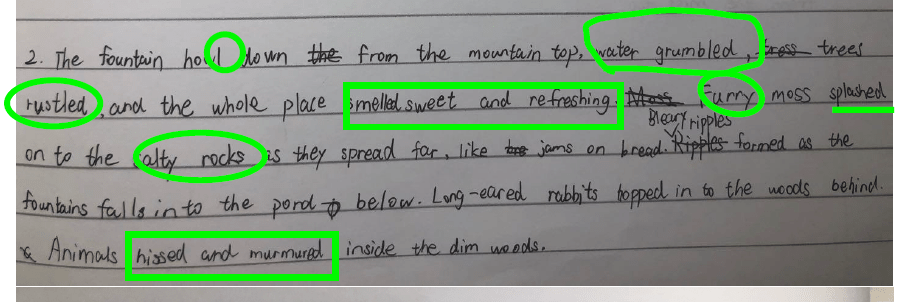
À medida que o semestre avançava, Emma mostrou desenvolvimento em suas habilidades de escrita, e começou a incorporar técnicas literárias mais avançadas. Em uma tarefa sobre descrição de paisagens, Emma foi capaz de criar uma imagem forte usando vocabulário preciso e linguagem figurativa.
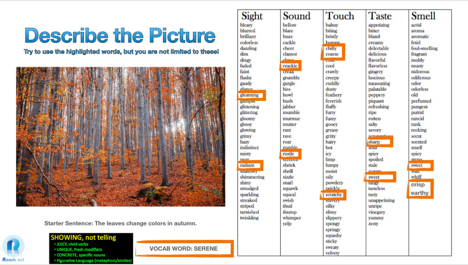
“Musgo peludo espirrou nas rochas salgadas enquanto elas se espalhavam, como geléia no pão. Ondulações turvas se formaram quando a fonte caiu no lago abaixo.”
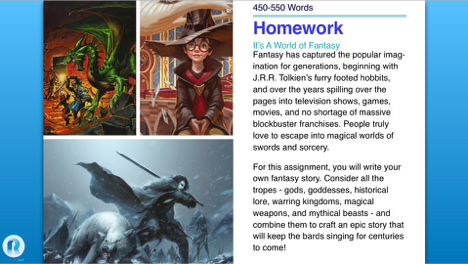
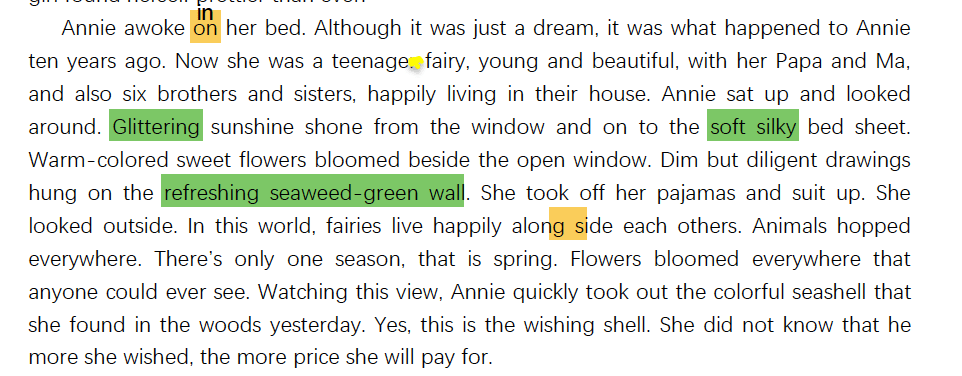
Emma continuou a aplicar as lições que aprendeu ao longo do curso, e sua habilidade como escritora ficou mais forte. Em um trabalho recente sobre como escrever uma narrativa de fantasia, Emma construiu o cenário e o personagem de sua história de forma deliberada e eficaz.
“O sol brilhante brilhava da janela e sobre o suave, lençol de seda. Flores doces de cores quentes floresceram ao lado da janela aberta. Desenhos obscuros, mas diligentes, pendurados na refrescante parede verde-alga.”
Como você pode ver, Emma exibe características de uma jovem escritora promissora. Sua determinação em melhorar, e a aplicação cuidadosa das lições ensinadas ajudaram a elevar sua escrita a um nível mais avançado.
Obrigado Ema, por ser uma ESTRELA! Esperamos ver seu crescimento por muito tempo. Sabemos que este é apenas o começo de uma jornada brilhante.
Como educadores, muitas vezes nos fizeram a pergunta, “Como posso fazer com que meu filho pare de ler histórias em quadrinhos?”Os pais estão preocupados porque os quadrinhos não oferecem valor educacional, não são academicamente rigorosos o suficiente, ou o pior de tudo, uma perda de tempo do filho. Para isso, nossa resposta geralmente os surpreende, e essa resposta é, “Deixe-os ler quadrinhos!”
É compreensível que os pais fiquem um pouco preocupados, pois a percepção é que os quadrinhos são puramente para leitura prazerosa., no entanto, quadrinhos têm muitos benefícios além de nos ajudar a passar o tempo.
Quadrinhos e histórias em quadrinhos não são novas formas de escrita. Claro, eles têm sido apreciados por muitos por gerações. Ao longo dos anos, o gênero mudou para outro com considerável profundidade e significado, é por isso que incentivamos os pais a não apenas permitirem que seus filhos leiam quadrinhos, mas também para apoiá-los nesse processo.
Aqui estão nossos principais motivos pelos quais os quadrinhos devem ser lidos (especialmente no verão!):
Para estudantes que não são falantes nativos de inglês, os quadrinhos são uma ótima maneira para eles começarem a desfrutar da literatura inglesa. Para muitas crianças, a tarefa de passar de um livro didático de inglês para um romance pode ser muito assustadora, mas os quadrinhos podem fornecer uma ponte necessária para que eles desenvolvam confiança e fluência de leitura. As dicas visuais nas imagens permitem que os alunos criem uma compreensão mais profunda do enredo e dos personagens, bem como um novo vocabulário. Além disso, apresenta-lhes dispositivos literários eficazes, como onomatopeia (pense POW! SMACK! ZOOM!) e expressões idiomáticas (uma ilustração mostrando o significado de uma expressão idiomática como, “O gato comeu sua língua?”faz muito mais sentido do que aquecer o idioma por si só!).

2.Aprimorando a inferência
A inferência é uma habilidade de leitura fundamental com a qual muitos alunos têm dificuldade em avaliações de leitura padronizadas. A inferência acontece quando tiramos conclusões com base no que lemos. Alguns exemplos de perguntas que os alunos encontrarão durante tarefas ou avaliações de compreensão de leitura são aqueles como, “Como o personagem se sentiu quando?”, “O que você pode concluir sobre…” e “Qual foi a lição da história?Os quadrinhos exigem que os alunos “leiam nas entrelinhas” para inferir informações que geralmente são contadas pelo narrador em um romance, para que eles possam ganhar muita experiência valiosa no fortalecimento dessa habilidade lendo quadrinhos.
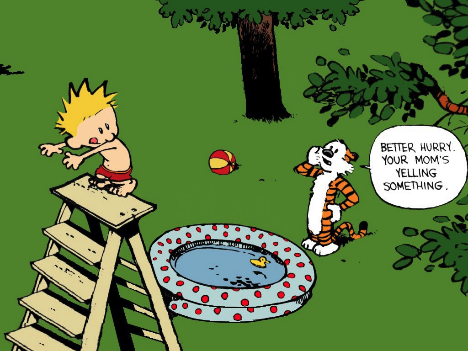
3.Poder da palavra!
Frequentemente em quadrinhos e histórias em quadrinhos, escritores incluem vocabulário bastante avançado, tanto como parte do enredo quanto nos nomes dos personagens. Em 2016 na mundialmente famosa Comic-Con em San Diego, Califórnia, um painelista de educadores discutiu o poder dos quadrinhos na construção do vocabulário dos alunos. James Bucky Carter, autor de Construindo conexões de alfabetização com romances gráficos disse, “Você tem Colosso, e ele é tão grande, cara de metal gigante. Você tem uma noção muito boa do que a palavra colosso significa e essa é uma boa palavra de 10 centavos. O poder da Banshee está gritando. Você tem esses caracteres que incorporam as palavras do vocabulário que eles são. Isso é uma maneira divertida de aprender novas palavras, além das pistas contextuais.”
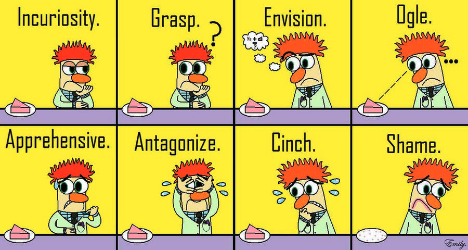
Depois de ler isso, você pode querer deixar seu filho mergulhar direto na leitura de quadrinhos ou histórias em quadrinhos! Isso é música para nossos ouvidos. Se você não tem certeza por onde começar, temos alguns favoritos dos alunos que seu filho gostaria de experimentar!
Homem Cachorro, de Dave Pilkey

Miles Morales Homem-Aranha de Jason Reynolds

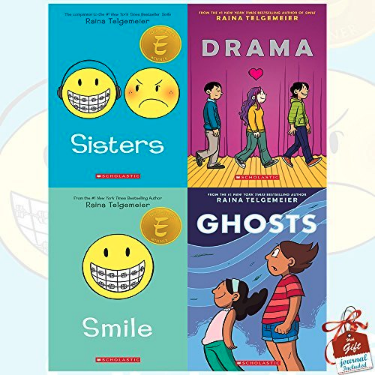
Sorrisos, Irmãs, Fantasmas, Drama e outras histórias de Raina Telgemeier
Osso por Jeff Smith

Procurando mais oportunidades de leitura de verão para seu filho? Entre em contato com um de nossos consultores educacionais para obter mais informações sobre nossos cursos de leitura de verão. Estamos ansiosos para ler com seu filho!
A temporada de exames chegou, e pode ser uma época do ano muito estressante para alunos e pais. Na Reach Out, queremos fazer o nosso melhor para ajudar a aliviar a ansiedade do exame, oferecendo algumas dicas de estudo exclusivas que você talvez não tenha experimentado.
A sabedoria convencional de estudar tem sido frequentemente seguida por muitos pais e professores que têm boas intenções, no entanto, se olharmos para algumas abordagens interessantes baseadas em pesquisas, podemos ver que há uma variedade de maneiras eficazes de estudar! É sempre bom experimentar coisas novas, especialmente para crianças. Eles podem experimentar novas maneiras de fazer as coisas quando são jovens, e quando eles são um pouco mais velhos, eles podem escolher a maneira mais adequada às suas necessidades e estilo pessoais.
Agora, vamos dar uma olhada em três maneiras exclusivas de estudar.

A variedade é o tempero da vida, mesmo quando se estuda
Para muitos, muitos anos nos disseram que para estudar bem, deveríamos estudar no mesmo lugar todos os dias; um lugar que é tranquilo, bem iluminado, e tem todos os nossos materiais. Embora isso possa ser verdade durante algum tempo que estamos estudando, pesquisas nos mostram que nossos cérebros realmente funcionam melhor quando variamos o local em que estamos estudando. Bastante surpreendente, certo?
Em um estudo feito lá atrás 1978, estudantes universitários receberam 40 palavras de vocabulário para estudar. Um grupo foi instruído a estudar a lista duas vezes no mesmo local. O outro grupo foi instruído a estudar a lista em dois locais diferentes. O que eles encontraram foi, o grupo que variou seus locais de estudo teve melhor desempenho em lembrar as palavras posteriormente. Agora, por que isso? Bem, nosso cérebro muitas vezes faz conexões com informações com base em nosso ambiente, então quanto mais variamos nosso ambiente, mais daremos ao nosso cérebro a chance de reter informações, pois elas serão anexadas a mais coisas. Também pode ser por isso que uma técnica de visualização, onde se visualiza coisas que deseja lembrar em determinados lugares de um ambiente com o qual está familiarizado, também pode ser tão eficaz. Para estudantes, simplesmente mudar o ambiente pode resolver o problema!
Divirta-se!
Alguns pais podem pensar erroneamente que se seus filhos estão rindo ou ficando entusiasmados enquanto aprendem ou estudam,, eles podem estar perdendo tempo. No entanto, este não é necessariamente o caso.
Como pai, em seu trabalho ou escritório você pode realizar workshops especiais de vez em quando. Os workshops geralmente são usados como uma ferramenta para ajudá-lo a aprender sobre uma nova estratégia, ideia, ou informações que ajudarão você a aprender mais no trabalho. Essas sessões geralmente são ministradas por pessoas especializadas na criação de workshops motivadores e inspiradores que revigoram e energizam os funcionários.. Os dias podem ser longos e intensos, mas se eles forem bem feitos, os funcionários podem sair confiantes em seus novos conhecimentos e habilidades.
O mesmo soa verdadeiro para os jovens. Apresentar jogos e diversão como forma de estudar para os exames não apenas faz seu filho sorrir, mas pesquisas indicam que se divertir enquanto aprende ativa certos recursos cognitivos, associa recompensas e prazer ao aprendizado, fortalece e amplia redes de memória, e alterna pensamento abstrato e atenção concentrada.

A Técnica Pomodoro
Manter o foco, concentrado na tarefa e motivado para concluir certas atividades pode ser difícil tanto para adultos quanto para crianças. Você já sentiu como se estivesse olhando para a tela de um computador por horas, mas realizou muito pouco? Ou talvez você tenha um prazo em alguns dias, mas estão apenas avançando em direção à linha de chegada? Não é de admirar, como a pesquisa mostra que nossa mente tende a vagar até 20% da época, talvez ainda mais para os mais jovens.
Uma técnica interessante foi criada pelo estudante universitário Francesco Cirillo como forma de ajudá-lo a manter o foco, e essa é a Técnica Pomodoro, cujo nome vem do cronômetro em forma de tomate que Cirillo usou ao testar essa estratégia em si mesmo. Como funciona é que você define um cronômetro para 25 minutos, que é o horário de trabalho. Em seguida, configure-o novamente para 5 minutos, que é o intervalo. Este é um ótimo momento para levantar, esticar, dê uma volta pela casa, acaricie seu gato, ou tomar um copo de água ou um lanche. Após o intervalo acabar, definir o cronômetro para outro 25 minutos e repita!
Acontece que esta estratégia é apoiada por evidências científicas, já que os pesquisadores concluíram que pausas curtas ajudam a manter sua atenção no caminho certo. Isso pode estar relacionado ao fato de que o tédio cognitivo pode levar a uma mente desinteressada., qual é a última coisa que você deseja ao estudar para um exame importante.
Esperamos que você tenha gostado de explorar essas dicas de estudo exclusivas tanto quanto nós.! Desejando ao seu filho boa sorte nos exames deste mês. Jiayou!
Sabemos que há muito que podemos fazer para nutrir e educar nossos filhos, é por isso que, como pais, muitas vezes não medimos esforços para preencher seu tempo com atividades e aulas enriquecedoras. Por que fazemos isso? Por muitas razões, é claro, but the main goal is to ensure their future success. Parents hope that their children will be even more successful in life than they were themselves. Success, of course, is subjective, and we may all have our own definition of success. Generally however, we might agree that success includes feeling content in one’s personal life, as well having a sense of career satisfaction and financial security.
Recently there has been an intriguing TED Talk being shared on social media, in which former Dean of Freshman at Stanford University, Julie Lythcott-Haims, cites evidence from the Harvard Grant Study that correlates professional success in life to individuals having done chores as children. Not soccer training, not language learning, not painting, but chores.

Surprising right?
Many of our children growing up in big cities may never know what it’s like to scrub a dish, wash a window, or mop a floor. We might feel like there are more important things to do to build their knowledge and their character. Lythcott-Haims explains that those children who do get their hands dirty, no entanto, may reach a level of success in life that surpasses their no-chore-doing peers. That is because it teaches students how to contribute and step up when work needs to be done, and that doing the “grunt work” that others might scoff at, because it is what is best for all, is what gets noticed in the workplace.
The workplaces of the high-achievers who took part in the Harvard Grant Study were notable, such as the White House, where participant President Kennedy worked, and the editor’s office where Ben Bradlee sat as editor of The Washington Post. We can assume that their parents, like us, had to prod and plead for the chores to be done, and accept that even if they were done, they might not have been done well; and that’s okay.
The important thing, as Lythcott-Haims points out, is that by doing chores, children realize that they, “…have to do the work of life in order to be part of life.” They realize that life does not just happen to them, and for them, but with them.
If your children are already doing chores as part of their daily summer routine, bravo! You are on the right track. If not, no need to panic. It is never too late to introduce chores into the lives of our children. Here are some tips to help get you started!

Let Them Be a Part of It
When introducing the concept of your children completing chores to help, have a “family meeting” where everyone is present to discuss what will be expected of your children and why. You can ask your child to help you write a list of chores they could potentially help with around the house. They might surprise you with their enthusiasm as doing chores is very exciting for some children because it makes them feel empowered and helpful (two things we often like to feel as adults).
Game-ify It
To make things fun, because fun makes everything better, you or your child can write the chores on popsicle sticks and each day your child can choose one stick from the jar. That will be their chore for the day! If you have more than one child at home, you can always turn cleaning into a competition by setting a timer and seeing which child can clean the most toys in the given amount of time, por exemplo.
Reward It
As parents, we are rewarded for our contributions at work with a salary. Shouldn’t our children also be rewarded for their hard work? One idea is that if your child completes all of his or her chores for the week, he or she can choose a small toy from a “treasure box” filled with small toys. Another option could be that if your child consistently completes chores for a month, they can choose an extra special family outing.
Teaching our children to do chores is not always easy, but the potential benefits are worth the time and effort. We hope you found our tips useful, and that they can help lead to a positive experience for you and your child. Happy cleaning!
Temos o prazer de anunciar um novo clube do livro de verão, só para os pais! O verão é a época perfeita para ler aquele livro que você sempre quis ler, mas não tive tempo para. Este verão, convidamos você a se juntar a nós na leitura Como falar para que as crianças ouçam e ouça para que as crianças falem.
Sabemos que nem sempre é fácil nos conectarmos com nossos filhos por causa das demandas da escola, trabalho e vida diária. Às vezes, nossas ansiedades sobre o futuro interferem em vivermos nossas vidas agora. No entanto, uma coisa que podemos garantir é que nunca teremos outra chance de vivenciar a infância com nossos próprios filhos, e não queremos perder este tempo precioso. Então, como podemos aproveitar ao máximo e ter conversas significativas com nossos filhos que fortalecerão nosso vínculo e ajudarão nossos filhos a se sentirem apoiados? Estas são grandes questões que muitos de nós temos.
Para nos ajudar a responder a essas perguntas importantes, convidamos você a se juntar a nós na leitura de um dos livros sobre pais mais populares de todos os tempos, escrito por Adele Faber e Elaine Mazlish. Como falar para que as crianças ouçam e Ouça para que as crianças falem, que nos ensina como aceitar os sentimentos de nossos filhos, pois, se não o fizermos, podemos estar involuntariamente causando mau comportamento. Também nos ensina formas positivas de incentivar a cooperação, bem como a independência, autonomia, e autoconfiança. Estes são todos os ingredientes necessários para ajudar a nutrir um relacionamento positivo entre pais e filhos que realmente ajudará a transformar nossos filhos em adultos confiantes e capazes..

Como vai funcionar?
O primeiro passo é entrar em contato com um de nossos Consultores Educacionais para se cadastrar. As inscrições são GRATUITAS e abertas a todos! Criaremos um bate-papo em grupo onde o conteúdo e o compartilhamento do estudo do livro ocorrerão a partir de 1º de julho. Lindsey Bem, nosso Gerente de Educação, também se juntará ao grupo como pai, já que ela é mãe de dois meninos, envelhecido 4 e 6, quem vai aprender junto com você. Ela também ajudará a liderar as discussões semanais.
O livro pode ser encontrado em inglês e chinês e facilmente acessível na versão impressa, e-book, ou formatos de audiolivro.
Depois, há duas opções de como você gostaria de participar:
O cronograma de leitura é o seguinte:
Semana 1: Capítulos 1 & 2
Semana 2: Capítulos 3 & 4
Semana 3: Capítulos 5 & 6
Semana 4 Capítulos 7 & Posfácio
No final do mês, realizaremos um workshop on-line liderado pelo conselheiro escolar, Regina Wehner. Na oficina, Regina compartilhará informações e estratégias adicionais que você pode usar para fortalecer seu relacionamento com seu filho.
Sobre Regina Wehner

Regina Wehner é uma conselheira escolar licenciada que trabalha com alunos do ensino médio há mais de 16 anos. Originário dos Estados Unidos, ela mora com o marido e 2 crianças, idades 10 e 12, em Pequim, China.
Regina trabalha na Academia Ocidental de Pequim (WAB), uma escola internacional diversificada. Uma grande parte de ser conselheiro escolar é ajudar os alunos a aprenderem sobre si mesmos e sobre os outros à medida que crescem. Regina também organiza mensalmente Parent Coffee Mornings para reunir os pais para aprender mais sobre as mudanças no desenvolvimento de seus filhos e como se comunicar durante esses tempos de transição.
Contate-nos hoje para participar!
Ajudando seu filho a aprender um novo vocabulário
A pesquisa indica que se quisermos que os alunos tenham sucesso no contexto acadêmico, em avaliações importantes e exames importantes, bem como suas futuras carreiras, devemos ajudá-los a desenvolver seu vocabulário. A razão para isso é esta: nossa compreensão de novas informações está diretamente ligada à nossa compreensão do vocabulário usado para comunicar essas novas informações.
Para estudantes, aumentar seu vocabulário é uma chave para o sucesso no domínio de um idioma; quanto mais palavras conhecemos, quanto mais palavras entendemos, e quanto mais palavras podemos usar em nossa escrita para torná-la mais impactante e eficaz. No entanto, aprender agora o vocabulário às vezes é visto como um processo tedioso ou evasivo. Às vezes os pais não têm certeza de como orientar seus filhos, especialmente porque a forma como abordamos o estudo do vocabulário pode diferir muito da forma como os pais estudavam quando estavam na escola.
Não se preocupe, A Reach Out está aqui para ajudar! Let’s explore vocabulary acquisition (the process of memorizing and applying new vocabulary), and we’ll tell you how you can help your child build their vocabulary!

Talk About It!
It might seem overly simple, but when it comes to learning new words, one effective way young people do it is by talking with others. Children learn new words best when they are in context, such as in a conversation about a certain topic. They can infer a bit of new words’ meanings based on how they are used along with the other words they are already familiar with.
You have likely been interrupted by your child on many occasions when you use unfamiliar vocabulary and they curiously ask, “What does disaster mean?” You might have been referring to the state of their bedroom (como se estivesse uma bagunça completa), e reservando um momento para explicar os múltiplos significados do desastre para eles, você não apenas terá ensinado a eles uma nova palavra para descrever uma sala bagunçada, mas também uma falha ou um fenômeno natural, como um desastre natural.
Então, conversar com seu filho é uma ótima maneira de ensinar-lhe novas palavras!
Explore!
Os alunos geralmente entendem que podem usar um dicionário ou um tradutor se encontrarem uma palavra que não conhecem, mas às vezes até a definição de uma palavra pode deixá-los com mais perguntas do que respostas.
Em nossa experiência, muitos alunos não utilizam uma ferramenta muito importante para aprender e aplicar novo vocabulário, e essa ferramenta é um dicionário de sinônimos! Se você notar que seu filho usa excessivamente uma palavra ao falar ou escrever, por exemplo, "bonito", "bonitinho", "bom", ou “ruim”, em seguida, reserve um tempo para mostrar a eles como usar um site como thesaurus.com para procurar essas palavras. Quando pesquisarem a palavra “bonita”, verão que existem muitas palavras interessantes e únicas para usar.! EU
Em nossa experiência, os alunos realmente gostam de usar novo vocabulário, e sinta-se fortalecido por saber que existe uma ferramenta para ajudá-los a tornar suas palavras mais poderosas.
Jogar!
Divertir-se enquanto aprende não é apenas algo que os professores fazem para deixar os alunos felizes, na verdade, foi comprovado pela neurociência que é uma forma eficaz de ajudar os alunos a aprender cada vez mais profundamente. A pesquisa mostra que quando os alunos são estimulados e desafiados, seus cérebros liberam dopamina. A dopamina é um neurotransmissor que estimula os centros de memória e promove a liberação de acetilcolinema, o que aumenta a atenção concentrada.
Em nossos cursos aqui no Reach Out, a instrução de vocabulário é uma parte importante de cada lição. Também temos cursos lançados neste verão, Níveis de construtor de vocabulário 1-3, no qual nos concentraremos exclusivamente em ajudar seu filho a expandir seu conhecimento de vocabulário com palavras novas e desafiadoras. Embora as palavras escolhidas ofereçam o desafio, ferramentas como Quizlet e jogos como Guess Who e Sentence Racer oferecem aos alunos a oportunidade de interagir de maneira significativa e envolvente.

Como sabemos que esses métodos são eficazes? Porque nossas décadas de experiência, e o estudo da psicologia educacional e da metodologia nos ensinaram como os alunos aprendem melhor!
Adoraríamos ajudar seu filho a aprender um novo vocabulário como uma das maneiras pelas quais ele ou ela pode se tornar um leitor mais eficaz e bem-sucedido., escritor, e alto-falante. Para saber mais sobre como podemos ajudar, entre em contato com um de nossos consultores educacionais hoje!
Se você procura um atendimento educacional mais individualizado, Reach Out oferece serviços individuais com nossos educadores especializados!
O que oferecemos?
Nossos professores oferecem uma ampla variedade de disciplinas individuais, incluindo inglês, Ciências Sociais, e matemática.
Conheça alguns de nossos professores altamente qualificados e experientes!

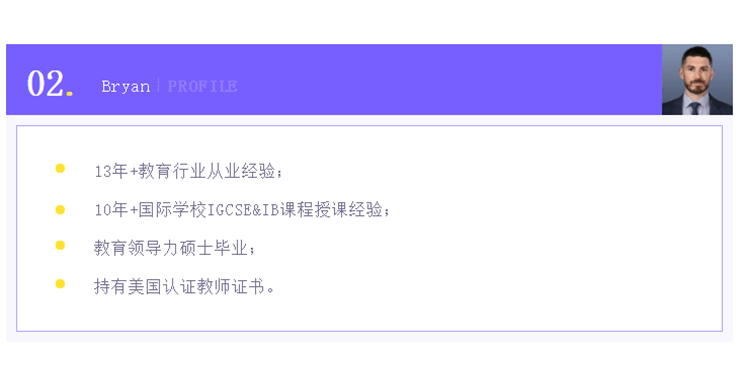


Por que devo escolher serviços individuais?
Talvez seu filho esteja se preparando para estudar no exterior ou se candidatando a uma nova escola e gostaria de uma abordagem mais intensiva e direcionada para aprimorar suas habilidades. Alternativamente, seu filho pode não se sentir desafiado o suficiente com seu currículo atual, e precisa de uma abordagem alternativa que seja mais apropriada para seu nível de habilidade.
Existem vários motivos pelos quais um pai pode procurar serviços como este, e podemos garantir que sempre trabalharemos para entender a situação única de seu filho e fornecer o serviço que for melhor para ele.
Como funciona?
Com nossa abordagem prática, e processo de orientação, avaliaremos o conhecimento e as habilidades do seu filho com base nos dados de avaliação atuais, habilidade de escrita, e mais. Com base em nossas descobertas, selecionaremos o professor mais adequado às necessidades do seu filho. Todos os professores do Reach Out foram cuidadosamente selecionados, e tenho anos de experiência no ensino de currículos desafiadores, como IGCSE, BI, e PA, nas melhores escolas de todo o mundo.
Nosso processo é orientado a objetivos. Descobrimos exatamente o que seu filho precisa para alcançar seus objetivos educacionais, e então criamos um caminho de aprendizagem único e personalizado que melhor atenderá às necessidades específicas do seu filho.
O que mais o Reach Out oferece?
Além dos serviços individuais, A Reach Out oferece uma ampla variedade de cursos projetados especificamente para desafiar e envolver seus filhos da 2ª à 8ª série com conteúdo acima do nível da série, a fim de ajudá-los a se preparar para o rigor de programas como o IGCSE, BI, e PA.
Como posso aprender mais?
Para saber mais sobre nossos serviços individuais, entre em contato com um de nossos consultores educacionais hoje para saber mais! Estamos ansiosos para ajudar seu filho a alcançar seus objetivos educacionais para um futuro brilhante!
Who We Are
As you may have noticed, temos crescido e temos algumas adições interessantes ao que oferecemos aqui no Reach Out. Como já faz um tempo desde que nos apresentamos, we thought we would share our story with you to help you better understand who we are and what we do!
Our Mission
Reach Out’s mission is to connect students with expert educators who create and deliver original, inspiring, world-class curricula. We have embarked on this journey so that we may help students understand how to find their own unique voice and uncover the creative and valuable ideas that lie within each of them. With their voices, they have the power to change the world, and we wish to empower them to do so.

Our Vision
Reach Out strives to be an internationally recognized educational institution that allows students to access top level international curriculum and educators, no matter where in the world they are. Our students will be perceptive, curious, and critical thinkers who make informed choices as excellent problem solvers and communicators. Reach Out students will achieve their academic and personal goals and dreams from Primary School to University, placing their brilliant futures within reach.

Our Core Values
These are the principles which shape Reach Out:
Our Story
Reach Out was created by a small group of dedicated mothers, perhaps much like yourself. They were brought together by a common vision for the educational needs of their children. Some were looking for an educational program that could offer their children access to the ideas, teaching philosophy, and methodology that matched what they had experienced while living abroad. Others were looking for an internationalized curriculum that their children could access to enrich their educational experience in China. What they shared in common was a desire for a rigorous program that also opened the doors to creative and critical thinking, self-reflection, and personal expression - the hallmarks of a strong international curriculum. After spending considerable time exploring various options, these moms were not able to find anything that quite met their children’s needs.
Então, they did what any good mother would do, given the chance, and found their own way to offer their children the best possible learning opportunities designed to help them thrive. They consulted expert teachers and worked with other parents to discover how they could best meet the needs of other children with similar goals. Children, we hope, like yours.
The parents were committed to:
We are happy to say that these mothers have achieved their goal. Today Reach Out boasts a complete line of rigorous yet engaging courses in which students learn deeply while having fun and creating meaningful relationships with their teachers and peers.
All of this because of our founding mothers’ commitment to their children’s education and happiness.
What Makes Us Unique?
While we understand parents have an array of choices when it comes to programs that enrich their children’s education, we believe we offer many unique qualities that are not easily found elsewhere.
Our team consists of highly skilled and experienced educators who have created a unique and rigorous program based on international school standards, which prepares younger students to take on rigorous curriculums such as IGCSE, BI, e PA.
-Our one to one programs and curriculums designed to exceed the educational needs of our students
-Our teaching philosophy of inspiring and empowering students, and teaching methodology of allowing students to explore knowledge widely and deeply while at the same time developing a love of learning
-Our commitment to the long-term success of our students as we strive to equip them with the essential skills they will need to succeed in their future careers and the world beyond school
- The detailed feedback we provide with all of our student assessments, so that students know where they are succeeding and where they might improve, as well as the supplemental materials and instruction needed to help our students close any gaps in understanding
-Our dedication to developing our students’ critical thinking and problem solving skills, which will be essential for their future, as well as the future of our global society
-Our promise to hire all of our teaching and non-teaching staff based on their mutual passion for education
-Our ability to empower students to use the language, knowledge, and skills they acquire to develop themselves beyond the classroom and into curious, lifelong learners who set and pursue challenging, fulfilling, and worthwhile goals.
-Our hands-on, individualized approach to creating a learning path for our students so that no matter what grade level they are when they join us, they will be equipped with the tools necessary to improve and grow rapidly
-Our commitment to empowering our clients with information and experiences that will help them make the absolute best choices for their child's education by offering informative articles, videos and workshops.
Our Curriculum
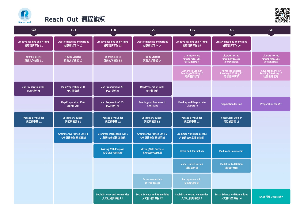
Our Blue Line curriculum, which includes courses for students in Grades 2 to 8, was designed by expert educators with advanced level degrees in their subject areas who have spent decades in some of the top international schools in the world. We use backwards curriculum design working our way from the first year of programs such as the widely recognized and respected IGCSE program.
As our educators have spent years teaching courses pre-IGCSE, IGCSE, IB and AP or A Levels curriculum, they understand what students need to succeed in those programs. Então, each aspect of our curriculum has been created to make sure that all of our students enter their first day of Grade 9 feeling confident, equipped, and prepared to meet the demands of these rigorous courses.
We offer a wide range of courses in the subjects of English, Matemática, History and Geography. See below for more detailed information on our full course offerings.
Additional Services
We are also pleased to announce the creation of our Silver Line, which offers bespoke educational services that take an individualized approach to meeting our students' needs. We begin with a deep assessment of each student's educational goals and needs, and then create and implement a scheme of work with which our expert educators will use to guide your child through the academic challenges of High School in order to prepare them to eventually attend their dream university.
We also offer 1-on-1 services at all grade levels for parents who wish to offer their children more individual care and instruction. Our expert Education Consultants will make sure to match your child with the best educator for his or her specific needs and goals.
Join Us!
We look forward to meeting your family and discussing how you can be part of our Reach Out family; one that learns together, cares for each other, overcomes challenges together, and celebrates successes with one another. Please contact us today to find out more.
We hope to hear from you soon!
Ser pai é difícil. Na verdade, com as mudanças em nosso mundo hoje, pode ser apenas um dos momentos desafiadores que tivemos que enfrentar em décadas. Mudança leva à incerteza, e a incerteza pode levar ao estresse. O estresse certamente afeta todas as áreas de nossas vidas, sometimes it will impact our relationship with our loved ones the most; especially our children.
Our children can be complicated (let’s face it, so can we!), and it is a daunting task to ensure that every move is the “right” one. That all of our conversations, demands, requests, plans, praises and criticisms mean something. Every moment we spend talking to our kids, we hold the hope that these words will be enough to fill our children with the hope of a great future at a time where the future is so uncertain. Times change, and this too shall pass, but one thing we can guarantee is that we will never have a second chance at spending a childhood with our children.
As parents, we often ask ourselves if we are in fact doing the right thing, wondering how we can get through to our kids, trying to understand our children better, and sometimes feeling like a guilty failure because we tell ourselves we are doing it wrong. Oftentimes, that is not the case, but there is no instruction manual on how to raise a child that will work for everyone in all situations. Sure, there is a lot of advice, an overwhelming amount of it, but again, most advice is just that; guidance and recommendations by people who don’t know you or your child. Some of it is helpful, and some of it…not so much.
One thing that we cannot deny though is the importance of a healthy relationship between parent and child.
Research shows that:
It is essential to make the time to nurture a relationship with your child, and perhaps even more imperative, making sure the interactions we have with our children during that time are positive. This is something that many parents find challenging, which is why we created a parent book club for the book Como falar para que as crianças ouçam e ouça para que as crianças falem by Adele Faber and Elaine Mazlish. Together we learned ways to positively communicate with our children in order to strengthen our bonds. We spent time discussing ideas from the book, as well as had a virtual meet up to role-play some of the strategies from the book. On top of that, we invited Middle School Guidance Counselor, Regina Wehner, to provide parents with a workshop in understanding our child’s cognitive and emotional development.
Here are some highlights we would like to share with you!
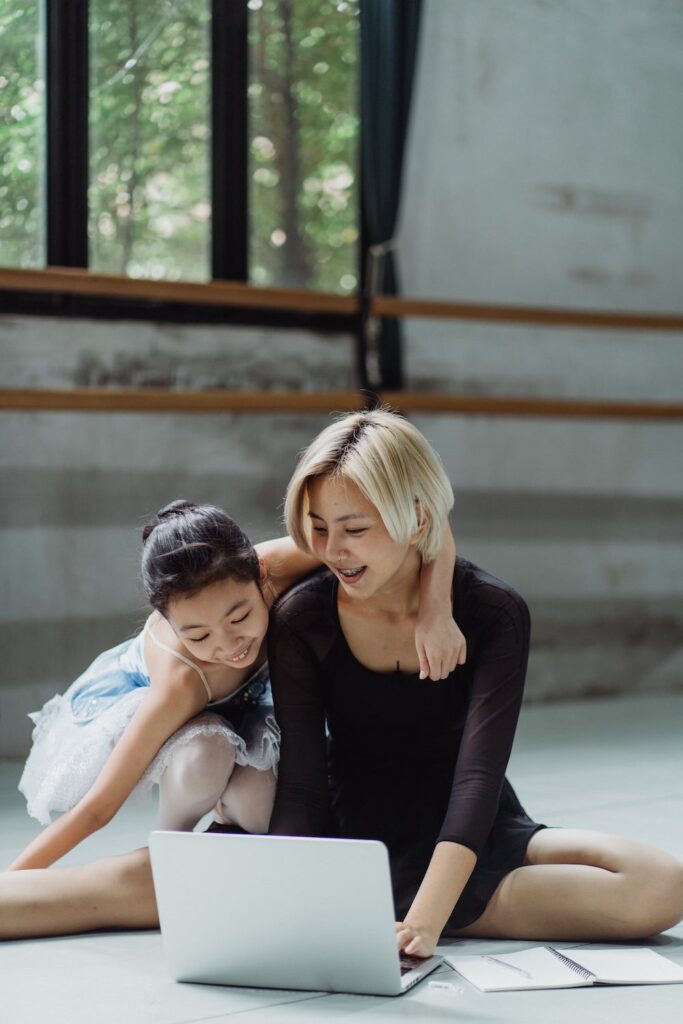
First, from Como falar para que as crianças ouçam e ouça para que as crianças falem, here are two of our favorite strategies:
Children have difficulty regulating their emotions, as the brain’s emotional regulation center is one of the last to develop. This means that they need our help in the form of compassion and modeling. This can be so challenging, especially when we may have difficulty managing our own emotions at times! We have an easy strategy for you that will only require two things:
When your child comes home upset about something that happened at school, instead of lecturing and offering our sage advice, we can simply listen to their concerns and repeat the ideas back to them. Por exemplo, if your child comes home upset and says something like, “Ugh, today Elizabeth and Sarah were so mean to me! They completely ignored me and I hate both of them now!” Instead of saying, “Elizabeth and Sarah are your best friends. It’s not a big deal and I am sure you will be fine tomorrow,” which could invalidate your child’s feelings, you can say, “Oh, I see. Elizabeth and Sarah made you feel a bit left out. That probably made you feel a bit sad and mad.” At this point your child might keep talking and open up to you, which is great! It means they trust you and you are making them feel better. Continue to listen, nod, say, “Mmmhmm,” and repeat what they say. Having you simply listen will likely make your child feel 100% better and ready to face their next challenge!

2. I wish!
Our children often express their desires in the form of wishing they had things they don’t have or wishing things were different than the way they are. Por exemplo, children may say, “I wish I didn’t have to do all that homework.” We may reply, “Well, you do and that’s that!” or “It’s what you have to do. It’s your responsibility so you need to do it now!”
This may escalate into a battle of wills as parents feel frustrated that they keep hearing the same complaint and repeat the same reasoning. The children feel frustrated because their opinions are being invalidated and they feel misunderstood. Bem, don’t worry, we are here to help! We have a little trick that will help you turn the conversation around, and that is to agree with your child. It may sound counterintuitive, but we have firsthand experience with this trick and it works wonders!
Por exemplo, if your child says, “I wish we could go to the park today like I wanted!”
Instead of saying, “I can’t, I am too busy,” or “Yes, but we can’t, it’s raining,” we can say, “I wish we could too! We could go to the park and have a picnic! We could fly a kite and blow bubbles! Why don’t we have a picnic in the living room and after that we can blow bubbles in the bathroom!”
The first part gets the kids excited and their imagination going, taking them to a happy place. The next part makes them feel heard and connected to you.
Agora, some highlights from Ms. Wehner’s workshop:
*Please help me choose these! :)*
If you would like to join one of our workshops or book clubs in the future, make sure to follow us and stay tuned! We have great things coming up this fall!
Muitos pais nos perguntam qual a maneira mais rápida para seus filhos melhorarem sua escrita. Embora acreditemos firmemente que não existem atalhos para se tornar um escritor verdadeiramente eficaz e habilidoso, há algumas coisas que os alunos podem incorporar em sua escrita para ajudar a levá-la para o próximo nível com mais eficiência. Como com qualquer coisa tentando ser dominada, a chave do sucesso está no trabalho duro e na repetição. Praticar essas habilidades regularmente ajudará seu filho a alcançar seus objetivos educacionais.
Este artigo será o primeiro de uma série de artigos que enfocará as habilidades adequadas para diferentes tipos de escrita.. Essa semana, vamos nos concentrar em dicas de redação descritiva.
Dicas de redação descritiva:
A escrita descritiva é uma verdadeira forma de arte, pois seu objetivo deveria ser criar uma imagem na mente dos leitores. Não se pode contar uma história apenas com ação e diálogo, e não se pode transmitir significado e emoção profundos em um poema sem pintar um quadro com suas palavras.
Uma maneira poderosa de se destacar na descrição é adicionar adjetivos e advérbios sempre que possível. Por exemplo, se seu filho estiver escrevendo uma história, ele poderá escrever algo como:
“Harry saiu e começou a procurar seus amigos.”
Embora esta frase transmita um significado básico, seu efeito no leitor também é básico. Adicionando linguagem descritiva na forma de adjetivos e advérbios, podemos adicionar imagens à frase de forma rápida e eficaz:
“Harry saiu pela porta da frente, fechando-a atrás dele. Seu coração disparou enquanto ele corria pela vizinhança procurando ansiosamente por seus amigos.”
Na frase revisada, vemos descrições que nos contam não apenas a ação que está ocorrendo, mas também nos ajudando a sentir a emoção do personagem, um aspecto importante da narrativa.

Outra ótima maneira de tornar uma história ou poema mais eficaz é adicionar linguagem figurativa, como símiles. Símiles são comparações que usam like ou as que podem ser usadas para ajudar o leitor a imaginar o que está acontecendo com mais clareza..
Por exemplo, seu filho pode escrever algo como:
Eu estava tão feliz!
Foi tão fofo!
Ele estava tão assustado!
Podemos adicionar comparações para ajudar a criar um resultado ainda melhor:
Fiquei tão feliz quanto um gatinho em uma loja de lã.
Era tão fofo quanto um bebê panda brincando na neve.
Ele estava tão assustado quanto um coelho que acabou de ouvir um lobo uivar.

Nossa dica final para a escrita descritiva é escolher um vocabulário tão preciso que comunique exatamente o que o escritor deseja que o leitor sinta.. Muitas vezes, os alunos escreverão descrições um pouco vagas, com frases como:
Ele estava muito cansado.
O filme foi muito chato.
Eles estavam com muito frio.
O quarto muito quente.
De novo, essas frases transmitem um significado simples, mas em escrita descritiva, isso simplesmente não é suficiente. A descrição eficaz usa vocabulário que tem impacto, e podemos conseguir isso escolhendo apenas as melhores palavras para transmitir o significado mais exato.
Veja como podemos transformar as frases acima de ordinárias em extraordinárias, substituindo parte da frase por um vocabulário poderoso:
Ele estava exausto.
O filme não tinha imaginação.
Eles estavam gelados até os ossos.
A sala estava assando.
A boa notícia é que seu filho não precisa depender de seu conhecimento atual de vocabulário para ter sucesso na criação de frases como as acima.. O dicionário de sinônimos tem todas as palavras necessárias para criar descrições memoráveis.
Esperamos que essas dicas tenham sido úteis! Se você deseja que seu filho aprenda como colocar essas habilidades em prática com um de nossos educadores apaixonados, fique ligado nos próximos anúncios sobre nossos novos cursos de verão e outono!
Próxima semana, daremos uma olhada em dicas de redação persuasiva!
Conte-nos um pouco sobre você.
Eu cresci em cinco países diferentes (Suécia, Inglaterra, Alemanha, África do Sul, e Canadá). A integração em um espectro diversificado de culturas me fez ver o mundo com uma mente aberta. I currently reside in Canada and work as both a university lecturer and a Math teacher at Reach Out. Outside of work I really enjoy sports such as badminton and chess, which I played at a competitive level for many years.

What is your educational background and qualifications?
I received a Bachelor of Science Degree from the University of British Columbia (UBC) and an obtained my MSc at the same university. My graduate work involved experimental geoscience where I designed an apparatus to investigate how diamonds reach the surface of the Earth through high velocity magmas. I published articles in two high impact journals and presented the work across Canada and Europe.
During my graduate studies I had the privilege of lecturing a few classes which transitioned into a lectureship position. Teaching at the university level involves lecturing a class of over 200 estudantes, which is very different to the work I do at Reach Out, but has helped me develop a dynamic teaching style.
Additionally, I have been teaching Math and Science both privately and through educational organizations for over 6 anos.
Why did you join Reach Out?
I joined Reach Out because the prospect of being able to deliver high quality education from around the globe without border restrictions resonates with me.
I feel that the reason I am committed to staying at Reach Out is more important. The personalized classes being delivered has allowed me to connect with the students, making their progression much more meaningful to me. Some students have been together with me through multiple grade levels and I feel immensely proud to have played a role in their education.
What is your educational philosophy?
Having a background in experimental science has allowed me to see value in making breakthroughs through experimentation. By allowing students to experiment with different methodologies while offering guidance is an extremely effective way of teaching students to not be afraid of failure. Richard Fuller correctly said, “There is no such thing as a failed experiment, only experiments with unexpected outcomes.” Students often start my classes afraid to answer questions, discuss with their classmates, or write on the board since they don’t know the answers. Since I am always more focused on solutions rather than answers, students’ are rewarded for trying new techniques, discussing failed methods, and asking questions about their classmates’ work. I found this to produce a phenomenal learning environment and takes a lot of pressure off the students.

What is your favorite thing about teaching Math?
My favorite thing about teaching Math is the exciting challenges it provides. After teaching Math for many years, I have come to realize that students see the world from a unique perspective, which more often than not, is very different from my own. This diversity produces a wide spectrum of learning styles and requires me to stay very flexible with the methodologies I use in my teaching.
Math is a complex subject which has provided us with a universal language to better understand the universe that surrounds us. Having a good problem solving ability is a byproduct of learning Math and crucial for success in the modern world. For these reasons I have the responsibility to transform a traditionally dry and boring subject into something exciting by creating compelling lessons and using creativity to inspire my students. This will always be something I love about my job.
Who is your favorite mathematician and why?
This is a tough question, and it’s hard to pinpoint one Mathematician since I utilize the works of so many Mathematicians in just one lesson. If I had to pick it would be either Johannes Kepler or Nicolaus Copernicus since I also love astronomy. Their Math not only challenged everything that was believed about our solar system at the time, but also formed the foundations for understanding planetary motion. Space travel has relied heavily on these concepts.
If you could only give parents one piece of advice when it comes to helping their child improve in Math, what would it be?
One thing I have worked on a lot with my students, is getting them to explain their solutions to me regardless of how easy it may seem. Being able to arrive at the correct answer in certain school curriculums may not require a complete understanding, but being able to explain a solution well does require a good understanding. Make sure that your child is always showing very clear steps in their work and that they can explain their steps to you. This certifies understanding and shows they are prepared for questions which test the same concept but may be worded differently.
What is one fun fact about yourself?
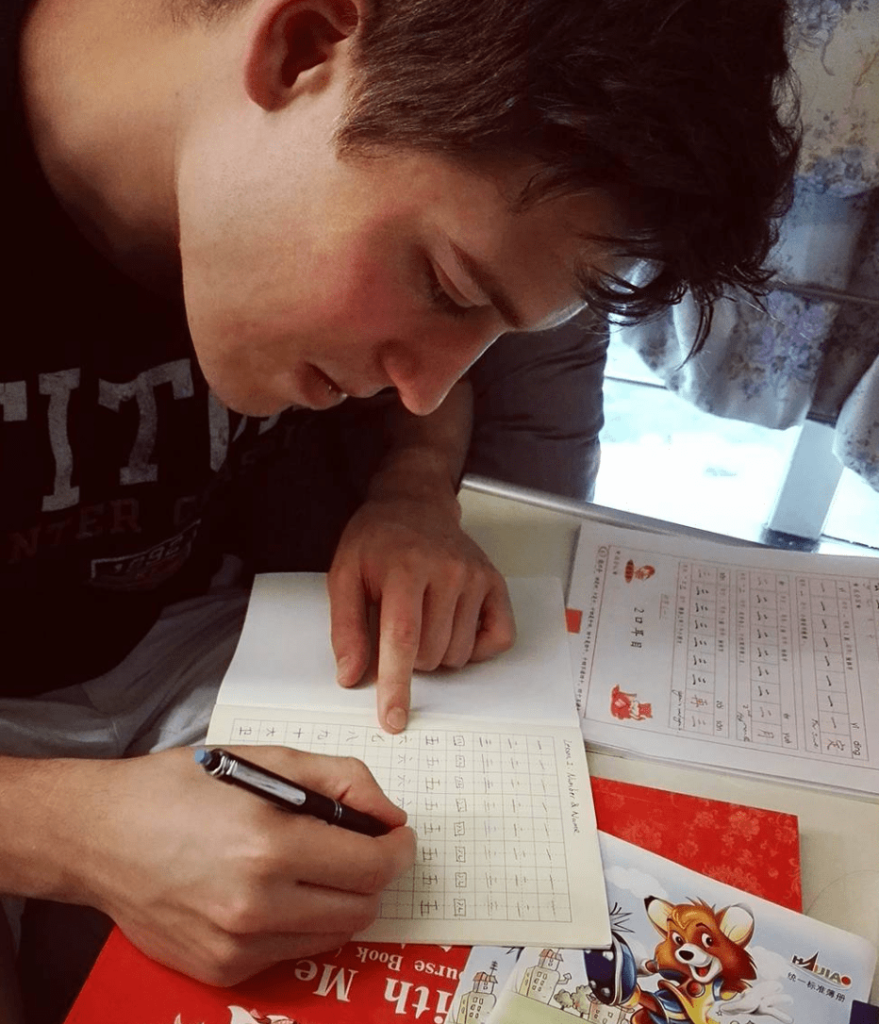
I really like learning languages! After growing up in many different countries I can speak English, Swedish, and German fluently. For the past two years I have been working to add Chinese to my collection and have enjoyed the unique challenges that learning this complex language has provided me with.
O Jardim Secreto é uma obra de literatura clássica que fez parte de inúmeras infâncias (se você perdeu nosso artigo sobre por que as crianças deveriam ler romances clássicos, veja no link abaixo!). É uma poderosa história de amizade e descoberta de si mesmo que ressoa em nossas almas.
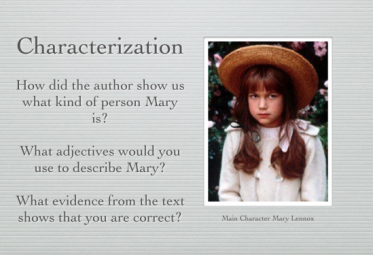
O Jardim Secreto is about a young girl named Mary Lennox who loses her family and everything familiar with her due to a cholera outbreak in India, where her father was working as a British Army Captain. As a child, Mary was quite neglected, but indulged by family’s servants, so she was a spoiled child with a terrible disposition. She had very few traits that would help her cope with a new life in England, where she was sent to live with a grouchy distant relative, Senhor. Craven.
Senhor. Craven had very strict rules for Mary to follow at her new home at Misselthwaite Manor in Yorkshire, which included her being forbidden to enter various rooms inside the giant mansion, as well as forbidden to enter one of the gardens on the sprawling property, which belonged to his beloved late wife. As Mary begins to explore her new home, she begins to find a sense of happiness and regains her health after being sickly for much of her childhood. After a robin helps her find the key to the secret garden, she finds a sense of purpose in restoring the garden, much as she restores her inner self. Through the thorns and dried leaves of winter, she finds much more lies within.
Aided by new friend Dickon, Mary develops her first friendships, and uses her newfound strength and kindness to help her bedridden cousin Colin, whom she finds tucked away in the manor. Friendship strengthens both Mary and Colin, and in the end, everyone witnesses a miracle only made possible by these close bonds and belief in oneself, two very important themes in the novel.
Young people will love reading this fantastic story of friendship, overcoming obstacles, and experiencing the healing power of nature. The characters and the lessons they teach us will surely touch your child and help them experience the power of a great story.
If you would like an opportunity for your child to experience this story with others, we are happy to let you know that we will be reading O Jardim Secreto as the first novel in our Young Classics Level 2 Course this summer.
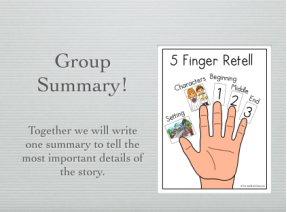
In the course, we not only read the novel, but we also learn and apply new vocabulary from the book, discuss important literary techniques used by the writer, and practice writing summaries, a key skill that many students find challenging
If you are interesting in learning more about Young Classics, or and of our other excellent and engaging courses, entre em contato com um de nossos consultores educacionais hoje! We hope to work with your child very soon!
O estudo da literatura é um aspecto importante de qualquer excelente programa acadêmico, e isso porque ajuda a ensinar aos alunos uma ampla gama de conhecimentos e habilidades que são essenciais para o sucesso em muitas áreas da vida. Enquanto estudava literatura, os alunos aprendem sobre eventos e pessoas importantes ao longo da história, they consider cultural perspective and increase their own understanding of acceptance of different ideas and beliefs, and they learn how to analyse the words of others in order to form a deep understanding of new ideas and ways of communicating. In short, it exposes students to a toolbox of ideas, techniques, strategies, theories, and more that they will carry with them throughout their life, shaping the way they approach the world.
Why do we offer this course?
Reach Out students typically pursue high school programs such as IGCSE, which includes challenging courses such as English Language and Literature and English as a First Language. Later, most of those students will take on the challenge of IB and AP level programs, in which they must take on the task of reading a variety of literature. Our aim is to expose students in upper primary and middle school to a wide range of advanced literature so that by the time they reach high school they possess the knowledge and skills to hit the ground running, and therefore achieve to a higher level.
This course is designed for Grade 7-9 estudantes.
The Objectives of our Advanced Literature Course are to:
✪ Enhance students’ ability to understand and discern literary techniques used English and American literature, and the ability to communicate the effects of those techniques;
✪Improve children's literary comprehension skills and increase their understanding of British and American culture;
✪ Under the guidance of our expert educators, learn the power of language and storytelling in a challenging yet engaging way.
Meet Our Teachers
*Insert teacher bios here for Barry, Anthony, and John*
Our Book Selections:
Cry the Beloved Country by Alan Paton

Set in South Africa in the 1940s, award-winning Cry the Beloved Country tells the story of a Zulu Pastor, Steven Kumalo, who travels from his village to the city of Johannesburg. Along his arduous and heart-wrenching journey, he discovers that his sister and son have found themselves in terrible situations that he must now face with them. The characters’ vastly different lives become unexpectedly woven together through tragedy during a dark time in South Africa’s history. No entanto, through tragedy and challenges, the true nature of the human spirit can be found and uplift those who need it most.
Dracula by Bram Stoker

The legend of Dracula has loomed large in the minds of readers and movie-goers for generations. Bram Stoker based the infamous character of Dracula on the legend of the real life ruler of Wallachia, Vlad the Impaler. Stoker was able to take this dark corner of history and turn it into a legendary novel told through journal entries, letters and telegrams. As with any classic, Dracula has stood the test of time because it speaks to something very deep and meaningful within the human psyche.
Of Mice and Men by John Steinbeck
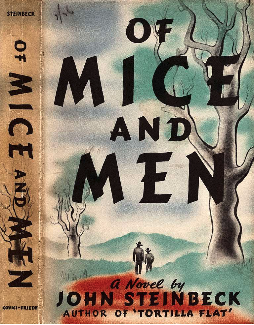
The Great Depression was a defining moment in American history that tested its strength as a nation, and placed the population in a precarious balance between life and death. In what is considered one of the greatest American classics, readers are introduced to two displaced migrant workers, George and Lennie. George is an intelligent young man, while Lennie is mentally disabled. George takes Lennie under his wing as they seek employment where few opportunities exist, trying to survive, yet still dreaming of the day they will have their own land and build a life. Their hopes are dashed when a devastating incident occurs that alters their lives forever.
What Students Will Gain
Develop an early sense of literary appreciation,
See the world from a more mature perspective
British and American classics contain thought-provoking moral and social issues. Reading the most influential classic literature thoroughly helps students become better readers, and begin the process of pursuing self-realization.
Improve understanding of culture and history
Learning allusions from classic British and American literature can help us bridge cultural differences. "The classics have opened the door to different worlds, different cultures, and different historical perspectives. Literature crosses race, culture, religion, and geography."
Self-reflection and personal growth
Many classic literature allude to our lives from the side: books that reflect similarities to our own lives are called "mirrors"; and those that give us a glimpse of different lives are called "windows." Whether it is a "mirror" or a "window", it further enriches the students' life experience and increases the courage and strength to face life.
Join Us!
Contact us to discover more about our course. We sincerely hope to meet your child soon, and develop a love of reading classic literature together.
Estamos de volta às aulas e sabemos que os pais estão se preparando para um novo ano com novos começos. O início de um novo ano costuma ser recebido com uma mistura de entusiasmo e um pouco de ansiedade, enquanto alunos e pais anseiam por novas habilidades e experiências, but also might feel nervous about new routines and expectations.
Não se preocupe, Reach Out it here to help! This year, we have 5 top tips to a fantastic start to the school year.
Understanding how your child’s school approaches education, what curriculum they use, what systems, and standards are used can be overwhelming for non-educators. Spending a bit of time each day reading your school’s website content, handbooks, and other resources can help you feel more confident in understanding what your child is learning at school and how they are learning. It’s also important to attend your child’s back-to-school night and informational sessions to get a better understanding of your child’s program as a whole. It also provides a great opportunity for you to establish a relationship with your child’s teacher. At any time if you still have questions, you can always e-mail your child’s teacher. They are there for you and your child, as they know that a great relationship with parents is a fantastic way to ensure academic, social, and emotional success for all students.
2. Make Sure to Catch Enough Zzzzs Before the ABCs
Sleep is so important for a child’s growth and development, and a lack of it can negatively impact a child’s academic achievement. Na verdade, research shows that sleep depravation in children can lead to higher rates of anxiety and depression. When we sleep, our brain processes the information from he day, finds the best system to file it away in out memories, and re-charges our systems for a new day. For various reasons, parents often find sticking to an early bedtime difficult, but with a clear routine, and time for adjustment, it can be easy! Children 3-6 years old should be getting 10-12 hours of sleep per day, 7-12 year olds should get 10-11 hours per day, e 12-18 year olds should get 8-9 hours per day. Creating a schedule where children get to bed earlier will make mornings easier as well, hopefully with less stress for both parents and children as they will be well rested and ready to start their day!
3. Ask the Right Questions at the Right Time
Sometimes parents are anxious to know how their child’s day was as soon as they get home from school, especially during the first few weeks. Those weeks are especially exhausting and full of ups and downs as your child learns to navigate new material, new friends, new teachers, and new expectations. Giving them time to come home and decompress is extremely important for their emotional and mental well-being. Once they have had some “me” time, parents can ask specific questions based on what they know they are working on, if they happen to know. They can go through their child’s homework diary with them and help them make a plan on how to tackle each task, as well as share in their enthusiasm for specific subjects, books, or information they also enjoy. Avoid asking, “How was school? What did you learn?” as kids respond much better to more specific questions, such as, “What did you do with your friends at lunch? What was the best part of your day? What was the weirdest or most wonderful thing that happened at school today?” Most importantly, parents should be fully present and listen intently when students answer, so they really feel valued and hear when they share.
4. Let Them Learn From Failure
This one can be extremely hard for parents to allow. We want our children to do well and reach their full potential, which means we might go over each assignment with a fine-toothed comb, correcting every mis-calculation or grammar mistake. Although parents have good intentions when we do this, we are taking away important learning opportunities from children when we do so. Back when we were students, many of our parents were often too busy or didn’t have the knowledge or capacity to help us with our school work, but we found a way to push through and try our best. If children are never given opportunities to fail when they are young, they might resist taking on challenges later in life for fear of failing at them. No entanto, when we let them fail gently, such as on an assignment or at a little league soccer game, we are teaching them resilience. It’s not the end of the world, and they learn a valuable lesson; that we can try and not succeed, dust ourselves off, and try again next time.
5. Nurture Their Passions
New school years are an exciting time for many reasons, one of them being that they provide children a chance to discover new passions. If they are lucky, they will stumble upon something they truly love, and that they can become fascinated with enough to spend hours on end discovering. Helping a child find his or her passion is not always easy and takes time. Sometimes parents worry if their child focuses too much on a couple of things, and feel they need to expose them to as much as possible to help shape them into well-rounded individuals. No entanto, if we look at the people who have shaped our world, it was because they had a laser focus on what they were passionate about. It was all they ever did or do. As humans, we naturally gravitate towards what we love most, and as long as it provides some sort of value on top of fulfillment, we should continue pursuing it. Então, don’t worry if your child protests going to one activity while running out the door to attend another. Maybe the one they love is the most valuable to their growth and development, and the one they don’t like isn’t that necessary after all.
We hope these tips have helped, and we wish you and your child the best in the coming school year! We are excited for the new school year and all of the challenges and hope it will bring.
Reach Out will be with you every step of the way, so be on the lookout for more information and more articles we hope you will love!