La Reach Out, credem că este foarte important să sărbătorim succesele studenților. Suntem încântați să anunțăm un alt Star Student - Emma!
Emma reprezintă tot ceea ce elevii pot realiza cu muncă asiduă și angajament pentru excelență. Profesorii Emmei o recunosc ca pe o elevă care are o atitudine minunată față de învățare, este foarte receptiv la instruire, și are o familie extrem de susținătoare care comunică adesea cu profesorii ei. În clasă, Emma este o ascultătoare atentă și atentă, care este suficient de încrezătoare pentru a-și împărtăși ideile, dar suficient de răbdător încât să dea rândul fiecăruia. Nu o deranjează să-și asume riscuri, și este capabilă să-și injecteze personalitatea în munca ei.
Emma este în prezent înscrisă la nivelul nostru de Citire și Scriere Creativă 4 Curs, și a arătat un adevărat dar în a putea crea imagini puternice în scrisul ei. La începutul semestrului, ea a finalizat o revizuire a sucursalei din Shanghai Disneyland a Blue Frog.
Emma și-a arătat capacitatea de a critica anumite aspecte ale unui loc, și să-și dezvolte ideile folosind detaliile adecvate.
„Vedere și locație sunt ambele foarte satisfăcătoare. Noaptea putem sta afară și ne putem bucura de vederea Castelului Disney și a artificiilor.”
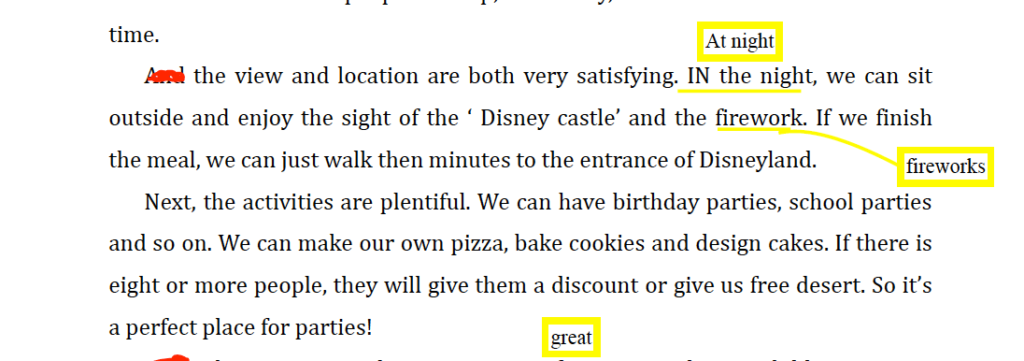
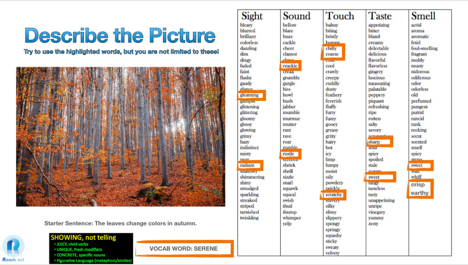
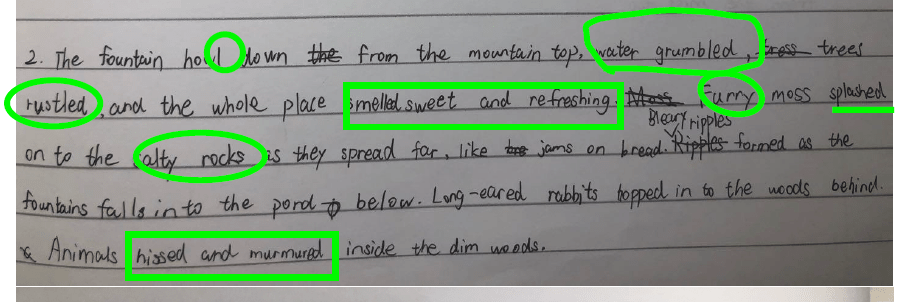
Pe măsură ce semestrul a continuat, Emma a arătat dezvoltare în abilitățile sale de scris, și a început să încorporeze tehnici literare mai avansate. Într-o sarcină de descriere a peisajelor, Emma a reușit să creeze o imagine puternică folosind un vocabular precis și un limbaj figurativ.
„Mușchi cu blană s-a împroșcat pe stâncile sărate în timp ce se răspândeau departe, ca dulceata pe paine. S-au format valuri încurcate când fântâna a căzut în iazul de dedesubt.”
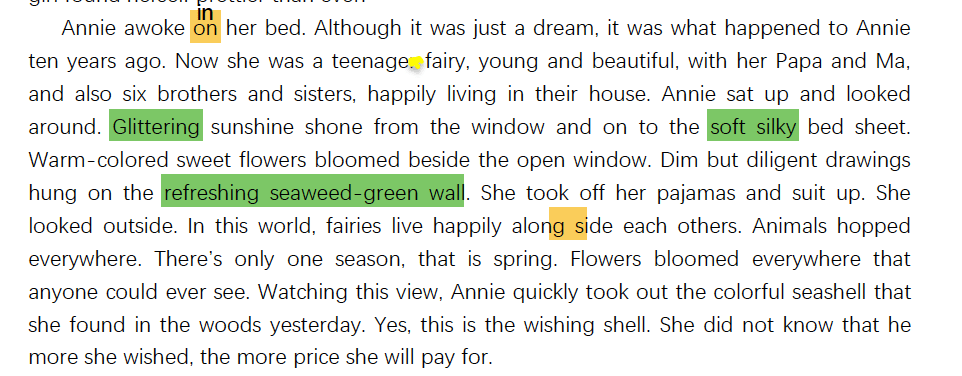
Emma a continuat să aplice lecțiile pe care le-a învățat pe parcursul cursului, iar capacitatea ei de scriitoare a devenit mai puternică. Într-o misiune recentă privind scrierea unei narațiuni fantastice, Emma a construit decorul și caracterul poveștii sale în mod deliberat și eficient.
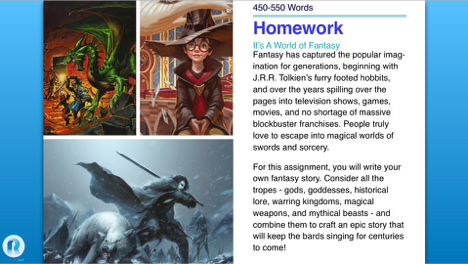
„Soarele strălucitor a strălucit de la fereastră și mai departe spre moale, cearceaf de pat mătăsos. Flori dulci de culoare caldă înfloreau lângă fereastra deschisă. Pe peretele revigorant verde alge marine atârnau desene slabe, dar sârguincioase.”
După cum puteți vedea, Emma prezintă trăsături ale unui tânăr scriitor promițător. Determinarea ei de a se îmbunătăți, iar aplicarea atentă a lecțiilor predate au ajutat la ridicarea scrisului ei la un nivel mai avansat.
Multumesc Emma, pentru a fi o astfel de STAR! Așteptăm cu nerăbdare să vă vedem creșterea pentru o lungă perioadă de timp de acum încolo. Știm că acesta este doar începutul unei călătorii strălucitoare.
Ca educatori, de multe ori ni s-a pus întrebarea, „Cum pot să-mi fac copilul să nu mai citească benzi desenate?” Părinții sunt îngrijorați că benzile desenate nu oferă valoare educațională, nu sunt suficient de riguroase din punct de vedere academic, sau cel mai rău dintre toate, o pierdere de timp a copilului lor. La aceasta, răspunsul nostru îi surprinde de obicei, și acel răspuns este, „Lasă-i să citească benzi desenate!”
Este de înțeles că părinții ar fi puțin îngrijorați, deoarece percepția este că benzile desenate sunt doar pentru lectura de plăcere, cu toate acestea, benzile desenate au multe beneficii dincolo de a ne ajuta să ne petrecem timpul.
Benzile desenate și romanele grafice nu sunt forme noi de scriere. Desigur, de multe generații s-au bucurat de ele. De-a lungul anilor, genul s-a schimbat într-unul cu profunzime și semnificație considerabile, motiv pentru care îi încurajăm pe părinți să nu permită doar copiilor să citească benzi desenate, dar și să-i sprijine în acest sens.
Iată principalele noastre motive pentru care benzile desenate ar trebui citite (mai ales vara!):
Pentru studenții care nu sunt vorbitori nativi de engleză, benzile desenate le oferă o modalitate excelentă de a începe să se bucure de literatura engleză. Pentru mulți copii, sarcina de a trece de la un manual de limba engleză la un roman poate fi foarte descurajantă, dar benzile desenate le pot oferi o punte necesară pentru a le construi încrederea, precum și fluența citirii. Indiciile vizuale din imagini le permit elevilor să creeze o înțelegere mai profundă a intrigii și a personajelor, precum și un vocabular nou. în plus, îi introduce în dispozitive literare eficiente, precum onomatopeea (gândește-te POW! SMACK! ZOOM!) și idiomuri (o ilustrație care arată semnificația unui idiom like, „Pisica ți-a luat limba?” are mult mai mult sens decât încălzirea expresiei de la sine!).

2.Îmbunătățirea inferenței
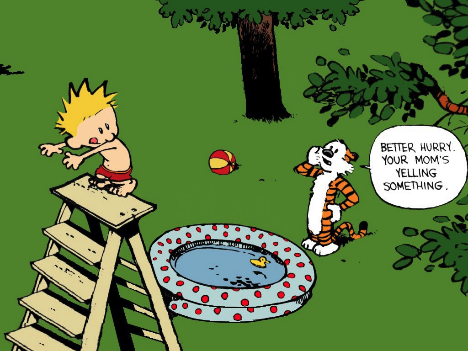
Inferența este o abilitate cheie de citire cu care mulți elevi se luptă la evaluările standardizate de citire. Inferența are loc atunci când tragem concluzii pe baza a ceea ce citim. Câteva exemple de întrebări pe care elevii le vor întâlni în timpul sarcinilor sau evaluărilor de înțelegere a lecturii sunt cele precum, „Cum s-a simțit personajul când?”, „Despre ce poți trage concluzia…” și „Care a fost lecția din poveste?Benzile desenate cer ca elevii să „citească printre rânduri” pentru a deduce informații care sunt de obicei spuse de narator într-un roman, astfel încât să poată câștiga multă experiență valoroasă în consolidarea acestei aptitudini citind benzi desenate.
3.Puterea Cuvântului!
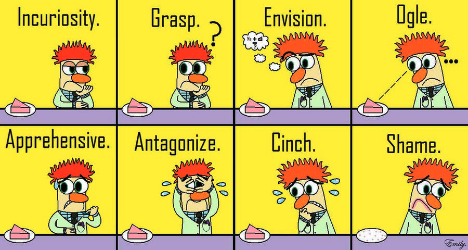
Adesea în benzi desenate și romane grafice, scriitorii includ un vocabular destul de avansat, atât ca parte a poveștii, cât și în numele personajelor. În 2016 la celebrul Comic-Con din San Diego, California, un panelist de educatori a discutat despre puterea benzilor desenate în construirea vocabularului elevilor. James Bucky Carter, a spus autorul cărții Building Literacy Connections with Graphic Novels, „Ai Colossus, și el este atât de mare, tip gigant din metal. Înțelegi foarte bine ce înseamnă cuvântul colos și acesta este un cuvânt bun de 10 cenți. Puterea lui Banshee țipă. Aveți aceste personaje care întruchipează cuvintele de vocabular care sunt. Acesta este un mod distractiv de a învăța cuvinte noi, pe lângă indiciile contextuale.”
După ce ați citit acest lucru, poate doriți să-l lăsați pe copil să se scufunde direct în lectura benzilor desenate sau a romanelor grafice! Asta e muzica pentru urechile noastre. Dacă nu ești sigur de unde să începi, avem câteva dintre preferatele studenților pe care copilul dumneavoastră ar dori să le încerce!
Dog Man de Dave Pilkey

Miles Morales Spider-Man de Jason Reynolds

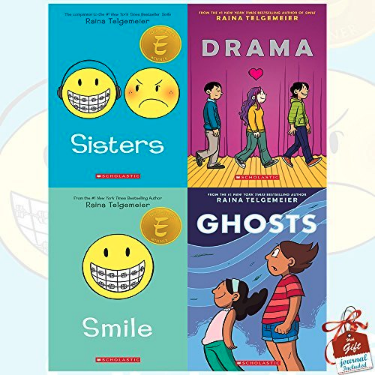
Zâmbete, Surori, Fantome, Dramă și alte povești de Raina Telgemeier
Bone de Jeff Smith

Cauți mai multe oportunități de lectură de vară pentru copilul tău? Contactați unul dintre consultanții noștri în educație pentru mai multe informații despre cursurile noastre de lectură de vară. Așteptăm cu nerăbdare să citim cu copilul dumneavoastră!
Sezonul examenelor este aici, și poate fi o perioadă foarte stresantă atât pentru elevi, cât și pentru părinți. La Reach Out vrem să facem tot posibilul pentru a ajuta la ameliorarea anxietății legate de examen, oferind câteva sfaturi unice de studiu pe care poate nu le-ați încercat.
Înțelepciunea convențională a studiului a fost adesea urmată de mulți părinți și profesori care au intenții bune, cu toate acestea, dacă ne uităm la unele abordări interesante bazate pe cercetare, putem vedea că există o varietate de moduri eficiente de a studia! Întotdeauna este bine să încerci lucruri noi, mai ales pentru copii. Ei pot experimenta noi moduri de a face lucrurile când sunt tineri, iar când sunt ceva mai mari, pot alege calea care se potrivește cel mai bine nevoilor și stilului lor personal.
Acum, să aruncăm o privire la trei moduri unice de a studia.

Varietatea este condimentul vieții, chiar și atunci când studiezi
Pentru mulți, de mulți ani ni s-a spus asta pentru a studia bine, ar trebui să studiem în același loc în fiecare zi; un loc liniștit, bine luminat, și are toate materialele noastre. Deși acest lucru ar putea fi adevărat pentru o parte din timpul în care studiem, cercetările ne arată că creierul nostru se descurcă de fapt mai bine atunci când variam locația în care studiem. Destul de surprinzător, corect?
Într-un studiu făcut până în urmă 1978, studenţilor li s-au dat 40 cuvinte de vocabular de studiat. Unui grup i s-a spus să studieze lista de două ori în aceeași locație. Celălalt grup i s-a spus să studieze lista în două locații diferite. Ceea ce au găsit a fost, grupul care și-a variat locațiile de studiu a avut rezultate mai bune la amintirea cuvintelor mai târziu. Acum de ce este asta? Bine, creierul nostru face adesea conexiuni la informații bazate pe mediul nostru, deci cu cât ne variam mai mult mediul, cu atât oferim mai multă șansă creierului nostru de a reține informații, deoarece acestea se vor atașa la mai multe lucruri. Acesta poate fi și motivul pentru o tehnică de vizualizare, unde se vizualizează lucruri pe care doresc să le amintească în anumite locuri dintr-un mediu cu care sunt familiarizați, poate fi la fel de eficient. Pentru elevi, pur și simplu schimbarea mediului ar putea face truc!
A se distra!
Unii părinți ar putea crede în mod eronat că dacă copilul lor râde sau se entuziasmează în timp ce învață sau învață, s-ar putea să-și piardă timpul. Cu toate acestea, nu este neapărat cazul.
Ca părinte, la locul de muncă sau la birou s-ar putea să aveți ateliere speciale din când în când. Atelierele sunt de obicei folosite ca instrument pentru a vă ajuta să învățați despre o nouă strategie, idee, sau informații care vă vor ajuta să învățați mai multe la locul de muncă. Aceste sesiuni sunt adesea conduse de oameni specializați în crearea de ateliere motivante și inspiratoare care revigorează și energizează angajații. Zilele pot fi lungi și intense, dar dacă sunt făcute corect, angajații pot pleca încrezători în noile lor cunoștințe și abilități.
Aceleași inele sunt valabile pentru tineri. Introducerea jocului și a distracției ca o modalitate de a studia pentru examene nu numai că îl face pe copil să zâmbească, dar cercetările indică faptul că a te distra în timp ce învăț activează anumite resurse cognitive, asociază recompensele și plăcerea cu învățarea, întărește și lărgește rețelele de memorie, și comută gândirea abstractă și atenția concentrată.

Tehnica Pomodoro
Rămâi concentrat, în sarcină și motivat pentru a finaliza anumite activități poate fi dificil atât pentru adulți, cât și pentru copii. Te-ai simțit vreodată ca și cum te-ai uitat ore întregi la ecranul unui computer?, dar a realizat foarte puțin? Sau poate ai un termen limită în câteva zile, dar se îndreaptă spre linia de sosire? Nu este de mirare, deoarece cercetările arată că mintea noastră tinde să rătăcească până la 20% a timpului, poate chiar mai mult pentru cei mai tineri.
O tehnică interesantă a fost creată de studentul Francesco Cirillo ca o modalitate de a-l ajuta să rămână concentrat, și asta este Tehnica Pomodoro, care și-a luat numele de la cronometrul în formă de roșii folosit de Cirillo în timp ce testa această strategie pe el însuși. Cum funcționează este setați un cronometru pentru 25 minute, care este timpul de lucru. Apoi setați-l din nou pentru 5 minute, care este timpul de pauză. Acesta este un moment minunat pentru a te trezi, întinde, fă o tură prin casă, mângâie-ți pisica, sau ia un pahar de apa sau o gustare. După pauză a trecut, setați cronometrul pentru altul 25 minute și repetați!
Se pare că această strategie este susținută de dovezi științifice, întrucât cercetătorii au ajuns la concluzia că pauzele scurte vă ajută să vă mențineți atenția pe drumul cel bun. Acest lucru ar putea fi legat de faptul că plictiseala cognitivă poate duce la o minte neangajată, care este ultimul lucru pe care îl dorești atunci când studiezi pentru un examen important.
Sperăm că ți-a plăcut să explorezi aceste sfaturi unice de studiu la fel de mult ca și nouă! Îi doresc copilului dumneavoastră mult noroc la examene luna aceasta. Jiayou!
Știm că putem face atât de multe pentru a ne hrăni și educa copiii, motiv pentru care, ca părinți, deseori facem eforturi mari pentru a le umple timpul cu activități și cursuri îmbogățitoare. De ce facem asta? Din multe motive desigur, dar scopul principal este să le asigure succesul viitor. Părinții speră că copiii lor vor avea și mai mult succes în viață decât au fost ei înșiși. Succes, Desigur, este subiectivă, și s-ar putea să avem cu toții propria noastră definiție a succesului. În general însă, am putea fi de acord că succesul include să te simți mulțumit în viața personală, precum și un sentiment de satisfacție în carieră și securitate financiară.
Recent, a fost distribuită o discuție TED intrigantă pe rețelele sociale, în care fostul decan al bobocului la Universitatea Stanford, Julie Lythcott-Haims, citează dovezi din studiul Harvard Grant care corelează succesul profesional în viață cu indivizii care au făcut treburi în copilărie. Nu antrenament de fotbal, nu învăţarea limbilor, nu pictura, dar treburi.
Surprinzător drept?
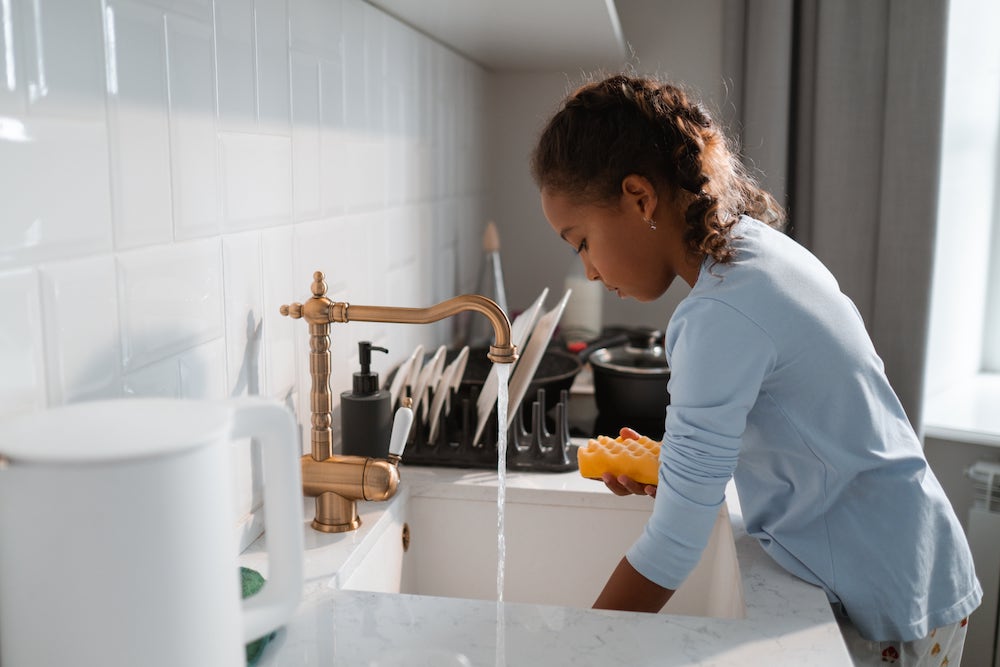
Mulți dintre copiii noștri care cresc în orașele mari s-ar putea să nu știe niciodată cum este să freci un fel de mâncare, spala un geam, sau ștergeți o podea. Am putea simți că există lucruri mai importante de făcut pentru a le construi cunoștințele și caracterul. Lythcott-Haims explică că acei copii care își murdăresc mâinile, cu toate acestea, pot atinge un nivel de succes în viață care îi depășește pe colegii lor care nu-și fac treburi. Asta pentru că îi învață pe studenți cum să contribuie și să intensifice atunci când trebuie făcută munca, și că făcând „munca groaznică” de care s-ar putea bate alții, pentru că este ceea ce este mai bine pentru toți, este ceea ce se remarcă la locul de muncă.
Locurile de muncă ale celor cu performanțe înalte care au luat parte la Harvard Grant Study au fost notabile, precum Casa Albă, unde a lucrat președintele Kennedy participant, și biroul editorului unde Ben Bradlee a stat ca editor al The Washington Post. Putem presupune că părinții lor, ca noi, a trebuit să îndeamnă și să pledeze pentru ca treburile să fie făcute, și acceptă asta chiar dacă ar fi făcute, s-ar putea să nu fi fost făcute bine; și asta e în regulă.
Important, după cum subliniază Lythcott-Haims, este că făcând treburi, copiii realizează că ei, „...trebuie să facă munca vieții pentru a fi parte din viață.” Își dau seama că viața nu li se întâmplă doar lor, iar pentru ei, dar cu ei.
Dacă copiii tăi fac deja treburi ca parte a rutinei lor zilnice de vară, Bravo! Ești pe drumul cel bun. Dacă nu, nu trebuie sa intrati in panica. Nu este niciodată prea târziu să introducem treburi în viața copiilor noștri. Iată câteva sfaturi pentru a vă ajuta să începeți!
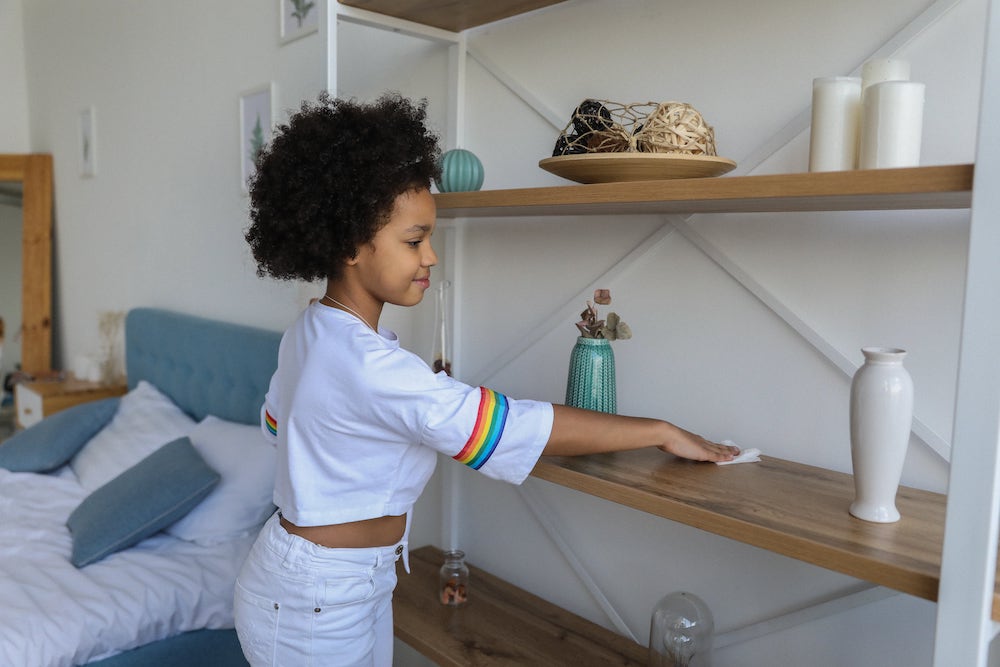
Lasă-i să facă parte din ea
Când introduceți conceptul ca copiii tăi să-și facă treburi pentru a ajuta, organizați o „întâlnire de familie” la care toată lumea este prezentă pentru a discuta despre ce se va aștepta de la copiii dumneavoastră și de ce. Puteți cere copilului să vă ajute să scrieți o listă cu treburile pe care le-ar putea ajuta în jurul casei. S-ar putea să vă surprindă cu entuziasmul lor, deoarece efectuarea treburilor este foarte interesantă pentru unii copii, deoarece îi face să se simtă împuterniciți și de ajutor. (două lucruri pe care adesea ne place să le simțim ca adulți).
Game-ify It
Pentru a face lucrurile distractive, pentru că distracția face totul mai bine, tu sau copilul tău poți scrie treburile pe bețișoare de popsicle și în fiecare zi copilul tău poate alege un bețișor din borcan. Asta va fi treaba lor pentru ziua de azi! Dacă ai mai mult de un copil acasă, poți oricând să transformi curățarea într-o competiție setând un cronometru și văzând care copil poate curăța cele mai multe jucării într-un interval de timp dat, de exemplu.
Recompensează-l
Ca părinți, suntem recompensați pentru contribuțiile noastre la locul de muncă cu un salariu. Nu ar trebui să fie și copiii noștri răsplătiți pentru munca lor grea? O idee este că dacă copilul tău își finalizează toate treburile pentru săptămână, el sau ea poate alege o jucărie mică dintr-o „cutie de comori” plină cu jucării mici. O altă opțiune ar putea fi aceea dacă copilul tău își finalizează în mod constant treburile timp de o lună, pot alege o ieșire cu familia deosebită.
Să ne învățăm copiii să facă treburi nu este întotdeauna ușor, dar potențialele beneficii merită timpul și efortul. Sperăm că ați găsit sfaturile noastre utile, și că pot ajuta la o experiență pozitivă pentru tine și copilul tău. Curățenie fericită!
Suntem încântați să anunțăm un nou club de carte de vară, doar pentru parinti! Vara este momentul perfect pentru a citi acea carte pe care ți-ai dorit dintotdeauna să o citești, dar nu am avut timp. Vara asta, te invităm să ni te alături în lectură Cum să vorbești, astfel încât copiii să asculte și să asculte, astfel încât copiii să vorbească.
Știm că nu este întotdeauna ușor să ne conectăm cu copiii noștri din cauza cerințelor școlii, munca si viata de zi cu zi. Uneori, anxietățile noastre legate de viitor interferează cu noi să ne trăim viața chiar acum. Cu toate acestea, un lucru pe care îl putem garanta este că nu vom mai avea niciodată o șansă de a experimenta copilăria cu proprii noștri copii, și nu vrem să pierdem acest timp prețios. Aşa, cum putem să profităm la maximum de asta și să avem conversații semnificative cu copiii noștri care ne vor întări legătura și îi vor ajuta pe copiii noștri să se simtă sprijiniți? Acestea sunt întrebări mari pe care le avem mulți dintre noi.
Pentru a ne ajuta să răspundem la aceste întrebări importante, vă invităm să ni se alăture citind una dintre cele mai populare cărți pentru părinți din toate timpurile, scris de Adele Faber și Elaine Mazlish. Cum să vorbești pentru ca copiii să asculte și Ascultă, așa că copiii vor vorbi, care ne învață cum să acceptăm sentimentele copiilor noștri, ca, nefăcând acest lucru, am putea cauza fără să vrea un comportament rău. De asemenea, ne învață modalități pozitive de a încuraja cooperarea, precum și independența, autonomie, și încredere în sine. Acestea sunt toate ingredientele necesare pentru a ajuta la cultivarea unei relații pozitive părinte-copil, care într-adevăr ne va ajuta să crească copiii în adulți încrezători și capabili..

Cum va funcționa?
Primul pas este să contactați unul dintre consultanții noștri în educație pentru a vă înregistra. Înregistrarea este GRATUITĂ și deschisă tuturor! Vom crea un chat de grup în care conținutul studiului cărții și partajarea vor avea loc începând cu 1 iulie. Lindsey Fine, managerul nostru de educație, se va alătura grupului și ca părinte, deoarece este mamă a doi băieți, în vârstă 4 şi 6, care va învăța împreună cu tine. Ea va ajuta, de asemenea, la conducerea discuțiilor săptămânale.
Cartea poate fi găsită în engleză și chineză și ușor accesibilă în format tipărit, e-carte, sau formate de cărți audio.
Apoi, există două opțiuni pentru modul în care doriți să participați:
Programul de lectură este următorul:
Săptămână 1: Capitole 1 & 2
Săptămână 2: Capitole 3 & 4
Săptămână 3: Capitole 5 & 6
Săptămână 4 Capitole 7 & Postfaţă
La sfârşitul lunii, vom găzdui un atelier online condus de consilierul școlar, Regina Wehner. La atelier, Regina va împărtăși informații suplimentare și strategii pe care le puteți folosi pentru a vă consolida relația cu copilul dumneavoastră.
Despre Regina Wehner

Regina Wehner este un consilier școlar autorizat care a lucrat de mai mult cu elevii din gimnaziu 16 ani. Originar din Statele Unite, ea locuieşte cu soţul ei şi 2 copii, vârste 10 şi 12, la Beijing, China.
Regina lucrează la Academia de Vest din Beijing (WAB), o școală internațională diversă. O mare parte din a fi consilier școlar este să îi ajuți pe elevi să învețe despre ei înșiși și despre ceilalți pe măsură ce cresc. De asemenea, Regina găzduiește lunar Parent Coffee Mornings pentru a aduce părinții împreună pentru a afla mai multe despre schimbările de dezvoltare ale copiilor lor și despre cum să comunice în aceste perioade de tranziție.
Contactați-ne astăzi pentru a vă alătura!
Ajutați-vă copilul să învețe un vocabular nou
Cercetările indică faptul că dacă dorim ca studenții să reușească în contextul academic, pe evaluări importante și examene cu miză mare, precum și viitoarele lor cariere, trebuie să-i ajutăm să-și dezvolte vocabularul. Motivul pentru asta este acesta: înțelegerea noastră a informațiilor noi este direct legată de înțelegerea noastră a vocabularului folosit pentru a comunica acele informații noi.
Pentru elevi, creșterea vocabularului lor este o cheie a succesului în stăpânirea unei limbi; cu atât știm mai multe cuvinte, cu atât mai multe cuvinte înțelegem, și cu atât mai multe cuvinte putem folosi în scrisul nostru pentru a-l face mai de impact și mai eficient. Cu toate acestea, Învățarea acum a vocabularului este uneori văzută ca un proces obositor sau evaziv. Uneori, părinții nu sunt siguri cum să-și îndrume copiii, mai ales că modul în care abordăm studiul vocabularului poate diferi foarte mult de modul în care părinții îl studiau atunci când erau la școală.
Nu vă faceți griji, Reach Out este aici pentru a vă ajuta! Să explorăm achiziția de vocabular (procesul de memorare și aplicare a noului vocabular), și vă vom spune cum vă puteți ajuta copilul să-și construiască vocabularul!

Vorbește despre asta!
Poate părea prea simplu, dar când vine vorba de a învăța cuvinte noi, o modalitate eficientă de a face tinerii este să vorbească cu ceilalți. Copiii învață cuvinte noi cel mai bine atunci când sunt în context, precum într-o conversație despre un anumit subiect. Ei pot deduce un pic de semnificații ale cuvintelor noi pe baza modului în care sunt folosite împreună cu celelalte cuvinte cu care sunt deja familiarizați.
Probabil că ați fost întrerupt de copilul dvs. de multe ori când folosiți un vocabular necunoscut și vă întreabă curios, „Ce înseamnă dezastru?” S-ar putea să te fi referit la starea dormitorului lor (ca în ea este o mizerie completă), și făcându-le un moment pentru a le explica multiplele semnificații ale dezastrului, nu numai că le vei fi învățat un cuvânt nou pentru a descrie o cameră dezordonată, dar şi un eşec sau un fenomen natural, precum un dezastru natural.
Aşa, a vorbi cu copilul tău este o modalitate excelentă de a-i învăța cuvinte noi!
Explorează-l!
Elevii înțeleg în general că pot folosi un dicționar sau un traducător dacă întâlnesc un cuvânt pe care nu îl cunosc, dar uneori chiar și definiția unui cuvânt îi poate lăsa cu mai multe întrebări decât răspunsuri.
În experiența noastră, mulți studenți nu folosesc un instrument foarte important pentru a învăța și a aplica un vocabular nou, iar acel instrument este un tezaur! Dacă observi că copilul tău folosește în exces un cuvânt atunci când vorbește sau în scris, de exemplu, "destul de", "drăguţ", "bun", sau „rau”, apoi fă-ți timp pentru a le arăta cum să folosească un site web, cum ar fi thesaurus.com să caute acele cuvinte. Când caută cuvântul cum ar fi „drăguț”, vor vedea că există atât de multe cuvinte interesante și unice de folosit! eu
În experiența noastră, elevilor le place foarte mult să folosească un vocabular nou, și să se simtă împuternicit să știe că există un instrument care să îi ajute să-și facă cuvintele mai puternice.
Juca!
Să te distrezi în timp ce învață nu este doar ceva pe care profesorii îl fac pentru a-i face pe elevi fericiți, De fapt, neuroștiința a dovedit că este o modalitate eficientă de a ajuta studenții să învețe din ce în ce mai profund. Cercetările arată că atunci când elevii sunt atât stimulați, cât și provocați, creierul lor eliberează dopamină. Dopamina este un neurotransmițător care stimulează centrii de memorie și promovează eliberarea de acetilcolinem, ceea ce mărește atenția concentrată.
În cursurile noastre aici la Reach Out, predarea vocabularului este o parte importantă a fiecărei lecții. Avem și cursuri care se lansează în această vară, Niveluri de constructor de vocabular 1-3, în care ne vom concentra exclusiv pe a ajuta copilul să-și extindă cunoștințele de vocabular cu cuvinte noi provocatoare. În timp ce cuvintele alese oferă provocarea, instrumente precum Quizlet și jocuri precum Guess Who și Sentence Racer oferă studenților șansa de a interacționa într-un mod semnificativ și captivant.
De unde știm că aceste metode sunt eficiente? Pentru că deceniile noastre de experiență, și studiul psihologiei și metodologiei educaționale ne-au învățat cum învață cel mai bine elevii!
Ne-ar plăcea să vă ajutăm copilul să învețe vocabular nou ca unul dintre modalitățile prin care el sau ea poate deveni un cititor mai eficient și de succes., scriitor, și difuzor. Pentru a afla mai multe despre cum vă putem ajuta, contactați unul dintre consultanții noștri în educație astăzi!
If you are looking for a more individualized educational service, Reach Out offers 1-on-1 services with our expert educators!
What do We Offer?
Our teachers offer a wide range of 1-on-1 subjects including English, Social Sciences, and Maths.
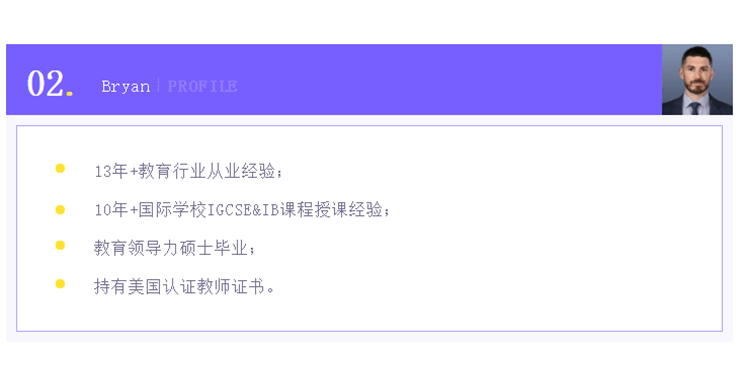
Meet some of our highly qualified and experienced teachers!


Why Should I Choose 1-on-1 Services?
Perhaps your child is preparing to study abroad or applying to a new school and he or she would like a more intensive and targeted approach in order to polish his or her skills. Alternatively, your child might not feel challenged enough with his or her current curriculum, and needs an alternative approach that is more appropriate for his or her ability level.
There are a number of reasons a parent might be searching for services such as this, and we can assure you that we will always work to understand you child’s unique situation and provide the service that is best for them.
How Does it Work?
With our hands-on approach, and orientation process, we will assess your child’s knowledge and skills based on current assessment data, writing ability, si mai mult. Based on our findings, we will select the teacher best suited for your child’s needs. All of Reach Out’s teachers have been carefully selected, and have years of experience in teaching challenging curriculums, such as IGCSE, IB, and AP, in top schools from around the world.
Our process is goal-oriented. We find out exactly what your child needs to reach their educational goals, and then we create a unique and tailor-made learning path that will best suit your child’s particular needs.
What Else Does Reach Out Offer?
In addition to 1-on-1 services, Reach Out offers a wide variety of courses specifically designed to challenge and engage your 2nd to 8th grade child with above grade level content in order to help them prepare for the rigor of programs such as IGCSE, IB, and AP.
How Can I Learn More?
To find out more about our 1-on-1 services, please contact one of our Education Consultants today to find out more! We look forward to helping your child reach his or her educational goals for a bright future!
Who We Are
As you may have noticed, we have been growing and have some exciting additions to what we offer here at Reach Out. As it has been a while since we introduced ourselves, we thought we would share our story with you to help you better understand who we are and what we do!
Our Mission
Reach Out’s mission is to connect students with expert educators who create and deliver original, inspiring, world-class curricula. We have embarked on this journey so that we may help students understand how to find their own unique voice and uncover the creative and valuable ideas that lie within each of them. With their voices, they have the power to change the world, and we wish to empower them to do so.

Our Vision
Reach Out strives to be an internationally recognized educational institution that allows students to access top level international curriculum and educators, no matter where in the world they are. Our students will be perceptive, curious, and critical thinkers who make informed choices as excellent problem solvers and communicators. Reach Out students will achieve their academic and personal goals and dreams from Primary School to University, placing their brilliant futures within reach.
Our Core Values
These are the principles which shape Reach Out:
Our Story
Reach Out was created by a small group of dedicated mothers, perhaps much like yourself. They were brought together by a common vision for the educational needs of their children. Some were looking for an educational program that could offer their children access to the ideas, teaching philosophy, and methodology that matched what they had experienced while living abroad. Others were looking for an internationalized curriculum that their children could access to enrich their educational experience in China. What they shared in common was a desire for a rigorous program that also opened the doors to creative and critical thinking, self-reflection, and personal expression - the hallmarks of a strong international curriculum. After spending considerable time exploring various options, these moms were not able to find anything that quite met their children’s needs.
Aşa, they did what any good mother would do, given the chance, and found their own way to offer their children the best possible learning opportunities designed to help them thrive. They consulted expert teachers and worked with other parents to discover how they could best meet the needs of other children with similar goals. Children, we hope, like yours.
The parents were committed to:
We are happy to say that these mothers have achieved their goal. Today Reach Out boasts a complete line of rigorous yet engaging courses in which students learn deeply while having fun and creating meaningful relationships with their teachers and peers.
All of this because of our founding mothers’ commitment to their children’s education and happiness.
What Makes Us Unique?
While we understand parents have an array of choices when it comes to programs that enrich their children’s education, we believe we offer many unique qualities that are not easily found elsewhere.
Our team consists of highly skilled and experienced educators who have created a unique and rigorous program based on international school standards, which prepares younger students to take on rigorous curriculums such as IGCSE, IB, and AP.
-Our one to one programs and curriculums designed to exceed the educational needs of our students
-Our teaching philosophy of inspiring and empowering students, and teaching methodology of allowing students to explore knowledge widely and deeply while at the same time developing a love of learning
-Our commitment to the long-term success of our students as we strive to equip them with the essential skills they will need to succeed in their future careers and the world beyond school
- The detailed feedback we provide with all of our student assessments, so that students know where they are succeeding and where they might improve, as well as the supplemental materials and instruction needed to help our students close any gaps in understanding
-Our dedication to developing our students’ critical thinking and problem solving skills, which will be essential for their future, as well as the future of our global society
-Our promise to hire all of our teaching and non-teaching staff based on their mutual passion for education
-Our ability to empower students to use the language, knowledge, and skills they acquire to develop themselves beyond the classroom and into curious, lifelong learners who set and pursue challenging, fulfilling, and worthwhile goals.
-Our hands-on, individualized approach to creating a learning path for our students so that no matter what grade level they are when they join us, they will be equipped with the tools necessary to improve and grow rapidly
-Our commitment to empowering our clients with information and experiences that will help them make the absolute best choices for their child's education by offering informative articles, videos and workshops.
Our Curriculum
Our Blue Line curriculum, which includes courses for students in Grades 2 to 8, was designed by expert educators with advanced level degrees in their subject areas who have spent decades in some of the top international schools in the world. We use backwards curriculum design working our way from the first year of programs such as the widely recognized and respected IGCSE program.
As our educators have spent years teaching courses pre-IGCSE, IGCSE, IB and AP or A Levels curriculum, they understand what students need to succeed in those programs. Aşa, each aspect of our curriculum has been created to make sure that all of our students enter their first day of Grade 9 feeling confident, equipped, and prepared to meet the demands of these rigorous courses.
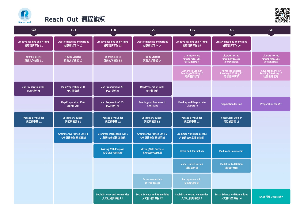
We offer a wide range of courses in the subjects of English, Matematică, History and Geography. See below for more detailed information on our full course offerings.
Additional Services
We are also pleased to announce the creation of our Silver Line, which offers bespoke educational services that take an individualized approach to meeting our students' needs. We begin with a deep assessment of each student's educational goals and needs, and then create and implement a scheme of work with which our expert educators will use to guide your child through the academic challenges of High School in order to prepare them to eventually attend their dream university.
We also offer 1-on-1 services at all grade levels for parents who wish to offer their children more individual care and instruction. Our expert Education Consultants will make sure to match your child with the best educator for his or her specific needs and goals.
Join Us!
We look forward to meeting your family and discussing how you can be part of our Reach Out family; one that learns together, cares for each other, overcomes challenges together, and celebrates successes with one another. Please contact us today to find out more.
We hope to hear from you soon!
Being a parent is hard. In fact, with the changes in our world today, it might just be one of the challenging moments we have had to face in decades. Change leads to uncertainty, and uncertainty can lead to stress. Stress certainly affects all areas of our lives, sometimes it will impact our relationship with our loved ones the most; especially our children.
Our children can be complicated (let’s face it, so can we!), and it is a daunting task to ensure that every move is the “right” one. That all of our conversations, demands, requests, plans, praises and criticisms mean something. Every moment we spend talking to our kids, we hold the hope that these words will be enough to fill our children with the hope of a great future at a time where the future is so uncertain. Times change, and this too shall pass, but one thing we can guarantee is that we will never have a second chance at spending a childhood with our children.
Ca părinți, we often ask ourselves if we are in fact doing the right thing, wondering how we can get through to our kids, trying to understand our children better, and sometimes feeling like a guilty failure because we tell ourselves we are doing it wrong. Oftentimes, that is not the case, but there is no instruction manual on how to raise a child that will work for everyone in all situations. Sure, there is a lot of advice, an overwhelming amount of it, but again, most advice is just that; guidance and recommendations by people who don’t know you or your child. Some of it is helpful, and some of it…not so much.
One thing that we cannot deny though is the importance of a healthy relationship between parent and child.
Research shows that:
It is essential to make the time to nurture a relationship with your child, and perhaps even more imperative, making sure the interactions we have with our children during that time are positive. This is something that many parents find challenging, which is why we created a parent book club for the book Cum să vorbești, astfel încât copiii să asculte și să asculte, astfel încât copiii să vorbească by Adele Faber and Elaine Mazlish. Together we learned ways to positively communicate with our children in order to strengthen our bonds. We spent time discussing ideas from the book, as well as had a virtual meet up to role-play some of the strategies from the book. On top of that, we invited Middle School Guidance Counselor, Regina Wehner, to provide parents with a workshop in understanding our child’s cognitive and emotional development.
Here are some highlights we would like to share with you!
First, from Cum să vorbești, astfel încât copiii să asculte și să asculte, astfel încât copiii să vorbească, here are two of our favorite strategies:
Children have difficulty regulating their emotions, as the brain’s emotional regulation center is one of the last to develop. This means that they need our help in the form of compassion and modeling. This can be so challenging, especially when we may have difficulty managing our own emotions at times! We have an easy strategy for you that will only require two things:
When your child comes home upset about something that happened at school, instead of lecturing and offering our sage advice, we can simply listen to their concerns and repeat the ideas back to them. De exemplu, if your child comes home upset and says something like, “Ugh, today Elizabeth and Sarah were so mean to me! They completely ignored me and I hate both of them now!” Instead of saying, “Elizabeth and Sarah are your best friends. It’s not a big deal and I am sure you will be fine tomorrow,” which could invalidate your child’s feelings, you can say, “Oh, I see. Elizabeth and Sarah made you feel a bit left out. That probably made you feel a bit sad and mad.” At this point your child might keep talking and open up to you, which is great! It means they trust you and you are making them feel better. Continue to listen, nod, say, “Mmmhmm,” and repeat what they say. Having you simply listen will likely make your child feel 100% better and ready to face their next challenge!

2. I wish!
Our children often express their desires in the form of wishing they had things they don’t have or wishing things were different than the way they are. De exemplu, children may say, “I wish I didn’t have to do all that homework.” We may reply, “Well, you do and that’s that!” or “It’s what you have to do. It’s your responsibility so you need to do it now!”
This may escalate into a battle of wills as parents feel frustrated that they keep hearing the same complaint and repeat the same reasoning. The children feel frustrated because their opinions are being invalidated and they feel misunderstood. Bine, don’t worry, we are here to help! We have a little trick that will help you turn the conversation around, and that is to agree with your child. It may sound counterintuitive, but we have firsthand experience with this trick and it works wonders!
De exemplu, if your child says, “I wish we could go to the park today like I wanted!”
Instead of saying, “I can’t, I am too busy,” or “Yes, but we can’t, it’s raining,” we can say, “I wish we could too! We could go to the park and have a picnic! We could fly a kite and blow bubbles! Why don’t we have a picnic in the living room and after that we can blow bubbles in the bathroom!”
The first part gets the kids excited and their imagination going, taking them to a happy place. The next part makes them feel heard and connected to you.
Acum, some highlights from Ms. Wehner’s workshop:
*Please help me choose these! :)*
If you would like to join one of our workshops or book clubs in the future, make sure to follow us and stay tuned! We have great things coming up this fall!
Mulți părinți ne întreabă care este cel mai rapid mod în care copilul lor își poate îmbunătăți scrisul. Deși credem cu fermitate că nu există scurtături pentru a deveni un scriitor cu adevărat eficient și priceput, Există câteva lucruri pe care elevii le pot încorpora în scrisul lor pentru a ajuta la trecerea la următorul nivel mai eficient. La fel ca orice lucru care încearcă să fie stăpânit, cheia succesului constă în munca grea și repetiție. Practicarea acestor abilități în mod regulat îl va ajuta pe copilul dumneavoastră să-și atingă obiectivele educaționale.
Acest articol va fi primul dintr-o serie de articole care se vor concentra pe abilități potrivite pentru diferite tipuri de scriere. În această săptămână, ne vom concentra pe sfaturi descriptive de scriere.
Sfaturi descriptive de scriere:
Scrierea descriptivă este o adevărată formă de artă, întrucât scopul său ar trebui să fie acela de a crea o imagine în mintea cititorilor. Nu se poate spune o poveste numai despre acțiune și dialog, și nu se poate transmite sens profund și emoție într-o poezie fără a picta o imagine cu cuvintele sale.
O modalitate puternică de a excela în descriere este să adăugați adjective și adverbe ori de câte ori este posibil. De exemplu, dacă copilul tău scrie o poveste, el sau ea ar putea scrie ceva de genul:
„Harry a ieșit afară și a început să-și caute prietenii.”
În timp ce această propoziție transmite un sens de bază, efectul său asupra cititorului este, de asemenea, de bază. Prin adăugarea limbajului descriptiv sub formă de adjective și adverbe, putem adăuga rapid și eficient imagini la propoziție:
„Harry a ieșit pe ușa din față, trântind-o în urma lui. Inima i-a năvălit în timp ce alerga prin cartier căutându-și cu nerăbdare prietenii.”
În propoziţia revizuită, vedem descrieri care ne spun nu numai acțiunea care are loc, dar ajutându-ne și să simțim emoția personajului, un aspect important al povestirii.

O altă modalitate excelentă de a face o poveste sau o poezie mai eficientă este prin adăugarea unui limbaj figurativ, precum simile. Similele sunt comparații care folosesc like sau as that pot fi folosite pentru a ajuta cititorul să-și imagineze mai clar ceea ce se întâmplă.
De exemplu, copilul tău ar putea scrie ceva de genul:
Eram atât de fericit!
A fost atât de drăguț!
Era atât de speriat!
Putem adăuga comparații pentru a ajuta la crearea unui rezultat și mai bun:
Eram la fel de fericit ca un pisoi dintr-un magazin de fire.
Era drăguț ca un pui de panda care se juca în zăpadă.
Era la fel de speriat ca un iepure care tocmai a auzit un lup urlând.

Sfatul nostru final pentru scrierea descriptivă este să alegeți un vocabular atât de precis încât să comunice exact ceea ce scriitorul dorește ca cititorul să simtă. Adesea, elevii vor scrie descrieri puțin vagi, cu propozitii de genul:
Era foarte obosit.
Filmul a fost foarte plictisitor.
Erau foarte reci.
Camera foarte fierbinte.
Din nou, aceste propoziții transmit un sens simplu, ci în scriere descriptivă, pur și simplu nu este suficient. Descrierea eficientă folosește un vocabular care are un impact, și putem realiza asta alegând doar cele mai bune cuvinte pentru a transmite cel mai exact sens.
Vezi cum putem lua propozițiile de mai sus de la obișnuit la extraordinar, înlocuind o parte a propoziției cu un vocabular puternic:
Era epuizat.
Filmul a fost lipsit de imaginație.
Au fost răciți până la oase.
Camera se prăjea.
Vestea bună este că copilul dumneavoastră nu trebuie să se bazeze pe cunoștințele sale actuale de vocabular pentru a reuși să creeze propoziții ca cele de mai sus.. Tezaurul conține toate cuvintele de care au nevoie pentru a crea descrieri memorabile.
Sperăm că aceste sfaturi au fost utile! Dacă doriți ca copilul dumneavoastră să învețe cum să pună în practică aceste abilități cu unul dintre educatorii noștri pasionați, fiți pe fază pentru anunțurile viitoare cu privire la noile noastre cursuri de vară și toamnă!
Săptămâna viitoare, vom arunca o privire la sfaturi de scriere persuasive!
Tell us a bit about yourself.
I grew up in five different countries (Sweden, England, Germany, South Africa, and Canada). Integration into a diverse spectrum of cultures growing up has made me see the world with an open mind. I currently reside in Canada and work as both a university lecturer and a Math teacher at Reach Out. Outside of work I really enjoy sports such as badminton and chess, which I played at a competitive level for many years.

What is your educational background and qualifications?
I received a Bachelor of Science Degree from the University of British Columbia (UBC) and an obtained my MSc at the same university. My graduate work involved experimental geoscience where I designed an apparatus to investigate how diamonds reach the surface of the Earth through high velocity magmas. I published articles in two high impact journals and presented the work across Canada and Europe.
During my graduate studies I had the privilege of lecturing a few classes which transitioned into a lectureship position. Teaching at the university level involves lecturing a class of over 200 elevilor, which is very different to the work I do at Reach Out, but has helped me develop a dynamic teaching style.
Additionally, I have been teaching Math and Science both privately and through educational organizations for over 6 ani.
Why did you join Reach Out?
I joined Reach Out because the prospect of being able to deliver high quality education from around the globe without border restrictions resonates with me.
I feel that the reason I am committed to staying at Reach Out is more important. The personalized classes being delivered has allowed me to connect with the students, making their progression much more meaningful to me. Some students have been together with me through multiple grade levels and I feel immensely proud to have played a role in their education.
What is your educational philosophy?
Having a background in experimental science has allowed me to see value in making breakthroughs through experimentation. By allowing students to experiment with different methodologies while offering guidance is an extremely effective way of teaching students to not be afraid of failure. Richard Fuller correctly said, “There is no such thing as a failed experiment, only experiments with unexpected outcomes.” Students often start my classes afraid to answer questions, discuss with their classmates, or write on the board since they don’t know the answers. Since I am always more focused on solutions rather than answers, students’ are rewarded for trying new techniques, discussing failed methods, and asking questions about their classmates’ work. I found this to produce a phenomenal learning environment and takes a lot of pressure off the students.

What is your favorite thing about teaching Math?
My favorite thing about teaching Math is the exciting challenges it provides. After teaching Math for many years, I have come to realize that students see the world from a unique perspective, which more often than not, is very different from my own. This diversity produces a wide spectrum of learning styles and requires me to stay very flexible with the methodologies I use in my teaching.
Math is a complex subject which has provided us with a universal language to better understand the universe that surrounds us. Having a good problem solving ability is a byproduct of learning Math and crucial for success in the modern world. For these reasons I have the responsibility to transform a traditionally dry and boring subject into something exciting by creating compelling lessons and using creativity to inspire my students. This will always be something I love about my job.
Who is your favorite mathematician and why?
This is a tough question, and it’s hard to pinpoint one Mathematician since I utilize the works of so many Mathematicians in just one lesson. If I had to pick it would be either Johannes Kepler or Nicolaus Copernicus since I also love astronomy. Their Math not only challenged everything that was believed about our solar system at the time, but also formed the foundations for understanding planetary motion. Space travel has relied heavily on these concepts.
If you could only give parents one piece of advice when it comes to helping their child improve in Math, what would it be?
One thing I have worked on a lot with my students, is getting them to explain their solutions to me regardless of how easy it may seem. Being able to arrive at the correct answer in certain school curriculums may not require a complete understanding, but being able to explain a solution well does require a good understanding. Make sure that your child is always showing very clear steps in their work and that they can explain their steps to you. This certifies understanding and shows they are prepared for questions which test the same concept but may be worded differently.
What is one fun fact about yourself?
I really like learning languages! After growing up in many different countries I can speak English, Swedish, and German fluently. For the past two years I have been working to add Chinese to my collection and have enjoyed the unique challenges that learning this complex language has provided me with.
The Secret Garden is a piece of classic literature that has been part of an untold number of childhoods (if you missed our article on why children should read classic novels, see it linked below!). It is a powerful tale of friendship and discovering oneself that resonates with our souls.
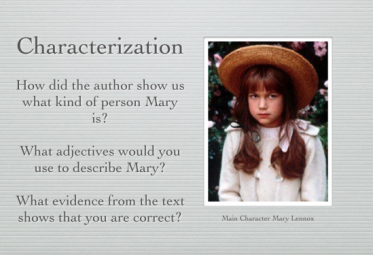
The Secret Garden is about a young girl named Mary Lennox who loses her family and everything familiar with her due to a cholera outbreak in India, where her father was working as a British Army Captain. As a child, Mary was quite neglected, but indulged by family’s servants, so she was a spoiled child with a terrible disposition. She had very few traits that would help her cope with a new life in England, where she was sent to live with a grouchy distant relative, Dl. Craven.
Dl. Craven had very strict rules for Mary to follow at her new home at Misselthwaite Manor in Yorkshire, which included her being forbidden to enter various rooms inside the giant mansion, as well as forbidden to enter one of the gardens on the sprawling property, which belonged to his beloved late wife. As Mary begins to explore her new home, she begins to find a sense of happiness and regains her health after being sickly for much of her childhood. After a robin helps her find the key to the secret garden, she finds a sense of purpose in restoring the garden, much as she restores her inner self. Through the thorns and dried leaves of winter, she finds much more lies within.
Aided by new friend Dickon, Mary develops her first friendships, and uses her newfound strength and kindness to help her bedridden cousin Colin, whom she finds tucked away in the manor. Friendship strengthens both Mary and Colin, and in the end, everyone witnesses a miracle only made possible by these close bonds and belief in oneself, two very important themes in the novel.
Young people will love reading this fantastic story of friendship, overcoming obstacles, and experiencing the healing power of nature. The characters and the lessons they teach us will surely touch your child and help them experience the power of a great story.
If you would like an opportunity for your child to experience this story with others, we are happy to let you know that we will be reading The Secret Garden as the first novel in our Young Classics Level 2 Course this summer.
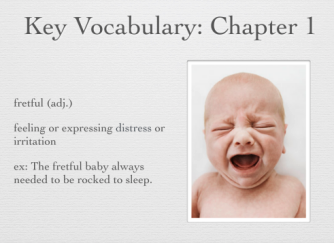
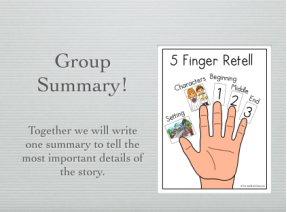
In the course, we not only read the novel, but we also learn and apply new vocabulary from the book, discuss important literary techniques used by the writer, and practice writing summaries, a key skill that many students find challenging
If you are interesting in learning more about Young Classics, or and of our other excellent and engaging courses, contactați unul dintre consultanții noștri în educație astăzi! We hope to work with your child very soon!
Literature study is an important aspect of any excellent academic program, and that is because it helps to teach students a wide range of knowledge and skills that are essential for success in many areas of life. While studying literature, students learn about important events and people throughout history, they consider cultural perspective and increase their own understanding of acceptance of different ideas and beliefs, and they learn how to analyse the words of others in order to form a deep understanding of new ideas and ways of communicating. In short, it exposes students to a toolbox of ideas, techniques, strategies, theories, and more that they will carry with them throughout their life, shaping the way they approach the world.
Why do we offer this course?
Reach Out students typically pursue high school programs such as IGCSE, which includes challenging courses such as English Language and Literature and English as a First Language. Later, most of those students will take on the challenge of IB and AP level programs, in which they must take on the task of reading a variety of literature. Our aim is to expose students in upper primary and middle school to a wide range of advanced literature so that by the time they reach high school they possess the knowledge and skills to hit the ground running, and therefore achieve to a higher level.
This course is designed for Grade 7-9 elevilor.
The Objectives of our Advanced Literature Course are to:
✪ Enhance students’ ability to understand and discern literary techniques used English and American literature, and the ability to communicate the effects of those techniques;
✪Improve children's literary comprehension skills and increase their understanding of British and American culture;
✪ Under the guidance of our expert educators, learn the power of language and storytelling in a challenging yet engaging way.
Meet Our Teachers
*Insert teacher bios here for Barry, Anthony, and John*
Our Book Selections:
Cry the Beloved Country by Alan Paton

Set in South Africa in the 1940s, award-winning Cry the Beloved Country tells the story of a Zulu Pastor, Steven Kumalo, who travels from his village to the city of Johannesburg. Along his arduous and heart-wrenching journey, he discovers that his sister and son have found themselves in terrible situations that he must now face with them. The characters’ vastly different lives become unexpectedly woven together through tragedy during a dark time in South Africa’s history. Cu toate acestea, through tragedy and challenges, the true nature of the human spirit can be found and uplift those who need it most.
Dracula by Bram Stoker

The legend of Dracula has loomed large in the minds of readers and movie-goers for generations. Bram Stoker based the infamous character of Dracula on the legend of the real life ruler of Wallachia, Vlad the Impaler. Stoker was able to take this dark corner of history and turn it into a legendary novel told through journal entries, letters and telegrams. As with any classic, Dracula has stood the test of time because it speaks to something very deep and meaningful within the human psyche.
Of Mice and Men by John Steinbeck
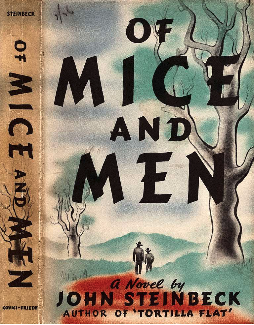
The Great Depression was a defining moment in American history that tested its strength as a nation, and placed the population in a precarious balance between life and death. In what is considered one of the greatest American classics, readers are introduced to two displaced migrant workers, George and Lennie. George is an intelligent young man, while Lennie is mentally disabled. George takes Lennie under his wing as they seek employment where few opportunities exist, trying to survive, yet still dreaming of the day they will have their own land and build a life. Their hopes are dashed when a devastating incident occurs that alters their lives forever.
What Students Will Gain
Develop an early sense of literary appreciation,
See the world from a more mature perspective
British and American classics contain thought-provoking moral and social issues. Reading the most influential classic literature thoroughly helps students become better readers, and begin the process of pursuing self-realization.
Improve understanding of culture and history
Learning allusions from classic British and American literature can help us bridge cultural differences. "The classics have opened the door to different worlds, different cultures, and different historical perspectives. Literature crosses race, culture, religion, and geography."
Self-reflection and personal growth
Many classic literature allude to our lives from the side: books that reflect similarities to our own lives are called "mirrors"; and those that give us a glimpse of different lives are called "windows." Whether it is a "mirror" or a "window", it further enriches the students' life experience and increases the courage and strength to face life.
Join Us!
Contact us to discover more about our course. We sincerely hope to meet your child soon, and develop a love of reading classic literature together.
It’s back to school time and we know parents are getting ready for a new year with new beginnings. The start of a new year is usually met with a mix of excitement and a bit of anxiety, as students and parents look forward to new skills and experiences, but also might feel nervous about new routines and expectations.
Nu vă faceți griji, Reach Out it here to help! This year, we have 5 top tips to a fantastic start to the school year.
Understanding how your child’s school approaches education, what curriculum they use, what systems, and standards are used can be overwhelming for non-educators. Spending a bit of time each day reading your school’s website content, handbooks, and other resources can help you feel more confident in understanding what your child is learning at school and how they are learning. It’s also important to attend your child’s back-to-school night and informational sessions to get a better understanding of your child’s program as a whole. It also provides a great opportunity for you to establish a relationship with your child’s teacher. At any time if you still have questions, you can always e-mail your child’s teacher. They are there for you and your child, as they know that a great relationship with parents is a fantastic way to ensure academic, social, and emotional success for all students.
2. Make Sure to Catch Enough Zzzzs Before the ABCs
Sleep is so important for a child’s growth and development, and a lack of it can negatively impact a child’s academic achievement. In fact, research shows that sleep depravation in children can lead to higher rates of anxiety and depression. When we sleep, our brain processes the information from he day, finds the best system to file it away in out memories, and re-charges our systems for a new day. For various reasons, parents often find sticking to an early bedtime difficult, but with a clear routine, and time for adjustment, it can be easy! Children 3-6 years old should be getting 10-12 hours of sleep per day, 7-12 year olds should get 10-11 hours per day, şi 12-18 year olds should get 8-9 hours per day. Creating a schedule where children get to bed earlier will make mornings easier as well, hopefully with less stress for both parents and children as they will be well rested and ready to start their day!
3. Ask the Right Questions at the Right Time
Sometimes parents are anxious to know how their child’s day was as soon as they get home from school, especially during the first few weeks. Those weeks are especially exhausting and full of ups and downs as your child learns to navigate new material, new friends, new teachers, and new expectations. Giving them time to come home and decompress is extremely important for their emotional and mental well-being. Once they have had some “me” time, parents can ask specific questions based on what they know they are working on, if they happen to know. They can go through their child’s homework diary with them and help them make a plan on how to tackle each task, as well as share in their enthusiasm for specific subjects, books, or information they also enjoy. Avoid asking, “How was school? What did you learn?” as kids respond much better to more specific questions, such as, “What did you do with your friends at lunch? What was the best part of your day? What was the weirdest or most wonderful thing that happened at school today?” Most importantly, parents should be fully present and listen intently when students answer, so they really feel valued and hear when they share.
4. Let Them Learn From Failure
This one can be extremely hard for parents to allow. We want our children to do well and reach their full potential, which means we might go over each assignment with a fine-toothed comb, correcting every mis-calculation or grammar mistake. Although parents have good intentions when we do this, we are taking away important learning opportunities from children when we do so. Back when we were students, many of our parents were often too busy or didn’t have the knowledge or capacity to help us with our school work, but we found a way to push through and try our best. If children are never given opportunities to fail when they are young, they might resist taking on challenges later in life for fear of failing at them. Cu toate acestea, when we let them fail gently, such as on an assignment or at a little league soccer game, we are teaching them resilience. It’s not the end of the world, and they learn a valuable lesson; that we can try and not succeed, dust ourselves off, and try again next time.
5. Nurture Their Passions
New school years are an exciting time for many reasons, one of them being that they provide children a chance to discover new passions. If they are lucky, they will stumble upon something they truly love, and that they can become fascinated with enough to spend hours on end discovering. Helping a child find his or her passion is not always easy and takes time. Sometimes parents worry if their child focuses too much on a couple of things, and feel they need to expose them to as much as possible to help shape them into well-rounded individuals. Cu toate acestea, if we look at the people who have shaped our world, it was because they had a laser focus on what they were passionate about. It was all they ever did or do. As humans, we naturally gravitate towards what we love most, and as long as it provides some sort of value on top of fulfillment, we should continue pursuing it. Aşa, don’t worry if your child protests going to one activity while running out the door to attend another. Maybe the one they love is the most valuable to their growth and development, and the one they don’t like isn’t that necessary after all.
We hope these tips have helped, and we wish you and your child the best in the coming school year! We are excited for the new school year and all of the challenges and hope it will bring.
Reach Out will be with you every step of the way, so be on the lookout for more information and more articles we hope you will love!