Na dosah ruky, veríme, že je veľmi dôležité oslavovať úspechy študentov. S potešením oznamujeme ďalšiu Hviezdnu študentku - Emma!
Emma predstavuje všetko, čo môžu študenti dosiahnuť tvrdou prácou a odhodlaním k dokonalosti. Učitelia Emmu uznávajú ako študentku, ktorá má úžasný prístup k učeniu, je veľmi vnímavý k poučeniu, a má mimoriadne podporujúcu rodinu, ktorá často komunikuje so svojimi učiteľmi. V triede, Emma je opatrná a pozorná poslucháčka, ktorá je dostatočne sebavedomá na to, aby zdieľala svoje nápady, ale dosť trpezlivý na to, aby každý dostal svoj rad. Nevadí jej riskovať, a dokáže vložiť svoju osobnosť do svojej práce.
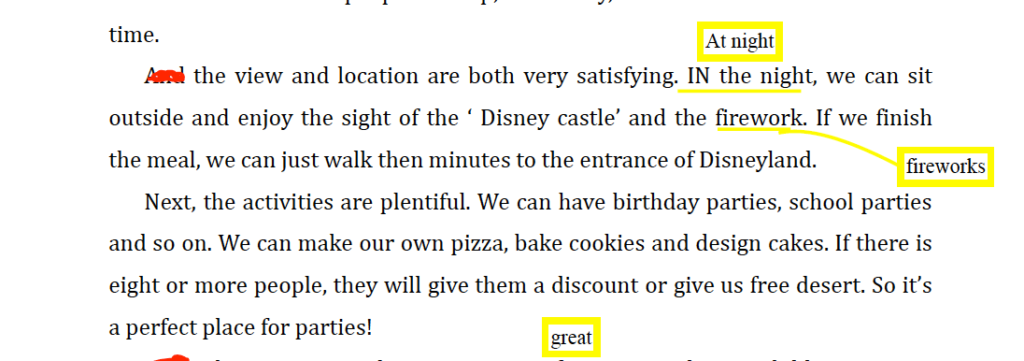
Emma je momentálne zapísaná do našej úrovne kreatívneho čítania a písania 4 Samozrejme, a preukázala skutočný dar v tom, že vo svojom písaní dokázala vytvoriť silné obrazy. Na začiatku semestra, dokončila recenziu pobočky Blue Frog v Shanghai Disneyland.
Emma ukázala svoju schopnosť kritizovať špecifické aspekty miesta, a rozvíjať svoje nápady pomocou vhodných detailov.
„Výhľad a umiestnenie sú veľmi uspokojivé. V noci môžeme sedieť vonku a užívať si pohľad na Disney Castle a ohňostroj.“
Ako semester pokračoval, Emma ukázala vývoj v jej písaní, a začal začleňovať pokročilejšie literárne techniky. V úlohe o opise krajiny, Emma dokázala vytvoriť silný obraz pomocou presnej slovnej zásoby a obrazného jazyka.
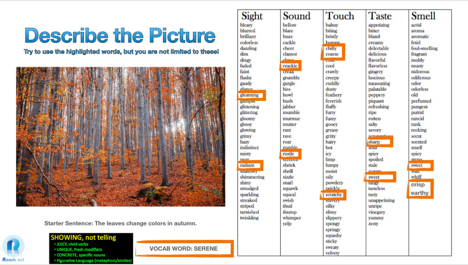
„Chlpatý mach striekal na slané kamene, keď sa šírili ďaleko, ako lekvár na chlebe. Keď fontána spadla do jazierka pod ňou, vytvorili sa kalné vlnky.“
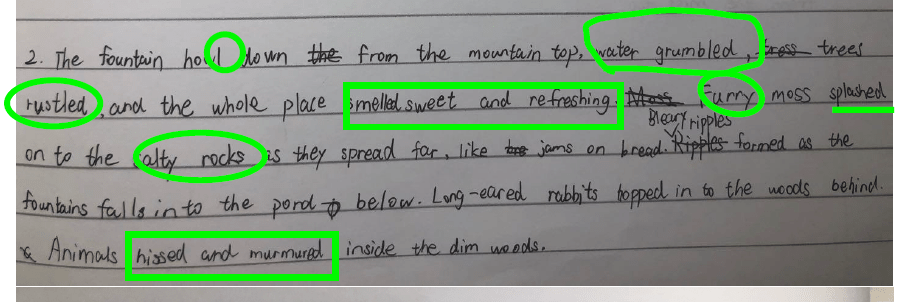
Emma pokračovala v uplatňovaní lekcií, ktoré sa naučila počas celého kurzu, a jej schopnosť spisovateľky sa posilnila. V nedávnej úlohe o písaní fantasy príbehu, Emma vytvorila prostredie a charakter svojho príbehu premyslene a efektívne.
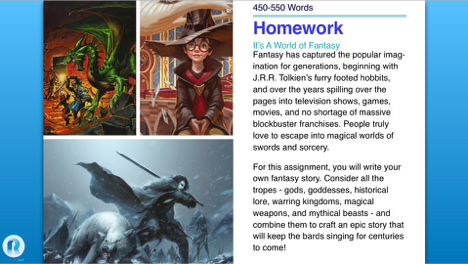
„Trblietavé slniečko svietilo z okna na mäkkú pôdu, hodvábna posteľná plachta. Pri otvorenom okne kvitli teplé sladké kvety. Na osviežujúcej stene zelenej farby z morských rias viseli matné, ale usilovné kresby.“
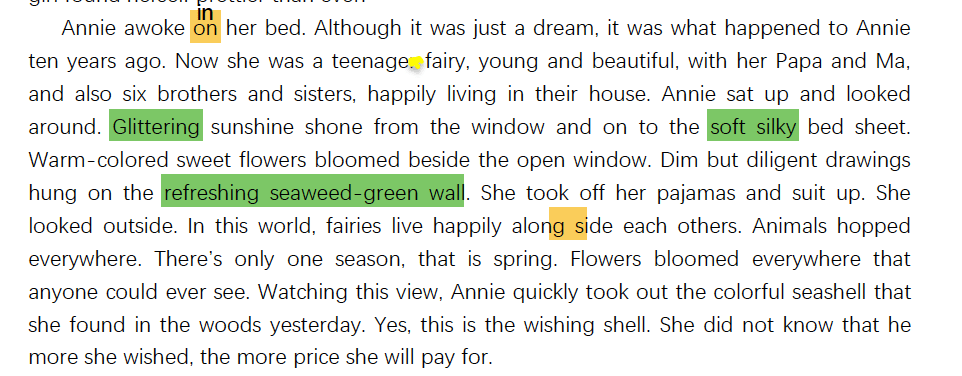
Ako vidíte, Emma vykazuje vlastnosti nádejnej mladej spisovateľky. Jej odhodlanie zlepšovať sa, a starostlivé uplatňovanie naučených lekcií pomohlo povýšiť jej písanie na pokročilejšiu úroveň.
Ďakujem Emma, za to, že som taká HVIEZDA! Tešíme sa na váš rast na dlhú dobu. Vieme, že toto je len začiatok skvelej cesty.
Ako pedagógovia, často sme dostali otázku, „Ako môžem prinútiť svoje dieťa, aby prestalo čítať komiksy?“ Rodičia sa obávajú, že komiksy neposkytujú vzdelávaciu hodnotu, nie sú dostatočne akademicky prísne, alebo najhoršie zo všetkého, strata času ich dieťaťa. K tomuto, naša odpoveď ich zvyčajne prekvapí, a tá odpoveď je, „Nechajte ich čítať komiksy!“
Je pochopiteľné, že rodičia by boli trochu znepokojení, pretože vnímanie je, že komiksy sú čisto na zábavné čítanie, však, komiksy majú mnoho výhod, okrem toho, že nám pomáhajú tráviť čas.
Komiksy a grafické romány nie sú nové formy písania. Samozrejme, tešia sa z nich mnohí po celé generácie. V priebehu rokov, žáner sa zmenil na jeden so značnou hĺbkou a významom, preto povzbudzujeme rodičov, aby svojim deťom umožnili nielen čítať komiksy, ale aj podporovať ich v tom.
Tu sú naše hlavné dôvody, prečo by ste si komiksy mali prečítať (hlavne v lete!):
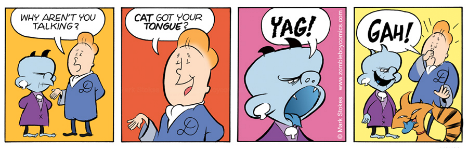
Pre študentov, ktorí nie sú rodenými hovorcami angličtiny, komiksy im poskytujú skvelý spôsob, ako si začať užívať anglickú literatúru. Pre veľa detí, úloha prejsť od učebnice anglického jazyka k románu môže byť veľmi skľučujúca, ale komiksy im môžu poskytnúť potrebný most na budovanie sebadôvery a plynulosti čítania. Vizuálne podnety na obrázkoch umožňujú študentom hlbšie pochopiť dej a postavy, ako aj novú slovnú zásobu. Okrem toho, zoznamuje ich s účinnými literárnymi prostriedkami, ako je napríklad onomatopoja (myslieť POW! SMACK! ZOOM!) a idiómy (ilustrácia znázorňujúca význam idiómu ako, "Mačka dostala tvoj jazyk."?“ dáva oveľa väčší zmysel ako zahrievanie idiómu samo o sebe!).
2.Zlepšenie inferencie
Inferencia je kľúčová čitateľská zručnosť, s ktorou mnohí študenti zápasia pri štandardizovaných hodnoteniach čítania. K dedukcii dochádza, keď robíme závery na základe toho, čo čítame. Príkladmi otázok, s ktorými sa študenti počas úloh alebo hodnotení čítania s porozumením stretnú, sú napr, „Ako sa postava cítila, keď?“, „O čom môžete vyvodiť záver...“ a „Aké bolo ponaučenie z príbehu?Komiksy vyžadujú, aby študenti „čítali medzi riadkami“ na odvodenie informácií, ktoré zvyčajne rozpráva rozprávač v románe, tak môžu získať množstvo cenných skúseností pri posilňovaní tejto zručnosti čítaním komiksov.
3.Sila slova!
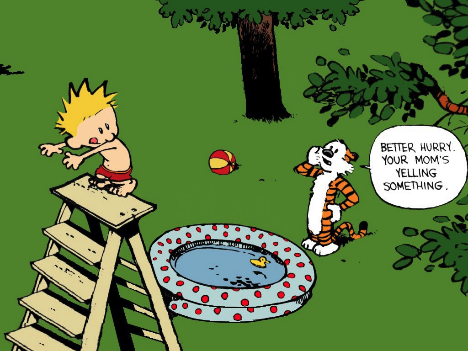
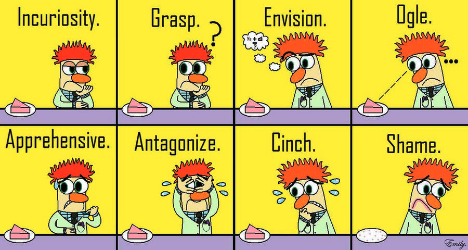
Často v komiksoch a grafických románoch, spisovatelia majú pomerne pokročilú slovnú zásobu, ako súčasť dejovej línie, tak aj v menách postáv. In 2016 na svetoznámom Comic-Cone v San Diegu, Kalifornia, panelista zložený z pedagógov diskutoval o sile komiksu pri budovaní slovnej zásoby študentov. James Bucky Carter, povedal autor knihy Building Literacy Connections with Graphic Novels, "Máš Colossus.", a on je taký veľký, obrovský kovový chlapík. Získate naozaj dobrý zmysel pre to, čo znamená slovo kolos, a to je dobré 10-centové slovo. Bansheeho sila kričí. Máte tieto postavy, ktoré stelesňujú slová slovnej zásoby, ktorými sú. Je to niečo, čo je zábavný spôsob, ako sa naučiť nové slová, okrem kontextových indícií.“
Po prečítaní tohto článku možno budete chcieť nechať svoje dieťa ponoriť sa priamo do čítania komiksov alebo grafických románov! To je hudba pre naše uši. Ak si nie ste istí, kde začať, máme niekoľko obľúbených študentov, ktoré by vaše dieťa mohlo chcieť vyskúšať!
Dog Man od Davea Pilkeyho

Miles Morales Spider-Man od Jasona Reynoldsa

Usmieva sa, sestry, Duchovia, Dráma a iné príbehy od Rainy Telgemeier
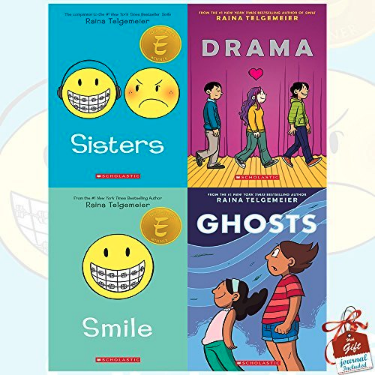
Bone od Jeffa Smitha

Hľadáte pre svoje dieťa viac príležitostí na letné čítanie? Pre viac informácií o našich letných kurzoch čítania kontaktujte jedného z našich vzdelávacích konzultantov. Tešíme sa na čítanie s vaším dieťaťom!
Skúškové obdobie je tu, a môže to byť veľmi stresujúce obdobie roka pre žiakov aj rodičov. V Reach Out sa chceme zo všetkých síl pokúsiť zmierniť úzkosť zo skúšky tým, že ponúkneme niekoľko jedinečných študijných tipov, ktoré ste možno ešte neskúsili.
Mnoho rodičov a učiteľov, ktorí to myslia dobre, sa často riadilo konvenčnou múdrosťou štúdia, však, Ak sa pozrieme na niektoré zaujímavé prístupy založené na výskume, môžeme vidieť, že existuje množstvo efektívnych spôsobov štúdia! Vždy je dobré skúšať nové veci, hlavne pre deti. Môžu zažiť nové spôsoby, ako robiť veci, keď sú mladí, a keď budú trochu staršie, môžu si vybrať spôsob, ktorý najlepšie vyhovuje ich osobným potrebám a štýlu.
Teraz, pozrime sa na tri jedinečné spôsoby štúdia.
Rozmanitosť je korením života – dokonca aj pri štúdiu
Pre mnohých, veľa rokov nám to hovorili, aby sme dobre študovali, mali by sme sa učiť každý deň na tom istom mieste; miesto, ktoré je tiché, dobre osvetlené, a má všetky naše materiály. Aj keď to môže byť pravda po určitú dobu, ktorú študujeme, výskum nám ukazuje, že nášmu mozgu sa skutočne darí lepšie, keď meníme miesto, kde študujeme. Celkom prekvapivé, správne?
V štúdii vykonanej úplne späť 1978, dostali vysokoškoláci 40 slovná zásoba slová na štúdium. Jednej skupine bolo povedané, aby si zoznam preštudovala dvakrát na tom istom mieste. Druhej skupine bolo povedané, aby si preštudovala zoznam na dvoch rôznych miestach. To, čo našli, bolo, skupina, ktorá menila svoje študijné miesta, mala v skutočnosti lepšie výsledky pri zapamätaní si slov neskôr. Teraz prečo je to tak? Dobre, náš mozog často vytvára spojenia s informáciami na základe nášho prostredia, takže čím viac meníme naše prostredie, tým viac dávame nášmu mozgu šancu zachovať si informácie, pretože sa pripájajú k viacerým veciam. To môže byť aj dôvod, prečo jedna vizualizačná technika, kde si človek predstavuje veci, ktoré si chce zapamätať, na určitých miestach v prostredí, ktoré pozná, môže byť aj taká účinná. Pre študentov, jednoduché prepnutie prostredia môže pomôcť!
Bavte sa!
Niektorí rodičia by sa mohli mylne domnievať, že ak sa ich dieťa smeje alebo je nadšené pri učení alebo štúdiu, možno strácajú čas. Avšak, nemusí to tak byť.
Ako rodič, vo svojej práci alebo kancelárii môžete mať z času na čas špeciálne dielne. Workshopy sa zvyčajne používajú ako nástroj, ktorý vám pomôže dozvedieť sa o novej stratégii, nápad, alebo informácie, ktoré vám pomôžu dozvedieť sa viac v práci. Tieto stretnutia často vedú ľudia, ktorí sa špecializujú na vytváranie motivujúcich a inšpiratívnych workshopov, ktoré povzbudia zamestnancov a dodajú im energiu.. Dni môžu byť dlhé a intenzívne, ale ak sú urobené správne, zamestnanci môžu odísť s dôverou vo svoje nové vedomosti a zručnosti.
To isté platí pre mladých ľudí. Predstavenie hry a zábavy ako spôsobu učenia sa na skúšky nielenže vyčarí vášmu dieťaťu úsmev na tvári, ale výskum naznačuje, že zábava pri učení aktivuje určité kognitívne zdroje, spája odmeny a potešenie s učením, posilňuje a rozširuje pamäťové siete, a prepína abstraktné myslenie a sústredenú pozornosť.
Technika Pomodoro
Zostať sústredený, on-task a motivovaný dokončiť určité činnosti môže byť ťažké pre dospelých aj deti. Mali ste niekedy pocit, že celé hodiny hľadíte na obrazovku počítača, ale dosiahol veľmi málo? Alebo možno máte termín o pár dní, ale k cieľovej čiare sa blížia len krokmi? niet sa čo čudovať, ako výskum ukazuje, že naša myseľ má tendenciu blúdiť 20% času, pre mladších možno ešte viac.
Jednu zaujímavú techniku vytvoril vysokoškolák Francesco Cirillo ako spôsob, ako mu pomôcť zostať sústredený, a to je technika Pomodoro, ktorý dostal svoje meno podľa časovača v tvare paradajky, ktorý Cirillo používal pri testovaní tejto stratégie na sebe. Funguje to tak, že nastavíte časovač 25 minút, čo je pracovný čas. Potom ho znova nastavte na 5 minút, čo je prestávka. Toto je skvelý čas na vstávanie, natiahnuť, obísť sa okolo domu, pohladkaj mačku, alebo sa napite vody alebo občerstvenia. Po prestávke vypršal čas, nastavte časovač na iný 25 minút a opakujte!
Ukazuje sa, že táto stratégia je podložená vedeckými dôkazmi, ako vedci dospeli k záveru, že krátke prestávky pomáhajú udržať vašu pozornosť na správnej ceste. Môže to súvisieť so skutočnosťou, že kognitívna nuda môže viesť k nezaangažovanej mysli, čo je to posledné, čo by ste chceli, keď sa učíte na dôležitú skúšku.
Dúfame, že ste si užili skúmanie týchto jedinečných študijných tipov rovnako ako my! Prajeme vášmu dieťaťu veľa šťastia pri skúškach tento mesiac. Jiayou!
Vieme, že je toho veľa, čo môžeme urobiť pre výchovu a vzdelávanie našich detí, to je dôvod, prečo ako rodičia často vynakladáme veľké úsilie na to, aby sme im vyplnili čas obohacujúcimi aktivitami a hodinami. Prečo to robíme? Z mnohých dôvodov samozrejme, ale hlavným cieľom je zabezpečiť ich budúci úspech. Rodičia dúfajú, že ich deti budú v živote ešte úspešnejšie, ako boli oni sami. Úspech, samozrejme, je subjektívne, a všetci môžeme mať vlastnú definíciu úspechu. Vo všeobecnosti však, možno sa zhodneme na tom, že k úspechu patrí aj pocit spokojnosti v osobnom živote, ako aj pocit spokojnosti s kariérou a finančnej istoty.
Nedávno sa na sociálnych sieťach zdieľal zaujímavý TED Talk, v ktorom bývalý dekan prváka na Stanfordskej univerzite, Julie Lythcott-Haims, cituje dôkazy z Harvard Grant Study, ktoré korelujú profesionálny úspech v živote s jednotlivcami, ktorí robili domáce práce ako deti. Nie futbalový tréning, nie učenie sa jazykov, nie maľovanie, ale domáce práce.
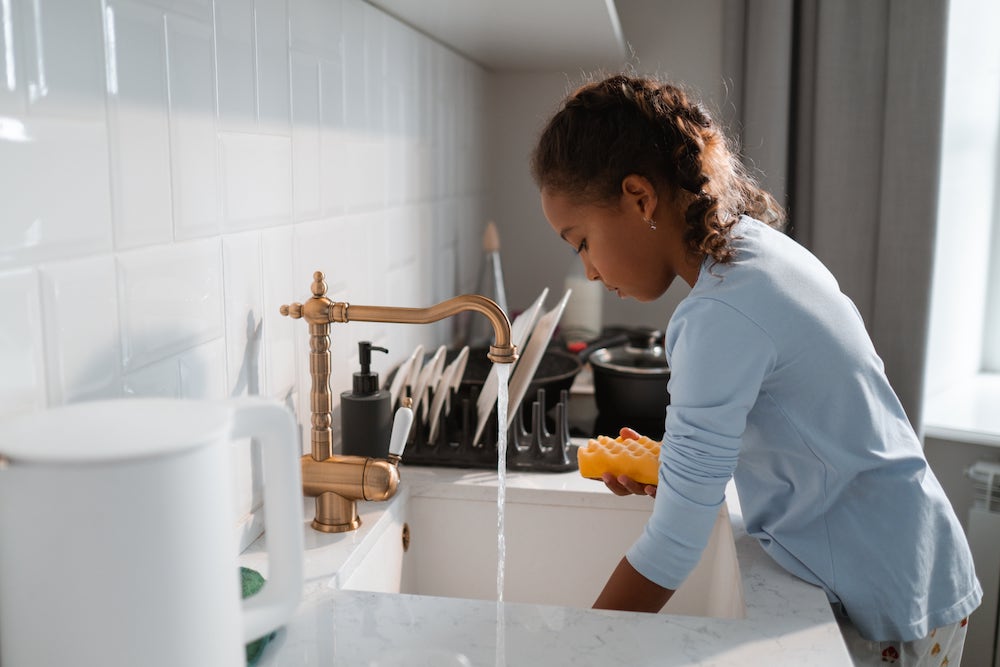
Prekvapivo správne?
Mnohé z našich detí, ktoré vyrastajú vo veľkých mestách, možno nikdy nevedia, aké to je umývať riad, umyť okno, alebo utrieť podlahu. Mohli by sme mať pocit, že je potrebné urobiť dôležitejšie veci na budovanie ich vedomostí a ich charakteru. Lythcott-Haims vysvetľuje, že tie deti, ktoré áno, si zašpinia ruky, však, môžu dosiahnuť úroveň úspechu v živote, ktorá prekoná ich rovesníkov, ktorí si nerobia prácu. Je to preto, že učí študentov, ako prispieť a zintenzívniť, keď je potrebné pracovať, a že robenie „gruntovej práce“, ktorej by sa ostatní mohli posmievať, pretože to je to najlepšie pre všetkých, je to, čo si ľudia všimnú na pracovisku.
Pozoruhodné boli pracoviská špičkových pracovníkov, ktorí sa zúčastnili Harvard Grant Study, ako je Biely dom, kde pôsobil účastník prezident Kennedy, a redakcia, kde sedel Ben Bradlee ako redaktor The Washington Post. Môžeme predpokladať, že ich rodičia, ako my, musel poháňať a prosiť o vykonanie domácich prác, a akceptovať to, aj keby boli hotové, možno neboli urobené dobre; a to je v poriadku.
Dôležitá vec, ako zdôrazňuje Lythcott-Haims, je to tým, že robí domáce práce, deti si uvedomujú, že oni, "...musíte robiť prácu života, aby ste mohli byť súčasťou života." Uvedomujú si, že život sa im len tak nestáva, a pre nich, ale s ich.
Ak už vaše deti robia domáce práce v rámci svojej každodennej letnej rutiny, bravo! Ste na správnej ceste. Ak nie, netreba panikáriť. Nikdy nie je neskoro zaviesť domáce práce do života našich detí. Tu je niekoľko tipov, ktoré vám pomôžu začať!
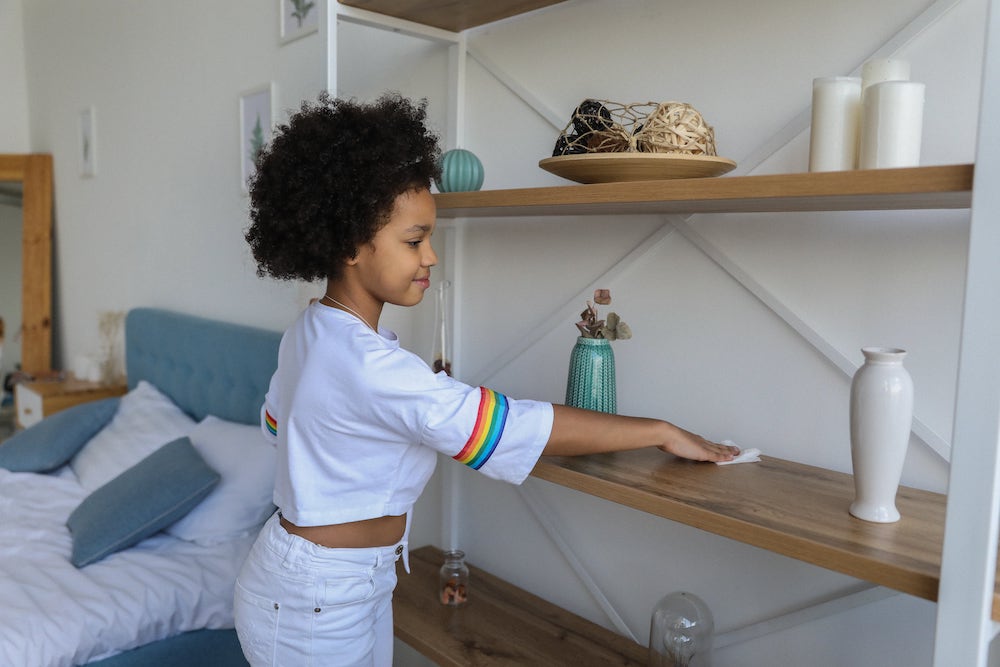
Nech sú toho súčasťou
Pri zavádzaní konceptu, aby vaše deti dokončili domáce práce, pomôžu, usporiadajte „rodinné stretnutie“, na ktorom budú všetci prítomní, aby prediskutovali, čo sa bude od vašich detí očakávať a prečo. Môžete požiadať svoje dieťa, aby vám pomohlo napísať zoznam domácich prác, s ktorými by mohlo potenciálne pomôcť. Môžu vás prekvapiť svojím nadšením, pretože robenie domácich prác je pre niektoré deti veľmi vzrušujúce, pretože sa vďaka tomu cítia posilnené a užitočné. (dve veci, ktoré často radi cítime ako dospelí).
Game-ify It
Aby boli veci zábavné, pretože zábava robí všetko lepším, vy alebo vaše dieťa môžete napísať úlohy na paličky od nanukov a každý deň si môže vaše dieťa vybrať jednu paličku z téglika. To bude ich denná práca! Ak máte doma viac ako jedno dieťa, upratovanie môžete vždy premeniť na súťaž tak, že nastavíte časovač a uvidíte, ktoré dieťa dokáže upratať najviac hračiek za daný čas, napríklad.
Odmeňte to
Ako rodičia, za naše príspevky v práci sme odmeňovaní mzdou. Nemali by byť za svoju tvrdú prácu odmenené aj naše deti? Jedna myšlienka je, že ak vaše dieťa dokončí všetky svoje domáce práce za týždeň, môže si vybrať malú hračku z „pokladnice“ naplnenej malými hračkami. Ďalšou možnosťou by mohlo byť, že ak vaše dieťa dôsledne plní úlohy po dobu jedného mesiaca, môžu si vybrať extra špeciálny rodinný výlet.
Naučiť naše deti robiť domáce práce nie je vždy jednoduché, ale potenciálne výhody stoja za čas a námahu. Dúfame, že vám naše tipy boli užitočné, a že môžu pomôcť viesť k pozitívnej skúsenosti pre vás a vaše dieťa. Príjemné upratovanie!
S potešením oznamujeme nový letný knižný klub, len pre rodičov! Leto je ideálny čas na čítanie knihy, ktorú ste si vždy chceli prečítať, ale nemali na to čas. Toto leto, pozývame vás, aby ste sa k nám pridali pri čítaní Ako hovoriť, aby deti počúvali a počúvali, aby deti rozprávali.
Vieme, že nie je vždy ľahké spojiť sa s našimi deťmi kvôli požiadavkám školy, prácu a každodenný život. Niekedy nám naše obavy z budúcnosti zasahujú do toho, že žijeme práve teraz. Avšak, jedna vec, ktorú môžeme zaručiť, je, že už nikdy nedostaneme šancu zažiť detstvo s našimi vlastnými deťmi, a nechceme premeškať tento vzácny čas. Takže, ako to môžeme čo najlepšie využiť a viesť zmysluplné rozhovory s našimi deťmi, ktoré posilnia naše puto a pomôžu našim deťom cítiť podporu? Toto sú veľké otázky mnohých z nás.
Aby ste nám pomohli odpovedať na tieto dôležité otázky, pozývame vás, aby ste si s nami prečítali jednu z najpopulárnejších kníh o rodičovstve všetkých čias, napísali Adele Faber a Elaine Mazlish. Ako hovoriť, aby deti počúvali a Počúvajte, aby deti rozprávali, ktorá nás učí, ako akceptovať pocity našich detí, pretože tým by sme mohli nevedomky spôsobiť zlé správanie. Učí nás tiež pozitívnym spôsobom, ako podporiť spoluprácu, ako aj nezávislosť, autonómia, a sebavedomie. Toto sú všetky zložky potrebné na pomoc pri pestovaní pozitívneho vzťahu rodič-dieťa, ktorý skutočne pomôže vyrásť z našich detí sebavedomých a schopných dospelých.
Ako to bude fungovať?
Prvým krokom je kontaktovať jedného z našich vzdelávacích konzultantov a zaregistrovať sa. Registrácia je ZDARMA a otvorená pre každého! Vytvoríme skupinový chat, kde bude obsah a zdieľanie knihy prebiehať od 1. júla. Lindsey v pohode, nášho manažéra pre vzdelávanie, sa pripojí ku skupine aj ako rodič, keďže je matkou dvoch chlapcov, vo veku 4 a 6, ktorý sa bude učiť spolu s vami. Bude tiež pomáhať pri vedení týždenných diskusií.
Kniha je dostupná v angličtine a čínštine a je ľahko dostupná v tlačenej verzii, elektronická kniha, alebo formáty audiokníh.
Potom sú dve možnosti, ako by ste sa chceli zúčastniť:
Rozvrh čítania je nasledovný:
týždeň 1: kapitoly 1 & 2
týždeň 2: kapitoly 3 & 4
týždeň 3: kapitoly 5 & 6
týždeň 4 kapitoly 7 & Doslov
Na konci mesiaca, usporiadame online workshop pod vedením školského poradcu, Regina Wehner. V dielni, Regina sa podelí o ďalšie informácie a stratégie, ktoré môžete použiť na posilnenie vášho vzťahu s vaším dieťaťom.
O Regine Wehnerovej
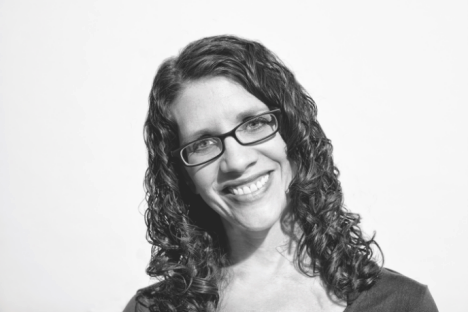
Regina Wehner je licencovaná školská poradkyňa, ktorá už dlhšie pracuje so študentmi na strednej škole 16 rokov. Pôvodne zo Spojených štátov amerických, žije s manželom a 2 deti, vekov 10 a 12, v Pekingu, Čína.
Regina pracuje na Západnej akadémii v Pekingu (WAB), rozmanitá medzinárodná škola. Veľkou súčasťou práce školského poradcu je pomáhať študentom učiť sa o sebe a iných, keď rastú. Regina tiež organizuje každý mesiac Parent Coffee Mornings, aby spojila rodičov, aby sa dozvedeli viac o vývojových zmenách svojich detí a o tom, ako komunikovať počas týchto prechodných období.
Ak sa chcete pripojiť, kontaktujte nás ešte dnes!
Pomôžte svojmu dieťaťu naučiť sa novú slovnú zásobu
Výskum naznačuje, že ak chceme, aby študenti uspeli v akademickom kontexte, o dôležitých hodnoteniach a vysokých skúškach, ako aj ich budúcu kariéru, musíme im pomôcť rozvíjať ich slovnú zásobu. Dôvodom je toto: naše chápanie nových informácií je priamo spojené s naším chápaním slovnej zásoby používanej na komunikáciu týchto nových informácií.
Pre študentov, rozšírenie ich slovnej zásoby je jedným z kľúčov k úspechu pri zvládnutí jazyka; čím viac slov poznáme, tým viac slovám rozumieme, a tým viac slov môžeme použiť v našom písaní, aby bolo pôsobivejšie a efektívnejšie. Avšak, učenie sa slovnej zásoby sa niekedy považuje za únavný alebo prchavý proces. Niekedy si rodičia nie sú istí, ako viesť svoje deti, najmä preto, že spôsob, akým pristupujeme k štúdiu slovnej zásoby, sa môže výrazne líšiť od spôsobu, akým ho študovali rodičia, keď boli v škole.
nerob si starosti, Reach Out je tu, aby vám pomohol! Preskúmajme získavanie slovnej zásoby (proces zapamätania a aplikácie novej slovnej zásoby), a my vám povieme, ako môžete pomôcť svojmu dieťaťu vybudovať si slovnú zásobu!
Hovorte o tom!
Môže sa to zdať príliš jednoduché, ale pokiaľ ide o učenie sa nových slov, jedným z účinných spôsobov, ako to mladí ľudia robia, je rozprávať sa s ostatnými. Deti sa najlepšie učia nové slová, keď sú v kontexte, napríklad v rozhovore na určitú tému. Môžu odvodiť významy nových slov na základe toho, ako sa používajú spolu s inými slovami, ktoré už poznajú..
Pravdepodobne vás pri mnohých príležitostiach vyrušilo vaše dieťa, keď používate neznámu slovnú zásobu a ono sa zvedavo pýtalo, „Čo znamená katastrofa?„Možno ste mali na mysli stav ich spálne (ako v tom je úplný neporiadok), a tým, že im venujete chvíľku, aby ste im vysvetlili viaceré významy katastrofy, nielenže ich naučíte nové slovo na opísanie chaotické miestnosti, ale aj zlyhanie alebo prirodzene sa vyskytujúci jav, ako je prírodná katastrofa.
Takže, Rozhovor s dieťaťom je skvelý spôsob, ako ho naučiť nové slová!
Preskúmajte to!
Študenti vo všeobecnosti chápu, že môžu použiť slovník alebo prekladač, ak narazia na slovo, ktoré nepoznajú, ale niekedy im dokonca definícia slova môže spôsobiť viac otázok ako odpovedí.
Podľa našich skúseností, veľa študentov nepoužíva jeden veľmi dôležitý nástroj na učenie sa a aplikáciu novej slovnej zásoby, a tým nástrojom je tezaurus! Ak si všimnete, že vaše dieťa nadmerne používa slovo pri rozprávaní alebo písaní, napríklad, "pekná", "roztomilý", "dobre", alebo "zle", potom venujte nejaký čas tomu, aby ste im ukázali, ako používať webovú stránku, ako napr thesaurus.com hľadať tie slová. Keď vyhľadajú slovo ako „pekná“, uvidia, že namiesto toho existuje toľko zaujímavých a jedinečných slov! ja
Podľa našich skúseností, študenti naozaj radi používajú novú slovnú zásobu, a cítiť sa oprávnení vedieť, že existuje nástroj, ktorý im pomôže posilniť ich slová.
Hrať!
Zábava pri učení nie je len niečo, čo učitelia robia, aby boli študenti spokojní, v skutočnosti to dokázala neuroveda ako účinný spôsob, ako pomôcť študentom učiť sa stále hlbšie. Výskum ukazuje, že keď sú študenti stimulovaní aj vyzývaní, ich mozog uvoľňuje dopamín. Dopamín je neurotransmiter, ktorý stimuluje pamäťové centrá a podporuje uvoľňovanie acetylcholínu, čo zvyšuje sústredenú pozornosť.
V našich kurzoch tu na Reach Out, výučba slovnej zásoby je dôležitou súčasťou každej hodiny. Kurzy spúšťame aj toto leto, Úrovne tvorby slovnej zásoby 1-3, v ktorom sa zameriame výlučne na to, aby sme vášmu dieťaťu pomohli rozšíriť si slovnú zásobu o nové náročné slová. Zatiaľ čo zvolené slová ponúkajú výzvu, nástroje ako Quizlet a hry ako Guess Who a Sentence Racer poskytujú študentom príležitosť na interakciu zmysluplným a pútavým spôsobom..
Ako vieme, že tieto metódy sú účinné? Pretože naše desaťročia skúseností, a štúdium pedagogickej psychológie a metodológie nás naučili, ako sa študenti najlepšie učia!
Radi by sme pomohli vášmu dieťaťu naučiť sa novú slovnú zásobu ako jeden zo spôsobov, ako sa môže stať efektívnejším a úspešnejším čitateľom, spisovateľ, a reproduktor. Ak sa chcete dozvedieť viac o tom, ako môžeme pomôcť, kontaktujte ešte dnes jedného z našich konzultantov pre vzdelávanie!
Ak hľadáte viac individualizovanú vzdelávaciu službu, Reach Out ponúka služby 1 na 1 s našimi odbornými pedagógmi!
Čo ponúkame?
Naši učitelia ponúkajú širokú škálu predmetov 1 na 1 vrátane angličtiny, Spoločenské vedy, a matematika.
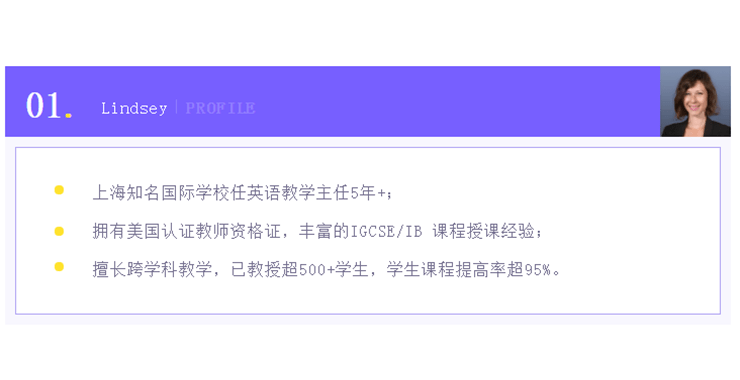
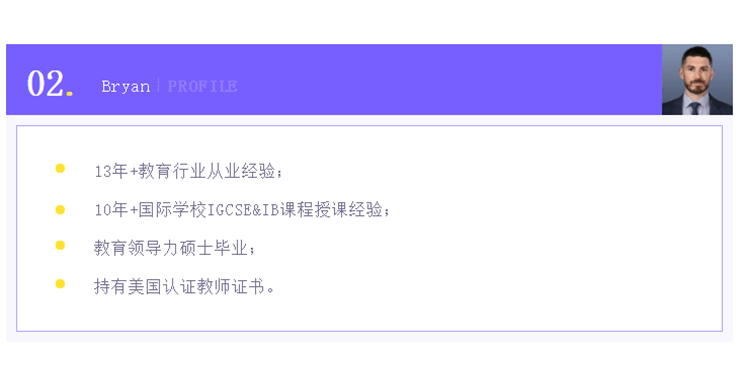
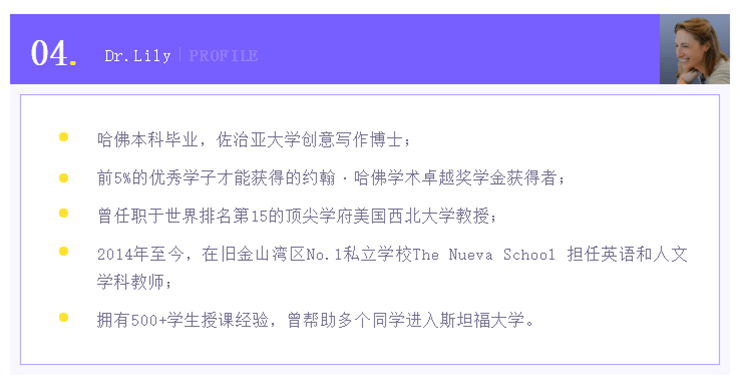
Zoznámte sa s niektorými našimi vysokokvalifikovanými a skúsenými učiteľmi!
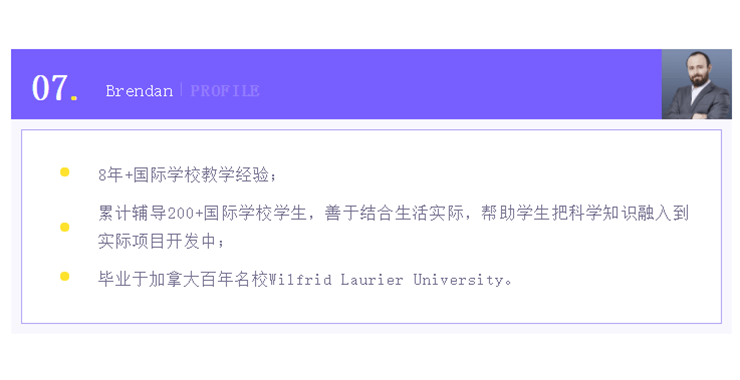
Prečo by som si mal vybrať služby 1 na 1?
Možno sa vaše dieťa pripravuje na štúdium v zahraničí alebo sa hlási na novú školu a chcelo by intenzívnejší a cielenejší prístup, aby si zdokonalilo svoje zručnosti.. Prípadne, vaše dieťa sa nemusí cítiť dostatočne náročné vzhľadom na jeho súčasné učebné osnovy, a potrebuje alternatívny prístup, ktorý je vhodnejší pre úroveň jeho schopností.
Existuje niekoľko dôvodov, prečo môže rodič vyhľadávať služby, ako je táto, a môžeme vás uistiť, že sa vždy budeme snažiť pochopiť jedinečnú situáciu vášho dieťaťa a poskytnúť mu službu, ktorá je preň najlepšia.
Ako to funguje?
S naším praktickým prístupom, a orientačný proces, posúdime vedomosti a zručnosti vášho dieťaťa na základe aktuálnych hodnotiacich údajov, schopnosť písať, a ďalšie. Na základe našich zistení, vyberieme učiteľa, ktorý najlepšie vyhovuje potrebám vášho dieťaťa. Všetci učitelia Reach Out boli starostlivo vybraní, a majú dlhoročné skúsenosti s výučbou náročných učebných osnov, ako napríklad IGCSE, IB, a AP, na špičkových školách z celého sveta.
Náš proces je zameraný na cieľ. Zisťujeme, čo presne vaše dieťa potrebuje na dosiahnutie svojich vzdelávacích cieľov, a potom vytvoríme jedinečnú a na mieru šitú vzdelávaciu cestu, ktorá bude najlepšie vyhovovať konkrétnym potrebám vášho dieťaťa.
Čo ešte ponúka Reach Out?
Okrem služieb 1 na 1, Reach Out ponúka širokú škálu kurzov špeciálne navrhnutých tak, aby vyzvali a zaujali vaše dieťa v 2. až 8. ročníku s obsahom nad úrovňou ročníka, aby ste im pomohli pripraviť sa na náročné programy, ako je IGCSE., IB, a AP.
Ako sa môžem dozvedieť viac?
Ak chcete zistiť viac o našich službách 1 na 1, kontaktujte ešte dnes jedného z našich konzultantov pre vzdelávanie, aby ste sa dozvedeli viac! Tešíme sa, že pomôžeme vášmu dieťaťu dosiahnuť jeho vzdelávacie ciele pre svetlú budúcnosť!
Kto sme
Ako ste si mohli všimnúť, rastieme a máme niekoľko zaujímavých prírastkov k tomu, čo ponúkame tu na Reach Out. Ako už je to nejaký čas, čo sme sa predstavili, mysleli sme si, že sa s vami podelíme o náš príbeh, aby sme vám pomohli lepšie pochopiť, kto sme a čo robíme!
Naša misia
Poslaním programu Reach Out je spojiť študentov s odbornými pedagógmi, ktorí vytvárajú a prinášajú originály, inšpirujúce, učebné osnovy svetovej úrovne. Vydali sme sa na túto cestu, aby sme pomohli študentom pochopiť, ako nájsť svoj vlastný jedinečný hlas a odhaliť kreatívne a hodnotné nápady, ktoré sa ukrývajú v každom z nich.. S ich hlasmi, majú moc zmeniť svet, a chceme ich k tomu splnomocniť.
Naša vízia
Reach Out sa snaží byť medzinárodne uznávanou vzdelávacou inštitúciou, ktorá umožňuje študentom prístup k medzinárodným osnovám a pedagógom najvyššej úrovne, bez ohľadu na to, kde na svete sú. Naši študenti budú vnímaví, zvedavý, a kritických mysliteľov, ktorí robia informované rozhodnutia ako vynikajúci riešitelia problémov a komunikátori. Študenti Reach Out dosiahnu svoje akademické a osobné ciele a sny od základnej školy až po univerzitu, umiestnenie ich skvelej budúcnosti na dosah.
Naše základné hodnoty
Toto sú princípy, ktoré formujú Reach Out:
Náš príbeh
Reach Out vytvorila malá skupina oddaných matiek, možno veľmi podobný sebe. Spojila ich spoločná vízia vzdelávacích potrieb ich detí. Niektorí hľadali vzdelávací program, ktorý by ich deťom mohol poskytnúť prístup k myšlienkam, vyučovanie filozofie, a metodiku, ktorá zodpovedala tomu, čo zažili počas života v zahraničí. Iní hľadali internacionalizované učebné osnovy, ku ktorým by ich deti mali prístup, aby si obohatili svoje vzdelávacie skúsenosti v Číne. Spoločné mali túžbu po dôslednom programe, ktorý zároveň otvoril dvere kreatívnemu a kritickému mysleniu, sebareflexia, a osobný prejav - charakteristické znaky silného medzinárodného učebného plánu. Potom, čo strávil veľa času skúmaním rôznych možností, tieto mamy nedokázali nájsť nič, čo by celkom vyhovovalo potrebám ich detí.
Takže, urobili to, čo by urobila každá dobrá matka, dostal šancu, a našli svoj vlastný spôsob, ako ponúknuť svojim deťom najlepšie možné vzdelávacie príležitosti, ktoré im pomôžu prosperovať. Konzultovali s odbornými učiteľmi a spolupracovali s ostatnými rodičmi, aby zistili, ako by mohli najlepšie uspokojiť potreby iných detí s podobnými cieľmi. deti, dúfame, ako tvoj.
Rodičia sa zaviazali:
S radosťou môžeme konštatovať, že tieto mamičky dosiahli svoj cieľ. Dnes Reach Out sa môže pochváliť kompletným radom prísnych, no zároveň pútavých kurzov, v ktorých sa študenti učia do hĺbky a zároveň sa zabávajú a vytvárajú zmysluplné vzťahy so svojimi učiteľmi a rovesníkmi..
To všetko kvôli oddanosti našich zakladajúcich matiek vzdelávaniu a šťastiu svojich detí.
Čo nás robí jedinečnými?
Aj keď chápeme, že rodičia majú množstvo možností, pokiaľ ide o programy, ktoré obohacujú vzdelávanie ich detí, veríme, že ponúkame mnoho jedinečných vlastností, ktoré inde len tak ľahko nenájdete.
Náš tím pozostáva z vysoko kvalifikovaných a skúsených pedagógov, ktorí vytvorili jedinečný a prísny program založený na medzinárodných školských štandardoch, ktorý pripravuje mladších študentov na prijatie prísnych učebných osnov, ako je IGCSE, IB, a AP.
-Naše individuálne programy a učebné osnovy navrhnuté tak, aby presahovali vzdelávacie potreby našich študentov
-Naša filozofia výučby inšpirovať a posilniť študentov, a vyučovaciu metodológiu umožňujúcu študentom široko a hlboko skúmať vedomosti a zároveň rozvíjať lásku k učeniu
-Náš záväzok k dlhodobému úspechu našich študentov, keďže sa snažíme vybaviť ich základnými zručnosťami, ktoré budú potrebovať, aby uspeli vo svojej budúcej kariére a vo svete mimo školy
- Podrobná spätná väzba, ktorú poskytujeme so všetkými našimi študentskými hodnoteniami, aby študenti vedeli, kde sú úspešní a kde by sa mohli zlepšiť, ako aj doplnkové materiály a pokyny potrebné na to, aby pomohli našim študentom odstrániť medzery v porozumení
-Naša oddanosť rozvíjaniu kritického myslenia a schopností našich študentov riešiť problémy, ktoré budú nevyhnutné pre ich budúcnosť, ako aj budúcnosť našej globálnej spoločnosti
-Náš prísľub zamestnať všetkých našich pedagogických a nepedagogických zamestnancov na základe ich vzájomnej vášne pre vzdelávanie
-Naša schopnosť umožniť študentom používať jazyk, vedomosti, a zručnosti, ktoré nadobudnú, aby sa rozvinuli mimo triedy a stali sa zvedavými, celoživotne sa vzdelávajúcich, ktorí kladú výzvy a usilujú sa o ne, napĺňajúci, a hodnotné ciele.
-Naše praktické, individuálny prístup k vytvoreniu vzdelávacej cesty pre našich študentov, takže bez ohľadu na to, na akej úrovni sú, keď sa k nám pridajú, budú vybavené nástrojmi potrebnými na zlepšenie a rýchly rast
-Náš záväzok poskytnúť našim klientom informácie a skúsenosti, ktoré im pomôžu urobiť absolútne najlepšie rozhodnutia pre vzdelávanie ich dieťaťa, a to ponukou informačných článkov, videá a workshopy.
Naše učebné osnovy
Náš učebný plán Modrej línie, ktorá zahŕňa kurzy pre študentov v Grades 2 do 8, bol navrhnutý odbornými pedagógmi s pokročilou úrovňou vo svojich predmetoch, ktorí strávili desaťročia na niektorých z najlepších medzinárodných škôl na svete. Od prvého ročníka programov, ako je široko uznávaný a rešpektovaný program IGCSE, používame spätný návrh učebných osnov..
Keďže naši pedagógovia strávili roky výučbou kurzov pred IGCSE, IGCSE, Učebné osnovy IB a AP alebo A, chápu, čo študenti potrebujú, aby v týchto programoch uspeli. Takže, každý aspekt nášho učebného plánu bol vytvorený tak, aby sa zabezpečilo, že všetci naši študenti nastúpia na prvý deň ročníka 9 pocit sebavedomia, vybavené, a pripravený splniť požiadavky týchto prísnych kurzov.
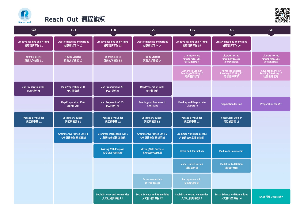
Ponúkame širokú škálu kurzov v predmetoch anglického jazyka, Matematika, História a geografia. Nižšie nájdete podrobnejšie informácie o našej kompletnej ponuke kurzov.
Doplnkové služby
Sme tiež radi, že môžeme oznámiť vytvorenie našej striebornej línie, ktorá ponúka vzdelávacie služby na mieru s individuálnym prístupom k uspokojovaniu potrieb našich študentov. Začíname s hlbokým hodnotením vzdelávacích cieľov a potrieb každého študenta, a potom vytvorte a implementujte schému práce, s ktorou naši odborní pedagógovia prevedú vaše dieťa akademickými výzvami strednej školy, aby ho pripravili na to, aby nakoniec mohlo ísť na vysnívanú univerzitu..
Ponúkame tiež služby 1 na 1 na všetkých úrovniach pre rodičov, ktorí chcú svojim deťom ponúknuť viac individuálnej starostlivosti a výučby. Naši odborní konzultanti v oblasti vzdelávania sa postarajú o to, aby vášmu dieťaťu priradili najlepšieho pedagóga pre jeho špecifické potreby a ciele.
Pridajte sa k nám!
Tešíme sa na stretnutie s vašou rodinou a na diskusiu o tom, ako sa môžete stať súčasťou našej rodiny Reach Out; ktorý sa učí spolu, stará sa jeden o druhého, spoločne prekonávajú výzvy, a navzájom oslavujú úspechy. Kontaktujte nás ešte dnes a dozviete sa viac.
Dúfame, že sa nám čoskoro ozvete!
Byť rodičom je ťažké. V skutočnosti, so zmenami v našom dnešnom svete, môže to byť len jeden z náročných momentov, ktorým sme museli čeliť za posledné desaťročia. Zmena vedie k neistote, a neistota môže viesť k stresu. Stres určite ovplyvňuje všetky oblasti nášho života, niekedy to najviac ovplyvní náš vzťah s našimi blízkymi; najmä naše deti.
Naše deti vedia byť komplikované (priznajme si to, tak môžeme aj my!), a je skľučujúcou úlohou zabezpečiť, aby bol každý pohyb „správny“.. To sú všetky naše rozhovory, požiadavky, žiadosti, plány, chvála a kritika niečo znamenajú. Každú chvíľu trávime rozhovormi s našimi deťmi, máme nádej, že tieto slová budú stačiť na to, aby naplnili naše deti nádejou na skvelú budúcnosť v čase, keď je budúcnosť taká neistá. Časy sa menia, a aj toto prejde, ale jedna vec, ktorú môžeme zaručiť, je, že už nikdy nebudeme mať druhú šancu stráviť detstvo s našimi deťmi.
Ako rodičia, často sa sami seba pýtame, či v skutočnosti robíme správnu vec, premýšľal, ako sa môžeme dostať k našim deťom, snažíme sa lepšie porozumieť našim deťom, a niekedy sa cítime ako vinní zlyhanie, pretože si hovoríme, že to robíme zle. Často krát, nie je to tak, ale neexistuje návod, ako vychovať dieťa, ktorý bude fungovať pre každého vo všetkých situáciách. Jasné, existuje veľa rád, ohromné množstvo toho, ale znova, väčšina rád je práve taká; poradenstvo a odporúčania od ľudí, ktorí vás ani vaše dieťa nepoznajú. Niektoré z nich sú užitočné, a niečo z toho...nie tak veľa.
Jedna vec, ktorú však nemôžeme poprieť, je dôležitosť zdravého vzťahu medzi rodičom a dieťaťom.
Ukazuje to výskum:
Je nevyhnutné, aby ste si našli čas na pestovanie vzťahu s vaším dieťaťom, a možno ešte naliehavejšie, uistiť sa, že interakcie, ktoré v tom čase máme s našimi deťmi, sú pozitívne. To je niečo, čo mnohí rodičia považujú za náročné, preto sme pre knihu vytvorili materský knižný klub Ako hovoriť, aby deti počúvali a počúvali, aby deti rozprávali od Adele Faber a Elaine Mazlish. Spoločne sme sa naučili, ako pozitívne komunikovať s našimi deťmi, aby sme posilnili naše väzby. Strávili sme čas diskusiou o nápadoch z knihy, ako aj virtuálne stretnutie s cieľom zahrať si niektoré zo stratégií z knihy. Okrem toho, pozvali sme poradcu pre stredoškolské poradenstvo, Regina Wehner, poskytnúť rodičom workshop na pochopenie kognitívneho a emocionálneho vývoja nášho dieťaťa.
Tu je niekoľko zaujímavostí, o ktoré by sme sa s vami radi podelili!
Po prvé, od Ako hovoriť, aby deti počúvali a počúvali, aby deti rozprávali, tu sú dve z našich obľúbených stratégií:
Deti majú problém regulovať svoje emócie, keďže centrum emočnej regulácie mozgu je jedným z posledných, ktoré sa vyvíja. To znamená, že potrebujú našu pomoc vo forme súcitu a modelovania. To môže byť také náročné, najmä vtedy, keď môžeme mať občas ťažkosti so zvládaním vlastných emócií! Máme pre vás jednoduchú stratégiu, ktorá bude vyžadovať len dve veci:
Keď sa vaše dieťa vráti domov rozrušené kvôli niečomu, čo sa stalo v škole, namiesto prednášania a ponúkania našich múdrych rád, môžeme jednoducho počúvať ich obavy a zopakovať im myšlienky. Napríklad, ak vaše dieťa príde domov rozrušené a povie niečo ako, "Uf, dnes boli na mňa Elizabeth a Sarah také zlé! Úplne ma ignorovali a ja ich teraz nenávidím!“ Namiesto toho, aby som povedal, „Elizabeth a Sarah sú vaše najlepšie priateľky. Nie je to veľký problém a som si istý, že zajtra budete v poriadku,“, čo by mohlo znehodnotiť pocity vášho dieťaťa, môžete povedať, "Ach, vidím. Elizabeth a Sarah vo vás vyvolali pocit, že ste trochu vynechaní. Pravdepodobne ste sa kvôli tomu cítili trochu smutne a nahnevane." V tomto bode môže vaše dieťa pokračovať v rozprávaní a otvárať sa vám, čo je skvelé! Znamená to, že vám dôverujú a vďaka vám sa cítia lepšie. Pokračujte v počúvaní, prikývnuť, povedať, "Mmmhmm,“ a zopakujte, čo hovoria. Keď budete jednoducho počúvať, vaše dieťa sa pravdepodobne bude cítiť 100% lepšie a pripravené čeliť ich ďalšej výzve!
2. prajem si!
Naše deti často vyjadrujú svoje túžby vo forme želania, aby mali veci, ktoré nemajú, alebo si želajú, aby veci boli iné, než aké sú.. Napríklad, deti môžu povedať, "Prial by som si, aby som nemusel robiť všetky tie domáce úlohy." Môžeme odpovedať, "No, robíš a to je všetko!“ alebo „To je to, čo musíte urobiť. Je to vaša zodpovednosť, takže to musíte urobiť teraz!“
Môže to prerásť do boja vôle, pretože rodičia sa cítia frustrovaní, že stále počúvajú rovnakú sťažnosť a opakujú rovnaké úvahy.. Deti sa cítia frustrované, pretože ich názory sú znehodnocované a cítia sa nepochopené. Dobre, neboj sa, sme tu, aby sme vám pomohli! Máme pre vás malý trik, ktorý vám pomôže zvrátiť konverzáciu, a to je do súhlasiť so svojím dieťaťom. Môže to znieť kontraintuitívne, ale s týmto trikom máme skúsenosti z prvej ruky a robí zázraky!
Napríklad, ak vaše dieťa povie, „Prial by som si, aby sme dnes mohli ísť do parku, ako som chcel!“
Namiesto toho, aby povedal, „Nemôžem, Som príliš zaneprázdnený,“ alebo „Áno, ale nemôžeme, prší,“môžeme povedať, „Kiežby sme mohli aj my! Mohli by sme ísť do parku a urobiť si piknik! Mohli sme púšťať šarkana a fúkať bubliny! Prečo si neurobíme piknik v obývačke a potom môžeme fúkať bubliny v kúpeľni!“
Prvá časť nabudí deti a rozbehne ich fantáziu, vziať ich na šťastné miesto. V ďalšej časti sa budú cítiť vypočutí a spojení s vami.
Teraz, niekoľko zaujímavostí od pani. Wehnerova dielňa:
*Prosím, pomôžte mi vybrať tieto! :)*
Ak by ste sa chceli v budúcnosti zapojiť do niektorého z našich workshopov alebo knižných klubov, určite nás sledujte a buďte naladení! Túto jeseň nás čakajú skvelé veci!
Mnohí rodičia sa nás pýtajú, ako najrýchlejšie môže ich dieťa zlepšiť svoje písanie. Aj keď pevne veríme, že neexistujú žiadne skratky, ako sa stať skutočne efektívnym a skúseným spisovateľom, existuje niekoľko vecí, ktoré môžu študenti začleniť do svojho písania, aby im pomohli efektívnejšie prejsť na ďalšiu úroveň. Ako s čímkoľvek, čo sa snaží zvládnuť, kľúč k úspechu spočíva v tvrdej práci a opakovaní. Pravidelné precvičovanie týchto zručností pomôže vášmu dieťaťu dosiahnuť vzdelávacie ciele.
Tento článok bude prvým zo série článkov, ktoré sa zamerajú na zručnosti vhodné pre rôzne typy písania. Tento týždeň, zameriame sa na tipy na popisné písanie.
Tipy na popisné písanie:
Popisné písanie je skutočná forma umenia, jeho účelom by malo byť vytvorenie obrazu v mysliach čitateľov. Človek nemôže rozprávať príbeh len o akcii a dialógu, a človek nemôže vyjadriť hlboký zmysel a emócie v básni bez toho, aby namaľoval obraz svojimi slovami.
Jedným z účinných spôsobov, ako vyniknúť v popise, je pridať prídavné mená a príslovky všade, kde je to možné. Napríklad, ak vaše dieťa píše príbeh, môže napísať niečo podobné:
"Harry vyšiel von a začal hľadať svojich priateľov."
Zatiaľ čo táto veta vyjadruje základný význam, jeho vplyv na čitateľa je tiež základný. Pridaním opisného jazyka vo forme prídavných mien a prísloviek, môžeme rýchlo a efektívne pridať obraznosť do vety:
„Harry vypol predné dvere, zabuchol za sebou. Srdce mu búšilo, keď pobehoval po okolí a dychtivo hľadal svojich priateľov.“
V upravenej vete, vidíme popisy, ktoré nám hovoria nielen o akcii, ktorá sa odohráva, ale tiež nám pomáha cítiť emócie postavy, dôležitý aspekt rozprávania.

Ďalším skvelým spôsobom, ako zefektívniť príbeh alebo báseň, je pridať obrazový jazyk, ako sú prirovnania. Prirovnania sú prirovnania, ktoré používajú podobné alebo ako, ktoré môžu čitateľovi pomôcť lepšie si predstaviť, čo sa deje.
Napríklad, vaše dieťa môže napísať niečo podobné:
Bola som taká šťastná!
Bolo to také milé!
Bol taký vystrašený!
Môžeme pridať prirovnania, ktoré pomôžu vytvoriť ešte lepší výsledok:
Bola som šťastná ako mačiatko v obchode s priadzami.
Bolo to roztomilé ako mláďa pandy hrajúce sa v snehu.
Bol vystrašený ako králik, ktorý práve počul zavýjanie vlka.
Náš posledný tip pre popisné písanie je vybrať si slovnú zásobu, ktorá je taká presná, že komunikuje presne to, čo autor chce, aby čitateľ cítil. Často, študenti napíšu popisy, ktoré sú trochu vágne, s vetami ako:
Bol veľmi unavený.
Film bol veľmi nudný.
Boli veľmi studené.
V miestnosti je veľmi horúco.
Opäť, tieto vety vyjadrujú jednoduchý význam, ale v popisnom písaní, to jednoducho nestačí. Efektívny popis využíva slovnú zásobu, ktorá má vplyv, a môžeme to dosiahnuť výberom len tých najlepších slov, ktoré vyjadria čo najpresnejší význam.
Pozrite sa, ako môžeme premeniť vyššie uvedené vety z obyčajných na mimoriadne nahradením časti vety silným slovníkom:
Bol vyčerpaný.
Film bol nenápaditý.
Boli vychladené na kosť.
V izbe sa pražilo.
Dobrou správou je, že vaše dieťa sa nemusí spoliehať na svoju aktuálnu slovnú zásobu, aby uspelo pri vytváraní viet, ako sú tie vyššie.. Tezaurus obsahuje všetky slová, ktoré potrebujú na vytvorenie nezabudnuteľných popisov.
Dúfame, že vám tieto tipy pomohli! Ak by ste chceli, aby sa vaše dieťa naučilo používať tieto zručnosti v praxi s jedným z našich zanietených pedagógov, zostaňte naladení na prichádzajúce oznámenia o našich nových letných a jesenných kurzoch!
Budúci týždeň, pozrieme sa na presvedčivé tipy na písanie!
Povedz nám niečo o sebe.
Vyrastal som v piatich rôznych krajinách (Švédsko, Anglicko, Nemecko, Južná Afrika, a Kanade). Vďaka integrácii do rôznorodého spektra kultúr, ktoré som vyrastal, som videl svet s otvorenou mysľou. Momentálne bývam v Kanade a pracujem ako vysokoškolský pedagóg a učiteľ matematiky v Reach Out. Mimo práce ma veľmi bavia športy ako bedminton a šach, ktorú som dlhé roky hrával na súťažnej úrovni.
Aké je vaše vzdelanie a kvalifikácia?
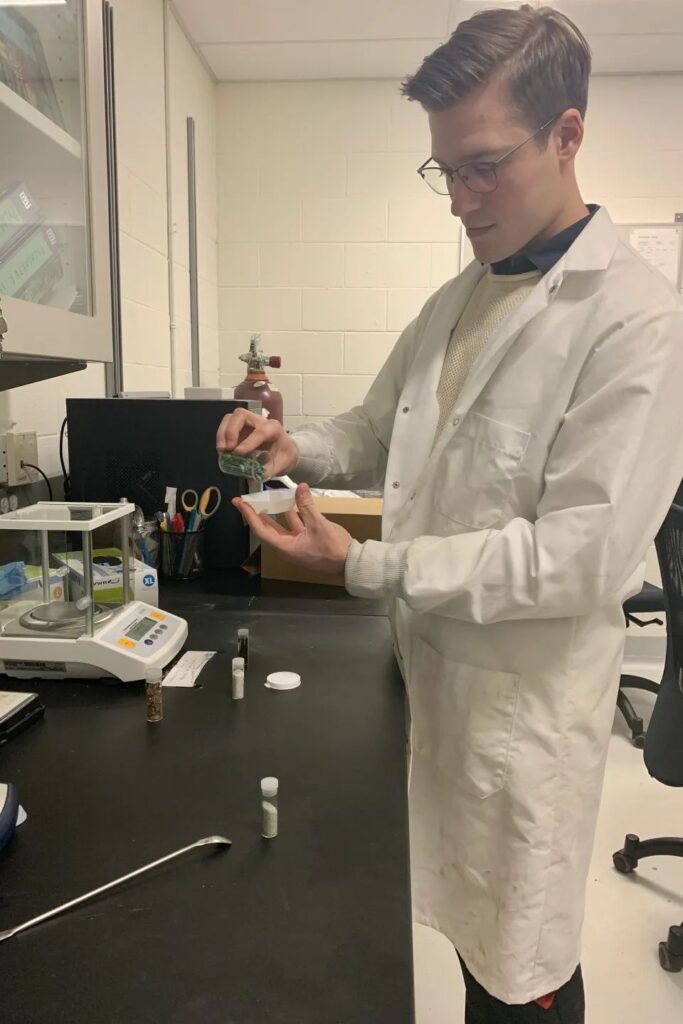
Získal som bakalársky titul z University of British Columbia (UBC) a titul MSc som získal na tej istej univerzite. Moja absolventská práca zahŕňala experimentálnu geovedu, kde som navrhol prístroj na skúmanie toho, ako sa diamanty dostávajú na povrch Zeme cez vysokorýchlostné magmy.. Publikoval som články v dvoch impaktovaných časopisoch a prezentoval prácu v Kanade a Európe.
Počas môjho postgraduálneho štúdia som mal tú česť prednášať niekoľko tried, ktoré prešli na lektorskú pozíciu. Výučba na univerzitnej úrovni zahŕňa prednášanie triedy cez 200 študentov, čo je veľmi odlišné od práce, ktorú robím v Reach Out, ale pomohol mi vytvoriť dynamický štýl výučby.
Okrem toho, Už viac ako súkromne vyučujem matematiku a prírodné vedy aj prostredníctvom vzdelávacích organizácií 6 rokov.
Prečo ste sa pripojili k Reach Out?
Pripojil som sa k Reach Out, pretože rezonuje so mnou perspektíva, že budem môcť poskytovať vysokokvalitné vzdelanie z celého sveta bez obmedzení hraníc.
Cítim, že dôvod, prečo som odhodlaný zostať v Reach Out, je dôležitejší. Poskytované personalizované hodiny mi umožnili spojiť sa so študentmi, aby ich postup bol pre mňa oveľa zmysluplnejší. Niektorí študenti boli so mnou vo viacerých ročníkoch a som nesmierne hrdý, že som zohral úlohu pri ich vzdelávaní.
Aká je vaša filozofia vzdelávania?
Zázemie v experimentálnej vede mi umožnilo vidieť hodnotu v dosahovaní prelomov prostredníctvom experimentovania. Umožnenie študentom experimentovať s rôznymi metodikami a zároveň ponúkať poradenstvo je mimoriadne efektívnym spôsobom, ako naučiť študentov, aby sa nebáli zlyhania. Richard Fuller povedal správne, „Neexistuje nič také ako neúspešný experiment, iba experimenty s neočakávanými výsledkami." Študenti často začínajú moje hodiny so strachom odpovedať na otázky, diskutovať so svojimi spolužiakmi, alebo napíšte na tabuľu, pretože nepoznajú odpovede. Pretože sa vždy viac zameriavam na riešenia ako na odpovede, študenti sú odmeňovaní za skúšanie nových techník, diskutovať o neúspešných metódach, a klásť otázky o práci svojich spolužiakov. Zistil som, že to vytvára fenomenálne vzdelávacie prostredie a uberá na študentov veľký tlak.
Čo máte najradšej na vyučovaní matematiky??
Moja obľúbená vec na vyučovaní matematiky sú vzrušujúce výzvy, ktoré poskytuje. Po mnohých rokoch vyučovania matematiky, Uvedomil som si, že študenti vidia svet z jedinečnej perspektívy, ktoré častejšie ako nie, je veľmi odlišný od môjho vlastného. Táto rozmanitosť vytvára široké spektrum učebných štýlov a vyžaduje si, aby som zostal veľmi flexibilný s metodikami, ktoré používam pri vyučovaní..
Matematika je zložitý predmet, ktorý nám poskytol univerzálny jazyk na lepšie pochopenie vesmíru, ktorý nás obklopuje. Dobrá schopnosť riešiť problémy je vedľajším produktom učenia sa matematiky a je rozhodujúca pre úspech v modernom svete. Z týchto dôvodov mám zodpovednosť premeniť tradične suchý a nudný predmet na niečo vzrušujúce tým, že vytvorím presvedčivé hodiny a použijem kreativitu na inšpiráciu svojich študentov.. Toto bude vždy niečo, čo na svojej práci milujem.
Kto je váš obľúbený matematik a prečo?
Toto je ťažká otázka, a je ťažké určiť jedného matematika, pretože v jednej lekcii využívam práce toľkých matematikov. Ak by som si mal vybrať, bol by to buď Johannes Kepler alebo Mikuláš Koperník, keďže tiež milujem astronómiu. Ich matematika nielenže spochybnila všetko, čomu sa v tom čase verilo o našej slnečnej sústave, ale vytvorili aj základy pre pochopenie pohybu planét. Cestovanie do vesmíru sa vo veľkej miere spoliehalo na tieto koncepty.
Keby ste mohli dať rodičom len jednu radu, pokiaľ ide o to, ako pomôcť ich dieťaťu zlepšiť sa v matematike, čo by to bolo?
Na jednej veci som veľa pracoval so svojimi študentmi, núti ich, aby mi vysvetlili svoje riešenia bez ohľadu na to, aké ľahké sa to môže zdať. Schopnosť dospieť k správnej odpovedi v niektorých školských osnovách si nemusí vyžadovať úplné pochopenie, ale vedieť dobre vysvetliť riešenie si vyžaduje dobré porozumenie. Uistite sa, že vaše dieťa vždy ukazuje veľmi jasné kroky vo svojej práci a že vám vie svoje kroky vysvetliť. To potvrdzuje porozumenie a ukazuje, že sú pripravení na otázky, ktoré testujú rovnaký koncept, ale môžu byť formulované inak.
Čo je jeden zábavný fakt o vás?
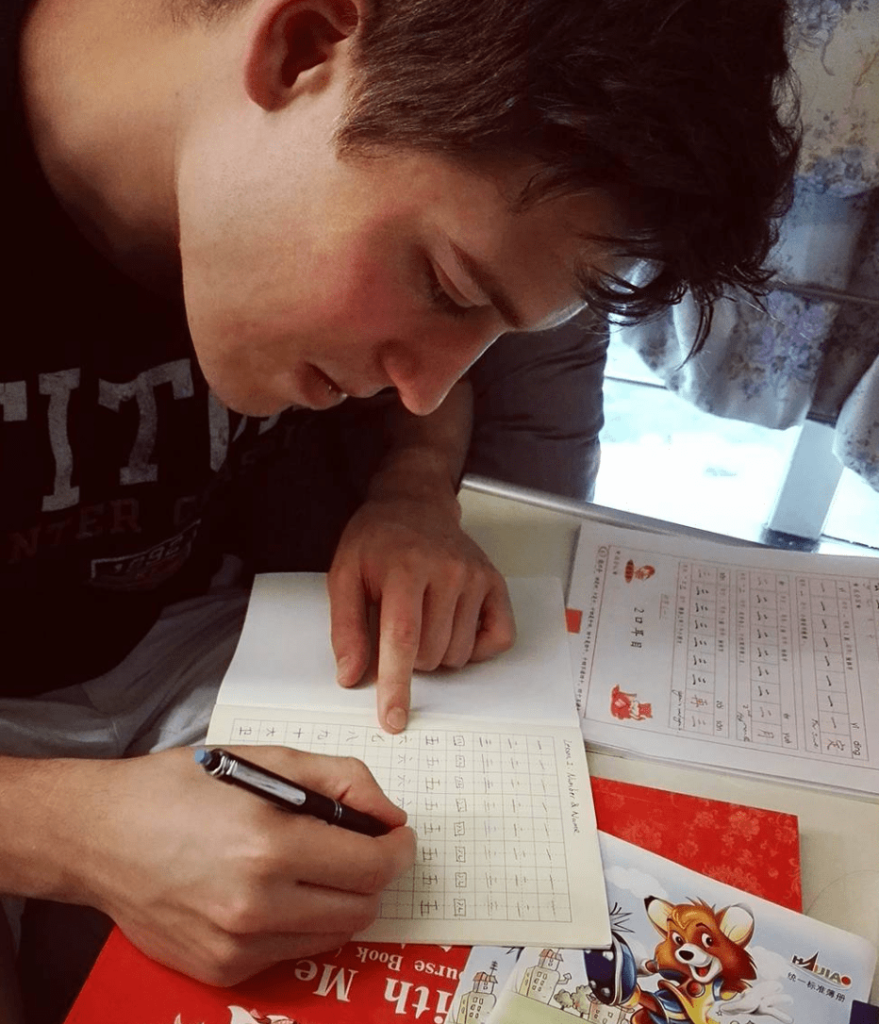
Veľmi rád sa učím jazyky! Potom, čo som vyrastal v mnohých rôznych krajinách, môžem hovoriť po anglicky, švédsky, a plynule po nemecky. Posledné dva roky som pracoval na pridaní čínštiny do mojej zbierky a užíval som si jedinečné výzvy, ktoré mi prinieslo učenie sa tohto zložitého jazyka..
Tajná záhrada je kus klasickej literatúry, ktorá bola súčasťou nespočetného množstva detstva (ak ste zmeškali náš článok o tom, prečo by deti mali čítať klasické romány, pozri odkaz nižšie!). Je to silný príbeh o priateľstve a objavovaní samého seba, ktorý rezonuje s našimi dušami.
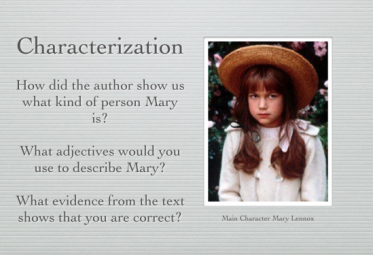
Tajná záhrada je o mladom dievčati menom Mary Lennox, ktorá kvôli vypuknutiu cholery v Indii príde o rodinu a všetko, čo je jej známe., kde jej otec pracoval ako kapitán britskej armády. Ako dieťa, Mary bola dosť zanedbaná, ale oddávajú sa rodinným služobníkom, takže bola rozmaznané dieťa s hroznou povahou. Mala veľmi málo vlastností, ktoré by jej pomohli vyrovnať sa s novým životom v Anglicku, kam ju poslali žiť s mrzutým vzdialeným príbuzným, Mr. Craven.
Mr. Craven had very strict rules for Mary to follow at her new home at Misselthwaite Manor in Yorkshire, which included her being forbidden to enter various rooms inside the giant mansion, as well as forbidden to enter one of the gardens on the sprawling property, ktorý patril jeho milovanej zosnulej manželke. Keď Mary začína objavovať svoj nový domov, she begins to find a sense of happiness and regains her health after being sickly for much of her childhood. After a robin helps her find the key to the secret garden, she finds a sense of purpose in restoring the garden, rovnako ako obnovuje svoje vnútro. Cez tŕne a sušené listy zimy, nachádza v sebe oveľa viac klamstiev.
S pomocou nového priateľa Dickon, Mary rozvíja svoje prvé priateľstvá, and uses her newfound strength and kindness to help her bedridden cousin Colin, ktorého nájde zastrčeného v kaštieli. Priateľstvo posilňuje Mary aj Colina, a na záver, everyone witnesses a miracle only made possible by these close bonds and belief in oneself, dve veľmi dôležité témy v románe.
Young people will love reading this fantastic story of friendship, prekonávanie prekážok, a zažiť liečivú silu prírody. The characters and the lessons they teach us will surely touch your child and help them experience the power of a great story.
If you would like an opportunity for your child to experience this story with others, we are happy to let you know that we will be reading Tajná záhrada ako prvý román na našej úrovni mladých klasikov 2 Kurz toto leto.
V kurze, sme nielen čítali román, but we also learn and apply new vocabulary from the book, discuss important literary techniques used by the writer, a precvičte si písanie súhrnov, kľúčová zručnosť, ktorú mnohí študenti považujú za náročnú
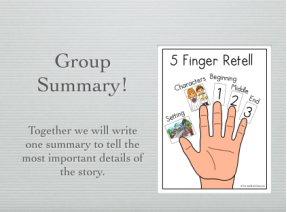
If you are interesting in learning more about Young Classics, or and of our other excellent and engaging courses, kontaktujte ešte dnes jedného z našich konzultantov pre vzdelávanie! Dúfame, že čoskoro budeme pracovať s vaším dieťaťom!
Štúdium literatúry je dôležitým aspektom každého vynikajúceho akademického programu, a to preto, že pomáha naučiť študentov širokému spektru vedomostí a zručností, ktoré sú nevyhnutné pre úspech v mnohých oblastiach života. Pri štúdiu literatúry, žiaci sa dozvedia o dôležitých udalostiach a ľuďoch v celej histórii, zvažujú kultúrnu perspektívu a zvyšujú svoje vlastné chápanie akceptovania rôznych myšlienok a presvedčení, a učia sa, ako analyzovať slová druhých, aby si vytvorili hlboké pochopenie nových myšlienok a spôsobov komunikácie. Skrátka, vystavuje študentov súboru nápadov, techniky, stratégií, teórie, a viac, čo si so sebou ponesú po celý život, formujú spôsob, akým pristupujú k svetu.
Prečo ponúkame tento kurz?
Študenti Reach Out zvyčajne navštevujú stredoškolské programy, ako je IGCSE, ktorá zahŕňa náročné kurzy ako anglický jazyk a literatúra a angličtina ako prvý jazyk. Neskôr, väčšina z týchto študentov prijme výzvu programov na úrovni IB a AP, v ktorej musia prevziať úlohu čítania rôznorodej literatúry. Naším cieľom je vystaviť študentom na vyšších základných a stredných školách širokému spektru pokročilej literatúry, aby v čase, keď dosiahnu strednú školu, mali vedomosti a zručnosti na to, aby sa dostali do praxe., a preto dosiahnuť vyššiu úroveň.
Tento kurz je určený pre ročník 7-9 študentov.
Ciele nášho kurzu odbornej literatúry sú::
✪ Zvýšiť schopnosť študentov porozumieť a rozlíšiť literárne techniky používané v anglickej a americkej literatúre, a schopnosť komunikovať účinky týchto techník;
✪Zlepšiť sa schopnosti detí literárne porozumieť a zvýšiť ich porozumenie britskej a americkej kultúre;
✪ Pod vedením našich odborných pedagógov, osvojte si silu jazyka a rozprávania náročným, no zároveň pútavým spôsobom.
Zoznámte sa s našimi učiteľmi
*Sem vložte životopis učiteľa pre Barryho, Anthony, a John*
Náš výber kníh:
Cry the Milovaná krajina od Alana Patona

Odohráva sa v Juhoafrickej republike v 40. rokoch 20. storočia, ocenený Cry the Milovaná krajina rozpráva príbeh o zuluskom pastorovi, Steven Kumalo, ktorý cestuje zo svojej dediny do mesta Johannesburg. Po jeho namáhavej a srdcervúcej ceste, zisťuje, že jeho sestra a syn sa ocitli v hrozných situáciách, ktorým teraz musí čeliť spolu s nimi. Výrazne odlišné životy postáv sa nečakane prepletú v tragédii počas temného obdobia v histórii Južnej Afriky. Avšak, cez tragédie a výzvy, skutočnú podstatu ľudského ducha možno nájsť a pozdvihnúť tých, ktorí to najviac potrebujú.
Dracula podľa Bram Stoker

Legenda o Draculovi sa vynára v mysliach čitateľov a filmových divákov už celé generácie. Bram Stoker založil neslávne známu postavu Draculu na legende o skutočnom vládcovi Valašska, Vlad Napichovač. Stoker dokázal vziať tento temný kút histórie a premeniť ho na legendárny román rozprávaný prostredníctvom denníkov, listy a telegramy. Ako každá klasika, Dracula obstál v skúške časom, pretože hovorí o niečom veľmi hlbokom a zmysluplnom v ľudskej psychike.
O myšiach a ľuďoch od Johna Steinbecka
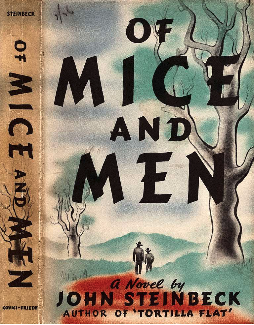
Veľká hospodárska kríza bola rozhodujúcim momentom v americkej histórii, ktorý otestoval jej silu ako národa, a postavili obyvateľstvo do neistej rovnováhy medzi životom a smrťou. V tom, čo je považované za jednu z najväčších amerických klasík, čitateľom sa predstavia dvaja vysídlení migrujúci pracovníci, George a Lennie. George je inteligentný mladý muž, zatiaľ čo Lennie je mentálne postihnutý. George si vezme Lennieho pod svoje krídla, keď hľadajú zamestnanie tam, kde je málo príležitostí, snaží prežiť, no stále snívajú o dni, keď budú mať vlastnú pôdu a vybudujú si život. Ich nádeje sú zmarené, keď dôjde k zničujúcej udalosti, ktorá navždy zmení ich životy.
Čo študenti získajú
Rozvíjajte skorý zmysel pre literárne ocenenie,
Pozrite sa na svet z vyspelejšej perspektívy
Britská a americká klasika obsahuje morálne a sociálne otázky, ktoré podnecujú k zamysleniu. Dôkladné čítanie najvplyvnejšej klasickej literatúry pomáha študentom stať sa lepšími čitateľmi, a začať proces hľadania sebarealizácie.
Zlepšiť pochopenie kultúry a histórie
Učenie sa narážok z klasickej britskej a americkej literatúry nám môže pomôcť preklenúť kultúrne rozdiely. "Klasika otvorila dvere do rôznych svetov, rôznych kultúr, a rôzne historické perspektívy. Literatúra prekračuje rasu, kultúry, náboženstvo, a geografia."
Sebareflexia a osobný rast
Veľa klasickej literatúry naráža na naše životy zo strany: knihy, ktoré odrážajú podobnosti s našimi vlastnými životmi, sa nazývajú "zrkadlá"; a tie, ktoré nám umožňujú nahliadnuť do rôznych životov, sa nazývajú "okná." Či už ide o a "zrkadlo" alebo a "okno", ďalej obohacuje životnú skúsenosť žiakov a zvyšuje odvahu a silu čeliť životu.
Pridajte sa k nám!
Kontaktujte nás a dozviete sa viac o našom kurze. Úprimne dúfame, že sa čoskoro stretneme s vaším dieťaťom, a rozvíjať lásku k spoločnému čítaniu klasickej literatúry.
Je späť čas školy a vieme, že rodičia sa pripravujú na nový rok s novými začiatkami. Začiatok nového roka sa zvyčajne stretáva so zmesou vzrušenia a trocha obáv, ako sa žiaci a rodičia tešia na nové zručnosti a skúsenosti, ale tiež môže byť nervózny z nových rutín a očakávaní.
nerob si starosti, Pomôžte nám tu! Tento rok, máme 5 najlepšie tipy na fantastický začiatok školského roka.
Pochopte, ako škola vášho dieťaťa pristupuje k vzdelávaniu, aké učebné osnovy používajú, aké systémy, a štandardy môžu byť pre nepedagógov zdrvujúce. Strávte každý deň trochu času čítaním obsahu webovej stránky vašej školy, príručky, a ďalšie zdroje vám môžu pomôcť cítiť sa istejšie v chápaní toho, čo sa vaše dieťa učí v škole a ako sa učí. Je tiež dôležité, aby ste sa zúčastnili večerného návratu dieťaťa do školy a informačných stretnutí, aby ste lepšie porozumeli programu vášho dieťaťa ako celku.. Poskytuje vám tiež skvelú príležitosť nadviazať vzťah s učiteľom vášho dieťaťa. Kedykoľvek, ak máte ešte otázky, vždy môžete poslať e-mail učiteľovi svojho dieťaťa. Sú tu pre vás a vaše dieťa, pretože vedia, že skvelý vzťah s rodičmi je fantastický spôsob, ako zabezpečiť akademickú pôdu, sociálne, a emocionálny úspech pre všetkých študentov.
2. Uistite sa, že stihnete dosť Zzzzs pred ABC
Spánok je veľmi dôležitý pre rast a vývoj dieťaťa, a jeho nedostatok môže negatívne ovplyvniť študijné výsledky dieťaťa. V skutočnosti, výskum ukazuje, že zhoršenie spánku u detí môže viesť k vyššej miere úzkosti a depresie. Keď spíme, náš mozog spracováva informácie zo dňa, nájde najlepší systém na uloženie do spomienok, a nabije naše systémy do nového dňa. Z rôznych dôvodov, rodičia často považujú dodržiavanie skorého spania za ťažké, ale s jasnou rutinou, a čas na úpravu, môže to byť jednoduché! deti 3-6 rokov by mal dostať 10-12 hodín spánku za deň, 7-12 ročné deti by mali dostať 10-11 hodín denne, a 12-18 ročné deti by mali dostať 8-9 hodín denne. Vytvorenie rozvrhu, v ktorom budú deti spať skôr, tiež uľahčí rána, dúfam, že s menším stresom pre rodičov aj deti, pretože budú dobre oddýchnutí a pripravení začať svoj deň!
3. Pýtajte sa správne otázky v správnom čase
Niekedy rodičia túžia vedieť, aký mal deň ich dieťa, len čo sa vrátia domov zo školy, najmä počas prvých týždňov. Tieto týždne sú obzvlášť vyčerpávajúce a plné vzostupov a pádov, keď sa vaše dieťa učí orientovať v novom materiáli, nových priateľov, nových učiteľov, a nové očakávania. Poskytnúť im čas, aby sa vrátili domov a uvoľnili sa, je mimoriadne dôležité pre ich emocionálnu a duševnú pohodu. Akonáhle mali trochu času „ja“., rodičia môžu klásť konkrétne otázky na základe toho, na čom vedia, že pracujú, ak náhodou vedia. Môžu si s nimi prejsť denník domácich úloh svojho dieťaťa a pomôcť mu vytvoriť plán, ako zvládnuť každú úlohu., ako aj podiel na ich nadšení pre konkrétne predmety, knihy, alebo informácie, ktoré sa im tiež páčia. Vyhnite sa pýtaniu, "Ako bolo v škole? Čo ste sa naučili?“, keďže deti reagujú oveľa lepšie na konkrétnejšie otázky, ako napr, „Čo si robil s kamarátmi na obede?? Aká bola najlepšia časť vášho dňa? Aká bola najzvláštnejšia alebo najúžasnejšia vec, ktorá sa dnes v škole stala??"To najdôležitejšie.", rodičia by mali byť plne prítomní a pozorne počúvať, keď žiaci odpovedajú, takže sa naozaj cítia cenní a počujú, keď sa delia.
4. Nechajte ich poučiť sa z neúspechu
Toto môže byť pre rodičov veľmi ťažké dovoliť. Chceme, aby sa našim deťom darilo dobre a naplno využili svoj potenciál, čo znamená, že by sme mohli prejsť každú úlohu hrebeňom s jemnými zubami, oprava každého nesprávneho výpočtu alebo gramatickej chyby. Hoci rodičia majú dobré úmysly, keď to robíme, keď to robíme, berieme deťom dôležité príležitosti na vzdelávanie. Ešte keď sme boli študenti, mnohí z našich rodičov boli často príliš zaneprázdnení alebo nemali vedomosti alebo kapacity, aby nám pomohli s prácou v škole, ale našli sme spôsob, ako sa presadiť a pokúsiť sa čo najlepšie. Ak deti nikdy nedostanú príležitosť zlyhať, keď sú malé, neskôr v živote môžu odolávať výzvam zo strachu, že pri nich zlyhajú. Avšak, keď ich necháme jemne zlyhať, napríklad na úlohe alebo na malom ligovom futbalovom zápase, učíme ich odolnosti. nie je to koniec sveta, a získajú cennú lekciu; že to môžeme skúsiť a neuspejeme, oprášime sa, a skúste to znova nabudúce.
5. Rozvíjajte ich vášne
Nový školský rok je vzrušujúcim obdobím z mnohých dôvodov, jedným z nich je, že poskytujú deťom príležitosť objaviť nové vášne. Ak budú mať šťastie, narazia na niečo, čo skutočne milujú, a že môžu byť fascinovaní dostatočne na to, aby strávili hodiny nekonečným objavovaním. Pomôcť dieťaťu nájsť jeho vášeň nie je vždy jednoduché a vyžaduje si to čas. Niekedy sa rodičia obávajú, ak sa ich dieťa príliš zameriava na pár vecí, a cítia, že ich musia čo najviac vystaviť, aby sa z nich mohli vyformovať všestranní jedinci. Avšak, ak sa pozrieme na ľudí, ktorí formovali náš svet, bolo to preto, že mali laserové zameranie na to, čo ich nadchlo. To bolo všetko, čo kedy robili alebo robili. Ako ľudia, prirodzene inklinujeme k tomu, čo milujeme najviac, a pokiaľ okrem plnenia poskytuje aj nejakú hodnotu, mali by sme v tom pokračovať. Takže, nerobte si starosti, ak vaše dieťa bude protestovať pri jednej aktivite, zatiaľ čo vybehne z dverí, aby sa zúčastnilo inej. Možno ten, koho milujú, je pre ich rast a vývoj najcennejší, a ten, ktorý sa im nepáči, napokon nie je až taký potrebný.
Dúfame, že vám tieto rady pomohli, a prajeme vám a vášmu dieťaťu všetko najlepšie v nasledujúcom školskom roku! Tešíme sa na nový školský rok a na všetky výzvy a dúfame, že nám prinesie.
Reach Out bude s vami na každom kroku, takže čakajte na ďalšie informácie a ďalšie články, dúfame, že sa vám budú páčiť!