At Reach Out, tinotenda zvakakosha kupemberera kubudirira kwevadzidzi. Tinofara kuzivisa mumwe Mudzidzi Wenyeredzi - Emma!
Emma anomiririra zvese izvo vadzidzi vanogona kuwana nekushanda nesimba uye kuzvipira kune kugona. Vadzidzisi vaEmma vanomuziva semudzidzi ane maitiro anoshamisa pakudzidza, anogamuchira zvikuru muraidzo, uye ane mhuri inotsigira zvakanyanya iyo inowanzotaura nevadzidzisi vake. Mukirasi, Emma muteereri anongwarira uye anoteerera ane chivimbo chakakwana kuti agovere pfungwa dzake, asi anoshivirira zvakakwana kupa munhu wese mukana wake. Haana basa nekutora njodzi, uye anokwanisa kupinza hunhu hwake mubasa rake.
Emma parizvino akanyoreswa mune yedu Yekusika Kuverenga uye Kunyora Level 4 Course, uye aratidza chipo chaicho mukukwanisa kugadzira mifananidzo yakasimba mukunyora kwake. Pakutanga semester, akapedza wongororo yeBlue Frog's Shanghai Disneyland bazi.
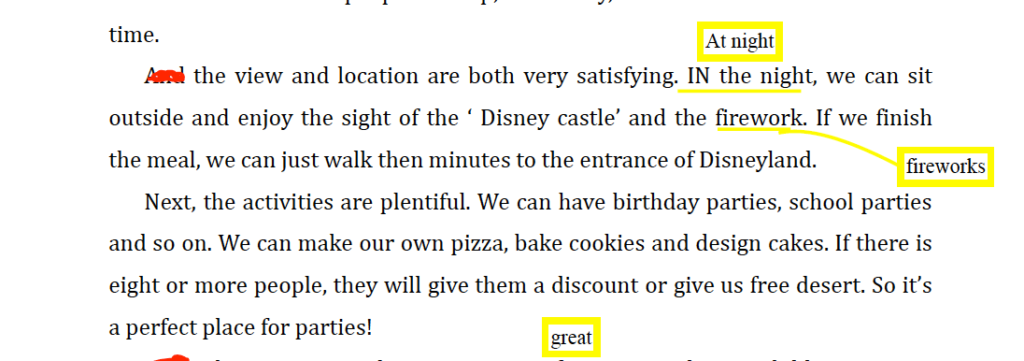
Emma akaratidza kugona kwake kutsoropodza zvimwe zvenzvimbo, uye gadzira pfungwa dzake uchishandisa ruzivo rwakakodzera.
“Maonero nenzvimbo zvese zviri zviviri zvinogutsa. Husiku tinogona kugara panze tichinakidzwa nekuona Disney Castle uye mafireworks. "
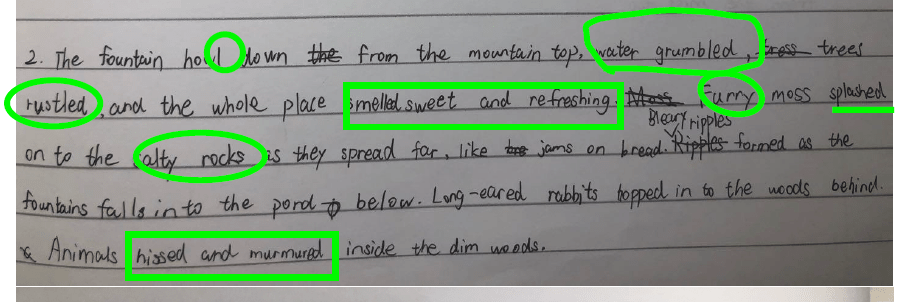
Semester ichienderera mberi, Emma akaratidza kukura mukunyora kwake, ndokutanga kubatanidza unyanzvi hwekunyora hwepamusoro. Mune basa rekutsanangura nzvimbo, Emma akakwanisa kugadzira mufananidzo wakasimba achishandisa mazwi chaiwo uye mutauro wekufananidzira.
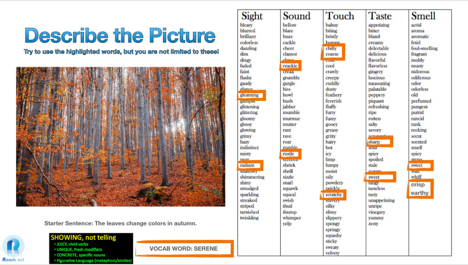
“Ufuru hwakapfachukira pamatombo ane munyu sezvahunopararira kure, sejamu pachingwa. Mafashamu emvura akabuda sezvo tsime raidonhera mudziva raiva pasi.”
Emma akapfuurira kushandisa zvidzidzo zvaakadzidza mukosi yose, uye mano ake somunyori akawedzera kusimba. Mune rimwe basa richangoburwa pakunyora Fantasy Narrative, Emma akagadzira marongero uye hunhu hwenyaya yake nemaune uye zvinobudirira.
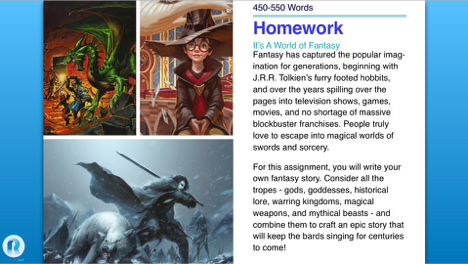
“Kupenya kwezuva kwaipenya kubva nepafafitera zvichienda kune kwakapfava, silky bed sheet. Maruva anotapira ane mavara anodziya akatumbuka padivi pefafitera rakashama. Mapikicha asina kujeka asi okushingaira akaturikwa pamadziro anozorodza ane masora egirini egungwa.”
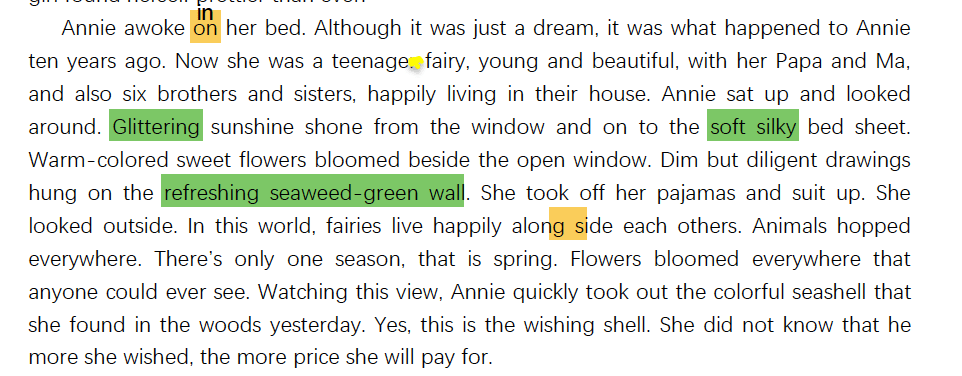
Sezvauri kuona, Emma anoratidza hunhu hwemunyori wechidiki anovimbisa. Kutsunga kwake kuvandudza, uye kunyatsoshandisa zvidzidzo zvinodzidziswa zvakabatsira kukwidza kunyora kwake kusvika padanho repamusoro.
Waita hako Emma, nekuda kwekuve STAR yakadaro! Tinotarisira kuona kukura kwako kwenguva yakareba iri kuuya. Tinoziva kuti uku kunongova kutanga kwerwendo rwakanaka.
Sevadzidzisi, tagara tichibvunzwa mubvunzo, “Ndingaita sei kuti mwana wangu arege kuverenga mabhuku ekomiki?” Vabereki vanonetseka kuti makomiki haapi ukoshi hwedzidzo, havana kusimba muzvidzidzo zvakakwana, kana kuipa kupfuura zvose, kutambisa nguva yemwana wavo. Kune izvi, mhinduro yedu inowanzovashamisa, uye mhinduro iyoyo, “Rega vaverenge makomiki!”
Zvinonzwisisika kuti vabereki vangave nehanya zvishoma sezvo fungidziro iri yekuti makomiki ndeekuverenga mafaro chete., zvisinei, makomiki ane mabhenefiti akawanda kupfuura kutibatsira kupfuudza nguva.
Makomiki uye graphic novel haisi nzira itsva dzekunyora. Ehe saizvozvo, zvakafarirwa nevakawanda kwezvizvarwa. Nokufamba kwemakore, mhando yachinja kuita imwe ine hudzamu hwakakura uye zvinoreva, ndosaka tichikurudzira vabereki kuti vasangobvumira vana vavo kuverenga makomiki, asiwo kuvatsigira pakuita kudaro.
Heano zvikonzero zvedu zvepamusoro makomiki anofanirwa kuverengerwa (kunyanya muzhizha!):
Kune vadzidzi vasiri chizvarwa cheChirungu, makomiki anopa nzira yakanaka yekuti vatange kunakidzwa nezvinyorwa zveChirungu. Kuvana vakawanda, basa rekubva mubhuku remutauro weChirungu kuenda kunovhero rinogona kunetsa, asi makomiki anogona kupa zambuko rinodikanwa kuti vavake chivimbo pamwe chete nokutsetsenura kurava. Zvinoonekwa mumifananidzo zvinobvumira vadzidzi kugadzira kunzwisisa kwakadzama kwechirongwa uye mavara pamwe nemazwi matsva.. Pamusoro pe, inovasuma kumidziyo yekunyora inoshanda, zvakadai se onomatopoeia (funga POW! SMACK! ZOOM!) uye madimikira (mufananidzo unoratidza zvinoreva dimikira se, “Katsi ine rurimi rwako?” zvine musoro kupfuura kudziyisa dimikira riri roga!).

2.Enhancing Inference
Inference inyanzvi yekuverenga yakakosha iyo vadzidzi vazhinji vanonetsekana nayo pamiyedzo yekuverenga yakajairwa. Inference inoitika kana tichitora mhedziso zvichienderana nezvatinoverenga. Mimwe mienzaniso yemibvunzo ichasangana nevadzidzi panguva yekuverenga mabasa enzwisiso kana ongororo ndeiya yakaita se, “Munhu wacho wanzwa sei?”, “Chii chaungagumisa pamusoro pe…” uye “Chii changa chiri chidzidzo munyaya iyi?” Makomiki anoda kuti vadzidzi “vaverenge pakati pemitsetse” kuti vape ruzivo rwunowanzotaurwa nemunyori mubhuku., kuitira kuti vawane ruzivo rwakawanda runokosha mukusimbisa unyanzvi uhwu nokuverenga makomiki.
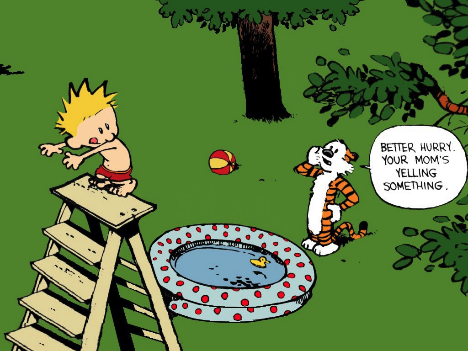
3.Shoko Simba!
Kazhinji mumakomiki uye graphic novels, vanyori vanosanganisira mazwi epamusoro, zvose sechikamu chemutsara wenyaya pamwe chete nemazita evatambi. In 2016 paComic-Con ine mukurumbira pasi rose muSan Diego, California, mumiriri wevadzidzisi akakurukura simba remakomiki mukuvaka mazwi evadzidzi. James Bucky Carter, munyori weBuilding Literacy Connections neGraphic Novels akadaro, “Une Colossus, uye iye mukuru uyu, hofori yesimbi. Iwe unowana pfungwa yakanaka yezvinoreva izwi rekuti colossus uye iro izwi rakanaka regumi-sendi. Simba raBanshee riri kuchema. Une mavara aya anosanganisira mazwi emazwi aari. Icho chinhu chiri nzira inofadza yekudzidza mazwi matsva, kuwedzera kune zvinongedzo zvemukati. "
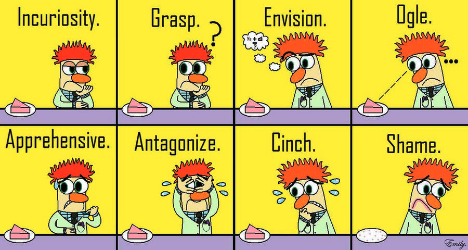
Mushure mekuverenga izvi unogona kungoda kurega mwana wako kuti anyure mukuverenga makomiki kana zvinyorwa zvemifananidzo! Ndiwo mumhanzi munzeve dzedu. Kana usina chokwadi pekutangira, tine zvimwe zvevadzidzi zvavanofarira mwana wako angada kuedza!
Imbwa Murume naDave Pilkey

Miles Morales Spider-Man naJason Reynolds

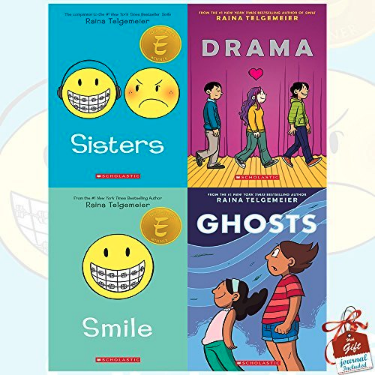
Smiles, Sisters, Zvipoko, Drama uye Dzimwe Nyaya naRaina Telgemeier
Bone naJeff Smith

Kutsvaga mikana yekuverenga yezhizha yemwana wako? Bata mumwe wedu Dzidzo Consultants kuti uwane rumwe ruzivo nezve edu ezhizha makosi ekuverenga. Tinotarisira kuverenga nemwana wako!
Nguva yebvunzo yasvika, uye inogona kuve nguva inonetsa zvikuru yegore kune vese vadzidzi nevabereki. Pa Reach Out tinoda kuita zvatinogona kubatsira kurerutsa kufunganya kwebvunzo nekupa mamwe matipi akasarudzika ekudzidza aungave usina kumboedza.
Uchenjeri hwenguva dzose hwekudzidza hunowanzoteverwa nevabereki vakawanda nevadzidzisi vane chinangwa chakanaka, zvisinei, kana tikatarisa dzimwe nzira dzinonakidza dzinobva pakutsvakurudza tinogona kuona kuti kune nzira dzakasiyana-siyana dzekudzidza! Nguva dzose zvakanaka kuedza zvinhu zvitsva, kunyanya kuvana. Vanogona kuwana nzira itsva dzekuita zvinhu vachiri vadiki, uye kana vakura zvishoma, vanogona kusarudza nzira inonyatsoenderana nezvido zvavo pachavo uye maitiro.
Zvino, ngatitarisei nzira nhatu dzakasiyana dzekudzidza.

Yakasiyana-siyana ndiyo Spice yeHupenyu-Kunyangwe Kana Uchidzidza
Kune vakawanda, makore mazhinji takaudzwa izvozvo kuti tidzidze zvakanaka, tinofanira kudzidza panzvimbo imwe chete mazuva ose; nzvimbo yakanyarara, zvakanaka chiedza, uye ine zvinhu zvedu zvese. Kunyange izvi zvingave zvechokwadi kune imwe yenguva yatiri kudzidza, tsvakiridzo inotiratidza kuti huropi hwedu hunoita zvirinani kana tikasiyanisa nzvimbo yatiri kudzidza. Qute surprise, rudyi?
Muchidzidzo chakaitwa kumashure kwese 1978, vadzidzi vekukoreji vakapihwa 40 mazwi emazwi ekudzidza. Rimwe boka rakaudzwa kuti ridzidze kaviri ndaza yacho munzvimbo imwe chete. Rimwe boka rakaudzwa kuti ridzidze ndaza yacho munzvimbo mbiri dzakasiyana. Zvavakawana ndezvekuti, boka raisiyanisa nzvimbo dzavo dzokuverengera chaizvoizvo rakaita zviri nani pakurangarira mashoko gare gare. Zvino sei zvakadaro? Zvakanaka, uropi hwedu hunowanzoita kubatanidza kune ruzivo rwakavakirwa pane zvakatipoteredza, saka patinonyanya kusiyanisa zvakatipoteredza, kunyanya isu tiri kupa huropi hwedu mukana wekuchengeta ruzivo sezvo ruchabatanidza kune zvimwe zvinhu. Izvi zvinogona zvakare kuve chikonzero nei imwe nzira yekuona, apo munhu anofungidzira zvinhu zvaanoda kuyeuka kune dzimwe nzvimbo munzvimbo yavanoziva, inogona kushanda zvakadaro zvakare. Zvevadzidzi, kungochinja nharaunda kunogona kuita hunyengeri!
Nakidzwa!
Vamwe vabereki vangafunga zvisiri izvo kuti kana mwana wavo ari kuseka kana kufara paanenge achidzidza kana kudzidza, vanogona kunge vari kutambisa nguva yavo. Zvisinei, izvi handizvo hazvo.
Semubereki, mubasa rako kana muhofisi unogona kuva nemisangano yakakosha nguva nenguva. Iwo mawekishopu anowanzo shandiswa sechombo chekukubatsira kudzidza nezve nzira nyowani, pfungwa, kana ruzivo ruchakubatsira kuti udzidze zvakawanda kubasa. Zvirongwa izvi zvinowanzoitwa nevanhu vane hunyanzvi mukugadzira misangano inokurudzira uye inokurudzira iyo inosimbisa uye inopa simba vashandi.. Mazuva anogona kuva akareba uye akaoma, asi kana akaitwa zvakanaka, vashandi vanogona kufamba vachivimba neruzivo rwavo rutsva uye hunyanzvi.
Izvi zvakafanana kune vechidiki. Kusuma mutambo wekutamba uye kunakidza senzira yekudzidza bvunzo kwete chete inoita kuti mwana wako anyemwerere, asi tsvakiridzo inoratidza kuti kunakidzwa uchidzidza kunomutsa zvimwe zvekushandisa njere, inobatanidza mibayiro uye mafaro nekudzidza, inosimbisa nekuwedzera ndangariro network, uye inoshandura kufunga kusinganzwisisiki uye kutarisa kwakananga.

Iyo Pomodoro Technique
Kuramba wakatarisa, pa-basa uye nekukurudzirwa kupedzisa zvimwe zviitiko zvinogona kuomera vese vakuru nevana zvakafanana. Wakambonzwa sekunge wanga wakatarisa pakombiyuta kwemaawa, asi akaita zvishoma? Kana kuti pamwe une nguva yekupedzisira mumazuva mashoma, asi vari kungonanga kunhangemutange? Hazvishamisi, sezvo tsvakurudzo inoratidza kuti pfungwa dzedu dzinowanzodzungaira kusvika 20% yenguva, zvimwe zvakatonyanya kune vechidiki.
Imwe nzira inonakidza yakagadzirwa nemudzidzi wepakoreji Francesco Cirillo senzira yekumubatsira kuti arambe akatarisisa, uye ndiyo Pomodoro Technique, iyo yakawana zita rayo kubva kumatomatisi akaumbwa nguva Cirillo akashandiswa achiyedza zano iri paari. Mashandiro ayo iwe unoseta timer 25 maminitsi, inova nguva yebasa. Zvadaro woisa zvakare 5 maminitsi, inova nguva yekuzorora. Ino inguva yakanaka yekumuka, stretch, tora makumbo uchitenderedza imba, pfuya katsi yako, kana kuwana mvura yekunwa kana tudyo. After break time yakwana, isa timer kune imwe 25 maminitsi uye dzokorora!
Zvinoitika kuti zano iri rinotsigirwa nehumbowo hwesainzi, sezvo vatsvakurudzi vakagumisa kuti kuzorora kwenguva pfupi kunobatsira kuchengetedza nguva yako yekufunga. Izvi zvinogona kunge zvine chekuita nenyaya yekuti kufinhwa kwekuziva kunogona kutungamira kune pfungwa isina kubatanidzwa, chinova chinhu chekupedzisira chaunoda paunenge uchidzidzira bvunzo yakakosha.
Tinovimba wakanakidzwa nekuongorora aya akasiyana matipi ekudzidza sezvatakaita! Kushuvira mwana wako rombo rakanaka pabvunzo mwedzi uno. Jiayou!
We know that there is so much we can do to nurture and educate our children, which is why as parents we often go to great lengths to fill their time with enriching activities and classes. Why do we do this? For many reasons of course, but the main goal is to ensure their future success. Parents hope that their children will be even more successful in life than they were themselves. Success, of course, is subjective, and we may all have our own definition of success. Generally however, we might agree that success includes feeling content in one’s personal life, as well having a sense of career satisfaction and financial security.
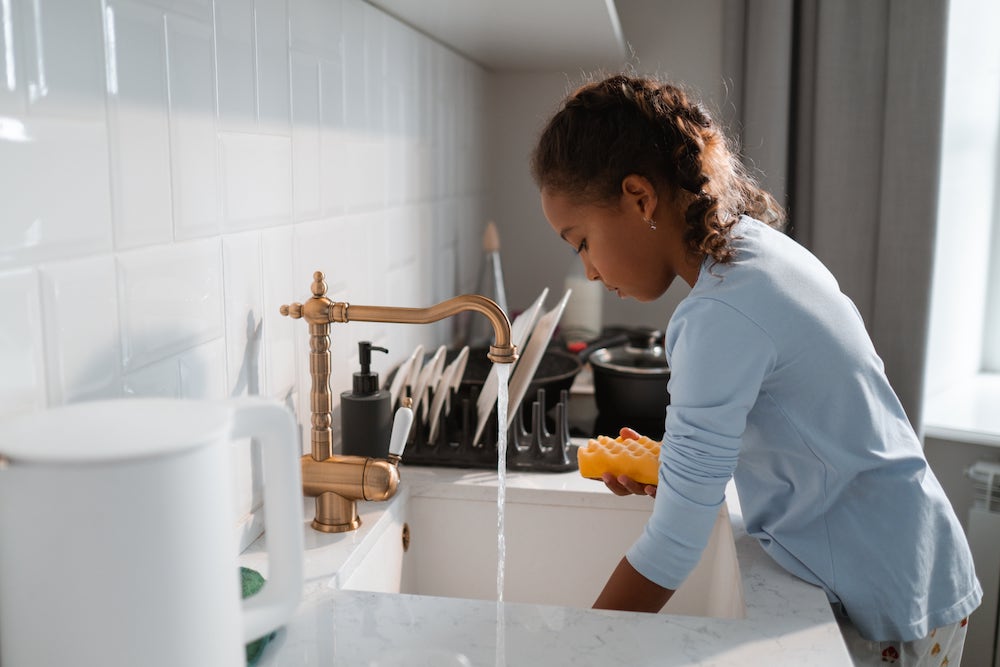
Recently there has been an intriguing TED Talk being shared on social media, in which former Dean of Freshman at Stanford University, Julie Lythcott-Haims, cites evidence from the Harvard Grant Study that correlates professional success in life to individuals having done chores as children. Not soccer training, not language learning, not painting, but chores.
Surprising right?
Many of our children growing up in big cities may never know what it’s like to scrub a dish, wash a window, or mop a floor. We might feel like there are more important things to do to build their knowledge and their character. Lythcott-Haims explains that those children who do get their hands dirty, zvisinei, may reach a level of success in life that surpasses their no-chore-doing peers. That is because it teaches students how to contribute and step up when work needs to be done, and that doing the “grunt work” that others might scoff at, because it is what is best for all, is what gets noticed in the workplace.
The workplaces of the high-achievers who took part in the Harvard Grant Study were notable, such as the White House, where participant President Kennedy worked, and the editor’s office where Ben Bradlee sat as editor of The Washington Post. We can assume that their parents, like us, had to prod and plead for the chores to be done, and accept that even if they were done, they might not have been done well; and that’s okay.
The important thing, as Lythcott-Haims points out, is that by doing chores, children realize that they, “…have to do the work of life in order to be part of life.” They realize that life does not just happen to them, and for them, but with them.
If your children are already doing chores as part of their daily summer routine, bravo! You are on the right track. If not, no need to panic. It is never too late to introduce chores into the lives of our children. Here are some tips to help get you started!

Let Them Be a Part of It
When introducing the concept of your children completing chores to help, have a “family meeting” where everyone is present to discuss what will be expected of your children and why. You can ask your child to help you write a list of chores they could potentially help with around the house. They might surprise you with their enthusiasm as doing chores is very exciting for some children because it makes them feel empowered and helpful (two things we often like to feel as adults).
Game-ify It
To make things fun, because fun makes everything better, you or your child can write the chores on popsicle sticks and each day your child can choose one stick from the jar. That will be their chore for the day! If you have more than one child at home, you can always turn cleaning into a competition by setting a timer and seeing which child can clean the most toys in the given amount of time, for example.
Reward It
As parents, we are rewarded for our contributions at work with a salary. Shouldn’t our children also be rewarded for their hard work? One idea is that if your child completes all of his or her chores for the week, he or she can choose a small toy from a “treasure box” filled with small toys. Another option could be that if your child consistently completes chores for a month, they can choose an extra special family outing.
Teaching our children to do chores is not always easy, but the potential benefits are worth the time and effort. We hope you found our tips useful, and that they can help lead to a positive experience for you and your child. Happy cleaning!
We are pleased to announce a new summer book club, just for parents! Summer is the perfect time to read that book you have always wanted to read, but have not had the time to. This summer, we invite you to join us in reading How to Talk So Kids Will Listen and Listen So Kids Will Talk.
We know it is not always easy to connect with our children because of the demands of school, work and daily life. Sometimes our anxieties about the future interfere with us living our lives right now. Zvisinei, one thing we can guarantee is that we will never get another chance to experience childhood with our own children, and we don’t want to miss out on this precious time. Saka, how can we make the most of it and have meaningful conversations with our children that will strengthen our bond and help our children feel supported? These are big questions many of us have.
To help us answer these important questions, we invite you to join us in reading one of the most popular parenting books of all time, written by Adele Faber and Elaine Mazlish. How to Talk So Kids Will Listen and Listen So Kids Will Talk, which teaches us how to accept our children’s feelings, as by not doing so we could be unwittingly causing bad behavior. It also teaches us positive ways to encourage cooperation, as well as independence, autonomy, and self-confidence. These are all the ingredients needed to help nurture a positive parent-child relationship that will indeed help to grow our children into confident and capable adults.

How Will It Work?
The first step is to contact one of our Education Consultants to register. Registration is FREE and open to everyone! We will create a group chat where the book study content and sharing will take place starting on July 1st. Lindsey Fine, our Education Manager, will be joining the group as a parent as well, as she is a mother of two boys, aged 4 uye 6, who will be learning along with you. She will also be helping to lead the weekly discussions.
The book can be found in English and Chinese and easily accessible in print, e-book, or audiobook formats.
Then there are two options for how you would like to participate:
The reading schedule is as follows:
Week 1: Chapters 1 & 2
Week 2: Chapters 3 & 4
Week 3: Chapters 5 & 6
Week 4 Chapters 7 & Afterword
At the end of the month, we will host an online workshop led by School Counselor, Regina Wehner. At the workshop, Regina will share additional information and strategies you can use to strengthen your relationship with your child.
About Regina Wehner

Regina Wehner is a Licensed School Counselor that has worked with students in Middle School for over 16 years. Originally from the United States, she lives with her husband and 2 children, ages 10 uye 12, in Beijing, China.
Regina works at the Western Academy of Beijing (WAB), a diverse international school. A big part of being a school counselor is helping students learn about themselves and others as they are growing. Regina also hosts monthly Parent Coffee Mornings to bring parents together to learn more about their children's developmental changes and how to communicate during these times of transition.
Contact us today to join!
Helping Your Child Learn New Vocabulary
Research indicates that if we want students to succeed in the academic context, on important assessments and high-stakes exams, as well as their future careers, we must help them develop their vocabulary. The reason for that is this: our understanding of new information is directly linked to our understanding of the vocabulary used to communicate that new information.
Zvevadzidzi, increasing their vocabulary is one key to success in mastering a language; the more words we know, the more words we understand, and the more words we can use in our writing to make it more impactful and effective. Zvisinei, learning now vocabulary is sometimes viewed as a tedious or elusive process. Sometimes parents are not sure how to guide their children, especially as the way we approach vocabulary study study may vastly differ from the way parents studied it when they were in school.
Don’t worry, Reach Out is here to help! Let’s explore vocabulary acquisition (the process of memorizing and applying new vocabulary), and we’ll tell you how you can help your child build their vocabulary!
Talk About It!
It might seem overly simple, but when it comes to learning new words, one effective way young people do it is by talking with others. Children learn new words best when they are in context, such as in a conversation about a certain topic. They can infer a bit of new words’ meanings based on how they are used along with the other words they are already familiar with.
You have likely been interrupted by your child on many occasions when you use unfamiliar vocabulary and they curiously ask, “What does disaster mean?” You might have been referring to the state of their bedroom (as in it is a complete mess), and by taking a moment to explain the multiple meanings of disaster to them, you will not only have taught them a new word to describe a messy room, but also a failure or a naturally occurring phenomenon, such as a natural disaster.
Saka, talking with your child is a great way to teach them new words!
Explore It!
Students generally understand that they can use a dictionary or a translator if they encounter a word they do not know, but sometimes even the definition of a word might leave them with more questions than answers.
In our experience, many students do not utilize one very important tool for learning and applying new vocabulary, and that tool is a thesaurus! If you notice your child overusing a word when speaking or in their writing, for example, “pretty”, “cute”, “good”, or “bad”, then take some time to show them how to use a website such as thesaurus.com to look those words up. When they search for the word such as “pretty” they will see that there are so many interesting and unique words to use instead! I
In our experience, students really enjoy using new vocabulary, and feel empowered to know there is a tool to help them make their words mightier.
Play!
Having fun while learning isn’t just something teachers do to make students happy, it’s actually been proven by neuroscience to be an effective way to help students learn more and more deeply. Research shows that when students are both stimulated and challenged, their brains release dopamine. Dopamine is a neurotransmitter that stimulates the memory centers and promotes the release of acetylcholinem, which increases focused attention.
In our courses here at Reach Out, vocabulary instruction is an important part of each lesson. We also have courses launching this summer, Vocabulary Builder Levels 1-3, in which we will focus exclusively on helping your child expand their vocabulary knowledge with challenging new words. While the words chosen offer the challenge, tools like Quizlet and games such as Guess Who and Sentence Racer provide students with the chance to interact in a meaningful and engaging way.
How do we know these methods are effective? Because our decades of experience, and study of educational psychology and methodology have taught us how students learn best!
We would love to help your child learn new vocabulary as one of the ways he or she can become an effect more effective and successful reader, writer, and speaker. To learn more about how we can help, contact one of our Education Consultants today!
If you are looking for a more individualized educational service, Reach Out offers 1-on-1 services with our expert educators!
What do We Offer?
Our teachers offer a wide range of 1-on-1 subjects including English, Social Sciences, and Maths.
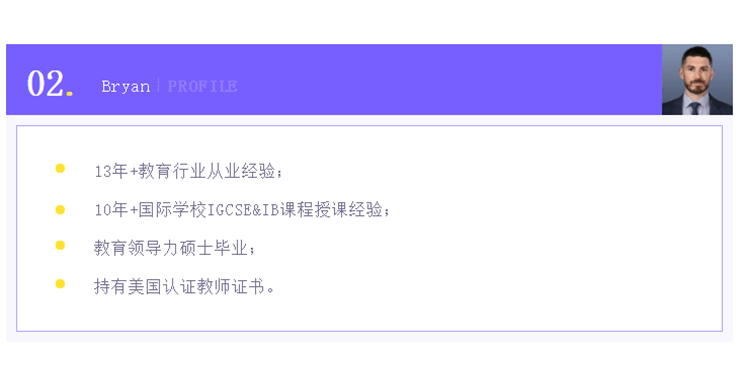
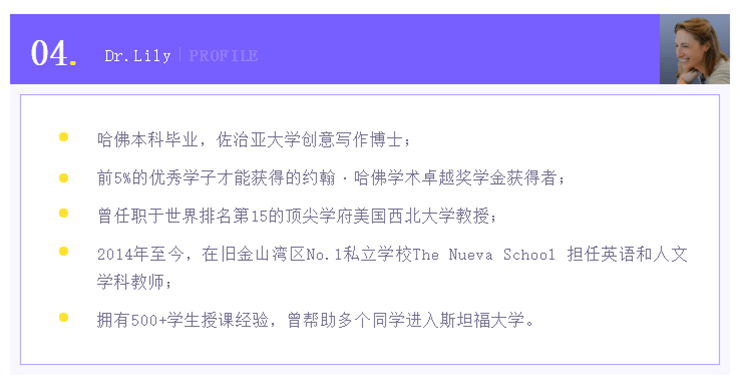
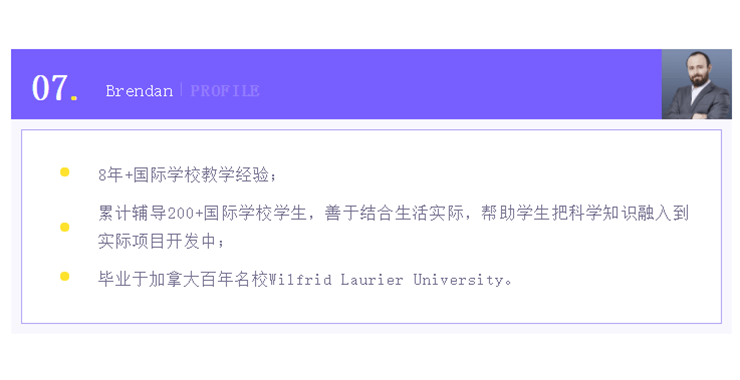
Meet some of our highly qualified and experienced teachers!

Why Should I Choose 1-on-1 Services?
Perhaps your child is preparing to study abroad or applying to a new school and he or she would like a more intensive and targeted approach in order to polish his or her skills. Alternatively, your child might not feel challenged enough with his or her current curriculum, and needs an alternative approach that is more appropriate for his or her ability level.
There are a number of reasons a parent might be searching for services such as this, and we can assure you that we will always work to understand you child’s unique situation and provide the service that is best for them.
How Does it Work?
With our hands-on approach, and orientation process, we will assess your child’s knowledge and skills based on current assessment data, writing ability, nezvimwe. Based on our findings, we will select the teacher best suited for your child’s needs. All of Reach Out’s teachers have been carefully selected, and have years of experience in teaching challenging curriculums, such as IGCSE, IB, uye AP, in top schools from around the world.
Our process is goal-oriented. We find out exactly what your child needs to reach their educational goals, and then we create a unique and tailor-made learning path that will best suit your child’s particular needs.
What Else Does Reach Out Offer?
In addition to 1-on-1 services, Reach Out offers a wide variety of courses specifically designed to challenge and engage your 2nd to 8th grade child with above grade level content in order to help them prepare for the rigor of programs such as IGCSE, IB, uye AP.
How Can I Learn More?
To find out more about our 1-on-1 services, please contact one of our Education Consultants today to find out more! We look forward to helping your child reach his or her educational goals for a bright future!
Who We Are
As you may have noticed, we have been growing and have some exciting additions to what we offer here at Reach Out. As it has been a while since we introduced ourselves, we thought we would share our story with you to help you better understand who we are and what we do!
Basa Redu
Svika Kunze basa nderekubatanidza vadzidzi nevadzidzisi vane hunyanzvi vanogadzira uye kuendesa yekutanga, zvinokurudzira, zvidzidzo zvepasi rose. Takatanga rwendo urwu kuitira kuti tigone kubatsira vadzidzi kuti vanzwisise nzira yekuwana yavo izwi rakasiyana uye nekufumura mazano ekugadzira uye akakosha ari mukati memumwe nemumwe wavo.. Nemanzwi avo, vane simba rokushandura nyika, uye tinoda kuvapa simba kuti vadaro.

Muono Wedu
Reach Out inoyedza kuve inzvimbo inozivikanwa pasi rese yedzidzo inobvumira vadzidzi kuti vawane yepamusoro yepamusoro dzidzo yepasirese uye vadzidzisi., zvisinei kuti varipi munyika. Vadzidzi vedu vachave vanonzwisisa, curious, uye vanoongorora vanofunga vanoita sarudzo dzine ruzivo seyakanakisa kugadzirisa matambudziko uye vanotaurirana. Svika Kuvadzidzi vanozadzisa zvinangwa zvavo zvedzidzo uye zvemunhu uye zviroto kubva kuChikoro chepuraimari kusvika kuYunivhesiti, vachiisa ramangwana ravo rakajeka mukati mekusvikirwa.
Hunhu Hwedu Hunokosha
Aya ndiwo misimboti inoumba Reach Out:
Our Story
Reach Out was created by a small group of dedicated mothers, zvimwe kufanana newe. Vakaunzwa pamwe chete nechiono chakafanana chezvinodikanwa zvedzidzo zvevana vavo. Vamwe vakanga vachitsvaka purogiramu yedzidzo yaigona kupa vana vavo kuwana mifungo, kudzidzisa uzivi, uye nzira yaienderana nezvavakanga vasangana nazvo pavaigara kunze kwenyika. Others were looking for an internationalized curriculum that their children could access to enrich their educational experience in China. What they shared in common was a desire for a rigorous program that also opened the doors to creative and critical thinking, kuzvifungira, uye kutaura kwomunhu - zviratidzo zvedzidzo yakasimba yepasi rose. Mushure mekupedza nguva yakawanda uchitsvaga nzira dzakasiyana siyana, amai ava havana kuwana chinhu chainyatsoenderana nezvinodiwa nevana vavo.
Saka, vaiita zvaiitwa naamai vakanaka, kupihwa mukana, and found their own way to offer their children the best possible learning opportunities designed to help them thrive. Vakabvunza vadzidzisi vane unyanzvi ndokushanda navamwe vabereki kuti vawane nzira yavaigona nayo zvakanakisisa kugovera zvinodikanwa zvavamwe vana vane nharidzano dzakafanana. Children, we hope, like yours.
The parents were committed to:
We are happy to say that these mothers have achieved their goal. Today Reach Out boasts a complete line of rigorous yet engaging courses in which students learn deeply while having fun and creating meaningful relationships with their teachers and peers.
All of this because of our founding mothers’ commitment to their children’s education and happiness.
Chii Chinoita Kuti Tive Vakasiyana?
While we understand parents have an array of choices when it comes to programs that enrich their children’s education, we believe we offer many unique qualities that are not easily found elsewhere.
Chikwata chedu chine vadzidzisi vane hunyanzvi uye vane ruzivo vakagadzira chirongwa chakasarudzika uye chakaomarara zvichibva pane zvepasirese zvikoro., iyo inogadzirira vadzidzi vadiki kuti vatore makosi akaomesesa senge IGCSE, IB, uye AP.
-Our one to one programs and curriculums designed to exceed the educational needs of our students
-Huzivi hwedu hwekudzidzisa hwekukurudzira nekupa simba vadzidzi, uye nzira yekudzidzisa yekubvumidza vadzidzi kuti vaongorore ruzivo zvakanyanya uye zvakadzama ukuwo vachikudziridza rudo rwekudzidza
-Kuzvipira kwedu mukubudirira kwenguva refu kwevadzidzi vedu apo isu tichiedza kuvashongedza nehunyanzvi hwakakosha hwavanozoda kuti vabudirire mumabasa avo emangwana uye pasirese chikoro.
- Mhinduro yakadzama yatinopa neyedu yese bvunzo dzevadzidzi, kuitira kuti vadzidzi vazive kwavari kubudirira uye kwavanogona kuvandudza, pamwe chete nezvinhu zvekuwedzera nemirayiridzo inodiwa kubatsira vadzidzi vedu kuvhara chero makwanza mukunzwisisa
-Kuzvipira kwedu mukuvandudza mafungiro evadzidzi vedu kwakakosha uye hunyanzvi hwekugadzirisa matambudziko, izvo zvichave zvakakosha kune ramangwana ravo, pamwe chete neramangwana renzanga yedu yepasi rose
-Our promise to hire all of our teaching and non-teaching staff based on their mutual passion for education
-Kugona kwedu kupa vadzidzi simba rekushandisa mutauro, ruzivo, uye hunyanzvi hwavanowana kuti vazvikudziridze kunze kwekirasi uye mukuda kuziva, vadzidzi vehupenyu hwese vanoisa uye vanotevera zvinonetsa, kuzadzisa, uye zvinangwa zvakakodzera.
-Maoko edu, maitiro ega ega ekugadzira nzira yekudzidza yevadzidzi vedu kuitira kuti zvisinei negiredhi ripi ravari kana vabatana nesu, ivo vachange vakashongedzerwa nemidziyo inodiwa kuvandudza uye kukura nekukurumidza
-Kuzvipira kwedu kupa simba vatengi vedu neruzivo uye zviitiko zvinovabatsira kuita sarudzo dzakanakisa dzedzidzo yemwana wavo nekupa zvinyorwa zvinodzidzisa., mavhidhiyo uye maworkshops.
Our Curriculum
Our Blue Line curriculum, which includes courses for students in Grades 2 to 8, was designed by expert educators with advanced level degrees in their subject areas who have spent decades in some of the top international schools in the world. We use backwards curriculum design working our way from the first year of programs such as the widely recognized and respected IGCSE program.
As our educators have spent years teaching courses pre-IGCSE, IGCSE, IB and AP or A Levels curriculum, they understand what students need to succeed in those programs. Saka, each aspect of our curriculum has been created to make sure that all of our students enter their first day of Grade 9 feeling confident, equipped, and prepared to meet the demands of these rigorous courses.
We offer a wide range of courses in the subjects of English, Math, History and Geography. See below for more detailed information on our full course offerings.
Additional Services
We are also pleased to announce the creation of our Silver Line, which offers bespoke educational services that take an individualized approach to meeting our students' needs. We begin with a deep assessment of each student's educational goals and needs, and then create and implement a scheme of work with which our expert educators will use to guide your child through the academic challenges of High School in order to prepare them to eventually attend their dream university.
We also offer 1-on-1 services at all grade levels for parents who wish to offer their children more individual care and instruction. Our expert Education Consultants will make sure to match your child with the best educator for his or her specific needs and goals.
Join Us!
We look forward to meeting your family and discussing how you can be part of our Reach Out family; one that learns together, cares for each other, overcomes challenges together, and celebrates successes with one another. Please contact us today to find out more.
We hope to hear from you soon!
Being a parent is hard. In fact, with the changes in our world today, it might just be one of the challenging moments we have had to face in decades. Change leads to uncertainty, and uncertainty can lead to stress. Stress certainly affects all areas of our lives, sometimes it will impact our relationship with our loved ones the most; especially our children.
Our children can be complicated (let’s face it, so can we!), and it is a daunting task to ensure that every move is the “right” one. That all of our conversations, demands, requests, plans, praises and criticisms mean something. Every moment we spend talking to our kids, we hold the hope that these words will be enough to fill our children with the hope of a great future at a time where the future is so uncertain. Times change, and this too shall pass, but one thing we can guarantee is that we will never have a second chance at spending a childhood with our children.
As parents, we often ask ourselves if we are in fact doing the right thing, wondering how we can get through to our kids, trying to understand our children better, and sometimes feeling like a guilty failure because we tell ourselves we are doing it wrong. Oftentimes, that is not the case, but there is no instruction manual on how to raise a child that will work for everyone in all situations. Sure, there is a lot of advice, an overwhelming amount of it, but again, most advice is just that; guidance and recommendations by people who don’t know you or your child. Some of it is helpful, and some of it…not so much.
One thing that we cannot deny though is the importance of a healthy relationship between parent and child.
Research shows that:
It is essential to make the time to nurture a relationship with your child, and perhaps even more imperative, making sure the interactions we have with our children during that time are positive. This is something that many parents find challenging, which is why we created a parent book club for the book How to Talk So Kids Will Listen and Listen So Kids Will Talk by Adele Faber and Elaine Mazlish. Together we learned ways to positively communicate with our children in order to strengthen our bonds. We spent time discussing ideas from the book, as well as had a virtual meet up to role-play some of the strategies from the book. On top of that, we invited Middle School Guidance Counselor, Regina Wehner, to provide parents with a workshop in understanding our child’s cognitive and emotional development.
Here are some highlights we would like to share with you!
First, from How to Talk So Kids Will Listen and Listen So Kids Will Talk, here are two of our favorite strategies:
Children have difficulty regulating their emotions, as the brain’s emotional regulation center is one of the last to develop. This means that they need our help in the form of compassion and modeling. This can be so challenging, especially when we may have difficulty managing our own emotions at times! We have an easy strategy for you that will only require two things:
When your child comes home upset about something that happened at school, instead of lecturing and offering our sage advice, we can simply listen to their concerns and repeat the ideas back to them. For example, if your child comes home upset and says something like, “Ugh, today Elizabeth and Sarah were so mean to me! They completely ignored me and I hate both of them now!” Instead of saying, “Elizabeth and Sarah are your best friends. It’s not a big deal and I am sure you will be fine tomorrow,” which could invalidate your child’s feelings, you can say, “Oh, I see. Elizabeth and Sarah made you feel a bit left out. That probably made you feel a bit sad and mad.” At this point your child might keep talking and open up to you, which is great! It means they trust you and you are making them feel better. Continue to listen, nod, say, “Mmmhmm,” and repeat what they say. Having you simply listen will likely make your child feel 100% better and ready to face their next challenge!

2. I wish!
Our children often express their desires in the form of wishing they had things they don’t have or wishing things were different than the way they are. For example, children may say, “I wish I didn’t have to do all that homework.” We may reply, “Well, you do and that’s that!” or “It’s what you have to do. It’s your responsibility so you need to do it now!”
This may escalate into a battle of wills as parents feel frustrated that they keep hearing the same complaint and repeat the same reasoning. The children feel frustrated because their opinions are being invalidated and they feel misunderstood. Zvakanaka, don’t worry, we are here to help! We have a little trick that will help you turn the conversation around, and that is to agree with your child. It may sound counterintuitive, but we have firsthand experience with this trick and it works wonders!
For example, if your child says, “I wish we could go to the park today like I wanted!”
Instead of saying, “I can’t, I am too busy,” or “Yes, but we can’t, it’s raining,” we can say, “I wish we could too! We could go to the park and have a picnic! We could fly a kite and blow bubbles! Why don’t we have a picnic in the living room and after that we can blow bubbles in the bathroom!”
The first part gets the kids excited and their imagination going, taking them to a happy place. The next part makes them feel heard and connected to you.
Zvino, some highlights from Ms. Wehner’s workshop:
*Please help me choose these! :)*
If you would like to join one of our workshops or book clubs in the future, make sure to follow us and stay tuned! We have great things coming up this fall!
Many parents ask us what the fastest way their child can improve their writing. While we firmly believe there are no shortcuts to becoming a truly effective and skilled writer, there are some things students can incorporate into their writing to help take it to the next level more efficiently. Like with anything trying to be mastered, the key to success lies in hard work and repetition. Practicing these skills regularly will help your child reach their educational goals.
This article will be the first in a series of articles that will focus on skills suited for different types of writing. This week, we will focus on descriptive writing tips.
Descriptive Writing Tips:
Descriptive writing is a true art form, as its purpose should be to create an image in the minds of the readers. One cannot tell a story on action and dialogue alone, and one cannot convey deep meaning and emotion in a poem without painting a picture with his or her words.
One powerful way to excel in description is to add adjectives and adverbs wherever possible. For example, if your child is writing a story he or she might write something like:
“Harry went outside and started looking for his friends.”
While this sentence conveys a basic meaning, it’s effect on the reader is also basic. By adding descriptive language in the form of adjectives and adverbs, we can quickly and effectively add imagery to the sentence:
“Harry zipped out the front door, slamming it shut behind him. His heart raced as he ran around the neighborhood eagerly looking for his friends.”
In the revised sentence, we see descriptions that tell us not only the action that is taking place, but also helping us feel the emotion of the character, an important aspect of storytelling.

Another great way to make a story or poem more effective is by adding figurative language, such as similes. Similes are comparisons that use like or as that can be used to help the reader imagine what is happening more clearly.
For example, your child might write something like:
I was so happy!
It was so cute!
He was so scared!
We can add similes to help create an even better result:
I was as happy as a a kitten in a yarn shop.
It was a cute as a baby panda playing in the snow.
He was as scared as a rabbit that just heard a wolf howl.

Our final tip for descriptive writing is to choose vocabulary that is so precise that it communicates exactly what the writer wants the reader to feel. Often, students will write descriptions that are a bit vague, with sentences like:
He was very tired.
The movie was very boring.
They were very cold.
The room very hot.
Again, these sentences convey a simple meaning, but in descriptive writing, that is simply not enough. Effective description uses vocabulary that has an impact, and we can achieve that by choosing only the best words to convey the most exact meaning.
See how we can take the sentences above from ordinary to extraordinary by replacing part of the sentence with powerful vocabulary:
He was exhausted.
The movie was unimaginative.
They were chilled to the bone.
The room was roasting.
The good news is that your child doesn't need to rely on his or her current vocabulary knowledge in order to succeed in creating sentences like those above. The thesaurus has all of the words they need to create memorable descriptions.
We hope these tips have been helpful! If you would like for your child to learn how to put these skills into practice with one of our passionate educators, stay tuned for coming announcements on our new summer and fall courses!
Next week, we’ll have a look at persuasive writing tips!
Tell us a bit about yourself.
I grew up in five different countries (Sweden, England, Germany, South Africa, and Canada). Integration into a diverse spectrum of cultures growing up has made me see the world with an open mind. I currently reside in Canada and work as both a university lecturer and a Math teacher at Reach Out. Outside of work I really enjoy sports such as badminton and chess, which I played at a competitive level for many years.

What is your educational background and qualifications?
I received a Bachelor of Science Degree from the University of British Columbia (UBC) and an obtained my MSc at the same university. My graduate work involved experimental geoscience where I designed an apparatus to investigate how diamonds reach the surface of the Earth through high velocity magmas. I published articles in two high impact journals and presented the work across Canada and Europe.
During my graduate studies I had the privilege of lecturing a few classes which transitioned into a lectureship position. Teaching at the university level involves lecturing a class of over 200 vadzidzi, which is very different to the work I do at Reach Out, but has helped me develop a dynamic teaching style.
Additionally, I have been teaching Math and Science both privately and through educational organizations for over 6 makore.
Why did you join Reach Out?
I joined Reach Out because the prospect of being able to deliver high quality education from around the globe without border restrictions resonates with me.
I feel that the reason I am committed to staying at Reach Out is more important. The personalized classes being delivered has allowed me to connect with the students, making their progression much more meaningful to me. Some students have been together with me through multiple grade levels and I feel immensely proud to have played a role in their education.
What is your educational philosophy?
Having a background in experimental science has allowed me to see value in making breakthroughs through experimentation. By allowing students to experiment with different methodologies while offering guidance is an extremely effective way of teaching students to not be afraid of failure. Richard Fuller correctly said, “There is no such thing as a failed experiment, only experiments with unexpected outcomes.” Students often start my classes afraid to answer questions, discuss with their classmates, or write on the board since they don’t know the answers. Since I am always more focused on solutions rather than answers, students’ are rewarded for trying new techniques, discussing failed methods, and asking questions about their classmates’ work. I found this to produce a phenomenal learning environment and takes a lot of pressure off the students.

What is your favorite thing about teaching Math?
My favorite thing about teaching Math is the exciting challenges it provides. After teaching Math for many years, I have come to realize that students see the world from a unique perspective, which more often than not, is very different from my own. This diversity produces a wide spectrum of learning styles and requires me to stay very flexible with the methodologies I use in my teaching.
Math is a complex subject which has provided us with a universal language to better understand the universe that surrounds us. Having a good problem solving ability is a byproduct of learning Math and crucial for success in the modern world. For these reasons I have the responsibility to transform a traditionally dry and boring subject into something exciting by creating compelling lessons and using creativity to inspire my students. This will always be something I love about my job.
Who is your favorite mathematician and why?
This is a tough question, and it’s hard to pinpoint one Mathematician since I utilize the works of so many Mathematicians in just one lesson. If I had to pick it would be either Johannes Kepler or Nicolaus Copernicus since I also love astronomy. Their Math not only challenged everything that was believed about our solar system at the time, but also formed the foundations for understanding planetary motion. Space travel has relied heavily on these concepts.
If you could only give parents one piece of advice when it comes to helping their child improve in Math, what would it be?
One thing I have worked on a lot with my students, is getting them to explain their solutions to me regardless of how easy it may seem. Being able to arrive at the correct answer in certain school curriculums may not require a complete understanding, but being able to explain a solution well does require a good understanding. Make sure that your child is always showing very clear steps in their work and that they can explain their steps to you. This certifies understanding and shows they are prepared for questions which test the same concept but may be worded differently.
What is one fun fact about yourself?
I really like learning languages! After growing up in many different countries I can speak English, Swedish, and German fluently. For the past two years I have been working to add Chinese to my collection and have enjoyed the unique challenges that learning this complex language has provided me with.
The Secret Garden is a piece of classic literature that has been part of an untold number of childhoods (if you missed our article on why children should read classic novels, see it linked below!). It is a powerful tale of friendship and discovering oneself that resonates with our souls.
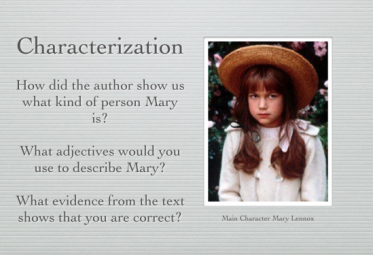
The Secret Garden is about a young girl named Mary Lennox who loses her family and everything familiar with her due to a cholera outbreak in India, where her father was working as a British Army Captain. As a child, Mary was quite neglected, but indulged by family’s servants, so she was a spoiled child with a terrible disposition. She had very few traits that would help her cope with a new life in England, where she was sent to live with a grouchy distant relative, Mr. Craven.
Mr. Craven had very strict rules for Mary to follow at her new home at Misselthwaite Manor in Yorkshire, which included her being forbidden to enter various rooms inside the giant mansion, as well as forbidden to enter one of the gardens on the sprawling property, which belonged to his beloved late wife. As Mary begins to explore her new home, she begins to find a sense of happiness and regains her health after being sickly for much of her childhood. After a robin helps her find the key to the secret garden, she finds a sense of purpose in restoring the garden, much as she restores her inner self. Through the thorns and dried leaves of winter, she finds much more lies within.
Aided by new friend Dickon, Mary develops her first friendships, and uses her newfound strength and kindness to help her bedridden cousin Colin, whom she finds tucked away in the manor. Friendship strengthens both Mary and Colin, and in the end, everyone witnesses a miracle only made possible by these close bonds and belief in oneself, two very important themes in the novel.
Young people will love reading this fantastic story of friendship, overcoming obstacles, and experiencing the healing power of nature. The characters and the lessons they teach us will surely touch your child and help them experience the power of a great story.
If you would like an opportunity for your child to experience this story with others, we are happy to let you know that we will be reading The Secret Garden as the first novel in our Young Classics Level 2 Course this summer.
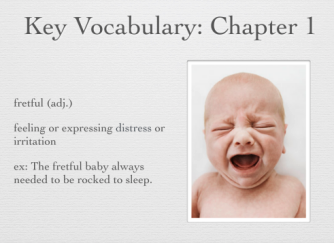
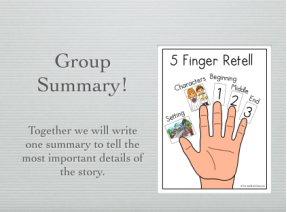
In the course, we not only read the novel, but we also learn and apply new vocabulary from the book, discuss important literary techniques used by the writer, and practice writing summaries, a key skill that many students find challenging
If you are interesting in learning more about Young Classics, or and of our other excellent and engaging courses, contact one of our Education Consultants today! We hope to work with your child very soon!
Literature study is an important aspect of any excellent academic program, and that is because it helps to teach students a wide range of knowledge and skills that are essential for success in many areas of life. While studying literature, students learn about important events and people throughout history, they consider cultural perspective and increase their own understanding of acceptance of different ideas and beliefs, and they learn how to analyse the words of others in order to form a deep understanding of new ideas and ways of communicating. In short, it exposes students to a toolbox of ideas, techniques, strategies, theories, and more that they will carry with them throughout their life, shaping the way they approach the world.
Why do we offer this course?
Reach Out students typically pursue high school programs such as IGCSE, which includes challenging courses such as English Language and Literature and English as a First Language. Later, most of those students will take on the challenge of IB and AP level programs, in which they must take on the task of reading a variety of literature. Our aim is to expose students in upper primary and middle school to a wide range of advanced literature so that by the time they reach high school they possess the knowledge and skills to hit the ground running, and therefore achieve to a higher level.
This course is designed for Grade 7-9 vadzidzi.
The Objectives of our Advanced Literature Course are to:
✪ Enhance students’ ability to understand and discern literary techniques used English and American literature, and the ability to communicate the effects of those techniques;
✪Improve children's literary comprehension skills and increase their understanding of British and American culture;
✪ Under the guidance of our expert educators, learn the power of language and storytelling in a challenging yet engaging way.
Meet Our Teachers
*Insert teacher bios here for Barry, Anthony, and John*
Our Book Selections:
Cry the Beloved Country by Alan Paton

Set in South Africa in the 1940s, award-winning Cry the Beloved Country tells the story of a Zulu Pastor, Steven Kumalo, who travels from his village to the city of Johannesburg. Along his arduous and heart-wrenching journey, he discovers that his sister and son have found themselves in terrible situations that he must now face with them. The characters’ vastly different lives become unexpectedly woven together through tragedy during a dark time in South Africa’s history. Zvisinei, through tragedy and challenges, the true nature of the human spirit can be found and uplift those who need it most.
Dracula by Bram Stoker

The legend of Dracula has loomed large in the minds of readers and movie-goers for generations. Bram Stoker based the infamous character of Dracula on the legend of the real life ruler of Wallachia, Vlad the Impaler. Stoker was able to take this dark corner of history and turn it into a legendary novel told through journal entries, letters and telegrams. As with any classic, Dracula has stood the test of time because it speaks to something very deep and meaningful within the human psyche.
Of Mice and Men by John Steinbeck
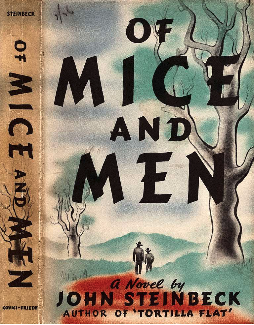
The Great Depression was a defining moment in American history that tested its strength as a nation, and placed the population in a precarious balance between life and death. In what is considered one of the greatest American classics, readers are introduced to two displaced migrant workers, George and Lennie. George is an intelligent young man, while Lennie is mentally disabled. George takes Lennie under his wing as they seek employment where few opportunities exist, trying to survive, yet still dreaming of the day they will have their own land and build a life. Their hopes are dashed when a devastating incident occurs that alters their lives forever.
What Students Will Gain
Develop an early sense of literary appreciation,
See the world from a more mature perspective
British and American classics contain thought-provoking moral and social issues. Reading the most influential classic literature thoroughly helps students become better readers, and begin the process of pursuing self-realization.
Improve understanding of culture and history
Learning allusions from classic British and American literature can help us bridge cultural differences. "The classics have opened the door to different worlds, different cultures, and different historical perspectives. Literature crosses race, culture, religion, and geography."
Self-reflection and personal growth
Many classic literature allude to our lives from the side: books that reflect similarities to our own lives are called "mirrors"; and those that give us a glimpse of different lives are called "windows." Whether it is a "mirror" or a "window", it further enriches the students' life experience and increases the courage and strength to face life.
Join Us!
Contact us to discover more about our course. We sincerely hope to meet your child soon, and develop a love of reading classic literature together.
It’s back to school time and we know parents are getting ready for a new year with new beginnings. The start of a new year is usually met with a mix of excitement and a bit of anxiety, as students and parents look forward to new skills and experiences, but also might feel nervous about new routines and expectations.
Don’t worry, Reach Out it here to help! This year, we have 5 top tips to a fantastic start to the school year.
Understanding how your child’s school approaches education, what curriculum they use, what systems, and standards are used can be overwhelming for non-educators. Spending a bit of time each day reading your school’s website content, handbooks, and other resources can help you feel more confident in understanding what your child is learning at school and how they are learning. It’s also important to attend your child’s back-to-school night and informational sessions to get a better understanding of your child’s program as a whole. It also provides a great opportunity for you to establish a relationship with your child’s teacher. At any time if you still have questions, you can always e-mail your child’s teacher. They are there for you and your child, as they know that a great relationship with parents is a fantastic way to ensure academic, social, and emotional success for all students.
2. Make Sure to Catch Enough Zzzzs Before the ABCs
Sleep is so important for a child’s growth and development, and a lack of it can negatively impact a child’s academic achievement. In fact, research shows that sleep depravation in children can lead to higher rates of anxiety and depression. When we sleep, our brain processes the information from he day, finds the best system to file it away in out memories, and re-charges our systems for a new day. For various reasons, parents often find sticking to an early bedtime difficult, but with a clear routine, and time for adjustment, it can be easy! Children 3-6 years old should be getting 10-12 hours of sleep per day, 7-12 year olds should get 10-11 hours per day, uye 12-18 year olds should get 8-9 hours per day. Creating a schedule where children get to bed earlier will make mornings easier as well, hopefully with less stress for both parents and children as they will be well rested and ready to start their day!
3. Ask the Right Questions at the Right Time
Sometimes parents are anxious to know how their child’s day was as soon as they get home from school, especially during the first few weeks. Those weeks are especially exhausting and full of ups and downs as your child learns to navigate new material, new friends, new teachers, and new expectations. Giving them time to come home and decompress is extremely important for their emotional and mental well-being. Once they have had some “me” time, parents can ask specific questions based on what they know they are working on, if they happen to know. They can go through their child’s homework diary with them and help them make a plan on how to tackle each task, as well as share in their enthusiasm for specific subjects, books, or information they also enjoy. Avoid asking, “How was school? What did you learn?” as kids respond much better to more specific questions, such as, “What did you do with your friends at lunch? What was the best part of your day? What was the weirdest or most wonderful thing that happened at school today?” Most importantly, parents should be fully present and listen intently when students answer, so they really feel valued and hear when they share.
4. Let Them Learn From Failure
This one can be extremely hard for parents to allow. We want our children to do well and reach their full potential, which means we might go over each assignment with a fine-toothed comb, correcting every mis-calculation or grammar mistake. Although parents have good intentions when we do this, we are taking away important learning opportunities from children when we do so. Back when we were students, many of our parents were often too busy or didn’t have the knowledge or capacity to help us with our school work, but we found a way to push through and try our best. If children are never given opportunities to fail when they are young, they might resist taking on challenges later in life for fear of failing at them. Zvisinei, when we let them fail gently, such as on an assignment or at a little league soccer game, we are teaching them resilience. It’s not the end of the world, and they learn a valuable lesson; that we can try and not succeed, dust ourselves off, and try again next time.
5. Nurture Their Passions
New school years are an exciting time for many reasons, one of them being that they provide children a chance to discover new passions. If they are lucky, they will stumble upon something they truly love, and that they can become fascinated with enough to spend hours on end discovering. Helping a child find his or her passion is not always easy and takes time. Sometimes parents worry if their child focuses too much on a couple of things, and feel they need to expose them to as much as possible to help shape them into well-rounded individuals. Zvisinei, if we look at the people who have shaped our world, it was because they had a laser focus on what they were passionate about. It was all they ever did or do. As humans, we naturally gravitate towards what we love most, and as long as it provides some sort of value on top of fulfillment, we should continue pursuing it. Saka, don’t worry if your child protests going to one activity while running out the door to attend another. Maybe the one they love is the most valuable to their growth and development, and the one they don’t like isn’t that necessary after all.
We hope these tips have helped, and we wish you and your child the best in the coming school year! We are excited for the new school year and all of the challenges and hope it will bring.
Reach Out will be with you every step of the way, so be on the lookout for more information and more articles we hope you will love!