Kwenye Fikia, tunaamini ni muhimu sana kusherehekea mafanikio ya wanafunzi. Tunayo furaha kumtangaza Mwanafunzi mwingine Nyota - Emma!
Emma anawakilisha kila kitu ambacho wanafunzi wanaweza kufikia kwa bidii na kujitolea kwa ubora. Walimu wa Emma wanamtambua kama mwanafunzi ambaye ana mtazamo mzuri sana kuelekea kujifunza, inakubali sana maagizo, and has an extremely supportive family who often communicates with her teachers. In class, Emma is a careful and attentive listener who is confident enough to share her ideas, but patient enough to give everyone their turn. She doesn’t mind taking risks, and is able to inject her personality into her work.
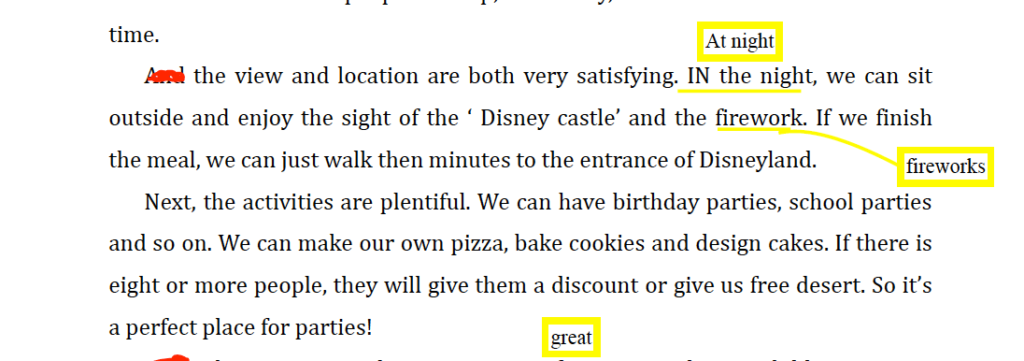
Emma is currently enrolled in our Creative Reading and Writing Level 4 Course, and she has shown a real gift in being able to create strong imagery in her writing. At the beginning of the semester, she completed a review of Blue Frog’s Shanghai Disneyland branch.
Emma showed her ability to critique specific aspects of a place, and develop her ideas using appropriate detail.
“The view and location are both very satisfying. At night we can sit outside and enjoy the sight of the Disney Castle and the fireworks.”
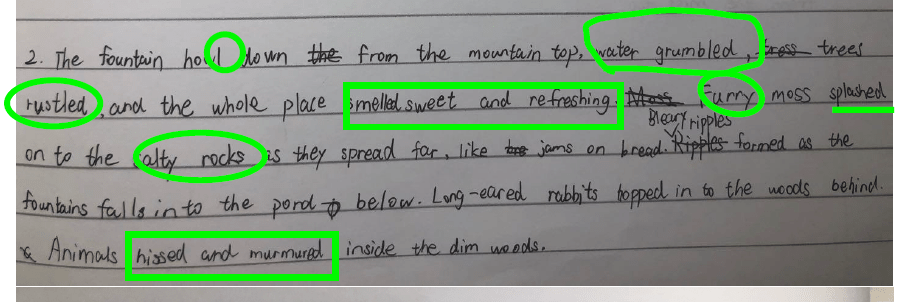
As the semester went on, Emma showed development in her writing skills, and began to incorporate more advanced literary techniques. In an assignment on describing landscapes, Emma was able to create a strong image using precise vocabulary and figurative language.
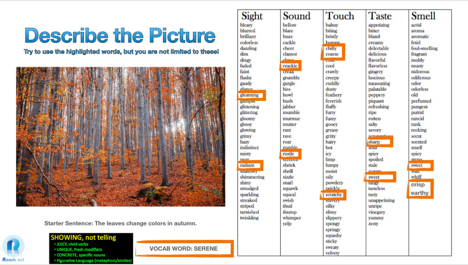
“Furry moss splashed onto the salty rocks as they spread far, like jam on bread. Bleary ripples formed as the fountain fell into the pond below.”
Emma continued to apply the lessons she learned throughout the course, and her ability as a writer became stronger. In a recent assignment on writing a Fantasy Narrative, Emma constructed the setting and character of her story deliberately and effectively.
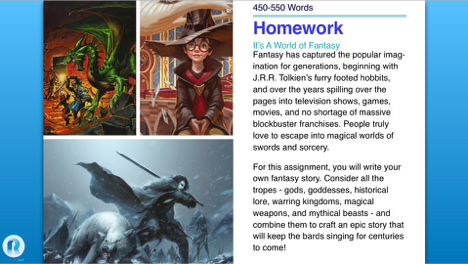
“Glittering sunshine shone from the window and on to the soft, silky bed sheet. Warm colored sweet flowers bloomed beside the open window. Dim but diligent drawings hung on the refreshing seaweed-green wall.”
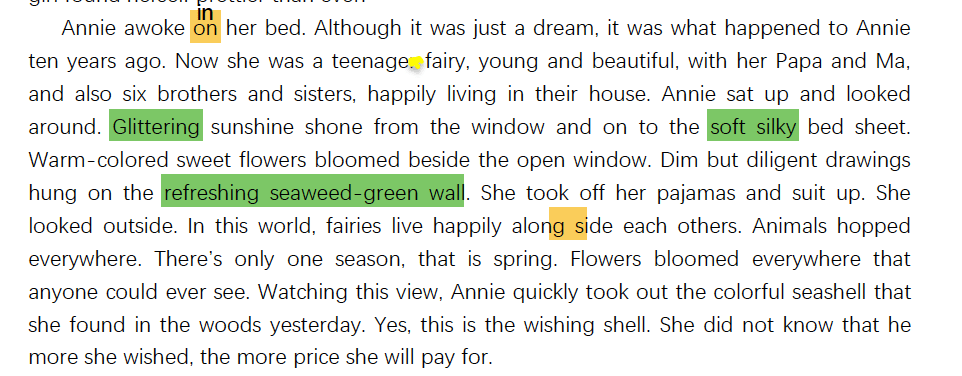
As you can see, Emma displays characteristics of a promising young writer. Her determination to improve, and careful application of the lessons taught have helped to elevate her writing to a more advanced level.
Thank you Emma, for being such a STAR! We look forward to seeing your growth for a long time to come. We know this is only the beginning of a brilliant journey.
Kama waelimishaji, mara nyingi tumekuwa tukiulizwa swali, “Ninawezaje kumfanya mtoto wangu aache kusoma vitabu vya katuni?” Parents are worried that comics do not provide educational value, hawana ukali wa kutosha kitaaluma, au mbaya zaidi, kupoteza muda wa mtoto wao. Kwa hili, jibu letu huwa linawashangaza, and that answer is, “Let them read comics!”
It’s understandable that parents would be a bit concerned as the perception is that comics are purely for pleasure reading, hata hivyo, comics have many benefits beyond helping us pass the time.
Comics and graphic novels are not new forms of writing. Of course, they have been enjoyed by many for generations. Over the years, the genre has changed into one with considerable depth and meaning, which is why we encourage parents to not only allow their children to read comics, but also to support them in doing so.
Here are our top reasons comics should be read (especially in the summer!):
For students who are not native English speakers, comics provide a great way for them to begin enjoying English literature. For many children, the task of going from an English language textbook to a novel can be very daunting, but comics can provide a necessary bridge for them to build confidence as well as reading fluency. The visual cues in the pictures allow students to create a deeper understanding of the plot and characters as well as new vocabulary. Aidha, it introduces them to effective literary devices, such as onomatopoeia (think POW! SMACK! ZOOM!) and idioms (an illustration showing the meaning of an idiom like, “Cat got your tongue?” makes much more sense than heating the idiom on its own!).

2.Enhancing Inference
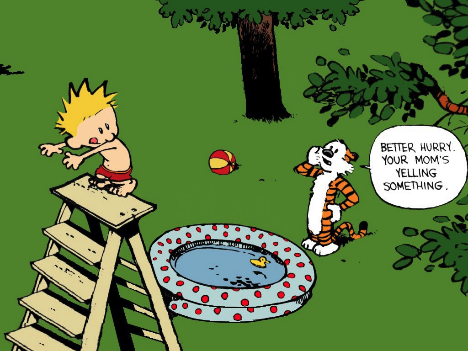
Inference is a key reading skill that many students struggle with on standardized reading assessments. Inference happens when we draw conclusions based on what we read. Some examples of questions students will encounter during reading comprehension tasks or assessments are those such as, “How did the character feel when?”, “What can you conclude about…” and “What was the lesson in the story?” Comics require that students “read between the lines” to infer information that is usually told by the narrator in a novel, so they can gain a lot of valuable experience in strengthening this skill by reading comics.
3.Word Power!
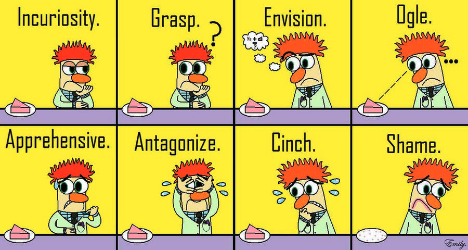
Often in comics and graphic novels, writers include quite advanced vocabulary, both as part of the story line as well as in the names of the characters. In 2016 at the world famous Comic-Con in San Diego, California, a panelist of educators discussed the power of comics in building students’ vocabularies. James Bucky Carter, author of Building Literacy Connections with Graphic Novels said, “You have Colossus, and he’s this big, giant metal guy. You get a really good sense of what the word colossus means and that’s a good 10-cent word. Banshee’s power is screaming. You have these characters that embody the vocabulary words that they are. That’s something that’s a fun way to learn new words, in addition to the contextual clues.”
After reading this you may just want to let your child dive right into reading comics or graphic novels! That’s music to our ears. If you are not sure where to start, we have some student favorites your child might like to try!
Dog Man by Dave Pilkey

Miles Morales Spider-Man by Jason Reynolds

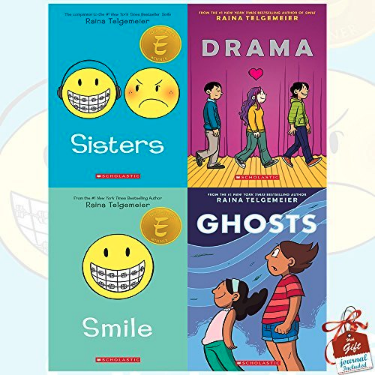
Smiles, Sisters, Ghosts, Drama and Other Stories by Raina Telgemeier
Bone by Jeff Smith

Looking for more summer reading opportunities for your child? Contact one of our Education Consultants for more information about our summer reading courses. We look forward to reading with your child!
Msimu wa mitihani umefika, na inaweza kuwa wakati wa mkazo sana wa mwaka kwa wanafunzi na wazazi. Katika Fikia tunataka kufanya tuwezavyo ili kusaidia kupunguza wasiwasi wa mtihani kwa kutoa vidokezo vya kipekee vya kusoma ambavyo huenda hukujaribu.
Conventional wisdom of studying has often been followed by many parents and teachers who mean well, hata hivyo, if we look at some interesting research-based approaches we can see that there are a variety of effective ways to study! It’s always good to try new things, especially for children. They can experience new ways of doing things when they are young, and when they are a bit older, they can choose the way best suited to their own personal needs and style.
Sasa, let’s take a look at three unique ways to study.

Variety is the Spice of Life-Even When Studying
For many, many years we've been told that in order to study well, we should study in the same place every day; a place that is quiet, well lit, and has all our materials. While this might be true for some of the time we are studying, research shows us that our brains actually do better when we vary the location in which we are studying. Quite surprising, right?
In a study done all the way back in 1978, college students were given 40 vocabulary words to study. One group was told to study the list twice in the same location. The other group was told to study the list in two different locations. What they found was, the group that varied their studying locations actually performed better on remembering the words later. Now why is that? Well, our brain often makes connections to information based on our environment, so the more we vary our environment, the more we are giving our brains a chance to retain information as it will attach to more things. This may also be why one visualization technique, where one visualizes things they wish to remember to certain places in an environment they are familiar with, can be so effective as well. Kwa wanafunzi, simply switching up the environment might do the trick!
Have Fun!
Some parents might mistakenly think that if their child is laughing or getting excited while learning or studying, they might be wasting their time. Hata hivyo, this is not necessarily the case.
As a parent, in your work or office you might have special workshops from time to time. The workshops are usually used as a tool to help you learn about a new strategy, idea, or information that will help you learn more at work. These sessions are often run by people who specialize in creating motivating and inspiring workshops that invigorate and energize employees. The days can be long and intense, but if they are done right, employees can walk away confident in their new knowledge and skills.
The same rings true for young people. Introducing game play and fun as a way to study for exams not only makes your child smile, but research indicates that having fun while learning activates certain cognitive resources, associates rewards and pleasure with learning, strengthens and broadens memory networks, and toggles abstract thinking and focused attention.

The Pomodoro Technique
Staying focused, on-task and motivated to complete certain activities can be difficult for both adults and children alike. Have you ever felt like you have been staring at a computer screen for hours, but accomplished very little? Or maybe you have a deadline in a few days, but are only inching towards the finish line? It’s no wonder, as research shows that our mind tends to wander up to 20% of the time, perhaps even more for younger people.
One interesting technique was created by college student Francesco Cirillo as a way to help him stay focused, and that is the Pomodoro Technique, which got its name from the tomato shaped timer Cirillo used while testing this strategy on himself. How it works is you set a timer for 25 minutes, which is work time. Then set it again for 5 minutes, which is break time. This is a great time to get up, stretch, take a lap around the house, pet your cat, or get a drink of water or a snack. After break time is up, set the timer for another 25 minutes and repeat!
It turns out that this strategy is backed up by scientific evidence, as researchers concluded that short breaks help keep your attention span on track. This might be related to the fact that cognitive boredom can lead to an unengaged mind, which is the last thing you want when studying for an important exam.
We hope you have enjoyed exploring these unique study tips as much as we have! Wishing your child the best of luck on exams this month. Jiayou!
Tunajua kwamba kuna mengi tunayoweza kufanya ili kulea na kusomesha watoto wetu, ndio maana kama wazazi mara nyingi huwa tunajitahidi sana kujaza muda wao na shughuli na madarasa ya kuwaongezea nguvu. Kwa nini tunafanya hivi? Kwa sababu nyingi bila shaka, lakini lengo kuu ni kuhakikisha mafanikio yao ya baadaye. Wazazi wanatumaini kwamba watoto wao watafanikiwa zaidi maishani kuliko wao wenyewe. Mafanikio, bila shaka, ni subjective, na tunaweza kuwa na tafsiri yetu wenyewe ya mafanikio. Kwa ujumla hata hivyo, tunaweza kukubaliana kwamba mafanikio ni pamoja na kujisikia maudhui katika maisha ya kibinafsi ya mtu, vile vile kuwa na hisia ya kuridhika kazini na usalama wa kifedha.
Hivi majuzi kumekuwa na TED Talk ya kufurahisha inayoshirikiwa kwenye mitandao ya kijamii, ambapo Dean wa zamani wa Freshman katika Chuo Kikuu cha Stanford, Julie Lythcott-Haims, ananukuu ushahidi kutoka kwa Utafiti wa Harvard Grant ambao unahusiana na mafanikio ya kitaaluma maishani na watu ambao walifanya kazi za nyumbani wakiwa watoto. Sio mafunzo ya soka, sio kujifunza lugha, sio uchoraji, lakini kazi za nyumbani.

Kushangaza kulia?
Watoto wetu wengi wanaokulia katika miji mikubwa huenda wasijue ni nini kusugua sahani, osha dirisha, au safisha sakafu. Tunaweza kuhisi kama kuna mambo muhimu zaidi ya kufanya ili kujenga ujuzi wao na tabia zao. Lythcott-Haims anaeleza kuwa wale watoto wanaofanya hivyo huchafua mikono yao, hata hivyo, wanaweza kufikia kiwango cha mafanikio maishani kinachowazidi wenzao wasiofanya kazi ngumu. Hiyo ni kwa sababu inafundisha wanafunzi jinsi ya kuchangia na kuongeza hatua wakati kazi inahitaji kufanywa, na kwamba kufanya "kazi ya kunung'unika" ambayo wengine wanaweza kuidhihaki, kwa sababu ndiyo iliyo bora kwa wote, ni kile kinachoonekana mahali pa kazi.
Maeneo ya kazi ya waliofaulu kwa kiwango cha juu walioshiriki katika Utafiti wa Ruzuku ya Harvard yalijulikana, kama vile Ikulu ya Marekani, ambapo mshiriki Rais Kennedy alifanya kazi, na ofisi ya mhariri ambapo Ben Bradlee alikaa kama mhariri wa The Washington Post. Tunaweza kudhani kwamba wazazi wao, kama sisi, ilibidi kusukuma na kusihi ili kazi zifanyike, na ukubali hayo hata kama yamefanywa, huenda hazijafanywa vizuri; na hiyo ni sawa.
Jambo muhimu, kama Lythcott-Haims anavyoonyesha, ni kwa kufanya kazi za nyumbani, watoto kutambua kwamba wao, "... inabidi kufanya kazi ya maisha ili kuwa sehemu ya maisha." Wanatambua kwamba maisha hayatokei kwao tu, na kwa ajili yao, lakini na yao.
Ikiwa watoto wako tayari wanafanya kazi za nyumbani kama sehemu ya utaratibu wao wa kila siku wa kiangazi, ujasiri! Uko kwenye njia sahihi. Ikiwa sivyo, hakuna haja ya kuogopa. Hatujachelewa sana kuanzisha kazi za nyumbani katika maisha ya watoto wetu. Hapa kuna vidokezo vya kukusaidia kuanza!

Waache Wawe Sehemu Yake
Wakati wa kuanzisha dhana ya watoto wako kukamilisha kazi za kusaidia, kuwa na "mkutano wa familia" ambapo kila mtu yuko ili kujadili kile kitakachotarajiwa kutoka kwa watoto wako na kwa nini. Unaweza kumwomba mtoto wako akusaidie kuandika orodha ya kazi ambazo wangeweza kusaidia nazo nyumbani. Wanaweza kukushangaza kwa shauku yao kwani kufanya kazi za nyumbani kunasisimua sana kwa baadhi ya watoto kwa sababu kunawafanya wajisikie wamewezeshwa na kusaidia. (mambo mawili ambayo mara nyingi tunapenda kujisikia tukiwa watu wazima).
Mchezo-ify It
Kufanya mambo ya kufurahisha, kwa sababu furaha hufanya kila kitu kuwa bora, wewe au mtoto wako mnaweza kuandika kazi hizo kwenye vijiti vya popsicle na kila siku mtoto wako anaweza kuchagua kijiti kimoja kutoka kwenye mtungi. Hiyo itakuwa kazi yao kwa siku hiyo! Ikiwa una zaidi ya mtoto mmoja nyumbani, unaweza kugeuza kusafisha kuwa shindano kila wakati kwa kuweka kipima muda na kuona ni mtoto yupi anayeweza kusafisha vinyago zaidi kwa muda uliotolewa., kwa mfano.
Tunu
Kama wazazi, tunazawadiwa kwa michango yetu kazini na mshahara. Je! watoto wetu pia hawapaswi kutuzwa kwa bidii yao? Wazo moja ni kwamba ikiwa mtoto wako anamaliza kazi zake zote za wiki, anaweza kuchagua toy ndogo kutoka kwa "sanduku la hazina" lililojaa vinyago vidogo. Chaguo jingine linaweza kuwa ikiwa mtoto wako anamaliza kazi za nyumbani mfululizo kwa mwezi, wanaweza kuchagua safari maalum ya ziada ya familia.
Kufundisha watoto wetu kufanya kazi za nyumbani si rahisi kila wakati, lakini manufaa yanayoweza kutokea yanafaa wakati na jitihada. Tunatumahi umepata vidokezo vyetu kuwa muhimu, na kwamba wanaweza kusaidia kusababisha uzoefu mzuri kwako na kwa mtoto wako. Furaha kusafisha!
Tunayo furaha kutangaza klabu mpya ya vitabu vya majira ya joto, kwa wazazi tu! Majira ya joto ndio wakati mwafaka wa kusoma kitabu ambacho umekuwa ukitaka kusoma kila wakati, lakini hawakuwa na wakati. Majira haya ya joto, tunakualika ujiunge nasi katika kusoma Jinsi ya Kuzungumza Ili Watoto Wasikilize na Kusikiliza Ili Watoto Wazungumze.
Tunajua si rahisi kila mara kuungana na watoto wetu kwa sababu ya mahitaji ya shule, kazi na maisha ya kila siku. Nyakati fulani mahangaiko yetu kuhusu wakati ujao hutuingilia katika maisha yetu sasa hivi. Hata hivyo, jambo moja tunaloweza kuhakikisha ni kwamba hatutapata fursa nyingine ya kupata maisha ya utotoni na watoto wetu wenyewe, na hatutaki kukosa wakati huu wa thamani. Hivyo, tunawezaje kufaidika nayo na kuwa na mazungumzo yenye maana na watoto wetu ambayo yataimarisha uhusiano wetu na kuwasaidia watoto wetu kuhisi kuungwa mkono.? Haya ni maswali makubwa wengi wetu tunayo.
Ili kutusaidia kujibu maswali haya muhimu, tunakualika ujiunge nasi katika kusoma moja ya vitabu maarufu vya malezi ya wakati wote, iliyoandikwa na Adele Faber na Elaine Mazlish. Jinsi ya Kuzungumza Ili Watoto Wasikilize na Sikiliza Ili Watoto Wazungumze, ambayo inatufundisha jinsi ya kukubali hisia za watoto wetu, kwani kwa kutofanya hivyo tunaweza kuwa tunasababisha tabia mbaya bila kujua. Pia inatufundisha njia chanya za kuhimiza ushirikiano, pamoja na uhuru, uhuru, na kujiamini. Hivi ndivyo vitu vyote vinavyohitajika kusaidia kukuza uhusiano mzuri wa mzazi na mtoto ambao utasaidia sana kuwakuza watoto wetu hadi watu wazima wanaojiamini na wenye uwezo..

Itafanyaje Kazi?
Hatua ya kwanza ni kuwasiliana na mmoja wa Washauri wetu wa Elimu ili kujiandikisha. Usajili ni BURE na uko wazi kwa kila mtu! Tutaanzisha gumzo la kikundi ambapo maudhui ya funzo la kitabu na kushiriki vitafanyika kuanzia tarehe 1 Julai. Lindsey Mzuri, Meneja wetu wa Elimu, atajiunga na kikundi kama mzazi pia, kwani ni mama wa watoto wawili wa kiume, mzee 4 na 6, ambao watajifunza pamoja nawe. Pia atakuwa akisaidia kuongoza mijadala ya kila wiki.
Kitabu kinaweza kupatikana kwa Kiingereza na Kichina na kinaweza kupatikana kwa kuchapishwa, e-kitabu, au muundo wa kitabu cha sauti.
Kisha kuna chaguzi mbili za jinsi ungependa kushiriki:
Ratiba ya kusoma ni kama ifuatavyo:
Wiki 1: Sura 1 & 2
Wiki 2: Sura 3 & 4
Wiki 3: Sura 5 & 6
Wiki 4 Sura 7 & Maneno ya baadaye
Mwishoni mwa mwezi, tutaandaa warsha ya mtandaoni inayoongozwa na Mshauri wa Shule, Regina Wehner. Kwenye warsha, Regina atashiriki maelezo na mikakati ya ziada unayoweza kutumia ili kuimarisha uhusiano wako na mtoto wako.
Kuhusu Regina Wehner

Regina Wehner ni Mshauri wa Shule Yenye Leseni ambaye amefanya kazi na wanafunzi katika Shule ya Kati kwa muda mrefu 16 miaka. Asili kutoka Marekani, anaishi na mume wake na 2 watoto, umri 10 na 12, mjini Beijing, China.
Regina anafanya kazi katika Chuo cha Magharibi cha Beijing (WAB), shule mbalimbali za kimataifa. Sehemu kubwa ya kuwa mshauri wa shule ni kuwasaidia wanafunzi kujifunza kuhusu wao wenyewe na wengine kadri wanavyokua. Regina pia huandaa Mzazi Coffee Mornings kila mwezi ili kuleta wazazi pamoja ili kujifunza zaidi kuhusu mabadiliko ya ukuaji wa watoto wao na jinsi ya kuwasiliana katika nyakati hizi za mabadiliko.
Wasiliana nasi leo ili kujiunga!
Kumsaidia Mtoto Wako Kujifunza Msamiati Mpya
Utafiti unaonyesha kwamba ikiwa tunataka wanafunzi kufaulu katika muktadha wa masomo, juu ya tathmini muhimu na mitihani ya juu, pamoja na kazi zao za baadaye, lazima tuwasaidie kukuza msamiati wao. Sababu yake ni hii: uelewa wetu wa habari mpya unahusishwa moja kwa moja na uelewa wetu wa msamiati unaotumiwa kuwasilisha habari hiyo mpya.
Kwa wanafunzi, kuongeza msamiati wao ni ufunguo mmoja wa mafanikio katika kuimudu lugha; maneno zaidi tunayajua, maneno zaidi tunaelewa, na jinsi maneno mengi tunavyoweza kutumia katika uandishi wetu ili kuyafanya yawe na athari na ufanisi zaidi. Hata hivyo, kujifunza sasa msamiati wakati mwingine hutazamwa kama mchakato wa kuchosha au ngumu. Wakati fulani wazazi hawana uhakika jinsi ya kuwaongoza watoto wao, hasa jinsi tunavyoshughulikia utafiti wa msamiati inaweza kutofautiana sana na jinsi wazazi walivyoisoma walipokuwa shuleni..
Usijali, Reach Out iko hapa kusaidia! Wacha tuchunguze upatikanaji wa msamiati (mchakato wa kukariri na kutumia msamiati mpya), na tutakuambia jinsi unavyoweza kumsaidia mtoto wako kujenga msamiati wake!
Zungumza Juu Yake!
Inaweza kuonekana kuwa rahisi kupita kiasi, lakini linapokuja suala la kujifunza maneno mapya, njia moja yenye matokeo ambayo vijana hufanya hivyo ni kwa kuzungumza na wengine. Watoto hujifunza maneno mapya vizuri zaidi wanapokuwa katika muktadha, kama vile katika mazungumzo kuhusu mada fulani. Wanaweza kukisia kidogo maana ya maneno mapya kulingana na jinsi yanavyotumiwa pamoja na maneno mengine ambayo tayari wanayafahamu..
Inawezekana umekatishwa na mtoto wako mara nyingi unapotumia msamiati usioufahamu na anauliza kwa kushangaza., “Maafa maana yake nini?” Huenda ulikuwa ukirejelea hali ya chumba chao cha kulala (kwani ndani yake kuna fujo kamili), na kwa kuchukua muda kueleza maana nyingi za maafa kwao, si tu utakuwa umewafundisha neno jipya kuelezea chumba chenye fujo, lakini pia kushindwa au jambo linalotokea kiasili, kama vile janga la asili.
Hivyo, kuzungumza na mtoto wako ni njia nzuri ya kumfundisha maneno mapya!
Ichunguze!
Wanafunzi kwa ujumla wanaelewa kuwa wanaweza kutumia kamusi au mfasiri wakikutana na neno wasilolijua, lakini wakati mwingine hata ufafanuzi wa neno unaweza kuwaacha na maswali mengi kuliko majibu.
Katika uzoefu wetu, wanafunzi wengi hawatumii zana moja muhimu sana ya kujifunza na kutumia msamiati mpya, na chombo hicho ni nadharia! Ukiona mtoto wako anatumia neno kupita kiasi wakati akizungumza au katika maandishi yake, kwa mfano, "mzuri", "mzuri", "nzuri", au "mbaya", kisha chukua muda kuwaonyesha jinsi ya kutumia tovuti kama vile thesaurus.com kuangalia maneno hayo. Wanapotafuta neno kama vile "nzuri" wataona kwamba kuna maneno mengi ya kuvutia na ya kipekee ya kutumia badala yake! I
Katika uzoefu wetu, wanafunzi hufurahia sana kutumia msamiati mpya, na kujisikia kuwezeshwa kujua kuna chombo cha kuwasaidia kufanya maneno yao kuwa na nguvu zaidi.
Cheza!
Kuwa na furaha wakati wa kujifunza sio tu jambo ambalo walimu hufanya ili kuwafurahisha wanafunzi, kwa kweli imethibitishwa na sayansi ya neva kuwa njia mwafaka ya kuwasaidia wanafunzi kujifunza zaidi na kwa undani zaidi. Utafiti unaonyesha kwamba wakati wanafunzi wanachangamshwa na kupata changamoto, akili zao hutoa dopamine. Dopamine ni neurotransmitter ambayo huchochea vituo vya kumbukumbu na kukuza kutolewa kwa asetilikolini., ambayo huongeza umakini wa umakini.
Katika kozi zetu hapa Reach Out, maelekezo ya msamiati ni sehemu muhimu ya kila somo. Pia tuna kozi zinazozinduliwa msimu huu wa joto, Viwango vya Wajenzi wa Msamiati 1-3, ambamo tutazingatia kikamilifu kumsaidia mtoto wako kupanua ujuzi wake wa msamiati kwa kutumia maneno mapya yenye changamoto. Wakati maneno yaliyochaguliwa yanatoa changamoto, zana kama vile Quizlet na michezo kama vile Guess Who na Sentence Racer huwapa wanafunzi nafasi ya kuingiliana kwa njia ya maana na ya kuvutia..
Tunajuaje njia hizi zinafaa? Kwa sababu miongo yetu ya uzoefu, na masomo ya saikolojia ya elimu na mbinu yametufundisha jinsi wanafunzi hujifunza vyema zaidi!
Tungependa kumsaidia mtoto wako kujifunza msamiati mpya kama mojawapo ya njia anazoweza kuwa msomaji bora na mwenye mafanikio zaidi., mwandishi, na mzungumzaji. Ili kujifunza zaidi jinsi tunavyoweza kusaidia, wasiliana na mmoja wa Washauri wetu wa Elimu leo!
Ikiwa unatafuta huduma ya elimu ya kibinafsi zaidi, Reach Out hutoa huduma za 1-kwa-1 na waelimishaji wetu waliobobea!
Tunatoa Nini?
Walimu wetu hutoa anuwai ya masomo ya 1-kwa-1 pamoja na Kiingereza, Sayansi ya Jamii, na Hisabati.
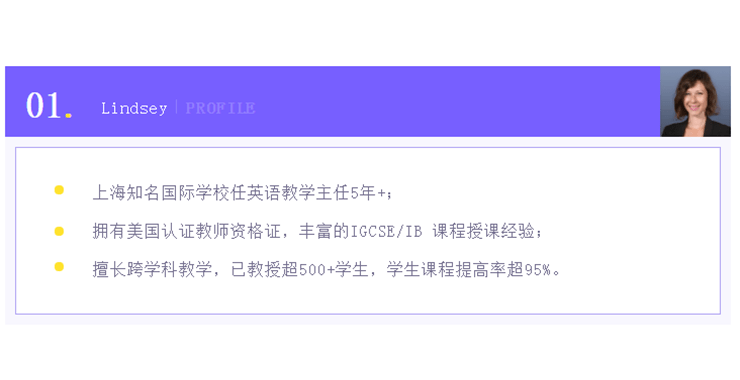
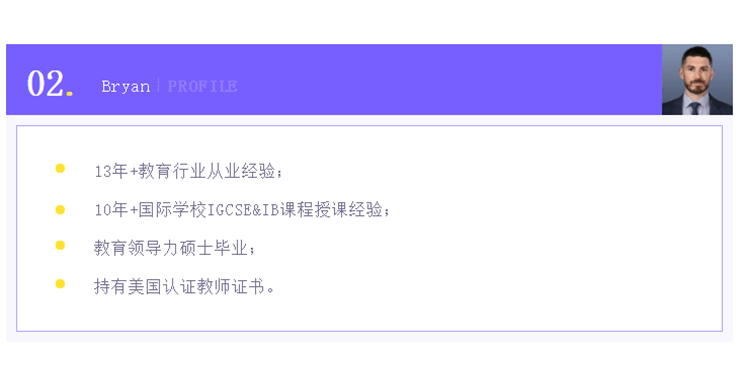
Kutana na baadhi ya walimu wetu waliohitimu sana na wenye uzoefu!
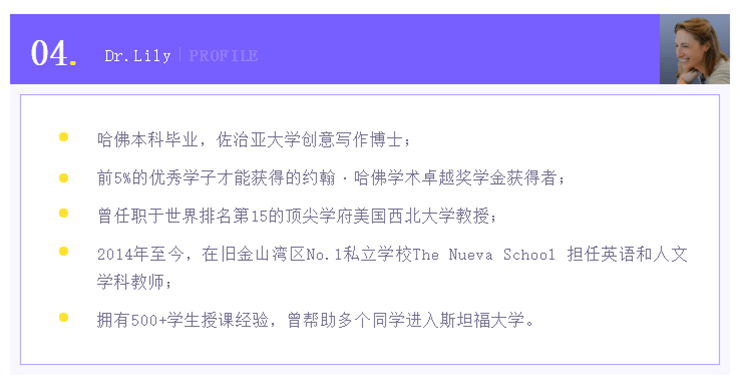
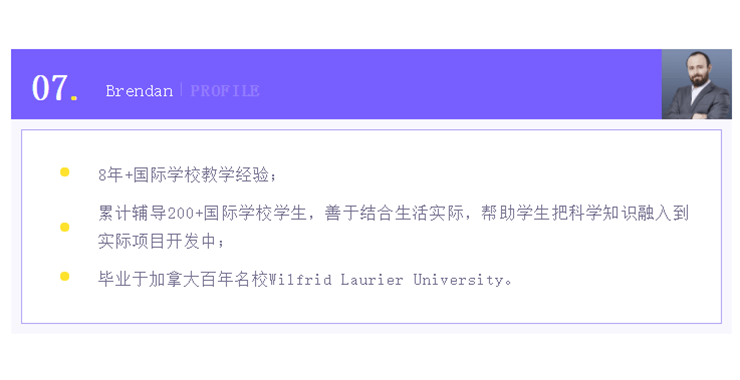
Kwa nini Nichague Huduma za 1-kwa-1?
Labda mtoto wako anajiandaa kusoma nje ya nchi au kuomba shule mpya na angependa mbinu ya kina na inayolengwa ili kuboresha ujuzi wake.. Vinginevyo, mtoto wako anaweza asihisi changamoto ya kutosha na mtaala wake wa sasa, na anahitaji mbinu mbadala ambayo inafaa zaidi kwa kiwango cha uwezo wake.
Kuna sababu kadhaa ambazo mzazi anaweza kuwa anatafuta huduma kama hizi, na tunaweza kukuhakikishia kwamba tutajitahidi kila wakati kuelewa hali ya kipekee ya mtoto wako na kutoa huduma inayomfaa zaidi..
Jinsi Inafanya Kazi?
Kwa mbinu yetu ya mikono, na mchakato wa mwelekeo, tutatathmini maarifa na ujuzi wa mtoto wako kulingana na data ya sasa ya tathmini, uwezo wa kuandika, na zaidi. Kulingana na matokeo yetu, tutachagua mwalimu anayefaa zaidi mahitaji ya mtoto wako. Walimu wote wa Reach Out wamechaguliwa kwa uangalifu, na kuwa na uzoefu wa miaka mingi katika kufundisha mitaala yenye changamoto, kama vile IGCSE, IB, na AP, katika shule bora kutoka kote ulimwenguni.
Mchakato wetu unalenga malengo. Tunapata kujua ni nini hasa mtoto wako anahitaji ili kufikia malengo yake ya elimu, na kisha tunaunda njia ya kipekee na iliyoundwa maalum ya kujifunza ambayo itafaa zaidi mahitaji mahususi ya mtoto wako.
Nini Kingine Hufikia Ofa?
Mbali na huduma za 1-kwa-1, Reach Out hutoa aina mbalimbali za kozi zilizoundwa mahususi ili kutoa changamoto na kumshirikisha mtoto wako wa darasa la 2 hadi 8 na maudhui ya juu ya daraja ili kumsaidia kujiandaa kwa ajili ya ugumu wa programu kama vile IGCSE., IB, na AP.
Ninawezaje Kujifunza Zaidi?
Ili kujua zaidi kuhusu huduma zetu za 1-on-1, tafadhali wasiliana na mmoja wa Washauri wetu wa Elimu leo ili kujua zaidi! Tunatazamia kumsaidia mtoto wako kufikia malengo yake ya kielimu kwa maisha bora ya baadaye!
Sisi ni Nani
Kama unaweza kuwa umeona, tumekuwa tukikua na kuwa na nyongeza za kusisimua kwa kile tunachotoa hapa Reach Out. Kwa vile imekuwa muda tangu tujitambulishe, tulidhani tungeshiriki hadithi yetu na wewe ili kukusaidia kuelewa vyema sisi ni nani na tunachofanya!
Dhamira Yetu
Dhamira ya Reach Out ni kuunganisha wanafunzi na waelimishaji wataalam wanaounda na kutoa asili, kutia moyo, mitaala ya kiwango cha kimataifa. Tumeanzisha safari hii ili tuweze kuwasaidia wanafunzi kuelewa jinsi ya kupata sauti yao ya kipekee na kufichua mawazo ya ubunifu na muhimu ambayo yamo ndani ya kila mmoja wao.. Kwa sauti zao, wana uwezo wa kubadilisha ulimwengu, na tunataka kuwawezesha kufanya hivyo.
Maono Yetu
Reach Out inajitahidi kuwa taasisi ya elimu inayotambulika kimataifa ambayo inaruhusu wanafunzi kupata mitaala ya juu ya kimataifa na waelimishaji., haijalishi wako wapi duniani. Wanafunzi wetu watakuwa wenye utambuzi, kutaka kujua, na wanafikra makini wanaofanya maamuzi sahihi kama watatuzi bora wa matatizo na wawasilianaji. Wanafunzi wa Reach Out watafikia malengo na ndoto zao za kitaaluma na za kibinafsi kutoka Shule ya Msingi hadi Chuo Kikuu, kuweka mustakabali wao mzuri katika kufikiwa.
Maadili yetu ya Msingi
Hizi ndizo kanuni zinazounda Reach Out:
Hadithi Yetu
Reach Out iliundwa na kikundi kidogo cha akina mama waliojitolea, labda kama wewe mwenyewe. Waliletwa pamoja na maono ya pamoja kwa ajili ya mahitaji ya elimu ya watoto wao. Wengine walikuwa wakitafuta programu ya elimu ambayo inaweza kuwapa watoto wao maoni hayo, kufundisha falsafa, na mbinu iliyolingana na waliyopitia walipokuwa wakiishi nje ya nchi. Wengine walikuwa wakitafuta mtaala wa kimataifa ambao watoto wao wangeweza kupata ili kuboresha uzoefu wao wa elimu nchini China. Walichoshiriki pamoja ni hamu ya kuwa na programu kali ambayo pia ilifungua milango ya kufikiria kwa ubunifu na kwa umakinifu, kujitafakari, na usemi wa kibinafsi - alama za mtaala dhabiti wa kimataifa. Baada ya kutumia muda mwingi kuchunguza chaguzi mbalimbali, akina mama hawa hawakuweza kupata chochote ambacho kilikidhi mahitaji ya watoto wao.
Hivyo, walifanya kile ambacho mama yeyote mzuri angefanya, kupewa nafasi, na wakapata njia yao wenyewe ya kuwapa watoto wao fursa bora zaidi za kujifunza zilizoundwa ili kuwasaidia kustawi. Walishauriana na walimu waliobobea na kufanya kazi na wazazi wengine ili kugundua jinsi wanavyoweza kukidhi mahitaji ya watoto wengine wenye malengo sawa. Watoto, tunatumai, kama yako.
Wazazi walijitolea:
Tunafurahi kusema kwamba akina mama hawa wamefikia lengo lao. Leo Reach Out inajivunia safu kamili ya kozi ngumu lakini zinazovutia ambapo wanafunzi hujifunza kwa kina huku wakiburudika na kuunda uhusiano wa maana na walimu na wenzao..
Yote haya kwa sababu ya kujitolea kwa akina mama waanzilishi kwa elimu na furaha ya watoto wao.
Kinachotufanya Tuwe wa Kipekee?
Ingawa tunaelewa kuwa wazazi wana chaguo kadhaa linapokuja suala la programu zinazoboresha elimu ya watoto wao, tunaamini tunatoa sifa nyingi za kipekee ambazo hazipatikani kwa urahisi mahali pengine.
Timu yetu ina waelimishaji wenye ujuzi wa hali ya juu na uzoefu ambao wameunda mpango wa kipekee na mkali kulingana na viwango vya kimataifa vya shule., ambayo hutayarisha wanafunzi wachanga kuchukua mitaala ngumu kama vile IGCSE, IB, na AP.
-Programu zetu moja hadi moja na mitaala iliyoundwa kuzidi mahitaji ya kielimu ya wanafunzi wetu
-Falsafa yetu ya kufundisha ya kuwatia moyo na kuwawezesha wanafunzi, na mbinu ya ufundishaji ya kuruhusu wanafunzi kuchunguza maarifa kwa upana na kwa kina huku wakati huo huo wakikuza upendo wa kujifunza
-Ahadi yetu kwa mafanikio ya muda mrefu ya wanafunzi wetu tunapojitahidi kuwapa ujuzi muhimu watakaohitaji ili kufaulu katika taaluma zao za baadaye na ulimwengu zaidi ya shule.
- Maoni ya kina tunayotoa pamoja na tathmini zetu zote za wanafunzi, ili wanafunzi wajue wapi wanafaulu na wapi wanaweza kuboresha, pamoja na nyenzo za ziada na maelekezo yanayohitajika ili kuwasaidia wanafunzi wetu kuziba mapengo yoyote katika kuelewa
-Kujitolea kwetu kukuza mawazo muhimu ya wanafunzi wetu na ujuzi wa kutatua matatizo, ambayo itakuwa muhimu kwa maisha yao ya baadaye, pamoja na mustakabali wa jamii yetu ya kimataifa
-Ahadi yetu ya kuajiri wafanyikazi wetu wote wa kufundisha na wasio waalimu kulingana na mapenzi yao ya elimu
-Uwezo wetu wa kuwawezesha wanafunzi kutumia lugha, maarifa, na ujuzi wanaopata ili kujiendeleza zaidi ya darasani na kuwa wadadisi, wanafunzi wa maisha yote ambao huweka na kufuata changamoto, kutimiza, na malengo yenye thamani.
-Mikono yetu juu, mbinu ya kibinafsi ya kuunda njia ya kujifunza kwa wanafunzi wetu ili bila kujali ni kiwango gani cha daraja wanapojiunga nasi, watakuwa na zana muhimu ili kuboresha na kukua kwa haraka
-Ahadi yetu ya kuwawezesha wateja wetu kwa taarifa na uzoefu ambao utawasaidia kufanya chaguo bora zaidi kwa ajili ya elimu ya mtoto wao kwa kutoa makala zenye taarifa., video na warsha.
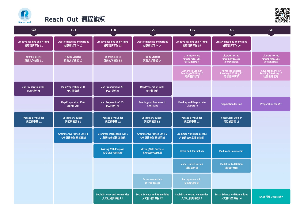
Mtaala Wetu
Mtaala wetu wa Blue Line, ambayo inajumuisha kozi kwa wanafunzi wa Daraja 2 kwa 8, iliundwa na waelimishaji wataalam walio na digrii za kiwango cha juu katika maeneo yao ya masomo ambao wametumia miongo kadhaa katika shule zingine bora za kimataifa ulimwenguni.. Tunatumia muundo wa mtaala wa kurudi nyuma ukifanya kazi kwa njia yetu kutoka mwaka wa kwanza wa programu kama vile mpango wa IGCSE unaotambulika na kuheshimiwa..
Kama waelimishaji wetu wametumia miaka kufundisha kozi kabla ya IGCSE, IGCSE, Mtaala wa IB na AP au A Levels, wanaelewa wanafunzi wanahitaji nini ili kufaulu katika programu hizo. Hivyo, kila kipengele cha mtaala wetu kimeundwa ili kuhakikisha kwamba wanafunzi wetu wote wanaingia siku yao ya kwanza ya darasa. 9 kujisikia kujiamini, vifaa, na tayari kukidhi mahitaji ya kozi hizi kali.
Tunatoa kozi mbalimbali katika masomo ya Kiingereza, Hisabati, Historia na Jiografia. Tazama hapa chini kwa maelezo zaidi juu ya matoleo yetu kamili ya kozi.
Huduma za Ziada
Pia tunayo furaha kutangaza kuundwa kwa Silver Line yetu, ambayo hutoa huduma za kielimu zilizopangwa ambazo huchukua mbinu ya kibinafsi ili kukidhi mahitaji ya wanafunzi wetu. Tunaanza na tathmini ya kina ya malengo na mahitaji ya elimu ya kila mwanafunzi, na kisha kuunda na kutekeleza mpango wa kazi ambao waelimishaji wetu wataalam watatumia kumwongoza mtoto wako kupitia changamoto za masomo ya Shule ya Upili ili kumtayarisha kuhudhuria chuo kikuu cha ndoto yake..
Pia tunatoa huduma za 1-kwa-1 katika viwango vyote vya daraja kwa wazazi wanaotaka kuwapa watoto wao matunzo na mafundisho ya kibinafsi zaidi.. Washauri wetu wa Elimu waliobobea watahakikisha kwamba wanalinganisha mtoto wako na mwalimu bora kwa mahitaji na malengo yake mahususi.
Jiunge Nasi!
Tunatazamia kukutana na familia yako na kujadili jinsi unavyoweza kuwa sehemu ya familia yetu ya Fikia; moja ambayo hujifunza pamoja, kujaliana, hushinda changamoto pamoja, na kusherehekea mafanikio kwa kila mmoja. Tafadhali wasiliana nasi leo ili kujua zaidi.
Tunatarajia kusikia kutoka kwako hivi karibuni!
Being a parent is hard. In fact, with the changes in our world today, it might just be one of the challenging moments we have had to face in decades. Change leads to uncertainty, and uncertainty can lead to stress. Stress certainly affects all areas of our lives, sometimes it will impact our relationship with our loved ones the most; especially our children.
Our children can be complicated (let’s face it, so can we!), and it is a daunting task to ensure that every move is the “right” one. That all of our conversations, demands, requests, plans, praises and criticisms mean something. Every moment we spend talking to our kids, we hold the hope that these words will be enough to fill our children with the hope of a great future at a time where the future is so uncertain. Times change, and this too shall pass, but one thing we can guarantee is that we will never have a second chance at spending a childhood with our children.
Kama wazazi, we often ask ourselves if we are in fact doing the right thing, wondering how we can get through to our kids, trying to understand our children better, and sometimes feeling like a guilty failure because we tell ourselves we are doing it wrong. Oftentimes, that is not the case, but there is no instruction manual on how to raise a child that will work for everyone in all situations. Sure, there is a lot of advice, an overwhelming amount of it, but again, most advice is just that; guidance and recommendations by people who don’t know you or your child. Some of it is helpful, and some of it…not so much.
One thing that we cannot deny though is the importance of a healthy relationship between parent and child.
Research shows that:
It is essential to make the time to nurture a relationship with your child, and perhaps even more imperative, making sure the interactions we have with our children during that time are positive. This is something that many parents find challenging, which is why we created a parent book club for the book Jinsi ya Kuzungumza Ili Watoto Wasikilize na Kusikiliza Ili Watoto Wazungumze by Adele Faber and Elaine Mazlish. Together we learned ways to positively communicate with our children in order to strengthen our bonds. We spent time discussing ideas from the book, as well as had a virtual meet up to role-play some of the strategies from the book. On top of that, we invited Middle School Guidance Counselor, Regina Wehner, to provide parents with a workshop in understanding our child’s cognitive and emotional development.
Here are some highlights we would like to share with you!
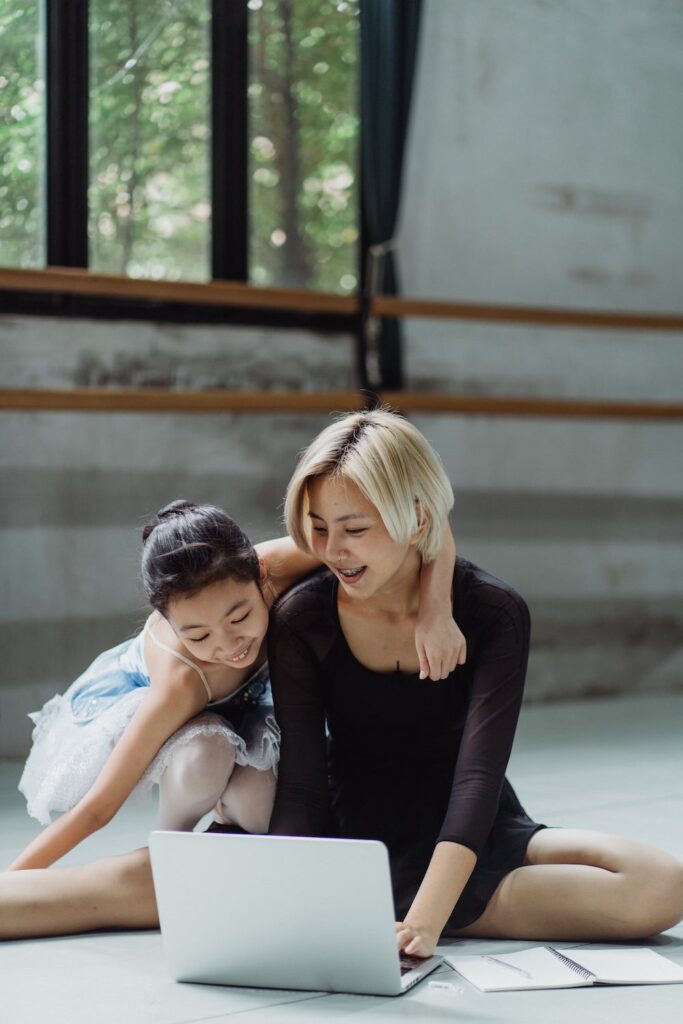
First, from Jinsi ya Kuzungumza Ili Watoto Wasikilize na Kusikiliza Ili Watoto Wazungumze, here are two of our favorite strategies:
Children have difficulty regulating their emotions, as the brain’s emotional regulation center is one of the last to develop. This means that they need our help in the form of compassion and modeling. This can be so challenging, especially when we may have difficulty managing our own emotions at times! We have an easy strategy for you that will only require two things:
When your child comes home upset about something that happened at school, instead of lecturing and offering our sage advice, we can simply listen to their concerns and repeat the ideas back to them. Kwa mfano, if your child comes home upset and says something like, “Ugh, today Elizabeth and Sarah were so mean to me! They completely ignored me and I hate both of them now!” Instead of saying, “Elizabeth and Sarah are your best friends. It’s not a big deal and I am sure you will be fine tomorrow,” which could invalidate your child’s feelings, you can say, “Oh, I see. Elizabeth and Sarah made you feel a bit left out. That probably made you feel a bit sad and mad.” At this point your child might keep talking and open up to you, which is great! It means they trust you and you are making them feel better. Continue to listen, nod, say, “Mmmhmm,” and repeat what they say. Having you simply listen will likely make your child feel 100% better and ready to face their next challenge!

2. I wish!
Our children often express their desires in the form of wishing they had things they don’t have or wishing things were different than the way they are. Kwa mfano, children may say, “I wish I didn’t have to do all that homework.” We may reply, “Well, you do and that’s that!” or “It’s what you have to do. It’s your responsibility so you need to do it now!”
This may escalate into a battle of wills as parents feel frustrated that they keep hearing the same complaint and repeat the same reasoning. The children feel frustrated because their opinions are being invalidated and they feel misunderstood. Well, don’t worry, we are here to help! We have a little trick that will help you turn the conversation around, and that is to agree with your child. It may sound counterintuitive, but we have firsthand experience with this trick and it works wonders!
Kwa mfano, if your child says, “I wish we could go to the park today like I wanted!”
Instead of saying, “I can’t, I am too busy,” or “Yes, but we can’t, it’s raining,” we can say, “I wish we could too! We could go to the park and have a picnic! We could fly a kite and blow bubbles! Why don’t we have a picnic in the living room and after that we can blow bubbles in the bathroom!”
The first part gets the kids excited and their imagination going, taking them to a happy place. The next part makes them feel heard and connected to you.
Sasa, some highlights from Ms. Wehner’s workshop:
*Please help me choose these! :)*
If you would like to join one of our workshops or book clubs in the future, make sure to follow us and stay tuned! We have great things coming up this fall!
Wazazi wengi wanatuuliza ni njia gani ya haraka zaidi mtoto wao anaweza kuboresha uandishi wao. Ingawa tunaamini kabisa kuwa hakuna njia za mkato za kuwa mwandishi bora na stadi, kuna baadhi ya mambo ambayo wanafunzi wanaweza kujumuisha katika uandishi wao ili kusaidia kuupeleka katika ngazi inayofuata kwa ufanisi zaidi. Kama na kitu chochote kinachojaribu kutawaliwa, ufunguo wa mafanikio upo katika kufanya kazi kwa bidii na kurudia-rudia. Kufanya mazoezi ya stadi hizi mara kwa mara kutamsaidia mtoto wako kufikia malengo yake ya elimu.
Makala hii itakuwa ya kwanza katika mfululizo wa makala ambayo yatazingatia ujuzi unaofaa kwa aina mbalimbali za kuandika. Wiki hii, tutazingatia vidokezo vya uandishi wa maelezo.
Vidokezo vya Kuandika vya Maelezo:
Uandishi wa maelezo ni aina ya sanaa ya kweli, kwani lengo lake liwe kujenga taswira katika akili za wasomaji. Mtu hawezi kusimulia hadithi juu ya hatua na mazungumzo peke yake, na mtu hawezi kutoa maana ya kina na hisia katika shairi bila kuchora picha kwa maneno yake.
Njia moja yenye nguvu ya kufaulu katika maelezo ni kuongeza vivumishi na vielezi popote inapowezekana. Kwa mfano, ikiwa mtoto wako anaandika hadithi anaweza kuandika kitu kama hicho:
"Harry alitoka nje na kuanza kutafuta marafiki zake."
Wakati sentensi hii inatoa maana ya msingi, athari yake kwa msomaji pia ni ya msingi. Kwa kuongeza lugha ya maelezo katika mfumo wa vivumishi na vielezi, tunaweza kwa haraka na kwa ufanisi kuongeza taswira kwenye sentensi:
"Harry alifunga zipu kwenye mlango wa mbele, akiufunga nyuma yake. Moyo wake ulienda mbio huku akikimbia kuzunguka mtaa huo akiwatafuta marafiki zake.”
Katika sentensi iliyorekebishwa, tunaona maelezo ambayo yanatuambia sio tu kitendo kinachofanyika, lakini pia kutusaidia kuhisi hisia za mhusika, kipengele muhimu cha hadithi.

Njia nyingine nzuri ya kufanya hadithi au shairi kuwa na ufanisi zaidi ni kwa kuongeza lugha ya kitamathali, kama vile mifano. Milinganisho ni linganishi zinazotumia kama au vile ambavyo vinaweza kutumika kumsaidia msomaji kufikiria kinachotokea kwa uwazi zaidi.
Kwa mfano, mtoto wako anaweza kuandika kitu kama:
Nilifurahi sana!
Ilikuwa nzuri sana!
Aliogopa sana!
Tunaweza kuongeza mifano ili kusaidia kuunda matokeo bora zaidi:
Nilikuwa na furaha kama paka katika duka la uzi.
Ilikuwa nzuri kama panda mtoto akicheza kwenye theluji.
Aliogopa kama sungura aliyesikia tu mbwa mwitu akilia.

Ncha yetu ya mwisho ya uandishi wa maelezo ni kuchagua msamiati ambao ni sahihi sana hivi kwamba unawasilisha kile ambacho mwandishi anataka msomaji ahisi.. Mara nyingi, wanafunzi wataandika maelezo ambayo hayaeleweki kidogo, na sentensi kama:
Alikuwa amechoka sana.
Filamu hiyo ilichosha sana.
Walikuwa baridi sana.
Chumba kina joto sana.
Tena, sentensi hizi hutoa maana rahisi, lakini kwa maandishi ya maelezo, hiyo haitoshi. Ufafanuzi unaofaa hutumia msamiati ambao una athari, na tunaweza kufikia hilo kwa kuchagua maneno bora tu ya kuwasilisha maana kamili zaidi.
Tazama jinsi tunavyoweza kuchukua sentensi zilizo hapo juu kutoka za kawaida hadi zisizo za kawaida kwa kubadilisha sehemu ya sentensi na kutumia msamiati wenye nguvu.:
Alikuwa amechoka.
Filamu hiyo haikuwa ya kufikiria.
Walipozwa hadi mfupa.
Chumba kilikuwa kikichomwa.
Habari njema ni kwamba mtoto wako hahitaji kutegemea ujuzi wake wa sasa wa msamiati ili kufanikiwa kuunda sentensi kama hizo hapo juu.. Thesaurus ina maneno yote wanayohitaji ili kuunda maelezo ya kukumbukwa.
Tunatumahi vidokezo hivi vimesaidia! Ikiwa ungependa mtoto wako ajifunze jinsi ya kutumia ujuzi huu katika vitendo na mmoja wa waelimishaji wetu wanaopenda sana, kaa karibu na matangazo yajayo kwenye kozi zetu mpya za kiangazi na vuli!
Wiki ijayo, tutaangalia vidokezo vya uandishi wa ushawishi!
Tell us a bit about yourself.
I grew up in five different countries (Sweden, England, Germany, South Africa, and Canada). Integration into a diverse spectrum of cultures growing up has made me see the world with an open mind. I currently reside in Canada and work as both a university lecturer and a Math teacher at Reach Out. Outside of work I really enjoy sports such as badminton and chess, which I played at a competitive level for many years.

What is your educational background and qualifications?
I received a Bachelor of Science Degree from the University of British Columbia (UBC) and an obtained my MSc at the same university. My graduate work involved experimental geoscience where I designed an apparatus to investigate how diamonds reach the surface of the Earth through high velocity magmas. I published articles in two high impact journals and presented the work across Canada and Europe.
During my graduate studies I had the privilege of lecturing a few classes which transitioned into a lectureship position. Teaching at the university level involves lecturing a class of over 200 wanafunzi, which is very different to the work I do at Reach Out, but has helped me develop a dynamic teaching style.
Additionally, I have been teaching Math and Science both privately and through educational organizations for over 6 miaka.
Why did you join Reach Out?
I joined Reach Out because the prospect of being able to deliver high quality education from around the globe without border restrictions resonates with me.
I feel that the reason I am committed to staying at Reach Out is more important. The personalized classes being delivered has allowed me to connect with the students, making their progression much more meaningful to me. Some students have been together with me through multiple grade levels and I feel immensely proud to have played a role in their education.
What is your educational philosophy?
Having a background in experimental science has allowed me to see value in making breakthroughs through experimentation. By allowing students to experiment with different methodologies while offering guidance is an extremely effective way of teaching students to not be afraid of failure. Richard Fuller correctly said, “There is no such thing as a failed experiment, only experiments with unexpected outcomes.” Students often start my classes afraid to answer questions, discuss with their classmates, or write on the board since they don’t know the answers. Since I am always more focused on solutions rather than answers, students’ are rewarded for trying new techniques, discussing failed methods, and asking questions about their classmates’ work. I found this to produce a phenomenal learning environment and takes a lot of pressure off the students.

What is your favorite thing about teaching Math?
My favorite thing about teaching Math is the exciting challenges it provides. After teaching Math for many years, I have come to realize that students see the world from a unique perspective, which more often than not, is very different from my own. This diversity produces a wide spectrum of learning styles and requires me to stay very flexible with the methodologies I use in my teaching.
Math is a complex subject which has provided us with a universal language to better understand the universe that surrounds us. Having a good problem solving ability is a byproduct of learning Math and crucial for success in the modern world. For these reasons I have the responsibility to transform a traditionally dry and boring subject into something exciting by creating compelling lessons and using creativity to inspire my students. This will always be something I love about my job.
Who is your favorite mathematician and why?
This is a tough question, and it’s hard to pinpoint one Mathematician since I utilize the works of so many Mathematicians in just one lesson. If I had to pick it would be either Johannes Kepler or Nicolaus Copernicus since I also love astronomy. Their Math not only challenged everything that was believed about our solar system at the time, but also formed the foundations for understanding planetary motion. Space travel has relied heavily on these concepts.
If you could only give parents one piece of advice when it comes to helping their child improve in Math, what would it be?
One thing I have worked on a lot with my students, is getting them to explain their solutions to me regardless of how easy it may seem. Being able to arrive at the correct answer in certain school curriculums may not require a complete understanding, but being able to explain a solution well does require a good understanding. Make sure that your child is always showing very clear steps in their work and that they can explain their steps to you. This certifies understanding and shows they are prepared for questions which test the same concept but may be worded differently.
What is one fun fact about yourself?
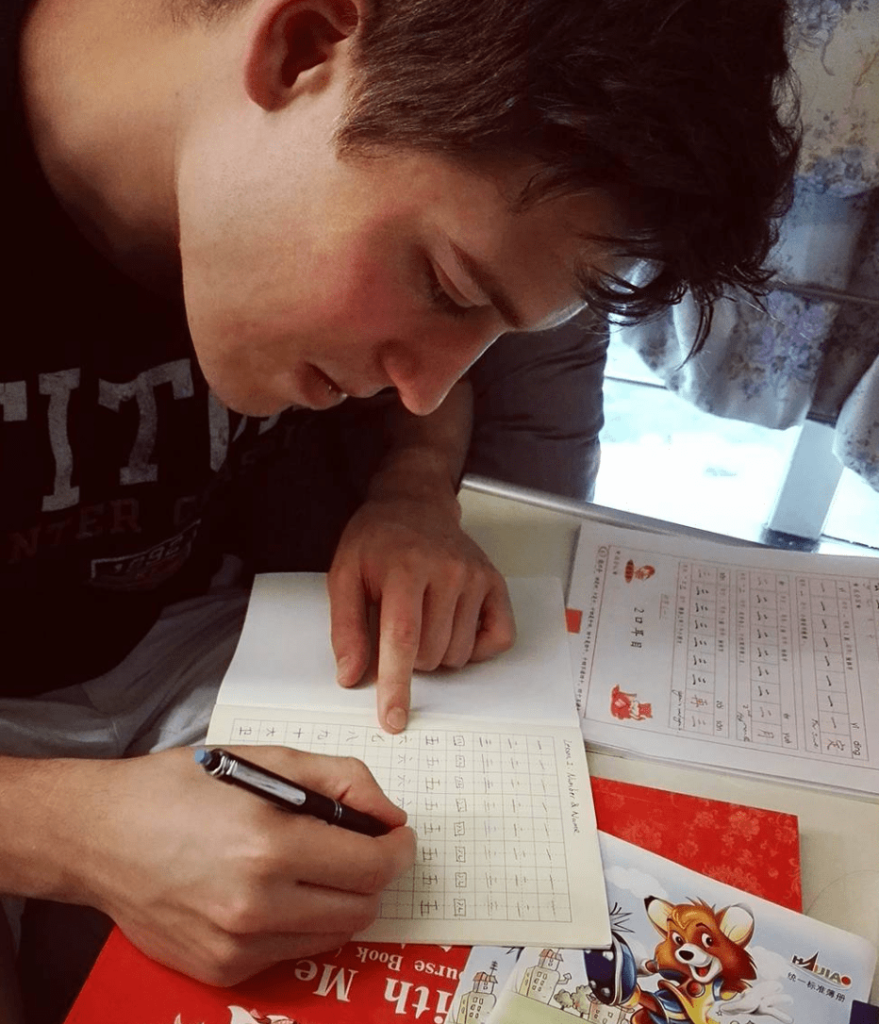
I really like learning languages! After growing up in many different countries I can speak English, Swedish, and German fluently. For the past two years I have been working to add Chinese to my collection and have enjoyed the unique challenges that learning this complex language has provided me with.
The Secret Garden is a piece of classic literature that has been part of an untold number of childhoods (if you missed our article on why children should read classic novels, see it linked below!). It is a powerful tale of friendship and discovering oneself that resonates with our souls.
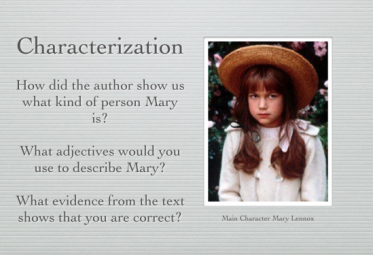
The Secret Garden is about a young girl named Mary Lennox who loses her family and everything familiar with her due to a cholera outbreak in India, where her father was working as a British Army Captain. As a child, Mary was quite neglected, but indulged by family’s servants, so she was a spoiled child with a terrible disposition. She had very few traits that would help her cope with a new life in England, where she was sent to live with a grouchy distant relative, Bw. Craven.
Bw. Craven had very strict rules for Mary to follow at her new home at Misselthwaite Manor in Yorkshire, which included her being forbidden to enter various rooms inside the giant mansion, as well as forbidden to enter one of the gardens on the sprawling property, which belonged to his beloved late wife. As Mary begins to explore her new home, she begins to find a sense of happiness and regains her health after being sickly for much of her childhood. After a robin helps her find the key to the secret garden, she finds a sense of purpose in restoring the garden, much as she restores her inner self. Through the thorns and dried leaves of winter, she finds much more lies within.
Aided by new friend Dickon, Mary develops her first friendships, and uses her newfound strength and kindness to help her bedridden cousin Colin, whom she finds tucked away in the manor. Friendship strengthens both Mary and Colin, and in the end, everyone witnesses a miracle only made possible by these close bonds and belief in oneself, two very important themes in the novel.
Young people will love reading this fantastic story of friendship, overcoming obstacles, and experiencing the healing power of nature. The characters and the lessons they teach us will surely touch your child and help them experience the power of a great story.
If you would like an opportunity for your child to experience this story with others, we are happy to let you know that we will be reading The Secret Garden as the first novel in our Young Classics Level 2 Course this summer.
In the course, we not only read the novel, but we also learn and apply new vocabulary from the book, discuss important literary techniques used by the writer, and practice writing summaries, a key skill that many students find challenging
If you are interesting in learning more about Young Classics, or and of our other excellent and engaging courses, wasiliana na mmoja wa Washauri wetu wa Elimu leo! We hope to work with your child very soon!
Literature study is an important aspect of any excellent academic program, and that is because it helps to teach students a wide range of knowledge and skills that are essential for success in many areas of life. While studying literature, students learn about important events and people throughout history, they consider cultural perspective and increase their own understanding of acceptance of different ideas and beliefs, and they learn how to analyse the words of others in order to form a deep understanding of new ideas and ways of communicating. In short, it exposes students to a toolbox of ideas, techniques, strategies, theories, and more that they will carry with them throughout their life, shaping the way they approach the world.
Why do we offer this course?
Reach Out students typically pursue high school programs such as IGCSE, which includes challenging courses such as English Language and Literature and English as a First Language. Later, most of those students will take on the challenge of IB and AP level programs, in which they must take on the task of reading a variety of literature. Our aim is to expose students in upper primary and middle school to a wide range of advanced literature so that by the time they reach high school they possess the knowledge and skills to hit the ground running, and therefore achieve to a higher level.
This course is designed for Grade 7-9 wanafunzi.
The Objectives of our Advanced Literature Course are to:
✪ Enhance students’ ability to understand and discern literary techniques used English and American literature, and the ability to communicate the effects of those techniques;
✪Improve children's literary comprehension skills and increase their understanding of British and American culture;
✪ Under the guidance of our expert educators, learn the power of language and storytelling in a challenging yet engaging way.
Meet Our Teachers
*Insert teacher bios here for Barry, Anthony, and John*
Our Book Selections:
Cry the Beloved Country by Alan Paton

Set in South Africa in the 1940s, award-winning Cry the Beloved Country tells the story of a Zulu Pastor, Steven Kumalo, who travels from his village to the city of Johannesburg. Along his arduous and heart-wrenching journey, he discovers that his sister and son have found themselves in terrible situations that he must now face with them. The characters’ vastly different lives become unexpectedly woven together through tragedy during a dark time in South Africa’s history. Hata hivyo, through tragedy and challenges, the true nature of the human spirit can be found and uplift those who need it most.
Dracula by Bram Stoker

The legend of Dracula has loomed large in the minds of readers and movie-goers for generations. Bram Stoker based the infamous character of Dracula on the legend of the real life ruler of Wallachia, Vlad the Impaler. Stoker was able to take this dark corner of history and turn it into a legendary novel told through journal entries, letters and telegrams. As with any classic, Dracula has stood the test of time because it speaks to something very deep and meaningful within the human psyche.
Of Mice and Men by John Steinbeck
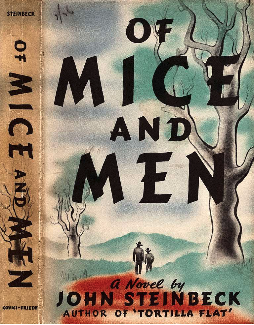
The Great Depression was a defining moment in American history that tested its strength as a nation, and placed the population in a precarious balance between life and death. In what is considered one of the greatest American classics, readers are introduced to two displaced migrant workers, George and Lennie. George is an intelligent young man, while Lennie is mentally disabled. George takes Lennie under his wing as they seek employment where few opportunities exist, trying to survive, yet still dreaming of the day they will have their own land and build a life. Their hopes are dashed when a devastating incident occurs that alters their lives forever.
What Students Will Gain
Develop an early sense of literary appreciation,
See the world from a more mature perspective
British and American classics contain thought-provoking moral and social issues. Reading the most influential classic literature thoroughly helps students become better readers, and begin the process of pursuing self-realization.
Improve understanding of culture and history
Learning allusions from classic British and American literature can help us bridge cultural differences. "The classics have opened the door to different worlds, different cultures, and different historical perspectives. Literature crosses race, culture, religion, and geography."
Self-reflection and personal growth
Many classic literature allude to our lives from the side: books that reflect similarities to our own lives are called "mirrors"; and those that give us a glimpse of different lives are called "windows." Whether it is a "mirror" or a "window", it further enriches the students' life experience and increases the courage and strength to face life.
Jiunge Nasi!
Contact us to discover more about our course. We sincerely hope to meet your child soon, and develop a love of reading classic literature together.
It’s back to school time and we know parents are getting ready for a new year with new beginnings. The start of a new year is usually met with a mix of excitement and a bit of anxiety, as students and parents look forward to new skills and experiences, but also might feel nervous about new routines and expectations.
Usijali, Reach Out it here to help! This year, we have 5 top tips to a fantastic start to the school year.
Understanding how your child’s school approaches education, what curriculum they use, what systems, and standards are used can be overwhelming for non-educators. Spending a bit of time each day reading your school’s website content, handbooks, and other resources can help you feel more confident in understanding what your child is learning at school and how they are learning. It’s also important to attend your child’s back-to-school night and informational sessions to get a better understanding of your child’s program as a whole. It also provides a great opportunity for you to establish a relationship with your child’s teacher. At any time if you still have questions, you can always e-mail your child’s teacher. They are there for you and your child, as they know that a great relationship with parents is a fantastic way to ensure academic, social, and emotional success for all students.
2. Make Sure to Catch Enough Zzzzs Before the ABCs
Sleep is so important for a child’s growth and development, and a lack of it can negatively impact a child’s academic achievement. In fact, research shows that sleep depravation in children can lead to higher rates of anxiety and depression. When we sleep, our brain processes the information from he day, finds the best system to file it away in out memories, and re-charges our systems for a new day. For various reasons, parents often find sticking to an early bedtime difficult, but with a clear routine, and time for adjustment, it can be easy! Watoto 3-6 years old should be getting 10-12 hours of sleep per day, 7-12 year olds should get 10-11 hours per day, na 12-18 year olds should get 8-9 hours per day. Creating a schedule where children get to bed earlier will make mornings easier as well, hopefully with less stress for both parents and children as they will be well rested and ready to start their day!
3. Ask the Right Questions at the Right Time
Sometimes parents are anxious to know how their child’s day was as soon as they get home from school, especially during the first few weeks. Those weeks are especially exhausting and full of ups and downs as your child learns to navigate new material, new friends, new teachers, and new expectations. Giving them time to come home and decompress is extremely important for their emotional and mental well-being. Once they have had some “me” time, parents can ask specific questions based on what they know they are working on, if they happen to know. They can go through their child’s homework diary with them and help them make a plan on how to tackle each task, as well as share in their enthusiasm for specific subjects, books, or information they also enjoy. Avoid asking, “How was school? What did you learn?” as kids respond much better to more specific questions, such as, “What did you do with your friends at lunch? What was the best part of your day? What was the weirdest or most wonderful thing that happened at school today?” Most importantly, parents should be fully present and listen intently when students answer, so they really feel valued and hear when they share.
4. Let Them Learn From Failure
This one can be extremely hard for parents to allow. We want our children to do well and reach their full potential, which means we might go over each assignment with a fine-toothed comb, correcting every mis-calculation or grammar mistake. Although parents have good intentions when we do this, we are taking away important learning opportunities from children when we do so. Back when we were students, many of our parents were often too busy or didn’t have the knowledge or capacity to help us with our school work, but we found a way to push through and try our best. If children are never given opportunities to fail when they are young, they might resist taking on challenges later in life for fear of failing at them. Hata hivyo, when we let them fail gently, such as on an assignment or at a little league soccer game, we are teaching them resilience. It’s not the end of the world, and they learn a valuable lesson; that we can try and not succeed, dust ourselves off, and try again next time.
5. Nurture Their Passions
New school years are an exciting time for many reasons, one of them being that they provide children a chance to discover new passions. If they are lucky, they will stumble upon something they truly love, and that they can become fascinated with enough to spend hours on end discovering. Helping a child find his or her passion is not always easy and takes time. Sometimes parents worry if their child focuses too much on a couple of things, and feel they need to expose them to as much as possible to help shape them into well-rounded individuals. Hata hivyo, if we look at the people who have shaped our world, it was because they had a laser focus on what they were passionate about. It was all they ever did or do. As humans, we naturally gravitate towards what we love most, and as long as it provides some sort of value on top of fulfillment, we should continue pursuing it. Hivyo, don’t worry if your child protests going to one activity while running out the door to attend another. Maybe the one they love is the most valuable to their growth and development, and the one they don’t like isn’t that necessary after all.
We hope these tips have helped, and we wish you and your child the best in the coming school year! We are excited for the new school year and all of the challenges and hope it will bring.
Reach Out will be with you every step of the way, so be on the lookout for more information and more articles we hope you will love!