ที่เอื้อมมือออก, เราเชื่อว่าการเฉลิมฉลองความสำเร็จของนักเรียนเป็นสิ่งสำคัญมาก. เรามีความยินดีที่จะประกาศให้ทราบถึง Star Student อีกคน - เอ็มม่า!
Emma เป็นตัวแทนของทุกสิ่งที่นักเรียนสามารถทำได้ด้วยการทำงานหนักและความมุ่งมั่นสู่ความเป็นเลิศ. ครูของ Emma ยอมรับว่าเธอเป็นนักเรียนที่มีทัศนคติต่อการเรียนรู้ที่ยอดเยี่ยม, เปิดรับคำสั่งสอนมาก, และมีครอบครัวที่ให้การสนับสนุนอย่างมากซึ่งมักจะสื่อสารกับครูของเธอ. ในชั้นเรียน, เอ็มมาเป็นผู้ฟังที่รอบคอบและเอาใจใส่ซึ่งมีความมั่นใจมากพอที่จะแบ่งปันความคิดของเธอ, แต่อดทนพอที่จะให้ทุกคนถึงคราว. เธอไม่สนใจที่จะเสี่ยง, และสามารถใส่ความเป็นตัวตนของเธอลงไปในงานได้.
ปัจจุบัน Emma กำลังลงทะเบียนในระดับการอ่านและการเขียนเชิงสร้างสรรค์ของเรา 4 คอร์ส, และเธอได้แสดงให้เห็นถึงพรสวรรค์ที่แท้จริงในการสร้างจินตภาพที่แข็งแกร่งในงานเขียนของเธอ. ในช่วงต้นภาคเรียน, เธอได้ตรวจสอบสาขาเซี่ยงไฮ้ดิสนีย์แลนด์ของ Blue Frog เรียบร้อยแล้ว
เอ็มมาแสดงความสามารถในการวิจารณ์แง่มุมเฉพาะของสถานที่แห่งหนึ่ง, และพัฒนาความคิดโดยใช้รายละเอียดที่เหมาะสม.
“ทั้งวิวและทำเลน่าพึงพอใจมาก. ในตอนกลางคืนเราสามารถนั่งข้างนอกและเพลิดเพลินกับทัศนียภาพของปราสาทดิสนีย์และดอกไม้ไฟได้”

เมื่อภาคการศึกษาดำเนินไป, เอ็มม่าแสดงพัฒนาการด้านทักษะการเขียนของเธอ, และเริ่มผสมผสานเทคนิควรรณกรรมขั้นสูงเข้าด้วยกัน. ในภารกิจบรรยายทิวทัศน์, เอ็มมาสามารถสร้างภาพลักษณ์ที่แข็งแกร่งโดยใช้คำศัพท์ที่แม่นยำและภาษาที่เป็นรูปเป็นร่าง.
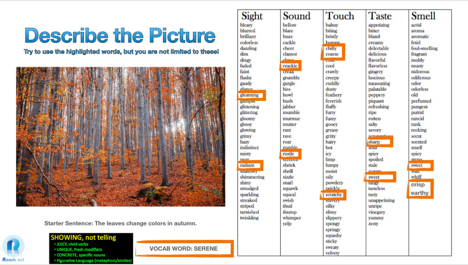
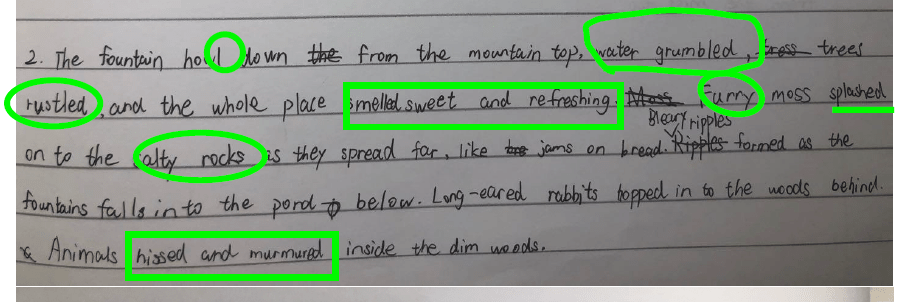
“ตะไคร่ขนปุกปุยกระเด็นไปบนหินเค็มขณะที่พวกมันกระจายไปไกล, เหมือนแยมบนขนมปัง. ระลอกคลื่นอันเยือกเย็นก่อตัวขึ้นเมื่อน้ำพุตกลงสู่สระน้ำเบื้องล่าง”
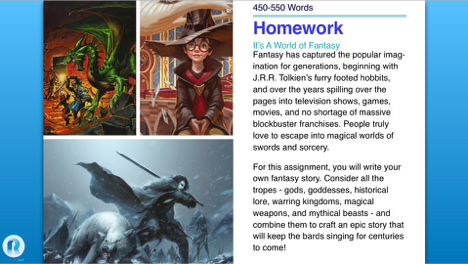
เอ็มมาประยุกต์ใช้บทเรียนที่เธอเรียนรู้ต่อไปตลอดหลักสูตร, และความสามารถของเธอในฐานะนักเขียนก็แข็งแกร่งขึ้น. ในงานมอบหมายล่าสุดเกี่ยวกับการเขียนเรื่องแฟนตาซี, เอ็มมาสร้างฉากและตัวละครในเรื่องราวของเธออย่างตั้งใจและมีประสิทธิภาพ.
“แสงแดดที่ส่องประกายระยิบระยับจากหน้าต่างไปสู่ความนุ่มนวล, ผ้าปูที่นอนเนียน. ดอกไม้สีหวานอบอุ่นบานอยู่ข้างหน้าต่างที่เปิดอยู่. ภาพวาดสลัวๆ แต่ขยันขันแข็งแขวนอยู่บนผนังสีเขียวสาหร่ายอันสดชื่น”
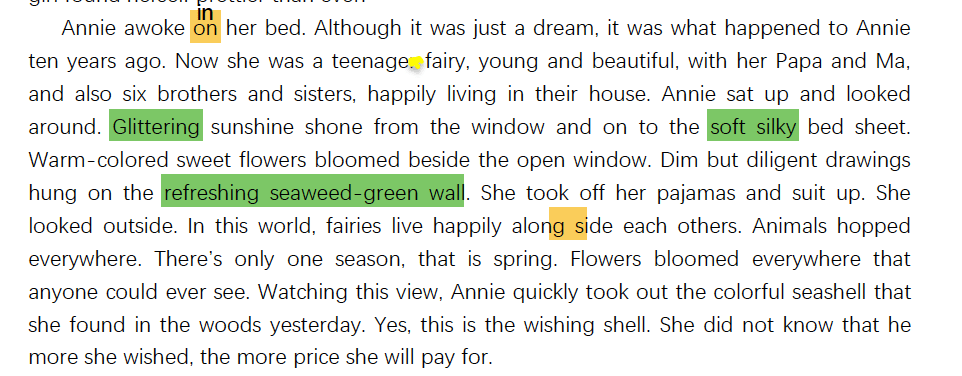
อย่างที่คุณเห็น, เอ็มมาแสดงลักษณะของนักเขียนหนุ่มที่มีอนาคต. ความมุ่งมั่นของเธอที่จะปรับปรุง, และการประยุกต์ใช้บทเรียนที่สอนอย่างระมัดระวังได้ช่วยยกระดับการเขียนของเธอไปสู่ระดับที่สูงขึ้น.
ขอบคุณเอ็มม่า, สำหรับการเป็น STAR! เราหวังเป็นอย่างยิ่งว่าจะได้เห็นการเติบโตของคุณไปอีกนาน. เรารู้ว่านี่เป็นเพียงจุดเริ่มต้นของการเดินทางที่ยอดเยี่ยมเท่านั้น.
ในฐานะนักการศึกษา, เรามักจะถูกถามคำถามนี้, “ฉันจะทำให้ลูกเลิกอ่านหนังสือการ์ตูนได้อย่างไร?” ผู้ปกครองกังวลว่าการ์ตูนไม่ได้ให้คุณค่าทางการศึกษา, ไม่เข้มงวดทางวิชาการเพียงพอ, หรือแย่ที่สุด, เป็นการเสียเวลาของลูก. เพื่อสิ่งนี้, คำตอบของเรามักจะทำให้พวกเขาประหลาดใจ, และคำตอบนั้นก็คือ, “ให้พวกเขาอ่านการ์ตูน!”
เป็นที่เข้าใจได้ว่าผู้ปกครองอาจกังวลเล็กน้อย เนื่องจากการรับรู้คือการ์ตูนมีไว้เพื่อการอ่านอย่างเพลิดเพลินเท่านั้น, อย่างไรก็ตาม, การ์ตูนมีประโยชน์มากมายนอกเหนือจากการช่วยให้เราฆ่าเวลาได้.
การ์ตูนและนิยายภาพไม่ใช่รูปแบบใหม่ของการเขียน. แน่นอน, พวกเขามีความสุขมาหลายชั่วอายุคน. ตลอดหลายปีที่ผ่านมา, แนวเพลงได้เปลี่ยนไปเป็นแนวเดียวกันที่มีความลึกและความหมายมาก, นั่นคือเหตุผลที่เราสนับสนุนให้ผู้ปกครองไม่เพียงแต่อนุญาตให้บุตรหลานอ่านการ์ตูนเท่านั้น, แต่ยังสนับสนุนพวกเขาในการทำเช่นนั้นด้วย.
นี่คือเหตุผลหลักของเราที่ควรอ่านการ์ตูน (โดยเฉพาะในฤดูร้อน!):
สำหรับนักเรียนที่ไม่ใช่เจ้าของภาษาอังกฤษ, การ์ตูนเป็นช่องทางที่ดีสำหรับพวกเขาในการเริ่มเพลิดเพลินกับวรรณกรรมอังกฤษ. สำหรับเด็กหลายๆคน, งานในการเปลี่ยนจากหนังสือเรียนภาษาอังกฤษไปเป็นนวนิยายอาจเป็นเรื่องที่น่ากลัวมาก, แต่การ์ตูนสามารถเป็นสะพานเชื่อมที่จำเป็นสำหรับพวกเขาในการสร้างความมั่นใจและความคล่องในการอ่าน. ภาพในภาพช่วยให้นักเรียนสร้างความเข้าใจที่ลึกซึ้งยิ่งขึ้นเกี่ยวกับโครงเรื่องและตัวละครตลอดจนคำศัพท์ใหม่ๆ. นอกจากนี้, มันแนะนำให้พวกเขารู้จักกับอุปกรณ์วรรณกรรมที่มีประสิทธิภาพ, เช่นการสร้างคำ (คิดว่าเชลยศึก! ตี! ซูม!) และสำนวน (ภาพประกอบแสดงความหมายของสำนวนเช่น, “แมวจับลิ้นของคุณ?” มีเหตุผลมากกว่าการทำให้สำนวนร้อนขึ้นด้วยตัวมันเอง!).

2.การเพิ่มประสิทธิภาพการอนุมาน
การอนุมานเป็นทักษะการอ่านที่สำคัญที่นักเรียนหลายคนประสบปัญหาในการประเมินการอ่านที่เป็นมาตรฐาน. การอนุมานเกิดขึ้นเมื่อเราสรุปผลจากสิ่งที่เราอ่าน. ตัวอย่างคำถามบางส่วนที่นักเรียนจะพบระหว่างงานเพื่อความเข้าใจในการอ่านหรือการประเมิน ได้แก่, “ตัวละครรู้สึกอย่างไรเมื่อไร?”, “คุณสรุปอะไรได้บ้าง…” และ “บทเรียนในเรื่องคืออะไร?” การ์ตูนต้องการให้นักเรียน “อ่านระหว่างบรรทัด” เพื่ออนุมานข้อมูลที่ผู้บรรยายมักจะเล่าในนวนิยาย, เพื่อให้พวกเขาได้รับประสบการณ์อันมีค่ามากมายในการเสริมสร้างทักษะนี้ด้วยการอ่านการ์ตูน.
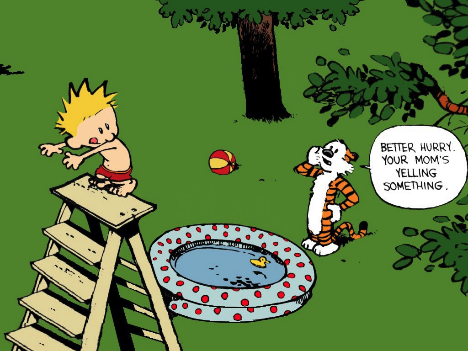
3.พลังคำ!
มักปรากฏในการ์ตูนและนิยายภาพ, ผู้เขียนรวมคำศัพท์ที่ค่อนข้างสูง, ทั้งเป็นส่วนหนึ่งของโครงเรื่องและชื่อของตัวละคร. ใน 2016 ในงาน Comic-Con อันโด่งดังระดับโลกในซานดิเอโก, แคลิฟอร์เนีย, ผู้ร่วมอภิปรายของนักการศึกษาหารือถึงพลังของการ์ตูนในการสร้างคำศัพท์ของนักเรียน. เจมส์ บัคกี้ คาร์เตอร์, ผู้เขียน Building Literacy Connections with Graphic Novels กล่าว, “คุณมีโคลอสซัส, และเขาใหญ่ขนาดนี้, คนที่แต่งตัวประหลาดโลหะยักษ์. คุณเข้าใจความหมายของคำว่า colossus ได้ดีมาก และนั่นเป็นคำที่ดีเพียง 10 เปอร์เซ็นต์เท่านั้น. พลังของ Banshee กำลังกรีดร้อง. คุณมีตัวละครเหล่านี้ที่รวบรวมคำศัพท์ที่เป็นอยู่. นั่นเป็นวิธีสนุกในการเรียนรู้คำศัพท์ใหม่ๆ, นอกเหนือจากเบาะแสตามบริบท”
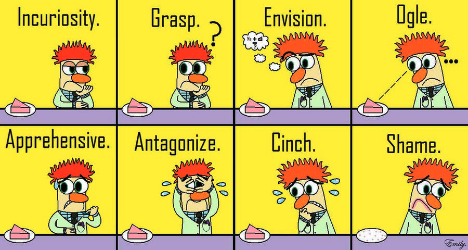
หลังจากอ่านบทความนี้แล้ว คุณอาจต้องการปล่อยให้ลูกของคุณดำดิ่งไปกับการอ่านการ์ตูนหรือนิยายภาพ! นั่นเป็นเพลงที่ติดหูของเรา. หากคุณไม่แน่ใจว่าจะเริ่มต้นจากตรงไหน, เรามีรายการโปรดของนักเรียนที่บุตรหลานของคุณอาจต้องการลอง!
Dog Man โดย Dave Pilkey

ไมล์ โมราเลส สไปเดอร์แมน โดย เจสัน เรย์โนลด์ส

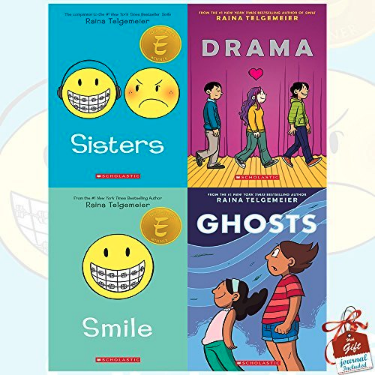
ยิ้ม, พี่สาวน้องสาว, ผี, ละครและเรื่องอื่น ๆ โดย Raina Telgemeier
โบน โดย เจฟฟ์ สมิธ

กำลังมองหาโอกาสในการอ่านหนังสือช่วงฤดูร้อนเพิ่มเติมสำหรับลูกของคุณ? ติดต่อที่ปรึกษาด้านการศึกษาของเราเพื่อขอข้อมูลเพิ่มเติมเกี่ยวกับหลักสูตรการอ่านภาคฤดูร้อนของเรา. เราหวังว่าจะได้อ่านกับลูกของคุณ!
ฤดูกาลสอบมาถึงแล้ว, และอาจเป็นช่วงเวลาที่เครียดมากของปีสำหรับทั้งนักเรียนและผู้ปกครอง. ที่ Reach Out เราต้องการพยายามอย่างดีที่สุดเพื่อช่วยคลายความวิตกกังวลในการสอบโดยเสนอเคล็ดลับการเรียนพิเศษที่คุณอาจไม่เคยลอง.
ภูมิปัญญาดั้งเดิมของการเรียนมักได้รับการปฏิบัติตามโดยผู้ปกครองและครูหลายคนที่มีความหมายดี, อย่างไรก็ตาม, หากเราดูแนวทางการวิจัยที่น่าสนใจ เราจะเห็นว่ามีวิธีการศึกษาที่มีประสิทธิภาพมากมาย! การลองสิ่งใหม่ๆ เป็นเรื่องดีเสมอ, โดยเฉพาะสำหรับเด็ก. พวกเขาสามารถสัมผัสประสบการณ์วิธีใหม่ๆ ในการทำสิ่งต่าง ๆ เมื่อยังเยาว์วัย, และเมื่อพวกเขาอายุมากขึ้นอีกหน่อย, พวกเขาสามารถเลือกวิธีที่เหมาะสมกับความต้องการและสไตล์ส่วนตัวของตนเองได้ดีที่สุด.
ตอนนี้, เรามาดูวิธีการเรียนที่ไม่เหมือนใครสามวิธีกัน.

ความหลากหลายเป็นเครื่องเทศแห่งชีวิตแม้ในขณะที่เรียนอยู่
สำหรับหลาย ๆ คน, หลายปีมานี้เราบอกไว้ว่าเพื่อที่จะเรียนให้ดี, เราควรเรียนที่เดิมทุกวัน; สถานที่อันเงียบสงบ, มีแสงสว่างเพียงพอ, และมีวัตถุดิบของเราทั้งหมด. แม้ว่าสิ่งนี้อาจเป็นจริงสำหรับบางช่วงเวลาที่เรากำลังศึกษาอยู่, การวิจัยแสดงให้เราเห็นว่าสมองของเราทำงานได้ดีขึ้นจริง ๆ เมื่อเราเปลี่ยนสถานที่ที่เราเรียนอยู่. ค่อนข้างน่าแปลกใจ, ขวา?
ในการศึกษาที่ทำมาตลอดทางกลับเข้ามา 1978, นักศึกษาวิทยาลัยได้รับ 40 คำศัพท์ที่ต้องศึกษา. กลุ่มหนึ่งได้รับคำสั่งให้ศึกษารายการสองครั้งในสถานที่เดียวกัน. อีกกลุ่มได้รับคำสั่งให้ศึกษารายการในสถานที่ต่างกันสองแห่ง. สิ่งที่พวกเขาพบก็คือ, กลุ่มที่เปลี่ยนสถานที่เรียนจะจำคำศัพท์ในภายหลังได้ดีกว่า. ตอนนี้ทำไมถึงเป็นเช่นนั้น? ดี, สมองของเรามักจะเชื่อมต่อกับข้อมูลตามสภาพแวดล้อมของเรา, ดังนั้นยิ่งเราเปลี่ยนแปลงสภาพแวดล้อมของเรามากเท่าไร, ยิ่งเราเปิดโอกาสให้สมองได้เก็บข้อมูลมากขึ้น เพราะมันจะยึดติดกับสิ่งต่างๆ มากขึ้น. นี่อาจเป็นเหตุผลว่าทำไมเทคนิคการสร้างภาพอย่างหนึ่ง, โดยที่เราจะเห็นภาพสิ่งที่พวกเขาอยากจะจดจำไปยังสถานที่บางแห่งในสภาพแวดล้อมที่พวกเขาคุ้นเคย, ก็มีประสิทธิภาพเช่นกัน. สำหรับนักศึกษา, เพียงแค่เปลี่ยนสภาพแวดล้อมก็อาจช่วยได้!
มีความสุข!
พ่อแม่บางคนอาจคิดผิดว่าหากลูกหัวเราะหรือตื่นเต้นขณะเรียนหรือเรียนหนังสือ, พวกเขาอาจจะเสียเวลา. อย่างไรก็ตาม, ไม่จำเป็นต้องเป็นเช่นนั้น.
ในฐานะผู้ปกครอง, ในที่ทำงานหรือที่ทำงานของคุณ คุณอาจมีเวิร์คช็อปพิเศษเป็นครั้งคราว. โดยปกติแล้วเวิร์กช็อปจะใช้เป็นเครื่องมือเพื่อช่วยให้คุณเรียนรู้เกี่ยวกับกลยุทธ์ใหม่, ความคิด, หรือข้อมูลที่จะช่วยให้คุณเรียนรู้เพิ่มเติมในการทำงาน. เซสชันเหล่านี้มักดำเนินการโดยผู้ที่เชี่ยวชาญในการสร้างเวิร์กช็อปที่สร้างแรงบันดาลใจและสร้างแรงบันดาลใจที่เติมพลังและเติมพลังให้กับพนักงาน. วันเวลาอาจยาวนานและเข้มข้น, แต่ถ้าพวกเขาทำถูกต้อง, พนักงานสามารถเดินจากไปอย่างมั่นใจในความรู้และทักษะใหม่ๆ.
แหวนเดียวกันนี้เป็นจริงสำหรับคนหนุ่มสาว. แนะนำการเล่นเกมและความสนุกสนานเพื่อเป็นแนวทางในการเรียนสอบที่ไม่เพียงทำให้ลูกของคุณยิ้มเท่านั้น, แต่การวิจัยระบุว่าความสนุกสนานในขณะที่เรียนรู้ช่วยกระตุ้นทรัพยากรด้านความรู้ความเข้าใจบางอย่าง, เชื่อมโยงรางวัลและความสุขกับการเรียนรู้, เสริมสร้างและขยายเครือข่ายหน่วยความจำ, และสลับการคิดเชิงนามธรรมและความสนใจที่มุ่งเน้น.

เทคนิคโพโมโดโร
มีสมาธิจดจ่อ, การทำงานและมีแรงจูงใจที่จะทำกิจกรรมบางอย่างอาจเป็นเรื่องยากสำหรับทั้งเด็กและผู้ใหญ่. คุณเคยรู้สึกเหมือนจ้องหน้าจอคอมพิวเตอร์นานหลายชั่วโมงหรือไม่, แต่สำเร็จน้อยมาก? หรือบางทีคุณอาจมีกำหนดเวลาในอีกไม่กี่วัน, แต่กำลังเข้าใกล้เส้นชัยเพียงนิดเดียวเท่านั้น? มันไม่น่าแปลกใจเลย, ดังที่งานวิจัยพบว่าจิตใจของเรามักจะล่องลอยขึ้นไป 20% ของเวลา, อาจจะมากกว่านั้นสำหรับคนอายุน้อยกว่าด้วยซ้ำ.
เทคนิคที่น่าสนใจอย่างหนึ่งถูกสร้างขึ้นโดยนักศึกษาวิทยาลัย Francesco Cirillo เพื่อช่วยให้เขามีสมาธิ, และนั่นคือเทคนิค Pomodoro, ซึ่งได้ชื่อมาจากนาฬิกาจับเวลารูปมะเขือเทศที่ Cirillo ใช้ขณะทดสอบกลยุทธ์นี้กับตัวเอง. วิธีการทำงานคือคุณตั้งเวลาไว้ 25 นาที, ซึ่งเป็นเวลาทำงาน. แล้วตั้งค่าใหม่อีกครั้งเพื่อ 5 นาที, ซึ่งเป็นช่วงพัก. นี่เป็นเวลาที่ดีในการลุกขึ้น, ยืด, เดินไปรอบๆ บ้าน, เลี้ยงแมวของคุณ, หรือรับน้ำดื่มหรือของว่าง. หลังจากหมดเวลาพักแล้ว, ตั้งเวลาสำหรับอีกเครื่องหนึ่ง 25 นาทีแล้วทำซ้ำ!
ปรากฎว่ากลยุทธ์นี้ได้รับการสนับสนุนจากหลักฐานทางวิทยาศาสตร์, ดังที่นักวิจัยสรุปว่าการพักช่วงสั้นๆ ช่วยให้สมาธิของคุณดำเนินไปได้. สิ่งนี้อาจเกี่ยวข้องกับความจริงที่ว่าความเบื่อหน่ายทางความคิดสามารถนำไปสู่จิตใจที่ไม่มีส่วนร่วมได้, ซึ่งเป็นสิ่งสุดท้ายที่คุณต้องการเมื่ออ่านหนังสือสอบครั้งสำคัญ.
เราหวังว่าคุณจะสนุกกับการสำรวจเคล็ดลับการเรียนที่ไม่เหมือนใครเหล่านี้มากเท่ากับที่เรามี! ขอให้ลูกของคุณโชคดีกับการสอบในเดือนนี้. เจียหยู!
We know that there is so much we can do to nurture and educate our children, which is why as parents we often go to great lengths to fill their time with enriching activities and classes. Why do we do this? For many reasons of course, but the main goal is to ensure their future success. Parents hope that their children will be even more successful in life than they were themselves. Success, of course, is subjective, and we may all have our own definition of success. Generally however, we might agree that success includes feeling content in one’s personal life, as well having a sense of career satisfaction and financial security.
Recently there has been an intriguing TED Talk being shared on social media, in which former Dean of Freshman at Stanford University, Julie Lythcott-Haims, cites evidence from the Harvard Grant Study that correlates professional success in life to individuals having done chores as children. Not soccer training, not language learning, not painting, but chores.

Surprising right?
Many of our children growing up in big cities may never know what it’s like to scrub a dish, wash a window, or mop a floor. We might feel like there are more important things to do to build their knowledge and their character. Lythcott-Haims explains that those children who do get their hands dirty, อย่างไรก็ตาม, may reach a level of success in life that surpasses their no-chore-doing peers. That is because it teaches students how to contribute and step up when work needs to be done, and that doing the “grunt work” that others might scoff at, because it is what is best for all, is what gets noticed in the workplace.
The workplaces of the high-achievers who took part in the Harvard Grant Study were notable, such as the White House, where participant President Kennedy worked, and the editor’s office where Ben Bradlee sat as editor of The Washington Post. We can assume that their parents, like us, had to prod and plead for the chores to be done, and accept that even if they were done, they might not have been done well; and that’s okay.
The important thing, as Lythcott-Haims points out, is that by doing chores, children realize that they, “…have to do the work of life in order to be part of life.” They realize that life does not just happen to them, and for them, but with them.
If your children are already doing chores as part of their daily summer routine, bravo! You are on the right track. If not, no need to panic. It is never too late to introduce chores into the lives of our children. Here are some tips to help get you started!

Let Them Be a Part of It
When introducing the concept of your children completing chores to help, have a “family meeting” where everyone is present to discuss what will be expected of your children and why. You can ask your child to help you write a list of chores they could potentially help with around the house. They might surprise you with their enthusiasm as doing chores is very exciting for some children because it makes them feel empowered and helpful (two things we often like to feel as adults).
Game-ify It
To make things fun, because fun makes everything better, you or your child can write the chores on popsicle sticks and each day your child can choose one stick from the jar. That will be their chore for the day! If you have more than one child at home, you can always turn cleaning into a competition by setting a timer and seeing which child can clean the most toys in the given amount of time, for example.
Reward It
As parents, we are rewarded for our contributions at work with a salary. Shouldn’t our children also be rewarded for their hard work? One idea is that if your child completes all of his or her chores for the week, he or she can choose a small toy from a “treasure box” filled with small toys. Another option could be that if your child consistently completes chores for a month, they can choose an extra special family outing.
Teaching our children to do chores is not always easy, but the potential benefits are worth the time and effort. We hope you found our tips useful, and that they can help lead to a positive experience for you and your child. Happy cleaning!
We are pleased to announce a new summer book club, just for parents! Summer is the perfect time to read that book you have always wanted to read, but have not had the time to. This summer, we invite you to join us in reading How to Talk So Kids Will Listen and Listen So Kids Will Talk.
We know it is not always easy to connect with our children because of the demands of school, work and daily life. Sometimes our anxieties about the future interfere with us living our lives right now. อย่างไรก็ตาม, one thing we can guarantee is that we will never get another chance to experience childhood with our own children, and we don’t want to miss out on this precious time. ดังนั้น, how can we make the most of it and have meaningful conversations with our children that will strengthen our bond and help our children feel supported? These are big questions many of us have.
To help us answer these important questions, we invite you to join us in reading one of the most popular parenting books of all time, written by Adele Faber and Elaine Mazlish. How to Talk So Kids Will Listen and Listen So Kids Will Talk, which teaches us how to accept our children’s feelings, as by not doing so we could be unwittingly causing bad behavior. It also teaches us positive ways to encourage cooperation, as well as independence, autonomy, and self-confidence. These are all the ingredients needed to help nurture a positive parent-child relationship that will indeed help to grow our children into confident and capable adults.

How Will It Work?
The first step is to contact one of our Education Consultants to register. Registration is FREE and open to everyone! We will create a group chat where the book study content and sharing will take place starting on July 1st. Lindsey Fine, our Education Manager, will be joining the group as a parent as well, as she is a mother of two boys, aged 4 และ 6, who will be learning along with you. She will also be helping to lead the weekly discussions.
The book can be found in English and Chinese and easily accessible in print, e-book, or audiobook formats.
Then there are two options for how you would like to participate:
The reading schedule is as follows:
Week 1: Chapters 1 & 2
Week 2: Chapters 3 & 4
Week 3: Chapters 5 & 6
Week 4 Chapters 7 & Afterword
At the end of the month, we will host an online workshop led by School Counselor, Regina Wehner. At the workshop, Regina will share additional information and strategies you can use to strengthen your relationship with your child.
About Regina Wehner

Regina Wehner is a Licensed School Counselor that has worked with students in Middle School for over 16 years. Originally from the United States, she lives with her husband and 2 children, ages 10 และ 12, in Beijing, China.
Regina works at the Western Academy of Beijing (WAB), a diverse international school. A big part of being a school counselor is helping students learn about themselves and others as they are growing. Regina also hosts monthly Parent Coffee Mornings to bring parents together to learn more about their children's developmental changes and how to communicate during these times of transition.
Contact us today to join!
Helping Your Child Learn New Vocabulary
Research indicates that if we want students to succeed in the academic context, on important assessments and high-stakes exams, as well as their future careers, we must help them develop their vocabulary. The reason for that is this: our understanding of new information is directly linked to our understanding of the vocabulary used to communicate that new information.
สำหรับนักศึกษา, increasing their vocabulary is one key to success in mastering a language; the more words we know, the more words we understand, and the more words we can use in our writing to make it more impactful and effective. อย่างไรก็ตาม, learning now vocabulary is sometimes viewed as a tedious or elusive process. Sometimes parents are not sure how to guide their children, especially as the way we approach vocabulary study study may vastly differ from the way parents studied it when they were in school.
Don’t worry, Reach Out is here to help! Let’s explore vocabulary acquisition (the process of memorizing and applying new vocabulary), and we’ll tell you how you can help your child build their vocabulary!

Talk About It!
It might seem overly simple, but when it comes to learning new words, one effective way young people do it is by talking with others. Children learn new words best when they are in context, such as in a conversation about a certain topic. They can infer a bit of new words’ meanings based on how they are used along with the other words they are already familiar with.
You have likely been interrupted by your child on many occasions when you use unfamiliar vocabulary and they curiously ask, “What does disaster mean?” You might have been referring to the state of their bedroom (as in it is a complete mess), and by taking a moment to explain the multiple meanings of disaster to them, you will not only have taught them a new word to describe a messy room, but also a failure or a naturally occurring phenomenon, such as a natural disaster.
ดังนั้น, talking with your child is a great way to teach them new words!
Explore It!
Students generally understand that they can use a dictionary or a translator if they encounter a word they do not know, but sometimes even the definition of a word might leave them with more questions than answers.
In our experience, many students do not utilize one very important tool for learning and applying new vocabulary, and that tool is a thesaurus! If you notice your child overusing a word when speaking or in their writing, for example, “pretty”, “cute”, “good”, or “bad”, then take some time to show them how to use a website such as thesaurus.com to look those words up. When they search for the word such as “pretty” they will see that there are so many interesting and unique words to use instead! I
In our experience, students really enjoy using new vocabulary, and feel empowered to know there is a tool to help them make their words mightier.
Play!
Having fun while learning isn’t just something teachers do to make students happy, it’s actually been proven by neuroscience to be an effective way to help students learn more and more deeply. Research shows that when students are both stimulated and challenged, their brains release dopamine. Dopamine is a neurotransmitter that stimulates the memory centers and promotes the release of acetylcholinem, which increases focused attention.
In our courses here at Reach Out, vocabulary instruction is an important part of each lesson. We also have courses launching this summer, Vocabulary Builder Levels 1-3, in which we will focus exclusively on helping your child expand their vocabulary knowledge with challenging new words. While the words chosen offer the challenge, tools like Quizlet and games such as Guess Who and Sentence Racer provide students with the chance to interact in a meaningful and engaging way.

How do we know these methods are effective? Because our decades of experience, and study of educational psychology and methodology have taught us how students learn best!
We would love to help your child learn new vocabulary as one of the ways he or she can become an effect more effective and successful reader, writer, and speaker. To learn more about how we can help, contact one of our Education Consultants today!
หากคุณกำลังมองหาบริการการศึกษาที่เป็นรายบุคคลมากขึ้น, Reach Out นำเสนอบริการแบบ 1 ต่อ 1 กับนักการศึกษาผู้เชี่ยวชาญของเรา!
เราเสนออะไร?
ครูของเราเปิดสอนวิชาแบบตัวต่อตัวที่หลากหลายรวมถึงภาษาอังกฤษ, สังคมศาสตร์, และคณิตศาสตร์.
พบกับอาจารย์ที่มีคุณวุฒิและประสบการณ์สูงของเรา!
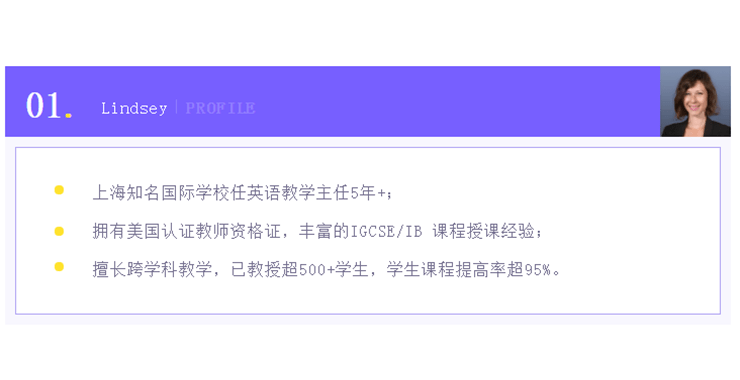
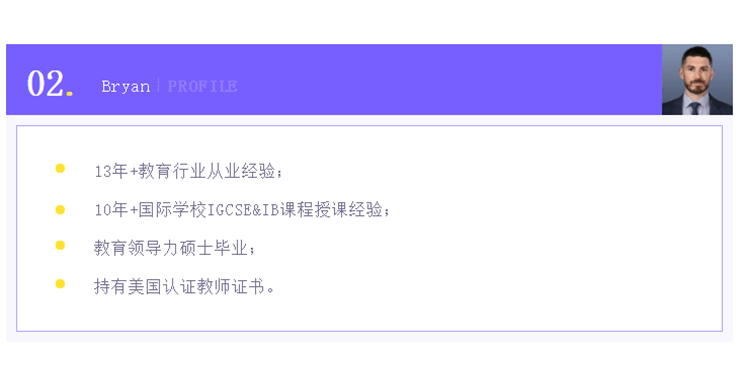
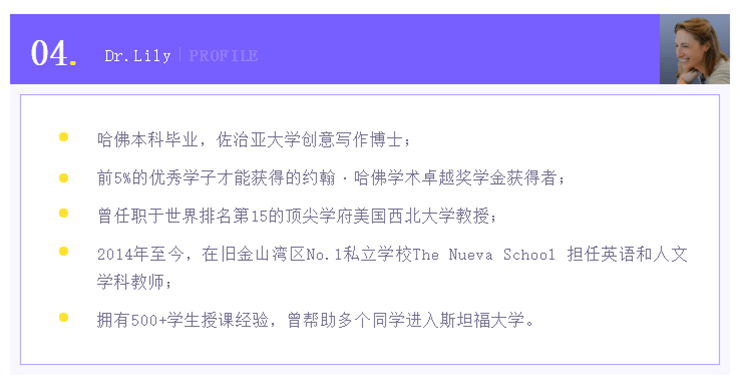
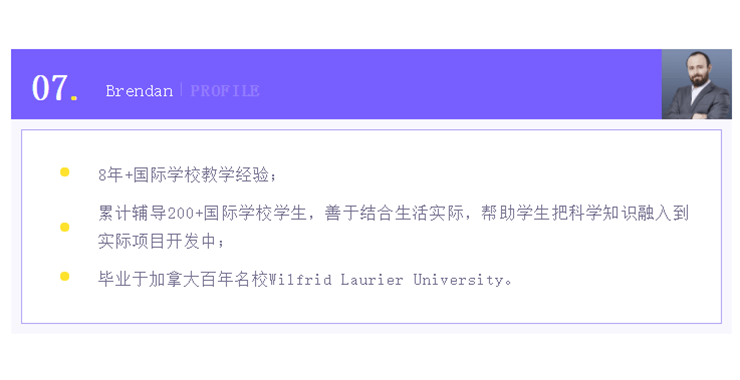
เหตุใดฉันจึงควรเลือกบริการแบบ 1 ต่อ 1?
บางทีลูกของคุณกำลังเตรียมตัวไปศึกษาต่อต่างประเทศหรือสมัครเข้าเรียนในโรงเรียนใหม่และเขาหรือเธอต้องการแนวทางที่เข้มข้นและตรงเป้าหมายมากขึ้นเพื่อขัดเกลาทักษะของเขาหรือเธอ. อีกทางหนึ่ง, ลูกของคุณอาจไม่รู้สึกว่าถูกท้าทายเพียงพอกับหลักสูตรปัจจุบันของเขาหรือเธอ, และต้องการแนวทางอื่นที่เหมาะสมกับระดับความสามารถของเขาหรือเธอมากกว่า.
มีสาเหตุหลายประการที่ผู้ปกครองอาจค้นหาบริการเช่นนี้, และเราสามารถรับรองกับคุณได้ว่าเราจะพยายามทำความเข้าใจสถานการณ์เฉพาะของบุตรหลานคุณอยู่เสมอ และให้บริการที่ดีที่สุดสำหรับพวกเขา.
มันทำงานอย่างไร?
ด้วยแนวทางปฏิบัติของเรา, และกระบวนการปฐมนิเทศ, เราจะประเมินความรู้และทักษะของบุตรหลานของคุณตามข้อมูลการประเมินในปัจจุบัน, ความสามารถในการเขียน, และอีกมากมาย. จากการค้นพบของเรา, เราจะเลือกครูที่เหมาะกับความต้องการของลูกคุณมากที่สุด. ครูของ Reach Out ทุกคนได้รับการคัดเลือกมาอย่างดี, และมีประสบการณ์หลายปีในการสอนหลักสูตรที่ท้าทาย, เช่น IGCSE, ไอบี, และเอพี, ในโรงเรียนชั้นนำจากทั่วโลก.
กระบวนการของเรามุ่งเน้นเป้าหมาย. เราค้นหาสิ่งที่ลูกของคุณต้องการเพื่อให้บรรลุเป้าหมายทางการศึกษา, จากนั้นเราจะสร้างเส้นทางการเรียนรู้ที่มีเอกลักษณ์และออกแบบมาโดยเฉพาะซึ่งจะเหมาะกับความต้องการเฉพาะของบุตรหลานของคุณมากที่สุด.
มีอะไรอีกบ้างที่เอื้อมถึงข้อเสนอ?
นอกเหนือจากบริการแบบตัวต่อตัวแล้ว, Reach Out นำเสนอหลักสูตรที่หลากหลายซึ่งได้รับการออกแบบมาเป็นพิเศษเพื่อท้าทายและดึงดูดเด็กชั้นประถมศึกษาปีที่ 2 ถึงชั้นประถมศึกษาปีที่ 8 ของคุณที่มีเนื้อหาในระดับชั้นที่สูงกว่า เพื่อช่วยพวกเขาเตรียมความพร้อมสำหรับโปรแกรมที่เข้มงวด เช่น IGCSE, ไอบี, และเอพี.
ฉันจะเรียนรู้เพิ่มเติมได้อย่างไร?
หากต้องการข้อมูลเพิ่มเติมเกี่ยวกับบริการแบบ 1 ต่อ 1 ของเรา, โปรดติดต่อที่ปรึกษาด้านการศึกษาของเราวันนี้เพื่อขอข้อมูลเพิ่มเติม! เราหวังว่าจะช่วยให้บุตรหลานของคุณบรรลุเป้าหมายทางการศึกษาของตนเองเพื่ออนาคตที่สดใส!
Who We Are
As you may have noticed, we have been growing and have some exciting additions to what we offer here at Reach Out. As it has been a while since we introduced ourselves, we thought we would share our story with you to help you better understand who we are and what we do!
Our Mission
Reach Out’s mission is to connect students with expert educators who create and deliver original, inspiring, world-class curricula. We have embarked on this journey so that we may help students understand how to find their own unique voice and uncover the creative and valuable ideas that lie within each of them. With their voices, they have the power to change the world, and we wish to empower them to do so.

Our Vision
Reach Out strives to be an internationally recognized educational institution that allows students to access top level international curriculum and educators, no matter where in the world they are. Our students will be perceptive, curious, and critical thinkers who make informed choices as excellent problem solvers and communicators. Reach Out students will achieve their academic and personal goals and dreams from Primary School to University, placing their brilliant futures within reach.

Our Core Values
These are the principles which shape Reach Out:
Our Story
Reach Out was created by a small group of dedicated mothers, perhaps much like yourself. They were brought together by a common vision for the educational needs of their children. Some were looking for an educational program that could offer their children access to the ideas, teaching philosophy, and methodology that matched what they had experienced while living abroad. Others were looking for an internationalized curriculum that their children could access to enrich their educational experience in China. What they shared in common was a desire for a rigorous program that also opened the doors to creative and critical thinking, self-reflection, and personal expression - the hallmarks of a strong international curriculum. After spending considerable time exploring various options, these moms were not able to find anything that quite met their children’s needs.
ดังนั้น, they did what any good mother would do, given the chance, and found their own way to offer their children the best possible learning opportunities designed to help them thrive. They consulted expert teachers and worked with other parents to discover how they could best meet the needs of other children with similar goals. Children, we hope, like yours.
The parents were committed to:
We are happy to say that these mothers have achieved their goal. Today Reach Out boasts a complete line of rigorous yet engaging courses in which students learn deeply while having fun and creating meaningful relationships with their teachers and peers.
All of this because of our founding mothers’ commitment to their children’s education and happiness.
What Makes Us Unique?
While we understand parents have an array of choices when it comes to programs that enrich their children’s education, we believe we offer many unique qualities that are not easily found elsewhere.
Our team consists of highly skilled and experienced educators who have created a unique and rigorous program based on international school standards, which prepares younger students to take on rigorous curriculums such as IGCSE, ไอบี, และเอพี.
-Our one to one programs and curriculums designed to exceed the educational needs of our students
-Our teaching philosophy of inspiring and empowering students, and teaching methodology of allowing students to explore knowledge widely and deeply while at the same time developing a love of learning
-Our commitment to the long-term success of our students as we strive to equip them with the essential skills they will need to succeed in their future careers and the world beyond school
- The detailed feedback we provide with all of our student assessments, so that students know where they are succeeding and where they might improve, as well as the supplemental materials and instruction needed to help our students close any gaps in understanding
-Our dedication to developing our students’ critical thinking and problem solving skills, which will be essential for their future, as well as the future of our global society
-Our promise to hire all of our teaching and non-teaching staff based on their mutual passion for education
-Our ability to empower students to use the language, knowledge, and skills they acquire to develop themselves beyond the classroom and into curious, lifelong learners who set and pursue challenging, fulfilling, and worthwhile goals.
-Our hands-on, individualized approach to creating a learning path for our students so that no matter what grade level they are when they join us, they will be equipped with the tools necessary to improve and grow rapidly
-Our commitment to empowering our clients with information and experiences that will help them make the absolute best choices for their child's education by offering informative articles, videos and workshops.
Our Curriculum
Our Blue Line curriculum, which includes courses for students in Grades 2 to 8, was designed by expert educators with advanced level degrees in their subject areas who have spent decades in some of the top international schools in the world. We use backwards curriculum design working our way from the first year of programs such as the widely recognized and respected IGCSE program.
As our educators have spent years teaching courses pre-IGCSE, IGCSE, IB and AP or A Levels curriculum, they understand what students need to succeed in those programs. ดังนั้น, each aspect of our curriculum has been created to make sure that all of our students enter their first day of Grade 9 feeling confident, equipped, and prepared to meet the demands of these rigorous courses.
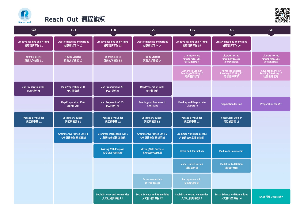
We offer a wide range of courses in the subjects of English, คณิตศาสตร์, History and Geography. See below for more detailed information on our full course offerings.
Additional Services
We are also pleased to announce the creation of our Silver Line, which offers bespoke educational services that take an individualized approach to meeting our students' needs. We begin with a deep assessment of each student's educational goals and needs, and then create and implement a scheme of work with which our expert educators will use to guide your child through the academic challenges of High School in order to prepare them to eventually attend their dream university.
We also offer 1-on-1 services at all grade levels for parents who wish to offer their children more individual care and instruction. Our expert Education Consultants will make sure to match your child with the best educator for his or her specific needs and goals.
Join Us!
We look forward to meeting your family and discussing how you can be part of our Reach Out family; one that learns together, cares for each other, overcomes challenges together, and celebrates successes with one another. Please contact us today to find out more.
We hope to hear from you soon!
Being a parent is hard. In fact, with the changes in our world today, it might just be one of the challenging moments we have had to face in decades. Change leads to uncertainty, and uncertainty can lead to stress. Stress certainly affects all areas of our lives, sometimes it will impact our relationship with our loved ones the most; especially our children.
Our children can be complicated (let’s face it, so can we!), and it is a daunting task to ensure that every move is the “right” one. That all of our conversations, demands, requests, plans, praises and criticisms mean something. Every moment we spend talking to our kids, we hold the hope that these words will be enough to fill our children with the hope of a great future at a time where the future is so uncertain. Times change, and this too shall pass, but one thing we can guarantee is that we will never have a second chance at spending a childhood with our children.
As parents, we often ask ourselves if we are in fact doing the right thing, wondering how we can get through to our kids, trying to understand our children better, and sometimes feeling like a guilty failure because we tell ourselves we are doing it wrong. Oftentimes, that is not the case, but there is no instruction manual on how to raise a child that will work for everyone in all situations. Sure, there is a lot of advice, an overwhelming amount of it, but again, most advice is just that; guidance and recommendations by people who don’t know you or your child. Some of it is helpful, and some of it…not so much.
One thing that we cannot deny though is the importance of a healthy relationship between parent and child.
Research shows that:
It is essential to make the time to nurture a relationship with your child, and perhaps even more imperative, making sure the interactions we have with our children during that time are positive. This is something that many parents find challenging, which is why we created a parent book club for the book How to Talk So Kids Will Listen and Listen So Kids Will Talk by Adele Faber and Elaine Mazlish. Together we learned ways to positively communicate with our children in order to strengthen our bonds. We spent time discussing ideas from the book, as well as had a virtual meet up to role-play some of the strategies from the book. On top of that, we invited Middle School Guidance Counselor, Regina Wehner, to provide parents with a workshop in understanding our child’s cognitive and emotional development.
Here are some highlights we would like to share with you!
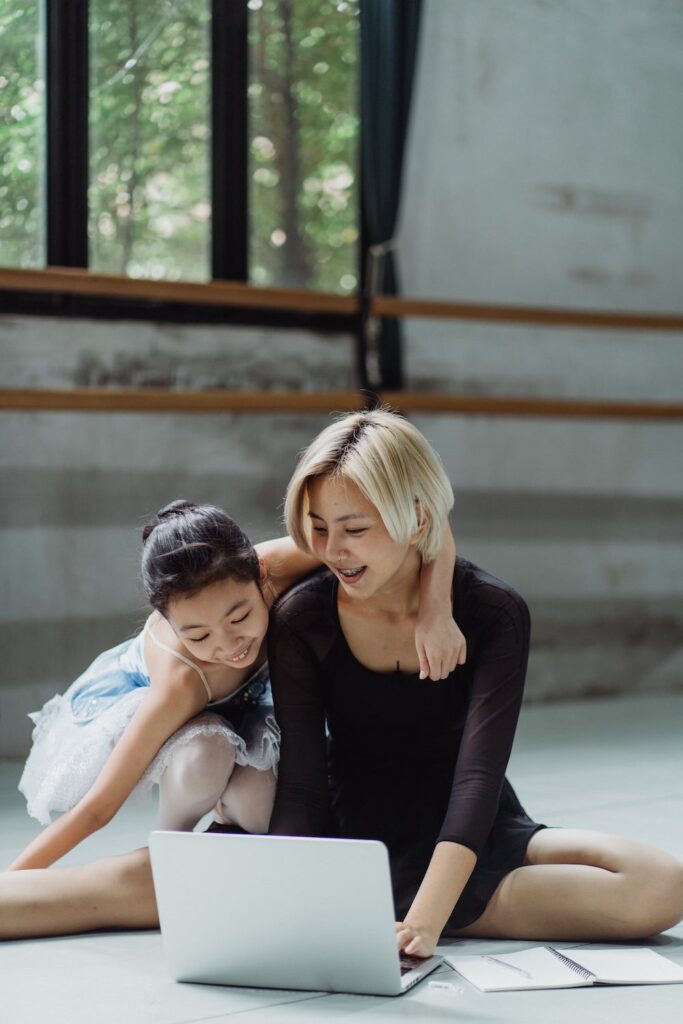
First, from How to Talk So Kids Will Listen and Listen So Kids Will Talk, here are two of our favorite strategies:
Children have difficulty regulating their emotions, as the brain’s emotional regulation center is one of the last to develop. This means that they need our help in the form of compassion and modeling. This can be so challenging, especially when we may have difficulty managing our own emotions at times! We have an easy strategy for you that will only require two things:
When your child comes home upset about something that happened at school, instead of lecturing and offering our sage advice, we can simply listen to their concerns and repeat the ideas back to them. ตัวอย่างเช่น, if your child comes home upset and says something like, “Ugh, today Elizabeth and Sarah were so mean to me! They completely ignored me and I hate both of them now!” Instead of saying, “Elizabeth and Sarah are your best friends. It’s not a big deal and I am sure you will be fine tomorrow,” which could invalidate your child’s feelings, you can say, “Oh, I see. Elizabeth and Sarah made you feel a bit left out. That probably made you feel a bit sad and mad.” At this point your child might keep talking and open up to you, which is great! It means they trust you and you are making them feel better. Continue to listen, nod, say, “Mmmhmm,” and repeat what they say. Having you simply listen will likely make your child feel 100% better and ready to face their next challenge!

2. I wish!
Our children often express their desires in the form of wishing they had things they don’t have or wishing things were different than the way they are. ตัวอย่างเช่น, children may say, “I wish I didn’t have to do all that homework.” We may reply, “Well, you do and that’s that!” or “It’s what you have to do. It’s your responsibility so you need to do it now!”
This may escalate into a battle of wills as parents feel frustrated that they keep hearing the same complaint and repeat the same reasoning. The children feel frustrated because their opinions are being invalidated and they feel misunderstood. ดี, don’t worry, we are here to help! We have a little trick that will help you turn the conversation around, and that is to agree with your child. It may sound counterintuitive, but we have firsthand experience with this trick and it works wonders!
ตัวอย่างเช่น, if your child says, “I wish we could go to the park today like I wanted!”
Instead of saying, “I can’t, I am too busy,” or “Yes, but we can’t, it’s raining,” we can say, “I wish we could too! We could go to the park and have a picnic! We could fly a kite and blow bubbles! Why don’t we have a picnic in the living room and after that we can blow bubbles in the bathroom!”
The first part gets the kids excited and their imagination going, taking them to a happy place. The next part makes them feel heard and connected to you.
ตอนนี้, some highlights from Ms. Wehner’s workshop:
*Please help me choose these! :)*
If you would like to join one of our workshops or book clubs in the future, make sure to follow us and stay tuned! We have great things coming up this fall!
ผู้ปกครองหลายคนถามเราว่าวิธีใดที่บุตรหลานของตนจะสามารถพัฒนาการเขียนได้เร็วที่สุด. แม้ว่าเราเชื่อมั่นว่าไม่มีทางลัดในการเป็นนักเขียนที่มีประสิทธิภาพและมีทักษะอย่างแท้จริง, มีบางสิ่งที่นักเรียนสามารถนำไปใช้ในการเขียนเพื่อช่วยพัฒนาไปสู่ระดับต่อไปได้อย่างมีประสิทธิภาพมากขึ้น. เช่นเดียวกับสิ่งใด ๆ ที่พยายามจะเชี่ยวชาญ, กุญแจสู่ความสำเร็จอยู่ที่การทำงานหนักและการทำซ้ำ. การฝึกทักษะเหล่านี้เป็นประจำจะช่วยให้ลูกของคุณบรรลุเป้าหมายทางการศึกษา.
บทความนี้จะเป็นบทความแรกในชุดบทความที่จะเน้นทักษะที่เหมาะกับการเขียนประเภทต่างๆ. สัปดาห์นี้, เราจะมุ่งเน้นไปที่เคล็ดลับการเขียนเชิงพรรณนา.
เคล็ดลับการเขียนเชิงพรรณนา:
การเขียนเชิงพรรณนาเป็นรูปแบบศิลปะที่แท้จริง, โดยมีวัตถุประสงค์เพื่อสร้างภาพในใจของผู้อ่าน. เราไม่สามารถบอกเล่าเรื่องราวเกี่ยวกับการกระทำและบทสนทนาเพียงอย่างเดียวได้, และเราไม่สามารถถ่ายทอดความหมายและอารมณ์อันลึกซึ้งในบทกวีได้หากปราศจากการวาดภาพด้วยคำพูดของเขาหรือเธอ.
วิธีหนึ่งที่มีประสิทธิภาพในการอธิบายให้โดดเด่นคือการเพิ่มคำคุณศัพท์และคำกริยาวิเศษณ์ทุกครั้งที่เป็นไปได้. ตัวอย่างเช่น, ถ้าลูกของคุณกำลังเขียนเรื่องราว เขาหรือเธออาจจะเขียนอะไรทำนองนี้:
“แฮร์รี่ออกไปข้างนอกและเริ่มมองหาเพื่อนของเขา”
ขณะที่ประโยคนี้สื่อถึงความหมายพื้นฐาน, ผลกระทบต่อผู้อ่านก็เป็นเรื่องพื้นฐานเช่นกัน. โดยเพิ่มภาษาพรรณนาในรูปของคำคุณศัพท์และคำวิเศษณ์, เราสามารถเพิ่มภาพลงในประโยคได้อย่างรวดเร็วและมีประสิทธิภาพ:
“แฮร์รี่รูดซิปประตูหน้าออกไป, กระแทกมันปิดข้างหลังเขา. หัวใจของเขาเต้นรัวในขณะที่เขาวิ่งไปรอบ ๆ ละแวกบ้านอย่างกระตือรือร้นเพื่อตามหาเพื่อน ๆ ของเขา”
ในประโยคที่แก้ไขแล้ว, เราเห็นคำอธิบายที่บอกเราไม่เพียงแต่การกระทำที่กำลังเกิดขึ้นเท่านั้น, แต่ยังช่วยให้เรารู้สึกถึงอารมณ์ของตัวละครด้วย, สิ่งสำคัญของการเล่าเรื่อง.

อีกวิธีที่ดีเยี่ยมในการทำให้เรื่องราวหรือบทกวีมีประสิทธิภาพมากขึ้นคือการเพิ่มภาษาที่เป็นรูปเป็นร่าง, เช่นคำอุปมา. คำอุปมาคือการเปรียบเทียบที่ใช้ like หรือ as ที่สามารถใช้เพื่อช่วยให้ผู้อ่านจินตนาการถึงสิ่งที่เกิดขึ้นได้ชัดเจนยิ่งขึ้น.
ตัวอย่างเช่น, ลูกของคุณอาจจะเขียนอะไรทำนองนี้:
ฉันมีความสุขมาก!
มันน่ารักมาก!
เขากลัวมาก!
เราสามารถเพิ่มการเปรียบเทียบเพื่อช่วยสร้างผลลัพธ์ที่ดียิ่งขึ้นได้:
ฉันมีความสุขเหมือนลูกแมวในร้านขายเส้นด้าย.
มันน่ารักเหมือนลูกแพนด้าที่กำลังเล่นอยู่ในหิมะ.
เขากลัวราวกับกระต่ายที่เพิ่งได้ยินเสียงหมาป่าหอน.

เคล็ดลับสุดท้ายในการเขียนเชิงพรรณนาคือการเลือกคำศัพท์ที่แม่นยำจนสื่อสารได้อย่างตรงจุดถึงสิ่งที่ผู้เขียนต้องการให้ผู้อ่านรู้สึก. บ่อยครั้ง, นักเรียนจะเขียนคำอธิบายที่คลุมเครือเล็กน้อย, ด้วยประโยคเช่น:
เขาเหนื่อยมาก.
หนังเรื่องนี้น่าเบื่อมาก.
พวกเขาหนาวมาก.
ห้องร้อนมาก.
อีกครั้ง, ประโยคเหล่านี้สื่อถึงความหมายง่ายๆ, แต่เป็นการเขียนเชิงพรรณนา, นั่นยังไม่เพียงพอ. คำอธิบายที่มีประสิทธิภาพใช้คำศัพท์ที่มีผลกระทบ, และเราสามารถบรรลุเป้าหมายนั้นได้โดยการเลือกเฉพาะคำที่ดีที่สุดเพื่อสื่อความหมายที่ถูกต้องที่สุด.
มาดูกันว่าเราจะนำประโยคข้างต้นจากสามัญไปเป็นพิเศษได้อย่างไร โดยแทนที่ประโยคบางส่วนด้วยคำศัพท์ที่ทรงพลัง:
เขาหมดแรงแล้ว.
ภาพยนตร์เรื่องนี้ไร้จินตนาการ.
พวกเขาหนาวจนกระดูก.
ห้องกำลังย่าง.
ข่าวดีก็คือว่าลูกของคุณไม่จำเป็นต้องพึ่งพาความรู้คำศัพท์ในปัจจุบันเพื่อที่จะประสบความสำเร็จในการสร้างประโยคเหมือนกับที่กล่าวมาข้างต้น. พจนานุกรมมีคำศัพท์ทั้งหมดที่จำเป็นในการสร้างคำอธิบายที่น่าจดจำ.
เราหวังว่าเคล็ดลับเหล่านี้จะเป็นประโยชน์! หากคุณต้องการให้บุตรหลานของคุณเรียนรู้วิธีนำทักษะเหล่านี้ไปปฏิบัติจริงกับนักการศึกษาผู้หลงใหลของเรา, โปรดคอยติดตามประกาศเกี่ยวกับหลักสูตรภาคฤดูร้อนและฤดูใบไม้ร่วงใหม่ของเรา!
สัปดาห์หน้า, เราจะมาดูเคล็ดลับการเขียนที่โน้มน้าวใจกัน!
Tell us a bit about yourself.
I grew up in five different countries (Sweden, England, Germany, South Africa, and Canada). Integration into a diverse spectrum of cultures growing up has made me see the world with an open mind. I currently reside in Canada and work as both a university lecturer and a Math teacher at Reach Out. Outside of work I really enjoy sports such as badminton and chess, which I played at a competitive level for many years.

What is your educational background and qualifications?
I received a Bachelor of Science Degree from the University of British Columbia (UBC) and an obtained my MSc at the same university. My graduate work involved experimental geoscience where I designed an apparatus to investigate how diamonds reach the surface of the Earth through high velocity magmas. I published articles in two high impact journals and presented the work across Canada and Europe.
During my graduate studies I had the privilege of lecturing a few classes which transitioned into a lectureship position. Teaching at the university level involves lecturing a class of over 200 นักเรียน, which is very different to the work I do at Reach Out, but has helped me develop a dynamic teaching style.
Additionally, I have been teaching Math and Science both privately and through educational organizations for over 6 ปี.
Why did you join Reach Out?
I joined Reach Out because the prospect of being able to deliver high quality education from around the globe without border restrictions resonates with me.
I feel that the reason I am committed to staying at Reach Out is more important. The personalized classes being delivered has allowed me to connect with the students, making their progression much more meaningful to me. Some students have been together with me through multiple grade levels and I feel immensely proud to have played a role in their education.
What is your educational philosophy?
Having a background in experimental science has allowed me to see value in making breakthroughs through experimentation. By allowing students to experiment with different methodologies while offering guidance is an extremely effective way of teaching students to not be afraid of failure. Richard Fuller correctly said, “There is no such thing as a failed experiment, only experiments with unexpected outcomes.” Students often start my classes afraid to answer questions, discuss with their classmates, or write on the board since they don’t know the answers. Since I am always more focused on solutions rather than answers, students’ are rewarded for trying new techniques, discussing failed methods, and asking questions about their classmates’ work. I found this to produce a phenomenal learning environment and takes a lot of pressure off the students.

What is your favorite thing about teaching Math?
My favorite thing about teaching Math is the exciting challenges it provides. After teaching Math for many years, I have come to realize that students see the world from a unique perspective, which more often than not, is very different from my own. This diversity produces a wide spectrum of learning styles and requires me to stay very flexible with the methodologies I use in my teaching.
Math is a complex subject which has provided us with a universal language to better understand the universe that surrounds us. Having a good problem solving ability is a byproduct of learning Math and crucial for success in the modern world. For these reasons I have the responsibility to transform a traditionally dry and boring subject into something exciting by creating compelling lessons and using creativity to inspire my students. This will always be something I love about my job.
Who is your favorite mathematician and why?
This is a tough question, and it’s hard to pinpoint one Mathematician since I utilize the works of so many Mathematicians in just one lesson. If I had to pick it would be either Johannes Kepler or Nicolaus Copernicus since I also love astronomy. Their Math not only challenged everything that was believed about our solar system at the time, but also formed the foundations for understanding planetary motion. Space travel has relied heavily on these concepts.
If you could only give parents one piece of advice when it comes to helping their child improve in Math, what would it be?
One thing I have worked on a lot with my students, is getting them to explain their solutions to me regardless of how easy it may seem. Being able to arrive at the correct answer in certain school curriculums may not require a complete understanding, but being able to explain a solution well does require a good understanding. Make sure that your child is always showing very clear steps in their work and that they can explain their steps to you. This certifies understanding and shows they are prepared for questions which test the same concept but may be worded differently.
What is one fun fact about yourself?
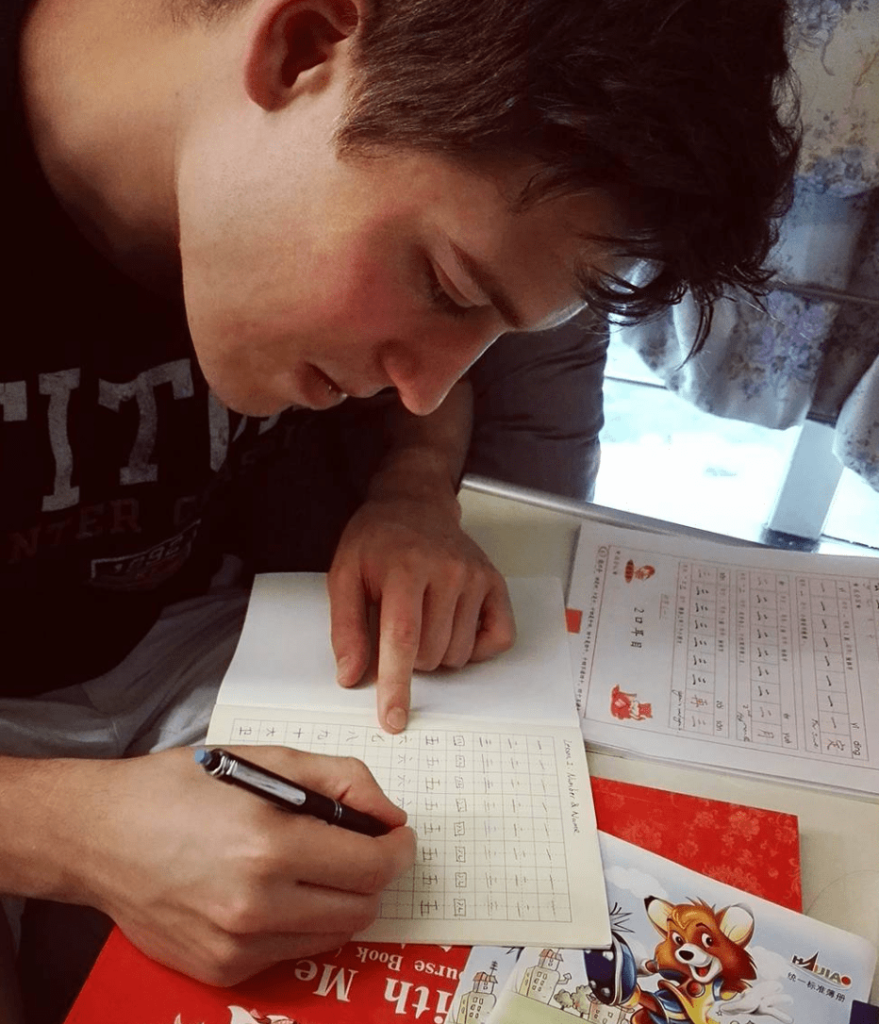
I really like learning languages! After growing up in many different countries I can speak English, Swedish, and German fluently. For the past two years I have been working to add Chinese to my collection and have enjoyed the unique challenges that learning this complex language has provided me with.
The Secret Garden is a piece of classic literature that has been part of an untold number of childhoods (if you missed our article on why children should read classic novels, see it linked below!). It is a powerful tale of friendship and discovering oneself that resonates with our souls.
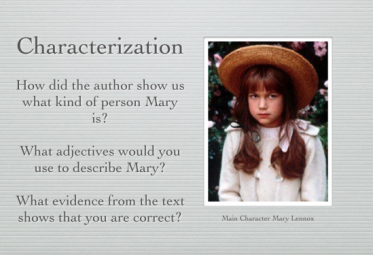
The Secret Garden is about a young girl named Mary Lennox who loses her family and everything familiar with her due to a cholera outbreak in India, where her father was working as a British Army Captain. As a child, Mary was quite neglected, but indulged by family’s servants, so she was a spoiled child with a terrible disposition. She had very few traits that would help her cope with a new life in England, where she was sent to live with a grouchy distant relative, นาย. Craven.
นาย. Craven had very strict rules for Mary to follow at her new home at Misselthwaite Manor in Yorkshire, which included her being forbidden to enter various rooms inside the giant mansion, as well as forbidden to enter one of the gardens on the sprawling property, which belonged to his beloved late wife. As Mary begins to explore her new home, she begins to find a sense of happiness and regains her health after being sickly for much of her childhood. After a robin helps her find the key to the secret garden, she finds a sense of purpose in restoring the garden, much as she restores her inner self. Through the thorns and dried leaves of winter, she finds much more lies within.
Aided by new friend Dickon, Mary develops her first friendships, and uses her newfound strength and kindness to help her bedridden cousin Colin, whom she finds tucked away in the manor. Friendship strengthens both Mary and Colin, and in the end, everyone witnesses a miracle only made possible by these close bonds and belief in oneself, two very important themes in the novel.
Young people will love reading this fantastic story of friendship, overcoming obstacles, and experiencing the healing power of nature. The characters and the lessons they teach us will surely touch your child and help them experience the power of a great story.
If you would like an opportunity for your child to experience this story with others, we are happy to let you know that we will be reading The Secret Garden as the first novel in our Young Classics Level 2 Course this summer.
In the course, we not only read the novel, but we also learn and apply new vocabulary from the book, discuss important literary techniques used by the writer, and practice writing summaries, a key skill that many students find challenging
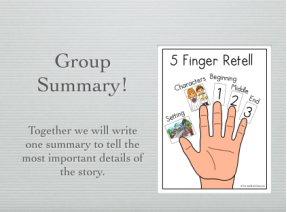
If you are interesting in learning more about Young Classics, or and of our other excellent and engaging courses, contact one of our Education Consultants today! We hope to work with your child very soon!
Literature study is an important aspect of any excellent academic program, and that is because it helps to teach students a wide range of knowledge and skills that are essential for success in many areas of life. While studying literature, students learn about important events and people throughout history, they consider cultural perspective and increase their own understanding of acceptance of different ideas and beliefs, and they learn how to analyse the words of others in order to form a deep understanding of new ideas and ways of communicating. In short, it exposes students to a toolbox of ideas, techniques, strategies, theories, and more that they will carry with them throughout their life, shaping the way they approach the world.
Why do we offer this course?
Reach Out students typically pursue high school programs such as IGCSE, which includes challenging courses such as English Language and Literature and English as a First Language. Later, most of those students will take on the challenge of IB and AP level programs, in which they must take on the task of reading a variety of literature. Our aim is to expose students in upper primary and middle school to a wide range of advanced literature so that by the time they reach high school they possess the knowledge and skills to hit the ground running, and therefore achieve to a higher level.
This course is designed for Grade 7-9 นักเรียน.
The Objectives of our Advanced Literature Course are to:
✪ Enhance students’ ability to understand and discern literary techniques used English and American literature, and the ability to communicate the effects of those techniques;
✪Improve children's literary comprehension skills and increase their understanding of British and American culture;
✪ Under the guidance of our expert educators, learn the power of language and storytelling in a challenging yet engaging way.
Meet Our Teachers
*Insert teacher bios here for Barry, Anthony, and John*
Our Book Selections:
Cry the Beloved Country by Alan Paton

Set in South Africa in the 1940s, award-winning Cry the Beloved Country tells the story of a Zulu Pastor, Steven Kumalo, who travels from his village to the city of Johannesburg. Along his arduous and heart-wrenching journey, he discovers that his sister and son have found themselves in terrible situations that he must now face with them. The characters’ vastly different lives become unexpectedly woven together through tragedy during a dark time in South Africa’s history. อย่างไรก็ตาม, through tragedy and challenges, the true nature of the human spirit can be found and uplift those who need it most.
Dracula by Bram Stoker

The legend of Dracula has loomed large in the minds of readers and movie-goers for generations. Bram Stoker based the infamous character of Dracula on the legend of the real life ruler of Wallachia, Vlad the Impaler. Stoker was able to take this dark corner of history and turn it into a legendary novel told through journal entries, letters and telegrams. As with any classic, Dracula has stood the test of time because it speaks to something very deep and meaningful within the human psyche.
Of Mice and Men by John Steinbeck
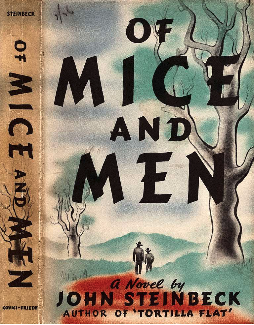
The Great Depression was a defining moment in American history that tested its strength as a nation, and placed the population in a precarious balance between life and death. In what is considered one of the greatest American classics, readers are introduced to two displaced migrant workers, George and Lennie. George is an intelligent young man, while Lennie is mentally disabled. George takes Lennie under his wing as they seek employment where few opportunities exist, trying to survive, yet still dreaming of the day they will have their own land and build a life. Their hopes are dashed when a devastating incident occurs that alters their lives forever.
What Students Will Gain
Develop an early sense of literary appreciation,
See the world from a more mature perspective
British and American classics contain thought-provoking moral and social issues. Reading the most influential classic literature thoroughly helps students become better readers, and begin the process of pursuing self-realization.
Improve understanding of culture and history
Learning allusions from classic British and American literature can help us bridge cultural differences. "The classics have opened the door to different worlds, different cultures, and different historical perspectives. Literature crosses race, culture, religion, and geography."
Self-reflection and personal growth
Many classic literature allude to our lives from the side: books that reflect similarities to our own lives are called "mirrors"; and those that give us a glimpse of different lives are called "windows." Whether it is a "mirror" or a "window", it further enriches the students' life experience and increases the courage and strength to face life.
Join Us!
Contact us to discover more about our course. We sincerely hope to meet your child soon, and develop a love of reading classic literature together.
It’s back to school time and we know parents are getting ready for a new year with new beginnings. The start of a new year is usually met with a mix of excitement and a bit of anxiety, as students and parents look forward to new skills and experiences, but also might feel nervous about new routines and expectations.
Don’t worry, Reach Out it here to help! This year, we have 5 top tips to a fantastic start to the school year.
Understanding how your child’s school approaches education, what curriculum they use, what systems, and standards are used can be overwhelming for non-educators. Spending a bit of time each day reading your school’s website content, handbooks, and other resources can help you feel more confident in understanding what your child is learning at school and how they are learning. It’s also important to attend your child’s back-to-school night and informational sessions to get a better understanding of your child’s program as a whole. It also provides a great opportunity for you to establish a relationship with your child’s teacher. At any time if you still have questions, you can always e-mail your child’s teacher. They are there for you and your child, as they know that a great relationship with parents is a fantastic way to ensure academic, social, and emotional success for all students.
2. Make Sure to Catch Enough Zzzzs Before the ABCs
Sleep is so important for a child’s growth and development, and a lack of it can negatively impact a child’s academic achievement. In fact, research shows that sleep depravation in children can lead to higher rates of anxiety and depression. When we sleep, our brain processes the information from he day, finds the best system to file it away in out memories, and re-charges our systems for a new day. For various reasons, parents often find sticking to an early bedtime difficult, but with a clear routine, and time for adjustment, it can be easy! Children 3-6 years old should be getting 10-12 hours of sleep per day, 7-12 year olds should get 10-11 hours per day, และ 12-18 year olds should get 8-9 hours per day. Creating a schedule where children get to bed earlier will make mornings easier as well, hopefully with less stress for both parents and children as they will be well rested and ready to start their day!
3. Ask the Right Questions at the Right Time
Sometimes parents are anxious to know how their child’s day was as soon as they get home from school, especially during the first few weeks. Those weeks are especially exhausting and full of ups and downs as your child learns to navigate new material, new friends, new teachers, and new expectations. Giving them time to come home and decompress is extremely important for their emotional and mental well-being. Once they have had some “me” time, parents can ask specific questions based on what they know they are working on, if they happen to know. They can go through their child’s homework diary with them and help them make a plan on how to tackle each task, as well as share in their enthusiasm for specific subjects, books, or information they also enjoy. Avoid asking, “How was school? What did you learn?” as kids respond much better to more specific questions, such as, “What did you do with your friends at lunch? What was the best part of your day? What was the weirdest or most wonderful thing that happened at school today?” Most importantly, parents should be fully present and listen intently when students answer, so they really feel valued and hear when they share.
4. Let Them Learn From Failure
This one can be extremely hard for parents to allow. We want our children to do well and reach their full potential, which means we might go over each assignment with a fine-toothed comb, correcting every mis-calculation or grammar mistake. Although parents have good intentions when we do this, we are taking away important learning opportunities from children when we do so. Back when we were students, many of our parents were often too busy or didn’t have the knowledge or capacity to help us with our school work, but we found a way to push through and try our best. If children are never given opportunities to fail when they are young, they might resist taking on challenges later in life for fear of failing at them. อย่างไรก็ตาม, when we let them fail gently, such as on an assignment or at a little league soccer game, we are teaching them resilience. It’s not the end of the world, and they learn a valuable lesson; that we can try and not succeed, dust ourselves off, and try again next time.
5. Nurture Their Passions
New school years are an exciting time for many reasons, one of them being that they provide children a chance to discover new passions. If they are lucky, they will stumble upon something they truly love, and that they can become fascinated with enough to spend hours on end discovering. Helping a child find his or her passion is not always easy and takes time. Sometimes parents worry if their child focuses too much on a couple of things, and feel they need to expose them to as much as possible to help shape them into well-rounded individuals. อย่างไรก็ตาม, if we look at the people who have shaped our world, it was because they had a laser focus on what they were passionate about. It was all they ever did or do. As humans, we naturally gravitate towards what we love most, and as long as it provides some sort of value on top of fulfillment, we should continue pursuing it. ดังนั้น, don’t worry if your child protests going to one activity while running out the door to attend another. Maybe the one they love is the most valuable to their growth and development, and the one they don’t like isn’t that necessary after all.
We hope these tips have helped, and we wish you and your child the best in the coming school year! We are excited for the new school year and all of the challenges and hope it will bring.
Reach Out will be with you every step of the way, so be on the lookout for more information and more articles we hope you will love!