Tại Reach Out, chúng tôi tin rằng việc ăn mừng thành công của học sinh là rất quan trọng. Chúng tôi vui mừng thông báo thêm một Sinh viên Ngôi sao nữa - Emma!
Emma đại diện cho mọi thứ mà học sinh có thể đạt được bằng sự chăm chỉ và cam kết hướng đến sự xuất sắc. Giáo viên của Emma nhận xét cô là một học sinh có thái độ học tập tuyệt vời, rất dễ tiếp thu chỉ dẫn, và có một gia đình vô cùng ủng hộ, thường xuyên trao đổi với giáo viên của cô ấy. trong lớp, Emma là người biết lắng nghe cẩn thận và chu đáo, đủ tự tin để chia sẻ ý kiến của mình, nhưng đủ kiên nhẫn để nhường lượt cho mọi người. Cô ấy không ngại mạo hiểm, và có thể đưa cá tính của mình vào tác phẩm.
Emma hiện đang theo học ở cấp độ Đọc và Viết Sáng tạo của chúng tôi 4 Khóa học, và cô ấy đã thể hiện năng khiếu thực sự khi có thể tạo ra hình ảnh mạnh mẽ trong bài viết của mình. Vào đầu học kỳ, cô ấy đã hoàn thành bài đánh giá về chi nhánh Shanghai Disneyland của Blue Frog.
Emma thể hiện khả năng phê bình các khía cạnh cụ thể của một địa điểm, và phát triển ý tưởng của mình bằng cách sử dụng chi tiết thích hợp.
“Cảnh quan và vị trí đều rất hài lòng. Vào ban đêm, chúng ta có thể ngồi bên ngoài và ngắm nhìn Lâu đài Disney và xem pháo hoa.”

Khi học kỳ tiếp tục, Emma cho thấy sự tiến bộ trong kỹ năng viết của mình, và bắt đầu kết hợp các kỹ thuật văn học tiên tiến hơn. Trong bài tập miêu tả cảnh quan, Emma đã có thể tạo ra một hình ảnh mạnh mẽ bằng cách sử dụng từ vựng và ngôn ngữ tượng hình chính xác.
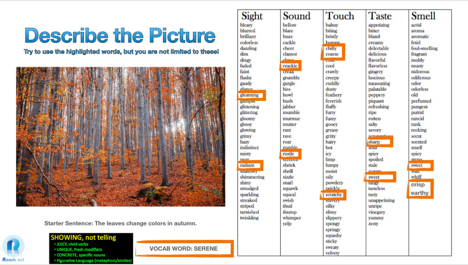
“Rêu lông vương vãi trên đá mặn khi chúng lan xa, như mứt trên bánh mì. Những gợn sóng mờ ảo hình thành khi đài phun nước rơi xuống ao bên dưới.”
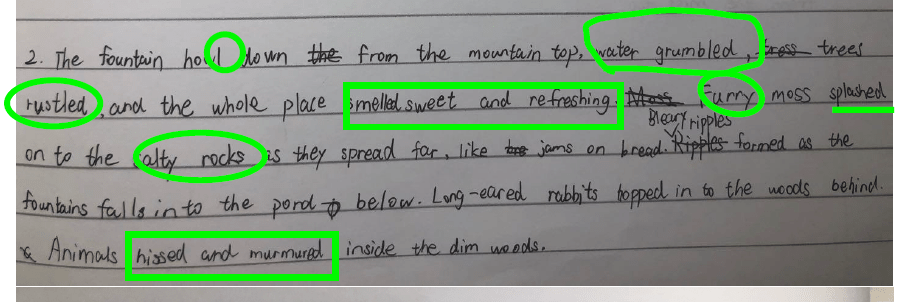
Emma continued to apply the lessons she learned throughout the course, và khả năng viết lách của cô ấy trở nên mạnh mẽ hơn. Trong một bài tập gần đây về viết một câu chuyện tưởng tượng, Emma đã xây dựng bối cảnh và tính cách câu chuyện của mình một cách có chủ ý và hiệu quả..
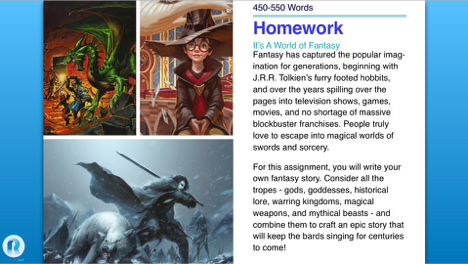
“Ánh nắng lấp lánh chiếu từ cửa sổ xuống nền nhà êm dịu, ga trải giường mượt. Những bông hoa ngọt ngào sắc màu ấm áp nở bên khung cửa sổ rộng mở. Những bức vẽ mờ ảo nhưng cần mẫn treo trên bức tường xanh rong biển sảng khoái.”
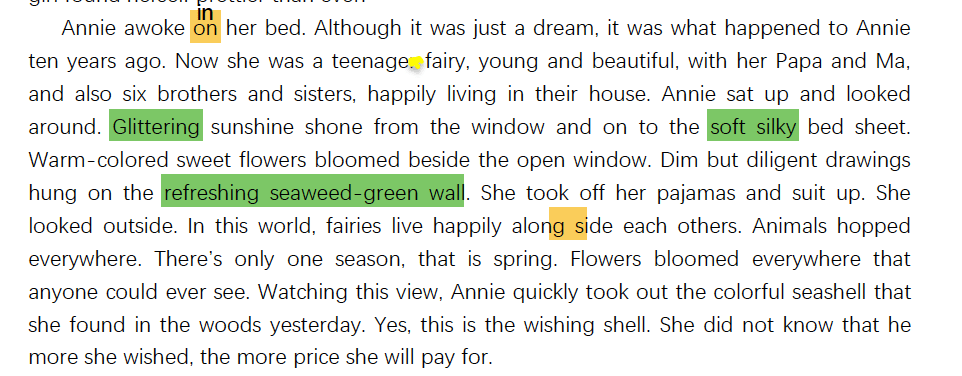
Như bạn có thể thấy, Emma thể hiện tố chất của một nhà văn trẻ đầy triển vọng. Quyết tâm cải thiện của cô, và việc áp dụng cẩn thận những bài học đã giúp nâng cao khả năng viết của em lên một trình độ cao hơn.
Cảm ơn ema, vì đã là một NGÔI SAO! Chúng tôi mong muốn được nhìn thấy sự phát triển của bạn trong thời gian dài sắp tới. Chúng ta biết đây chỉ là khởi đầu của một hành trình rực rỡ.
Là nhà giáo dục, chúng tôi thường được hỏi câu hỏi, “Làm sao tôi có thể khiến con tôi ngừng đọc truyện tranh?“Phụ huynh lo truyện tranh không mang lại giá trị giáo dục, không đủ nghiêm ngặt về mặt học thuật, hoặc tệ nhất là, lãng phí thời gian của con họ. Về điều này, câu trả lời của chúng tôi thường làm họ ngạc nhiên, và câu trả lời đó là, “Hãy để họ đọc truyện tranh!”
Có thể hiểu được rằng các bậc cha mẹ sẽ hơi lo ngại vì quan niệm cho rằng truyện tranh chỉ nhằm mục đích giải trí., Tuy nhiên, truyện tranh có nhiều lợi ích ngoài việc giúp chúng ta giết thời gian.
Truyện tranh và tiểu thuyết đồ họa không phải là hình thức viết mới. Tất nhiên rồi, chúng đã được nhiều thế hệ yêu thích. Trong những năm qua, thể loại đã thay đổi thành một thể loại có chiều sâu và ý nghĩa đáng kể, đó là lý do tại sao chúng tôi khuyến khích các bậc cha mẹ không chỉ cho phép con mình đọc truyện tranh, mà còn để hỗ trợ họ làm điều đó.
Dưới đây là những lý do hàng đầu của chúng tôi nên đọc truyện tranh (đặc biệt là vào mùa hè!):
Dành cho những sinh viên không phải là người nói tiếng Anh bản xứ, truyện tranh là cách tuyệt vời để các em bắt đầu thưởng thức văn học Anh. Đối với nhiều trẻ em, Nhiệm vụ chuyển từ sách giáo khoa tiếng Anh sang tiểu thuyết có thể rất khó khăn, nhưng truyện tranh có thể là cầu nối cần thiết để các em xây dựng sự tự tin cũng như khả năng đọc trôi chảy. Các tín hiệu trực quan trong hình ảnh cho phép học sinh hiểu sâu hơn về cốt truyện và nhân vật cũng như từ vựng mới. Ngoài ra, nó giới thiệu cho họ những phương pháp văn học hiệu quả, chẳng hạn như từ tượng thanh (nghĩ về tù binh! ĐẬP! PHÓNG!) và thành ngữ (một minh họa cho thấy ý nghĩa của một thành ngữ như, “Mèo lấy được lưỡi của bạn?” có ý nghĩa hơn nhiều so với việc tự làm nóng thành ngữ!).

2.Tăng cường suy luận
Suy luận là một kỹ năng đọc quan trọng mà nhiều học sinh gặp khó khăn trong các bài đánh giá đọc tiêu chuẩn. Suy luận xảy ra khi chúng ta rút ra kết luận dựa trên những gì chúng ta đọc. Một số ví dụ về các câu hỏi mà học sinh sẽ gặp phải trong các bài tập hoặc bài đánh giá đọc hiểu là những câu hỏi như, “Nhân vật cảm thấy thế nào khi?”, “Em có thể kết luận về điều gì…” và “Bài học trong câu chuyện là gì?”?Truyện tranh yêu cầu học sinh “đọc giữa dòng” để suy ra những thông tin thường được người kể chuyện trong tiểu thuyết kể, để các em có thể thu được nhiều kinh nghiệm quý báu trong việc củng cố kỹ năng này bằng cách đọc truyện tranh.
3.sức mạnh từ ngữ!
Thường trong truyện tranh và tiểu thuyết đồ họa, nhà văn bao gồm từ vựng khá nâng cao, vừa là một phần của mạch truyện vừa là tên của các nhân vật. TRONG 2016 tại Comic-Con nổi tiếng thế giới ở San Diego, California, một tham luận viên gồm các nhà giáo dục đã thảo luận về sức mạnh của truyện tranh trong việc xây dựng vốn từ vựng cho học sinh. James Bucky Carter, tác giả của Xây dựng kết nối khả năng đọc viết với tiểu thuyết đồ họa cho biết, “Bạn có Colossus, và anh ấy to thế này, anh chàng kim loại khổng lồ. Bạn thực sự hiểu rõ ý nghĩa của từ colossus và đó là một từ đáng giá 10 xu. Sức mạnh của Banshee đang gào thét. Bạn có những ký tự này thể hiện các từ vựng mà chúng là. Đó là một cách thú vị để học từ mới, bên cạnh những manh mối theo ngữ cảnh.”
Sau khi đọc xong, bạn có thể chỉ muốn để con mình lao ngay vào đọc truyện tranh hoặc tiểu thuyết đồ họa! Đó là âm nhạc đến tai chúng ta. Nếu bạn không chắc chắn nên bắt đầu từ đâu, chúng tôi có một số món học sinh yêu thích mà con bạn có thể muốn thử!
Người chó của Dave Pilkey

Người nhện Miles Morales của Jason Reynolds

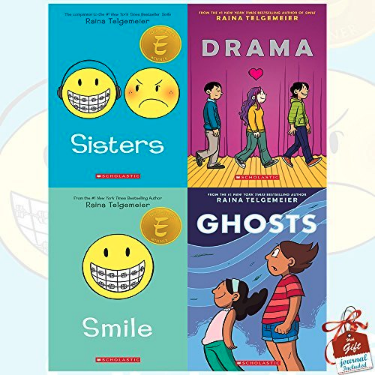
Nụ cười, Chị em, ma, Kịch và những câu chuyện khác của Raina Telgemeier
Xương của Jeff Smith

Tìm kiếm thêm cơ hội đọc sách mùa hè cho con bạn? Liên hệ với một trong những Nhà tư vấn Giáo dục của chúng tôi để biết thêm thông tin về các khóa học đọc mùa hè của chúng tôi. Chúng tôi mong được đọc sách cùng con bạn!
Mùa thi đến rồi, và đó có thể là khoảng thời gian rất căng thẳng trong năm đối với cả học sinh và phụ huynh. Tại Reach Out, chúng tôi muốn cố gắng hết sức để giúp giảm bớt lo lắng trong kỳ thi bằng cách cung cấp một số mẹo học tập độc đáo mà bạn có thể chưa thử.
Sự khôn ngoan thông thường trong học tập thường được nhiều phụ huynh và giáo viên làm theo vì họ có ý tốt., Tuy nhiên, nếu chúng ta xem xét một số phương pháp tiếp cận dựa trên nghiên cứu thú vị, chúng ta có thể thấy rằng có nhiều cách hiệu quả để nghiên cứu! Luôn luôn tốt để thử những điều mới, đặc biệt là đối với trẻ em. Họ có thể trải nghiệm những cách làm việc mới khi còn trẻ, và khi chúng lớn hơn một chút, họ có thể chọn cách phù hợp nhất với nhu cầu và phong cách cá nhân của họ.
Hiện nay, Hãy cùng xem xét ba cách độc đáo để học tập.

Sự đa dạng là gia vị của cuộc sống-Ngay cả khi học tập
Đối với nhiều người, nhiều năm chúng ta đã được dạy rằng để học tốt, chúng ta nên học ở cùng một nơi mỗi ngày; một nơi yên tĩnh, đủ ánh sáng, và có tất cả tài liệu của chúng tôi. Mặc dù điều này có thể đúng trong một số thời điểm chúng ta đang nghiên cứu, nghiên cứu cho chúng ta thấy rằng bộ não của chúng ta thực sự hoạt động tốt hơn khi chúng ta thay đổi địa điểm học tập. Khá ngạc nhiên, Phải?
Trong một nghiên cứu được thực hiện hồi năm ngoái 1978, sinh viên đại học đã được trao 40 từ vựng cần học. Một nhóm được yêu cầu nghiên cứu danh sách hai lần ở cùng một địa điểm. Nhóm còn lại được yêu cầu nghiên cứu danh sách ở hai địa điểm khác nhau. Những gì họ tìm thấy là, nhóm thay đổi địa điểm học thực sự ghi nhớ các từ sau đó tốt hơn. Bây giờ tại sao vậy? Tốt, bộ não của chúng ta thường tạo ra các kết nối với thông tin dựa trên môi trường của chúng ta, vì vậy chúng ta càng thay đổi môi trường của mình, chúng ta càng cho bộ não cơ hội lưu giữ thông tin vì nó sẽ gắn vào nhiều thứ hơn. Đây cũng có thể là lý do tại sao một kỹ thuật hình dung, nơi người ta hình dung những điều họ muốn ghi nhớ ở những nơi nhất định trong môi trường mà họ quen thuộc, cũng có thể hiệu quả như vậy. Dành cho sinh viên, chỉ cần thay đổi môi trường là có thể thực hiện được!
Chúc vui vẻ!
Một số cha mẹ có thể lầm tưởng rằng nếu con mình cười hay hào hứng khi học tập thì, họ có thể đang lãng phí thời gian. Tuy nhiên, điều này không nhất thiết phải như vậy.
Là cha mẹ, trong công việc hoặc văn phòng của bạn, thỉnh thoảng bạn có thể có những buổi hội thảo đặc biệt. Các buổi hội thảo thường được sử dụng như một công cụ giúp bạn tìm hiểu về một chiến lược mới, ý tưởng, hoặc thông tin sẽ giúp bạn học hỏi thêm trong công việc. Những buổi này thường được điều hành bởi những người chuyên tạo ra các hội thảo mang tính động viên và truyền cảm hứng nhằm tiếp thêm sinh lực và năng lượng cho nhân viên.. Những ngày có thể dài và mãnh liệt, nhưng nếu chúng được thực hiện đúng, nhân viên có thể bước đi một cách tự tin vào kiến thức và kỹ năng mới của họ.
Điều tương tự cũng đúng với giới trẻ. Giới thiệu trò chơi vui nhộn như một cách ôn thi không chỉ khiến con bạn mỉm cười, nhưng nghiên cứu chỉ ra rằng niềm vui trong khi học sẽ kích hoạt một số nguồn lực nhận thức nhất định, liên kết phần thưởng và niềm vui với việc học, củng cố và mở rộng mạng lưới bộ nhớ, và chuyển đổi tư duy trừu tượng và tập trung chú ý.

Kỹ thuật Pomodoro
Luôn tập trung, thực hiện nhiệm vụ và có động lực để hoàn thành một số hoạt động nhất định có thể khó khăn đối với cả người lớn và trẻ em. Bạn đã bao giờ có cảm giác như mình đã nhìn chằm chằm vào màn hình máy tính hàng giờ đồng hồ chưa?, nhưng đạt được rất ít? Hoặc có thể bạn có thời hạn trong vài ngày tới, nhưng chỉ đang nhích dần về đích? Không có gì ngạc nhiên, như nghiên cứu cho thấy tâm trí của chúng ta có xu hướng đi lang thang đến 20% của thời gian, có lẽ còn nhiều hơn đối với những người trẻ tuổi.
Một kỹ thuật thú vị được sinh viên đại học Francesco Cirillo sáng tạo ra như một cách giúp anh ấy tập trung., và đó là Kỹ thuật Pomodoro, được đặt tên theo chiếc đồng hồ bấm giờ hình quả cà chua mà Cirillo đã sử dụng khi tự mình thử nghiệm chiến lược này. Cách thức hoạt động là bạn đặt hẹn giờ cho 25 phút, đó là thời gian làm việc. Sau đó thiết lập lại cho 5 phút, đó là thời gian giải lao. Đây là thời điểm tuyệt vời để thức dậy, kéo dài, đi một vòng quanh nhà, nuôi mèo của bạn, hoặc uống nước hoặc ăn nhẹ. Sau khi hết thời gian nghỉ giải lao, đặt hẹn giờ cho người khác 25 phút và lặp lại!
Hóa ra chiến lược này được hỗ trợ bởi bằng chứng khoa học, như các nhà nghiên cứu đã kết luận rằng những khoảng nghỉ ngắn giúp bạn duy trì sự chú ý đúng hướng. Điều này có thể liên quan đến thực tế là sự nhàm chán về nhận thức có thể dẫn đến tâm trí không tập trung., đó là điều cuối cùng bạn muốn khi ôn thi cho một kỳ thi quan trọng.
Chúng tôi hy vọng bạn thích khám phá những mẹo học tập độc đáo này nhiều như chúng tôi có! Chúc con bạn đạt kết quả tốt nhất trong kỳ thi tháng này. Gia Hữu!
We know that there is so much we can do to nurture and educate our children, which is why as parents we often go to great lengths to fill their time with enriching activities and classes. Why do we do this? For many reasons of course, but the main goal is to ensure their future success. Parents hope that their children will be even more successful in life than they were themselves. Success, of course, is subjective, and we may all have our own definition of success. Generally however, we might agree that success includes feeling content in one’s personal life, as well having a sense of career satisfaction and financial security.
Recently there has been an intriguing TED Talk being shared on social media, in which former Dean of Freshman at Stanford University, Julie Lythcott-Haims, cites evidence from the Harvard Grant Study that correlates professional success in life to individuals having done chores as children. Not soccer training, not language learning, not painting, but chores.

Surprising right?
Many of our children growing up in big cities may never know what it’s like to scrub a dish, wash a window, or mop a floor. We might feel like there are more important things to do to build their knowledge and their character. Lythcott-Haims explains that those children who do get their hands dirty, Tuy nhiên, may reach a level of success in life that surpasses their no-chore-doing peers. That is because it teaches students how to contribute and step up when work needs to be done, and that doing the “grunt work” that others might scoff at, because it is what is best for all, is what gets noticed in the workplace.
The workplaces of the high-achievers who took part in the Harvard Grant Study were notable, such as the White House, where participant President Kennedy worked, and the editor’s office where Ben Bradlee sat as editor of The Washington Post. We can assume that their parents, like us, had to prod and plead for the chores to be done, and accept that even if they were done, they might not have been done well; and that’s okay.
The important thing, as Lythcott-Haims points out, is that by doing chores, children realize that they, “…have to do the work of life in order to be part of life.” They realize that life does not just happen to them, and for them, but with them.
If your children are already doing chores as part of their daily summer routine, bravo! You are on the right track. If not, no need to panic. It is never too late to introduce chores into the lives of our children. Here are some tips to help get you started!
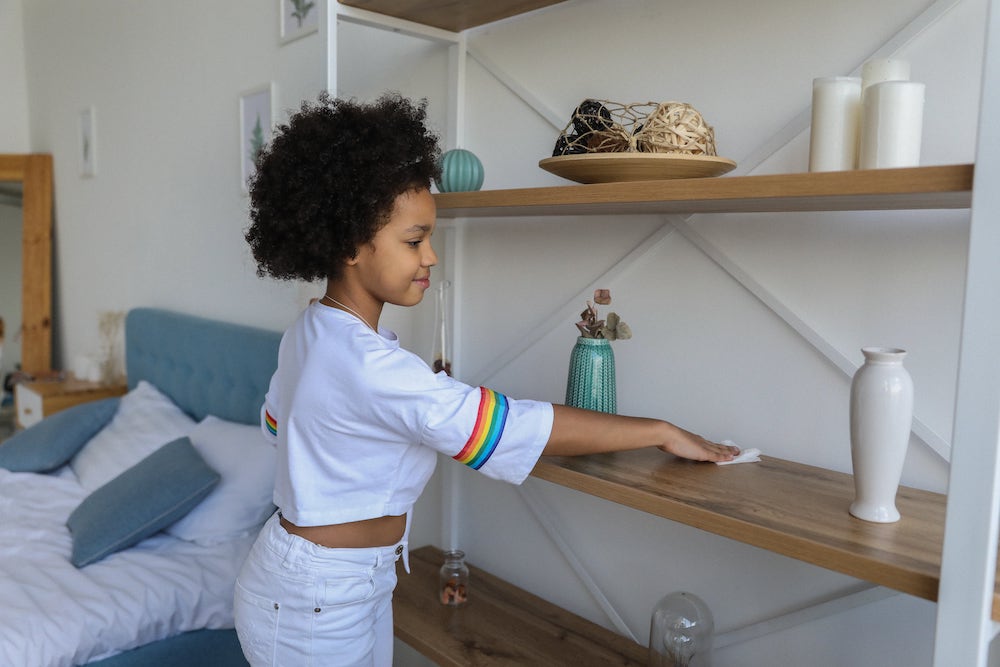
Let Them Be a Part of It
When introducing the concept of your children completing chores to help, have a “family meeting” where everyone is present to discuss what will be expected of your children and why. You can ask your child to help you write a list of chores they could potentially help with around the house. They might surprise you with their enthusiasm as doing chores is very exciting for some children because it makes them feel empowered and helpful (two things we often like to feel as adults).
Game-ify It
To make things fun, because fun makes everything better, you or your child can write the chores on popsicle sticks and each day your child can choose one stick from the jar. That will be their chore for the day! If you have more than one child at home, you can always turn cleaning into a competition by setting a timer and seeing which child can clean the most toys in the given amount of time, Ví dụ.
Reward It
As parents, we are rewarded for our contributions at work with a salary. Shouldn’t our children also be rewarded for their hard work? One idea is that if your child completes all of his or her chores for the week, he or she can choose a small toy from a “treasure box” filled with small toys. Another option could be that if your child consistently completes chores for a month, they can choose an extra special family outing.
Teaching our children to do chores is not always easy, but the potential benefits are worth the time and effort. We hope you found our tips useful, and that they can help lead to a positive experience for you and your child. Happy cleaning!
We are pleased to announce a new summer book club, just for parents! Summer is the perfect time to read that book you have always wanted to read, but have not had the time to. This summer, we invite you to join us in reading How to Talk So Kids Will Listen and Listen So Kids Will Talk.
We know it is not always easy to connect with our children because of the demands of school, work and daily life. Sometimes our anxieties about the future interfere with us living our lives right now. Tuy nhiên, one thing we can guarantee is that we will never get another chance to experience childhood with our own children, and we don’t want to miss out on this precious time. Vì thế, how can we make the most of it and have meaningful conversations with our children that will strengthen our bond and help our children feel supported? These are big questions many of us have.
To help us answer these important questions, we invite you to join us in reading one of the most popular parenting books of all time, written by Adele Faber and Elaine Mazlish. How to Talk So Kids Will Listen and Listen So Kids Will Talk, which teaches us how to accept our children’s feelings, as by not doing so we could be unwittingly causing bad behavior. It also teaches us positive ways to encourage cooperation, as well as independence, autonomy, and self-confidence. These are all the ingredients needed to help nurture a positive parent-child relationship that will indeed help to grow our children into confident and capable adults.

How Will It Work?
The first step is to contact one of our Education Consultants to register. Registration is FREE and open to everyone! We will create a group chat where the book study content and sharing will take place starting on July 1st. Lindsey Fine, our Education Manager, will be joining the group as a parent as well, as she is a mother of two boys, aged 4 Và 6, who will be learning along with you. She will also be helping to lead the weekly discussions.
The book can be found in English and Chinese and easily accessible in print, e-book, or audiobook formats.
Then there are two options for how you would like to participate:
The reading schedule is as follows:
Week 1: Chapters 1 & 2
Week 2: Chapters 3 & 4
Week 3: Chapters 5 & 6
Week 4 Chapters 7 & Afterword
At the end of the month, we will host an online workshop led by School Counselor, Regina Wehner. At the workshop, Regina will share additional information and strategies you can use to strengthen your relationship with your child.
About Regina Wehner

Regina Wehner is a Licensed School Counselor that has worked with students in Middle School for over 16 years. Originally from the United States, she lives with her husband and 2 children, ages 10 Và 12, in Beijing, China.
Regina works at the Western Academy of Beijing (WAB), a diverse international school. A big part of being a school counselor is helping students learn about themselves and others as they are growing. Regina also hosts monthly Parent Coffee Mornings to bring parents together to learn more about their children's developmental changes and how to communicate during these times of transition.
Contact us today to join!
Giúp con bạn học từ vựng mới
Nghiên cứu chỉ ra rằng nếu chúng ta muốn học sinh thành công trong bối cảnh học tập, về các bài đánh giá quan trọng và các kỳ thi có tính quyết định cao, cũng như nghề nghiệp tương lai của họ, chúng ta phải giúp họ phát triển vốn từ vựng. Lý do là thế này: sự hiểu biết của chúng ta về thông tin mới có liên quan trực tiếp đến sự hiểu biết của chúng ta về từ vựng được sử dụng để truyền đạt thông tin mới đó..
Dành cho sinh viên, tăng vốn từ vựng của họ là một trong những chìa khóa thành công trong việc thông thạo một ngôn ngữ; chúng ta càng biết nhiều từ hơn, chúng ta càng hiểu nhiều từ hơn, và chúng ta càng có thể sử dụng nhiều từ hơn trong bài viết của mình để làm cho nó có tác động và hiệu quả hơn. Tuy nhiên, việc học từ vựng bây giờ đôi khi được xem là một quá trình tẻ nhạt hoặc khó nắm bắt. Đôi khi cha mẹ không biết cách hướng dẫn con cái, đặc biệt là cách chúng ta tiếp cận việc học từ vựng có thể khác rất nhiều so với cách các bậc cha mẹ học nó khi họ còn đi học.
Đừng lo, Reach Out sẵn sàng trợ giúp! Hãy cùng khám phá việc tiếp thu từ vựng (quá trình ghi nhớ và áp dụng từ vựng mới), và chúng tôi sẽ cho bạn biết cách bạn có thể giúp con bạn xây dựng vốn từ vựng!

Nói về nó!
Nó có vẻ quá đơn giản, nhưng khi nói đến việc học từ mới, Một cách hiệu quả mà giới trẻ làm là nói chuyện với người khác. Trẻ học từ mới tốt nhất khi ở trong ngữ cảnh, chẳng hạn như trong một cuộc trò chuyện về một chủ đề nhất định. Các em có thể suy ra một chút nghĩa của các từ mới dựa trên cách chúng được sử dụng cùng với các từ khác mà các em đã quen thuộc..
Bạn có thể đã nhiều lần bị con bạn ngắt lời khi bạn sử dụng những từ vựng không quen thuộc và chúng tò mò hỏi, “Thảm họa có nghĩa là gì?” Bạn có thể đang đề cập đến tình trạng phòng ngủ của họ (vì nó hoàn toàn là một mớ hỗn độn), và bằng cách dành một chút thời gian để giải thích nhiều ý nghĩa của thảm họa cho họ, bạn sẽ không chỉ dạy họ một từ mới để mô tả căn phòng bừa bộn, mà còn là sự thất bại hoặc hiện tượng xảy ra tự nhiên, chẳng hạn như một thảm họa thiên nhiên.
Vì thế, nói chuyện với con bạn là một cách tuyệt vời để dạy chúng những từ mới!
Khám phá nó!
Học sinh thường hiểu rằng họ có thể sử dụng từ điển hoặc công cụ dịch nếu gặp một từ mà họ không biết, nhưng đôi khi ngay cả định nghĩa của một từ cũng có thể để lại cho họ nhiều câu hỏi hơn là câu trả lời.
Theo kinh nghiệm của chúng tôi, nhiều học sinh không sử dụng được một công cụ rất quan trọng để học và áp dụng từ vựng mới, và công cụ đó là từ điển đồng nghĩa! Nếu bạn nhận thấy con mình sử dụng quá nhiều từ khi nói hoặc viết, Ví dụ, "đẹp", "dễ thương", "Tốt", hoặc “xấu”, sau đó dành chút thời gian để chỉ cho họ cách sử dụng một trang web như từ điển đồng nghĩa.com để tra cứu những từ đó. Khi họ tìm kiếm từ “đẹp”, họ sẽ thấy có rất nhiều từ thú vị và độc đáo để sử dụng thay thế.! TÔI
Theo kinh nghiệm của chúng tôi, học sinh thực sự thích sử dụng từ vựng mới, và cảm thấy được tiếp thêm sức mạnh khi biết rằng có một công cụ giúp họ khiến lời nói trở nên mạnh mẽ hơn.
Chơi!
Vui vẻ trong khi học không chỉ là điều giáo viên làm để khiến học sinh vui vẻ, nó thực sự đã được khoa học thần kinh chứng minh là một cách hiệu quả để giúp học sinh học ngày càng sâu hơn. Nghiên cứu cho thấy rằng khi học sinh vừa được kích thích vừa được thử thách, não của họ giải phóng dopamine. Dopamine là chất dẫn truyền thần kinh kích thích các trung tâm trí nhớ và thúc đẩy giải phóng acetylcholinem, làm tăng sự chú ý tập trung.
Trong các khóa học của chúng tôi tại Reach Out, Hướng dẫn từ vựng là một phần quan trọng của mỗi bài học. Chúng tôi cũng có các khóa học khai giảng vào mùa hè này, Cấp độ xây dựng từ vựng 1-3, trong đó chúng tôi sẽ tập trung hoàn toàn vào việc giúp con bạn mở rộng kiến thức từ vựng bằng những từ mới đầy thử thách. Trong khi những từ được chọn đưa ra thách thức, các công cụ như Quizlet và các trò chơi như Guess Who và Sentence Racer mang đến cho học sinh cơ hội tương tác một cách có ý nghĩa và hấp dẫn.

Làm sao chúng ta biết những phương pháp này có hiệu quả? Bởi vì hàng chục năm kinh nghiệm của chúng tôi, và nghiên cứu về tâm lý và phương pháp giáo dục đã dạy chúng ta cách học sinh học tốt nhất!
Chúng tôi mong muốn giúp con bạn học từ vựng mới như một trong những cách giúp con bạn trở thành người đọc hiệu quả và thành công hơn, nhà văn, và loa. Để tìm hiểu thêm về cách chúng tôi có thể trợ giúp, hãy liên hệ với một trong những Nhà tư vấn Giáo dục của chúng tôi ngay hôm nay!
If you are looking for a more individualized educational service, Reach Out offers 1-on-1 services with our expert educators!
What do We Offer?
Our teachers offer a wide range of 1-on-1 subjects including English, Social Sciences, and Maths.
Meet some of our highly qualified and experienced teachers!
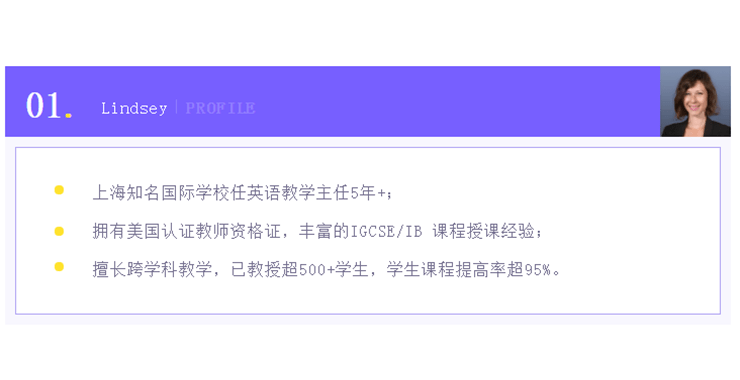
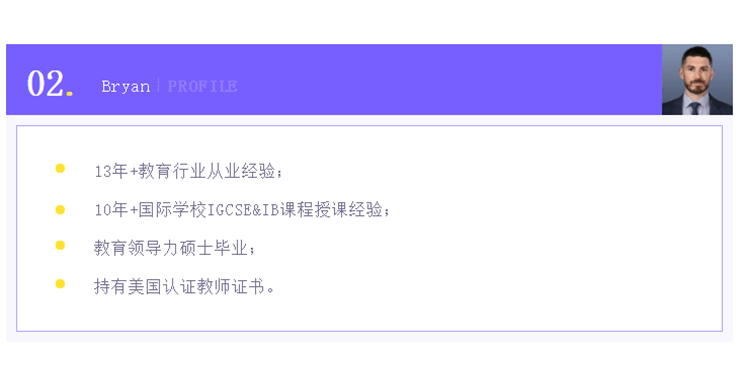
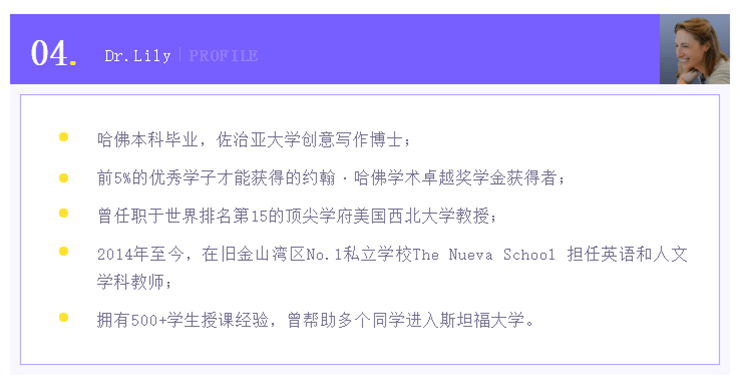
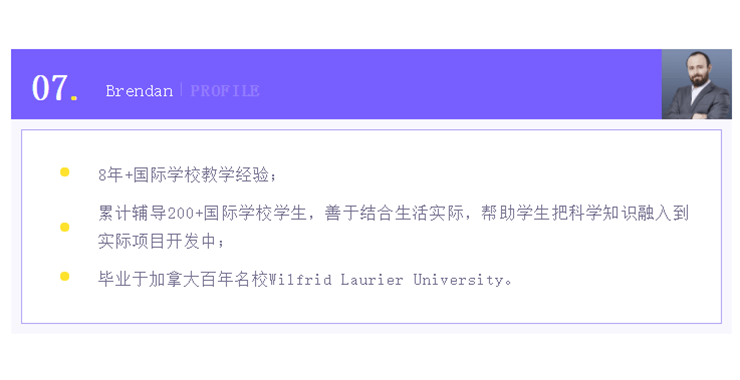
Why Should I Choose 1-on-1 Services?
Perhaps your child is preparing to study abroad or applying to a new school and he or she would like a more intensive and targeted approach in order to polish his or her skills. Alternatively, your child might not feel challenged enough with his or her current curriculum, and needs an alternative approach that is more appropriate for his or her ability level.
There are a number of reasons a parent might be searching for services such as this, and we can assure you that we will always work to understand you child’s unique situation and provide the service that is best for them.
How Does it Work?
With our hands-on approach, and orientation process, we will assess your child’s knowledge and skills based on current assessment data, writing ability, và hơn thế nữa. Based on our findings, we will select the teacher best suited for your child’s needs. All of Reach Out’s teachers have been carefully selected, and have years of experience in teaching challenging curriculums, such as IGCSE, IB, và AP, in top schools from around the world.
Our process is goal-oriented. We find out exactly what your child needs to reach their educational goals, and then we create a unique and tailor-made learning path that will best suit your child’s particular needs.
What Else Does Reach Out Offer?
In addition to 1-on-1 services, Reach Out offers a wide variety of courses specifically designed to challenge and engage your 2nd to 8th grade child with above grade level content in order to help them prepare for the rigor of programs such as IGCSE, IB, và AP.
How Can I Learn More?
To find out more about our 1-on-1 services, please contact one of our Education Consultants today to find out more! We look forward to helping your child reach his or her educational goals for a bright future!
Chúng tôi là ai
Như bạn có thể đã nhận thấy, chúng tôi đã phát triển và có một số bổ sung thú vị cho những gì chúng tôi cung cấp tại Reach Out. Vì đã lâu rồi chúng ta chưa giới thiệu bản thân, chúng tôi nghĩ rằng chúng tôi sẽ chia sẻ câu chuyện của mình với bạn để giúp bạn hiểu rõ hơn về chúng tôi là ai và chúng tôi làm gì!
Sứ mệnh của chúng tôi
Sứ mệnh của Reach Out là kết nối sinh viên với các nhà giáo dục chuyên nghiệp, những người tạo ra và cung cấp các kiến thức gốc, truyền cảm hứng, chương trình giảng dạy đẳng cấp thế giới. Chúng tôi bắt đầu cuộc hành trình này để có thể giúp học sinh hiểu cách tìm ra tiếng nói độc đáo của riêng mình và khám phá những ý tưởng sáng tạo và có giá trị ẩn chứa trong mỗi em. Với giọng nói của họ, họ có sức mạnh để thay đổi thế giới, và chúng tôi mong muốn trao quyền cho họ làm điều đó.

Tầm nhìn của chúng tôi
Reach Out phấn đấu trở thành một tổ chức giáo dục được quốc tế công nhận, cho phép sinh viên tiếp cận các chương trình giảng dạy và giáo dục quốc tế cấp cao nhất, bất kể họ ở đâu trên thế giới. Học sinh của chúng ta sẽ nhận thức được, tò mò, và những người có tư duy phản biện, những người đưa ra những lựa chọn sáng suốt với tư cách là người giải quyết vấn đề và giao tiếp xuất sắc. Học sinh Reach Out sẽ đạt được các mục tiêu và ước mơ trong học tập và cá nhân từ cấp Tiểu học đến Đại học, đặt tương lai tươi sáng của họ trong tầm tay.

Giá trị cốt lõi của chúng tôi
Đây là những nguyên tắc hình thành nên Reach Out:
Câu chuyện của chúng tôi
Reach Out được tạo ra bởi một nhóm nhỏ các bà mẹ tận tâm, có lẽ giống chính bạn. Họ đến với nhau bởi một tầm nhìn chung về nhu cầu giáo dục của con cái họ. Một số người đang tìm kiếm một chương trình giáo dục có thể giúp con cái họ tiếp cận những ý tưởng, triết lý giảng dạy, và phương pháp phù hợp với những gì họ đã trải qua khi sống ở nước ngoài. Những người khác đang tìm kiếm một chương trình giảng dạy quốc tế hóa mà con cái họ có thể tiếp cận để làm phong phú thêm trải nghiệm giáo dục của họ ở Trung Quốc. Điểm chung của họ là mong muốn có một chương trình nghiêm ngặt, mở ra cánh cửa cho tư duy sáng tạo và phản biện., tự phản ánh, và biểu hiện cá nhân - điểm nổi bật của một chương trình giảng dạy quốc tế mạnh mẽ. Sau khi dành thời gian đáng kể để khám phá các lựa chọn khác nhau, những bà mẹ này không thể tìm thấy bất cứ thứ gì đáp ứng được nhu cầu của con họ.
Vì thế, họ đã làm điều mà bất kỳ người mẹ tốt nào cũng sẽ làm, có cơ hội, và tìm ra cách riêng để mang đến cho con mình những cơ hội học tập tốt nhất có thể nhằm giúp chúng phát triển. Họ đã tham khảo ý kiến của các giáo viên có chuyên môn và làm việc với các phụ huynh khác để khám phá cách họ có thể đáp ứng tốt nhất nhu cầu của những đứa trẻ khác có mục tiêu tương tự.. Những đứa trẻ, chúng tôi hy vọng, giống như của bạn.
Cha mẹ đã cam kết:
Chúng tôi vui mừng khi nói rằng những bà mẹ này đã đạt được mục tiêu của mình. Hôm nay Reach Out tự hào có đầy đủ các khóa học nghiêm ngặt nhưng hấp dẫn, trong đó học sinh vừa học sâu vừa vui vẻ và tạo dựng những mối quan hệ có ý nghĩa với giáo viên và bạn bè của mình.
Tất cả điều này là nhờ sự cam kết của những người mẹ sáng lập của chúng ta đối với sự giáo dục và hạnh phúc của con cái họ.
Điều gì khiến chúng tôi trở nên độc đáo?
Mặc dù chúng tôi hiểu rằng phụ huynh có rất nhiều lựa chọn khi nói đến các chương trình làm phong phú thêm việc học tập của con em họ, chúng tôi tin rằng chúng tôi cung cấp nhiều phẩm chất độc đáo không dễ tìm thấy ở nơi khác.
Đội ngũ của chúng tôi bao gồm các nhà giáo dục có tay nghề cao và giàu kinh nghiệm, những người đã tạo ra một chương trình độc đáo và nghiêm ngặt dựa trên tiêu chuẩn trường học quốc tế, chuẩn bị cho học sinh nhỏ tuổi tham gia các chương trình giảng dạy nghiêm ngặt như IGCSE, IB, và AP.
-Các chương trình và chương trình giảng dạy 1-1 của chúng tôi được thiết kế để đáp ứng nhu cầu giáo dục của học sinh
-Triết lý giảng dạy của chúng tôi là truyền cảm hứng và trao quyền cho sinh viên, và phương pháp giảng dạy nhằm giúp học sinh khám phá kiến thức một cách rộng, sâu đồng thời phát triển lòng yêu thích học tập
-Cam kết của chúng tôi đối với sự thành công lâu dài của học sinh khi chúng tôi cố gắng trang bị cho các em những kỹ năng thiết yếu mà các em cần để thành công trong sự nghiệp tương lai và thế giới ngoài trường học
- Phản hồi chi tiết mà chúng tôi cung cấp cùng với tất cả các đánh giá của học sinh, để học sinh biết họ đang thành công ở đâu và họ có thể cải thiện ở đâu, cũng như các tài liệu và hướng dẫn bổ sung cần thiết để giúp học sinh của chúng tôi thu hẹp mọi lỗ hổng trong hiểu biết
-Sự cống hiến của chúng tôi để phát triển kỹ năng tư duy phê phán và giải quyết vấn đề của học sinh, điều này sẽ rất cần thiết cho tương lai của họ, cũng như tương lai của xã hội toàn cầu của chúng ta
-Lời hứa của chúng tôi là thuê tất cả nhân viên giảng dạy và không giảng dạy dựa trên niềm đam mê giáo dục chung của họ
-Khả năng của chúng tôi trong việc trao quyền cho học sinh sử dụng ngôn ngữ, kiến thức, và các kỹ năng họ có được để phát triển bản thân ngoài lớp học và trở nên tò mò, những người học tập suốt đời đặt ra và theo đuổi thử thách, hoàn thành, và những mục tiêu đáng giá.
-Thực hành của chúng tôi, phương pháp tiếp cận cá nhân hóa nhằm tạo ra lộ trình học tập cho học sinh của chúng tôi để bất kể các em ở cấp lớp nào khi tham gia cùng chúng tôi, họ sẽ được trang bị những công cụ cần thiết để cải thiện và phát triển nhanh chóng
-Cam kết của chúng tôi trong việc cung cấp cho khách hàng những thông tin và kinh nghiệm sẽ giúp họ đưa ra những lựa chọn tuyệt đối tốt nhất cho việc học tập của con mình bằng cách cung cấp các bài viết giàu thông tin, video và hội thảo.
Chương trình giảng dạy của chúng tôi
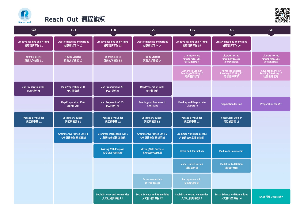
Chương trình giảng dạy Blue Line của chúng tôi, trong đó bao gồm các khóa học dành cho học sinh ở các lớp 2 ĐẾN 8, được thiết kế bởi các chuyên gia giáo dục có bằng cấp cao trong lĩnh vực chuyên môn của họ, những người đã làm việc hàng thập kỷ tại một số trường quốc tế hàng đầu trên thế giới. Chúng tôi sử dụng thiết kế chương trình giảng dạy ngược theo cách của chúng tôi ngay từ năm đầu tiên của các chương trình như chương trình IGCSE được công nhận và tôn trọng rộng rãi.
Vì các nhà giáo dục của chúng tôi đã dành nhiều năm giảng dạy các khóa học trước IGCSE, IGCSE, Chương trình giảng dạy IB và AP hoặc A Levels, họ hiểu những gì học sinh cần để thành công trong các chương trình đó. Vì thế, mỗi khía cạnh của chương trình giảng dạy của chúng tôi đã được tạo ra để đảm bảo rằng tất cả học sinh của chúng tôi bước vào ngày đầu tiên đến lớp 9 cảm thấy tự tin, được trang bị, và sẵn sàng đáp ứng nhu cầu của những khóa học khắt khe này.
Chúng tôi cung cấp một loạt các khóa học về các môn học tiếng Anh, Toán học, Lịch sử và Địa lý. Xem bên dưới để biết thêm thông tin chi tiết về các khóa học đầy đủ của chúng tôi.
Dịch vụ bổ sung
Chúng tôi cũng vui mừng thông báo về việc thành lập Silver Line, cung cấp các dịch vụ giáo dục riêng biệt theo cách tiếp cận cá nhân để đáp ứng nhu cầu của học sinh. Chúng tôi bắt đầu bằng việc đánh giá sâu sắc về mục tiêu và nhu cầu giáo dục của từng học sinh, sau đó xây dựng và triển khai một kế hoạch làm việc mà các chuyên gia giáo dục của chúng tôi sẽ sử dụng để hướng dẫn con bạn vượt qua những thử thách học tập ở trường Trung học nhằm chuẩn bị cho các em cuối cùng theo học trường đại học mơ ước của mình.
Chúng tôi cũng cung cấp các dịch vụ 1 kèm 1 ở tất cả các cấp lớp dành cho các bậc phụ huynh muốn cung cấp cho con mình sự chăm sóc và hướng dẫn cá nhân nhiều hơn. Chuyên gia tư vấn giáo dục chuyên nghiệp của chúng tôi sẽ đảm bảo kết nối con bạn với nhà giáo dục tốt nhất phù hợp với nhu cầu và mục tiêu cụ thể của con bạn.
Tham gia cùng chúng tôi!
Chúng tôi mong được gặp gia đình bạn và thảo luận về cách bạn có thể trở thành thành viên của gia đình Reach Out của chúng tôi; một người học cùng nhau, quan tâm đến nhau, cùng nhau vượt qua thử thách, và ăn mừng những thành công với nhau. Hãy liên hệ với chúng tôi ngay hôm nay để tìm hiểu thêm.
Chúng tôi mong nhận được phản hồi sớm từ bạn!
Being a parent is hard. In fact, with the changes in our world today, it might just be one of the challenging moments we have had to face in decades. Change leads to uncertainty, and uncertainty can lead to stress. Stress certainly affects all areas of our lives, sometimes it will impact our relationship with our loved ones the most; especially our children.
Our children can be complicated (let’s face it, so can we!), and it is a daunting task to ensure that every move is the “right” one. That all of our conversations, demands, requests, plans, praises and criticisms mean something. Every moment we spend talking to our kids, we hold the hope that these words will be enough to fill our children with the hope of a great future at a time where the future is so uncertain. Times change, and this too shall pass, but one thing we can guarantee is that we will never have a second chance at spending a childhood with our children.
As parents, we often ask ourselves if we are in fact doing the right thing, wondering how we can get through to our kids, trying to understand our children better, and sometimes feeling like a guilty failure because we tell ourselves we are doing it wrong. Oftentimes, that is not the case, but there is no instruction manual on how to raise a child that will work for everyone in all situations. Sure, there is a lot of advice, an overwhelming amount of it, but again, most advice is just that; guidance and recommendations by people who don’t know you or your child. Some of it is helpful, and some of it…not so much.
One thing that we cannot deny though is the importance of a healthy relationship between parent and child.
Research shows that:
It is essential to make the time to nurture a relationship with your child, and perhaps even more imperative, making sure the interactions we have with our children during that time are positive. This is something that many parents find challenging, which is why we created a parent book club for the book How to Talk So Kids Will Listen and Listen So Kids Will Talk by Adele Faber and Elaine Mazlish. Together we learned ways to positively communicate with our children in order to strengthen our bonds. We spent time discussing ideas from the book, as well as had a virtual meet up to role-play some of the strategies from the book. On top of that, we invited Middle School Guidance Counselor, Regina Wehner, to provide parents with a workshop in understanding our child’s cognitive and emotional development.
Here are some highlights we would like to share with you!
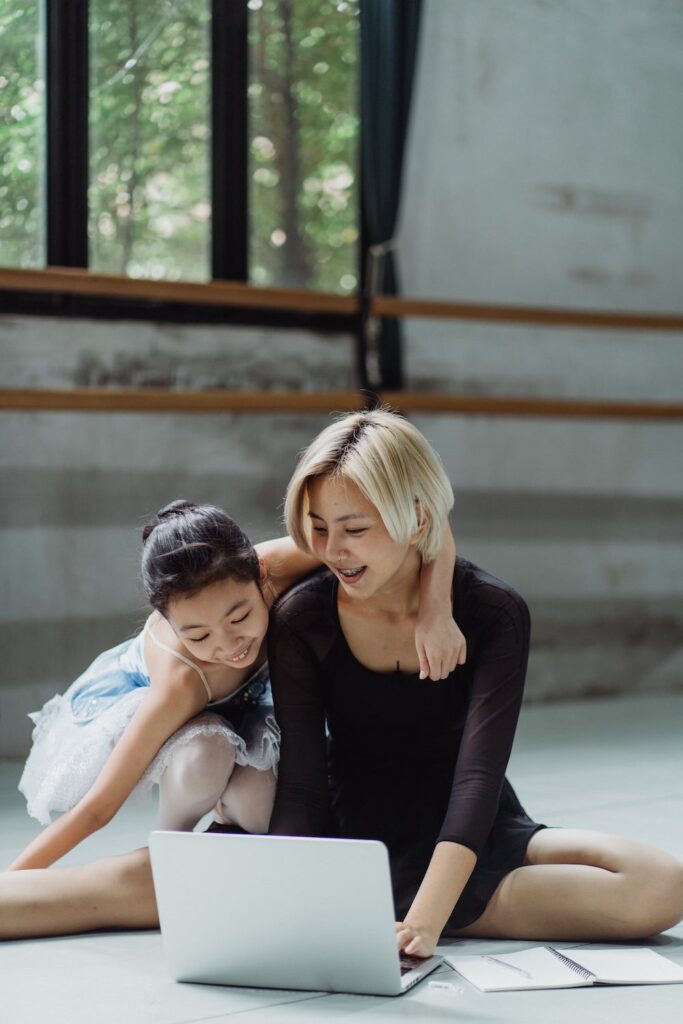
First, from How to Talk So Kids Will Listen and Listen So Kids Will Talk, here are two of our favorite strategies:
Children have difficulty regulating their emotions, as the brain’s emotional regulation center is one of the last to develop. This means that they need our help in the form of compassion and modeling. This can be so challenging, especially when we may have difficulty managing our own emotions at times! We have an easy strategy for you that will only require two things:
When your child comes home upset about something that happened at school, instead of lecturing and offering our sage advice, we can simply listen to their concerns and repeat the ideas back to them. For example, if your child comes home upset and says something like, “Ugh, today Elizabeth and Sarah were so mean to me! They completely ignored me and I hate both of them now!” Instead of saying, “Elizabeth and Sarah are your best friends. It’s not a big deal and I am sure you will be fine tomorrow,” which could invalidate your child’s feelings, you can say, “Oh, I see. Elizabeth and Sarah made you feel a bit left out. That probably made you feel a bit sad and mad.” At this point your child might keep talking and open up to you, which is great! It means they trust you and you are making them feel better. Continue to listen, nod, say, “Mmmhmm,” and repeat what they say. Having you simply listen will likely make your child feel 100% better and ready to face their next challenge!

2. I wish!
Our children often express their desires in the form of wishing they had things they don’t have or wishing things were different than the way they are. For example, children may say, “I wish I didn’t have to do all that homework.” We may reply, “Well, you do and that’s that!” or “It’s what you have to do. It’s your responsibility so you need to do it now!”
This may escalate into a battle of wills as parents feel frustrated that they keep hearing the same complaint and repeat the same reasoning. The children feel frustrated because their opinions are being invalidated and they feel misunderstood. Tốt, don’t worry, we are here to help! We have a little trick that will help you turn the conversation around, and that is to agree with your child. It may sound counterintuitive, but we have firsthand experience with this trick and it works wonders!
For example, if your child says, “I wish we could go to the park today like I wanted!”
Instead of saying, “I can’t, I am too busy,” or “Yes, but we can’t, it’s raining,” we can say, “I wish we could too! We could go to the park and have a picnic! We could fly a kite and blow bubbles! Why don’t we have a picnic in the living room and after that we can blow bubbles in the bathroom!”
The first part gets the kids excited and their imagination going, taking them to a happy place. The next part makes them feel heard and connected to you.
Hiện nay, some highlights from Ms. Wehner’s workshop:
*Please help me choose these! :)*
If you would like to join one of our workshops or book clubs in the future, make sure to follow us and stay tuned! We have great things coming up this fall!
Many parents ask us what the fastest way their child can improve their writing. While we firmly believe there are no shortcuts to becoming a truly effective and skilled writer, there are some things students can incorporate into their writing to help take it to the next level more efficiently. Like with anything trying to be mastered, the key to success lies in hard work and repetition. Practicing these skills regularly will help your child reach their educational goals.
This article will be the first in a series of articles that will focus on skills suited for different types of writing. This week, we will focus on descriptive writing tips.
Descriptive Writing Tips:
Descriptive writing is a true art form, as its purpose should be to create an image in the minds of the readers. One cannot tell a story on action and dialogue alone, and one cannot convey deep meaning and emotion in a poem without painting a picture with his or her words.
One powerful way to excel in description is to add adjectives and adverbs wherever possible. For example, if your child is writing a story he or she might write something like:
“Harry went outside and started looking for his friends.”
While this sentence conveys a basic meaning, it’s effect on the reader is also basic. By adding descriptive language in the form of adjectives and adverbs, we can quickly and effectively add imagery to the sentence:
“Harry zipped out the front door, slamming it shut behind him. His heart raced as he ran around the neighborhood eagerly looking for his friends.”
In the revised sentence, we see descriptions that tell us not only the action that is taking place, but also helping us feel the emotion of the character, an important aspect of storytelling.

Another great way to make a story or poem more effective is by adding figurative language, such as similes. Similes are comparisons that use like or as that can be used to help the reader imagine what is happening more clearly.
For example, your child might write something like:
I was so happy!
It was so cute!
He was so scared!
We can add similes to help create an even better result:
I was as happy as a a kitten in a yarn shop.
It was a cute as a baby panda playing in the snow.
He was as scared as a rabbit that just heard a wolf howl.

Our final tip for descriptive writing is to choose vocabulary that is so precise that it communicates exactly what the writer wants the reader to feel. Often, students will write descriptions that are a bit vague, with sentences like:
He was very tired.
The movie was very boring.
They were very cold.
The room very hot.
Again, these sentences convey a simple meaning, but in descriptive writing, that is simply not enough. Effective description uses vocabulary that has an impact, and we can achieve that by choosing only the best words to convey the most exact meaning.
See how we can take the sentences above from ordinary to extraordinary by replacing part of the sentence with powerful vocabulary:
He was exhausted.
The movie was unimaginative.
They were chilled to the bone.
The room was roasting.
The good news is that your child doesn't need to rely on his or her current vocabulary knowledge in order to succeed in creating sentences like those above. The thesaurus has all of the words they need to create memorable descriptions.
We hope these tips have been helpful! If you would like for your child to learn how to put these skills into practice with one of our passionate educators, stay tuned for coming announcements on our new summer and fall courses!
Next week, we’ll have a look at persuasive writing tips!
Tell us a bit about yourself.
I grew up in five different countries (Sweden, England, Germany, South Africa, and Canada). Integration into a diverse spectrum of cultures growing up has made me see the world with an open mind. I currently reside in Canada and work as both a university lecturer and a Math teacher at Reach Out. Outside of work I really enjoy sports such as badminton and chess, which I played at a competitive level for many years.

What is your educational background and qualifications?
I received a Bachelor of Science Degree from the University of British Columbia (UBC) and an obtained my MSc at the same university. My graduate work involved experimental geoscience where I designed an apparatus to investigate how diamonds reach the surface of the Earth through high velocity magmas. I published articles in two high impact journals and presented the work across Canada and Europe.
During my graduate studies I had the privilege of lecturing a few classes which transitioned into a lectureship position. Teaching at the university level involves lecturing a class of over 200 sinh viên, which is very different to the work I do at Reach Out, but has helped me develop a dynamic teaching style.
Additionally, I have been teaching Math and Science both privately and through educational organizations for over 6 năm.
Why did you join Reach Out?
I joined Reach Out because the prospect of being able to deliver high quality education from around the globe without border restrictions resonates with me.
I feel that the reason I am committed to staying at Reach Out is more important. The personalized classes being delivered has allowed me to connect with the students, making their progression much more meaningful to me. Some students have been together with me through multiple grade levels and I feel immensely proud to have played a role in their education.
What is your educational philosophy?
Having a background in experimental science has allowed me to see value in making breakthroughs through experimentation. By allowing students to experiment with different methodologies while offering guidance is an extremely effective way of teaching students to not be afraid of failure. Richard Fuller correctly said, “There is no such thing as a failed experiment, only experiments with unexpected outcomes.” Students often start my classes afraid to answer questions, discuss with their classmates, or write on the board since they don’t know the answers. Since I am always more focused on solutions rather than answers, students’ are rewarded for trying new techniques, discussing failed methods, and asking questions about their classmates’ work. I found this to produce a phenomenal learning environment and takes a lot of pressure off the students.

What is your favorite thing about teaching Math?
My favorite thing about teaching Math is the exciting challenges it provides. After teaching Math for many years, I have come to realize that students see the world from a unique perspective, which more often than not, is very different from my own. This diversity produces a wide spectrum of learning styles and requires me to stay very flexible with the methodologies I use in my teaching.
Math is a complex subject which has provided us with a universal language to better understand the universe that surrounds us. Having a good problem solving ability is a byproduct of learning Math and crucial for success in the modern world. For these reasons I have the responsibility to transform a traditionally dry and boring subject into something exciting by creating compelling lessons and using creativity to inspire my students. This will always be something I love about my job.
Who is your favorite mathematician and why?
This is a tough question, and it’s hard to pinpoint one Mathematician since I utilize the works of so many Mathematicians in just one lesson. If I had to pick it would be either Johannes Kepler or Nicolaus Copernicus since I also love astronomy. Their Math not only challenged everything that was believed about our solar system at the time, but also formed the foundations for understanding planetary motion. Space travel has relied heavily on these concepts.
If you could only give parents one piece of advice when it comes to helping their child improve in Math, what would it be?
One thing I have worked on a lot with my students, is getting them to explain their solutions to me regardless of how easy it may seem. Being able to arrive at the correct answer in certain school curriculums may not require a complete understanding, but being able to explain a solution well does require a good understanding. Make sure that your child is always showing very clear steps in their work and that they can explain their steps to you. This certifies understanding and shows they are prepared for questions which test the same concept but may be worded differently.
What is one fun fact about yourself?
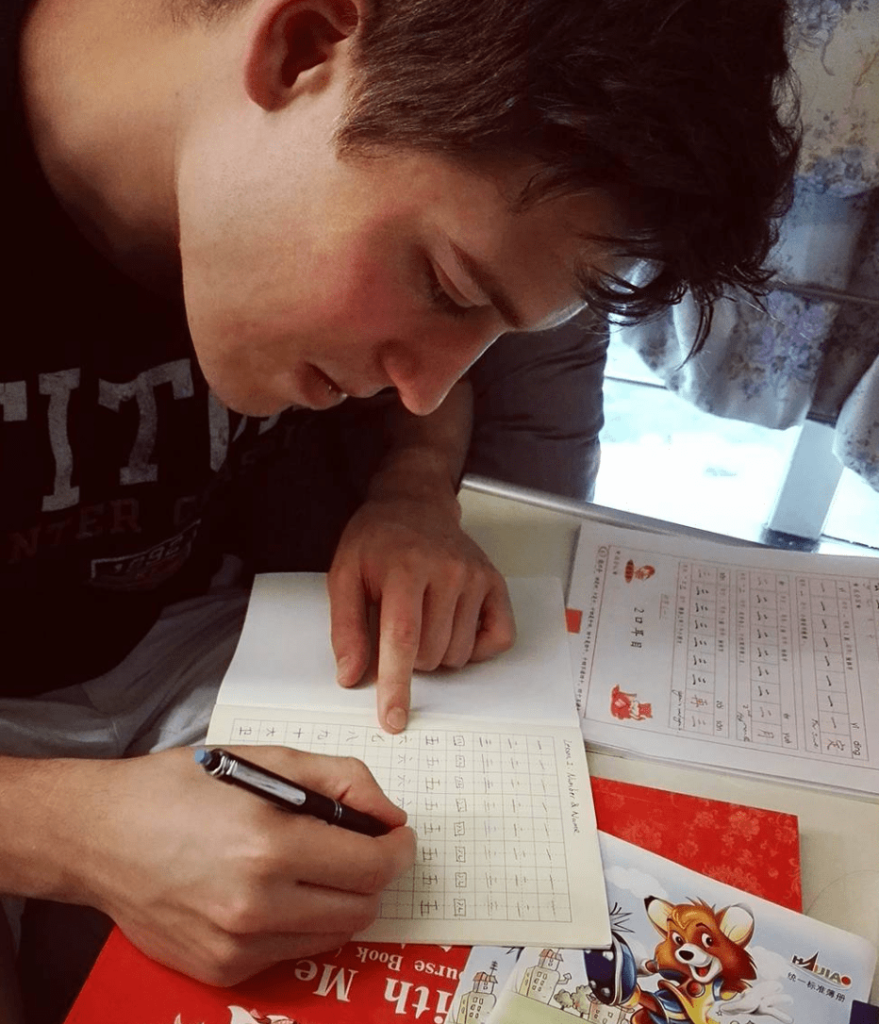
I really like learning languages! After growing up in many different countries I can speak English, Swedish, and German fluently. For the past two years I have been working to add Chinese to my collection and have enjoyed the unique challenges that learning this complex language has provided me with.
The Secret Garden is a piece of classic literature that has been part of an untold number of childhoods (if you missed our article on why children should read classic novels, see it linked below!). It is a powerful tale of friendship and discovering oneself that resonates with our souls.
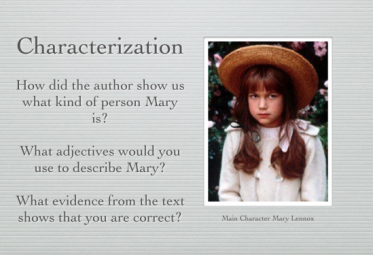
The Secret Garden is about a young girl named Mary Lennox who loses her family and everything familiar with her due to a cholera outbreak in India, where her father was working as a British Army Captain. As a child, Mary was quite neglected, but indulged by family’s servants, so she was a spoiled child with a terrible disposition. She had very few traits that would help her cope with a new life in England, where she was sent to live with a grouchy distant relative, Ông. Craven.
Ông. Craven had very strict rules for Mary to follow at her new home at Misselthwaite Manor in Yorkshire, which included her being forbidden to enter various rooms inside the giant mansion, as well as forbidden to enter one of the gardens on the sprawling property, which belonged to his beloved late wife. As Mary begins to explore her new home, she begins to find a sense of happiness and regains her health after being sickly for much of her childhood. After a robin helps her find the key to the secret garden, she finds a sense of purpose in restoring the garden, much as she restores her inner self. Through the thorns and dried leaves of winter, she finds much more lies within.
Aided by new friend Dickon, Mary develops her first friendships, and uses her newfound strength and kindness to help her bedridden cousin Colin, whom she finds tucked away in the manor. Friendship strengthens both Mary and Colin, and in the end, everyone witnesses a miracle only made possible by these close bonds and belief in oneself, two very important themes in the novel.
Young people will love reading this fantastic story of friendship, overcoming obstacles, and experiencing the healing power of nature. The characters and the lessons they teach us will surely touch your child and help them experience the power of a great story.
If you would like an opportunity for your child to experience this story with others, we are happy to let you know that we will be reading The Secret Garden as the first novel in our Young Classics Level 2 Course this summer.
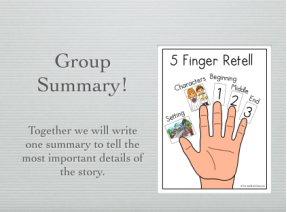
In the course, we not only read the novel, but we also learn and apply new vocabulary from the book, discuss important literary techniques used by the writer, and practice writing summaries, a key skill that many students find challenging
If you are interesting in learning more about Young Classics, or and of our other excellent and engaging courses, hãy liên hệ với một trong những Nhà tư vấn Giáo dục của chúng tôi ngay hôm nay! We hope to work with your child very soon!
Literature study is an important aspect of any excellent academic program, and that is because it helps to teach students a wide range of knowledge and skills that are essential for success in many areas of life. While studying literature, students learn about important events and people throughout history, they consider cultural perspective and increase their own understanding of acceptance of different ideas and beliefs, and they learn how to analyse the words of others in order to form a deep understanding of new ideas and ways of communicating. In short, it exposes students to a toolbox of ideas, techniques, strategies, theories, and more that they will carry with them throughout their life, shaping the way they approach the world.
Why do we offer this course?
Reach Out students typically pursue high school programs such as IGCSE, which includes challenging courses such as English Language and Literature and English as a First Language. Later, most of those students will take on the challenge of IB and AP level programs, in which they must take on the task of reading a variety of literature. Our aim is to expose students in upper primary and middle school to a wide range of advanced literature so that by the time they reach high school they possess the knowledge and skills to hit the ground running, and therefore achieve to a higher level.
This course is designed for Grade 7-9 sinh viên.
The Objectives of our Advanced Literature Course are to:
✪ Enhance students’ ability to understand and discern literary techniques used English and American literature, and the ability to communicate the effects of those techniques;
✪Improve children's literary comprehension skills and increase their understanding of British and American culture;
✪ Under the guidance of our expert educators, learn the power of language and storytelling in a challenging yet engaging way.
Meet Our Teachers
*Insert teacher bios here for Barry, Anthony, and John*
Our Book Selections:
Cry the Beloved Country by Alan Paton

Set in South Africa in the 1940s, award-winning Cry the Beloved Country tells the story of a Zulu Pastor, Steven Kumalo, who travels from his village to the city of Johannesburg. Along his arduous and heart-wrenching journey, he discovers that his sister and son have found themselves in terrible situations that he must now face with them. The characters’ vastly different lives become unexpectedly woven together through tragedy during a dark time in South Africa’s history. Tuy nhiên, through tragedy and challenges, the true nature of the human spirit can be found and uplift those who need it most.
Dracula by Bram Stoker

The legend of Dracula has loomed large in the minds of readers and movie-goers for generations. Bram Stoker based the infamous character of Dracula on the legend of the real life ruler of Wallachia, Vlad the Impaler. Stoker was able to take this dark corner of history and turn it into a legendary novel told through journal entries, letters and telegrams. As with any classic, Dracula has stood the test of time because it speaks to something very deep and meaningful within the human psyche.
Of Mice and Men by John Steinbeck
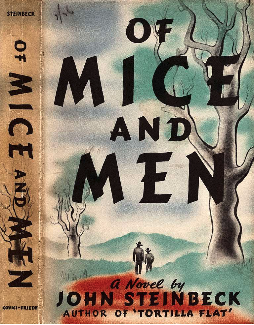
The Great Depression was a defining moment in American history that tested its strength as a nation, and placed the population in a precarious balance between life and death. In what is considered one of the greatest American classics, readers are introduced to two displaced migrant workers, George and Lennie. George is an intelligent young man, while Lennie is mentally disabled. George takes Lennie under his wing as they seek employment where few opportunities exist, trying to survive, yet still dreaming of the day they will have their own land and build a life. Their hopes are dashed when a devastating incident occurs that alters their lives forever.
What Students Will Gain
Develop an early sense of literary appreciation,
See the world from a more mature perspective
British and American classics contain thought-provoking moral and social issues. Reading the most influential classic literature thoroughly helps students become better readers, and begin the process of pursuing self-realization.
Improve understanding of culture and history
Learning allusions from classic British and American literature can help us bridge cultural differences. "The classics have opened the door to different worlds, different cultures, and different historical perspectives. Literature crosses race, culture, religion, and geography."
Self-reflection and personal growth
Many classic literature allude to our lives from the side: books that reflect similarities to our own lives are called "mirrors"; and those that give us a glimpse of different lives are called "windows." Whether it is a "mirror" or a "window", it further enriches the students' life experience and increases the courage and strength to face life.
Tham gia cùng chúng tôi!
Contact us to discover more about our course. We sincerely hope to meet your child soon, and develop a love of reading classic literature together.
It’s back to school time and we know parents are getting ready for a new year with new beginnings. The start of a new year is usually met with a mix of excitement and a bit of anxiety, as students and parents look forward to new skills and experiences, but also might feel nervous about new routines and expectations.
Đừng lo, Reach Out it here to help! This year, we have 5 top tips to a fantastic start to the school year.
Understanding how your child’s school approaches education, what curriculum they use, what systems, and standards are used can be overwhelming for non-educators. Spending a bit of time each day reading your school’s website content, handbooks, and other resources can help you feel more confident in understanding what your child is learning at school and how they are learning. It’s also important to attend your child’s back-to-school night and informational sessions to get a better understanding of your child’s program as a whole. It also provides a great opportunity for you to establish a relationship with your child’s teacher. At any time if you still have questions, you can always e-mail your child’s teacher. They are there for you and your child, as they know that a great relationship with parents is a fantastic way to ensure academic, social, and emotional success for all students.
2. Make Sure to Catch Enough Zzzzs Before the ABCs
Sleep is so important for a child’s growth and development, and a lack of it can negatively impact a child’s academic achievement. In fact, research shows that sleep depravation in children can lead to higher rates of anxiety and depression. When we sleep, our brain processes the information from he day, finds the best system to file it away in out memories, and re-charges our systems for a new day. For various reasons, parents often find sticking to an early bedtime difficult, but with a clear routine, and time for adjustment, it can be easy! Những đứa trẻ 3-6 years old should be getting 10-12 hours of sleep per day, 7-12 year olds should get 10-11 hours per day, Và 12-18 year olds should get 8-9 hours per day. Creating a schedule where children get to bed earlier will make mornings easier as well, hopefully with less stress for both parents and children as they will be well rested and ready to start their day!
3. Ask the Right Questions at the Right Time
Sometimes parents are anxious to know how their child’s day was as soon as they get home from school, especially during the first few weeks. Those weeks are especially exhausting and full of ups and downs as your child learns to navigate new material, new friends, new teachers, and new expectations. Giving them time to come home and decompress is extremely important for their emotional and mental well-being. Once they have had some “me” time, parents can ask specific questions based on what they know they are working on, if they happen to know. They can go through their child’s homework diary with them and help them make a plan on how to tackle each task, as well as share in their enthusiasm for specific subjects, books, or information they also enjoy. Avoid asking, “How was school? What did you learn?” as kids respond much better to more specific questions, such as, “What did you do with your friends at lunch? What was the best part of your day? What was the weirdest or most wonderful thing that happened at school today?” Most importantly, parents should be fully present and listen intently when students answer, so they really feel valued and hear when they share.
4. Let Them Learn From Failure
This one can be extremely hard for parents to allow. We want our children to do well and reach their full potential, which means we might go over each assignment with a fine-toothed comb, correcting every mis-calculation or grammar mistake. Although parents have good intentions when we do this, we are taking away important learning opportunities from children when we do so. Back when we were students, many of our parents were often too busy or didn’t have the knowledge or capacity to help us with our school work, but we found a way to push through and try our best. If children are never given opportunities to fail when they are young, they might resist taking on challenges later in life for fear of failing at them. Tuy nhiên, when we let them fail gently, such as on an assignment or at a little league soccer game, we are teaching them resilience. It’s not the end of the world, and they learn a valuable lesson; that we can try and not succeed, dust ourselves off, and try again next time.
5. Nurture Their Passions
New school years are an exciting time for many reasons, one of them being that they provide children a chance to discover new passions. If they are lucky, they will stumble upon something they truly love, and that they can become fascinated with enough to spend hours on end discovering. Helping a child find his or her passion is not always easy and takes time. Sometimes parents worry if their child focuses too much on a couple of things, and feel they need to expose them to as much as possible to help shape them into well-rounded individuals. Tuy nhiên, if we look at the people who have shaped our world, it was because they had a laser focus on what they were passionate about. It was all they ever did or do. As humans, we naturally gravitate towards what we love most, and as long as it provides some sort of value on top of fulfillment, we should continue pursuing it. Vì thế, don’t worry if your child protests going to one activity while running out the door to attend another. Maybe the one they love is the most valuable to their growth and development, and the one they don’t like isn’t that necessary after all.
We hope these tips have helped, and we wish you and your child the best in the coming school year! We are excited for the new school year and all of the challenges and hope it will bring.
Reach Out will be with you every step of the way, so be on the lookout for more information and more articles we hope you will love!