Ekufikeleleni, sikholelwa ukuba kubaluleke kakhulu ukubhiyozela impumelelo yabafundi. Siyavuya ukwazisa omnye uMfundi oNkwenkwezi - Emma!
U-Emma umele yonke into abafundi abanokuyifikelela ngokusebenza nzima kunye nokuzinikela ekugqweseni. Ootitshala baka-Emma bayamqonda njengomfundi onesimo sengqondo esimangalisayo ngokufunda, wamkele kakhulu umyalelo, kwaye unosapho olumxhasa kakhulu olusoloko lunxibelelana nootitshala bakhe. Eklasini, U-Emma ngumphulaphuli ngononophelo kwaye ozithembileyo ngokwaneleyo ukwabelana ngezimvo zakhe, kodwa unomonde ngokwaneleyo ukunika wonke umntu ithuba lakhe. Akakukhathazi ukuthatha umngcipheko, kwaye uyakwazi ukufaka ubuntu bakhe emsebenzini wakhe.
U-Emma okwangoku ubhalise kwiNqanaba lethu lokuFunda nokuBhala 4 Ikhosi, kwaye ubonise isipho sokwenyani ekukwazini ukuyila imifanekiso eyomeleleyo ekubhaleni kwakhe. Ekuqaleni kwesemester, wagqiba uphononongo lwesebe Blue Frog kaThixo Shanghai Disneyland.
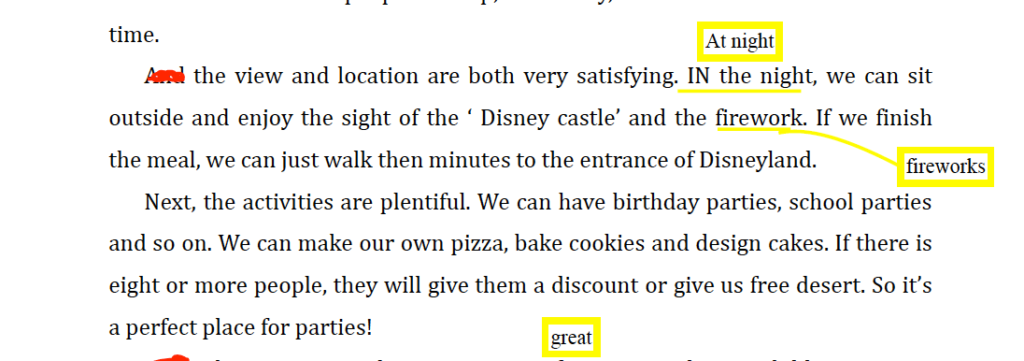
U-Emma wabonisa ukukwazi kwakhe ukugxeka imiba ethile yendawo, aze aphuhlise izimvo zakhe esebenzisa iinkcukacha ezifanelekileyo.
“Imbonakalo kunye nendawo zombini yanelisa kakhulu. Ebusuku sinokuhlala ngaphandle kwaye sonwabele ukubona iDisney Castle kunye neziqhushumbisi.
Njengoko isemester yayiqhubeka, U-Emma wabonisa uphuhliso kwizakhono zakhe zokubhala, kwaye yaqalisa ukubandakanya iindlela zoncwadi eziphucuke ngakumbi. Kwisabelo sokuchaza imihlaba, U-Emma wakwazi ukwenza umfanekiso oqinileyo esebenzisa isigama esichanekileyo kunye nolwimi olufuziselayo.
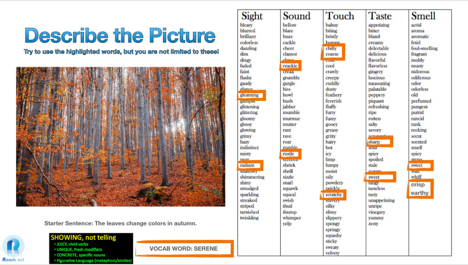
“Ubulembu obunoboya buthe saa kumatye anetyuwa njengoko bunwenwela kude, njengejam kwisonka. Kwabakho amathontsi njengoko lo mthombo wawuwela kwichibi elingezantsi.”
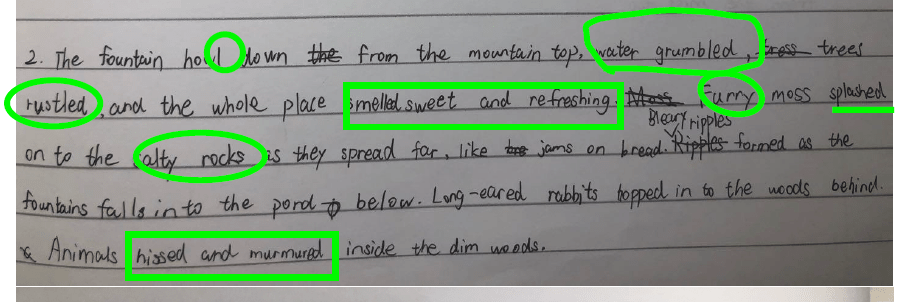
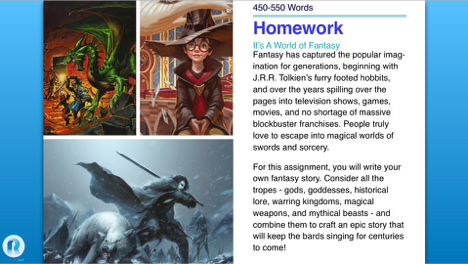
UEmma waqhubeka esebenzisa izifundo awayezifunda kulo lonke elo khondo, yaye ubuchule bakhe njengombhali bomelela ngakumbi. Kwisabelo samva nje sokubhala iFantasy Narrative, U-Emma wakhe imeko kunye nomlinganiswa webali lakhe ngabom nangempumelelo.
“Ilanga elibengezelayo lalikhanya ukusuka efestileni ukuya kutsho kwizinto ezithambileyo, ishidi lokulala elisilika. Iintyatyambo ezinemibala eshushu eziswiti zadubula ecaleni kwefestile evulekileyo. Imizobo emfiliba kodwa yenkuthalo yayijinga kudonga oluhlaziyayo oluluhlaza ngolwandle.”
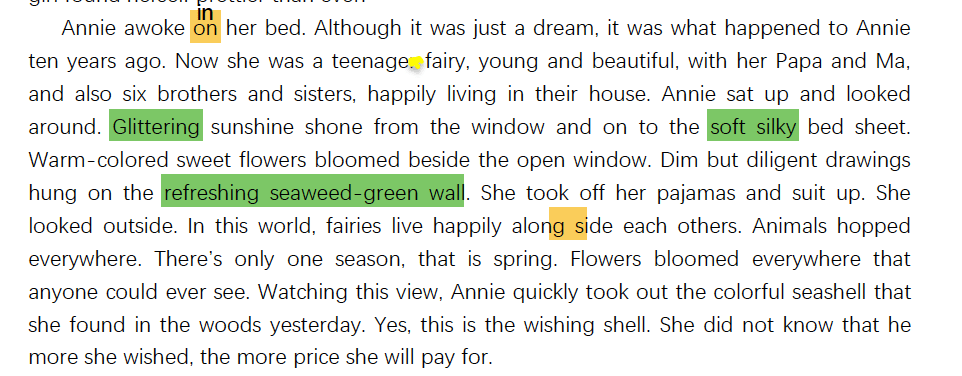
Njengokuba ubona, U-Emma ubonisa iimpawu zombhali osemtsha othembisayo. Ukuzimisela kwakhe ukuphucula, kunye nokusetyenziswa ngononophelo kwezifundo ezifundisiweyo kuye kwanceda ukuba ukubhala kwakhe kunyukele kwinqanaba eliphezulu.
Enkosi Emma, ngokuba STAR! Sijonge phambili ekuboneni ukukhula kwakho kwixesha elide elizayo. Siyazi ukuba esi sisiqalo nje sohambo oluqaqambileyo.
Njengabafundisi, sisoloko sibuzwa umbuzo, “Ndingenza njani ukuze umntwana wam ayeke ukufunda iincwadi ezihlekisayo?” Parents are worried that comics do not provide educational value, abakho ngqongqo ngokwaneleyo ngokwemfundo, okanye okubi kakhulu, ukuchitha ixesha lomntwana wabo. Kule nto, impendulo yethu idla ngokubothusa, and that answer is, “Let them read comics!”
It’s understandable that parents would be a bit concerned as the perception is that comics are purely for pleasure reading, nangona kunjalo, comics have many benefits beyond helping us pass the time.
Comics and graphic novels are not new forms of writing. Of course, they have been enjoyed by many for generations. Over the years, the genre has changed into one with considerable depth and meaning, which is why we encourage parents to not only allow their children to read comics, but also to support them in doing so.
Here are our top reasons comics should be read (especially in the summer!):
For students who are not native English speakers, comics provide a great way for them to begin enjoying English literature. For many children, the task of going from an English language textbook to a novel can be very daunting, but comics can provide a necessary bridge for them to build confidence as well as reading fluency. The visual cues in the pictures allow students to create a deeper understanding of the plot and characters as well as new vocabulary. Ukwengeza, it introduces them to effective literary devices, such as onomatopoeia (think POW! SMACK! ZOOM!) and idioms (an illustration showing the meaning of an idiom like, “Cat got your tongue?” makes much more sense than heating the idiom on its own!).

2.Enhancing Inference
Inference is a key reading skill that many students struggle with on standardized reading assessments. Inference happens when we draw conclusions based on what we read. Some examples of questions students will encounter during reading comprehension tasks or assessments are those such as, “How did the character feel when?”, “What can you conclude about…” and “What was the lesson in the story?” Comics require that students “read between the lines” to infer information that is usually told by the narrator in a novel, so they can gain a lot of valuable experience in strengthening this skill by reading comics.
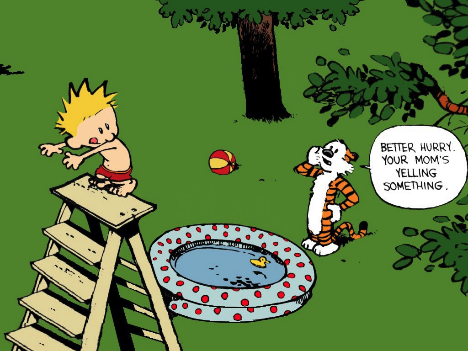
3.Word Power!
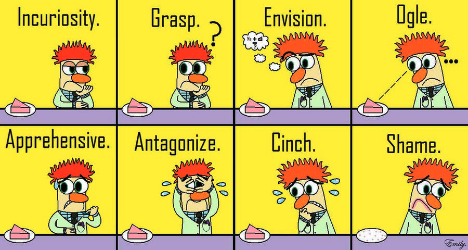
Often in comics and graphic novels, writers include quite advanced vocabulary, both as part of the story line as well as in the names of the characters. In 2016 at the world famous Comic-Con in San Diego, California, a panelist of educators discussed the power of comics in building students’ vocabularies. James Bucky Carter, author of Building Literacy Connections with Graphic Novels said, “You have Colossus, and he’s this big, giant metal guy. You get a really good sense of what the word colossus means and that’s a good 10-cent word. Banshee’s power is screaming. You have these characters that embody the vocabulary words that they are. That’s something that’s a fun way to learn new words, in addition to the contextual clues.”
After reading this you may just want to let your child dive right into reading comics or graphic novels! That’s music to our ears. If you are not sure where to start, we have some student favorites your child might like to try!
Dog Man by Dave Pilkey

Miles Morales Spider-Man by Jason Reynolds

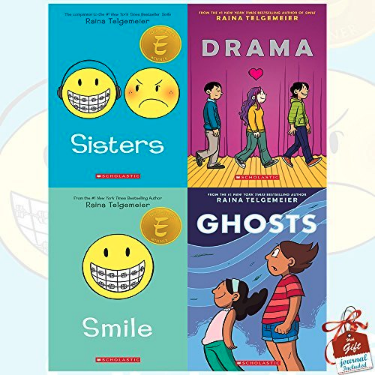
Smiles, Sisters, Ghosts, Drama and Other Stories by Raina Telgemeier
Bone by Jeff Smith

Looking for more summer reading opportunities for your child? Contact one of our Education Consultants for more information about our summer reading courses. We look forward to reading with your child!
Ixesha leemviwo lifikile, kwaye inokuba lixesha elinzima kakhulu lonyaka kubo bobabini abafundi kunye nabazali. KwaFikelela ngaphandle sifuna ukwenza konke okusemandleni ethu ukunceda ukunciphisa unxunguphalo lweemviwo ngokukunika iingcebiso ezizodwa onokuthi awuzange uzame.
Ubulumko obuqhelekileyo bokufunda ngokufuthi bulandelwa ngabazali nootitshala abaninzi abaneenjongo ezintle, nangona kunjalo, ukuba sijonga iindlela ezinomdla ezisekelwe kuphando sinokubona ukuba kukho iindlela ezahlukeneyo ezisebenzayo zokufunda! Kuhlala kulungile ukuzama izinto ezintsha, ingakumbi ebantwaneni. Banokufumana iindlela ezintsha zokwenza izinto besebancinci, kwaye xa sele bekhulile, banokukhetha eyona ndlela ifanele iimfuno zabo zobuqu kunye nesimbo.
Ngoku, makhe sijonge iindlela ezintathu ezizodwa zokufunda.

Ukwahluka sisinongo soBomi-Naxa ufunda
Kwabaninzi, iminyaka emininzi siye saxelelwa ukuba ukuze sifunde kakuhle, kufuneka sifunde kwindawo enye yonke imihla; indawo ezolileyo, kukhanyiswe kakuhle, kwaye inazo zonke izixhobo zethu. Ngelixa oku kusenokuba yinyaniso ngamanye amaxesha sifunda, Uphando lusibonisa ukuba ingqondo yethu eneneni yenza ngcono xa sitshintsha indawo esifundela kuyo. Iyamangalisa, kunene?
Kuphononongo olwenziwe yonke indlela emva 1978, abafundi beekholeji banikwa 40 isigama amagama ukufunda. Elinye iqela laxelelwa ukuba lilufunde kabini olo ludwe kwindawo enye. Elinye iqela laxelelwa ukuba lilufunde olu ludwe kwiindawo ezimbini ezahlukeneyo. Into abayifumeneyo, iqela elaguqula iindawo zalo zokufunda lenze ngcono ekukhumbuleni amagama kamva. Ngoku kutheni oko? Kulungile, ingqondo yethu ihlala yenza unxibelelwano kulwazi olusekelwe kwindawo esihlala kuyo, ngoko kokukhona sitshintsha-tshintsha indawo esingqongileyo, okukhona sinikela iingqondo zethu ithuba lokugcina ulwazi njengoko luya kuncamathela kwizinto ezininzi. Oku kusenokuba kutheni enye indlela yokujonga, apho ubani abe nomfanekiso-ngqondweni wezinto anqwenela ukuzikhumbula kwiindawo ezithile kwindawo ayiqhelileyo, inokusebenza ngokunjalo. Kubafundi, ukutshintsha nje imeko-bume kunokwenza iqhinga!
Yonwaba!
Abanye abazali basenokucinga ngempazamo ukuba umntwana wabo uyahleka okanye uyonwaba ngoxa efunda okanye efunda, basenokuba bachitha ixesha labo. Nangona kunjalo, oku akunyanzelekanga ukuba kube njalo.
Njengomzali, emsebenzini okanye e-ofisini yakho unokuba neendibano zocweyo ezikhethekileyo kumaxesha ngamaxesha. Iindibano zocweyo zidla ngokusetyenziswa njengesixhobo sokukunceda ufunde ngesicwangciso esitsha, umbono, okanye ulwazi oluya kukunceda ufunde ngakumbi emsebenzini. Ezi seshini zihlala ziqhutywa ngabantu abaziingcali ekudaleni iindibano zocweyo ezikhuthazayo nezikhuthazayo nezikhuthaza abasebenzi.. Iintsuku zinokuba nde kwaye zibe qatha, kodwa ukuba zenziwe ngokufanelekileyo, abasebenzi banokuhamba bezithembile kulwazi lwabo olutsha kunye nezakhono.
Kukwanjalo nakulutsha. Ukwazisa umdlalo womdlalo kunye nolonwabo njengendlela yokufunda kwiimviwo akwenzi umntwana wakho ancume kuphela, kodwa uphando lubonisa ukuba ukonwaba ngelixa ukufunda kuvula izixhobo ezithile zengqondo, inxulumanisa imivuzo nolonwabo nokufunda, yomeleza kwaye yandisa uthungelwano lwenkumbulo, kunye nokuguqula ukucinga okungabonakaliyo kunye nengqalelo egxininisiweyo.

Indlela yePomodoro
Ukuhlala ugxile, emsebenzini kunye nokukhuthazwa ukugqiba imisebenzi ethile kunokuba nzima kubantu abadala kunye nabantwana ngokufanayo. Ngaba ukhe waziva ngathi ujonge isikrini sekhompyuter iiyure ezininzi, kodwa uphumeze kancinci kakhulu? Okanye mhlawumbi unomhla wokugqibela kwiintsuku ezimbalwa, kodwa bajonge kumgca wokugqibela? Akumangalisi, njengoko uphando lubonisa ukuba ingqondo yethu ithanda ukubhadula 20% ixesha, mhlawumbi ngakumbi kubantu abatsha.
Enye indlela enomdla yenziwa ngumfundi wekholeji uFrancesco Cirillo njengendlela yokumnceda ahlale egxile, kwaye yiPomodoro Technique, eyafumana igama layo kwisibali-xesha setomato uCirillo esisetyenzisiweyo ngelixa wayevavanya esi sicwangciso kuye. Indlela esebenza ngayo kukuseta isibali-xesha 25 imizuzu, elixesha lomsebenzi. Emva koko usete kwakhona 5 imizuzu, elixesha lekhefu. Eli lixesha elihle lokuvuka, yolula, uthathe ithanga ujikeleze indlu, thanda ikati yakho, okanye ufumane ukusela amanzi okanye i-snack. Emva kwexesha lekhefu liphelile, seta isibali-xesha kwenye 25 imizuzu kwaye uphinde!
Kuvela ukuba esi sicwangciso sixhaswa bubungqina besayensi, njengoko abaphandi bagqibe kwelokuba ikhefu elifutshane linceda ukugcina ingqalelo yakho isendleleni. Oku kunokunxulunyaniswa nento yokuba ukukruquka kwengqondo kunokukhokelela kwingqondo engabandakanyekanga, eyona nto yokugqibela oyifunayo xa ufundela uviwo olubalulekileyo.
Siyathemba ukuba ukonwabele ukuhlola ezi ngcebiso zokufunda zizodwa kangangoko sinako! Ukunqwenelela umntwana wakho ithamsanqa kwiimviwo kule nyanga. Jiayou!
Siyazi ukuba kuninzi esinokukwenza ukukhulisa nokufundisa abantwana bethu, yiyo loo nto njengabazali sihlala sisenza umgama omde wokugcwalisa ixesha labo ngemisebenzi etyebisayo kunye neeklasi. Kutheni sisenza oku? Ngenxa yezizathu ezininzi kunjalo, but the main goal is to ensure their future success. Parents hope that their children will be even more successful in life than they were themselves. Success, of course, is subjective, and we may all have our own definition of success. Generally however, we might agree that success includes feeling content in one’s personal life, as well having a sense of career satisfaction and financial security.
Recently there has been an intriguing TED Talk being shared on social media, in which former Dean of Freshman at Stanford University, Julie Lythcott-Haims, cites evidence from the Harvard Grant Study that correlates professional success in life to individuals having done chores as children. Not soccer training, not language learning, not painting, but chores.
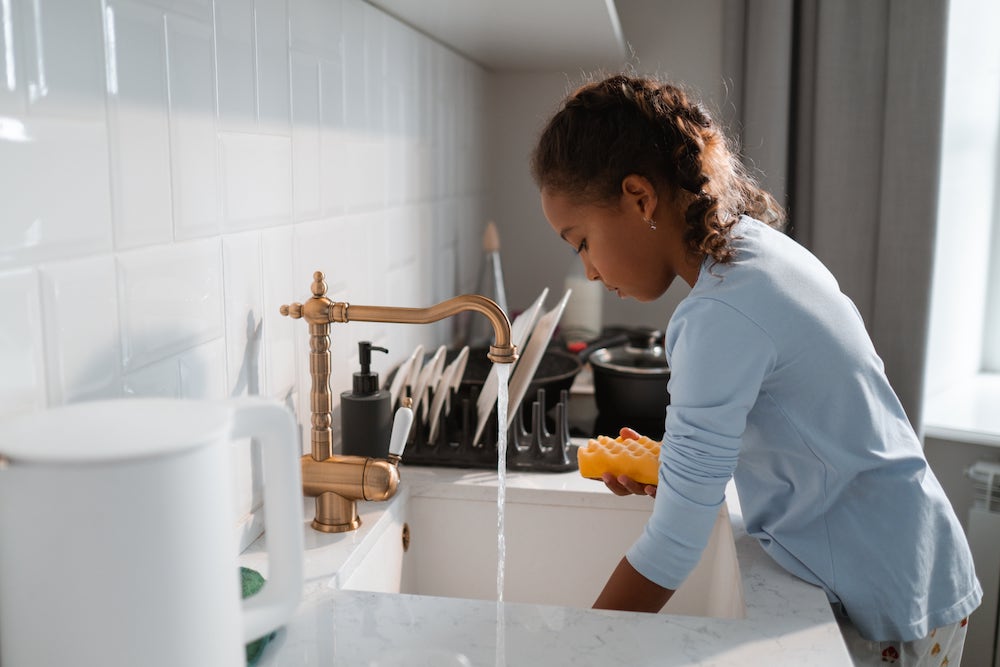
Surprising right?
Many of our children growing up in big cities may never know what it’s like to scrub a dish, wash a window, or mop a floor. We might feel like there are more important things to do to build their knowledge and their character. Lythcott-Haims explains that those children who do get their hands dirty, nangona kunjalo, may reach a level of success in life that surpasses their no-chore-doing peers. That is because it teaches students how to contribute and step up when work needs to be done, and that doing the “grunt work” that others might scoff at, because it is what is best for all, is what gets noticed in the workplace.
The workplaces of the high-achievers who took part in the Harvard Grant Study were notable, such as the White House, where participant President Kennedy worked, and the editor’s office where Ben Bradlee sat as editor of The Washington Post. We can assume that their parents, like us, had to prod and plead for the chores to be done, and accept that even if they were done, they might not have been done well; and that’s okay.
The important thing, as Lythcott-Haims points out, is that by doing chores, children realize that they, “…have to do the work of life in order to be part of life.” They realize that life does not just happen to them, and for them, but with them.
If your children are already doing chores as part of their daily summer routine, bravo! You are on the right track. If not, no need to panic. It is never too late to introduce chores into the lives of our children. Here are some tips to help get you started!
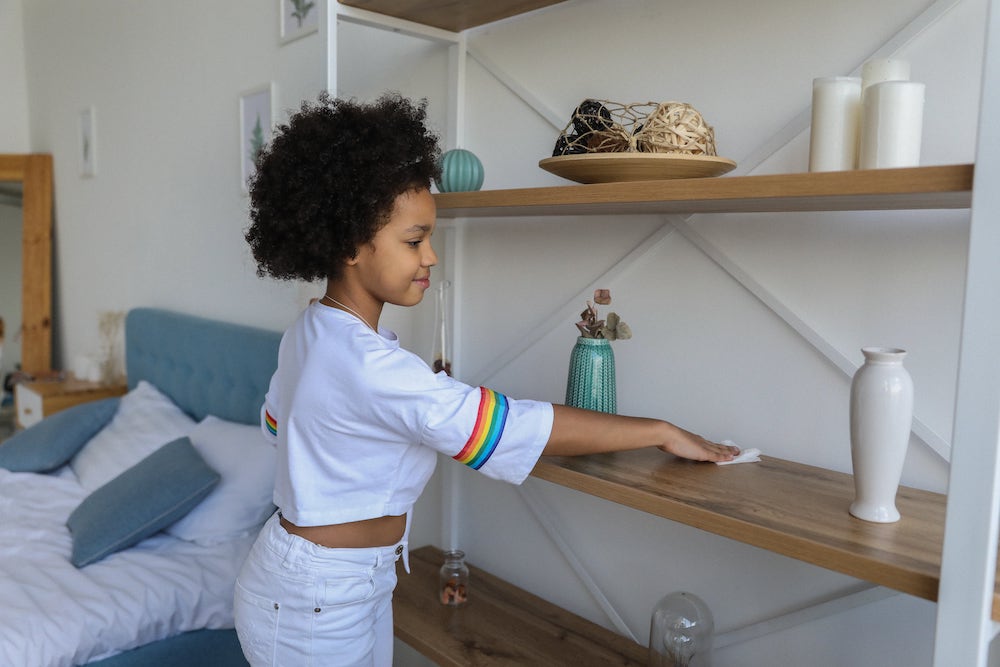
Let Them Be a Part of It
When introducing the concept of your children completing chores to help, have a “family meeting” where everyone is present to discuss what will be expected of your children and why. You can ask your child to help you write a list of chores they could potentially help with around the house. They might surprise you with their enthusiasm as doing chores is very exciting for some children because it makes them feel empowered and helpful (two things we often like to feel as adults).
Game-ify It
To make things fun, because fun makes everything better, you or your child can write the chores on popsicle sticks and each day your child can choose one stick from the jar. That will be their chore for the day! If you have more than one child at home, you can always turn cleaning into a competition by setting a timer and seeing which child can clean the most toys in the given amount of time, for example.
Reward It
Njengabazali, we are rewarded for our contributions at work with a salary. Shouldn’t our children also be rewarded for their hard work? One idea is that if your child completes all of his or her chores for the week, he or she can choose a small toy from a “treasure box” filled with small toys. Another option could be that if your child consistently completes chores for a month, they can choose an extra special family outing.
Teaching our children to do chores is not always easy, but the potential benefits are worth the time and effort. We hope you found our tips useful, and that they can help lead to a positive experience for you and your child. Happy cleaning!
Siyavuya ukwazisa iklabhu entsha yeencwadi zasehlotyeni, nje abazali! Ihlobo lelona xesha lifanelekileyo lokufunda incwadi obusoloko ufuna ukuyifunda, kodwa andinalo ixesha lokuba. Kweli hlobo, we invite you to join us in reading Indlela yokuthetha ukuze abantwana bamamele kwaye bamamele ukuze abantwana bathethe.
We know it is not always easy to connect with our children because of the demands of school, work and daily life. Sometimes our anxieties about the future interfere with us living our lives right now. Nangona kunjalo, one thing we can guarantee is that we will never get another chance to experience childhood with our own children, and we don’t want to miss out on this precious time. Ngoko, how can we make the most of it and have meaningful conversations with our children that will strengthen our bond and help our children feel supported? These are big questions many of us have.
To help us answer these important questions, we invite you to join us in reading one of the most popular parenting books of all time, written by Adele Faber and Elaine Mazlish. How to Talk So Kids Will Listen and Listen So Kids Will Talk, which teaches us how to accept our children’s feelings, as by not doing so we could be unwittingly causing bad behavior. It also teaches us positive ways to encourage cooperation, as well as independence, autonomy, and self-confidence. These are all the ingredients needed to help nurture a positive parent-child relationship that will indeed help to grow our children into confident and capable adults.

How Will It Work?
The first step is to contact one of our Education Consultants to register. Registration is FREE and open to everyone! We will create a group chat where the book study content and sharing will take place starting on July 1st. Lindsey Fine, our Education Manager, will be joining the group as a parent as well, as she is a mother of two boys, aged 4 kwaye 6, who will be learning along with you. She will also be helping to lead the weekly discussions.
The book can be found in English and Chinese and easily accessible in print, e-book, or audiobook formats.
Then there are two options for how you would like to participate:
The reading schedule is as follows:
Week 1: Chapters 1 & 2
Week 2: Chapters 3 & 4
Week 3: Chapters 5 & 6
Week 4 Chapters 7 & Afterword
At the end of the month, we will host an online workshop led by School Counselor, URegina Wehner. At the workshop, Regina will share additional information and strategies you can use to strengthen your relationship with your child.
About Regina Wehner
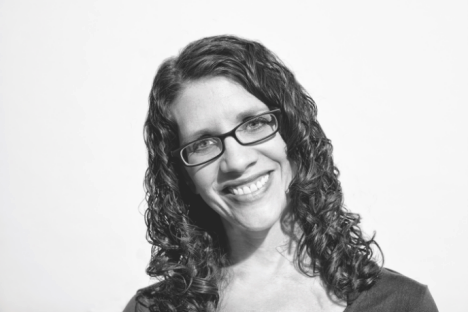
Regina Wehner is a Licensed School Counselor that has worked with students in Middle School for over 16 years. Originally from the United States, she lives with her husband and 2 children, ages 10 kwaye 12, in Beijing, China.
Regina works at the Western Academy of Beijing (WAB), a diverse international school. A big part of being a school counselor is helping students learn about themselves and others as they are growing. Regina also hosts monthly Parent Coffee Mornings to bring parents together to learn more about their children's developmental changes and how to communicate during these times of transition.
Contact us today to join!
Helping Your Child Learn New Vocabulary
Research indicates that if we want students to succeed in the academic context, kwiimvavanyo ezibalulekileyo kunye neemviwo eziphezulu, kwakunye nemisebenzi yabo yexesha elizayo, kufuneka sibancede baphuhlise isigama sabo. Isizathu soko sesi: our understanding of new information is directly linked to our understanding of the vocabulary used to communicate that new information.
Kubafundi, increasing their vocabulary is one key to success in mastering a language; the more words we know, the more words we understand, and the more words we can use in our writing to make it more impactful and effective. Nangona kunjalo, learning now vocabulary is sometimes viewed as a tedious or elusive process. Sometimes parents are not sure how to guide their children, especially as the way we approach vocabulary study study may vastly differ from the way parents studied it when they were in school.
Don’t worry, Reach Out is here to help! Let’s explore vocabulary acquisition (the process of memorizing and applying new vocabulary), and we’ll tell you how you can help your child build their vocabulary!
Talk About It!
It might seem overly simple, but when it comes to learning new words, one effective way young people do it is by talking with others. Children learn new words best when they are in context, such as in a conversation about a certain topic. They can infer a bit of new words’ meanings based on how they are used along with the other words they are already familiar with.
You have likely been interrupted by your child on many occasions when you use unfamiliar vocabulary and they curiously ask, “What does disaster mean?” You might have been referring to the state of their bedroom (as in it is a complete mess), and by taking a moment to explain the multiple meanings of disaster to them, you will not only have taught them a new word to describe a messy room, but also a failure or a naturally occurring phenomenon, such as a natural disaster.
Ngoko, talking with your child is a great way to teach them new words!
Explore It!
Students generally understand that they can use a dictionary or a translator if they encounter a word they do not know, but sometimes even the definition of a word might leave them with more questions than answers.
In our experience, many students do not utilize one very important tool for learning and applying new vocabulary, and that tool is a thesaurus! If you notice your child overusing a word when speaking or in their writing, for example, “pretty”, “cute”, “good”, or “bad”, then take some time to show them how to use a website such as thesaurus.com to look those words up. When they search for the word such as “pretty” they will see that there are so many interesting and unique words to use instead! I
In our experience, students really enjoy using new vocabulary, and feel empowered to know there is a tool to help them make their words mightier.
Play!
Having fun while learning isn’t just something teachers do to make students happy, it’s actually been proven by neuroscience to be an effective way to help students learn more and more deeply. Research shows that when students are both stimulated and challenged, their brains release dopamine. Dopamine is a neurotransmitter that stimulates the memory centers and promotes the release of acetylcholinem, which increases focused attention.
In our courses here at Reach Out, vocabulary instruction is an important part of each lesson. We also have courses launching this summer, Vocabulary Builder Levels 1-3, in which we will focus exclusively on helping your child expand their vocabulary knowledge with challenging new words. While the words chosen offer the challenge, tools like Quizlet and games such as Guess Who and Sentence Racer provide students with the chance to interact in a meaningful and engaging way.
How do we know these methods are effective? Because our decades of experience, and study of educational psychology and methodology have taught us how students learn best!
We would love to help your child learn new vocabulary as one of the ways he or she can become an effect more effective and successful reader, writer, and speaker. To learn more about how we can help, contact one of our Education Consultants today!
Ukuba ujonge inkonzo yemfundo yomntu ngamnye, I-Reach Out inikezela ngeenkonzo zo-1-on-1 kunye nootitshala bethu abaziingcali!
Sinikezela ngantoni?
Ootitshala bethu bafundisa ngoluhlu olubanzi lwezifundo ezi-1-on-1 kuquka nesiNgesi, IiSayensi zeNtlalo, kunye neMathematika.
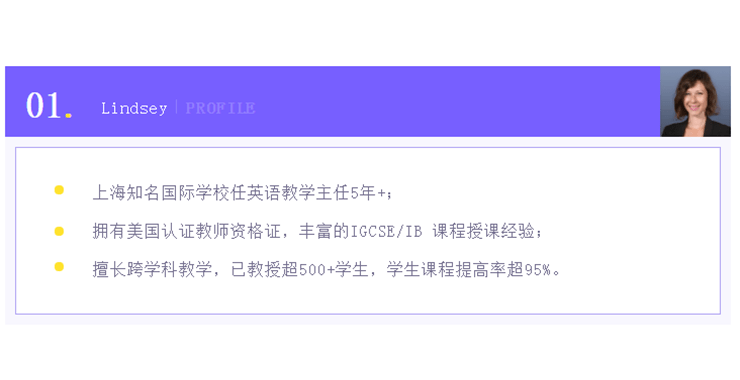
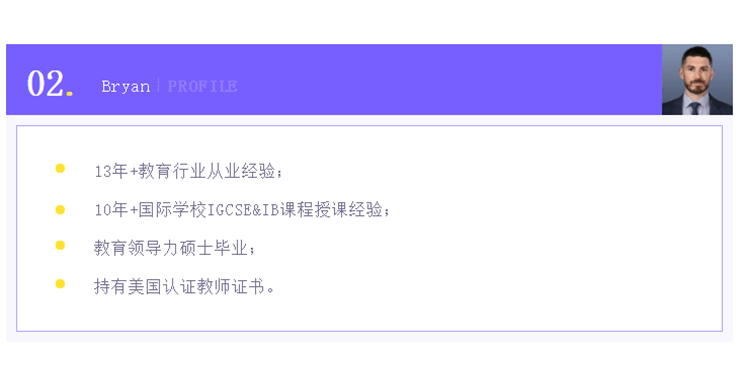
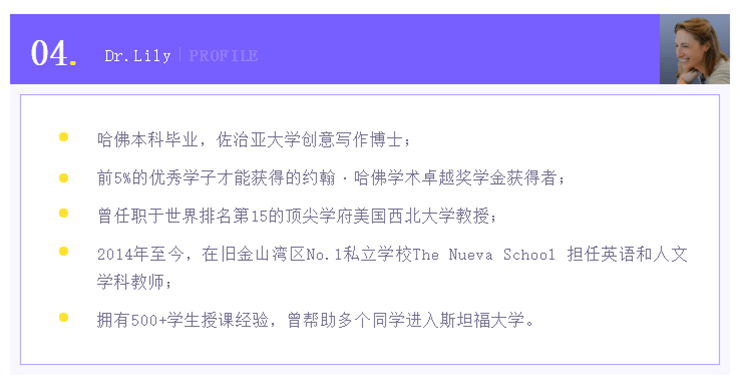
Dibana nabanye ootitshala bethu abaqeqeshwe kakhulu nabanamava!
Kutheni kufuneka ndikhethe iiNkonzo ze-1-on-1?
Mhlawumbi umntwana wakho ulungiselela ukufunda phesheya okanye ukufaka isicelo kwisikolo esitsha kwaye angathanda indlela enzulu kunye nejolise kuyo ukuze aphucule izakhono zakhe.. Kungenjalo, umntwana wakho usenokuziva engaceli mngeni ngokwaneleyo ngekharityhulamu yakhe yangoku, kwaye ufuna enye indlela yokujongana nefaneleke ngakumbi inqanaba lesakhono sakhe.
Kukho izizathu ezininzi zokuba umzali akhangele iinkonzo ezinje, kwaye sinokukuqinisekisa ukuba siya kuhlala sisebenzela ukuqonda imeko yomntwana wakho ekhethekileyo kwaye sinikezele ngenkonzo elungele bona.
Ingaba isebenza kanjani?
Ngokujonga kwethu izandla, kunye nenkqubo yoqhelaniso, siya kuvavanya ulwazi kunye nezakhono zomntwana wakho ngokusekelwe kwidatha yovavanyo lwangoku, isakhono sokubhala, kunye nokuninzi. Ngokusekelwe kwiziphumo zethu, siya kukhetha utitshala ofanele iimfuno zomntwana wakho. Bonke ootitshala beReach Out bakhethwe ngononophelo, kwaye uneminyaka yamava ekufundiseni ikharityhulamu ecela umngeni, njenge IGCSE, IB, kunye ne-AP, kwizikolo eziphakamileyo kwihlabathi liphela.
Inkqubo yethu ijolise kwiinjongo. Sifumanisa kanye oko umntwana wakho akufunayo ukuze afikelele usukelo lwakhe lwemfundo, kwaye emva koko sidale indlela yokufunda eyodwa neyenziwe ngokufanelekileyo eya kuthi ilungele iimfuno ezithile zomntwana wakho.
Yintoni Enye Efikelelwa Ngayo?
Ukongeza kwiinkonzo ze-1-on-1, I-Reach Out ibonelela ngeendidi ngeendidi zezifundo ezilungiselelwe ngokukodwa ukucela umngeni kunye nokubandakanya umntwana wakho webanga lesi-2 ukuya kwelesi-8 ngomxholo webakala elingaphezulu ukuze ubancede balungiselele ukuqina kweenkqubo ezifana ne-IGCSE., IB, kunye ne-AP.
Ndingakufunda Njani Ngakumbi?
Ukufumana ngakumbi malunga neenkonzo zethu ze-1-on-1, Nceda uqhagamshelane nomnye wabaCebisi bethu bezeMfundo namhlanje ukufumana okungakumbi! Sijonge phambili ekuncedeni umntwana wakho afikelele usukelo lwakhe lwemfundo ngekamva eliqaqambileyo!
Who We Are
As you may have noticed, Besikhula kwaye sinokongeza okonwabisayo koko sikunikezayo apha eReach Out. Njengoko sele kulithuba sazazisa, we thought we would share our story with you to help you better understand who we are and what we do!
Our Mission
Reach Out’s mission is to connect students with expert educators who create and deliver original, inspiring, world-class curricula. We have embarked on this journey so that we may help students understand how to find their own unique voice and uncover the creative and valuable ideas that lie within each of them. With their voices, they have the power to change the world, and we wish to empower them to do so.
Our Vision
Reach Out strives to be an internationally recognized educational institution that allows students to access top level international curriculum and educators, no matter where in the world they are. Our students will be perceptive, curious, and critical thinkers who make informed choices as excellent problem solvers and communicators. Reach Out students will achieve their academic and personal goals and dreams from Primary School to University, placing their brilliant futures within reach.
Our Core Values
These are the principles which shape Reach Out:
Our Story
Reach Out was created by a small group of dedicated mothers, perhaps much like yourself. They were brought together by a common vision for the educational needs of their children. Some were looking for an educational program that could offer their children access to the ideas, teaching philosophy, and methodology that matched what they had experienced while living abroad. Others were looking for an internationalized curriculum that their children could access to enrich their educational experience in China. What they shared in common was a desire for a rigorous program that also opened the doors to creative and critical thinking, self-reflection, and personal expression - the hallmarks of a strong international curriculum. After spending considerable time exploring various options, these moms were not able to find anything that quite met their children’s needs.
Ngoko, they did what any good mother would do, given the chance, and found their own way to offer their children the best possible learning opportunities designed to help them thrive. They consulted expert teachers and worked with other parents to discover how they could best meet the needs of other children with similar goals. Children, we hope, like yours.
The parents were committed to:
We are happy to say that these mothers have achieved their goal. Today Reach Out boasts a complete line of rigorous yet engaging courses in which students learn deeply while having fun and creating meaningful relationships with their teachers and peers.
All of this because of our founding mothers’ commitment to their children’s education and happiness.
What Makes Us Unique?
While we understand parents have an array of choices when it comes to programs that enrich their children’s education, we believe we offer many unique qualities that are not easily found elsewhere.
Our team consists of highly skilled and experienced educators who have created a unique and rigorous program based on international school standards, which prepares younger students to take on rigorous curriculums such as IGCSE, IB, kunye ne-AP.
-Our one to one programs and curriculums designed to exceed the educational needs of our students
-Our teaching philosophy of inspiring and empowering students, and teaching methodology of allowing students to explore knowledge widely and deeply while at the same time developing a love of learning
-Our commitment to the long-term success of our students as we strive to equip them with the essential skills they will need to succeed in their future careers and the world beyond school
- The detailed feedback we provide with all of our student assessments, so that students know where they are succeeding and where they might improve, as well as the supplemental materials and instruction needed to help our students close any gaps in understanding
-Our dedication to developing our students’ critical thinking and problem solving skills, which will be essential for their future, as well as the future of our global society
-Our promise to hire all of our teaching and non-teaching staff based on their mutual passion for education
-Our ability to empower students to use the language, knowledge, and skills they acquire to develop themselves beyond the classroom and into curious, lifelong learners who set and pursue challenging, fulfilling, and worthwhile goals.
-Our hands-on, individualized approach to creating a learning path for our students so that no matter what grade level they are when they join us, they will be equipped with the tools necessary to improve and grow rapidly
-Our commitment to empowering our clients with information and experiences that will help them make the absolute best choices for their child's education by offering informative articles, videos and workshops.
Our Curriculum
Our Blue Line curriculum, which includes courses for students in Grades 2 to 8, was designed by expert educators with advanced level degrees in their subject areas who have spent decades in some of the top international schools in the world. We use backwards curriculum design working our way from the first year of programs such as the widely recognized and respected IGCSE program.
As our educators have spent years teaching courses pre-IGCSE, IGCSE, IB and AP or A Levels curriculum, they understand what students need to succeed in those programs. Ngoko, each aspect of our curriculum has been created to make sure that all of our students enter their first day of Grade 9 feeling confident, equipped, and prepared to meet the demands of these rigorous courses.
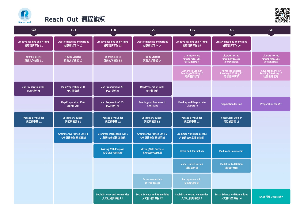
We offer a wide range of courses in the subjects of English, Izibalo, History and Geography. See below for more detailed information on our full course offerings.
Additional Services
We are also pleased to announce the creation of our Silver Line, which offers bespoke educational services that take an individualized approach to meeting our students' needs. We begin with a deep assessment of each student's educational goals and needs, and then create and implement a scheme of work with which our expert educators will use to guide your child through the academic challenges of High School in order to prepare them to eventually attend their dream university.
We also offer 1-on-1 services at all grade levels for parents who wish to offer their children more individual care and instruction. Our expert Education Consultants will make sure to match your child with the best educator for his or her specific needs and goals.
Join Us!
We look forward to meeting your family and discussing how you can be part of our Reach Out family; one that learns together, cares for each other, overcomes challenges together, and celebrates successes with one another. Please contact us today to find out more.
We hope to hear from you soon!
Ukuba ngumzali kunzima. Inyaniso, ngotshintsho kwihlabathi lethu namhlanje, isenokuba lelinye lamathuba anzima ebesijongene nawo kumashumi eminyaka. Utshintsho lukhokelela ekungaqiniseki, kwaye ukungaqiniseki kunokukhokelela kuxinzelelo. Uxinzelelo ngokuqinisekileyo luchaphazela zonke iinkalo zobomi bethu, ngamanye amaxesha iya kuba nefuthe kubudlelwane bethu nabo sibathandayo kakhulu; ingakumbi abantwana bethu.
Abantwana bethu banokuba nzima (masijongane nayo, nathi singakwazi!), kwaye ngumsebenzi onzima ukuqinisekisa ukuba yonke intshukumo "ilungile".. Ukuba zonke iincoko zethu, iimfuno, izicelo, izicwangciso, iindumiso nezigxeko zithetha okuthile. Umzuzu ngamnye siwuchitha sincokola nabantwana bethu, sinethemba lokuba la mazwi aya kwanela ukuzalisa abantwana bethu ngethemba lekamva elikhulu ngexesha apho ikamva lingaqinisekanga.. Amaxesha ayatshintsha, kwanako oku kuya kudlula, kodwa inye into esinokuqinisekisa ngayo kukuba asisoze sibenalo ithuba lesibini lokuchitha ubuntwana bethu nabantwana bethu.
Njengabazali, sihlala sizibuza ukuba senza into elungileyo na, sizibuza ukuba singabafumana njani abantwana bethu, sizama ukubaqonda ngcono abantwana bethu, kwaye ngamanye amaxesha siziva sinetyala ngenxa yokuba sizixelela ukuba siyenza into engalunganga. Amaxesha amaninzi, akunjalo, kodwa akukho ncwadana yemiyalelo yendlela yokukhulisa umntwana eya kusebenza wonke umntu kuzo zonke iimeko. Ngokuqinisekileyo, maninzi amacebiso, ubuninzi bayo, kodwa kwakhona, amacebiso amaninzi anjalo; isikhokelo kunye neengcebiso ngabantu abangaziyo wena okanye umntwana wakho. Ezinye ziluncedo, kwaye ezinye zazo ... hayi kakhulu.
Enye into esingenakuyikhanyela nangona kunjalo kukubaluleka kobudlelwane obunempilo phakathi komzali nomntwana.
Uphando lubonisa ukuba:
Kubalulekile ukwenza ixesha lokukhulisa ubudlelwane nomntwana wakho, kwaye mhlawumbi kubaluleke ngakumbi, siqinisekisa ukuba unxibelelwano esinalo nabantwana bethu ngelo xesha luyakha. Le yinto abazali abaninzi abayifumanisa ilucelomngeni, yiyo loo nto sidale iklabhu yeencwadi yabazali yencwadi Indlela yokuthetha ukuze abantwana bamamele kwaye bamamele ukuze abantwana bathethe nguAdele Faber kunye noElaine Mazlish. Sikunye siye safunda iindlela zokunxibelelana kakuhle nabantwana bethu ukuze someleze amaqhina ethu. Sachitha ixesha sixubusha ngeembono zaloo ncwadi, kunye nokuba nomhlangano obonakalayo wokudlala indima yobuchule obuthile obusuka encwadini. Ngaphezu koko, simeme uMcebisi weSikhokelo seSikolo esiPhakathi, URegina Wehner, ukubonelela abazali ngocweyo ekuqondeni ukukhula kwengqondo kunye neemvakalelo zomntwana wethu.
Nanga amagqabantshintshi esingathanda ukwabelana nawe nawe!
Ekuqaleni, ukusuka Indlela yokuthetha ukuze abantwana bamamele kwaye bamamele ukuze abantwana bathethe, Nazi ezimbini zezicwangciso zethu esizithandayo:
Abantwana banobunzima bokulawula iimvakalelo zabo, njengoko iziko lokulawula iimvakalelo zengqondo lelinye lelokugqibela ukuphuhlisa. Oku kuthetha ukuba badinga uncedo lwethu ngendlela yovelwano kunye nemodeli. Oku kunokuba lucelomngeni, ngakumbi xa sinokuba nobunzima bokulawula iimvakalelo zethu ngamanye amaxesha! Sinesicwangciso esilula kuwe esiya kufuna izinto ezimbini kuphela:
Xa umntwana wakho efika ekhaya ecaphukile ngento eyenzeke esikolweni, endaweni yokufundisa kunye nokubonelela ngeengcebiso zethu zobulumko, sinokusuka nje simamele izinto ezibaxhalabisayo size siziphinde iingcamango kubo. Umzekelo, ukuba umntwana wakho ufika ekhaya ecaphukile kwaye athethe into enje, “Yhuu, namhlanje uElizabhete noSarah babendiphethe kakubi! Bebengandihoya tu bendibacaphukela bobabini ngoku!” Endaweni yokuthi, “UElizabeth noSara ngabahlobo bakho abasenyongweni. Ayisiyonto inkulu kwaye ndiqinisekile ukuba uya kuba kakuhle ngomso,” nto leyo enokwenza iimvakalelo zomntwana wakho zingasebenzi, ungatsho, “Owu, Ndiyabona. UElizabhete noSarah bakwenza waziva ulilolo. Mhlawumbi loo nto ikwenze wadakumba kwaye wacaphuka.” Ngeli xesha umntwana wakho usenokuqhubeka ethetha kwaye avuleleke kuwe, into enkulu! Kuthetha ukuba bayakuthemba kwaye ubenza bazive bengcono. Qhubeka uphulaphule, nqwala, yithi, “Mmmhmm,” baze baphinde oko bakuthethayo. Ukumamela nje ngokulula kuya kumenza umntwana wakho azive 100% ngcono kwaye ulungele ukujongana nomngeni wabo olandelayo!

2. Ndiyanwena!
Abantwana bethu badla ngokuvakalisa iminqweno yabo ngendlela yokunqwenela ukuba babenezinto abangenazo okanye banqwenele ukuba izinto zahluke ngendlela abayiyo.. Umzekelo, abantwana banokuthi, “Akwaba bekunganyanzelekanga ukuba ndenze wonke loo msebenzi wasekhaya.” Sinokuphendula, “Kulungile, uyayenza kwaye yiloo nto!” okanye “Yinto omele uyenze. Luxanduva lwakho ngoko kufuneka ukwenze ngoku!”
Oku kusenokuphumela kwidabi leminqweno njengoko abazali beziva bedimazekile kukuba besoloko besiva isikhalazo esifanayo baze baphinde baqiqe ngendlela efanayo.. Abantwana baziva bekhathazekile ngenxa yokuba izimvo zabo zingasebenzi yaye baziva bengaqondwa kakuhle. Kulungile, subanexhala, silapha ukunceda! Sineqhinga elincinci eliya kukunceda ujike incoko, kwaye oko kuya ndivume nomntwana wakho. Isenokuvakala iphikisana, kodwa sinamava obuqu ngeli qhinga kwaye lisebenza ngokumangalisayo!
Umzekelo, ukuba umntwana wakho uthe, “Ndinqwenela ukuba siye epakini namhlanje njengoko bendifuna!”
Endaweni yokuthetha, "Andinako, Ndixakeke kakhulu,” okanye “Ewe, kodwa asikwazi, iyanetha,” sinokuthi, “Ndinqwenela ukuba nathi singakwazi! Singaya epakini size senze ipikiniki! Sasikwazi ukubhabhisa ikayiti size sivuthele amaqamza! Kutheni singenayo ipikniki kwigumbi lokuhlala kwaye emva koko sinokuvuthela amaqamza kwindawo yokuhlambela!”
Inxalenye yokuqala yenza abantwana babe nemincili kunye nokucinga kwabo kuhamba, ukubasa kwindawo eyonwabileyo. Inxalenye elandelayo ibenza bazive beviwe kwaye benxibelelene nawe.
Ngoku, amanye amagqabantshintshi avela kuNksk. Wehner's workshop:
*Ndicela undincede ndikhethe ezi! :)*
Ukuba ungathanda ukujoyina enye yeendibano zethu zocweyo okanye iiklabhu zencwadi kwixesha elizayo, qiniseka ukuba uyasilandela kwaye uhlale ubukele! Sinezinto ezinkulu ezizayo ngokwindla!
Uninzi lwabazali luzibuza le nto eyona ndlela ngayo umntwana wabo inokuphucula ukubhala kwabo. Ngelixa sikholelwa ngokuqinileyo akukho kufuphi ukuba ngumbhali ophumelelayo nonobuchule, Kukho ezinye izinto abafundi abanokuthi badibanise ekubhaleni kwabo ukunceda ukuyithatha kwinqanaba elilandelayo ngokufanelekileyo. Njengayo nayiphi na into ezama ukuba inokwenzeka, Isitshixo sempumelelo silele ngokusebenza nzima kunye nokuphindaphinda. Ukuziqhelanisa ezi zakhono rhoqo kuya kumnceda umntwana wakho afikelele kwiinjongo zabo zemfundo.
Eli nqaku liza kuba ngowokuqala kuthotho lwamanqaku anokugxila kwizakhono ezilungele iintlobo ezahlukeneyo zokubhala. Kule veki, Siza kugxila kwiingcebiso zokubhala ezichazayo.
Iingcebiso ezichazayo zokubhala:
Ukubhala okuchazayo yindlela yobugcisa eyinyani, Njengoko injongo yayo kufuneka ibe kukudala umfanekiso ezingqondweni zabafundi. Umntu akanakubalisa ibali kwisenzo kunye nengxoxo yodwa, kwaye umntu akanakudlulisa intsingiselo enzulu kunye neemvakalelo kumbongo ngaphandle kokupeyinta umfanekiso ngamazwi akhe.
Indlela enye enamandla yokugqwesa kwinkcazo ukongeza izichazi kunye nezihlomelo naphina apho kunokwenzeka. Umzekelo, Ukuba umntwana wakho ubhala ibali anokubhala into enje:
"UHarry waphuma phandle waqalisa ukukhangela abahlobo bakhe."
Ngelixa esi sivakalisi sithetha intsingiselo esisiseko, Impembelelo kumfundi ikwasisiseko. Ngokongeza ulwimi oluchazayo ngohlobo lwezichazi kunye nezihlomelo, Singakhawuleza ngokukhawuleza kwaye senze umzekelo kwisivakalisi:
"UHarry wakhupha umnyango wangaphambili, Yibetha emva kwakhe. Intliziyo yakhe ibalelwa ngendlela awayebaleka ngayo indawo abamelwane bafuna abahlobo bakhe. "
Kwisivakalisi esihlaziyiweyo, Sibona iinkcazo ezisixelela kungekuphela inyathelo eliqhubekayo, Kodwa kwakhona usinceda ukuba sive imvakalelo yomlinganiswa, inkalo ebalulekileyo yokubalisa ibali.

Enye indlela enkulu yokwenza ibali okanye umbongo osebenza ngakumbi ngolwimi olufuziselayo, ezinje ngemifanekiso. Imifanekiso ithelekiswa nokusetyenziswa okufana okanye njengoko kunokusetyenziselwa ukunceda umfundi ukuba acinge ukuba kwenzeke ntoni ngokucacileyo.
Umzekelo, Umntwana wakho unokubhala into enje:
Ndavuya kakhulu!
Yayintle kakhulu!
Wayesoyika kakhulu!
Songeza ii-felers ukuze sincede ukudala iziphumo ezingcono:
Ndandisonwabile njengekiti kwivenkile yeyarn.
Yayintle njengomntwana wePanda edlala ikhephu.
Wayesoyika njengomvundla ovile nje ingcuka.

Inqaku lethu lokugqibela lokubhala elichazayo kukukhetha isigama esichazayo ukuba ivakalelwa nguMfundi ofuna ukuba umfundi azive. Rhoqo, Abafundi baya kubhala iinkcazo ezinqabileyo, Ngezivakalisi ezifana:
Wayediniwe kakhulu.
Imovie yayindidinisa kakhulu.
Babebanda kakhulu.
Igumbi lishushu kakhulu.
Kwakhona, Ezi zivakalisi zidlulisa intsingiselo elula, Kodwa ekubhaleni okuchazayo, oko akunelanga. Inkcazo esebenzayo isebenzisa isigama esinefuthe, kwaye sinokufezekisa oko ngokukhetha kuphela amagama afanelekileyo ukudlulisa eyona ntsingiselo iphambili.
Jonga ukuba singasithatha njani ezi zivakalisi zingaphezulu kwezinto eziqhelekileyo ngokutshintsha inxenye yesivakalisi ngegama elinamandla:
Wayediniwe.
Imovie yayingavini.
Babene-chieted ukuya kwithambo.
Igumbi lalinguloyiko.
Iindaba ezimnandi kukuba umntwana wakho akanyanzelekanga ukuba athembele kulwazi lwakhe olulandelayo ukuze aphumelele ekwenzeni izivakalisi ezinjengezo ngentla. I-thesaurus inamagama onke awadingayo ukuba enze inkcazo engapheliyo.
Sinethemba lokuba ezi ngcebiso ziluncedo! Ukuba ungathanda umntwana wakho ukuba afunde indlela yokubeka ezi zakhono ukuze aziqhelise kunye notitshala onomdla kuzo, Hlala ubonwe kwizibhengezo ezizayo kwihlobo lethu elitsha kunye neekhosi ze-wit!
Kwiveki elandelayo, Siza kujonga kwiingcebiso zokubhala ezimtholayo!
Sixelele kancinci ngawe.
Ndakhulela kumazwe amahlanu awahlukeneyo (Swiden, ENgilani, Jemani , Mzantsi Afrika, naseKhanada). Ukudibanisa kwiinkcubeko ezahlukeneyo ezikhulayo kundenze ndabona ihlabathi ngengqondo evulekileyo. I currently reside in Canada and work as both a university lecturer and a Math teacher at Reach Out. Outside of work I really enjoy sports such as badminton and chess, which I played at a competitive level for many years.

What is your educational background and qualifications?
I received a Bachelor of Science Degree from the University of British Columbia (UBC) and an obtained my MSc at the same university. My graduate work involved experimental geoscience where I designed an apparatus to investigate how diamonds reach the surface of the Earth through high velocity magmas. I published articles in two high impact journals and presented the work across Canada and Europe.
During my graduate studies I had the privilege of lecturing a few classes which transitioned into a lectureship position. Teaching at the university level involves lecturing a class of over 200 abafundi, which is very different to the work I do at Reach Out, but has helped me develop a dynamic teaching style.
Additionally, I have been teaching Math and Science both privately and through educational organizations for over 6 iminyaka.
Why did you join Reach Out?
I joined Reach Out because the prospect of being able to deliver high quality education from around the globe without border restrictions resonates with me.
I feel that the reason I am committed to staying at Reach Out is more important. The personalized classes being delivered has allowed me to connect with the students, making their progression much more meaningful to me. Some students have been together with me through multiple grade levels and I feel immensely proud to have played a role in their education.
What is your educational philosophy?
Having a background in experimental science has allowed me to see value in making breakthroughs through experimentation. By allowing students to experiment with different methodologies while offering guidance is an extremely effective way of teaching students to not be afraid of failure. Richard Fuller correctly said, “There is no such thing as a failed experiment, only experiments with unexpected outcomes.” Students often start my classes afraid to answer questions, discuss with their classmates, or write on the board since they don’t know the answers. Since I am always more focused on solutions rather than answers, students’ are rewarded for trying new techniques, discussing failed methods, and asking questions about their classmates’ work. I found this to produce a phenomenal learning environment and takes a lot of pressure off the students.

What is your favorite thing about teaching Math?
My favorite thing about teaching Math is the exciting challenges it provides. After teaching Math for many years, I have come to realize that students see the world from a unique perspective, which more often than not, is very different from my own. This diversity produces a wide spectrum of learning styles and requires me to stay very flexible with the methodologies I use in my teaching.
Math is a complex subject which has provided us with a universal language to better understand the universe that surrounds us. Having a good problem solving ability is a byproduct of learning Math and crucial for success in the modern world. For these reasons I have the responsibility to transform a traditionally dry and boring subject into something exciting by creating compelling lessons and using creativity to inspire my students. This will always be something I love about my job.
Who is your favorite mathematician and why?
This is a tough question, and it’s hard to pinpoint one Mathematician since I utilize the works of so many Mathematicians in just one lesson. If I had to pick it would be either Johannes Kepler or Nicolaus Copernicus since I also love astronomy. Their Math not only challenged everything that was believed about our solar system at the time, but also formed the foundations for understanding planetary motion. Space travel has relied heavily on these concepts.
If you could only give parents one piece of advice when it comes to helping their child improve in Math, what would it be?
One thing I have worked on a lot with my students, is getting them to explain their solutions to me regardless of how easy it may seem. Being able to arrive at the correct answer in certain school curriculums may not require a complete understanding, but being able to explain a solution well does require a good understanding. Make sure that your child is always showing very clear steps in their work and that they can explain their steps to you. This certifies understanding and shows they are prepared for questions which test the same concept but may be worded differently.
What is one fun fact about yourself?
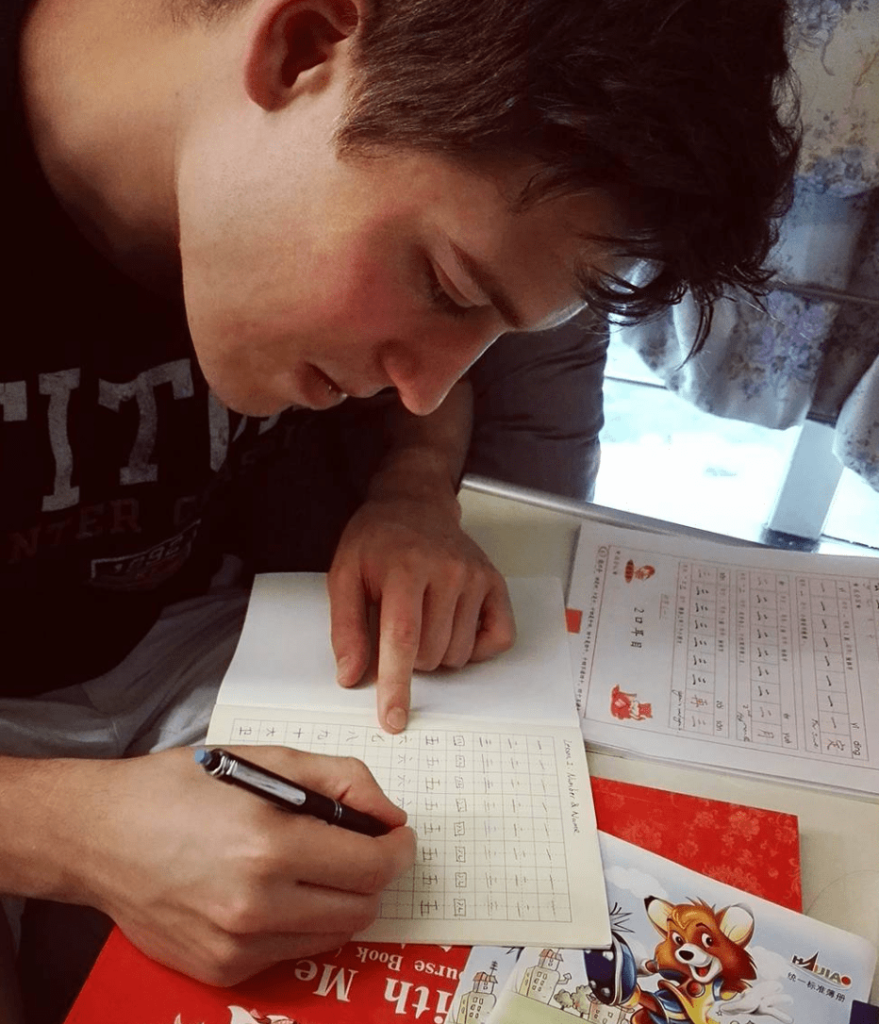
I really like learning languages! After growing up in many different countries I can speak English, Swedish, and German fluently. For the past two years I have been working to add Chinese to my collection and have enjoyed the unique challenges that learning this complex language has provided me with.
IGadi yeMfihlo sisiqwengana soncwadi lwakudala oluye lwaba yinxalenye yenani elingenakulinganiswa lobuntwana (ukuba uliphosile inqaku lethu lokuba kutheni abantwana kufuneka bafunde iinoveli zakudala, yibone idityaniswe ngezantsi!). Libali elinamandla lobuhlobo kunye nokuzifumana umntu ohambelana nemiphefumlo yethu.
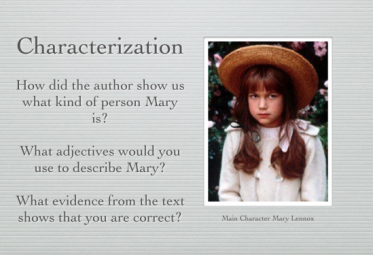
Umyezo Ofihlakeleyo is about a young girl named Mary Lennox who loses her family and everything familiar with her due to a cholera outbreak in India, where her father was working as a British Army Captain. As a child, Mary was quite neglected, but indulged by family’s servants, so she was a spoiled child with a terrible disposition. She had very few traits that would help her cope with a new life in England, where she was sent to live with a grouchy distant relative, Mr. Craven.
Mr. Craven had very strict rules for Mary to follow at her new home at Misselthwaite Manor in Yorkshire, which included her being forbidden to enter various rooms inside the giant mansion, as well as forbidden to enter one of the gardens on the sprawling property, which belonged to his beloved late wife. As Mary begins to explore her new home, she begins to find a sense of happiness and regains her health after being sickly for much of her childhood. After a robin helps her find the key to the secret garden, she finds a sense of purpose in restoring the garden, much as she restores her inner self. Through the thorns and dried leaves of winter, she finds much more lies within.
Aided by new friend Dickon, Mary develops her first friendships, and uses her newfound strength and kindness to help her bedridden cousin Colin, whom she finds tucked away in the manor. Friendship strengthens both Mary and Colin, and in the end, everyone witnesses a miracle only made possible by these close bonds and belief in oneself, two very important themes in the novel.
Young people will love reading this fantastic story of friendship, overcoming obstacles, and experiencing the healing power of nature. The characters and the lessons they teach us will surely touch your child and help them experience the power of a great story.
If you would like an opportunity for your child to experience this story with others, we are happy to let you know that we will be reading Umyezo Ofihlakeleyo as the first novel in our Young Classics Level 2 Course this summer.
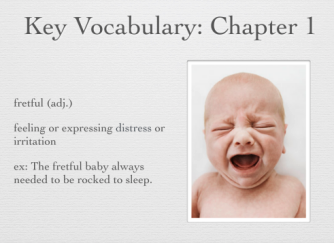
In the course, we not only read the novel, but we also learn and apply new vocabulary from the book, discuss important literary techniques used by the writer, and practice writing summaries, a key skill that many students find challenging
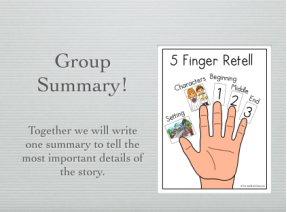
If you are interesting in learning more about Young Classics, or and of our other excellent and engaging courses, contact one of our Education Consultants today! We hope to work with your child very soon!
Isifundo soncwadi yinkalo ebalulekileyo yayo nayiphi na inkqubo yezemfundo esemagqabini, kwaye kungenxa yokuba kunceda ukufundisa abafundi uluhlu olubanzi lolwazi kunye nezakhono eziyimfuneko kwimpumelelo kwiinkalo ezininzi zobomi. Ngoxa wayefunda uncwadi, abafundi bafunda ngeziganeko ezibalulekileyo kunye nabantu kwimbali, they consider cultural perspective and increase their own understanding of acceptance of different ideas and beliefs, and they learn how to analyse the words of others in order to form a deep understanding of new ideas and ways of communicating. In short, it exposes students to a toolbox of ideas, techniques, strategies, theories, and more that they will carry with them throughout their life, shaping the way they approach the world.
Why do we offer this course?
Reach Out students typically pursue high school programs such as IGCSE, which includes challenging courses such as English Language and Literature and English as a First Language. Later, most of those students will take on the challenge of IB and AP level programs, in which they must take on the task of reading a variety of literature. Our aim is to expose students in upper primary and middle school to a wide range of advanced literature so that by the time they reach high school they possess the knowledge and skills to hit the ground running, and therefore achieve to a higher level.
This course is designed for Grade 7-9 abafundi.
The Objectives of our Advanced Literature Course are to:
✪ Enhance students’ ability to understand and discern literary techniques used English and American literature, and the ability to communicate the effects of those techniques;
✪Improve children's literary comprehension skills and increase their understanding of British and American culture;
✪ Under the guidance of our expert educators, learn the power of language and storytelling in a challenging yet engaging way.
Meet Our Teachers
*Insert teacher bios here for Barry, Anthony, and John*
Our Book Selections:
Cry the Beloved Country by Alan Paton

Set in South Africa in the 1940s, award-winning Cry the Beloved Country tells the story of a Zulu Pastor, Steven Kumalo, who travels from his village to the city of Johannesburg. Along his arduous and heart-wrenching journey, he discovers that his sister and son have found themselves in terrible situations that he must now face with them. The characters’ vastly different lives become unexpectedly woven together through tragedy during a dark time in South Africa’s history. Nangona kunjalo, through tragedy and challenges, the true nature of the human spirit can be found and uplift those who need it most.
Dracula by Bram Stoker
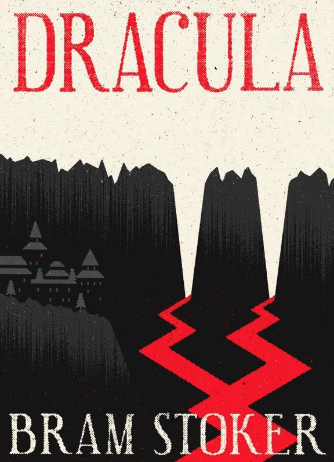
The legend of Dracula has loomed large in the minds of readers and movie-goers for generations. Bram Stoker based the infamous character of Dracula on the legend of the real life ruler of Wallachia, Vlad the Impaler. Stoker was able to take this dark corner of history and turn it into a legendary novel told through journal entries, letters and telegrams. As with any classic, Dracula has stood the test of time because it speaks to something very deep and meaningful within the human psyche.
Of Mice and Men by John Steinbeck
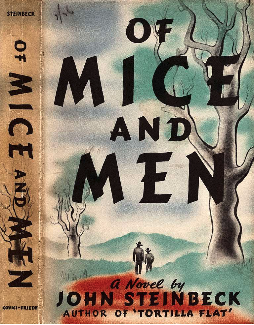
The Great Depression was a defining moment in American history that tested its strength as a nation, and placed the population in a precarious balance between life and death. In what is considered one of the greatest American classics, readers are introduced to two displaced migrant workers, George and Lennie. George is an intelligent young man, while Lennie is mentally disabled. George takes Lennie under his wing as they seek employment where few opportunities exist, trying to survive, yet still dreaming of the day they will have their own land and build a life. Their hopes are dashed when a devastating incident occurs that alters their lives forever.
What Students Will Gain
Develop an early sense of literary appreciation,
See the world from a more mature perspective
British and American classics contain thought-provoking moral and social issues. Reading the most influential classic literature thoroughly helps students become better readers, and begin the process of pursuing self-realization.
Improve understanding of culture and history
Learning allusions from classic British and American literature can help us bridge cultural differences. "The classics have opened the door to different worlds, different cultures, and different historical perspectives. Literature crosses race, culture, religion, and geography."
Self-reflection and personal growth
Many classic literature allude to our lives from the side: books that reflect similarities to our own lives are called "mirrors"; and those that give us a glimpse of different lives are called "windows." Whether it is a "mirror" or a "window", it further enriches the students' life experience and increases the courage and strength to face life.
Join Us!
Contact us to discover more about our course. We sincerely hope to meet your child soon, and develop a love of reading classic literature together.
Lifikile ixesha lesikolo kwaye siyazi ukuba abazali balungiselela unyaka omtsha oneziqalo ezintsha. Ukuqala konyaka omtsha kudla ngokudityaniswa nomxube wochulumanco kunye nexhala, njengoko abafundi kunye nabazali bejonge phambili kwizakhono ezitsha kunye namava, but also might feel nervous about new routines and expectations.
Don’t worry, Reach Out it here to help! This year, we have 5 top tips to a fantastic start to the school year.
Understanding how your child’s school approaches education, what curriculum they use, what systems, and standards are used can be overwhelming for non-educators. Spending a bit of time each day reading your school’s website content, handbooks, and other resources can help you feel more confident in understanding what your child is learning at school and how they are learning. It’s also important to attend your child’s back-to-school night and informational sessions to get a better understanding of your child’s program as a whole. It also provides a great opportunity for you to establish a relationship with your child’s teacher. At any time if you still have questions, you can always e-mail your child’s teacher. They are there for you and your child, as they know that a great relationship with parents is a fantastic way to ensure academic, social, and emotional success for all students.
2. Make Sure to Catch Enough Zzzzs Before the ABCs
Sleep is so important for a child’s growth and development, and a lack of it can negatively impact a child’s academic achievement. Inyaniso, research shows that sleep depravation in children can lead to higher rates of anxiety and depression. When we sleep, our brain processes the information from he day, finds the best system to file it away in out memories, and re-charges our systems for a new day. For various reasons, parents often find sticking to an early bedtime difficult, but with a clear routine, and time for adjustment, it can be easy! Children 3-6 years old should be getting 10-12 hours of sleep per day, 7-12 year olds should get 10-11 hours per day, kwaye 12-18 year olds should get 8-9 hours per day. Creating a schedule where children get to bed earlier will make mornings easier as well, hopefully with less stress for both parents and children as they will be well rested and ready to start their day!
3. Ask the Right Questions at the Right Time
Sometimes parents are anxious to know how their child’s day was as soon as they get home from school, especially during the first few weeks. Those weeks are especially exhausting and full of ups and downs as your child learns to navigate new material, new friends, new teachers, and new expectations. Giving them time to come home and decompress is extremely important for their emotional and mental well-being. Once they have had some “me” time, parents can ask specific questions based on what they know they are working on, if they happen to know. They can go through their child’s homework diary with them and help them make a plan on how to tackle each task, as well as share in their enthusiasm for specific subjects, books, or information they also enjoy. Avoid asking, “How was school? What did you learn?” as kids respond much better to more specific questions, such as, “What did you do with your friends at lunch? What was the best part of your day? What was the weirdest or most wonderful thing that happened at school today?” Most importantly, parents should be fully present and listen intently when students answer, so they really feel valued and hear when they share.
4. Let Them Learn From Failure
This one can be extremely hard for parents to allow. We want our children to do well and reach their full potential, which means we might go over each assignment with a fine-toothed comb, correcting every mis-calculation or grammar mistake. Although parents have good intentions when we do this, we are taking away important learning opportunities from children when we do so. Back when we were students, many of our parents were often too busy or didn’t have the knowledge or capacity to help us with our school work, but we found a way to push through and try our best. If children are never given opportunities to fail when they are young, they might resist taking on challenges later in life for fear of failing at them. Nangona kunjalo, when we let them fail gently, such as on an assignment or at a little league soccer game, we are teaching them resilience. It’s not the end of the world, and they learn a valuable lesson; that we can try and not succeed, dust ourselves off, and try again next time.
5. Nurture Their Passions
New school years are an exciting time for many reasons, one of them being that they provide children a chance to discover new passions. If they are lucky, they will stumble upon something they truly love, and that they can become fascinated with enough to spend hours on end discovering. Helping a child find his or her passion is not always easy and takes time. Sometimes parents worry if their child focuses too much on a couple of things, and feel they need to expose them to as much as possible to help shape them into well-rounded individuals. Nangona kunjalo, if we look at the people who have shaped our world, it was because they had a laser focus on what they were passionate about. It was all they ever did or do. As humans, we naturally gravitate towards what we love most, and as long as it provides some sort of value on top of fulfillment, we should continue pursuing it. Ngoko, don’t worry if your child protests going to one activity while running out the door to attend another. Maybe the one they love is the most valuable to their growth and development, and the one they don’t like isn’t that necessary after all.
We hope these tips have helped, and we wish you and your child the best in the coming school year! We are excited for the new school year and all of the challenges and hope it will bring.
Reach Out will be with you every step of the way, so be on the lookout for more information and more articles we hope you will love!