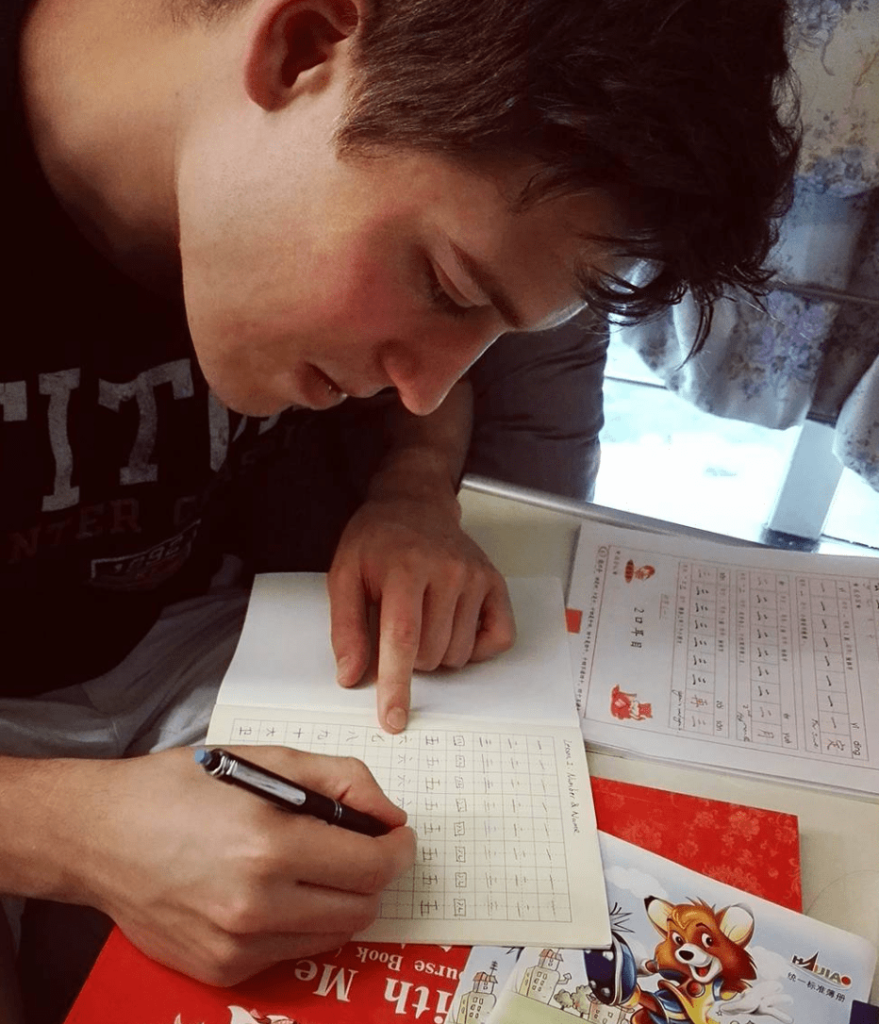
伸手可及, 我们相信庆祝学生的成功非常重要. 我们很高兴地宣布另一位明星学生 - 艾玛!
艾玛代表了学生通过努力工作和追求卓越而可以获得的一切. 艾玛的老师认为她是一个对学习态度很好的学生, 很容易接受指导, 并且有一个非常支持她的家庭,经常与她的老师交流. 在班上, 艾玛是一个细心而细心的倾听者,她有足够的信心分享她的想法, 但有足够的耐心轮到每个人. 她不介意冒险, 并且能够将她的个性注入到她的工作中.
艾玛目前就读于我们的创意阅读和写作水平 4 课程, 她在写作中表现出强大的意象,展现出了真正的天赋. 在学期开始时, 她完成了对蓝蛙上海迪士尼乐园分店的审核。
艾玛展示了她批判一个地方特定方面的能力, 并使用适当的细节发展她的想法.
“景色和位置都很满意. 晚上我们可以坐在外面欣赏迪斯尼城堡和烟花。”

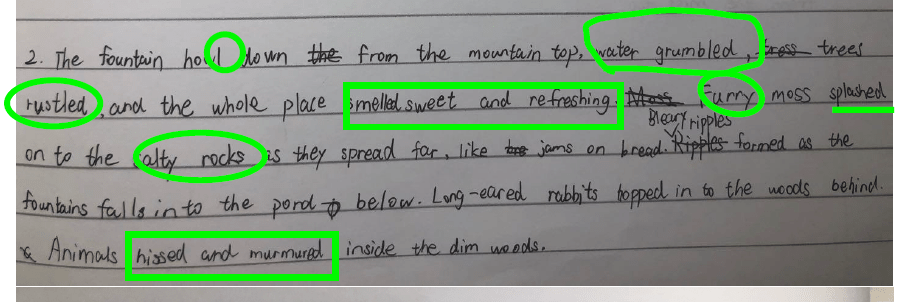
随着学期的进行, 艾玛的写作技巧得到了发展, 并开始融入更先进的文学技巧. 在描述风景的作业中, 艾玛能够使用精确的词汇和比喻语言创造一个强大的形象.
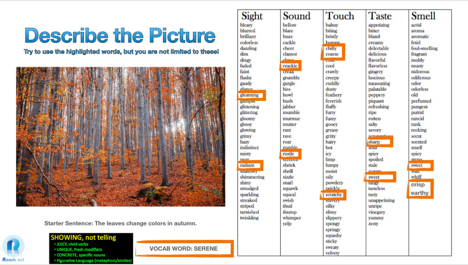
“毛茸茸的苔藓溅到咸岩石上,因为它们散布得很远, 就像面包上的果酱. 当喷泉落入下面的池塘时,形成了朦胧的涟漪。”
艾玛继续应用她在整个课程中学到的经验教训, 她的写作能力变得更强了. 在最近关于写幻想叙事的作业中, 艾玛刻意而有效地构建了她故事的背景和人物.
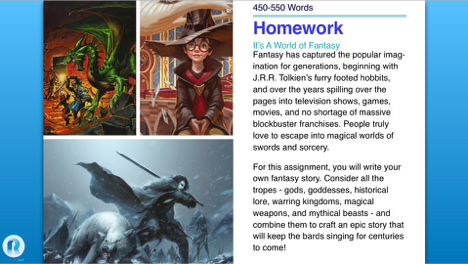
“灿烂的阳光从窗户照进来,洒在柔软的, 柔滑的床单. 敞开的窗边盛开着暖色的甜花. 清新的海藻绿墙上挂着昏暗但勤奋的图画。”
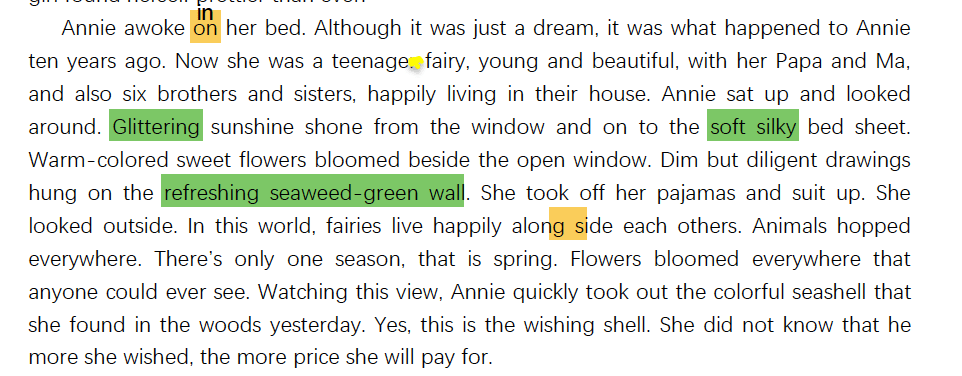
如你看到的, 艾玛展现了一位有前途的年轻作家的特征. 她改进的决心, 认真运用所教的课程有助于将她的写作提升到更高级的水平.
谢谢艾玛, 成为这样的明星! 我们期待在很长一段时间内看到您的成长. 我们知道这只是辉煌旅程的开始.
作为教育者, 我们经常被问到这个问题, “我怎样才能让我的孩子停止阅读漫画书?” 家长担心漫画没有教育价值, 在学术上不够严谨, 或者最糟糕的, 浪费孩子的时间. 对此, 我们的回答通常会让他们感到惊讶, 答案是, “让他们看漫画!”
家长们的担心是可以理解的,因为人们认为漫画纯粹是为了消遣而阅读, 然而, 漫画除了帮助我们打发时间之外还有很多好处.
漫画和图画小说并不是新的写作形式. 当然, 它们已经被许多代人所喜爱. 这些年来, 这一类型已转变为具有相当深度和意义的类型, 这就是为什么我们鼓励父母不仅让孩子看漫画, 同时也支持他们这样做.
以下是我们应该阅读漫画的主要原因 (尤其是在夏天!):
对于母语不是英语的学生, 漫画为他们提供了开始享受英国文学的好方法. 对于很多孩子来说, 从英语教科书到小说的任务可能非常艰巨, 但漫画可以为他们建立自信和阅读流畅性提供必要的桥梁. 图片中的视觉线索可以让学生对情节和人物以及新词汇有更深入的理解. 此外, 它向他们介绍了有效的文学手段, 比如象声词 (认为战俘! 斯玛克! 飞涨!) 和成语 (显示成语含义的插图,例如, “无言以对?”比单独加热这个习语更有意义!).

2.增强推理
推理是一项关键的阅读技能,许多学生在标准化阅读评估中都遇到困难. 当我们根据所读内容得出结论时,就会发生推理. 学生在阅读理解任务或评估过程中会遇到的一些问题的例子是:, “当角色?”, “你能得出什么关于......的结论”和“这个故事的教训是什么?漫画要求学生“阅读字里行间”,以推断小说中叙述者通常讲述的信息, 所以他们可以通过阅读漫画获得很多加强这项技能的宝贵经验.
3.文字力量!
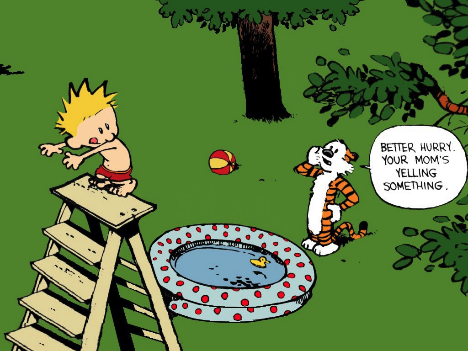
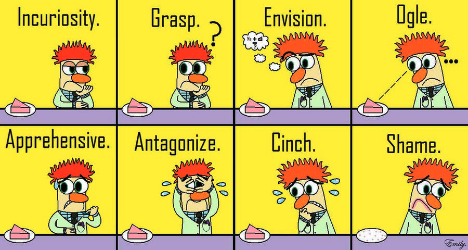
经常出现在漫画和图画小说中, 作者包含相当高级的词汇, 既作为故事情节的一部分,也作为角色的名字. 在 2016 在世界著名的圣地亚哥动漫展上, 加利福尼亚州, 一位教育工作者小组成员讨论了漫画在培养学生词汇量方面的力量. 詹姆斯·巴基·卡特, 《用图画小说建立素养联系》一书的作者说, “你有巨像, 他这么大, 巨型金属人. 你可以很好地理解巨人这个词的含义,这是一个很好的 10 美分词. Banshee的力量令人尖叫. 这些字符体现了它们所代表的词汇. 这是学习新单词的一种有趣的方式, 除了上下文线索之外。”
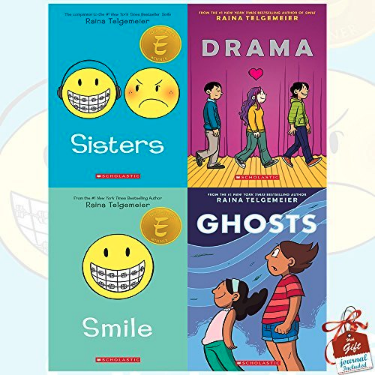
读完本文后,您可能只想让您的孩子直接阅读漫画或图画小说! 这就是我们耳中的音乐. 如果您不确定从哪里开始, 我们有一些学生最喜欢的,您的孩子可能会想尝试!
戴夫·皮尔基的《狗人》

迈尔斯·莫拉莱斯 蜘蛛侠 杰森·雷诺兹

微笑, 姐妹, 鬼魂, 雷娜·特尔格迈尔的戏剧和其他故事
杰夫·史密斯的《骨头》

为您的孩子寻找更多暑期阅读机会? 请联系我们的一位教育顾问,了解有关我们夏季阅读课程的更多信息. 我们期待与您的孩子一起阅读!
考试季来了, 对于学生和家长来说,这可能是一年中压力很大的时期. 在Reach Out,我们希望通过提供一些您可能没有尝试过的独特学习技巧来帮助缓解考试焦虑.
Conventional wisdom of studying has often been followed by many parents and teachers who mean well, 然而, if we look at some interesting research-based approaches we can see that there are a variety of effective ways to study! It’s always good to try new things, especially for children. They can experience new ways of doing things when they are young, and when they are a bit older, they can choose the way best suited to their own personal needs and style.
现在, let’s take a look at three unique ways to study.

Variety is the Spice of Life-Even When Studying
For many, many years we've been told that in order to study well, we should study in the same place every day; a place that is quiet, well lit, and has all our materials. While this might be true for some of the time we are studying, research shows us that our brains actually do better when we vary the location in which we are studying. Quite surprising, right?
In a study done all the way back in 1978, college students were given 40 vocabulary words to study. One group was told to study the list twice in the same location. The other group was told to study the list in two different locations. What they found was, the group that varied their studying locations actually performed better on remembering the words later. Now why is that? Well, our brain often makes connections to information based on our environment, so the more we vary our environment, the more we are giving our brains a chance to retain information as it will attach to more things. This may also be why one visualization technique, where one visualizes things they wish to remember to certain places in an environment they are familiar with, can be so effective as well. For students, simply switching up the environment might do the trick!
Have Fun!
Some parents might mistakenly think that if their child is laughing or getting excited while learning or studying, they might be wasting their time. 然而, this is not necessarily the case.
As a parent, in your work or office you might have special workshops from time to time. The workshops are usually used as a tool to help you learn about a new strategy, idea, or information that will help you learn more at work. These sessions are often run by people who specialize in creating motivating and inspiring workshops that invigorate and energize employees. The days can be long and intense, but if they are done right, employees can walk away confident in their new knowledge and skills.
The same rings true for young people. Introducing game play and fun as a way to study for exams not only makes your child smile, but research indicates that having fun while learning activates certain cognitive resources, associates rewards and pleasure with learning, strengthens and broadens memory networks, and toggles abstract thinking and focused attention.

The Pomodoro Technique
Staying focused, on-task and motivated to complete certain activities can be difficult for both adults and children alike. Have you ever felt like you have been staring at a computer screen for hours, but accomplished very little? Or maybe you have a deadline in a few days, but are only inching towards the finish line? It’s no wonder, as research shows that our mind tends to wander up to 20% of the time, perhaps even more for younger people.
One interesting technique was created by college student Francesco Cirillo as a way to help him stay focused, and that is the Pomodoro Technique, which got its name from the tomato shaped timer Cirillo used while testing this strategy on himself. How it works is you set a timer for 25 minutes, which is work time. Then set it again for 5 minutes, which is break time. This is a great time to get up, stretch, take a lap around the house, pet your cat, or get a drink of water or a snack. After break time is up, set the timer for another 25 minutes and repeat!
It turns out that this strategy is backed up by scientific evidence, as researchers concluded that short breaks help keep your attention span on track. This might be related to the fact that cognitive boredom can lead to an unengaged mind, which is the last thing you want when studying for an important exam.
We hope you have enjoyed exploring these unique study tips as much as we have! Wishing your child the best of luck on exams this month. Jiayou!
我们知道我们可以做很多事情来培养和教育我们的孩子, 这就是为什么作为父母,我们经常不遗余力地用丰富的活动和课程来填补他们的时间. 我们为什么要做这个? 当然有很多原因, but the main goal is to ensure their future success. Parents hope that their children will be even more successful in life than they were themselves. Success, of course, is subjective, and we may all have our own definition of success. Generally however, we might agree that success includes feeling content in one’s personal life, as well having a sense of career satisfaction and financial security.
Recently there has been an intriguing TED Talk being shared on social media, in which former Dean of Freshman at Stanford University, Julie Lythcott-Haims, cites evidence from the Harvard Grant Study that correlates professional success in life to individuals having done chores as children. Not soccer training, not language learning, not painting, but chores.

Surprising right?
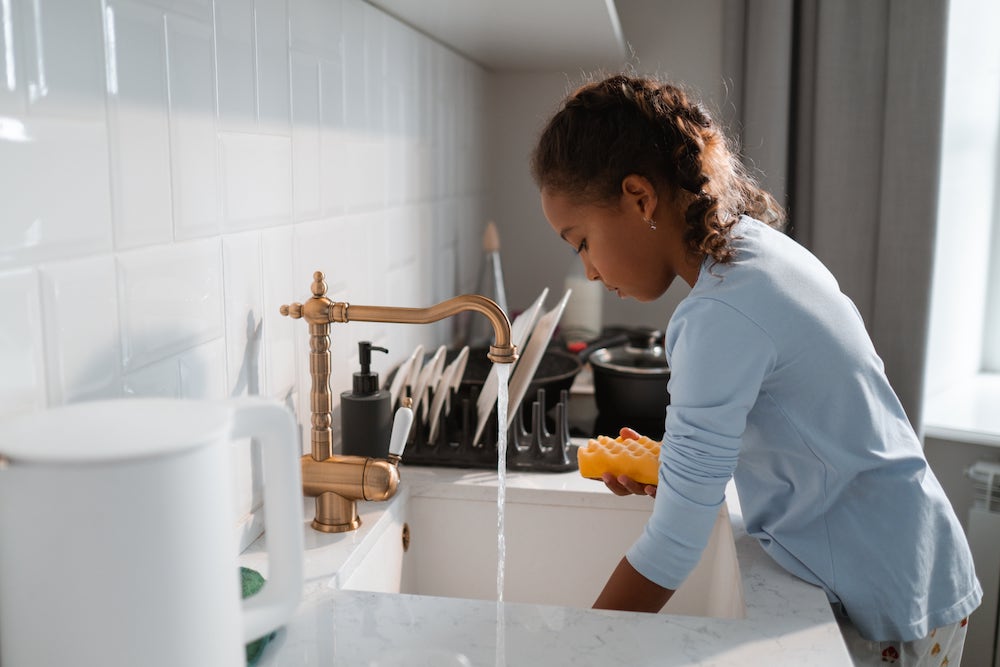
Many of our children growing up in big cities may never know what it’s like to scrub a dish, wash a window, or mop a floor. We might feel like there are more important things to do to build their knowledge and their character. Lythcott-Haims explains that those children who do get their hands dirty, 然而, may reach a level of success in life that surpasses their no-chore-doing peers. That is because it teaches students how to contribute and step up when work needs to be done, and that doing the “grunt work” that others might scoff at, because it is what is best for all, is what gets noticed in the workplace.
The workplaces of the high-achievers who took part in the Harvard Grant Study were notable, such as the White House, where participant President Kennedy worked, and the editor’s office where Ben Bradlee sat as editor of The Washington Post. We can assume that their parents, like us, had to prod and plead for the chores to be done, and accept that even if they were done, they might not have been done well; and that’s okay.
The important thing, as Lythcott-Haims points out, is that by doing chores, children realize that they, “…have to do the work of life in order to be part of life.” They realize that life does not just happen to them, and for them, but with them.
If your children are already doing chores as part of their daily summer routine, bravo! You are on the right track. If not, no need to panic. It is never too late to introduce chores into the lives of our children. Here are some tips to help get you started!

Let Them Be a Part of It
When introducing the concept of your children completing chores to help, have a “family meeting” where everyone is present to discuss what will be expected of your children and why. You can ask your child to help you write a list of chores they could potentially help with around the house. They might surprise you with their enthusiasm as doing chores is very exciting for some children because it makes them feel empowered and helpful (two things we often like to feel as adults).
Game-ify It
To make things fun, because fun makes everything better, you or your child can write the chores on popsicle sticks and each day your child can choose one stick from the jar. That will be their chore for the day! If you have more than one child at home, you can always turn cleaning into a competition by setting a timer and seeing which child can clean the most toys in the given amount of time, for example.
Reward It
As parents, we are rewarded for our contributions at work with a salary. Shouldn’t our children also be rewarded for their hard work? One idea is that if your child completes all of his or her chores for the week, he or she can choose a small toy from a “treasure box” filled with small toys. Another option could be that if your child consistently completes chores for a month, they can choose an extra special family outing.
Teaching our children to do chores is not always easy, but the potential benefits are worth the time and effort. We hope you found our tips useful, and that they can help lead to a positive experience for you and your child. Happy cleaning!
我们很高兴地宣布一个新的夏季读书俱乐部, 只为父母! 夏天是阅读你一直想读的书的最佳时间, 但还没有时间. 这个夏天, 我们邀请您和我们一起阅读 如何说话才能让孩子们听,如何听才能让孩子们说话.
我们知道,由于学校的要求,与孩子建立联系并不总是那么容易, 工作和日常生活. 有时我们对未来的焦虑会干扰我们现在的生活. 然而, 我们可以保证的一件事是,我们永远不会再有机会与自己的孩子一起体验童年, 我们不想错过这宝贵的时间. 所以, 我们如何充分利用它并与我们的孩子进行有意义的对话,以加强我们的联系并帮助我们的孩子感到被支持? 这些是我们很多人都有的大问题.
帮助我们回答这些重要问题, 我们邀请您和我们一起阅读有史以来最受欢迎的育儿书籍之一, 由 Adele Faber 和 Elaine Mazlish 撰写. 如何说话才能让孩子们听得懂 听,所以孩子们会说话, 教会我们如何接受孩子的感受, 因为如果不这样做,我们可能会在不知不觉中造成不良行为. 它还教会了我们鼓励合作的积极方法, 以及独立性, 自治, 和自信. 这些都是帮助培养积极的亲子关系所需的所有成分,这确实有助于我们的孩子成长为自信和有能力的成年人.

它将如何运作?
第一步是联系我们的一位教育顾问进行注册. 注册是免费的,对所有人开放! 我们将创建一个群聊,从 7 月 1 日开始,在其中进行书籍学习内容和分享. 林赛罚款, 我们的教育经理, 也将作为家长加入小组, 因为她是两个男孩的母亲, 年迈的 4 和 6, 谁将和你一起学习. 她还将帮助领导每周的讨论.
这本书有英文和中文版本,印刷版很容易阅读, 电子书, 或有声读物格式.
然后有两种选择您想如何参与:
阅读时间表如下:
星期 1: 章节 1 & 2
星期 2: 章节 3 & 4
星期 3: 章节 5 & 6
星期 4 章节 7 & 后记
在月底, 我们将举办由学校辅导员领导的在线研讨会, 里贾纳·韦纳. 在车间, 里贾纳将分享您可以用来加强与孩子的关系的其他信息和策略.
关于 Regina Wehner

Regina Wehner 是一名获得许可的学校辅导员,曾与中学学生一起工作超过 16 年。最初来自美国, 她和丈夫住在一起 2 孩子们, 年龄 10 和 12, 在北京, 中国。
雷吉娜在北京西部学院工作 (水务局), 多元化的国际学校。成为学校辅导员的很大一部分是帮助学生在成长过程中了解自己和他人。里贾纳还每月举办一次家长咖啡晨会,让家长们聚在一起,了解更多关于孩子的发展变化以及在这些过渡时期如何沟通。
今天联系我们加入!
Helping Your Child Learn New Vocabulary
Research indicates that if we want students to succeed in the academic context, 在重要的评估和高风险的考试中, 以及他们未来的职业, 我们必须帮助他们发展他们的词汇量. 原因是这个: our understanding of new information is directly linked to our understanding of the vocabulary used to communicate that new information.
For students, increasing their vocabulary is one key to success in mastering a language; the more words we know, the more words we understand, and the more words we can use in our writing to make it more impactful and effective. 然而, learning now vocabulary is sometimes viewed as a tedious or elusive process. Sometimes parents are not sure how to guide their children, especially as the way we approach vocabulary study study may vastly differ from the way parents studied it when they were in school.
Don’t worry, Reach Out is here to help! Let’s explore vocabulary acquisition (the process of memorizing and applying new vocabulary), and we’ll tell you how you can help your child build their vocabulary!

Talk About It!
It might seem overly simple, but when it comes to learning new words, one effective way young people do it is by talking with others. Children learn new words best when they are in context, such as in a conversation about a certain topic. They can infer a bit of new words’ meanings based on how they are used along with the other words they are already familiar with.
You have likely been interrupted by your child on many occasions when you use unfamiliar vocabulary and they curiously ask, “What does disaster mean?” You might have been referring to the state of their bedroom (as in it is a complete mess), and by taking a moment to explain the multiple meanings of disaster to them, you will not only have taught them a new word to describe a messy room, but also a failure or a naturally occurring phenomenon, such as a natural disaster.
所以, talking with your child is a great way to teach them new words!
Explore It!
Students generally understand that they can use a dictionary or a translator if they encounter a word they do not know, but sometimes even the definition of a word might leave them with more questions than answers.
In our experience, many students do not utilize one very important tool for learning and applying new vocabulary, and that tool is a thesaurus! If you notice your child overusing a word when speaking or in their writing, for example, “pretty”, “cute”, “good”, or “bad”, then take some time to show them how to use a website such as thesaurus.com to look those words up. When they search for the word such as “pretty” they will see that there are so many interesting and unique words to use instead! I
In our experience, students really enjoy using new vocabulary, and feel empowered to know there is a tool to help them make their words mightier.
Play!
Having fun while learning isn’t just something teachers do to make students happy, it’s actually been proven by neuroscience to be an effective way to help students learn more and more deeply. Research shows that when students are both stimulated and challenged, their brains release dopamine. Dopamine is a neurotransmitter that stimulates the memory centers and promotes the release of acetylcholinem, which increases focused attention.
In our courses here at Reach Out, vocabulary instruction is an important part of each lesson. We also have courses launching this summer, Vocabulary Builder Levels 1-3, in which we will focus exclusively on helping your child expand their vocabulary knowledge with challenging new words. While the words chosen offer the challenge, tools like Quizlet and games such as Guess Who and Sentence Racer provide students with the chance to interact in a meaningful and engaging way.

How do we know these methods are effective? Because our decades of experience, and study of educational psychology and methodology have taught us how students learn best!
We would love to help your child learn new vocabulary as one of the ways he or she can become an effect more effective and successful reader, writer, and speaker. To learn more about how we can help, contact one of our Education Consultants today!
如果您正在寻找更加个性化的教育服务, Reach Out 与我们的专业教育工作者提供一对一服务!
我们提供什么?
我们的老师提供广泛的一对一科目,包括英语, 社会科学, 和数学.
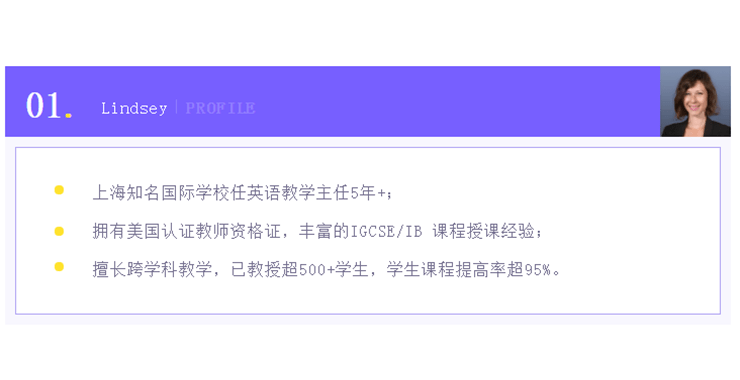
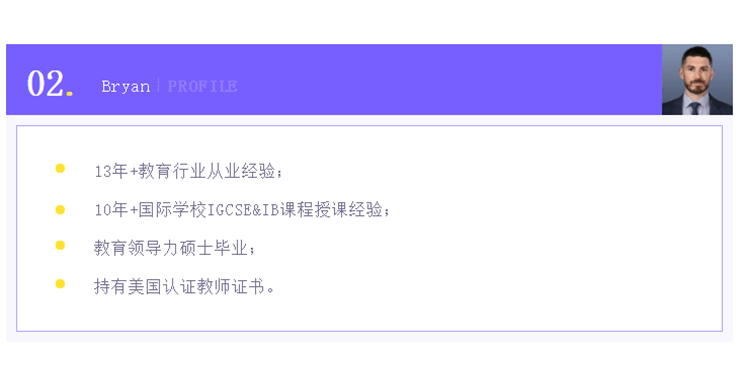
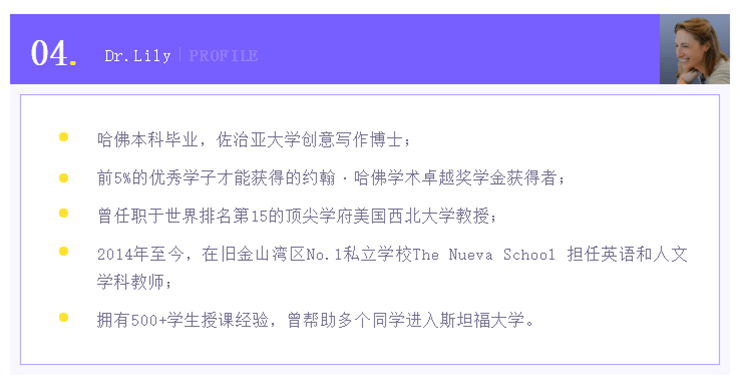
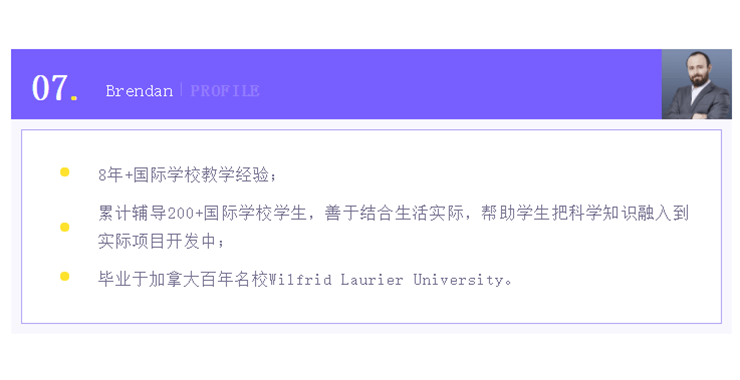
认识我们一些高素质和经验丰富的教师!
我为什么要选择一对一服务?
Perhaps your child is preparing to study abroad or applying to a new school and he or she would like a more intensive and targeted approach in order to polish his or her skills. Alternatively, your child might not feel challenged enough with his or her current curriculum, and needs an alternative approach that is more appropriate for his or her ability level.
There are a number of reasons a parent might be searching for services such as this, and we can assure you that we will always work to understand you child’s unique situation and provide the service that is best for them.
How Does it Work?
With our hands-on approach, and orientation process, we will assess your child’s knowledge and skills based on current assessment data, writing ability, 和更多. Based on our findings, we will select the teacher best suited for your child’s needs. All of Reach Out’s teachers have been carefully selected, and have years of experience in teaching challenging curriculums, such as IGCSE, 国际文凭组织, 和美联社, in top schools from around the world.
Our process is goal-oriented. We find out exactly what your child needs to reach their educational goals, and then we create a unique and tailor-made learning path that will best suit your child’s particular needs.
What Else Does Reach Out Offer?
In addition to 1-on-1 services, Reach Out offers a wide variety of courses specifically designed to challenge and engage your 2nd to 8th grade child with above grade level content in order to help them prepare for the rigor of programs such as IGCSE, 国际文凭组织, 和美联社.
How Can I Learn More?
To find out more about our 1-on-1 services, please contact one of our Education Consultants today to find out more! We look forward to helping your child reach his or her educational goals for a bright future!
Who We Are
As you may have noticed, 我们一直在成长,并为我们在 Reach Out 提供的服务增加了一些令人兴奋的内容. 因为我们已经有一段时间没有自我介绍了, we thought we would share our story with you to help you better understand who we are and what we do!
我们的任务
Reach Out 的使命是将学生与创造和提供原创作品的专家教育工作者联系起来, 鼓舞人心的, 世界一流的课程. 我们已经踏上了这段旅程,以便我们可以帮助学生了解如何找到自己独特的声音,并发现每个人身上的创造性和有价值的想法. 用他们的声音, 他们有能力改变世界, 我们希望授权他们这样做.

我们的愿景
Reach Out 致力于成为国际认可的教育机构,让学生能够接触到顶级国际课程和教育工作者, 无论他们在世界的哪个角落. 我们的学生将有洞察力, 好奇的, 作为优秀的问题解决者和沟通者做出明智选择的批判性思考者. 从小学到大学,Reach Out 学生将实现他们的学术和个人目标和梦想, 将他们辉煌的未来触手可及.
我们的核心价值观
这些是塑造 Reach Out 的原则:
Our Story
Reach Out was created by a small group of dedicated mothers, 也许很像你自己. 出于对孩子教育需求的共同愿景,他们走到了一起. 有些人正在寻找可以让他们的孩子接触这些想法的教育计划, 教学理念, 和与他们在国外生活所经历的相匹配的方法. Others were looking for an internationalized curriculum that their children could access to enrich their educational experience in China. What they shared in common was a desire for a rigorous program that also opened the doors to creative and critical thinking, 自我反省, 和个人表达 - 强大的国际课程的标志. 在花费大量时间探索各种选择之后, 这些妈妈找不到完全满足孩子需求的东西.
所以, 他们做了任何好妈妈都会做的事, 有机会, and found their own way to offer their children the best possible learning opportunities designed to help them thrive. 他们咨询了专家老师并与其他家长合作,以了解他们如何才能最好地满足其他具有相似目标的孩子的需求. Children, we hope, like yours.
The parents were committed to:
We are happy to say that these mothers have achieved their goal. Today Reach Out boasts a complete line of rigorous yet engaging courses in which students learn deeply while having fun and creating meaningful relationships with their teachers and peers.
All of this because of our founding mothers’ commitment to their children’s education and happiness.
是什么让我们与众不同?
While we understand parents have an array of choices when it comes to programs that enrich their children’s education, we believe we offer many unique qualities that are not easily found elsewhere.
我们的团队由高技能和经验丰富的教育工作者组成,他们根据国际学校标准创建了独特而严格的课程, 让年轻学生为学习 IGCSE 等严格的课程做好准备, 国际文凭组织, 和美联社.
-Our one to one programs and curriculums designed to exceed the educational needs of our students
-我们启发和赋能学生的教学理念, 让学生广泛而深入地探索知识,同时培养对学习的热爱的教学方法
-我们对学生长期成功的承诺,因为我们努力为他们提供必要的技能,以帮助他们在未来的职业生涯和校外世界取得成功
- 我们提供的所有学生评估的详细反馈, 让学生知道他们在哪里取得成功以及他们可以改进的地方, 以及帮助我们的学生缩小理解差距所需的补充材料和指导
-我们致力于培养学生的批判性思维和解决问题的能力, 这对他们的未来至关重要, 以及我们全球社会的未来
-Our promise to hire all of our teaching and non-teaching staff based on their mutual passion for education
-我们赋予学生使用语言的能力, 知识, 和他们获得的技能,以在课堂之外发展自己并变得好奇, 设定和追求挑战的终身学习者, 充实的, 和有价值的目标.
-我们的动手, 为我们的学生创建学习路径的个性化方法,以便无论他们加入我们时的年级水平, 他们将配备必要的工具来改进和快速成长
-我们致力于为客户提供信息和经验,通过提供信息丰富的文章,帮助他们为孩子的教育做出绝对最佳的选择, 视频和研讨会.
Our Curriculum
Our Blue Line curriculum, which includes courses for students in Grades 2 to 8, was designed by expert educators with advanced level degrees in their subject areas who have spent decades in some of the top international schools in the world. We use backwards curriculum design working our way from the first year of programs such as the widely recognized and respected IGCSE program.
As our educators have spent years teaching courses pre-IGCSE, IGCSE, IB and AP or A Levels curriculum, they understand what students need to succeed in those programs. 所以, each aspect of our curriculum has been created to make sure that all of our students enter their first day of Grade 9 feeling confident, equipped, and prepared to meet the demands of these rigorous courses.
We offer a wide range of courses in the subjects of English, 数学, History and Geography. See below for more detailed information on our full course offerings.

Additional Services
We are also pleased to announce the creation of our Silver Line, which offers bespoke educational services that take an individualized approach to meeting our students' needs. We begin with a deep assessment of each student's educational goals and needs, and then create and implement a scheme of work with which our expert educators will use to guide your child through the academic challenges of High School in order to prepare them to eventually attend their dream university.
We also offer 1-on-1 services at all grade levels for parents who wish to offer their children more individual care and instruction. Our expert Education Consultants will make sure to match your child with the best educator for his or her specific needs and goals.
Join Us!
We look forward to meeting your family and discussing how you can be part of our Reach Out family; one that learns together, cares for each other, overcomes challenges together, and celebrates successes with one another. Please contact us today to find out more.
We hope to hear from you soon!
为人父母难. 实际上, 随着当今世界的变化, 这可能只是我们几十年来不得不面对的具有挑战性的时刻之一. 变化导致不确定性, 和不确定性会导致压力. 压力肯定会影响我们生活的方方面面, sometimes it will impact our relationship with our loved ones the most; especially our children.
Our children can be complicated (let’s face it, so can we!), and it is a daunting task to ensure that every move is the “right” one. That all of our conversations, demands, requests, plans, praises and criticisms mean something. Every moment we spend talking to our kids, we hold the hope that these words will be enough to fill our children with the hope of a great future at a time where the future is so uncertain. Times change, and this too shall pass, but one thing we can guarantee is that we will never have a second chance at spending a childhood with our children.
As parents, we often ask ourselves if we are in fact doing the right thing, wondering how we can get through to our kids, trying to understand our children better, and sometimes feeling like a guilty failure because we tell ourselves we are doing it wrong. Oftentimes, that is not the case, but there is no instruction manual on how to raise a child that will work for everyone in all situations. Sure, there is a lot of advice, an overwhelming amount of it, but again, most advice is just that; guidance and recommendations by people who don’t know you or your child. Some of it is helpful, and some of it…not so much.
One thing that we cannot deny though is the importance of a healthy relationship between parent and child.
Research shows that:
It is essential to make the time to nurture a relationship with your child, and perhaps even more imperative, making sure the interactions we have with our children during that time are positive. This is something that many parents find challenging, which is why we created a parent book club for the book 如何说话才能让孩子们听,如何听才能让孩子们说话 by Adele Faber and Elaine Mazlish. Together we learned ways to positively communicate with our children in order to strengthen our bonds. We spent time discussing ideas from the book, as well as had a virtual meet up to role-play some of the strategies from the book. On top of that, we invited Middle School Guidance Counselor, 里贾纳·韦纳, to provide parents with a workshop in understanding our child’s cognitive and emotional development.
Here are some highlights we would like to share with you!

First, from 如何说话才能让孩子们听,如何听才能让孩子们说话, here are two of our favorite strategies:
Children have difficulty regulating their emotions, as the brain’s emotional regulation center is one of the last to develop. This means that they need our help in the form of compassion and modeling. This can be so challenging, especially when we may have difficulty managing our own emotions at times! We have an easy strategy for you that will only require two things:
When your child comes home upset about something that happened at school, instead of lecturing and offering our sage advice, we can simply listen to their concerns and repeat the ideas back to them. 例如, if your child comes home upset and says something like, “Ugh, today Elizabeth and Sarah were so mean to me! They completely ignored me and I hate both of them now!” Instead of saying, “Elizabeth and Sarah are your best friends. It’s not a big deal and I am sure you will be fine tomorrow,” which could invalidate your child’s feelings, you can say, “Oh, I see. Elizabeth and Sarah made you feel a bit left out. That probably made you feel a bit sad and mad.” At this point your child might keep talking and open up to you, which is great! It means they trust you and you are making them feel better. Continue to listen, nod, say, “Mmmhmm,” and repeat what they say. Having you simply listen will likely make your child feel 100% better and ready to face their next challenge!

2. I wish!
Our children often express their desires in the form of wishing they had things they don’t have or wishing things were different than the way they are. 例如, children may say, “I wish I didn’t have to do all that homework.” We may reply, “Well, you do and that’s that!” or “It’s what you have to do. It’s your responsibility so you need to do it now!”
This may escalate into a battle of wills as parents feel frustrated that they keep hearing the same complaint and repeat the same reasoning. The children feel frustrated because their opinions are being invalidated and they feel misunderstood. Well, don’t worry, we are here to help! We have a little trick that will help you turn the conversation around, and that is to agree with your child. It may sound counterintuitive, but we have firsthand experience with this trick and it works wonders!
例如, if your child says, “I wish we could go to the park today like I wanted!”
Instead of saying, “I can’t, I am too busy,” or “Yes, but we can’t, it’s raining,” we can say, “I wish we could too! We could go to the park and have a picnic! We could fly a kite and blow bubbles! Why don’t we have a picnic in the living room and after that we can blow bubbles in the bathroom!”
The first part gets the kids excited and their imagination going, taking them to a happy place. The next part makes them feel heard and connected to you.
现在, some highlights from Ms. Wehner’s workshop:
*Please help me choose these! :)*
If you would like to join one of our workshops or book clubs in the future, make sure to follow us and stay tuned! We have great things coming up this fall!
许多家长问我们,他们的孩子提高写作的最快方法是什么?. 虽然我们坚信要成为真正有效和熟练的作家没有捷径, 学生可以将一些东西纳入他们的写作中,以帮助他们更有效地将其提升到一个新的水平. 就像任何试图掌握的东西一样, 成功的关键在于努力和重复. 定期练习这些技能将帮助您的孩子实现他们的教育目标.
本文将是系列文章中的第一篇,重点介绍适合不同写作类型的技能. 本星期, 我们将专注于描述性写作技巧.
描述性写作技巧:
描述性写作是一种真正的艺术形式, 因为它的目的应该是在读者心中创造一个形象. 一个人不能单独讲述一个关于行动和对话的故事, 一个人不能用他或她的文字画出一幅画来表达一首诗中的深刻意义和情感.
在描述中表现出色的一种有效方法是尽可能添加形容词和副词. 例如, 如果您的孩子正在写故事,他或她可能会写类似:
“哈利走到外面,开始寻找他的朋友。”
虽然这句话传达了一个基本的意思, 它对读者的影响也是基本的. 通过以形容词和副词的形式添加描述性语言, 我们可以快速有效地为句子添加图像:
“哈利从前门拉上拉链, 在他身后砰的一声关上. 当他在附近跑来跑去急切地寻找他的朋友时,他的心怦怦直跳。”
在修改后的句子中, 我们看到的描述不仅告诉我们正在发生的动作, 还能帮助我们感受角色的情感, 讲故事的一个重要方面.

使故事或诗歌更有效的另一个好方法是添加比喻语言, 比如明喻. 明喻是使用 like 或 as 的比较,可用于帮助读者更清楚地想象正在发生的事情.
例如, 你的孩子可能会写类似的东西:
我非常开心!
太可爱了!
他好害怕!
我们可以添加明喻来帮助创造更好的结果:
我像毛线店里的小猫一样快乐.
就像熊猫宝宝在雪地里玩耍一样可爱.
他像只听到狼嚎的兔子一样害怕.

我们对描述性写作的最后一个技巧是选择非常精确的词汇,以便准确传达作者希望读者感受到的内容. 经常, 学生会写一些模糊的描述, 像这样的句子:
他很累.
电影很无聊.
他们很冷.
房间很热.
再次, 这些句子传达了一个简单的意思, 但在描述性写作中, 这根本不够. 有效的描述使用有影响的词汇, 我们可以通过只选择最好的词来传达最准确的意思来实现这一点.
看看我们如何通过用强大的词汇替换部分句子来将上面的句子从普通变为非凡:
他筋疲力尽.
这部电影没有想象力.
他们被冷到了骨子里.
房间在烤.
好消息是,您的孩子不需要依赖他或她当前的词汇知识来成功地创建上述句子. 词库包含创建令人难忘的描述所需的所有单词.
我们希望这些提示对您有所帮助! 如果您想让您的孩子与我们的一位热情的教育工作者一起学习如何将这些技能付诸实践, 请继续关注我们新的夏季和秋季课程即将发布的公告!
下周, 我们将看看有说服力的写作技巧!
告诉我们一些关于你自己的事情.
我在五个不同的国家长大 (瑞典, 英国, 德国, 南非, 和加拿大). 在成长过程中融入多元化的文化使我以开放的心态看待世界. I currently reside in Canada and work as both a university lecturer and a Math teacher at Reach Out. Outside of work I really enjoy sports such as badminton and chess, which I played at a competitive level for many years.

What is your educational background and qualifications?
I received a Bachelor of Science Degree from the University of British Columbia (UBC) and an obtained my MSc at the same university. My graduate work involved experimental geoscience where I designed an apparatus to investigate how diamonds reach the surface of the Earth through high velocity magmas. I published articles in two high impact journals and presented the work across Canada and Europe.
During my graduate studies I had the privilege of lecturing a few classes which transitioned into a lectureship position. Teaching at the university level involves lecturing a class of over 200 学生们, which is very different to the work I do at Reach Out, but has helped me develop a dynamic teaching style.
Additionally, I have been teaching Math and Science both privately and through educational organizations for over 6 年.
Why did you join Reach Out?
I joined Reach Out because the prospect of being able to deliver high quality education from around the globe without border restrictions resonates with me.
I feel that the reason I am committed to staying at Reach Out is more important. The personalized classes being delivered has allowed me to connect with the students, making their progression much more meaningful to me. Some students have been together with me through multiple grade levels and I feel immensely proud to have played a role in their education.

What is your educational philosophy?
Having a background in experimental science has allowed me to see value in making breakthroughs through experimentation. By allowing students to experiment with different methodologies while offering guidance is an extremely effective way of teaching students to not be afraid of failure. Richard Fuller correctly said, “There is no such thing as a failed experiment, only experiments with unexpected outcomes.” Students often start my classes afraid to answer questions, discuss with their classmates, or write on the board since they don’t know the answers. Since I am always more focused on solutions rather than answers, students’ are rewarded for trying new techniques, discussing failed methods, and asking questions about their classmates’ work. I found this to produce a phenomenal learning environment and takes a lot of pressure off the students.

What is your favorite thing about teaching Math?
My favorite thing about teaching Math is the exciting challenges it provides. After teaching Math for many years, I have come to realize that students see the world from a unique perspective, which more often than not, is very different from my own. This diversity produces a wide spectrum of learning styles and requires me to stay very flexible with the methodologies I use in my teaching.
Math is a complex subject which has provided us with a universal language to better understand the universe that surrounds us. Having a good problem solving ability is a byproduct of learning Math and crucial for success in the modern world. For these reasons I have the responsibility to transform a traditionally dry and boring subject into something exciting by creating compelling lessons and using creativity to inspire my students. This will always be something I love about my job.
Who is your favorite mathematician and why?
This is a tough question, and it’s hard to pinpoint one Mathematician since I utilize the works of so many Mathematicians in just one lesson. If I had to pick it would be either Johannes Kepler or Nicolaus Copernicus since I also love astronomy. Their Math not only challenged everything that was believed about our solar system at the time, but also formed the foundations for understanding planetary motion. Space travel has relied heavily on these concepts.
If you could only give parents one piece of advice when it comes to helping their child improve in Math, what would it be?
One thing I have worked on a lot with my students, is getting them to explain their solutions to me regardless of how easy it may seem. Being able to arrive at the correct answer in certain school curriculums may not require a complete understanding, but being able to explain a solution well does require a good understanding. Make sure that your child is always showing very clear steps in their work and that they can explain their steps to you. This certifies understanding and shows they are prepared for questions which test the same concept but may be worded differently.
What is one fun fact about yourself?
I really like learning languages! After growing up in many different countries I can speak English, Swedish, and German fluently. For the past two years I have been working to add Chinese to my collection and have enjoyed the unique challenges that learning this complex language has provided me with.
《秘密花园》是一部经典文学作品,已成为无数童年的一部分 (如果你错过了我们关于为什么孩子应该阅读经典小说的文章, 请参阅下面的链接!). 这是一个关于友谊和发现自我的强大故事,与我们的灵魂产生共鸣.
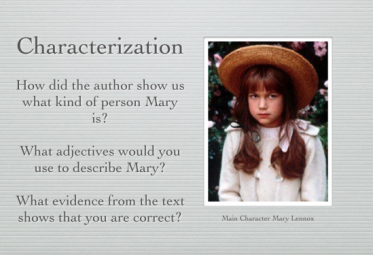
秘密花园 is about a young girl named Mary Lennox who loses her family and everything familiar with her due to a cholera outbreak in India, where her father was working as a British Army Captain. As a child, Mary was quite neglected, but indulged by family’s servants, so she was a spoiled child with a terrible disposition. She had very few traits that would help her cope with a new life in England, where she was sent to live with a grouchy distant relative, 先生. Craven.
先生. Craven had very strict rules for Mary to follow at her new home at Misselthwaite Manor in Yorkshire, which included her being forbidden to enter various rooms inside the giant mansion, as well as forbidden to enter one of the gardens on the sprawling property, which belonged to his beloved late wife. As Mary begins to explore her new home, she begins to find a sense of happiness and regains her health after being sickly for much of her childhood. After a robin helps her find the key to the secret garden, she finds a sense of purpose in restoring the garden, much as she restores her inner self. Through the thorns and dried leaves of winter, she finds much more lies within.
Aided by new friend Dickon, Mary develops her first friendships, and uses her newfound strength and kindness to help her bedridden cousin Colin, whom she finds tucked away in the manor. Friendship strengthens both Mary and Colin, and in the end, everyone witnesses a miracle only made possible by these close bonds and belief in oneself, two very important themes in the novel.
Young people will love reading this fantastic story of friendship, overcoming obstacles, and experiencing the healing power of nature. The characters and the lessons they teach us will surely touch your child and help them experience the power of a great story.
If you would like an opportunity for your child to experience this story with others, we are happy to let you know that we will be reading 秘密花园 as the first novel in our Young Classics Level 2 Course this summer.
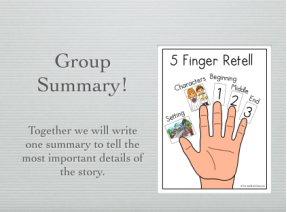
In the course, we not only read the novel, but we also learn and apply new vocabulary from the book, discuss important literary techniques used by the writer, and practice writing summaries, a key skill that many students find challenging


If you are interesting in learning more about Young Classics, or and of our other excellent and engaging courses, contact one of our Education Consultants today! We hope to work with your child very soon!
文学研究是任何优秀学术课程的重要方面, 那是因为它有助于教授学生广泛的知识和技能,这些知识和技能对于在生活的许多领域取得成功至关重要. 在学习文学时, 学生了解历史上的重要事件和人物, they consider cultural perspective and increase their own understanding of acceptance of different ideas and beliefs, and they learn how to analyse the words of others in order to form a deep understanding of new ideas and ways of communicating. In short, it exposes students to a toolbox of ideas, techniques, strategies, theories, and more that they will carry with them throughout their life, shaping the way they approach the world.
Why do we offer this course?
Reach Out students typically pursue high school programs such as IGCSE, which includes challenging courses such as English Language and Literature and English as a First Language. Later, most of those students will take on the challenge of IB and AP level programs, in which they must take on the task of reading a variety of literature. Our aim is to expose students in upper primary and middle school to a wide range of advanced literature so that by the time they reach high school they possess the knowledge and skills to hit the ground running, and therefore achieve to a higher level.
This course is designed for Grade 7-9 学生们.
The Objectives of our Advanced Literature Course are to:
✪ Enhance students’ ability to understand and discern literary techniques used English and American literature, and the ability to communicate the effects of those techniques;
✪Improve children's literary comprehension skills and increase their understanding of British and American culture;
✪ Under the guidance of our expert educators, learn the power of language and storytelling in a challenging yet engaging way.
Meet Our Teachers
*Insert teacher bios here for Barry, Anthony, and John*
Our Book Selections:
Cry the Beloved Country by Alan Paton

Set in South Africa in the 1940s, award-winning Cry the Beloved Country tells the story of a Zulu Pastor, Steven Kumalo, who travels from his village to the city of Johannesburg. Along his arduous and heart-wrenching journey, he discovers that his sister and son have found themselves in terrible situations that he must now face with them. The characters’ vastly different lives become unexpectedly woven together through tragedy during a dark time in South Africa’s history. 然而, through tragedy and challenges, the true nature of the human spirit can be found and uplift those who need it most.
Dracula by Bram Stoker

The legend of Dracula has loomed large in the minds of readers and movie-goers for generations. Bram Stoker based the infamous character of Dracula on the legend of the real life ruler of Wallachia, Vlad the Impaler. Stoker was able to take this dark corner of history and turn it into a legendary novel told through journal entries, letters and telegrams. As with any classic, Dracula has stood the test of time because it speaks to something very deep and meaningful within the human psyche.
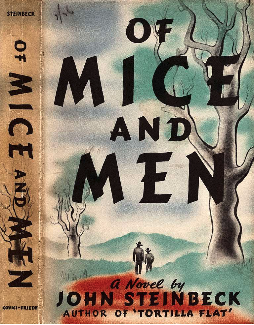
Of Mice and Men by John Steinbeck

The Great Depression was a defining moment in American history that tested its strength as a nation, and placed the population in a precarious balance between life and death. In what is considered one of the greatest American classics, readers are introduced to two displaced migrant workers, George and Lennie. George is an intelligent young man, while Lennie is mentally disabled. George takes Lennie under his wing as they seek employment where few opportunities exist, trying to survive, yet still dreaming of the day they will have their own land and build a life. Their hopes are dashed when a devastating incident occurs that alters their lives forever.
What Students Will Gain
Develop an early sense of literary appreciation,
See the world from a more mature perspective
British and American classics contain thought-provoking moral and social issues. Reading the most influential classic literature thoroughly helps students become better readers, and begin the process of pursuing self-realization.
Improve understanding of culture and history
Learning allusions from classic British and American literature can help us bridge cultural differences. "The classics have opened the door to different worlds, different cultures, and different historical perspectives. Literature crosses race, culture, religion, and geography."
Self-reflection and personal growth
Many classic literature allude to our lives from the side: books that reflect similarities to our own lives are called "mirrors"; and those that give us a glimpse of different lives are called "windows." Whether it is a "mirror" or a "window", it further enriches the students' life experience and increases the courage and strength to face life.
Join Us!
Contact us to discover more about our course. We sincerely hope to meet your child soon, and develop a love of reading classic literature together.
又回到学校时间了,我们知道家长们正在为新的一年做好准备. 新的一年的开始通常伴随着兴奋和焦虑的混合, 因为学生和家长期待新的技能和经验, but also might feel nervous about new routines and expectations.
Don’t worry, Reach Out it here to help! This year, we have 5 top tips to a fantastic start to the school year.
Understanding how your child’s school approaches education, what curriculum they use, what systems, and standards are used can be overwhelming for non-educators. Spending a bit of time each day reading your school’s website content, handbooks, and other resources can help you feel more confident in understanding what your child is learning at school and how they are learning. It’s also important to attend your child’s back-to-school night and informational sessions to get a better understanding of your child’s program as a whole. It also provides a great opportunity for you to establish a relationship with your child’s teacher. At any time if you still have questions, you can always e-mail your child’s teacher. They are there for you and your child, as they know that a great relationship with parents is a fantastic way to ensure academic, social, and emotional success for all students.
2. Make Sure to Catch Enough Zzzzs Before the ABCs
Sleep is so important for a child’s growth and development, and a lack of it can negatively impact a child’s academic achievement. 实际上, research shows that sleep depravation in children can lead to higher rates of anxiety and depression. When we sleep, our brain processes the information from he day, finds the best system to file it away in out memories, and re-charges our systems for a new day. For various reasons, parents often find sticking to an early bedtime difficult, but with a clear routine, and time for adjustment, it can be easy! Children 3-6 years old should be getting 10-12 hours of sleep per day, 7-12 year olds should get 10-11 hours per day, 和 12-18 year olds should get 8-9 hours per day. Creating a schedule where children get to bed earlier will make mornings easier as well, hopefully with less stress for both parents and children as they will be well rested and ready to start their day!
3. Ask the Right Questions at the Right Time
Sometimes parents are anxious to know how their child’s day was as soon as they get home from school, especially during the first few weeks. Those weeks are especially exhausting and full of ups and downs as your child learns to navigate new material, new friends, new teachers, and new expectations. Giving them time to come home and decompress is extremely important for their emotional and mental well-being. Once they have had some “me” time, parents can ask specific questions based on what they know they are working on, if they happen to know. They can go through their child’s homework diary with them and help them make a plan on how to tackle each task, as well as share in their enthusiasm for specific subjects, books, or information they also enjoy. Avoid asking, “How was school? What did you learn?” as kids respond much better to more specific questions, such as, “What did you do with your friends at lunch? What was the best part of your day? What was the weirdest or most wonderful thing that happened at school today?” Most importantly, parents should be fully present and listen intently when students answer, so they really feel valued and hear when they share.
4. Let Them Learn From Failure
This one can be extremely hard for parents to allow. We want our children to do well and reach their full potential, which means we might go over each assignment with a fine-toothed comb, correcting every mis-calculation or grammar mistake. Although parents have good intentions when we do this, we are taking away important learning opportunities from children when we do so. Back when we were students, many of our parents were often too busy or didn’t have the knowledge or capacity to help us with our school work, but we found a way to push through and try our best. If children are never given opportunities to fail when they are young, they might resist taking on challenges later in life for fear of failing at them. 然而, when we let them fail gently, such as on an assignment or at a little league soccer game, we are teaching them resilience. It’s not the end of the world, and they learn a valuable lesson; that we can try and not succeed, dust ourselves off, and try again next time.
5. Nurture Their Passions
New school years are an exciting time for many reasons, one of them being that they provide children a chance to discover new passions. If they are lucky, they will stumble upon something they truly love, and that they can become fascinated with enough to spend hours on end discovering. Helping a child find his or her passion is not always easy and takes time. Sometimes parents worry if their child focuses too much on a couple of things, and feel they need to expose them to as much as possible to help shape them into well-rounded individuals. 然而, if we look at the people who have shaped our world, it was because they had a laser focus on what they were passionate about. It was all they ever did or do. As humans, we naturally gravitate towards what we love most, and as long as it provides some sort of value on top of fulfillment, we should continue pursuing it. 所以, don’t worry if your child protests going to one activity while running out the door to attend another. Maybe the one they love is the most valuable to their growth and development, and the one they don’t like isn’t that necessary after all.
We hope these tips have helped, and we wish you and your child the best in the coming school year! We are excited for the new school year and all of the challenges and hope it will bring.
Reach Out will be with you every step of the way, so be on the lookout for more information and more articles we hope you will love!