在伸手, 我們認為慶祝學生的成功非常重要. 我們很高興地宣布另一位明星學生 - 艾瑪!
艾瑪代表了學生通過努力學習和追求卓越可以獲得的一切. 艾瑪的老師認為她是一個對學習態度很好的學生, 很容易接受指導, 並且有一個非常支持她的家庭,經常與老師溝通. 課堂上, 艾瑪是一位細心、細心的傾聽者,她有足夠的信心分享自己的想法, 但有足夠的耐心輪到每個人. 她不介意冒險, 並且能夠將她的個性注入到她的工作中.
艾瑪目前正在參加我們的創意閱讀和寫作等級課程 4 課程, 她展現了真正的天賦,能夠在寫作中創造出強烈的意象. 學期初, 她完成了藍蛙上海迪士尼樂園分店的審查。
艾瑪展示了她批評一個地方的特定方面的能力, 並利用適當的細節來發展她的想法.
「景色和位置都非常滿意. 晚上我們可以坐在外面欣賞迪士尼城堡和煙火的景色。 」
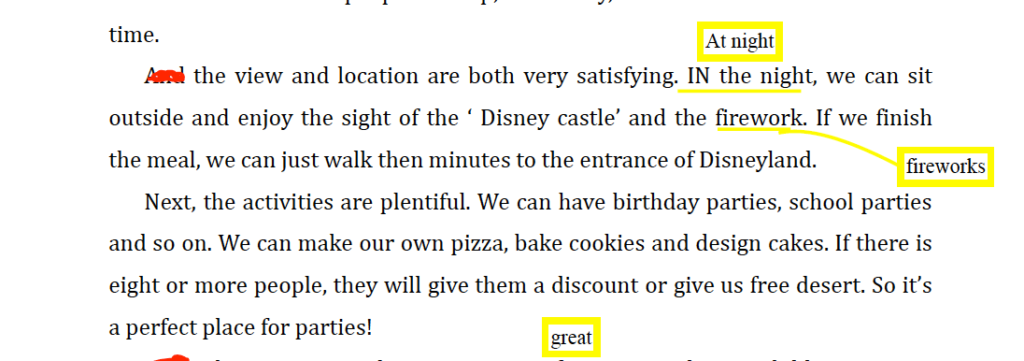
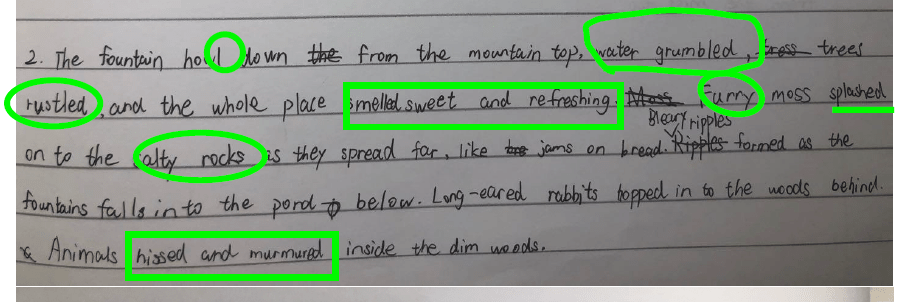
隨著學期的進行, 艾瑪的寫作技巧有了很大的進步, 並開始融入更先進的文學技巧. 在描述風景的作業中, 艾瑪能夠使用精確的詞彙和比喻語言創造出強烈的形象.
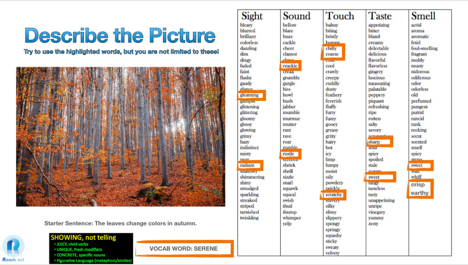
「毛茸茸的苔蘚濺到鹹岩石上,蔓延得很遠, 就像麵包上的果醬. 當噴泉落入下面的池塘時,形成了朦朧的漣漪。 」
艾瑪繼續運用她在整個課程中學到的經驗教訓, 她作為作家的能力也變得更強了. 在最近的一項關於撰寫幻想敘事的作業中, 艾瑪有意而有效地建構了她故事的背景和人物.
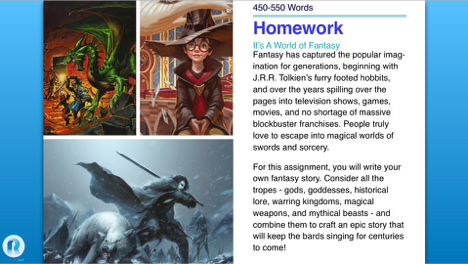
「閃閃發光的陽光從窗戶照進來,照在柔軟的地上, 絲綢床單. 開著的窗邊盛開著溫暖的色彩甜美的花朵. 清爽的海藻綠牆上掛著昏暗但勤奮的圖畫。 」
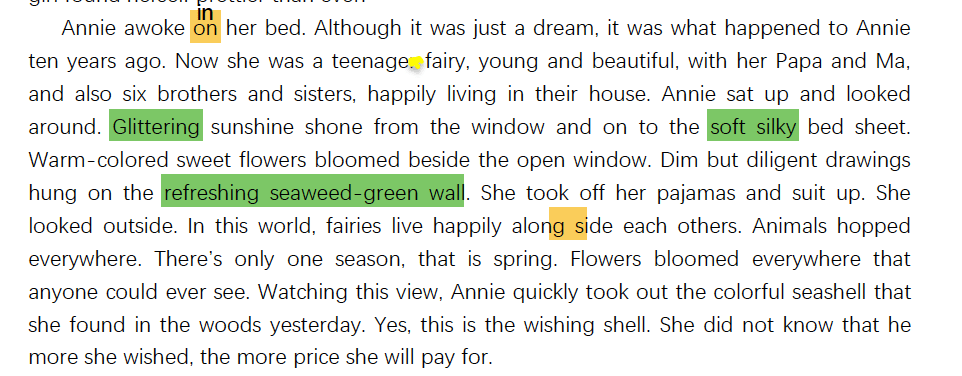
如你看到的, 艾瑪展現出一位有前途的年輕作家的特質. 她決心進步, 認真運用所教授的課程有助於將她的寫作提升到更高級的水平.
謝謝艾瑪, 作為這樣的明星! 我們期待在未來很長一段時間內看到您的成長. 我們知道這只是輝煌旅程的開始.
作為教育工作者, 我們經常被問到這個問題, “我怎樣才能讓我的孩子停止閱讀漫畫書?” 家長擔心漫畫沒有教育價值, 學術不夠嚴謹, 或者最糟糕的是, 浪費他們孩子的時間. 對此, 我們的回答通常會讓他們感到驚訝, 答案是, 「讓他們看漫畫!」
家長的擔憂是可以理解的,因為人們認為漫畫純粹是為了消遣而閱讀, 然而, 漫畫除了幫助我們打發時間之外還有很多好處.
漫畫和圖像小說並不是新的寫作形式. 當然, 它們已經被許多世代所喜愛. 曆年, 這類型已轉變為具有相當深度和意義的類型, 這就是為什麼我們鼓勵父母不僅讓孩子看漫畫, 同時也支持他們這麼做.
以下是我們應該閱讀漫畫的主要原因 (尤其是在夏天!):
對於母語不是英語的學生, 漫畫為他們提供了開始享受英國文學的好方法. 對很多孩子來說, 從英語教科書到小說的任務可能非常艱鉅, 但漫畫可以為他們建立自信和閱讀流暢性提供必要的橋樑. 圖片中的視覺線索可以讓學生對情節和人物以及新詞彙有更深入的理解. 此外, 它向他們介紹了有效的文學手段, 例如像聲詞 (認為戰俘! 史瑪克! 飛漲!) 和成語 (顯示成語意義的插圖,例如, 「貓抓住了你的舌頭?「比單獨加熱這個習慣用語更有意義!).

2.增強推理
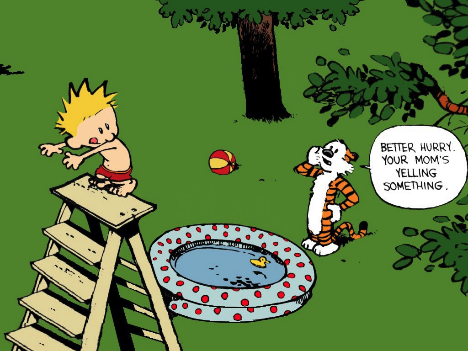
推理是一項關鍵的閱讀技能,許多學生在標準化閱讀評估中都遇到困難. 當我們根據所讀內容得出結論時,就會發生推理. 學生在閱讀理解任務或評估過程中會遇到的一些問題的例子是:, “當角色?」, 「你能得出什麼關於......的結論」和「這個故事的教訓是什麼?漫畫要求學生“閱讀字裡行間”,以推斷小說中敘述者通常講述的訊息, 所以他們可以透過閱讀漫畫獲得許多加強這項技能的寶貴經驗.
3.文字力量!
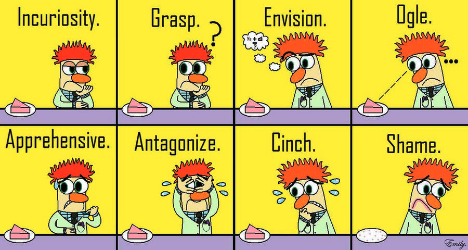
常出現在漫畫和圖像小說中, 作者包含相當高級的詞彙, 既作為故事情節的一部分,也作為角色的名字. 在 2016 在世界著名的聖地牙哥動漫展上, 加州, 一位教育工作者小組成員討論了漫畫在培養學生詞彙量方面的力量. 詹姆斯·巴基·卡特, 《用圖像小說建立素養連結》一書的作者說, 「你有巨像, 他這麼大, 巨型金屬人. 你可以很好地理解巨人這個詞的含義,這是一個很好的 10 美分詞. Banshee的力量令人尖叫. 這些字符體現了它們所代表的詞彙. 這是學習新單字的一種有趣的方式, 除了上下文線索之外。 」
讀完本文後,您可能只想讓您的孩子直接閱讀漫畫或圖像小說! 這就是我們耳中的音樂. 如果您不確定從哪裡開始, 我們有一些學生最喜歡的,您的孩子可能會想嘗試!
戴夫皮爾基的《狗人》

邁爾斯·莫拉萊斯 蜘蛛人 傑森·雷諾茲

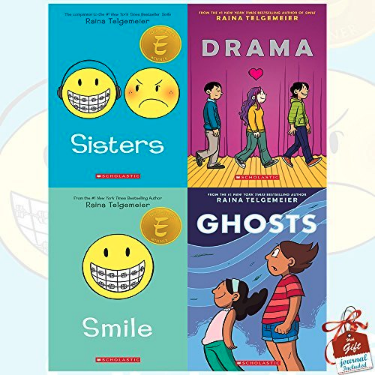
微笑, 姊妹, 鬼魂, 雷娜·特爾格邁爾的戲劇和其他故事
傑夫史密斯的《骨頭》

為您的孩子尋找更多暑期閱讀機會? 請聯繫我們的一位教育顧問,以了解有關我們夏季閱讀課程的更多信息. 我們期待與您的孩子一起閱讀!
考試季來了, 對學生和家長來說,這可能是一年中壓力很大的時期. 在 Reach Out,我們希望通過提供一些您可能沒有嘗試過的獨特學習技巧來盡最大努力幫助緩解考試焦慮.
傳統的學習智慧常常被許多善意的家長和老師所遵循, 然而, 如果我們看一些有趣的基於研究的方法,我們會發現有多種有效的研究方法! 嘗試新事物總是好的, especially for children. They can experience new ways of doing things when they are young, 當他們年紀大一點時, 他們可以選擇最適合自己個人需求和風格的方式.
現在, let’s take a look at three unique ways to study.

多樣性是生活的調味料——即使在學習時也是如此
對很多人來說, 多年來我們一直被告知,為了好好學習, 我們應該每天在同一個地方學習; 一個安靜的地方, 光線充足, 並擁有我們所有的材料. While this might be true for some of the time we are studying, 研究表明,當我們改變學習位置時,我們的大腦實際上會表現得更好. 相當令人驚訝, 正確的?
在一項早期完成的研究中 1978, 大學生被給予 40 要學習的詞彙. 一組被告知在同一地點研究該列表兩次. 另一組被告知在兩個不同的地點研究該列表. 他們發現的是, 改變學習地點的小組實際上在記住單字方面表現得更好. Now why is that? 出色地, our brain often makes connections to information based on our environment, 所以我們對環境的改變越多, 我們給大腦保留資訊的機會越多,因為它會附加到更多的事物上. 這也可能是為什麼一種視覺化技術, 人們將他們希望記住的事情形象化到他們熟悉的環境中的某些地方, 也可以如此有效. 對於學生, 只需切換環境即可解決問題!
玩得開心!
有些家長可能會誤以為,如果孩子在學習或學習時大笑或興奮,, 他們可能在浪費時間. 然而, 情況不一定如此.
作為家長, 在您的工作或辦公室中,您可能會不時舉辦特別研討會. 研討會通常用作幫助您了解新策略的工具, 主意, 或有助於您在工作中了解更多信息的信息. 這些課程通常由專門創建激勵和鼓舞人心的研討會的人員主持,以激勵和激勵員工. 日子可能漫長而緊張, 但如果他們做對了, 員工可以對自己的新知識和技能充滿信心地離開.
對年輕人來說也是如此. 引入遊戲和樂趣作為考試學習的一種方式不僅能讓您的孩子微笑, 但研究表明,學習時享受樂趣會激活某些認知資源, 將獎勵和快樂與學習連結起來, 加強並擴大記憶網絡, 並切換抽象思維和集中註意力.

番茄工作法
保持專注, 對於成人和兒童來說,專注於任務並有動力完成某些活動可能很困難. 您是否曾經感覺自己已經盯著電腦螢幕幾個小時了, 但成就甚微? 或者也許幾天後就有最後期限, 但只是慢慢接近終點線? 這也難怪, 研究表明,我們的思維往往會徘徊在 20% 當時的, 對年輕人來說可能更是如此.
大學生弗朗西斯科·西里洛(Francesco Cirillo)發明了一項有趣的技巧,以幫助他保持專注, 這就是番茄工作法, 它的名字來自西里洛在自己測試這個策略時所使用的番茄形狀的計時器. 它的工作原理是你設定一個計時器 25 分分鐘, 這是工作時間. 然後再次設定為 5 分分鐘, 這是休息時間. 這是起床的好時機, 拉緊, 繞著房子轉一圈, 撫摸你的貓, 或喝點水或吃點零食. 休息時間到後, 為另一個設定計時器 25 分鐘並重複!
事實證明,這項策略是有科學證據支持的, 正如研究人員所得出的結論,短暫的休息有助於保持注意力集中. 這可能與認知無聊會導致思維不活躍有關, 這是你在準備重要考試時最不想看到的事情.
我們希望您和我們一樣喜歡探索這些獨特的學習技巧! 祝福您的孩子本月考試取得好成績. Jiayou!
我們知道我們可以做很多事情來培養和教育我們的孩子, 這就是為什麼身為父母,我們經常不遺餘力地透過豐富的活動和課程來打發他們的時間. 我們為什麼要這樣做? 當然有很多原因, but the main goal is to ensure their future success. Parents hope that their children will be even more successful in life than they were themselves. Success, of course, is subjective, and we may all have our own definition of success. Generally however, we might agree that success includes feeling content in one’s personal life, as well having a sense of career satisfaction and financial security.
Recently there has been an intriguing TED Talk being shared on social media, in which former Dean of Freshman at Stanford University, Julie Lythcott-Haims, cites evidence from the Harvard Grant Study that correlates professional success in life to individuals having done chores as children. Not soccer training, not language learning, not painting, but chores.
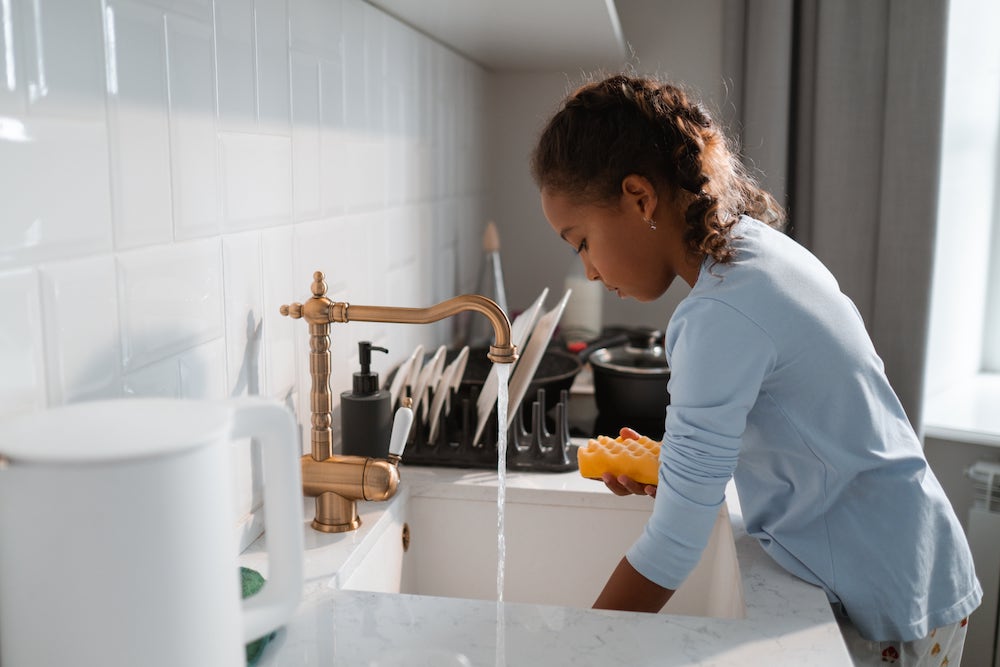
Surprising right?
Many of our children growing up in big cities may never know what it’s like to scrub a dish, wash a window, or mop a floor. We might feel like there are more important things to do to build their knowledge and their character. Lythcott-Haims explains that those children who do get their hands dirty, 然而, may reach a level of success in life that surpasses their no-chore-doing peers. That is because it teaches students how to contribute and step up when work needs to be done, and that doing the “grunt work” that others might scoff at, because it is what is best for all, is what gets noticed in the workplace.
The workplaces of the high-achievers who took part in the Harvard Grant Study were notable, such as the White House, where participant President Kennedy worked, and the editor’s office where Ben Bradlee sat as editor of The Washington Post. We can assume that their parents, like us, had to prod and plead for the chores to be done, and accept that even if they were done, they might not have been done well; and that’s okay.
The important thing, as Lythcott-Haims points out, is that by doing chores, children realize that they, “…have to do the work of life in order to be part of life.” They realize that life does not just happen to them, and for them, but with them.
If your children are already doing chores as part of their daily summer routine, bravo! You are on the right track. If not, no need to panic. It is never too late to introduce chores into the lives of our children. Here are some tips to help get you started!

Let Them Be a Part of It
When introducing the concept of your children completing chores to help, have a “family meeting” where everyone is present to discuss what will be expected of your children and why. You can ask your child to help you write a list of chores they could potentially help with around the house. They might surprise you with their enthusiasm as doing chores is very exciting for some children because it makes them feel empowered and helpful (two things we often like to feel as adults).
Game-ify It
To make things fun, because fun makes everything better, you or your child can write the chores on popsicle sticks and each day your child can choose one stick from the jar. That will be their chore for the day! If you have more than one child at home, you can always turn cleaning into a competition by setting a timer and seeing which child can clean the most toys in the given amount of time, 例如.
Reward It
As parents, we are rewarded for our contributions at work with a salary. Shouldn’t our children also be rewarded for their hard work? One idea is that if your child completes all of his or her chores for the week, he or she can choose a small toy from a “treasure box” filled with small toys. Another option could be that if your child consistently completes chores for a month, they can choose an extra special family outing.
Teaching our children to do chores is not always easy, but the potential benefits are worth the time and effort. We hope you found our tips useful, and that they can help lead to a positive experience for you and your child. Happy cleaning!
我們很高興地宣布一個新的夏季讀書俱樂部, 只為父母! 夏天是閱讀您一直想讀的書的最佳時機, 但還沒有時間. 今年夏天, we invite you to join us in reading How to Talk So Kids Will Listen and Listen So Kids Will Talk.
We know it is not always easy to connect with our children because of the demands of school, work and daily life. Sometimes our anxieties about the future interfere with us living our lives right now. 然而, one thing we can guarantee is that we will never get another chance to experience childhood with our own children, and we don’t want to miss out on this precious time. 所以, how can we make the most of it and have meaningful conversations with our children that will strengthen our bond and help our children feel supported? These are big questions many of us have.
To help us answer these important questions, we invite you to join us in reading one of the most popular parenting books of all time, written by Adele Faber and Elaine Mazlish. How to Talk So Kids Will Listen and Listen So Kids Will Talk, which teaches us how to accept our children’s feelings, as by not doing so we could be unwittingly causing bad behavior. It also teaches us positive ways to encourage cooperation, as well as independence, autonomy, and self-confidence. These are all the ingredients needed to help nurture a positive parent-child relationship that will indeed help to grow our children into confident and capable adults.

How Will It Work?
The first step is to contact one of our Education Consultants to register. Registration is FREE and open to everyone! We will create a group chat where the book study content and sharing will take place starting on July 1st. Lindsey Fine, our Education Manager, will be joining the group as a parent as well, as she is a mother of two boys, aged 4 和 6, who will be learning along with you. She will also be helping to lead the weekly discussions.
The book can be found in English and Chinese and easily accessible in print, e-book, or audiobook formats.
Then there are two options for how you would like to participate:
The reading schedule is as follows:
Week 1: Chapters 1 & 2
Week 2: Chapters 3 & 4
Week 3: Chapters 5 & 6
Week 4 Chapters 7 & Afterword
At the end of the month, we will host an online workshop led by School Counselor, Regina Wehner. At the workshop, Regina will share additional information and strategies you can use to strengthen your relationship with your child.
About Regina Wehner

Regina Wehner is a Licensed School Counselor that has worked with students in Middle School for over 16 years. Originally from the United States, she lives with her husband and 2 children, ages 10 和 12, in Beijing, China.
Regina works at the Western Academy of Beijing (WAB), a diverse international school. A big part of being a school counselor is helping students learn about themselves and others as they are growing. Regina also hosts monthly Parent Coffee Mornings to bring parents together to learn more about their children's developmental changes and how to communicate during these times of transition.
Contact us today to join!
幫助您的孩子學習新詞彙
研究表明,如果我們希望學生在學術領域取得成功, 關於重要評估和高風險考試, 以及他們未來的職業生涯, 我們必須幫助他們發展詞彙量. 原因是這樣的: 我們對新訊息的理解與我們對用於傳達新訊息的詞彙的理解直接相關.
對於學生, 增加詞彙量是成功掌握語言的關鍵; 我們知道的單字越多, 我們理解的單字越多, 我們在寫作中使用的字詞越多,就越有影響力和效果. 然而, 現在學習詞彙有時被視為一個無聊或難以捉摸的過程. 有時父母不知道如何引導孩子, 尤其是我們學習詞彙的方式可能與父母在學校時學習的方式大不相同.
不用擔心, 伸出援手可以為您提供協助! 讓我們探討一下詞彙習得 (記憶和應用新詞彙的過程), 我們會告訴您如何幫助您的孩子建立詞彙量!
談論它!
可能看起來過於簡單, 但當談到學習新單字時, 年輕人做到這一點的一個有效方法是與他人交談. 孩子在上下文中學習新單字效果最好, 例如在關於某個主題的對話中. 他們可以根據新單字與他們已經熟悉的其他單字的使用方式來推斷一些新單字的含義.
當您使用不熟悉的詞彙並且他們好奇地問時,您可能會多次被孩子打斷, 「災難是什麼意思?” 你可能指的是他們臥室的狀況 (因為它是一團糟), 並花點時間向他們解釋災難的多重意義, 你不僅會教他們一個新詞來描述一個凌亂的房間, 也是一種失敗或自然發生的現象, 例如自然災害.
所以, 與您的孩子交談是教他們新單字的好方法!
探索它!
學生普遍明白,如果遇到不認識的單字,可以使用字典或翻譯器, 但有時,即使是一個字的定義也可能給他們留下的問題多於答案.
根據我們的經驗, 許多學生沒有利用一個非常重要的工具來學習和應用新詞彙, 這個工具就是同義詞庫! 如果您發現您的孩子在說話或寫作時過度使用某個單字, 例如, “漂亮的”, “可愛的”, “好的”, 或“壞”, 然後花一些時間向他們展示如何使用網站,例如 同義詞庫 查一下這些詞. 當他們搜尋“漂亮”等詞時,他們會發現有很多有趣且獨特的單字可以使用! 我
根據我們的經驗, 學生真的很喜歡使用新詞彙, 並且感到有力量知道有一個工具可以幫助他們讓他們的話語更有力量.
玩!
在學習中享受樂趣不僅僅是老師為了讓學生快樂而做的事情, 事實上,神經科學已經證明這是幫助學生學習越來越深入的有效方法. 研究表明,當學生同時受到刺激和挑戰時, 他們的大腦釋放多巴胺. 多巴胺是一種神經傳導物質,刺激記憶中樞並促進乙醯膽鹼的釋放, 這會增加註意力集中.
在我們的“Reach Out”課程中, 詞彙教學是每節課的重要組成部分. 我們今年夏天也推出了課程, 詞彙生成器級別 1-3, 其中我們將專注於幫助您的孩子透過具有挑戰性的新單字擴展詞彙知識. 雖然所選的字詞提出了挑戰, Quizlet 等工具以及 Guess Who 和 Sentence Racer 等遊戲為學生提供了以有意義且引人入勝的方式互動的機會.

我們如何知道這些方法是否有效? 因為我們數十年的經驗, 教育心理學和方法論的研究告訴我們學生如何最好地學習!
我們很樂意幫助您的孩子學習新詞彙,這是他或她成為更有效和成功的讀者的方法之一, 作家, 和揚聲器. 詳細了解我們如何提供協助, 立即聯絡我們的教育顧問!
如果您正在尋找更個人化的教育服務, Reach Out 與我們的專家教育工作者提供一對一的服務!
我們提供什麼?
我們的老師提供廣泛的一對一課程,包括英語, 社會科學, 和數學.
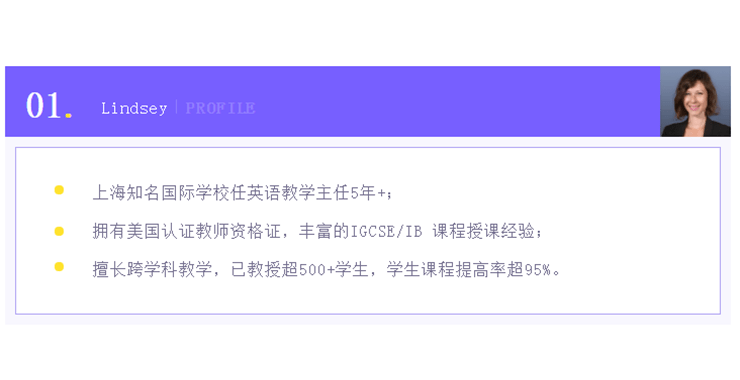
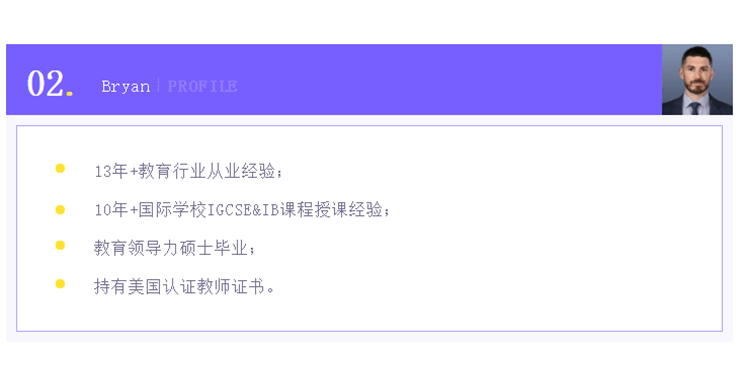
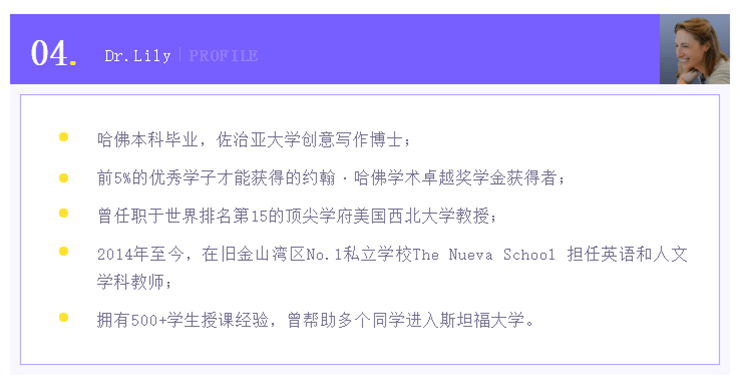
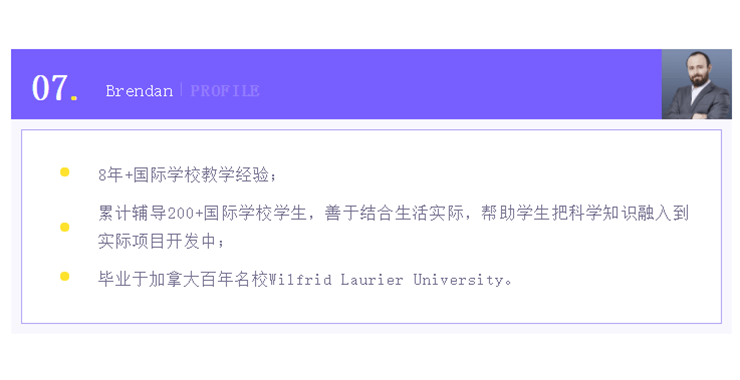
認識我們一些高素質且經驗豐富的教師!
為什麼我應該選擇一對一服務?
Perhaps your child is preparing to study abroad or applying to a new school and he or she would like a more intensive and targeted approach in order to polish his or her skills. Alternatively, your child might not feel challenged enough with his or her current curriculum, and needs an alternative approach that is more appropriate for his or her ability level.
There are a number of reasons a parent might be searching for services such as this, and we can assure you that we will always work to understand you child’s unique situation and provide the service that is best for them.
How Does it Work?
With our hands-on approach, and orientation process, we will assess your child’s knowledge and skills based on current assessment data, writing ability, 和更多. Based on our findings, we will select the teacher best suited for your child’s needs. All of Reach Out’s teachers have been carefully selected, and have years of experience in teaching challenging curriculums, such as IGCSE, 國際文憑組織, 和美聯社, in top schools from around the world.
Our process is goal-oriented. We find out exactly what your child needs to reach their educational goals, and then we create a unique and tailor-made learning path that will best suit your child’s particular needs.
What Else Does Reach Out Offer?
In addition to 1-on-1 services, Reach Out offers a wide variety of courses specifically designed to challenge and engage your 2nd to 8th grade child with above grade level content in order to help them prepare for the rigor of programs such as IGCSE, 國際文憑組織, 和美聯社.
How Can I Learn More?
To find out more about our 1-on-1 services, please contact one of our Education Consultants today to find out more! We look forward to helping your child reach his or her educational goals for a bright future!
我們是誰
你可能已經註意到, 我們一直在成長,並為我們在 Reach Out 提供的內容增添了一些令人興奮的內容. 自從我們自我介紹以來已經有一段時間了, 我們認為我們會與您分享我們的故事,以幫助您更好地了解我們是誰以及我們做什麼!
我們的任務
Reach Out 的使命是將學生與創造和提供原創作品的專家教育工作者聯繫起來, 鼓舞人心的, 世界一流的課程. 我們已經踏上了這段旅程,以便我們可以幫助學生了解如何找到自己獨特的聲音,並發現每個人身上的創造性和有價值的想法. 用他們的聲音, 他們有能力改變世界, 我們希望授權他們這樣做.

我們的願景
Reach Out 致力於成為國際認可的教育機構,讓學生能夠接觸到頂級國際課程和教育工作者, 無論他們在世界的哪個角落. 我們的學生將有洞察力, 好奇的, 作為優秀的問題解決者和溝通者做出明智選擇的批判性思考者. 從小學到大學,Reach Out 學生將實現他們的學術和個人目標和夢想, 將他們輝煌的未來觸手可及.
我們的核心價值觀
這些是塑造 Reach Out 的原則:
我們的故事
Reach Out 是由一小群盡職盡責的母親創建的, 也許很像你自己. 出於對孩子教育需求的共同願景,他們走到了一起. 有些人正在尋找可以讓他們的孩子接觸這些想法的教育計劃, 教學理念, 和與他們在國外生活所經歷的相匹配的方法. 其他人則在尋找一種國際化的課程,讓他們的孩子可以接觸到豐富他們在中國的教育經歷. 他們的共同點是希望有一個嚴格的計劃,該計劃也為創造性和批判性思維打開了大門, 自我反省, 和個人表達 - 強大的國際課程的標誌. 在花費大量時間探索各種選擇之後, 這些媽媽找不到完全滿足孩子需求的東西.
所以, 他們做了任何好媽媽都會做的事, 有機會, 並找到了自己的方式來為他們的孩子提供最好的學習機會,旨在幫助他們茁壯成長. 他們諮詢了專家老師並與其他家長合作,以了解他們如何才能最好地滿足其他具有相似目標的孩子的需求. 孩子們, 我們希望, 像你的.
父母承諾:
我們很高興地說,這些媽媽們已經實現了她們的目標. 今天,Reach Out 擁有一整套嚴謹而引人入勝的課程,學生可以在其中深入學習,同時享受樂趣並與老師和同齡人建立有意義的關係.
這一切都是因為我們的開國母親對孩子的教育和幸福的承諾.
是什麼讓我們與眾不同?
雖然我們了解家長在豐富孩子教育的項目方面有多種選擇, 我們相信我們提供許多其他地方不容易找到的獨特品質.
我們的團隊由高技能和經驗豐富的教育工作者組成,他們根據國際學校標準創建了獨特而嚴格的課程, 讓年輕學生為學習 IGCSE 等嚴格的課程做好準備, 國際文憑組織, 和美聯社.
-我們的一對一計劃和課程旨在超越學生的教育需求
-我們啟發和賦能學生的教學理念, 讓學生廣泛而深入地探索知識,同時培養對學習的熱愛的教學方法
-我們對學生長期成功的承諾,因為我們努力為他們提供必要的技能,以幫助他們在未來的職業生涯和校外世界取得成功
- 我們提供的所有學生評估的詳細反饋, 讓學生知道他們在哪裡取得成功以及他們可以改進的地方, 以及幫助我們的學生縮小理解差距所需的補充材料和指導
-我們致力於培養學生的批判性思維和解決問題的能力, 這對他們的未來至關重要, 以及我們全球社會的未來
-我們承諾根據對教育的共同熱情聘用我們所有的教學和非教學人員
-我們賦予學生使用語言的能力, 知識, 和他們獲得的技能,以在課堂之外發展自己並變得好奇, 設定和追求挑戰的終身學習者, 充實的, 和有價值的目標.
-我們的動手, 為我們的學生創建學習路徑的個性化方法,以便無論他們加入我們時的年級水平, 他們將配備必要的工具來改進和快速成長
-我們致力於為客戶提供信息和經驗,通過提供信息豐富的文章,幫助他們為孩子的教育做出絕對最佳的選擇, 視頻和研討會.
我們的課程
我們的藍線課程, 其中包括針對年級學生的課程 2 到 8, 由在其學科領域擁有高級學位的專家教育家設計,他們在世界上一些頂級國際學校工作了幾十年. 我們從課程的第一年開始使用向後的課程設計,例如廣受認可和尊重的 IGCSE 課程.
由於我們的教育工作者花費多年時間教授 IGCSE 預科課程, IGCSE, IB 和 AP 或 A Levels 課程, 他們了解學生需要什麼才能在這些項目中取得成功. 所以, 我們課程的每個方面都已創建,以確保我們所有的學生都進入他們年級的第一天 9 感覺有信心, 配備, 並準備好滿足這些嚴格課程的要求.
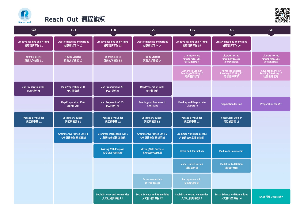
我們提供範圍廣泛的英語學科課程, 數學, 歷史地理. 有關我們全部課程的更多詳細信息,請參見下文.
額外服務
我們也很高興地宣布我們的 Silver Line 已開通, 它提供定制的教育服務,採用個性化的方法來滿足學生的需求. 我們首先對每個學生的教育目標和需求進行深入評估, 然後製定並實施一項工作計劃,我們的專家教育工作者將使用該計劃來指導您的孩子度過高中的學業挑戰,以便為他們最終進入夢想大學做好準備.
我們還為希望為孩子提供更多個性化照顧和指導的家長提供所有年級的一對一服務. 我們的專業教育顧問將確保為您的孩子匹配最適合他或她的特定需求和目標的教育工作者.
加入我們!
我們期待與您的家人見面並討論您如何成為我們 Reach Out 大家庭的一員; 一起學習的, 互相關心, 一起克服挑戰, 互相慶祝成功. 請立即聯繫我們以了解更多信息.
我們希望盡快收到你的來信!
為人父母不易. 實際上, 隨著當今世界的變化, 這可能只是我們幾十年來必須面對的挑戰時刻之一. 變化導致不確定性, 不確定性會導致壓力. 壓力肯定會影響我們生活的各個方面, sometimes it will impact our relationship with our loved ones the most; especially our children.
Our children can be complicated (let’s face it, so can we!), and it is a daunting task to ensure that every move is the “right” one. That all of our conversations, demands, requests, plans, praises and criticisms mean something. Every moment we spend talking to our kids, we hold the hope that these words will be enough to fill our children with the hope of a great future at a time where the future is so uncertain. Times change, and this too shall pass, but one thing we can guarantee is that we will never have a second chance at spending a childhood with our children.
As parents, we often ask ourselves if we are in fact doing the right thing, wondering how we can get through to our kids, trying to understand our children better, and sometimes feeling like a guilty failure because we tell ourselves we are doing it wrong. Oftentimes, that is not the case, but there is no instruction manual on how to raise a child that will work for everyone in all situations. Sure, there is a lot of advice, an overwhelming amount of it, but again, most advice is just that; guidance and recommendations by people who don’t know you or your child. Some of it is helpful, and some of it…not so much.
One thing that we cannot deny though is the importance of a healthy relationship between parent and child.
Research shows that:
It is essential to make the time to nurture a relationship with your child, and perhaps even more imperative, making sure the interactions we have with our children during that time are positive. This is something that many parents find challenging, which is why we created a parent book club for the book How to Talk So Kids Will Listen and Listen So Kids Will Talk by Adele Faber and Elaine Mazlish. Together we learned ways to positively communicate with our children in order to strengthen our bonds. We spent time discussing ideas from the book, as well as had a virtual meet up to role-play some of the strategies from the book. On top of that, we invited Middle School Guidance Counselor, Regina Wehner, to provide parents with a workshop in understanding our child’s cognitive and emotional development.
Here are some highlights we would like to share with you!
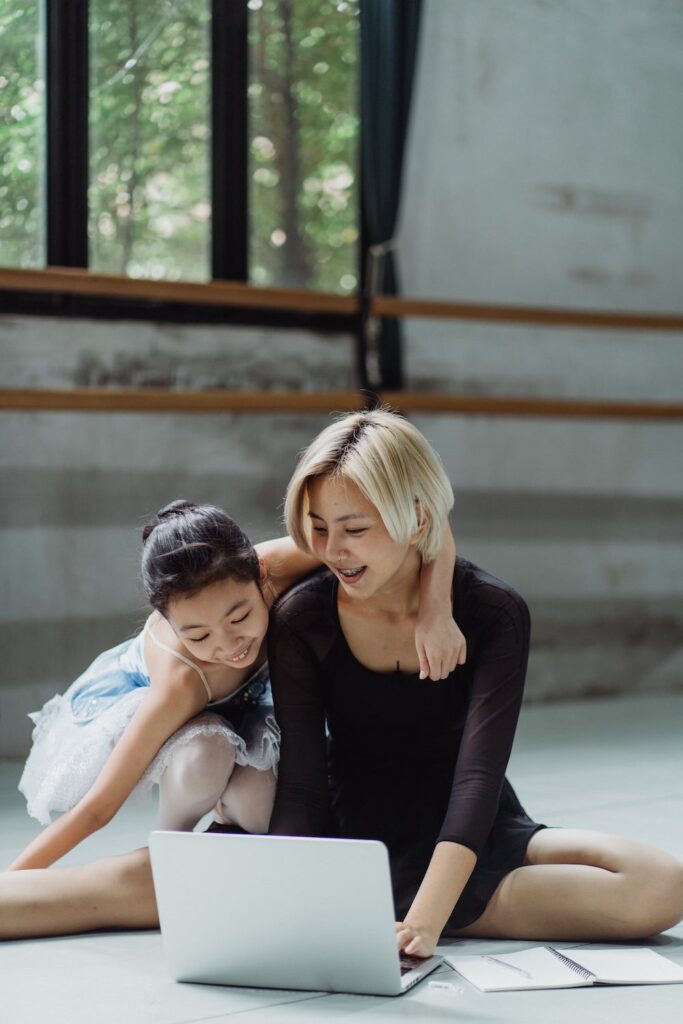
First, from How to Talk So Kids Will Listen and Listen So Kids Will Talk, here are two of our favorite strategies:
Children have difficulty regulating their emotions, as the brain’s emotional regulation center is one of the last to develop. This means that they need our help in the form of compassion and modeling. This can be so challenging, especially when we may have difficulty managing our own emotions at times! We have an easy strategy for you that will only require two things:
When your child comes home upset about something that happened at school, instead of lecturing and offering our sage advice, we can simply listen to their concerns and repeat the ideas back to them. For example, if your child comes home upset and says something like, “Ugh, today Elizabeth and Sarah were so mean to me! They completely ignored me and I hate both of them now!” Instead of saying, “Elizabeth and Sarah are your best friends. It’s not a big deal and I am sure you will be fine tomorrow,” which could invalidate your child’s feelings, you can say, “Oh, I see. Elizabeth and Sarah made you feel a bit left out. That probably made you feel a bit sad and mad.” At this point your child might keep talking and open up to you, which is great! It means they trust you and you are making them feel better. Continue to listen, nod, say, “Mmmhmm,” and repeat what they say. Having you simply listen will likely make your child feel 100% better and ready to face their next challenge!

2. I wish!
Our children often express their desires in the form of wishing they had things they don’t have or wishing things were different than the way they are. For example, children may say, “I wish I didn’t have to do all that homework.” We may reply, “Well, you do and that’s that!” or “It’s what you have to do. It’s your responsibility so you need to do it now!」
This may escalate into a battle of wills as parents feel frustrated that they keep hearing the same complaint and repeat the same reasoning. The children feel frustrated because their opinions are being invalidated and they feel misunderstood. 出色地, don’t worry, we are here to help! We have a little trick that will help you turn the conversation around, and that is to agree with your child. It may sound counterintuitive, but we have firsthand experience with this trick and it works wonders!
For example, if your child says, “I wish we could go to the park today like I wanted!」
Instead of saying, “I can’t, I am too busy,” or “Yes, but we can’t, it’s raining,” we can say, “I wish we could too! We could go to the park and have a picnic! We could fly a kite and blow bubbles! Why don’t we have a picnic in the living room and after that we can blow bubbles in the bathroom!」
The first part gets the kids excited and their imagination going, taking them to a happy place. The next part makes them feel heard and connected to you.
現在, some highlights from Ms. Wehner’s workshop:
*Please help me choose these! :)*
If you would like to join one of our workshops or book clubs in the future, make sure to follow us and stay tuned! We have great things coming up this fall!
很多家長問我們孩子提升寫作最快的方法是什麼. 雖然我們堅信成為真正有效和熟練的作家沒有捷徑, 學生可以將一些東西融入他們的寫作中,以幫助更有效地將其提升到一個新的水平. Like with anything trying to be mastered, the key to success lies in hard work and repetition. Practicing these skills regularly will help your child reach their educational goals.
This article will be the first in a series of articles that will focus on skills suited for different types of writing. This week, we will focus on descriptive writing tips.
Descriptive Writing Tips:
Descriptive writing is a true art form, as its purpose should be to create an image in the minds of the readers. One cannot tell a story on action and dialogue alone, and one cannot convey deep meaning and emotion in a poem without painting a picture with his or her words.
One powerful way to excel in description is to add adjectives and adverbs wherever possible. For example, if your child is writing a story he or she might write something like:
“Harry went outside and started looking for his friends.”
While this sentence conveys a basic meaning, it’s effect on the reader is also basic. By adding descriptive language in the form of adjectives and adverbs, we can quickly and effectively add imagery to the sentence:
“Harry zipped out the front door, slamming it shut behind him. His heart raced as he ran around the neighborhood eagerly looking for his friends.”
In the revised sentence, we see descriptions that tell us not only the action that is taking place, but also helping us feel the emotion of the character, an important aspect of storytelling.

Another great way to make a story or poem more effective is by adding figurative language, such as similes. Similes are comparisons that use like or as that can be used to help the reader imagine what is happening more clearly.
For example, your child might write something like:
I was so happy!
It was so cute!
He was so scared!
We can add similes to help create an even better result:
I was as happy as a a kitten in a yarn shop.
It was a cute as a baby panda playing in the snow.
He was as scared as a rabbit that just heard a wolf howl.

Our final tip for descriptive writing is to choose vocabulary that is so precise that it communicates exactly what the writer wants the reader to feel. Often, students will write descriptions that are a bit vague, with sentences like:
He was very tired.
The movie was very boring.
They were very cold.
The room very hot.
Again, these sentences convey a simple meaning, but in descriptive writing, that is simply not enough. Effective description uses vocabulary that has an impact, and we can achieve that by choosing only the best words to convey the most exact meaning.
See how we can take the sentences above from ordinary to extraordinary by replacing part of the sentence with powerful vocabulary:
He was exhausted.
The movie was unimaginative.
They were chilled to the bone.
The room was roasting.
The good news is that your child doesn't need to rely on his or her current vocabulary knowledge in order to succeed in creating sentences like those above. The thesaurus has all of the words they need to create memorable descriptions.
We hope these tips have been helpful! If you would like for your child to learn how to put these skills into practice with one of our passionate educators, stay tuned for coming announcements on our new summer and fall courses!
Next week, we’ll have a look at persuasive writing tips!
告訴我們一些關於你自己的訊息.
我在五個不同的國家長大 (瑞典, 英格蘭, 德國, 南非, 和加拿大). 在成長過程中融入多元文化讓我以開放的心態看世界. I currently reside in Canada and work as both a university lecturer and a Math teacher at Reach Out. Outside of work I really enjoy sports such as badminton and chess, which I played at a competitive level for many years.

What is your educational background and qualifications?
I received a Bachelor of Science Degree from the University of British Columbia (UBC) and an obtained my MSc at the same university. My graduate work involved experimental geoscience where I designed an apparatus to investigate how diamonds reach the surface of the Earth through high velocity magmas. I published articles in two high impact journals and presented the work across Canada and Europe.
During my graduate studies I had the privilege of lecturing a few classes which transitioned into a lectureship position. Teaching at the university level involves lecturing a class of over 200 學生, which is very different to the work I do at Reach Out, but has helped me develop a dynamic teaching style.
Additionally, I have been teaching Math and Science both privately and through educational organizations for over 6 年.
Why did you join Reach Out?
I joined Reach Out because the prospect of being able to deliver high quality education from around the globe without border restrictions resonates with me.
I feel that the reason I am committed to staying at Reach Out is more important. The personalized classes being delivered has allowed me to connect with the students, making their progression much more meaningful to me. Some students have been together with me through multiple grade levels and I feel immensely proud to have played a role in their education.
What is your educational philosophy?
Having a background in experimental science has allowed me to see value in making breakthroughs through experimentation. By allowing students to experiment with different methodologies while offering guidance is an extremely effective way of teaching students to not be afraid of failure. Richard Fuller correctly said, “There is no such thing as a failed experiment, only experiments with unexpected outcomes.” Students often start my classes afraid to answer questions, discuss with their classmates, or write on the board since they don’t know the answers. Since I am always more focused on solutions rather than answers, students’ are rewarded for trying new techniques, discussing failed methods, and asking questions about their classmates’ work. I found this to produce a phenomenal learning environment and takes a lot of pressure off the students.

What is your favorite thing about teaching Math?
My favorite thing about teaching Math is the exciting challenges it provides. After teaching Math for many years, I have come to realize that students see the world from a unique perspective, which more often than not, is very different from my own. This diversity produces a wide spectrum of learning styles and requires me to stay very flexible with the methodologies I use in my teaching.
Math is a complex subject which has provided us with a universal language to better understand the universe that surrounds us. Having a good problem solving ability is a byproduct of learning Math and crucial for success in the modern world. For these reasons I have the responsibility to transform a traditionally dry and boring subject into something exciting by creating compelling lessons and using creativity to inspire my students. This will always be something I love about my job.
Who is your favorite mathematician and why?
This is a tough question, and it’s hard to pinpoint one Mathematician since I utilize the works of so many Mathematicians in just one lesson. If I had to pick it would be either Johannes Kepler or Nicolaus Copernicus since I also love astronomy. Their Math not only challenged everything that was believed about our solar system at the time, but also formed the foundations for understanding planetary motion. Space travel has relied heavily on these concepts.
If you could only give parents one piece of advice when it comes to helping their child improve in Math, what would it be?
One thing I have worked on a lot with my students, is getting them to explain their solutions to me regardless of how easy it may seem. Being able to arrive at the correct answer in certain school curriculums may not require a complete understanding, but being able to explain a solution well does require a good understanding. Make sure that your child is always showing very clear steps in their work and that they can explain their steps to you. This certifies understanding and shows they are prepared for questions which test the same concept but may be worded differently.
What is one fun fact about yourself?
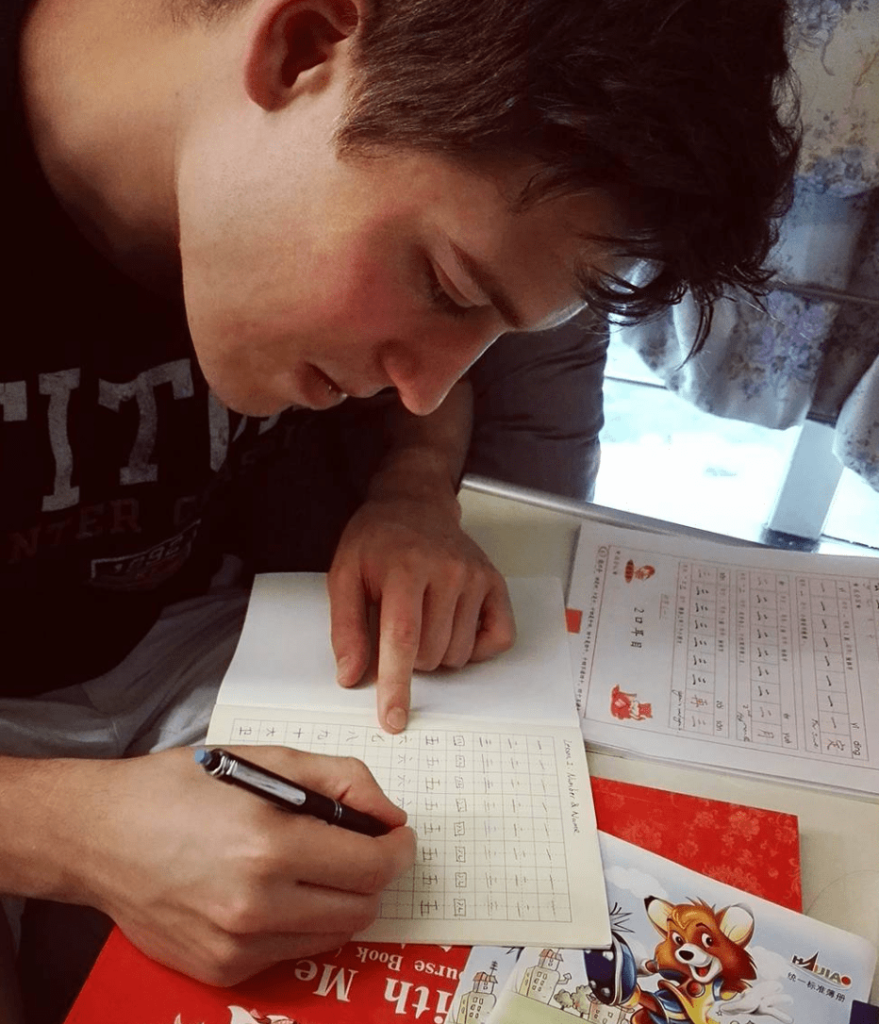
I really like learning languages! After growing up in many different countries I can speak English, Swedish, and German fluently. For the past two years I have been working to add Chinese to my collection and have enjoyed the unique challenges that learning this complex language has provided me with.
《秘密花園》是一部陪伴無數人童年的經典文學作品 (如果你錯過了我們關於為什麼孩子應該閱讀經典小說的文章, 請參閱下面的鏈接!). 這是一個關於友誼和發現自我的強有力的故事,與我們的靈魂產生共鳴.
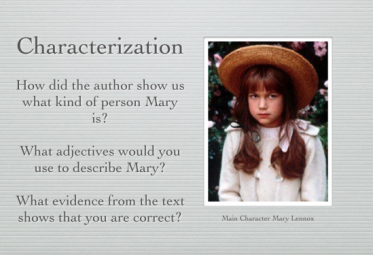
秘密花園 is about a young girl named Mary Lennox who loses her family and everything familiar with her due to a cholera outbreak in India, where her father was working as a British Army Captain. As a child, Mary was quite neglected, but indulged by family’s servants, so she was a spoiled child with a terrible disposition. She had very few traits that would help her cope with a new life in England, where she was sent to live with a grouchy distant relative, 先生. Craven.
先生. Craven had very strict rules for Mary to follow at her new home at Misselthwaite Manor in Yorkshire, which included her being forbidden to enter various rooms inside the giant mansion, as well as forbidden to enter one of the gardens on the sprawling property, which belonged to his beloved late wife. As Mary begins to explore her new home, she begins to find a sense of happiness and regains her health after being sickly for much of her childhood. After a robin helps her find the key to the secret garden, she finds a sense of purpose in restoring the garden, much as she restores her inner self. Through the thorns and dried leaves of winter, she finds much more lies within.
Aided by new friend Dickon, Mary develops her first friendships, and uses her newfound strength and kindness to help her bedridden cousin Colin, whom she finds tucked away in the manor. Friendship strengthens both Mary and Colin, and in the end, everyone witnesses a miracle only made possible by these close bonds and belief in oneself, two very important themes in the novel.
Young people will love reading this fantastic story of friendship, overcoming obstacles, and experiencing the healing power of nature. The characters and the lessons they teach us will surely touch your child and help them experience the power of a great story.
If you would like an opportunity for your child to experience this story with others, we are happy to let you know that we will be reading 秘密花園 as the first novel in our Young Classics Level 2 Course this summer.
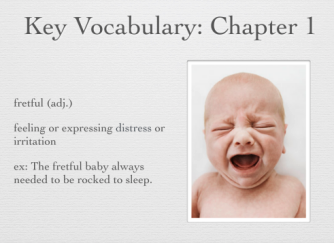
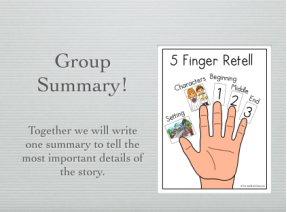
In the course, we not only read the novel, but we also learn and apply new vocabulary from the book, discuss important literary techniques used by the writer, and practice writing summaries, a key skill that many students find challenging
If you are interesting in learning more about Young Classics, or and of our other excellent and engaging courses, 立即聯絡我們的教育顧問! We hope to work with your child very soon!
文學研究是任何優秀學術課程的重要方面, 這是因為它有助於向學生傳授廣泛的知識和技能,這些知識和技能對於生活許多領域的成功至關重要. 在學習文學的同時, 學生了解歷史上的重要事件和人物, they consider cultural perspective and increase their own understanding of acceptance of different ideas and beliefs, and they learn how to analyse the words of others in order to form a deep understanding of new ideas and ways of communicating. In short, it exposes students to a toolbox of ideas, techniques, strategies, theories, and more that they will carry with them throughout their life, shaping the way they approach the world.
Why do we offer this course?
Reach Out students typically pursue high school programs such as IGCSE, which includes challenging courses such as English Language and Literature and English as a First Language. Later, most of those students will take on the challenge of IB and AP level programs, in which they must take on the task of reading a variety of literature. Our aim is to expose students in upper primary and middle school to a wide range of advanced literature so that by the time they reach high school they possess the knowledge and skills to hit the ground running, and therefore achieve to a higher level.
This course is designed for Grade 7-9 學生.
The Objectives of our Advanced Literature Course are to:
✪ Enhance students’ ability to understand and discern literary techniques used English and American literature, and the ability to communicate the effects of those techniques;
✪Improve children's literary comprehension skills and increase their understanding of British and American culture;
✪ Under the guidance of our expert educators, learn the power of language and storytelling in a challenging yet engaging way.
Meet Our Teachers
*Insert teacher bios here for Barry, Anthony, and John*
Our Book Selections:
Cry the Beloved Country by Alan Paton

Set in South Africa in the 1940s, award-winning Cry the Beloved Country tells the story of a Zulu Pastor, Steven Kumalo, who travels from his village to the city of Johannesburg. Along his arduous and heart-wrenching journey, he discovers that his sister and son have found themselves in terrible situations that he must now face with them. The characters’ vastly different lives become unexpectedly woven together through tragedy during a dark time in South Africa’s history. 然而, through tragedy and challenges, the true nature of the human spirit can be found and uplift those who need it most.
Dracula by Bram Stoker

The legend of Dracula has loomed large in the minds of readers and movie-goers for generations. Bram Stoker based the infamous character of Dracula on the legend of the real life ruler of Wallachia, Vlad the Impaler. Stoker was able to take this dark corner of history and turn it into a legendary novel told through journal entries, letters and telegrams. As with any classic, Dracula has stood the test of time because it speaks to something very deep and meaningful within the human psyche.
Of Mice and Men by John Steinbeck
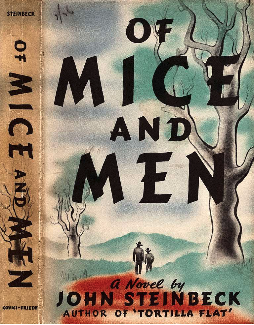
The Great Depression was a defining moment in American history that tested its strength as a nation, and placed the population in a precarious balance between life and death. In what is considered one of the greatest American classics, readers are introduced to two displaced migrant workers, George and Lennie. George is an intelligent young man, while Lennie is mentally disabled. George takes Lennie under his wing as they seek employment where few opportunities exist, trying to survive, yet still dreaming of the day they will have their own land and build a life. Their hopes are dashed when a devastating incident occurs that alters their lives forever.
What Students Will Gain
Develop an early sense of literary appreciation,
See the world from a more mature perspective
British and American classics contain thought-provoking moral and social issues. Reading the most influential classic literature thoroughly helps students become better readers, and begin the process of pursuing self-realization.
Improve understanding of culture and history
Learning allusions from classic British and American literature can help us bridge cultural differences. "The classics have opened the door to different worlds, different cultures, and different historical perspectives. Literature crosses race, culture, religion, and geography."
Self-reflection and personal growth
Many classic literature allude to our lives from the side: books that reflect similarities to our own lives are called "mirrors"; and those that give us a glimpse of different lives are called "windows." Whether it is a "mirror" or a "window", it further enriches the students' life experience and increases the courage and strength to face life.
加入我們!
Contact us to discover more about our course. We sincerely hope to meet your child soon, and develop a love of reading classic literature together.
又到了開學時間,我們知道家長們正在為新的一年新的開始做準備. 新的一年的開始通常伴隨著興奮和一點焦慮, 學生和家長期待新的技能和體驗, 但也可能對新的慣例和期望感到緊張.
不用擔心, 在這裡聯繫它以提供幫助! 今年, 我們有 5 開啟新學年的最佳秘訣.
了解孩子的學校如何進行教育, 他們使用什麼課程, 什麼系統, 所使用的標準對於非教育工作者來說可能是難以承受的. 每天花一點時間閱讀學校的網站內容, 手冊, 和其他資源可以幫助您更有信心地了解您的孩子在學校學習的內容以及他們的學習方式. 參加孩子的返校之夜和資訊發布會也很重要,以便更好地了解孩子的整體計劃. 它還為您提供了與孩子的老師建立關係的絕佳機會. 如果您還有疑問隨時, 您可以隨時給孩子的老師發電子郵件. 他們隨時為您和您的孩子服務, 因為他們知道與父母建立良好的關係是確保學業的絕佳方式, 社會的, 以及所有學生的情感成功.
2. 確保在 ABC 之前聽夠足夠的嗡嗡聲
睡眠對孩子的成長與發展非常重要, 缺乏它會對孩子的學業成績產生負面影響. 實際上, 研究表明,兒童睡眠品質下降會導致更高的焦慮和憂鬱發生率. 當我們睡覺時, 我們的大腦處理當天的訊息, 找到最好的系統將其歸檔到記憶體中, 並為新的一天重新充電. 由於各種原因, 父母常常發現堅持早睡很困難, 但有明確的作息規律, 以及調整時間, 這很容易! 孩子們 3-6 歲應該得到 10-12 每天的睡眠時間, 7-12 歲的孩子應該得到 10-11 每天的小時數, 和 12-18 歲的孩子應該得到 8-9 每天的小時數. 制定一個讓孩子早點睡覺的時間表也會讓早晨變得更輕鬆, 希望父母和孩子的壓力都會減輕,因為他們將得到充分的休息並準備好開始新的一天!
3. 在正確的時間提出正確的問題
有時父母一放學回家就急切地想知道孩子今天過得怎麼樣, 尤其是在最初幾週. 當您的孩子學習駕馭新材料時,那幾週尤其令人筋疲力盡且充滿坎坷, 新朋友, 新老師, 和新的期望. 讓他們有時間回家減壓對他們的情緒和心理健康極為重要. 一旦他們有了一些“我”的時間, 家長可以根據他們所知的工作內容提出具體問題, 如果他們碰巧知道. 他們可以與孩子一起查看家庭作業日記,並幫助他們制定如何處理每項任務的計劃, 並分享他們對特定科目的熱情, 圖書, 或他們也喜歡的訊息. 避免詢問, 「學校怎麼樣? 你學到了什麼?」因為孩子對更具體的問題反應較好, 例如, 「午餐時你和你的朋友做了什麼?? 你一天中最開心的部分是什麼? 今天在學校發生的最奇怪或最奇妙的事情是什麼?」 最重要的是, 當學生回答時,家長應全程在場並專心聆聽, 所以當他們分享時,他們會真正感到被重視並聽到.
4. 讓他們從失敗中學習
這對父母來說是極難被允許的. 我們希望我們的孩子表現出色並充分發揮潛力, 這意味著我們可能會仔細檢查每項作業, 糾正每一個計算錯誤或語法錯誤. 雖然我們這樣做時父母的初衷是好的, 當我們這樣做時,我們正在剝奪孩子們重要的學習機會. 當我們還是學生的時候, 我們的許多父母常常太忙或沒有知識或能力來幫助我們完成學業, 但我們找到了一種方法來克服並盡力而為. 如果孩子年輕時不給他們失敗的機會, 他們可能會因為害怕失敗而拒絕在以後的生活中接受挑戰. 然而, 當我們讓他們溫和地失敗時, 例如執行任務或參加少年足球聯賽, 我們正在教他們韌性. 這不是世界末日, 他們學到了寶貴的一課; 我們可以嘗試但不會成功, 撣掉身上的灰塵, 下次再試一次.
5. 培養他們的熱情
新學年是一個令人興奮的時刻,原因有很多, 其中之一是它們為孩子們提供了發現新熱情的機會. 如果他們幸運的話, 他們會偶然發現他們真正喜歡的東西, 而他們會變得足夠著迷,花上幾個小時去探索. 幫助孩子找到他或她的熱情並不總是那麼容易,而且需要時間. 有時父母會擔心孩子是否過度注意某些事情, 並認為他們需要盡可能讓他們接觸,以幫助他們成為全面發展的人. 然而, 如果我們看看那些塑造了我們世界的人們, 這是因為他們專注於自己熱愛的事情. 這就是他們曾經做過或正在做的一切. 作為人類, 我們自然會被我們最愛的事物所吸引, 只要它除了滿足之外還提供某種價值, 我們應該繼續追求它. 所以, 如果您的孩子抗議參加一項活動而跑出門去參加另一項活動,請不要擔心. 也許他們所愛的人對他們的成長和發展最有價值, 而自己不喜歡的終究沒那麼必要.
我們希望這些提示有幫助, 我們祝福您和您的孩子在新學年一切順利! 我們對新學年以及所有的挑戰感到興奮,並希望它會帶來。
伸出援手將陪伴您的每一步, 因此,請留意更多資訊和更多文章,我們希望您會喜歡!