Yn Estyn Allan, credwn ei bod yn bwysig iawn dathlu llwyddiannau myfyrwyr. Mae'n bleser gennym gyhoeddi Myfyriwr Seren arall - Emma!
Mae Emma yn cynrychioli popeth y gall myfyrwyr ei gyflawni gyda gwaith caled ac ymrwymiad i ragoriaeth. Mae athrawon Emma yn ei hadnabod fel myfyriwr sydd ag agwedd wych tuag at ddysgu, yn barod iawn i dderbyn cyfarwyddyd, ac mae ganddi deulu hynod gefnogol sy'n cyfathrebu'n aml â'i hathrawon. Yn y dosbarth, Mae Emma yn wrandäwr gofalus ac astud sy’n ddigon hyderus i rannu ei syniadau, ond yn ddigon amyneddgar i roddi eu tro i bawb. Does dim ots ganddi fentro, ac yn gallu chwistrellu ei phersonoliaeth i'w gwaith.
Ar hyn o bryd mae Emma wedi cofrestru ar ein Lefel Darllen ac Ysgrifennu Creadigol 4 Cwrs, ac mae hi wedi dangos dawn wirioneddol o ran gallu creu delweddaeth gref yn ei hysgrifennu. Ar ddechrau'r semester, cwblhaodd adolygiad o gangen Shanghai Disneyland Blue Frog.
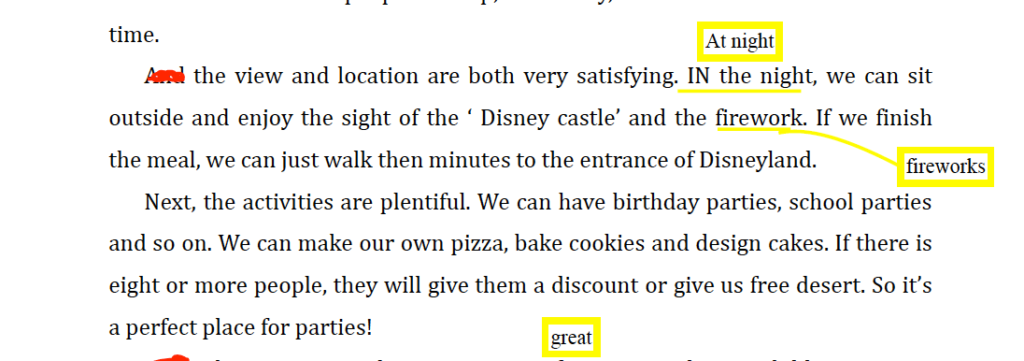
Dangosodd Emma ei gallu i feirniadu agweddau penodol ar le, a datblygu ei syniadau gan ddefnyddio manylion priodol.
“Mae’r olygfa a’r lleoliad ill dau yn foddhaol iawn. Yn y nos gallwn eistedd y tu allan a mwynhau gweld y Castell Disney a’r tân gwyllt.”
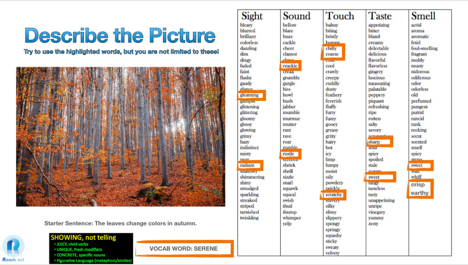
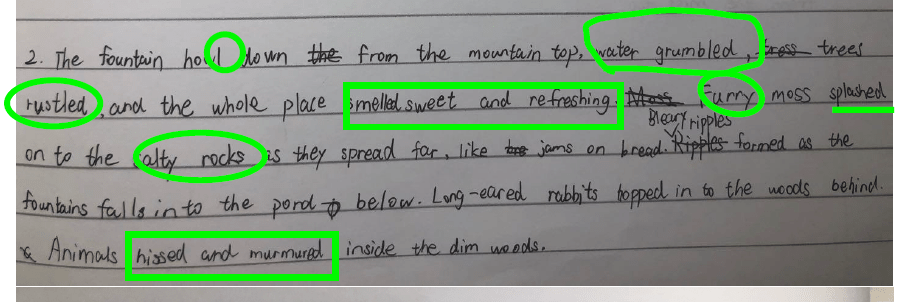
Wrth i'r semester fynd rhagddo, Dangosodd Emma ddatblygiad yn ei sgiliau ysgrifennu, a dechreuodd ymgorffori technegau llenyddol mwy datblygedig. Mewn aseiniad ar ddisgrifio tirweddau, Llwyddodd Emma i greu delwedd gref gan ddefnyddio geirfa fanwl gywir ac iaith ffigurol.
“Roedd mwsogl blewog yn tasgu ar y creigiau hallt wrth iddynt ymledu ymhell, fel jam ar fara. Ffurfiodd crychdonnau bleary wrth i’r ffynnon ddisgyn i’r pwll islaw.”
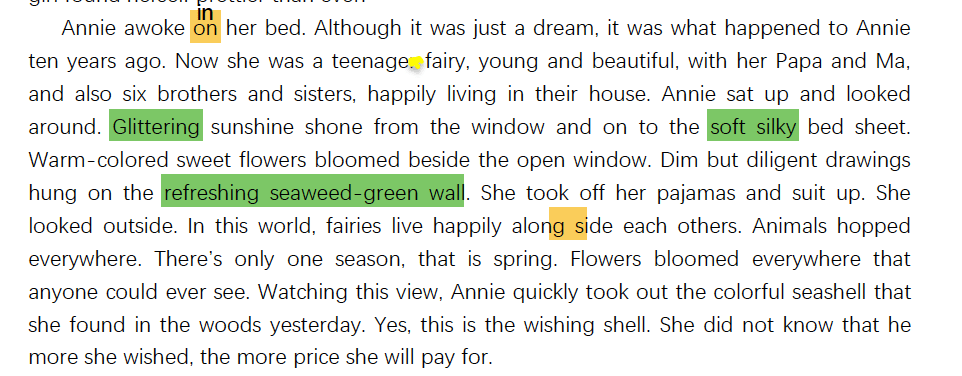
Parhaodd Emma i gymhwyso'r gwersi a ddysgodd trwy gydol y cwrs, a daeth ei gallu fel llenor yn gryfach. Mewn aseiniad diweddar ar ysgrifennu Naratif Ffantasi, Adeiladodd Emma leoliad a chymeriad ei stori yn fwriadol ac effeithiol.
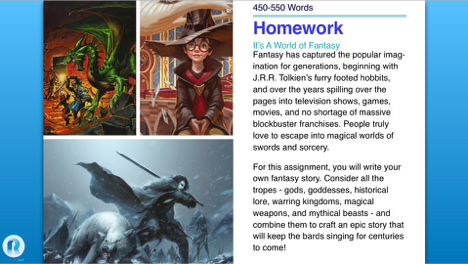
“Roedd heulwen ddisglair yn disgleirio o’r ffenestr ac ymlaen i’r meddal, taflen gwely sidanaidd. Roedd blodau melys lliw cynnes yn blodeuo wrth ymyl y ffenestr agored. Roedd darluniau pylu ond diwyd yn hongian ar y wal werdd gwymon adfywiol.”
Fel y gwelwch, Mae Emma yn arddangos nodweddion awdur ifanc addawol. Ei phenderfyniad i wella, ac mae cymhwyso'r gwersi a addysgwyd yn ofalus wedi helpu i ddyrchafu ei hysgrifennu i lefel uwch.
Diolch Emma, am fod yn SEREN o'r fath! Edrychwn ymlaen at weld eich twf am amser hir i ddod. Gwyddom mai dim ond dechrau taith wych yw hyn.
Fel addysgwyr, rydym wedi cael y cwestiwn yn aml, “Sut alla i gael fy mhlentyn i roi’r gorau i ddarllen llyfrau comig?” Mae rhieni'n poeni nad yw comics yn darparu gwerth addysgol, ddim yn ddigon trylwyr yn academaidd, neu waethaf oll, gwastraffu amser eu plentyn. I hyn, mae ein hateb fel arfer yn eu synnu, a'r ateb hwnnw yw, “Gadewch iddyn nhw ddarllen comics!”
Mae’n ddealladwy y byddai rhieni ychydig yn bryderus gan mai’r canfyddiad yw mai dim ond er mwyn pleser yw darllen comics, fodd bynnag, mae gan gomics lawer o fanteision y tu hwnt i'n helpu ni i basio'r amser.
Nid yw comics a nofelau graffig yn ffurfiau newydd o ysgrifennu. Wrth gwrs, maent wedi cael eu mwynhau gan lawer ers cenedlaethau. Dros y blynyddoedd, mae'r genre wedi newid yn un â chryn ddyfnder ac ystyr, a dyna pam rydym yn annog rhieni nid yn unig i ganiatáu i'w plant ddarllen comics, ond hefyd i'w cefnogi i wneud hynny.
Dyma ein prif resymau dros ddarllen comics (yn enwedig yn yr haf!):
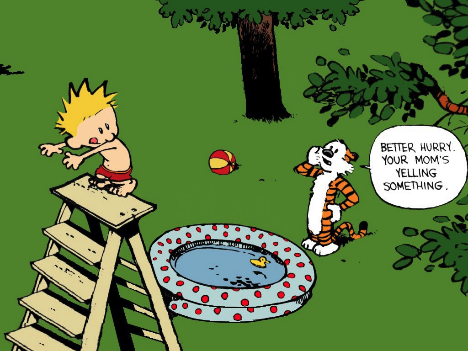
Ar gyfer myfyrwyr nad ydynt yn siaradwyr Saesneg brodorol, mae comics yn ffordd wych iddynt ddechrau mwynhau llenyddiaeth Saesneg. I lawer o blant, gall y dasg o fynd o werslyfr Saesneg i nofel fod yn frawychus iawn, ond gall comics ddarparu pont angenrheidiol iddynt fagu hyder yn ogystal â rhuglder darllen. Mae'r ciwiau gweledol yn y lluniau yn galluogi myfyrwyr i greu dealltwriaeth ddyfnach o'r plot a'r cymeriadau yn ogystal â geirfa newydd. Yn ogystal, mae'n eu cyflwyno i ddyfeisiadau llenyddol effeithiol, megis onomatopoeia (meddwl POW! SMACK! CHWYDDO!) ac idiomau (darluniad yn dangos ystyr tebyg i idiom, “Cath gafodd dy dafod?” yn gwneud llawer mwy o synnwyr na chynhesu'r idiom ar ei ben ei hun!).

2.Gwella Casgliad
Mae casgliad yn sgil darllen allweddol y mae llawer o fyfyrwyr yn cael trafferth ag ef ar asesiadau darllen safonol. Mae casgliad yn digwydd pan fyddwn yn dod i gasgliadau yn seiliedig ar yr hyn a ddarllenwn. Dyma rai enghreifftiau o gwestiynau y bydd myfyrwyr yn dod ar eu traws yn ystod tasgau darllen a deall neu asesiadau, “Sut roedd y cymeriad yn teimlo pryd?”, “Beth allwch chi gloi am…” a “Beth oedd y wers yn y stori?” Mae comics yn mynnu bod myfyrwyr yn “darllen rhwng y llinellau” i gasglu gwybodaeth a ddywedir fel arfer gan yr adroddwr mewn nofel, felly gallant ennill llawer o brofiad gwerthfawr wrth gryfhau'r sgil hwn trwy ddarllen comics.
3.Grym Geiriau!
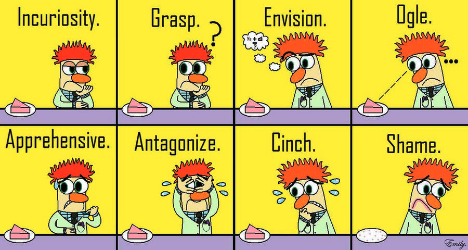
Yn aml mewn comics a nofelau graffig, mae ysgrifenwyr yn cynnwys geirfa eithaf datblygedig, fel rhan o'r stori yn ogystal ag yn enwau'r cymeriadau. Yn 2016 yn y Comic-Con byd-enwog yn San Diego, Califfornia, trafododd panelwr o addysgwyr bŵer comics wrth adeiladu geirfa myfyrwyr. James Bucky Carter, meddai awdur Building Literacy Connections with Graphic Novels, “Mae gennych chi Colossus, ac mae mor fawr â hyn, boi metel anferth. Rydych chi'n cael synnwyr da iawn o'r hyn y mae'r gair colossus yn ei olygu ac mae hwnnw'n air 10-cant da. Mae pŵer Banshee yn sgrechian. Mae gennych chi'r cymeriadau hyn sy'n ymgorffori'r geiriau geirfa ydyn nhw. Mae hynny'n ffordd hwyliog o ddysgu geiriau newydd, yn ogystal â’r cliwiau cyd-destunol.”
Ar ôl darllen hwn efallai y byddwch am adael i'ch plentyn blymio i'r dde i ddarllen comics neu nofelau graffig! Dyna gerddoriaeth i'n clustiau. Os nad ydych yn siŵr ble i ddechrau, mae gennym rai ffefrynnau myfyrwyr y gallai eich plentyn fod am roi cynnig arnynt!
Dyn Cŵn gan Dave Pilkey

Miles Morales Spider-Man gan Jason Reynolds

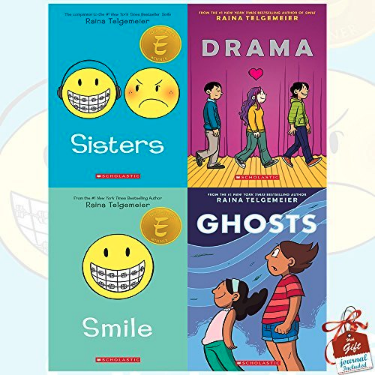
Gwenu, Chwiorydd, Ysbrydion, Drama a Storïau Eraill gan Raina Telgemeier
Asgwrn gan Jeff Smith

Chwilio am fwy o gyfleoedd darllen haf i'ch plentyn? Cysylltwch ag un o’n Hymgynghorwyr Addysg am ragor o wybodaeth am ein cyrsiau darllen haf. Edrychwn ymlaen at ddarllen gyda'ch plentyn!
Mae tymor yr arholiadau yma, a gall fod yn amser llawn straen o'r flwyddyn i fyfyrwyr a rhieni. Yn Estyn Allan rydym am wneud ein gorau i helpu i leddfu pryder arholiadau trwy gynnig rhai awgrymiadau astudio unigryw efallai nad ydych wedi rhoi cynnig arnynt.
Yn aml, mae llawer o rieni ac athrawon wedi dilyn doethineb confensiynol astudio, sy'n golygu'n dda, fodd bynnag, os edrychwn ar rai dulliau diddorol sy'n seiliedig ar ymchwil, gallwn weld bod amrywiaeth o ffyrdd effeithiol o astudio! Mae bob amser yn dda rhoi cynnig ar bethau newydd, yn enwedig i blant. Gallant brofi ffyrdd newydd o wneud pethau pan fyddant yn ifanc, a phan fyddant ychydig yn hŷn, gallant ddewis y ffordd sy'n gweddu orau i'w hanghenion personol a'u harddull eu hunain.
Yn awr, gadewch i ni edrych ar dair ffordd unigryw o astudio.

Amrywiaeth yw Sbeis Bywyd - Hyd yn oed Wrth Astudio
I lawer, blynyddoedd lawer dywedwyd wrthym hynny er mwyn astudio'n dda, dylem astudio yn yr un lle bob dydd; lle sy'n dawel, wedi'i oleuo'n dda, ac mae ganddo ein holl ddeunyddiau. Er y gallai hyn fod yn wir am rywfaint o'r amser yr ydym yn astudio, mae ymchwil yn dangos i ni fod ein hymennydd mewn gwirionedd yn gwneud yn well pan fyddwn yn amrywio'r lleoliad yr ydym yn astudio ynddo. Eithaf syndod, iawn?
Mewn astudiaeth a wnaed yr holl ffordd yn ôl i mewn 1978, rhoddwyd myfyrwyr coleg 40 geirfa geiriau i'w hastudio. Dywedwyd wrth un grŵp i astudio'r rhestr ddwywaith yn yr un lleoliad. Dywedwyd wrth y grŵp arall i astudio'r rhestr mewn dau leoliad gwahanol. Yr hyn a ganfuwyd oedd, perfformiodd y grŵp a oedd yn amrywio eu lleoliadau astudio yn well o ran cofio'r geiriau yn ddiweddarach. Nawr pam hynny? Wel, mae ein hymennydd yn aml yn gwneud cysylltiadau â gwybodaeth sy'n seiliedig ar ein hamgylchedd, felly po fwyaf y byddwn yn amrywio ein hamgylchedd, po fwyaf yr ydym yn rhoi cyfle i'n hymennydd gadw gwybodaeth gan y bydd yn gysylltiedig â mwy o bethau. Efallai mai dyma hefyd pam un dechneg delweddu, lle mae rhywun yn delweddu pethau y maent am eu cofio i leoedd penodol mewn amgylchedd y maent yn gyfarwydd ag ef, gall fod mor effeithiol hefyd. Ar gyfer myfyrwyr, gallai newid yr amgylchedd wneud y gamp!
Cael Hwyl!
Gallai rhai rhieni feddwl ar gam os yw eu plentyn yn chwerthin neu'n cyffroi wrth ddysgu neu astudio, efallai eu bod yn gwastraffu eu hamser. Fodd bynnag, nid yw hyn yn wir o reidrwydd.
Fel rhiant, yn eich gwaith neu swyddfa efallai y byddwch yn cael gweithdai arbennig o bryd i'w gilydd. Mae'r gweithdai fel arfer yn cael eu defnyddio fel arf i'ch helpu chi i ddysgu am strategaeth newydd, syniad, neu wybodaeth a fydd yn eich helpu i ddysgu mwy yn y gwaith. Mae’r sesiynau hyn yn aml yn cael eu rhedeg gan bobl sy’n arbenigo mewn creu gweithdai ysgogol ac ysbrydoledig sy’n bywiogi ac yn bywiogi gweithwyr.. Gall y dyddiau fod yn hir ac yn ddwys, ond os gwneir hwynt yn iawn, gall gweithwyr gerdded i ffwrdd yn hyderus yn eu gwybodaeth a'u sgiliau newydd.
Mae'r un peth yn wir am bobl ifanc. Mae cyflwyno chwarae gêm a hwyl fel ffordd o astudio ar gyfer arholiadau nid yn unig yn gwneud i'ch plentyn wenu, ond mae ymchwil yn dangos bod cael hwyl wrth ddysgu yn ysgogi rhai adnoddau gwybyddol, gwobrau cyswllt a phleser gyda dysgu, cryfhau ac ehangu rhwydweithiau cof, ac yn toglo meddwl haniaethol a sylw â ffocws.

Techneg Pomodoro
Aros i ganolbwyntio, gall fod yn anodd i oedolion a phlant fel ei gilydd ac sy'n cael eu cymell i gwblhau rhai gweithgareddau. Ydych chi erioed wedi teimlo fel eich bod wedi bod yn syllu ar sgrin cyfrifiadur ers oriau, ond ychydig iawn a gyflawnwyd? Neu efallai bod gennych ddyddiad cau mewn ychydig ddyddiau, ond maent ond yn gogwyddo tuag at y llinell derfyn? Nid yw'n syndod, gan fod ymchwil yn dangos bod ein meddwl yn tueddu i grwydro hyd at 20% o'r amser, efallai hyd yn oed yn fwy i bobl iau.
Crëwyd un dechneg ddiddorol gan y myfyriwr coleg Francesco Cirillo fel ffordd i'w helpu i gadw ffocws, a dyna'r Techneg Pomodoro, a gafodd ei enw o'r amserydd siâp tomato a ddefnyddiodd Cirillo wrth brofi'r strategaeth hon arno'i hun. Sut mae'n gweithio ydych chi'n gosod amserydd ar ei gyfer 25 munudau, sef amser gwaith. Yna gosodwch hi eto ar gyfer 5 munudau, sef amser egwyl. Mae hwn yn amser gwych i godi, ymestyn, cymryd lap o gwmpas y tŷ, anifail anwes eich cath, neu gael diod o ddŵr neu fyrbryd. Ar ôl amser egwyl ar ben, gosod yr amserydd ar gyfer un arall 25 munudau ac ailadrodd!
Mae'n ymddangos bod y strategaeth hon wedi'i hategu gan dystiolaeth wyddonol, wrth i ymchwilwyr ddod i'r casgliad bod seibiannau byr yn helpu i gadw eich rhychwant sylw ar y trywydd iawn. Gallai hyn fod yn gysylltiedig â'r ffaith y gall diflastod gwybyddol arwain at feddwl nad yw'n ymgysylltu, sef y peth olaf rydych chi ei eisiau wrth astudio ar gyfer arholiad pwysig.
Gobeithiwn eich bod wedi mwynhau archwilio'r awgrymiadau astudio unigryw hyn gymaint ag sydd gennym! Gan ddymuno pob lwc i'ch plentyn ar arholiadau'r mis yma. Jiayou!
We know that there is so much we can do to nurture and educate our children, which is why as parents we often go to great lengths to fill their time with enriching activities and classes. Why do we do this? For many reasons of course, but the main goal is to ensure their future success. Parents hope that their children will be even more successful in life than they were themselves. Success, of course, is subjective, and we may all have our own definition of success. Generally however, we might agree that success includes feeling content in one’s personal life, as well having a sense of career satisfaction and financial security.
Recently there has been an intriguing TED Talk being shared on social media, in which former Dean of Freshman at Stanford University, Julie Lythcott-Haims, cites evidence from the Harvard Grant Study that correlates professional success in life to individuals having done chores as children. Not soccer training, not language learning, not painting, but chores.

Surprising right?
Many of our children growing up in big cities may never know what it’s like to scrub a dish, wash a window, or mop a floor. We might feel like there are more important things to do to build their knowledge and their character. Lythcott-Haims explains that those children who do get their hands dirty, fodd bynnag, may reach a level of success in life that surpasses their no-chore-doing peers. That is because it teaches students how to contribute and step up when work needs to be done, and that doing the “grunt work” that others might scoff at, because it is what is best for all, is what gets noticed in the workplace.
The workplaces of the high-achievers who took part in the Harvard Grant Study were notable, such as the White House, where participant President Kennedy worked, and the editor’s office where Ben Bradlee sat as editor of The Washington Post. We can assume that their parents, like us, had to prod and plead for the chores to be done, and accept that even if they were done, they might not have been done well; and that’s okay.
The important thing, as Lythcott-Haims points out, is that by doing chores, children realize that they, “…have to do the work of life in order to be part of life.” They realize that life does not just happen to them, and for them, but with them.
If your children are already doing chores as part of their daily summer routine, bravo! You are on the right track. If not, no need to panic. It is never too late to introduce chores into the lives of our children. Here are some tips to help get you started!

Let Them Be a Part of It
When introducing the concept of your children completing chores to help, have a “family meeting” where everyone is present to discuss what will be expected of your children and why. You can ask your child to help you write a list of chores they could potentially help with around the house. They might surprise you with their enthusiasm as doing chores is very exciting for some children because it makes them feel empowered and helpful (two things we often like to feel as adults).
Game-ify It
To make things fun, because fun makes everything better, you or your child can write the chores on popsicle sticks and each day your child can choose one stick from the jar. That will be their chore for the day! If you have more than one child at home, you can always turn cleaning into a competition by setting a timer and seeing which child can clean the most toys in the given amount of time, er enghraifft.
Reward It
Fel rhieni, we are rewarded for our contributions at work with a salary. Shouldn’t our children also be rewarded for their hard work? One idea is that if your child completes all of his or her chores for the week, he or she can choose a small toy from a “treasure box” filled with small toys. Another option could be that if your child consistently completes chores for a month, they can choose an extra special family outing.
Teaching our children to do chores is not always easy, but the potential benefits are worth the time and effort. We hope you found our tips useful, and that they can help lead to a positive experience for you and your child. Happy cleaning!
We are pleased to announce a new summer book club, just for parents! Summer is the perfect time to read that book you have always wanted to read, but have not had the time to. This summer, we invite you to join us in reading Sut i Siarad Fel Bydd Plant yn Gwrando a Gwrando Felly Bydd Plant yn Siarad.
We know it is not always easy to connect with our children because of the demands of school, work and daily life. Sometimes our anxieties about the future interfere with us living our lives right now. Fodd bynnag, one thing we can guarantee is that we will never get another chance to experience childhood with our own children, and we don’t want to miss out on this precious time. Felly, how can we make the most of it and have meaningful conversations with our children that will strengthen our bond and help our children feel supported? These are big questions many of us have.
To help us answer these important questions, we invite you to join us in reading one of the most popular parenting books of all time, written by Adele Faber and Elaine Mazlish. How to Talk So Kids Will Listen and Listen So Kids Will Talk, which teaches us how to accept our children’s feelings, as by not doing so we could be unwittingly causing bad behavior. It also teaches us positive ways to encourage cooperation, as well as independence, autonomy, and self-confidence. These are all the ingredients needed to help nurture a positive parent-child relationship that will indeed help to grow our children into confident and capable adults.

How Will It Work?
The first step is to contact one of our Education Consultants to register. Registration is FREE and open to everyone! We will create a group chat where the book study content and sharing will take place starting on July 1st. Lindsey Fine, our Education Manager, will be joining the group as a parent as well, as she is a mother of two boys, aged 4 a 6, who will be learning along with you. She will also be helping to lead the weekly discussions.
The book can be found in English and Chinese and easily accessible in print, e-book, or audiobook formats.
Then there are two options for how you would like to participate:
The reading schedule is as follows:
Week 1: Chapters 1 & 2
Week 2: Chapters 3 & 4
Week 3: Chapters 5 & 6
Week 4 Chapters 7 & Afterword
At the end of the month, we will host an online workshop led by School Counselor, Regina Wehner. At the workshop, Regina will share additional information and strategies you can use to strengthen your relationship with your child.
About Regina Wehner

Regina Wehner is a Licensed School Counselor that has worked with students in Middle School for over 16 years. Originally from the United States, she lives with her husband and 2 children, ages 10 a 12, in Beijing, China.
Regina works at the Western Academy of Beijing (WAB), a diverse international school. A big part of being a school counselor is helping students learn about themselves and others as they are growing. Regina also hosts monthly Parent Coffee Mornings to bring parents together to learn more about their children's developmental changes and how to communicate during these times of transition.
Contact us today to join!
Helpu Eich Plentyn i Ddysgu Geirfa Newydd
Mae ymchwil yn dangos os ydym am i fyfyrwyr lwyddo yn y cyd-destun academaidd, ar asesiadau pwysig ac arholiadau lle mae llawer yn y fantol, yn ogystal â'u gyrfaoedd yn y dyfodol, rhaid inni eu helpu i ddatblygu eu geirfa. Y rheswm am hynny yw hyn: mae ein dealltwriaeth o wybodaeth newydd yn uniongyrchol gysylltiedig â'n dealltwriaeth o'r eirfa a ddefnyddir i gyfleu'r wybodaeth newydd honno.
Ar gyfer myfyrwyr, mae cynyddu eu geirfa yn un allwedd i lwyddiant meistroli iaith; po fwyaf o eiriau a wyddom, po fwyaf o eiriau rydyn ni'n eu deall, a pho fwyaf o eiriau y gallwn eu defnyddio yn ein hysgrifennu i'w wneud yn fwy dylanwadol ac effeithiol. Fodd bynnag, mae dysgu nawr geirfa weithiau'n cael ei ystyried yn broses ddiflas neu anodd ei chael. Weithiau nid yw rhieni'n siŵr sut i arwain eu plant, yn enwedig gan y gall y ffordd yr ydym yn ymdrin ag astudio geirfa fod yn dra gwahanol i'r ffordd yr oedd rhieni'n ei hastudio pan oeddent yn yr ysgol.
Peidiwch â phoeni, Mae Estyn yma i helpu! Gadewch i ni archwilio caffael geirfa (y broses o gofio a chymhwyso geirfa newydd), a byddwn yn dweud wrthych sut y gallwch chi helpu eich plentyn i adeiladu ei eirfa!

Siaradwch amdano!
Gall ymddangos yn rhy syml, ond pan ddaw i ddysgu geiriau newydd, un ffordd effeithiol y mae pobl ifanc yn ei wneud yw trwy siarad ag eraill. Mae plant yn dysgu geiriau newydd orau pan fyddant mewn cyd-destun, megis mewn sgwrs am bwnc arbennig. Gallant gasglu ychydig o ystyron geiriau newydd yn seiliedig ar sut y cânt eu defnyddio ynghyd â’r geiriau eraill y maent eisoes yn gyfarwydd â hwy..
Mae'n debyg bod eich plentyn wedi torri ar draws sawl achlysur pan fyddwch chi'n defnyddio geirfa anghyfarwydd ac maen nhw'n gofyn yn rhyfedd, “Beth mae trychineb yn ei olygu?” Efallai eich bod wedi bod yn cyfeirio at gyflwr eu hystafell wely (fel ynddo mae llanast llwyr), a thrwy gymeryd ennyd i egluro ystyron lluosog trychineb iddynt, byddwch nid yn unig wedi dysgu gair newydd iddynt i ddisgrifio ystafell flêr, ond hefyd methiant neu ffenomen sy'n digwydd yn naturiol, megis trychineb naturiol.
Felly, mae siarad â'ch plentyn yn ffordd wych o ddysgu geiriau newydd iddynt!
Archwiliwch!
Yn gyffredinol, mae myfyrwyr yn deall y gallant ddefnyddio geiriadur neu gyfieithydd os byddant yn dod ar draws gair nad ydynt yn ei wybod, ond weithiau gallai hyd yn oed diffiniad gair adael mwy o gwestiynau nag atebion iddynt.
Yn ein profiad ni, nid yw llawer o fyfyrwyr yn defnyddio un offeryn pwysig iawn ar gyfer dysgu a chymhwyso geirfa newydd, a thesawrws yw'r offeryn hwnnw! Os sylwch ar eich plentyn yn gorddefnyddio gair wrth siarad neu yn ei ysgrifennu, er enghraifft, "tlaidd", “ciwt”, “da”, neu "drwg", yna cymerwch amser i ddangos iddynt sut i ddefnyddio gwefan fel thesawrws.com i edrych ar y geiriau hynny i fyny. Wrth chwilio am y gair fel “pretty” fe fyddan nhw’n gweld bod cymaint o eiriau diddorol ac unigryw i’w defnyddio yn lle! i
Yn ein profiad ni, mae myfyrwyr yn mwynhau defnyddio geirfa newydd yn fawr, and feel empowered to know there is a tool to help them make their words mightier.
Chwarae!
Having fun while learning isn’t just something teachers do to make students happy, mewn gwirionedd mae niwrowyddoniaeth wedi profi ei fod yn ffordd effeithiol o helpu myfyrwyr i ddysgu'n fwy a dyfnach. Mae ymchwil yn dangos pan fydd myfyrwyr yn cael eu hysgogi a'u herio, mae eu hymennydd yn rhyddhau dopamin. Mae dopamin yn niwrodrosglwyddydd sy'n ysgogi'r canolfannau cof ac yn hyrwyddo rhyddhau acetylcholinem, sy'n cynyddu ffocws ffocws.
Yn ein cyrsiau yma yn Estyn Allan, mae cyfarwyddyd geirfa yn rhan bwysig o bob gwers. Mae gennym ni gyrsiau hefyd yn cael eu lansio yr haf hwn, Geirfa Lefelau Adeiladwr 1-3, lle byddwn yn canolbwyntio'n gyfan gwbl ar helpu'ch plentyn i ehangu ei eirfa gyda geiriau newydd heriol. Tra bod y geiriau a ddewiswyd yn cynnig yr her, mae offer fel Quizlet a gemau fel Guess Who a Sentence Racer yn rhoi cyfle i fyfyrwyr ryngweithio mewn ffordd ystyrlon a deniadol.

Sut rydym yn gwybod bod y dulliau hyn yn effeithiol? Oherwydd ein degawdau o brofiad, ac mae astudio seicoleg a methodoleg addysgol wedi ein dysgu sut mae myfyrwyr yn dysgu orau!
Byddem wrth ein bodd yn helpu eich plentyn i ddysgu geirfa newydd fel un o'r ffyrdd y gall ef neu hi ddod yn ddarllenydd mwy effeithiol a llwyddiannus, llenor, a siaradwr. I ddysgu mwy am sut gallwn ni helpu, cysylltwch ag un o'n Hymgynghorwyr Addysg heddiw!
Os ydych yn chwilio am wasanaeth addysgol mwy unigol, Mae Reach Out yn cynnig gwasanaethau 1-ar-1 gyda'n haddysgwyr arbenigol!
Beth Rydym yn ei Gynnig?
Mae ein hathrawon yn cynnig ystod eang o bynciau 1-i-1 gan gynnwys Saesneg, Gwyddorau Cymdeithas, a Mathemateg.
Dewch i gwrdd â rhai o'n hathrawon hynod gymwys a phrofiadol!




Pam ddylwn i ddewis gwasanaethau 1-i-1?
Efallai bod eich plentyn yn paratoi i astudio dramor neu'n gwneud cais i ysgol newydd ac yr hoffai ef neu hi ddull mwy dwys a thargededig er mwyn gloywi ei sgiliau.. Fel arall, efallai na fydd eich plentyn yn teimlo ei fod yn cael ei herio digon gyda'i gwricwlwm presennol, ac mae angen dull arall arno sy'n fwy priodol ar gyfer lefel ei allu.
Mae yna nifer o resymau y gallai rhiant fod yn chwilio am wasanaethau fel hyn, a gallwn eich sicrhau y byddwn bob amser yn gweithio i ddeall sefyllfa unigryw eich plentyn a darparu’r gwasanaeth sydd orau ar eu cyfer..
Sut Mae'n Gweithio?
Gyda'n hagwedd ymarferol, a phroses cyfeiriadedd, byddwn yn asesu gwybodaeth a sgiliau eich plentyn yn seiliedig ar ddata asesu cyfredol, gallu ysgrifennu, a mwy. Yn seiliedig ar ein canfyddiadau, byddwn yn dewis yr athro sydd fwyaf addas ar gyfer anghenion eich plentyn. Mae holl athrawon Estyn Allan wedi’u dewis yn ofalus, a meddu ar flynyddoedd o brofiad mewn addysgu cwricwlwm heriol, megis IGCSE, IB, ac AP, mewn ysgolion gorau o bob rhan o'r byd.
Mae ein proses yn canolbwyntio ar nodau. Rydyn ni'n darganfod yn union beth sydd ei angen ar eich plentyn i gyrraedd ei nodau addysgol, ac yna rydym yn creu llwybr dysgu unigryw wedi’i deilwra a fydd yn gweddu orau i anghenion penodol eich plentyn.
Beth Arall Mae Ymestyn Allan yn ei Gynnig?
Yn ogystal â gwasanaethau 1-ar-1, Mae Reach Out yn cynnig amrywiaeth eang o gyrsiau sydd wedi’u cynllunio’n benodol i herio ac ennyn diddordeb eich plentyn 2il i 8fed gradd gyda chynnwys lefel gradd uwch er mwyn ei helpu i baratoi ar gyfer trylwyredd rhaglenni fel IGCSE, IB, ac AP.
Sut Alla i Ddysgu Mwy?
I gael gwybod mwy am ein gwasanaethau 1-i-1, cysylltwch ag un o'n Hymgynghorwyr Addysg heddiw i ddarganfod mwy! Edrychwn ymlaen at helpu eich plentyn i gyrraedd ei nodau addysgol ar gyfer dyfodol disglair!
Who We Are
As you may have noticed, we have been growing and have some exciting additions to what we offer here at Reach Out. As it has been a while since we introduced ourselves, we thought we would share our story with you to help you better understand who we are and what we do!
Our Mission
Reach Out’s mission is to connect students with expert educators who create and deliver original, inspiring, world-class curricula. We have embarked on this journey so that we may help students understand how to find their own unique voice and uncover the creative and valuable ideas that lie within each of them. With their voices, they have the power to change the world, and we wish to empower them to do so.

Our Vision
Reach Out strives to be an internationally recognized educational institution that allows students to access top level international curriculum and educators, no matter where in the world they are. Our students will be perceptive, curious, and critical thinkers who make informed choices as excellent problem solvers and communicators. Reach Out students will achieve their academic and personal goals and dreams from Primary School to University, placing their brilliant futures within reach.

Our Core Values
These are the principles which shape Reach Out:
Our Story
Reach Out was created by a small group of dedicated mothers, perhaps much like yourself. They were brought together by a common vision for the educational needs of their children. Some were looking for an educational program that could offer their children access to the ideas, teaching philosophy, and methodology that matched what they had experienced while living abroad. Others were looking for an internationalized curriculum that their children could access to enrich their educational experience in China. What they shared in common was a desire for a rigorous program that also opened the doors to creative and critical thinking, self-reflection, and personal expression - the hallmarks of a strong international curriculum. After spending considerable time exploring various options, these moms were not able to find anything that quite met their children’s needs.
Felly, they did what any good mother would do, given the chance, and found their own way to offer their children the best possible learning opportunities designed to help them thrive. They consulted expert teachers and worked with other parents to discover how they could best meet the needs of other children with similar goals. Children, we hope, like yours.
The parents were committed to:
We are happy to say that these mothers have achieved their goal. Today Reach Out boasts a complete line of rigorous yet engaging courses in which students learn deeply while having fun and creating meaningful relationships with their teachers and peers.
All of this because of our founding mothers’ commitment to their children’s education and happiness.
What Makes Us Unique?
While we understand parents have an array of choices when it comes to programs that enrich their children’s education, we believe we offer many unique qualities that are not easily found elsewhere.
Our team consists of highly skilled and experienced educators who have created a unique and rigorous program based on international school standards, which prepares younger students to take on rigorous curriculums such as IGCSE, IB, ac AP.
-Our one to one programs and curriculums designed to exceed the educational needs of our students
-Our teaching philosophy of inspiring and empowering students, and teaching methodology of allowing students to explore knowledge widely and deeply while at the same time developing a love of learning
-Our commitment to the long-term success of our students as we strive to equip them with the essential skills they will need to succeed in their future careers and the world beyond school
- The detailed feedback we provide with all of our student assessments, so that students know where they are succeeding and where they might improve, as well as the supplemental materials and instruction needed to help our students close any gaps in understanding
-Our dedication to developing our students’ critical thinking and problem solving skills, which will be essential for their future, as well as the future of our global society
-Our promise to hire all of our teaching and non-teaching staff based on their mutual passion for education
-Our ability to empower students to use the language, knowledge, and skills they acquire to develop themselves beyond the classroom and into curious, lifelong learners who set and pursue challenging, fulfilling, and worthwhile goals.
-Our hands-on, individualized approach to creating a learning path for our students so that no matter what grade level they are when they join us, they will be equipped with the tools necessary to improve and grow rapidly
-Our commitment to empowering our clients with information and experiences that will help them make the absolute best choices for their child's education by offering informative articles, videos and workshops.
Our Curriculum
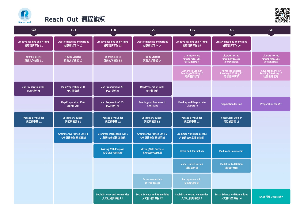
Our Blue Line curriculum, which includes courses for students in Grades 2 to 8, was designed by expert educators with advanced level degrees in their subject areas who have spent decades in some of the top international schools in the world. We use backwards curriculum design working our way from the first year of programs such as the widely recognized and respected IGCSE program.
As our educators have spent years teaching courses pre-IGCSE, IGCSE, IB and AP or A Levels curriculum, they understand what students need to succeed in those programs. Felly, each aspect of our curriculum has been created to make sure that all of our students enter their first day of Grade 9 feeling confident, equipped, and prepared to meet the demands of these rigorous courses.
We offer a wide range of courses in the subjects of English, Math, History and Geography. See below for more detailed information on our full course offerings.
Additional Services
We are also pleased to announce the creation of our Silver Line, which offers bespoke educational services that take an individualized approach to meeting our students' needs. We begin with a deep assessment of each student's educational goals and needs, and then create and implement a scheme of work with which our expert educators will use to guide your child through the academic challenges of High School in order to prepare them to eventually attend their dream university.
We also offer 1-on-1 services at all grade levels for parents who wish to offer their children more individual care and instruction. Our expert Education Consultants will make sure to match your child with the best educator for his or her specific needs and goals.
Join Us!
We look forward to meeting your family and discussing how you can be part of our Reach Out family; one that learns together, cares for each other, overcomes challenges together, and celebrates successes with one another. Please contact us today to find out more.
We hope to hear from you soon!
Mae bod yn rhiant yn anodd. Yn wir, gyda'r newidiadau yn ein byd heddiw, efallai mai dim ond un o'r adegau heriol y bu'n rhaid i ni ei hwynebu ers degawdau ydyw. Mae newid yn arwain at ansicrwydd, a gall ansicrwydd arwain at straen. Mae straen yn sicr yn effeithio ar bob rhan o'n bywydau, weithiau bydd yn effeithio fwyaf ar ein perthynas â'n hanwyliaid; yn enwedig ein plant.
Gall ein plant fod yn gymhleth (gadewch i ni ei wynebu, felly gallwn ni!), ac mae’n dasg frawychus sicrhau bod pob symudiad yr un “iawn”.. Hynny yw ein holl sgyrsiau, gofynion, ceisiadau, cynlluniau, mae canmoliaeth a beirniadaeth yn golygu rhywbeth. Bob eiliad rydyn ni'n ei dreulio yn siarad â'n plant, daliwn y gobaith y bydd y geiriau hyn yn ddigon i lenwi ein plant â gobaith am ddyfodol gwych ar adeg pan fo’r dyfodol mor ansicr. Mae amseroedd yn newid, a hyn hefyd a â heibio, ond un peth y gallwn ei warantu yw na fyddwn byth yn cael ail gyfle i dreulio plentyndod gyda'n plant.
Fel rhieni, rydym yn aml yn gofyn i ni ein hunain a ydym mewn gwirionedd yn gwneud y peth iawn, pendroni sut y gallwn fynd drwodd i'n plant, ceisio deall ein plant yn well, ac weithiau'n teimlo fel methiant euog oherwydd rydyn ni'n dweud wrth ein hunain ein bod ni'n gwneud pethau'n anghywir. Yn aml, nid yw hynny'n wir, ond nid oes llawlyfr cyfarwyddiadau ar sut i fagu plentyn a fydd yn gweithio i bawb ym mhob sefyllfa. Cadarn, mae llawer o gyngor, swm llethol ohono, ond eto, y cyngor mwyaf yw hynny; arweiniad ac argymhellion gan bobl nad ydynt yn eich adnabod chi na’ch plentyn. Mae peth ohono'n ddefnyddiol, a pheth ohono … dim cymaint.
Un peth na allwn ei wadu serch hynny yw pwysigrwydd perthynas iach rhwng rhiant a phlentyn.
Mae ymchwil yn dangos hynny:
Mae'n hanfodol gwneud yr amser i feithrin perthynas gyda'ch plentyn, ac efallai hyd yn oed yn fwy hanfodol, sicrhau bod y rhyngweithio a gawn gyda'n plant yn ystod y cyfnod hwnnw yn gadarnhaol. Mae hyn yn rhywbeth y mae llawer o rieni yn ei gael yn heriol, a dyna pam wnaethon ni greu clwb rhieni ar gyfer y llyfr Sut i Siarad Fel Bydd Plant yn Gwrando a Gwrando Felly Bydd Plant yn Siarad gan Adele Faber ac Elaine Mazlish. Gyda’n gilydd fe ddysgon ni ffyrdd o gyfathrebu’n bositif gyda’n plant er mwyn cryfhau ein bondiau. Treulion ni amser yn trafod syniadau o'r llyfr, yn ogystal â chael cyfarfod rhithwir i chwarae rôl rhai o'r strategaethau o'r llyfr. Ar ben hynny, gwahoddwyd Cwnselydd Arweiniad yr Ysgol Ganol, Regina Wehner, darparu gweithdy i rieni ar ddeall datblygiad gwybyddol ac emosiynol ein plentyn.
Dyma rai uchafbwyntiau yr hoffem eu rhannu gyda chi!

Yn gyntaf, rhag Sut i Siarad Fel Bydd Plant yn Gwrando a Gwrando Felly Bydd Plant yn Siarad, dyma ddwy o'n hoff strategaethau:
Mae plant yn cael anhawster i reoli eu hemosiynau, gan fod canolfan rheoleiddio emosiynol yr ymennydd yn un o’r rhai olaf i ddatblygu. Mae hyn yn golygu bod angen ein cymorth arnynt ar ffurf tosturi a modelu. Gall hyn fod mor heriol, yn enwedig pan fyddwn yn cael trafferth rheoli ein hemosiynau ein hunain ar adegau! Mae gennym strategaeth hawdd i chi na fydd ond angen dau beth:
Pan ddaw eich plentyn adref wedi cynhyrfu am rywbeth a ddigwyddodd yn yr ysgol, yn lle darlithio a chynnig ein cyngor doeth, gallwn yn syml wrando ar eu pryderon ac ailadrodd y syniadau yn ôl iddynt. Er enghraifft, os bydd eich plentyn yn dod adref wedi cynhyrfu ac yn dweud rhywbeth tebyg, “Ych, heddiw roedd Elisabeth a Sarah mor gas i mi! Fe wnaethon nhw fy anwybyddu'n llwyr ac rydw i'n casáu'r ddau ohonyn nhw nawr!” Yn lle dweud, “Elizabeth a Sarah yw eich ffrindiau gorau. Nid yw’n fargen fawr ac rwy’n siŵr y byddwch yn iawn yfory,” a allai annilysu teimladau eich plentyn, gallwch ddweud, “O, gwelaf. Gwnaeth Elizabeth a Sarah wneud i chi deimlo braidd yn chwith. Mae’n debyg bod hynny wedi gwneud ichi deimlo braidd yn drist ac yn wallgof.” Ar y pwynt hwn efallai y bydd eich plentyn yn parhau i siarad ac yn agored i chi, sy'n wych! Mae'n golygu eu bod yn ymddiried ynoch chi ac rydych chi'n gwneud iddyn nhw deimlo'n well. Parhewch i wrando, amnaid, dywedwch, “Mmmhmm,” ac ailadrodd yr hyn maen nhw'n ei ddweud. Mae'n debygol y bydd eich cael yn gwrando'n syml yn gwneud i'ch plentyn deimlo 100% well ac yn barod i wynebu eu her nesaf!

2. dymunaf!
Mae ein plant yn aml yn mynegi eu dymuniadau ar ffurf dymuno iddynt gael pethau nad oes ganddynt neu ddymuno bod pethau’n wahanol i’r ffordd y maent.. Er enghraifft, efallai y bydd plant yn dweud, “Hoffwn i na fyddai’n rhaid i mi wneud yr holl waith cartref hwnnw.” Efallai y byddwn yn ateb, “Wel, rydych chi'n ei wneud a dyna hynny!” neu “Dyma beth sy'n rhaid i chi ei wneud. Eich cyfrifoldeb chi yw hyn felly mae angen i chi ei wneud nawr!”
Gall hyn waethygu i frwydr ewyllysiau wrth i rieni deimlo'n rhwystredig eu bod yn clywed yr un gŵyn yn barhaus ac yn ailadrodd yr un rhesymu.. Mae'r plant yn teimlo'n rhwystredig oherwydd bod eu barn yn cael ei hannilysu a theimlant eu bod yn cael eu camddeall. Wel, peidiwch â phoeni, rydym yma i helpu! Mae gennym dric bach a fydd yn eich helpu i droi'r sgwrs o gwmpas, a hyny i cytuno gyda'ch plentyn. Gall swnio'n wrthreddfol, ond mae gennym brofiad uniongyrchol gyda'r tric hwn ac mae'n gweithio rhyfeddodau!
Er enghraifft, os dywed eich plentyn, “Hoffwn i ni allu mynd i'r parc heddiw fel roeddwn i eisiau!”
Yn lle dweud, “Alla i ddim, Rwy'n rhy brysur,” neu “Ie, ond allwn ni ddim, mae'n bwrw glaw,” gallwn ddweud, “Hoffwn i ni allu hefyd! Gallem fynd i'r parc a chael picnic! Gallem hedfan barcud a chwythu swigod! Pam nad ydym yn cael picnic yn yr ystafell fyw ac ar ôl hynny gallwn chwythu swigod yn yr ystafell ymolchi!”
Mae'r rhan gyntaf yn cyffroi'r plant a'u dychymyg yn mynd, mynd â nhw i le hapus. Mae'r rhan nesaf yn gwneud iddynt deimlo eu bod yn cael eu clywed ac yn gysylltiedig â chi.
Yn awr, rhai uchafbwyntiau gan Ms. Gweithdy Wehner:
*Helpwch fi i ddewis y rhain! :)*
Os hoffech chi ymuno ag un o'n gweithdai neu glybiau llyfrau yn y dyfodol, gwnewch yn siŵr eich bod yn ein dilyn a chadwch draw! Mae gennym ni bethau gwych ar y gweill y cwymp hwn!
Many parents ask us what the fastest way their child can improve their writing. While we firmly believe there are no shortcuts to becoming a truly effective and skilled writer, there are some things students can incorporate into their writing to help take it to the next level more efficiently. Like with anything trying to be mastered, the key to success lies in hard work and repetition. Practicing these skills regularly will help your child reach their educational goals.
This article will be the first in a series of articles that will focus on skills suited for different types of writing. This week, we will focus on descriptive writing tips.
Descriptive Writing Tips:
Descriptive writing is a true art form, as its purpose should be to create an image in the minds of the readers. One cannot tell a story on action and dialogue alone, and one cannot convey deep meaning and emotion in a poem without painting a picture with his or her words.
One powerful way to excel in description is to add adjectives and adverbs wherever possible. Er enghraifft, if your child is writing a story he or she might write something like:
“Harry went outside and started looking for his friends.”
While this sentence conveys a basic meaning, it’s effect on the reader is also basic. By adding descriptive language in the form of adjectives and adverbs, we can quickly and effectively add imagery to the sentence:
“Harry zipped out the front door, slamming it shut behind him. His heart raced as he ran around the neighborhood eagerly looking for his friends.”
In the revised sentence, we see descriptions that tell us not only the action that is taking place, but also helping us feel the emotion of the character, an important aspect of storytelling.

Another great way to make a story or poem more effective is by adding figurative language, such as similes. Similes are comparisons that use like or as that can be used to help the reader imagine what is happening more clearly.
Er enghraifft, your child might write something like:
I was so happy!
It was so cute!
He was so scared!
We can add similes to help create an even better result:
I was as happy as a a kitten in a yarn shop.
It was a cute as a baby panda playing in the snow.
He was as scared as a rabbit that just heard a wolf howl.

Our final tip for descriptive writing is to choose vocabulary that is so precise that it communicates exactly what the writer wants the reader to feel. Often, students will write descriptions that are a bit vague, with sentences like:
He was very tired.
The movie was very boring.
They were very cold.
The room very hot.
Again, these sentences convey a simple meaning, but in descriptive writing, that is simply not enough. Effective description uses vocabulary that has an impact, and we can achieve that by choosing only the best words to convey the most exact meaning.
See how we can take the sentences above from ordinary to extraordinary by replacing part of the sentence with powerful vocabulary:
He was exhausted.
The movie was unimaginative.
They were chilled to the bone.
The room was roasting.
The good news is that your child doesn't need to rely on his or her current vocabulary knowledge in order to succeed in creating sentences like those above. The thesaurus has all of the words they need to create memorable descriptions.
We hope these tips have been helpful! If you would like for your child to learn how to put these skills into practice with one of our passionate educators, stay tuned for coming announcements on our new summer and fall courses!
Next week, we’ll have a look at persuasive writing tips!
Tell us a bit about yourself.
I grew up in five different countries (Sweden, England, Germany, South Africa, and Canada). Integration into a diverse spectrum of cultures growing up has made me see the world with an open mind. I currently reside in Canada and work as both a university lecturer and a Math teacher at Reach Out. Outside of work I really enjoy sports such as badminton and chess, which I played at a competitive level for many years.

What is your educational background and qualifications?
I received a Bachelor of Science Degree from the University of British Columbia (UBC) and an obtained my MSc at the same university. My graduate work involved experimental geoscience where I designed an apparatus to investigate how diamonds reach the surface of the Earth through high velocity magmas. I published articles in two high impact journals and presented the work across Canada and Europe.
During my graduate studies I had the privilege of lecturing a few classes which transitioned into a lectureship position. Teaching at the university level involves lecturing a class of over 200 myfyrwyr, which is very different to the work I do at Reach Out, but has helped me develop a dynamic teaching style.
Additionally, I have been teaching Math and Science both privately and through educational organizations for over 6 mlynedd.
Why did you join Reach Out?
I joined Reach Out because the prospect of being able to deliver high quality education from around the globe without border restrictions resonates with me.
I feel that the reason I am committed to staying at Reach Out is more important. The personalized classes being delivered has allowed me to connect with the students, making their progression much more meaningful to me. Some students have been together with me through multiple grade levels and I feel immensely proud to have played a role in their education.
What is your educational philosophy?
Having a background in experimental science has allowed me to see value in making breakthroughs through experimentation. By allowing students to experiment with different methodologies while offering guidance is an extremely effective way of teaching students to not be afraid of failure. Richard Fuller correctly said, “There is no such thing as a failed experiment, only experiments with unexpected outcomes.” Students often start my classes afraid to answer questions, discuss with their classmates, or write on the board since they don’t know the answers. Since I am always more focused on solutions rather than answers, students’ are rewarded for trying new techniques, discussing failed methods, and asking questions about their classmates’ work. I found this to produce a phenomenal learning environment and takes a lot of pressure off the students.

What is your favorite thing about teaching Math?
My favorite thing about teaching Math is the exciting challenges it provides. After teaching Math for many years, I have come to realize that students see the world from a unique perspective, which more often than not, is very different from my own. This diversity produces a wide spectrum of learning styles and requires me to stay very flexible with the methodologies I use in my teaching.
Math is a complex subject which has provided us with a universal language to better understand the universe that surrounds us. Having a good problem solving ability is a byproduct of learning Math and crucial for success in the modern world. For these reasons I have the responsibility to transform a traditionally dry and boring subject into something exciting by creating compelling lessons and using creativity to inspire my students. This will always be something I love about my job.
Who is your favorite mathematician and why?
This is a tough question, and it’s hard to pinpoint one Mathematician since I utilize the works of so many Mathematicians in just one lesson. If I had to pick it would be either Johannes Kepler or Nicolaus Copernicus since I also love astronomy. Their Math not only challenged everything that was believed about our solar system at the time, but also formed the foundations for understanding planetary motion. Space travel has relied heavily on these concepts.
If you could only give parents one piece of advice when it comes to helping their child improve in Math, what would it be?
One thing I have worked on a lot with my students, is getting them to explain their solutions to me regardless of how easy it may seem. Being able to arrive at the correct answer in certain school curriculums may not require a complete understanding, but being able to explain a solution well does require a good understanding. Make sure that your child is always showing very clear steps in their work and that they can explain their steps to you. This certifies understanding and shows they are prepared for questions which test the same concept but may be worded differently.
What is one fun fact about yourself?
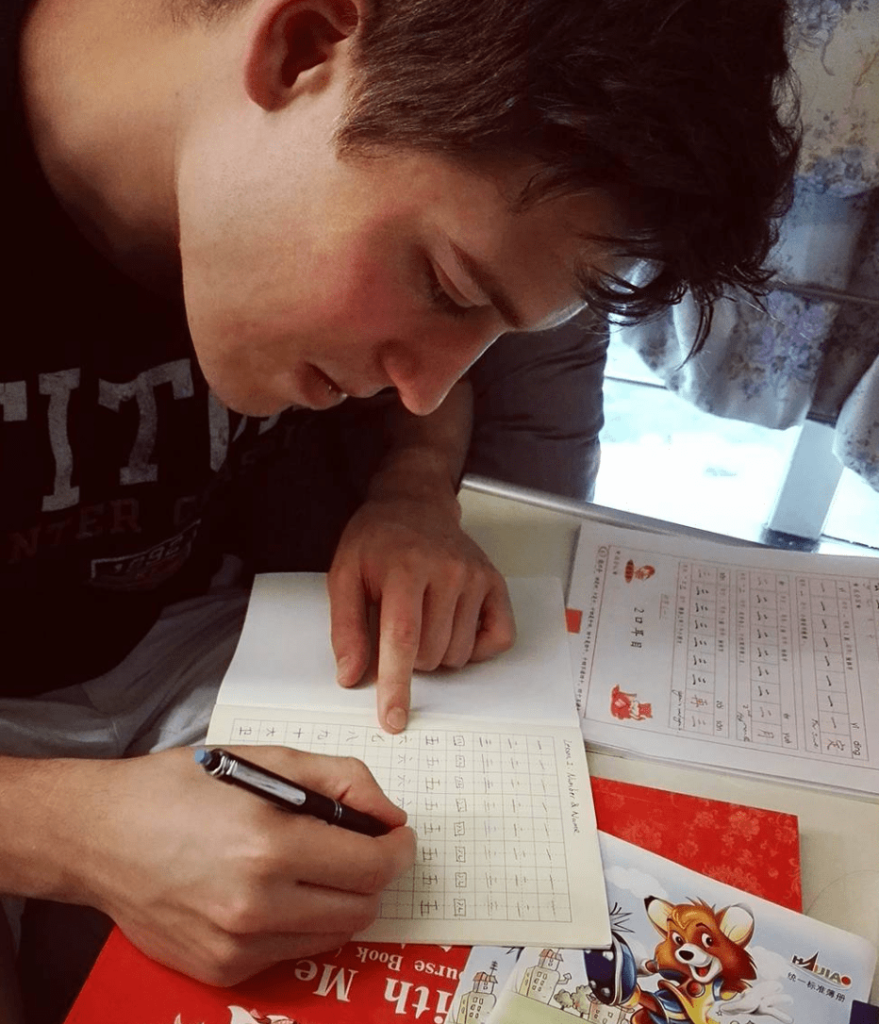
I really like learning languages! After growing up in many different countries I can speak English, Swedish, and German fluently. For the past two years I have been working to add Chinese to my collection and have enjoyed the unique challenges that learning this complex language has provided me with.
The Secret Garden is a piece of classic literature that has been part of an untold number of childhoods (if you missed our article on why children should read classic novels, see it linked below!). It is a powerful tale of friendship and discovering oneself that resonates with our souls.
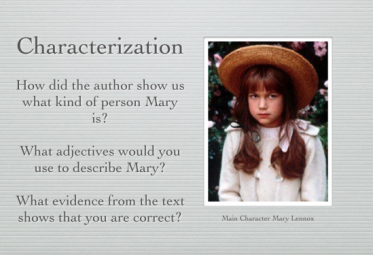
The Secret Garden is about a young girl named Mary Lennox who loses her family and everything familiar with her due to a cholera outbreak in India, where her father was working as a British Army Captain. As a child, Mary was quite neglected, but indulged by family’s servants, so she was a spoiled child with a terrible disposition. She had very few traits that would help her cope with a new life in England, where she was sent to live with a grouchy distant relative, Mr. Craven.
Mr. Craven had very strict rules for Mary to follow at her new home at Misselthwaite Manor in Yorkshire, which included her being forbidden to enter various rooms inside the giant mansion, as well as forbidden to enter one of the gardens on the sprawling property, which belonged to his beloved late wife. As Mary begins to explore her new home, she begins to find a sense of happiness and regains her health after being sickly for much of her childhood. After a robin helps her find the key to the secret garden, she finds a sense of purpose in restoring the garden, much as she restores her inner self. Through the thorns and dried leaves of winter, she finds much more lies within.
Aided by new friend Dickon, Mary develops her first friendships, and uses her newfound strength and kindness to help her bedridden cousin Colin, whom she finds tucked away in the manor. Friendship strengthens both Mary and Colin, and in the end, everyone witnesses a miracle only made possible by these close bonds and belief in oneself, two very important themes in the novel.
Young people will love reading this fantastic story of friendship, overcoming obstacles, and experiencing the healing power of nature. The characters and the lessons they teach us will surely touch your child and help them experience the power of a great story.
If you would like an opportunity for your child to experience this story with others, we are happy to let you know that we will be reading The Secret Garden as the first novel in our Young Classics Level 2 Course this summer.
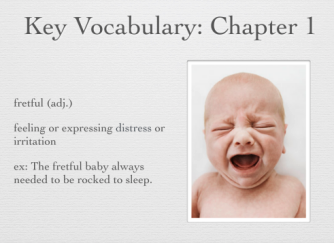
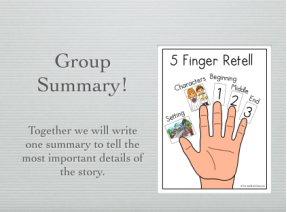
In the course, we not only read the novel, but we also learn and apply new vocabulary from the book, discuss important literary techniques used by the writer, and practice writing summaries, a key skill that many students find challenging
If you are interesting in learning more about Young Classics, or and of our other excellent and engaging courses, cysylltwch ag un o'n Hymgynghorwyr Addysg heddiw! We hope to work with your child very soon!
Literature study is an important aspect of any excellent academic program, and that is because it helps to teach students a wide range of knowledge and skills that are essential for success in many areas of life. While studying literature, students learn about important events and people throughout history, they consider cultural perspective and increase their own understanding of acceptance of different ideas and beliefs, and they learn how to analyse the words of others in order to form a deep understanding of new ideas and ways of communicating. In short, it exposes students to a toolbox of ideas, techniques, strategies, theories, and more that they will carry with them throughout their life, shaping the way they approach the world.
Why do we offer this course?
Reach Out students typically pursue high school programs such as IGCSE, which includes challenging courses such as English Language and Literature and English as a First Language. Later, most of those students will take on the challenge of IB and AP level programs, in which they must take on the task of reading a variety of literature. Our aim is to expose students in upper primary and middle school to a wide range of advanced literature so that by the time they reach high school they possess the knowledge and skills to hit the ground running, and therefore achieve to a higher level.
This course is designed for Grade 7-9 myfyrwyr.
The Objectives of our Advanced Literature Course are to:
✪ Enhance students’ ability to understand and discern literary techniques used English and American literature, and the ability to communicate the effects of those techniques;
✪Improve children's literary comprehension skills and increase their understanding of British and American culture;
✪ Under the guidance of our expert educators, learn the power of language and storytelling in a challenging yet engaging way.
Meet Our Teachers
*Insert teacher bios here for Barry, Anthony, and John*
Our Book Selections:
Cry the Beloved Country by Alan Paton

Set in South Africa in the 1940s, award-winning Cry the Beloved Country tells the story of a Zulu Pastor, Steven Kumalo, who travels from his village to the city of Johannesburg. Along his arduous and heart-wrenching journey, he discovers that his sister and son have found themselves in terrible situations that he must now face with them. The characters’ vastly different lives become unexpectedly woven together through tragedy during a dark time in South Africa’s history. Fodd bynnag, through tragedy and challenges, the true nature of the human spirit can be found and uplift those who need it most.
Dracula by Bram Stoker

The legend of Dracula has loomed large in the minds of readers and movie-goers for generations. Bram Stoker based the infamous character of Dracula on the legend of the real life ruler of Wallachia, Vlad the Impaler. Stoker was able to take this dark corner of history and turn it into a legendary novel told through journal entries, letters and telegrams. As with any classic, Dracula has stood the test of time because it speaks to something very deep and meaningful within the human psyche.
Of Mice and Men by John Steinbeck
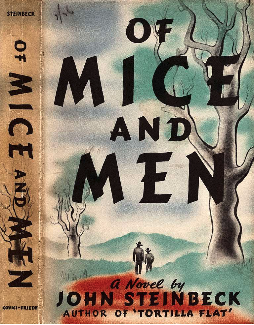
The Great Depression was a defining moment in American history that tested its strength as a nation, and placed the population in a precarious balance between life and death. In what is considered one of the greatest American classics, readers are introduced to two displaced migrant workers, George and Lennie. George is an intelligent young man, while Lennie is mentally disabled. George takes Lennie under his wing as they seek employment where few opportunities exist, trying to survive, yet still dreaming of the day they will have their own land and build a life. Their hopes are dashed when a devastating incident occurs that alters their lives forever.
What Students Will Gain
Develop an early sense of literary appreciation,
See the world from a more mature perspective
British and American classics contain thought-provoking moral and social issues. Reading the most influential classic literature thoroughly helps students become better readers, and begin the process of pursuing self-realization.
Improve understanding of culture and history
Learning allusions from classic British and American literature can help us bridge cultural differences. "The classics have opened the door to different worlds, different cultures, and different historical perspectives. Literature crosses race, culture, religion, and geography."
Self-reflection and personal growth
Many classic literature allude to our lives from the side: books that reflect similarities to our own lives are called "mirrors"; and those that give us a glimpse of different lives are called "windows." Whether it is a "mirror" or a "window", it further enriches the students' life experience and increases the courage and strength to face life.
Join Us!
Contact us to discover more about our course. We sincerely hope to meet your child soon, and develop a love of reading classic literature together.
It’s back to school time and we know parents are getting ready for a new year with new beginnings. The start of a new year is usually met with a mix of excitement and a bit of anxiety, as students and parents look forward to new skills and experiences, but also might feel nervous about new routines and expectations.
Peidiwch â phoeni, Reach Out it here to help! This year, we have 5 top tips to a fantastic start to the school year.
Understanding how your child’s school approaches education, what curriculum they use, what systems, and standards are used can be overwhelming for non-educators. Spending a bit of time each day reading your school’s website content, handbooks, and other resources can help you feel more confident in understanding what your child is learning at school and how they are learning. It’s also important to attend your child’s back-to-school night and informational sessions to get a better understanding of your child’s program as a whole. It also provides a great opportunity for you to establish a relationship with your child’s teacher. At any time if you still have questions, you can always e-mail your child’s teacher. They are there for you and your child, as they know that a great relationship with parents is a fantastic way to ensure academic, social, and emotional success for all students.
2. Make Sure to Catch Enough Zzzzs Before the ABCs
Sleep is so important for a child’s growth and development, and a lack of it can negatively impact a child’s academic achievement. Yn wir, research shows that sleep depravation in children can lead to higher rates of anxiety and depression. When we sleep, our brain processes the information from he day, finds the best system to file it away in out memories, and re-charges our systems for a new day. For various reasons, parents often find sticking to an early bedtime difficult, but with a clear routine, and time for adjustment, it can be easy! Children 3-6 years old should be getting 10-12 hours of sleep per day, 7-12 year olds should get 10-11 hours per day, a 12-18 year olds should get 8-9 hours per day. Creating a schedule where children get to bed earlier will make mornings easier as well, hopefully with less stress for both parents and children as they will be well rested and ready to start their day!
3. Ask the Right Questions at the Right Time
Sometimes parents are anxious to know how their child’s day was as soon as they get home from school, especially during the first few weeks. Those weeks are especially exhausting and full of ups and downs as your child learns to navigate new material, new friends, new teachers, and new expectations. Giving them time to come home and decompress is extremely important for their emotional and mental well-being. Once they have had some “me” time, parents can ask specific questions based on what they know they are working on, if they happen to know. They can go through their child’s homework diary with them and help them make a plan on how to tackle each task, as well as share in their enthusiasm for specific subjects, books, or information they also enjoy. Avoid asking, “How was school? What did you learn?” as kids respond much better to more specific questions, such as, “What did you do with your friends at lunch? What was the best part of your day? What was the weirdest or most wonderful thing that happened at school today?” Most importantly, parents should be fully present and listen intently when students answer, so they really feel valued and hear when they share.
4. Let Them Learn From Failure
This one can be extremely hard for parents to allow. We want our children to do well and reach their full potential, which means we might go over each assignment with a fine-toothed comb, correcting every mis-calculation or grammar mistake. Although parents have good intentions when we do this, we are taking away important learning opportunities from children when we do so. Back when we were students, many of our parents were often too busy or didn’t have the knowledge or capacity to help us with our school work, but we found a way to push through and try our best. If children are never given opportunities to fail when they are young, they might resist taking on challenges later in life for fear of failing at them. Fodd bynnag, when we let them fail gently, such as on an assignment or at a little league soccer game, we are teaching them resilience. It’s not the end of the world, and they learn a valuable lesson; that we can try and not succeed, dust ourselves off, and try again next time.
5. Nurture Their Passions
New school years are an exciting time for many reasons, one of them being that they provide children a chance to discover new passions. If they are lucky, they will stumble upon something they truly love, and that they can become fascinated with enough to spend hours on end discovering. Helping a child find his or her passion is not always easy and takes time. Sometimes parents worry if their child focuses too much on a couple of things, and feel they need to expose them to as much as possible to help shape them into well-rounded individuals. Fodd bynnag, if we look at the people who have shaped our world, it was because they had a laser focus on what they were passionate about. It was all they ever did or do. As humans, we naturally gravitate towards what we love most, and as long as it provides some sort of value on top of fulfillment, we should continue pursuing it. Felly, don’t worry if your child protests going to one activity while running out the door to attend another. Maybe the one they love is the most valuable to their growth and development, and the one they don’t like isn’t that necessary after all.
We hope these tips have helped, and we wish you and your child the best in the coming school year! We are excited for the new school year and all of the challenges and hope it will bring.
Reach Out will be with you every step of the way, so be on the lookout for more information and more articles we hope you will love!