En Reach Out, cremos que é moi importante celebrar os éxitos dos estudantes. Temos o pracer de anunciar outro Star Student - Emma!
Emma representa todo o que os estudantes poden lograr con traballo duro e compromiso coa excelencia. Os profesores de Emma recoñécena como unha alumna que ten unha actitude marabillosa cara á aprendizaxe, é moi receptivo á instrución, e ten unha familia moi solidaria que a miúdo se comunica cos seus profesores. Na clase, Emma é unha escoita coidadosa e atenta que confía o suficiente para compartir as súas ideas, pero o suficientemente paciente para darlle a quenda a todos. A ela non lle importa correr riscos, e é capaz de inxectar a súa personalidade no seu traballo.
Emma está actualmente inscrita no noso Nivel de Lectura e Escritura Creativas 4 Curso, e mostrou un verdadeiro don ao ser capaz de crear imaxes fortes na súa escrita. Ao comezo do cuadrimestre, completou unha revisión da filial de Shanghai Disneyland de Blue Frog.
Emma mostrou a súa capacidade para criticar aspectos específicos dun lugar, e desenvolve as súas ideas utilizando os detalles axeitados.
"A vista e a localización son moi satisfactorios. Pola noite podemos sentarnos fóra e gozar da vista do Castelo de Disney e dos fogos artificiais".

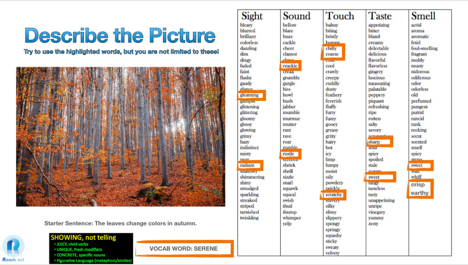
A medida que avanzaba o semestre, Emma mostrou desenvolvemento nas súas habilidades de escritura, e comezou a incorporar técnicas literarias máis avanzadas. Nunha tarefa sobre a descrición de paisaxes, Emma foi capaz de crear unha imaxe forte utilizando un vocabulario preciso e unha linguaxe figurada.
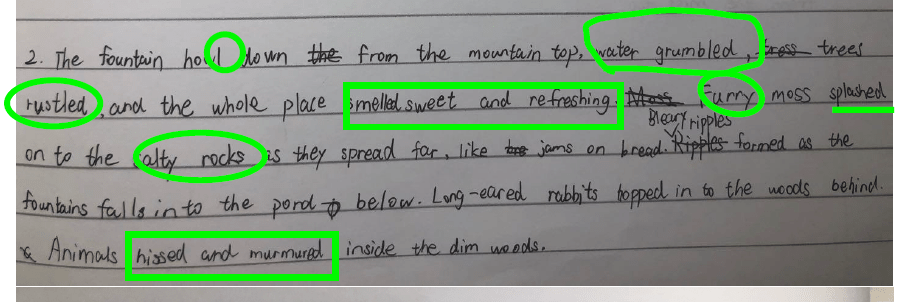
"O musgo peludo salpicaba as rochas salgadas mentres se espallaban lonxe, como marmelada no pan. Foramáronse ondas tormentosas cando a fonte caeu no estanque de abaixo.
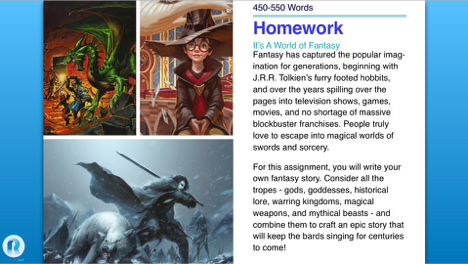
Emma continuou aplicando as leccións que aprendeu ao longo do curso, e a súa capacidade de escritora fíxose máis forte. Nunha tarefa recente de escribir unha narrativa fantástica, Emma construíu o escenario e o personaxe da súa historia de forma deliberada e eficaz.
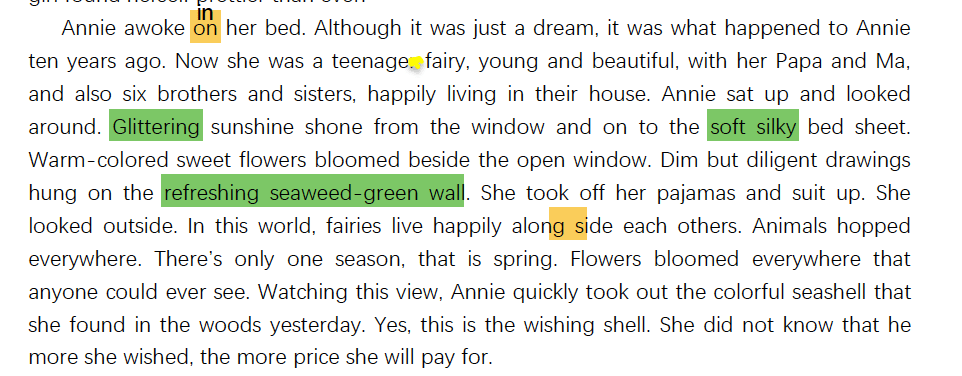
"O sol brillante brillou dende a fiestra e ata o suave, saba de cama sedosa. Flores doces de cores cálidas floreceron xunto á fiestra aberta. Na refrescante parede verde algas colgaban debuxos tenues pero dilixentes.
Como podes ver, Emma mostra as características dunha nova escritora prometedora. A súa determinación por mellorar, e a aplicación coidadosa das leccións impartidas axudaron a elevar a súa escrita a un nivel máis avanzado.
Grazas Emma, por ser tan ESTRELLA! Agardamos ver o teu crecemento durante moito tempo. Sabemos que este é só o comezo dunha viaxe brillante.
Como educadores, moitas veces nos fixeron a pregunta, “Como podo conseguir que o meu fillo deixe de ler cómics?” Aos pais preocúpalles que os cómics non aporten valor educativo, non son o suficientemente rigorosos académicamente, ou o peor de todo, unha perda de tempo do seu fillo. A isto, a nosa resposta adoita sorprendelos, e esa resposta é, “Que lean cómics!”
É comprensible que os pais estean un pouco preocupados xa que a percepción é que os cómics son puramente para ler pracer., con todo, os cómics teñen moitos beneficios máis aló de axudarnos a pasar o tempo.
Os cómics e as novelas gráficas non son novas formas de escritura. Por suposto, foron gozados por moitos durante xeracións. Co paso dos anos, o xénero cambiou a un cunha profundidade e significado considerables, é por iso que animamos aos pais a que non só permitan que os seus fillos lean cómics, senón tamén para apoialos para facelo.
Aquí tes os nosos principais motivos polos que deberían ler os cómics (sobre todo no verán!):
Para estudantes que non sexan falantes nativos de inglés, os cómics ofrecen unha boa forma de comezar a gozar da literatura inglesa. Para moitos nenos, a tarefa de pasar dun libro de texto de inglés a unha novela pode ser moi desalentadora, pero os cómics poden proporcionarlles unha ponte necesaria para que fomenten a confianza, así como a fluidez lectora. As indicacións visuais das imaxes permiten aos estudantes crear unha comprensión máis profunda da trama e dos personaxes, así como un novo vocabulario. Ademais, introdúceos en dispositivos literarios eficaces, como as onomatopeas (pensa POW! SMACK! ZOOM!) e modismos (unha ilustración que mostra o significado dun modismo como, "O gato ten a lingua?” ten moito máis sentido que quentar o idioma por si só!).

2.Mellora da inferencia
A inferencia é unha habilidade lectora clave coa que moitos estudantes teñen dificultades nas avaliacións de lectura estandarizadas. A inferencia ocorre cando extraemos conclusións en función do que lemos. Algúns exemplos de preguntas que atoparán os estudantes durante as tarefas ou avaliacións de comprensión lectora son as como, "Como se sentiu o personaxe cando?”, "De que podes concluír..." e "Cal foi a lección da historia?Os cómics requiren que os estudantes "lean entre liñas" para inferir información que adoita contar o narrador nunha novela., polo que poden adquirir moita experiencia valiosa para reforzar esta habilidade coa lectura de cómics.
3.Poder da palabra!
Moitas veces en cómics e novelas gráficas, os escritores inclúen vocabulario bastante avanzado, tanto como parte da historia como nos nomes dos personaxes. En 2016 na mundialmente famosa Comic-Con de San Diego, California, un panelista de educadores discutiu o poder dos cómics para construír o vocabulario dos estudantes. James Bucky Carter, dixo o autor de Building Literacy Connections with Graphic Novels, "Tes Colossus, e é así de grande, tipo de metal xigante. Enténdese moi ben o que significa a palabra coloso e esa é unha boa palabra de 10 céntimos. O poder de Banshee está berrando. Tes estes personaxes que encarnan as palabras do vocabulario que son. Iso é un xeito divertido de aprender palabras novas, ademais das pistas contextuais”.
Despois de ler isto, quizais queiras deixar que o teu fillo se mergulle directamente na lectura de cómics ou novelas gráficas! Iso é música para os nosos oídos. Se non estás seguro de por onde comezar, temos algúns favoritos dos estudantes que lle gustaría probar ao teu fillo!
Dog Man de Dave Pilkey

Miles Morales Spider-Man de Jason Reynolds

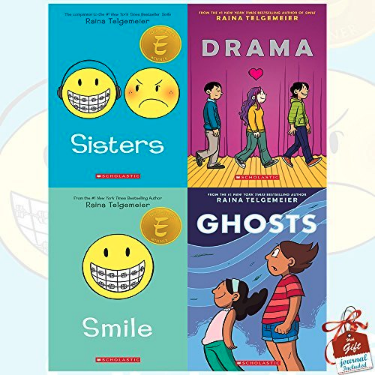
Sorrisos, Irmás, Pantasmas, Drama e outras historias de Raina Telgemeier
Bone de Jeff Smith

Busca máis oportunidades de lectura de verán para o teu fillo? Contacta cun dos nosos Consultores Educativos para obter máis información sobre os nosos cursos de lectura de verán. Agardamos ler co teu fillo!
A tempada de exames está aquí, e pode ser unha época do ano moi estresante tanto para os alumnos como para os pais. En Reach Out queremos facer todo o posible para axudar a aliviar a ansiedade dos exames ofrecendo algúns consellos de estudo únicos que quizais non probaras.
A sabedoría convencional de estudar moitas veces foi seguida por moitos pais e profesores que teñen boas intenciones, con todo, se observamos algúns enfoques interesantes baseados na investigación podemos ver que hai unha variedade de formas eficaces de estudar! Sempre é bo probar cousas novas, especialmente para nenos. Poden experimentar novas formas de facer as cousas cando son novos, e cando sexan un pouco maiores, poden escoller o camiño que mellor se adapte ás súas propias necesidades e estilo persoal.
Agora, imos dar unha ollada a tres formas únicas de estudar.

A variedade é o sabor da vida, mesmo cando se estuda
Para moitos, moitos anos díxonos iso para estudar ben, deberíamos estudar no mesmo lugar todos os días; un lugar que é tranquilo, ben iluminada, e ten todos os nosos materiais. Aínda que isto pode ser certo para algúns dos tempos que estamos estudando, a investigación móstranos que o noso cerebro en realidade vai mellor cando variamos a localización na que estamos estudando. Bastante sorprendente, certo?
Nun estudo feito todo o tempo atrás 1978, entregáronse estudantes universitarios 40 palabras de vocabulario para estudar. Dixéronlle a un grupo que estudase a lista dúas veces no mesmo lugar. Dixéronlle ao outro grupo que estudase a lista en dous lugares diferentes. O que atoparon foi, o grupo que variou os seus lugares de estudo, en realidade, obtivo un mellor rendemento ao lembrar as palabras máis tarde. Agora por que é iso? Ben, o noso cerebro adoita establecer conexións coa información en función do noso entorno, polo que canto máis variamos o noso entorno, canto máis lle esteamos dando ao noso cerebro a oportunidade de reter información xa que se unirá a máis cousas. Tamén pode ser por iso que unha técnica de visualización, onde se visualizan cousas que desexan lembrar a determinados lugares dun ambiente co que están familiarizados, tamén pode ser tan eficaz. Para estudantes, simplemente cambiar o ambiente pode facer o truco!
Divírtete!
Algúns pais poden pensar erróneamente que se o seu fillo está rindo ou emocionándose mentres aprende ou estuda, poden estar perdendo o tempo. Porén, este non é necesariamente o caso.
Como pai, no teu traballo ou oficina podes ter obradoiros especiais de cando en vez. Os obradoiros adoitan utilizarse como ferramenta para axudarche a coñecer unha nova estratexia, idea, ou información que che axude a aprender máis no traballo. Estas sesións adoitan estar dirixidas por persoas especializadas en crear obradoiros motivadores e inspiradores que dinamizan e dinamizan aos empregados.. Os días poden ser longos e intensos, pero se se fan ben, os empregados poden marchar confiados nos seus novos coñecementos e habilidades.
Os mesmos aneis valen para os mozos. Presentar o xogo e a diversión como unha forma de estudar para os exames non só fai sorrir ao teu fillo, pero as investigacións indican que divertirse mentres aprende activa certos recursos cognitivos, asocia recompensas e pracer coa aprendizaxe, fortalece e amplía as redes de memoria, e alterna o pensamento abstracto e a atención enfocada.

Técnica Pomodoro
Manterse concentrado, traballo e motivado para completar certas actividades pode ser difícil tanto para adultos como para nenos. Algunha vez sentiches que levas horas mirando a pantalla dun ordenador?, pero conseguiu moi pouco? Ou quizais teñas unha data límite nuns días, pero só avanzan pouco á meta? Non é de estrañar, como a investigación mostra que a nosa mente tende a vagar 20% da época, quizais aínda máis para os máis novos.
Unha técnica interesante foi creada polo estudante universitario Francesco Cirillo como unha forma de axudalo a manter a concentración, e esa é a Técnica Pomodoro, que recibiu o seu nome do temporizador en forma de tomate que utilizou Cirillo mentres probaba esta estratexia sobre si mesmo. Como funciona é para configurar un temporizador 25 minutos, que é o tempo de traballo. Despois configuralo de novo para 5 minutos, que é o tempo de descanso. Este é un bo momento para levantarse, estirar, dar unha volta pola casa, acaricia o teu gato, ou toma un trago de auga ou un lanche. Despois do descanso rematou, configurar o temporizador para outro 25 minutos e repita!
Resulta que esta estratexia está avalada por evidencia científica, xa que os investigadores concluíron que as pausas curtas axudan a manter a súa capacidade de atención no camiño correcto. Isto pode estar relacionado co feito de que o aburrimento cognitivo pode levar a unha mente non comprometida, que é o último que queres cando estudas para un exame importante.
Agardamos que desfrutase explorando estes consellos de estudo únicos tanto como nós! Desexándolle ao teu fillo a mellor das sortes nos exames deste mes. Jiayou!
We know that there is so much we can do to nurture and educate our children, which is why as parents we often go to great lengths to fill their time with enriching activities and classes. Why do we do this? For many reasons of course, but the main goal is to ensure their future success. Parents hope that their children will be even more successful in life than they were themselves. Success, of course, is subjective, and we may all have our own definition of success. Generally however, we might agree that success includes feeling content in one’s personal life, as well having a sense of career satisfaction and financial security.
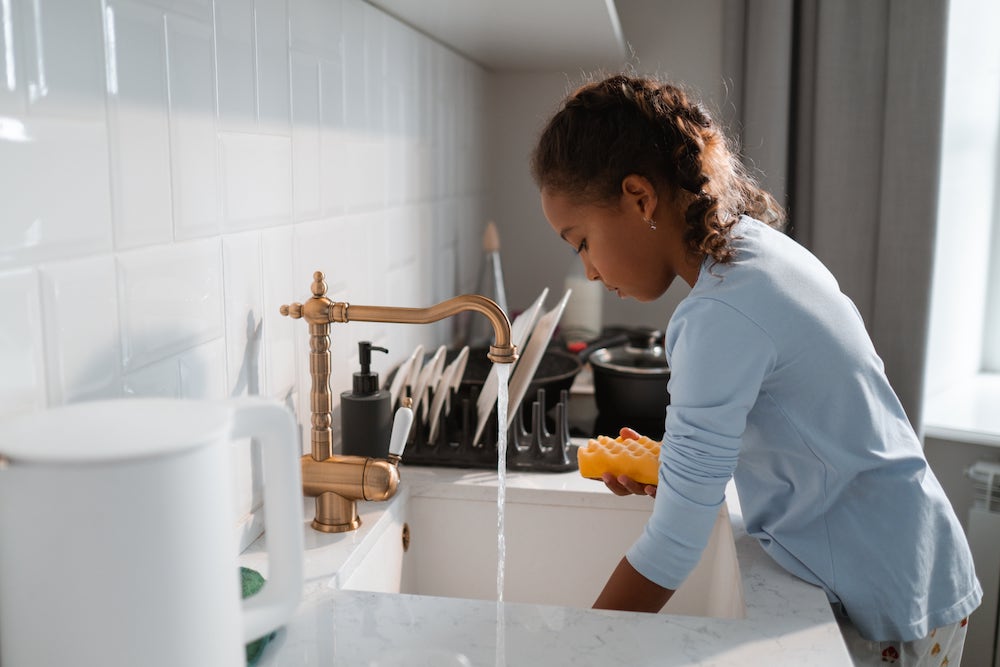
Recently there has been an intriguing TED Talk being shared on social media, in which former Dean of Freshman at Stanford University, Julie Lythcott-Haims, cites evidence from the Harvard Grant Study that correlates professional success in life to individuals having done chores as children. Not soccer training, not language learning, not painting, but chores.
Surprising right?
Many of our children growing up in big cities may never know what it’s like to scrub a dish, wash a window, or mop a floor. We might feel like there are more important things to do to build their knowledge and their character. Lythcott-Haims explains that those children who do get their hands dirty, con todo, may reach a level of success in life that surpasses their no-chore-doing peers. That is because it teaches students how to contribute and step up when work needs to be done, and that doing the “grunt work” that others might scoff at, because it is what is best for all, is what gets noticed in the workplace.
The workplaces of the high-achievers who took part in the Harvard Grant Study were notable, such as the White House, where participant President Kennedy worked, and the editor’s office where Ben Bradlee sat as editor of The Washington Post. We can assume that their parents, like us, had to prod and plead for the chores to be done, and accept that even if they were done, they might not have been done well; and that’s okay.
The important thing, as Lythcott-Haims points out, is that by doing chores, children realize that they, “…have to do the work of life in order to be part of life.” They realize that life does not just happen to them, and for them, but with them.
If your children are already doing chores as part of their daily summer routine, bravo! You are on the right track. If not, no need to panic. It is never too late to introduce chores into the lives of our children. Here are some tips to help get you started!

Let Them Be a Part of It
When introducing the concept of your children completing chores to help, have a “family meeting” where everyone is present to discuss what will be expected of your children and why. You can ask your child to help you write a list of chores they could potentially help with around the house. They might surprise you with their enthusiasm as doing chores is very exciting for some children because it makes them feel empowered and helpful (two things we often like to feel as adults).
Game-ify It
To make things fun, because fun makes everything better, you or your child can write the chores on popsicle sticks and each day your child can choose one stick from the jar. That will be their chore for the day! If you have more than one child at home, you can always turn cleaning into a competition by setting a timer and seeing which child can clean the most toys in the given amount of time, por exemplo.
Reward It
Como pais, we are rewarded for our contributions at work with a salary. Shouldn’t our children also be rewarded for their hard work? One idea is that if your child completes all of his or her chores for the week, he or she can choose a small toy from a “treasure box” filled with small toys. Another option could be that if your child consistently completes chores for a month, they can choose an extra special family outing.
Teaching our children to do chores is not always easy, but the potential benefits are worth the time and effort. We hope you found our tips useful, and that they can help lead to a positive experience for you and your child. Happy cleaning!
We are pleased to announce a new summer book club, just for parents! Summer is the perfect time to read that book you have always wanted to read, but have not had the time to. This summer, we invite you to join us in reading Como falar para que os nenos escoiten e escoite para que os nenos falen.
We know it is not always easy to connect with our children because of the demands of school, work and daily life. Sometimes our anxieties about the future interfere with us living our lives right now. Porén, one thing we can guarantee is that we will never get another chance to experience childhood with our own children, and we don’t want to miss out on this precious time. Entón, how can we make the most of it and have meaningful conversations with our children that will strengthen our bond and help our children feel supported? These are big questions many of us have.
To help us answer these important questions, we invite you to join us in reading one of the most popular parenting books of all time, written by Adele Faber and Elaine Mazlish. How to Talk So Kids Will Listen and Listen So Kids Will Talk, which teaches us how to accept our children’s feelings, as by not doing so we could be unwittingly causing bad behavior. It also teaches us positive ways to encourage cooperation, as well as independence, autonomy, and self-confidence. These are all the ingredients needed to help nurture a positive parent-child relationship that will indeed help to grow our children into confident and capable adults.

How Will It Work?
The first step is to contact one of our Education Consultants to register. Registration is FREE and open to everyone! We will create a group chat where the book study content and sharing will take place starting on July 1st. Lindsey Fine, our Education Manager, will be joining the group as a parent as well, as she is a mother of two boys, aged 4 e 6, who will be learning along with you. She will also be helping to lead the weekly discussions.
The book can be found in English and Chinese and easily accessible in print, e-book, or audiobook formats.
Then there are two options for how you would like to participate:
The reading schedule is as follows:
Week 1: Chapters 1 & 2
Week 2: Chapters 3 & 4
Week 3: Chapters 5 & 6
Week 4 Chapters 7 & Afterword
At the end of the month, we will host an online workshop led by School Counselor, Regina Wehner. At the workshop, Regina will share additional information and strategies you can use to strengthen your relationship with your child.
About Regina Wehner

Regina Wehner is a Licensed School Counselor that has worked with students in Middle School for over 16 years. Originally from the United States, she lives with her husband and 2 children, ages 10 e 12, in Beijing, China.
Regina works at the Western Academy of Beijing (WAB), a diverse international school. A big part of being a school counselor is helping students learn about themselves and others as they are growing. Regina also hosts monthly Parent Coffee Mornings to bring parents together to learn more about their children's developmental changes and how to communicate during these times of transition.
Contact us today to join!
Axudando ao teu fillo a aprender un novo vocabulario
A investigación indica que se queremos que os estudantes teñan éxito no contexto académico, sobre avaliacións importantes e exames de alto risco, así como as súas futuras carreiras, debemos axudalos a desenvolver o seu vocabulario. A razón diso é esta: a nosa comprensión da nova información está directamente ligada á nosa comprensión do vocabulario empregado para comunicar esa nova información.
Para estudantes, aumentar o seu vocabulario é unha das claves do éxito no dominio dunha lingua; cantas máis palabras coñecemos, cantas máis palabras entendemos, e cantas máis palabras poidamos usar na nosa escrita para facelo máis impactante e eficaz. Porén, aprender agora vocabulario é visto ás veces como un proceso tedioso ou esquivo. Ás veces, os pais non están seguros de como guiar aos seus fillos, especialmente porque a forma en que abordamos o estudo do vocabulario pode diferir moito da forma en que os pais o estudaban cando estaban na escola.
Non te preocupes, Reach Out está aquí para axudar! Exploremos a adquisición de vocabulario (o proceso de memorización e aplicación de vocabulario novo), e dirémosche como podes axudar ao teu fillo a construír o seu vocabulario!

Fala sobre iso!
Pode parecer demasiado sinxelo, pero cando se trata de aprender palabras novas, un xeito eficaz de facelo os mozos é falando cos demais. Os nenos aprenden mellor palabras novas cando están no contexto, como nunha conversación sobre un determinado tema. Poden inferir un pouco de significados de palabras novas en función de como se usan xunto coas outras palabras coas que xa están familiarizados.
Probablemente o teu fillo te interrompeu en moitas ocasións cando usas vocabulario descoñecido e preguntan curiosamente, "Que significa desastre?” Quizais te referiches ao estado do seu cuarto (xa que nel é unha lea completa), e tomando un momento para explicarlles os múltiples significados do desastre, non só lles ensinarás unha palabra nova para describir un cuarto desordenado, senón tamén un fracaso ou un fenómeno natural, como un desastre natural.
Entón, falar co teu fillo é unha boa forma de ensinarlle novas palabras!
Exploralo!
Os estudantes xeralmente entenden que poden usar un dicionario ou un tradutor se atopan unha palabra que non coñecen, pero ás veces mesmo a definición dunha palabra pode deixarlles máis preguntas que respostas.
Na nosa experiencia, moitos estudantes non utilizan unha ferramenta moi importante para aprender e aplicar vocabulario novo, e esa ferramenta é un tesauro! Se notas que o teu fillo usa demasiado unha palabra cando fala ou escribe, por exemplo, "bonito", "bonito", “bo”, ou "malo", a continuación, tómese un tempo para mostrarlles como usar un sitio web como thesaurus.com para buscar esas palabras. Cando busquen a palabra como "bonito" verán que hai tantas palabras interesantes e únicas para usar.! eu
Na nosa experiencia, aos alumnos gústalles moito usar vocabulario novo, e sentirse empoderado ao saber que hai unha ferramenta que lles axuda a facer as súas palabras máis poderosas.
Xogar!
Divertirse mentres aprende non é só algo que fan os profesores para facer felices aos estudantes, en realidade, a neurociencia demostrou que é unha forma eficaz de axudar aos estudantes a aprender cada vez máis profundamente. A investigación mostra que cando os estudantes son estimulados e desafiados, os seus cerebros liberan dopamina. A dopamina é un neurotransmisor que estimula os centros de memoria e promove a liberación de acetilcolinema., que aumenta a atención focalizada.
Nos nosos cursos aquí en Reach Out, a instrución do vocabulario é unha parte importante de cada lección. Tamén temos cursos que estrean este verán, Niveis de creación de vocabulario 1-3, no que nos centraremos exclusivamente en axudar ao teu fillo a ampliar os seus coñecementos de vocabulario con palabras novas desafiantes. Mentres que as palabras escollidas ofrecen o reto, ferramentas como Quizlet e xogos como Guess Who e Sentence Racer ofrecen aos estudantes a oportunidade de interactuar dun xeito significativo e atractivo..

Como sabemos que estes métodos son efectivos? Porque as nosas décadas de experiencia, e o estudo da psicoloxía e da metodoloxía da educación ensináronnos como aprenden mellor os estudantes!
Encantaríanos axudar ao teu fillo a aprender vocabulario novo como unha das formas en que pode converterse nun lector máis eficaz e exitoso., escritor, e altofalante. Para saber máis sobre como podemos axudar, póñase en contacto cun dos nosos consultores educativos hoxe!
Se buscas un servizo educativo máis individualizado, Reach Out ofrece servizos 1 a 1 cos nosos educadores expertos!
Que ofrecemos?
Os nosos profesores ofrecen unha ampla gama de materias 1 a 1, incluíndo inglés, Ciencias Sociais, e Matemáticas.
Coñece algúns dos nosos profesores altamente cualificados e experimentados!

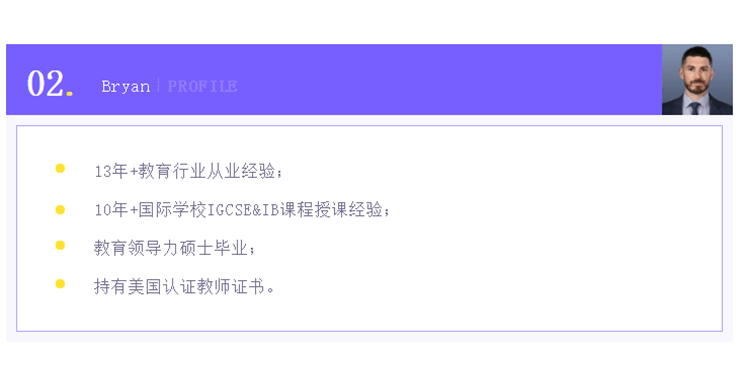


Por que debo escoller servizos 1 a 1?
Quizais o teu fillo se esté preparando para estudar no estranxeiro ou para solicitar unha nova escola e quere un enfoque máis intensivo e específico para mellorar as súas habilidades.. Alternativamente, É posible que o teu fillo non se sinta o suficientemente desafiado co seu currículo actual, e necesita un enfoque alternativo máis adecuado ao seu nivel de capacidade.
Hai varias razóns polas que un pai pode estar buscando servizos como este, e podemos asegurarche que sempre traballaremos para comprender a situación única do teu fillo e ofrecerlle o mellor servizo para eles.
Como funciona?
Co noso enfoque práctico, e proceso de orientación, avaliaremos os coñecementos e habilidades do teu fillo en función dos datos actuais da avaliación, capacidade de escritura, e máis. Con base nos nosos descubrimentos, seleccionaremos o profesor que mellor se adapte ás necesidades do teu fillo. Todos os profesores de Reach Out foron coidadosamente seleccionados, e ten anos de experiencia no ensino de currículos desafiantes, como o IGCSE, IB, e AP, nas mellores escolas de todo o mundo.
O noso proceso está orientado a obxectivos. Descubrimos exactamente o que o teu fillo necesita para acadar os seus obxectivos educativos, e despois creamos un camiño de aprendizaxe único e feito á medida que mellor se adaptará ás necesidades particulares do teu fillo.
Que máis ofrece Reach Out?
Ademais dos servizos 1 a 1, Reach Out ofrece unha gran variedade de cursos deseñados especificamente para desafiar e involucrar ao teu fillo de 2º a 8º con contidos superiores ao nivel de grao para axudalos a prepararse para o rigor de programas como IGCSE., IB, e AP.
Como podo saber máis?
Para obter máis información sobre os nosos servizos 1 en 1, póñase en contacto hoxe cun dos nosos consultores educativos para obter máis información! Agardamos axudar ao teu fillo a alcanzar os seus obxectivos educativos para un futuro brillante!
Who We Are
As you may have noticed, we have been growing and have some exciting additions to what we offer here at Reach Out. As it has been a while since we introduced ourselves, we thought we would share our story with you to help you better understand who we are and what we do!
Our Mission
Reach Out’s mission is to connect students with expert educators who create and deliver original, inspiring, world-class curricula. We have embarked on this journey so that we may help students understand how to find their own unique voice and uncover the creative and valuable ideas that lie within each of them. With their voices, they have the power to change the world, and we wish to empower them to do so.

Our Vision
Reach Out strives to be an internationally recognized educational institution that allows students to access top level international curriculum and educators, no matter where in the world they are. Our students will be perceptive, curious, and critical thinkers who make informed choices as excellent problem solvers and communicators. Reach Out students will achieve their academic and personal goals and dreams from Primary School to University, placing their brilliant futures within reach.

Our Core Values
These are the principles which shape Reach Out:
Our Story
Reach Out was created by a small group of dedicated mothers, perhaps much like yourself. They were brought together by a common vision for the educational needs of their children. Some were looking for an educational program that could offer their children access to the ideas, teaching philosophy, and methodology that matched what they had experienced while living abroad. Others were looking for an internationalized curriculum that their children could access to enrich their educational experience in China. What they shared in common was a desire for a rigorous program that also opened the doors to creative and critical thinking, self-reflection, and personal expression - the hallmarks of a strong international curriculum. After spending considerable time exploring various options, these moms were not able to find anything that quite met their children’s needs.
Entón, they did what any good mother would do, given the chance, and found their own way to offer their children the best possible learning opportunities designed to help them thrive. They consulted expert teachers and worked with other parents to discover how they could best meet the needs of other children with similar goals. Children, we hope, like yours.
The parents were committed to:
We are happy to say that these mothers have achieved their goal. Today Reach Out boasts a complete line of rigorous yet engaging courses in which students learn deeply while having fun and creating meaningful relationships with their teachers and peers.
All of this because of our founding mothers’ commitment to their children’s education and happiness.
What Makes Us Unique?
While we understand parents have an array of choices when it comes to programs that enrich their children’s education, we believe we offer many unique qualities that are not easily found elsewhere.
Our team consists of highly skilled and experienced educators who have created a unique and rigorous program based on international school standards, which prepares younger students to take on rigorous curriculums such as IGCSE, IB, e AP.
-Our one to one programs and curriculums designed to exceed the educational needs of our students
-Our teaching philosophy of inspiring and empowering students, and teaching methodology of allowing students to explore knowledge widely and deeply while at the same time developing a love of learning
-Our commitment to the long-term success of our students as we strive to equip them with the essential skills they will need to succeed in their future careers and the world beyond school
- The detailed feedback we provide with all of our student assessments, so that students know where they are succeeding and where they might improve, as well as the supplemental materials and instruction needed to help our students close any gaps in understanding
-Our dedication to developing our students’ critical thinking and problem solving skills, which will be essential for their future, as well as the future of our global society
-Our promise to hire all of our teaching and non-teaching staff based on their mutual passion for education
-Our ability to empower students to use the language, knowledge, and skills they acquire to develop themselves beyond the classroom and into curious, lifelong learners who set and pursue challenging, fulfilling, and worthwhile goals.
-Our hands-on, individualized approach to creating a learning path for our students so that no matter what grade level they are when they join us, they will be equipped with the tools necessary to improve and grow rapidly
-Our commitment to empowering our clients with information and experiences that will help them make the absolute best choices for their child's education by offering informative articles, videos and workshops.
Our Curriculum
Our Blue Line curriculum, which includes courses for students in Grades 2 to 8, was designed by expert educators with advanced level degrees in their subject areas who have spent decades in some of the top international schools in the world. We use backwards curriculum design working our way from the first year of programs such as the widely recognized and respected IGCSE program.
As our educators have spent years teaching courses pre-IGCSE, IGCSE, IB and AP or A Levels curriculum, they understand what students need to succeed in those programs. Entón, each aspect of our curriculum has been created to make sure that all of our students enter their first day of Grade 9 feeling confident, equipped, and prepared to meet the demands of these rigorous courses.
We offer a wide range of courses in the subjects of English, Matemáticas, History and Geography. See below for more detailed information on our full course offerings.
Additional Services
We are also pleased to announce the creation of our Silver Line, which offers bespoke educational services that take an individualized approach to meeting our students' needs. We begin with a deep assessment of each student's educational goals and needs, and then create and implement a scheme of work with which our expert educators will use to guide your child through the academic challenges of High School in order to prepare them to eventually attend their dream university.
We also offer 1-on-1 services at all grade levels for parents who wish to offer their children more individual care and instruction. Our expert Education Consultants will make sure to match your child with the best educator for his or her specific needs and goals.
Join Us!
We look forward to meeting your family and discussing how you can be part of our Reach Out family; one that learns together, cares for each other, overcomes challenges together, and celebrates successes with one another. Please contact us today to find out more.
We hope to hear from you soon!
Ser pai é difícil. De feito, cos cambios no noso mundo actual, podería ser só un dos momentos desafiantes aos que nos tivemos que enfrontar en décadas. O cambio leva á incerteza, e a incerteza pode provocar estrés. O estrés certamente afecta a todas as áreas das nosas vidas, ás veces afectará máis a nosa relación cos nosos seres queridos; especialmente os nosos fillos.
Os nosos fillos poden ser complicados (afrontémolo, así podemos nós!), e é unha tarefa desalentadora asegurarse de que cada movemento sexa o "correcto".. Iso todas as nosas conversas, demandas, solicitudes, planos, eloxios e críticas significan algo. Cada momento que pasamos falando cos nosos fillos, Temos a esperanza de que estas palabras sexan suficientes para encher os nosos fillos coa esperanza dun gran futuro nun momento onde o futuro é tan incerto. Os tempos cambian, e isto tamén pasará, pero unha cousa que podemos garantir é que nunca teremos unha segunda oportunidade de pasar a infancia cos nosos fillos.
Como pais, moitas veces preguntámonos se de feito estamos facendo o correcto, wondering how we can get through to our kids, intentando entender mellor aos nosos fillos, e ás veces sentirnos culpables de fracasar porque nos dicimos que o estamos facendo mal. Moitas veces, ese non é o caso, pero non hai un manual de instrucións sobre como criar un fillo que funcione para todos en todas as situacións. Claro, hai moitos consellos, unha cantidade esmagadora, pero de novo, a maioría dos consellos son só iso; orientacións e recomendacións de persoas que non te coñecen nin o teu fillo. Algúns son útiles, e algúns deles... non tanto.
Unha cousa que non podemos negar é a importancia dunha relación saudable entre pais e fillos.
A investigación demostra que:
É esencial aproveitar o tempo para fomentar unha relación co teu fillo, e quizais aínda máis imperativo, asegurándose de que as interaccións que mantemos cos nosos fillos durante ese tempo sexan positivas. Isto é algo que moitos pais consideran un reto, por iso creamos un club de lectura para pais para o libro Como falar para que os nenos escoiten e escoite para que os nenos falen por Adele Faber e Elaine Mazlish. Xuntos aprendemos formas de comunicarnos positivamente cos nosos fillos para fortalecer os nosos vínculos. Pasamos un tempo discutindo ideas do libro, así como tivo un encontro virtual para representar algunhas das estratexias do libro. Enriba diso, invitamos a Orientadora de Ensino Medio, Regina Wehner, ofrecer aos pais un obradoiro de comprensión do desenvolvemento cognitivo e emocional do noso fillo.
Aquí tes algúns puntos destacados que queremos compartir contigo!
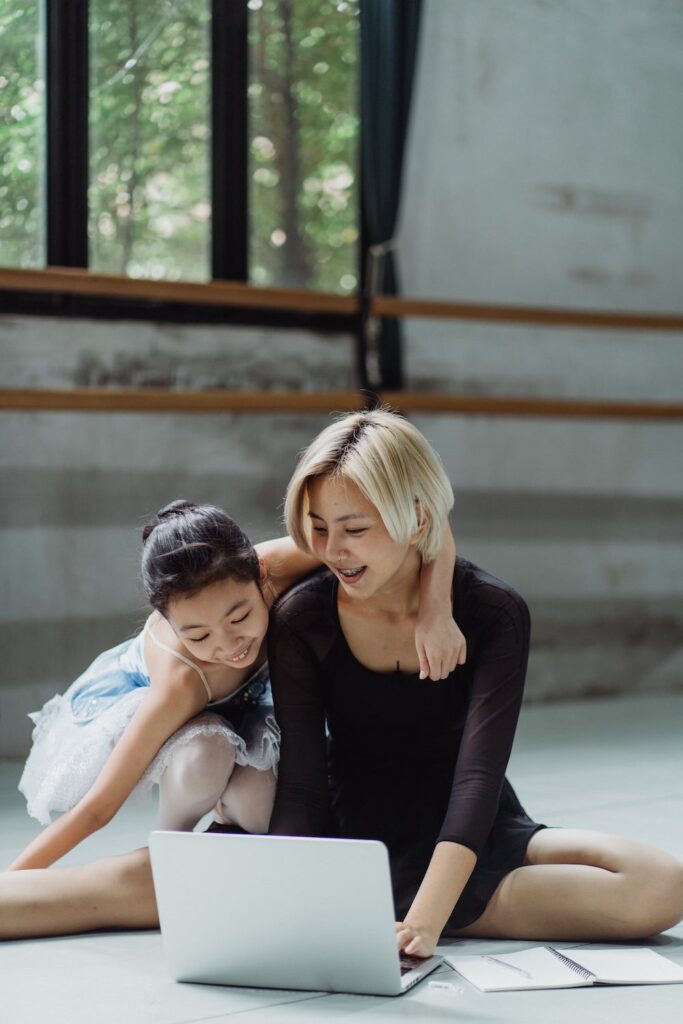
Primeiro, dende Como falar para que os nenos escoiten e escoite para que os nenos falen, aquí tes dúas das nosas estratexias favoritas:
Os nenos teñen dificultades para regular as súas emocións, xa que o centro de regulación emocional do cerebro é un dos últimos en desenvolverse. Isto significa que precisan da nosa axuda en forma de compaixón e modelado. Isto pode ser tan desafiante, especialmente cando podemos ter dificultades para xestionar as nosas propias emocións ás veces! Temos unha estratexia sinxela para ti que só requirirá dúas cousas:
Cando o teu fillo chega a casa molesto por algo que pasou na escola, en vez de dar conferencias e ofrecer os nosos sabios consellos, podemos simplemente escoitar as súas preocupacións e repetirlles as ideas. Por exemplo, se o teu fillo chega a casa molesto e di algo así, "Uf, hoxe Elizabeth e Sarah eran tan malas comigo! Eles ignoráronme por completo e agora odio aos dous!” En vez de dicir, "Elizabeth e Sarah son as túas mellores amigas. Non é gran cousa e estou seguro de que estarás ben mañá,” que podería invalidar os sentimentos do teu fillo, podes dicir, "Oh, Xa vexo. Elizabeth e Sarah fixéronte sentir un pouco excluído. Iso probablemente che fixo sentir un pouco triste e tolo". Neste momento, o teu fillo pode seguir falando e abrirse a ti, que é xenial! Significa que confían en ti e que estás facendo que se sintan mellor. Continúa escoitando, aceno, dicir, "Mmmhmm,” e repite o que din. Facer que escoites probablemente fará que o teu fillo se sinta 100% mellor e preparado para afrontar o seu próximo reto!

2. Desexo!
Os nosos fillos adoitan expresar os seus desexos en forma de desexar ter cousas que non teñen ou desexar que as cousas fosen diferentes do que son.. Por exemplo, poden dicir os nenos, "Gustaríame non ter que facer todos os deberes". Podemos responder, “Ben, ti fai e xa está!" ou "É o que tes que facer. É a túa responsabilidade polo que tes que facelo agora!”
Isto pode converterse nunha batalla de vontades xa que os pais se senten frustrados porque seguen escoitando a mesma queixa e repiten o mesmo razoamento.. Os nenos séntense frustrados porque as súas opinións están sendo invalidadas e séntense incomprendidas. Ben, non te preocupes, estamos aquí para axudar! Temos un pequeno truco que che axudará a darlle a volta á conversa, e iso é para de acordo co teu fillo. Pode soar contraintuitivo, pero temos experiencia de primeira man con este truco e fai marabillas!
Por exemplo, se o teu fillo di, "Gustaríame que puidésemos ir hoxe ao parque como eu quería!”
En vez de dicir, "Non podo, Estou demasiado ocupado,” ou “Si, pero non podemos, está chovendo,”, podemos dicir, "Gustaríame que nós tamén puidésemos! Poderíamos ir ao parque e facer un picnic! Poderiamos facer voar un papaventos e facer burbullas! Por que non facemos un picnic na sala de estar e despois podemos facer burbullas no baño!”
A primeira parte anima aos nenos e fai que a imaxinación, levándoos a un lugar feliz. A seguinte parte fai que se sintan escoitados e conectados contigo.
Agora, algúns aspectos destacados da Sra. Obradoiro de Wehner:
*Axúdame a escoller estes! :)*
Se queres unirte a algún dos nosos obradoiros ou clubs de lectura no futuro, asegúrate de seguirnos e estar atentos! Temos grandes cousas para este outono!
Moitos pais pregúntannos cal é a forma máis rápida que o seu fillo pode mellorar a súa escritura. Aínda que cremos firmemente que non hai atallos para converterse nun escritor verdadeiramente eficaz e hábil, hai algunhas cousas que os estudantes poden incorporar á súa escritura para axudar a levala ao seguinte nivel de forma máis eficiente. Como con calquera cousa que intenta ser dominada, a clave do éxito reside no traballo duro e na repetición. Practicar estas habilidades regularmente axudaralle ao teu fillo a alcanzar os seus obxectivos educativos.
Este artigo será o primeiro dunha serie de artigos que se centrarán en habilidades adecuadas para diferentes tipos de escritura. Esta semana, centrarémonos en consellos de escritura descritiva.
Consellos de escritura descritiva:
A escritura descritiva é unha verdadeira forma de arte, xa que a súa finalidade debería ser crear unha imaxe na mente dos lectores. Non se pode contar unha historia só sobre acción e diálogo, e non se pode transmitir un significado profundo e unha emoción nun poema sen pintar un cadro coas súas palabras.
Unha forma poderosa de destacar na descrición é engadir adxectivos e adverbios sempre que sexa posible. Por exemplo, se o teu fillo está escribindo unha historia, pode escribir algo así:
"Harry saíu fóra e comezou a buscar os seus amigos".
Aínda que esta frase transmite un significado básico, o seu efecto sobre o lector tamén é básico. Engadindo linguaxe descritiva en forma de adxectivos e adverbios, podemos engadir imaxes á frase de forma rápida e eficaz:
"Harry saíu pola porta de entrada, pechando de golpe detrás del. O seu corazón aceleraba mentres corría polo barrio buscando ansiosamente os seus amigos".
Na sentenza revisada, vemos descricións que nos din non só a acción que está a ter lugar, pero tamén axudándonos a sentir a emoción do personaxe, un aspecto importante da narración.

Outra boa forma de facer unha historia ou un poema máis eficaz é engadindo linguaxe figurada, como símiles. Os semellantes son comparacións que usan como ou como que se poden usar para axudar ao lector a imaxinar o que está a suceder con máis claridade..
Por exemplo, o teu fillo pode escribir algo así:
Estaba tan feliz!
Era tan bonito!
Tiña moito medo!
Podemos engadir símiles para axudar a crear un resultado aínda mellor:
Estaba tan feliz coma un gatiño nunha tenda de fíos.
Era un lindo como un bebé panda xogando na neve.
Tiña medo coma un coello que acaba de escoitar ouvear un lobo.

O noso último consello para a escritura descritiva é escoller un vocabulario que sexa tan preciso que comunique exactamente o que o escritor quere que o lector sinta.. Moitas veces, os alumnos escribirán descricións un pouco vagas, con frases como:
Estaba moi canso.
A película foi moi aburrida.
Estaban moi fríos.
O cuarto moi quente.
De novo, estas frases transmiten un significado sinxelo, pero na escrita descritiva, iso simplemente non é suficiente. A descrición eficaz utiliza vocabulario que teña impacto, e podemos logralo escollendo só as mellores palabras para transmitir o significado máis exacto.
Vexa como podemos levar as frases anteriores de ordinaria a extraordinaria substituíndo parte da oración por vocabulario poderoso:
Estaba esgotado.
A película era pouco imaxinativa.
Estaban arrefriados ata os ósos.
A sala estaba asando.
A boa noticia é que o teu fillo non necesita confiar nos seus coñecementos de vocabulario actual para poder crear frases como as anteriores.. O tesauro ten todas as palabras que necesitan para crear descricións memorables.
Agardamos que estes consellos fosen útiles! Se queres que o teu fillo aprenda a poñer en práctica estas habilidades cun dos nosos apaixonados educadores, estade atentos aos próximos anuncios dos nosos novos cursos de verán e outono!
A vindeira semana, botaremos unha ollada a consellos de escritura persuasivos!
Tell us a bit about yourself.
I grew up in five different countries (Sweden, England, Germany, South Africa, and Canada). Integration into a diverse spectrum of cultures growing up has made me see the world with an open mind. I currently reside in Canada and work as both a university lecturer and a Math teacher at Reach Out. Outside of work I really enjoy sports such as badminton and chess, which I played at a competitive level for many years.

What is your educational background and qualifications?
I received a Bachelor of Science Degree from the University of British Columbia (UBC) and an obtained my MSc at the same university. My graduate work involved experimental geoscience where I designed an apparatus to investigate how diamonds reach the surface of the Earth through high velocity magmas. I published articles in two high impact journals and presented the work across Canada and Europe.
During my graduate studies I had the privilege of lecturing a few classes which transitioned into a lectureship position. Teaching at the university level involves lecturing a class of over 200 estudantes, which is very different to the work I do at Reach Out, but has helped me develop a dynamic teaching style.
Additionally, I have been teaching Math and Science both privately and through educational organizations for over 6 anos.
Why did you join Reach Out?
I joined Reach Out because the prospect of being able to deliver high quality education from around the globe without border restrictions resonates with me.
I feel that the reason I am committed to staying at Reach Out is more important. The personalized classes being delivered has allowed me to connect with the students, making their progression much more meaningful to me. Some students have been together with me through multiple grade levels and I feel immensely proud to have played a role in their education.
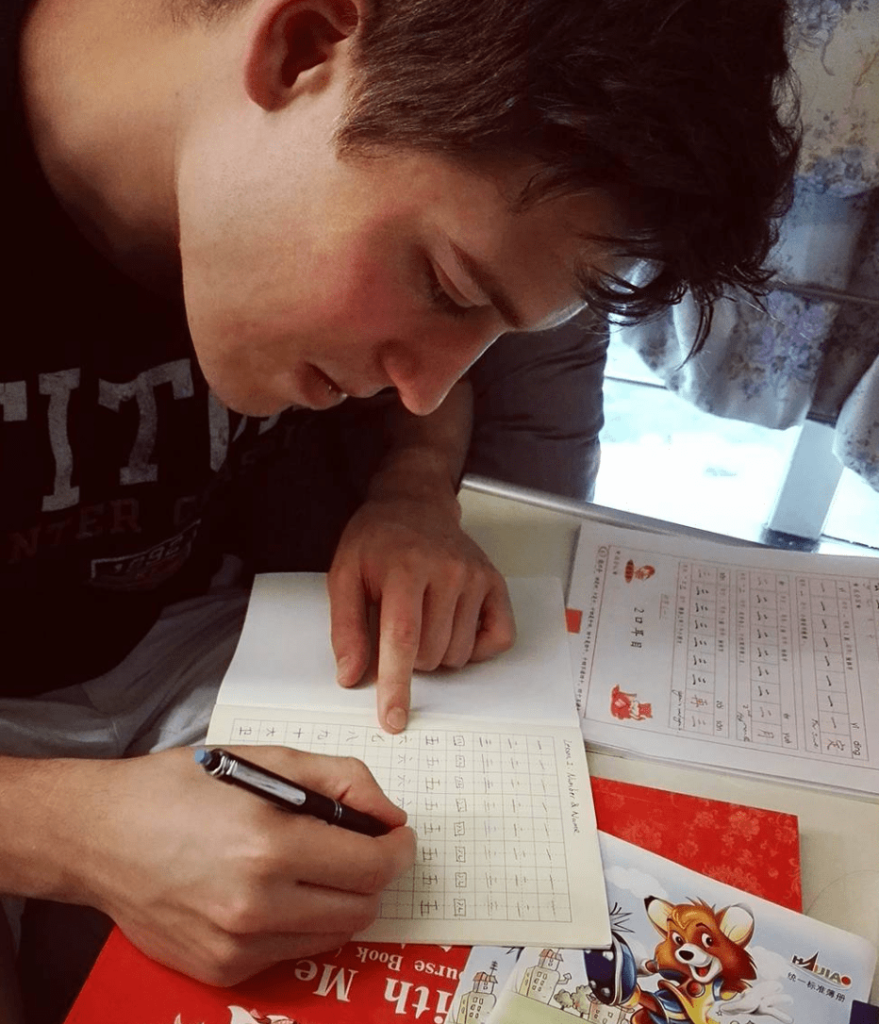
What is your educational philosophy?
Having a background in experimental science has allowed me to see value in making breakthroughs through experimentation. By allowing students to experiment with different methodologies while offering guidance is an extremely effective way of teaching students to not be afraid of failure. Richard Fuller correctly said, “There is no such thing as a failed experiment, only experiments with unexpected outcomes.” Students often start my classes afraid to answer questions, discuss with their classmates, or write on the board since they don’t know the answers. Since I am always more focused on solutions rather than answers, students’ are rewarded for trying new techniques, discussing failed methods, and asking questions about their classmates’ work. I found this to produce a phenomenal learning environment and takes a lot of pressure off the students.

What is your favorite thing about teaching Math?
My favorite thing about teaching Math is the exciting challenges it provides. After teaching Math for many years, I have come to realize that students see the world from a unique perspective, which more often than not, is very different from my own. This diversity produces a wide spectrum of learning styles and requires me to stay very flexible with the methodologies I use in my teaching.
Math is a complex subject which has provided us with a universal language to better understand the universe that surrounds us. Having a good problem solving ability is a byproduct of learning Math and crucial for success in the modern world. For these reasons I have the responsibility to transform a traditionally dry and boring subject into something exciting by creating compelling lessons and using creativity to inspire my students. This will always be something I love about my job.
Who is your favorite mathematician and why?
This is a tough question, and it’s hard to pinpoint one Mathematician since I utilize the works of so many Mathematicians in just one lesson. If I had to pick it would be either Johannes Kepler or Nicolaus Copernicus since I also love astronomy. Their Math not only challenged everything that was believed about our solar system at the time, but also formed the foundations for understanding planetary motion. Space travel has relied heavily on these concepts.
If you could only give parents one piece of advice when it comes to helping their child improve in Math, what would it be?
One thing I have worked on a lot with my students, is getting them to explain their solutions to me regardless of how easy it may seem. Being able to arrive at the correct answer in certain school curriculums may not require a complete understanding, but being able to explain a solution well does require a good understanding. Make sure that your child is always showing very clear steps in their work and that they can explain their steps to you. This certifies understanding and shows they are prepared for questions which test the same concept but may be worded differently.
What is one fun fact about yourself?
I really like learning languages! After growing up in many different countries I can speak English, Swedish, and German fluently. For the past two years I have been working to add Chinese to my collection and have enjoyed the unique challenges that learning this complex language has provided me with.
O xardín secreto é unha peza da literatura clásica que formou parte dun número incalculable de infancias (se perdeches o noso artigo sobre por que os nenos deberían ler novelas clásicas, velo enlazado a continuación!). É unha poderosa historia de amizade e descubrimento de si mesmo que resoa nas nosas almas.
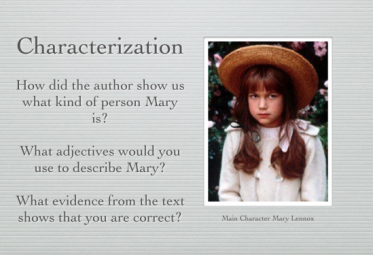
O xardín secreto trata dunha moza chamada Mary Lennox que perde a súa familia e todo o que está familiarizado con ela debido a un brote de cólera na India., onde o seu pai traballaba como capitán do exército británico. De neno, María estaba bastante descoidada, pero consentido polos servos da familia, polo que era unha nena mimada cun carácter terrible. Ela tiña moi poucos trazos que a axudasen a afrontar unha nova vida en Inglaterra, onde a enviaron a vivir cun parente afastado malhumorado, Sr. Craven.
Sr. Craven tiña regras moi estritas que Mary debía seguir na súa nova casa en Misselthwaite Manor en Yorkshire, que incluía a prohibición de entrar en varias habitacións dentro da mansión xigante, así como prohibido entrar nun dos xardíns da extensa propiedade, que pertencía á súa amada defunta muller. Mentres Mary comeza a explorar o seu novo fogar, ela comeza a atopar unha sensación de felicidade e recupera a súa saúde despois de estar enferma durante gran parte da súa infancia. Despois de que un petirroxo axúdaa a atopar a chave do xardín secreto, ela atopa un sentido de propósito na restauración do xardín, por moito que ela restaura o seu interior. A través dos espiños e das follas secas do inverno, ela atopa moitas máis mentiras dentro.
Axudado polo novo amigo Dickon, Mary desenvolve as súas primeiras amizades, e usa a súa nova forza e amabilidade para axudar ao seu curmán encamado Colin, a quen atopa metido no pazo. A amizade fortalece tanto a Mary como a Colin, e ao final, todos son testemuñas dun milagre só feito posible por estes vínculos estreitos e a crenza nun mesmo, dous temas moi importantes na novela.
Aos mozos encantaralles ler esta fantástica historia de amizade, superando obstáculos, e experimentando o poder curativo da natureza. Os personaxes e as leccións que nos ensinan seguramente tocarán ao teu fillo e axudarán a experimentar o poder dunha gran historia.
Se queres ter a oportunidade de que o teu fillo experimente esta historia con outros, estamos encantados de comunicarvos que estaremos lendo O xardín secreto como primeira novela do noso Nivel Clásicos Novos 2 Curso este verán.
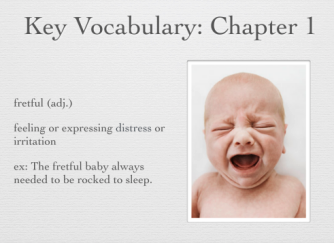
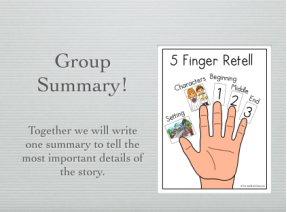
No curso, non só lemos a novela, pero tamén aprendemos e aplicamos vocabulario novo do libro, comentar técnicas literarias importantes empregadas polo escritor, e practicar a escritura de resumos, unha habilidade clave que moitos estudantes consideran un reto
Se estás interesado en aprender máis sobre Young Classics, ou e dos nosos outros excelentes e atractivos cursos, póñase en contacto cun dos nosos consultores educativos hoxe! Esperamos traballar co teu fillo moi pronto!
Literature study is an important aspect of any excellent academic program, and that is because it helps to teach students a wide range of knowledge and skills that are essential for success in many areas of life. While studying literature, students learn about important events and people throughout history, they consider cultural perspective and increase their own understanding of acceptance of different ideas and beliefs, and they learn how to analyse the words of others in order to form a deep understanding of new ideas and ways of communicating. In short, it exposes students to a toolbox of ideas, techniques, strategies, theories, and more that they will carry with them throughout their life, shaping the way they approach the world.
Why do we offer this course?
Reach Out students typically pursue high school programs such as IGCSE, which includes challenging courses such as English Language and Literature and English as a First Language. Later, most of those students will take on the challenge of IB and AP level programs, in which they must take on the task of reading a variety of literature. Our aim is to expose students in upper primary and middle school to a wide range of advanced literature so that by the time they reach high school they possess the knowledge and skills to hit the ground running, and therefore achieve to a higher level.
This course is designed for Grade 7-9 estudantes.
The Objectives of our Advanced Literature Course are to:
✪ Enhance students’ ability to understand and discern literary techniques used English and American literature, and the ability to communicate the effects of those techniques;
✪Improve children's literary comprehension skills and increase their understanding of British and American culture;
✪ Under the guidance of our expert educators, learn the power of language and storytelling in a challenging yet engaging way.
Meet Our Teachers
*Insert teacher bios here for Barry, Anthony, and John*
Our Book Selections:
Cry the Beloved Country by Alan Paton

Set in South Africa in the 1940s, award-winning Cry the Beloved Country tells the story of a Zulu Pastor, Steven Kumalo, who travels from his village to the city of Johannesburg. Along his arduous and heart-wrenching journey, he discovers that his sister and son have found themselves in terrible situations that he must now face with them. The characters’ vastly different lives become unexpectedly woven together through tragedy during a dark time in South Africa’s history. Porén, through tragedy and challenges, the true nature of the human spirit can be found and uplift those who need it most.
Dracula by Bram Stoker

The legend of Dracula has loomed large in the minds of readers and movie-goers for generations. Bram Stoker based the infamous character of Dracula on the legend of the real life ruler of Wallachia, Vlad the Impaler. Stoker was able to take this dark corner of history and turn it into a legendary novel told through journal entries, letters and telegrams. As with any classic, Dracula has stood the test of time because it speaks to something very deep and meaningful within the human psyche.
Of Mice and Men by John Steinbeck
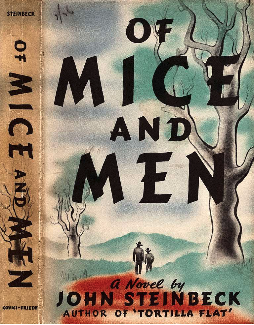
The Great Depression was a defining moment in American history that tested its strength as a nation, and placed the population in a precarious balance between life and death. In what is considered one of the greatest American classics, readers are introduced to two displaced migrant workers, George and Lennie. George is an intelligent young man, while Lennie is mentally disabled. George takes Lennie under his wing as they seek employment where few opportunities exist, trying to survive, yet still dreaming of the day they will have their own land and build a life. Their hopes are dashed when a devastating incident occurs that alters their lives forever.
What Students Will Gain
Develop an early sense of literary appreciation,
See the world from a more mature perspective
British and American classics contain thought-provoking moral and social issues. Reading the most influential classic literature thoroughly helps students become better readers, and begin the process of pursuing self-realization.
Improve understanding of culture and history
Learning allusions from classic British and American literature can help us bridge cultural differences. "The classics have opened the door to different worlds, different cultures, and different historical perspectives. Literature crosses race, culture, religion, and geography."
Self-reflection and personal growth
Many classic literature allude to our lives from the side: books that reflect similarities to our own lives are called "mirrors"; and those that give us a glimpse of different lives are called "windows." Whether it is a "mirror" or a "window", it further enriches the students' life experience and increases the courage and strength to face life.
Join Us!
Contact us to discover more about our course. We sincerely hope to meet your child soon, and develop a love of reading classic literature together.
It’s back to school time and we know parents are getting ready for a new year with new beginnings. The start of a new year is usually met with a mix of excitement and a bit of anxiety, as students and parents look forward to new skills and experiences, but also might feel nervous about new routines and expectations.
Non te preocupes, Reach Out it here to help! This year, we have 5 top tips to a fantastic start to the school year.
Understanding how your child’s school approaches education, what curriculum they use, what systems, and standards are used can be overwhelming for non-educators. Spending a bit of time each day reading your school’s website content, handbooks, and other resources can help you feel more confident in understanding what your child is learning at school and how they are learning. It’s also important to attend your child’s back-to-school night and informational sessions to get a better understanding of your child’s program as a whole. It also provides a great opportunity for you to establish a relationship with your child’s teacher. At any time if you still have questions, you can always e-mail your child’s teacher. They are there for you and your child, as they know that a great relationship with parents is a fantastic way to ensure academic, social, and emotional success for all students.
2. Make Sure to Catch Enough Zzzzs Before the ABCs
Sleep is so important for a child’s growth and development, and a lack of it can negatively impact a child’s academic achievement. De feito, research shows that sleep depravation in children can lead to higher rates of anxiety and depression. When we sleep, our brain processes the information from he day, finds the best system to file it away in out memories, and re-charges our systems for a new day. For various reasons, parents often find sticking to an early bedtime difficult, but with a clear routine, and time for adjustment, it can be easy! Children 3-6 years old should be getting 10-12 hours of sleep per day, 7-12 year olds should get 10-11 hours per day, e 12-18 year olds should get 8-9 hours per day. Creating a schedule where children get to bed earlier will make mornings easier as well, hopefully with less stress for both parents and children as they will be well rested and ready to start their day!
3. Ask the Right Questions at the Right Time
Sometimes parents are anxious to know how their child’s day was as soon as they get home from school, especially during the first few weeks. Those weeks are especially exhausting and full of ups and downs as your child learns to navigate new material, new friends, new teachers, and new expectations. Giving them time to come home and decompress is extremely important for their emotional and mental well-being. Once they have had some “me” time, parents can ask specific questions based on what they know they are working on, if they happen to know. They can go through their child’s homework diary with them and help them make a plan on how to tackle each task, as well as share in their enthusiasm for specific subjects, books, or information they also enjoy. Avoid asking, “How was school? What did you learn?” as kids respond much better to more specific questions, such as, “What did you do with your friends at lunch? What was the best part of your day? What was the weirdest or most wonderful thing that happened at school today?” Most importantly, parents should be fully present and listen intently when students answer, so they really feel valued and hear when they share.
4. Let Them Learn From Failure
This one can be extremely hard for parents to allow. We want our children to do well and reach their full potential, which means we might go over each assignment with a fine-toothed comb, correcting every mis-calculation or grammar mistake. Although parents have good intentions when we do this, we are taking away important learning opportunities from children when we do so. Back when we were students, many of our parents were often too busy or didn’t have the knowledge or capacity to help us with our school work, but we found a way to push through and try our best. If children are never given opportunities to fail when they are young, they might resist taking on challenges later in life for fear of failing at them. Porén, when we let them fail gently, such as on an assignment or at a little league soccer game, we are teaching them resilience. It’s not the end of the world, and they learn a valuable lesson; that we can try and not succeed, dust ourselves off, and try again next time.
5. Nurture Their Passions
New school years are an exciting time for many reasons, one of them being that they provide children a chance to discover new passions. If they are lucky, they will stumble upon something they truly love, and that they can become fascinated with enough to spend hours on end discovering. Helping a child find his or her passion is not always easy and takes time. Sometimes parents worry if their child focuses too much on a couple of things, and feel they need to expose them to as much as possible to help shape them into well-rounded individuals. Porén, if we look at the people who have shaped our world, it was because they had a laser focus on what they were passionate about. It was all they ever did or do. As humans, we naturally gravitate towards what we love most, and as long as it provides some sort of value on top of fulfillment, we should continue pursuing it. Entón, don’t worry if your child protests going to one activity while running out the door to attend another. Maybe the one they love is the most valuable to their growth and development, and the one they don’t like isn’t that necessary after all.
We hope these tips have helped, and we wish you and your child the best in the coming school year! We are excited for the new school year and all of the challenges and hope it will bring.
Reach Out will be with you every step of the way, so be on the lookout for more information and more articles we hope you will love!