Fuq Reach Out, nemmnu li huwa importanti ħafna li niċċelebraw is-suċċessi tal-istudenti. Bi pjaċir inħabbru Student Star ieħor - Emma!
Emma tirrappreżenta dak kollu li l-istudenti jistgħu jiksbu b'xogħol iebes u impenn għall-eċċellenza. L-għalliema ta’ Emma jagħrfuha bħala studenta li għandha attitudni mill-isbaħ lejn it-tagħlim, huwa riċettiv ħafna għall-istruzzjoni, u għandha familja ta’ appoġġ kbir li spiss tikkomunika mal-għalliema tagħha. Fil-klassi, Emma hija semmiegħa attenta u attenta li hija kunfidenti biżżejjed biex taqsam l-ideat tagħha, iżda paċenzja biżżejjed biex jagħti min-naħa tiegħu lil kulħadd. Hija ma tiddejjaqx tieħu riskji, u kapaċi tinjetta l-personalità tagħha fix-xogħol tagħha.
Emma bħalissa hija rreġistrata fil-Livell tagħna ta’ Qari u Kitba Kreattiva 4 Kors, u wriet rigal reali li setgħet toħloq xbihat b’saħħtu fil-kitba tagħha. Fil-bidu tas-semestru, hija lestiet reviżjoni tal-fergħa ta 'Shanghai Disneyland ta' Blue Frog.
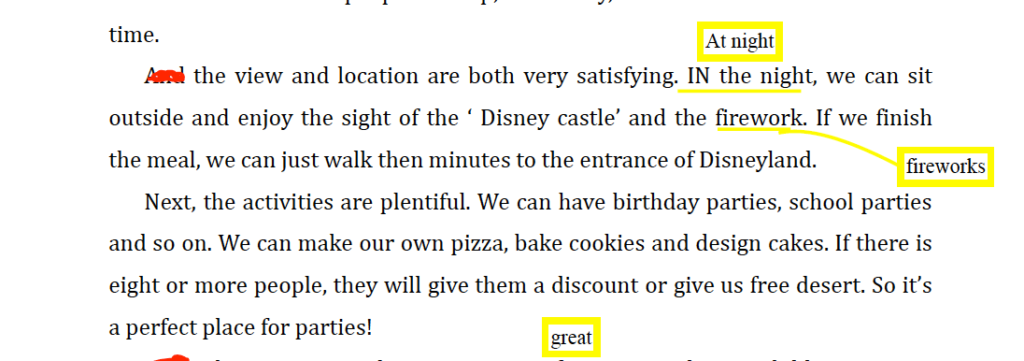
Emma wriet il-kapaċità tagħha li tikkritika aspetti speċifiċi ta’ post, u tiżviluppa l-ideat tagħha billi tuża dettall xieraq.
“Il-veduta u l-post huma t-tnejn sodisfaċenti ħafna. Bil-lejl nistgħu noqogħdu barra u ngawdu l-vista tal-Kastell Disney u l-logħob tan-nar.”
Kif kompla s-semestru, Emma wriet żvilupp fil-ħiliet tagħha tal-kitba, u beda jinkorpora tekniki letterarji aktar avvanzati. F'inkarigu dwar id-deskrizzjoni tal-pajsaġġi, Emma kienet kapaċi toħloq immaġni b'saħħitha billi tuża vokabularju preċiż u lingwaġġ figurattiv.
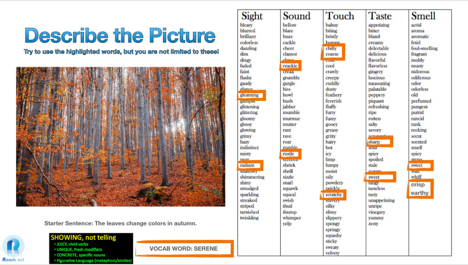
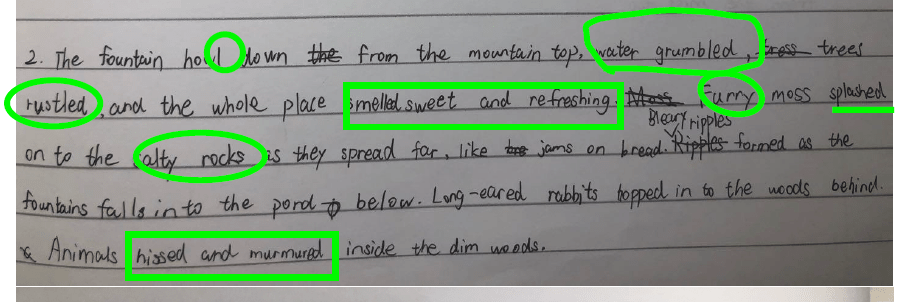
“Il-ħażiż bil-pil nixxef fuq il-blat mielaħ hekk kif infirex ‘il bogħod, bħal ġamm fuq il-ħobż. Ripples bleary ffurmaw hekk kif il-funtana waqgħet fl-għadira ta’ taħt.”
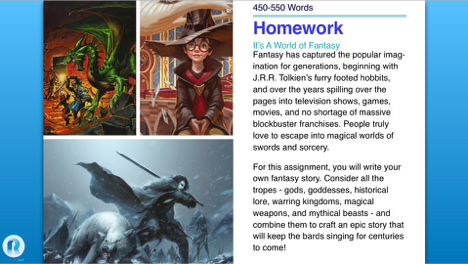
Emma kompliet tapplika l-lezzjonijiet li tgħallmet matul il-kors, u l-abbiltà tagħha bħala kittieb saret aktar b'saħħitha. F'inkarigu reċenti dwar il-kitba ta' Narrattiva tal-Fantasija, Emma bniet l-ambjent u l-karattru tal-istorja tagħha deliberatament u effettiv.
“Xemx ileqq tiddi mit-tieqa u fuq l-artab, folja tas-sodda ħarir. Ħdejn it-tieqa miftuħa fjuri ħelwin ikkuluriti sħun. Tpinġijiet ħoxna imma diliġenti kienu mdendlin mal-ħajt iġjeniċi aħdar tal-alka.”
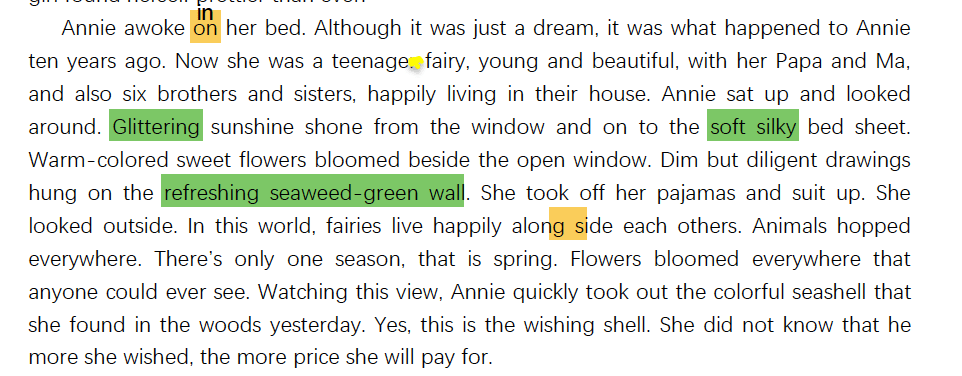
Kif tistgħu taraw, Emma turi karatteristiċi ta’ kittieb żagħżugħ promettenti. Id-determinazzjoni tagħha li ttejjeb, u l-applikazzjoni bir-reqqa tal-lezzjonijiet mgħallma għenu biex tgħolli l-kitba tagħha għal livell aktar avvanzat.
Grazzi Emma, talli tkun tali STELLA! Aħna ħerqana li naraw it-tkabbir tiegħek għal żmien twil li ġej. Nafu li dan huwa biss il-bidu ta’ vjaġġ brillanti.
Bħala edukaturi, ħafna drabi ġejna mistoqsija l-mistoqsija, “Kif nistaʼ nġib lil uliedi biex tieqaf jaqra l- kotba tal- komiks?” Il-ġenituri huma mħassba li l-komiks ma jipprovdux valur edukattiv, mhumiex akkademikament rigorużi biżżejjed, jew agħar minn kollox, ħela tal-ħin tat-tfal tagħhom. Għal dan, it-tweġiba tagħna ġeneralment tissorprendihom, u dik it-tweġiba hija, “Ħallihom jaqraw komiks!”
Wieħed jifhem li l-ġenituri jkunu daqsxejn imħassba peress li l-perċezzjoni hija li l-komiks huma purament għall-qari ta’ pjaċir., madankollu, Il-komiks għandhom ħafna benefiċċji lil hinn milli jgħinuna ngħaddu l-ħin.
Il-komiks u r-rumanzi grafiċi mhumiex forom ġodda ta’ kitba. Naturalment, ilhom igawdu minn ħafna għal ġenerazzjonijiet. Matul is-snin, il-ġeneru nbidel f'wieħed b'fond u tifsira konsiderevoli, u għalhekk inħeġġu lill-ġenituri biex mhux biss iħallu lil uliedhom jaqraw il-komiks, iżda wkoll biex tappoġġjahom biex jagħmlu dan.
Hawn huma l-aqwa raġunijiet tagħna għaliex il-komiks għandhom jinqraw (speċjalment fis-sajf!):
Għal studenti li mhumiex kelliema nattivi tal-Ingliż, komiks jipprovdu mod tajjeb ħafna biex jibdew igawdu l-letteratura Ingliża. Għal ħafna tfal, il-kompitu li wieħed imur minn ktieb tal-lingwa Ingliża għal rumanz jista’ jkun kbir ħafna, iżda l-komiks jistgħu jipprovdu pont meħtieġ għalihom biex jibnu l-kunfidenza kif ukoll il-ħeffa fil-qari. L-indikazzjonijiet viżwali fl-istampi jippermettu lill-istudenti joħolqu fehim aktar profond tal-plott u l-karattri kif ukoll vokabularju ġdid. Barra minn hekk, tintroduċihom għal apparat letterarju effettiv, bħall-onomatopea (aħseb POW! SMACK! ZOOM!) u idjomi (illustrazzjoni li turi t-tifsira ta’ idjoma simili, “Ilsienek il-qattus?” jagħmel ħafna aktar sens milli jsaħħan l-idjoma waħdu!).

2.Titjib Inferenza
L-inferenza hija ħila ewlenija tal-qari li ħafna studenti jissieltu magħha fuq valutazzjonijiet standardizzati tal-qari. L-inferenza sseħħ meta nieħdu konklużjonijiet ibbażati fuq dak li naqraw. Xi eżempji ta’ mistoqsijiet li l-istudenti se jiltaqgħu magħhom waqt kompiti jew valutazzjonijiet ta’ komprensjoni tal-qari huma dawk bħal, “Kif ħassu l-karattru meta?”, "X'tista' tikkonkludi dwar..." u "X'kienet il-lezzjoni fl-istorja?” Il-komiks jirrikjedu li l-istudenti “jaqraw bejn il-linji” biex jiddeduċu l-informazzjoni li normalment tingħad min-narratur f’rumanz, sabiex ikunu jistgħu jiksbu ħafna esperjenza siewja fit-tisħiħ ta’ din il-ħila billi jaqraw komiks.
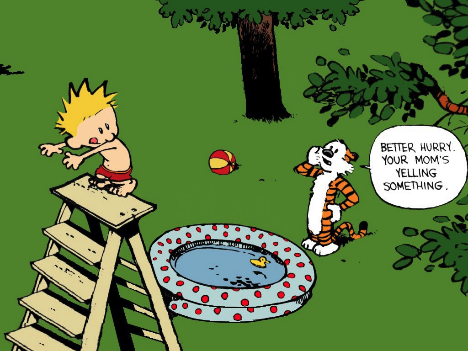
3.Qawwa tal-Kelma!
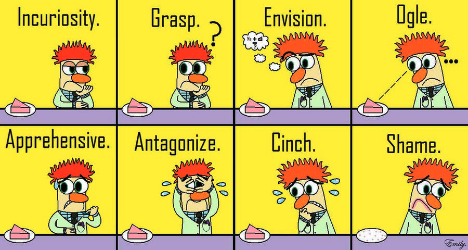
Ħafna drabi fil-komiks u rumanzi grafiċi, kittieba jinkludu vokabularju pjuttost avvanzat, kemm bħala parti mill-linja tal-istorja kif ukoll fl-ismijiet tal-karattri. Fil 2016 fil-Comic-Con famuża fid-dinja f’San Diego, Kalifornja, panelist ta’ edukaturi ddiskuta l-qawwa tal-komiks fil-bini ta’ vokabularji tal-istudenti. James Bucky Carter, qal l-awtur ta’ Building Literacy Connections with Graphic Novels, “Għandek Colossus, u hu hekk kbir, raġel ġgant tal-metall. Ikollok sens tassew tajjeb ta’ xi tfisser il-kelma kolossu u dik hija kelma tajba ta’ 10 ċenteżmi. Il-qawwa ta’ Banshee qed tgħajjat. Għandek dawn il-karattri li jinkorporaw il-kliem tal-vokabularju li huma. Dik hija xi ħaġa li hija mod divertenti biex titgħallem kliem ġdid, minbarra l-indikazzjonijiet kuntestwali.”
Wara li taqra dan, tista 'tixtieq biss tħalli lit-tifel/tifla tiegħek jogħdos dritt fil-qari tal-komiks jew rumanzi grafiċi! Dik hi mużika għal widnejna. Jekk m'intix ċert minn fejn tibda, għandna xi studenti favoriti li t-tifel/tifla tiegħek jista' jixtieq jipprova!
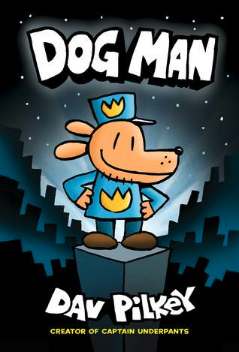
Dog Man minn Dave Pilkey
Miles Morales Spider-Man minn Jason Reynolds

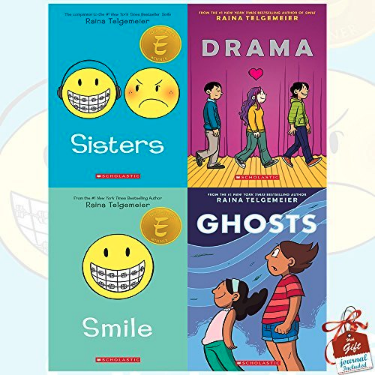
Tbissim, Sorijiet, Ghosts, Drama u Stejjer Oħra minn Raina Telgemeier
Bone minn Jeff Smith

Qed tfittex aktar opportunitajiet ta’ qari fis-sajf għat-tifel/tifla tiegħek? Ikkuntattja wieħed mill-Konsulenti tal-Edukazzjoni tagħna għal aktar informazzjoni dwar il-korsijiet tagħna tal-qari tas-sajf. Aħna ħerqana li naqraw mat-tifel/tifla tiegħek!
L-istaġun tal-eżamijiet wasal, u jista’ jkun żmien tas-sena stressanti ħafna kemm għall-istudenti kif ukoll għall-ġenituri. F’Reach Out rridu nagħmlu l-almu tagħna biex ngħinu biex innaqqsu l-ansjetà tal-eżami billi noffru xi suġġerimenti uniċi ta’ studju li forsi ma ppruvajtx.
L-għerf konvenzjonali tal-istudju ħafna drabi ġie segwit minn ħafna ġenituri u għalliema li għandhom ħsieb tajjeb, madankollu, jekk inħarsu lejn xi approċċi interessanti bbażati fuq ir-riċerka nistgħu naraw li hemm varjetà ta 'modi effettivi ta' studju! Dejjem tajjeb li tipprova affarijiet ġodda, speċjalment għat-tfal. Jistgħu jesperjenzaw modi ġodda kif jagħmlu l-affarijiet meta jkunu żgħar, u meta jkunu xi ftit akbar, jistgħu jagħżlu l-mod l-aktar adattat għall-bżonnijiet u l-istil personali tagħhom stess.
Issa, ejja nagħtu ħarsa lejn tliet modi uniċi kif tistudja.

Il-varjetà hija l-Ħwawar tal-Ħajja-Anke Meta Tistudja
Għal ħafna, ħafna snin qalulna li sabiex nistudjaw sew, għandna nistudjaw fl-istess post kuljum; post li huwa kwiet, imdawwal sew, u għandu l-materjali kollha tagħna. Filwaqt li dan jista 'jkun minnu għal xi wħud mill-ħin li qed nistudjaw, ir-riċerka turina li l-imħuħ tagħna fil-fatt imorru aħjar meta nvarjaw il-post li fih qed nistudjaw. Pjuttost sorprendenti, dritt?
Fi studju li sar it-triq kollha lura ġewwa 1978, ingħataw studenti tal-kulleġġ 40 kliem vokabularju biex tistudja. Grupp wieħed intqal biex jistudja l-lista darbtejn fl-istess post. Il-grupp l-ieħor qallu biex jistudja l-lista f’żewġ postijiet differenti. Dak li sabu kien, il-grupp li varja l-postijiet tal-istudju tagħhom fil-fatt wettaq aħjar meta ftakar il-kliem aktar tard. Issa għaliex dan? Ukoll, moħħna spiss jagħmel konnessjonijiet ma 'informazzjoni bbażata fuq l-ambjent tagħna, allura aktar ma nvarjaw l-ambjent tagħna, aktar ma nkunu qed nagħtu ċans lil imħuħna li jżommu l-informazzjoni peress li se tehmeż ma’ aktar affarijiet. Dan jista 'jkun ukoll għaliex teknika waħda ta' viżwalizzazzjoni, fejn wieħed jivviżwalizza affarijiet li jixtieq jiftakar f’ċerti postijiet f’ambjent li huma familjari miegħu, jistgħu jkunu daqshekk effettivi wkoll. Għall-istudenti, sempliċiment taqleb l-ambjent jista 'jagħmel il-trick!
Have Fun!
Xi ġenituri jistgħu bi żball jaħsbu li jekk it-tifel/tifla tagħhom qed tidħaq jew qed jitħarrek waqt li qed jitgħallmu jew jistudjaw, jistgħu jkunu qed jaħlu l-ħin tagħhom. Madankollu, dan mhux bilfors il-każ.
Bħala ġenitur, fix-xogħol jew fl-uffiċċju tiegħek jista' jkollok workshops speċjali minn żmien għal żmien. Il-workshops normalment jintużaw bħala għodda biex jgħinuk titgħallem dwar strateġija ġdida, idea, jew informazzjoni li tgħinek titgħallem aktar fuq ix-xogħol. Dawn is-sessjonijiet spiss jitmexxew minn nies li jispeċjalizzaw fil-ħolqien ta’ workshops motivanti u ta’ ispirazzjoni li jsaħħu u jħeġġu lill-impjegati. Il-ġranet jistgħu jkunu twal u intensi, imma jekk isiru sewwa, l-impjegati jistgħu jimxu kunfidenti fl-għarfien u l-ħiliet ġodda tagħhom.
L-istess ċrieki jgħoddu għaż-żgħażagħ. L-introduzzjoni tal-logħob u l-gost bħala mod kif tistudja għall-eżamijiet mhux biss tagħmel it-tbissima tat-tifel/tifla tiegħek, iżda r-riċerka tindika li tieħu pjaċir waqt it-tagħlim jattiva ċerti riżorsi konjittivi, jassoċja premjijiet u pjaċir mat-tagħlim, isaħħaħ u jwessa’ n-netwerks tal-memorja, u taqleb il-ħsieb astratt u l-attenzjoni ffukata.

It-Teknika Pomodoro
Nibqgħu ffukati, fuq il-kompitu u motivati biex tlesti ċerti attivitajiet jistgħu jkunu diffiċli kemm għall-adulti kif ukoll għat-tfal. Qatt ħassejtek qisek ilek għal sigħat tħares lejn skrin tal-kompjuter, imma wettaq ftit li xejn? Jew forsi għandek skadenza fi ftit jiem, iżda huma biss inching lejn il-linja finali? Mhux ta’ b’xejn, peress li r-riċerka turi li moħħna għandu t-tendenza li jiġġerrab 20% tal-ħin, forsi saħansitra aktar għaż-żgħażagħ.
Teknika waħda interessanti nħoloq mill-istudent tal-kulleġġ Francesco Cirillo bħala mod biex tgħinu jibqa’ ffukat, u dik hija l-Pomodoro Technique, li ħa isimha mit-timer f’forma ta’ tadam li uża Cirillo waqt li kien qed jittestja din l-istrateġija fuqu nnifsu. Kif taħdem huwa li tissettja tajmer għal 25 minuti, li huwa ħin tax-xogħol. Imbagħad issettjaha mill-ġdid għal 5 minuti, li huwa ħin tal-waqfa. Dan huwa żmien tajjeb ħafna biex tqum, stretch, ħu dawra madwar id-dar, pet qattus tiegħek, jew tieħu xarba ilma jew snack. Wara l-ħin tal-waqfa għola, issettja t-tajmer għal ieħor 25 minuti u rrepeti!
Jirriżulta li din l-istrateġija hija sostnuta minn evidenza xjentifika, peress li r-riċerkaturi kkonkludew li pawżi qosra jgħinu biex iżżomm l-attenzjoni tiegħek fit-triq it-tajba. Dan jista 'jkun relatat mal-fatt li d-dwejjaq konjittiv jista' jwassal għal moħħ mhux impenjat, li hija l-aħħar ħaġa li trid meta tistudja għal eżami importanti.
Nittamaw li ħadt pjaċir tesplora dawn is-suġġerimenti uniċi ta’ studju daqskemm għandna! Nawgura lil ibnek l-aqwa xortih fl-eżamijiet dan ix-xahar. Jiayou!
We know that there is so much we can do to nurture and educate our children, which is why as parents we often go to great lengths to fill their time with enriching activities and classes. Why do we do this? For many reasons of course, but the main goal is to ensure their future success. Parents hope that their children will be even more successful in life than they were themselves. Success, of course, is subjective, and we may all have our own definition of success. Generally however, we might agree that success includes feeling content in one’s personal life, as well having a sense of career satisfaction and financial security.
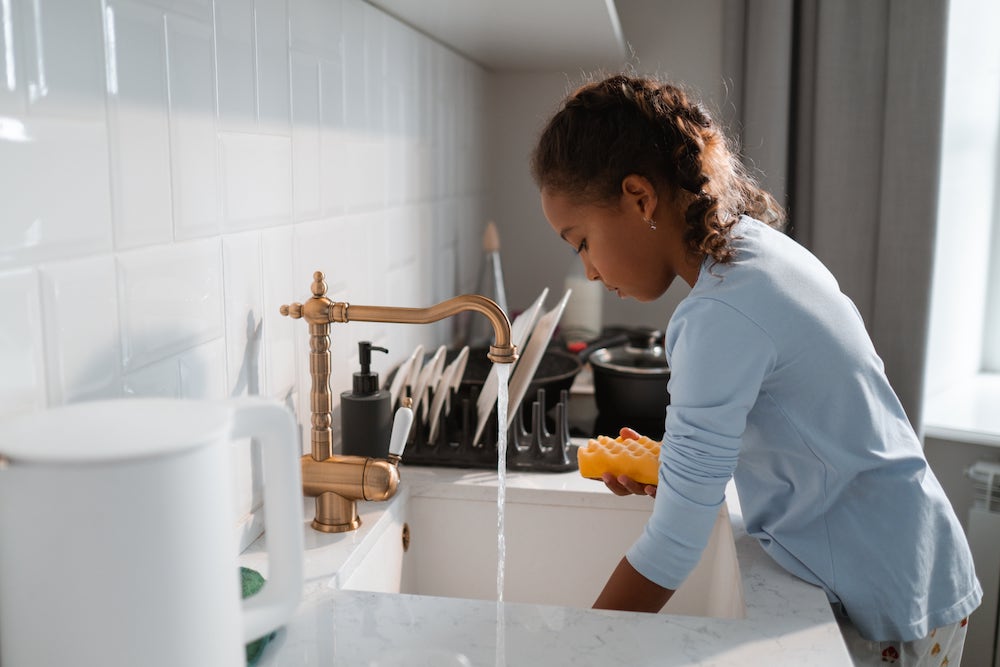
Recently there has been an intriguing TED Talk being shared on social media, in which former Dean of Freshman at Stanford University, Julie Lythcott-Haims, cites evidence from the Harvard Grant Study that correlates professional success in life to individuals having done chores as children. Not soccer training, not language learning, not painting, but chores.
Surprising right?
Many of our children growing up in big cities may never know what it’s like to scrub a dish, wash a window, or mop a floor. We might feel like there are more important things to do to build their knowledge and their character. Lythcott-Haims explains that those children who do get their hands dirty, madankollu, may reach a level of success in life that surpasses their no-chore-doing peers. That is because it teaches students how to contribute and step up when work needs to be done, and that doing the “grunt work” that others might scoff at, because it is what is best for all, is what gets noticed in the workplace.
The workplaces of the high-achievers who took part in the Harvard Grant Study were notable, such as the White House, where participant President Kennedy worked, and the editor’s office where Ben Bradlee sat as editor of The Washington Post. We can assume that their parents, like us, had to prod and plead for the chores to be done, and accept that even if they were done, they might not have been done well; and that’s okay.
The important thing, as Lythcott-Haims points out, is that by doing chores, children realize that they, “…have to do the work of life in order to be part of life.” They realize that life does not just happen to them, and for them, but with them.
If your children are already doing chores as part of their daily summer routine, bravo! You are on the right track. If not, no need to panic. It is never too late to introduce chores into the lives of our children. Here are some tips to help get you started!

Let Them Be a Part of It
When introducing the concept of your children completing chores to help, have a “family meeting” where everyone is present to discuss what will be expected of your children and why. You can ask your child to help you write a list of chores they could potentially help with around the house. They might surprise you with their enthusiasm as doing chores is very exciting for some children because it makes them feel empowered and helpful (two things we often like to feel as adults).
Game-ify It
To make things fun, because fun makes everything better, you or your child can write the chores on popsicle sticks and each day your child can choose one stick from the jar. That will be their chore for the day! If you have more than one child at home, you can always turn cleaning into a competition by setting a timer and seeing which child can clean the most toys in the given amount of time, for example.
Reward It
Bħala ġenituri, we are rewarded for our contributions at work with a salary. Shouldn’t our children also be rewarded for their hard work? One idea is that if your child completes all of his or her chores for the week, he or she can choose a small toy from a “treasure box” filled with small toys. Another option could be that if your child consistently completes chores for a month, they can choose an extra special family outing.
Teaching our children to do chores is not always easy, but the potential benefits are worth the time and effort. We hope you found our tips useful, and that they can help lead to a positive experience for you and your child. Happy cleaning!
Għandna pjaċir inħabbru klabb ġdid tal-kotba tas-sajf, biss għall-ġenituri! Is-sajf huwa ż-żmien perfett biex taqra dak il-ktieb li dejjem xtaqt taqra, iżda ma kellhomx il-ħin biex. Dan is-sajf, nistednuk tingħaqad magħna fil-qari Kif Tkellem Sabiex It-Tfal Isimgħu u Isma’ Hekk It-Tfal Jitkellmu.
Nafu li mhux dejjem faċli li nikkonnettjaw mat-tfal tagħna minħabba t-talbiet tal-iskola, xogħol u ħajja ta’ kuljum. Xi drabi l-ansjetajiet tagħna dwar il-futur jinterferixxu magħna ngħixu ħajjitna bħalissa. Madankollu, Ħaġa waħda li nistgħu niggarantixxu hija li qatt mhu se jkollna ċans ieħor li nesperjenzaw it-tfulija mat-tfal tagħna stess, u ma rridux nitilfu dan iż-żmien prezzjuż. Allura, kif nistgħu nagħmlu l-aħjar użu minnha u jkollna konversazzjonijiet sinifikanti mat-tfal tagħna li jsaħħu r-rabta tagħna u jgħinu lil uliedna jħossuhom appoġġjati? Dawn huma mistoqsijiet kbar li ħafna minna għandna.
Biex tgħinna nwieġbu dawn il-mistoqsijiet importanti, nistednuk tingħaqad magħna biex taqra wieħed mill-aktar kotba tal-ġenituri popolari ta’ kull żmien, miktuba minn Adele Faber u Elaine Mazlish. Kif Tkellem Allura It-Tfal Isimgħu u Isma Mela It-Tfal Jitkellmu, li jgħallimna kif naċċettaw is-sentimenti ta’ wliedna, kif billi ma nagħmlux hekk nistgħu nkunu bla ma rridu nikkawżaw imġieba ħażina. Tgħallimna wkoll modi pożittivi kif ninkoraġġixxu l-kooperazzjoni, kif ukoll l-indipendenza, awtonomija, u kunfidenza fihom infushom. Dawn huma l-ingredjenti kollha meħtieġa biex jgħinu biex titrawwem relazzjoni pożittiva bejn il-ġenituri u t-tfal li tabilħaqq tgħin biex it-tfal tagħna jikbru f’adulti kunfidenti u kapaċi..

Kif Se Taħdem?
L-ewwel pass huwa li tikkuntattja wieħed mill-Konsulenti tal-Edukazzjoni tagħna biex tirreġistra. Ir-reġistrazzjoni hija B'XEJN u miftuħa għal kulħadd! Se noħolqu chat tal-grupp fejn il-kontenut tal-istudju tal-ktieb u l-qsim se jsir mill-1 ta’ Lulju. Lindsey Fine, il-Maniġer tal-Edukazzjoni tagħna, se jkun qed jingħaqad mal-grupp bħala ġenitur ukoll, peress li hija omm ta’ żewġ subien, età 4 u 6, li se jkunu qed jitgħallmu flimkien miegħek. Hija se tkun qed tgħin ukoll biex tmexxi d-diskussjonijiet ta’ kull ġimgħa.
Il-ktieb jista’ jinstab bl-Ingliż u ċ-Ċiniż u faċilment aċċessibbli bl-istampar, e-book, jew formati awdjobook.
Imbagħad hemm żewġ għażliet dwar kif tixtieq tipparteċipa:
L-iskeda tal-qari hija kif ġej:
Ġimgħa 1: Kapitli 1 & 2
Ġimgħa 2: Kapitli 3 & 4
Ġimgħa 3: Kapitli 5 & 6
Ġimgħa 4 Kapitli 7 & Wara l-kelma
Fl-aħħar tax-xahar, se norganizzaw workshop onlajn immexxi minn School Counsellor, Regina Wehner. Fil-workshop, Regina se taqsam informazzjoni u strateġiji addizzjonali li tista’ tuża biex issaħħaħ ir-relazzjoni tiegħek mat-tifel/tifla tiegħek.
Dwar Regina Wehner

Regina Wehner hija Kunsilliera Skolastika Liċenzjata li ħadmet ma 'studenti fl-Iskola tan-nofs għal aktar minn 16 snin. Oriġinarjament mill-Istati Uniti, tgħix ma’ żewġha u 2 tfal, etajiet 10 u 12, f’Beijing, Iċ-Ċina.
Regina taħdem fl-Akkademja tal-Punent ta 'Beijing (WAB), skola internazzjonali diversa. Parti kbira li tkun konsulent tal-iskola qed tgħin lill-istudenti jitgħallmu dwarhom infushom u dwar oħrajn hekk kif qed jikbru. Regina tospita wkoll Parent Coffee Mornings ta’ kull xahar biex ilaqqa’ lill-ġenituri flimkien biex jitgħallmu aktar dwar il-bidliet fl-iżvilupp ta’ wliedhom u kif jikkomunikaw matul dawn iż-żminijiet ta’ tranżizzjoni.
Ikkuntattjana llum biex tingħaqad!
Helping Your Child Learn New Vocabulary
Research indicates that if we want students to succeed in the academic context, on important assessments and high-stakes exams, as well as their future careers, we must help them develop their vocabulary. The reason for that is this: our understanding of new information is directly linked to our understanding of the vocabulary used to communicate that new information.
Għall-istudenti, increasing their vocabulary is one key to success in mastering a language; the more words we know, the more words we understand, and the more words we can use in our writing to make it more impactful and effective. Madankollu, learning now vocabulary is sometimes viewed as a tedious or elusive process. Sometimes parents are not sure how to guide their children, especially as the way we approach vocabulary study study may vastly differ from the way parents studied it when they were in school.
Don’t worry, Reach Out is here to help! Let’s explore vocabulary acquisition (the process of memorizing and applying new vocabulary), and we’ll tell you how you can help your child build their vocabulary!
Talk About It!
It might seem overly simple, but when it comes to learning new words, one effective way young people do it is by talking with others. Children learn new words best when they are in context, such as in a conversation about a certain topic. They can infer a bit of new words’ meanings based on how they are used along with the other words they are already familiar with.
You have likely been interrupted by your child on many occasions when you use unfamiliar vocabulary and they curiously ask, “What does disaster mean?” You might have been referring to the state of their bedroom (as in it is a complete mess), and by taking a moment to explain the multiple meanings of disaster to them, you will not only have taught them a new word to describe a messy room, but also a failure or a naturally occurring phenomenon, such as a natural disaster.
Allura, talking with your child is a great way to teach them new words!
Explore It!
Students generally understand that they can use a dictionary or a translator if they encounter a word they do not know, but sometimes even the definition of a word might leave them with more questions than answers.
In our experience, many students do not utilize one very important tool for learning and applying new vocabulary, and that tool is a thesaurus! If you notice your child overusing a word when speaking or in their writing, for example, “pretty”, “cute”, “good”, or “bad”, then take some time to show them how to use a website such as thesaurus.com to look those words up. When they search for the word such as “pretty” they will see that there are so many interesting and unique words to use instead! I
In our experience, students really enjoy using new vocabulary, and feel empowered to know there is a tool to help them make their words mightier.
Play!
Having fun while learning isn’t just something teachers do to make students happy, it’s actually been proven by neuroscience to be an effective way to help students learn more and more deeply. Research shows that when students are both stimulated and challenged, their brains release dopamine. Dopamine is a neurotransmitter that stimulates the memory centers and promotes the release of acetylcholinem, which increases focused attention.
In our courses here at Reach Out, vocabulary instruction is an important part of each lesson. We also have courses launching this summer, Vocabulary Builder Levels 1-3, in which we will focus exclusively on helping your child expand their vocabulary knowledge with challenging new words. While the words chosen offer the challenge, tools like Quizlet and games such as Guess Who and Sentence Racer provide students with the chance to interact in a meaningful and engaging way.
How do we know these methods are effective? Because our decades of experience, and study of educational psychology and methodology have taught us how students learn best!
We would love to help your child learn new vocabulary as one of the ways he or she can become an effect more effective and successful reader, writer, and speaker. To learn more about how we can help, contact one of our Education Consultants today!
If you are looking for a more individualized educational service, Reach Out offers 1-on-1 services with our expert educators!
What do We Offer?
Our teachers offer a wide range of 1-on-1 subjects including English, Social Sciences, and Maths.
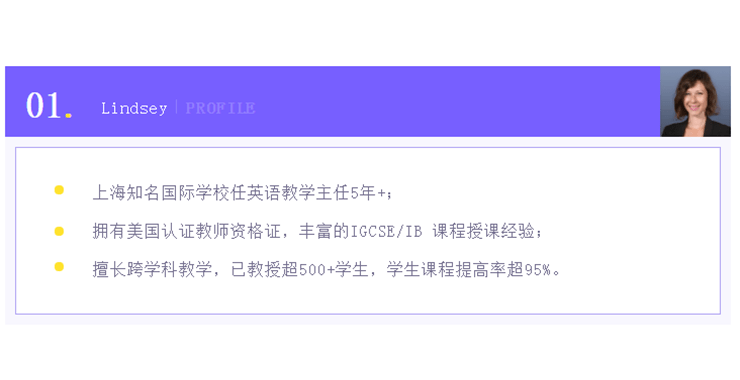
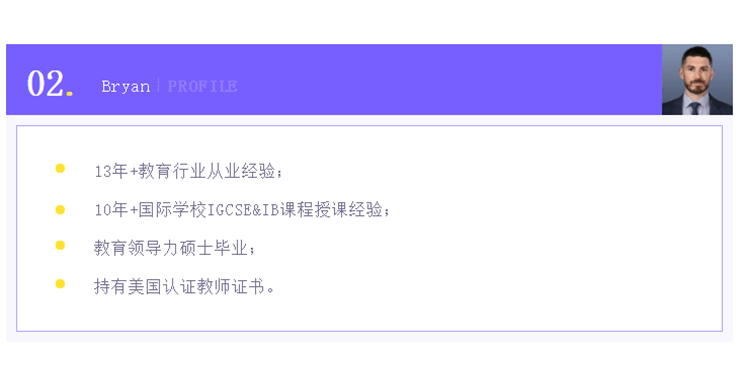
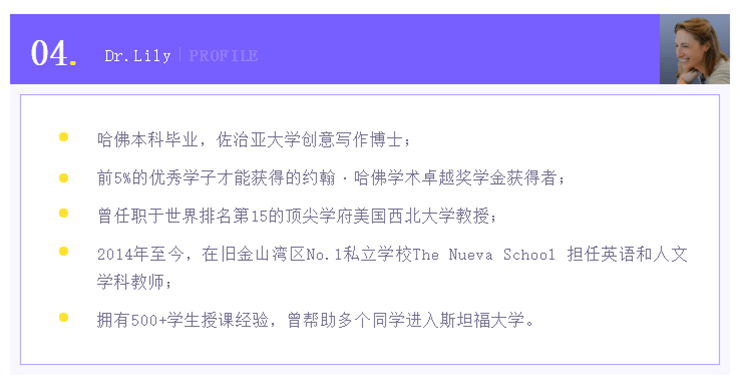
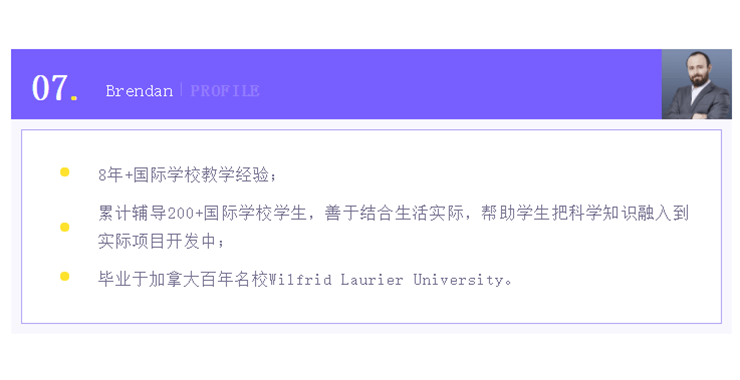
Meet some of our highly qualified and experienced teachers!
Why Should I Choose 1-on-1 Services?
Perhaps your child is preparing to study abroad or applying to a new school and he or she would like a more intensive and targeted approach in order to polish his or her skills. Alternatively, your child might not feel challenged enough with his or her current curriculum, and needs an alternative approach that is more appropriate for his or her ability level.
There are a number of reasons a parent might be searching for services such as this, and we can assure you that we will always work to understand you child’s unique situation and provide the service that is best for them.
How Does it Work?
With our hands-on approach, and orientation process, we will assess your child’s knowledge and skills based on current assessment data, writing ability, u aktar. Based on our findings, we will select the teacher best suited for your child’s needs. All of Reach Out’s teachers have been carefully selected, and have years of experience in teaching challenging curriculums, such as IGCSE, IB, u AP, in top schools from around the world.
Our process is goal-oriented. We find out exactly what your child needs to reach their educational goals, and then we create a unique and tailor-made learning path that will best suit your child’s particular needs.
What Else Does Reach Out Offer?
In addition to 1-on-1 services, Reach Out offers a wide variety of courses specifically designed to challenge and engage your 2nd to 8th grade child with above grade level content in order to help them prepare for the rigor of programs such as IGCSE, IB, u AP.
How Can I Learn More?
To find out more about our 1-on-1 services, please contact one of our Education Consultants today to find out more! We look forward to helping your child reach his or her educational goals for a bright future!
Min Aħna
Kif forsi ndunajt, ilna nikbru u għandna xi żidiet eċċitanti għal dak li noffru hawn fuq Reach Out. Kif ilna żmien minn meta ddejna nfusna, ħsibna li naqsmu l-istorja tagħna miegħek biex ngħinuk tifhem aħjar min aħna u x’nagħmlu!
Il-Missjoni Taghna
Il-missjoni ta’ Reach Out hija li tgħaqqad lill-istudenti ma’ edukaturi esperti li joħolqu u jwasslu l-oriġinali, jispira, kurrikuli ta’ klassi dinjija. Bdejna f’dan il-vjaġġ sabiex inkunu nistgħu ngħinu lill-istudenti jifhmu kif isibu l-vuċi unika tagħhom stess u niskopru l-ideat kreattivi u ta’ valur li jinsabu f’kull wieħed minnhom. Bil-vuċi tagħhom, għandhom is-setgħa li jibdlu d-dinja, u nixtiequ nagħtuhom is-setgħa li jagħmlu dan.

Il-Viżjoni Tagħna
Reach Out tistinka biex tkun istituzzjoni edukattiva rikonoxxuta internazzjonalment li tippermetti lill-istudenti jaċċessaw kurrikulu u edukaturi internazzjonali tal-ogħla livell, irrispettivament minn fejn fid-dinja huma. L-istudenti tagħna se jkunu perċettivi, kurjuż, u ħassieba kritiċi li jagħmlu għażliet infurmati bħala ssolvi l-problemi u komunikaturi eċċellenti. L-istudenti Reach Out se jilħqu l-miri u l-ħolm akkademiċi u personali tagħhom mill-Iskola Primarja sal-Università, ipoġġu l-futur brillanti tagħhom li jistgħu jintlaħqu.
Il-Valuri ewlenin tagħna
Dawn huma l-prinċipji li jsawru Reach Out:
L-Istorja Tagħna
Reach Out inħoloq minn grupp żgħir ta’ ommijiet dedikati, forsi ħafna bħalek innifsek. Inġabru flimkien b’viżjoni komuni għall-bżonnijiet edukattivi ta’ wliedhom. Xi wħud kienu qed ifittxu programm edukattiv li jista’ joffri lil uliedhom aċċess għall-ideat, tagħlim tal-filosofija, u metodoloġija li taqbel ma’ dak li kienu esperjenzaw waqt li kienu jgħixu barra. Oħrajn kienu qed ifittxu kurrikulu internazzjonalizzat li t-tfal tagħhom setgħu jaċċessaw biex jarrikkixxu l-esperjenza edukattiva tagħhom fiċ-Ċina. Dak li qasmu komuni kienet ix-xewqa għal programm rigoruż li fetaħ ukoll il-bibien għal ħsieb kreattiv u kritiku, awtoriflessjoni, u l-espressjoni personali - il-karatteristiċi ta’ kurrikulu internazzjonali b’saħħtu. Wara li qattgħu ħin konsiderevoli jesploraw diversi għażliet, dawn l-ommijiet ma setgħux isibu xi ħaġa li laħqet il-bżonnijiet tat-tfal tagħhom.
Allura, għamlu dak li kienet tagħmel kull omm tajba, mogħtija ċ-ċans, u sabu l-mod tagħhom biex joffru lil uliedhom l-aħjar opportunitajiet ta’ tagħlim possibbli maħsuba biex jgħinuhom jirnexxu. Huma kkonsultaw għalliema esperti u ħadmu ma’ ġenituri oħra biex jiskopru kif setgħu jissodisfaw bl-aħjar mod il-bżonnijiet ta’ tfal oħra b’għanijiet simili.. Tfal, nittamaw, bħal tiegħek.
Il-ġenituri kienu impenjati:
Bi pjaċir ngħidu li dawn l-ommijiet laħqu l-għan tagħhom. Illum Reach Out tiftaħar linja kompluta ta 'korsijiet rigorużi iżda impenjattivi li fihom l-istudenti jitgħallmu fil-fond filwaqt li jieħdu pjaċir u joħolqu relazzjonijiet sinifikanti mal-għalliema u sħabhom..
Dan kollu minħabba l-impenn tal-ommijiet fundaturi tagħna għall-edukazzjoni u l-ferħ ta’ wliedhom.
Dak li Jagħmilna Uniċi?
Filwaqt li nifhmu li l-ġenituri għandhom firxa ta’ għażliet fejn jidħlu programmi li jarrikkixxu l-edukazzjoni tat-tfal tagħhom, nemmnu li noffru ħafna kwalitajiet uniċi li ma jinstabux faċilment x'imkien ieħor.
It-tim tagħna jikkonsisti f'edukaturi b'ħiliet u esperjenza għolja li ħolqu programm uniku u rigoruż ibbażat fuq standards internazzjonali tal-iskejjel, li jipprepara studenti iżgħar biex jieħdu kurrikulu rigorużi bħall-IGCSE, IB, u AP.
-Il-programmi u l-kurrikulu one to one tagħna ddisinjati biex jaqbżu l-ħtiġijiet edukattivi tal-istudenti tagħna
-Il-filosofija tat-tagħlim tagħna li tispira u tagħti s-setgħa lill-istudenti, u metodoloġija ta’ tagħlim li tippermetti lill-istudenti jesploraw l-għarfien b’mod wiesa’ u profond filwaqt li fl-istess ħin jiżviluppaw imħabba għat-tagħlim
-L-impenn tagħna għas-suċċess fit-tul tal-istudenti tagħna hekk kif naħdmu biex nagħtuhom il-ħiliet essenzjali li se jkollhom bżonn biex jirnexxu fil-karrieri futuri tagħhom u fid-dinja lil hinn mill-iskola
- Ir-rispons dettaljat li nipprovdu mal-valutazzjonijiet kollha tal-istudenti tagħna, sabiex l-istudenti jkunu jafu fejn qed jirnexxu u fejn jistgħu jitjiebu, kif ukoll il-materjali u l-istruzzjoni supplimentari meħtieġa biex jgħinu lill-istudenti tagħna jagħlqu kwalunkwe lakuna fil-fehim
-Id-dedikazzjoni tagħna għall-iżvilupp tal-ħsieb kritiku tal-istudenti tagħna u l-ħiliet għas-soluzzjoni tal-problemi, li se jkunu essenzjali għall-futur tagħhom, kif ukoll il-futur tas-soċjetà globali tagħna
-Il-wegħda tagħna li nimpjegaw l-istaff kollu ta’ tagħlim u mhux ta’ tagħlim tagħna abbażi tal-passjoni reċiproka tagħhom għall-edukazzjoni
-Il-ħila tagħna li nagħtu s-setgħa lill-istudenti biex jużaw il-lingwa, għarfien, u l-ħiliet li jiksbu biex jiżviluppaw lilhom infushom lil hinn mill-klassi u fil-kurjuż, studenti tul il-ħajja li jistabbilixxu u jsegwu sfida, tissodisfa, u miri siewja.
-L-idejn tagħna, approċċ individwalizzat għall-ħolqien ta’ triq ta’ tagħlim għall-istudenti tagħna sabiex ikun x’ikun il-livell tal-grad meta jingħaqdu magħna, se jkunu mgħammra bl-għodda meħtieġa biex itejbu u jikbru malajr
-L-impenn tagħna li nagħtu s-setgħa lill-klijenti tagħna b'informazzjoni u esperjenzi li jgħinuhom jagħmlu l-aħjar għażliet assoluti għall-edukazzjoni tat-tfal tagħhom billi noffru artikli informattivi, vidjows u workshops.
Il-Kurrikulu Tagħna
Il-kurrikulu tagħna tal-Blue Line, li jinkludi korsijiet għall-istudenti fi Gradi 2 biex 8, ġiet iddisinjata minn edukaturi esperti bi gradi ta' livell avvanzat fl-oqsma tas-suġġett tagħhom li qattgħu għexieren ta' snin f'xi wħud mill-aqwa skejjel internazzjonali fid-dinja. Aħna nużaw disinn tal-kurrikulu b'lura li jaħdem mod tagħna mill-ewwel sena ta 'programmi bħall-programm IGCSE rikonoxxut u rispettat b'mod wiesa'.
Peress li l-edukaturi tagħna qattgħu snin jgħallmu korsijiet qabel l-IGCSE, IGCSE, Kurrikulu tal-Livelli IB u AP jew A, jifhmu dak li l-istudenti għandhom bżonn biex jirnexxu f’dawk il-programmi. Allura, kull aspett tal-kurrikulu tagħna nħoloq biex niżguraw li l-istudenti kollha tagħna jidħlu fl-ewwel jum tal-Grad 9 tħossok kunfidenti, mgħammra, u ppreparati biex jissodisfaw it-talbiet ta 'dawn il-korsijiet rigorużi.
Noffru firxa wiesgħa ta’ korsijiet fis-suġġetti tal-Ingliż, Matematika, Storja u Ġeografija. Ara hawn taħt għal aktar informazzjoni dettaljata dwar l-offerti sħaħ tal-korsijiet tagħna.
Servizzi Addizzjonali
Għandna pjaċir ukoll inħabbru l-ħolqien tal-Linja tal-Fidda tagħna, li joffri servizzi edukattivi apposta li jieħdu approċċ individwalizzat biex jilħqu l-bżonnijiet tal-istudenti tagħna. Nibdew b’valutazzjoni profonda tal-għanijiet u l-bżonnijiet edukattivi ta’ kull student, u mbagħad toħloq u timplimenta skema ta’ xogħol li biha l-edukaturi esperti tagħna se jużaw biex jiggwidaw lil ibnek fl-isfidi akkademiċi tal-Iskola Għolja sabiex iħejjuhom biex eventwalment jattendu l-università tal-ħolm tagħhom.
Noffru wkoll servizzi 1-on-1 fil-livelli kollha tal-grad għall-ġenituri li jixtiequ joffru lil uliedhom aktar kura u struzzjoni individwali. Il-Konsulenti tal-Edukazzjoni esperti tagħna se jiżguraw li jqabblu lit-tifel/tifla tiegħek mal-aqwa edukatur għall-bżonnijiet u l-għanijiet speċifiċi tiegħu jew tagħha.
Ingħaqad magħna!
Nistennew bil-ħerqa li niltaqgħu mal-familja tiegħek u niddiskutu kif tista' tkun parti mill-familja tagħna Reach Out; wieħed li jitgħallem flimkien, jieħu ħsieb xulxin, jegħleb l-isfidi flimkien, u jiċċelebra s-suċċessi ma’ xulxin. Jekk jogħġbok ikkuntattjana llum biex issir taf aktar.
Nittamaw li nisimgħu mingħandek dalwaqt!
Li tkun ġenitur huwa diffiċli. Fil-fatt, mal-bidliet fid-dinja tagħna llum, jista’ jkun biss wieħed mill-mumenti ta’ sfida li kellna niffaċċjaw f’għexieren ta’ snin. Il-bidla twassal għal inċertezza, u l-inċertezza tista’ twassal għal stress. L-istress ċertament jaffettwa l-oqsma kollha tal-ħajja tagħna, kultant ikollu impatt fuq ir-relazzjoni tagħna mal-maħbubin tagħna l-aktar; speċjalment uliedna.
Uliedna jistgħu jkunu kkumplikati (ejja niffaċċjawha, hekk nistgħu!), u huwa kompitu skoraġġanti li jiġi żgurat li kull mossa tkun dik "tajba".. Dak il-konversazzjonijiet kollha tagħna, talbiet, talbiet, pjanijiet, tifħir u kritika jfissru xi ħaġa. Kull mument li nqattgħu nitkellmu mat-tfal tagħna, inżommu t-tama li dan il-kliem ikun biżżejjed biex jimlew lil uliedna bit-tama ta’ futur kbir fi żmien fejn il-futur huwa tant inċert. Iż-żminijiet jinbidlu, u dan ukoll għandu jgħaddi, imma ħaġa waħda li nistgħu niggarantixxu hija li qatt mhu se jkollna t-tieni ċans li nqattgħu tfulija ma’ wliedna.
Bħala ġenituri, ħafna drabi nistaqsu lilna nfusna jekk fil-fatt aħniex qed nagħmlu t-tajjeb, nistaqsi kif nistgħu ngħaddu mat-tfal tagħna, nippruvaw nifhmu aħjar lil uliedna, u ġieli nħossuna ħatja ta’ falliment għax ngħidu lilna nfusna li qed nagħmluha ħażin. Ħafna drabi, dak mhux il-każ, iżda m'hemm l-ebda manwal ta 'struzzjoni dwar kif trabbi tifel li se jaħdem għal kulħadd fis-sitwazzjonijiet kollha. Żgur, hemm ħafna pariri, ammont kbir minnu, iżda għal darb'oħra, l-aktar pariri huwa biss dak; gwida u rakkomandazzjonijiet minn nies li ma jafux lilek jew lil ibnek. Xi wħud minnha hija utli, u xi wħud minnha... mhux daqshekk.
Ħaġa waħda li ma nistgħux niċħdu għalkemm hija l-importanza ta 'relazzjoni b'saħħitha bejn il-ġenitur u t-tfal.
Ir-riċerka turi li:
Huwa essenzjali li tagħmel il-ħin biex titrawwem relazzjoni mat-tifel/tifla tiegħek, u forsi saħansitra aktar imperattiv, niżguraw li l-interazzjonijiet li jkollna mat-tfal tagħna matul dak iż-żmien ikunu pożittivi. Din hija xi ħaġa li ħafna ġenituri jsibu sfida, u għalhekk ħloqna klabb tal-kotba tal-ġenituri għall-ktieb Kif Tkellem Sabiex It-Tfal Isimgħu u Isma’ Hekk It-Tfal Jitkellmu minn Adele Faber u Elaine Mazlish. Flimkien tgħallimna modi kif nikkomunikaw b’mod pożittiv mat-tfal tagħna sabiex insaħħu r-rabtiet tagħna. Għamilna ħin niddiskutu ideat mill-ktieb, kif ukoll kellha laqgħa virtwali biex tilgħab ir-rwol ta’ wħud mill-istrateġiji mill-ktieb. Barra minn hekk, stiedna lil Middle School Guidance Counsellor, Regina Wehner, biex nipprovdu lill-ġenituri workshop biex jifhmu l-iżvilupp konjittiv u emozzjonali tat-tfal tagħna.
Hawn huma xi punti ewlenin li nixtiequ naqsmu miegħek!
L-ewwel, minn Kif Tkellem Sabiex It-Tfal Isimgħu u Isma’ Hekk It-Tfal Jitkellmu, hawn tnejn mill-istrateġiji favoriti tagħna:
It-tfal għandhom diffikultà biex jirregolaw l-emozzjonijiet tagħhom, peress li ċ-ċentru tar-regolazzjoni emozzjonali tal-moħħ huwa wieħed mill-aħħar li żviluppa. Dan ifisser li għandhom bżonn l-għajnuna tagħna fil-forma ta’ kompassjoni u mudellar. Dan jista 'jkun tant ta' sfida, speċjalment meta jista’ jkollna diffikultà biex niġġestixxu l-emozzjonijiet tagħna stess xi drabi! Għandna strateġija faċli għalik li teħtieġ biss żewġ affarijiet:
Meta t-tifel/tifla tiegħek jiġi d-dar imqalleb dwar xi ħaġa li ġrat fl-iskola, minflok ma nagħtu lekċers u noffru l-pariri saġġi tagħna, nistgħu sempliċement nisimgħu t-tħassib tagħhom u nirrepetu l-ideat lura lilhom. Per eżempju, jekk it-tifel/tifla tiegħek jiġi d-dar mqalleb u jgħid xi ħaġa bħal, “Ugh, illum Eliżabetta u Sarah kienu daqshekk ħżiena miegħi! Injorawni kompletament u issa ddejjaqni t-tnejn!” Minflok tgħid, “Elizabeth u Sarah huma l-aqwa ħbieb tiegħek. Mhix xi ħaġa kbira u jien ċert li għada tkun tajjeb,” li jistgħu jinvalidaw is-sentimenti tat-tifel/tifla tiegħek, tista’ tgħid, “Oh, nara. Elizabeth u Sarah ġagħluk tħossok daqsxejn imwarrab. X’aktarx li ġagħlek tħossok daqsxejn imdejjaq u miġnun.” F'dan il-punt it-tifel/tifla tiegħek jista' jibqa' jitkellem u jiftaħ lilek, li huwa kbir! Ifisser li jafdawk u qed tagħmilhom iħossuhom aħjar. Kompli tisma, nod, ngħidu, “Mmmhmm,” u rrepeti dak li jgħidu. Li tkun sempliċement tismaʼ x’aktarx li t-tifel/tifla tiegħek iħossuhom 100% aħjar u lesti biex jiffaċċjaw l-isfida li jmiss tagħhom!

2. Nixtieq!
It-tfal tagħna ħafna drabi jesprimu x-xewqat tagħhom fil-forma li jixtiequ li jkollhom affarijiet li m'għandhomx jew jixtiequ li l-affarijiet ikunu differenti mill-mod kif huma. Per eżempju, it-tfal jistgħu jgħidu, "Nixtieq li ma kellix għalfejn nagħmel dak ix-xogħol tad-dar kollu." Nistgħu nwieġbu, “Tajjeb, tagħmel u dak hu hekk!” jew “Huwa dak li għandek tagħmel. Hija r-responsabbiltà tiegħek għalhekk trid tagħmel dan issa!”
Dan jista’ jeskala f’battalja ta’ rieda hekk kif il-ġenituri jħossuhom frustrati li jibqgħu jisimgħu l-istess ilment u jirrepetu l-istess raġunament. It-tfal iħossuhom frustrati għax l-opinjonijiet tagħhom qed jiġu invalidati u jħossuhom mhux mifhuma. Ukoll, tinkwetax, aħna qegħdin hawn biex ngħinu! Għandna trick żgħir li jgħinek iddawwar il-konversazzjoni, u li huwa li naqbel mat-tifel/tifla tiegħek. Jista 'ħoss kontrointuwittiv, iżda għandna esperjenza diretta b'dan it-trick u taħdem mill-isbaħ!
Per eżempju, jekk it-tifel/tifla tiegħek jgħid, “Nixtieq li nistgħu mmorru l-park illum kif ridt jien!”
Minflok tgħid, “Ma nistax, Jien okkupat wisq,” jew “Iva, imma ma nistgħux, qed ix-xita,” nistgħu ngħidu, “Nixtieq li aħna wkoll nistgħu! Nistgħu mmorru l-park u nagħmlu picnic! Nistgħu ttiru astun u nfgħu l-bżieżaq! Għaliex ma jkollniex picnic fil-kamra tal-ħajja u wara nistgħu nfgħu l-bżieżaq fil-kamra tal-banju!”
L-ewwel parti ġġib lit-tfal eċċitati u l-immaġinazzjoni tagħhom għaddejja, teħodhom f’post ferħan. Il-parti li jmiss tagħmilhom iħossuhom mismugħa u konnessi miegħek.
Issa, xi punti ewlenin minn Ms. Workshop ta' Wehner:
*Jekk jogħġbok għinni nagħżel dawn! :)*
Jekk tixtieq tingħaqad ma' wieħed mill-workshops jew klabbs tal-kotba tagħna fil-futur, kun żgur li ssegwina u tibqa' sintonizzata! Għandna affarijiet kbar ġejjin din il-ħarifa!
Many parents ask us what the fastest way their child can improve their writing. While we firmly believe there are no shortcuts to becoming a truly effective and skilled writer, there are some things students can incorporate into their writing to help take it to the next level more efficiently. Like with anything trying to be mastered, the key to success lies in hard work and repetition. Practicing these skills regularly will help your child reach their educational goals.
This article will be the first in a series of articles that will focus on skills suited for different types of writing. This week, we will focus on descriptive writing tips.
Descriptive Writing Tips:
Descriptive writing is a true art form, as its purpose should be to create an image in the minds of the readers. One cannot tell a story on action and dialogue alone, and one cannot convey deep meaning and emotion in a poem without painting a picture with his or her words.
One powerful way to excel in description is to add adjectives and adverbs wherever possible. Per eżempju, if your child is writing a story he or she might write something like:
“Harry went outside and started looking for his friends.”
While this sentence conveys a basic meaning, it’s effect on the reader is also basic. By adding descriptive language in the form of adjectives and adverbs, we can quickly and effectively add imagery to the sentence:
“Harry zipped out the front door, slamming it shut behind him. His heart raced as he ran around the neighborhood eagerly looking for his friends.”
In the revised sentence, we see descriptions that tell us not only the action that is taking place, but also helping us feel the emotion of the character, an important aspect of storytelling.

Another great way to make a story or poem more effective is by adding figurative language, such as similes. Similes are comparisons that use like or as that can be used to help the reader imagine what is happening more clearly.
Per eżempju, your child might write something like:
I was so happy!
It was so cute!
He was so scared!
We can add similes to help create an even better result:
I was as happy as a a kitten in a yarn shop.
It was a cute as a baby panda playing in the snow.
He was as scared as a rabbit that just heard a wolf howl.

Our final tip for descriptive writing is to choose vocabulary that is so precise that it communicates exactly what the writer wants the reader to feel. Often, students will write descriptions that are a bit vague, with sentences like:
He was very tired.
The movie was very boring.
They were very cold.
The room very hot.
Again, these sentences convey a simple meaning, but in descriptive writing, that is simply not enough. Effective description uses vocabulary that has an impact, and we can achieve that by choosing only the best words to convey the most exact meaning.
See how we can take the sentences above from ordinary to extraordinary by replacing part of the sentence with powerful vocabulary:
He was exhausted.
The movie was unimaginative.
They were chilled to the bone.
The room was roasting.
The good news is that your child doesn't need to rely on his or her current vocabulary knowledge in order to succeed in creating sentences like those above. The thesaurus has all of the words they need to create memorable descriptions.
We hope these tips have been helpful! If you would like for your child to learn how to put these skills into practice with one of our passionate educators, stay tuned for coming announcements on our new summer and fall courses!
Next week, we’ll have a look at persuasive writing tips!
Tell us a bit about yourself.
I grew up in five different countries (Sweden, England, Germany, South Africa, and Canada). Integration into a diverse spectrum of cultures growing up has made me see the world with an open mind. I currently reside in Canada and work as both a university lecturer and a Math teacher at Reach Out. Outside of work I really enjoy sports such as badminton and chess, which I played at a competitive level for many years.

What is your educational background and qualifications?
I received a Bachelor of Science Degree from the University of British Columbia (UBC) and an obtained my MSc at the same university. My graduate work involved experimental geoscience where I designed an apparatus to investigate how diamonds reach the surface of the Earth through high velocity magmas. I published articles in two high impact journals and presented the work across Canada and Europe.
During my graduate studies I had the privilege of lecturing a few classes which transitioned into a lectureship position. Teaching at the university level involves lecturing a class of over 200 studenti, which is very different to the work I do at Reach Out, but has helped me develop a dynamic teaching style.
Additionally, I have been teaching Math and Science both privately and through educational organizations for over 6 snin.
Why did you join Reach Out?
I joined Reach Out because the prospect of being able to deliver high quality education from around the globe without border restrictions resonates with me.
I feel that the reason I am committed to staying at Reach Out is more important. The personalized classes being delivered has allowed me to connect with the students, making their progression much more meaningful to me. Some students have been together with me through multiple grade levels and I feel immensely proud to have played a role in their education.
What is your educational philosophy?
Having a background in experimental science has allowed me to see value in making breakthroughs through experimentation. By allowing students to experiment with different methodologies while offering guidance is an extremely effective way of teaching students to not be afraid of failure. Richard Fuller correctly said, “There is no such thing as a failed experiment, only experiments with unexpected outcomes.” Students often start my classes afraid to answer questions, discuss with their classmates, or write on the board since they don’t know the answers. Since I am always more focused on solutions rather than answers, students’ are rewarded for trying new techniques, discussing failed methods, and asking questions about their classmates’ work. I found this to produce a phenomenal learning environment and takes a lot of pressure off the students.

What is your favorite thing about teaching Math?
My favorite thing about teaching Math is the exciting challenges it provides. After teaching Math for many years, I have come to realize that students see the world from a unique perspective, which more often than not, is very different from my own. This diversity produces a wide spectrum of learning styles and requires me to stay very flexible with the methodologies I use in my teaching.
Math is a complex subject which has provided us with a universal language to better understand the universe that surrounds us. Having a good problem solving ability is a byproduct of learning Math and crucial for success in the modern world. For these reasons I have the responsibility to transform a traditionally dry and boring subject into something exciting by creating compelling lessons and using creativity to inspire my students. This will always be something I love about my job.
Who is your favorite mathematician and why?
This is a tough question, and it’s hard to pinpoint one Mathematician since I utilize the works of so many Mathematicians in just one lesson. If I had to pick it would be either Johannes Kepler or Nicolaus Copernicus since I also love astronomy. Their Math not only challenged everything that was believed about our solar system at the time, but also formed the foundations for understanding planetary motion. Space travel has relied heavily on these concepts.
If you could only give parents one piece of advice when it comes to helping their child improve in Math, what would it be?
One thing I have worked on a lot with my students, is getting them to explain their solutions to me regardless of how easy it may seem. Being able to arrive at the correct answer in certain school curriculums may not require a complete understanding, but being able to explain a solution well does require a good understanding. Make sure that your child is always showing very clear steps in their work and that they can explain their steps to you. This certifies understanding and shows they are prepared for questions which test the same concept but may be worded differently.
What is one fun fact about yourself?
I really like learning languages! After growing up in many different countries I can speak English, Swedish, and German fluently. For the past two years I have been working to add Chinese to my collection and have enjoyed the unique challenges that learning this complex language has provided me with.
The Secret Garden is a piece of classic literature that has been part of an untold number of childhoods (if you missed our article on why children should read classic novels, see it linked below!). It is a powerful tale of friendship and discovering oneself that resonates with our souls.
The Secret Garden is about a young girl named Mary Lennox who loses her family and everything familiar with her due to a cholera outbreak in India, where her father was working as a British Army Captain. As a child, Mary was quite neglected, but indulged by family’s servants, so she was a spoiled child with a terrible disposition. She had very few traits that would help her cope with a new life in England, where she was sent to live with a grouchy distant relative, Mr. Craven.
Mr. Craven had very strict rules for Mary to follow at her new home at Misselthwaite Manor in Yorkshire, which included her being forbidden to enter various rooms inside the giant mansion, as well as forbidden to enter one of the gardens on the sprawling property, which belonged to his beloved late wife. As Mary begins to explore her new home, she begins to find a sense of happiness and regains her health after being sickly for much of her childhood. After a robin helps her find the key to the secret garden, she finds a sense of purpose in restoring the garden, much as she restores her inner self. Through the thorns and dried leaves of winter, she finds much more lies within.
Aided by new friend Dickon, Mary develops her first friendships, and uses her newfound strength and kindness to help her bedridden cousin Colin, whom she finds tucked away in the manor. Friendship strengthens both Mary and Colin, and in the end, everyone witnesses a miracle only made possible by these close bonds and belief in oneself, two very important themes in the novel.
Young people will love reading this fantastic story of friendship, overcoming obstacles, and experiencing the healing power of nature. The characters and the lessons they teach us will surely touch your child and help them experience the power of a great story.
If you would like an opportunity for your child to experience this story with others, we are happy to let you know that we will be reading The Secret Garden as the first novel in our Young Classics Level 2 Course this summer.
In the course, we not only read the novel, but we also learn and apply new vocabulary from the book, discuss important literary techniques used by the writer, and practice writing summaries, a key skill that many students find challenging
If you are interesting in learning more about Young Classics, or and of our other excellent and engaging courses, contact one of our Education Consultants today! We hope to work with your child very soon!
Literature study is an important aspect of any excellent academic program, and that is because it helps to teach students a wide range of knowledge and skills that are essential for success in many areas of life. While studying literature, students learn about important events and people throughout history, they consider cultural perspective and increase their own understanding of acceptance of different ideas and beliefs, and they learn how to analyse the words of others in order to form a deep understanding of new ideas and ways of communicating. In short, it exposes students to a toolbox of ideas, techniques, strategies, theories, and more that they will carry with them throughout their life, shaping the way they approach the world.
Why do we offer this course?
Reach Out students typically pursue high school programs such as IGCSE, which includes challenging courses such as English Language and Literature and English as a First Language. Later, most of those students will take on the challenge of IB and AP level programs, in which they must take on the task of reading a variety of literature. Our aim is to expose students in upper primary and middle school to a wide range of advanced literature so that by the time they reach high school they possess the knowledge and skills to hit the ground running, and therefore achieve to a higher level.
This course is designed for Grade 7-9 studenti.
The Objectives of our Advanced Literature Course are to:
✪ Enhance students’ ability to understand and discern literary techniques used English and American literature, and the ability to communicate the effects of those techniques;
✪Improve children's literary comprehension skills and increase their understanding of British and American culture;
✪ Under the guidance of our expert educators, learn the power of language and storytelling in a challenging yet engaging way.
Meet Our Teachers
*Insert teacher bios here for Barry, Anthony, and John*
Our Book Selections:
Cry the Beloved Country by Alan Paton

Set in South Africa in the 1940s, award-winning Cry the Beloved Country tells the story of a Zulu Pastor, Steven Kumalo, who travels from his village to the city of Johannesburg. Along his arduous and heart-wrenching journey, he discovers that his sister and son have found themselves in terrible situations that he must now face with them. The characters’ vastly different lives become unexpectedly woven together through tragedy during a dark time in South Africa’s history. Madankollu, through tragedy and challenges, the true nature of the human spirit can be found and uplift those who need it most.
Dracula by Bram Stoker

The legend of Dracula has loomed large in the minds of readers and movie-goers for generations. Bram Stoker based the infamous character of Dracula on the legend of the real life ruler of Wallachia, Vlad the Impaler. Stoker was able to take this dark corner of history and turn it into a legendary novel told through journal entries, letters and telegrams. As with any classic, Dracula has stood the test of time because it speaks to something very deep and meaningful within the human psyche.
Of Mice and Men by John Steinbeck
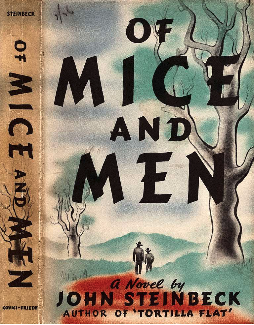
The Great Depression was a defining moment in American history that tested its strength as a nation, and placed the population in a precarious balance between life and death. In what is considered one of the greatest American classics, readers are introduced to two displaced migrant workers, George and Lennie. George is an intelligent young man, while Lennie is mentally disabled. George takes Lennie under his wing as they seek employment where few opportunities exist, trying to survive, yet still dreaming of the day they will have their own land and build a life. Their hopes are dashed when a devastating incident occurs that alters their lives forever.
What Students Will Gain
Develop an early sense of literary appreciation,
See the world from a more mature perspective
British and American classics contain thought-provoking moral and social issues. Reading the most influential classic literature thoroughly helps students become better readers, and begin the process of pursuing self-realization.
Improve understanding of culture and history
Learning allusions from classic British and American literature can help us bridge cultural differences. "The classics have opened the door to different worlds, different cultures, and different historical perspectives. Literature crosses race, culture, religion, and geography."
Self-reflection and personal growth
Many classic literature allude to our lives from the side: books that reflect similarities to our own lives are called "mirrors"; and those that give us a glimpse of different lives are called "windows." Whether it is a "mirror" or a "window", it further enriches the students' life experience and increases the courage and strength to face life.
Ingħaqad magħna!
Contact us to discover more about our course. We sincerely hope to meet your child soon, and develop a love of reading classic literature together.
It’s back to school time and we know parents are getting ready for a new year with new beginnings. The start of a new year is usually met with a mix of excitement and a bit of anxiety, as students and parents look forward to new skills and experiences, but also might feel nervous about new routines and expectations.
Don’t worry, Reach Out it here to help! This year, we have 5 top tips to a fantastic start to the school year.
Understanding how your child’s school approaches education, what curriculum they use, what systems, and standards are used can be overwhelming for non-educators. Spending a bit of time each day reading your school’s website content, handbooks, and other resources can help you feel more confident in understanding what your child is learning at school and how they are learning. It’s also important to attend your child’s back-to-school night and informational sessions to get a better understanding of your child’s program as a whole. It also provides a great opportunity for you to establish a relationship with your child’s teacher. At any time if you still have questions, you can always e-mail your child’s teacher. They are there for you and your child, as they know that a great relationship with parents is a fantastic way to ensure academic, social, and emotional success for all students.
2. Make Sure to Catch Enough Zzzzs Before the ABCs
Sleep is so important for a child’s growth and development, and a lack of it can negatively impact a child’s academic achievement. Fil-fatt, research shows that sleep depravation in children can lead to higher rates of anxiety and depression. When we sleep, our brain processes the information from he day, finds the best system to file it away in out memories, and re-charges our systems for a new day. For various reasons, parents often find sticking to an early bedtime difficult, but with a clear routine, and time for adjustment, it can be easy! Tfal 3-6 years old should be getting 10-12 hours of sleep per day, 7-12 year olds should get 10-11 hours per day, u 12-18 year olds should get 8-9 hours per day. Creating a schedule where children get to bed earlier will make mornings easier as well, hopefully with less stress for both parents and children as they will be well rested and ready to start their day!
3. Ask the Right Questions at the Right Time
Sometimes parents are anxious to know how their child’s day was as soon as they get home from school, especially during the first few weeks. Those weeks are especially exhausting and full of ups and downs as your child learns to navigate new material, new friends, new teachers, and new expectations. Giving them time to come home and decompress is extremely important for their emotional and mental well-being. Once they have had some “me” time, parents can ask specific questions based on what they know they are working on, if they happen to know. They can go through their child’s homework diary with them and help them make a plan on how to tackle each task, as well as share in their enthusiasm for specific subjects, books, or information they also enjoy. Avoid asking, “How was school? What did you learn?” as kids respond much better to more specific questions, such as, “What did you do with your friends at lunch? What was the best part of your day? What was the weirdest or most wonderful thing that happened at school today?” Most importantly, parents should be fully present and listen intently when students answer, so they really feel valued and hear when they share.
4. Let Them Learn From Failure
This one can be extremely hard for parents to allow. We want our children to do well and reach their full potential, which means we might go over each assignment with a fine-toothed comb, correcting every mis-calculation or grammar mistake. Although parents have good intentions when we do this, we are taking away important learning opportunities from children when we do so. Back when we were students, many of our parents were often too busy or didn’t have the knowledge or capacity to help us with our school work, but we found a way to push through and try our best. If children are never given opportunities to fail when they are young, they might resist taking on challenges later in life for fear of failing at them. Madankollu, when we let them fail gently, such as on an assignment or at a little league soccer game, we are teaching them resilience. It’s not the end of the world, and they learn a valuable lesson; that we can try and not succeed, dust ourselves off, and try again next time.
5. Nurture Their Passions
New school years are an exciting time for many reasons, one of them being that they provide children a chance to discover new passions. If they are lucky, they will stumble upon something they truly love, and that they can become fascinated with enough to spend hours on end discovering. Helping a child find his or her passion is not always easy and takes time. Sometimes parents worry if their child focuses too much on a couple of things, and feel they need to expose them to as much as possible to help shape them into well-rounded individuals. Madankollu, if we look at the people who have shaped our world, it was because they had a laser focus on what they were passionate about. It was all they ever did or do. As humans, we naturally gravitate towards what we love most, and as long as it provides some sort of value on top of fulfillment, we should continue pursuing it. Allura, don’t worry if your child protests going to one activity while running out the door to attend another. Maybe the one they love is the most valuable to their growth and development, and the one they don’t like isn’t that necessary after all.
We hope these tips have helped, and we wish you and your child the best in the coming school year! We are excited for the new school year and all of the challenges and hope it will bring.
Reach Out will be with you every step of the way, so be on the lookout for more information and more articles we hope you will love!