På Reach Out, vi tror att det är mycket viktigt att fira studentframgångar. Vi är glada att kunna presentera ytterligare en Star Student - Emma!
Emma representerar allt elever kan uppnå med hårt arbete och engagemang för spetskompetens. Emmas lärare känner igen henne som en elev som har en underbar inställning till lärande, är mycket mottaglig för undervisning, and has an extremely supportive family who often communicates with her teachers. In class, Emma is a careful and attentive listener who is confident enough to share her ideas, but patient enough to give everyone their turn. She doesn’t mind taking risks, and is able to inject her personality into her work.
Emma is currently enrolled in our Creative Reading and Writing Level 4 Course, and she has shown a real gift in being able to create strong imagery in her writing. At the beginning of the semester, she completed a review of Blue Frog’s Shanghai Disneyland branch.
Emma showed her ability to critique specific aspects of a place, and develop her ideas using appropriate detail.
“The view and location are both very satisfying. At night we can sit outside and enjoy the sight of the Disney Castle and the fireworks.”

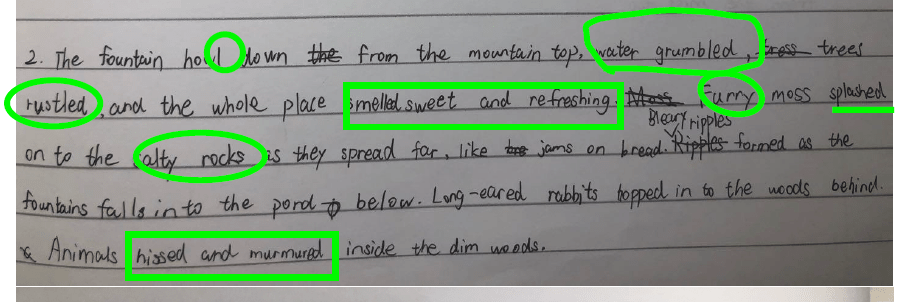
As the semester went on, Emma showed development in her writing skills, and began to incorporate more advanced literary techniques. In an assignment on describing landscapes, Emma was able to create a strong image using precise vocabulary and figurative language.
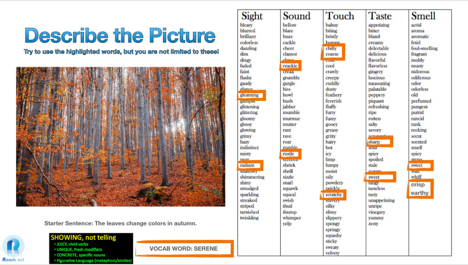
“Furry moss splashed onto the salty rocks as they spread far, like jam on bread. Bleary ripples formed as the fountain fell into the pond below.”
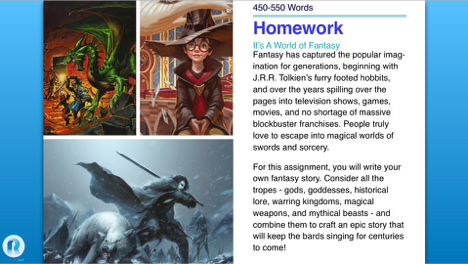
Emma continued to apply the lessons she learned throughout the course, and her ability as a writer became stronger. In a recent assignment on writing a Fantasy Narrative, Emma constructed the setting and character of her story deliberately and effectively.
“Glittering sunshine shone from the window and on to the soft, silky bed sheet. Warm colored sweet flowers bloomed beside the open window. Dim but diligent drawings hung on the refreshing seaweed-green wall.”
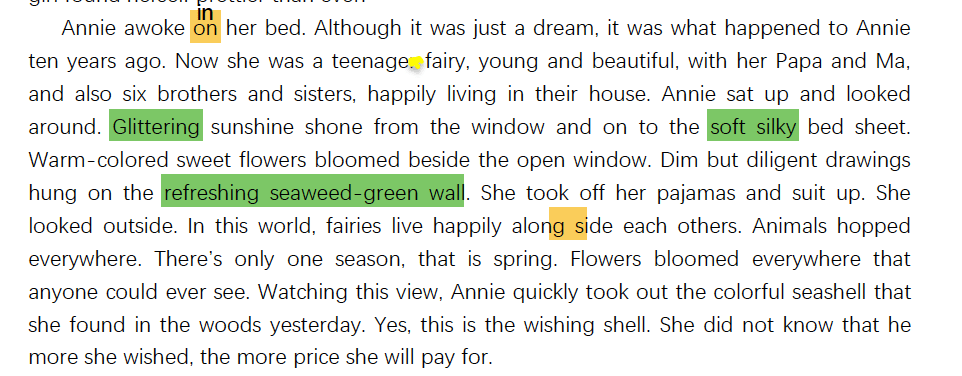
As you can see, Emma displays characteristics of a promising young writer. Her determination to improve, and careful application of the lessons taught have helped to elevate her writing to a more advanced level.
Thank you Emma, for being such a STAR! We look forward to seeing your growth for a long time to come. We know this is only the beginning of a brilliant journey.
Som pedagoger, vi har ofta fått frågan, "Hur kan jag få mitt barn att sluta läsa serietidningar?” Parents are worried that comics do not provide educational value, är inte tillräckligt akademiskt rigorösa, eller värst av allt, ett slöseri med sitt barns tid. Till detta, vårt svar brukar överraska dem, and that answer is, “Let them read comics!”
It’s understandable that parents would be a bit concerned as the perception is that comics are purely for pleasure reading, dock, comics have many benefits beyond helping us pass the time.
Comics and graphic novels are not new forms of writing. Of course, they have been enjoyed by many for generations. Over the years, the genre has changed into one with considerable depth and meaning, which is why we encourage parents to not only allow their children to read comics, but also to support them in doing so.
Here are our top reasons comics should be read (especially in the summer!):
For students who are not native English speakers, comics provide a great way for them to begin enjoying English literature. For many children, the task of going from an English language textbook to a novel can be very daunting, but comics can provide a necessary bridge for them to build confidence as well as reading fluency. The visual cues in the pictures allow students to create a deeper understanding of the plot and characters as well as new vocabulary. Dessutom, it introduces them to effective literary devices, such as onomatopoeia (think POW! SMACK! ZOOM!) and idioms (an illustration showing the meaning of an idiom like, “Cat got your tongue?” makes much more sense than heating the idiom on its own!).

2.Enhancing Inference
Inference is a key reading skill that many students struggle with on standardized reading assessments. Inference happens when we draw conclusions based on what we read. Some examples of questions students will encounter during reading comprehension tasks or assessments are those such as, “How did the character feel when?”, “What can you conclude about…” and “What was the lesson in the story?” Comics require that students “read between the lines” to infer information that is usually told by the narrator in a novel, so they can gain a lot of valuable experience in strengthening this skill by reading comics.
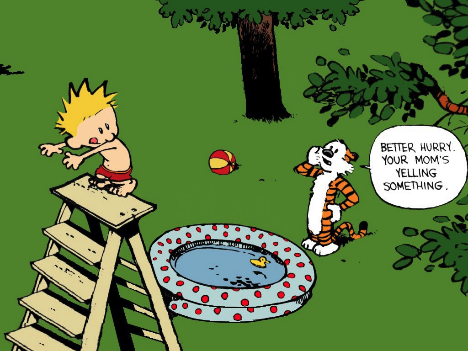
3.Word Power!
Often in comics and graphic novels, writers include quite advanced vocabulary, both as part of the story line as well as in the names of the characters. In 2016 at the world famous Comic-Con in San Diego, California, a panelist of educators discussed the power of comics in building students’ vocabularies. James Bucky Carter, author of Building Literacy Connections with Graphic Novels said, “You have Colossus, and he’s this big, giant metal guy. You get a really good sense of what the word colossus means and that’s a good 10-cent word. Banshee’s power is screaming. You have these characters that embody the vocabulary words that they are. That’s something that’s a fun way to learn new words, in addition to the contextual clues.”
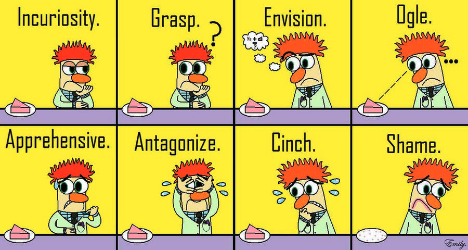
After reading this you may just want to let your child dive right into reading comics or graphic novels! That’s music to our ears. If you are not sure where to start, we have some student favorites your child might like to try!
Dog Man by Dave Pilkey

Miles Morales Spider-Man by Jason Reynolds

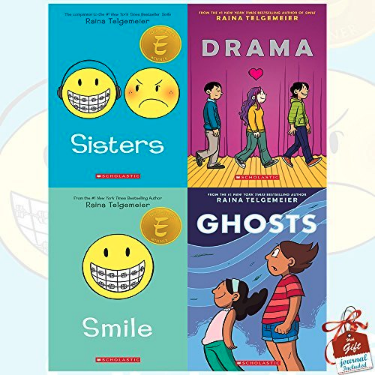
Smiles, Sisters, Ghosts, Drama and Other Stories by Raina Telgemeier
Bone by Jeff Smith

Looking for more summer reading opportunities for your child? Contact one of our Education Consultants for more information about our summer reading courses. We look forward to reading with your child!
Tentasäsongen är här, och det kan vara en mycket stressig tid på året för både elever och föräldrar. På Reach Out vill vi göra vårt bästa för att lindra provångest genom att erbjuda några unika studietips som du kanske inte har testat.
Conventional wisdom of studying has often been followed by many parents and teachers who mean well, dock, if we look at some interesting research-based approaches we can see that there are a variety of effective ways to study! It’s always good to try new things, especially for children. They can experience new ways of doing things when they are young, and when they are a bit older, they can choose the way best suited to their own personal needs and style.
Nu, let’s take a look at three unique ways to study.

Variety is the Spice of Life-Even When Studying
For many, many years we've been told that in order to study well, we should study in the same place every day; a place that is quiet, well lit, and has all our materials. While this might be true for some of the time we are studying, research shows us that our brains actually do better when we vary the location in which we are studying. Quite surprising, right?
In a study done all the way back in 1978, college students were given 40 vocabulary words to study. One group was told to study the list twice in the same location. The other group was told to study the list in two different locations. What they found was, the group that varied their studying locations actually performed better on remembering the words later. Now why is that? Well, our brain often makes connections to information based on our environment, so the more we vary our environment, the more we are giving our brains a chance to retain information as it will attach to more things. This may also be why one visualization technique, where one visualizes things they wish to remember to certain places in an environment they are familiar with, can be so effective as well. For students, simply switching up the environment might do the trick!
Have Fun!
Some parents might mistakenly think that if their child is laughing or getting excited while learning or studying, they might be wasting their time. Dock, this is not necessarily the case.
As a parent, in your work or office you might have special workshops from time to time. The workshops are usually used as a tool to help you learn about a new strategy, idea, or information that will help you learn more at work. These sessions are often run by people who specialize in creating motivating and inspiring workshops that invigorate and energize employees. The days can be long and intense, but if they are done right, employees can walk away confident in their new knowledge and skills.
The same rings true for young people. Introducing game play and fun as a way to study for exams not only makes your child smile, but research indicates that having fun while learning activates certain cognitive resources, associates rewards and pleasure with learning, strengthens and broadens memory networks, and toggles abstract thinking and focused attention.

The Pomodoro Technique
Staying focused, on-task and motivated to complete certain activities can be difficult for both adults and children alike. Have you ever felt like you have been staring at a computer screen for hours, but accomplished very little? Or maybe you have a deadline in a few days, but are only inching towards the finish line? It’s no wonder, as research shows that our mind tends to wander up to 20% of the time, perhaps even more for younger people.
One interesting technique was created by college student Francesco Cirillo as a way to help him stay focused, and that is the Pomodoro Technique, which got its name from the tomato shaped timer Cirillo used while testing this strategy on himself. How it works is you set a timer for 25 minutes, which is work time. Then set it again for 5 minutes, which is break time. This is a great time to get up, stretch, take a lap around the house, pet your cat, or get a drink of water or a snack. After break time is up, set the timer for another 25 minutes and repeat!
It turns out that this strategy is backed up by scientific evidence, as researchers concluded that short breaks help keep your attention span on track. This might be related to the fact that cognitive boredom can lead to an unengaged mind, which is the last thing you want when studying for an important exam.
We hope you have enjoyed exploring these unique study tips as much as we have! Wishing your child the best of luck on exams this month. Jiayou!
Vi vet att det finns så mycket vi kan göra för att fostra och utbilda våra barn, Det är därför som vi som föräldrar ofta går långt för att fylla sin tid med berikande aktiviteter och klasser. Varför gör vi det här? Av många anledningar förstås, men huvudmålet är att säkerställa deras framtida framgång. Föräldrar hoppas att deras barn kommer att bli ännu mer framgångsrika i livet än de själva var. Framgång, naturligtvis, är subjektivt, och vi kan alla ha vår egen definition av framgång. Generellt dock, vi kanske håller med om att framgång inkluderar att känna sig nöjd i sitt personliga liv, samt ha en känsla av karriärtillfredsställelse och ekonomisk trygghet.
Nyligen har det varit en spännande TED Talk som delas på sociala medier, där tidigare dekanus för Freshman vid Stanford University, Julie Lythcott-Haims, citerar bevis från Harvard Grant Study som korrelerar professionell framgång i livet till individer som gjort sysslor som barn. Inte fotbollsträning, inte språkinlärning, inte måla, men sysslor.

Överraskande rätt?
Många av våra barn som växer upp i storstäder kanske aldrig vet hur det är att skrubba en maträtt, tvätta ett fönster, eller torka ett golv. Vi kanske känner att det finns viktigare saker att göra för att bygga upp deras kunskap och karaktär. Lythcott-Haims förklarar att de barn som gör det blir smutsiga, dock, kan nå en nivå av framgång i livet som överträffar deras jämnåriga som inte gör något jobb. Det är för att det lär eleverna hur de kan bidra och ta steget när arbete behöver göras, och att göra "grunt arbete" som andra kan håna, för det är det som är bäst för alla, är det som uppmärksammas på arbetsplatsen.
Arbetsplatserna för de högpresterande som deltog i Harvard Grant Study var anmärkningsvärda, som Vita huset, där deltagaren president Kennedy arbetade, och redaktörens kontor där Ben Bradlee satt som redaktör för The Washington Post. Vi kan anta att deras föräldrar, som oss, var tvungen att mana och vädja för att sysslorna skulle göras, och acceptera det även om de var klara, de kanske inte har gjorts bra; och det är okej.
Det viktiga, som Lythcott-Haims påpekar, är det genom att göra sysslor, barn inser att de, "...måste göra livets arbete för att vara en del av livet." De inser att livet inte bara händer dem, och för dem, men med dem.
Om dina barn redan gör sysslor som en del av deras dagliga sommarrutin, bravo! Du är på rätt spår. Om inte, ingen anledning att få panik. Det är aldrig för sent att introducera sysslor i våra barns liv. Här är några tips som hjälper dig att komma igång!

Låt dem vara en del av det
När du introducerar konceptet med dina barn att slutföra sysslor för att hjälpa, ha ett "familjemöte" där alla är närvarande för att diskutera vad som förväntas av dina barn och varför. Du kan be ditt barn hjälpa dig att skriva en lista över sysslor som de potentiellt kan hjälpa till med i huset. De kanske överraskar dig med sin entusiasm eftersom att göra sysslor är väldigt spännande för vissa barn eftersom det får dem att känna sig bemyndigade och hjälpsamma (två saker vi ofta tycker om att känna som vuxna).
Game-ify It
För att göra saker roliga, för roligt gör allt bättre, du eller ditt barn kan skriva sysslorna på ispinnar och varje dag kan ditt barn välja en pinne från burken. Det blir deras sysslor för dagen! Om du har fler än ett barn hemma, du kan alltid göra städning till en tävling genom att ställa in en timer och se vilket barn som kan städa flest leksaker under den givna tiden, till exempel.
Belöna det
Som föräldrar, vi belönas för våra insatser på jobbet med lön. Borde inte våra barn också belönas för sitt hårda arbete? En idé är att om ditt barn slutför alla sina sysslor för veckan, han eller hon kan välja en liten leksak från en "skattlåda" fylld med små leksaker. Ett annat alternativ kan vara att om ditt barn konsekvent slutför sysslor under en månad, de kan välja en extra speciell familjeutflykt.
Att lära våra barn att göra sysslor är inte alltid lätt, men de potentiella fördelarna är värda tiden och ansträngningen. Vi hoppas att du tyckte att våra tips var användbara, och att de kan hjälpa till att leda till en positiv upplevelse för dig och ditt barn. Lycka till med städningen!
Vi är glada att kunna presentera en ny sommarbokklubb, bara för föräldrar! Sommaren är den perfekta tiden att läsa den där boken du alltid velat läsa, men har inte hunnit. Denna sommar, vi inbjuder dig att följa med oss och läsa Hur man pratar så att barnen lyssnar och lyssnar så att barnen pratar.
Vi vet att det inte alltid är lätt att få kontakt med våra barn på grund av skolans krav, arbete och vardag. Ibland stör vår oro för framtiden oss i att leva våra liv just nu. Dock, en sak vi kan garantera är att vi aldrig kommer att få en ny chans att uppleva barndomen med våra egna barn, och vi vill inte gå miste om denna dyrbara tid. Så, hur kan vi göra det bästa av det och ha meningsfulla samtal med våra barn som kommer att stärka vårt band och hjälpa våra barn att känna sig stöttade? Det är stora frågor som många av oss har.
För att hjälpa oss att svara på dessa viktiga frågor, vi inbjuder dig att gå med oss och läsa en av de mest populära föräldraböckerna genom tiderna, skriven av Adele Faber och Elaine Mazlish. Hur man pratar så att barnen lyssnar och Lyssna så att barnen kommer att prata, som lär oss att acceptera våra barns känslor, genom att inte göra det kan vi omedvetet orsaka dåligt beteende. Det lär oss också positiva sätt att uppmuntra samarbete, samt oberoende, autonomi, och självförtroende. Dessa är alla ingredienser som behövs för att vårda en positiv förälder-barn-relation som verkligen kommer att hjälpa våra barn att växa till självsäkra och kapabla vuxna.

Hur kommer det att fungera?
Det första steget är att kontakta en av våra utbildningskonsulter för att registrera dig. Anmälan är GRATIS och öppen för alla! Vi kommer att skapa en gruppchatt där bokstudiens innehåll och delning kommer att ske med start den 1 juli. Lindsey fint, vår utbildningschef, kommer att gå med i gruppen som förälder också, eftersom hon är mamma till två pojkar, åldrig 4 och 6, som kommer att lära sig tillsammans med dig. Hon kommer också att hjälpa till att leda veckodiskussionerna.
Boken finns på engelska och kinesiska och lättillgänglig i tryckt form, e-bok, eller ljudboksformat.
Sedan finns det två alternativ för hur du skulle vilja delta:
Lässchemat är som följer:
Vecka 1: Kapitel 1 & 2
Vecka 2: Kapitel 3 & 4
Vecka 3: Kapitel 5 & 6
Vecka 4 Kapitel 7 & Efterord
I slutet av månaden, vi kommer att vara värd för en onlineworkshop ledd av skolkurator, Regina Wehner. På verkstaden, Regina kommer att dela med dig av ytterligare information och strategier som du kan använda för att stärka din relation med ditt barn.
Om Regina Wehner

Regina Wehner är en licensierad skolkurator som har arbetat med elever på mellanstadiet i över 16 år. Ursprungligen från USA, hon bor med sin man och 2 barn, åldrar 10 och 12, i Peking, Kina.
Regina arbetar på Western Academy of Beijing (WAB), en mångsidig internationell skola. En stor del av att vara skolkurator är att hjälpa eleverna att lära sig om sig själva och andra när de växer. Regina är också värd för föräldrarkaffe varje månad för att samla föräldrar för att lära sig mer om sina barns utvecklingsförändringar och hur man kommunicerar under dessa övergångstider.
Kontakta oss idag för att gå med!
Helping Your Child Learn New Vocabulary
Research indicates that if we want students to succeed in the academic context, on important assessments and high-stakes exams, as well as their future careers, we must help them develop their vocabulary. The reason for that is this: our understanding of new information is directly linked to our understanding of the vocabulary used to communicate that new information.
For students, increasing their vocabulary is one key to success in mastering a language; the more words we know, the more words we understand, and the more words we can use in our writing to make it more impactful and effective. Dock, learning now vocabulary is sometimes viewed as a tedious or elusive process. Sometimes parents are not sure how to guide their children, especially as the way we approach vocabulary study study may vastly differ from the way parents studied it when they were in school.
Don’t worry, Reach Out is here to help! Let’s explore vocabulary acquisition (the process of memorizing and applying new vocabulary), and we’ll tell you how you can help your child build their vocabulary!

Talk About It!
It might seem overly simple, but when it comes to learning new words, one effective way young people do it is by talking with others. Children learn new words best when they are in context, such as in a conversation about a certain topic. They can infer a bit of new words’ meanings based on how they are used along with the other words they are already familiar with.
You have likely been interrupted by your child on many occasions when you use unfamiliar vocabulary and they curiously ask, “What does disaster mean?” You might have been referring to the state of their bedroom (as in it is a complete mess), and by taking a moment to explain the multiple meanings of disaster to them, you will not only have taught them a new word to describe a messy room, but also a failure or a naturally occurring phenomenon, such as a natural disaster.
Så, talking with your child is a great way to teach them new words!
Explore It!
Students generally understand that they can use a dictionary or a translator if they encounter a word they do not know, but sometimes even the definition of a word might leave them with more questions than answers.
In our experience, many students do not utilize one very important tool for learning and applying new vocabulary, and that tool is a thesaurus! If you notice your child overusing a word when speaking or in their writing, till exempel, “pretty”, “cute”, “good”, or “bad”, then take some time to show them how to use a website such as thesaurus.com to look those words up. When they search for the word such as “pretty” they will see that there are so many interesting and unique words to use instead! I
In our experience, students really enjoy using new vocabulary, and feel empowered to know there is a tool to help them make their words mightier.
Play!
Having fun while learning isn’t just something teachers do to make students happy, it’s actually been proven by neuroscience to be an effective way to help students learn more and more deeply. Research shows that when students are both stimulated and challenged, their brains release dopamine. Dopamine is a neurotransmitter that stimulates the memory centers and promotes the release of acetylcholinem, which increases focused attention.
In our courses here at Reach Out, vocabulary instruction is an important part of each lesson. We also have courses launching this summer, Vocabulary Builder Levels 1-3, in which we will focus exclusively on helping your child expand their vocabulary knowledge with challenging new words. While the words chosen offer the challenge, tools like Quizlet and games such as Guess Who and Sentence Racer provide students with the chance to interact in a meaningful and engaging way.

How do we know these methods are effective? Because our decades of experience, and study of educational psychology and methodology have taught us how students learn best!
We would love to help your child learn new vocabulary as one of the ways he or she can become an effect more effective and successful reader, writer, and speaker. To learn more about how we can help, kontakta en av våra utbildningskonsulter idag!
Om du letar efter en mer individualiserad utbildningstjänst, Reach Out erbjuder 1-mot-1-tjänster med våra expertutbildare!
Vad erbjuder vi?
Våra lärare erbjuder ett brett utbud av 1-mot-1-ämnen inklusive engelska, Samhällsvetenskap, och matematik.
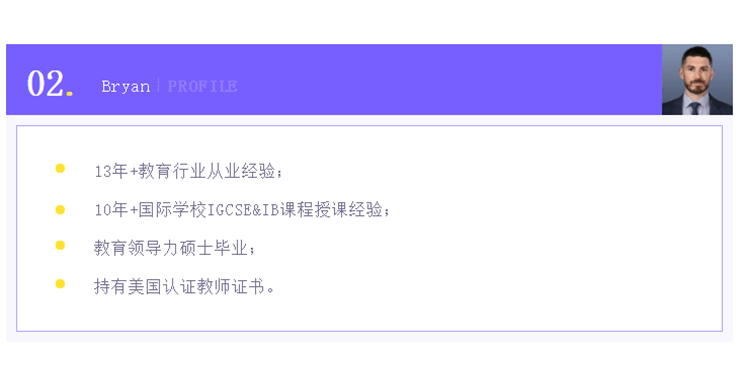
Träffa några av våra högt kvalificerade och erfarna lärare!



Varför ska jag välja 1-mot-1-tjänster?
Kanske ditt barn förbereder sig för att studera utomlands eller söka till en ny skola och han eller hon skulle vilja ha ett mer intensivt och målinriktat tillvägagångssätt för att polera sina färdigheter. Alternativt, ditt barn kanske inte känner sig tillräckligt utmanat med sin nuvarande läroplan, och behöver ett alternativt tillvägagångssätt som är mer lämpligt för hans eller hennes förmåga.
Det finns flera anledningar till att en förälder söker efter tjänster som denna, och vi kan försäkra dig om att vi alltid kommer att arbeta för att förstå ditt barns unika situation och tillhandahålla den service som är bäst för dem.
Hur fungerar det?
Med vårt praktiska tillvägagångssätt, och orienteringsprocess, vi kommer att bedöma ditt barns kunskaper och färdigheter baserat på aktuella bedömningsdata, skrivförmåga, och mer. Baserat på våra fynd, vi kommer att välja den lärare som bäst passar ditt barns behov. Alla Reach Outs lärare har blivit noggrant utvalda, och har många års erfarenhet av att undervisa i utmanande läroplaner, som IGCSE, IB, och AP, i toppskolor från hela världen.
Vår process är målinriktad. Vi tar reda på exakt vad ditt barn behöver för att nå sina utbildningsmål, och sedan skapar vi en unik och skräddarsydd inlärningsväg som bäst passar ditt barns särskilda behov.
Vad annat erbjuder nå ut?
Förutom 1-mot-1-tjänster, Reach Out erbjuder ett brett utbud av kurser speciellt utformade för att utmana och engagera ditt barn i 2:a till 8:e klass med innehåll över klassnivå för att hjälpa dem att förbereda sig för rigoriteten i program som IGCSE, IB, och AP.
Hur kan jag lära mig mer?
För att ta reda på mer om våra 1-mot-1-tjänster, vänligen kontakta en av våra utbildningskonsulter idag för att få veta mer! Vi ser fram emot att hjälpa ditt barn att nå sina utbildningsmål för en ljus framtid!
Who We Are
As you may have noticed, we have been growing and have some exciting additions to what we offer here at Reach Out. As it has been a while since we introduced ourselves, we thought we would share our story with you to help you better understand who we are and what we do!
Our Mission
Reach Out’s mission is to connect students with expert educators who create and deliver original, inspiring, world-class curricula. We have embarked on this journey so that we may help students understand how to find their own unique voice and uncover the creative and valuable ideas that lie within each of them. With their voices, they have the power to change the world, and we wish to empower them to do so.

Our Vision
Reach Out strives to be an internationally recognized educational institution that allows students to access top level international curriculum and educators, no matter where in the world they are. Our students will be perceptive, curious, and critical thinkers who make informed choices as excellent problem solvers and communicators. Reach Out students will achieve their academic and personal goals and dreams from Primary School to University, placing their brilliant futures within reach.

Our Core Values
These are the principles which shape Reach Out:
Our Story
Reach Out was created by a small group of dedicated mothers, perhaps much like yourself. They were brought together by a common vision for the educational needs of their children. Some were looking for an educational program that could offer their children access to the ideas, teaching philosophy, and methodology that matched what they had experienced while living abroad. Others were looking for an internationalized curriculum that their children could access to enrich their educational experience in China. What they shared in common was a desire for a rigorous program that also opened the doors to creative and critical thinking, self-reflection, and personal expression - the hallmarks of a strong international curriculum. After spending considerable time exploring various options, these moms were not able to find anything that quite met their children’s needs.
Så, they did what any good mother would do, given the chance, and found their own way to offer their children the best possible learning opportunities designed to help them thrive. They consulted expert teachers and worked with other parents to discover how they could best meet the needs of other children with similar goals. Children, we hope, like yours.
The parents were committed to:
We are happy to say that these mothers have achieved their goal. Today Reach Out boasts a complete line of rigorous yet engaging courses in which students learn deeply while having fun and creating meaningful relationships with their teachers and peers.
All of this because of our founding mothers’ commitment to their children’s education and happiness.
What Makes Us Unique?
While we understand parents have an array of choices when it comes to programs that enrich their children’s education, we believe we offer many unique qualities that are not easily found elsewhere.
Our team consists of highly skilled and experienced educators who have created a unique and rigorous program based on international school standards, which prepares younger students to take on rigorous curriculums such as IGCSE, IB, och AP.
-Our one to one programs and curriculums designed to exceed the educational needs of our students
-Our teaching philosophy of inspiring and empowering students, and teaching methodology of allowing students to explore knowledge widely and deeply while at the same time developing a love of learning
-Our commitment to the long-term success of our students as we strive to equip them with the essential skills they will need to succeed in their future careers and the world beyond school
- The detailed feedback we provide with all of our student assessments, so that students know where they are succeeding and where they might improve, as well as the supplemental materials and instruction needed to help our students close any gaps in understanding
-Our dedication to developing our students’ critical thinking and problem solving skills, which will be essential for their future, as well as the future of our global society
-Our promise to hire all of our teaching and non-teaching staff based on their mutual passion for education
-Our ability to empower students to use the language, knowledge, and skills they acquire to develop themselves beyond the classroom and into curious, lifelong learners who set and pursue challenging, fulfilling, and worthwhile goals.
-Our hands-on, individualized approach to creating a learning path for our students so that no matter what grade level they are when they join us, they will be equipped with the tools necessary to improve and grow rapidly
-Our commitment to empowering our clients with information and experiences that will help them make the absolute best choices for their child's education by offering informative articles, videos and workshops.
Our Curriculum
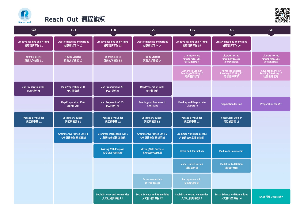
Our Blue Line curriculum, which includes courses for students in Grades 2 to 8, was designed by expert educators with advanced level degrees in their subject areas who have spent decades in some of the top international schools in the world. We use backwards curriculum design working our way from the first year of programs such as the widely recognized and respected IGCSE program.
As our educators have spent years teaching courses pre-IGCSE, IGCSE, IB and AP or A Levels curriculum, they understand what students need to succeed in those programs. Så, each aspect of our curriculum has been created to make sure that all of our students enter their first day of Grade 9 feeling confident, equipped, and prepared to meet the demands of these rigorous courses.
We offer a wide range of courses in the subjects of English, Math, History and Geography. See below for more detailed information on our full course offerings.
Additional Services
We are also pleased to announce the creation of our Silver Line, which offers bespoke educational services that take an individualized approach to meeting our students' needs. We begin with a deep assessment of each student's educational goals and needs, and then create and implement a scheme of work with which our expert educators will use to guide your child through the academic challenges of High School in order to prepare them to eventually attend their dream university.
We also offer 1-on-1 services at all grade levels for parents who wish to offer their children more individual care and instruction. Our expert Education Consultants will make sure to match your child with the best educator for his or her specific needs and goals.
Join Us!
We look forward to meeting your family and discussing how you can be part of our Reach Out family; one that learns together, cares for each other, overcomes challenges together, and celebrates successes with one another. Please contact us today to find out more.
We hope to hear from you soon!
Being a parent is hard. In fact, with the changes in our world today, it might just be one of the challenging moments we have had to face in decades. Change leads to uncertainty, and uncertainty can lead to stress. Stress certainly affects all areas of our lives, sometimes it will impact our relationship with our loved ones the most; especially our children.
Our children can be complicated (let’s face it, so can we!), and it is a daunting task to ensure that every move is the “right” one. That all of our conversations, demands, requests, plans, praises and criticisms mean something. Every moment we spend talking to our kids, we hold the hope that these words will be enough to fill our children with the hope of a great future at a time where the future is so uncertain. Times change, and this too shall pass, but one thing we can guarantee is that we will never have a second chance at spending a childhood with our children.
Som föräldrar, we often ask ourselves if we are in fact doing the right thing, wondering how we can get through to our kids, trying to understand our children better, and sometimes feeling like a guilty failure because we tell ourselves we are doing it wrong. Oftentimes, that is not the case, but there is no instruction manual on how to raise a child that will work for everyone in all situations. Sure, there is a lot of advice, an overwhelming amount of it, but again, most advice is just that; guidance and recommendations by people who don’t know you or your child. Some of it is helpful, and some of it…not so much.
One thing that we cannot deny though is the importance of a healthy relationship between parent and child.
Research shows that:
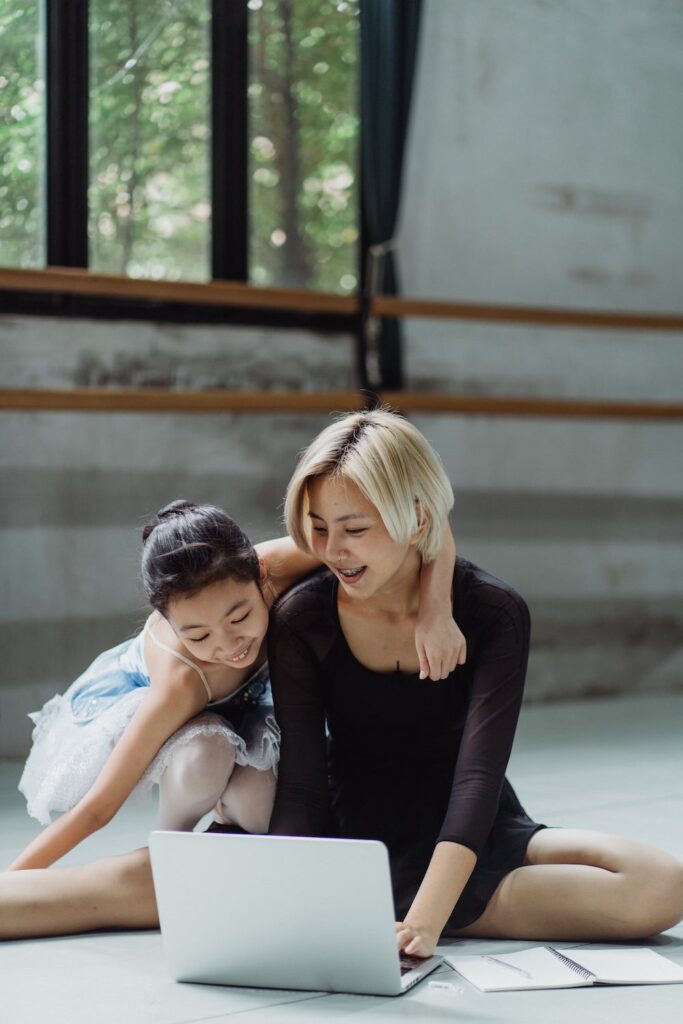
It is essential to make the time to nurture a relationship with your child, and perhaps even more imperative, making sure the interactions we have with our children during that time are positive. This is something that many parents find challenging, which is why we created a parent book club for the book Hur man pratar så att barnen lyssnar och lyssnar så att barnen pratar by Adele Faber and Elaine Mazlish. Together we learned ways to positively communicate with our children in order to strengthen our bonds. We spent time discussing ideas from the book, as well as had a virtual meet up to role-play some of the strategies from the book. On top of that, we invited Middle School Guidance Counselor, Regina Wehner, to provide parents with a workshop in understanding our child’s cognitive and emotional development.
Here are some highlights we would like to share with you!
First, from Hur man pratar så att barnen lyssnar och lyssnar så att barnen pratar, here are two of our favorite strategies:
Children have difficulty regulating their emotions, as the brain’s emotional regulation center is one of the last to develop. This means that they need our help in the form of compassion and modeling. This can be so challenging, especially when we may have difficulty managing our own emotions at times! We have an easy strategy for you that will only require two things:
When your child comes home upset about something that happened at school, instead of lecturing and offering our sage advice, we can simply listen to their concerns and repeat the ideas back to them. Till exempel, if your child comes home upset and says something like, “Ugh, today Elizabeth and Sarah were so mean to me! They completely ignored me and I hate both of them now!” Instead of saying, “Elizabeth and Sarah are your best friends. It’s not a big deal and I am sure you will be fine tomorrow,” which could invalidate your child’s feelings, you can say, “Oh, I see. Elizabeth and Sarah made you feel a bit left out. That probably made you feel a bit sad and mad.” At this point your child might keep talking and open up to you, which is great! It means they trust you and you are making them feel better. Continue to listen, nod, say, “Mmmhmm,” and repeat what they say. Having you simply listen will likely make your child feel 100% better and ready to face their next challenge!

2. I wish!
Our children often express their desires in the form of wishing they had things they don’t have or wishing things were different than the way they are. Till exempel, children may say, “I wish I didn’t have to do all that homework.” We may reply, “Well, you do and that’s that!” or “It’s what you have to do. It’s your responsibility so you need to do it now!”
This may escalate into a battle of wills as parents feel frustrated that they keep hearing the same complaint and repeat the same reasoning. The children feel frustrated because their opinions are being invalidated and they feel misunderstood. Well, don’t worry, we are here to help! We have a little trick that will help you turn the conversation around, and that is to agree with your child. It may sound counterintuitive, but we have firsthand experience with this trick and it works wonders!
Till exempel, if your child says, “I wish we could go to the park today like I wanted!”
Instead of saying, “I can’t, I am too busy,” or “Yes, but we can’t, it’s raining,” we can say, “I wish we could too! We could go to the park and have a picnic! We could fly a kite and blow bubbles! Why don’t we have a picnic in the living room and after that we can blow bubbles in the bathroom!”
The first part gets the kids excited and their imagination going, taking them to a happy place. The next part makes them feel heard and connected to you.
Nu, some highlights from Ms. Wehner’s workshop:
*Please help me choose these! :)*
If you would like to join one of our workshops or book clubs in the future, make sure to follow us and stay tuned! We have great things coming up this fall!
Många föräldrar frågar oss hur deras barn snabbast kan förbättra sitt skrivande. Även om vi är övertygade om att det inte finns några genvägar för att bli en verkligt effektiv och skicklig författare, det finns några saker som eleverna kan införliva i sitt skrivande för att hjälpa till att ta det till nästa nivå mer effektivt. Som med allt som försöker bemästras, nyckeln till framgång ligger i hårt arbete och upprepning. Att öva på dessa färdigheter regelbundet hjälper ditt barn att nå sina utbildningsmål.
Den här artikeln kommer att vara den första i en serie artiklar som kommer att fokusera på färdigheter som lämpar sig för olika typer av skrivande. Denna vecka, vi kommer att fokusera på beskrivande skrivtips.
Beskrivande skrivtips:
Beskrivande skrivande är en sann konstform, eftersom dess syfte borde vara att skapa en bild i läsarnas medvetande. Man kan inte enbart berätta en historia om handling och dialog, och man kan inte förmedla djup mening och känslor i en dikt utan att måla en bild med sina ord.
Ett kraftfullt sätt att utmärka sig i beskrivning är att lägga till adjektiv och adverb där det är möjligt. Till exempel, om ditt barn skriver en berättelse kanske han eller hon skriver något liknande:
"Harry gick ut och började leta efter sina vänner."
Även om denna mening förmedlar en grundläggande betydelse, dess effekt på läsaren är också grundläggande. Genom att lägga till beskrivande språk i form av adjektiv och adverb, vi kan snabbt och effektivt lägga till bilder till meningen:
"Harry slog ut genom ytterdörren, slår igen den bakom sig. Hans hjärta rasade när han sprang runt i grannskapet och letade ivrigt efter sina vänner.”
I den reviderade meningen, vi ser beskrivningar som inte bara berättar för oss vilken handling som äger rum, men också hjälpa oss att känna karaktärens känsla, en viktig aspekt av berättandet.

Ett annat bra sätt att göra en berättelse eller dikt mer effektiv är genom att lägga till bildspråk, som liknelser. Liknelser är jämförelser som använder liknande eller som som kan användas för att hjälpa läsaren att tydligare föreställa sig vad som händer.
Till exempel, ditt barn kanske skriver något liknande:
Jag var så glad!
Det var så sött!
Han var så rädd!
Vi kan lägga till liknelser för att skapa ett ännu bättre resultat:
Jag var glad som en kattunge i en garnaffär.
Det var en söt som en pandaunge som lekte i snön.
Han var rädd som en kanin som precis hörde en varg yla.

Vårt sista tips för beskrivande skrivande är att välja ett ordförråd som är så exakt att det kommunicerar exakt vad skribenten vill att läsaren ska känna.. Ofta, eleverna kommer att skriva beskrivningar som är lite vaga, med meningar som:
Han var väldigt trött.
Filmen var väldigt tråkig.
De var väldigt kalla.
Rummet mycket varmt.
Igen, dessa meningar förmedlar en enkel betydelse, men i beskrivande skrift, det räcker helt enkelt inte. Effektiv beskrivning använder ordförråd som har en inverkan, och vi kan uppnå det genom att bara välja de bästa orden för att förmedla den mest exakta betydelsen.
Se hur vi kan ta meningarna ovan från vanliga till extraordinära genom att ersätta en del av meningen med ett kraftfullt ordförråd:
Han var utmattad.
Filmen var fantasilös.
De var kylda in till benet.
Rummet höll på att steka.
Den goda nyheten är att ditt barn inte behöver förlita sig på sin nuvarande ordförrådskunskap för att lyckas skapa meningar som de ovan. Tesaurusen har alla ord de behöver för att skapa minnesvärda beskrivningar.
Vi hoppas att dessa tips har varit till hjälp! Om du vill att ditt barn ska lära sig att omsätta dessa färdigheter i praktiken med en av våra passionerade pedagoger, Håll utkik efter kommande meddelanden om våra nya sommar- och höstkurser!
Nästa vecka, vi ska ta en titt på övertygande skrivtips!
Tell us a bit about yourself.
I grew up in five different countries (Sweden, England, Germany, South Africa, and Canada). Integration into a diverse spectrum of cultures growing up has made me see the world with an open mind. I currently reside in Canada and work as both a university lecturer and a Math teacher at Reach Out. Outside of work I really enjoy sports such as badminton and chess, which I played at a competitive level for many years.

What is your educational background and qualifications?
I received a Bachelor of Science Degree from the University of British Columbia (UBC) and an obtained my MSc at the same university. My graduate work involved experimental geoscience where I designed an apparatus to investigate how diamonds reach the surface of the Earth through high velocity magmas. I published articles in two high impact journals and presented the work across Canada and Europe.
During my graduate studies I had the privilege of lecturing a few classes which transitioned into a lectureship position. Teaching at the university level involves lecturing a class of over 200 studenter, which is very different to the work I do at Reach Out, but has helped me develop a dynamic teaching style.
Additionally, I have been teaching Math and Science both privately and through educational organizations for over 6 år.
Why did you join Reach Out?
I joined Reach Out because the prospect of being able to deliver high quality education from around the globe without border restrictions resonates with me.
I feel that the reason I am committed to staying at Reach Out is more important. The personalized classes being delivered has allowed me to connect with the students, making their progression much more meaningful to me. Some students have been together with me through multiple grade levels and I feel immensely proud to have played a role in their education.
What is your educational philosophy?
Having a background in experimental science has allowed me to see value in making breakthroughs through experimentation. By allowing students to experiment with different methodologies while offering guidance is an extremely effective way of teaching students to not be afraid of failure. Richard Fuller correctly said, “There is no such thing as a failed experiment, only experiments with unexpected outcomes.” Students often start my classes afraid to answer questions, discuss with their classmates, or write on the board since they don’t know the answers. Since I am always more focused on solutions rather than answers, students’ are rewarded for trying new techniques, discussing failed methods, and asking questions about their classmates’ work. I found this to produce a phenomenal learning environment and takes a lot of pressure off the students.

What is your favorite thing about teaching Math?
My favorite thing about teaching Math is the exciting challenges it provides. After teaching Math for many years, I have come to realize that students see the world from a unique perspective, which more often than not, is very different from my own. This diversity produces a wide spectrum of learning styles and requires me to stay very flexible with the methodologies I use in my teaching.
Math is a complex subject which has provided us with a universal language to better understand the universe that surrounds us. Having a good problem solving ability is a byproduct of learning Math and crucial for success in the modern world. For these reasons I have the responsibility to transform a traditionally dry and boring subject into something exciting by creating compelling lessons and using creativity to inspire my students. This will always be something I love about my job.
Who is your favorite mathematician and why?
This is a tough question, and it’s hard to pinpoint one Mathematician since I utilize the works of so many Mathematicians in just one lesson. If I had to pick it would be either Johannes Kepler or Nicolaus Copernicus since I also love astronomy. Their Math not only challenged everything that was believed about our solar system at the time, but also formed the foundations for understanding planetary motion. Space travel has relied heavily on these concepts.
If you could only give parents one piece of advice when it comes to helping their child improve in Math, what would it be?
One thing I have worked on a lot with my students, is getting them to explain their solutions to me regardless of how easy it may seem. Being able to arrive at the correct answer in certain school curriculums may not require a complete understanding, but being able to explain a solution well does require a good understanding. Make sure that your child is always showing very clear steps in their work and that they can explain their steps to you. This certifies understanding and shows they are prepared for questions which test the same concept but may be worded differently.
What is one fun fact about yourself?
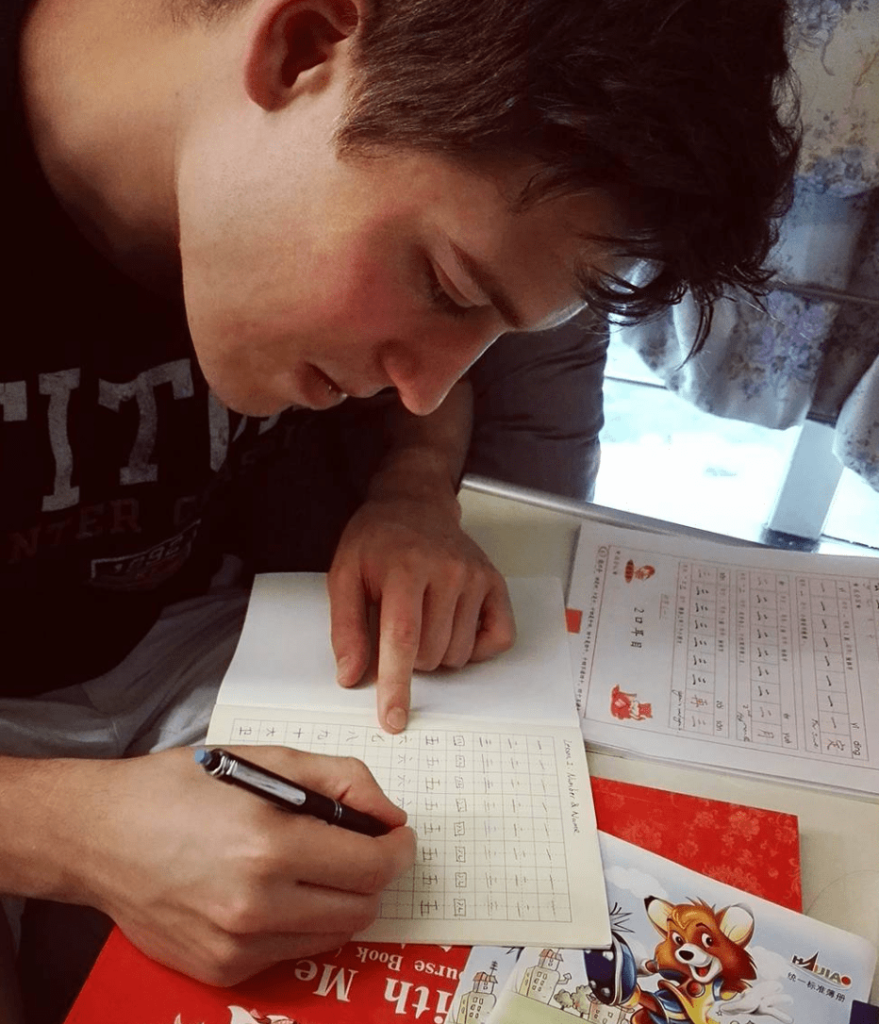
I really like learning languages! After growing up in many different countries I can speak English, Swedish, and German fluently. For the past two years I have been working to add Chinese to my collection and have enjoyed the unique challenges that learning this complex language has provided me with.
Den hemliga trädgården är ett stycke klassisk litteratur som har varit en del av ett otaligt antal barndomar (om du missade vår artikel om varför barn bör läsa klassiska romaner, se den länkad nedan!). Det är en kraftfull berättelse om vänskap och att upptäcka sig själv som resonerar med våra själar.
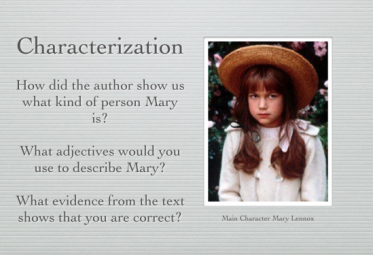
Den hemliga trädgården handlar om en ung tjej som heter Mary Lennox som förlorar sin familj och allt som är bekant med henne på grund av ett kolerautbrott i Indien, där hennes far arbetade som brittisk armékapten. Som barn, Mary var ganska försummad, but indulged by family’s servants, så hon var ett bortskämt barn med ett fruktansvärt sinnelag. Hon hade väldigt få egenskaper som skulle hjälpa henne att klara ett nytt liv i England, dit hon skickades för att bo hos en tråkig avlägsen släkting, Herr. Feg.
Herr. Craven hade mycket strikta regler för Mary att följa i sitt nya hem på Misselthwaite Manor i Yorkshire, vilket inkluderade att hon förbjöds att gå in i olika rum inne i den gigantiska herrgården, samt förbjudet att gå in i en av trädgårdarna på den vidsträckta fastigheten, som tillhörde hans älskade framlidna hustru. När Mary börjar utforska sitt nya hem, hon börjar finna en känsla av lycka och återfår sin hälsa efter att ha varit sjuk under stora delar av sin barndom. Efter att en rödhake hjälper henne hitta nyckeln till den hemliga trädgården, hon finner en känsla av syfte med att återställa trädgården, mycket som hon återställer sitt inre. Genom vinterns taggar och torkade löv, hon finner mycket mer lögner inom sig.
Med hjälp av nya vännen Dickon, Mary utvecklar sina första vänskapsband, och använder sin nyvunna styrka och vänlighet för att hjälpa sin sängliggande kusin Colin, som hon hittar undangömd i herrgården. Vänskap stärker både Mary och Colin, och till slut, alla bevittnar ett mirakel endast möjliggjort av dessa nära band och tron på sig själv, två mycket viktiga teman i romanen.
Unga människor kommer att älska att läsa denna fantastiska berättelse om vänskap, övervinna hinder, och uppleva naturens helande kraft. Karaktärerna och lektionerna de lär oss kommer säkert att beröra ditt barn och hjälpa dem att uppleva kraften i en fantastisk berättelse.
Om du vill ha en möjlighet för ditt barn att uppleva denna berättelse med andra, vi är glada att kunna meddela att vi kommer att läsa Den hemliga trädgården som den första romanen i vår Young Classics Level 2 Kurs i sommar.
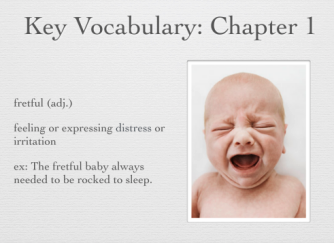
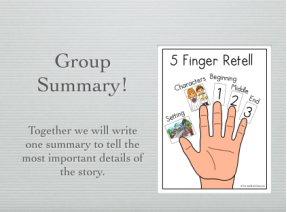
I kursen, vi läser inte bara romanen, men vi lär oss och tillämpar också nytt ordförråd från boken, diskutera viktiga litterära tekniker som författaren använder, och träna på att skriva sammanfattningar, a key skill that many students find challenging
Om du är intresserad av att lära dig mer om Young Classics, eller av våra andra utmärkta och engagerande kurser, kontakta en av våra utbildningskonsulter idag! Vi hoppas kunna arbeta med ditt barn mycket snart!
Literature study is an important aspect of any excellent academic program, and that is because it helps to teach students a wide range of knowledge and skills that are essential for success in many areas of life. While studying literature, students learn about important events and people throughout history, they consider cultural perspective and increase their own understanding of acceptance of different ideas and beliefs, and they learn how to analyse the words of others in order to form a deep understanding of new ideas and ways of communicating. In short, it exposes students to a toolbox of ideas, techniques, strategies, theories, and more that they will carry with them throughout their life, shaping the way they approach the world.
Why do we offer this course?
Reach Out students typically pursue high school programs such as IGCSE, which includes challenging courses such as English Language and Literature and English as a First Language. Later, most of those students will take on the challenge of IB and AP level programs, in which they must take on the task of reading a variety of literature. Our aim is to expose students in upper primary and middle school to a wide range of advanced literature so that by the time they reach high school they possess the knowledge and skills to hit the ground running, and therefore achieve to a higher level.
This course is designed for Grade 7-9 studenter.
The Objectives of our Advanced Literature Course are to:
✪ Enhance students’ ability to understand and discern literary techniques used English and American literature, and the ability to communicate the effects of those techniques;
✪Improve children's literary comprehension skills and increase their understanding of British and American culture;
✪ Under the guidance of our expert educators, learn the power of language and storytelling in a challenging yet engaging way.
Meet Our Teachers
*Insert teacher bios here for Barry, Anthony, and John*
Our Book Selections:
Cry the Beloved Country by Alan Paton

Set in South Africa in the 1940s, award-winning Cry the Beloved Country tells the story of a Zulu Pastor, Steven Kumalo, who travels from his village to the city of Johannesburg. Along his arduous and heart-wrenching journey, he discovers that his sister and son have found themselves in terrible situations that he must now face with them. The characters’ vastly different lives become unexpectedly woven together through tragedy during a dark time in South Africa’s history. Dock, through tragedy and challenges, the true nature of the human spirit can be found and uplift those who need it most.
Dracula by Bram Stoker

The legend of Dracula has loomed large in the minds of readers and movie-goers for generations. Bram Stoker based the infamous character of Dracula on the legend of the real life ruler of Wallachia, Vlad the Impaler. Stoker was able to take this dark corner of history and turn it into a legendary novel told through journal entries, letters and telegrams. As with any classic, Dracula has stood the test of time because it speaks to something very deep and meaningful within the human psyche.
Of Mice and Men by John Steinbeck
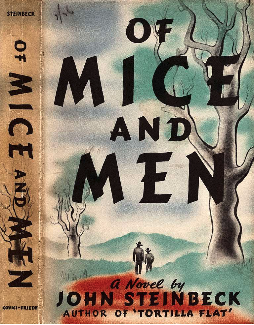
The Great Depression was a defining moment in American history that tested its strength as a nation, and placed the population in a precarious balance between life and death. In what is considered one of the greatest American classics, readers are introduced to two displaced migrant workers, George and Lennie. George is an intelligent young man, while Lennie is mentally disabled. George takes Lennie under his wing as they seek employment where few opportunities exist, trying to survive, yet still dreaming of the day they will have their own land and build a life. Their hopes are dashed when a devastating incident occurs that alters their lives forever.
What Students Will Gain
Develop an early sense of literary appreciation,
See the world from a more mature perspective
British and American classics contain thought-provoking moral and social issues. Reading the most influential classic literature thoroughly helps students become better readers, and begin the process of pursuing self-realization.
Improve understanding of culture and history
Learning allusions from classic British and American literature can help us bridge cultural differences. "The classics have opened the door to different worlds, different cultures, and different historical perspectives. Literature crosses race, culture, religion, and geography."
Self-reflection and personal growth
Many classic literature allude to our lives from the side: books that reflect similarities to our own lives are called "mirrors"; and those that give us a glimpse of different lives are called "windows." Whether it is a "mirror" or a "window", it further enriches the students' life experience and increases the courage and strength to face life.
Join Us!
Contact us to discover more about our course. We sincerely hope to meet your child soon, and develop a love of reading classic literature together.
It’s back to school time and we know parents are getting ready for a new year with new beginnings. The start of a new year is usually met with a mix of excitement and a bit of anxiety, as students and parents look forward to new skills and experiences, but also might feel nervous about new routines and expectations.
Don’t worry, Reach Out it here to help! This year, we have 5 top tips to a fantastic start to the school year.
Understanding how your child’s school approaches education, what curriculum they use, what systems, and standards are used can be overwhelming for non-educators. Spending a bit of time each day reading your school’s website content, handbooks, and other resources can help you feel more confident in understanding what your child is learning at school and how they are learning. It’s also important to attend your child’s back-to-school night and informational sessions to get a better understanding of your child’s program as a whole. It also provides a great opportunity for you to establish a relationship with your child’s teacher. At any time if you still have questions, you can always e-mail your child’s teacher. They are there for you and your child, as they know that a great relationship with parents is a fantastic way to ensure academic, social, and emotional success for all students.
2. Make Sure to Catch Enough Zzzzs Before the ABCs
Sleep is so important for a child’s growth and development, and a lack of it can negatively impact a child’s academic achievement. In fact, research shows that sleep depravation in children can lead to higher rates of anxiety and depression. When we sleep, our brain processes the information from he day, finds the best system to file it away in out memories, and re-charges our systems for a new day. For various reasons, parents often find sticking to an early bedtime difficult, but with a clear routine, and time for adjustment, it can be easy! Children 3-6 years old should be getting 10-12 hours of sleep per day, 7-12 year olds should get 10-11 hours per day, och 12-18 year olds should get 8-9 hours per day. Creating a schedule where children get to bed earlier will make mornings easier as well, hopefully with less stress for both parents and children as they will be well rested and ready to start their day!
3. Ask the Right Questions at the Right Time
Sometimes parents are anxious to know how their child’s day was as soon as they get home from school, especially during the first few weeks. Those weeks are especially exhausting and full of ups and downs as your child learns to navigate new material, new friends, new teachers, and new expectations. Giving them time to come home and decompress is extremely important for their emotional and mental well-being. Once they have had some “me” time, parents can ask specific questions based on what they know they are working on, if they happen to know. They can go through their child’s homework diary with them and help them make a plan on how to tackle each task, as well as share in their enthusiasm for specific subjects, books, or information they also enjoy. Avoid asking, “How was school? What did you learn?” as kids respond much better to more specific questions, such as, “What did you do with your friends at lunch? What was the best part of your day? What was the weirdest or most wonderful thing that happened at school today?” Most importantly, parents should be fully present and listen intently when students answer, so they really feel valued and hear when they share.
4. Let Them Learn From Failure
This one can be extremely hard for parents to allow. We want our children to do well and reach their full potential, which means we might go over each assignment with a fine-toothed comb, correcting every mis-calculation or grammar mistake. Although parents have good intentions when we do this, we are taking away important learning opportunities from children when we do so. Back when we were students, many of our parents were often too busy or didn’t have the knowledge or capacity to help us with our school work, but we found a way to push through and try our best. If children are never given opportunities to fail when they are young, they might resist taking on challenges later in life for fear of failing at them. Dock, when we let them fail gently, such as on an assignment or at a little league soccer game, we are teaching them resilience. It’s not the end of the world, and they learn a valuable lesson; that we can try and not succeed, dust ourselves off, and try again next time.
5. Nurture Their Passions
New school years are an exciting time for many reasons, one of them being that they provide children a chance to discover new passions. If they are lucky, they will stumble upon something they truly love, and that they can become fascinated with enough to spend hours on end discovering. Helping a child find his or her passion is not always easy and takes time. Sometimes parents worry if their child focuses too much on a couple of things, and feel they need to expose them to as much as possible to help shape them into well-rounded individuals. Dock, if we look at the people who have shaped our world, it was because they had a laser focus on what they were passionate about. It was all they ever did or do. As humans, we naturally gravitate towards what we love most, and as long as it provides some sort of value on top of fulfillment, we should continue pursuing it. Så, don’t worry if your child protests going to one activity while running out the door to attend another. Maybe the one they love is the most valuable to their growth and development, and the one they don’t like isn’t that necessary after all.
We hope these tips have helped, and we wish you and your child the best in the coming school year! We are excited for the new school year and all of the challenges and hope it will bring.
Reach Out will be with you every step of the way, so be on the lookout for more information and more articles we hope you will love!