ເປັນນັກການສຶກສາ, ພວກເຮົາມັກຈະຖືກຖາມຄໍາຖາມ, “ຂ້ອຍຈະໃຫ້ລູກເຊົາອ່ານປຶ້ມກາຕູນໄດ້ແນວໃດ?” ພໍ່ແມ່ເປັນຫ່ວງວ່າ comics ບໍ່ໃຫ້ຄຸນຄ່າການສຶກສາ, ຍັງບໍ່ເຂັ້ມງວດພຽງພໍທາງວິຊາການ, ຫຼືຮ້າຍແຮງທີ່ສຸດຂອງທັງຫມົດ, ເສຍເວລາຂອງລູກເຂົາເຈົ້າ. ເຖິງນີ້, ຄໍາຕອບຂອງພວກເຮົາມັກຈະເຮັດໃຫ້ພວກເຂົາແປກໃຈ, ແລະຄໍາຕອບນັ້ນແມ່ນ, “ໃຫ້ພວກເຂົາອ່ານກາຕູນ!”
ມັນເຂົ້າໃຈໄດ້ວ່າພໍ່ແມ່ຈະເປັນຫ່ວງເລັກນ້ອຍຍ້ອນວ່າຄວາມເຂົ້າໃຈແມ່ນວ່າ comics ແມ່ນພຽງແຕ່ສໍາລັບການອ່ານທີ່ມີຄວາມສຸກ., ແນວໃດກໍ່ຕາມ, comics ມີຜົນປະໂຫຍດຫຼາຍຢ່າງນອກເຫນືອຈາກການຊ່ວຍໃຫ້ພວກເຮົາຜ່ານເວລາ.
Comics ແລະ Novell ຮູບພາບບໍ່ແມ່ນຮູບແບບໃຫມ່ຂອງການຂຽນ. ແນ່ນອນ, ພວກເຂົາເຈົ້າໄດ້ຮັບຄວາມສຸກໂດຍຈໍານວນຫຼາຍສໍາລັບລຸ້ນ. ໃນໄລຍະປີທີ່ຜ່ານມາ, ປະເພດໄດ້ປ່ຽນໄປເປັນຫນຶ່ງທີ່ມີຄວາມເລິກພິເສດແລະຄວາມຫມາຍ, ນັ້ນແມ່ນເຫດຜົນທີ່ພວກເຮົາຊຸກຍູ້ໃຫ້ພໍ່ແມ່ບໍ່ພຽງແຕ່ອະນຸຍາດໃຫ້ລູກຂອງພວກເຂົາອ່ານກາຕູນເທົ່ານັ້ນ, ແຕ່ຍັງສະໜັບສະໜູນເຂົາເຈົ້າໃນການເຮັດເຊັ່ນນັ້ນ.
ນີ້ແມ່ນເຫດຜົນອັນດັບຕົ້ນຂອງພວກເຮົາທີ່ comics ຄວນອ່ານ (ໂດຍສະເພາະໃນລະດູຮ້ອນ!):
- ປະຕູສູ່ການຮຽນຮູ້ພາສາ
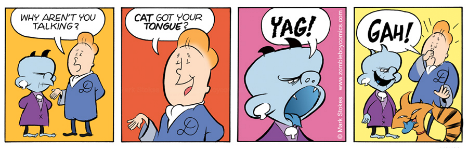
ສໍາລັບນັກຮຽນທີ່ບໍ່ໄດ້ເວົ້າພາສາອັງກິດພື້ນເມືອງ, comics ເປັນວິທີທີ່ດີສໍາລັບພວກເຂົາເພື່ອເລີ່ມຕົ້ນການມ່ວນຊື່ນກັບວັນນະຄະດີພາສາອັງກິດ. ສໍາລັບເດັກນ້ອຍຈໍານວນຫຼາຍ, ວຽກງານທີ່ຈະໄປຈາກປຶ້ມແບບຮຽນພາສາອັງກິດກັບນະວະນິຍາຍສາມາດເປັນຕາຢ້ານຫຼາຍ, ແຕ່ comics ສາມາດສະຫນອງຂົວທີ່ຈໍາເປັນສໍາລັບພວກເຂົາເພື່ອສ້າງຄວາມຫມັ້ນໃຈເຊັ່ນດຽວກັນກັບການອ່ານ fluency. ຕົວຊີ້ບອກພາບໃນຮູບພາບເຮັດໃຫ້ນັກຮຽນສ້າງຄວາມເຂົ້າໃຈເລິກເຊິ່ງກ່ຽວກັບເລື່ອງ ແລະ ລັກສະນະເຊັ່ນດຽວກັນກັບຄຳສັບໃໝ່.. ນອກຈາກນັ້ນ, ມັນແນະນໍາພວກເຂົາກັບອຸປະກອນວັນນະຄະດີທີ່ມີປະສິດທິພາບ, ເຊັ່ນ onomatopoeia (ຄິດ POW! SMACK! ZOOM!) ແລະ idioms (ພາບປະກອບທີ່ສະແດງໃຫ້ເຫັນເຖິງຄວາມຫມາຍຂອງ idiom ເຊັ່ນ, “ແມວໄດ້ລີ້ນຂອງເຈົ້າ?” ມີຄວາມ ໝາຍ ຫຼາຍກວ່າການໃຫ້ idiom ດ້ວຍຕົວມັນເອງ!).
2.ປັບປຸງການອ້າງອີງ
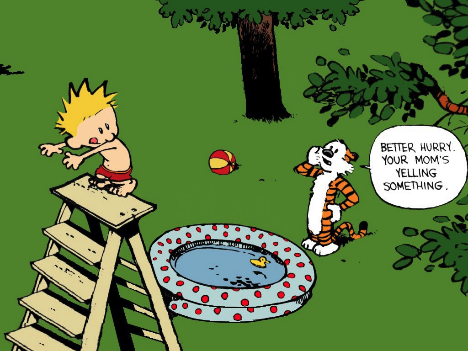
Inference ແມ່ນທັກສະການອ່ານທີ່ສໍາຄັນທີ່ນັກຮຽນຫຼາຍຄົນຕໍ່ສູ້ກັບການປະເມີນການອ່ານມາດຕະຖານ. Inference ເກີດຂຶ້ນເມື່ອພວກເຮົາສະຫຼຸບໂດຍອີງຕາມສິ່ງທີ່ພວກເຮົາອ່ານ. ບາງຕົວຢ່າງຂອງຄໍາຖາມທີ່ນັກຮຽນຈະພົບໃນລະຫວ່າງການອ່ານວຽກຄວາມເຂົ້າໃຈ ຫຼືການປະເມີນແມ່ນເຊັ່ນ, “ຕົວລະຄອນຮູ້ສຶກແນວໃດເມື່ອ?”, "ເຈົ້າສາມາດສະຫຼຸບກ່ຽວກັບຫຍັງ ... " ແລະ "ບົດຮຽນໃນເລື່ອງແມ່ນຫຍັງ?” Comics ຮຽກຮ້ອງໃຫ້ນັກຮຽນ “ອ່ານລະຫວ່າງແຖວ” ເພື່ອສະຫຼຸບຂໍ້ມູນທີ່ມັກຈະຖືກບອກໂດຍຜູ້ບັນຍາຍໃນນະວະນິຍາຍ., ດັ່ງນັ້ນເຂົາເຈົ້າສາມາດໄດ້ຮັບປະສົບການທີ່ມີຄຸນຄ່າຫຼາຍໃນການເສີມສ້າງທັກສະນີ້ໂດຍການອ່ານ comics.
3.ພະລັງງານຄໍາສັບ!
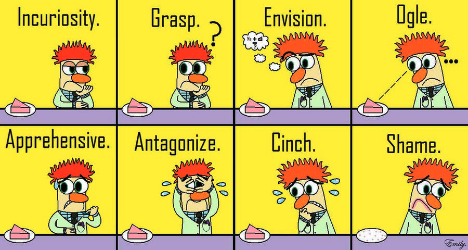
ມັກຢູ່ໃນກາຕູນ ແລະນະວະນິຍາຍກາຟິກ, ນັກຂຽນປະກອບມີຄໍາສັບທີ່ກ້າວຫນ້າທາງດ້ານຫຼາຍ, ທັງເປັນສ່ວນຫນຶ່ງຂອງສາຍເລື່ອງເຊັ່ນດຽວກັນກັບໃນຊື່ຂອງລັກສະນະ. ໃນ 2016 ຢູ່ທີ່ Comic-Con ທີ່ມີຊື່ສຽງຂອງໂລກໃນ San Diego, ຄາລິຟໍເນຍ, ຄະນະນັກການສຶກສາໄດ້ສົນທະນາກ່ຽວກັບພະລັງຂອງກາຕູນໃນການສ້າງຄຳສັບຂອງນັກຮຽນ. James Bucky Carter, ຜູ້ຂຽນຂອງການສ້າງການເຊື່ອມຕໍ່ການຮູ້ຫນັງສືກັບ Novels ຮູບພາບເວົ້າວ່າ, “ເຈົ້າມີ Colossus, ແລະລາວໃຫຍ່ນີ້, ຜູ້ຊາຍໂລຫະຍັກ. ທ່ານໄດ້ຮັບຄວາມຮູ້ສຶກທີ່ດີຂອງຄໍາວ່າ colossus ຫມາຍຄວາມວ່າແນວໃດແລະນັ້ນແມ່ນຄໍາ 10 ເຊັນທີ່ດີ. ພະລັງຂອງ Banshee ແມ່ນຮ້ອງອອກມາ. ທ່ານມີຕົວອັກສອນເຫຼົ່ານີ້ທີ່ປະກອບຄໍາສັບຄໍາສັບທີ່ເຂົາເຈົ້າເປັນ. ນັ້ນແມ່ນສິ່ງທີ່ເປັນວິທີທີ່ມ່ວນຊື່ນທີ່ຈະຮຽນຮູ້ຄໍາສັບໃຫມ່, ນອກຈາກຂໍ້ຄຶດໃນສະພາບການ.”
ຫຼັງຈາກທີ່ອ່ານນີ້, ທ່ານອາດຈະພຽງແຕ່ຕ້ອງການໃຫ້ລູກຂອງທ່ານດໍາເນີນການເຂົ້າໄປໃນການອ່ານ comics ຫຼືນະວະນິຍາຍຮູບພາບ! ນັ້ນແມ່ນດົນຕີກັບຫູຂອງພວກເຮົາ. ຖ້າທ່ານບໍ່ແນ່ໃຈວ່າຈະເລີ່ມຕົ້ນບ່ອນໃດ, ພວກເຮົາມີບາງສ່ວນທີ່ມັກຂອງນັກຮຽນລູກຂອງທ່ານອາດຈະຕ້ອງການທີ່ຈະພະຍາຍາມ!
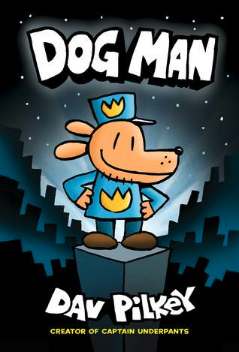
Dog Man ໂດຍ Dave Pilkey
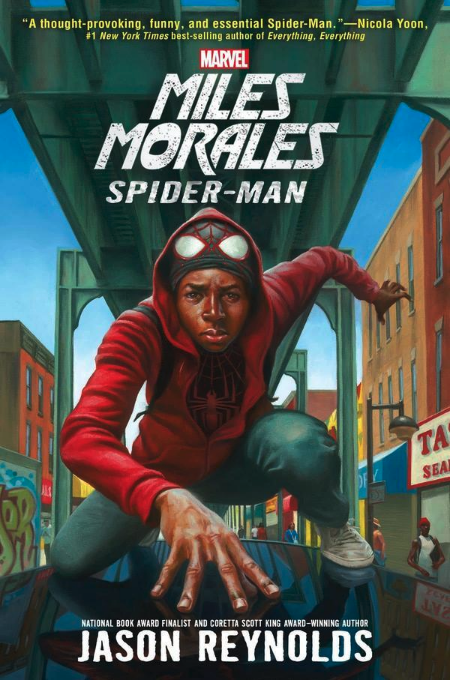
Miles Morales Spider-Man ໂດຍ Jason Reynolds
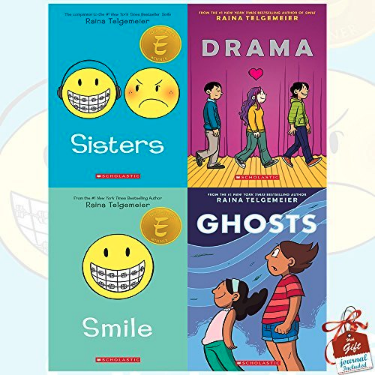
ຮອຍຍິ້ມ, ເອື້ອຍນ້ອງ, ຜີ, ລະຄອນ ແລະເລື່ອງອື່ນໆໂດຍ Raina Telgemeier
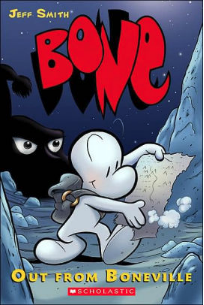
ກະດູກໂດຍ Jeff Smith
ຊອກຫາໂອກາດການອ່ານໃນລະດູຮ້ອນເພີ່ມເຕີມສໍາລັບລູກຂອງທ່ານ? ຕິດຕໍ່ທີ່ປຶກສາການສຶກສາຫນຶ່ງຂອງພວກເຮົາສໍາລັບຂໍ້ມູນເພີ່ມເຕີມກ່ຽວກັບວິຊາການອ່ານລະດູຮ້ອນຂອງພວກເຮົາ. ພວກເຮົາຫວັງວ່າຈະອ່ານກັບລູກຂອງທ່ານ!