Ha a fihla, re lumela hore ho bohlokoa haholo ho keteka katleho ea baithuti. Re thabela ho tsebisa Seithuti se seng sa Naleli - Emma!
Emma o emetse ntho e 'ngoe le e' ngoe eo baithuti ba ka e fihlelang ka ho sebetsa ka thata le boitlamo ba ho ipabola. Matichere a Emma a mo hlokomela e le seithuti se nang le boikutlo bo babatsehang mabapi le ho ithuta, o amohela taeo haholo, 'me o na le lelapa le mo tšehetsang haholo le atisang ho buisana le matichere a hae. Ka tlelaseng, Emma ke momameli ea hlokolosi le ea hlokolosi ea itšepang hoo a ka arolelanang maikutlo a hae, empa mamello e lekaneng ho fa e mong le e mong sebaka sa hae. Ha a tsotelle ho ipeha kotsing, mme o khona ho kenya botho ba hae mosebetsing oa hae.
Emma hajoale o ngolisitsoe Lefapheng la rona la ho Bala le ho Ngola ka Boqapi 4 Tsela, mme o bontshitse neo ya nnete ka ho kgona ho bopa ditshwantshiso tse matla dingolweng tsa hae. Qalong ea semester, o qetile tlhahlobo ea lekala la Blue Frog la Shanghai Disneyland.
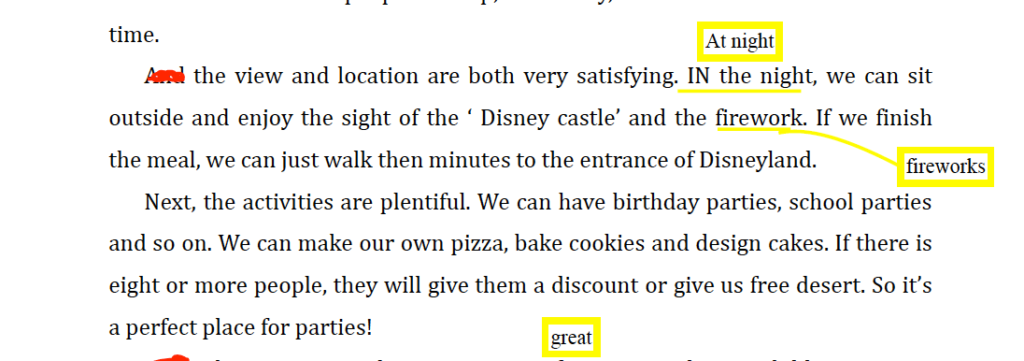
Emma o bontšitse bokhoni ba hae ba ho nyatsa likarolo tse itseng tsa sebaka, le ho hodisa mehopolo ya hae ka dintlha tse nepahetseng.
“Pono le sebaka ka bobeli li khotsofatsa haholo. Bosiu re ka lula ka ntle 'me ra thabela ho bona Disney Castle le li-fireworks. "
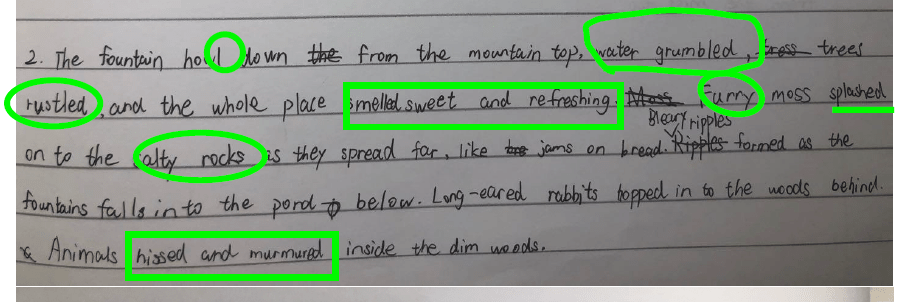
Ha semester e ntse e tsoela pele, Emma o ile a bontša tsoelo-pele tsebong ea hae ea ho ngola, mme a qala ho kenyelletsa mekhoa e tsoetseng pele ea bongoli. Mosebetsing oa ho hlalosa libaka tsa naha, Emma o ile a khona ho etsa setšoantšo se matla a sebelisa mantsoe a nepahetseng le puo ea tšoantšetso.
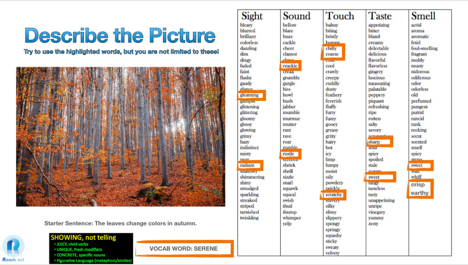
“Boriba bo boea ba boea bo ile ba qaphaletsa mafikeng a letsoai ha bo ntse bo nama, joalo ka jeme holim'a bohobe. Maqhubu a phallang ha seliba se oela ka letamong le ka tlaase.”
Emma o ile a tsoela pele ho sebelisa seo a ithutileng sona thupelong eohle, mme bokgoni jwa gagwe jaaka mokwadi bo ne jwa nonofa. Mosebetsing oa morao-rao oa ho ngola Tlaleho ea Fantasy, Emma o thehile maemo le semelo sa pale ea hae ka boomo le ka katleho.
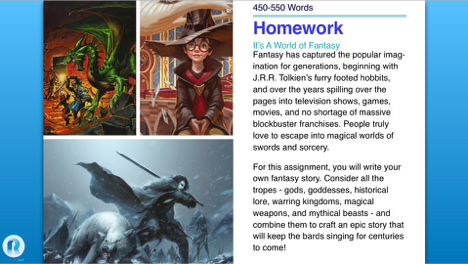
“Letsatsi le benyang le ne le phatsima ho tloha fensetereng ho ea pele ho le bonolo, letlapa la bethe la silky. Lipalesa tsa 'mala o mofuthu li ile tsa thunya ka thōko ho fensetere e bulehileng. Litšoantšo tse lerootho empa tse entsoeng ka mafolo-folo leboteng le khathollang la botala ba leoatleng.”
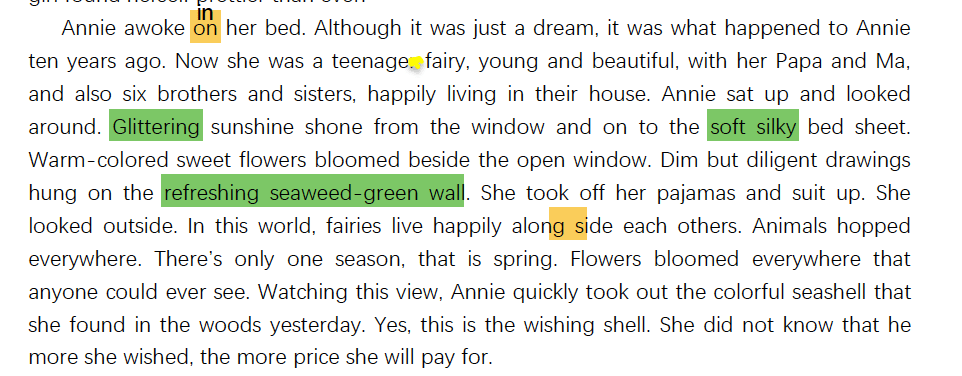
Joalo ka ha u bona, Emma o bonts'a litšobotsi tsa sengoli se senyenyane se tšepisang. Boikemisetso ba hae ba ho ntlafatsa, ’me tšebeliso e hlokolosi ea lithuto tse rutoang e thusitse ho phahamisetsa bongoli ba hae boemong bo phahameng haholoanyane.
Kea leboha Emma, ka ho ba NAKELE e joalo! Re labalabela ho bona kholo ea hau nako e telele e tlang. Rea tseba hore ena ke qalo feela ea leeto le letle.
Joaloka barupeli, hangata re botsoa potso, “Nka etsa joang hore ngoana oa ka a khaotse ho bala libuka tsa metlae?” Batsoali ba tšoenyehile ka hore metlae ha e fane ka molemo oa thuto, ha ba thata ka ho lekaneng lithutong, kapa bobe ka ho fetisisa, tšenyo ea nako ea ngoana oa bona. Ho sena, karabo ea rona hangata ea ba makatsa, mme karabo eo ke, “E re ba bale metlae!”
Hoa utloahala hore batsoali ba tla ameha hanyenyane kaha maikutlo a hore metlae ke ea ho bala feela, leha ho le joalo, metlae e na le melemo e mengata ho feta ho re thusa ho feta nako.
Litlaleho tsa metlae le lipale tsa litšoantšo ha se mekhoa e mecha ea ho ngola. Ehlile, li ’nile tsa thabeloa ke ba bangata ka meloko. Ho theosa le lilemo, mofuta o fetohile o nang le botebo le moelelo o moholo, ke ka hona re khothaletsang batsoali hore ba se lumelle bana ba bona ho bala li-comics feela, empa hape le ho ba tšehetsa ho etsa joalo.
Mona ke mabaka a rona a mantlha a hore li-comics li baloe (haholo-holo lehlabula!):
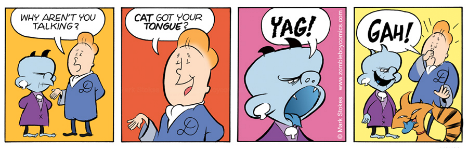
Bakeng sa baithuti bao e seng matsoalloa a Senyesemane, metlae e fana ka mokhoa o motle oa hore ba qale ho natefeloa ke lingoliloeng tsa Senyesemane. Bakeng sa bana ba bangata, mosebetsi oa ho tloha bukeng ea puo ea Senyesemane ho ea bukeng e ka ba boima haholo, empa metlae e ka fana ka borokho bo hlokahalang bakeng sa ho haha boitšepo hammoho le ho bala ka mokhoa o phollatsi. Litlhahiso tse hlahang litšoantšong li lumella liithuti hore li be le kutloisiso e tebileng ea morero le litlhaku hammoho le pokello ea mantsoe a macha.. Holim'a moo, e ba tsebisa lisebelisoa tse sebetsang tsa bongoli, joalo ka onomatopoeia (nahana POW! MOTSAMAI! ZOOM!) le maele (papiso e bontshang moelelo wa leele joalo ka, “Katse e nkile leleme?” e utloahala ho feta ho futhumatsa maele ka bohona!).
2.Matlafatso ea Inference
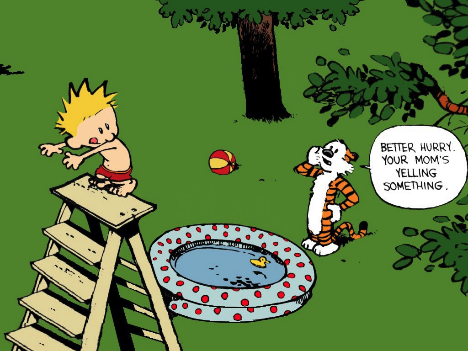
Inference ke bokhoni ba bohlokoa ba ho bala boo baithuti ba bangata ba sokolang le bona litekong tse tloaelehileng tsa ho bala. Boikemisetso bo etsahala ha re etsa liqeto ho latela seo re se balang. Mehlala e meng ea lipotso tseo baithuti ba tla kopana le tsona nakong ea ho bala mesebetsi ea kutloisiso kapa litlhahlobo ke tse kang, “How did the character feel when?”, “U ka etsa qeto efe ka…” le “Thuto e ne e le efe paleng?” Metlae e hloka hore baithuti ba “bale lipakeng tsa mela” ho fumana lintlha tseo hangata li bolelloang ke mopheti bukeng ea lipale., kahoo ba ka fumana phihlelo e ngata ea bohlokoa ea ho matlafatsa tsebo ena ka ho bala libuka tsa metlae.
3.Matla a Lentsoe!
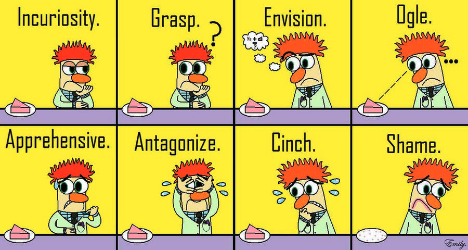
Often in comics and graphic novels, writers include quite advanced vocabulary, ka bobeli e le karolo ea pale hammoho le mabitsong a baphetwa. Ho 2016 at the world famous Comic-Con in San Diego, California, sehlopha sa barupeli se ile sa tšohla matla a li-comics ho aheng mantsoe a liithuti. James Bucky Carter, ho boletse mongoli oa Building Literacy Connections with Graphic Novels, “U na le Colossus, mme o moholo tjena, monna e moholo oa tšepe. U fumana kutloisiso e ntle haholo ea hore na lentsoe colossus le bolela eng mme ke lentsoe le letle la lisente tse 10. Matla a Banshee a hoeletsa. U na le litlhaku tsena tse kenyelletsang mantsoe a mantsoe ao li leng tsona. Ke ntho e monate ea ho ithuta mantsoe a macha, ho phaella ho lintlha tsa moelelo. "
Ka mor'a ho bala sena u ka 'na ua batla ho lumella ngoana oa hao hore a qoele ho bala li-comics kapa libuka tsa lipale tse hlakileng! Ke ’mino litsebeng tsa rōna. Haeba o sa tsebe hantle hore na o qale hokae, re na le lintho tseo u li ratang tseo ngoana oa hau a ka ratang ho li leka!
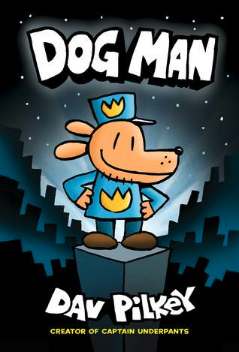
Motho oa Ntja ka Dave Pilkey
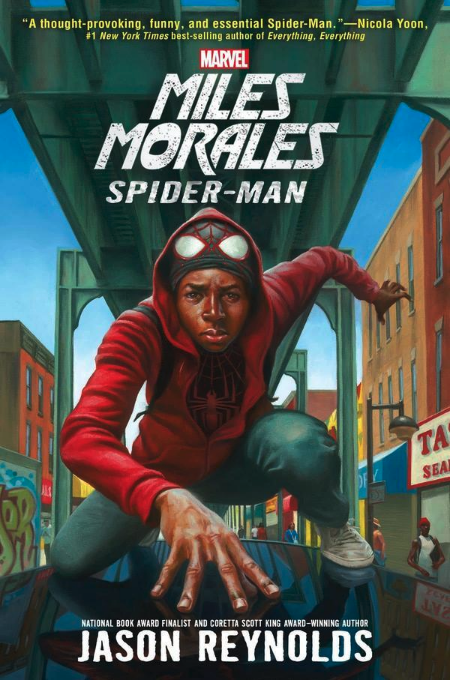
Miles Morales Sekho-Man ka Jason Reynolds
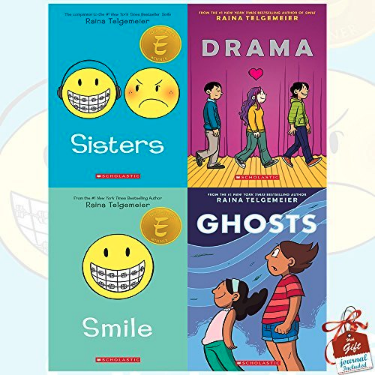
Ho bososela, Bokgaitsedi, Lithotsela, Tšoantšiso le Lipale tse ling ka Raina Telgemeier
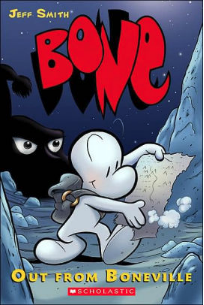
Lesapo la Jeff Smith
Ho batlela ngoana oa hau menyetla e meng ea ho bala lehlabula? Ikopanye le e mong oa Baeletsi ba rona ba Thuto bakeng sa tlhaiso-leseling e batsi mabapi le lithuto tsa rona tsa ho bala lehlabula. Re labalabela ho bala le ngoana oa hau!
Nako ea litlhahlobo e fihlile, 'me e ka ba nako e sithabetsang haholo ea selemo ho liithuti le batsoali. Ho Reach Out re batla ho etsa sohle se matleng a rona ho thusa ho imolla matšoenyeho a tlhahlobo ka ho fana ka malebela a ikhethang ao e ka 'nang eaba ha u e-s'o leke ho a leka.
Hangata bohlale bo tloaelehileng ba ho ithuta bo ’nile ba lateloa ke batsoali le matichere a mangata a bolelang hantle, leha ho le joalo, ha re sheba mekhoa e meng e khahlang e thehiloeng lipatlisisong re ka bona hore ho na le mekhoa e mengata e sebetsang ea ho ithuta! Kamehla ho molemo ho leka lintho tse ncha, haholo-holo bakeng sa bana. Ba ka fumana mekhoa e mecha ea ho etsa lintho ha ba sa le bacha, mme ha ba se ba hodile, ba ka khetha tsela e loketseng litlhoko tsa bona tsa botho le mokhoa oa bona.
Jwale, a re shebeng litsela tse tharo tse ikhethang tsa ho ithuta.
Mefuta e sa tšoaneng ke Senoko sa Bophelo-Esita le Ha U Ithuta
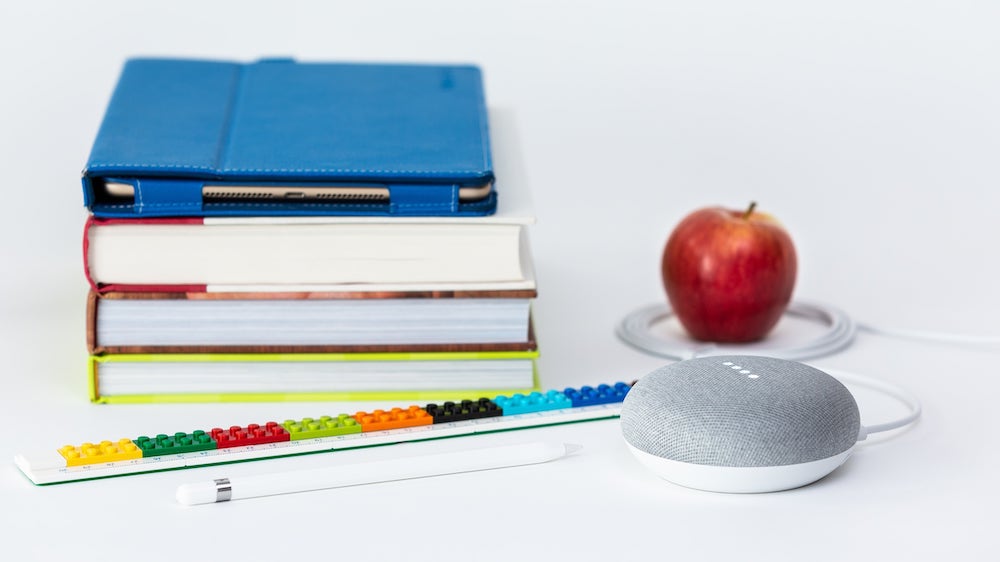
Bakeng sa ba bangata, lilemo tse ngata re 'nile ra bolelloa seo e le hore re ithute hantle, re lokela ho ithuta sebakeng se le seng letsatsi le leng le le leng; sebaka se khutsitseng, e khantšitsoe hantle, mme e na le lisebelisoa tsohle tsa rona. Leha sena e kanna ea ba 'nete bakeng sa nako e 'ngoe eo re ithutang eona, liphuputso li re bontša hore boko ba rona bo sebetsa betere ha re fapanyetsana sebaka seo re ithutang ho sona. Hoa makatsa, hantle?
Thutong e entsoeng ho fihlela morao koana 1978, baithuti ba koleche ba ile ba fuoa 40 mantsoe a ho ithuta. Sehlopha se seng se ile sa bolelloa hore se ithute lethathamo leo habeli sebakeng se le seng. Sehlopha se seng se ile sa bolelloa hore se ithute lethathamo leo libakeng tse peli tse fapaneng. Seo ba se fumaneng e ne e le, sehlopha se neng se fapanya libaka tsa sona tsa ho ithuta se hlile se sebetsa hamolemo ho hopola mantsoe hamorao. Jwale hobaneng ho le jwalo? Hantle, boko ba rōna hangata bo etsa maqhama le boitsebiso bo thehiloeng tikolohong ea rōna, kahoo ha re fetola tikoloho ea rona haholoanyane, ha re ntse re fa boko ba rōna monyetla oa ho boloka boitsebiso kaha bo tla amahanya le lintho tse ngata. Sena se ka boela sa e-ba lebaka la mokhoa o le mong oa pono, moo motho a bonang ka mahlo a kelello lintho tseo a lakatsang ho li hopola libakeng tse itseng tikolohong eo a e tloaetseng, e ka sebetsa le eona. Bakeng sa baithuti, ho fetola tikoloho feela ho ka etsa mano!
Natefeloa!
Batsoali ba bang ba ka ’na ba nahana ka phoso hore haeba ngoana oa bona a tšeha kapa a thaba ha a ntse a ithuta kapa a ithuta, ba ka nna ba senya nako ya bona. Leha ho le joalo, sena ha se hlile ha se joalo.
Joaloka motsoali, mosebetsing kapa ofising ea hau u ka ba le lithupelo tse khethehileng nako le nako. Hangata lithupelo li sebelisoa e le sesebelisoa sa ho u thusa ho ithuta ka leano le lecha, mohopolo, kapa tlhahisoleseding e tla o thusa ho ithuta ho eketsehileng mosebetsing. Likopano tsena hangata li tsamaisoa ke batho ba ipabolang ka ho theha lithupelo tse khothatsang le tse khothatsang tse matlafatsang le ho matlafatsa basebetsi.. Matsatsi a ka ba a malelele le a matla, empa ha di entswe hantle, basebetsi ba ka tsamaea ba itšepa tsebong le litsebo tsa bona tse ncha.
Ho joalo le ho bacha. Ho hlahisa papali ea papali le monate e le mokhoa oa ho ithuta bakeng sa litlhahlobo ha ho etse hore ngoana oa hau a bososele feela, empa lipatlisiso li bontša hore ho ithabisa ha u ntse u ithuta ho kenya lisebelisoa tse itseng tsa kelello, e amahanya meputso le monyaka le ho ithuta, e matlafatsa le ho atolosa marangrang a memori, le ho fetola monahano o sa bonahaleng le maikutlo a tsepamisitsoeng.
Mokhoa oa Pomodoro
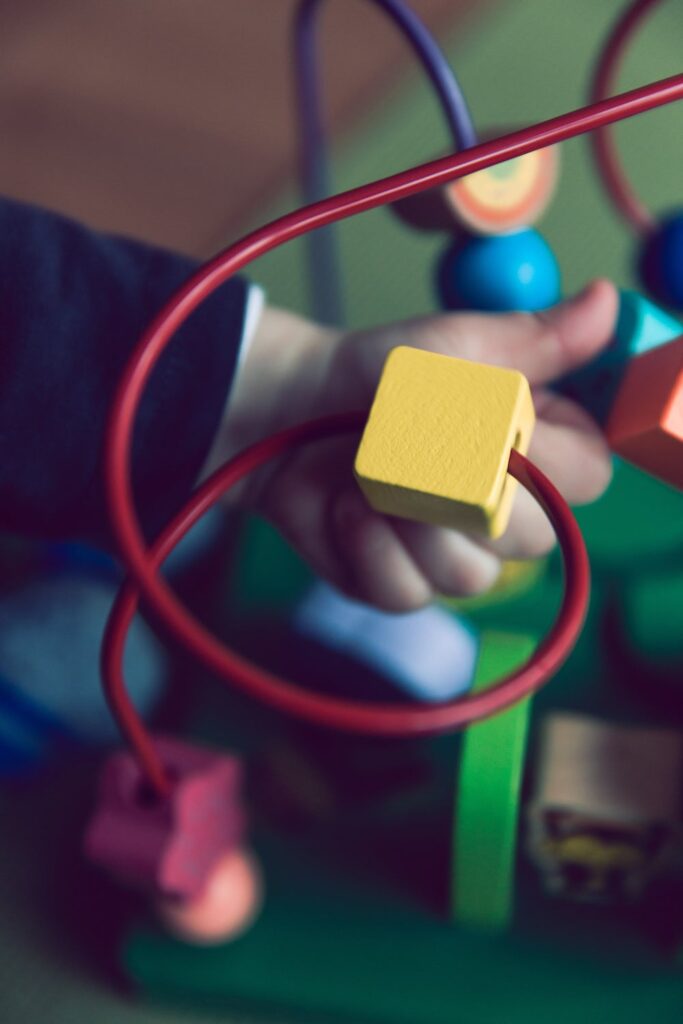
Ho dula o tsepamisitse maikutlo, mosebetsing le ho susumelletseha ho phetha mesebetsi e itseng ho ka ba thata ho batho ba baholo le bana ka ho tšoana. Na u kile ua ikutloa eka u shebile skrineng sa komporo ka lihora tse ngata, empa e phethile ho fokolang haholo? Kapa mohlomong u na le nako e behiloeng ka mor'a matsatsi a seng makae, empa ba lebile kholeng ea ho qetela? Ha ho makatse, joalokaha lipatlisiso li bontša hore likelello tsa rōna li atisa ho lelera ho fihlela 20% ea nako, mohlomong le ho feta bakeng sa bacha.
Mokhoa o mong o khahlisang o entsoe ke moithuti oa koleche Francesco Cirillo e le mokhoa oa ho mo thusa hore a lule a tsepamisitse maikutlo, mme eo ke Pomodoro Technique, e reheletsoeng ka sebali sa tamati sa Cirillo se sebelisitsoeng ha a ntse a itlhahloba ka leano lena. Hore na e sebetsa joang ke hore u behe sebali sa nako 25 metsotso, e leng nako ya mosebetsi. Ebe u e beha hape bakeng sa 5 metsotso, e leng nako ya kgefutso. Ena ke nako e ntle ea ho tsoha, otlolla, nka serope ho potoloha ntlo, pholla katse ea hau, kapa ho noa metsi kapa seneke. Kamora nako ea khefu e felile, seta nako bakeng sa e 'ngoe 25 metsotso le ho pheta!
Hoa bonahala hore leano lena le tšehetsoa ke bopaki ba saense, joalo ka ha bafuputsi ba fihletse qeto ea hore khefu e khutšoane e thusa ho boloka nako ea hau ea ho tsepamisa maikutlo e le tseleng. Sena se ka 'na sa amana le taba ea hore ho jeoa ke kelello ho ka lebisa kelello e sa sebetsaneng, e leng ntho ea ho qetela eo u e batlang ha u ithuta tlhahlobo ea bohlokoa.
Re tšepa hore u thabetse ho hlahloba malebela ana a ikhethang a ho ithuta ka hohle kamoo re ithutileng kateng! Ho lakaletsa ngoana oa hao mahlohonolo litlhahlobong khoeling ena. Jiayou!
We know that there is so much we can do to nurture and educate our children, which is why as parents we often go to great lengths to fill their time with enriching activities and classes. Why do we do this? For many reasons of course, but the main goal is to ensure their future success. Parents hope that their children will be even more successful in life than they were themselves. Success, of course, is subjective, and we may all have our own definition of success. Generally however, we might agree that success includes feeling content in one’s personal life, as well having a sense of career satisfaction and financial security.
Recently there has been an intriguing TED Talk being shared on social media, in which former Dean of Freshman at Stanford University, Julie Lythcott-Haims, cites evidence from the Harvard Grant Study that correlates professional success in life to individuals having done chores as children. Not soccer training, not language learning, not painting, but chores.
Surprising right?
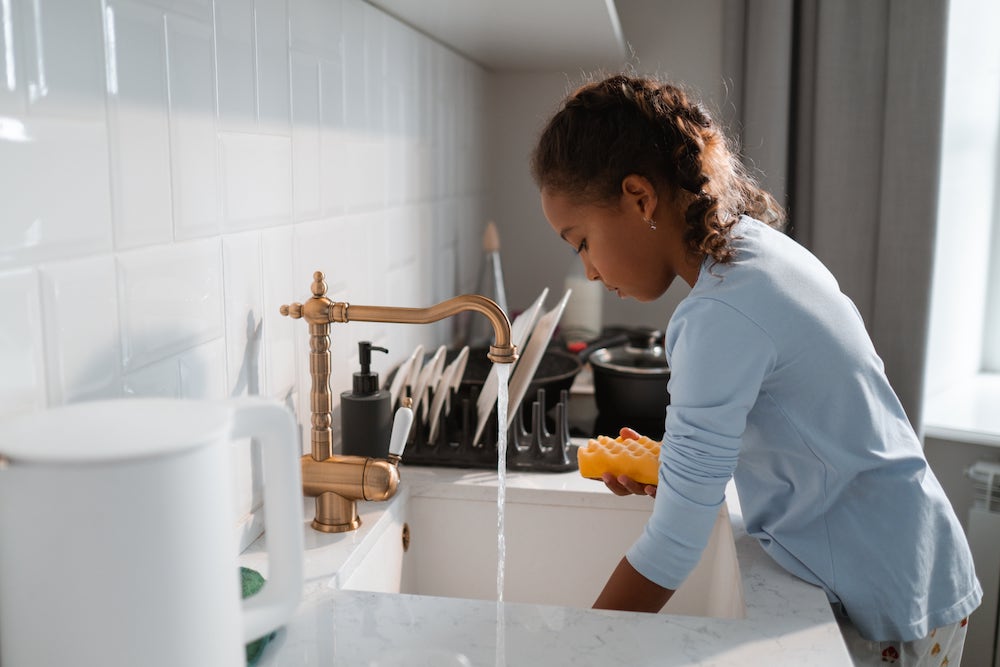
Many of our children growing up in big cities may never know what it’s like to scrub a dish, wash a window, or mop a floor. We might feel like there are more important things to do to build their knowledge and their character. Lythcott-Haims explains that those children who do get their hands dirty, leha ho le joalo, may reach a level of success in life that surpasses their no-chore-doing peers. That is because it teaches students how to contribute and step up when work needs to be done, and that doing the “grunt work” that others might scoff at, because it is what is best for all, is what gets noticed in the workplace.
The workplaces of the high-achievers who took part in the Harvard Grant Study were notable, such as the White House, where participant President Kennedy worked, and the editor’s office where Ben Bradlee sat as editor of The Washington Post. We can assume that their parents, like us, had to prod and plead for the chores to be done, and accept that even if they were done, they might not have been done well; and that’s okay.
The important thing, as Lythcott-Haims points out, is that by doing chores, children realize that they, “…have to do the work of life in order to be part of life.” They realize that life does not just happen to them, and for them, but with them.
If your children are already doing chores as part of their daily summer routine, bravo! You are on the right track. If not, no need to panic. It is never too late to introduce chores into the lives of our children. Here are some tips to help get you started!
Let Them Be a Part of It
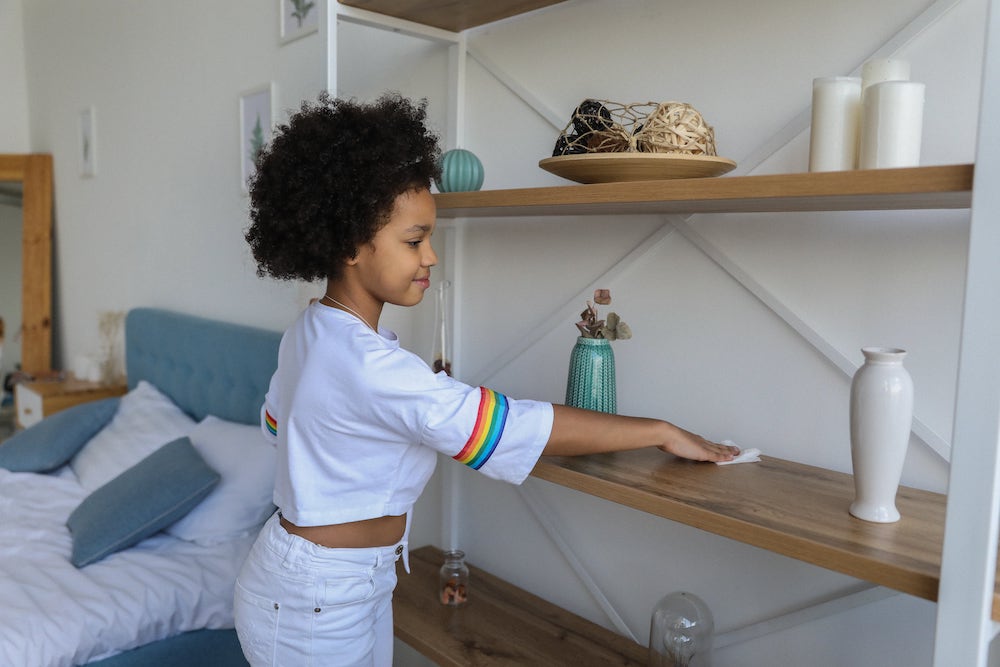
When introducing the concept of your children completing chores to help, have a “family meeting” where everyone is present to discuss what will be expected of your children and why. You can ask your child to help you write a list of chores they could potentially help with around the house. They might surprise you with their enthusiasm as doing chores is very exciting for some children because it makes them feel empowered and helpful (two things we often like to feel as adults).
Game-ify It
To make things fun, because fun makes everything better, you or your child can write the chores on popsicle sticks and each day your child can choose one stick from the jar. That will be their chore for the day! If you have more than one child at home, you can always turn cleaning into a competition by setting a timer and seeing which child can clean the most toys in the given amount of time, ka mohlala.
Reward It
Joaloka batsoali, we are rewarded for our contributions at work with a salary. Shouldn’t our children also be rewarded for their hard work? One idea is that if your child completes all of his or her chores for the week, he or she can choose a small toy from a “treasure box” filled with small toys. Another option could be that if your child consistently completes chores for a month, they can choose an extra special family outing.
Teaching our children to do chores is not always easy, but the potential benefits are worth the time and effort. We hope you found our tips useful, and that they can help lead to a positive experience for you and your child. Happy cleaning!
We are pleased to announce a new summer book club, just for parents! Summer is the perfect time to read that book you have always wanted to read, but have not had the time to. This summer, we invite you to join us in reading Mokhoa oa ho Bua Hore Bana ba Mamele le ho Mamela Hore Bana ba Bue.
We know it is not always easy to connect with our children because of the demands of school, work and daily life. Sometimes our anxieties about the future interfere with us living our lives right now. Leha ho le joalo, one thing we can guarantee is that we will never get another chance to experience childhood with our own children, and we don’t want to miss out on this precious time. Kahoo, how can we make the most of it and have meaningful conversations with our children that will strengthen our bond and help our children feel supported? These are big questions many of us have.
To help us answer these important questions, we invite you to join us in reading one of the most popular parenting books of all time, written by Adele Faber and Elaine Mazlish. How to Talk So Kids Will Listen and Listen So Kids Will Talk, which teaches us how to accept our children’s feelings, as by not doing so we could be unwittingly causing bad behavior. It also teaches us positive ways to encourage cooperation, as well as independence, autonomy, and self-confidence. These are all the ingredients needed to help nurture a positive parent-child relationship that will indeed help to grow our children into confident and capable adults.
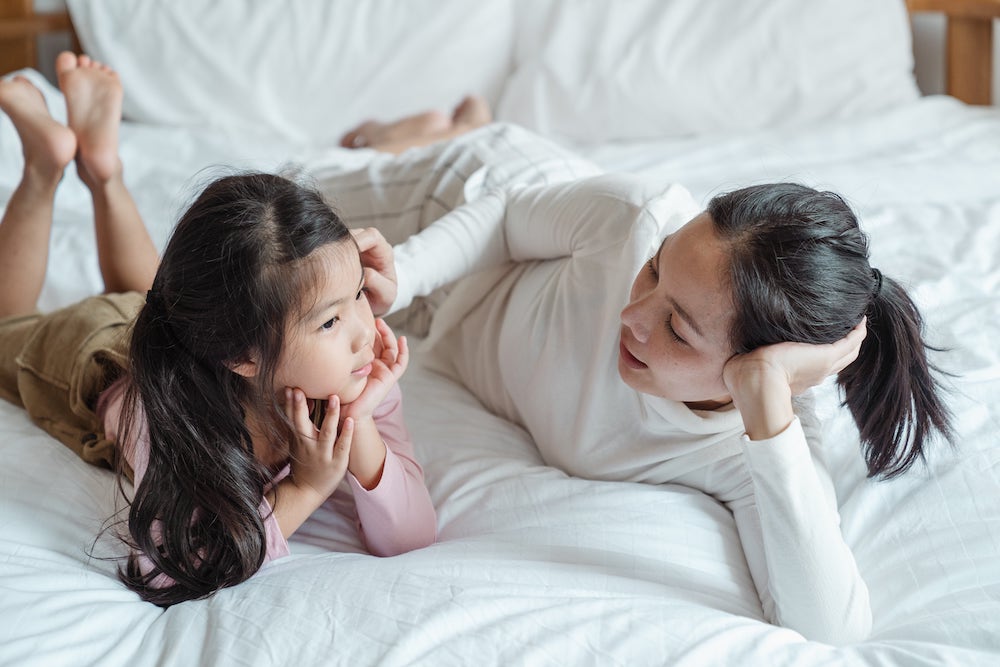
How Will It Work?
The first step is to contact one of our Education Consultants to register. Registration is FREE and open to everyone! We will create a group chat where the book study content and sharing will take place starting on July 1st. Lindsey Fine, our Education Manager, will be joining the group as a parent as well, as she is a mother of two boys, aged 4 le 6, who will be learning along with you. She will also be helping to lead the weekly discussions.
The book can be found in English and Chinese and easily accessible in print, e-book, or audiobook formats.
Then there are two options for how you would like to participate:
The reading schedule is as follows:
Week 1: Chapters 1 & 2
Week 2: Chapters 3 & 4
Week 3: Chapters 5 & 6
Week 4 Chapters 7 & Afterword
At the end of the month, we will host an online workshop led by School Counselor, Regina Wehner. At the workshop, Regina will share additional information and strategies you can use to strengthen your relationship with your child.
About Regina Wehner
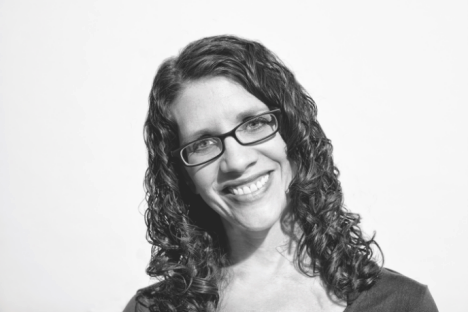
Regina Wehner is a Licensed School Counselor that has worked with students in Middle School for over 16 years. Originally from the United States, she lives with her husband and 2 children, ages 10 le 12, in Beijing, China.
Regina works at the Western Academy of Beijing (WAB), a diverse international school. A big part of being a school counselor is helping students learn about themselves and others as they are growing. Regina also hosts monthly Parent Coffee Mornings to bring parents together to learn more about their children's developmental changes and how to communicate during these times of transition.
Contact us today to join!
Ho Thusa Ngoana oa Hao ho Ithuta Mantsoe a Macha
Lipatlisiso li bontša hore haeba re batla hore liithuti li atlehe maemong a thuto, litekong tsa bohlokoa le litlhahlobong tsa maemo a holimo, hammoho le mesebetsi ea bona ea ka moso, re tlameha ho ba thusa ho ntlafatsa tlotlontswe ya bona. Lebaka la seo ke lena: kutloisiso ea rōna ea boitsebiso bo bocha e amana ka ho toba le kutloisiso ea rōna ea pokello ea mantsoe e sebelisoang ho fetisa boitsebiso boo bo bocha.
Bakeng sa baithuti, ho eketsa mantsoe a bona ke senotlolo se le seng sa katleho ea ho tseba puo hantle; mantsoe a mangata ao re a tsebang, mantsoe a mangata ao re a utloisisang, le mantsoe a mangata ao re ka a sebelisang lingolong tsa rona ho etsa hore e be le tšusumetso le e sebetsang haholoanyane. Leha ho le joalo, ho ithuta hona joale mantsoe ka linako tse ling ho nkoa e le mokhoa o khathatsang kapa o thata. Ka linako tse ling batsoali ha ba tsebe hantle hore na ba ka tataisa bana ba bona joang, haholo-holo kaha tsela eo re ithutang ka eona thuto ea mantsoe e ka ’na ea fapana haholo le tsela eo batsoali ba neng ba e ithuta ka eona ha ba le sekolong..
Seke oa tšoenyeha, Reach Out e teng ho thusa! A re hlahlobeng phumano ea mantsoe (mokgoa wa ho hopola le ho sebedisa tlotlontswe e ntjha), 'me re tla u bolella hore na u ka thusa ngoana oa hau joang ho haha mantsoe a bona!
Bua ka Eona!
E ka 'na ea bonahala e le bonolo ho feta tekano, empa ha ho tluoa tabeng ea ho ithuta mantsoe a macha, tsela e ’ngoe e atlehang eo bacha ba e etsang ka eona ke ka ho buisana le ba bang. Bana ba ithuta mantsoe a macha hamolemo ha ba le teng, joalo ka moqoqong ka taba e itseng. Ba ka fana ka moelelo oa mantsoe a macha ho latela tsela eo a sebelisoang ka eona hammoho le mantsoe a mang ao ba seng ba a tseba..
E ka 'na eaba u 'nile ua sitisoa ke ngoana oa hao ka makhetlo a mangata ha u sebelisa mantsoe ao u sa a tloaelang 'me a botsa ka bohelehele., “Koluoa e bolela’ng?” Mohlomong u ne u bua ka boemo ba kamore ea bona ea ho robala (joalo ka ha ho na le pherekano e felletseng), le ka ho ipha nako ea ho hlalosa meelelo e mengata ea tlokotsi ho bona, u ke ke ua ba ruta lentsoe le lecha feela ho hlalosa kamore e bohlasoa, empa hape le ho hloleha kapa ketsahalo e etsahalang ka tlhaho, joalo ka koluoa ea tlhaho.
Kahoo, ho bua le ngoana oa hau ke tsela e ntle ea ho mo ruta mantsoe a macha!
E hlahlobe!
Ka kakaretso baithuti ba utloisisa hore ba ka sebelisa buka e hlalosang mantsoe kapa mofetoleli haeba ba kopana le lentsoe leo ba sa le tsebeng, empa ka linako tse ling le tlhaloso ea lentsoe e ka ba siea le lipotso tse ngata ho feta likarabo.
Boiphihlelong ba rona, baithuti ba bangata ha ba sebelise sesebelisoa se le seng sa bohlokoa haholo ho ithuta le ho sebelisa pokello ea mantsoe a macha, mme sesebediswa seo ke thesorase! Haeba u hlokomela ngoana oa hao a sebelisa lentsoe le feteletseng ha a bua kapa ha a ngola, ka mohlala, "ntle", "e ntle", "e ntle", kapa "e mpe", ebe u ipha nako ea ho ba bontša mokhoa oa ho sebelisa sebaka sa marang-rang joalo ka thesaurus.com ho sheba mantsoe ao. Ha ba batla lentsoe le kang "botle" ba tla bona hore ho na le mantsoe a mangata a thahasellisang le a ikhethang ao ba ka a sebelisang ho e-na le hoo! I
Boiphihlelong ba rona, baithuti ba natefelwa haholo ke ho sebedisa tlotlontswe e ntjha, 'me ba ikutloe ba matlafalitsoe ho tseba hore ho na le sesebelisoa se ka ba thusang ho etsa hore mantsoe a bona a be matla le ho feta.
Bapala!
Ho ithabisa ha u ntse u ithuta ha se feela ntho eo matichere a e etsang ho thabisa baithuti, e hlile e pakoa ke neuroscience hore ke tsela e atlehang ea ho thusa liithuti ho ithuta ka ho teba haholoanyane. Lipatlisiso li bontša hore ha liithuti li susumetsoa le ho qholotsoa, boko ba bona bo lokolla dopamine. Dopamine ke neurotransmitter e susumetsang litsi tsa mohopolo le ho khothalletsa ho lokolloa ha acetylcholinem., e eketsang tlhokomelo e tsepamisitsoeng.
Lithupelong tsa rona mona ho Reach Out, thuto ea mantsoe ke karolo ea bohlokoa ea thuto ka 'ngoe. Re boetse re na le lithupelo tse qalang lehlabuleng lena, Maemo a Sehahi sa Mantsoe 1-3, moo re tla tsepamisa maikutlo haholo ho thuseng ngoana oa hau ho holisa tsebo ea hae ea pokello ea mantsoe ka mantsoe a macha a thata. Ha mantsoe a khethiloeng a fana ka phephetso, lisebelisoa tse kang Quizlet le lipapali tse kang Guess Who le Sentence Racer li fa liithuti monyetla oa ho sebelisana ka tsela e nang le morero le e hohelang..
Re tseba joang hore mekhoa ee e sebetsa? Hobane lilemo tsa rona tsa boiphihlelo, le thuto ea thuto ea kelello le mokhoa oa ho ithuta ho re rutile kamoo liithuti li ithutang hantle kateng!
Re ka thabela ho thusa ngoana oa hau ho ithuta mantsoe a macha e le e 'ngoe ea litsela tseo a ka bang sebali se atlehang le se atlehileng haholoanyane., mongoli, le sebui. Ho ithuta haholoanyane ka hore na re ka thusa joang, ikopanye le e mong oa Baeletsi ba rona ba Thuto kajeno!
If you are looking for a more individualized educational service, Reach Out offers 1-on-1 services with our expert educators!
What do We Offer?
Our teachers offer a wide range of 1-on-1 subjects including English, Social Sciences, and Maths.
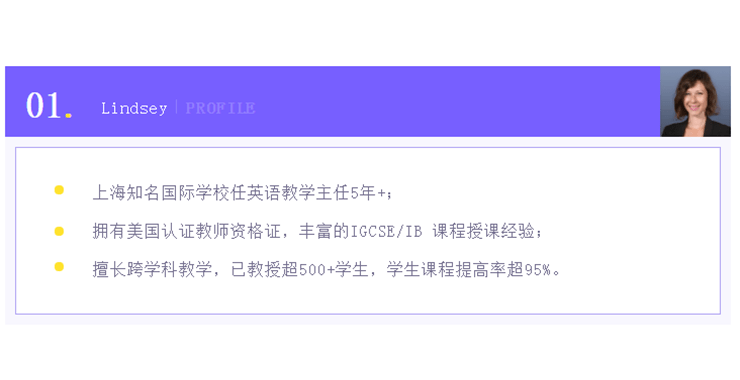
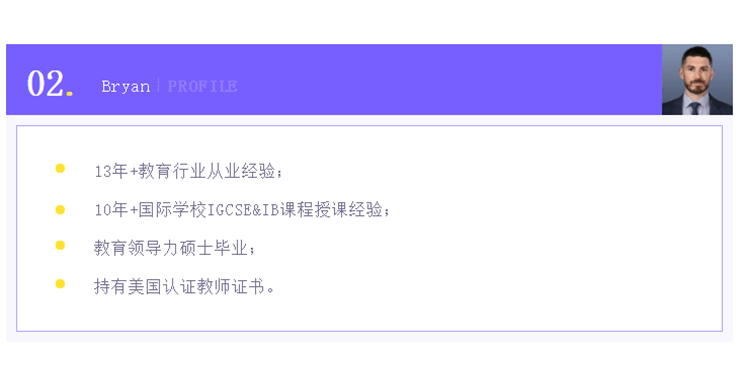
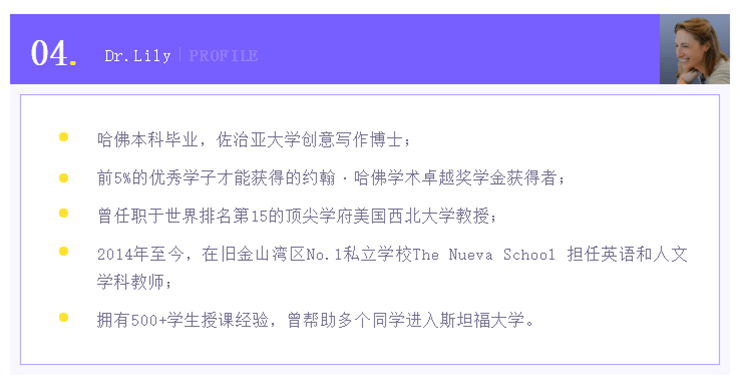
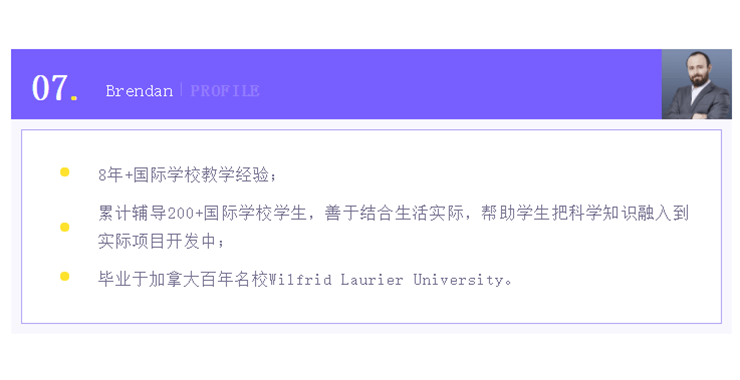
Meet some of our highly qualified and experienced teachers!
Why Should I Choose 1-on-1 Services?
Perhaps your child is preparing to study abroad or applying to a new school and he or she would like a more intensive and targeted approach in order to polish his or her skills. Alternatively, your child might not feel challenged enough with his or her current curriculum, and needs an alternative approach that is more appropriate for his or her ability level.
There are a number of reasons a parent might be searching for services such as this, and we can assure you that we will always work to understand you child’s unique situation and provide the service that is best for them.
How Does it Work?
With our hands-on approach, and orientation process, we will assess your child’s knowledge and skills based on current assessment data, writing ability, le ho feta. Based on our findings, we will select the teacher best suited for your child’s needs. All of Reach Out’s teachers have been carefully selected, and have years of experience in teaching challenging curriculums, such as IGCSE, Ib, and AP, in top schools from around the world.
Our process is goal-oriented. We find out exactly what your child needs to reach their educational goals, and then we create a unique and tailor-made learning path that will best suit your child’s particular needs.
What Else Does Reach Out Offer?
In addition to 1-on-1 services, Reach Out offers a wide variety of courses specifically designed to challenge and engage your 2nd to 8th grade child with above grade level content in order to help them prepare for the rigor of programs such as IGCSE, Ib, and AP.
How Can I Learn More?
To find out more about our 1-on-1 services, please contact one of our Education Consultants today to find out more! We look forward to helping your child reach his or her educational goals for a bright future!
Who We Are
As you may have noticed, we have been growing and have some exciting additions to what we offer here at Reach Out. As it has been a while since we introduced ourselves, we thought we would share our story with you to help you better understand who we are and what we do!
Our Mission
Reach Out’s mission is to connect students with expert educators who create and deliver original, inspiring, world-class curricula. We have embarked on this journey so that we may help students understand how to find their own unique voice and uncover the creative and valuable ideas that lie within each of them. With their voices, they have the power to change the world, and we wish to empower them to do so.
Our Vision
Reach Out strives to be an internationally recognized educational institution that allows students to access top level international curriculum and educators, no matter where in the world they are. Our students will be perceptive, curious, and critical thinkers who make informed choices as excellent problem solvers and communicators. Reach Out students will achieve their academic and personal goals and dreams from Primary School to University, placing their brilliant futures within reach.
Our Core Values
These are the principles which shape Reach Out:
Our Story
Reach Out was created by a small group of dedicated mothers, perhaps much like yourself. They were brought together by a common vision for the educational needs of their children. Some were looking for an educational program that could offer their children access to the ideas, teaching philosophy, and methodology that matched what they had experienced while living abroad. Others were looking for an internationalized curriculum that their children could access to enrich their educational experience in China. What they shared in common was a desire for a rigorous program that also opened the doors to creative and critical thinking, self-reflection, and personal expression - the hallmarks of a strong international curriculum. After spending considerable time exploring various options, these moms were not able to find anything that quite met their children’s needs.
Kahoo, they did what any good mother would do, given the chance, and found their own way to offer their children the best possible learning opportunities designed to help them thrive. They consulted expert teachers and worked with other parents to discover how they could best meet the needs of other children with similar goals. Bana, we hope, like yours.
The parents were committed to:
We are happy to say that these mothers have achieved their goal. Today Reach Out boasts a complete line of rigorous yet engaging courses in which students learn deeply while having fun and creating meaningful relationships with their teachers and peers.
All of this because of our founding mothers’ commitment to their children’s education and happiness.
What Makes Us Unique?
While we understand parents have an array of choices when it comes to programs that enrich their children’s education, we believe we offer many unique qualities that are not easily found elsewhere.
Our team consists of highly skilled and experienced educators who have created a unique and rigorous program based on international school standards, which prepares younger students to take on rigorous curriculums such as IGCSE, Ib, and AP.
-Our one to one programs and curriculums designed to exceed the educational needs of our students
-Our teaching philosophy of inspiring and empowering students, and teaching methodology of allowing students to explore knowledge widely and deeply while at the same time developing a love of learning
-Our commitment to the long-term success of our students as we strive to equip them with the essential skills they will need to succeed in their future careers and the world beyond school
- The detailed feedback we provide with all of our student assessments, so that students know where they are succeeding and where they might improve, as well as the supplemental materials and instruction needed to help our students close any gaps in understanding
-Our dedication to developing our students’ critical thinking and problem solving skills, which will be essential for their future, as well as the future of our global society
-Our promise to hire all of our teaching and non-teaching staff based on their mutual passion for education
-Our ability to empower students to use the language, knowledge, and skills they acquire to develop themselves beyond the classroom and into curious, lifelong learners who set and pursue challenging, fulfilling, and worthwhile goals.
-Our hands-on, individualized approach to creating a learning path for our students so that no matter what grade level they are when they join us, they will be equipped with the tools necessary to improve and grow rapidly
-Our commitment to empowering our clients with information and experiences that will help them make the absolute best choices for their child's education by offering informative articles, videos and workshops.
Our Curriculum
Our Blue Line curriculum, which includes courses for students in Grades 2 to 8, was designed by expert educators with advanced level degrees in their subject areas who have spent decades in some of the top international schools in the world. We use backwards curriculum design working our way from the first year of programs such as the widely recognized and respected IGCSE program.
As our educators have spent years teaching courses pre-IGCSE, IGCSE, IB and AP or A Levels curriculum, they understand what students need to succeed in those programs. Kahoo, each aspect of our curriculum has been created to make sure that all of our students enter their first day of Grade 9 feeling confident, equipped, and prepared to meet the demands of these rigorous courses.
We offer a wide range of courses in the subjects of English, Lipalo, History and Geography. See below for more detailed information on our full course offerings.
Additional Services
We are also pleased to announce the creation of our Silver Line, which offers bespoke educational services that take an individualized approach to meeting our students' needs. We begin with a deep assessment of each student's educational goals and needs, and then create and implement a scheme of work with which our expert educators will use to guide your child through the academic challenges of High School in order to prepare them to eventually attend their dream university.
We also offer 1-on-1 services at all grade levels for parents who wish to offer their children more individual care and instruction. Our expert Education Consultants will make sure to match your child with the best educator for his or her specific needs and goals.
Join Us!
We look forward to meeting your family and discussing how you can be part of our Reach Out family; one that learns together, cares for each other, overcomes challenges together, and celebrates successes with one another. Please contact us today to find out more.
We hope to hear from you soon!
Ho ba motsoali ho boima. Haele hantle, ka liphetoho tse teng lefatšeng la rona kajeno, e kanna ea ba e 'ngoe ea linako tse thata tseo re ileng ra tlameha ho tobana le tsona lilemong tse mashome. Phetoho e lebisa ho se kholiseheng, ’me ho se kholisehe ho ka lebisa khatellong ea maikutlo. Ka sebele khatello ea maikutlo e ama likarolo tsohle tsa bophelo ba rōna, ka linako tse ling e tla ama kamano ea rona le baratuoa ba rona haholo; haholo bana ba rona.
Bana ba rona ba ka rarahana (ha re tobane le eona, le rona re ka kgona!), mme ke mosebetsi o boima ho netefatsa hore mohato o mong le o mong o "nepahetse".. Ke lipuisano tsa rona kaofela, ditlhoko, likopo, merero, dithoriso le dinyatso di bolela ho hong. Nako le nako ha re bua le bana ba rona, re na le tšepo ea hore mantsoe ana a tla lekana ho tlatsa bana ba rona ka tšepo ea bokamoso bo botle nakong eo bokamoso bo sa tsitsang.. Linako lia fetoha, le hona ho tla feta, empa ntho e le 'ngoe eo re ka e tiisang ke hore re ke ke ra ba le monyetla oa bobeli oa ho qeta bongoana le bana ba rona.
Joaloka batsoali, hangata re ipotsa hore na ehlile re etsa se nepahetseng, re ipotsa hore na re ka fihlela bana ba rona joang, ho leka ho utloisisa bana ba rona hamolemo, 'me ka linako tse ling re ikutloa eka re hlōlehile hobane re ipolella hore re etsa phoso. Hangata, ha ho joalo, empa ha ho na bukana ea litaelo ea mokhoa oa ho hōlisa ngoana e tla sebeletsa e mong le e mong maemong ’ohle. Ehlile, ho na le likeletso tse ngata, bongata bo bongata ba yona, empa hape, likeletso tse ngata ke tsona feela; tataiso le likhothaletso tsa batho ba sa tsebeng uena kapa ngoana oa hau. Tse ling tsa tsona lia thusa, 'me tse ling tsa tsona ... eseng haholo.
Ntho e le 'ngoe eo re ke keng ra e latola leha ho le joalo ke bohlokoa ba kamano e ntle pakeng tsa motsoali le ngoana.
Lipatlisiso li bontša seo:
Ke habohlokoa ho ipha nako ea ho hōlisa kamano le ngoana oa hau, 'me mohlomong ho bohlokoa le ho feta, ho etsa bonnete ba hore litšebelisano tseo re nang le tsona le bana ba rona nakong eo li ntle. Ena ke ntho eo batsoali ba bangata ba e fumanang e le phephetso, ke ka lebaka leo re thehileng sehlopha sa libuka tsa batsoali bakeng sa buka Mokhoa oa ho Bua Hore Bana ba Mamele le ho Mamela Hore Bana ba Bue ka Adele Faber le Elaine Mazlish. Hammoho re ile ra ithuta litsela tsa ho buisana le bana ba rōna ka tsela e molemo e le hore re matlafatse maqhama a rōna. Re ile ra qeta nako re buisana ka maikutlo a tsoang bukeng, hammoho le ho ba le kopano ea sebele ea ho bapala karolo e 'ngoe ea maano a tsoang bukeng. Holim'a seo, re ile ra mema Moeletsi oa Tataiso ea Sekolo se Bohareng, Regina Wehner, ho fa batsoali thupelo ea ho utloisisa kholo ea ngoana oa rona ea kelello le maikutlo.
Lintlha-khōlō ke tsena tseo re ratang ho li arolelana le uena!
Ea pele, ho tloha Mokhoa oa ho Bua Hore Bana ba Mamele le ho Mamela Hore Bana ba Bue, mona ke tse peli tsa maqheka rona ratang ka ho fetisisa:
Bana ba na le bothata ba ho laola maikutlo a bona, kaha setsi sa taolo ea maikutlo sa boko ke se seng sa ho qetela ho nts'etsopele. Sena se bolela hore ba hloka thuso ea rona ka mokhoa oa kutloelo-bohloko le mohlala. Sena se ka ba thata haholo, haholo-holo ha ka linako tse ling re ka thatafalloa ho laola maikutlo a rōna! Re na le leano le bonolo bakeng sa hau le tla hloka lintho tse peli feela:
Ha ngoana oa hao a fihla lapeng a halefisitsoe ke se etsahetseng sekolong, sebakeng sa ho fana ka likeletso tsa rona tse bohlale, re ka mamela feela lintho tseo ba amehileng ka tsona ebe re khutlela ho bona mehopolo. Ka mohlala, haeba ngoana oa hau a fihla hae a ferekane 'me a bua ntho e kang ena, “Ugh, kajeno Elizabetha le Sara ba ne ba ntlhoile haholo! Ba ile ba iphapanyetsa 'na ka ho feletseng' me ke ba hloile bobeli ba bona hona joale!” Ho e-na le ho re, “Elizabeth le Sara ke metsoalle ea hao e meholo. Ha se taba e kholo 'me ke na le bonnete ba hore u tla phela hantle hosane,” e ka etsang hore maikutlo a ngoana oa hao a se ke a sebetsa, u ka bua, “Oh, Kea bona. Elizabetha le Sara ba ile ba etsa hore u ikutloe u le mokhelo. Mohlomong seo se ile sa etsa hore u ikutloe u hloname ebile u tenehile.” Mothating ona ngoana oa hao a ka ’na a tsoela pele ho bua le ho u phetlela sefuba, e kgolo! Ho bolela hore baa u tšepa 'me u etsa hore ba ikutloe ba le betere. Tsoela pele ho mamela, hlooho ka hlooho, bolela, “Mmmhmm,” ebe u pheta seo ba se buang. Ho mamela feela ho ka etsa hore ngoana oa hao a ikutloe 100% betere mme ba itokiseditse ho tobana le phephetso e latelang!
2. ke lakatsa!
Hangata bana ba rona ba hlahisa litakatso tsa bona ka mokhoa oa ho lakatsa eka ba ka be ba e-na le lintho tseo ba se nang tsona kapa ba lakatsa eka lintho li fapane le kamoo ba leng kateng.. Ka mohlala, bana ba ka re, Ke lakatsa eka nkabe ke sa tlameha ho etsa mosebetsi oo oa sekolo kaofela. Re ka araba, “Ho lokile, u etsa joalo, 'me ho joalo!” kapa “Ke seo u lokelang ho se etsa. Ke boikarabelo ba hao kahoo u lokela ho etsa hona joale!”
Sena se ka ’na sa fetoha ntoa ea boithatelo ha batsoali ba ikutloa ba ferekane ke hore ba lula ba utloa tletlebo e tšoanang ’me ba pheta-pheta mabaka a tšoanang.. Bana ba ikutloa ba ferekane hobane maikutlo a bona ha a na thuso ’me ba ikutloa ba sa utloisisoe. Hantle, seke oa tšoenyeha, re mona ho thusa! Re na le leqheka le lenyane le tla u thusa ho fetola moqoqo, mme ke ho dumelana le ngoana oa hau. E ka utloahala e sa utloahale, empa re na le boiphihlelo ba rona ka leqheka lena mme le sebetsa mehlolo!
Ka mohlala, haeba ngoana oa hau a re, “Ekare re ka ya serapeng sa boikhathollo kajeno kamoo ke neng ke batla kateng!”
Ho e-na le ho re, “Nke ke ka khona, Ke phathahane haholo,” kapa “E, empa ha re khone, pula ea na,” re ka rialo, Ke lakatsa eka le rona re ka khona! Re ne re ka ea serapeng sa boikhathollo ra ba le pikiniki! Re ne re ka fofisa khaete le ho letsa lipudula! Ke hobane'ng ha re se na pikiniki ka kamoreng ea ho phomola 'me ka mor'a moo re ka letsa bubble ka kamoreng ea ho hlapela!”
Karolo ea pele e etsa hore bana ba thabe 'me mehopolo ea bona e tsoele pele, ho ba isa sebakeng se monate. Karolo e latelang e etsa hore ba ikutloe ba utluoa ebile ba amana le uena.
Jwale, lintlha tse ling tsa bohlokoa ho tsoa ho Mof. Wehner's workshop:
*Ke kopa o nthuse ho khetha tsena! :)*
Haeba u ka rata ho kenela e 'ngoe ea lithupelo tsa rona kapa lihlopha tsa libuka nakong e tlang, etsa bonnete ba hore oa re latela 'me u lule u mametse! Re na le lintho tse kholo tse tlang nakong ena ea hoetla!
Many parents ask us what the fastest way their child can improve their writing. While we firmly believe there are no shortcuts to becoming a truly effective and skilled writer, there are some things students can incorporate into their writing to help take it to the next level more efficiently. Like with anything trying to be mastered, the key to success lies in hard work and repetition. Practicing these skills regularly will help your child reach their educational goals.
This article will be the first in a series of articles that will focus on skills suited for different types of writing. This week, we will focus on descriptive writing tips.
Descriptive Writing Tips:
Descriptive writing is a true art form, as its purpose should be to create an image in the minds of the readers. One cannot tell a story on action and dialogue alone, and one cannot convey deep meaning and emotion in a poem without painting a picture with his or her words.
One powerful way to excel in description is to add adjectives and adverbs wherever possible. Ka mohlala, if your child is writing a story he or she might write something like:
“Harry went outside and started looking for his friends.”
While this sentence conveys a basic meaning, it’s effect on the reader is also basic. By adding descriptive language in the form of adjectives and adverbs, we can quickly and effectively add imagery to the sentence:
“Harry zipped out the front door, slamming it shut behind him. His heart raced as he ran around the neighborhood eagerly looking for his friends.”
In the revised sentence, we see descriptions that tell us not only the action that is taking place, but also helping us feel the emotion of the character, an important aspect of storytelling.
Another great way to make a story or poem more effective is by adding figurative language, such as similes. Similes are comparisons that use like or as that can be used to help the reader imagine what is happening more clearly.
Ka mohlala, your child might write something like:
I was so happy!
It was so cute!
He was so scared!
We can add similes to help create an even better result:
I was as happy as a a kitten in a yarn shop.
It was a cute as a baby panda playing in the snow.
He was as scared as a rabbit that just heard a wolf howl.
Our final tip for descriptive writing is to choose vocabulary that is so precise that it communicates exactly what the writer wants the reader to feel. Often, students will write descriptions that are a bit vague, with sentences like:
He was very tired.
The movie was very boring.
They were very cold.
The room very hot.
Again, these sentences convey a simple meaning, but in descriptive writing, that is simply not enough. Effective description uses vocabulary that has an impact, and we can achieve that by choosing only the best words to convey the most exact meaning.
See how we can take the sentences above from ordinary to extraordinary by replacing part of the sentence with powerful vocabulary:
He was exhausted.
The movie was unimaginative.
They were chilled to the bone.
The room was roasting.
The good news is that your child doesn't need to rely on his or her current vocabulary knowledge in order to succeed in creating sentences like those above. The thesaurus has all of the words they need to create memorable descriptions.
We hope these tips have been helpful! If you would like for your child to learn how to put these skills into practice with one of our passionate educators, stay tuned for coming announcements on our new summer and fall courses!
Next week, we’ll have a look at persuasive writing tips!
Tell us a bit about yourself.
I grew up in five different countries (Sweden, England, Germany, South Africa, and Canada). Integration into a diverse spectrum of cultures growing up has made me see the world with an open mind. I currently reside in Canada and work as both a university lecturer and a Math teacher at Reach Out. Outside of work I really enjoy sports such as badminton and chess, which I played at a competitive level for many years.

What is your educational background and qualifications?
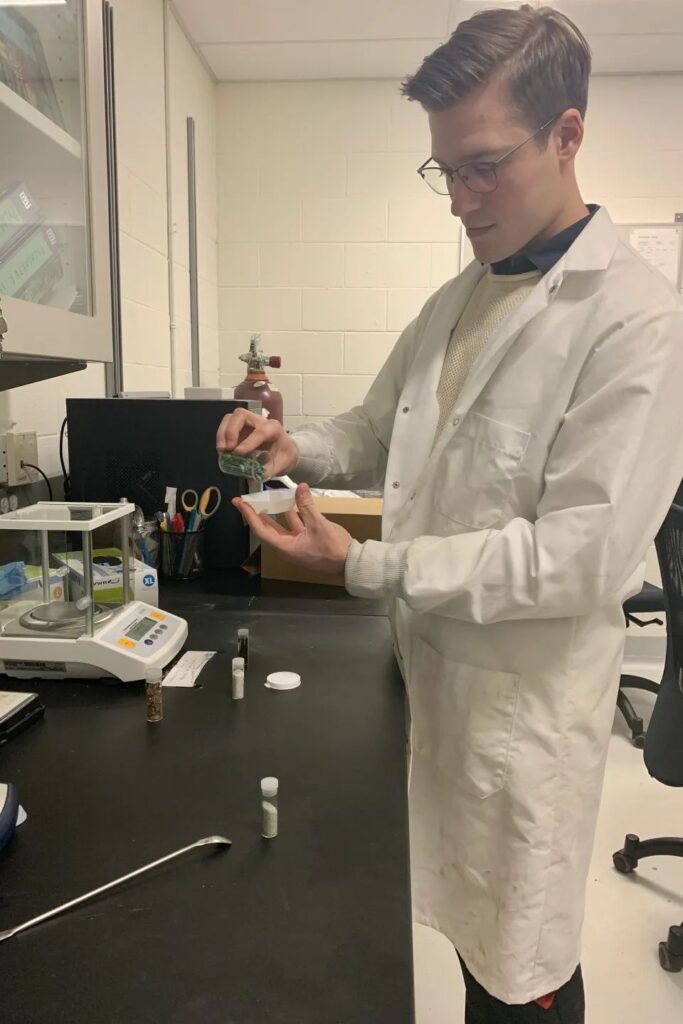
I received a Bachelor of Science Degree from the University of British Columbia (UBC) and an obtained my MSc at the same university. My graduate work involved experimental geoscience where I designed an apparatus to investigate how diamonds reach the surface of the Earth through high velocity magmas. I published articles in two high impact journals and presented the work across Canada and Europe.
During my graduate studies I had the privilege of lecturing a few classes which transitioned into a lectureship position. Teaching at the university level involves lecturing a class of over 200 baithuti, which is very different to the work I do at Reach Out, but has helped me develop a dynamic teaching style.
Additionally, I have been teaching Math and Science both privately and through educational organizations for over 6 Lilemo.
Why did you join Reach Out?
I joined Reach Out because the prospect of being able to deliver high quality education from around the globe without border restrictions resonates with me.
I feel that the reason I am committed to staying at Reach Out is more important. The personalized classes being delivered has allowed me to connect with the students, making their progression much more meaningful to me. Some students have been together with me through multiple grade levels and I feel immensely proud to have played a role in their education.
What is your educational philosophy?
Having a background in experimental science has allowed me to see value in making breakthroughs through experimentation. By allowing students to experiment with different methodologies while offering guidance is an extremely effective way of teaching students to not be afraid of failure. Richard Fuller correctly said, “There is no such thing as a failed experiment, only experiments with unexpected outcomes.” Students often start my classes afraid to answer questions, discuss with their classmates, or write on the board since they don’t know the answers. Since I am always more focused on solutions rather than answers, students’ are rewarded for trying new techniques, discussing failed methods, and asking questions about their classmates’ work. I found this to produce a phenomenal learning environment and takes a lot of pressure off the students.
What is your favorite thing about teaching Math?
My favorite thing about teaching Math is the exciting challenges it provides. After teaching Math for many years, I have come to realize that students see the world from a unique perspective, which more often than not, is very different from my own. This diversity produces a wide spectrum of learning styles and requires me to stay very flexible with the methodologies I use in my teaching.
Math is a complex subject which has provided us with a universal language to better understand the universe that surrounds us. Having a good problem solving ability is a byproduct of learning Math and crucial for success in the modern world. For these reasons I have the responsibility to transform a traditionally dry and boring subject into something exciting by creating compelling lessons and using creativity to inspire my students. This will always be something I love about my job.
Who is your favorite mathematician and why?
This is a tough question, and it’s hard to pinpoint one Mathematician since I utilize the works of so many Mathematicians in just one lesson. If I had to pick it would be either Johannes Kepler or Nicolaus Copernicus since I also love astronomy. Their Math not only challenged everything that was believed about our solar system at the time, but also formed the foundations for understanding planetary motion. Space travel has relied heavily on these concepts.
If you could only give parents one piece of advice when it comes to helping their child improve in Math, what would it be?
One thing I have worked on a lot with my students, is getting them to explain their solutions to me regardless of how easy it may seem. Being able to arrive at the correct answer in certain school curriculums may not require a complete understanding, but being able to explain a solution well does require a good understanding. Make sure that your child is always showing very clear steps in their work and that they can explain their steps to you. This certifies understanding and shows they are prepared for questions which test the same concept but may be worded differently.
What is one fun fact about yourself?
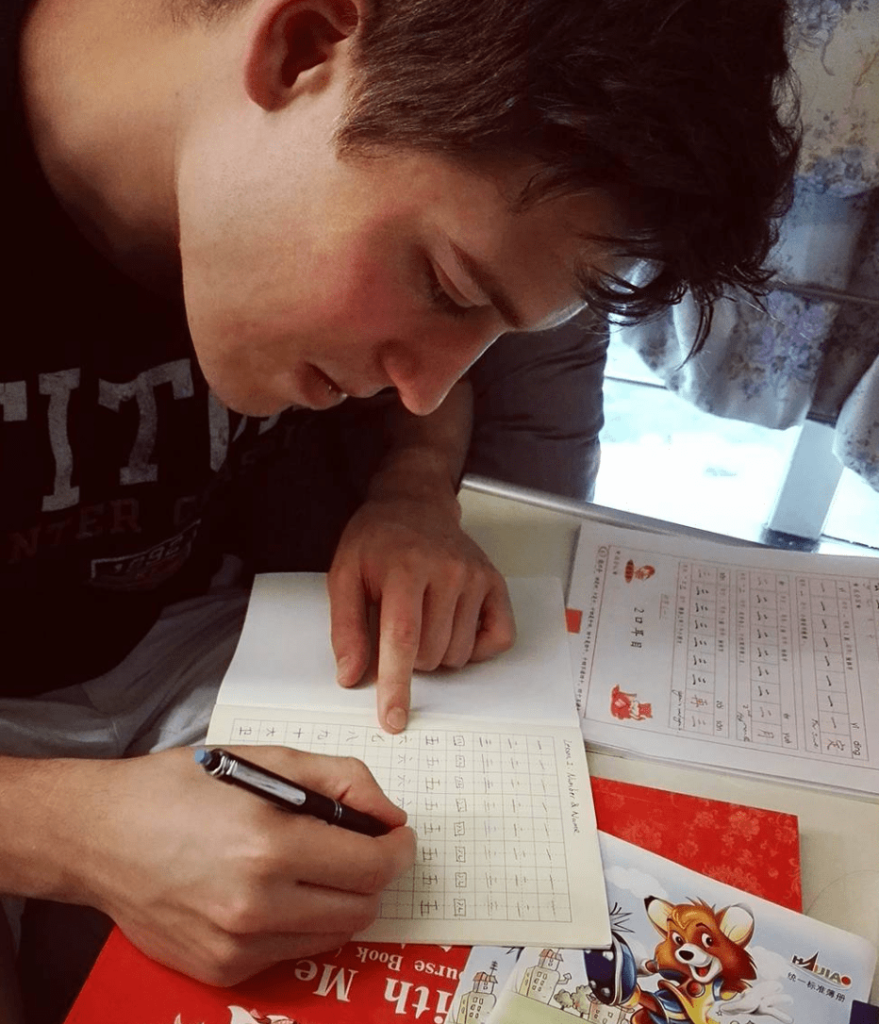
I really like learning languages! After growing up in many different countries I can speak English, Swedish, and German fluently. For the past two years I have been working to add Chinese to my collection and have enjoyed the unique challenges that learning this complex language has provided me with.
The Secret Garden is a piece of classic literature that has been part of an untold number of childhoods (if you missed our article on why children should read classic novels, see it linked below!). It is a powerful tale of friendship and discovering oneself that resonates with our souls.
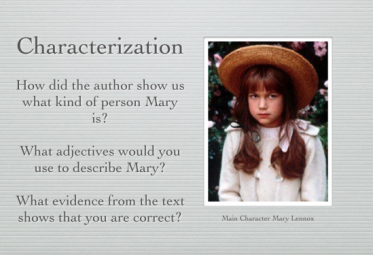
The Secret Garden is about a young girl named Mary Lennox who loses her family and everything familiar with her due to a cholera outbreak in India, where her father was working as a British Army Captain. As a child, Mary was quite neglected, but indulged by family’s servants, so she was a spoiled child with a terrible disposition. She had very few traits that would help her cope with a new life in England, where she was sent to live with a grouchy distant relative, Monghali. Craven.
Monghali. Craven had very strict rules for Mary to follow at her new home at Misselthwaite Manor in Yorkshire, which included her being forbidden to enter various rooms inside the giant mansion, as well as forbidden to enter one of the gardens on the sprawling property, which belonged to his beloved late wife. As Mary begins to explore her new home, she begins to find a sense of happiness and regains her health after being sickly for much of her childhood. After a robin helps her find the key to the secret garden, she finds a sense of purpose in restoring the garden, much as she restores her inner self. Through the thorns and dried leaves of winter, she finds much more lies within.
Aided by new friend Dickon, Mary develops her first friendships, and uses her newfound strength and kindness to help her bedridden cousin Colin, whom she finds tucked away in the manor. Friendship strengthens both Mary and Colin, and in the end, everyone witnesses a miracle only made possible by these close bonds and belief in oneself, two very important themes in the novel.
Young people will love reading this fantastic story of friendship, overcoming obstacles, and experiencing the healing power of nature. The characters and the lessons they teach us will surely touch your child and help them experience the power of a great story.
If you would like an opportunity for your child to experience this story with others, we are happy to let you know that we will be reading The Secret Garden as the first novel in our Young Classics Level 2 Course this summer.
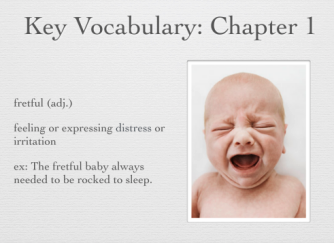
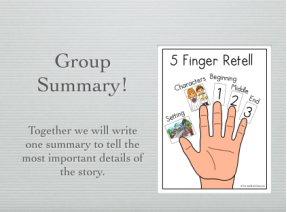
In the course, we not only read the novel, but we also learn and apply new vocabulary from the book, discuss important literary techniques used by the writer, and practice writing summaries, a key skill that many students find challenging
If you are interesting in learning more about Young Classics, or and of our other excellent and engaging courses, ikopanye le e mong oa Baeletsi ba rona ba Thuto kajeno! We hope to work with your child very soon!
Literature study is an important aspect of any excellent academic program, and that is because it helps to teach students a wide range of knowledge and skills that are essential for success in many areas of life. While studying literature, students learn about important events and people throughout history, they consider cultural perspective and increase their own understanding of acceptance of different ideas and beliefs, and they learn how to analyse the words of others in order to form a deep understanding of new ideas and ways of communicating. In short, it exposes students to a toolbox of ideas, techniques, strategies, theories, and more that they will carry with them throughout their life, shaping the way they approach the world.
Why do we offer this course?
Reach Out students typically pursue high school programs such as IGCSE, which includes challenging courses such as English Language and Literature and English as a First Language. Later, most of those students will take on the challenge of IB and AP level programs, in which they must take on the task of reading a variety of literature. Our aim is to expose students in upper primary and middle school to a wide range of advanced literature so that by the time they reach high school they possess the knowledge and skills to hit the ground running, and therefore achieve to a higher level.
This course is designed for Grade 7-9 baithuti.
The Objectives of our Advanced Literature Course are to:
✪ Enhance students’ ability to understand and discern literary techniques used English and American literature, and the ability to communicate the effects of those techniques;
✪Improve children's literary comprehension skills and increase their understanding of British and American culture;
✪ Under the guidance of our expert educators, learn the power of language and storytelling in a challenging yet engaging way.
Meet Our Teachers
*Insert teacher bios here for Barry, Anthony, and John*
Our Book Selections:
Cry the Beloved Country by Alan Paton
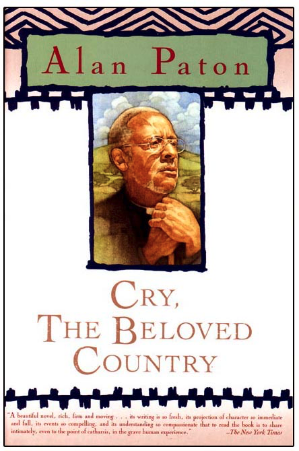
Set in South Africa in the 1940s, award-winning Cry the Beloved Country tells the story of a Zulu Pastor, Steven Kumalo, who travels from his village to the city of Johannesburg. Along his arduous and heart-wrenching journey, he discovers that his sister and son have found themselves in terrible situations that he must now face with them. The characters’ vastly different lives become unexpectedly woven together through tragedy during a dark time in South Africa’s history. Leha ho le joalo, through tragedy and challenges, the true nature of the human spirit can be found and uplift those who need it most.
Dracula by Bram Stoker
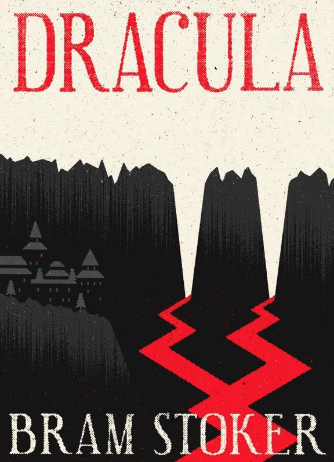
The legend of Dracula has loomed large in the minds of readers and movie-goers for generations. Bram Stoker based the infamous character of Dracula on the legend of the real life ruler of Wallachia, Vlad the Impaler. Stoker was able to take this dark corner of history and turn it into a legendary novel told through journal entries, letters and telegrams. As with any classic, Dracula has stood the test of time because it speaks to something very deep and meaningful within the human psyche.
Of Mice and Men by John Steinbeck
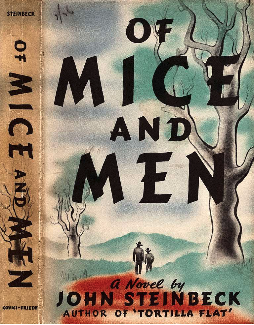
The Great Depression was a defining moment in American history that tested its strength as a nation, and placed the population in a precarious balance between life and death. In what is considered one of the greatest American classics, readers are introduced to two displaced migrant workers, George and Lennie. George is an intelligent young man, while Lennie is mentally disabled. George takes Lennie under his wing as they seek employment where few opportunities exist, trying to survive, yet still dreaming of the day they will have their own land and build a life. Their hopes are dashed when a devastating incident occurs that alters their lives forever.
What Students Will Gain
Develop an early sense of literary appreciation,
See the world from a more mature perspective
British and American classics contain thought-provoking moral and social issues. Reading the most influential classic literature thoroughly helps students become better readers, and begin the process of pursuing self-realization.
Improve understanding of culture and history
Learning allusions from classic British and American literature can help us bridge cultural differences. "The classics have opened the door to different worlds, different cultures, and different historical perspectives. Literature crosses race, culture, religion, and geography."
Self-reflection and personal growth
Many classic literature allude to our lives from the side: books that reflect similarities to our own lives are called "mirrors"; and those that give us a glimpse of different lives are called "windows." Whether it is a "mirror" or a "window", it further enriches the students' life experience and increases the courage and strength to face life.
Join Us!
Contact us to discover more about our course. We sincerely hope to meet your child soon, and develop a love of reading classic literature together.
Ke nako ea ho khutlela sekolong 'me rea tseba hore batsoali ba itokisetsa selemo se secha ka qaleho e ncha. Ho qala ha selemo se secha hangata ho kopana le motsoako oa thabo le ho tšoenyeha ho itseng, ha baithuti le batsoali ba lebelletse litsebo le liphihlelo tse ncha, empa hape o ka ikutloa o tšohile ka mekhoa e mecha le litebello.
Seke oa tšoenyeha, Ikopanye le eona mona ho thusa! Selemong sena, re na le 5 malebela a holimo a ho qala selemo se setle sa sekolo.
Ho utloisisa hore na sekolo sa ngoana oa hau se atamela thuto joang, hore na ba sebelisa kharikhulamo efe, litsamaiso life, 'me litekanyetso li sebelisoa e ka ba boima haholo bakeng sa bao e seng barupeli. Ho qeta nako e nyane letsatsi ka leng u bala litaba tsa webosaete ea sekolo sa hau, libuka tsa matsoho, le lisebelisoa tse ling li ka u thusa hore u ikutloe u le sebete haholoanyane ho utloisisa seo ngoana oa hao a ithutang sona sekolong le kamoo a ithutang kateng. Hape ke habohlokoa hore u be teng libokeng tsa ngoana oa hao tsa ho khutlela sekolong le ho fana ka boitsebiso ho fumana kutloisiso e molemo ea lenaneo la ngoana oa hao ka kakaretso.. E boetse e fana ka monyetla o motle oa hore u thehe kamano le tichere ea ngoana oa hau. Ka nako efe kapa efe haeba u ntse u e-na le lipotso, kamehla u ka romella tichere ea ngoana oa hao e-mail. Li teng bakeng sa hau le ngoana oa hau, kaha ba tseba hore kamano e ntle le batsoali ke tsela e ntle ea ho netefatsa thuto, sechabeng, le katleho ea maikutlo bakeng sa liithuti tsohle.
2. Etsa bonnete ba ho Tšoara Zzzzs tse lekaneng Pele ho li-ABC
Boroko bo bohlokoa haholo bakeng sa khōlo le tsoelo-pele ea ngoana, ’me ho haella ha eona ho ka ama katleho ea ngoana thutong hampe. Haele hantle, liphuputso li bontša hore ho fokolloa ke boroko baneng ho ka lebisa litekanyetsong tse phahameng tsa ho tšoenyeha le ho tepella maikutlong. Ha re robala, boko ba rōna bo sebelisa boitsebiso bo tsoang mehleng ea hae, e fumana sistimi e ntle ka ho fetisisa ea ho e tlosa mehopolong, le ho lefisa sistimi ea rona hape bakeng sa letsatsi le lecha. Ka mabaka a fapaneng, Hangata batsoali ba fumana ho le thata ho khomarela nako ea ho robala pele ho nako, empa ka mokhoa o hlakileng, le nako ea ho lokisa, ho ka ba bonolo! Bana 3-6 lilemo li lokela ho ba teng 10-12 lihora tsa ho robala ka letsatsi, 7-12 ba lilemo li lokela ho fumana 10-11 lihora ka letsatsi, le 12-18 ba lilemo li lokela ho fumana 8-9 lihora ka letsatsi. Ho theha kemiso moo bana ba robalang kapele ho tla etsa hore hoseng ho be bonolo hape, ka tšepo ho tla ba le khatello e fokolang bakeng sa batsoali le bana kaha ba tla be ba phomotse hantle 'me ba loketse ho qala letsatsi la bona!
3. Botsa Lipotso Tse Nepahetseng ka Nako e Nepahetseng
Ka linako tse ling batsoali ba labalabela ho tseba hore na letsatsi la ngoana oa bona le ne le le joang hang ha ba fihla hae ba tsoa sekolong, haholo-holo nakong ea libeke tse seng kae tse qalang. Libeke tseo li khathatsa ka ho khetheha 'me li tletse ho kheloha le ho theoha ha ngoana oa hao a ntse a ithuta ho sebelisa boitsebiso bo bocha, metsoalle e mecha, matichere a macha, le litebello tse ncha. Ho ba fa nako ea ho khutlela hae le ho senya ke habohlokoa haholo bakeng sa boiketlo ba bona ba maikutlo le ba kelello. Hang ha ba se ba bile le nako ea "'na"., batsoali ba ka botsa lipotso tse tobileng ho latela seo ba tsebang hore ba sebeletsa ho sona, haeba ba tseba. Ba ka bala bukana ea ngoana oa bona ea mosebetsi oa sekolo o etsetsoang hae le ho ba thusa ho etsa moralo oa ho etsa mosebetsi o mong le o mong., hammoho le ho kopanela chesehong ea bona bakeng sa lithuto tse itseng, libuka, kapa boitsebiso boo le bona ba bo thabelang. Qoba ho botsa, “Ho ne ho le joang sekolong? O ithutile eng?” ha bana ba arabela hamolemo haholoanyane lipotsong tse tobileng haholoanyane, joalo ka, “O ne o etsang le metswalle ya hao nakong ya dijo tsa motsheare? E ne e le karolo efe e ntle ka ho fetisisa ea letsatsi la hau? Ke ntho efe e makatsang kapa e makatsang e etsahetseng sekolong kajeno?” Habohlokoa ka ho fetisisa, batsoali ba lokela ho ba teng ka ho feletseng ’me ba mamele ka hloko ha liithuti li araba, kahoo ba ikutloa ba le bohlokoa ebile ba utloa ha ba arolelana.
4. Ba ke ba Ithute ka ho Hloka
Sena se ka ba thata haholo hore batsoali ba se lumelle. Re batla hore bana ba rona ba sebetse hantle mme ba fihlele bokgoni ba bona ka botlalo, ho bolelang hore re ka etsa mosebetsi o mong le o mong ka kama e nang le meno a matle, ho lokisa phoso enngwe le enngwe ya ho bala kapa ho fosa puo. Le hoja batsoali ba e-na le sepheo se setle ha re etsa sena, re tlosa menyetla ea bohlokoa ea ho ithuta ho bana ha re etsa joalo. Morao koana re ne re le liithuti, batsoali ba rōna ba bangata hangata ba ne ba tšoarehile haholo kapa ba se na tsebo kapa bokhoni ba ho re thusa ka mosebetsi oa rōna oa sekolo, empa re fumane mokhoa oa ho sutumelletsa le ho leka ka hohle kamoo re ka khonang. Haeba ha ho mohla bana ba fuoang menyetla ea ho hlōleha ha ba sa le banyenyane, ba ka ’na ba hana ho tobana le liphephetso hamorao bophelong hobane ba tšaba hore ba tla hlōleha ho li etsa. Leha ho le joalo, ha re ba tlohela ka bonolo, joalo ka mosebetsi kapa papaling e nyane ea bolo ea maoto, re ba ruta ho tiea. Ha se pheletso ea lefatše, ’me ba ithuta thuto ea bohlokoa; hore re ka leka mme ra se atlehe, re ithuse lerole, ebe o leka hape nakong e tlang.
5. Hlahisa Lithahasello Tsa Bona
Lilemo tse ncha tsa sekolo ke nako e thabisang ka mabaka a mangata, e 'ngoe ea tsona ke hore ba fa bana monyetla oa ho fumana litakatso tse ncha. Haeba ba lehlohonolo, ba tla khoptjoa ke ntho eo ba e ratang e le kannete, le hore ba ka khahloa ke hoo ba ka qetang lihora tse ngata ba ntse ba sibolla. Ho thusa ngoana ho fumana takatso ea hae ha ho bonolo kamehla ebile ho nka nako. Ka linako tse ling batsoali ba tšoenyeha haeba ngoana oa bona a tsepamisitse maikutlo haholo linthong tse 'maloa, 'me ba ikutloa ba hloka ho ba pepesetsa ka hohle kamoo ho ka khonehang ho ba thusa ho ba bōpa hore e be batho ba phethahetseng. Leha ho le joalo, ha re sheba batho ba bopileng lefatshe la rona, e ne e le hobane ba ne ba tsepamisitse maikutlo ho seo ba neng ba se chesehela. E ne e le sohle seo ba kileng ba se etsa kapa ho se etsa. Joaloka batho, ka tlhaho re hohela seo re se ratang haholo, 'me hafeela e fana ka mofuta o itseng oa bohlokoa holim'a phethahatso, re lokela ho tsoela pele ho e phehella. Kahoo, u se ke ua tšoenyeha haeba ngoana oa hao a ipelaetsa ho ea ketsahalong e le 'ngoe ha a ntse a tsoa monyako ho ea ho e' ngoe. Mohlomong eo ba mo ratang ke oa bohlokoa ka ho fetisisa khōlong ea bona le tsoelo-peleng ea bona, mme eo ba sa e rateng ha e hlokehe.
Re tšepa hore lintlha tsena li thusitse, mme re lakaletsa wena le ngwana wa hao mahlohonolo selemong se tlang sa sekolo! Re thabetse selemo se secha sa sekolo le liqholotso tsohle mme re ts'epa hore se tla tla.
Reach Out e tla ba le uena mohatong o mong le o mong oa tsela, kahoo ela hloko lintlha tse ling le lingoliloeng tse ling tseo re tšepang hore u tla li rata!